
When it comes to SUV ownership, maintenance costs can make or break your budget, and brake system expenses are among the most significant recurring costs you’ll face.
While most drivers focus on fuel economy and insurance rates, the frequency of brake pad replacements can add hundreds or even thousands of dollars to your ownership experience over the years.
Understanding which SUVs are gentle on their brakes and which models seem to devour brake pads like candy can save you substantial money and frustration.
Brake pad longevity isn’t just about the quality of the pads themselves. It’s a complex interplay of vehicle weight, brake system design, regenerative braking technology, driving dynamics, and even the intended use of the vehicle.
Some SUVs feature advanced brake systems with regenerative capabilities that significantly reduce wear on traditional friction brakes, while others rely on conventional systems that bear the full burden of stopping several thousand pounds of metal, passengers, and cargo.
Some hybrid SUV owners report going over 100,000 miles on original brake pads, a feat nearly impossible with conventional braking systems. This technology represents one of the most significant advances in reducing brake maintenance costs in automotive history.
On the flip side, performance-oriented SUVs and those designed for heavy towing often sacrifice brake longevity for stopping power.
Softer, more aggressive pad compounds provide excellent initial bite and fade resistance but wear much faster than harder compounds. Understanding these trade-offs is essential for prospective buyers.
In this comprehensive analysis, we’ll examine five SUVs renowned for exceptional brake longevity and five models that have earned reputations as brake pad destroyers.
Whether you’re shopping for your next SUV or simply curious about why your current vehicle seems to need constant brake work, this guide will illuminate the factors that separate the brake-friendly champions from the pad-eating culprits.
5 SUVs That Rarely Need Brake Jobs
These exceptionally engineered vehicles feature braking systems designed with generously sized rotors and calipers, high-quality friction materials, and intelligent regenerative braking integration that dramatically extends component service life through reduced thermal stress and mechanical wear during normal driving conditions.
Their thoughtful engineering includes brake pad compounds formulated with ceramic or semi-metallic materials that resist fade and wear uniformly, rotor assemblies manufactured with adequate thickness and superior metallurgy that resists warping despite repeated heat cycling, and caliper designs with proper piston sizing that distributes clamping pressure evenly across pad surfaces preventing premature wear patterns.
From mountainous terrain requiring sustained braking to heavy towing duty that generates extreme thermal loads, these remarkable braking systems continue delivering consistent stopping power without developing pulsation, excessive dust accumulation, or rapid pad consumption that plague lesser designs.
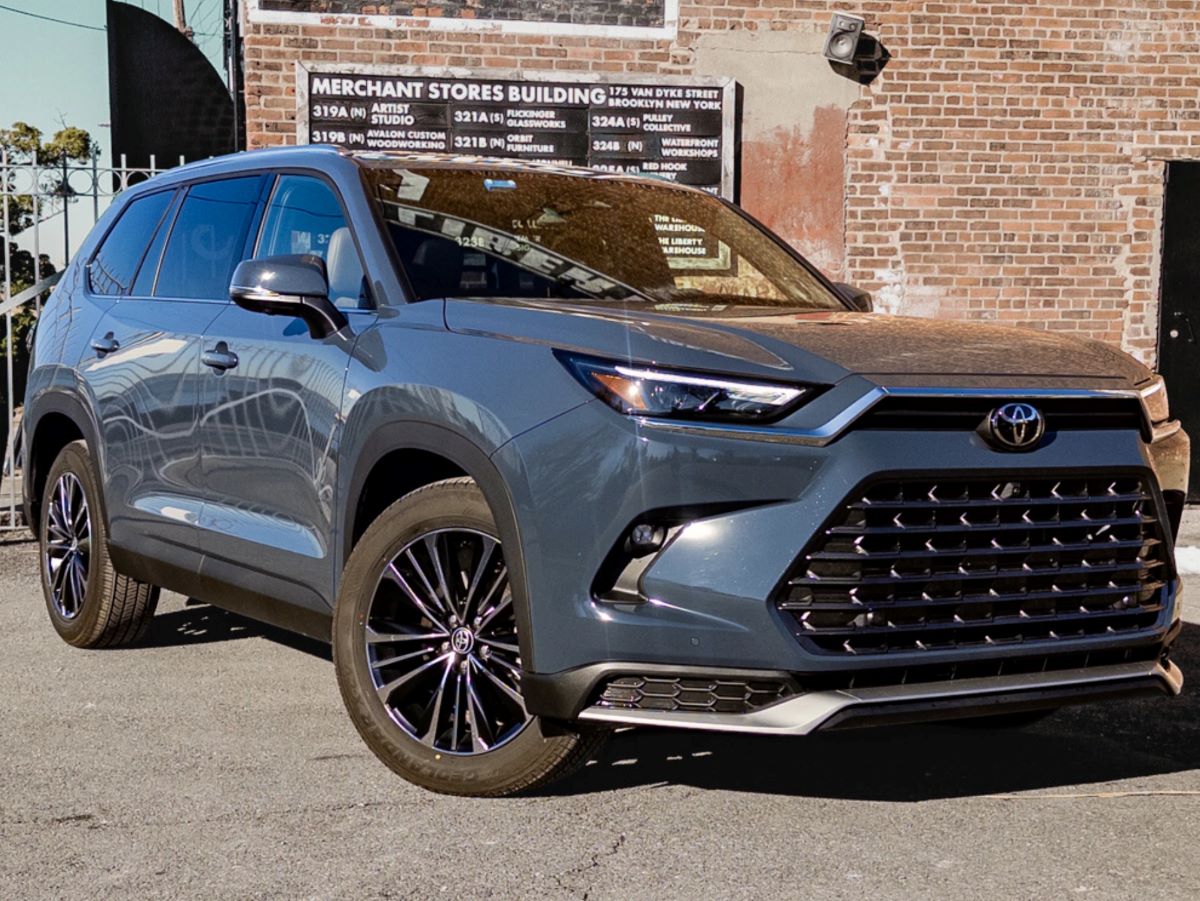
1. Toyota Highlander Hybrid
The Toyota Highlander Hybrid stands as the gold standard for brake longevity in the three-row SUV segment, with many owners reporting 80,000 to 100,000 miles or more before their first brake pad replacement.
This exceptional performance stems primarily from Toyota’s sophisticated hybrid system, which employs regenerative braking to capture energy during deceleration.
Every time a Highlander Hybrid driver lifts off the accelerator or applies the brakes gently, the electric motors reverse their function and act as generators, slowing the vehicle while simultaneously recharging the battery pack.
This process handles a significant portion of routine braking duties, dramatically reducing wear on the conventional friction brakes. Beyond the hybrid technology, Toyota engineered the Highlander with generously sized brake rotors and well-designed calipers that distribute braking force evenly across the pad surface.
The brake pads themselves use a durable compound formulated for longevity rather than maximum performance, which makes perfect sense for a family-oriented SUV.
The vehicle’s relatively conservative tuning also contributes to brake longevity. Unlike sportier SUVs that encourage aggressive driving, the Highlander’s relaxed throttle response and smooth power delivery naturally promote a driving style that’s easier on brakes.
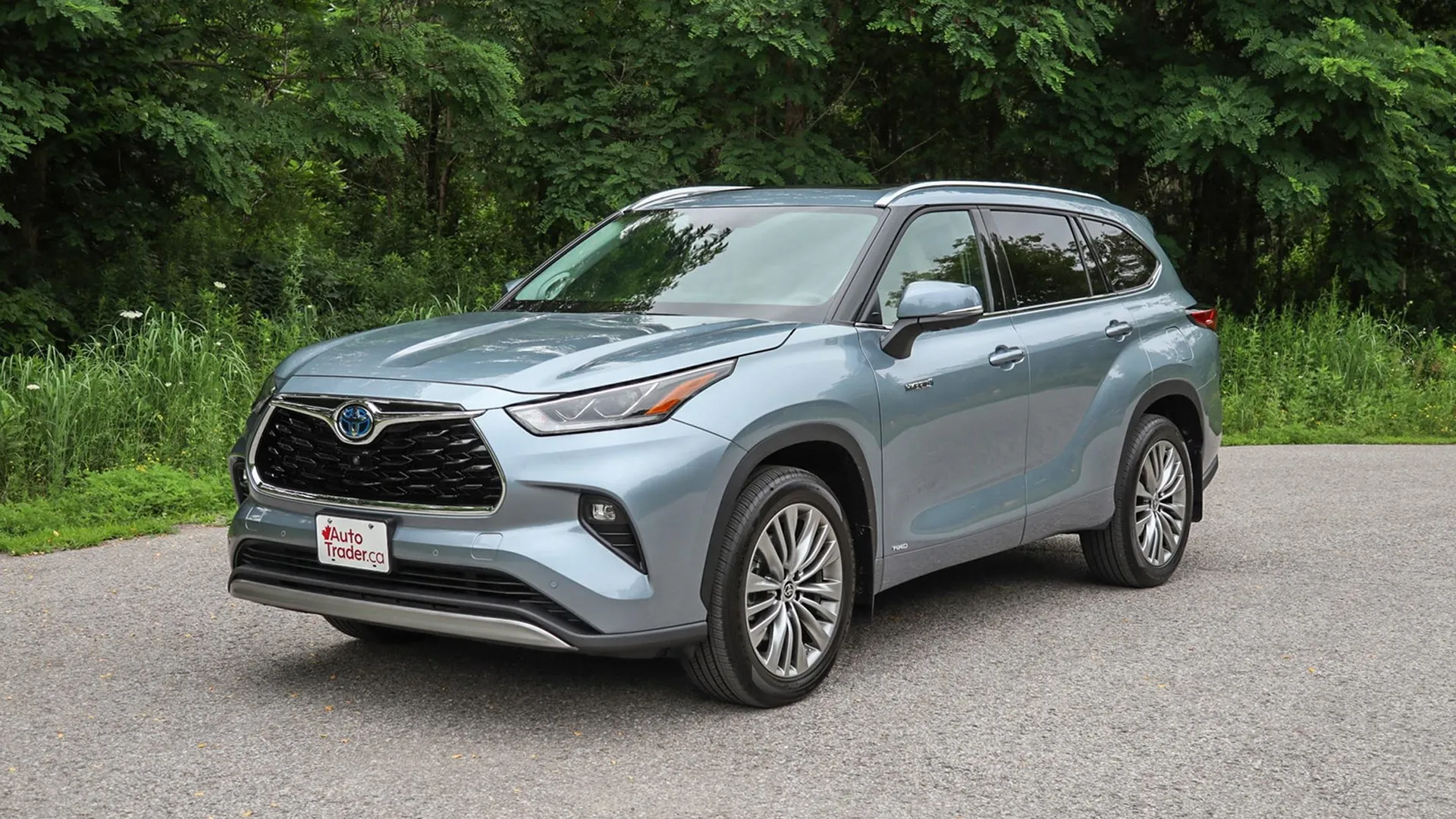
The Highlander Hybrid’s brake system also benefits from excellent cooling. The rotors are positioned to receive adequate airflow during highway driving, preventing the heat buildup that accelerates pad glazing and wear.
Toyota’s engineers also calibrated the regenerative system to handle the majority of light to moderate braking situations, with the friction brakes only engaging fully during emergency stops or when the battery is fully charged and can’t accept more energy.
Owner testimonials consistently praise the Highlander Hybrid’s brake longevity. Online forums are filled with amazed owners sharing photos of their original brake pads still showing substantial thickness after 70,000, 80,000, or even 90,000 miles.
This isn’t just good news for maintenance costs—it’s also better for the environment, as fewer brake pad replacements mean less particulate matter released into the atmosphere and fewer parts manufactured and shipped.
The financial implications are substantial. While the Highlander Hybrid commands a premium over the standard gasoline model, the combination of fuel savings and reduced brake maintenance helps offset that initial cost.
Over a ten-year ownership period, owners might save $1,000 to $1,500 on brake service alone compared to conventional SUVs. Toyota’s legendary reliability reputation extends to the brake system, with very few reported issues beyond normal wear.
The brake fluid typically needs changing every three years as with any vehicle, but the actual friction components last far longer than average, making the Highlander Hybrid an excellent choice for anyone seeking minimal maintenance hassles and maximum value.
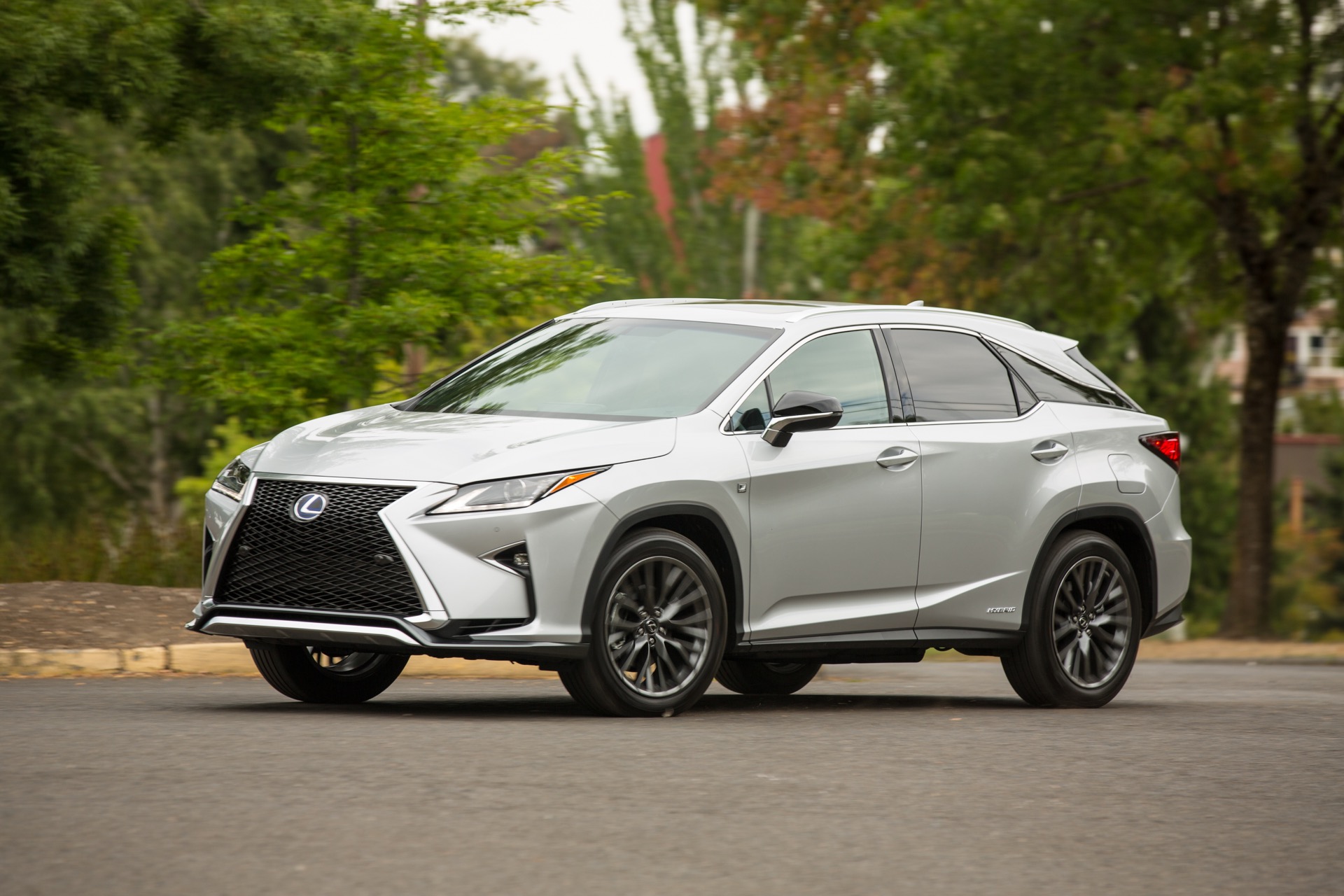
2. Lexus RX Hybrid
The Lexus RX Hybrid shares much of its mechanical DNA with the Toyota Highlander Hybrid, but adds luxury refinement, slightly more aggressive styling, and an even more sophisticated approach to brake management.
Lexus owners regularly report brake pad life exceeding 70,000 miles, with many approaching or surpassing 100,000 miles on the original pads.
This remarkable longevity comes from the same fundamental regenerative braking technology found in Toyota’s hybrid vehicles, but Lexus takes it a step further with additional refinements that make the system even more efficient and transparent to the driver.
What sets the RX Hybrid apart is Lexus’s obsessive attention to brake feel and modulation. The transition between regenerative and friction braking is virtually seamless, encouraging drivers to rely more heavily on regenerative deceleration.
The brake pedal feel is carefully tuned to provide natural feedback despite the complex interplay between electric motors, hydraulic brakes, and sophisticated computer controls working behind the scenes. This natural feel encourages smooth, progressive braking that maximizes energy recovery while minimizing pad wear.
The RX Hybrid’s brake system also incorporates premium components throughout. The brake calipers are manufactured to tighter tolerances than mass-market vehicles, ensuring even pad wear and consistent performance.
The rotors use a high-quality cast iron formulation with excellent heat dissipation properties, and they’re sized generously for the vehicle’s weight class.
Lexus also employs a sophisticated brake dust reduction strategy, with low-dust pad compounds that not only keep wheels cleaner but also tend to wear more evenly and predictably over their service life.
From an engineering perspective, Lexus’s integration of the regenerative system with the traditional hydraulic system represents some of the finest work in the industry.
The system intelligently adjusts regenerative braking intensity based on battery state of charge, driving conditions, and brake pedal input, always optimizing for energy recovery when possible while ensuring safety and driver confidence remain paramount.
3. Honda CR-V Hybrid
Honda’s CR-V Hybrid has quickly established itself as a brake longevity champion since its introduction, with owners consistently reporting 60,000 to 80,000 miles or more between brake pad replacements.
Honda’s approach to hybrid technology differs somewhat from Toyota’s system, but it’s equally effective at preserving brake life. The CR-V Hybrid uses Honda’s two-motor hybrid system, which features one electric motor primarily for propulsion and another for generation.
During deceleration, this setup provides strong regenerative braking that handles most routine stopping duties without engaging the friction brakes.
What makes the CR-V Hybrid particularly impressive is that it achieves excellent brake longevity in a more affordable package than luxury hybrid SUVs.
Honda designed this system for mainstream buyers, making advanced brake-saving technology accessible to a wider audience. The regenerative braking system includes adjustable paddle shifters on the steering wheel that allow drivers to increase regenerative braking intensity, essentially enabling one-pedal driving in many situations.
This feature not only makes driving more engaging but also dramatically reduces friction brake usage, especially in city driving and stop-and-go traffic where brake wear traditionally accumulates fastest.
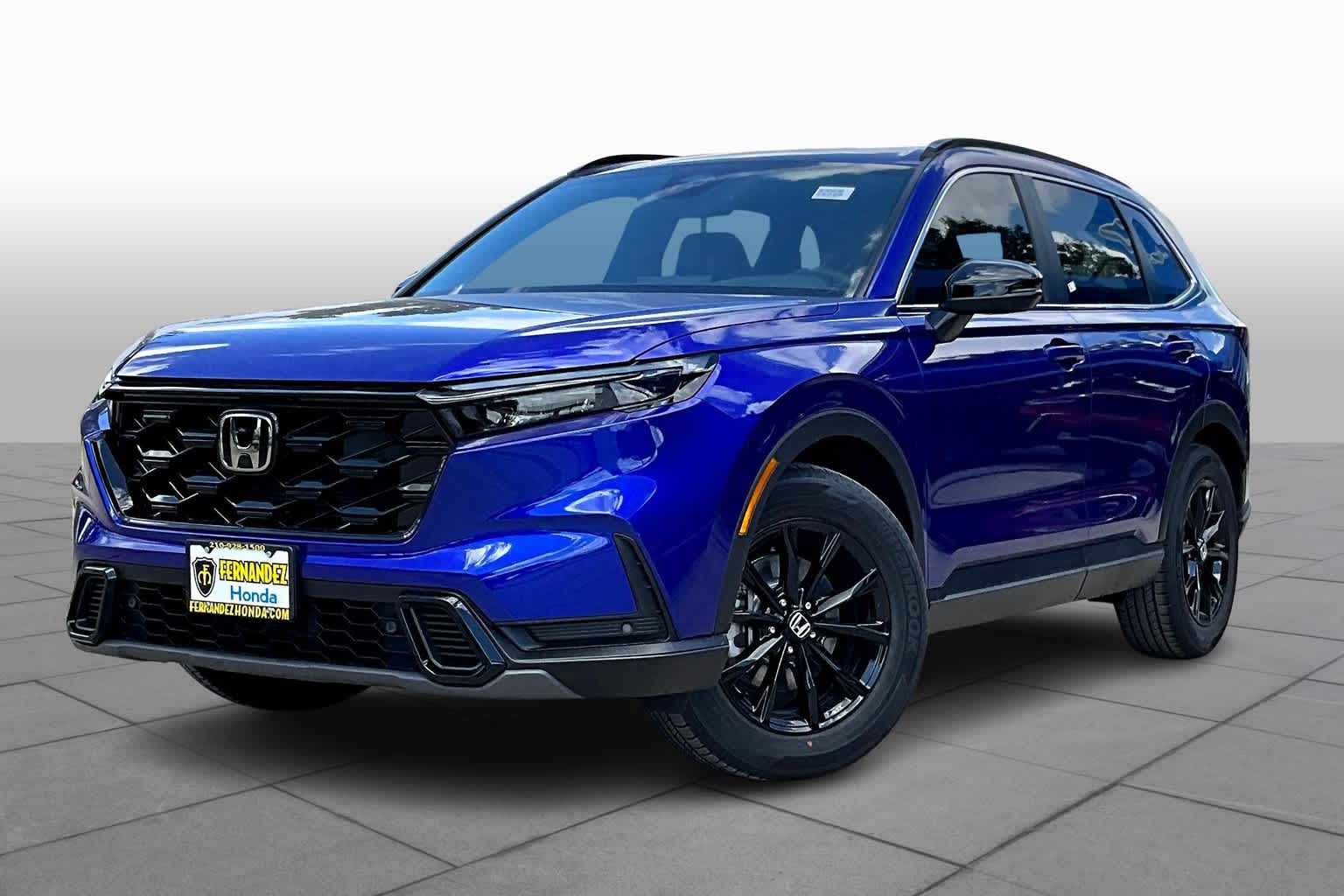
Honda’s engineering team sized the CR-V Hybrid’s friction brakes appropriately for the vehicle’s mission. The rotors and calipers are robust without being oversized, striking a good balance between stopping power, weight, and longevity.
The brake pad compound used in the CR-V Hybrid is formulated for long life and low dust, though it sacrifices some of the ultimate bite that more aggressive compounds provide.
For the vast majority of CR-V drivers who rarely encounter emergency braking situations, this trade-off is entirely appropriate and contributes to the impressive pad life.
The CR-V Hybrid’s relatively light weight also contributes to reduced brake wear. Weighing approximately 3,800 pounds, it’s several hundred pounds lighter than three-row competitors, meaning there’s simply less mass to stop.
This weight advantage, combined with the regenerative system, creates a compounding effect that significantly extends brake pad life.
Honda’s suspension tuning also promotes stable, controlled braking with minimal nose dive, which helps distribute braking forces more evenly and prevents excessive front brake wear.
Honda dealers have taken notice of the CR-V Hybrid’s excellent brake longevity, with service departments reporting fewer brake-related warranty claims and service visits compared to the non-hybrid CR-V.
Owners appreciate not only the cost savings but also the reduced brake dust on their wheels a common frustration with vehicles that wear through pads quickly.
The low-dust pads and reduced friction brake usage mean CR-V Hybrid wheels stay cleaner longer, reducing wash maintenance and keeping the vehicle looking better.
The CR-V Hybrid represents an excellent value proposition for buyers who want the benefits of hybrid technology, including extended brake life, without paying luxury vehicle prices.
The combination of fuel efficiency, low emissions, and minimal brake maintenance creates a compelling ownership experience that’s resonating strongly with practical-minded SUV buyers.
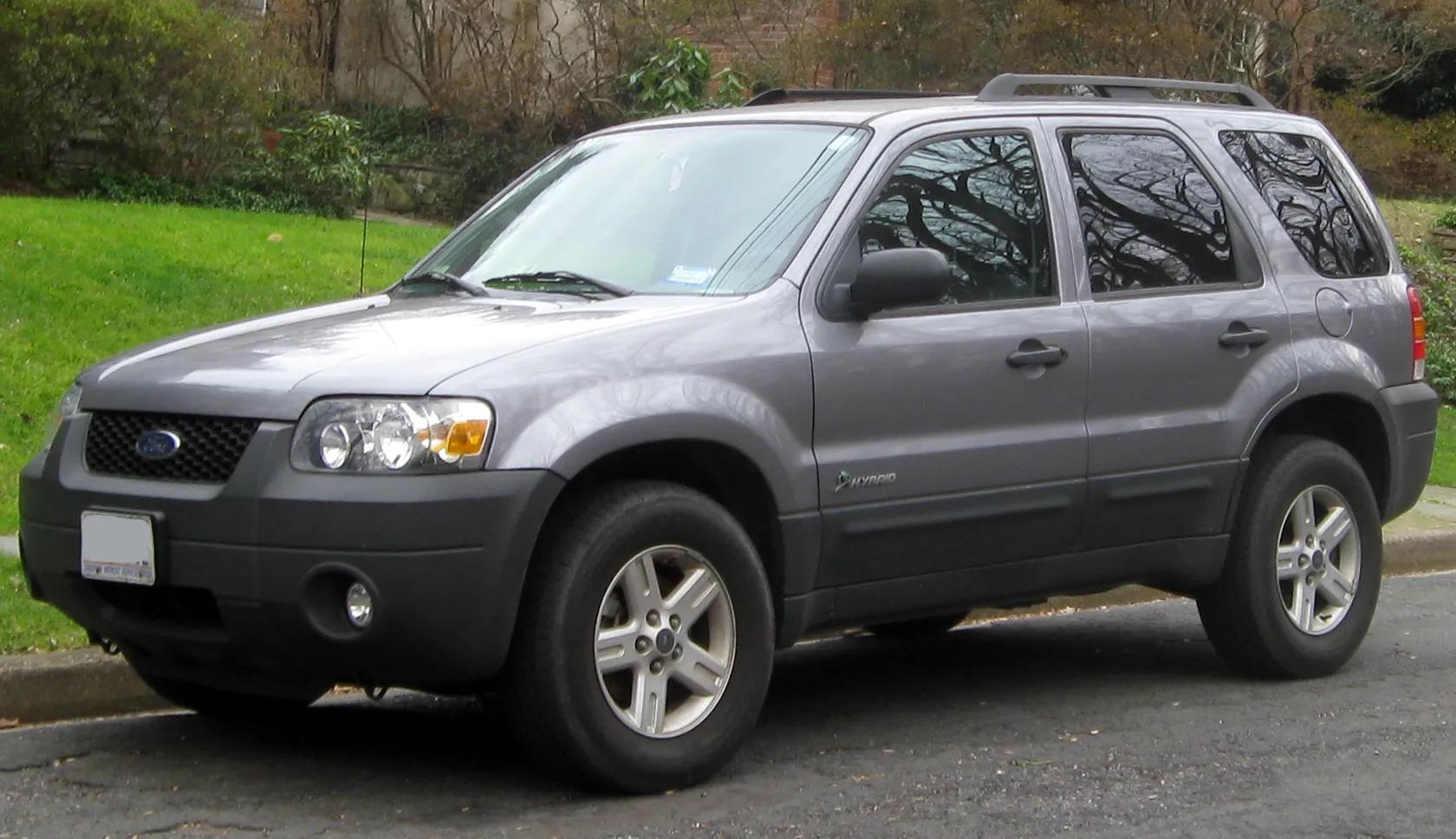
4. Ford Escape Hybrid
Ford’s Escape Hybrid demonstrates that American automakers can compete effectively with Japanese rivals in the brake longevity department.
Escape Hybrid owners regularly report 65,000 to 85,000 miles between brake pad replacements, performance that rivals Toyota and Honda’s best efforts.
Ford’s hybrid system, which shares technology with the company’s broader electrification strategy, provides robust regenerative braking that substantially reduces wear on the conventional brake components.
The system is intuitive and effective, seamlessly blending electric and friction braking to provide natural pedal feel while maximizing energy recovery.
One of the Escape Hybrid’s strengths is its sophisticated torque vectoring and brake force distribution system. The vehicle’s computer constantly monitors wheel speed, brake pedal pressure, vehicle load, and numerous other parameters to optimize how braking force is distributed among the four wheels.
This intelligent system prevents any single brake from working harder than necessary, promoting even wear across all four corners. Many competing vehicles show significantly more front brake wear than rear, but Escape Hybrid owners report more balanced wear patterns, which contributes to longer brake system life.
Ford equipped the Escape Hybrid with quality brake components that punch above the vehicle’s price class. The rotors are made from a refined cast iron alloy with good thermal properties, and they’re adequately sized for the Escape’s curb weight and performance envelope.
The calipers use a floating design that’s simple and reliable, and the brake pads themselves employ a low-metallic formulation that balances longevity, performance, and dust production.
While not quite as long-lasting as ceramic pads, these semi-metallic pads offer better cold performance and more consistent feel across a wide temperature range.
The financial benefits of the Escape Hybrid’s excellent brake life add to an already compelling value proposition. With competitive pricing, good fuel economy, and now proven brake longevity, the Escape Hybrid represents an excellent choice for buyers seeking American-made efficiency and reliability.
Also Read: 5 Cars That Rarely Blow Turbos vs 5 That Constantly Fail
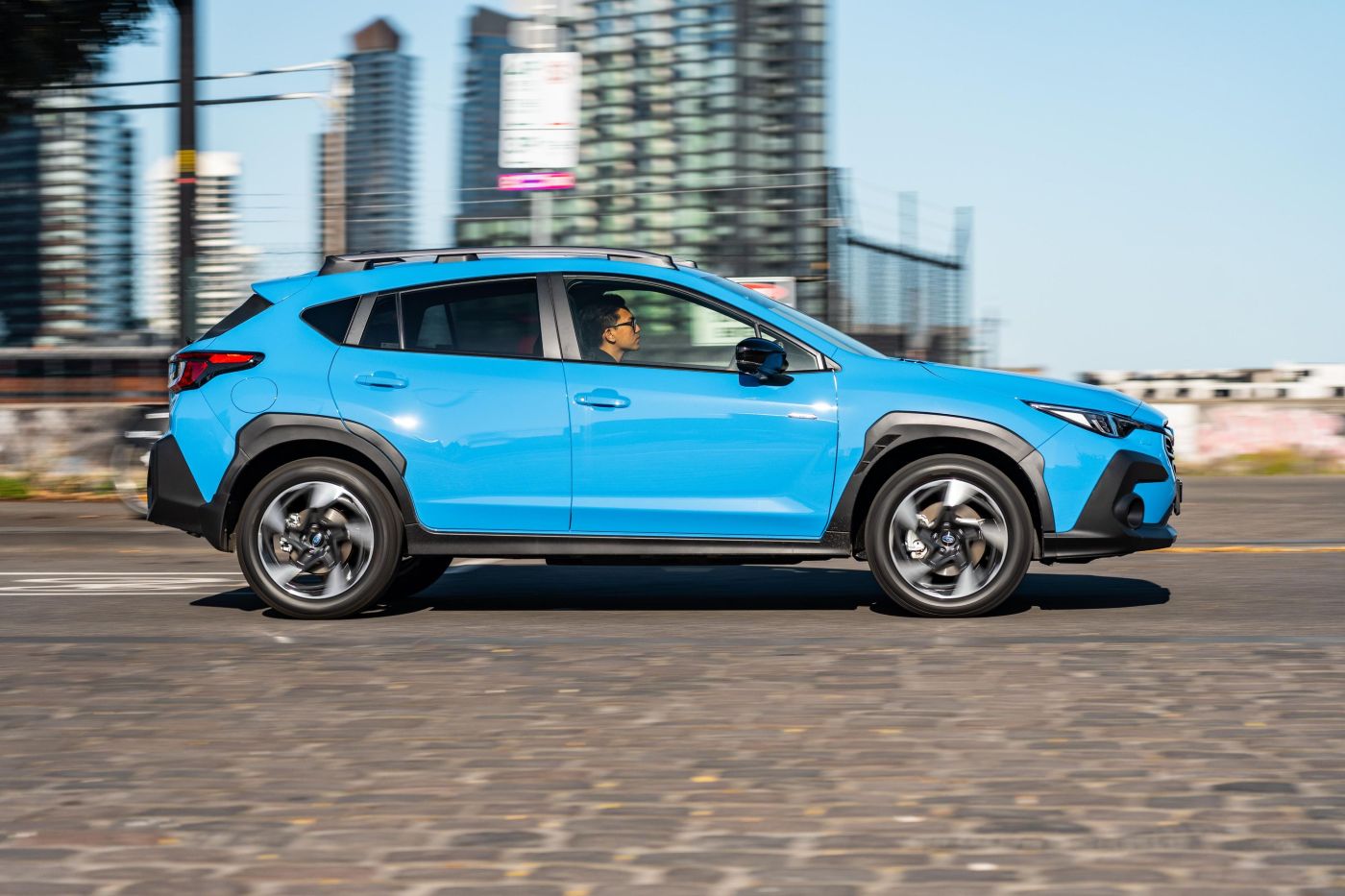
5. Subaru Crosstrek Hybrid
The Subaru Crosstrek Hybrid, while perhaps less well-known than some competitors, delivers impressive brake longevity that frequently exceeds 70,000 miles between pad replacements.
Subaru’s plug-in hybrid system provides substantial electric-only range, and during this electric operation, regenerative braking handles virtually all stopping duties except emergency situations.
This means that for owners who charge regularly and drive within the electric range frequently, the friction brakes can go extended periods with minimal use, dramatically extending pad life.
What makes the Crosstrek Hybrid’s brake longevity particularly noteworthy is that it achieves these results despite Subaru’s typical customer base being more adventure-oriented than average.
Subaru owners often drive on unpaved roads, tackle moderate off-roading, and use their vehicles for outdoor recreation. These activities traditionally accelerate brake wear, yet the Crosstrek Hybrid’s regenerative system is so effective that it overcomes these challenges.
The vehicle’s relatively light weight, around 3,600 pounds, also helps minimize brake stress even when loaded with camping gear or sporting equipment.
Subaru engineered the Crosstrek Hybrid’s brake system with the company’s trademark durability focus. The brake components are designed to withstand harsh conditions, including water crossings, muddy trails, and dusty environments that might compromise lesser systems.
The brake calipers feature protective coatings that resist corrosion, important for buyers in snow belt states who face road salt exposure.
The rotors are sized generously for the vehicle’s weight class, providing a safety margin that also contributes to longevity by preventing excessive heat buildup during demanding use.
The Crosstrek Hybrid’s regenerative braking system integrates seamlessly with Subaru’s symmetrical all-wheel-drive system, creating a cohesive powertrain that manages traction and braking intelligently.
The vehicle can independently adjust regenerative braking force at each wheel based on available traction, ensuring stable, controlled deceleration even on slippery surfaces while maximizing energy recovery.
This sophisticated control system prevents wheel lockup scenarios that can cause uneven brake pad wear and ensures that the friction brakes engage progressively and smoothly when needed.
Subaru dealers have noted the Crosstrek Hybrid’s exceptional brake longevity, with service departments rarely seeing these vehicles for brake work during typical maintenance intervals.
The brake fluid still requires periodic replacement per Subaru’s maintenance schedule, but the actual pads and rotors often remain serviceable far longer than conventional vehicles.
This reduced maintenance burden appeals strongly to Subaru’s practical, value-conscious customer base who appreciate vehicles that minimize ownership hassles while delivering capability and reliability.
5 SUVs That Eat Pads Fast
These problematic vehicles suffer from braking systems plagued by undersized rotors inadequate for vehicle weight, aggressive pad compounds that sacrifice longevity for initial bite, and design compromises that create excessive heat buildup accelerating wear and causing premature component failure during even moderate driving conditions.
Their flawed engineering includes rear brake assemblies doing disproportionate work due to improper brake bias calibration, caliper pistons that stick partially engaged creating constant pad contact and friction, and electronic brake-by-wire systems that apply excessive clamping force during regenerative blending transitions causing accelerated pad consumption without driver awareness.
From brake dust that coats wheels black within days to pulsating pedals developing before 30,000 miles from warped rotors, these troublesome braking systems create expensive maintenance with alarming frequency.
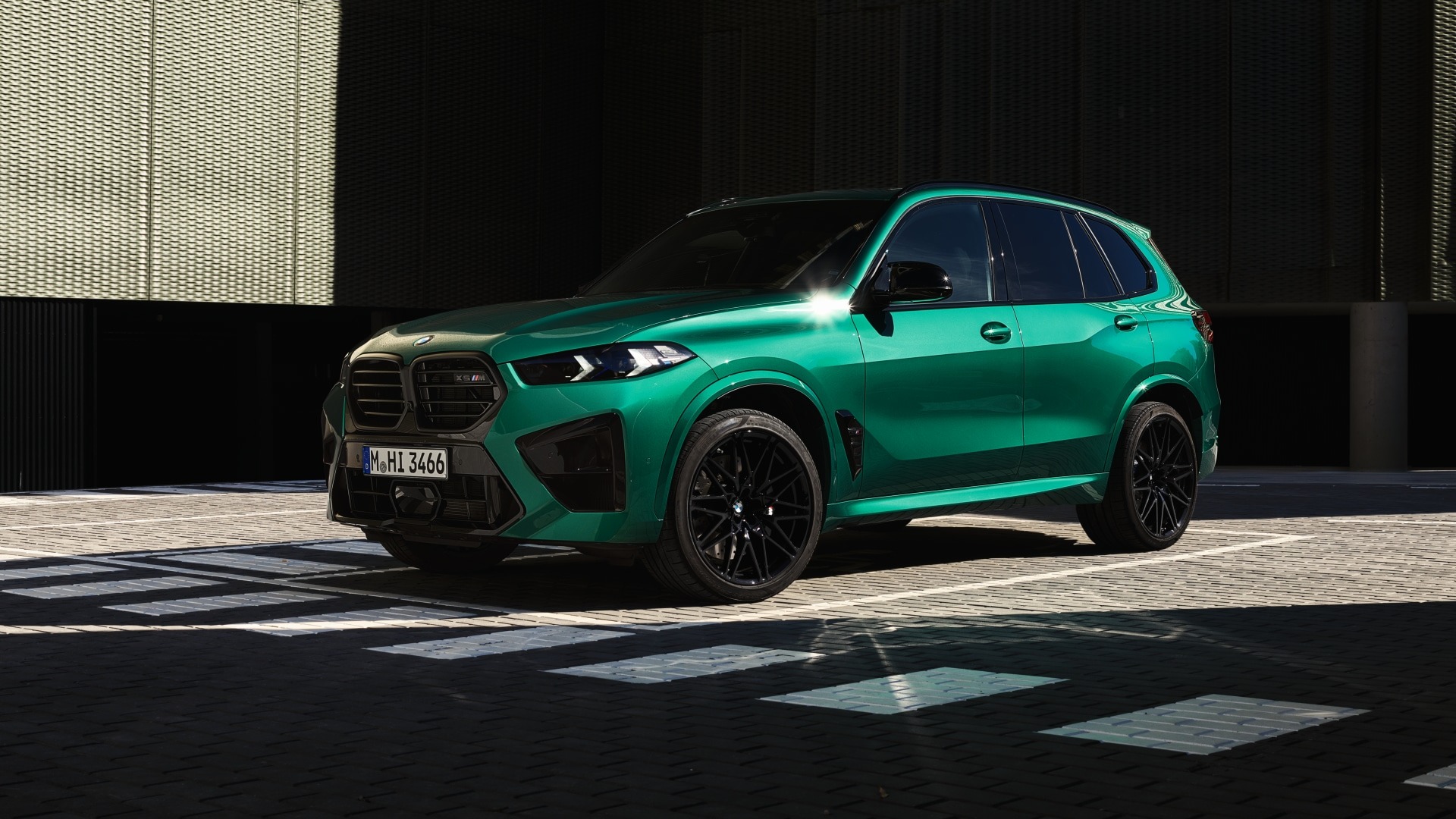
1. BMW X5 M
The BMW X5 M sits at the extreme end of the performance SUV spectrum, and its brake pad consumption reflects its focus on maximum performance over longevity.
Owners regularly report needing brake pad replacements every 15,000 to 25,000 miles, with some aggressive drivers requiring service even sooner.
This accelerated wear stems directly from BMW’s engineering priorities for the M performance variant, which emphasizes stopping power, fade resistance, and track capability over extended pad life.
The brake pads use an extremely aggressive compound formulated to provide maximum friction and heat resistance during spirited driving, but these high-performance characteristics come at the cost of rapid wear during normal use.
The X5 M’s massive braking system features enormous rotors, often 15 inches or larger in diameter, paired with multi-piston calipers that deliver tremendous clamping force.
While this hardware provides exceptional stopping power capable of repeatedly hauling the 5,300-pound SUV down from triple-digit speeds, it’s overkill for routine driving and contributes to accelerated pad wear.
The soft, sticky pad compound that performs brilliantly during aggressive driving situations wears quickly during mundane tasks like commuting and parking lot maneuvering. It’s somewhat like using race tires for grocery shopping technically functional but economically wasteful.
BMW compounds the brake longevity issue by using proprietary brake pad formulations that require BMW-branded replacement parts for optimal performance and warranty coverage.
These OEM pads are significantly more expensive than generic alternatives, often costing $400 to $600 for a complete axle set, plus labor.
When you’re replacing pads every 20,000 miles, these costs accumulate rapidly, adding $1,500 to $2,000 or more to ownership costs over a typical lease period.
Some owners experiment with aftermarket pads to reduce costs, but these often compromise the precise brake feel and performance that drew buyers to the M model in the first place.
For BMW X5 M buyers, frequent brake service is simply part of the performance vehicle ownership experience. These buyers typically accept or even embrace the high maintenance costs as validation of their vehicle’s capability.
However, for used X5 M shoppers or those unprepared for the ownership costs, the brake maintenance requirements can come as an unwelcome surprise that significantly impacts the total cost of ownership.
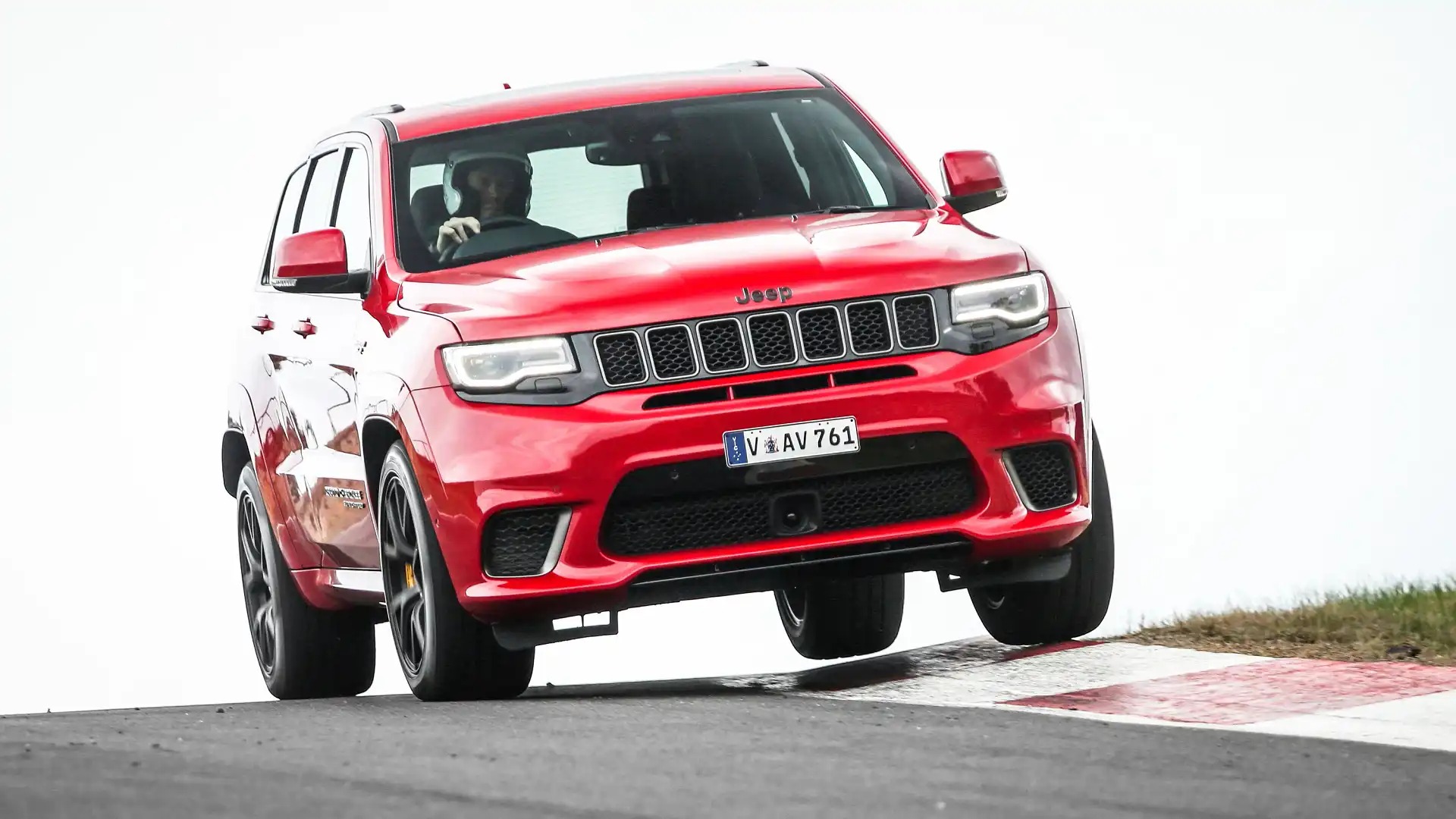
2. Jeep Grand Cherokee Trackhawk
The Jeep Grand Cherokee Trackhawk earns its place on this list through a combination of extreme power, substantial weight, and a brake system that prioritizes performance over longevity.
With a supercharged 6.2-liter V8 producing 707 horsepower, the Trackhawk is the most powerful production SUV available, and its braking system works overtime to control all that performance.
Owners commonly report brake pad life in the 18,000 to 28,000-mile range, with those who regularly exploit the vehicle’s performance capabilities seeing even shorter intervals between replacements.
The Trackhawk’s brake system features massive Brembo calipers with six pistons up front and four in the rear, clamping enormous 15.75-inch front rotors.
These competition-grade components provide phenomenal stopping power the Trackhawk can decelerate from 60 mph to zero in approximately 110 feet, remarkable for a 5,300-pound SUV.
However, this performance comes from using extremely soft, high-friction pad compounds that wear rapidly under all conditions. The pads sacrifice longevity for maximum bite and fade resistance, appropriate for a vehicle marketed as a track-capable performance machine.
Replacing Trackhawk brake pads is an expensive proposition. The high-performance Brembo pads can cost $600 to $800 for a complete axle set when purchased through Jeep dealers, and the specialized nature of the system often requires dealer service rather than independent shop work.
Labor costs add several hundred dollars more, and many Trackhawk owners find themselves facing $1,000 to $1,500 brake service bills with alarming frequency.
Over a five-year ownership period, brake costs alone can easily exceed $5,000, a significant expense even for buyers in this price bracket.
Jeep’s decision to prioritize performance over longevity makes sense given the Trackhawk’s positioning as a halo vehicle designed to showcase American performance capability.
The engineers clearly decided that buyers willing to pay over $80,000 for a supercharged SUV would accept high maintenance costs as part of the ownership experience.
However, as these vehicles age and enter the used market, less wealthy second and third owners often discover maintenance costs that can be shocking, potentially making the Trackhawk a questionable used vehicle purchase for budget-conscious buyers despite its dramatic depreciation.
3. Range Rover Sport SVR
The Range Rover Sport SVR combines British luxury with supercharged V8 performance, and unfortunately, it also combines expensive brake components with rapid wear rates.
SVR owners frequently report brake pad replacement intervals of 20,000 to 30,000 miles, significantly shorter than conventional SUVs and even some performance competitors.
Land Rover engineered the SVR’s brake system for maximum performance, using aggressive pad compounds and massive rotors that provide excellent stopping power but wear quickly under normal driving conditions. The result is a brake system that requires frequent, expensive service.
What makes the SVR’s brake situation particularly problematic is the cost of replacement parts. Range Rover brake components command premium pricing, with OEM front brake pad sets often exceeding $500 and complete four-wheel brake jobs approaching $2,000 or more when performed at authorized dealers.
Land Rover strongly discourages aftermarket parts for critical safety systems like brakes, and many SVR owners feel compelled to use OEM components to maintain warranty coverage and ensure optimal performance. This creates a maintenance cost spiral that can be shocking even for luxury vehicle buyers accustomed to premium pricing.
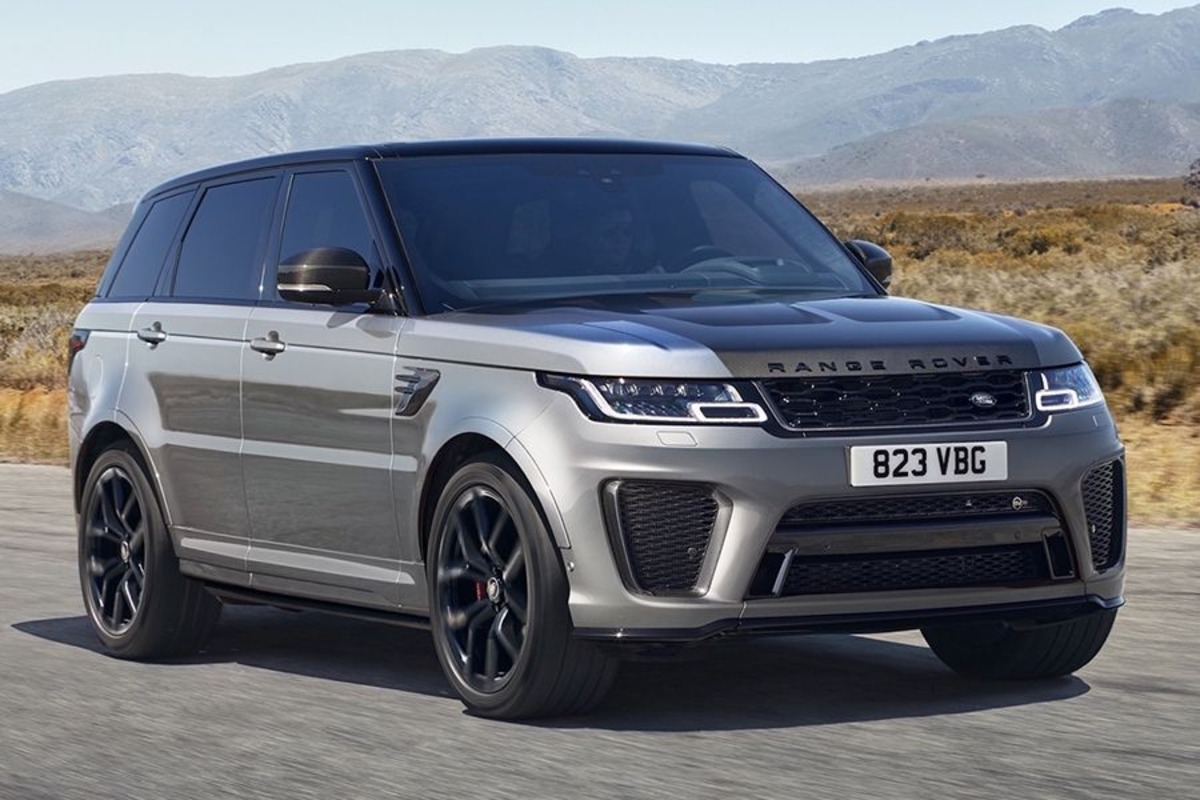
The SVR’s brake wear problem is compounded by the vehicle’s substantial weight, typically around 5,100 pounds. Moving this much mass requires significant force, and the brakes bear the full burden of controlling kinetic energy during deceleration.
Unlike hybrid competitors that can offload some braking duty to regenerative systems, the SVR relies entirely on friction brakes, meaning every stop wears the pads.
The vehicle’s powerful supercharged V8 encourages spirited driving that leads to harder braking, creating a use pattern that accelerates wear beyond what the already-aggressive pad compound experiences under gentle use.
Range Rover’s brake system also suffers from some engineering quirks that affect longevity. The brake dust shields and airflow management around the rotors sometimes restrict cooling airflow more than optimal, causing higher operating temperatures that accelerate pad wear and can lead to premature rotor warping.
Some owners report brake shudder or pulsation developing before the pads are fully worn, necessitating rotor replacement or resurfacing along with new pads, further increasing service costs. These issues aren’t universal but occur frequently enough to represent a pattern.
The SVR’s electronic brake force distribution system, while sophisticated, sometimes applies brakes more aggressively than necessary during routine driving, particularly when various driver assistance systems intervene.
The adaptive cruise control, automatic emergency braking, and other systems can trigger brake applications that the driver wouldn’t have made, adding incremental wear over time. While each individual instance is minor, the cumulative effect over thousands of miles contributes to reduced pad life.
For Range Rover Sport SVR buyers, the brake maintenance costs are simply another line item in an expensive ownership equation that includes premium fuel, higher insurance rates, and raised service costs across the board.
However, these costs can surprise first-time luxury performance SUV buyers or used vehicle purchasers who didn’t fully account for maintenance expenses when considering their purchase.
4. Porsche Cayenne Turbo
The Porsche Cayenne Turbo’s brake system delivers phenomenal performance befitting the sports car manufacturer’s reputation, but that performance comes with frequent maintenance requirements.
Cayenne Turbo owners typically report brake pad replacement intervals of 20,000 to 35,000 miles, with enthusiast drivers who regularly use the vehicle’s substantial performance capabilities seeing even shorter pad life.
Porsche engineers the Cayenne’s brakes for precision, feel, and fade-free performance rather than longevity, using pad compounds and system designs derived from the company’s motorsports experience.
The Cayenne Turbo features massive brake rotors, often exceeding 16 inches in diameter on the front axle, paired with multi-piston aluminum calipers that provide tremendous stopping power.
The brake pads use a semi-metallic compound formulated for consistent performance across a wide temperature range, from cold morning starts to repeated hard stops on mountain roads or racetracks.
This versatility requires a relatively soft compound that wears more quickly than harder materials designed purely for longevity. Porsche’s engineers made a conscious trade-off, prioritizing performance characteristics that align with the brand’s sporting image.
Porsche brake component pricing reflects the company’s luxury positioning and performance focus. OEM front brake pads for a Cayenne Turbo can cost $400 to $600 per axle, with rear pads adding several hundred dollars more.
Complete four-wheel brake jobs at Porsche dealers frequently exceed $1,500 to $2,000 including labor, and that’s assuming the rotors don’t require replacement. When rotors need service, costs can approach $3,000 or more.
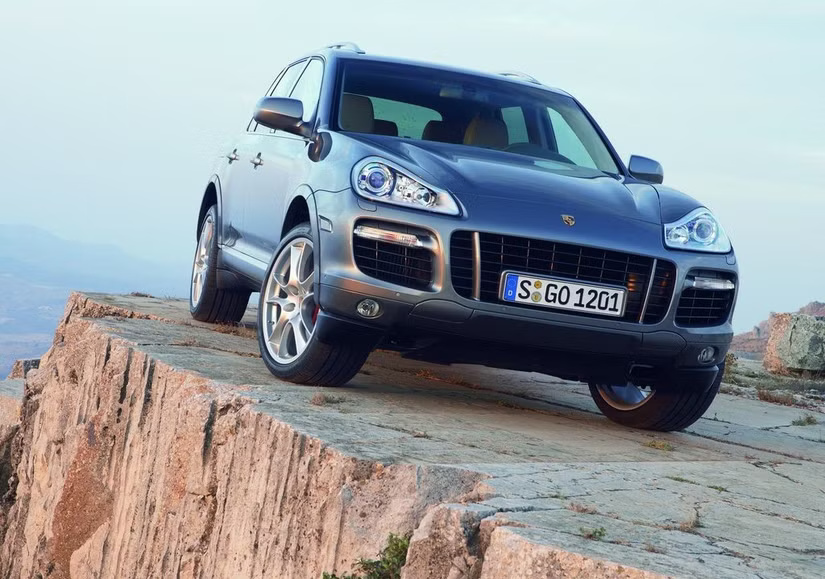
Some owners explore aftermarket options to reduce costs, but finding pads that match OEM performance and don’t compromise the Cayenne’s renowned brake feel can be challenging.
The Cayenne Turbo’s brake wear is accelerated by its performance capabilities and the driving style those capabilities encourage. With a twin-turbo V8 producing over 500 horsepower, the Cayenne Turbo provides sports car acceleration in an SUV package, and drivers naturally exploit that performance.
Hard acceleration leads inevitably to hard braking, creating a high-intensity duty cycle that wears pads rapidly. The vehicle’s substantial weight, around 5,000 pounds, amplifies the forces involved during deceleration, putting tremendous stress on the brake pads.
Porsche’s brake system does include some longevity-enhancing features. The rotors are ventilated with sophisticated internal vane designs that maximize cooling airflow, helping prevent excessive heat buildup that accelerates pad wear.
The brake calipers are precisely manufactured to ensure even pad contact with the rotor surface, promoting uniform wear. The electronic brake force distribution system intelligently manages braking forces across all four wheels, preventing any single brake from working harder than necessary.
Despite these refinements, the fundamental performance focus of the system still results in shorter pad life than mass-market competitors.
For Cayenne Turbo buyers, frequent brake service is an accepted part of the performance luxury vehicle ownership experience. These buyers typically prioritize driving enjoyment and brand prestige over cost efficiency, and many view the high maintenance costs as validation of their vehicle’s capability.
However, the brake service requirements represent a significant long-term ownership cost that prospective buyers should factor into their purchasing decision.
5. Mercedes-AMG GLE 63 S
The Mercedes-AMG GLE 63 S rounds out our list of brake pad-eating SUVs with its combination of massive performance, substantial weight, and a brake system engineered for maximum stopping power rather than longevity.
GLE 63 S owners commonly report brake pad replacement intervals of 18,000 to 30,000 miles, with those who regularly exploit the vehicle’s 603 horsepower twin-turbo V8 seeing even shorter pad life.
Mercedes-AMG’s performance engineering philosophy prioritizes stopping capability and fade resistance, using aggressive pad compounds that sacrifice longevity for performance.
The GLE 63 S features enormous brake rotors paired with AMG-specific high-performance calipers painted in distinctive colors typically red or yellow that signal the system’s sporting intentions.
These components provide exceptional stopping power capable of repeatedly hauling the vehicle down from high speeds without fade or degradation, but this capability requires brake pads made from soft, high-friction materials that wear rapidly under all driving conditions.
The pads perform brilliantly when asked to make emergency stops or handle repeated hard braking on twisty roads, but they wear unnecessarily quickly during mundane commuting and parking lot use.
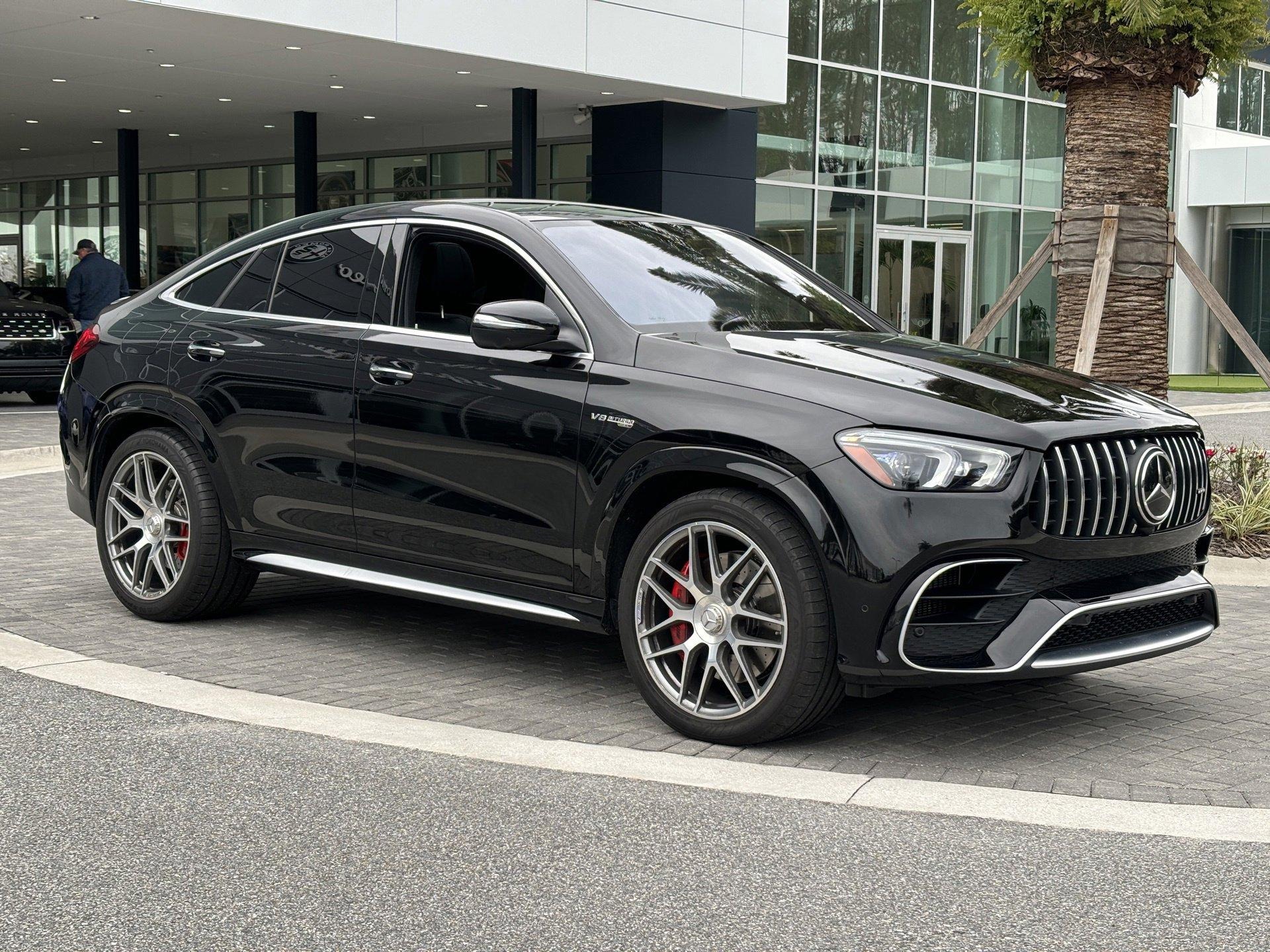
Mercedes-AMG brake component pricing reflects the brand’s luxury positioning and the specialized nature of AMG performance parts. OEM front brake pads for a GLE 63 S typically cost $500 to $700 per axle, and complete four-wheel brake jobs at Mercedes-Benz dealers frequently approach or exceed $2,000 including labor.
These costs recur with startling frequency given the short pad life, creating an ongoing maintenance expense that can total $3,000 to $4,000 or more over a typical three-year lease period.
While Mercedes-AMG buyers generally have the financial means to absorb these costs, the expense can still come as an unwelcome surprise to first-time performance luxury SUV owners.
The GLE 63 S represents an extreme example of the trade-offs inherent in performance vehicle engineering. Buyers receive world-class performance, luxury, and brand prestige, but they must accept correspondingly high maintenance costs as part of the ownership equation.
For wealthy enthusiasts who prioritize driving enjoyment and status, these costs are easily justified. However, prospective buyers should enter ownership with realistic expectations about the ongoing expense of maintaining a high-performance luxury SUV’s brake system.
Also Read: 5 Cars With Bulletproof Cooling Systems vs 5 That Overheat Often
