

The modern automobile has evolved into a sophisticated electronic marvel, packed with computers, sensors, and complex wiring systems that control everything from engine management to entertainment systems.
While this technological advancement has brought unprecedented convenience, safety, and performance, it has also introduced a new vulnerability: electrical problems.
For car buyers and owners, understanding which vehicles excel in electrical reliability and which ones struggle can mean the difference between years of trouble-free driving and countless frustrating trips to the repair shop.
Electrical issues in vehicles can manifest in numerous ways, from minor annoyances like malfunctioning power windows to major headaches such as complete system failures that leave you stranded.
These problems often prove particularly vexing because they can be intermittent, difficult to diagnose, and expensive to repair. Unlike mechanical issues that might give warning signs, electrical problems can appear suddenly and without obvious cause.
A car might start perfectly one morning and refuse to respond the next, all due to a faulty sensor or corroded connection buried deep within the vehicle’s complex electrical architecture.
This comprehensive guide examines ten vehicles that represent opposite ends of the electrical reliability spectrum. We’ll explore five cars that have earned stellar reputations for electrical dependability, consistently delivering years of trouble-free operation with minimal electronic gremlins.
These vehicles demonstrate that thoughtful engineering, quality components, and proven designs can create electrical systems that owners can trust.
5 Cars That Rarely Have Electrical Issues
These exceptionally engineered vehicles feature electrical architectures designed with simple relay-based systems, properly sized wiring harnesses with adequate gauge wire, and robust connection points utilizing corrosion-resistant terminals that maintain reliable conductivity through decades of temperature cycling and vibration exposure.
Their thoughtful engineering includes centralized fusing systems with logical circuit organization, alternators with conservative output ratings providing ample reserve capacity beyond typical electrical loads, and grounding points properly distributed throughout chassis with substantial contact surfaces ensuring reliable current return paths.
From extreme temperature environments that stress insulation materials to high-mileage operation where connection points typically corrode, these remarkable electrical systems continue functioning flawlessly without developing mysterious gremlins, intermittent failures, or module malfunctions that plague lesser designs.
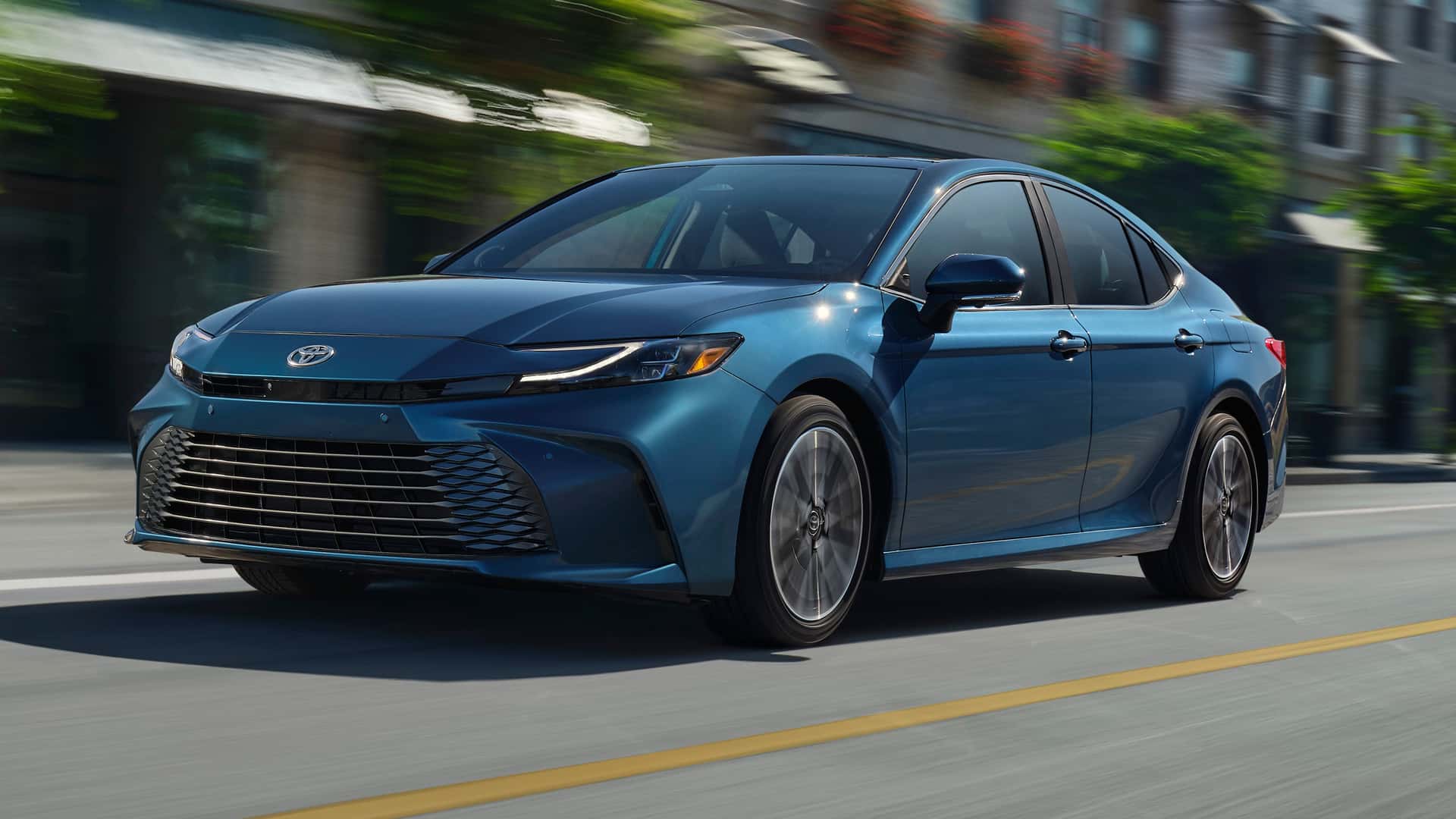
1. Toyota Camry
The Toyota Camry stands as a monument to electrical reliability in the automotive world, consistently ranking among the most dependable vehicles across multiple generations.
This midsize sedan has earned its reputation through decades of engineering excellence and Toyota’s unwavering commitment to quality control. Owners regularly report trouble-free operation well past 200,000 miles with minimal electrical concerns, making it a benchmark against which other vehicles are measured.
What sets the Camry apart is Toyota’s conservative approach to electrical system design. Rather than rushing to implement cutting-edge technology that hasn’t been thoroughly tested, Toyota engineers prefer proven components and architectures that have demonstrated long-term reliability.
This philosophy extends throughout the vehicle’s electrical infrastructure, from the alternator and starter motor to the body control modules and sensor networks. The result is a car where electrical components simply work, year after year, without the mysterious failures that plague less reliable vehicles.
The Camry’s wiring harness design deserves particular praise. Toyota uses high-quality, properly insulated wiring with secure connections that resist corrosion and environmental damage.
Connectors are designed with multiple contact points and weather-sealed housings that prevent moisture intrusion, one of the primary causes of electrical problems in vehicles. Even in harsh climates with extreme temperatures, salt exposure, or high humidity, Camry electrical systems maintain their integrity remarkably well.
Battery and charging system reliability in the Camry is exceptional. The alternator typically lasts the entire life of the vehicle without replacement, and the battery management system prevents the common issue of parasitic drains that plague other cars.
Owners rarely experience the frustration of a dead battery or charging system failure, and when batteries do need replacement, it’s usually due to age rather than any fault in the charging system.
Mechanics and technicians consistently rate the Camry among the most reliable vehicles they service. When electrical issues do occasionally occur, they’re typically minor and easily resolved.
The diagnostic systems are straightforward, parts are readily available and reasonably priced, and repairs are generally simple. This combination of infrequent problems and easy repairs when they do occur makes the Camry an ideal choice for owners who want dependable transportation without electrical headaches.
Whether you’re buying new or considering a high-mileage used example, the Camry’s electrical systems are among the most trustworthy in the automotive industry.
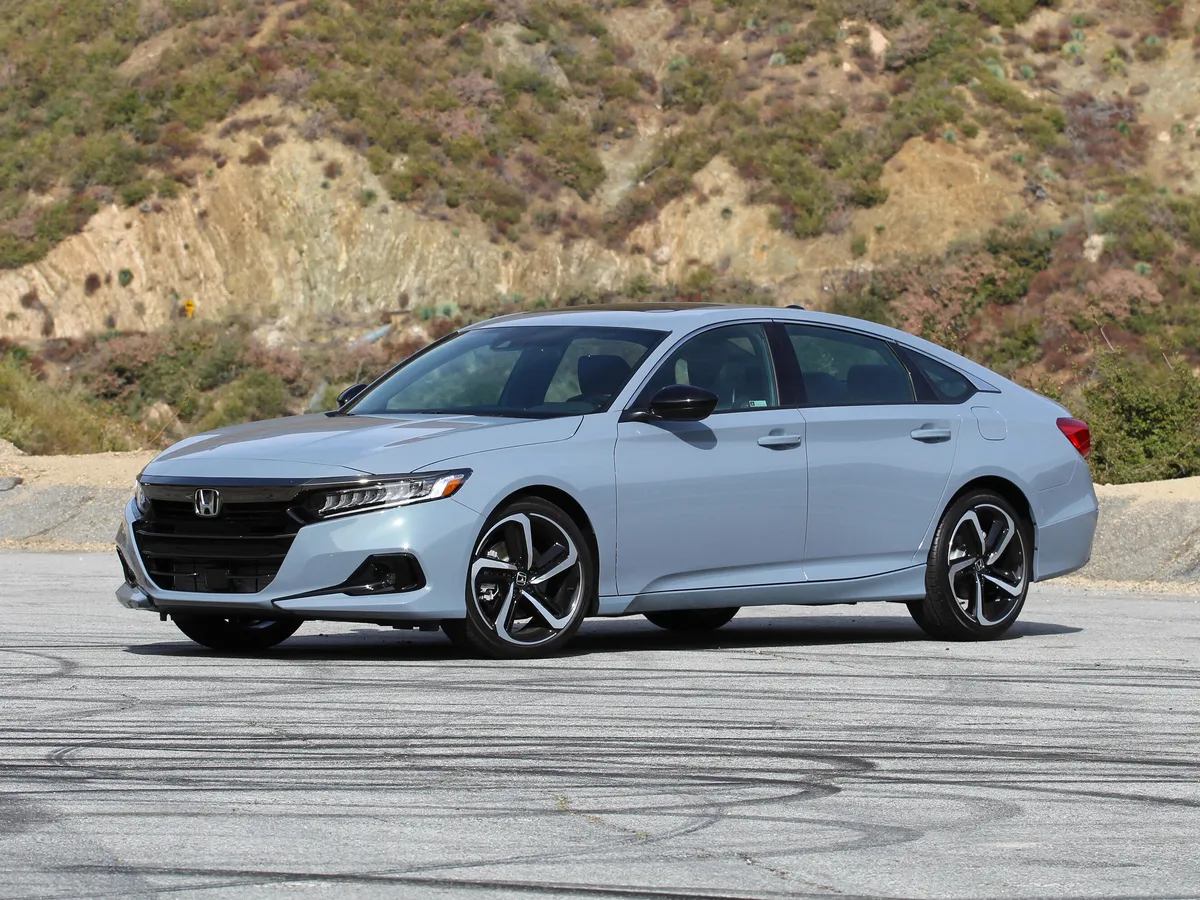
2. Honda Accord
The Honda Accord rivals the Toyota Camry as one of the most electrically reliable vehicles on the road, with a well-deserved reputation for dependability that spans multiple decades and generations.
Honda’s engineering philosophy emphasizes quality, durability, and real-world reliability, resulting in electrical systems that consistently outperform competitors.
Accord owners frequently report seamless electrical operation well into the vehicle’s second and third hundred thousand miles, with minimal intervention required beyond routine battery replacements.
Honda’s approach to electrical system integration in the Accord demonstrates meticulous attention to detail. The company employs rigorous testing protocols that subject components to extreme conditions far beyond what typical drivers will encounter.
This includes temperature cycling, vibration testing, moisture exposure, and accelerated aging tests that ensure components will survive the harsh realities of daily driving.
The result is an electrical architecture where every component, from the smallest relay to the most complex control module, is engineered for longevity.
The Accord’s power distribution system exemplifies reliability-focused design. Circuit breakers and fuses are properly sized and located for easy access when service is needed.
The main electrical junction boxes use high-quality components that resist heat degradation and corrosion. Ground connections, often a weak point in vehicle electrical systems, are strategically placed and designed with redundancy to prevent the common problems associated with poor grounding that plague other vehicles.
Starting and charging system reliability in the Accord is exceptional. The starter motor typically operates flawlessly for the vehicle’s entire lifespan, and alternator failures are remarkably rare.
Honda’s voltage regulation systems maintain stable electrical power across all operating conditions, preventing the voltage spikes and drops that can damage sensitive electronic components in other vehicles.
The battery monitoring system is sophisticated enough to prevent parasitic drains while simple enough to avoid the complexity-related failures seen in some European vehicles.
Advanced safety systems in newer Accord models, including adaptive cruise control, lane keeping assist, and automatic emergency braking, have proven reliable despite their complexity.
Cameras remain clear and properly calibrated, radar sensors continue operating accurately, and the processing units that interpret this data maintain consistent performance.
This reliability extends to the Accord’s lighting systems, with LED headlights and taillights demonstrating excellent longevity compared to the premature failures experienced by some luxury brands.
For buyers seeking electrical reliability without sacrificing modern features or driving dynamics, the Honda Accord represents an outstanding choice that delivers peace of mind along with excellent transportation.
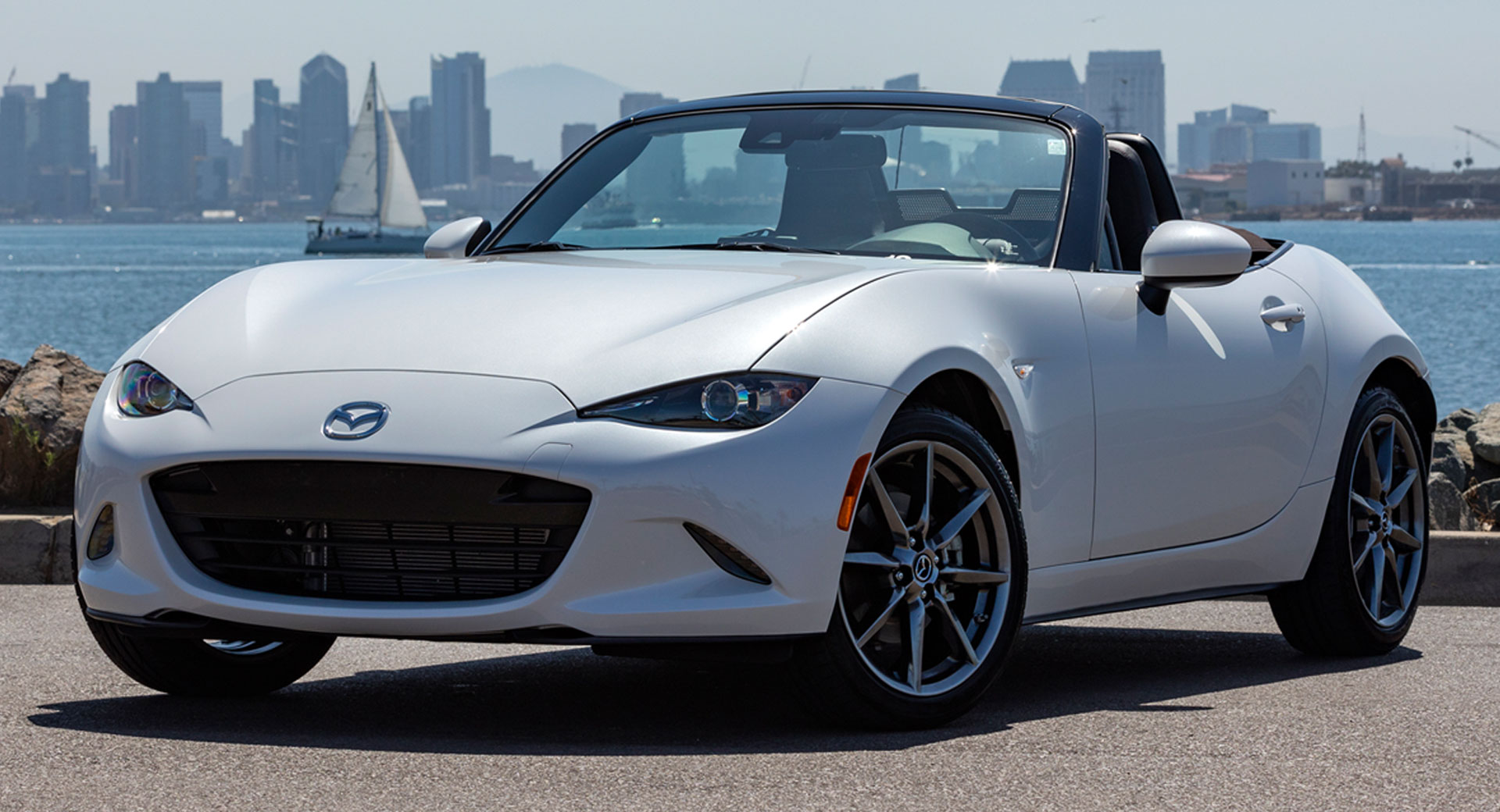
3. Mazda MX-5 Miata
The Mazda MX-5 Miata stands out as a shining example of electrical reliability in the sports car segment, where many competitors struggle with complex, failure-prone systems.
This lightweight roadster’s approach to electrical design emphasizes simplicity, quality components, and thoughtful engineering rather than overwhelming complexity.
The result is a sports car that delivers driving thrills without the electrical nightmares that often accompany performance vehicles, making it a favorite among enthusiasts who value both excitement and dependability.
Mazda’s philosophy with the Miata has always centered on lightweight efficiency and driver engagement, and this extends to the electrical system.
By avoiding unnecessary complexity and focusing on essential functions, Mazda has created an electrical architecture that simply has fewer things that can go wrong. Every electrical component serves a clear purpose, and each is engineered to perform that function reliably for the long term.
This minimalist approach, combined with Mazda’s reputation for quality manufacturing, results in exceptional electrical dependability.
The Miata’s charging system and battery management demonstrate textbook reliability. The alternator consistently delivers stable voltage across the engine’s rev range, from idle to redline, without the fluctuations that can damage sensitive electronics.
Battery drain issues are virtually nonexistent, even when the car sits unused for extended periods. The starting system operates flawlessly in all weather conditions, and owners rarely experience the frustrating no-start situations common with other sports cars.
This reliability is particularly impressive given that many Miatas are used as fair-weather weekend cars with irregular driving patterns that can be hard on electrical systems.
The Miata’s lighting systems showcase quality components and proper implementation. Headlights, whether traditional halogen or modern LED units, maintain consistent brightness and function without premature failures.
The pop-up headlights in earlier generations, while mechanically complex, demonstrate surprising reliability with motors that continue operating smoothly after decades of service.
Turn signals, brake lights, and interior illumination all use robust components that resist the heat, vibration, and environmental exposure that can cause failures in other vehicles.
Modern Miatas with more advanced features, including touchscreen infotainment, Bluetooth connectivity, and advanced safety systems, maintain Mazda’s reliability standards.
These systems integrate seamlessly without the glitches, freezing, or failure modes that affect similar systems in other vehicles. For enthusiasts seeking a reliable sports car that won’t leave them strantded due to electrical problems, the Miata’s track record speaks for itself, delivering decades of dependable performance with minimal electrical concerns.
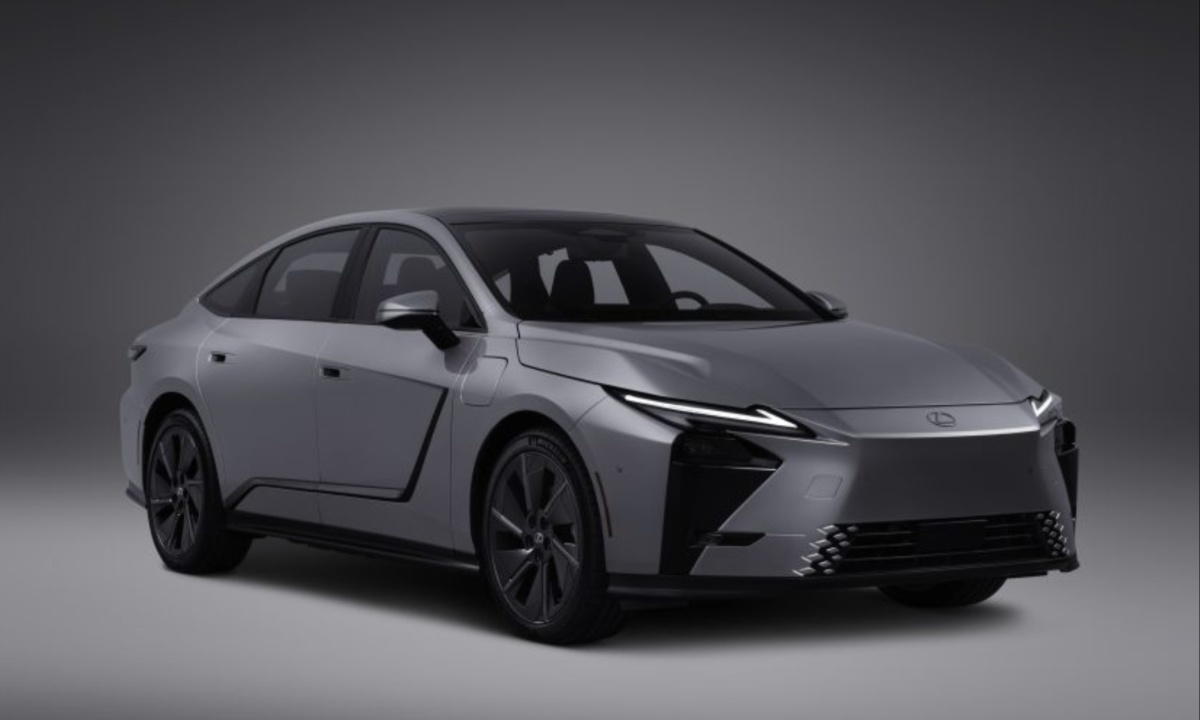
4. Lexus ES
The Lexus ES represents the pinnacle of electrical reliability in the luxury car segment, combining Toyota’s legendary dependability with upscale features and refinement.
This luxury sedan demonstrates that sophistication and complexity don’t necessarily mean compromised reliability. Lexus has mastered the art of implementing advanced electrical systems without sacrificing the bulletproof dependability that defines the brand.
Owners consistently report virtually trouble-free electrical operation over hundreds of thousands of miles, a remarkable achievement considering the ES’s extensive electronic features.
Built on the proven foundation of the Toyota Camry platform but raised with luxury components and features, the ES benefits from Toyota’s conservative engineering approach combined with Lexus’s commitment to quality. Every electrical component undergoes rigorous testing and quality control before installation.
Lexus uses premium-grade wiring, connectors, and electronic components that exceed industry standards for durability and longevity.
This attention to detail extends throughout the vehicle, from major systems like the engine control unit to minor conveniences like the power-adjustable steering column.
The ES’s extensive comfort and convenience features, which might be reliability concerns in other luxury vehicles, operate flawlessly year after year.
Multi-adjustable power seats with memory functions maintain their settings and adjust smoothly without the motor failures common in German luxury cars.
The power-operated steering column remembers driver preferences and adjusts precisely without binding or electronic glitches. Heated and ventilated seats continue functioning properly indefinitely, avoiding the element failures that plague competitors.
Power-operated sunroof and moonroof systems operate quietly and reliably without track problems or motor failures. Advanced climate control systems in the ES demonstrate exceptional reliability despite their complexity.
Dual-zone and tri-zone automatic climate control maintains precise temperature regulation without sensor failures or actuator problems. The system responds appropriately to changing conditions without the erratic behavior seen in other luxury vehicles.
Air quality systems, including filtration and automatic recirculation, function consistently without electronic glitches. Even the complex blend door actuators, a common failure point in many vehicles, operate reliably in the ES.
Advanced safety systems in newer ES models, including pre-collision systems, lane departure warning, adaptive cruise control, and parking assistance, demonstrate remarkable reliability despite their complexity.
Cameras maintain clear images without degradation, radar sensors continue operating accurately, and the processing systems that integrate this data remain fully functional.
These systems provide genuine safety benefits without the recurring malfunctions and false alarms that undermine confidence in similar systems from other manufacturers.
For luxury car buyers who refuse to compromise reliability for features, the Lexus ES delivers an unbeatable combination of sophistication, comfort, and electrical dependability.
Also Read: 12 Most Durable Cars That Rarely Fail Smog Tests
5. Subaru Outback
The Subaru Outback has earned a strong reputation for electrical reliability, particularly impressive given the harsh conditions these vehicles often endure.
As a popular choice for outdoor enthusiasts, drivers in snowy climates, and those going through rough terrain, the Outback faces challenging environments that can accelerate electrical problems in less robust vehicles.
Yet Subaru’s engineering ensures that electrical systems remain dependable despite exposure to moisture, mud, salt, extreme temperatures, and continuous vibration from off-road use.
Subaru’s approach to electrical system protection in the Outback emphasizes weatherproofing and durability. Connectors throughout the vehicle feature robust weather sealing that prevents moisture intrusion, one of the leading causes of electrical failures.
Wiring harnesses are routed carefully to avoid areas prone to damage from road debris or movement of mechanical components. The underbody electrical components receive additional protection against the elements, recognizing that Outback owners frequently venture onto unpaved roads where lesser vehicles would suffer damage.
This attention to environmental protection translates directly to fewer electrical problems over the vehicle’s lifetime. The Outback’s all-wheel-drive system, a defining feature of the vehicle, includes numerous electrical components and sensors that must function reliably in demanding conditions.

Transfer case sensors, wheel speed sensors for the ABS system, and yaw rate sensors all demonstrate excellent durability despite exposure to road salt, moisture, and temperature extremes.
The vehicle dynamics control system, which relies on these sensors to manage traction and stability, maintains consistent operation without the sensor failures that compromise similar systems in other vehicles.
Starting reliability in the Outback is exceptional, even in extremely cold climates where many vehicles struggle. The starting system is engineered to deliver dependable cold-weather performance, and the battery is sized appropriately for the engine and electrical loads.
Subaru’s charging system maintains optimal battery condition, and owners rarely experience the dreaded dead battery situation that plagues owners of other vehicles in winter conditions. The alternator demonstrates longevity that often extends to the entire life of the vehicle without replacement.
The Outback’s eyesight driver assistance system, introduced in recent model years, represents a sophisticated suite of cameras, processors, and software that could be a reliability concern.
However, Subaru has implemented this technology with impressive dependability. The stereo cameras mounted near the rearview mirror maintain calibration and clear visibility, the image processing systems operate without glitches, and the adaptive cruise control and pre-collision braking functions work consistently.
5 Cars That Always Have Electrical Issues
These problematic vehicles suffer from electrical architectures plagued by overcomplicated module networks communicating on failure-prone data buses, inadequate wiring gauge selections causing voltage drops under load, and poorly sealed connectors that corrode rapidly when exposed to moisture intrusion from environmental conditions or minor water leaks.
Their flawed engineering includes body control modules that fail and disrupt multiple vehicle systems simultaneously, alternators with insufficient output capacity that struggle maintaining battery charge while powering numerous electrical accessories, and grounding points that corrode and create intermittent electrical gremlins that prove nearly impossible to diagnose and repair permanently.
From battery drain issues that leave vehicles dead overnight to instrument cluster failures displaying erroneous warning messages, these troublesome electrical systems create frustrating problems with alarming frequency.
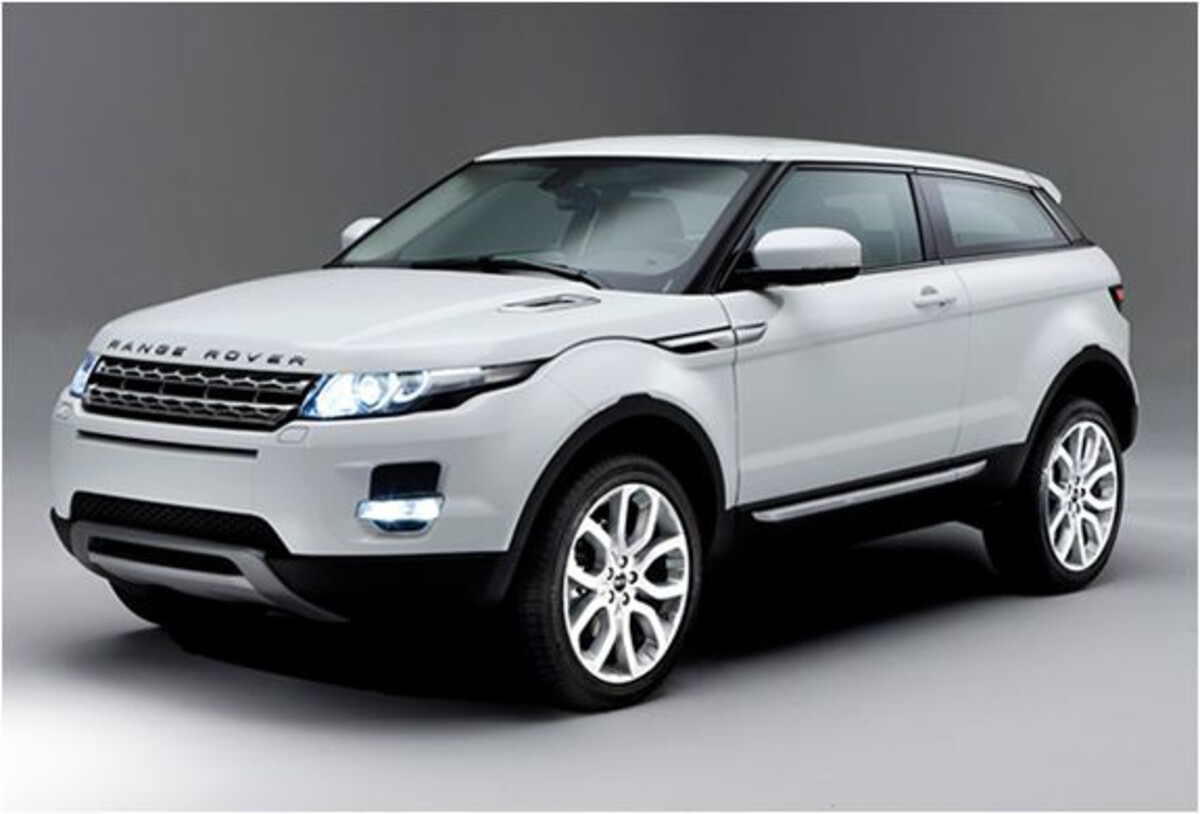
1. Range Rover (Various Models)
The Range Rover, despite its prestigious badge and luxury positioning, has become synonymous with electrical problems that frustrate owners and diminish what should be a premium ownership experience.
These British luxury SUVs consistently rank among the least reliable vehicles in automotive surveys, with electrical issues leading the list of complaints.
Owners report a seemingly endless cascade of electrical gremlins that begin appearing surprisingly early in the vehicle’s life and continue plaguing the vehicle throughout ownership, significantly impacting resale value and owner satisfaction.
The complexity of Range Rover’s electrical architecture contributes significantly to its reliability problems. These vehicles incorporate an extensive array of electronic systems, from air suspension management to terrain response systems, infotainment interfaces, and countless comfort features.
While this complexity aims to deliver luxury and capability, it also creates numerous failure points. Multiple control modules must communicate seamlessly through the vehicle’s network, and when communication errors occur, they cascade through systems, triggering a constellation of warning lights and malfunctions that can be difficult and expensive to diagnose.
Electrical connector problems plague Range Rovers with frustrating regularity. Corrosion in electrical connections causes intermittent failures that are particularly difficult to troubleshoot.
Owners report warning lights that appear and disappear without explanation, systems that work intermittently, and mysterious electrical drains that kill batteries overnight.
The wiring harnesses, rather than using the most robust designs and materials, seem prone to degradation, particularly in areas exposed to heat, moisture, or movement.
Mechanics familiar with these vehicles often spend hours tracing wiring problems that shouldn’t exist in vehicles of this price point. The air suspension system in Range Rovers, while providing exceptional ride quality when functioning, becomes a source of constant electrical and electronic frustration.
Height sensors fail, causing suspension errors and the vehicle to drop to its bump stops. The air compressor modules burn out prematurely, and the control modules that manage the system require replacement at alarming rates.
These failures don’t just affect ride comfort; they can render the vehicle undrivable and result in repair bills exceeding thousands of dollars. The electronic failures often occur without warning, leaving owners stranded and facing towing bills in addition to repair costs.
Battery drain issues are endemic in Range Rovers, with owners reporting that vehicles left parked for even a few days may not start. Various modules fail to enter sleep mode properly, continuously drawing power and depleting batteries.
This problem often persists even after battery replacement, indicating deeper electrical system issues. For such expensive vehicles, these fundamental electrical problems represent an inexcusable failure of engineering and quality control.
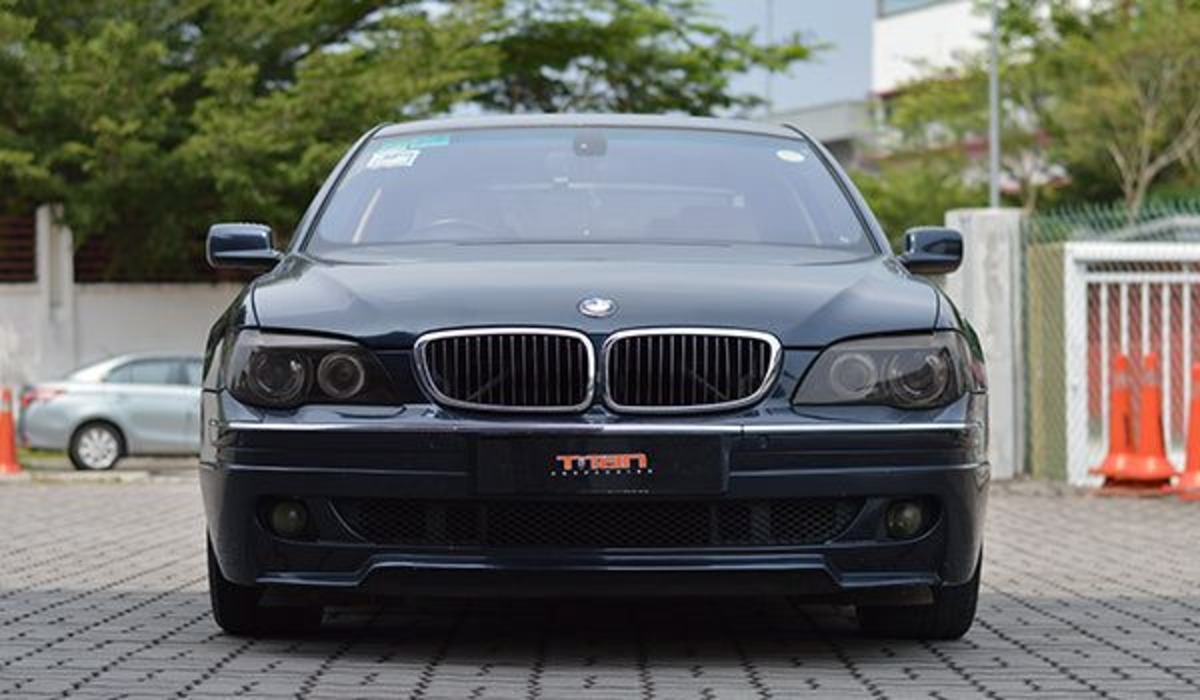
2. BMW 7 Series (E65/E66 and F01/F02 generations)
The BMW 7 Series, particularly the E65/E66 generation (2002-2008) and F01/F02 generation (2009-2015), represents a cautionary tale of technological ambition outpacing reliability engineering.
These flagship luxury sedans incorporated cutting-edge technology and features that, unfortunately, proved insufficiently tested and prone to failure.
Owners of these generations frequently describe their vehicles as “electrical nightmares,” with problems ranging from minor annoyances to complete electrical system failures requiring thousands of dollars in repairs.
The iDrive system in these 7 Series models became infamous for unreliability. The central controller knob would fail, becoming unresponsive or erratic in its behavior.
The display screens would go blank or freeze, rendering climate controls, audio systems, and navigation unusable. The CCC (Car Communication Computer) and later CIC (Car Information Computer) modules would fail completely, requiring replacement at costs exceeding $2,000.
Software glitches were rampant, and even dealer updates often failed to resolve persistent problems. For a system meant to simplify vehicle operation, iDrive became a source of constant frustration.
Electrical issues with comfort and convenience features plague these 7 Series models relentlessly. Power seats, despite costing thousands of dollars as optional equipment, suffer frequent motor and module failures.
The comfort access keyless entry system stops working, requiring expensive module replacements. Power windows slow down or fail completely, often due to motor or regulator problems exacerbated by electrical control issues.
The power trunks and soft-close doors malfunction regularly, with motors burning out and sensors providing false readings that prevent proper operation.
The air suspension system in these 7 Series models combines mechanical and electrical failures into a perfect storm of unreliability. Air struts fail, but so do the numerous sensors, control modules, and compressors that manage the system.
The Active Roll Stabilization system, which uses electronic controls to adjust suspension stiffness, frequently malfunctions, triggering warning messages and compromising handling. Repair costs for these systems can easily exceed $5,000, and the problems often recur even after expensive repairs.
Lighting control modules in these BMW 7 Series are notoriously unreliable. The Lighting Control Module (LCM) fails frequently, causing headlights, taillights, turn signals, and interior lights to malfunction.
Engine management electrical issues also plague these 7 Series models. Sensor failures are common, triggering check engine lights and limp mode situations. The electronic throttle bodies fail, causing drivability problems and expensive repairs.
Fuel pump control modules burn out, leaving vehicles stranded. These aren’t just inconveniences; they represent fundamental reliability failures in critical systems that affect the vehicle’s basic ability to function as transportation.
3. Volkswagen Tiguan (2008-2017 first generation)
The first-generation Volkswagen Tiguan earned an unfortunate reputation for electrical problems that consistently disappointed owners who expected German engineering excellence.
This compact crossover, which should have competed effectively against reliable Japanese rivals, instead became known for frustrating electrical gremlins that appeared early and persisted throughout ownership.
Consumer reliability surveys consistently rated the Tiguan poorly, with electrical issues leading the complaints, significantly damaging Volkswagen’s reputation in the competitive compact SUV market.
Window regulator problems plagued first-generation Tiguans with alarming frequency. While technically mechanical failures, these problems were often exacerbated by electrical issues with window switches and control modules. Owners reported windows falling into door panels, failing to operate from switches, or moving erratically.
The combination of weak mechanical regulators and problematic electrical controls created a reliability disaster that affected a high percentage of these vehicles, often multiple times during ownership. Repair costs, particularly when performed at dealerships, reached hundreds of dollars per window.

Dashboard and instrument cluster issues frustrated Tiguan owners regularly. Warning lights would illuminate without corresponding problems, or conversely, fail to warn of legitimate issues.
The multi-information display would provide incorrect or conflicting information. Some owners reported complete instrument cluster failures, leaving them without speedometer, fuel gauge, or other critical information.
The electronic parking brake, controlled through dashboard buttons, would malfunction, sometimes engaging unexpectedly or failing to release properly, creating dangerous situations.
Sensor failures throughout the Tiguan’s engine management system were common. Oxygen sensors, mass airflow sensors, and throttle position sensors failed prematurely, triggering check engine lights and causing drivability problems.
The turbocharger wastegate actuators, which rely on electronic controls, would fail, affecting performance and fuel economy. Ignition coil failures, while not purely electrical issues, were exacerbated by electrical system problems that caused voltage irregularities.
The central locking system and power door locks exhibited numerous problems. Door lock actuators would fail, leaving doors unable to lock or unlock properly.
The central locking module would malfunction, causing some doors to work while others didn’t. Keyless entry systems became unreliable, sometimes requiring multiple attempts to lock or unlock the vehicle.
These problems weren’t just inconvenient; they raised security concerns for owners whose vehicles couldn’t be properly secured. For buyers considering first-generation Tiguans, particularly older, higher-mileage examples, the electrical reliability concerns represent significant risks that should heavily influence purchasing decisions. These vehicles demonstrate that affordable pricing often reflects costly problems.
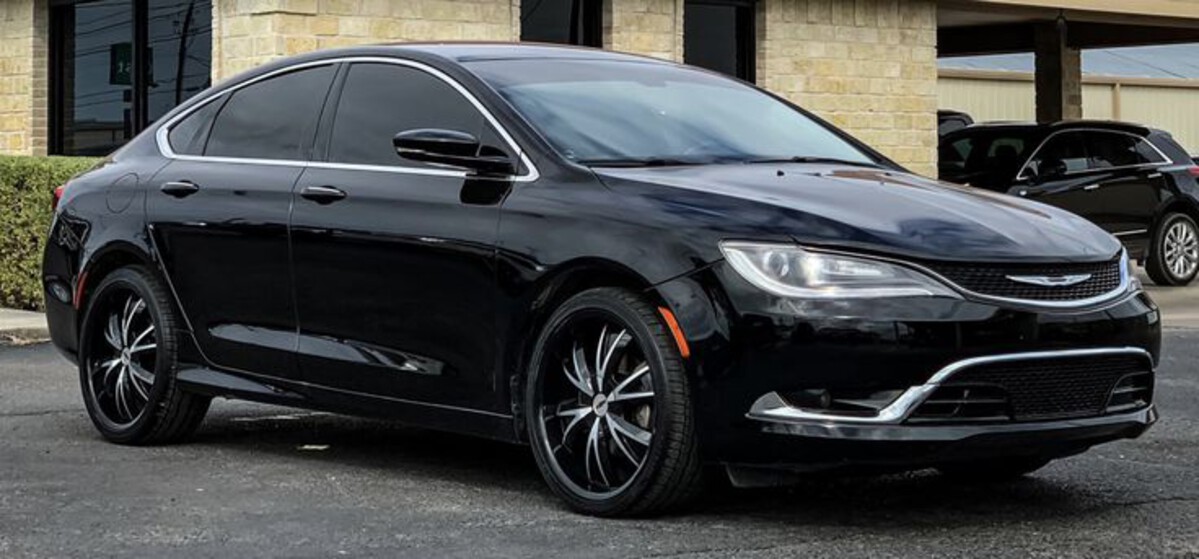
4. Chrysler 200 (2015-2017)
The Chrysler 200, produced for just three model years before cancellation, exemplifies how electrical problems can doom even well-intentioned vehicles.
This midsize sedan was meant to raise Chrysler’s reputation and compete against established rivals like the Toyota Camry and Honda Accord.
Instead, widespread electrical issues contributed to poor reliability ratings, plummeting resale values, and ultimately the model’s discontinuation. Owners report frustration with problems ranging from minor glitches to complete system failures that left vehicles undrivable.
The Uconnect infotainment system in the 200, while praised for its user interface when functioning, proved problematic in execution.
Touchscreens would freeze randomly, requiring hard resets involving complicated button combinations or battery disconnection. The system would restart unexpectedly while driving, disrupting navigation, audio, and climate control functions.
Bluetooth connectivity was inconsistent, with phones failing to pair or disconnecting randomly. Software updates sometimes resolved issues temporarily, but problems often returned or new glitches appeared. The backup camera would fail, displaying blank screens or distorted images, creating safety concerns.
Electrical problems with the nine-speed automatic transmission, standard in most 200 models, created significant reliability concerns. The transmission control module would malfunction, causing harsh shifting, hesitation, or shuddering during acceleration.
The shift-by-wire electronic shifter system proved confusing and unreliable, contributing to safety recalls including one involving actor Anton Yelchin’s death when his vehicle rolled away unexpectedly.
Transmission sensor failures would trigger warning lights and limp mode, severely limiting performance. Software updates attempted to address these problems but rarely provided permanent solutions.
The 200’s electronic steering system experienced numerous failures. The Electronic Power Steering module would fail completely, suddenly eliminating power assist and making steering extremely heavy, particularly dangerous at low speeds or during parking maneuvers.
Warning lights would illuminate, and dealers often needed multiple attempts to resolve issues. Some owners reported steering problems recurring even after expensive module replacements. These failures raised serious safety concerns and eroded confidence in the vehicle.
Battery drain issues plagued many 200 owners, with vehicles failing to start after sitting unused for even short periods. Various modules would fail to enter sleep mode properly, continuously drawing power and depleting batteries. Replacing batteries rarely solved the underlying electrical system problems.
Dealers struggled to identify which specific module caused the drain, sometimes replacing multiple components before finding the culprit, if they found it at all.
Dashboard warning lights illuminated frequently, often without corresponding mechanical problems. The tire pressure monitoring system would trigger false warnings, and the sensors themselves failed prematurely.
ABS and traction control warning lights appeared intermittently, sometimes indicating real module failures and other times representing phantom electrical glitches. The abundance of false warnings created dangerous situations where owners ignored legitimate problems.
Power accessories failed frequently in the 200. Power seat motors burned out prematurely, power windows operated slowly or failed, and power locks actuated erratically.
The panoramic sunroof, when equipped, experienced motor failures and electrical issues that prevented opening or closing. These problems affected daily usability and contributed to the 200’s poor reliability reputation.
The rapid discontinuation of the 200 after just three model years, while attributed to declining sedan sales, was undoubtedly influenced by these persistent electrical problems that damaged Chrysler’s reputation and created warranty nightmares for the manufacturer.
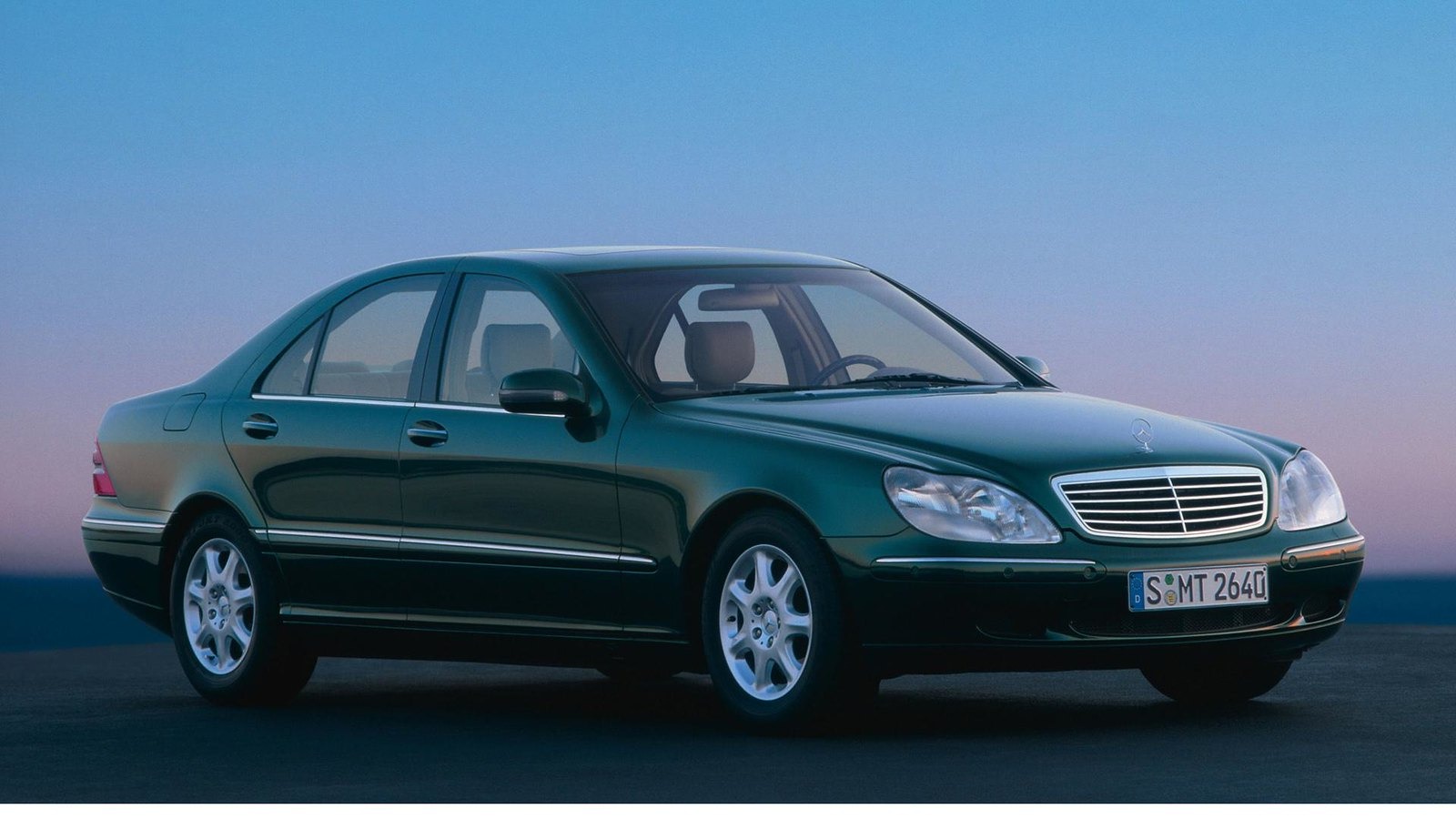
5. Mercedes-Benz S-Class (W220 and W221 generations)
The Mercedes-Benz S-Class W220 (2000-2006) and W221 (2007-2013) generations, despite representing the pinnacle of luxury automotive engineering, developed notorious reputations for electrical problems that contradicted Mercedes-Benz’s prestigious image.
These flagship sedans incorporated groundbreaking technology and features that, unfortunately, proved insufficiently reliable, creating expensive maintenance nightmares for owners.
The electrical problems began appearing relatively early in these vehicles’ lives and typically worsened over time, dramatically affecting resale values and ownership costs.
The Airmatic air suspension system in these S-Class models combined sophisticated electronics with air springs to deliver exceptional ride quality, but reliability proved disastrous.
Air struts would fail, but equally problematic were the numerous sensors, control modules, and valves that managed the system electronically.
The suspension control module would malfunction, triggering warning messages and causing the vehicle to drop to its bump stops, sometimes while driving.
Air compressor failures were common, and the electronic level sensors provided false readings. Complete suspension system rebuilds could exceed $5,000, and problems often recurred within years of expensive repairs.
The COMAND infotainment system, once cutting-edge, became a source of constant frustration. The control unit would fail completely, requiring replacement at costs exceeding $2,000.
Display screens would go blank or show distorted images. The navigation DVD drive would stop working, and audio systems suffered amplifier failures that eliminated sound throughout the vehicle.
Later models with hard-drive-based systems experienced storage failures that corrupted navigation databases and music collections. These problems affected not just entertainment but also climate control and vehicle settings managed through the COMAND interface.
Sensotronic Brake Control (SBC), Mercedes-Benz’s brake-by-wire system used in W220 models, represented an ambitious technological leap that proved profoundly unreliable.
This hydraulic suspension system used extensive electronics to actively control body motion, but the complexity created numerous failure points.
Hydraulic lines would leak, pumps would fail, and the electronic control modules would malfunction. Repair costs could easily exceed $8,000, and the sophisticated electronics made diagnosis difficult. Many owners opted to retrofit conventional suspension rather than continue repairing ABC systems.
