
In a market where vehicles often change hands every few years, certain models stand out for their staying power cars that owners simply refuse to part with.
In the United States, where the average new car ownership period hovers around eight years, some families hang onto their vehicles for decades.
Whether due to reliability, emotional attachment, or timeless design, these cars become more than transportation they become heirlooms.
Here are ten vehicles that have earned their reputation as family keepers, cherished across generations for their dependability, value, and the memories they help create.
1. Toyota Land Cruiser
Few vehicles embody longevity like the Toyota Land Cruiser. Built for adventure and engineered for durability, this SUV has long been the go-to choice for families that want a vehicle capable of surviving decades of use.
From the FJ40 classics to the 100 and 200 Series models, Land Cruisers often remain in families for 20 or 30 years without losing their capability or charm.
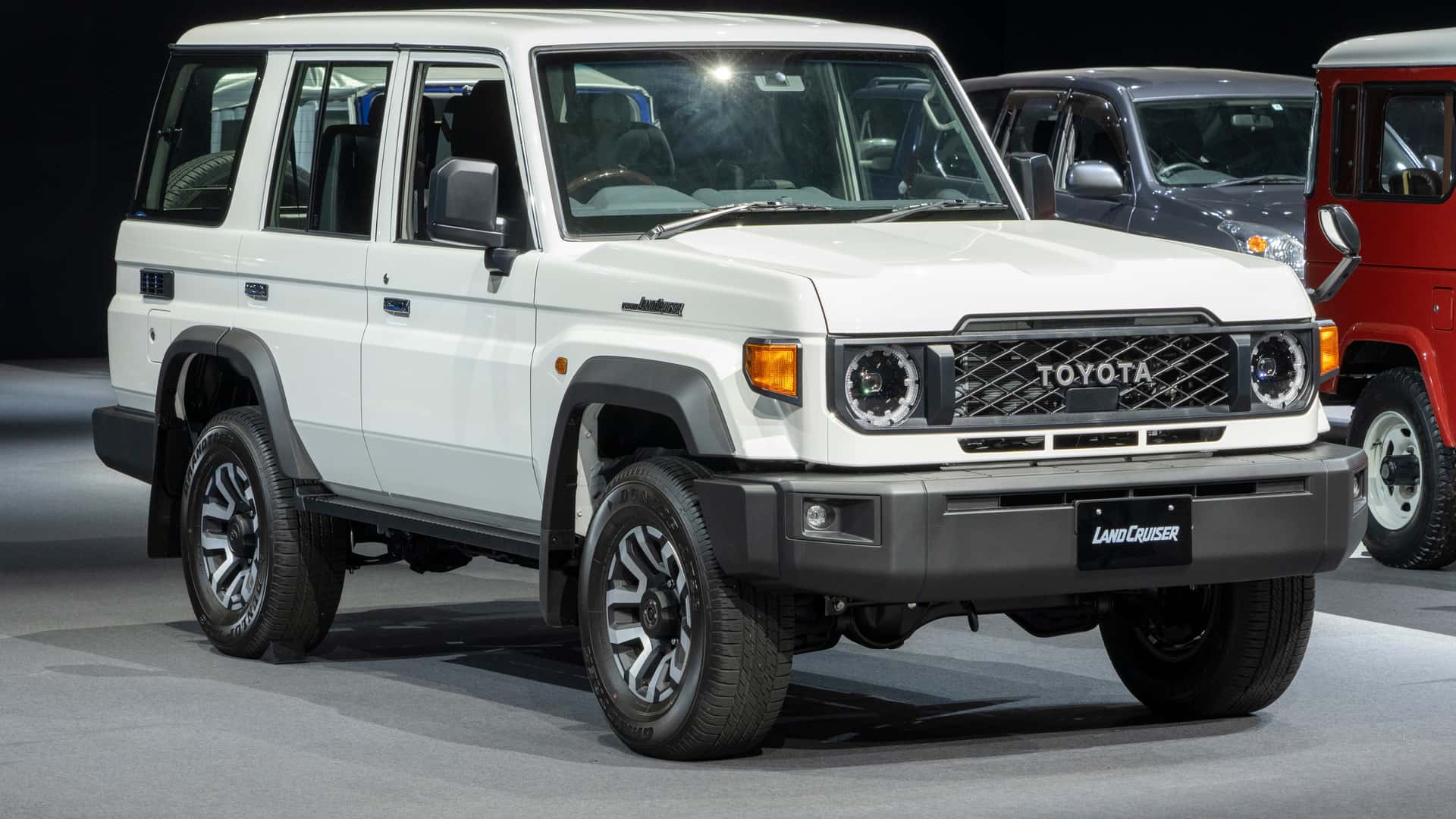
It’s common to see them passed from parent to child, especially in regions with harsh terrains or off-road needs.
Despite being discontinued in the U.S. for a short time, its reputation for lasting over 300,000 miles with minimal maintenance has made it a family legend.
With seating for eight and genuine off-road prowess, the 2015 Toyota Land Cruiser stands apart from most full-size luxury SUVs. Very few, if any, three-row competitors can match its enthusiasm for venturing off the beaten path.
However, if you’re unlikely to take advantage of those rugged capabilities, much of the Land Cruiser’s appeal fades. In day-to-day suburban use, think errands and school runs, the 2015 Land Cruiser feels less competitive by modern luxury standards.
That said, the Land Cruiser still delivers a pleasant driving experience around town. Its long-travel suspension provides a smooth, cushioned ride, making it ideal for cruising over potholes without much disturbance.
Yet, its hefty V8 engine delivers only average acceleration and a disappointing 15 mpg combined. Inside, the SUV shows its age with an outdated infotainment system and a third-row seat that feels cramped and folds awkwardly rather than flat, limiting cargo versatility.
When stacked against rivals, the Land Cruiser’s weaknesses become more apparent. The 2015 Mercedes-Benz GL-Class offers a lower starting price, stronger engine options, a more spacious third row, and an upscale interior, though it lacks the Toyota’s rugged off-road ability.
The 2015 Infiniti QX80 is another strong contender, delivering sharper road manners and a distinctive design. Meanwhile, the 2015 Land Rover LR4 arguably outshines the Land Cruiser in its own arena, boasting a lower price, high-end materials, and serious off-road credentials.
Ultimately, the 2015 Toyota Land Cruiser remains an exceptionally capable and sophisticated SUV. For buyers who plan to spend significant time off-road, it continues to be one of the best options available. But for those primarily seeking comfort, technology, and modern luxury, the Land Cruiser feels dated and less impressive.
Powering the 2015 Toyota Land Cruiser is a 5.7-liter V8 engine that produces 381 horsepower and 401 pound-feet of torque. It’s paired with a six-speed automatic transmission and standard full-time four-wheel drive. The EPA estimates fuel economy at 15 mpg combined (13 city/18 highway).
2. Honda Accord
The Honda Accord is one of the most common long-term keepers in American driveways. Families hold on to these midsize sedans because they balance reliability, comfort, and cost of ownership perfectly.
Many older Accords from the 1990s and early 2000s are still running strong, thanks to bulletproof engines and simple mechanical systems.
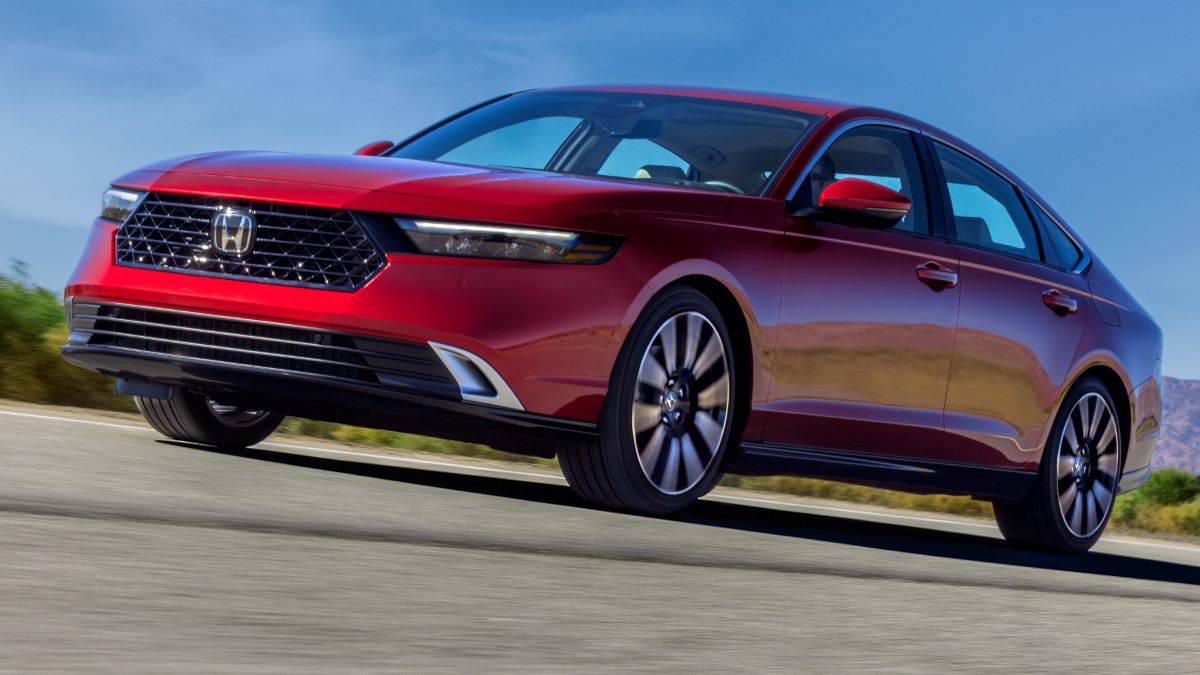
Beyond reliability, the Accord’s consistent redesigns and fuel efficiency make it easy for families to upgrade without abandoning the nameplate.
It’s not unusual to see multiple generations of a single household owning Accords each model representing a different stage in family life, from the college commuter to the family hauler.
3. Toyota Camry
Another Toyota that earns a spot on this list is the Camry, the ultimate family sedan. Known for its reliability and low cost of ownership, the Camry has been a fixture in American households for decades.
What makes it so enduring isn’t just the longevity of its parts it’s the way it fits seamlessly into daily life. The Camry’s engines, especially the four-cylinder and V6 options, can easily surpass 250,000 miles.
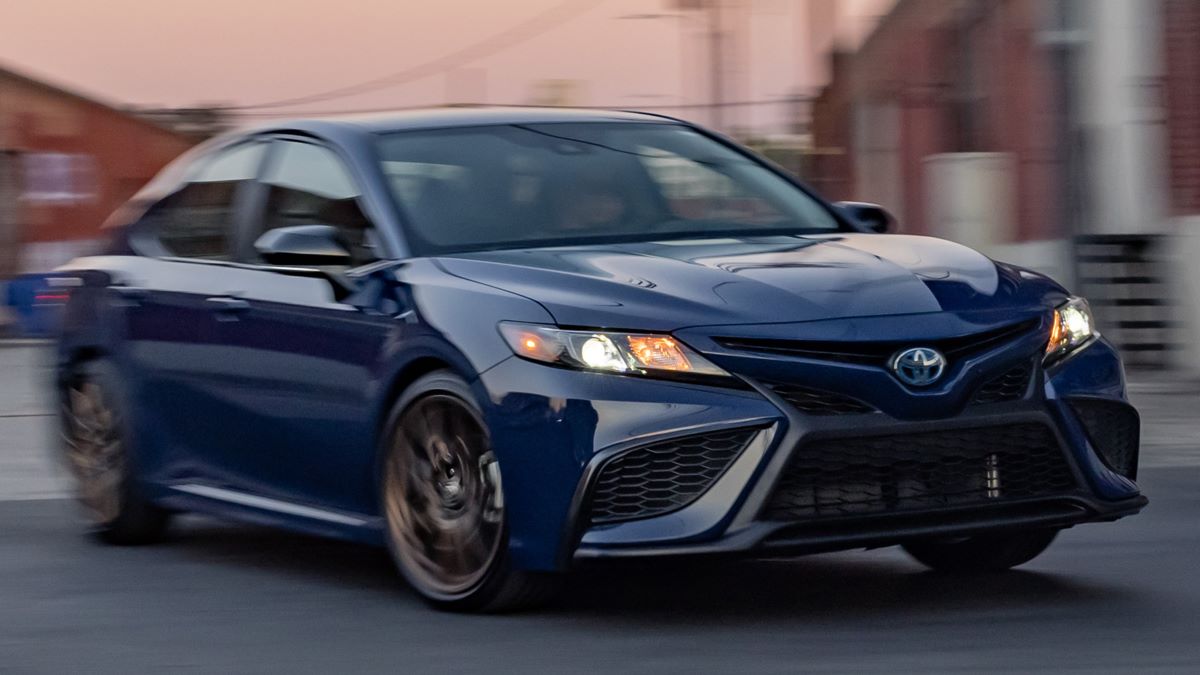
Many families choose to keep them as reliable backup cars even after purchasing newer vehicles. Its quiet cabin, predictable handling, and solid build quality make it a car that feels familiar and safe, no matter how old it gets.
The 2025 Camry Hybrid offers two hybrid powertrains, one for front-wheel drive and another for all-wheel drive. Front-wheel-drive models use a 2.5-liter four-cylinder engine paired with two electric motors to produce a combined 225 horsepower.
All-wheel-drive variants add a third motor to power the rear axle, bumping total output to 232 horsepower. Both setups come paired with a continuously variable automatic transmission (CVT).
These hybrid systems are similar to those used in the Toyota Prius, though the Camry swaps in a larger 2.5-liter gasoline engine instead of the Prius’s 2.0-liter unit.
During our initial test drive, the hybrid powertrain impressed us with its quick and smooth response in city driving, largely due to the instant torque from the electric motors. However, none of the 2025 Camry models can match the brisk acceleration of the discontinued V-6 version, which will be missed.
The SE and XSE trims come with sport-tuned suspensions, and during our time with the XSE, we appreciated its improved body control through corners. Still, the steering left us wanting more, it feels accurate but lacks genuine feedback.
Also Read: Why This Ford Pickup Is Breaking Auction Records in 2025
4. Ford F-150
As America’s best-selling truck for over 40 years, the Ford F-150 is more than a workhorse it’s a family legacy. Many F-150s stay in families because they are built tough and easy to maintain.
The truck’s versatility also contributes to its longevity; it’s equally at home hauling loads, towing boats, or serving as a daily driver.
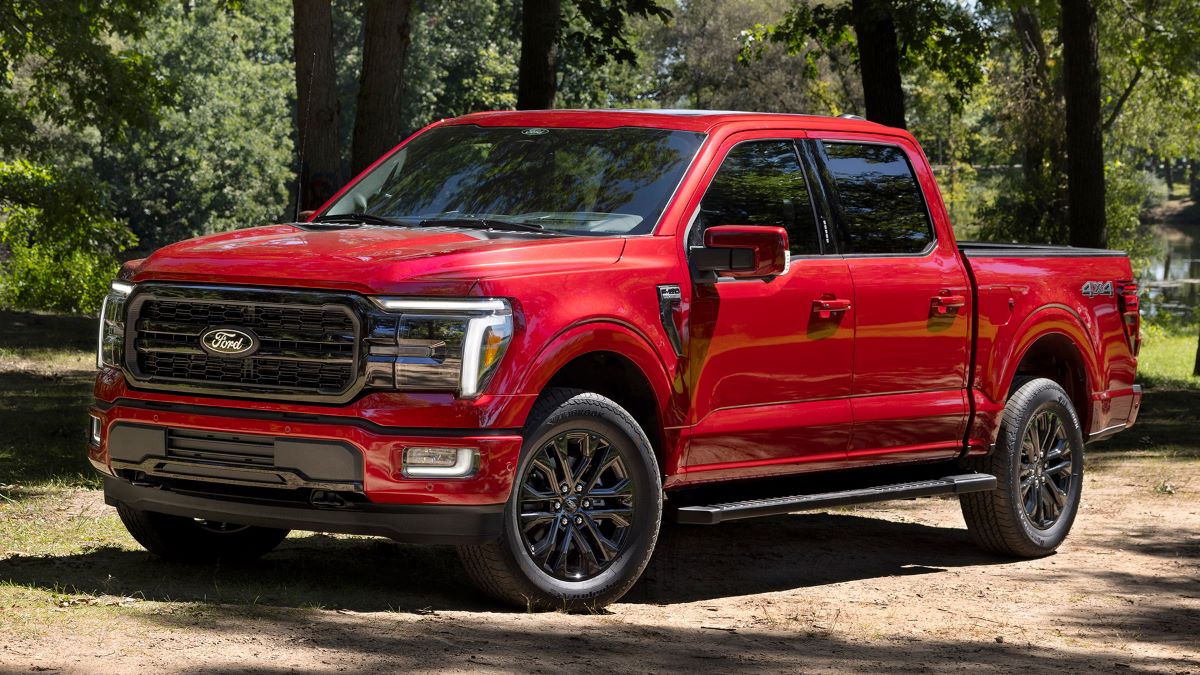
Some families have multiple F-150s spanning generations, each with its own stories of road trips, projects, and adventures. Classic F-150s from the 1990s are especially popular as restorations, often passed down from parents who originally bought them new.
The combination of emotional attachment and mechanical resilience makes the F-150 a true American icon.
5. Subaru Outback
In the Northeast and Pacific Northwest, it’s hard to find a family that hasn’t owned or still owns a Subaru Outback. Its all-wheel-drive capability, strong safety reputation, and rugged practicality make it a staple for families who value adventure and reliability.
Outbacks are known to survive snowstorms, long road trips, and years of heavy use while maintaining their composure. Owners often pass them down to younger family members as first cars, knowing they’ll remain dependable.
The Outback’s strong resale value and loyal fanbase only reinforce its reputation as a vehicle that stays in the family garage far longer than most.
The 2025 Subaru Outback delivers confident handling, though it doesn’t offer much in the way of excitement behind the wheel. Its steering is well-balanced and precise, but it lacks meaningful feedback. The ride quality is smooth and composed across most surfaces, and the Outback feels sure-footed on dirt or gravel roads, true to its rugged reputation.
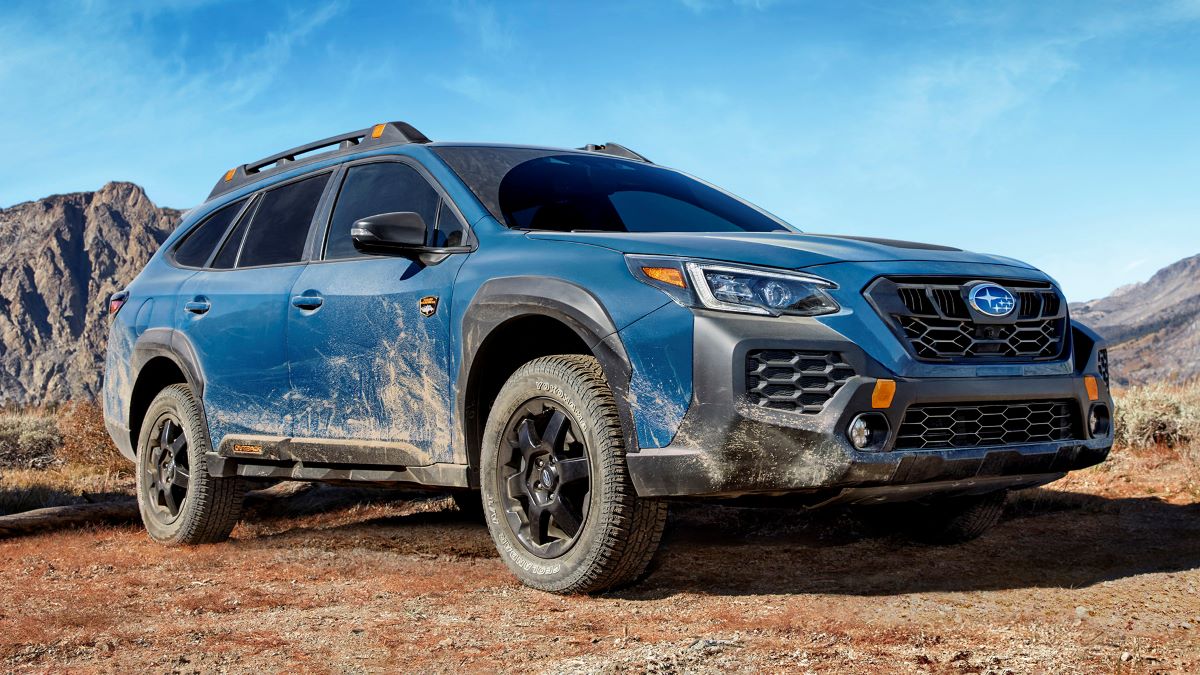
Most trims come equipped with a 2.5-liter flat-four engine producing 182 horsepower and 176 pound-feet of torque. Higher trims, along with the Wilderness model, feature a turbocharged 2.4-liter flat-four that boosts output to 260 horsepower and 277 pound-feet of torque.
Every Outback includes standard all-wheel drive and a continuously variable automatic transmission (CVT). While the base engine can feel a bit weak at times, it’s adequate for everyday driving.
The turbocharged version offers much stronger performance, though there’s some noticeable turbo lag. The CVT, meanwhile, can seem unrefined, especially during highway acceleration.
The 2025 Outback earns above-average fuel economy ratings within the wagon category. Models with the base engine achieve an EPA-estimated 26 mpg in the city and 32 mpg on the highway. Turbocharged versions return 22/29 mpg city/highway, while the more rugged Wilderness trim delivers 21/26 mpg.
Although the 2025 Outback’s cabin design isn’t particularly striking, it’s well-built, comfortable, and functional. The interior has a straightforward layout that prioritizes practicality over flash.
Seating for five is standard, and the cabin feels open and airy. The front seats are well-cushioned and supportive, offering ample space for taller occupants. The second row is slightly tighter but still accommodates adults comfortably.
Cargo capacity is another strength. There’s 32.6 cubic feet of storage space behind the rear seats and 75.6 cubic feet with them folded flat. That’s plenty of room for bulky items like camping gear, bicycles, or luggage for a weekend getaway.
The 2025 Subaru Outback ranks highly in overall value for the wagon segment. This score reflects its strong ownership cost projections and competitive pricing across both base and top trims.
6. Jeep Cherokee (XJ)
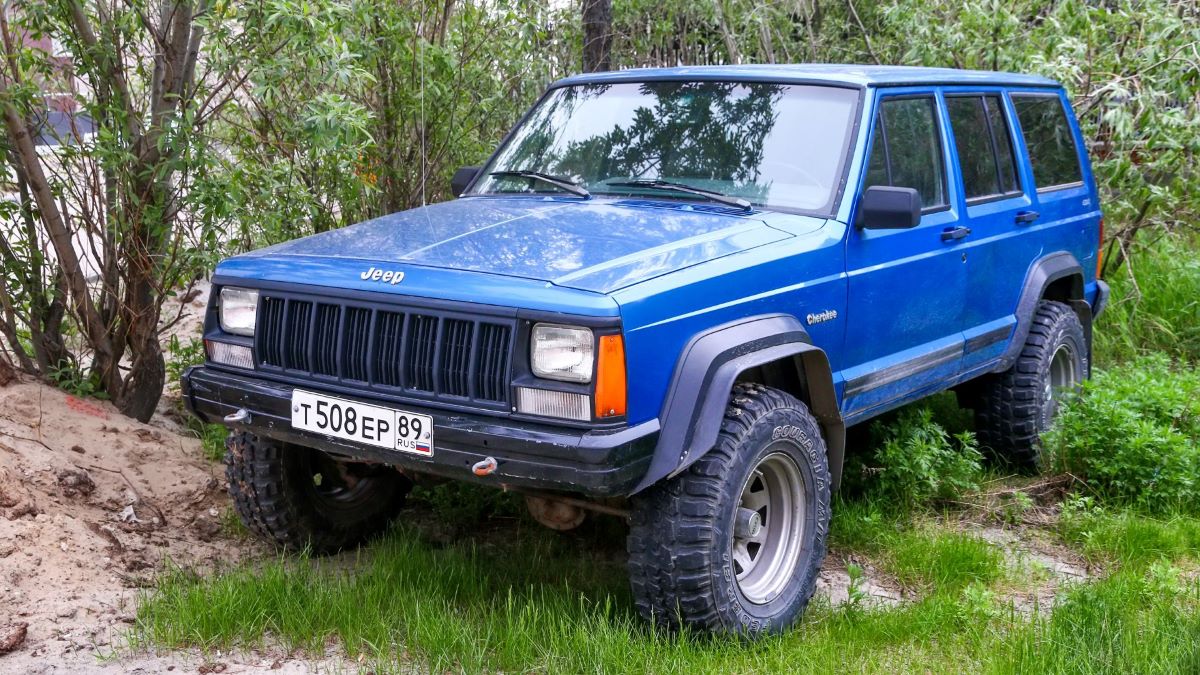
The Jeep Cherokee XJ, built from 1984 to 2001, is a vehicle that refuses to die. Many families who bought one in the 1990s still keep it running, often as a secondary or weekend car.
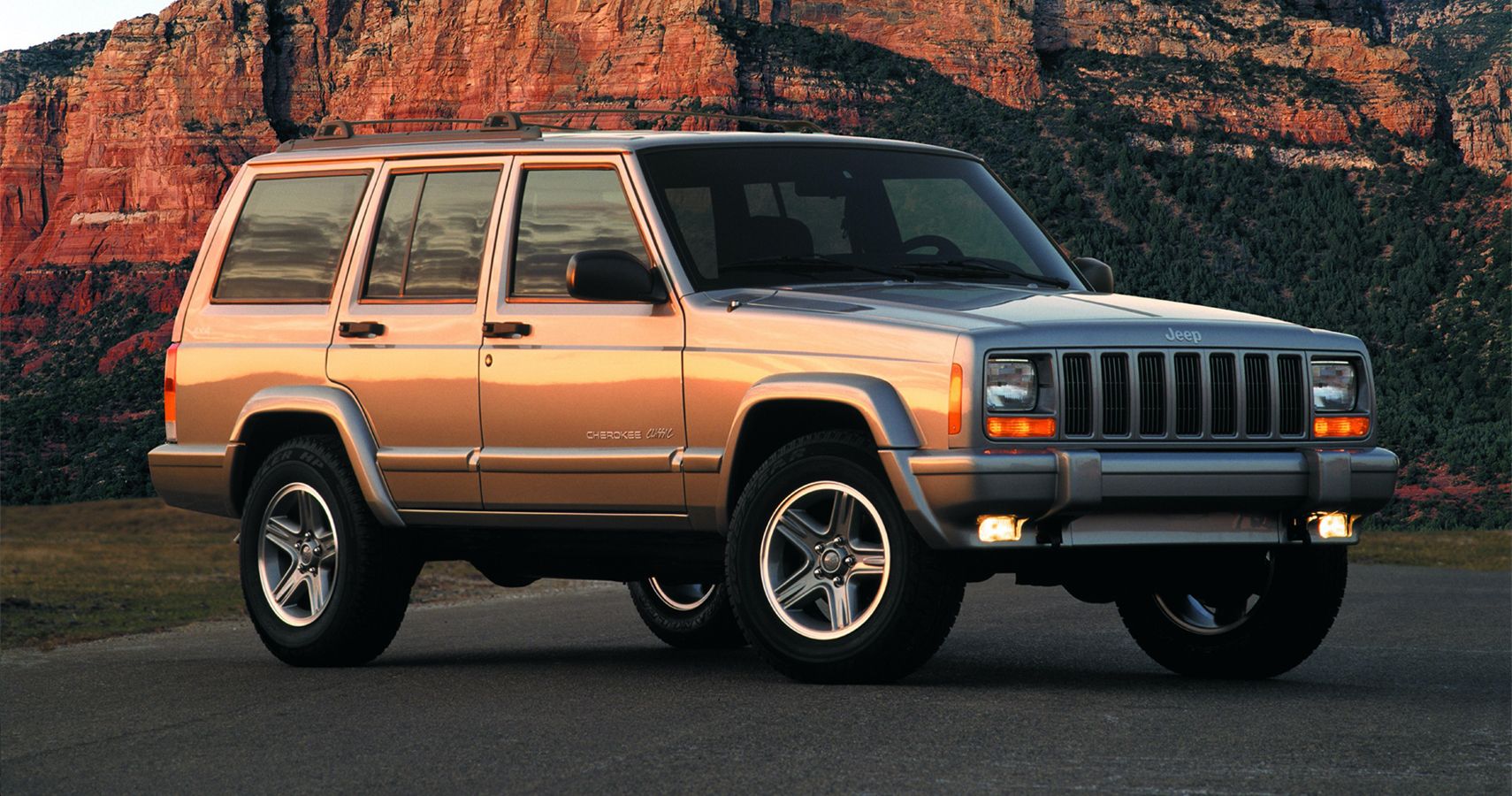
Its simple 4.0-liter inline-six engine and rugged construction make it easy to repair and nearly indestructible. Beyond practicality, there’s nostalgia people who grew up riding in these boxy SUVs now restore them to relive their childhood memories.
The Cherokee XJ has become a symbol of 1990s Americana, often passed between family members who appreciate its blend of off-road toughness and everyday comfort.
7. Volvo 240
The Volvo 240 might not turn heads, but its reputation for durability and safety made it a family favorite for decades. Known as the “brick” for its boxy shape and tank-like build, the 240 was a mainstay in American suburbs during the 1980s and 1990s.
Many still run today, owned by the children or even grandchildren of their original buyers. Its simplicity and robust engineering allow it to outlast many modern cars, and its old-school charm has transformed it into a cult classic.
Families keep these cars not just for nostalgia but because they genuinely last, often with odometers well past 300,000 miles.
The numerical designations in the Volvo 242 model name indicate a four-cylinder engine and two doors. This body style was produced from 1974 to 1984.
The four-door sedan version, known as the Volvo 244 (four cylinders, four doors), was available from 1974 to 1993, while the station wagon variant, the Volvo 245 (four cylinders, five doors), was also built during that same period.
A more upscale four-door sedan featuring a six-cylinder engine was introduced in 1974 as the Volvo 264 (six cylinders, four doors) and remained in production until 1982.
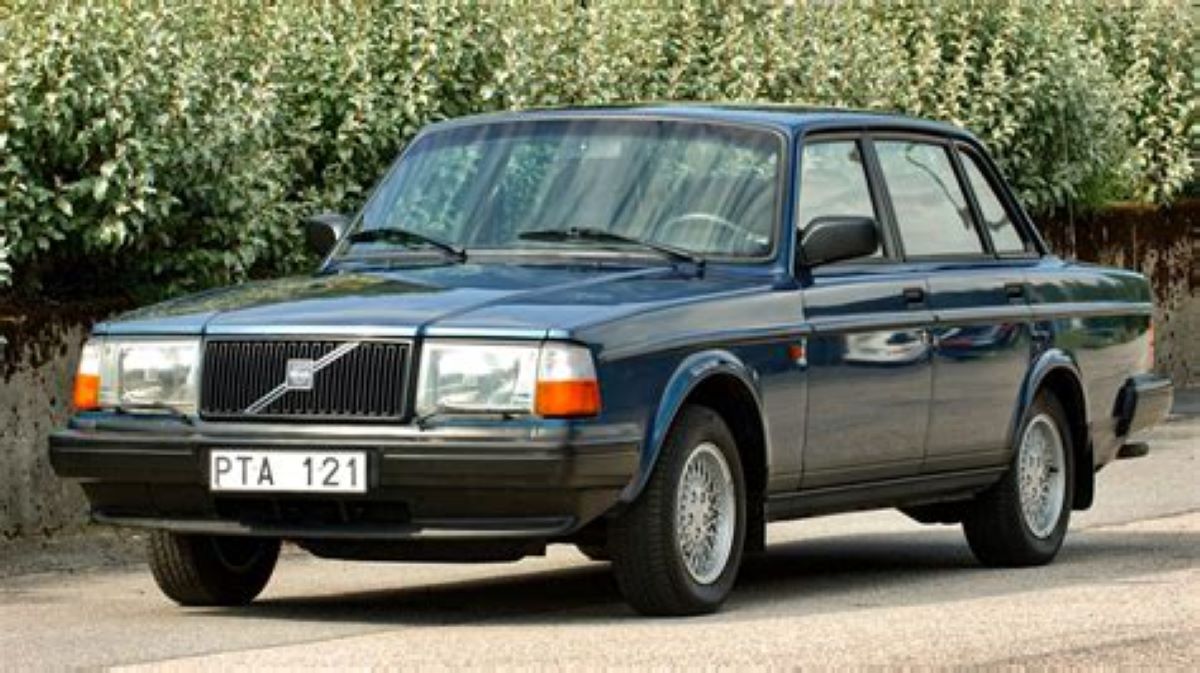
In select markets, Volvo also offered a two-door six-cylinder version between 1975 and 1977, labeled the 262 (six cylinders, two doors). Additionally, the six-cylinder wagon, marketed as the Volvo 265 (six cylinders, five doors), was produced from 1975 to 1985.
Starting with the 1983 model year, Volvo simplified its naming structure. The four-cylinder models were rebranded as the Volvo 240, while the six-cylinder 265 became known as the Volvo 260.
Between 1977 and 1981, Volvo also offered the 262C, a distinctive two-door, six-cylinder coupé, which helped solidify the brand’s reputation for premium craftsmanship and design.
Volvo further enhanced its standing as a pioneer in automotive safety by implementing several groundbreaking features. These included a steering column designed with multiple break points and a strategically positioned fuel tank placed in front of the rear axle for added protection.
At its debut, the Volvo 240 was widely recognized as the world’s safest car, offering unmatched occupant protection. In 1976, the U.S. National Highway Traffic Safety Administration (NHTSA) even selected the Volvo 240 as its standard vehicle for safety research, a distinction the model earned again in 1991.
8. Chevrolet Suburban
When it comes to longevity, few names have as much history as the Chevrolet Suburban. It’s the longest-running automotive nameplate in the world, and many examples have been family staples for decades.
Known for its size, power, and utility, the Suburban is ideal for large families or those with a lot of gear to haul.
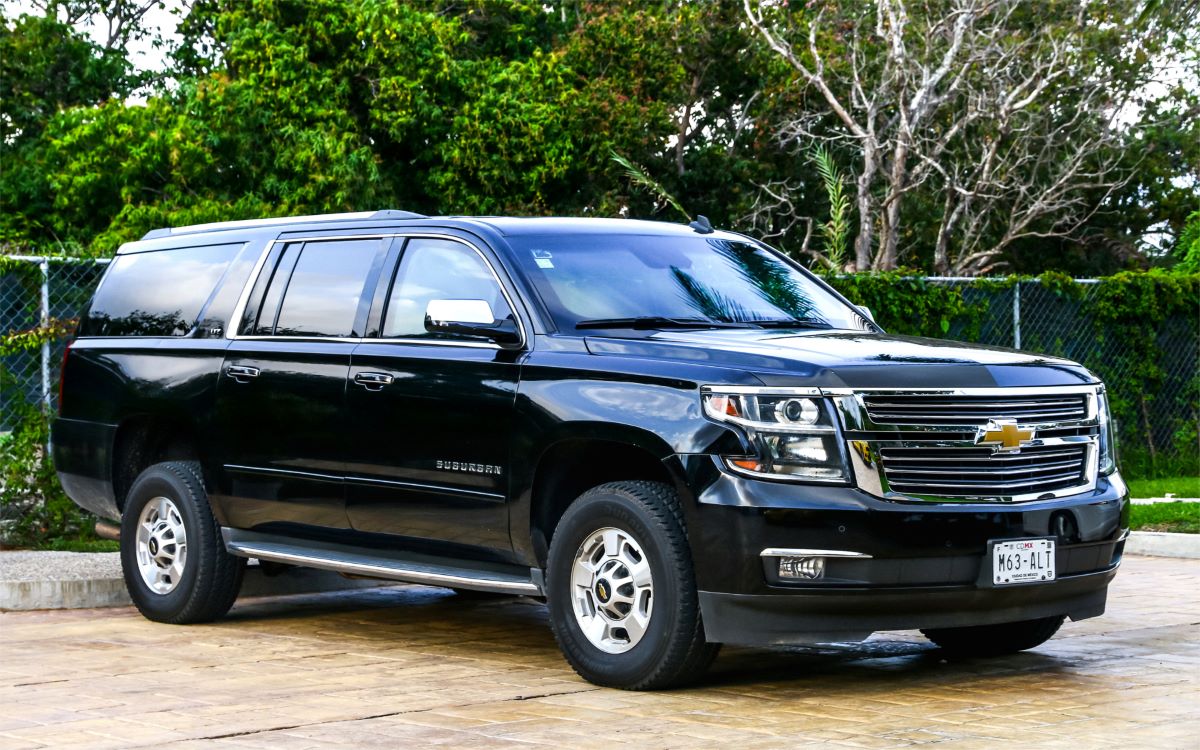
Many American families use them for road trips, towing, and daily errands, and then keep them running for generations thanks to readily available parts and sturdy engines.
Classic Suburbans from the 1980s and 1990s are still on the road today, often lovingly maintained or restored by the same families who bought them new.
For 2017, Chevrolet updates the Suburban lineup with several key changes, including renaming the top trim level to Premier. New features across the range include automatic low-speed emergency braking paired with the existing forward collision warning system, a teen-driver monitoring system with location management, and a reminder that alerts the driver to check the backseats for child passengers before leaving the vehicle.
Additionally, the Suburban now features simpler ventilated seats instead of the previous cooled ones, and its rear entertainment system has been updated for improved functionality and usability.
The Chevrolet Suburban continues to embody the traditional SUV formula, originating as a truck-based passenger vehicle designed for space and durability. Although modern buyers increasingly favor car-based crossovers for their easier handling, superior ride comfort, and better fuel efficiency, these models cannot match the Suburban’s rugged towing and off-road abilities.
Measuring nearly 17 feet in length, the Suburban is capable of carrying large families, handling vast amounts of cargo, or towing heavy loads of up to 8,300 pounds.
Its body-on-frame construction and available four-wheel-drive system ensure the toughness needed for demanding conditions, while its interior offers impressive comfort and luxury options. However, its large size can make urban driving and parking more challenging, and its truck-derived suspension compromises ride comfort somewhat, resulting in average ratings in some consumer reviews.
The Suburban shares its platform with the GMC Yukon XL, though the latter offers an available engine upgrade that enhances performance. Its closest rivals include the Ford Expedition and Toyota Sequoia, both solid choices despite lacking recent redesigns.
While the Suburban remains the newest entrant among full-size, truck-based SUVs, the GMC and Toyota continue to achieve higher customer satisfaction scores.
In terms of safety, the 2017 Suburban comes well-equipped with standard features such as antilock disc brakes, stability and traction control with trailer sway management, front-seat side airbags, full-length side curtain airbags, and a center airbag between the front seats for additional side-impact protection.
Also Read: 5 Cars With Dependable Start-Stop Systems and 5 That Annoy Owners
9. Lexus LS 400
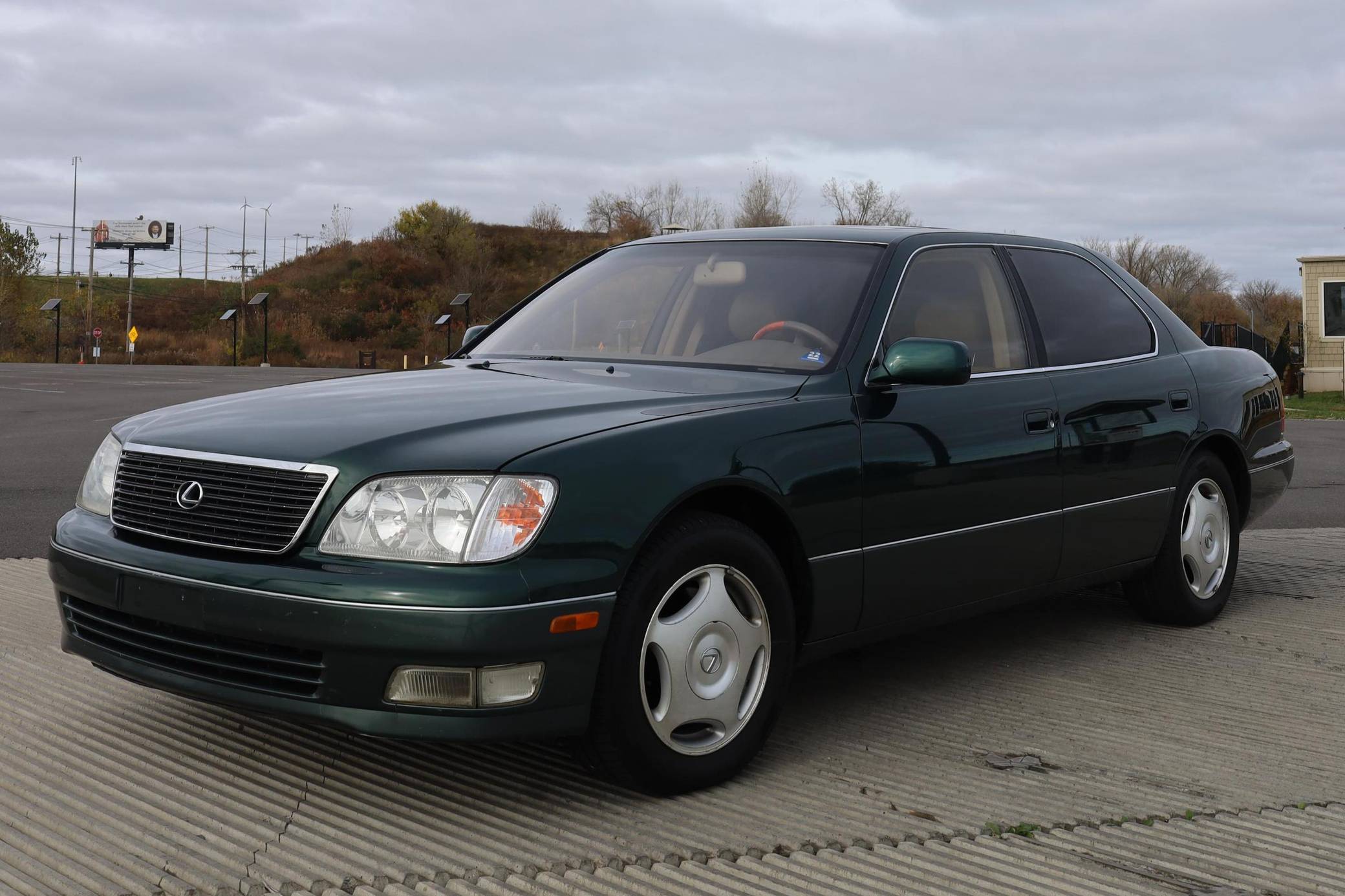
When Lexus launched in 1989, the LS 400 set new standards for reliability and refinement. Its silky-smooth V8 and bulletproof construction made it a favorite among luxury buyers who wanted longevity without the headaches of European rivals.
Many LS 400s have stayed in families since the early 1990s, their timeless design and quiet ride still competitive even today.
Because they were over-engineered, these sedans easily surpass 300,000 miles with regular maintenance. Owners often describe them as the kind of car that “feels new forever,” which is why many refuse to sell even after decades of ownership.
For 2004, Lexus gives the LS 430 a midcycle update that brings a blend of subtle exterior styling tweaks and several noteworthy enhancements.
The luxury sedan now comes standard with a six-speed automatic transmission featuring a manual-shift gate, adaptive headlights that pivot during turns, knee airbags for both the driver and front passenger, and a moonroof.
Newly available options include an advanced Pre-Collision system that employs radar to sense potential frontal collisions. When a crash is deemed imminent, the system automatically tightens the seatbelts, engages sport mode on models equipped with air suspension, and applies maximum braking force to help mitigate impact.
Other new highlights include the SmartAccess system, which lets the driver start the car without using a traditional key; a Sport Package featuring 18-inch wheels; and a rearview backup camera. Vehicles equipped with the navigation system also gain expanded voice recognition and Bluetooth hands-free phone functionality.
The premium Mark Levinson audio system receives an upgrade as well, now offering sound optimized for different seating positions. Additionally, satellite radio becomes available as a dealer-installed option.
With refinement and comfort on par with, or exceeding, that of its German luxury rivals, the LS 430 delivers an exceptional driving experience without the pretentious attitude.
10. Honda CR-V
The Honda CR-V combines practicality, efficiency, and reliability three traits that keep it in families for the long haul. As one of the best-selling compact SUVs in America, the CR-V has built a reputation as a vehicle that simply doesn’t quit.
Families often keep older CR-Vs as backup vehicles or pass them on to teenagers because they’re inexpensive to maintain and extremely dependable.
Models from the early 2000s are still a common sight, a testament to Honda’s durable engineering. Its roomy interior and fuel-efficient engine make it just as relevant today as it was 20 years ago, ensuring it continues to be a long-term fixture in American households.
In an era where car ownership is increasingly tied to technology and quick trade-ins, these ten models remind us of a time when vehicles were built to last and cherished as part of the family.
Honda did its homework when introducing its first turbocharged engine in the CR-V, pairing it with one of the best continuously variable automatic transmissions (CVTs) on the market, a compliment not given lightly.
With class-leading fuel economy, strong tech offerings, and a spacious interior, the CR-V is efficient, refined, and practical. Its modern, roomy cabin adds to the appeal, though Honda’s finicky infotainment system somewhat undermines an otherwise stellar package.
For 2018, the CR-V receives only minor updates. The biggest change is the addition of a traditional rotary volume knob for the HondaLink infotainment system, a welcome improvement.
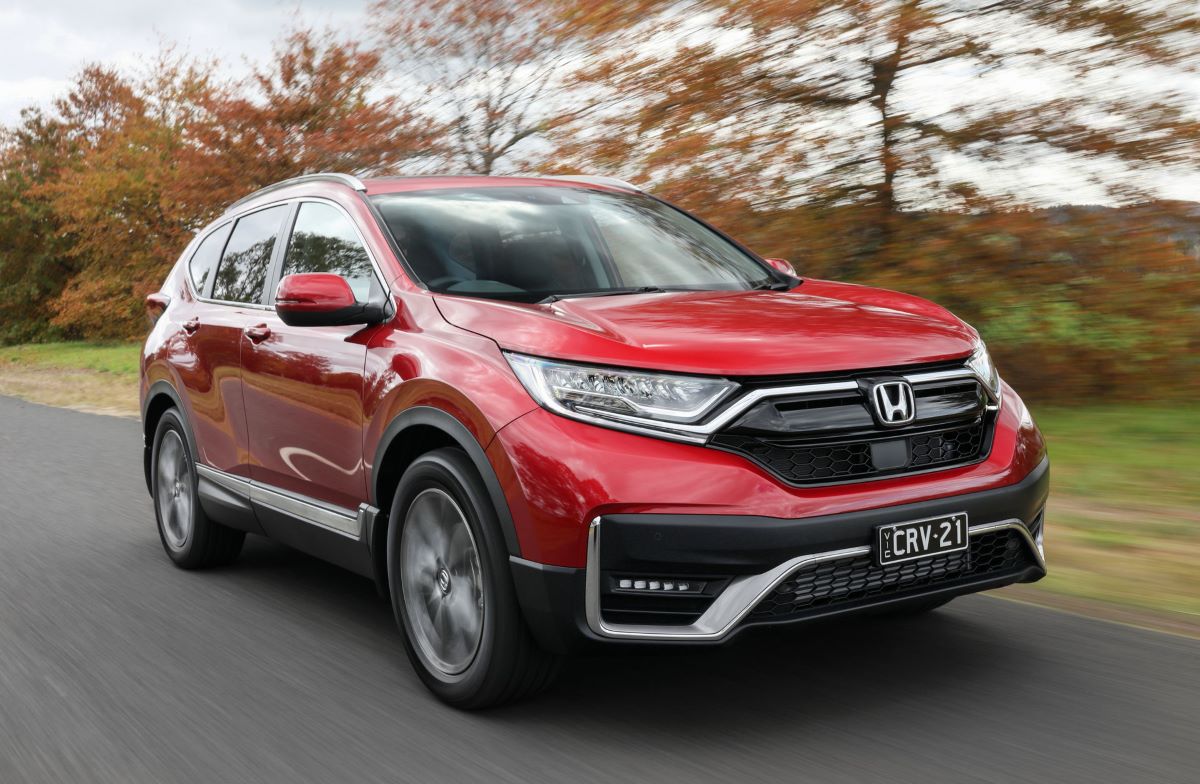
However, other frustrations, such as the lack of a Wi-Fi hotspot and slow system response times, remain. With no alterations to the powertrain or chassis, fuel economy and performance figures carry over unchanged from the previous year.
For the first time, Honda also offers a turbocharged engine in the CR-V: a 1.5-liter inline-four generating 190 horsepower and 179 lb-ft of torque, available on EX, EX-L, and Touring trims. Both engines can be paired with either front- or all-wheel drive.
The turbo engine delivers lively performance, especially at lower speeds, making city driving effortless. The CR-V’s balanced suspension provides a smooth, composed ride, managing to feel agile without compromising passenger comfort. Sharp steering and a well-tuned chassis make it one of the most enjoyable compact SUVs to drive.
Whether it’s the indestructible Toyota Land Cruiser, the ever-reliable Honda Accord, or the timeless Volvo 240, these cars have earned their place in American garages for decades.
They represent more than mechanical endurance; they embody trust, shared history, and continuity across generations. For many families, letting go of these vehicles isn’t just selling a car it’s saying goodbye to years of memories on the open road.
