For many drivers, suspension problems are among the most frustrating, and expensive issues a car can face. Whether it’s clunks, rattles, or uneven tire wear, suspension troubles can ruin the driving experience and drain the wallet.
Yet some vehicles manage to stay remarkably tight over the years, resisting bushing wear, shock leaks, and the dreaded looseness that plagues so many cars with age.
These 12 cars, beloved for their durability and engineering precision, are known for staying composed long after the odometer crosses six figures.
1. Toyota Camry
The Toyota Camry has long been the poster child for low-maintenance ownership, and its suspension is no exception. Toyota’s conservative tuning favors comfort, but the Camry’s suspension components especially in models from the mid-2010s onward are built to last.
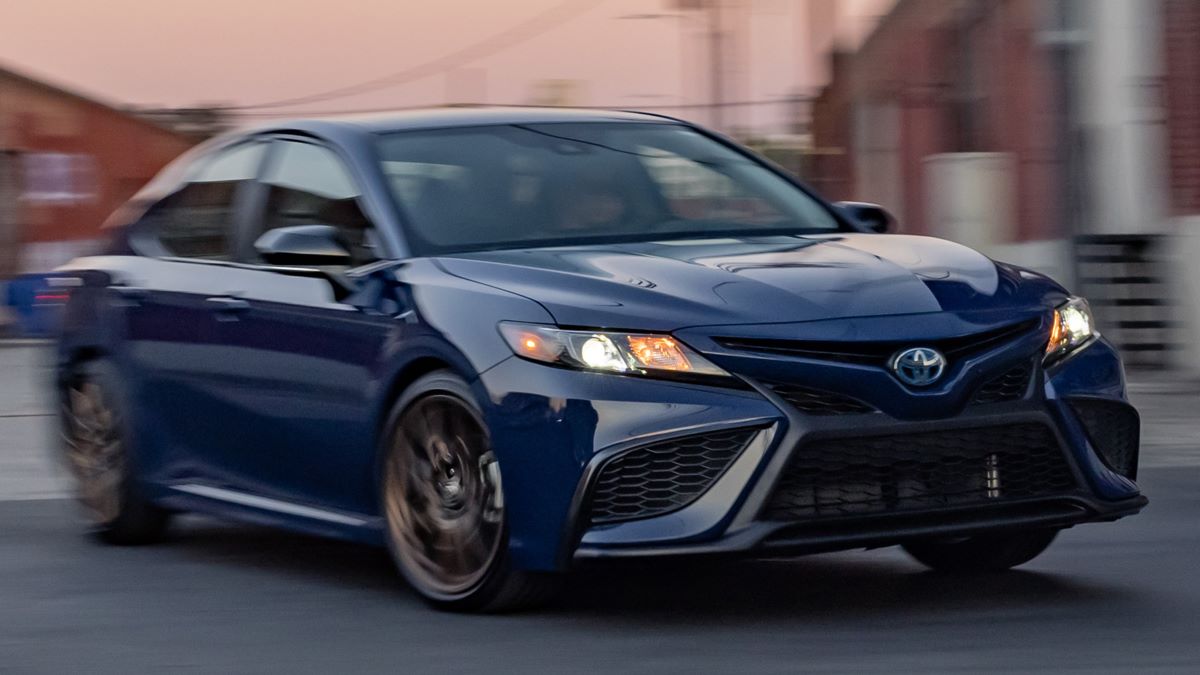
Even after 150,000 miles, owners report a solid, rattle-free cabin and consistent ride quality. The MacPherson strut setup up front and multi-link rear are simple, durable, and inexpensive to maintain.
It’s one of those rare sedans that stays tight and composed even when the shocks should be due for replacement.
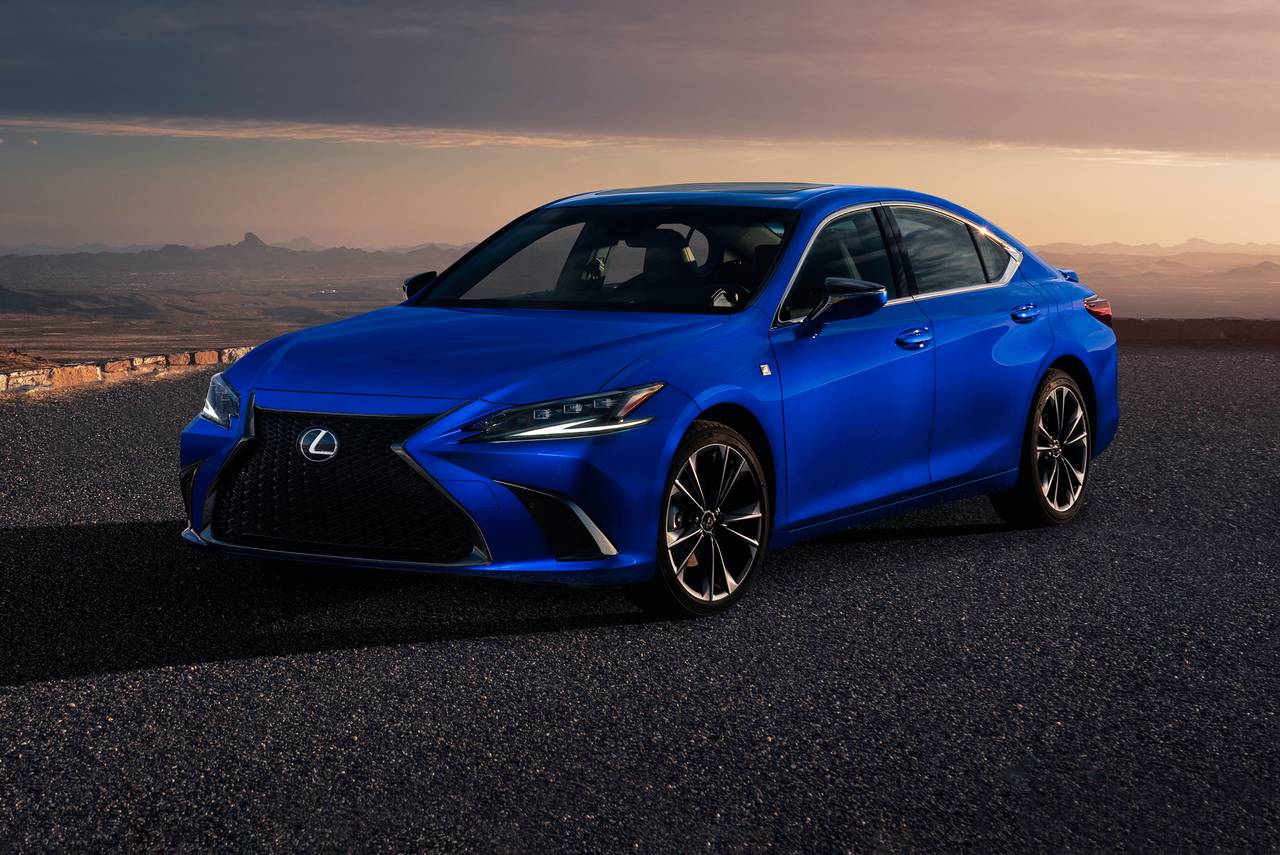
2. Lexus ES
If the Camry is dependable, the Lexus ES is its more refined twin that takes longevity even further. Sharing much of its underpinnings with Toyota’s midsize legend, the ES benefits from higher-grade materials and tighter factory tolerances.
Owners of the ES350 routinely praise how smooth and rattle-free the car remains, even beyond 200,000 miles. Lexus’s focus on isolation and component quality especially in the suspension bushings and mounts keeps the car quiet and stable over rough pavement.
The 2020 Lexus ES is a midsize luxury sedan that delivers many of the qualities buyers in this segment value most. It offers refined handling, a quiet and comfortable cabin, and an optional hybrid powertrain for those who prioritize fuel efficiency.
Inside, the ES feels like a calm sanctuary on the highway, with an elegant, high-end design that reflects Lexus’s attention to detail. Standard features include a wide array of tech and driver-assistance amenities, while the large trunk adds practical utility to its luxury appeal.
One drawback is the infotainment system, which relies on a trackpad interface that can be distracting for new users and tricky to operate while driving. Still, the ES stands out for its lower starting price compared with many rivals, providing strong value in a competitive class.
For 2020, the Lexus ES gains Android Auto smartphone integration as standard equipment, though this feature is only available on models produced from October 2019 onward. Additionally, gas-only variants now offer an optional rear spoiler.
The 2020 Lexus ES lineup starts at $40,925 and climbs to $46,685 depending on the chosen trim and options. We recommend the base ES350, which offers an impressive balance of comfort, features, and value. It comes with 17-inch wheels, LED headlights and brake lights, a sunroof, and power-adjustable side mirrors with integrated turn signals.
The cabin features power-adjustable front seats, a manual tilt-and-telescoping steering column, dual-zone automatic climate control, keyless entry with push-button start, faux-leather upholstery, and a leather-wrapped steering wheel.
Lexus also includes its comprehensive Safety System+ suite, which features forward-collision warning, adaptive cruise control, and other advanced driver-assistance technologies.
To further enhance comfort and convenience, we’d recommend adding the Premium package ($1,375), which includes rain-sensing windshield wipers, a power tilt-and-telescoping steering wheel, driver-seat memory, and heated/ventilated front seats.
Optional wood trim ($360) and blind-spot monitoring with rear cross-traffic alert ($500) are worthwhile additions, bringing the total to about $43,160 for a well-equipped ES350.
Under the hood, the ES gives buyers two powertrain options. The ES350 features a 3.5-liter V6 engine producing 302 horsepower and 267 lb-ft of torque, paired with an eight-speed automatic transmission that drives the front wheels.
Hybrid models (ES300h) use a 2.5-liter four-cylinder engine combined with electric motors for a total of 215 horsepower and 153 lb-ft of torque, paired with a continuously variable automatic transmission (CVT) and front-wheel drive. In performance testing, the gas-powered ES reached 60 mph in 6.1 seconds, while the hybrid model did the same in 8.3 seconds.
Also Read: Top 5 Engines That Stay Tight and 5 That Shake Apart
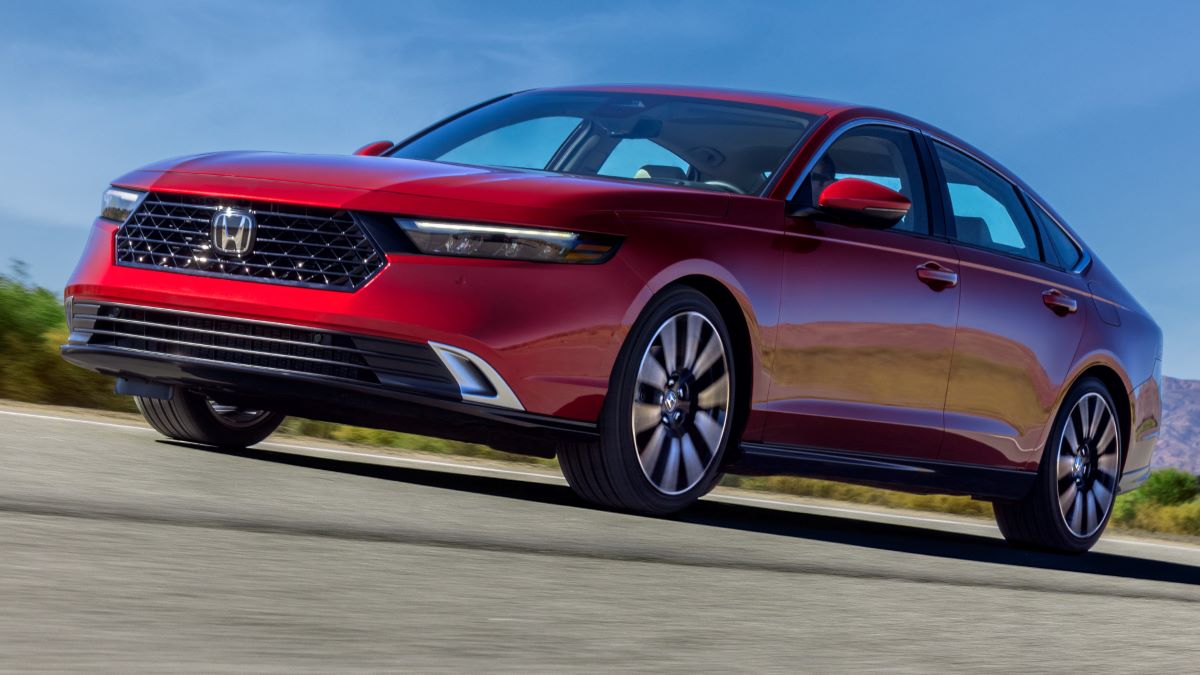
3. Honda Accord
Honda’s long-standing reputation for reliability extends to the Accord’s suspension setup. The double-wishbone front suspension, which returned in newer generations, gives the car a firm but compliant ride and exceptional control over uneven roads.
Even older Accords from the late 2000s are known for their tight steering feel and lack of squeaks or rattles.
Honda engineers design their components to handle high-mileage commuting and still feel cohesive, a reason the Accord remains one of America’s most trusted family sedans.
Every time we take the wheel of a Honda Accord, we’re reminded just how exceptional this sedan truly is. Its cabin is spacious, comfortable, and thoughtfully designed with practical features and premium materials.
The handling is sharper than most competitors, edging into sports-sedan territory, while two efficient powertrains, one of them a hybrid, deliver smooth and eager performance. The fact that all of these strengths come together in such an affordable package feels almost unbelievable.
If you’re wondering about downsides, there really aren’t any worth noting. Sure, enthusiasts might miss the manual transmission or the old 2.0-liter turbocharged engine from the previous generation, but what remains is so well-executed that it hardly matters.
The 2025 Honda Accord continues to prove itself as more than just a family sedan, it’s a benchmark in its class. The Accord stands as one of those rare vehicles that transcends practicality to achieve true icon status.
For 2025, the Honda Accord lineup welcomes a new SE trim that replaces the outgoing EX model. The SE stands out with blacked-out accents, including window trim, mirror caps, 17-inch aluminum wheels, and a shark-fin antenna, giving it a sleek, sporty edge.
Inside, the SE is elevated with premium touches such as a 10-way power driver’s seat, a sunroof, dual-zone automatic climate control, and heated front seats.
Across all models, Honda adds rear air vents and two rear USB-C ports for improved passenger convenience. Hybrid versions now include a 15-watt wireless charging pad, while the Touring trim gains a heated steering wheel as standard.
Pricing for the 2025 Honda Accord ranges from $29,490 for the base LX trim to $40,495 for the fully loaded Touring model. For the best combination of power, features, and value, we recommend the EX-L Hybrid.
This trim pairs the 204-hp hybrid powertrain with a larger 12.3-inch infotainment touchscreen, parking sensors in the front and rear, leather upholstery, a sunroof, dual-zone automatic climate control, and wireless Apple CarPlay and Android Auto. It strikes an ideal balance between performance and luxury, making it the smart choice in the Accord lineup.
Also Read: Top 10 Cars That Survive Teen Drivers and Keep Going
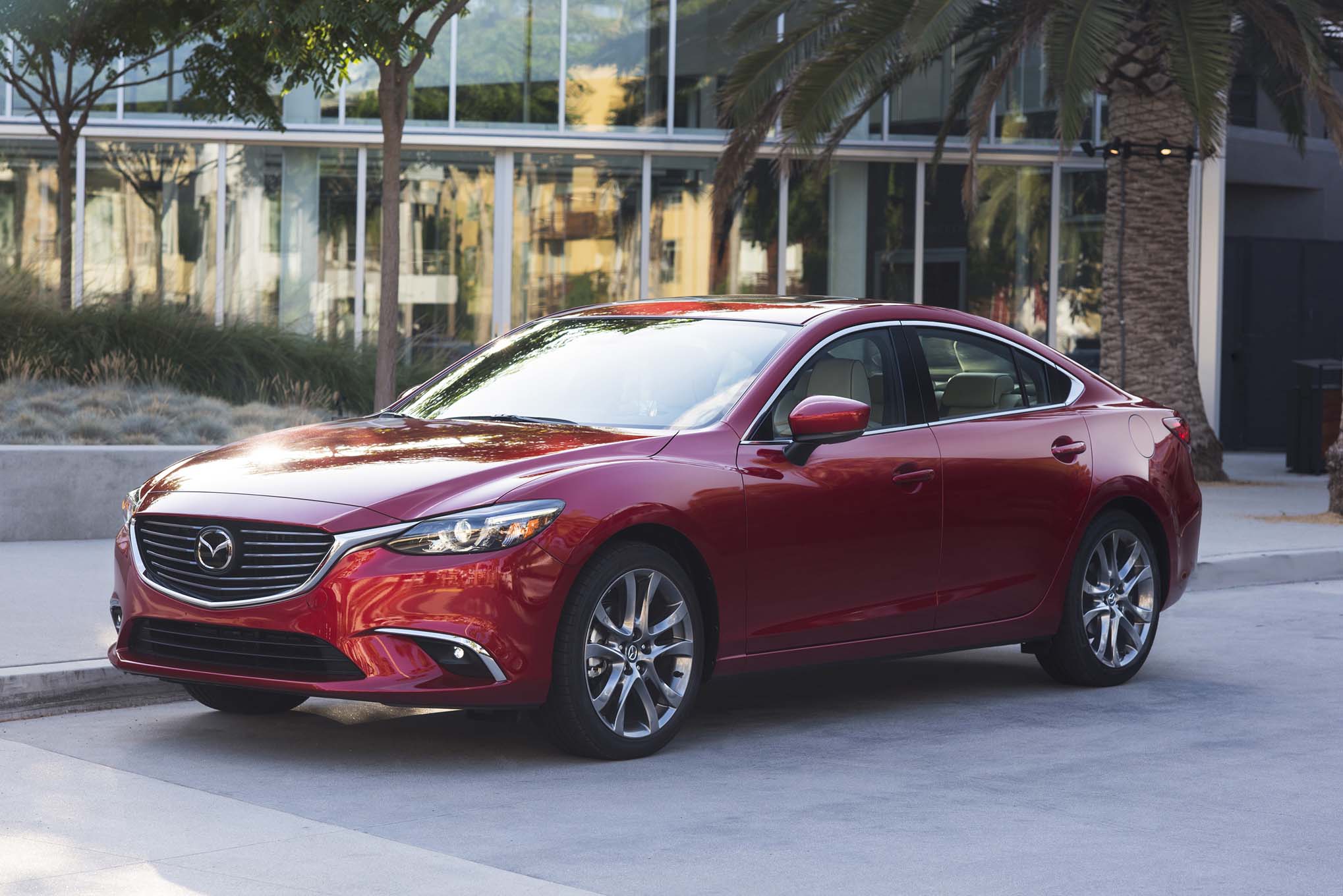
4. Mazda6
Mazda’s chassis tuning philosophy often referred to as “Jinba Ittai,” or horse-and-rider as one translates beautifully to long-term suspension quality.
The Mazda6 feels athletic but never harsh, with bushings and mounts that seem to defy wear. Unlike some sport-tuned sedans, it doesn’t develop the loose, floaty feel that often creeps in over time.
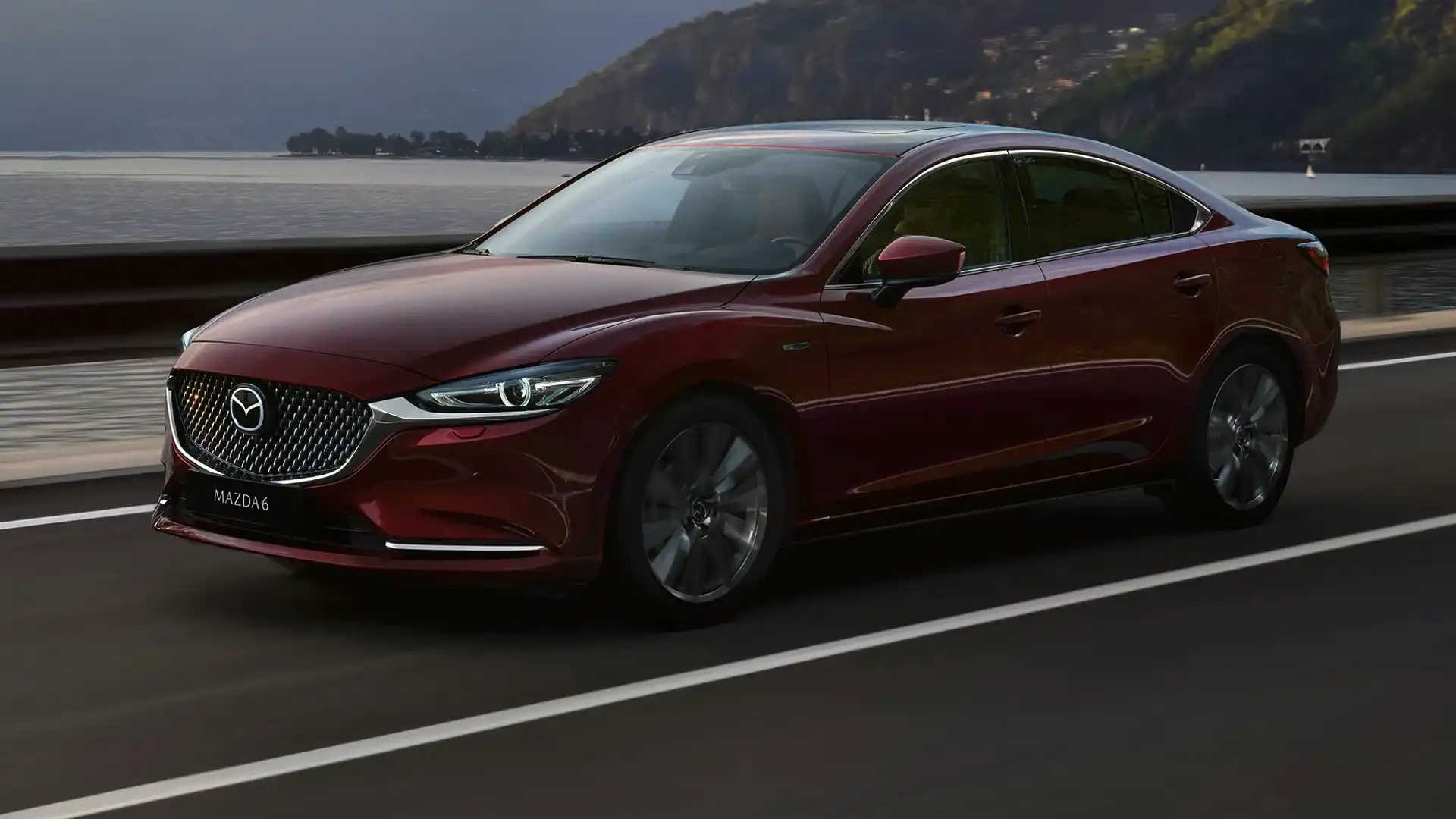
Owners consistently mention that even at high mileage, the Mazda6 feels connected and controlled, a testament to the brand’s obsession with driver engagement and structural rigidity.
The 2021 Mazda 6 stands out as one of the most stylish and refined family sedans on the market, offering a driving experience that feels more premium than many of its rivals.
While it may not be as flawless as the Honda Accord or as recently updated as the Hyundai Sonata, the Mazda 6 delivers an upscale feel that rivals luxury vehicles.
Its 2.5-liter four-cylinder and optional turbocharged engines aren’t particularly thrilling, and the absence of a hybrid option limits its efficiency appeal, but its blend of athletic handling and smooth ride makes it one of the most engaging sedans to drive.
Although we wish Mazda would make its high-end features available across the lineup, even the base models come well equipped with advanced driver assists and popular tech.
For 2021, Mazda introduced a few notable updates, including a new Carbon Edition appearance package that builds on the Grand Touring Reserve trim.
The turbocharged engine gains an extra 10 pound-feet of torque (now 320) when fueled with 93-octane gasoline. Additionally, the top-tier Signature trim adds rear automatic emergency braking and a driver-attention monitor.
Mazda has also confirmed that the 6 will not return for 2022, though speculation suggests a future comeback with rear-wheel drive and an inline-six engine.
Pricing for the 2021 Mazda 6 ranges from $25,470 for the base Sport trim to $36,895 for the luxurious Signature model. The Grand Touring trim strikes the best balance of value and performance, as it’s the most affordable way to get the powerful 250-hp turbocharged engine.
It also includes several desirable upgrades such as a Bose premium audio system, leather-wrapped steering wheel with paddle shifters, wireless Apple CarPlay, and an auto-dimming rearview mirror.
With no complex options list, the only real choice left is color, and the 6 looks especially stunning in Mazda’s signature Soul Red Crystal Metallic.
Under the hood, the Mazda 6 offers two versions of its 2.5-liter four-cylinder engine: a naturally aspirated unit producing 187 horsepower and a turbocharged version that boosts output to 250 horsepower.
Both engines pair with a smooth and responsive six-speed automatic transmission that excels at selecting the right gear for any situation. While it doesn’t offer hybrid technology, the Mazda 6 makes up for it with dynamic handling and refined ride quality.
Steering feedback is precise, the chassis is balanced, and the suspension absorbs imperfections gracefully. Even though the Signature trim showed slightly longer braking distances and less grip than earlier models, partly due to quieter tires, it remains one of the most enjoyable sedans to drive.
Quiet, composed, and beautifully built, the 2021 Mazda 6 continues to prove that practicality and driving pleasure can go hand in hand.
5. Subaru Outback
The Subaru Outback is built for rugged conditions, and its suspension lives up to that mission.
With higher ground clearance and long-travel struts, you’d expect more play and wear over time but Subaru’s use of robust components means the Outback holds its composure remarkably well.
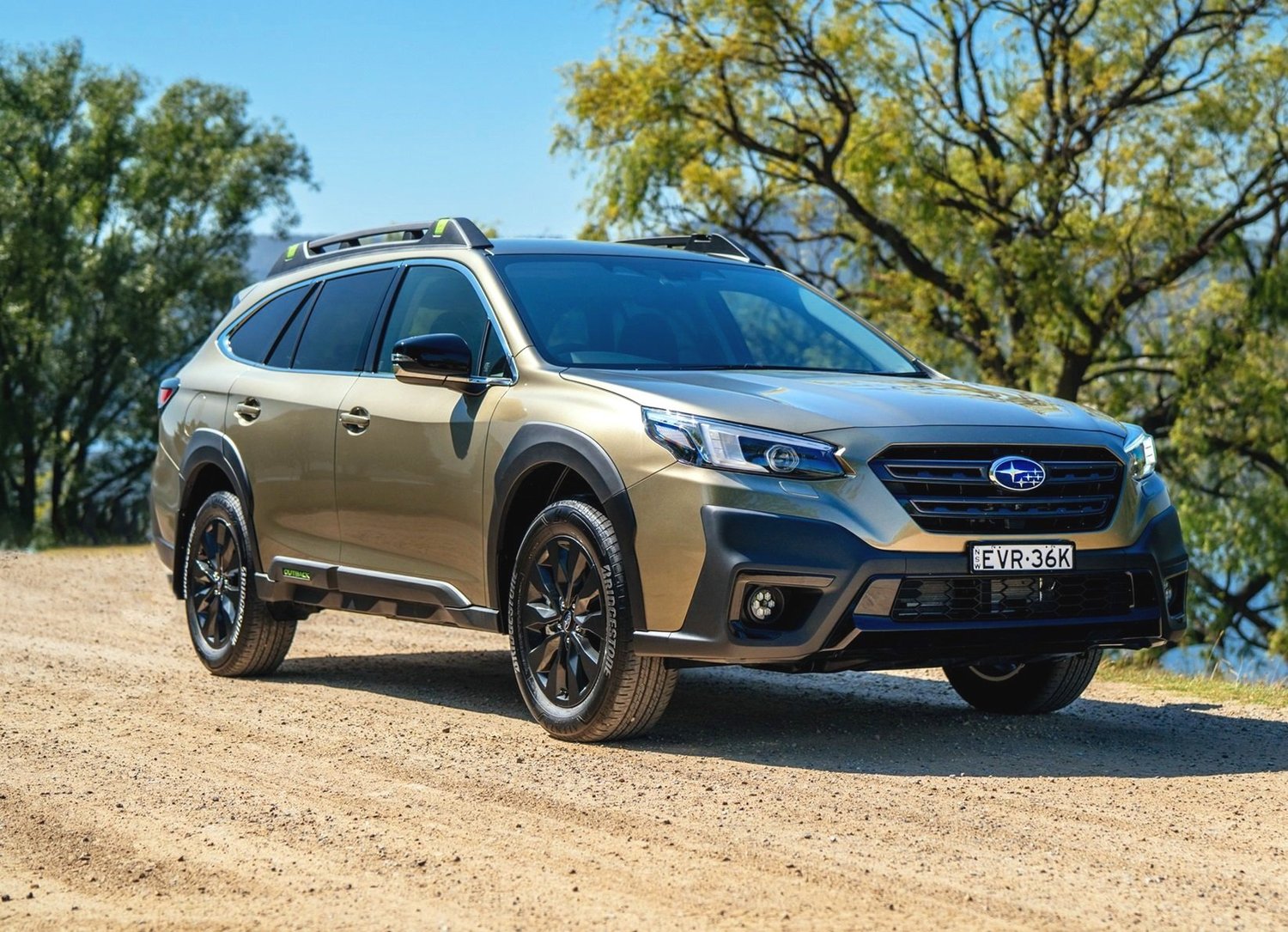
The symmetrical all-wheel-drive system also distributes load evenly, reducing strain on individual suspension components. Even on rough rural roads or snowy terrain, an older Outback typically feels tight and capable with minimal rattling or harshness.
6. Toyota 4Runner
It’s hard to find an SUV that stays as structurally solid as the Toyota 4Runner.
Built on a traditional body-on-frame platform, the 4Runner’s suspension is designed for abuse off-road trails, towing, and heavy loads without developing the creaks and knocks that plague many crossovers.
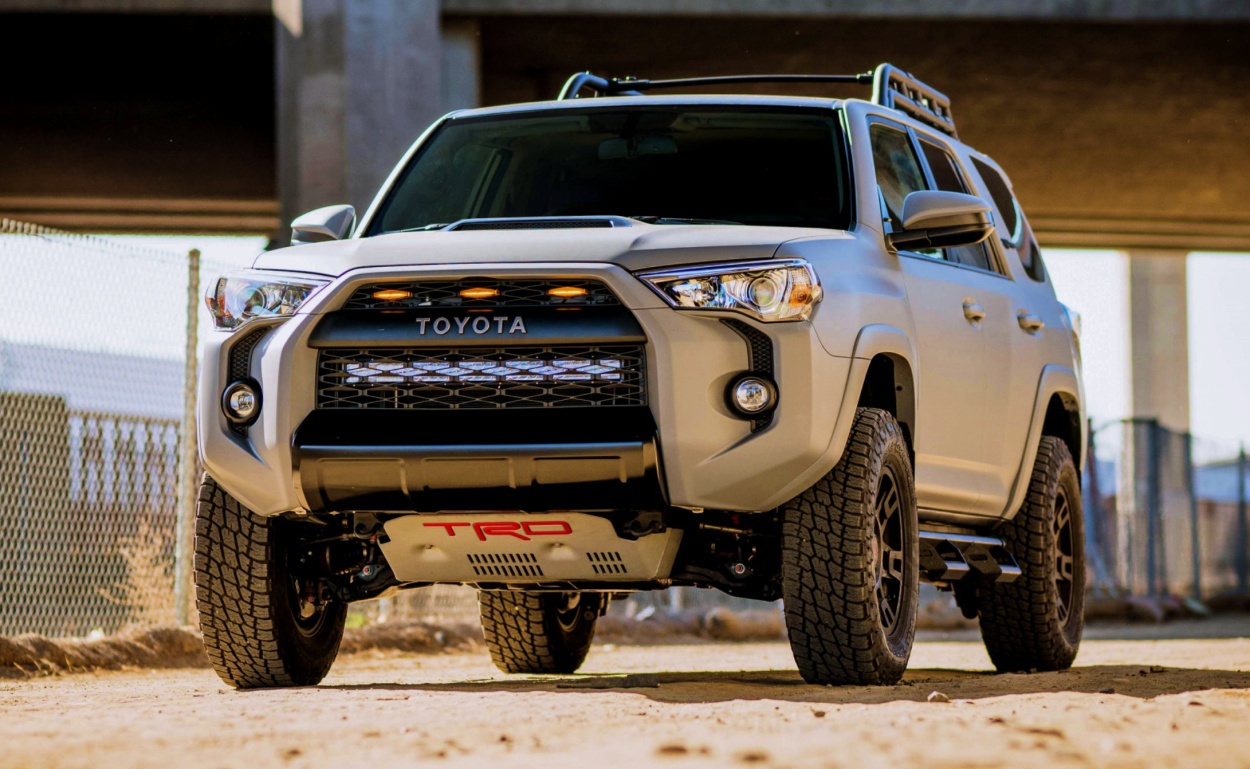
Owners often push these SUVs past 300,000 miles with only basic maintenance, and the suspension remains impressively taut. It’s not a plush ride, but it’s one of the toughest and longest-lasting setups in the industry.
7. Honda CR-V
The Honda CR-V is another example of smart engineering that stands the test of time. Despite being a unibody crossover, its suspension tuning is incredibly robust, offering a balance between comfort and road feel.
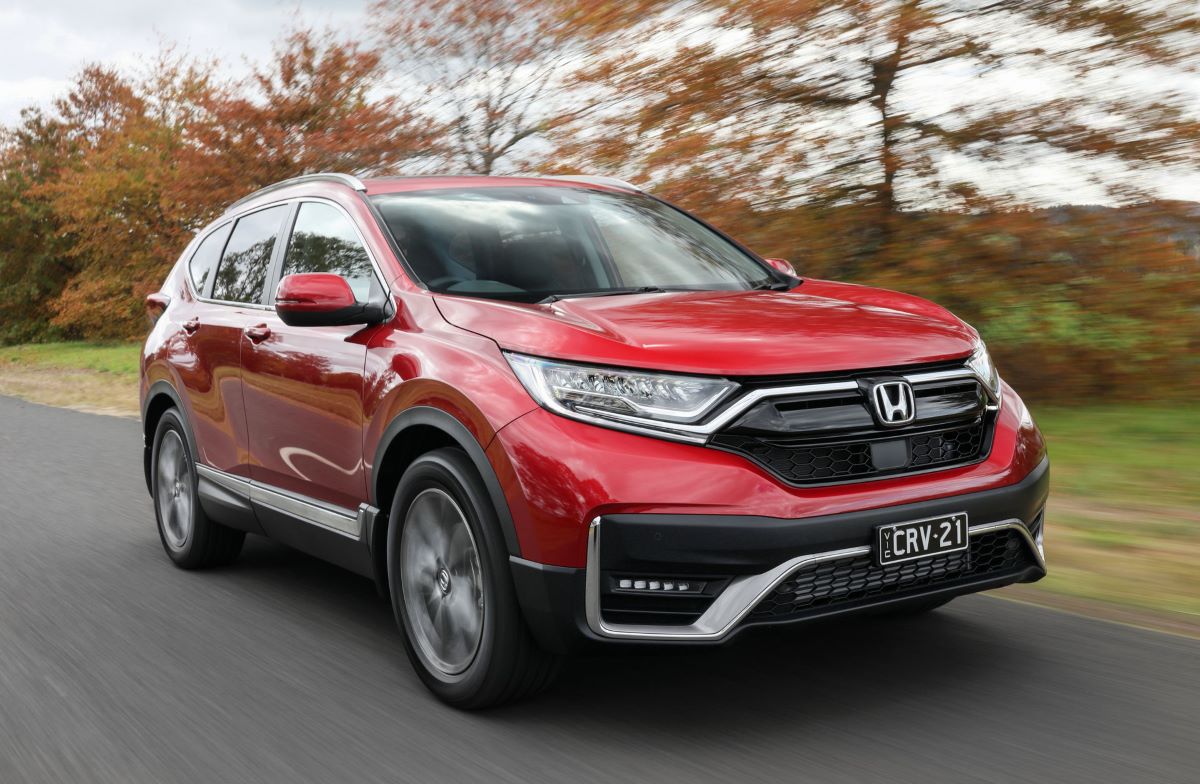
The struts and control arms hold up well, and even when bushings begin to age, the CR-V rarely loses its composure.
Many long-term owners remark that after years of daily driving, it still feels “new” on the road no small feat for a compact SUV.
The 2019 Honda CR-V stands out as a well-rounded compact SUV, combining technology, efficiency, and practicality in a sleek, modern package. With its refined styling, spacious interior, and impressive fuel economy, the CR-V continues to set the standard for crossovers.
Its two available powertrains, including a responsive turbocharged engine, deliver smooth and capable performance, while its excellent road manners make it a pleasure to drive. It’s no wonder the CR-V remains a perennial favorite and a top contender among compact SUVs.
Pricing ranges from $25,570 for the base LX to $33,970 for the top-tier Touring trim. The EX model hits the sweet spot in the lineup, offering great value with features like heated front seats, a 7-inch touchscreen with Apple CarPlay and Android Auto, and Honda Sensing driver-assistance technologies. Front-wheel drive suits most buyers, though all-wheel drive is available for those in harsher climates.
Under the hood, the CR-V offers two four-cylinder engines: a standard naturally aspirated unit and a turbocharged option paired with one of the best CVTs in its class.
While acceleration isn’t particularly thrilling and towing capacity tops out at 1,500 pounds, the CR-V redeems itself with responsive steering, strong braking, and a comfortable, composed ride.
It’s equally suited for daily commutes and long road trips, delivering confidence and refinement at every turn. The 2019 Honda CR-V remains one of the most balanced and capable crossovers on the market, proof that Honda continues to master the formula for everyday excellence.
8. Lexus GX
The Lexus GX takes the 4Runner’s durability and adds luxury refinement. It’s one of the few luxury SUVs that can be driven off-road without fear, yet its suspension remains impressively tight on the pavement.
Air suspension components on older GX models can eventually need service, but the overall design particularly the control arms, shocks, and bushings is built to outlast most rivals.
It’s a favorite among owners who value both comfort and the feeling of driving something solidly constructed.
Judged on its own merits, the 2018 Lexus GX 460 impresses with its upscale interior, long list of features, and smooth, comfortable ride. Its cabin exudes luxury, and the SUV’s refinement on paved roads remains one of its highlights.
However, when compared to more modern rivals, the GX 460 shows its age. Competing three-row luxury SUVs offer sharper handling, roomier interiors, stronger performance, and better fuel economy, often with even more advanced technology and comfort features.
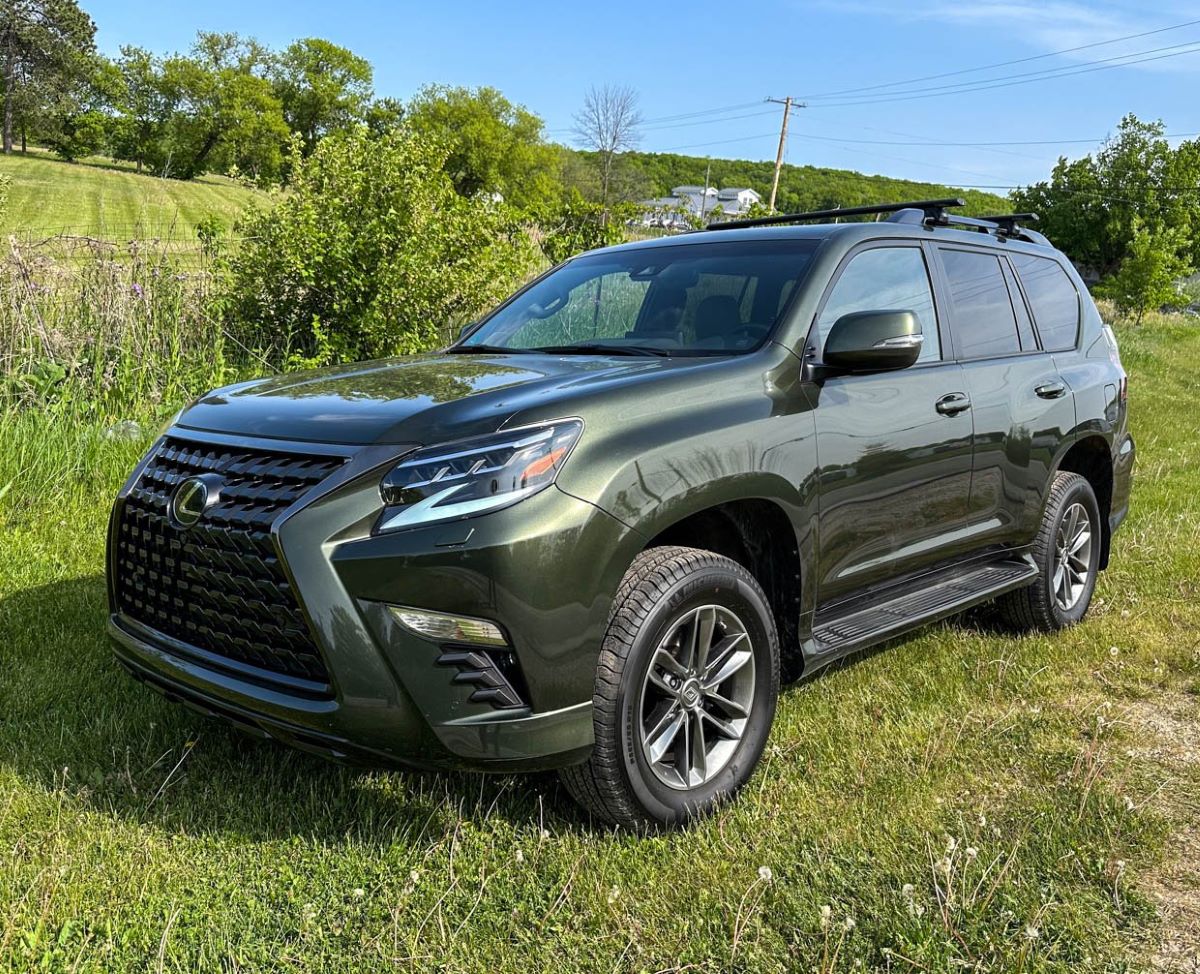
That said, the GX 460 still has a few standout qualities. Its traditional body-on-frame construction provides genuine off-road capability that most luxury SUVs simply can’t match.
The commanding driving position and robust four-wheel-drive system make it well-suited for adventure seekers who want to venture beyond the pavement.
Unfortunately, Lexus’ aggressive design update a few years back compromised some of its off-road practicality by reducing approach angles and ground clearance, meaning it now trails some car-based crossovers like the Volvo XC90 in this specific metric.
Inside, the GX’s truck-based architecture limits passenger and cargo space compared with more modern unibody SUVs. The old-fashioned side-hinged tailgate, which opens toward the curb, adds another reminder of the SUV’s dated layout.
While the 2018 Lexus GX 460 remains a comfortable and capable luxury SUV, it feels behind the times in a segment increasingly defined by efficiency, refinement, and interior versatility.
9. BMW 3 Series (E90 Generation)
While many European cars can develop suspension problems over time, the E90-generation BMW 3 Series (produced from 2005 to 2013) stands out for its structural integrity and tight feel even at high mileage.
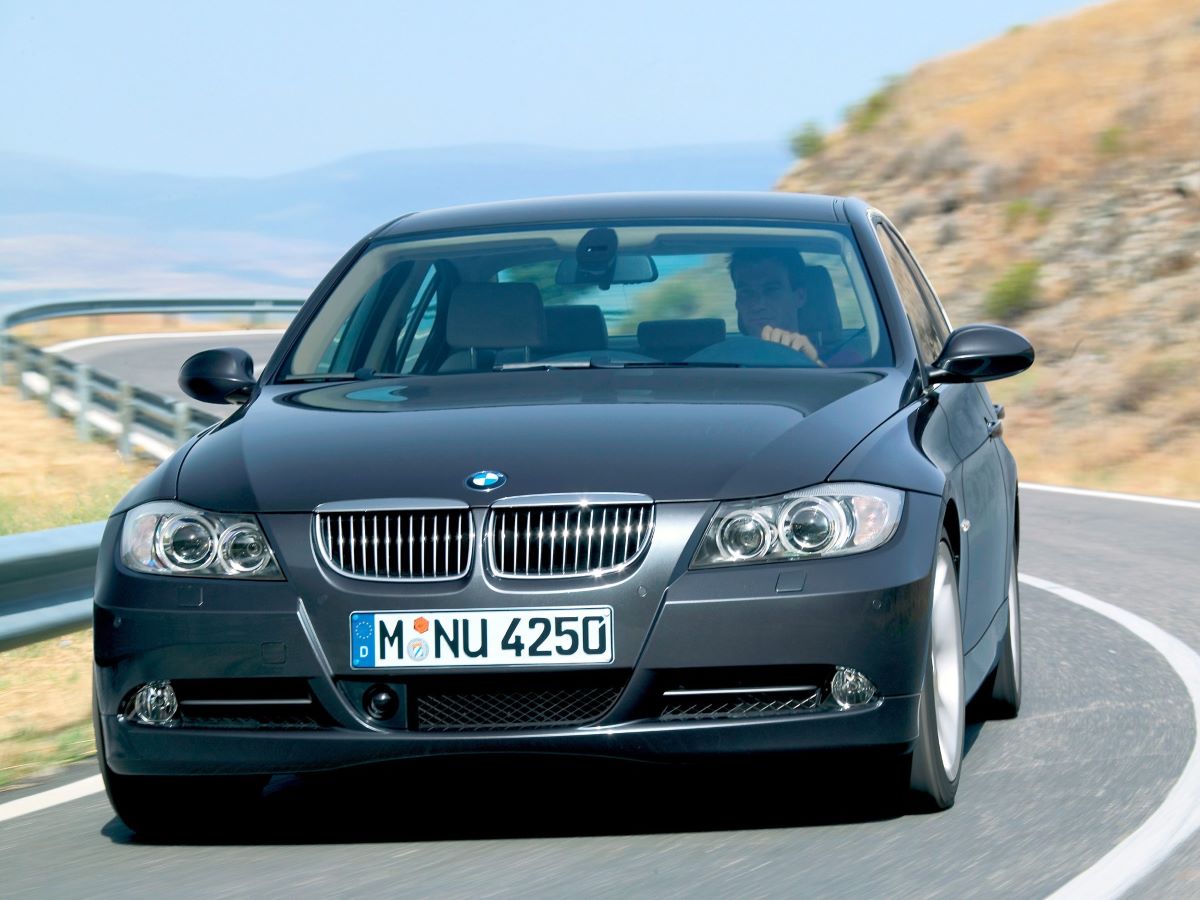
BMW over-engineered these cars, giving them precise steering and multi-link suspension systems that hold alignment exceptionally well.
As long as the car isn’t abused or neglected, the E90 maintains its sharp handling and stable ride far longer than most sports sedans in its class.
The E21 marked the beginning of the BMW 3 Series lineage and was offered in the United States exclusively with four-cylinder engines from 1977 to 1983.
For the 1984–1992 model years, BMW introduced the E30, a redesigned 3 Series that expanded the lineup to include both four- and six-cylinder engines, as well as all-wheel-drive variants.
The E30 was succeeded by the larger and more aerodynamic E36 for the 1993 model year, which featured an advanced new multi-link rear suspension that significantly improved handling and ride comfort.
As the century neared its end, BMW revealed the E46, a sleeker and more refined version boasting a 70% stiffer structure for improved dynamics and safety.
In 2006, the E90 sedan took the reins, bringing a bolder design and updated technology, while the E46 continued in other body styles until they were gradually phased out.
The subsequent F30 generation introduced hybrid technology to the 3 Series lineup for the first time, as well as an available dual-clutch automatic transmission and a wider range of diesel engines.
The current G20 generation debuted in 2018 as a 2019 model, ushering in a new era for the 3 Series. It eliminated diesel options while enhancing performance across the lineup, particularly by boosting the power output of both the hybrid variant and the 340i, solidifying the G20’s role as a modern evolution of BMW’s iconic sport sedan.
10. Ford F-150
Trucks aren’t typically known for tight handling as they age, but the Ford F-150 defies that expectation.
The F-150’s suspension, particularly in the 2015–2020 aluminum-body generation, was designed with improved geometry and high-strength steel components that resist play and flex.
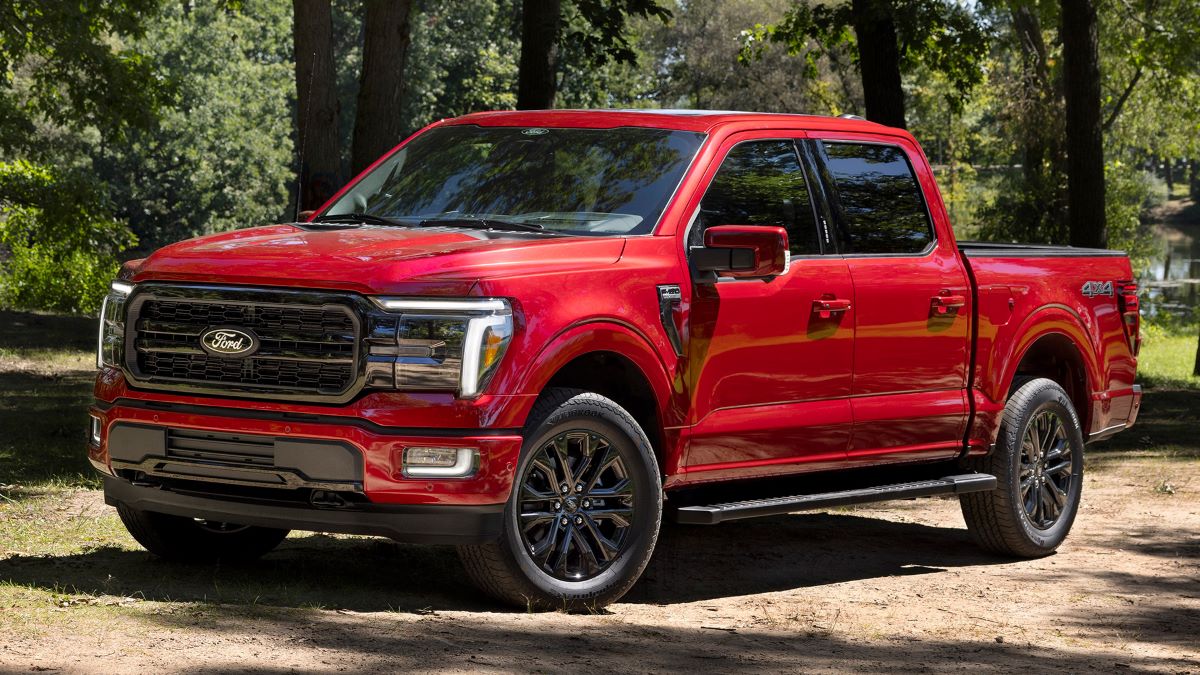
Even with heavy use, these trucks often stay solid and rattle-free, a reason they dominate the resale market. Ford also engineered the shocks and leaf springs for longevity, making the F-150 one of the most structurally stable trucks on the road.
11. Acura TL
The Acura TL, particularly the 2004–2014 models, has one of the most underrated suspension setups in the luxury-sport segment.
Acura combined precision handling with Honda’s proven reliability, resulting in a sedan that feels glued to the road even after years of daily use.
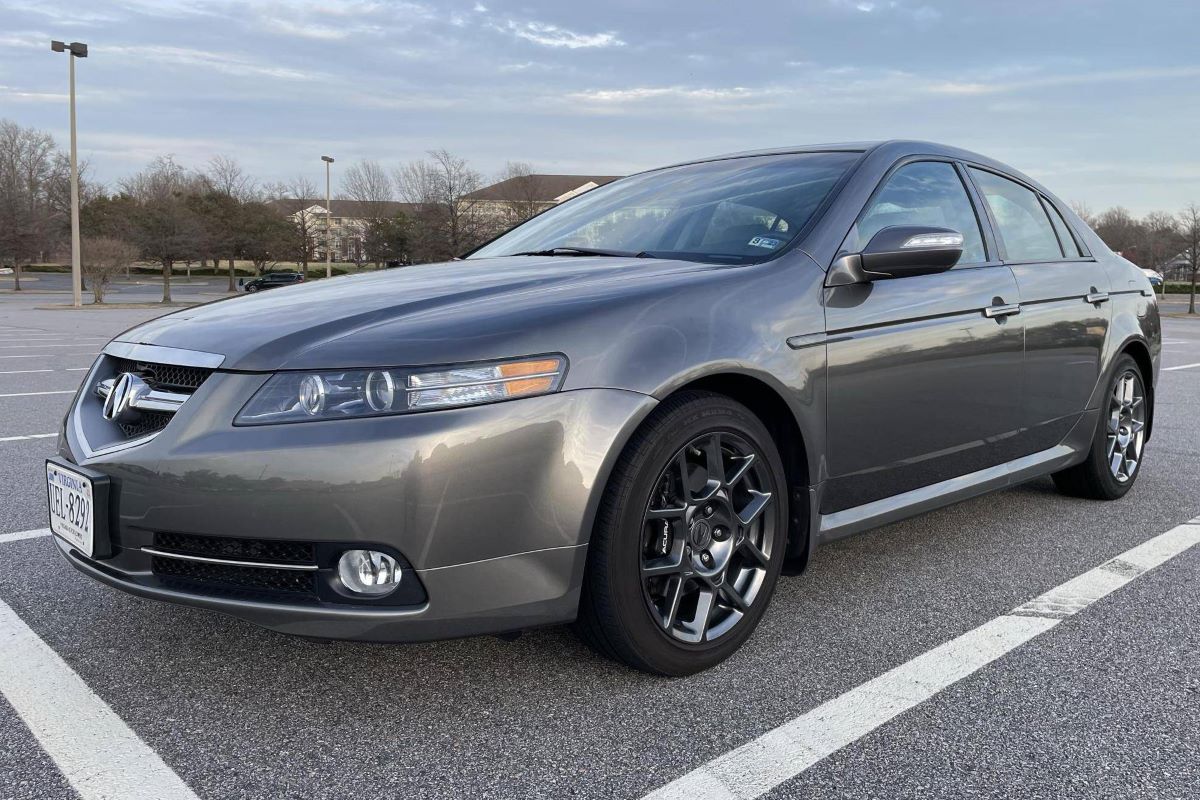
The bushings, control arms, and dampers were all designed with longevity in mind, and owners consistently report that the car feels tight and composed well past 150,000 miles. It’s a great example of how engineering discipline can produce both performance and durability.
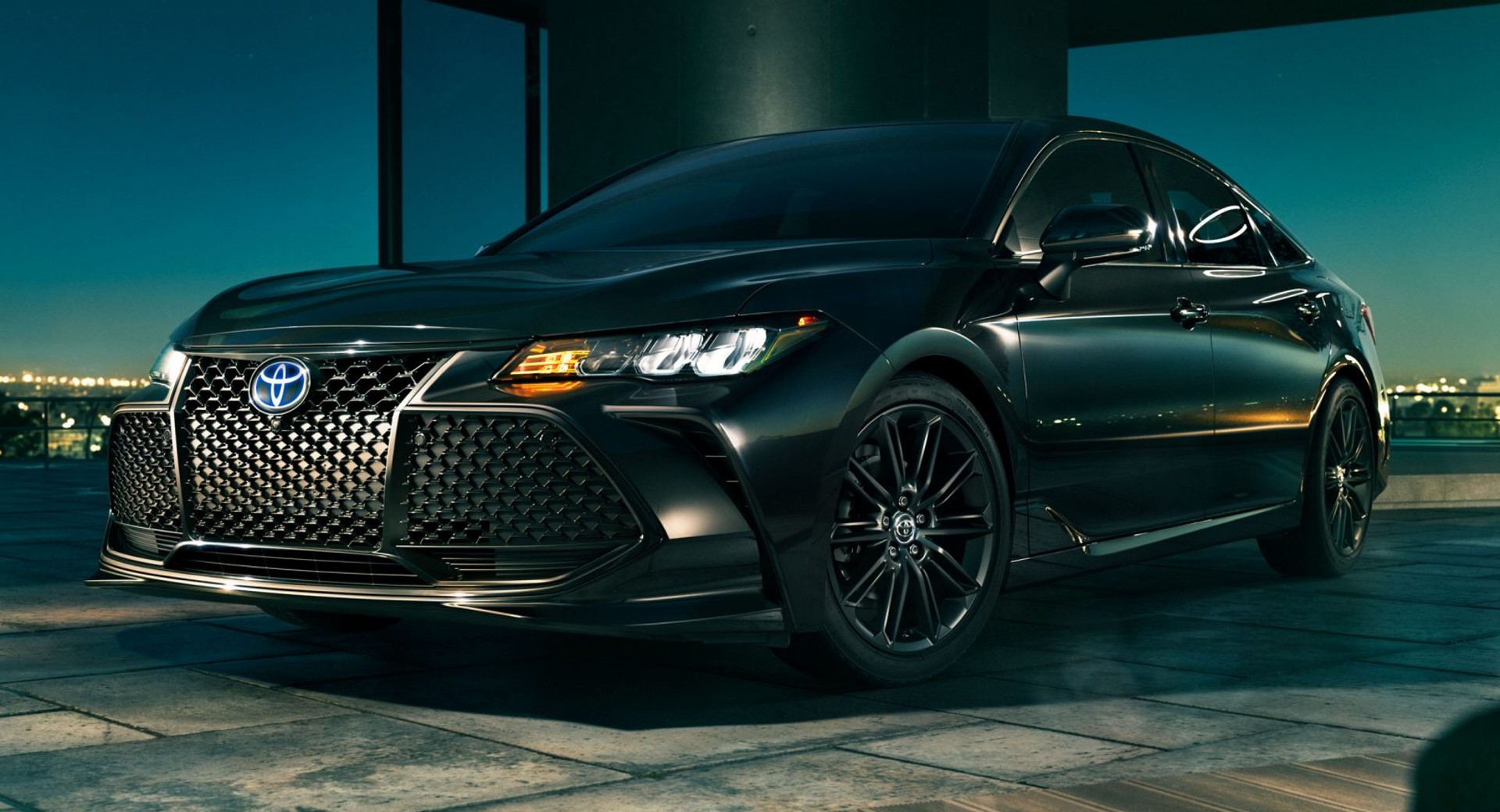
12. Toyota Avalon
Closing the list is a car that blends Lexus-like comfort with Toyota’s legendary reliability the Toyota Avalon. Built on the same robust platform as the Camry and ES, the Avalon’s suspension components are designed to handle weight, comfort, and durability in equal measure.
Even after years of highway driving, the Avalon’s suspension rarely exhibits sagging or looseness. Combined with its quiet cabin and rock-solid chassis, it’s one of the best examples of a car that stays smooth, silent, and tight well into old age.
As cars age, suspension wear is inevitable but not all vehicles are created equal. Some start to rattle and float by 100,000 miles, while others feel as composed at 200,000 as they did the day they left the showroom.
The cars on this list are the latter machines engineered with durability, precision, and driver satisfaction in mind.
For American buyers looking for vehicles that stand the test of time, these models represent the best of both worlds: comfort that endures and handling that never fades.