
When you slide behind the wheel of your vehicle each morning, you probably don’t give much thought to the alternator quietly working under the hood.
This unassuming component is the unsung hero of your car’s electrical system, responsible for keeping your battery charged and powering everything from your headlights to your infotainment system.
Yet, not all alternators are created equal, and the longevity of this critical component can vary dramatically depending on the make and model of your vehicle.
The alternator is essentially a generator that converts mechanical energy from your engine into electrical energy, maintaining a constant flow of power to your car’s electrical systems while simultaneously recharging the battery. When functioning properly, it’s a remarkably efficient system that should last well over 100,000 miles.
However, when an alternator fails, the consequences can range from inconvenient to potentially dangerous, leaving you stranded with a dead battery and no way to restart your vehicle.
What many drivers don’t realize is that alternator reliability varies significantly across different vehicles. Some cars have earned stellar reputations for alternators that seem to last forever, requiring replacement only after hundreds of thousands of miles, if at all.
These vehicles benefit from superior engineering, quality components, conservative electrical system designs, and optimal placement that protects the alternator from heat and moisture.
Owners of these reliable vehicles often go their entire ownership experience without ever thinking about alternator issues. On the flip side, certain vehicles have become notorious among mechanics and frustrated owners for burning through alternators at an alarming rate.
These problematic vehicles might require alternator replacements every 50,000 to 80,000 miles, or even sooner in some cases. The reasons for premature alternator failure are varied and complex, ranging from design flaws and inadequate cooling to exposure to extreme heat from nearby engine components, poor quality control in manufacturing, or electrical systems that place excessive demands on the alternator.
Understanding which vehicles fall into each category can save you thousands of dollars in repair costs and countless hours of frustration over the life of your vehicle ownership.
For prospective car buyers, this knowledge is invaluable when deciding between models. For current owners, knowing your vehicle’s alternator tendencies can help you budget for potential repairs and recognize warning signs before you’re left stranded.
In this comprehensive guide, we’ll explore five vehicles renowned for their exceptional alternator longevity, examining what makes their electrical systems so reliable.
Then, we’ll investigate five vehicles that have earned an unfortunate reputation for frequent alternator failures, discussing why these particular models struggle with this component.
Whether you’re shopping for your next vehicle or simply curious about your current car’s electrical system reliability, this information will provide valuable insights into one of your vehicle’s most important components.
5 Cars That Rarely Need Alternators
These exceptionally engineered vehicles feature charging systems designed with conservative electrical loads, robust alternator assemblies utilizing quality bearings and diodes, and proper mounting configurations that isolate components from excessive vibration and heat exposure throughout their service life.
Their thoughtful engineering includes alternators with substantial output reserve capacity beyond typical electrical demands, effective belt tensioning systems maintaining proper drive pulley engagement, and strategic positioning away from heat sources like exhaust manifolds that accelerate bearing degradation and electronic component failure.
From extreme climate operation stressing electrical systems to high-mileage duty accumulating years of continuous service, these remarkable alternators continue delivering consistent charging voltage without developing bearing noise, voltage regulation issues, or catastrophic diode failures.
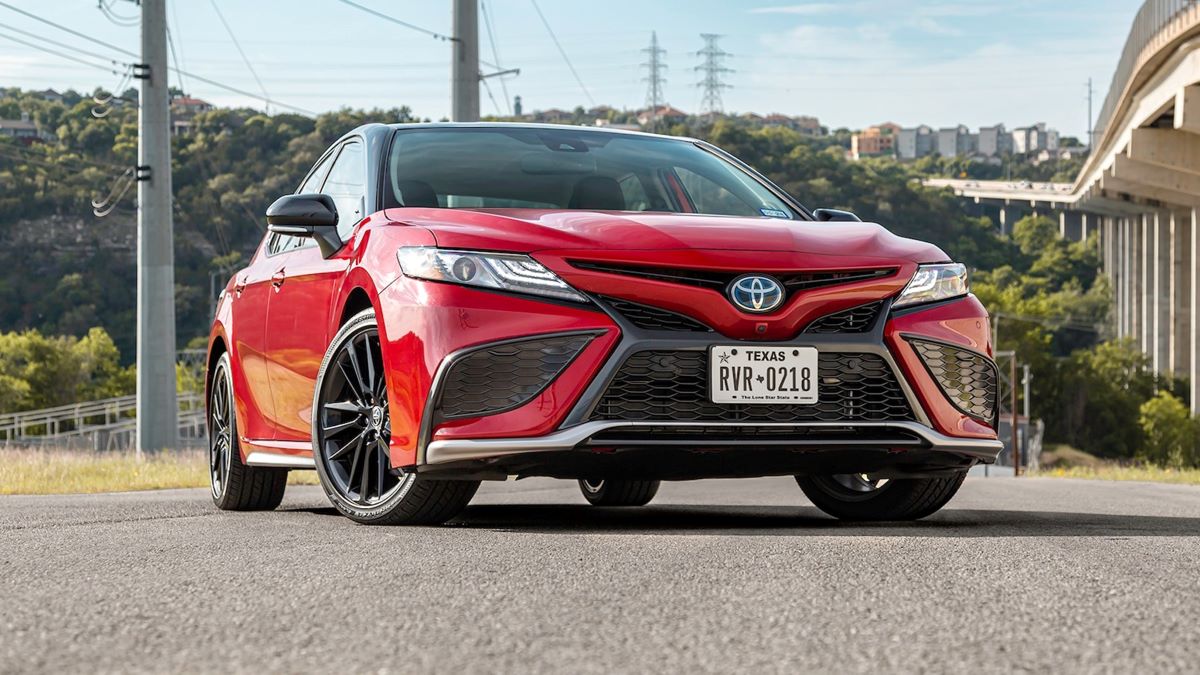
1. Toyota Camry (2002-2020)
The Toyota Camry has long been synonymous with reliability, and its alternator longevity is a testament to Toyota’s engineering excellence.
Owners routinely report their Camrys sailing past 200,000 miles with the original alternator still functioning flawlessly, a remarkable achievement that speaks volumes about the quality and durability built into these vehicles.
Toyota’s approach to alternator reliability in the Camry begins with conservative engineering. Rather than pushing the alternator to its absolute limits, Toyota designs their electrical systems with substantial overhead capacity.
The alternators in Camrys are typically rated for higher output than what the vehicle’s electrical system regularly demands, meaning the component operates well within its comfort zone during normal driving conditions. This reduced stress translates directly into extended component life.
The physical placement of the alternator in the Camry is another crucial factor in its longevity. Toyota engineers position the alternator in a location that offers excellent protection from heat, moisture, and road debris three of the primary enemies of alternator longevity.
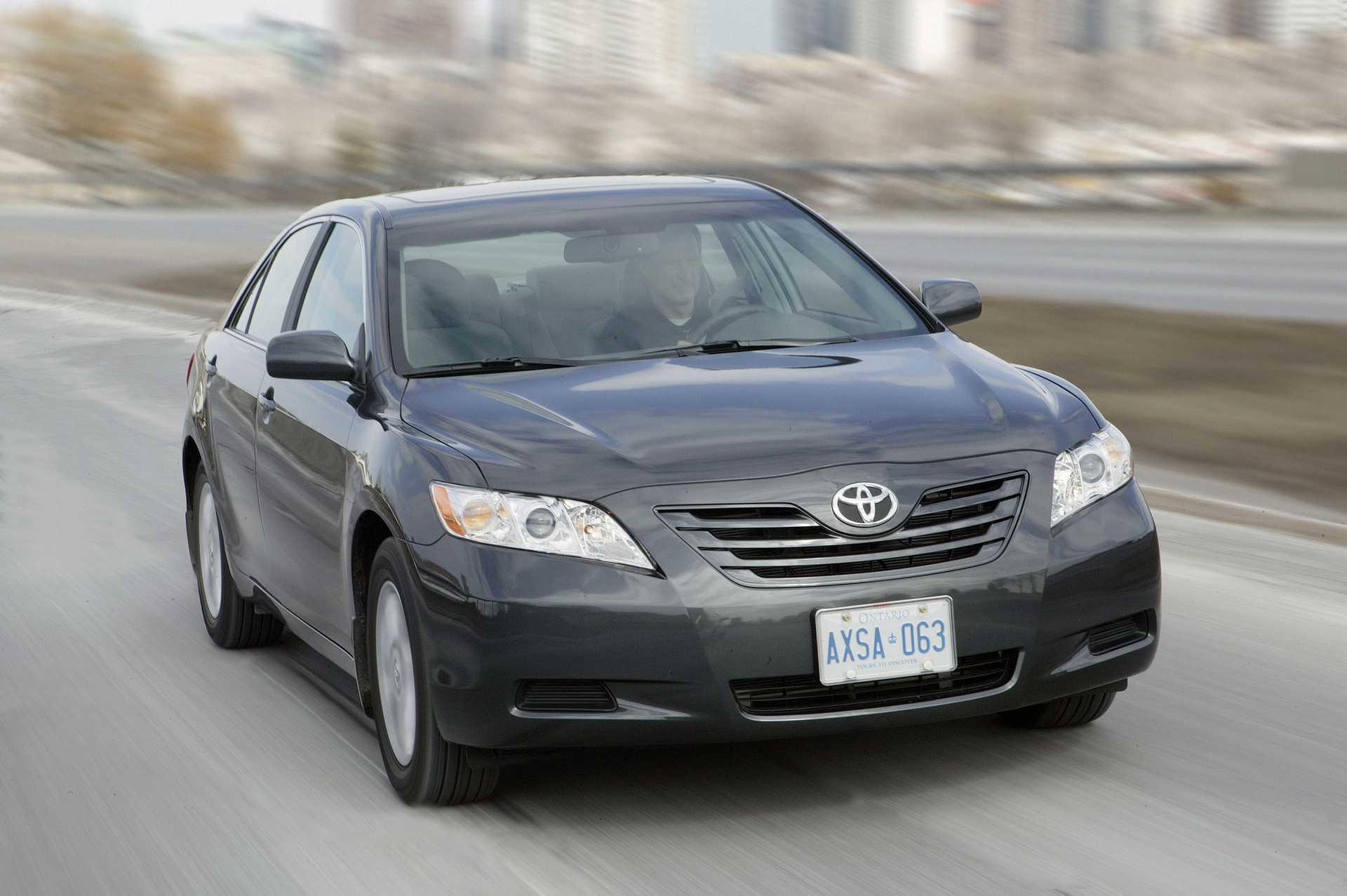
Unlike some vehicles where the alternator sits directly adjacent to the exhaust manifold or in the lower portion of the engine bay where it’s exposed to road spray, the Camry’s alternator enjoys a relatively sheltered position that minimizes exposure to these harmful elements.
Quality manufacturing standards also play a significant role. Toyota sources alternators from reputable suppliers like Denso, a company known for producing some of the most reliable automotive electrical components in the industry.
These alternators feature high-quality bearings, robust voltage regulators, and durable brushes that resist wear even under continuous operation. The attention to detail in manufacturing means fewer defects and more consistent performance across the entire production run.
The Camry’s electrical system design is inherently stable, avoiding the voltage spikes and fluctuations that can damage alternators in other vehicles.
Toyota’s engineers have carefully calibrated the charging system to maintain steady voltage output, which reduces stress on the alternator’s internal components. This electrical stability also benefits other vehicle components, contributing to the Camry’s reputation for reliability.
Regular maintenance practices among Camry owners also contribute to alternator longevity. The Camry attracts owners who tend to follow maintenance schedules diligently, ensuring that engine belts are properly tensioned and replaced when necessary.
A properly tensioned serpentine belt ensures the alternator pulley spins at the correct speed without excessive stress, preventing premature bearing wear. Even when Camry alternators do eventually fail often after 200,000 miles or more the failure is typically gradual rather than sudden.
Owners usually notice warning signs like dimming headlights or a dashboard warning light well before the alternator completely gives out, allowing time for planned replacement rather than an emergency roadside situation. This graceful degradation is another hallmark of quality component design.
2. Honda Accord (1998-2019)
The Honda Accord stands alongside the Toyota Camry as a paragon of automotive reliability, and its alternator durability is equally impressive.
Honda has cultivated a well-deserved reputation for building electrical systems that simply refuse to quit, with many Accord owners reporting original alternators functioning properly well into the 200,000 to 250,000-mile range.
Honda’s engineering philosophy emphasizes simplicity and proven technology, and this approach extends to their alternator design.
Rather than incorporating complex electronics or experimental technologies, Honda relies on time-tested alternator designs that have been refined over decades. This conservative approach means fewer potential failure points and more predictable long-term performance.
The quality of components used in Honda alternators is exceptional. Honda works with Mitsubishi Electric for many of their alternators, another top-tier supplier known for producing robust, long-lasting electrical components.
These alternators feature precision-wound stator coils, high-quality rectifier diodes, and durable voltage regulators that maintain consistent performance throughout their extended service life.
The bearings used in Honda alternators are specifically selected for their ability to withstand continuous rotation with minimal degradation.
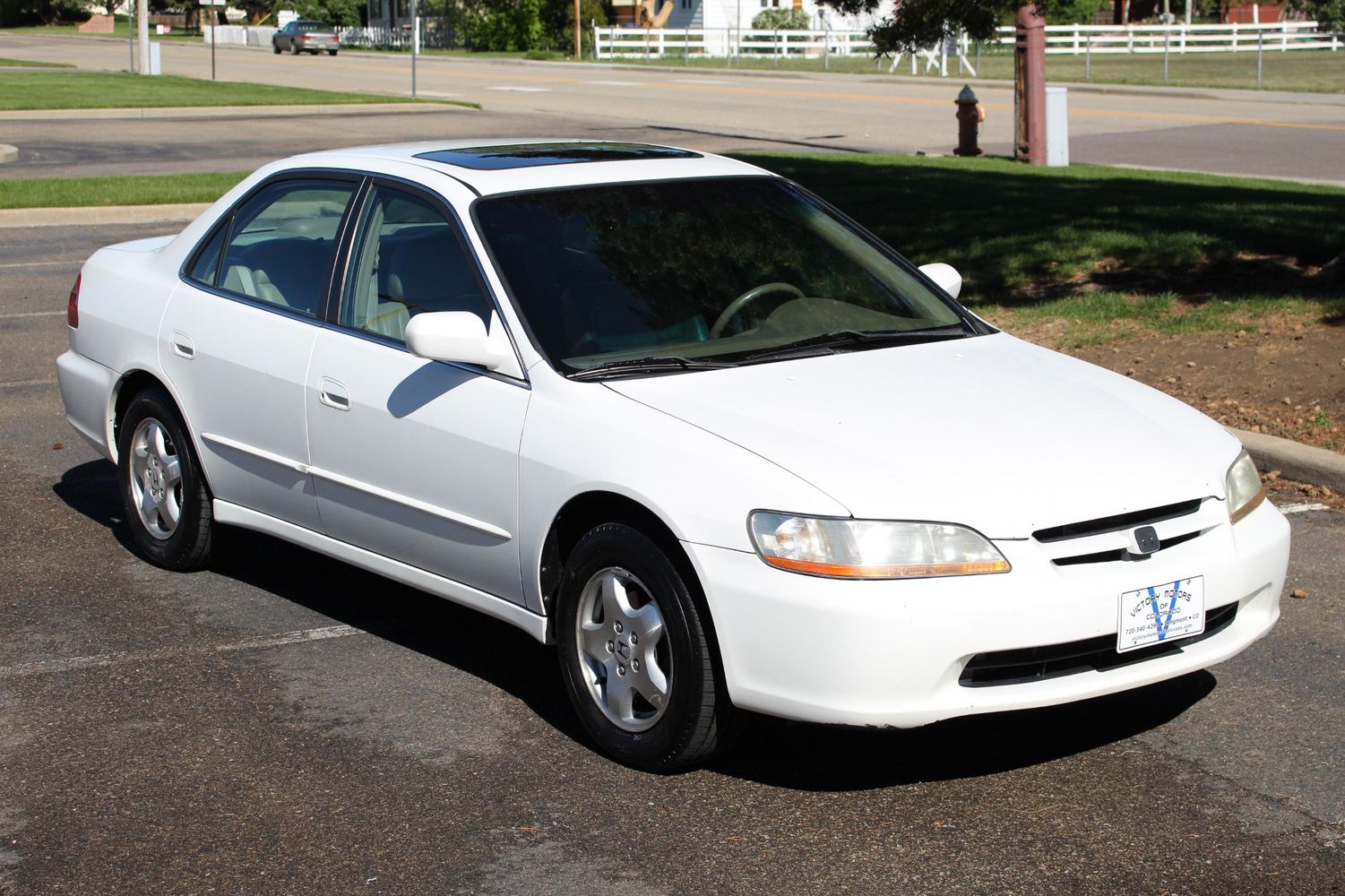
Environmental protection is another area where the Accord excels. Honda engineers have carefully considered the alternator’s placement within the engine bay, ensuring it’s positioned away from excessive heat sources and protected from direct exposure to road salt, water spray, and debris.
In regions where winter road salt is common, this protection is particularly valuable, as corrosion is a significant cause of premature alternator failure in many vehicles.
The Accord’s charging system is calibrated with remarkable precision. Honda’s voltage regulators maintain extremely stable output, typically holding voltage between 13.8 and 14.4 volts under varying load conditions.
This stability prevents the voltage spikes that can damage alternator diodes and other sensitive components. The consistent voltage output also means the alternator isn’t working harder than necessary, reducing thermal stress and extending component life.
Honda’s attention to cooling also contributes to alternator longevity. The alternator housing design promotes excellent airflow through the unit, dissipating heat effectively even during extended highway driving or idling in traffic.
Heat is one of the primary enemies of alternator longevity, as excessive temperatures degrade insulation, weaken bearings, and accelerate wear on brushes and slip rings. By keeping operating temperatures moderate, Honda extends the service life of every component within the alternator assembly.
The serpentine belt system in Accords is designed with optimal tension and alignment, ensuring the alternator pulley rotates smoothly without excess friction or stress.
Honda specifies high-quality belts and recommends replacement intervals that prevent the belt degradation that can lead to alternator damage. When owners follow these maintenance recommendations, the alternator experiences minimal stress throughout its operational life.
3. Lexus ES Series (2002-2021)
The Lexus ES series represents luxury vehicle engineering at its finest, and the exceptional alternator reliability found in these vehicles reflects the premium quality standards that Lexus maintains across all components.
Built on the same platform as the Toyota Camry but with even higher quality standards and additional engineering refinements, the ES series often sees alternators lasting the entire lifetime of the vehicle with proper maintenance.
Lexus takes an even more conservative approach to electrical system design than its Toyota counterpart. The alternators used in ES models are built with significant capacity reserves, meaning they operate at a comfortable fraction of their maximum output under typical driving conditions.
This engineering margin provides a buffer that dramatically extends component life, as the alternator is never stressed to its limits even when powering the vehicle’s extensive luxury features, including heated and cooled seats, premium audio systems, and advanced driver assistance technologies.
The quality of materials and manufacturing in Lexus alternators exceeds even Toyota’s already high standards. Lexus specifies premium-grade bearings with extended service lives, higher-quality copper windings in the stator, and voltage regulators with tighter tolerances.
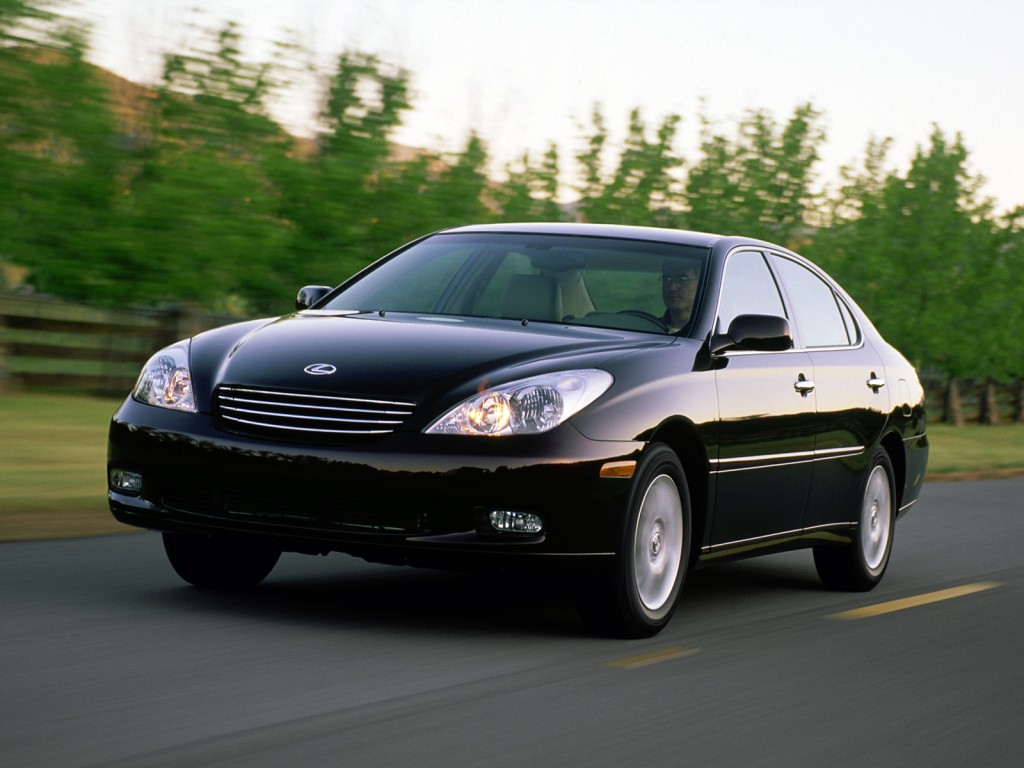
Every component is manufactured to exacting specifications, and quality control procedures are more stringent than those used for non-luxury vehicles. This attention to detail results in alternators with exceptional consistency and reliability.
Environmental protection reaches its zenith in Lexus vehicles. The alternator placement in ES models is optimized not just for functionality but for maximum protection from the elements.
Sophisticated engine bay layouts ensure the alternator remains shielded from heat, moisture, and contaminants that could compromise its operation. In some model years, Lexus even incorporates additional protective covers or shields specifically designed to extend alternator life.
The electrical system in Lexus ES models is among the most sophisticated and stable in the automotive industry. Advanced voltage regulation systems maintain remarkably consistent output regardless of electrical load or engine speed. This stability eliminates the voltage fluctuations that stress alternator components in lesser vehicles.
Additionally, Lexus incorporates intelligent load management systems that distribute electrical demand efficiently, preventing sudden load spikes that could stress the alternator.
Lexus ownership demographics also contribute to exceptional alternator longevity. ES owners typically maintain their vehicles meticulously, following all recommended service intervals and addressing minor issues before they escalate into major problems.
This preventive maintenance philosophy ensures that components like the serpentine belt are replaced before they can cause alternator damage, and that any electrical system anomalies are diagnosed and corrected promptly.
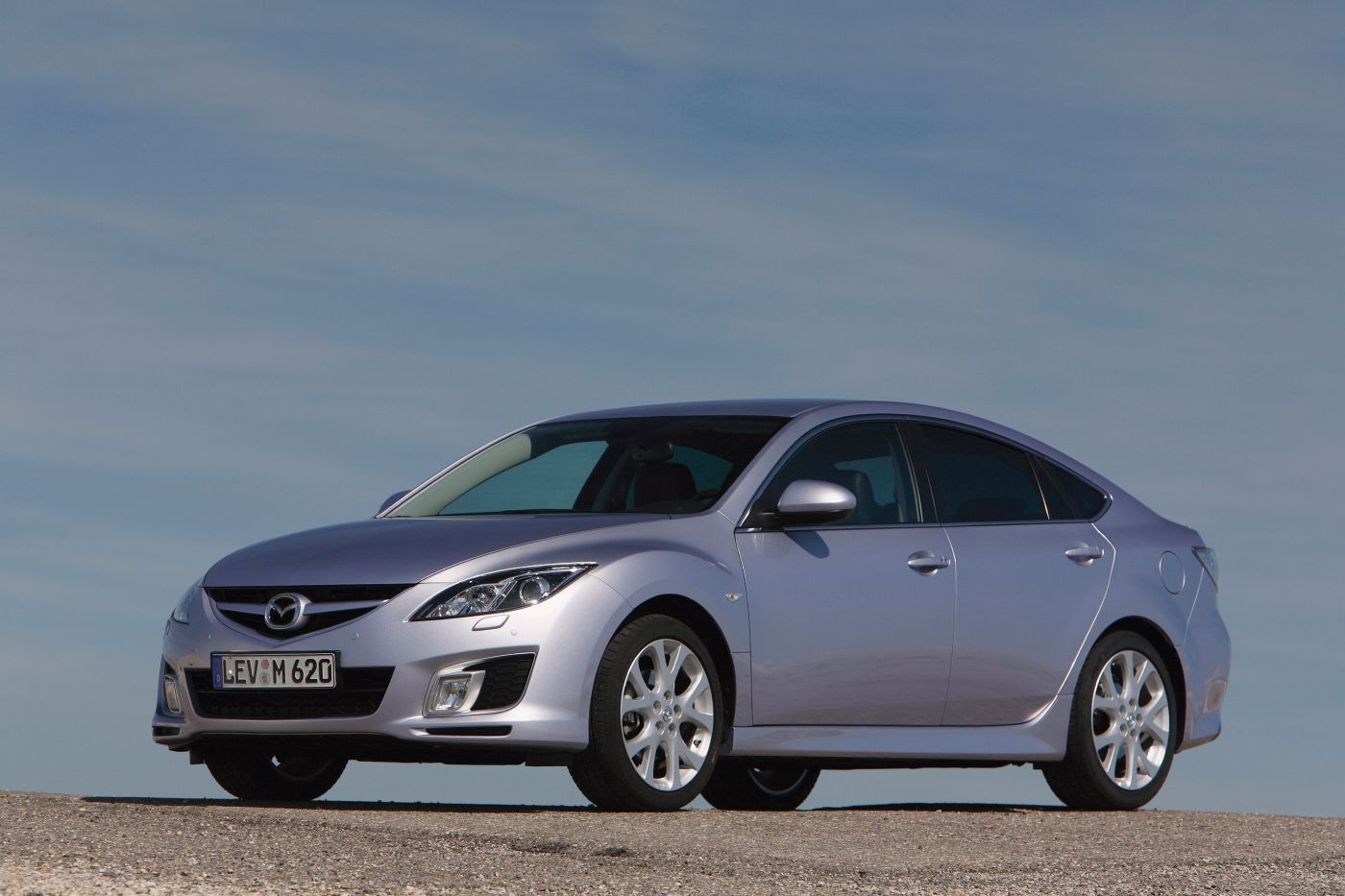
4. Mazda6 (2009-2021)
The Mazda6 might not have the same mainstream reputation for reliability as Toyota or Honda, but when it comes to alternator longevity, this midsize sedan deserves significant recognition.
Mazda has engineered the Mazda6 with exceptional attention to electrical system reliability, and owners consistently report trouble-free alternator performance well beyond 150,000 miles.
Mazda’s engineering philosophy, which the company calls “Jinba Ittai” or horse-and-rider-as-one, emphasizes harmony between all vehicle systems.
This holistic approach extends to the electrical system, where careful integration ensures the alternator operates in optimal conditions. The electrical architecture in the Mazda6 is designed to minimize stress on the alternator through intelligent load balancing and efficient power distribution.
The alternators used in Mazda6 vehicles are sourced from Mitsubishi Electric, a supplier renowned for producing robust, long-lasting electrical components.
These units feature advanced rectifier designs that handle electrical loads efficiently, reducing heat generation and component stress.
The voltage regulators in Mazda alternators are particularly sophisticated, maintaining stable output across a wide range of operating conditions while preventing the voltage spikes that can damage electrical components.
Mazda’s attention to thermal management significantly contributes to alternator reliability. The company’s engineers have optimized airflow around the alternator, ensuring adequate cooling even during demanding driving conditions.
The alternator housing design incorporates effective ventilation that allows heat to dissipate quickly, preventing the thermal buildup that accelerates component degradation. This cooling efficiency is particularly important given the Mazda6’s sporty character and the enthusiastic driving style it often encourages.
The physical location and mounting of the Mazda6 alternator demonstrate thoughtful engineering. Positioned to minimize exposure to road spray and debris while maximizing cooling airflow, the alternator operates in an environment conducive to long-term reliability.
The mounting system itself is designed to minimize vibration transmission to the alternator, reducing stress on internal bearings and components. This vibration isolation is often overlooked in alternator design but plays a crucial role in extended service life.
Mazda specifies high-quality serpentine belts and recommends appropriate replacement intervals that ensure the alternator pulley experiences consistent, appropriate tension throughout its service life.
The belt routing in the Mazda6 is designed to minimize the load angle at the alternator pulley, reducing friction and wear. When owners follow Mazda’s maintenance recommendations, the alternator operates under ideal conditions that maximize its longevity.
Also Read: 5 Cars That Stay Reliable After 400k Miles vs 5 That Break By 120k
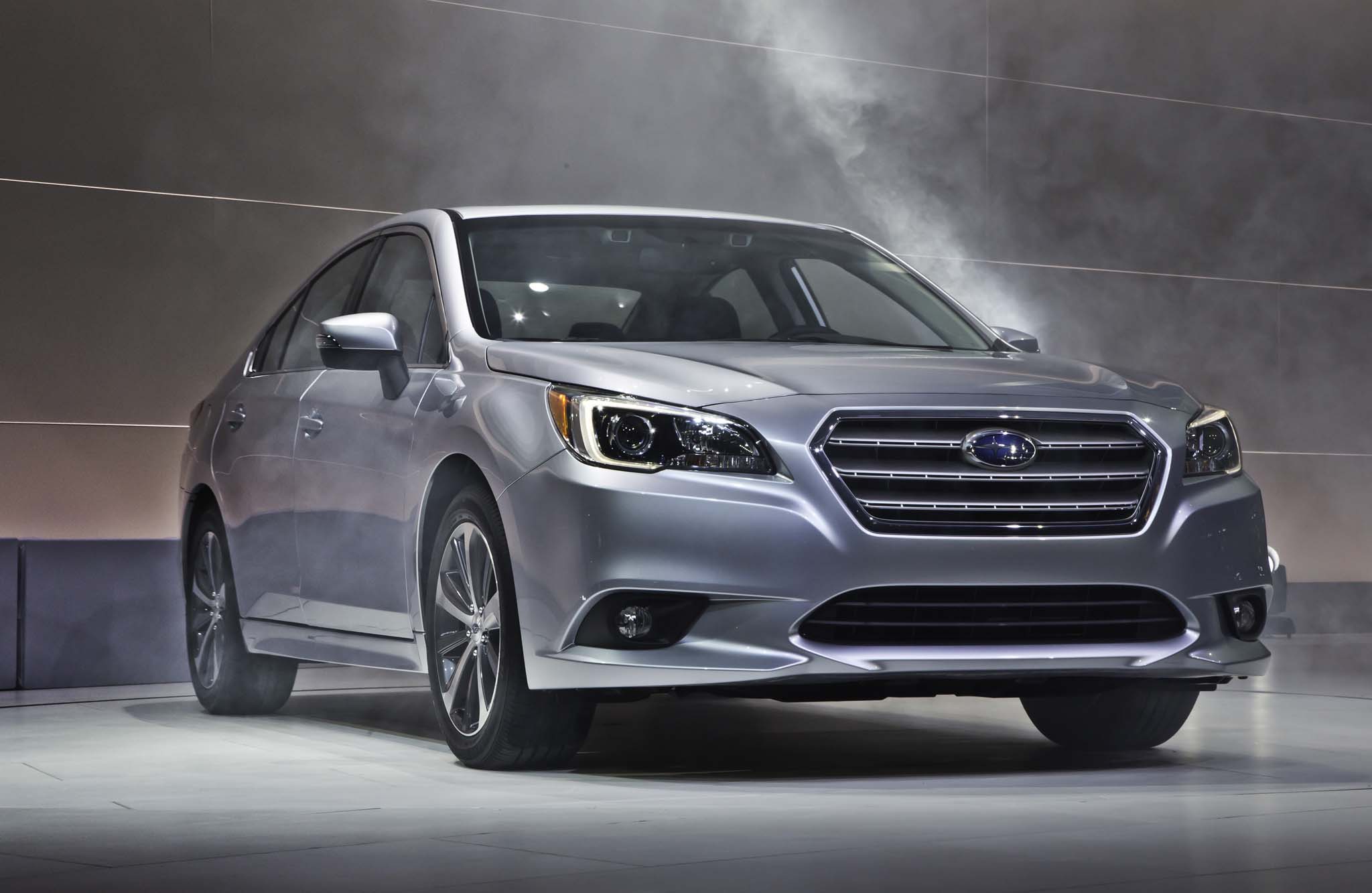
5. Subaru Legacy (2010-2019)
The Subaru Legacy has earned a strong reputation for reliability among owners who value durability and longevity, and its alternator performance exemplifies this dependability.
Despite Subaru’s unique horizontally-opposed engine configuration, which presents distinct engineering challenges, the Legacy consistently delivers exceptional alternator reliability with many units lasting 200,000 miles or more.
Subaru’s approach to alternator reliability begins with robust component selection. The alternators used in Legacy models are specifically engineered to handle the unique demands of Subaru’s boxer engine layout and symmetrical all-wheel-drive system.
These components are built to higher specifications than alternators in many competing vehicles, with enhanced bearings, stronger housings, and more durable internal components designed to withstand the vibrations characteristic of horizontally-opposed engines.
The Legacy’s electrical system is engineered with significant capacity reserves. Subaru recognizes that all-wheel-drive vehicles often encounter demanding driving conditions, from steep mountain grades to deep snow, and they’ve designed the electrical system accordingly.
The alternator typically operates at 60-70% of its maximum capacity under normal conditions, providing a substantial buffer that reduces stress and extends service life. This conservative rating ensures the alternator isn’t overwhelmed even when all electrical accessories are operating simultaneously.
Environmental sealing is particularly important in Subaru vehicles, which are often used in harsh weather conditions. The alternators in Legacy models feature enhanced environmental protection, including superior seals that prevent moisture ingress and corrosion-resistant coatings on vulnerable components.
This protection is crucial for vehicles frequently driven in rain, snow, or salty road conditions where moisture exposure could compromise alternator function. Subaru’s unique engine layout actually provides some advantages for alternator longevity.
The boxer engine’s low, flat configuration allows for optimal alternator placement near the top of the engine bay, where it’s naturally protected from road spray and debris while enjoying excellent cooling airflow.
This positioning helps maintain lower operating temperatures and reduces exposure to contaminants that could accelerate wear. The Legacy’s charging system incorporates sophisticated voltage regulation that maintains exceptional stability across varying load conditions.
Subaru’s engineers have calibrated the system to prevent voltage spikes while ensuring adequate charging capacity for the battery and electrical accessories. This careful calibration reduces stress on alternator components and contributes to extended service life.
Subaru owners tend to be maintenance-conscious, particularly those who purchase Legacy models for their reliability and longevity. This demographic typically follows recommended service intervals diligently, ensuring that serpentine belts are properly tensioned and replaced as needed. Regular maintenance prevents the belt slippage or misalignment that can cause premature alternator bearing failure.
5 Cars That Burn Through Alternators
These problematic vehicles suffer from charging systems plagued by undersized alternators struggling to meet excessive electrical loads, inadequate mounting brackets allowing destructive vibration, and poor positioning exposing components to engine heat that rapidly degrades bearings and internal electronics.
Their flawed engineering includes voltage regulators that fail prematurely from thermal stress, bearing assemblies using inadequate lubrication that wear quickly, and belt drive systems with improper alignment, causing side-loading forces that destroy bearings and create premature failures.
From complex electrical accessories constantly maxing alternator output to mounting locations near hot exhaust components, these troublesome charging systems frequently create expensive failures.
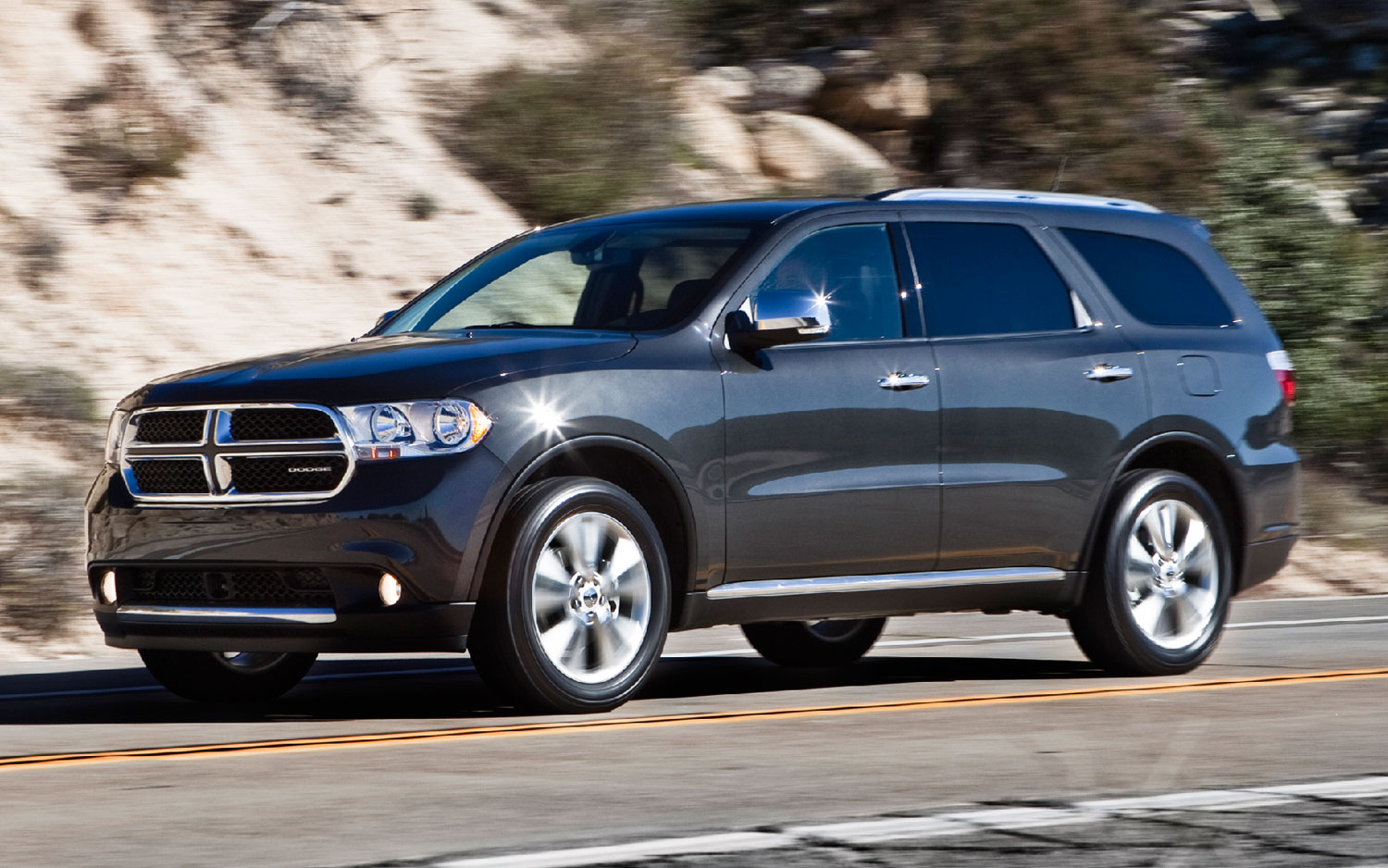
1. Dodge Durango (2011-2020)
The Dodge Durango, particularly models equipped with the powerful HEMI V8 engine, has developed an unfortunate reputation among mechanics and owners for premature alternator failure.
Many Durango owners report needing alternator replacements as early as 50,000 to 80,000 miles, with some experiencing multiple failures throughout their ownership experience a frustrating and expensive pattern that has become all too familiar.
The primary culprit behind the Durango’s alternator problems is excessive heat exposure. Chrysler’s engine bay packaging places the alternator in extremely close proximity to the exhaust manifolds and catalytic converters, components that generate tremendous heat during operation.
In many Durango configurations, the alternator sits in what amounts to a thermal oven, especially during highway driving or when towing heavy loads activities for which the Durango is specifically marketed.
This sustained heat exposure accelerates the degradation of internal alternator components, particularly the voltage regulator, diodes, and bearing lubrication.
The electrical demands placed on the Durango’s alternator are substantial. Modern Durangos are equipped with numerous power-hungry features including multiple climate zones, heated and cooled seats, large infotainment screens, powerful audio systems, and advanced driver assistance technologies.
When owners add aftermarket accessories like auxiliary lighting, winches, or upgraded audio systems common modifications for SUV owners the alternator is pushed even closer to its operational limits.
Operating at or near maximum capacity generates additional heat and stress, creating a destructive cycle that shortens component life.
Quality control issues have also plagued Durango alternators across multiple model years. Owners and mechanics report encountering alternators that fail prematurely due to defective voltage regulators, inadequate bearing lubrication, or substandard internal components.
Some replacement alternators fail shortly after installation, suggesting systemic quality issues with the units supplied for these vehicles. This pattern indicates that the problems extend beyond just environmental factors to fundamental component quality concerns.
The Durango’s serpentine belt system contributes to alternator stress. The belt routing and tension specifications don’t always optimize alternator performance, and in some cases, slight misalignment can cause the alternator pulley to wear prematurely.
Additionally, the tensioner system in some model years has proven problematic, leading to either excessive tension that strains alternator bearings or insufficient tension that causes belt slippage and inconsistent charging.
Warning signs of impending alternator failure in Durangos often include dimming headlights, electrical system glitches, battery discharge warnings, and unusual noises from the alternator area.
Unfortunately, these symptoms can progress rapidly, sometimes giving owners little time to arrange for replacement before complete failure occurs.
Many owners report being stranded due to sudden alternator failure, a situation that’s particularly problematic given the Durango’s role as a family vehicle.
The cost of repeated alternator replacements in Durangos is substantial. Quality replacement alternators for these vehicles typically cost $300-$500 for the part alone, with labor adding another $150-$300 depending on the specific model and engine configuration. For owners who experience multiple failures, these costs add up quickly, significantly impacting the total cost of ownership.
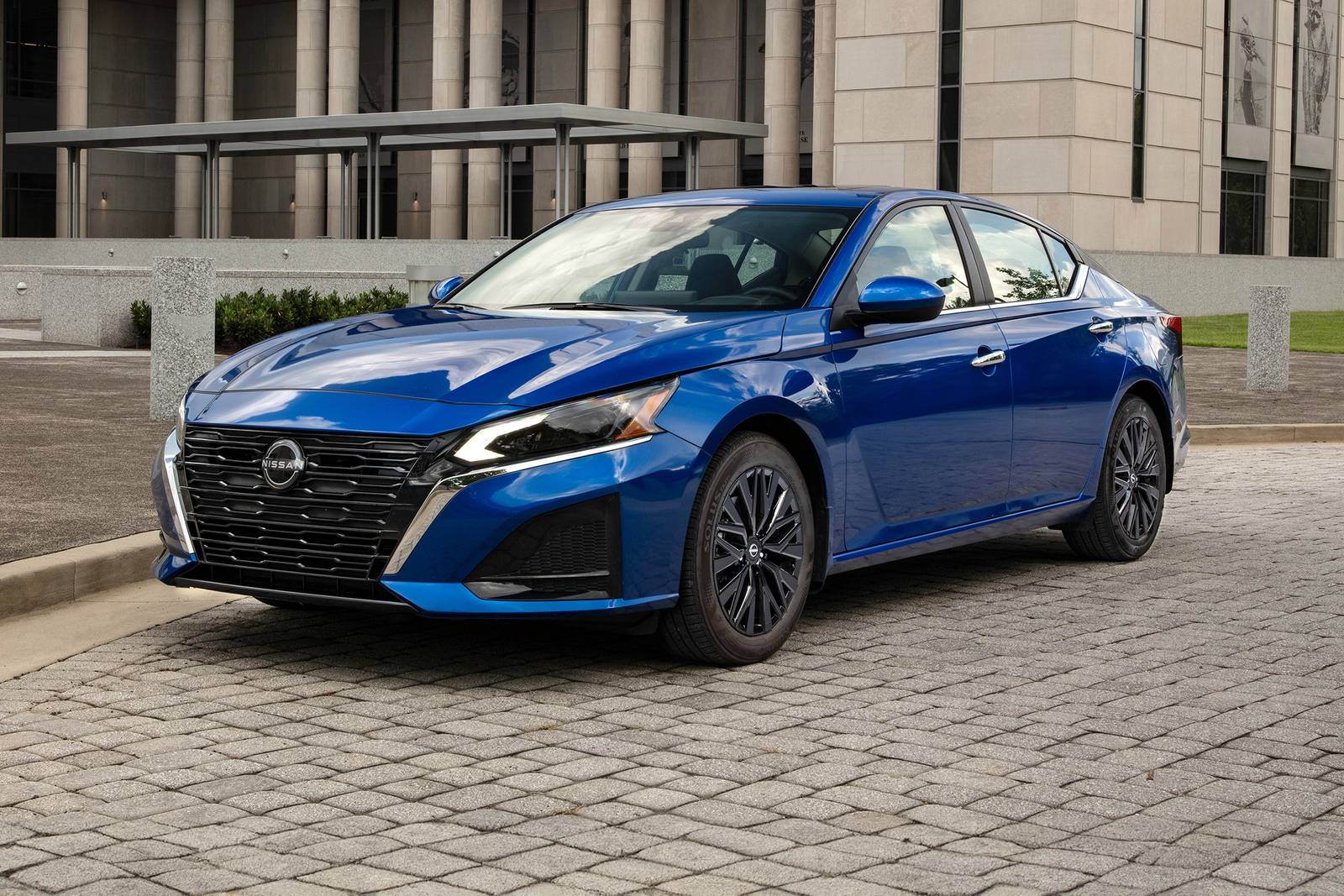
2. Nissan Altima (2007-2018)
The Nissan Altima, once regarded as a solid competitor in the midsize sedan segment, has developed a troubling reputation for alternator failures across multiple generations.
Owners frequently report alternator problems beginning around 60,000 to 90,000 miles, well short of the 150,000+ mile lifespans seen in competing vehicles from Toyota and Honda. This reliability gap has become a significant concern for both current owners and prospective buyers.
A fundamental issue with Altima alternators is their placement within the engine bay. Nissan’s engineers positioned the alternator low in the engine compartment, where it’s exposed to road spray, salt, moisture, and debris kicked up during driving.
This exposure is particularly problematic in regions that use road salt during winter months, as the corrosive salt mixture accelerates deterioration of alternator housings, electrical connections, and internal components.
Many mechanics report finding heavily corroded alternators when diagnosing Altima electrical problems. The quality of alternators used in Altimas has been inconsistent across model years. Some units are sourced from reputable manufacturers, while others appear to be built to lower quality standards with less robust components.
This inconsistency means that even among identical model year Altimas, some owners experience early alternator failure while others see more typical service lives. The unpredictability adds to owner frustration and makes it difficult to budget for potential repairs.
Nissan’s voltage regulation system in certain Altima model years has proven problematic. Some owners report voltage fluctuations that stress both the alternator and other electrical components.
These voltage irregularities can cause the alternator to work harder than necessary, generating excess heat and accelerating component wear.
The voltage regulation issues may stem from faulty sensors, deteriorated electrical connections, or software calibration problems in the vehicle’s electrical control systems.
The serpentine belt system in Altimas has also contributed to alternator problems. Some model years use belt tensioners that don’t maintain consistent tension throughout the belt’s service life, leading to slippage or excessive tension.
Belt slippage prevents the alternator from spinning at the correct speed, resulting in inadequate charging and increased wear on the alternator pulley. Excessive tension places undue stress on alternator bearings, causing premature failure.
Some owners report sudden, catastrophic alternator failures with no warning, though most experience gradually worsening symptoms that provide at least some advance notice.
3. Chevrolet Tahoe/Suburban (2007-2014)
The Chevrolet Tahoe and Suburban from this generation have become notorious among mechanics for chronic alternator problems, with many requiring multiple alternator replacements within the first 100,000 miles.
These large SUVs, essential vehicles for many families who need their hauling and towing capabilities, have left countless owners frustrated and facing unexpectedly high maintenance costs due to recurring electrical system failures.
The root cause of alternator problems in these GM full-size SUVs is multifaceted, beginning with inadequate alternator capacity for the vehicle’s electrical demands.
These massive vehicles come equipped with extensive electrical systems including multiple climate zones, heated seats, large infotainment displays, numerous airbag sensors, and optional rear-seat entertainment systems.
When owners add aftermarket accessories like running boards with lights, upgraded stereos, or trailer brake controllers, the electrical demand can exceed what the alternator was designed to provide. Operating at or near maximum capacity continually generates excessive heat and accelerates component wear.
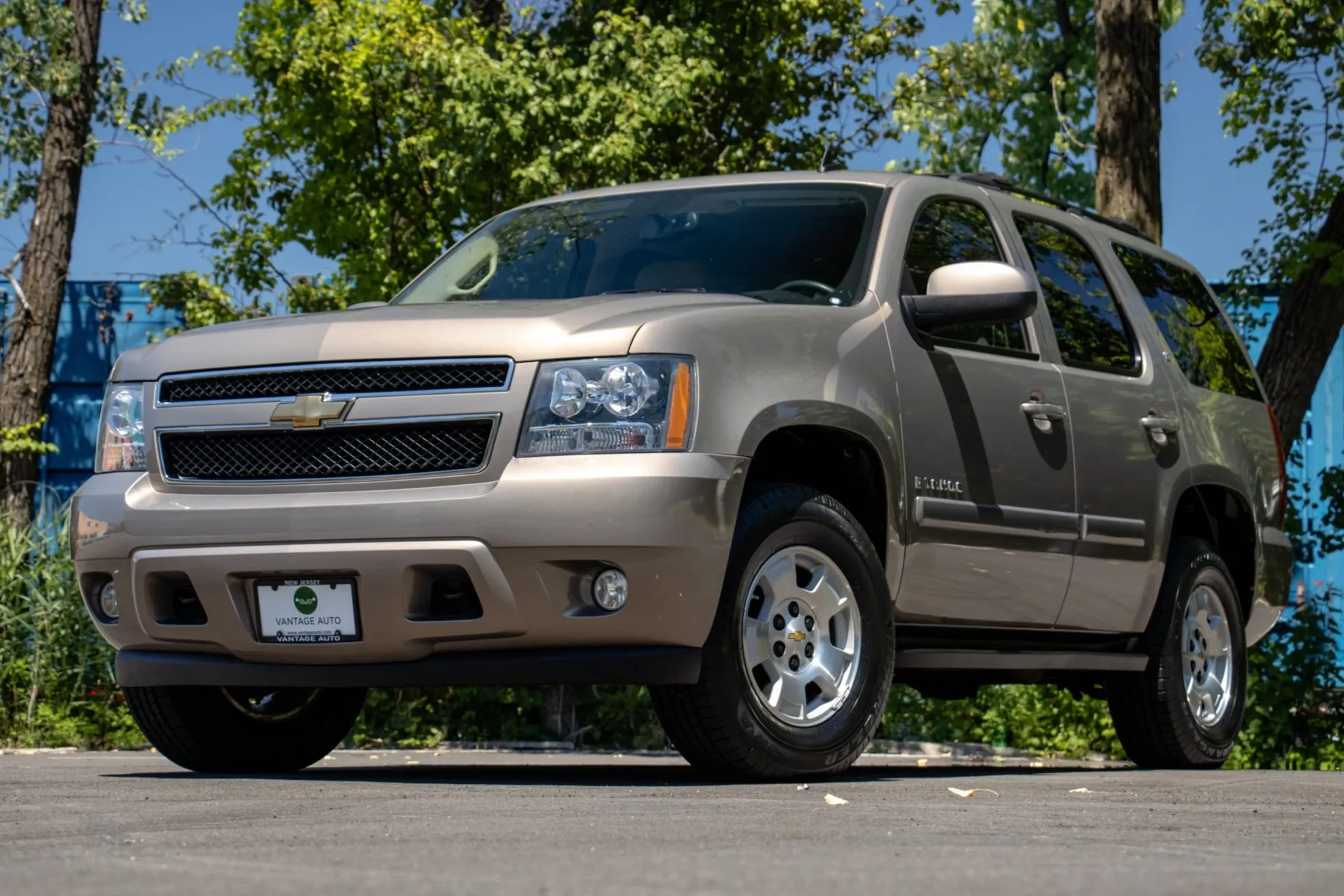
General Motors’ placement of the alternator in these vehicles creates a hostile operating environment. The alternator sits in a position where it’s exposed to significant engine bay heat while receiving inadequate cooling airflow.
During extended highway driving, particularly when towing trailers a common use case for these vehicles, the alternator operates in extremely high ambient temperatures that degrade internal components.
Symptoms of failing alternators in Tahoes and Suburbans include dimming lights, electrical system malfunctions, battery warning lights, grinding noises from the alternator area, and difficulty starting.
Many owners report that their first indication of problems is a dead battery, only to discover the alternator has been failing to adequately charge it. The cost of these repairs is substantial, with quality replacement alternators running $250-$400 plus several hours of labor.
4. BMW X5 (2007-2018)
The BMW X5, a luxury SUV that commands premium pricing, has disappointed many owners with its propensity for premature alternator failure.
For a vehicle priced well above mainstream competitors and marketed on German engineering excellence, the X5’s alternator problems represent a particularly frustrating reliability shortcoming.
Owners often face their first alternator replacement between 60,000 and 100,000 miles, with some experiencing even earlier failures. BMW’s sophisticated electrical architecture places extraordinary demands on the X5 alternator.
These vehicles feature extensive electronic systems, including adaptive suspension, advanced all-wheel-drive systems, comprehensive driver assistance technologies, premium audio systems, heated and cooled seats, and sophisticated engine management systems.
The alternator must constantly supply power to these electrical consumers while maintaining battery charge, and it operates near its maximum capacity much of the time. This constant high-load operation generates significant heat and stress that accelerate component degradation.

The physical placement and mounting of alternators in X5 models creates challenges for longevity. BMW’s engine bay packaging prioritizes performance and handling dynamics, sometimes at the expense of component accessibility and environmental protection.
The alternator often sits in locations where it experiences significant heat from the engine and turbochargers while receiving less-than-optimal cooling airflow. This thermal stress is compounded during spirited driving or when operating in hot climates.
The serpentine belt system in X5 models uses an automatic tensioner that hasn’t proven entirely reliable across all model years. Tensioner failures can result in improper belt tension, causing either belt slippage or excessive load on the alternator pulley bearing.
Additionally, some model years use belt routing that places significant angular stress on the alternator pulley, contributing to premature bearing wear. The cost of alternator replacement in BMW X5s is considerably higher than mainstream vehicles.
OEM alternators typically cost $500-$800 for the part alone, and labor can add another $300-$600 depending on the specific engine configuration and model year. Some X5 variants require removal of other components to access the alternator, significantly increasing labor time and expense.
5. Chrysler 200 (2011-2017)
The Chrysler 200, marketed as a stylish and competitive midsize sedan, has developed a disheartening reputation for alternator reliability problems that have frustrated owners and mechanics alike.
These vehicles frequently experience alternator failures beginning around 50,000 to 70,000 miles, well short of owner expectations and competitive benchmarks.
The alternator issues affect both generations of the 200, though the second-generation model (2015-2017) has proven particularly problematic. A primary issue affecting Chrysler 200 alternators is inadequate cooling and poor environmental protection.
The alternator’s location within the engine bay exposes it to excessive heat from the engine while providing insufficient airflow for cooling.
During extended highway driving or hot weather operation, the alternator operates at raised temperatures that accelerate the degradation of voltage regulators, diode rectifiers, and bearing lubrication.
The lack of protective shielding also leaves the alternator vulnerable to road spray and contaminants that can cause corrosion and electrical problems.
Quality control issues have plagued Chrysler alternators across multiple model years. Owners report failures stemming from defective voltage regulators, premature bearing wear, and inadequate internal components.
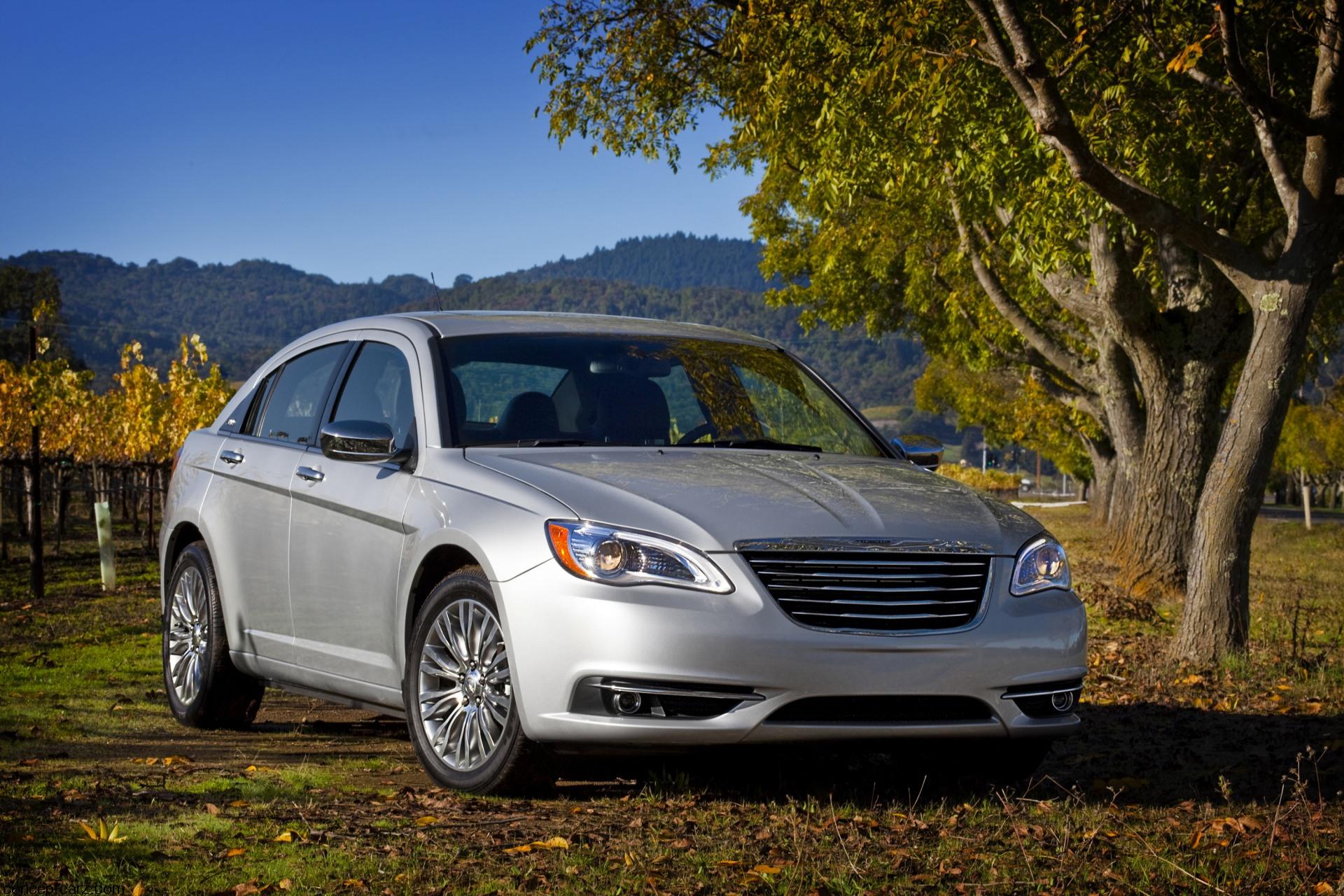
The voltage regulators in some 200 models are particularly prone to failure, leading to charging problems that can strand owners or cause battery damage. Some replacement alternators fail within months of installation, suggesting systemic quality problems with the supplier base or component specifications.
The electrical system design in the Chrysler 200 places significant demands on the alternator. Modern 200 models come equipped with numerous electrical accessories, including dual-zone climate control, heated seats, large touchscreen displays, and various electronic driver aids.
The alternator must supply adequate current for all these systems while maintaining battery charge, and the continuous high-load operation generates heat and stress. When owners add aftermarket accessories, the electrical demands can exceed the alternator’s optimal operating range.
Warning signs of alternator failure in the Chrysler 200 include dimming headlights, interior electrical malfunctions, battery warning lights, unusual noises from the alternator area, and difficulty starting the vehicle.
The cost of replacement, including parts and labor, typically ranges from $400 to $700, representing a significant unexpected expense for owners who anticipated better reliability from their vehicles.
Also Read: 5 SUVs That Rarely Need Brake Jobs vs 5 That Eat Pads Fast
