
The relationship between a driver and their vehicle is built on one fundamental principle: trust. Every time we turn the ignition key or press the start button, we expect our car to roar to life and take us wherever we need to go.
Unfortunately, not all vehicles live up to this basic expectation. While some cars have earned legendary reputations for their unwavering reliability, starting faithfully morning after morning regardless of weather conditions or mileage, others have become infamous for leaving their owners stranded at the worst possible moments.
The difference between a reliable car and one that constantly stalls goes far beyond mere inconvenience. A vehicle that won’t start can mean missing important business meetings, arriving late to family emergencies, or finding yourself stuck in dangerous situations on deserted roads.
The financial implications are equally significant repeated towing charges, diagnostic fees, and repair bills can quickly transform an affordable vehicle into a money pit that drains your bank account faster than you can say “roadside assistance.”
These problematic models serve as cautionary tales, reminding us that not every vehicle delivers on its promises, and that reputation matters when making what is typically the second-largest purchase most people will ever make.
Let’s take a look at the details of these ten vehicles and discover what separates the champions from the disappointments.
5 Cars That Rarely Stall
These exceptionally engineered vehicles feature fuel delivery systems with robust pumps and quality filtration, ignition components utilizing proven distributor or coil-on-plug designs, and engine management computers programmed with conservative calibrations that prioritize reliability over maximum performance throughout their operational life.
Their thoughtful engineering includes fuel injectors with precise spray patterns and adequate flow capacity, throttle body assemblies maintaining proper idle air control without carbon buildup issues, and crankshaft position sensors mounted securely away from heat sources that cause premature electronic failure.
From extreme weather conditions testing cold-start capabilities to high-mileage operation where marginal components typically fail, these remarkable cars continue starting instantly and running smoothly without developing stalling issues, no-start conditions, or intermittent performance problems.
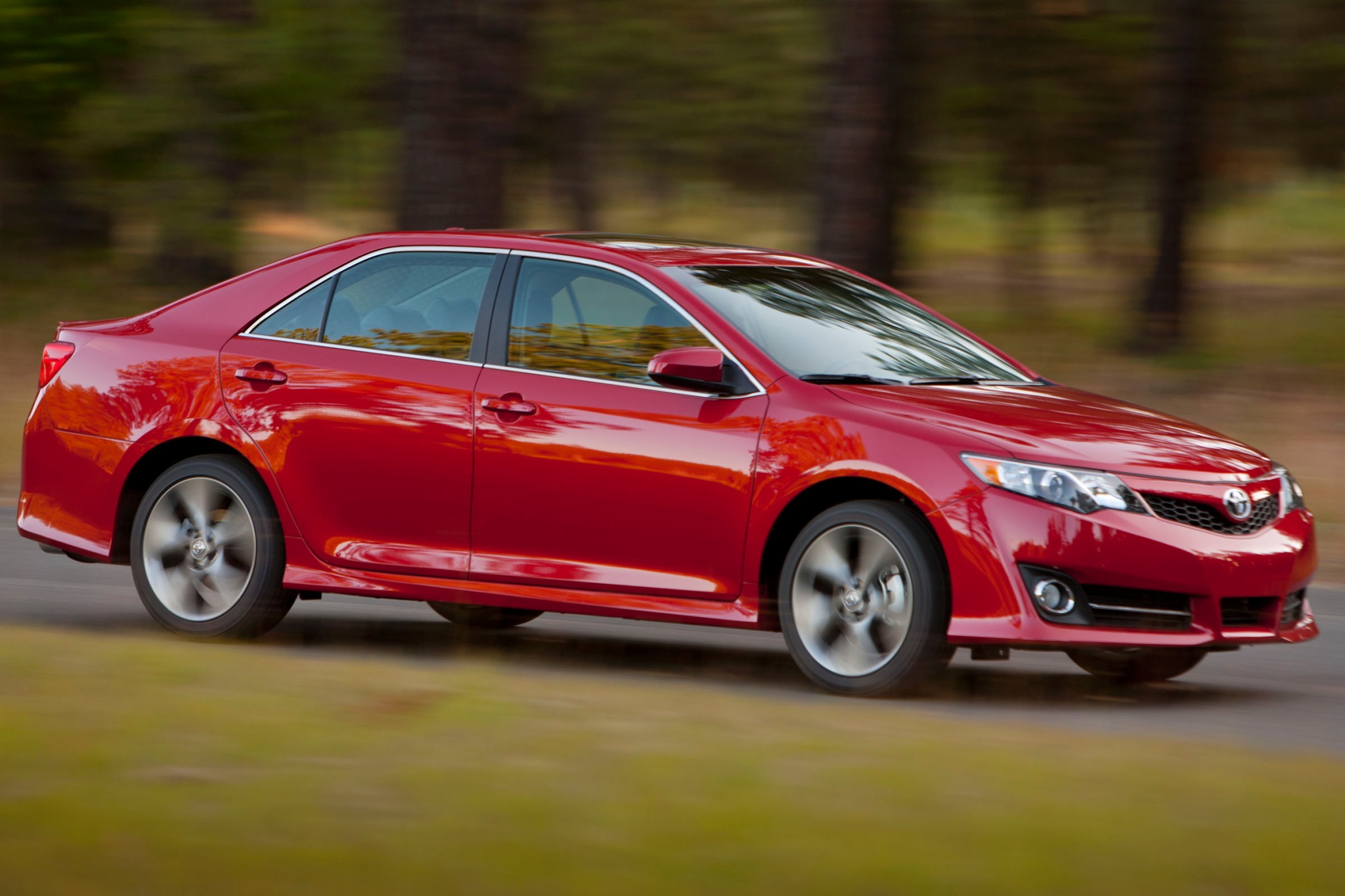
1. Toyota Camry (2012-2020)
The Toyota Camry has long been synonymous with automotive reliability, and the 2012-2020 generation exemplifies everything that makes this sedan a perennial favorite among practical car buyers.
This mid-size sedan has consistently topped reliability surveys year after year, and for good reason, Toyota’s engineering philosophy prioritizes proven technology and rigorous quality control over flashy innovation, resulting in a vehicle that simply works, day in and day out.
The secret to the Camry’s exceptional reliability lies in its powertrain options, particularly the naturally aspirated 2.5-liter four-cylinder engine that powers the majority of these vehicles.
This engine uses time-tested port fuel injection technology rather than more problematic direct injection systems, eliminating many of the carbon buildup issues that plague modern engines.
The engine’s conservative tuning means it’s never stressed, operating well within its capabilities even during highway driving or when carrying a full load of passengers.
Toyota’s meticulous attention to detail extends to every component from the robust starter motor that functions flawlessly in extreme temperatures to the high-quality electrical connectors that resist corrosion even in harsh climates.
Owners of these Camrys regularly report trouble-free operation well beyond 200,000 miles, with many vehicles approaching 300,000 miles with nothing more than regular oil changes, tire rotations, and occasional brake replacements.
The transmission, whether the six-speed automatic or the bulletproof eight-speed in later models, shifts smoothly and reliably throughout the vehicle’s lifespan.
Unlike many modern vehicles with complex electronics, the Camry’s electrical system is straightforward and dependable, with battery drain issues being virtually nonexistent.
What makes the Camry particularly impressive is its consistency across different climates and usage patterns. Whether subjected to the brutal humidity of Florida summers, the sub-zero temperatures of Minnesota winters, or the stop-and-go traffic of Los Angeles freeways, the Camry starts reliably every single time.
The vehicle’s computer systems are programmed conservatively, meaning they’re less prone to the mysterious glitches and software bugs that affect more technologically ambitious vehicles.
This predictability, combined with exceptional build quality, makes the Toyota Camry the benchmark against which all other reliable vehicles are measured, and a smart choice for anyone who values dependability above all else.
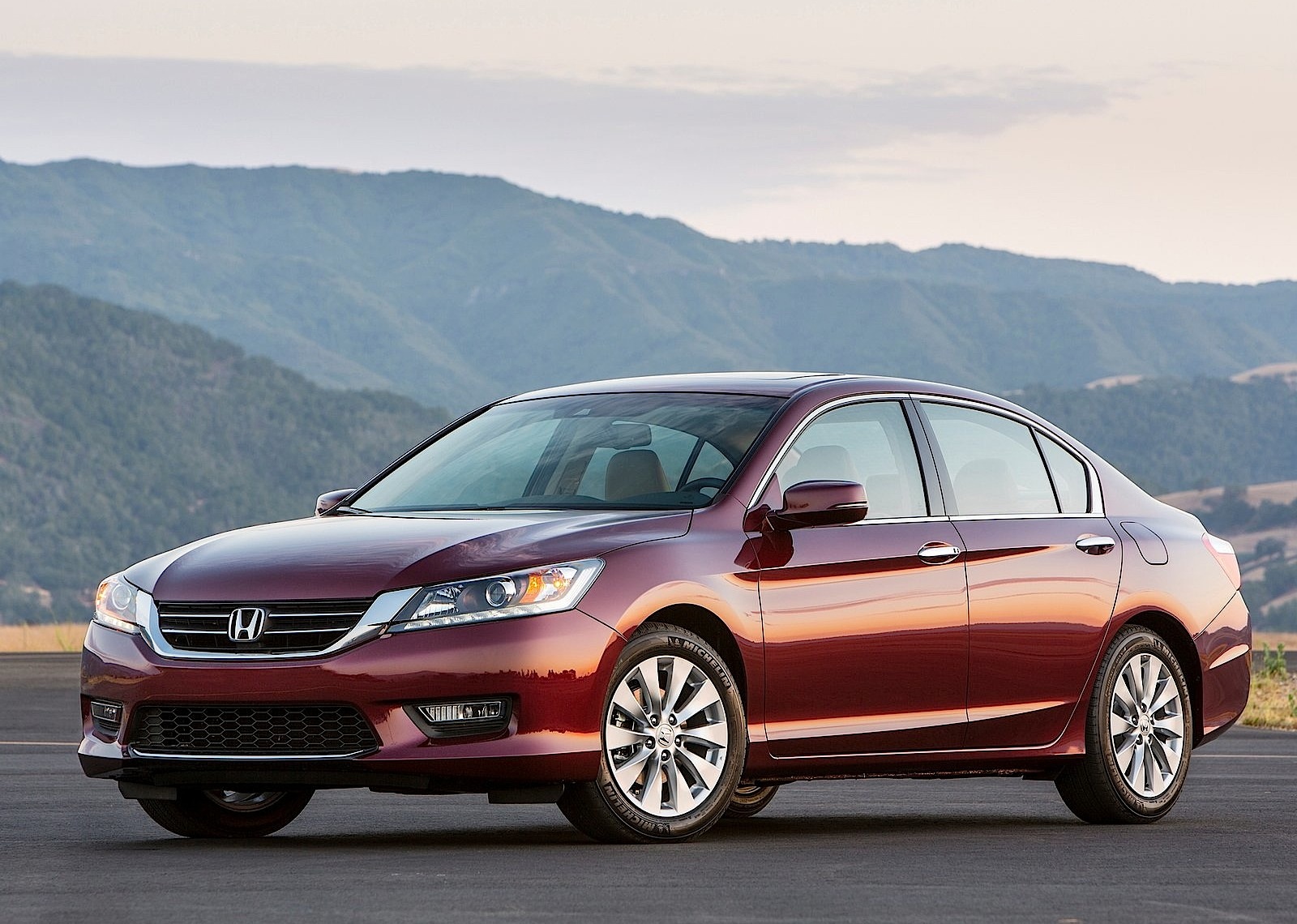
2. Honda Accord (2013-2017)
The Honda Accord has built a reputation that rivals even Toyota’s finest offerings, and the 2013-2017 generation represents Honda engineering at its most refined. This sedan combines engaging driving dynamics with rock-solid reliability, proving that dependability doesn’t have to come at the expense of driver enjoyment.
The Accord’s stellar reliability record stems from Honda’s decades of experience perfecting internal combustion engines and their commitment to thorough real-world testing before any vehicle reaches consumers.
At the heart of the Accord’s reliability is its range of proven powertrains, with the 2.4-liter four-cylinder engine being particularly noteworthy for its longevity.
This engine features Honda’s Earth Dreams technology, which optimizes efficiency without sacrificing durability. Unlike some manufacturers who push engines to their limits for marketing horsepower numbers, Honda engineers tune their powerplants conservatively, ensuring components operate well within their stress limits.
The continuously variable transmission (CVT) in these models, despite CVTs’ generally poor reputation, has proven remarkably durable thanks to Honda’s superior engineering and the use of high-quality transmission fluid that maintains proper lubrication even after 100,000 miles.
The Accord’s electrical architecture deserves special recognition for its reliability. The vehicle’s starting system, from the ignition switch through the starter relay and motor itself, is engineered with redundancy and durability in mind.
The battery charging system maintains optimal voltage under all operating conditions, preventing the battery drain issues that plague so many modern vehicles with their constant electrical demands.
Honda’s wiring harnesses use superior insulation and connector designs that resist the environmental factors moisture, temperature extremes, vibration that cause electrical gremlins in lesser vehicles.
What separates the Accord from merely good cars and places it among the truly exceptional is its tolerance for less-than-perfect maintenance.
While no vehicle should be neglected, Accords have demonstrated an almost supernatural ability to continue running reliably even when oil changes are extended beyond recommended intervals or when owners skip routine service appointments.
This resilience comes from overbuilt components and generous engineering tolerances that provide buffers against wear and degradation.
This level of dependability creates loyal customers who often purchase another Honda when it’s time to upgrade, perpetuating the brand’s reputation for building vehicles that simply don’t let you down when you need them most.
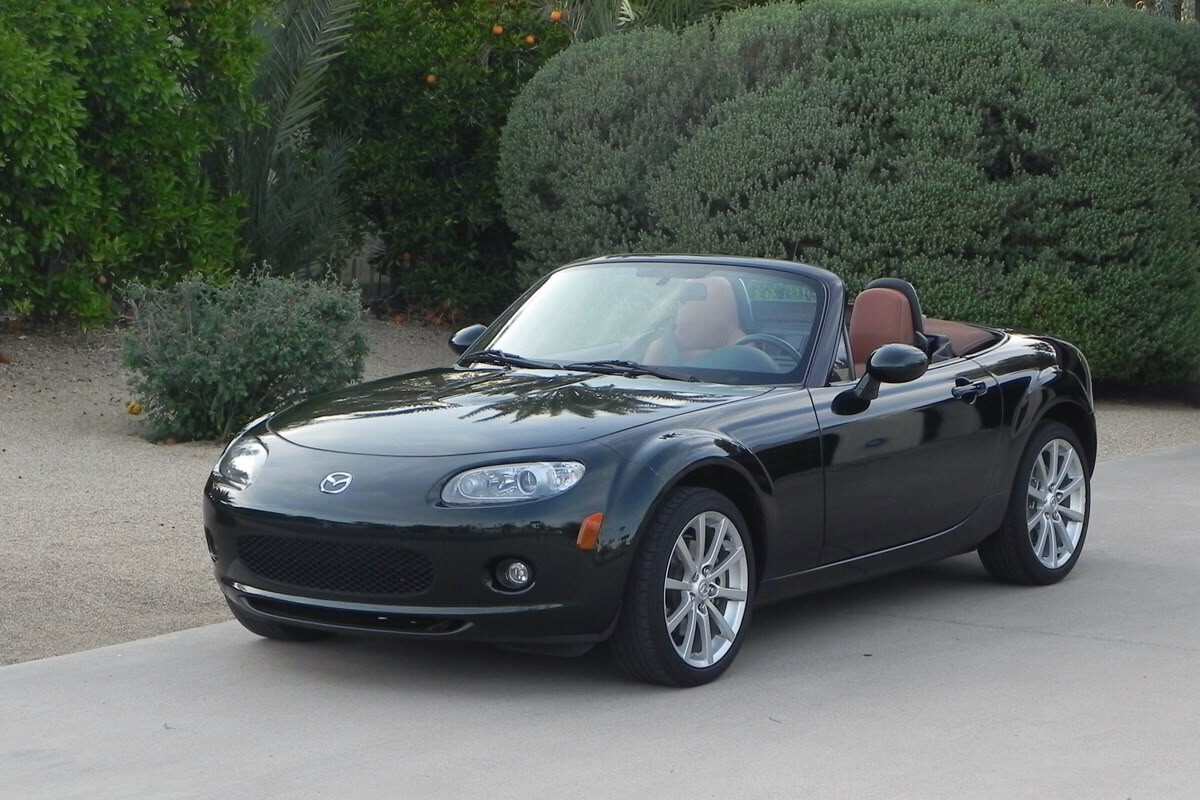
3. Mazda MX-5 Miata (2006-2015)
While most people associate reliability with practical sedans, the Mazda MX-5 Miata proves that even fun, affordable sports cars can deliver exceptional dependability.
The second and third generations of this iconic roadster, produced from 2006 to 2015, represent automotive reliability in its purest form simple, well-engineered mechanical components working in harmony without unnecessary complexity.
The Miata’s reputation for starting reliably and running trouble-free has made it a favorite not just among driving enthusiasts, but also among those who want engaging transportation they can actually depend on.
The Miata’s reliability stems from its refreshingly straightforward design philosophy. At a time when other manufacturers were adding turbochargers, direct injection, and complex variable valve timing systems, Mazda kept the Miata’s 2.0-liter four-cylinder engine beautifully simple.
The naturally aspirated powerplant uses proven port fuel injection, a straightforward dual overhead cam design, and conservative tuning that ensures longevity.
This engine revs eagerly to its 7,000 RPM redline yet never feels stressed, a testament to its robust internal components and balanced design. The manual transmission, which most Miata buyers choose, is virtually bulletproof its precision-machined gears and synchros can withstand hundreds of thousands of spirited shifts without failure.
What makes the Miata particularly impressive from a reliability standpoint is its resistance to the common problems that affect other vehicles.
The car’s lightweight design means less stress on every component, from the starter motor that needs to crank less mass to the fuel pump that supplies a relatively small, efficient engine.
The electrical system is refreshingly uncomplicated, without the complex modules and networked computers that create diagnostic nightmares in modern vehicles.
When a Miata does develop an issue, the straightforward design makes troubleshooting simple and inexpensive a stark contrast to vehicles where diagnosing a no-start condition requires expensive scan tools and hours of technician time.
The combination of lightweight construction, conservative engineering, quality manufacturing, and simple design creates a vehicle that delivers pure driving enjoyment without the anxiety that comes with owning an unreliable car.
For anyone seeking proof that reliability and driving pleasure aren’t mutually exclusive, the 2006-2015 Mazda MX-5 Miata stands as the perfect example.
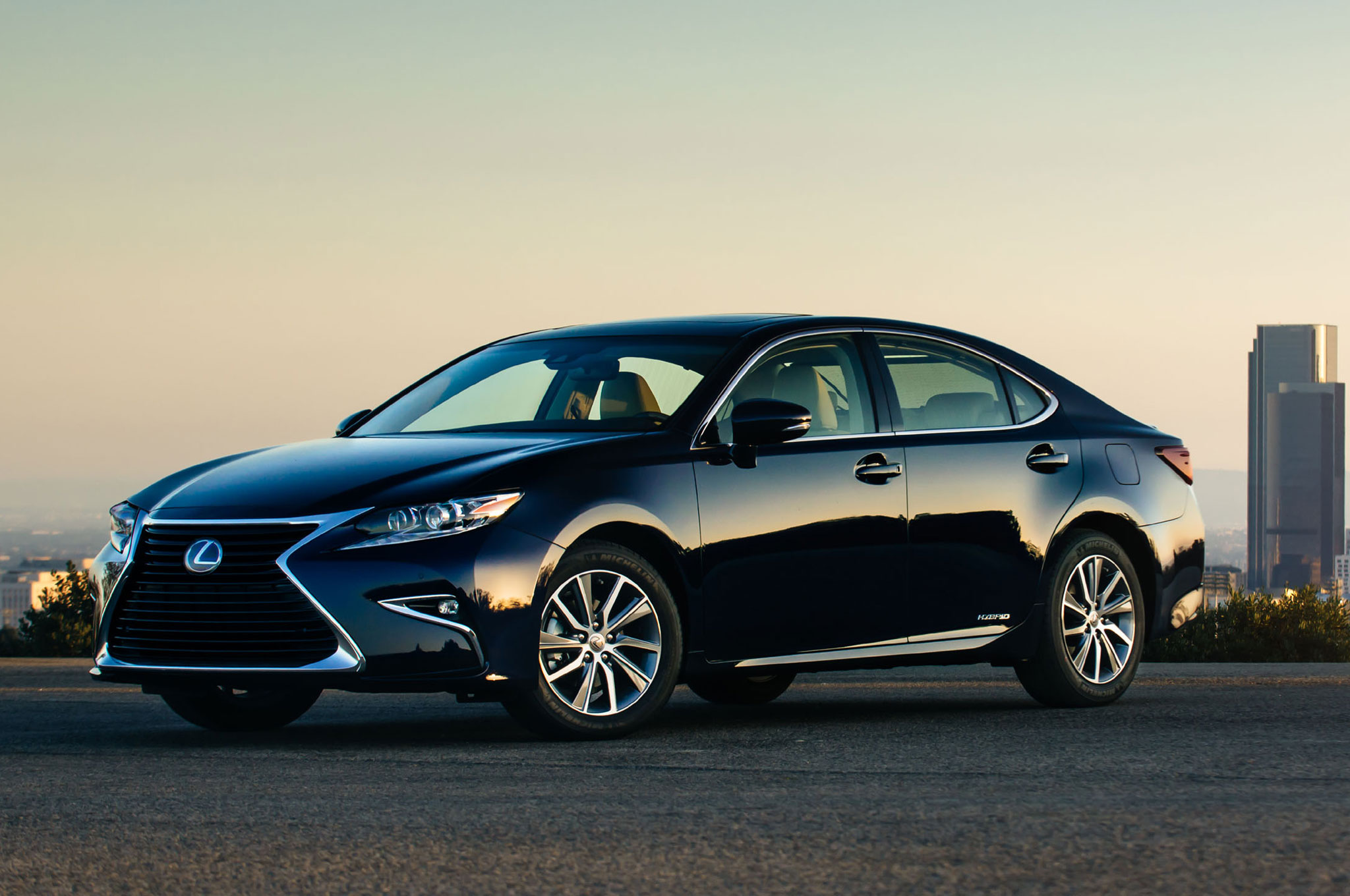
4. Lexus ES 350 (2013-2018)
When Toyota creates the luxury version of their already-legendary Camry platform and adds Lexus’s premium materials and obsessive quality control, the result is the ES 350 a vehicle that redefines what reliability means in the luxury car segment.
While many luxury vehicles sacrifice dependability in pursuit of cutting-edge technology and performance, the 2013-2018 ES 350 proves that premium comfort and rock-solid reliability can coexist beautifully.
This sedan represents the pinnacle of worry-free luxury transportation, combining Lexus’s legendary quality with engineering that ensures you’ll never be left stranded.
The ES 350’s exceptional reliability begins with its heart the 3.5-liter V6 engine that represents decades of Toyota refinement. This powerplant produces a smooth, eager 268 horsepower while maintaining the conservative engineering philosophy that has made Toyota powertrains legendary.
The engine uses port fuel injection, avoiding the carbon buildup problems that plague many direct-injection luxury engines, and its internal components are manufactured to tolerances that ensure longevity far beyond what most luxury car buyers expect.
The six-speed automatic transmission shifts with the smoothness expected in a luxury car while delivering the durability typically associated with commercial vehicles, thanks to superior internal components and meticulous assembly quality.
What truly distinguishes the ES 350 is Lexus’s manufacturing philosophy. Every vehicle undergoes extensive quality control processes that would be considered excessive by other manufacturers’ standards.
Each engine is tested on a dynamometer before installation, every electrical connection is verified multiple times, and the final vehicle inspection includes cold-start tests and diagnostic scans that identify potential issues before they ever reach customers.
This obsessive attention to detail means ES 350s leave the factory with a level of quality consistency that other luxury brands simply cannot match, and this quality translates directly into reliability that extends throughout the vehicle’s lifespan.
The ES 350 starts instantly in any weather condition, idles smoothly without the vibration that indicates aging motor mounts or engine wear, and accelerates with the same refined power delivery whether the odometer shows 5,000 or 150,000 miles.
This consistency creates an ownership experience free from the anxiety that accompanies many luxury vehicles, where owners wonder whether their car will start each morning or leave them stranded at the least convenient moment.
For buyers seeking the ultimate combination of luxury comfort and Toyota-grade reliability, the 2013-2018 Lexus ES 350 stands without peer.
Also Read: 5 SUVs That Stay Solid After 300k vs 5 That Don’t
5. Subaru Outback (2015-2019)
The Subaru Outback occupies a unique position in the automotive world an all-wheel-drive wagon that combines the versatility of an SUV with the reliability typically associated with sedans.
The 2015-2019 generation represents Subaru engineering at its finest, delivering the brand’s legendary durability while addressing some of the issues that affected earlier models.
For drivers who need all-weather capability without sacrificing dependability, particularly those living in regions with harsh winters, the Outback has become the default choice, and its reliability record justifies this reputation.
The Outback’s reliability stems from Subaru’s unique boxer engine design, particularly the naturally aspirated 2.5-liter four-cylinder that powers the majority of these vehicles.
The horizontally-opposed engine layout creates a lower center of gravity for better handling, but more importantly, for reliability, it reduces vibration and stress on engine components.
This generation of Outback avoided the head gasket issues that plagued earlier Subarus, thanks to improved gasket materials and refined engine assembly procedures.
The engine’s conservative tuning ensures longevity, and its position low in the chassis protects it from the temperature extremes that affect components in more conventional engine layouts.
What makes the Outback particularly reliable is Subaru’s symmetrical all-wheel-drive system, which operates continuously rather than engaging only when slip is detected.
While this might seem like a system that would increase complexity and failure points, Subaru’s decades of AWD experience have resulted in a system that’s actually more reliable than the front-wheel-drive platforms used by many competitors.

The continuously variable transmission (CVT) in these Outbacks, despite CVTs’ generally poor reputation, has proven remarkably durable thanks to Subaru’s use of a chain-driven design rather than a belt-driven system, along with superior transmission fluid that maintains proper lubrication throughout the vehicle’s life.
Real-world Outback owners consistently report exceptional reliability, with many vehicles exceeding 200,000 miles with minimal repairs beyond routine maintenance.
The vehicles start reliably in any weather condition from the humid heat of summer to the bitter cold of northern winters and the all-wheel-drive system ensures they continue moving even when other vehicles are stuck.
Mechanics who service Outbacks report that these vehicles rarely arrive with starting or stalling issues, and when problems do occur, they’re typically related to easily replaceable components like batteries or spark plugs rather than major system failures.
The combination of Subaru’s unique engineering, improved quality control, and focus on real-world durability makes the 2015-2019 Outback an exceptional choice for anyone seeking a reliable all-weather vehicle that won’t leave them stranded.
5 Cars That Constantly Stall
These problematic vehicles suffer from fuel systems featuring failure-prone high-pressure pumps, ignition components with inadequate coil insulation that breaks down from heat exposure, and overcomplicated engine management networks where single sensor failures disable entire powertrains without warning or limp-home capability.
Their flawed engineering includes direct-injection systems that clog and misfire, crankshaft sensors positioned near excessive heat causing intermittent signal loss, and fuel pump control modules that fail leaving vehicles dead without manual bypass options.
From cold mornings revealing weak starter motors to hot restart issues from vapor lock in poorly designed fuel systems, these troublesome cars create stranding incidents frequently.
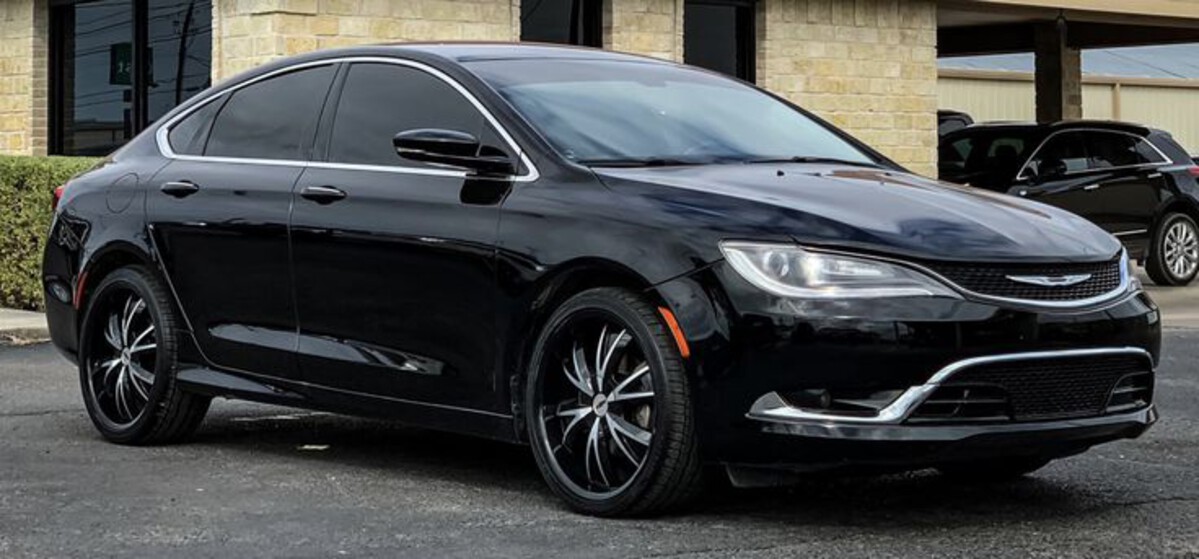
1. Chrysler 200 (2015-2017)
The Chrysler 200 represents one of the automotive industry’s most disappointing reliability failures in recent history. Launched with great fanfare as Chrysler’s attempt to compete in the competitive mid-size sedan market, the 200 instead became a cautionary tale about what happens when style is prioritized over substance and when cost-cutting undermines fundamental engineering.
Within just three years of its introduction, Chrysler discontinued the 200, but not before thousands of owners experienced the frustration of a vehicle that seemed determined to leave them stranded at every opportunity.
The 200’s reliability problems begin with its troubled nine-speed automatic transmission, which has become infamous among automotive technicians and frustrated owners alike.
This transmission, which Chrysler co-developed with ZF, suffers from harsh shifting, unexpected gear hunting, and a tendency to slip or fail to engage gears entirely.
Owners report their vehicles lurching unpredictably during acceleration, refusing to shift smoothly even after multiple software updates, and in the worst cases, leaving them stranded when the transmission enters a “limp mode” that limits the vehicle to a single gear.
The transmission’s problems stem from inadequate software calibration combined with mechanical components that weren’t sufficiently tested before production, creating a perfect storm of unreliability that no amount of dealer service visits could truly resolve.
Beyond the transmission disasters, the 200 suffers from numerous electrical gremlins that leave owners frustrated and mechanics baffled. The vehicle’s complex electrical architecture, with its networked computer modules and numerous sensors, seems particularly prone to mysterious failures.
Owners report no-start conditions caused by faulty wireless ignition nodes a system that allows keyless starting but introduces multiple failure points that didn’t exist in conventional ignition systems.
The vehicle’s start-stop system, designed to improve fuel economy by shutting down the engine at stoplights, frequently malfunctions, leaving drivers wondering whether their car has stalled or is operating as designed.
The electrical problems extend to failing sensors that trigger false warnings, body control modules that cause random electrical accessories to stop working, and wiring harnesses that seem particularly susceptible to corrosion and failure.
Consumer Reports rated the 2015-2017 Chrysler 200 among the least reliable vehicles on the market, and J.D. Power surveys consistently placed it near the bottom for predicted reliability.
Owners flooded online forums with complaints about repeated dealer visits for the same unfixed problems, vehicles that spent weeks at dealerships awaiting parts or software updates, and problems that mysteriously returned shortly after supposedly being repaired.
The vehicle’s resale value plummeted as word of its reliability issues spread, creating a situation where owners found themselves trapped with depreciating assets that couldn’t be sold without substantial losses.
For anyone considering a used Chrysler 200, the overwhelming evidence suggests looking elsewhere the savings from its low purchase price will quickly be consumed by repair bills and the stress of owning a vehicle that can’t be trusted to start or run properly.
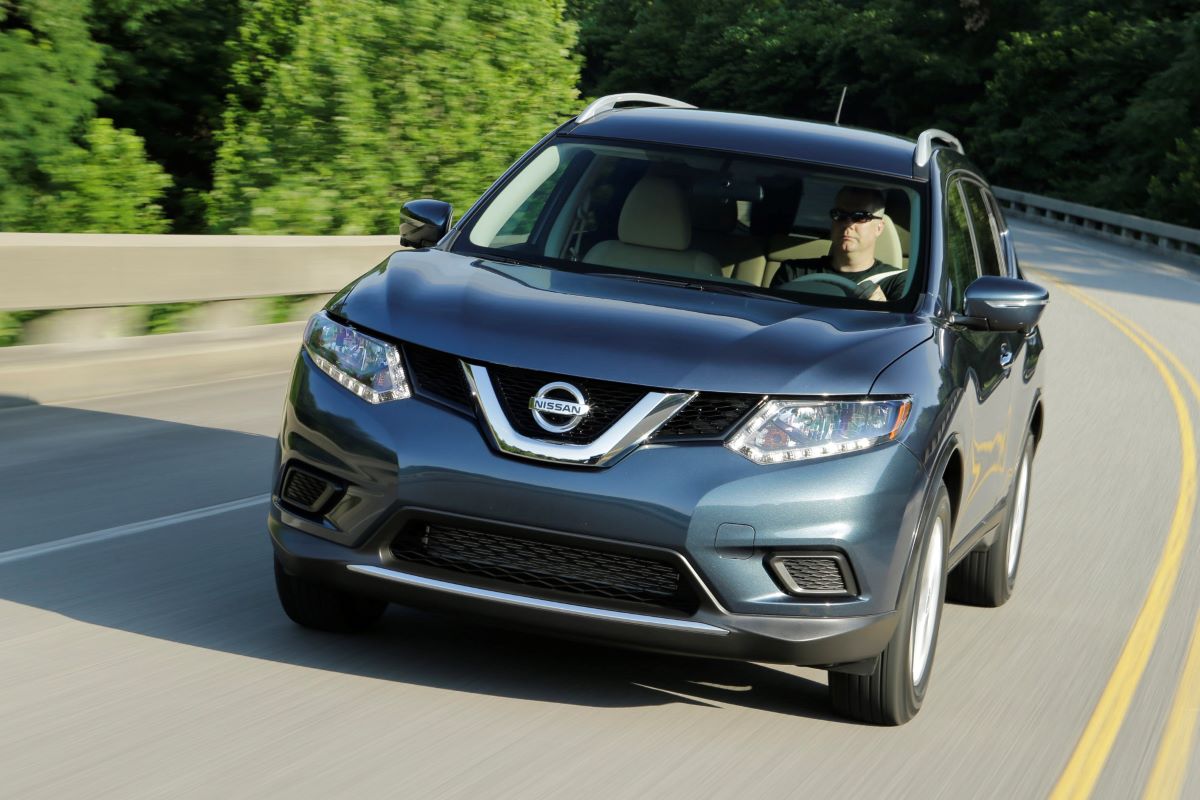
2. Nissan Rogue (2014-2020)
The Nissan Rogue has become one of America’s best-selling compact SUVs, but this popularity masks serious reliability issues that have left countless owners frustrated and stranded.
While Nissan’s marketing emphasizes the Rogue’s spacious interior and affordable pricing, the reality of ownership reveals a vehicle plagued by transmission problems, electrical failures, and an array of other issues that undermine any value proposition the low purchase price might offer.
The 2014-2020 model years are particularly problematic, representing a period when Nissan’s quality control seemed to deteriorate significantly.
The most notorious issue affecting these Rogues is the continuously variable transmission (CVT), which has proven catastrophically unreliable across multiple Nissan models.
Owners report transmission shuddering, hesitation when accelerating, complete transmission failure at relatively low mileage, and in some cases, vehicles that simply refuse to move despite the engine running.
The CVT problems stem from Nissan’s attempt to maximize fuel economy through aggressive transmission programming combined with inadequate cooling and lubricant formulations that break down prematurely.
Many owners find themselves facing transmission replacements costing $4,000 to $6,000 at mileage well below 100,000 miles, sometimes as low as 50,000 miles.
Even worse, Nissan extended the warranty on these transmissions, implicitly acknowledging their defects, but this warranty extension doesn’t cover many affected vehicles, leaving owners to absorb the enormous repair costs.
Beyond transmission failures, the Rogue suffers from electrical problems that leave owners stranded without warning. The vehicle’s electrical system seems particularly prone to battery drain issues, even when the vehicle is parked and supposedly off.
Owners report returning to their Rogues after just a day or two of sitting to find completely dead batteries, requiring jump-starts or towing.
The source of these parasitic draws often proves difficult for technicians to diagnose, involving faulty modules that continue drawing power when they should be dormant, or poorly designed circuits that slowly drain the battery.
The vehicle’s complex electrical architecture, with its multiple computers and networked systems, creates numerous potential failure points, and Nissan’s quality control seems inadequate to prevent these issues from reaching consumers.
Nissan Rogue owners have filed numerous complaints with the National Highway Traffic Safety Administration regarding stalling while driving, sudden loss of power, and vehicles that won’t restart after stalling.
These safety-critical issues have prompted investigations and recalls, but many owners report that the recall repairs don’t actually solve the underlying problems.
The combination of transmission unreliability, electrical gremlins, and engine issues creates an ownership experience marked by anxiety and frustration rather than the confidence that should come with a nearly-new vehicle.
For anyone considering a used Nissan Rogue from these model years, the overwhelming evidence from owner experiences, reliability surveys, and technical service bulletins suggests steering clear the low purchase price and friendly dealer financing terms cannot compensate for a vehicle that simply cannot be relied upon for basic transportation.
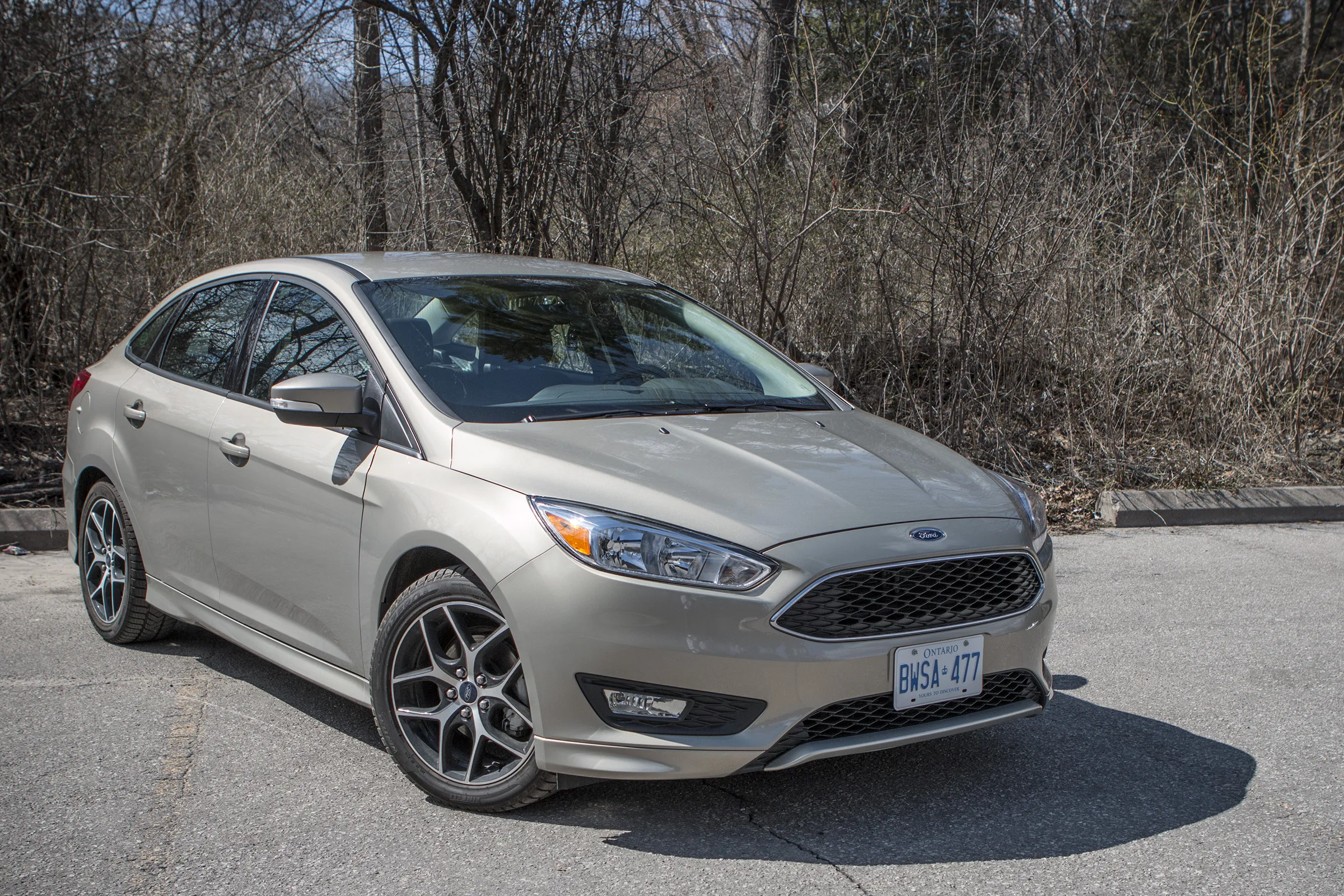
3. Ford Focus (2012-2018)
The Ford Focus with the PowerShift DPS6 dual-clutch automatic transmission represents one of the most significant reliability disasters in modern automotive history, resulting in multiple class-action lawsuits, countless customer complaints, and irreparable damage to Ford’s reputation for quality.
What makes this situation particularly egregious is that Ford knew about the transmission’s problems early in production but continued selling these vehicles to unsuspecting customers for years.
The Focus, which should have been a practical, affordable compact car, instead became a nightmare for tens of thousands of owners who found themselves stranded repeatedly by a fundamentally flawed transmission design.
The DPS6 transmission was Ford’s attempt to combine the fuel efficiency of a manual transmission with the convenience of an automatic, but the execution was catastrophically flawed.
The dual-clutch design uses two clutches that engage alternately, controlled by sophisticated electronics and actuators. In theory, this provides smooth, quick shifts; in reality, the Focus’s implementation suffered from shuddering, lurching, slipping, and complete failure to engage gears.
Owners report their vehicles jerking violently during low-speed maneuvering, rolling backward on hills despite being in drive, accelerating unpredictably, and in many cases, leaving them completely stranded when the transmission simply refuses to function.
The problems often appear within the first 30,000 miles, though Ford extended warranties acknowledge issues can occur throughout the vehicle’s life.
What makes the Focus situation particularly infuriating for owners is that the transmission problems prove nearly impossible to permanently fix. Dealers perform software updates, clutch replacements, and even complete transmission replacements, yet the problems typically return within months.
This is because the issues stem from fundamental design flaws rather than simple component failures. The clutches overheat during normal driving conditions, the transmission control module’s programming is inadequate for real-world usage, and the seals leak fluid that contaminates the clutches.
Many owners report having their transmissions replaced multiple times under warranty, only to experience the same problems with the replacement units. This creates a situation where Focus owners never know when their vehicle will work properly and when it will leave them stranded or behave dangerously in traffic.
The overwhelming evidence from owner complaints, technical service bulletins, recalls, warranty extensions, and class-action lawsuit settlements makes clear that the 2012-2018 Ford Focus with the DPS6 transmission should be avoided at any price.
Consumer Reports gave these vehicles unprecedented “Don’t Buy” ratings, and resale values have plummeted as word of the transmission problems spread.
Many owners find themselves upside-down on their loans, owing more than the vehicles are worth, trapped with cars they can’t sell and can’t rely on.
For anyone who already owns one of these Focus models, documenting every problem and repair is essential for potential participation in settlement programs.
For anyone considering purchasing one used, even at a seemingly attractive price, the smart choice is to walk away no amount of savings can compensate for the stress, inconvenience, and safety concerns that come with owning one of the least reliable vehicles ever mass-produced.
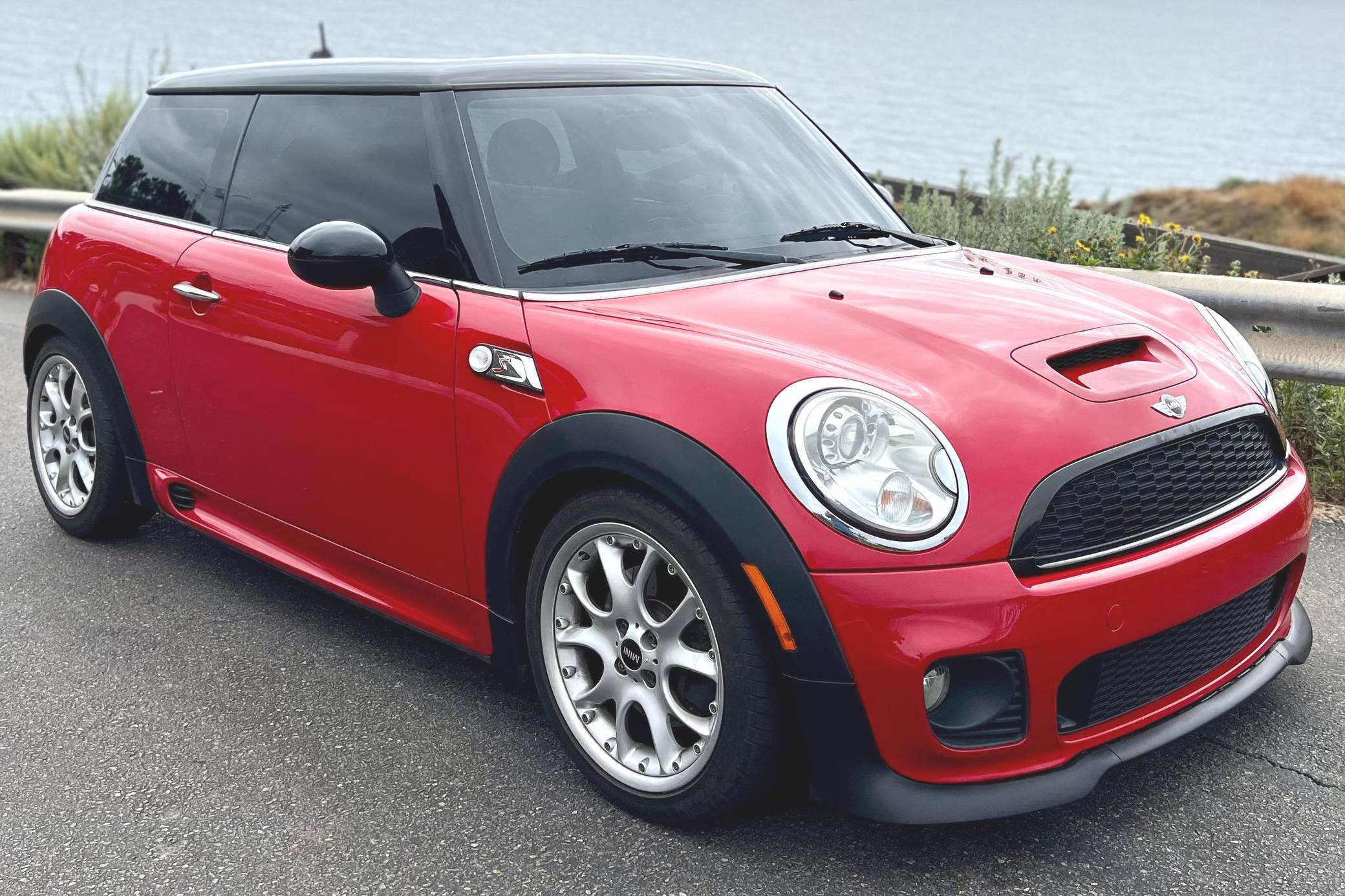
4. Mini Cooper (2007-2013)
The Mini Cooper cultivates an image of quirky British charm and go-kart-like handling, but beneath the retro styling and marketing appeal lies a vehicle with some of the worst reliability in the automotive industry.
The 2007-2013 generation, despite being built under BMW ownership with access to German engineering resources, manages to combine German complexity with British electrical unreliability in the worst possible way.
Owners are drawn to the Mini’s distinctive styling and fun driving character, only to discover a vehicle that spends more time at dealership service centers than on the road, accumulating repair bills that quickly exceed the car’s modest value.
The Mini’s problems begin with its engine, which suffers from a litany of issues that leave owners stranded. The timing chain tensioner, a critical component that maintains proper timing chain tension, frequently fails prematurely, causing rattling noises and potentially catastrophic engine damage if the chain jumps timing.
This failure often occurs between 50,000 and 100,000 miles, requiring an expensive repair that involves removing the engine from the vehicle.
The turbocharged engines, which power the more powerful Mini Cooper S models, suffer from wastegate rattle, failed turbochargers, and high-pressure fuel pump failures that leave the vehicle unable to start or causing it to stall while driving.
Many owners report returning to their Minis to find they won’t start due to fuel system component failures, requiring towing and expensive repairs.
The Mini’s electrical system represents British automotive engineering at its most frustratingly unreliable. The vehicles suffer from recurring window regulator failures that leave windows stuck in the down position, allowing rain and snow to soak the interior.
The door lock actuators fail regularly, sometimes locking owners out of their vehicles or refusing to lock, compromising security.
The various sensors scattered throughout the vehicle oxygen sensors, coolant temperature sensors, wheel speed sensors fail with alarming frequency, triggering warning lights and causing the vehicle to enter reduced-power modes.
The battery frequently drains overnight due to parasitic electrical draws that technicians struggle to identify and eliminate. The intricate electrical architecture, with its numerous modules and complex wiring, creates a diagnostic nightmare where intermittent problems prove nearly impossible to permanently resolve.
The combination of frequent failures, expensive repairs, and the unpredictability of when the next problem will strike makes Mini ownership a financially and emotionally draining experience.
Despite the appealing styling and fun driving characteristics, when the car actually works, the overwhelming evidence suggests that the Mini Cooper from these model years represents one of the worst choices anyone seeking reliable transportation could make.
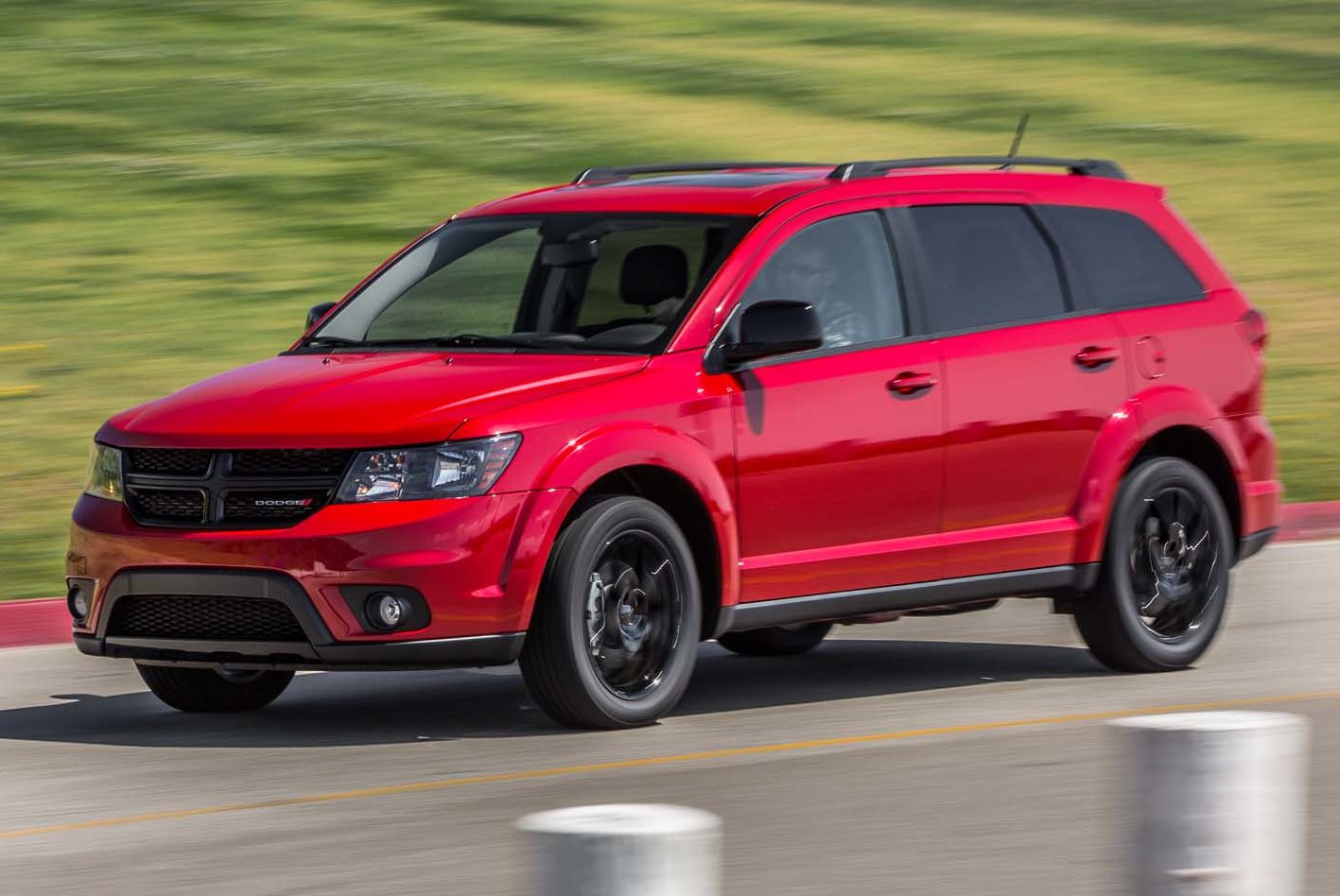
5. Dodge Journey (2009-2020)
The Dodge Journey represents everything wrong with designing vehicles to a price point without adequate attention to engineering quality or long-term reliability. This three-row crossover SUV attracted budget-conscious families with its spacious interior, available third-row seating, and aggressive pricing that undercut virtually every competitor.
However, Journey owners quickly discovered that the low purchase price was merely the down payment on years of frustration, repair bills, and the constant anxiety of wondering when their vehicle would leave them stranded next.
The Journey’s eleven-year production run with minimal updates meant Dodge continued selling essentially the same problematic vehicle year after year, with reliability issues that should have been addressed early on persisting throughout the model’s entire lifespan.
The Journey’s powertrain options both present significant reliability concerns, forcing buyers to choose which set of problems they prefer.
The base 2.4-liter four-cylinder engine, while adequate for basic transportation, suffers from excessive oil consumption, failed timing chains, and a tendency to develop internal engine damage at surprisingly low mileage.
Many owners report their engines requiring complete rebuilds or replacement before reaching 100,000 miles, a failure point that would be scandalous for most manufacturers but seems par for the course with the Journey.
The optional 3.6-liter V6, while providing better performance, introduces additional complexity without meaningfully improving reliability.
Both engines are plagued by failing sensors, oxygen sensors, camshaft position sensors, and crankshaft position sensors that cause rough running, poor fuel economy, and no-start conditions requiring towing and diagnostic time to identify which of the many sensors has failed.
The Journey’s automatic transmission represents another significant source of owner frustration and expensive repairs. The four-speed automatic, a design that was outdated when the Journey launched in 2009 and became increasingly archaic as competitors moved to six, seven, and eight-speed transmissions, suffers from premature failure.
Owners report transmission slipping, harsh shifting, delayed engagement, and complete transmission failure requiring rebuilding or replacement at costs that often exceed the vehicle’s value.
The HVAC system’s blend doors fail, leaving occupants with no heat in winter or no air conditioning in summer. The vehicle’s numerous plastic components, from engine covers to interior trim, deteriorate rapidly, cracking and breaking under normal use.
Also Read: 5 Trucks That Outlive Their Owners vs 5 That Retire Early
