
Hybrid technology was once viewed with skepticism, especially regarding how well these vehicles would age.
Many assumed the complex mix of electric motors, batteries, and combustion engines would fade long before a traditional car reached high mileage. Yet two decades later, the story looks different.
Some hybrids have proven to be mechanical marvels, showing remarkable reliability that even surprises long-term owners. Others, however, have lived up to the early fears failing early due to fragile battery systems, complicated transmissions, or costly electronic malfunctions.
This comparison draws a clear line between endurance and disappointment in hybrid engineering.
Some models have crossed 300,000 miles with minimal trouble, setting new benchmarks for efficiency and reliability. Others, burdened by poor component quality or rushed innovation, have struggled to survive past their first decade.
By separating the dependable from the fragile, this analysis reveals what truly matters in hybrid longevity: robust software integration, cooling systems, and thoughtful mechanical design.
It also exposes which models fell short of the promise, leaving owners with hefty repair bills. In a segment built around the idea of long-term savings, lasting reliability defines whether a hybrid earns its reputation or loses it too soon.
Also Read: 5 Cars That Stay Luxurious at 300k vs 5 That Don’t
5 Hybrids That Shock Owners With Longevity
When hybrids first arrived, many doubted their ability to handle the demands of long-term driving. Yet some of these vehicles have gone far beyond expectations, proving that well-engineered hybrid systems can age gracefully when paired with strong engines and smart cooling strategies.
These cars continue to perform efficiently even after years of heavy use, offering both fuel economy and durability.
I’m writing about these five hybrids because they’ve earned a reputation for reliability through real-world data, taxi fleet records, and owner experiences.
They don’t just last they stay consistent. Their electric motors, battery packs, and combustion engines work in harmony without prematurely breaking down.
Each model here demonstrates that with the right engineering philosophy, hybrids can rival traditional vehicles in longevity.
They have also changed public perception, showing that complex technology doesn’t always mean fragility. Their success stems from predictable maintenance, proven powertrains, and durable electrical systems.
These five examples illustrate that endurance is not a matter of luck, but rather a matter of design discipline.
They represent hybrid technology at its most mature, refined, balanced, and practical. They show that long life isn’t exclusive to old-school gasoline cars; hybrids, too, can stand the test of time when built with precision and purpose.
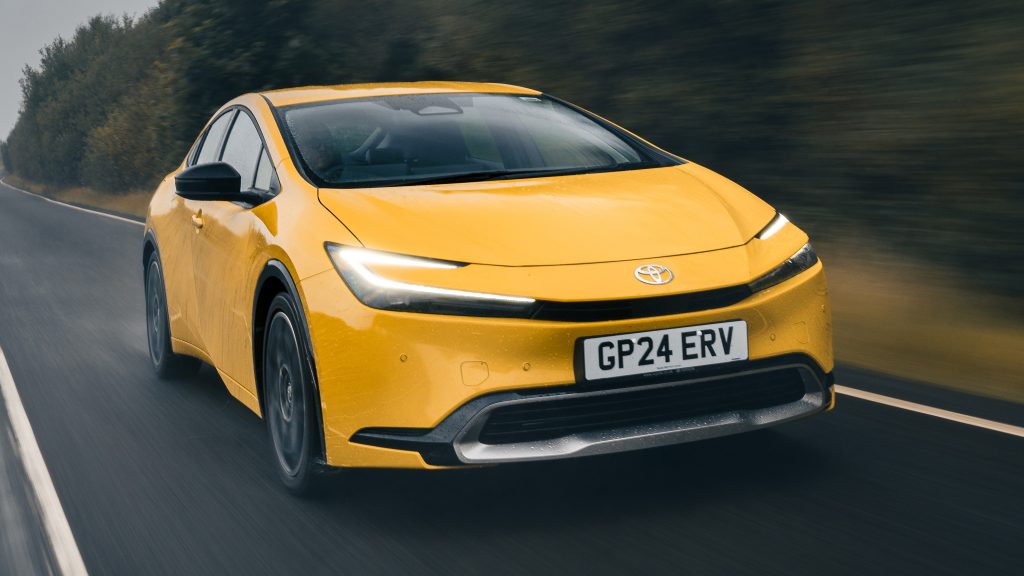
1. Toyota Prius (2004–2009, Second Generation)
The second-generation Toyota Prius became the symbol of hybrid longevity. Its simple yet efficient Hybrid Synergy Drive system changed public opinion by proving that hybrid technology could endure everyday stress.
Owners across the world routinely report mileages exceeding 250,000 miles without major powertrain issues, a feat rarely seen in early hybrid designs.
I’m writing about it because this Prius marked a turning point in reliability history. Toyota’s decision to use nickel-metal hydride batteries, rather than untested lithium systems, paid off.
The battery cooling system remained effective, and the electric motors showed minimal degradation over time. The internal combustion engine, a 1.5-liter four-cylinder, proved incredibly stable when serviced regularly.
What also made it last were its fewer moving parts compared to traditional drivetrains. The continuously variable transmission (CVT) was engineered for seamless torque delivery, reducing wear.
The regenerative braking system minimized stress on conventional brakes, another small factor that added years of service life.
Cabin materials and electronics also aged gracefully, showing Toyota’s commitment to durability in every component.
The Prius didn’t just save fuel it saved owners from costly repairs. Its success transformed hybrid confidence worldwide, and its long-term data remains unmatched. The 2004–2009 Prius remains one of the few hybrids that truly lasts like a legend.
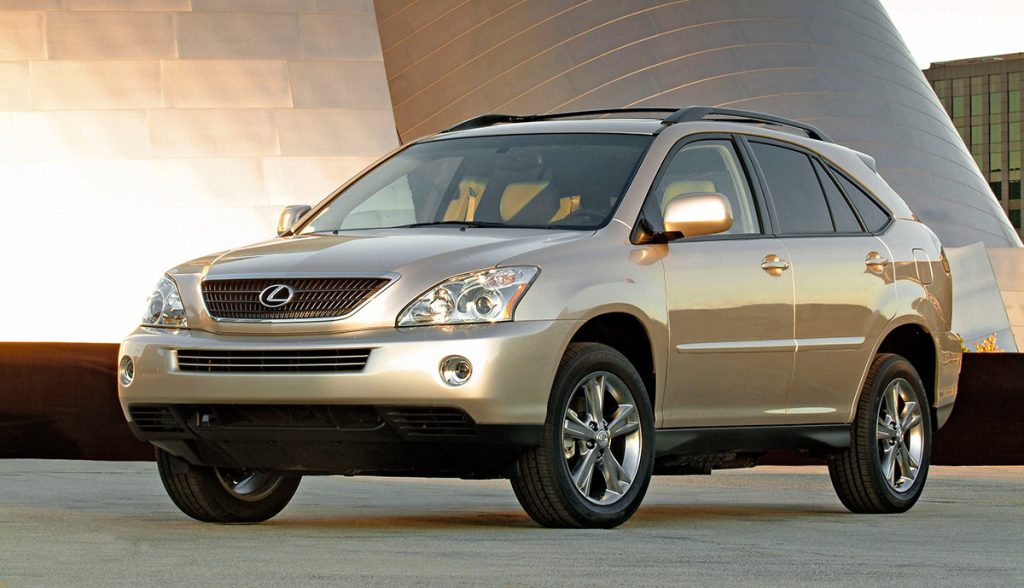
2. Lexus RX 400h (2006–2008)
The Lexus RX 400h surprised both critics and owners with how gracefully it aged. Combining luxury comfort with Toyota’s proven hybrid platform, this midsize SUV became one of the most dependable electrified vehicles of its time. Even today, many examples surpass 200,000 miles without major mechanical trouble.
I’m writing about the RX 400h because it shows how careful engineering can make even a complex hybrid system robust. Its V6 engine and electric motors work through a sealed e-CVT transmission that rarely fails. The battery cooling system is well-placed, preventing the overheating issues that plagued other early hybrids.
Owners praise the RX 400h for its minimal electrical faults. The hybrid control modules remain stable, and battery replacements are uncommon when maintenance schedules are followed. The all-wheel-drive versions also retain strong mechanical reliability thanks to electric rear motors that avoid typical drivetrain wear.
What makes it stand out is Lexus’s build quality. Interior materials hold up for decades, and ride comfort doesn’t fade with age.
The RX 400h proves that hybrids can be both luxurious and dependable when built on sound foundations. It’s a model that quietly continues to redefine hybrid longevity even years after its production ended.
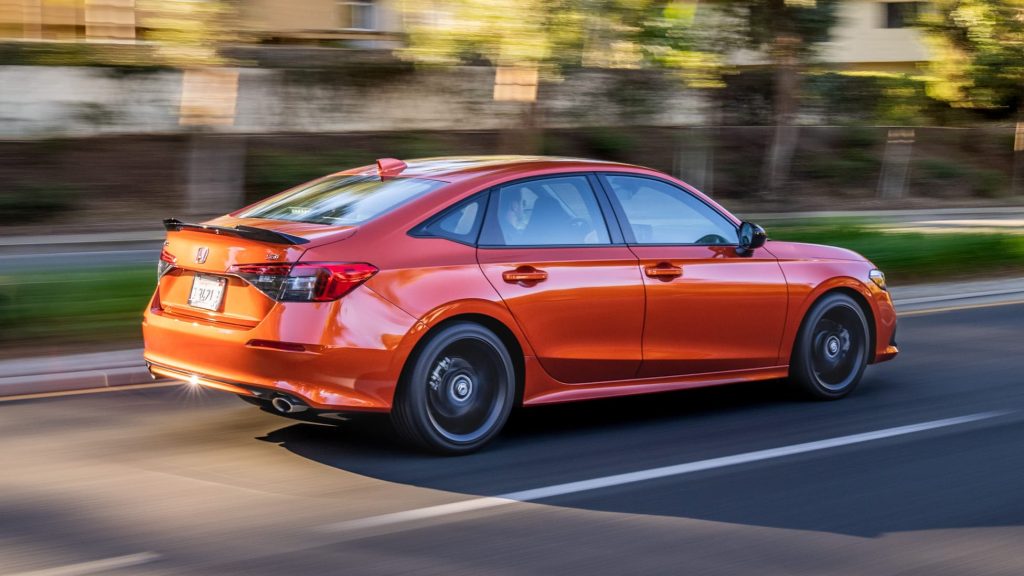
3. Honda Civic Hybrid (2006–2011)
The second-generation Honda Civic Hybrid built on the brand’s legacy for simplicity and efficiency.
It used Honda’s Integrated Motor Assist (IMA) system, which paired a 1.3-liter gasoline engine with an electric motor to deliver smooth performance and lasting durability. Despite modest performance numbers, this car’s endurance surprised many long-term owners.
I’m writing about it because the Civic Hybrid’s design philosophy centered around reliability. The IMA system had fewer moving parts than Toyota’s setup and avoided overcomplicating the drivetrain.
With proper care, the battery pack often exceeded 150,000 miles before any loss in efficiency. The compact size of the components kept cooling efficient and maintenance straightforward.
While not as advanced as Toyota’s hybrid system, the simplicity of the Civic Hybrid proved beneficial in longevity tests.
The transmission, shared with standard Civics, rarely failed. Interior electronics remained stable, and the mechanical balance between gas and electric systems reduced overall wear.
Even today, many of these cars serve as dependable daily drivers. Their efficiency remains steady, and repair costs stay low.
The Civic Hybrid deserves recognition for its quiet resilience. It may not have been the flashiest hybrid, but it showed how practical engineering and restraint could deliver long-term reliability for everyday drivers.
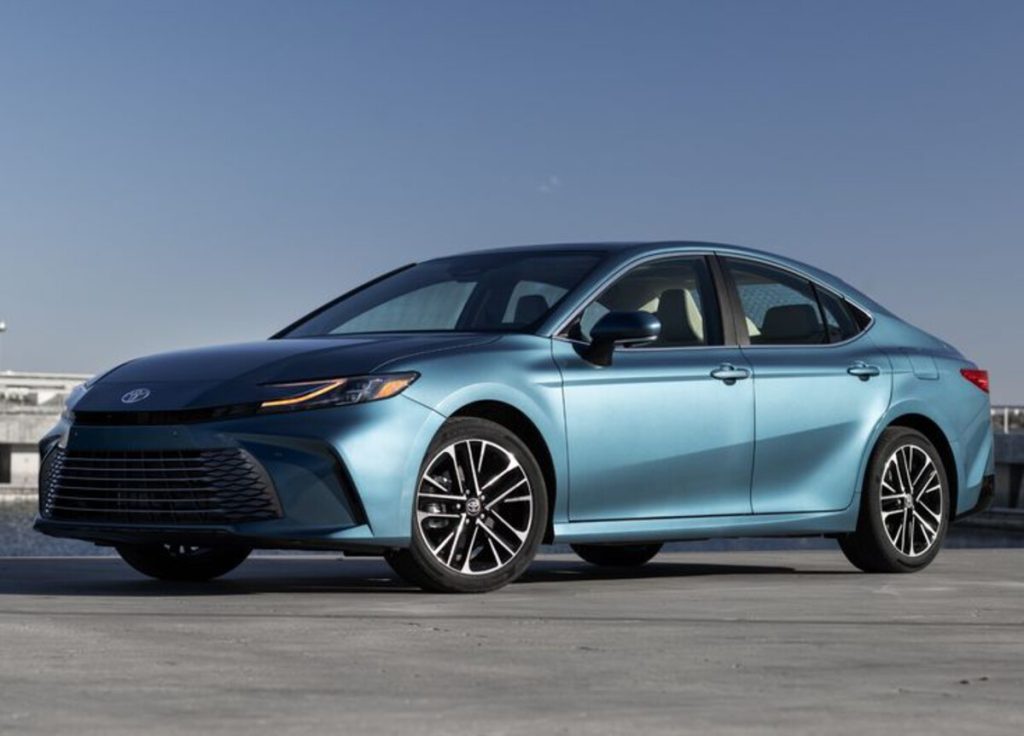
4. Toyota Camry Hybrid (2012–2017)
The Toyota Camry Hybrid from the mid-2010s represents one of the most reliable modern hybrids ever built. Using Toyota’s refined Hybrid Synergy Drive, it balances performance, comfort, and exceptional lifespan.
Many owners report reaching 300,000 miles with no major failures a testament to Toyota’s continuous improvement of hybrid integration.
I’m writing about it because the Camry Hybrid stands as proof that hybrid maturity doesn’t require compromise. The 2.5-liter Atkinson-cycle engine pairs seamlessly with electric motors and a battery pack that has proven incredibly durable.
The cooling and charging management systems are designed for long-term thermal stability, ensuring that the battery’s health remains consistent even under heavy use.
Transmission durability also defines this model. The e-CVT has almost no known long-term failure trends, and regenerative braking helps extend brake life dramatically. Inside, Toyota’s choice of materials continues to resist wear better than many rivals, giving the car both physical and mechanical longevity.
This car earns its place here because it has rewritten expectations for hybrid endurance. Its combination of comfort, economy, and reliability shows that hybrid technology can be both modern and timeless. The Camry Hybrid remains a perfect example of balance done right.
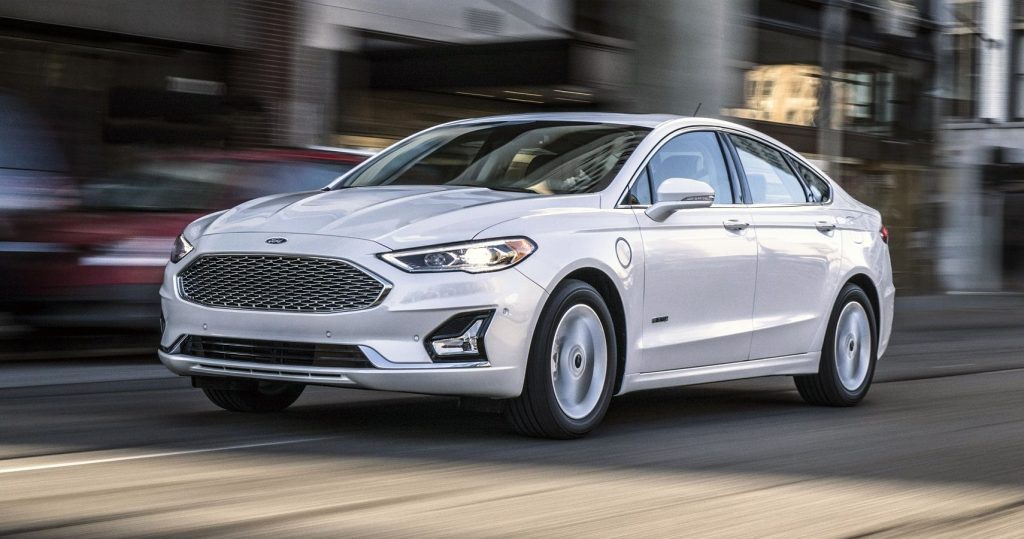
5. Ford Fusion Hybrid (2013–2019)
The Ford Fusion Hybrid quietly built a reputation for surprising longevity. Initially overshadowed by Toyota’s hybrids, it gradually earned respect through years of dependable service in taxi fleets and commuter use. The car’s 2.0-liter Atkinson-cycle engine and electric system form a durable, low-maintenance package.
I’m writing about it because it’s one of the few American hybrids that matched Japanese reliability standards.
The Fusion Hybrid’s powertrain, co-developed with Toyota input, proved remarkably resilient under extended use. Battery degradation is minimal thanks to effective cooling strategies, and regenerative braking minimizes wear on critical components.
The e-CVT transmission also contributes to its longevity, with few reported failures even past 200,000 miles. Interior electronics, often a weak spot in hybrids, remain stable over time.
Ford’s build quality during this period was consistent, helping the Fusion Hybrid maintain its solid feel long after competitors developed squeaks and rattles.
This car deserves attention for how it quietly exceeded expectations. It wasn’t the most glamorous hybrid, but it turned out to be one of the toughest.
The Fusion Hybrid’s reliability record demonstrates that with careful design and maintenance, hybrids from any manufacturer can achieve long-term success, even beyond their projected service life.
5 Hybrids That Fail Early
While many hybrids have proven their endurance, not all models share that success. Some entered the market with ambitious designs but failed to achieve lasting reliability.
Early component wear, battery degradation, and software issues have cut short the lives of otherwise promising cars. These failures often come not from poor ideas but from rushed execution or complex systems that proved difficult to maintain.
I’m writing about these five hybrids because they serve as cautionary examples. They remind buyers that not all hybrid technology is equal some systems thrive under stress, while others collapse from design oversights. These vehicles often showed impressive efficiency at launch but soon faced declining performance and rising repair costs.
Their short lifespans reveal the risks of prioritizing novelty over refinement. Many suffered from weak batteries, faulty power electronics, or unreliable transmissions that undermined their early success. For owners expecting long-term savings, these models often became sources of frustration instead.
By understanding their failures, future buyers can make smarter choices. These hybrids illustrate how engineering missteps can undo innovation, showing that technology alone doesn’t guarantee endurance it requires thorough testing, balance, and a long-term vision that many early systems lacked.
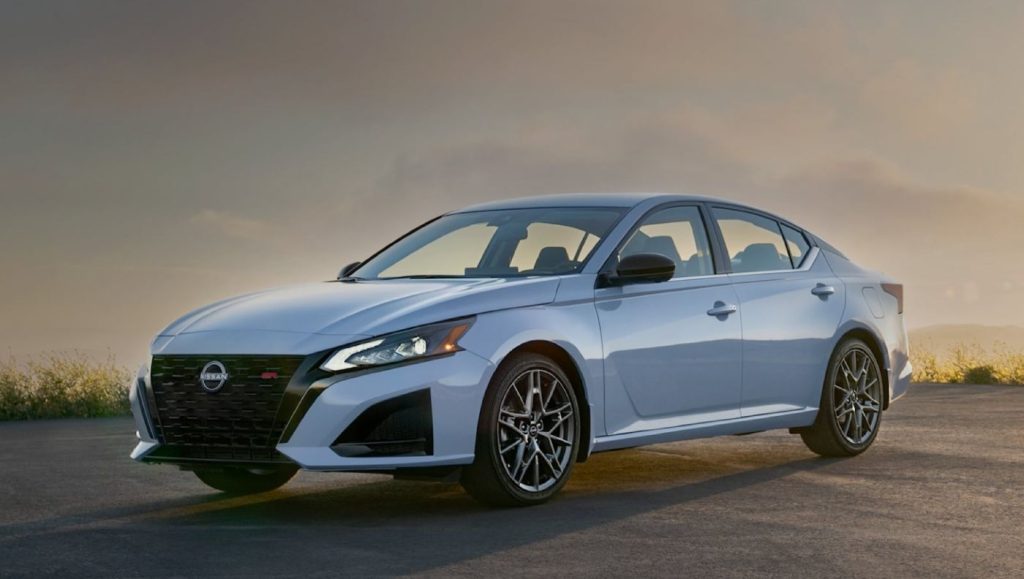
1. Nissan Altima Hybrid (2007–2011)
The Nissan Altima Hybrid was an early attempt to challenge Toyota’s dominance using licensed hybrid technology.
While initially praised for its performance, its long-term record has been disappointing. Owners report battery failures, erratic engine behavior, and software problems that make the car difficult to maintain after 100,000 miles.
I’m writing about it because the Altima Hybrid’s issues reflect how partial integration of technology can backfire. Nissan used Toyota’s hybrid system but adapted it to its own engines and electronics, creating compatibility concerns that reduced reliability.
The battery packs degraded faster than expected, particularly in warmer climates where cooling efficiency was limited.
Electrical problems also plagued the vehicle. Control modules often failed, leaving owners with costly diagnostics and limited repair options. While the gas engine itself was reliable, the hybrid system’s coordination failures made the overall experience inconsistent.
The Altima Hybrid serves as a lesson in overcomplication. Despite having access to proven hybrid technology, Nissan’s implementation fell short of Toyota’s quality standards. It offered efficiency when new but could not sustain it for long.
Its early decline made buyers cautious about future Nissan hybrids and reinforced the importance of cohesion in hybrid design.
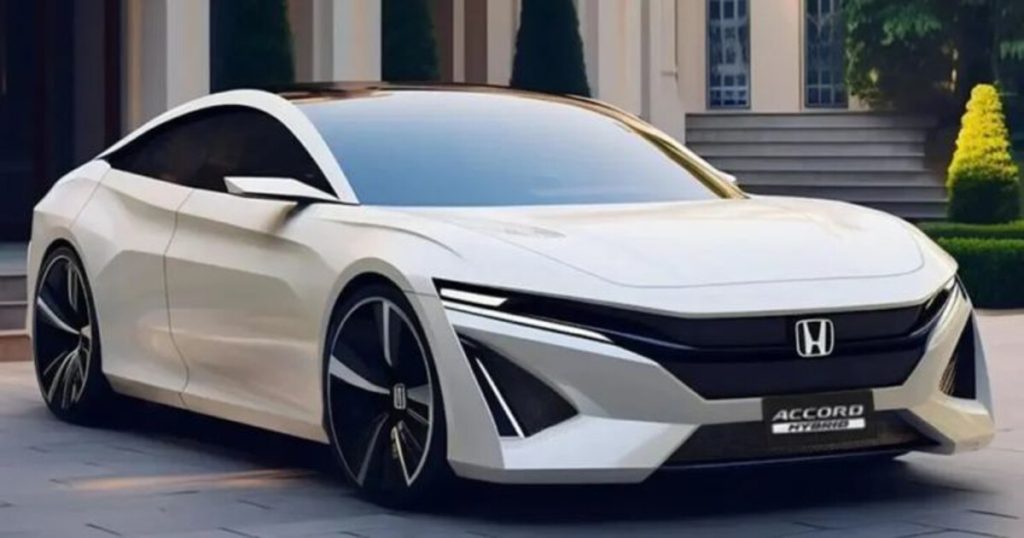
2. Honda Accord Hybrid (2005–2007)
The first-generation Honda Accord Hybrid offered strong performance but not lasting reliability. Designed to add power rather than maximize efficiency, it used a complex version of Honda’s Integrated Motor Assist system paired with a V6 engine. While innovative, this setup became problematic as the cars aged.
I’m writing about it because the Accord Hybrid’s short lifespan shows what happens when hybrid systems are tuned for power instead of endurance.
The IMA components were not designed for the high heat and load generated by the V6 engine. Battery packs failed prematurely, and replacements were costly. Electrical connectors often corroded, further reducing reliability.
Fuel economy gains were minimal compared to the standard Accord, undermining the car’s purpose.
Owners found themselves paying for complexity without meaningful long-term benefit. The transmission also developed harsh shifting patterns after extended use, and software updates only partially addressed the problem.
This model deserves mention because it illustrates the growing pains of early hybrid experiments.
It combined strong performance with weak longevity, proving that successful hybrid design requires balance, not brute force. The Accord Hybrid’s early retirement remains one of Honda’s rare missteps in an otherwise dependable lineup.
3. Hyundai Sonata Hybrid (2011–2014)
Hyundai’s first-generation Sonata Hybrid entered the market with optimism but quickly developed a reputation for battery and software issues.
Its hybrid drivetrain, while efficient on paper, struggled with real-world reliability. Many owners experienced battery degradation and powertrain malfunctions before reaching 100,000 miles.
I’m writing about it because the Sonata Hybrid’s early failure highlights how difficult hybrid system calibration can be.
Hyundai’s proprietary setup combined a lithium-polymer battery with a traditional six-speed automatic transmission, an unconventional pairing that created long-term reliability challenges. The transmission often developed shifting issues, while the battery packs lost capacity faster than expected.
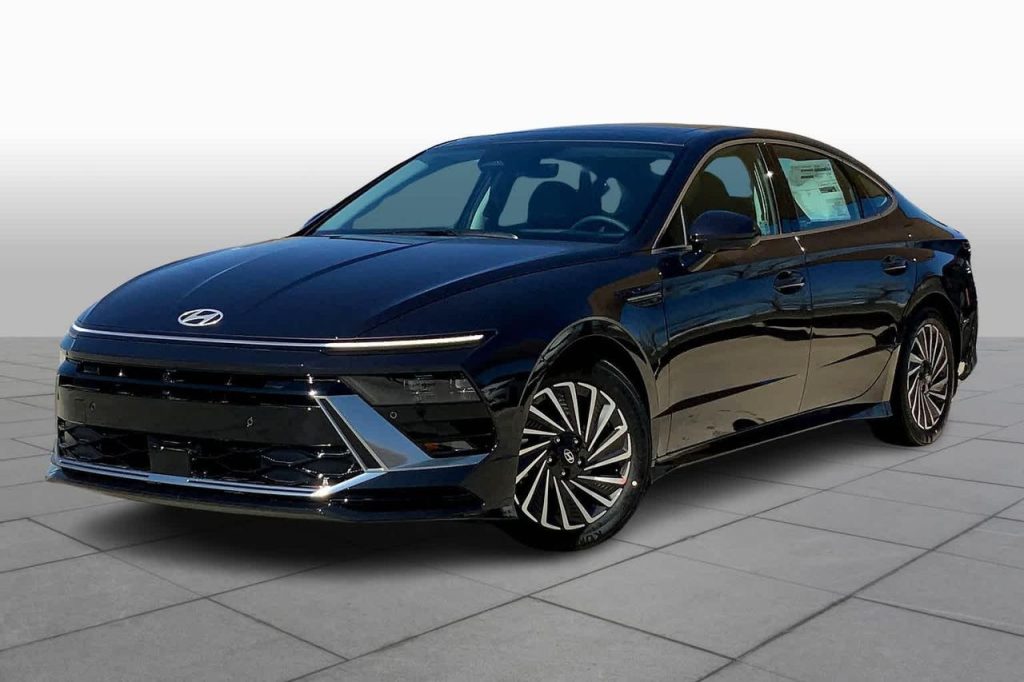
Software updates attempted to fix performance inconsistencies, but many cars continued to show hesitation between electric and gas operation. Electrical control modules and inverters also proved sensitive to heat, leading to costly replacements.
This car is included because it represents the growing pains of Hyundai’s early hybrid efforts. Later models improved dramatically, but the first Sonata Hybrid’s short life tarnished its reputation.
It demonstrates that early innovation without endurance testing can quickly undermine a brand’s progress in hybrid technology.
4. Chevrolet Malibu Hybrid (2008–2010)
The Chevrolet Malibu Hybrid was General Motors’ early attempt to bring fuel-saving technology to mainstream sedans.
Using the company’s mild hybrid system, it relied on a belt-driven starter-generator rather than a full electric motor system. While simple in theory, the design failed to deliver long-term dependability.
I’m writing about it because the Malibu Hybrid demonstrates how partial hybrid systems can struggle to justify their complexity.
The mild hybrid setup offered minimal fuel savings while introducing battery and control module issues. As these cars aged, the systems frequently failed, leading to expensive repairs that often exceeded the car’s value.
Owners reported warning lights, battery replacements, and reduced engine assist as early as 60,000 miles. The electrical architecture lacked durability, and replacement parts were costly. The hybrid system also placed additional strain on the engine and transmission, accelerating wear.
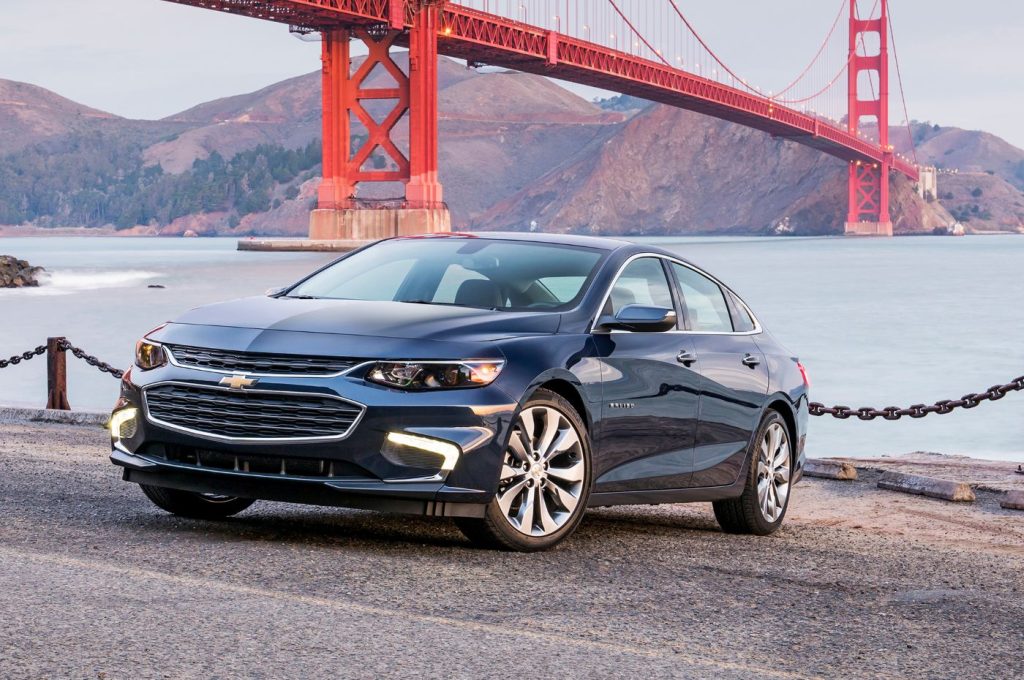
The Malibu Hybrid earns its place here as a cautionary story. It shows that not every attempt at electrification guarantees longevity.
The car performed well initially but lacked the robust engineering foundation needed for hybrid survival. It’s a reminder that half-measures in technology often lead to full measures of disappointment.
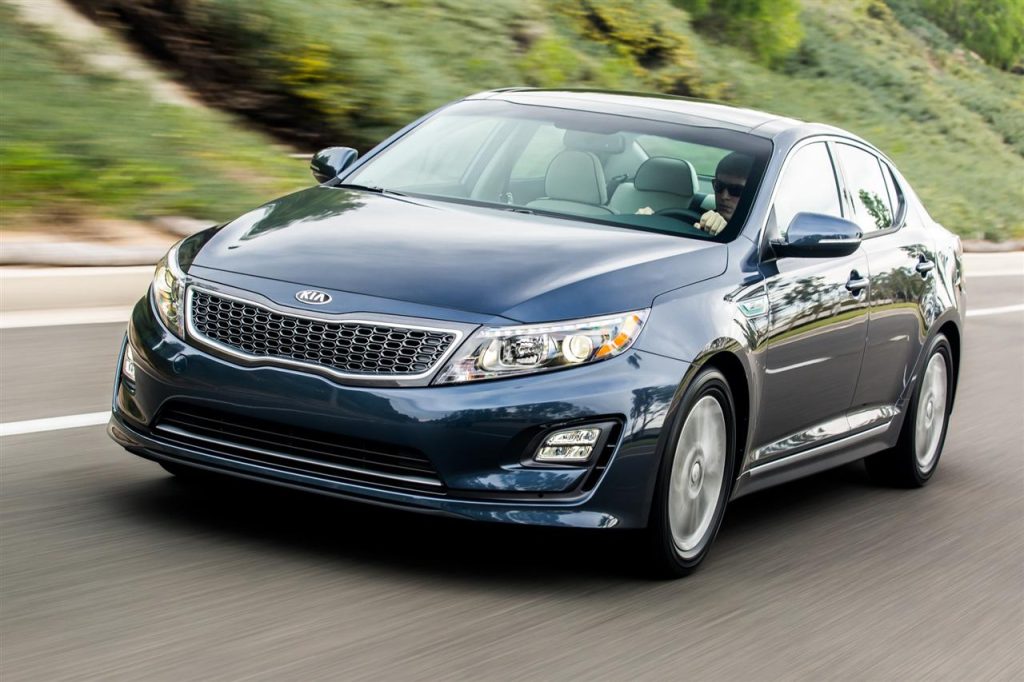
5. Kia Optima Hybrid (2011–2013)
The early Kia Optima Hybrid shared much of its technology with the first Sonata Hybrid, including its lithium-polymer battery and automatic transmission.
Unfortunately, it suffered from many of the same issues. Owners experienced reduced battery efficiency, unpredictable performance, and frequent system resets that undermined reliability.
I’m writing about it because the Optima Hybrid highlights how shared engineering mistakes can affect multiple models.
Despite promising specifications, the hybrid system lacked the durability needed for extended service life. Heat-related battery degradation was common, and the transmission software often caused jerky transitions between electric and gas modes.
While the car’s design and comfort were praised, its mechanical inconsistencies led to early owner dissatisfaction. Many units faced hybrid system failures within the first eight years of use, forcing expensive repairs that few considered worthwhile.
This car deserves inclusion because it represents how first-generation attempts can falter despite good intentions. Kia eventually refined its hybrid systems, but this model’s poor longevity remains a reminder of early missteps.
The Optima Hybrid’s short lifespan contrasts sharply with the reliability of modern hybrids, underscoring the importance of testing and incremental development over speed to market.
Hybrid cars have often faced skepticism about long-term reliability, especially when early models entered the market with complex powertrains and expensive battery systems. Yet time has revealed two clear sides to the hybrid story.
On one side, a group of remarkably resilient hybrids have defied all doubts, continuing to operate efficiently even after hundreds of thousands of miles.
On the other, certain models faltered early, suffering from mechanical, electrical, or battery-related issues that left owners disappointed and burdened with high repair bills.
The hybrids that lasted such as the Toyota Prius, Lexus RX 400h, Honda Accord Hybrid (early generation), Toyota Camry Hybrid, and Ford Escape Hybrid share a commitment to proven engineering and conservative design.
These vehicles were built during a period when durability still outweighed experimentation. Their hybrid systems relied on reliable nickel-metal hydride batteries, and their engines were tuned for efficiency rather than extreme output.
Many of these cars are still on the road today, quietly demonstrating that hybrid technology can indeed survive real-world conditions.
Owners praise these vehicles for delivering consistent fuel economy and low maintenance costs, with only routine servicing required even after years of heavy use.
In contrast, the hybrids that failed early such as the Chevrolet Malibu Hybrid, Nissan Pathfinder Hybrid, Hyundai Sonata Hybrid (first-gen), BMW ActiveHybrid 7, and Chrysler Aspen Hybrid suffered from overengineering, rushed integration, or poor support networks.
Manufacturers in these cases seemed eager to match Toyota’s early success without refining their systems adequately. The result was a mix of problems: battery degradation, unreliable transmissions, and costly component failures that surfaced well before 100,000 miles.
In some instances, these vehicles were discontinued within a few years, reflecting how short-lived innovation can be when long-term reliability is not prioritized.
This contrast exposes how much design philosophy determines hybrid durability. Brands like Toyota and Honda emphasized simplicity, heat management, and mechanical balance. They avoided overstressing electric motors or adding unnecessary software complexity.
Meanwhile, other brands experimented aggressively with turbocharging or under-tested hybrid systems, producing results that looked impressive on paper but aged poorly in practice.
The long-lasting hybrids also show how reputation and trust are built over time. Their owners are less likely to replace them quickly, creating a legacy of reliability that strengthens confidence in hybrid technology.
In contrast, those that failed early often discouraged future buyers from adopting hybrids altogether, damaging brand credibility.
Ultimately, hybrid longevity comes down to thoughtful engineering and restraint. Cars designed with realistic expectations, robust cooling systems, and proven battery chemistry continue to thrive years after their release.
The dependable models serve as reminders that innovation must always be matched with durability. The failed ones, meanwhile, underline the risk of prioritizing marketing goals over mechanical endurance.
This balance defines the hybrid segment today. As newer technologies evolve, these lessons remain essential: true progress isn’t about speed to market it’s about creating vehicles that perform reliably long after the warranty expires. Longevity, not novelty, is what keeps hybrids trusted by their owners.
Also Read: 5 Cars With Seats That Stay Comfortable vs 5 That Don’t
