
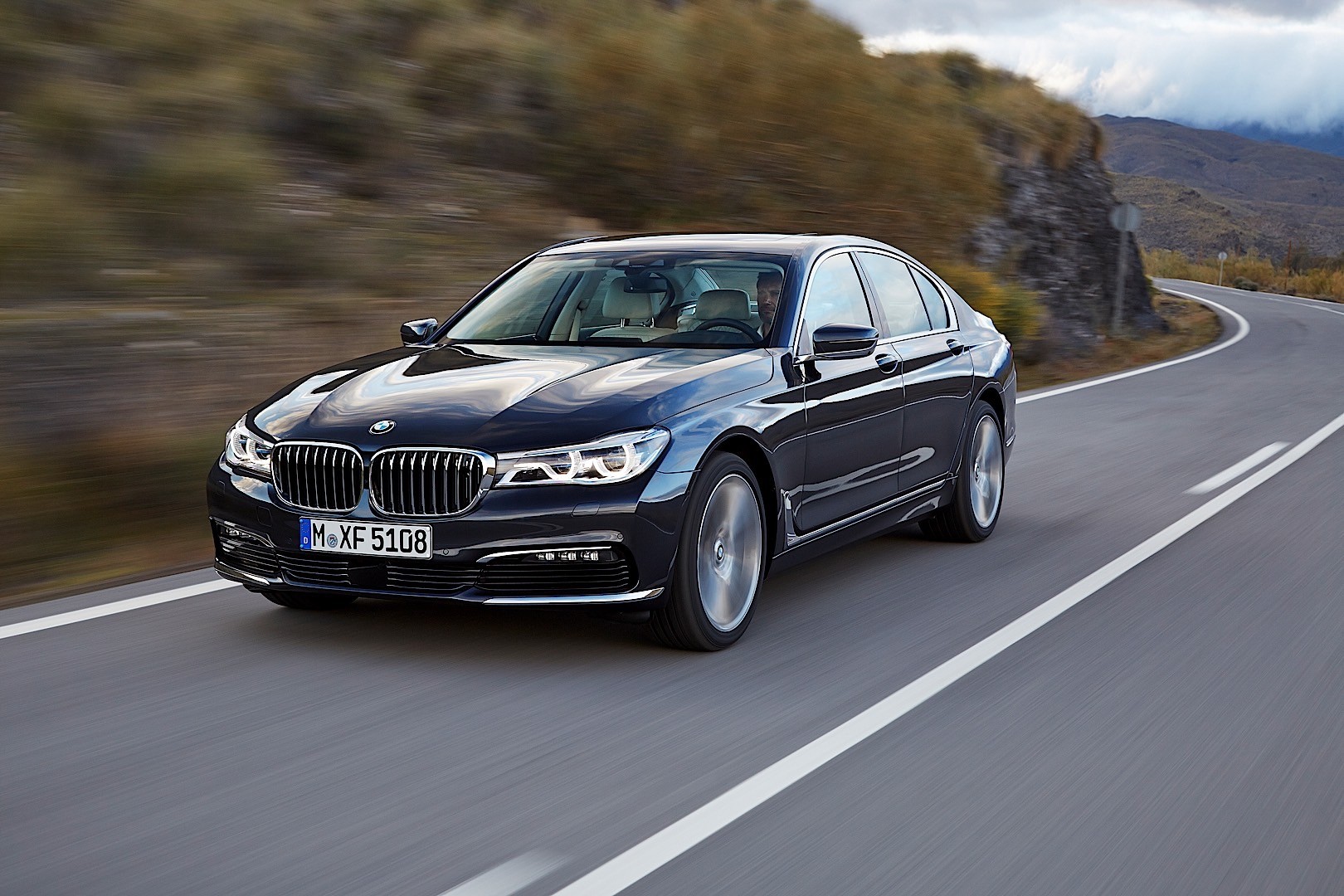
BMW sedans have long stood as symbols of precision engineering and balanced performance. From autobahn dominance to luxury appeal, the brand’s reputation has always rested on the harmony between power, handling, and comfort.
Yet, when the years and miles start to pile up, not every BMW keeps its original promise. Some endure the test of time with mechanical grace, while others face costly mechanical fatigue and electronic decay that erode their brilliance.
Longevity tests those that stretch cars beyond 200,000 miles under consistent stress tell a different story than showroom performance. They expose whether the materials, engineering, and maintenance requirements align with genuine durability.
Certain BMW sedans prove that solid design can outlast trends, retaining smooth engines and tight suspensions long after others falter. Others, despite their early shine, begin to lose reliability, suffering from leaks, electrical issues, or overcomplicated systems.
This comparison highlights ten distinct BMW sedans: five that prove their lasting endurance, and five that struggle with age.
Each model here has earned its place based on owner records, service data, and mechanical performance under long-term use. Together, they reveal what truly separates a dependable BMW from one that ages with frustration rather than grace.
Also Read: The 2000s Sedan Worth More Than a Modern BMW
5 BMW Sedans That Survive Longevity Tests
Durability in a BMW sedan is not achieved by chance. It stems from engineering focus, material quality, and consistent design philosophy.
Some BMWs age remarkably well, continuing to deliver precise steering, composed rides, and strong engines after hundreds of thousands of miles. These sedans demonstrate that performance and reliability can coexist when the fundamentals are right.
The five cars in this section earned their reputation by surviving years of use without falling prey to major engine or transmission failure. They maintain solid resale values, often seeing owners who stay loyal because their vehicles remain trustworthy long past the warranty period. What’s striking about them is not just endurance, but consistency.
Their driving dynamics remain sharp even after extensive mileage, proving that BMW’s best designs hold up both mechanically and emotionally.
I’m writing about these five because they serve as reminders of when BMW engineering prioritized long-term integrity as much as driving feel.
They’ve become benchmarks in used-car markets, often praised by enthusiasts who value reliability alongside refinement. Each one tells a story of mechanical balance a reminder that when BMW gets it right, the result isn’t just performance, but true staying power.
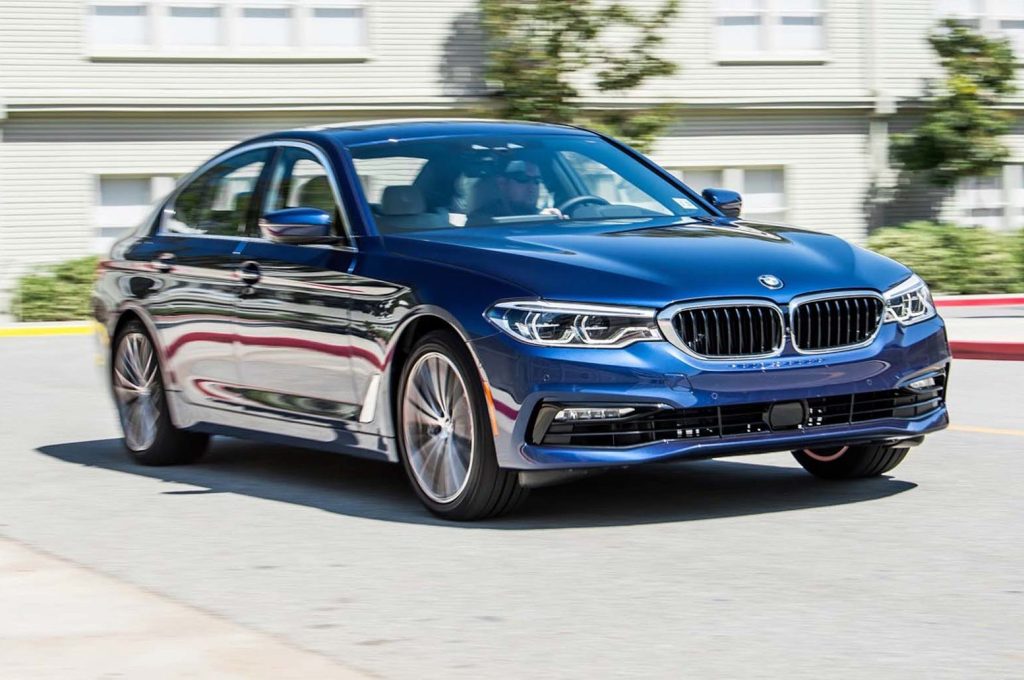
1. BMW 530i (E39, 1996–2003)
The E39 530i has become the standard by which long-term BMW ownership is measured. It blends mechanical simplicity with solid construction, representing an era before complex electronics began to dominate the brand’s design language.
Powered by the M54 inline-six engine, this sedan delivers smooth performance and an unmistakable sense of control, even after high mileage.
The reason it’s featured here is that countless owners have documented E39s running well past 300,000 miles with proper care.
The inline-six’s balance and iron-block design contribute to its resilience, while the five-speed automatic and manual transmissions remain among the most reliable BMW has produced. Even suspension components, though requiring periodic replacement, age predictably rather than catastrophically.
What makes the 530i so noteworthy in longevity tests is its engineering restraint. It avoids the fragile electronics and turbo systems that later models suffered from, relying instead on robust mechanical parts and accessible maintenance.
The cabin materials also resist wear better than expected, with leather and switchgear aging gracefully.
This car deserves discussion because it represents a turning point in BMW’s last truly analog luxury sedan that combined simplicity with precision.
The E39 530i shows that when complexity is limited and fundamentals are strong, endurance naturally follows. Its continued presence on roads worldwide proves its timeless reliability.
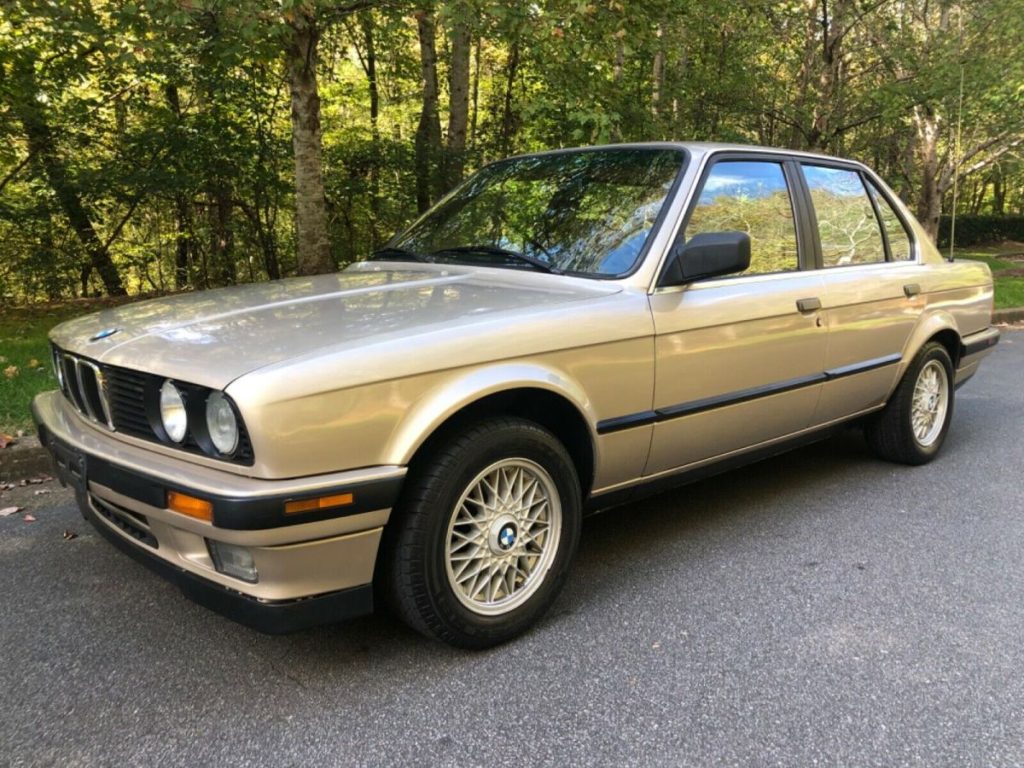
2. BMW 325i (E30, 1984–1991)
The E30 325i stands as one of the most respected BMWs for mechanical longevity. Built during a period when overengineering was the rule rather than the exception, it uses the M20 inline-six, a motor known for being almost indestructible with regular oil changes and cooling maintenance.
This sedan balances light weight with robust drivetrain components, creating a platform that still sees daily use decades later.
I’m writing about it because the E30’s simplicity and mechanical honesty continue to outperform newer models in longevity testing. Owners frequently log mileage exceeding 250,000 miles without major engine rebuilds.
Its manual gearbox remains precise, and the rear-wheel-drive setup, with limited electronic interference, keeps repairs straightforward. The absence of turbocharging, direct injection, or complicated electronic modules has allowed this generation to age gracefully.
Interior wear is minimal when properly maintained, with high-quality plastics and durable fabrics showing little deterioration. The electrical systems, while basic, are less prone to failure compared to later BMWs with extensive electronic networks.
The E30 325i earns its place here because it exemplifies BMW’s original engineering philosophy: function over fashion. It was built to last, not just to impress. Even today, this sedan remains a favorite among enthusiasts who value mechanical dependability and pure driving character over modern complexity.
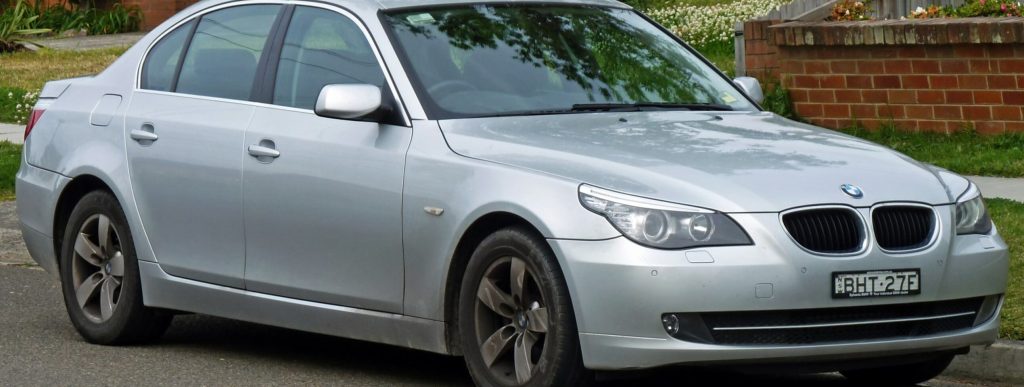
3. BMW 528i (E60, 2007–2010)
The E60-generation 528i bridges old-school durability with newer design trends. It came at a time when BMW began integrating more electronics, yet this naturally aspirated model avoided the reliability pitfalls that plagued its turbocharged siblings. Powered by the N52 inline-six, it maintains smoothness and long-term reliability when serviced correctly.
I’m writing about the 528i because it proves that even during an era of increasing complexity, BMW still managed to engineer dependable sedans.
The N52 engine, with its magnesium-aluminum block, remains one of BMW’s most durable modern powerplants.
With proper cooling system upkeep, these engines frequently exceed 200,000 miles without significant internal wear. The transmission, especially the ZF six-speed automatic, has a proven service life with regular fluid changes.
The car’s chassis remains tight even after years of use, and its suspension setup handles aging gracefully compared to models with adaptive dampers. The cabin materials, particularly leather and brushed aluminum trim, also resist deterioration well.
Its inclusion here highlights that longevity is possible when BMW focuses on natural aspiration and refined simplicity.
The E60 528i offers real proof that newer BMWs can survive long-term use, provided they’re not overburdened by turbocharging and fragile electronics. It’s the modern counterpart to earlier reliability champions like the E39.
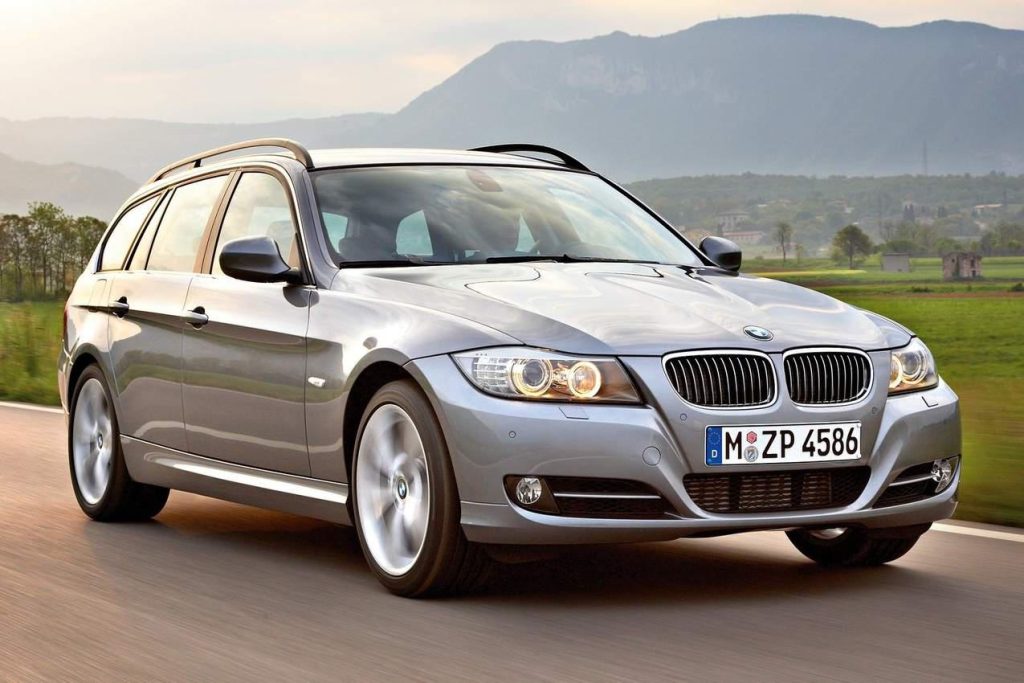
4. BMW 320d (F30, 2012–2018)
Among diesel-powered BMW sedans, the F30 320d stands out for its lasting reliability under long-term stress. The 2.0-liter N47 and later B47 diesel engines, when serviced diligently, offer exceptional mileage potential. Fleet owners and high-mileage drivers have praised these cars for running efficiently past 250,000 miles without major issues.
I’m writing about the 320d because it represents BMW’s success in refining diesel engineering for both efficiency and endurance.
Despite stricter emissions standards and increasing complexity, this car maintains strong reliability due to durable components and consistent maintenance intervals. The gearbox options, both automatic and manual, have proven robust across markets.
The interior design also contributes to its longevity. Solid trim materials and simple controls prevent the kind of premature wear seen in earlier generations.
Suspension components are easily replaceable, keeping running costs predictable. The car’s strong structure and balanced chassis help it resist fatigue over time.
The F30 320d earns its place for showing that even modern BMWs can handle relentless use without losing performance.
It’s become a dependable choice for drivers covering vast distances annually. For those who still associate BMW diesels with unreliability, this model stands as proof that thoughtful engineering can still yield lasting results.
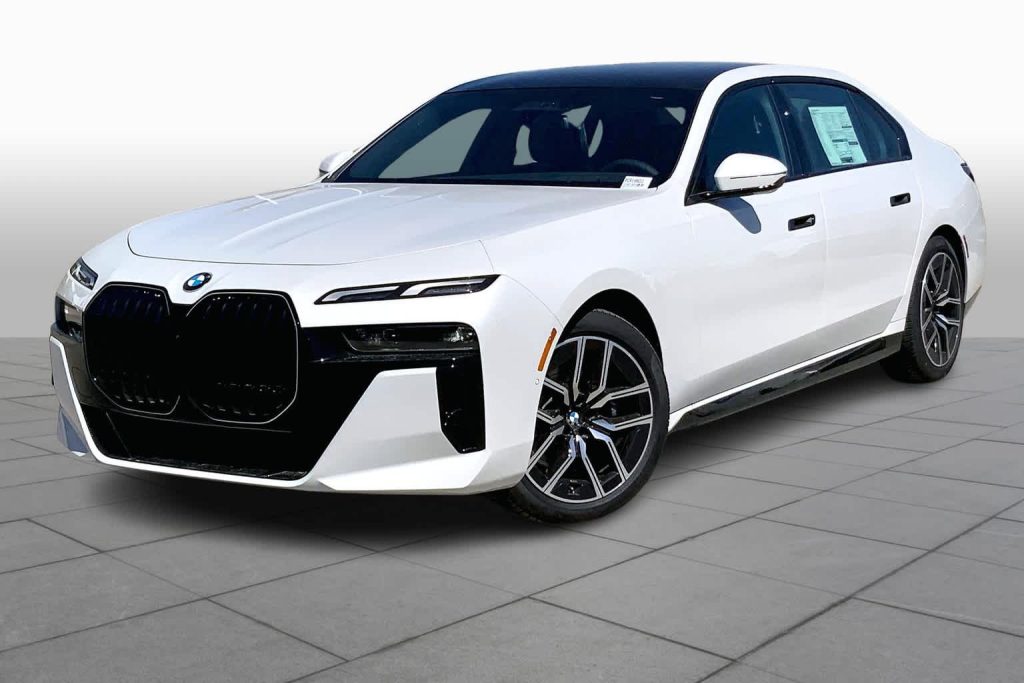
5. BMW 740i (E38, 1995–2001)
The E38 740i combines timeless design with lasting mechanical strength. Often regarded as the last truly classic BMW 7 Series, it pairs the M62 V8 engine with balanced chassis dynamics and durable construction. Unlike later versions filled with fragile electronics, the E38 maintains reliability when serviced on schedule.
I’m writing about this car because it defines how BMW once engineered flagship sedans to endure. Many E38s have surpassed 250,000 miles, particularly those with regular oil and cooling system maintenance.
The M62 engine, while not flawless, avoids the carbon buildup and turbocharger failures that plagued newer models. The automatic transmission, if serviced periodically, provides smooth shifts for decades.
Inside, the E38’s cabin quality remains impressive. Real wood, thick leather, and solid switchgear have aged better than those in later 7 Series generations. Even after long use, many owners describe the ride quality as remarkably composed.
This car deserves recognition because it demonstrates how BMW once built luxury sedans meant to last rather than just impress.
The E38 740i stands as a turning point where craftsmanship and longevity still worked together before complexity began undermining reliability. It remains one of BMW’s most enduring flagships in both mechanical and aesthetic terms.
5 BMW Sedans That Don’t Survive Longevity Tests
Not every BMW sedan carries its reputation with lasting grace. For all the brilliance of the brand’s engineering, certain models have shown how complexity, cost-cutting, and overreliance on electronics can shorten a car’s life.
These sedans often perform beautifully when new, offering comfort and sharp handling, yet struggle once the miles build up. Their mechanical systems, while advanced, reveal how innovation can sometimes compromise endurance.
I’m writing about these five because they highlight an important truth: longevity is not guaranteed by brand prestige.
Problems such as oil leaks, brittle cooling components, or fragile turbochargers have limited how long these cars stay dependable. They remind us that a luxury badge doesn’t always mean long-term value.
Each of these sedans tells a story of potential unfulfilled. They may have looked and felt exceptional during their early years but became costly to maintain and frustrating to own later on.
By understanding their weaknesses, long-term buyers and enthusiasts can better recognize what to avoid when seeking a BMW that truly lasts. These examples show how quickly the line between engineering brilliance and mechanical burden can blur once technology starts to outweigh durability.
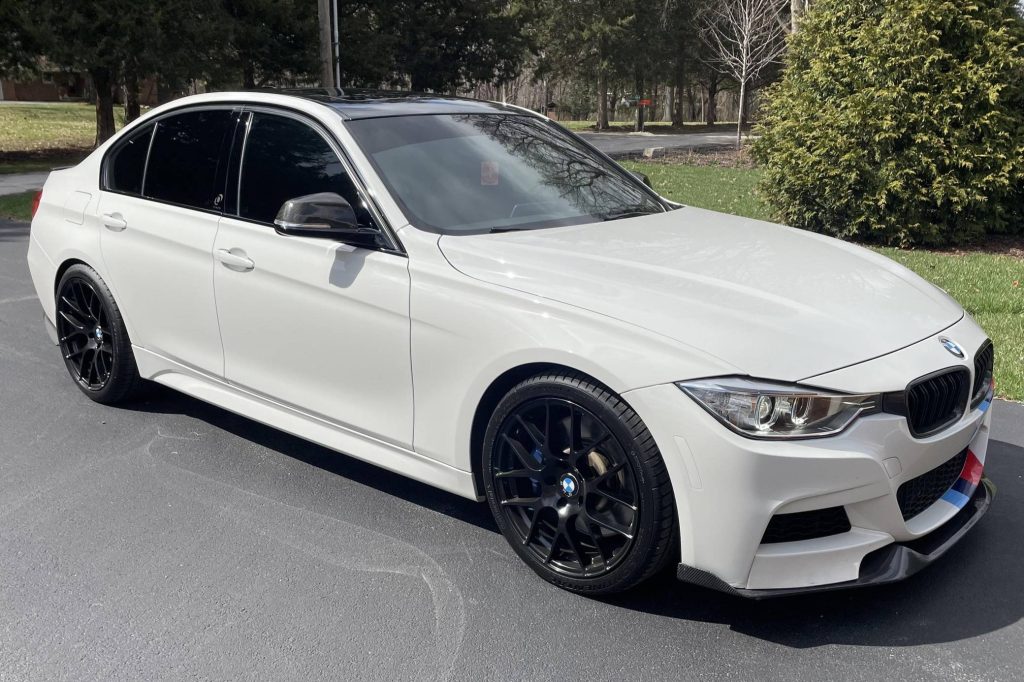
1. BMW 335i (E90, 2007–2013)
The E90 335i was designed to impress with its twin-turbocharged N54 engine, but that same brilliance became its downfall.
While thrillingly fast, this engine introduced a range of reliability issues that showed up early in long-term ownership. Fuel injector failures, high-pressure fuel pump breakdowns, and wastegate rattles became all too common as the miles accumulated.
I’m writing about it because the 335i represents how BMW’s shift toward turbocharging reshaped reliability expectations. The N54 was a technological showcase, offering performance once reserved for M models, yet its delicate components weren’t designed for extended durability.
Owners regularly report expensive repair cycles that start around 80,000 to 100,000 miles, long before most engines of its era show fatigue.
Electronics added to the complexity, with sensor and coil issues often accompanying drivetrain repairs. The rest of the car also suffered from premature wear, especially on suspension bushings and cooling system components. Maintenance costs quickly climbed beyond what most used buyers expected.
Despite its strong performance, the E90 335i is included here because it symbolizes the moment BMW’s pursuit of output overtook mechanical simplicity. It remains a thrilling car to drive but a poor companion for longevity. Once the warranty expires, its reliability record rarely survives serious mileage tests.
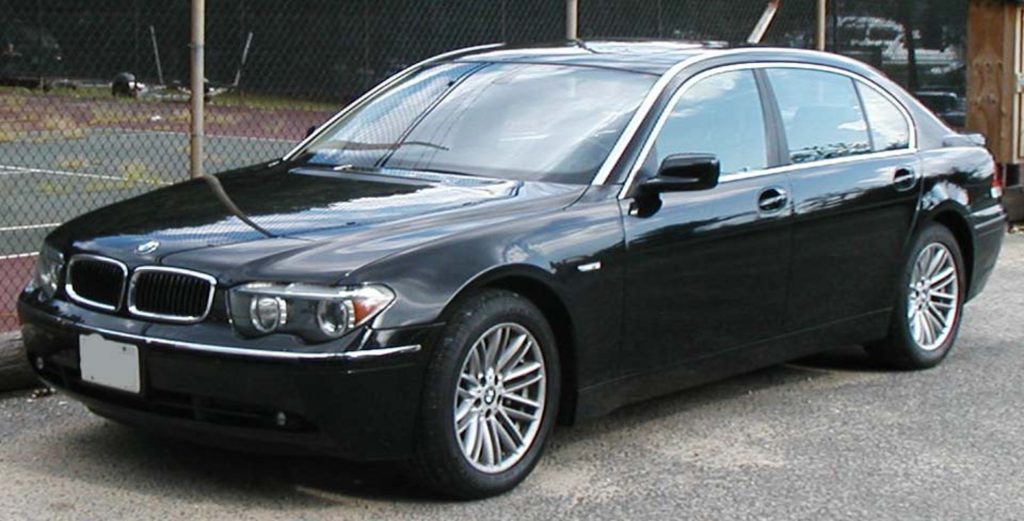
2. BMW 745Li (E65, 2002–2008)
The E65 745Li marked a bold technological leap for BMW’s flagship line but also one of its most challenging ownership experiences. Filled with complex electronics, early iDrive systems, and the N62 V8 engine, it suffered from a combination of mechanical and software-related failures that made longevity difficult.
I’m writing about it because the E65 became a cautionary example of when innovation overshadows dependability. The N62’s valve stem seals and coolant pipe design led to oil consumption and overheating issues, often requiring costly engine repairs.
Electrical faults from failing comfort modules to unstable transmission control units further complicated ownership. Even the adaptive suspension systems showed poor durability after 100,000 miles.
These issues meant many 745Li units were scrapped or sold cheaply within a decade of production. Despite its luxurious interior and refined ride, the car’s long-term costs outweighed its prestige.
Owners found themselves battling multiple warning lights and electronic malfunctions that seemed endless.
This car deserves mention because it demonstrates how BMW’s push to innovate came at the expense of sustainability.
The 745Li promised modernity and sophistication but became one of the least durable BMW sedans ever built. It stands as a lesson on why complexity must always serve longevity not undermine it.
3. BMW 528i (F10, 2011–2016, Turbo)
The F10-generation 528i introduced turbocharging to BMW’s midsize lineup, replacing the smooth naturally aspirated engines of older models. While efficient and responsive when new, the 2.0-liter N20 turbo engine became notorious for long-term issues, especially with timing chain failures and oil leaks.
I’m writing about this model because it shows how BMW’s pursuit of modern efficiency sacrificed mechanical endurance. The N20 engine, while lively, used lightweight materials and tight tolerances that didn’t age well.
Timing chain guides degraded early, sometimes leading to catastrophic engine damage before 100,000 miles. Turbocharger oil seals also failed frequently, adding expensive repairs to the ownership experience.
Even the transmission control software proved unreliable at higher mileages, causing erratic shifting. Electronics in the F10, though refined, added more potential failure points, including sensors that required costly replacements.
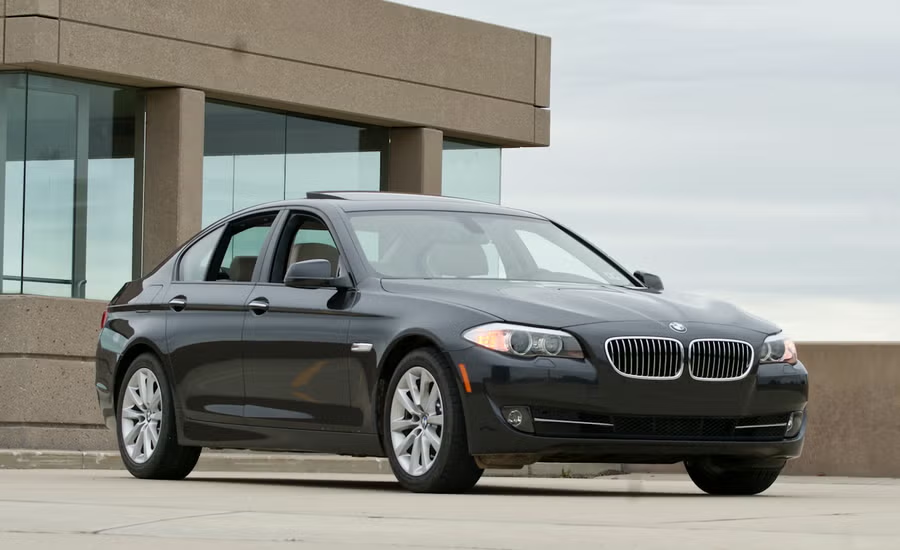
The 528i’s inclusion here reflects how newer technologies often prioritize emissions and marketing numbers over proven reliability. Despite its luxury and ride comfort, the car’s long-term survival rate remains poor compared to its predecessors.
It’s an example of how complexity and downsizing can undermine what once made BMW sedans famous for longevity. The F10 528i simply doesn’t hold up when subjected to years of continuous, high-mileage driving.
4. BMW 318i (E46, 1998–2005, Four-Cylinder)
The E46 3-Series is widely praised, but the 318i variant exposes the limits of BMW’s smaller engines under prolonged use.
Equipped with the M43 and later N42 four-cylinder engines, this sedan promised efficiency yet struggled to maintain durability beyond moderate mileage.
Timing chain and oil control issues often surfaced before 120,000 miles, undermining what should have been an affordable entry into BMW ownership.
I’m writing about the 318i because it reflects how cost-cutting during the late 1990s began affecting BMW’s reputation for longevity.
Unlike the six-cylinder models that carried the brand’s legacy, these four-cylinder engines introduced lightweight designs that didn’t age well. Head gasket leaks, cooling system failures, and camshaft sensor malfunctions became routine problems for long-term owners.
The car’s electrical system, particularly in early models, also suffered from brittle wiring and failing window regulators. While the chassis remained excellent, the powertrain’s durability didn’t match BMW’s traditional standards.
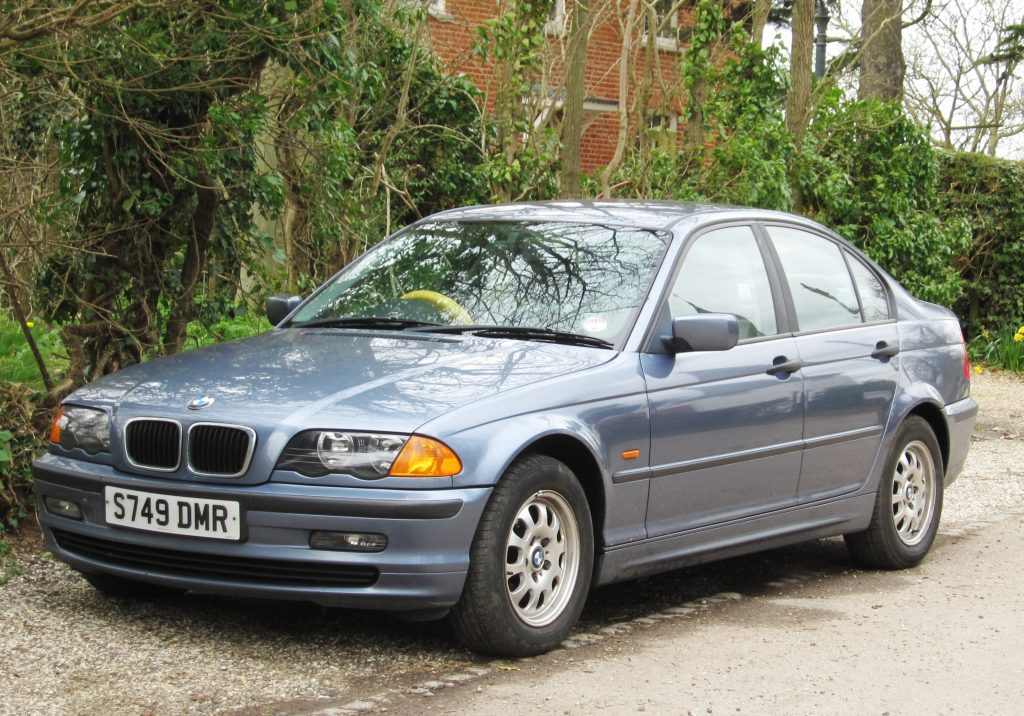
The E46 318i earns its place here because it shows how even a structurally strong car can lose value when its engine design fails to meet endurance expectations. It serves as a reminder that not every BMW benefits from the same engineering focus, and that smaller engines don’t always translate into longer life.
5. BMW 530d (G30, 2017–2022)
The G30 530d represents BMW’s modern approach to luxury diesels powerful, efficient, and technologically advanced. However, long-term ownership data and service records have shown troubling reliability patterns once these cars exceed 100,000 miles.
The B57 diesel engine, while refined, has exhibited injector and EGR system issues that become expensive with age.
I’m writing about it because it demonstrates how even recent BMW sedans can struggle to balance sophistication and endurance.
The 530d’s advanced emissions equipment, including AdBlue injectors and particulate filters, often fails prematurely. Combined with complex turbocharging and software-controlled intake systems, the repair costs climb steeply over time.
Electronics have also become a weak point, with digital cluster and sensor failures increasing as these cars age. The sheer number of control modules means even small glitches can trigger costly diagnostic work.
While the G30 drives beautifully when new, its long-term maintenance demands contrast sharply with BMW’s older, more reliable diesels.
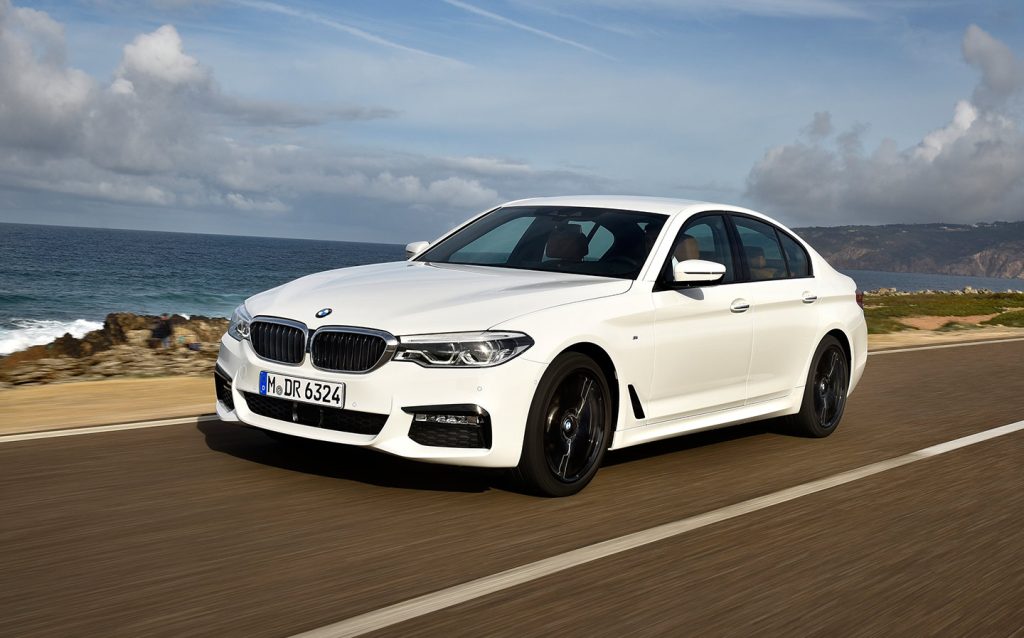
This car deserves attention because it highlights a shift in priorities. Efficiency and performance were achieved, but sustainability wasn’t.
The 530d proves that modern technology can mask durability shortcomings, reminding buyers that true longevity requires more than advanced software it depends on mechanical integrity that stands the test of time.
BMW’s long history of sedan engineering offers two clear paths one defined by enduring craftsmanship, and another shadowed by overcomplexity.
The models that survived longevity tests, such as the E39 530i, E30 325i, and E38 740i, share a philosophy grounded in simplicity and mechanical honesty. They rely on strong engines, proven transmissions, and materials built to endure years of driving.
These cars continue to thrive because their engineering favors resilience over constant innovation. They remind drivers that reliability is as much about design restraint as it is about technology.
On the other hand, sedans like the E90 335i, E65 745Li, and F10 528i reflect BMW’s growing emphasis on features and performance over long-term strength.
Their turbocharged or electronically dense systems, while advanced at launch, reveal their fragility once exposed to high mileage. What once seemed cutting-edge soon became a burden for owners facing costly maintenance.
The contrast between these two groups reveals a broader truth: BMW’s reputation for driving excellence is strongest when simplicity underpins sophistication.
The most durable sedans balance power with practicality, ensuring every component serves a lasting purpose.
Modern models can regain that legacy by focusing on proven mechanical foundations rather than software-driven complexity. Longevity, as these ten cars show, isn’t about resisting progress it’s about building progress that lasts.
Also Read: 5 Ford Cars That Survive Decades vs 5 That Constantly Break
