
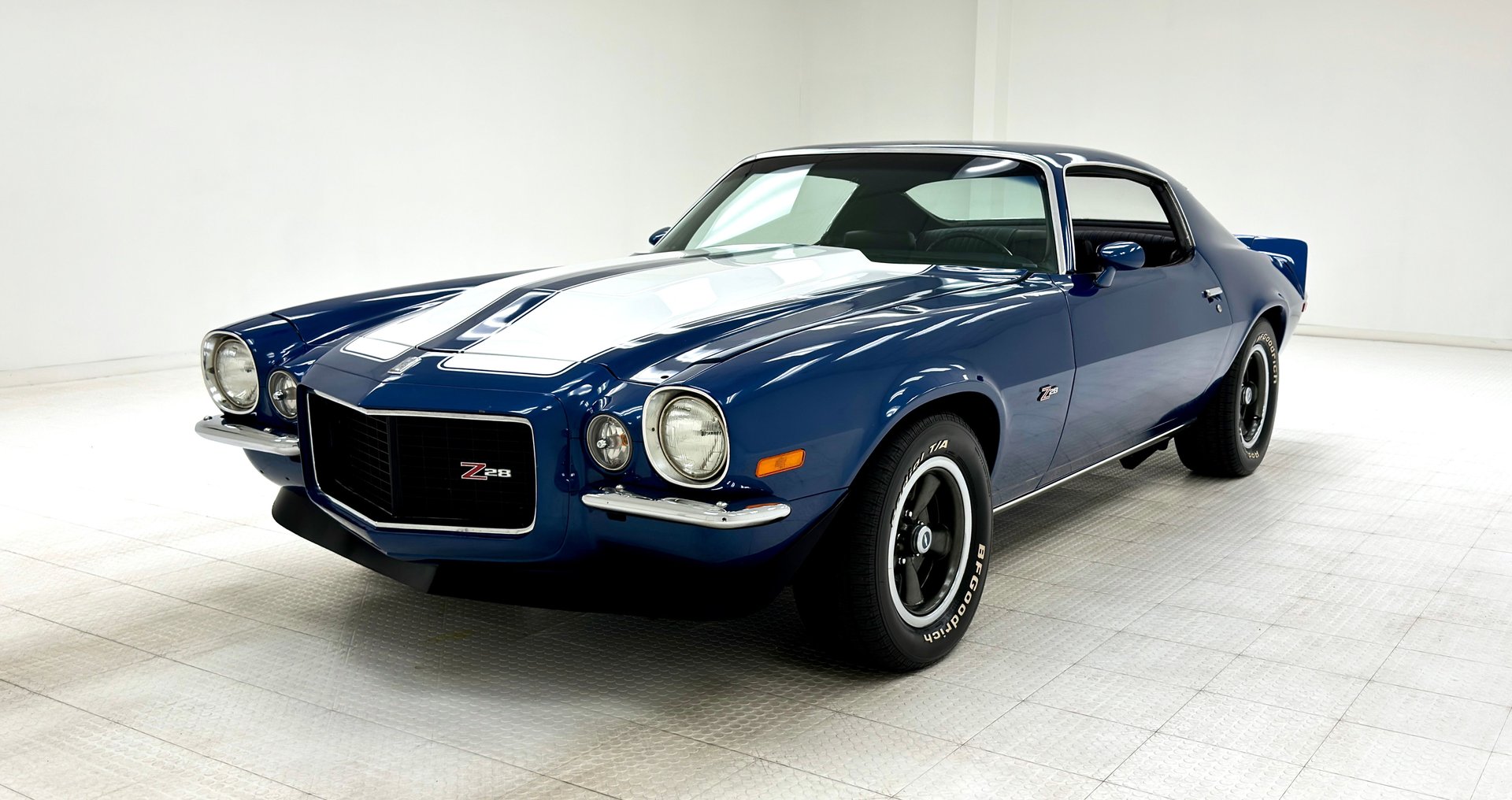
The 1970s produced some of the most memorable cars in automotive history. Muscle cars, luxury sedans, and sporty coupes defined an era when style, performance, and engineering creativity captured the imagination of drivers.
Today, certain models from this decade have grown highly desirable among collectors, enthusiasts, and investors, commanding impressive prices at auctions and private sales.
Cars from the 70s often carry a sense of nostalgia and historical significance. Their design reflects the trends of the decade, from bold lines and chrome accents to unique interiors that stand out even now.
Many of these vehicles were built with robust mechanical systems, which means that with proper care, they can remain in excellent running condition decades later.
Market demand for 70s cars is driven by rarity, condition, and original features. Vehicles that have been well-maintained, retain original parts, or have low production numbers often see their values increase dramatically over time.
Classic car collectors seek models that represent the best of the decade, whether it’s a powerful muscle car, a sleek sports coupe, or a comfortable luxury sedan.
Beyond financial value, these cars are treasured for their character. The driving experience, the distinctive styling, and the sense of history contribute to their appeal. For enthusiasts, owning a 70s classic is not just about money it’s about connecting with a pivotal period in automotive design and engineering.
The nine cars highlighted in this article have proven their worth both as investments and as iconic symbols of the 1970s. Each has its own story, offering a mix of performance, design, and collectibility that continues to attract buyers.
From rare muscle cars to timeless sedans, these vehicles have earned recognition for their ability to hold and increase their value over time.
Also Read: 12 Cars From the Early 2000s That Are Worth Collecting
1. Chevrolet Camaro Z28 (1970–1973)
The Chevrolet Camaro Z28 from the early 1970s is a muscle car icon that continues to attract collectors. Its combination of aggressive styling, powerful performance, and limited production makes it highly sought after in the classic car market. Owners who maintained their Z28 in good condition now see these vehicles commanding substantial prices.
Under the hood, the Z28 was powered by a high-performance small-block V8 engine. This engine delivered strong acceleration and thrilling driving dynamics.
Many examples have survived with original components, which significantly enhances their value. Drivers and collectors alike appreciate the balance between performance and handling that set the Z28 apart from other muscle cars of the era.
Exterior styling contributed to its lasting appeal. Bold lines, distinctive stripes, and the aggressive front fascia make the Camaro Z28 instantly recognizable.
These design elements have stood the test of time, drawing attention at car shows and auctions. The combination of visual appeal and performance helps explain why the Z28 commands high prices today.
Interior quality also plays a role in collectibility. Well-preserved dashboards, seats, and trim maintain authenticity, and cars that retain factory-original components often see a notable increase in market value. Original interior condition signals careful ownership, which collectors prize.
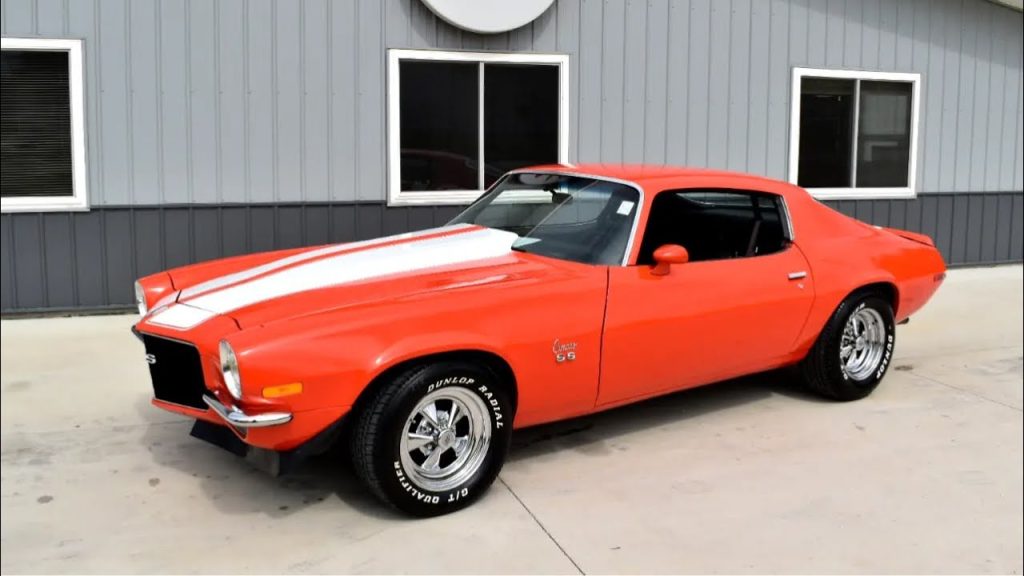
Market demand for the Camaro Z28 is fueled by its rarity and historical significance. Early 1970s models are less common than later examples, and limited production runs add to their desirability. Cars that have been restored to original specifications often outperform expectations at auctions.
The Chevrolet Camaro Z28 demonstrates how a combination of performance, style, and rarity can create a classic car that appreciates over time. Its enduring legacy as a 70s muscle car continues to attract both enthusiasts and investors.
2. Pontiac Firebird Trans Am (1970–1975)
The Pontiac Firebird Trans Am is another classic from the 1970s that has proven to be a valuable collector’s car. Introduced as a high-performance version of the Firebird, the Trans Am gained a reputation for aggressive styling, strong engines, and handling capable of competing with other muscle cars of the period.
The Trans Am featured a choice of V8 engines, delivering impressive horsepower and torque. Early models, especially those with larger displacement engines, are highly prized. Well-maintained examples with original powertrains command strong prices because collectors value mechanical authenticity.
The car’s distinctive exterior design, including hood scoops, stripes, and unique badging, has helped cement its status as a 70s icon. The Trans Am’s aggressive stance and styling details continue to attract attention at auctions and car shows, reinforcing its collectible value.
Interior features also contribute to desirability. Original upholstery, dashboards, and instrumentation are prized by collectors. Cars that maintain factory-original interiors often see increased market value, as they reflect careful ownership and historical accuracy.
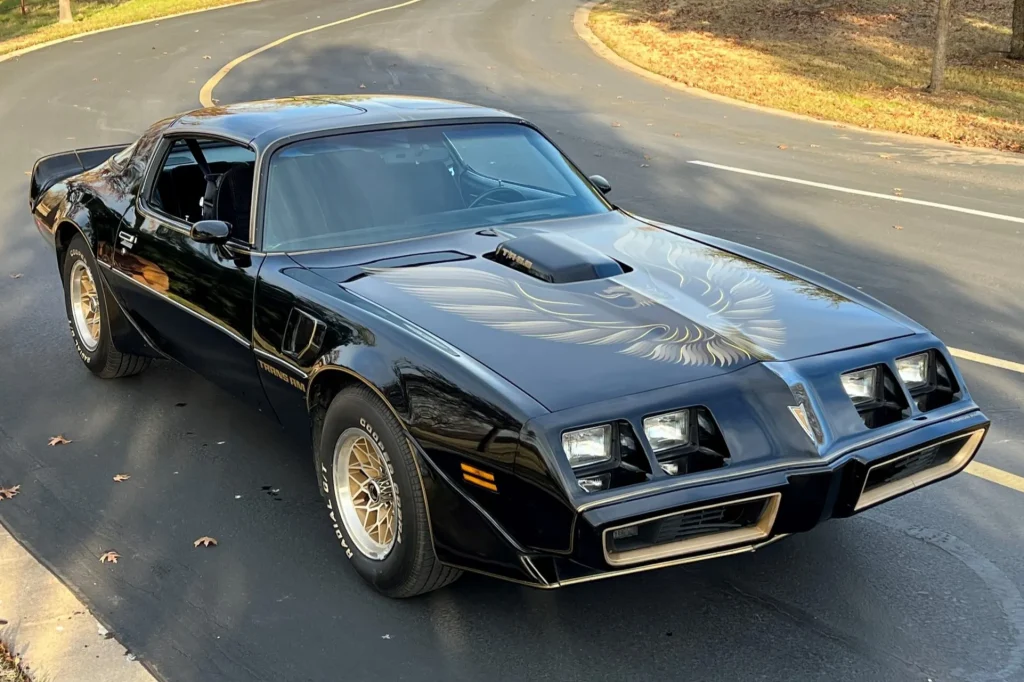
Rarity is a key factor in the Trans Am’s collectibility. Limited production numbers, especially for special editions or specific engine configurations, enhance demand. Vehicles that have been preserved or restored to original specifications often achieve premium prices at auction.
The Pontiac Firebird Trans Am exemplifies how performance, design, and scarcity combine to create a classic car that appreciates over time. Its reputation as a 1970s muscle car legend makes it a favorite among collectors and enthusiasts alike.
3. Dodge Challenger (1970–1974)
The Dodge Challenger from the early 1970s is a muscle car that has become highly desirable among collectors. Known for its bold design and powerful engine options, the Challenger captures the essence of 70s American performance vehicles. Well-preserved or properly restored models now command impressive prices at auctions and private sales.
Under the hood, the Challenger offered a range of V8 engines, including the legendary 426 HEMI and 383 small-block. These engines delivered strong acceleration and thrilling driving experiences. Original engine condition is a significant factor in a car’s value, and many collectors specifically seek examples with original powertrains intact.
The exterior design stands out with wide-body proportions, prominent grilles, and optional stripes or decals. These styling elements are not only iconic but also contribute to the vehicle’s appeal in the collector market. Cars that retain original paint schemes and body panels often see higher market demand.
Interior quality also affects collectibility. Well-maintained seats, dashboards, and trim reflect careful ownership and add to the car’s value. Early 70s Challengers that retain factory interiors are particularly sought after, as originality is a key criterion for collectors.
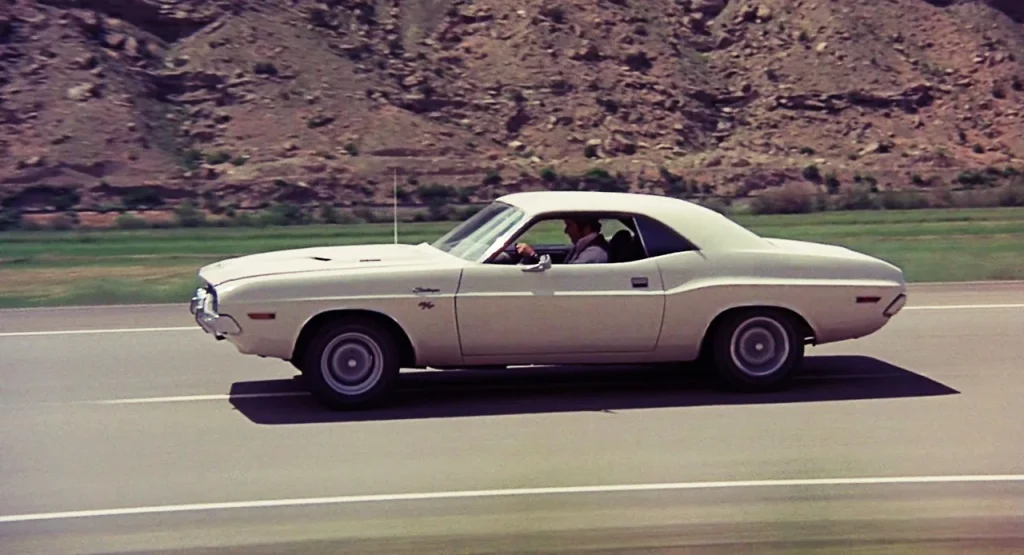
Rarity enhances the Dodge Challenger’s desirability. Limited production numbers for high-performance variants, especially those equipped with rare options or specific engine combinations, create scarcity that drives up prices. Collectors actively pursue these rare examples.
The Dodge Challenger demonstrates how performance, design, and rarity can combine to create a classic car that appreciates over time. Its place among early 70s muscle cars remains secure, and enthusiasts continue to prize it for both its driving experience and investment potential.
4. Chevrolet Chevelle SS (1970–1973)
The Chevrolet Chevelle SS is one of the most iconic muscle cars of the 1970s, earning a reputation for high performance and collectibility. Its combination of powerful engines, aggressive styling, and limited production numbers has made it highly sought after among collectors and enthusiasts alike.
The Chevelle SS offered a variety of V8 engines, including the famous 454 big-block. These engines delivered impressive horsepower and torque, making the Chevelle a formidable performer on the street or track. Cars with original engines in good condition are particularly valuable to collectors.
Exterior styling contributed to its lasting appeal. Bold lines, dual headlights, and optional SS badges and stripes created a distinctive look. Vehicles that retain original body panels and paint schemes often see higher market values due to their authenticity.
Interior quality is also important. Well-preserved seats, dashboards, and trim pieces maintain originality, which collectors highly prize. Factory-original interiors add significantly to a vehicle’s value and reflect careful ownership over decades.
Rarity and special editions enhance the Chevelle SS’s collectibility. Models with high-performance engines, limited production numbers, or unique options are more valuable. Auctions and private sales often see these cars reaching substantial prices due to strong demand.
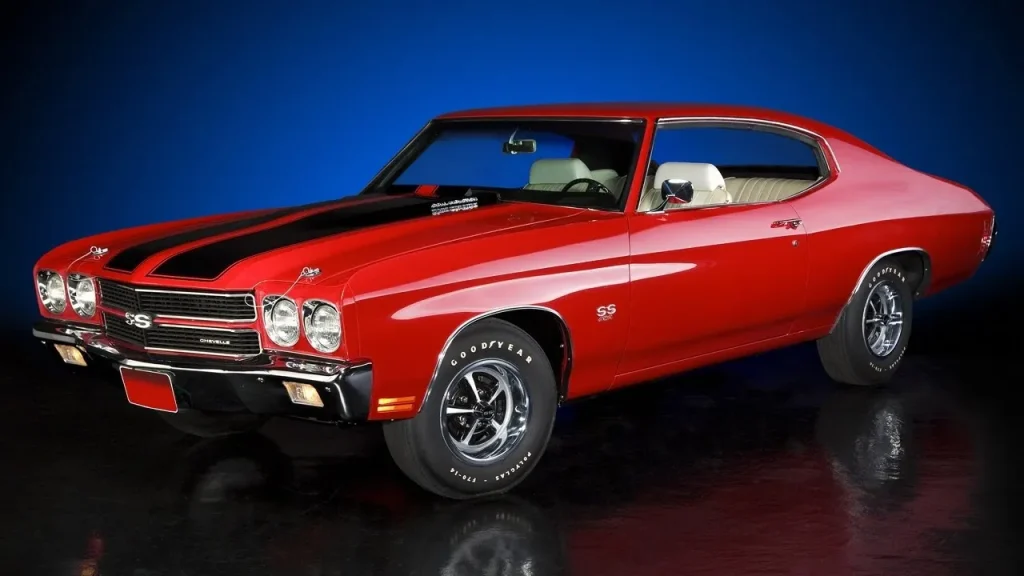
The Chevrolet Chevelle SS demonstrates how a combination of performance, design, and rarity can create a classic vehicle that continues to appreciate. Its status as a 70s muscle car icon ensures it remains a favorite for collectors and enthusiasts seeking both driving enjoyment and long-term value.
5. Plymouth Barracuda (1970–1974)
The Plymouth Barracuda is a classic 1970s muscle car that has grown increasingly desirable among collectors. Known for its aggressive styling and performance-oriented design, the Barracuda has become a symbol of American muscle.
Well-preserved examples now command high prices, particularly rare trims and engine configurations.
Under the hood, the Barracuda offered a range of engines from small-block V8s to the high-performance 426 HEMI. These engines provided strong acceleration and thrilling performance. Original engine condition significantly impacts value, with intact and functioning high-performance engines being highly sought after by collectors.
Exterior styling contributes to its lasting appeal. Fastback rooflines, bold grille designs, and optional stripes or decals make the Barracuda instantly recognizable. Cars that retain their original paint and body panels often achieve premium market prices due to their authenticity.
Interior details also matter. Well-maintained seats, dashboards, and trim preserve the car’s originality. Factory interiors are highly valued in the collector market, as they reflect careful maintenance and the car’s history. Many collectors specifically look for Barracudas that have avoided extensive modifications.
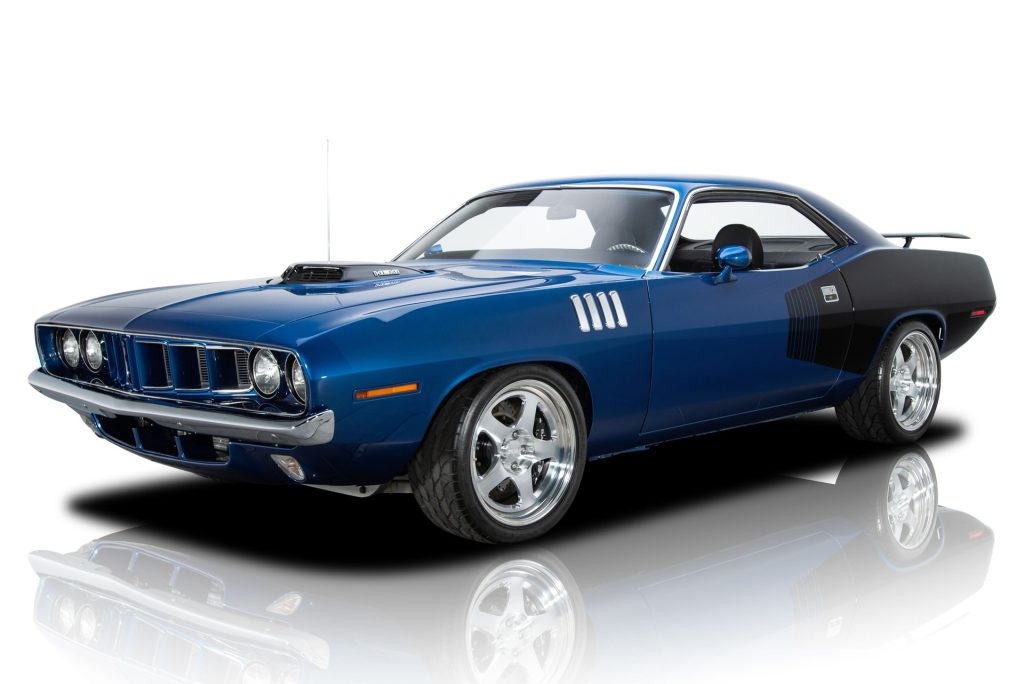
Rarity plays a key role in collectibility. Certain high-performance trims, limited production options, or factory-installed performance packages create scarcity that drives demand. Models with these features tend to sell for top dollar at auctions and private sales.
The Plymouth Barracuda exemplifies how performance, design, and rarity can make a 1970s car highly collectible. Its combination of aggressive styling, powerful engines, and limited availability ensures it remains a favorite among enthusiasts and investors alike.
6. Dodge Charger (1970–1974)
The Dodge Charger from the early 1970s is a classic muscle car with a reputation for performance and style. Its combination of powerful engine options, sleek design, and rarity has made it highly valuable in the collector market. Well-preserved Chargers from this period continue to command impressive prices.
Under the hood, the Charger offered a variety of V8 engines, including the legendary 426 HEMI and 440 Magnum. These engines provided impressive horsepower and torque, creating a thrilling driving experience. Cars that retain their original powertrains are especially prized, as mechanical authenticity is highly valued by collectors.
The exterior design is iconic. Fastback rooflines, recessed headlights, and bold body lines create a commanding presence. Original paint schemes and body panels further enhance the car’s collectibility, as authenticity plays a key role in determining value.
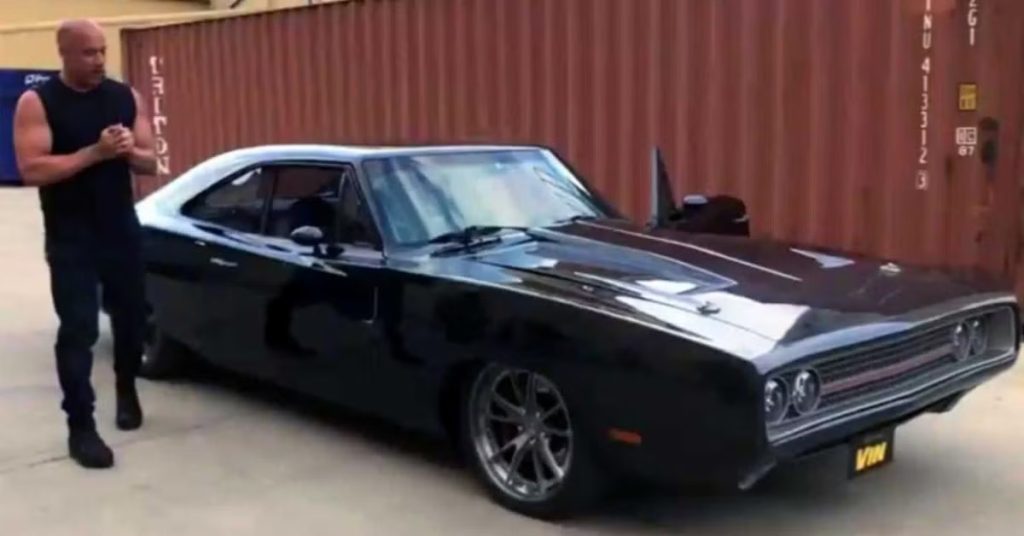
Interior quality also contributes to long-term desirability. Factory-original seats, dashboards, and trim pieces are highly valued, as they reflect careful ownership and historical accuracy. Collectors often prioritize Chargers with intact interiors over modified examples.
Rarity enhances the Dodge Charger’s appeal. Limited production numbers, special editions, or unique engine and trim combinations create scarcity that drives demand. High-performance models, in particular, often sell for top dollar in auctions.
The Dodge Charger demonstrates how performance, design, and scarcity can create a classic car that appreciates over time. Its status as a 1970s muscle car icon ensures that collectors and enthusiasts continue to prize it for both its driving experience and investment potential.
7. Ford Mustang Mach 1 (1971–1973)
The Ford Mustang Mach 1 from the early 1970s is one of the most celebrated muscle cars of the decade. Its combination of performance, styling, and limited production has made it highly collectible. Enthusiasts and investors alike seek well-preserved examples, which now command significant prices in the classic car market.
Under the hood, the Mach 1 offered a variety of V8 engines, ranging from the 302 small-block to the 428 Cobra Jet. These powertrains delivered impressive acceleration and thrilling performance. Original engine condition is a major factor in the vehicle’s value, with factory-installed high-performance engines particularly sought after.
Exterior design played a key role in the Mach 1’s appeal. Bold stripes, shaker hoods, and distinctive front-end styling create an aggressive yet stylish look. Cars that retain their original body panels and paint schemes often see higher market demand due to their authenticity.
Interior details also matter. Well-maintained seats, dashboards, and trim pieces preserve originality, which collectors prize. Factory-installed features such as gauges, steering wheels, and optional equipment increase the car’s value when retained.

Rarity contributes to collectibility. Certain engine and trim combinations, as well as limited production runs, enhance the Mach 1’s desirability. Collectors pay top dollar for models that maintain original specifications and have avoided extensive modifications.
The Ford Mustang Mach 1 demonstrates how a blend of performance, style, and rarity can create a classic car that appreciates over time. Its enduring legacy as a 70s muscle car continues to attract collectors and enthusiasts who value both driving excitement and long-term investment potential.
8. Buick GSX (1970–1972)
The Buick GSX is a rare muscle car from the early 1970s that has become highly desirable among collectors. Known for its unique styling, powerful performance, and limited production numbers, the GSX stands out in the classic car market. Well-preserved examples now fetch impressive prices at auctions and private sales.
Under the hood, the GSX featured Buick’s 455 big-block V8 engine, producing remarkable horsepower and torque. This powertrain offered thrilling performance, and vehicles with original engines are highly valued. Many collectors seek GSX models that retain factory-installed powertrains and components.
Exterior styling enhanced the car’s appeal. Bold stripes, shaker hoods, and GSX badging made the vehicle instantly recognizable. Original paint and body panels further increase value, as authenticity is a key factor for collectors.
The interior is practical and durable. Seats, dashboards, and trim materials that remain in good condition contribute to the car’s desirability. Factory-original interiors are highly prized, reflecting careful ownership over the decades.
Rarity is a major driver of the GSX’s collectibility. Limited production numbers, particularly for specific color and trim combinations, create scarcity that drives demand. High-performance models often command premium prices due to their desirability among enthusiasts.
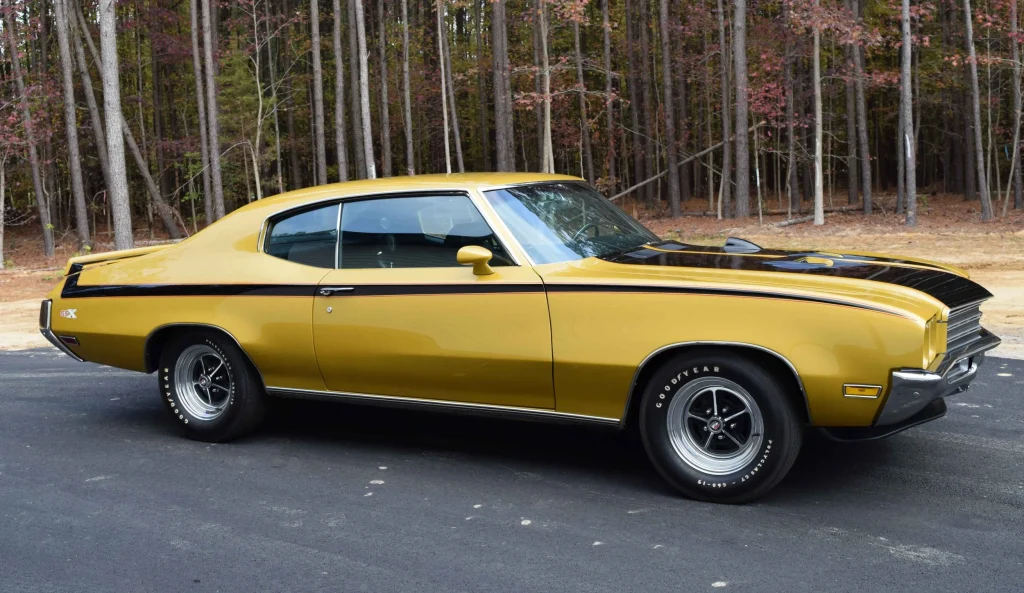
The Buick GSX exemplifies how performance, design, and scarcity combine to create a classic car that appreciates over time. Its status as a 1970s muscle car legend ensures it remains a favorite for collectors and investors seeking both driving enjoyment and long-term value.
9. De Tomaso Pantera (1971–1974)
The De Tomaso Pantera is an exotic sports car from the 1970s that has become a highly prized collector’s vehicle. Its combination of Italian design, American V8 performance, and rarity makes it one of the most valuable cars from the decade.
Enthusiasts and investors actively seek well-preserved examples, which now command significant sums in the classic car market.
Under the hood, the Pantera featured a mid-mounted Ford 351 Cleveland V8 engine. This powertrain delivered exceptional acceleration and a thrilling driving experience. Vehicles that retain the original engine and drivetrain components are particularly desirable, as mechanical authenticity plays a crucial role in determining value.
The exterior design is unmistakable. Italian styling gave the Pantera sharp, angular lines, pop-up headlights, and a sleek profile that stands out even today. Original body panels, paint, and design elements significantly increase market value, as collectors prioritize originality.
Interior quality is another factor in collectibility. Well-maintained seats, dashboards, and trim materials contribute to the car’s appeal. Factory interiors are highly prized, as they reflect careful ownership and enhance the vehicle’s authenticity. Many collectors specifically seek Panteras with minimal modifications to the cabin.
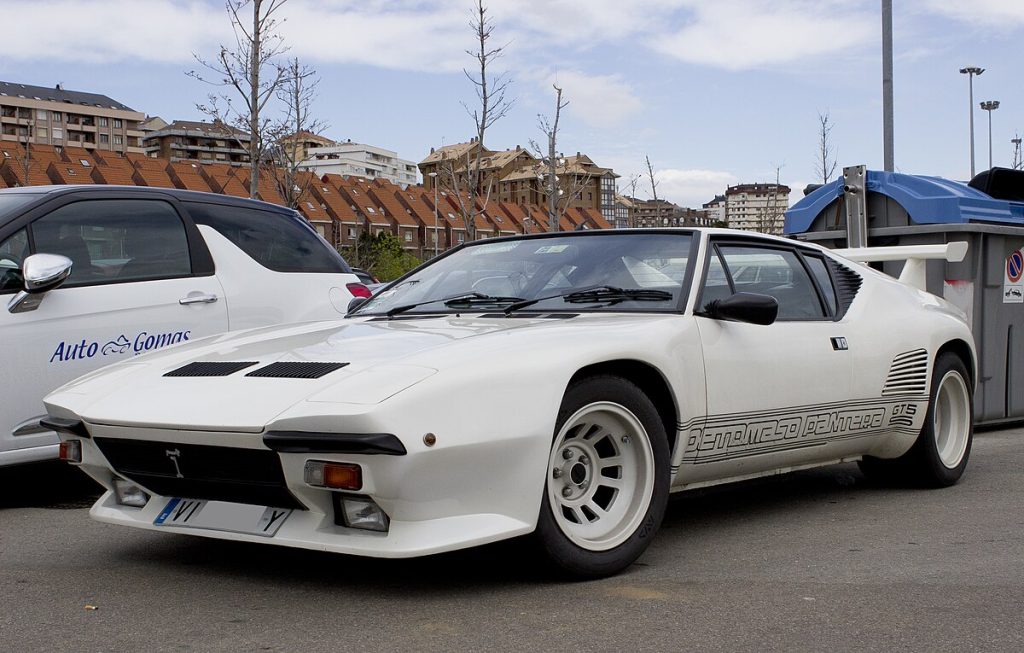
Rarity is central to the Pantera’s desirability. Limited production numbers, especially early models from the early 70s, create scarcity that drives demand. Vehicles with original features, special color options, or low production variants often fetch premium prices at auctions and private sales.
The De Tomaso Pantera demonstrates how performance, design, and rarity can combine to create a classic car that appreciates over time. Its status as a 1970s exotic sports car ensures it remains a sought-after model for collectors and enthusiasts.
Beyond its investment potential, the Pantera offers a unique driving experience, blending American muscle with Italian craftsmanship, which continues to attract attention decades after its initial release.
Collectors value the Pantera not only for its performance and design but also for the story it represents a collaboration between American engineering and Italian artistry. Its enduring appeal as a 70s classic makes it a standout in the world of collectible automobiles.
The 1970s were a transformative decade for the automotive industry, producing vehicles that combined performance, style, and innovation.
Many of these cars have become highly collectible over the years, with certain models now commanding significant prices in auctions and private sales.
The combination of rarity, original condition, and historical significance contributes to their value, making them sought-after by collectors and enthusiasts alike.
Muscle cars from the early 70s remain especially prized. Vehicles like the Chevrolet Camaro Z28, Pontiac Firebird Trans Am, Dodge Challenger, and Chevrolet Chevelle SS captured the era’s passion for power and performance.
Their high-performance V8 engines, bold styling, and limited production runs have helped them retain and in some cases, increase their market value. Original engine condition and factory specifications are particularly important to collectors, as authenticity greatly impacts desirability.
These cars continue to draw attention not only for their investment potential but also for the driving experience and nostalgia they offer.
Other models, such as the Plymouth Barracuda and Dodge Charger, highlight how design and rarity can enhance collectibility.
Bold exteriors, distinctive stripes, and unique trim options contributed to their popularity in the 70s and continue to make them standout examples today.
Vehicles that have preserved factory interiors and body panels often achieve higher market prices, reflecting careful maintenance and historical authenticity. Limited-production options, special performance packages, or rare color combinations further increase demand among collectors.
Performance-oriented variants of the Ford Mustang Mach 1 and Buick GSX also remain highly desirable. These models combined powerful engines with eye-catching styling, making them both performance icons and investment vehicles.
Collectors prize models that retain their original engines, transmissions, and interiors, as these factors enhance long-term value and historical significance.
Finally, exotic cars like the De Tomaso Pantera illustrate how rarity, design, and performance converge to create highly collectible vehicles.
With Italian styling, American V8 performance, and limited production numbers, the Pantera continues to attract attention from enthusiasts and investors seeking unique 70s classics.
Overall, cars from the 1970s demonstrate the enduring appeal of well-built, stylish, and performance-oriented vehicles. Whether it’s muscle cars, luxury sedans, or exotic sports cars, these classics have proven to hold and often increase their value over time.
Collectors are drawn to them for their driving experience, history, and investment potential, ensuring that 70s cars remain highly desirable decades after their production.
Also Read: 10 Cars That Get More Reliable With Mileage
