
Every car model comes with a reputation, often shaped by early reviews, isolated reliability issues, or public perception. Some vehicles face criticism or skepticism, yet over time, they prove their worth through reliability, durability, and owner satisfaction.
Others, however, fail to meet expectations and confirm the doubts surrounding them. Understanding which cars overcome initial negative reputations versus those that do not helps buyers make informed decisions in the used market.
Cars that outlast their bad reputations often combine solid engineering, dependable components, and low maintenance costs.
They gain trust as owners accumulate miles, revealing strengths that were overlooked in early assessments. These vehicles often maintain resale value and attract loyal followers, proving that initial skepticism was unfounded.
Conversely, cars that live up to their negative reputations may suffer from recurring mechanical issues, high maintenance costs, or design flaws that frustrate owners over time.
These factors lead to declining resale values and diminished interest in the used market. Buyers need to be cautious when considering such models.
This article examines two categories: cars that successfully outlast their bad reputations and those that do not.
By analyzing performance, reliability, and long-term owner experiences, readers can gain insight into which vehicles have proven their resilience and which remain risky choices despite early warnings.
Also Read: 5 BMW Sedans That Survive Longevity Tests vs 5 That Don’t
5 Cars That Outlast Their Bad Reputations
Some cars face early skepticism due to design quirks, previous model issues, or negative press. Despite this, certain models defy expectations and earn a reputation for reliability, durability, and strong owner satisfaction over time.
These vehicles demonstrate that initial concerns may have been overstated or limited to specific trims, showing that long-term performance often matters more than first impressions.
Cars that outlast bad reputations often feature solid engineering, low-maintenance components, and proven drivetrain reliability.
Owners who keep up with regular service typically find these vehicles continue to perform well for many years, even surpassing models with initially stronger reviews. Positive real-world experiences gradually replace early skepticism, helping these cars maintain resale value and build a loyal following.
This section highlights five vehicles that have overcome early doubts and proven themselves in the long run. Each selection is based on long-term reliability data, owner experiences, and market trends that show consistent performance despite initial criticism.
By examining why these cars have defied their bad reputations, readers gain insight into the factors that contribute to durability, reliability, and overall owner satisfaction.
Understanding these traits helps prospective buyers make informed choices, focusing on vehicles that deliver value and confidence over time rather than being swayed solely by early criticism.
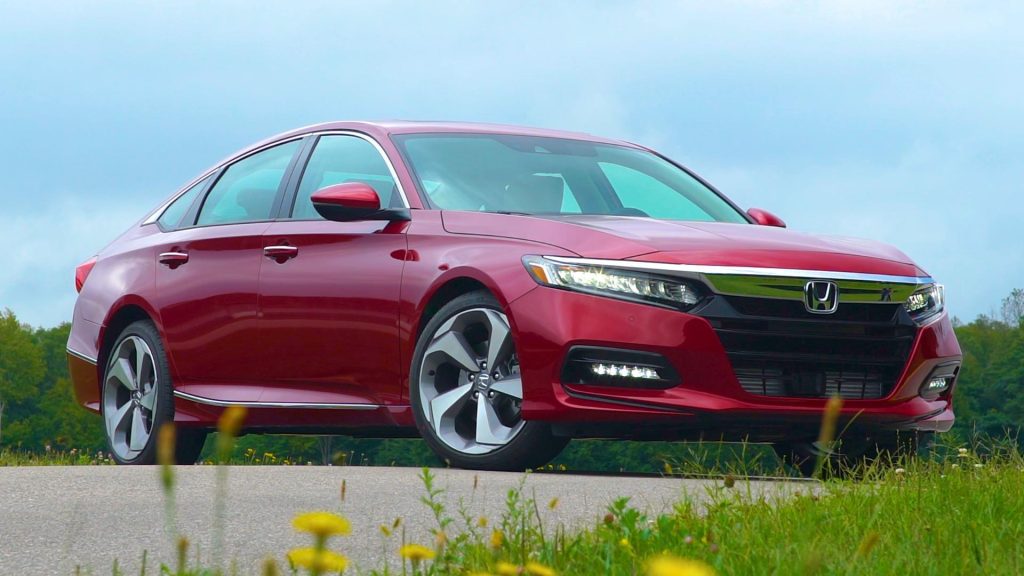
1. Honda Accord
The Honda Accord has occasionally faced criticism for conservative styling or perceived blandness compared to sportier rivals.
Early reviews sometimes highlighted minor transmission concerns or electronics issues in certain trims, which contributed to skepticism among buyers. However, over time, the Accord has proven its durability and reliability, outlasting initial doubts.
Its reputation for mechanical soundness is well-earned. The engines, transmissions, and suspensions in most generations are known for longevity, often surpassing 200,000 miles with routine maintenance.
Even models that initially received criticism for minor issues rarely develop severe or recurring mechanical failures, making the Accord a dependable long-term choice.
Fuel efficiency and ease of maintenance add to its appeal. The Accord combines responsive performance with good economy, and parts are widely available and affordable. Owners report minimal unexpected repairs, which helps the vehicle retain value and satisfaction over many years.
Safety and comfort also contribute to its positive long-term perception. The interior is user-friendly, offering practical space for passengers and cargo, while newer models include advanced driver-assistance systems that enhance security and confidence.
Overall, the Honda Accord demonstrates that early criticisms are often overshadowed by consistent performance, reliability, and owner satisfaction. Its long-standing reputation for dependability makes it a prime example of a car that has outlasted its initial bad reputation.
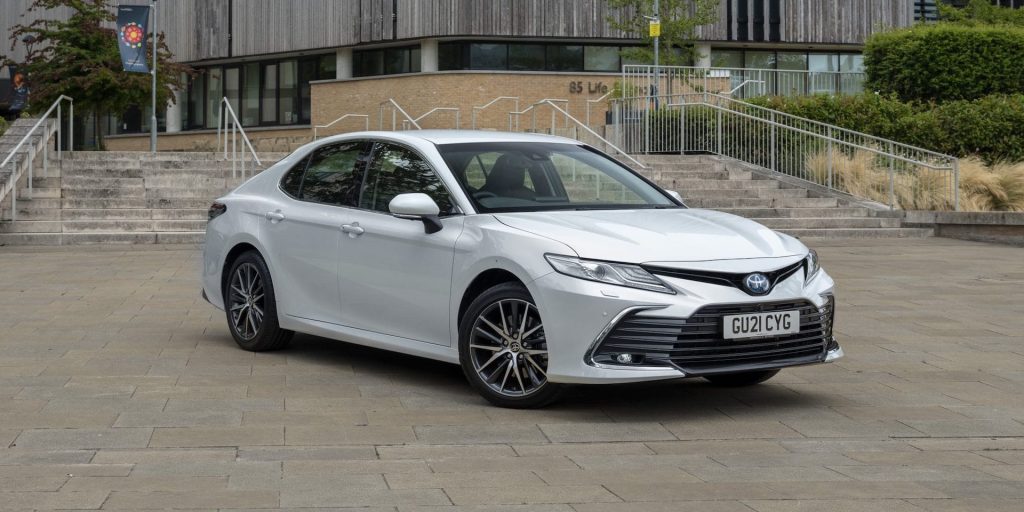
2. Toyota Camry
The Toyota Camry has faced criticism at various points for unexciting design or overly conservative styling. Early concerns occasionally focused on minor engine quirks or interior quality in specific model years.
Despite this, the Camry has consistently proven itself as one of the most reliable midsize sedans over decades, solidifying a strong long-term reputation.
Reliability is the Camry’s hallmark. Its engines and transmissions are built to last, often exceeding 250,000 miles with proper maintenance. Even models that initially drew criticism perform reliably under real-world conditions, demonstrating that early skepticism is often unwarranted.
Ease of ownership strengthens its long-term appeal. Parts are accessible, repair costs are moderate, and fuel efficiency remains competitive, making the Camry a practical choice for budget-conscious drivers. Its resale value is strong, reflecting market trust in its durability.
The interior and safety features contribute to owner satisfaction. Comfortable seating, ample cabin space, and intuitive controls make the Camry enjoyable for daily driving.
Modern models include advanced safety technologies like lane-departure warning and adaptive cruise control, enhancing the vehicle’s perception as a safe, dependable option.
Overall, the Toyota Camry shows that early criticisms related to aesthetics or minor mechanical quirks do not define a car’s longevity or value. Its consistent reliability and practicality make it a standout example of a vehicle that has outlasted its bad reputation.
3. Mazda3
The Mazda3 has sometimes been criticized for a firm ride or smaller interior compared to competitors. Early reviews occasionally noted higher road noise or less rear-seat space, which led some buyers to overlook the model.
Despite these concerns, the Mazda3 has proven to be a reliable, well-engineered compact car that consistently delivers long-term satisfaction.
Mechanical reliability is a key strength. The Mazda3’s engines and transmissions are durable, often lasting well over 200,000 miles when maintained properly.
Owners frequently report minimal unexpected repairs, making the vehicle dependable despite its initial criticisms. The car’s low maintenance costs and fuel efficiency further enhance its reputation for long-term value.
Driving dynamics contribute to its positive perception. While early reviews mentioned ride firmness, Mazda3 owners often appreciate its responsive steering and precise handling.
The combination of engaging driving experience and mechanical reliability helps the vehicle defy early doubts, showing that minor comfort trade-offs do not outweigh long-term dependability.
Interior quality and features have also improved over the years. Modern models offer premium materials, intuitive controls, and technology options that increase practicality and driver satisfaction. Safety features like blind-spot monitoring and automatic emergency braking further reinforce the vehicle’s appeal.
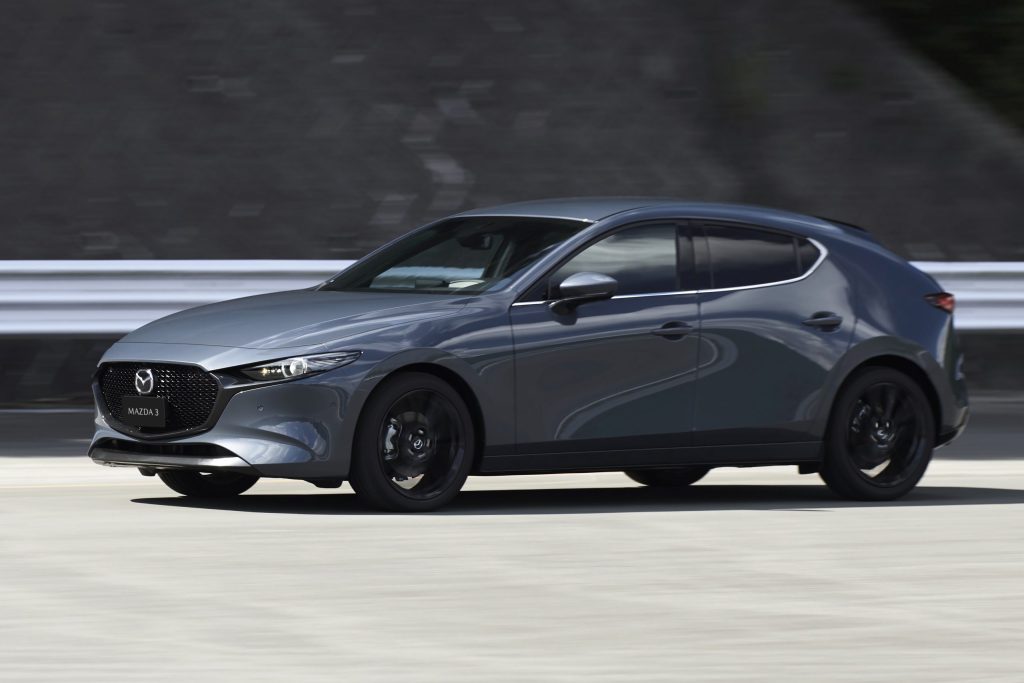
Overall, the Mazda3 demonstrates that early critiques related to ride comfort or cabin space do not define its overall value.
By combining mechanical reliability, fuel efficiency, and enjoyable driving, it has earned a strong reputation among compact cars, proving that initial negative perceptions can be overcome through consistent performance.
4. Subaru Legacy
The Subaru Legacy has occasionally faced skepticism due to past reports of engine issues in certain years or perceptions of conservative styling. Despite this, it has proven itself as a durable and reliable sedan, particularly praised for its all-wheel-drive system and long-term dependability.
Mechanical strength is a major factor. Subaru’s boxer engines, when maintained correctly, last well over 200,000 miles. Coupled with a robust transmission and all-wheel-drive system, the Legacy offers confidence in various driving conditions, making it a dependable choice despite earlier concerns.
Fuel efficiency, while moderate for an AWD vehicle, is reasonable for its segment. Maintenance is straightforward, and parts are widely available, which reassures buyers worried about long-term costs. Owners often report that issues raised in early reviews do not significantly impact day-to-day reliability.
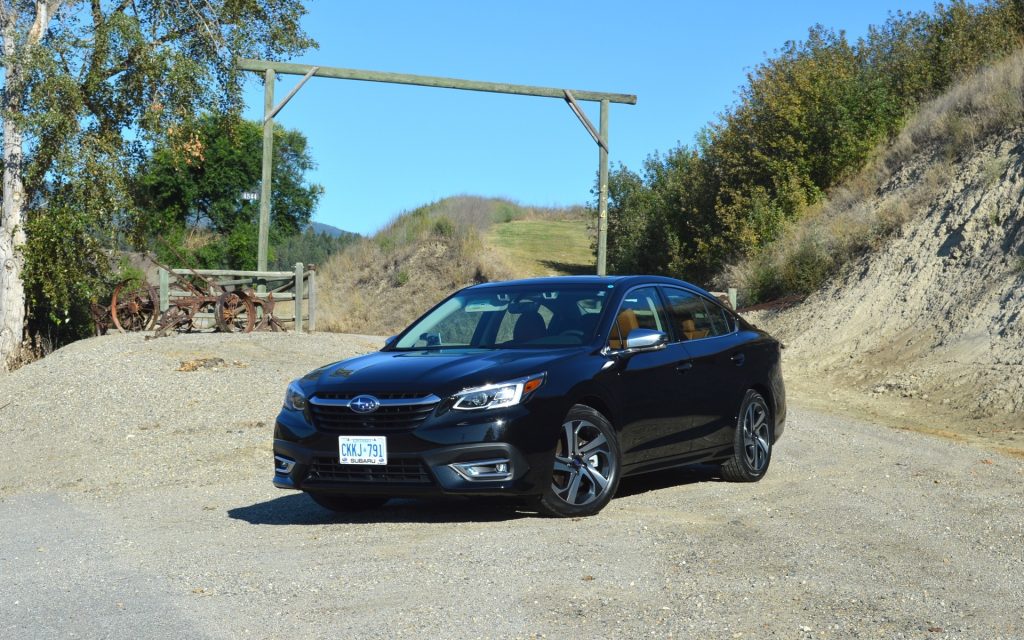
Safety and interior comfort further enhance the Legacy’s reputation. Spacious seating, practical storage, and a driver-focused layout provide a comfortable cabin. Modern models include advanced safety features, such as adaptive cruise control and lane-departure warning, increasing confidence for long-term ownership.
Overall, the Subaru Legacy has consistently shown that early doubts regarding reliability or styling are not indicative of its true long-term value. Its combination of durable mechanics, all-weather capability, and comfort enables it to maintain a strong reputation, earning the trust of owners over time.
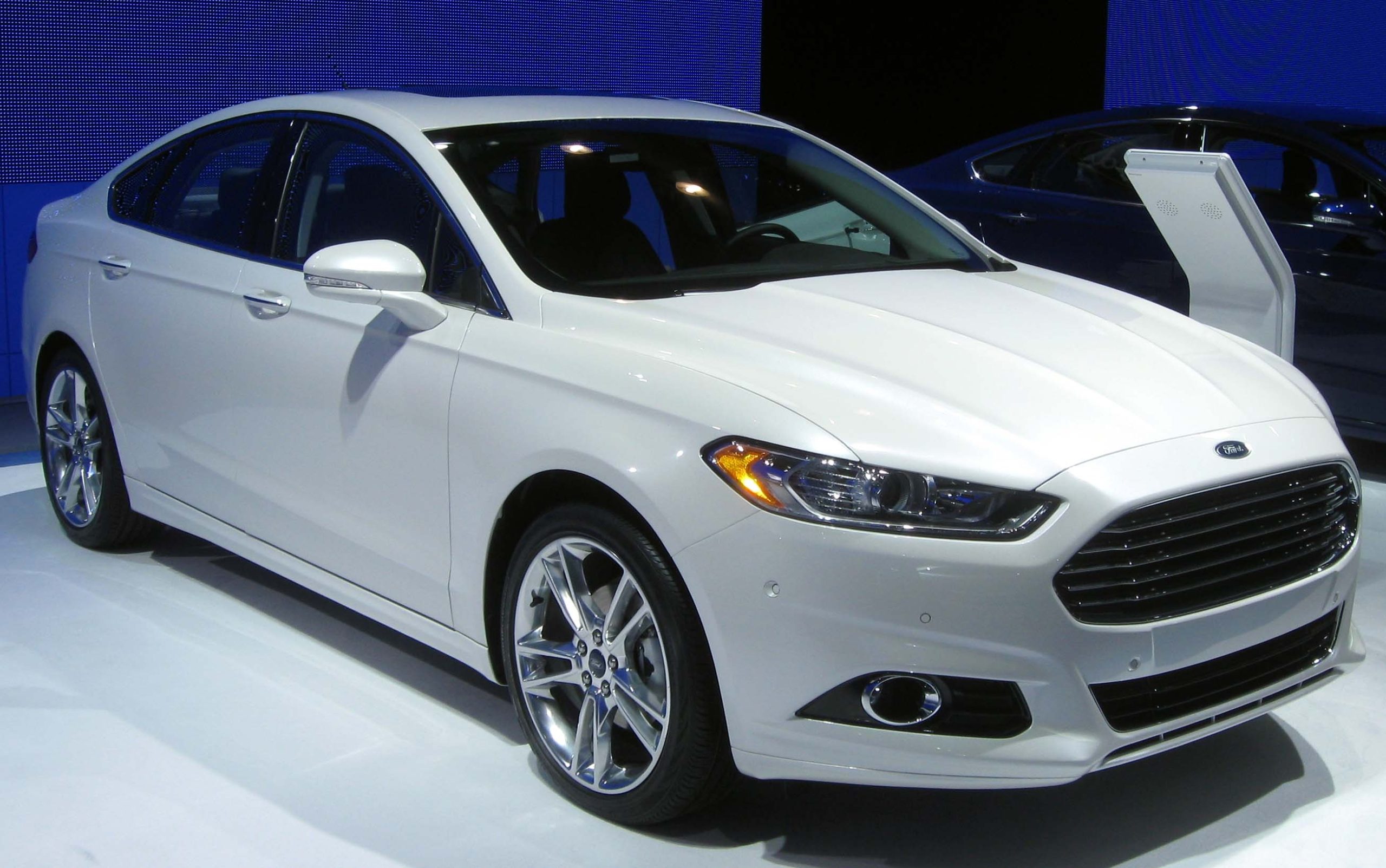
5. Ford Fusion
The Ford Fusion has sometimes faced criticism for its styling choices, perceived lack of excitement, or early reports of transmission issues in select model years.
Despite these concerns, the Fusion has earned a reputation for reliability, comfort, and long-term durability, proving that initial skepticism does not define its value.
Mechanical reliability is a key strength. The Fusion’s engines, particularly the naturally aspirated four-cylinder and hybrid variants, are durable and require minimal unexpected repairs when maintained properly.
The transmissions, though occasionally criticized in early reviews, have proven robust over time in later model years, offering smooth performance and dependable operation for many miles.
Fuel efficiency and cost of ownership add to the Fusion’s appeal. The vehicle balances performance with economy, while maintenance costs remain reasonable. These factors make it a practical option for buyers seeking a reliable midsize sedan that will remain trouble-free over the long term.
Interior comfort and safety also contribute to its positive long-term reputation. The cabin offers spacious seating, user-friendly controls, and ample storage for everyday needs.
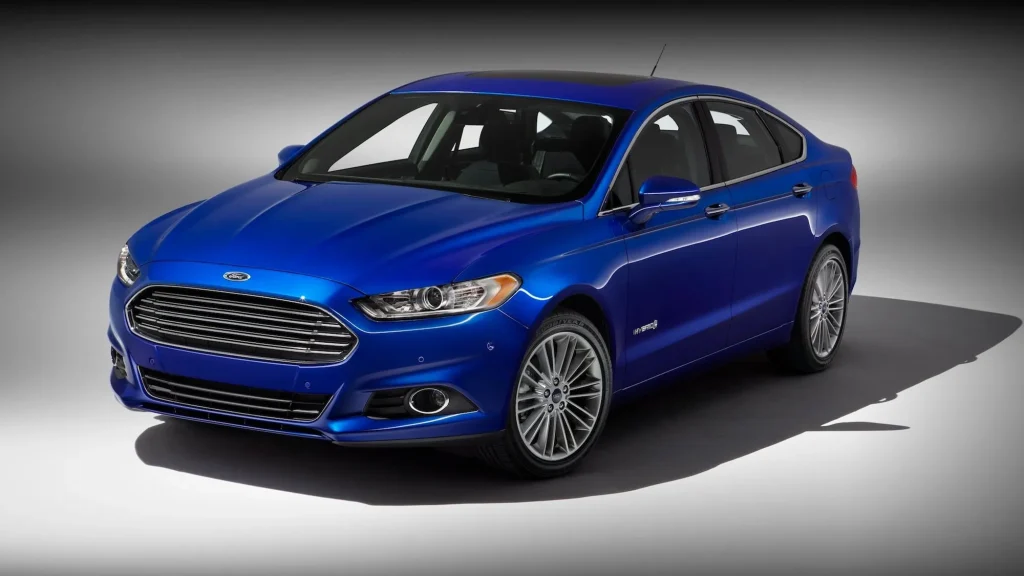
Modern models include advanced safety features such as blind-spot monitoring, adaptive cruise control, and collision mitigation, enhancing driver confidence and overall satisfaction.
Driving experience, while not sporty, is smooth and predictable, which reinforces the Fusion’s reliability image. Owners often praise its balanced handling and comfortable ride, particularly for long-distance commuting and daily driving.
Overall, the Ford Fusion demonstrates that early critiques regarding design or minor mechanical issues do not prevent a car from becoming a dependable, long-lasting vehicle.
Its consistent performance, durability, and owner satisfaction make it a prime example of a car that has successfully outlasted its bad reputation, offering both confidence and value to buyers.
5 Cars That Don’t Outlast Their Bad Reputations
Some cars fail to overcome early criticism, confirming the doubts raised by initial reviews or owner experiences. These vehicles often face recurring mechanical issues, high maintenance costs, or design flaws that make them less appealing over time.
Understanding which cars struggle to outlast bad reputations helps buyers avoid models that may lead to frustration, unexpected expenses, and declining resale value.
Cars that do not withstand their negative reputations often suffer from reliability problems that persist across multiple model years.
Engine and transmission concerns, electrical issues, and frequent repairs contribute to a continued perception of unreliability. Even after updates or minor redesigns, these vehicles may struggle to regain trust among consumers.
Market perception also influences long-term success. Vehicles with high initial criticism can lose resale value, making them less attractive in the used market.
Buyers who purchase these cars may experience ongoing dissatisfaction due to maintenance challenges, performance issues, or subpar comfort and safety features.
This section examines five cars that did not overcome early criticism. Each entry highlights why these models failed to gain a positive reputation over time, including mechanical weaknesses, design limitations, or owner-reported problems.
Understanding these examples provides valuable insight for prospective buyers, helping them make informed choices and avoid vehicles that continue to confirm their negative reputations rather than defying them.
1. Fiat 500
The Fiat 500 has faced widespread criticism for reliability and build quality, which continues to affect its long-term reputation.
Early models often suffered from electrical issues, engine problems, and transmission quirks, leading owners to experience frequent trips to the repair shop. These issues persisted across multiple model years, limiting confidence in the car’s durability.
Compact size and ride characteristics also contribute to dissatisfaction. While urban maneuverability is a strength, the Fiat 500 struggles on highways and rough roads, with a firm, sometimes uncomfortable ride. Road noise and vibration amplify the perception of a cheaply built vehicle, reinforcing early skepticism.
Parts availability and repair costs further impact ownership. Some specialized components are expensive or difficult to source, making maintenance more burdensome than expected. The combination of recurring mechanical problems and high upkeep costs discourages buyers, contributing to low resale value.
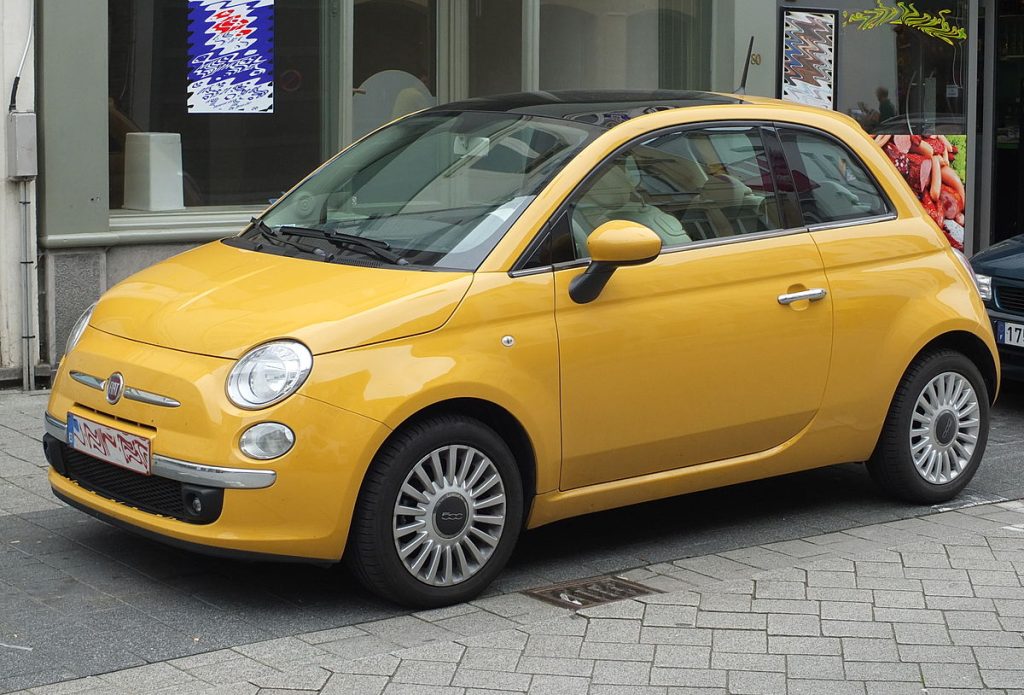
Safety is another concern. Crash-test ratings have been mixed, and limited safety features in earlier models do not inspire confidence for long-term ownership. Drivers seeking reliability and comprehensive safety may find the Fiat 500 lacking.
Overall, the Fiat 500 illustrates how early criticism regarding reliability and quality can persist over time.
Despite its stylish design and fun driving character, recurring mechanical issues and maintenance challenges have prevented it from outlasting its negative reputation, leaving owners cautious and prospective buyers hesitant.
2. Jeep Renegade
The Jeep Renegade has struggled to overcome early skepticism due to reported drivetrain and electrical problems in several model years. Buyers often encounter transmission hesitations, engine quirks, or malfunctioning electronics, which continue to affect the vehicle’s reliability perception.
Its compact design and higher center of gravity contribute to handling concerns. Owners report a top-heavy feel in corners and instability during abrupt maneuvers, which, combined with less capable suspension, exacerbates early doubts about safety and performance.
Fuel economy is modest, and maintenance costs are higher than expected for a subcompact SUV. The combination of mechanical issues and ongoing upkeep reduces owner confidence, preventing the Renegade from establishing a reputation as a dependable vehicle.
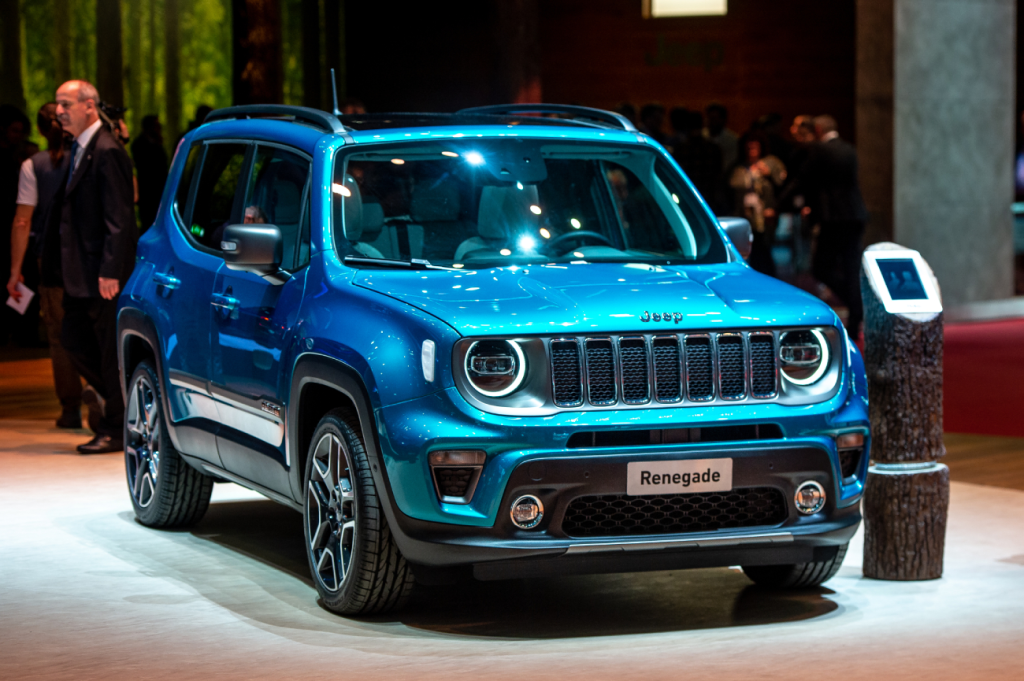
Interior space and comfort are limited compared to competitors, and visibility issues in some trims reduce driver confidence. Early reviews highlighting these weaknesses have persisted in shaping buyer perceptions, limiting the model’s popularity and resale value.
Overall, the Jeep Renegade confirms that repeated mechanical concerns, combined with handling and comfort limitations, prevent certain vehicles from outlasting early criticism, making it a cautious choice for long-term ownership.
3. Land Rover Discovery Sport
The Land Rover Discovery Sport has consistently struggled with reliability, a factor that has cemented its negative reputation. Owners frequently report electronic malfunctions, air suspension failures, and engine problems, creating an ongoing cycle of repairs.
Luxury and off-road capability are overshadowed by high maintenance costs and inconsistent mechanical performance. The vehicle’s complexity, while promising advanced features, results in frequent technical issues that diminish confidence in long-term ownership.
Resale value suffers as a result, as buyers remain wary of purchasing used models with a history of problems. Despite strong initial styling and brand recognition, the Discovery Sport fails to maintain the positive perception expected of premium SUVs.
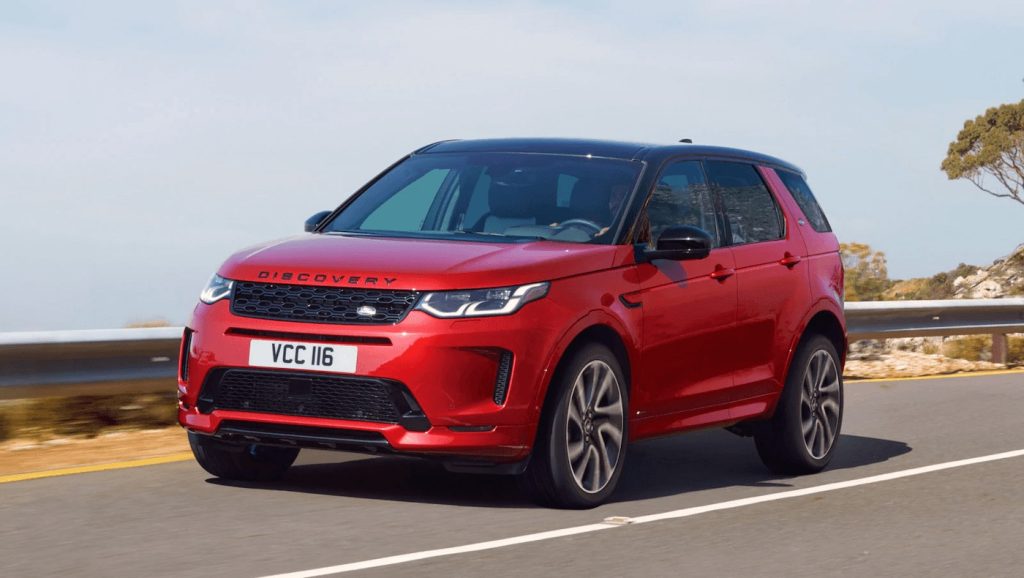
Handling and comfort are inconsistent across conditions. While capable off-road, it lacks the refinement of rivals on pavement, and the combination of weight, high center of gravity, and soft suspension can make it feel unstable in emergency maneuvers.
Overall, the Discovery Sport illustrates how luxury and capability cannot compensate for recurring reliability problems. Early criticisms of mechanical and electronic issues have proven accurate, preventing this SUV from outlasting its negative reputation.
4. Chevrolet Spark
The Chevrolet Spark is another small car that continues to confirm its early negative perception. Owners report frequent transmission problems, engine performance issues, and electrical glitches. Maintenance costs, while moderate, are compounded by the need for repeated repairs over time.
Its compact size, while useful in city driving, results in a less stable ride, especially on highways or in windy conditions. Road noise, limited safety features, and a basic interior reinforce concerns about quality and long-term value.
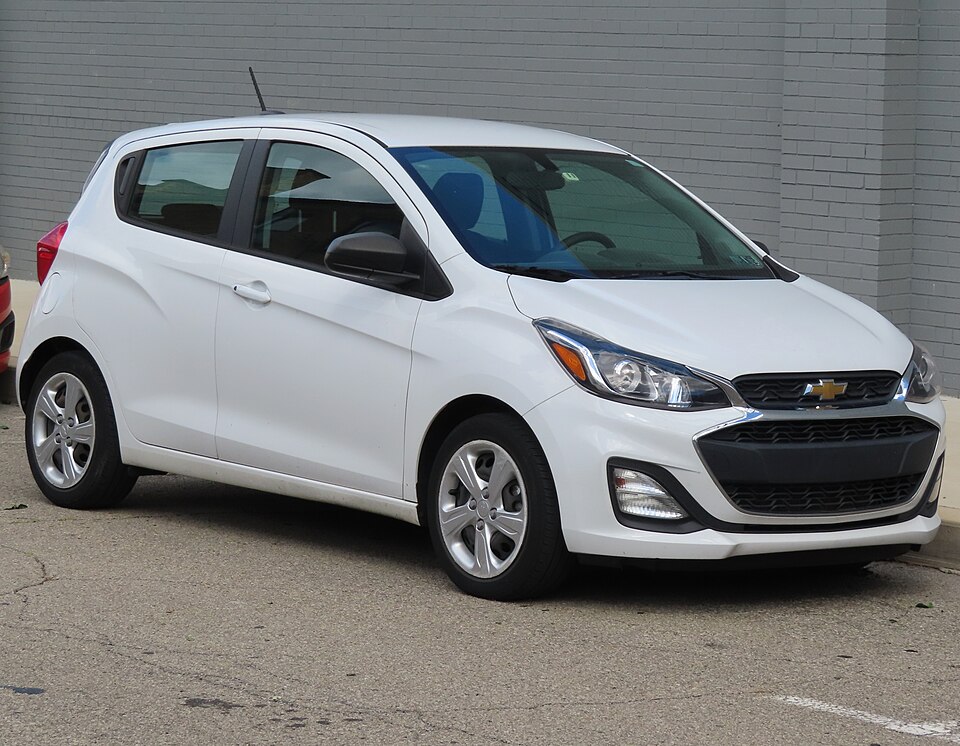
Fuel economy is adequate, but overall ownership satisfaction suffers due to persistent reliability concerns. Resale value remains low, reflecting buyer hesitation to invest in a vehicle with a documented history of recurring problems.
Overall, the Chevrolet Spark demonstrates that early concerns about mechanical performance and ride quality were accurate. Despite affordability and city-friendly dimensions, ongoing issues prevent it from overcoming its bad reputation.
5. Mitsubishi Mirage
The Mitsubishi Mirage has long been criticized for weak performance, limited interior space, and underwhelming handling. Early reviews highlighted concerns about engine reliability, transmission longevity, and overall build quality, many of which persist in real-world ownership.
The car’s lightweight design contributes to instability, particularly in highway driving or gusty weather, reinforcing negative perceptions. Tires and suspension provide minimal feedback, making it feel less safe or capable than competitors.
Fuel efficiency is high, but comfort and practicality are compromised, and frequent minor mechanical issues continue to affect satisfaction. Maintenance is simple, but recurring problems, combined with the vehicle’s modest construction, leave buyers cautious.
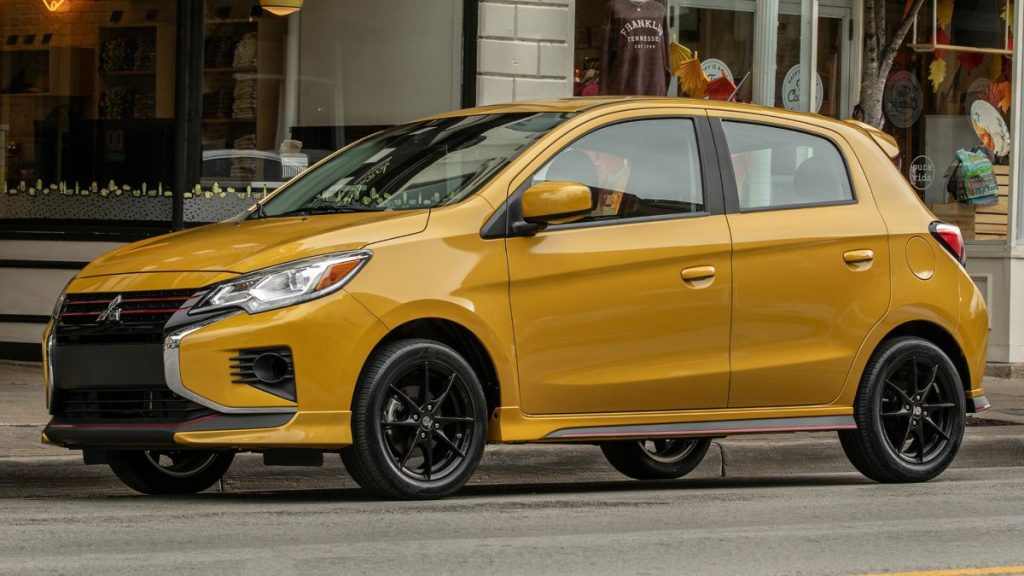
Resale value is low, and the Mirage struggles to attract buyers in the used market. Despite affordability and fuel economy, it fails to overcome its early criticisms, solidifying its place as a vehicle that confirms rather than outlasts a bad reputation.
Car reputations play a major role in shaping buyer perceptions, but early criticism does not always reflect long-term performance. Some vehicles face skepticism due to design choices, minor mechanical issues, or negative media coverage, yet prove their reliability and durability over time.
Others confirm early doubts, suffering from recurring problems, high maintenance costs, or design flaws that persist across model years.
Understanding which vehicles fall into each category helps buyers make informed decisions, whether they are seeking a dependable long-term investment or avoiding problematic models.
Vehicles that outlast their bad reputations, such as the Honda Accord, Toyota Camry, Mazda3, Subaru Legacy, and Ford Fusion, share common traits. They combine robust engineering, durable engines and transmissions, and low-maintenance components.
Owners report minimal unexpected repairs and consistent performance even after many years of use. Features like fuel efficiency, comfort, and advanced safety technology further enhance long-term satisfaction.
These cars often retain strong resale value, attract loyal owners, and demonstrate that initial skepticism can be unfounded. For example, the Honda Accord and Toyota Camry, despite early criticism over styling or minor mechanical concerns, consistently prove reliable for over 200,000 miles.
Similarly, the Mazda3 and Subaru Legacy overcome critiques about ride comfort or styling through dependable performance and well-designed interiors.
The Ford Fusion balances mechanical durability with driver comfort, showing that longevity and owner satisfaction often outweigh early criticism.
Conversely, cars that do not outlast negative perceptions, such as the Fiat 500, Jeep Renegade, Land Rover Discovery Sport, Chevrolet Spark, and Mitsubishi Mirage, confirm early skepticism through recurring issues.
These vehicles often struggle with mechanical failures, electrical problems, or transmission concerns. Ride comfort, stability, and interior quality may also contribute to dissatisfaction.
High maintenance costs, poor resale value, and frequent repairs reinforce negative reputations over time.
For instance, the Fiat 500 and Chevrolet Spark face persistent mechanical and quality issues, while the Land Rover Discovery Sport suffers from expensive, recurring failures.
The Jeep Renegade and Mitsubishi Mirage highlight limitations in performance, handling, and reliability that continue to affect owner satisfaction.
Ultimately, this comparison shows that early criticism is not always predictive. Vehicles that combine solid engineering, reliability, and practical features can defy initial perceptions, while others confirm the skepticism surrounding them.
Buyers benefit from considering long-term owner experiences and mechanical durability rather than relying solely on early reviews or reputations.
Also Read: 5 Cars That Families Pass Down Generations vs 5 That Give Up Early
