

Seats are one of the most critical components of any vehicle, especially SUVs, where long drives, family trips, and daily commutes demand comfort and durability.
Some SUVs feature seats that hold up exceptionally well over the years, maintaining their shape, cushioning, and support even after extensive use. Drivers and passengers continue to enjoy comfort without sagging, creasing, or fatigue, making these vehicles dependable for long-term ownership.
On the other hand, certain SUVs struggle with seat longevity. In these vehicles, cushions flatten quickly, bolsters collapse, or upholstery wears prematurely.
Even with moderate use, these seats lose support, reducing comfort and overall satisfaction. Owners of such models often find that their driving experience deteriorates over time, impacting both comfort and resale value.
This article highlights two distinct categories: SUVs with seats that endure and maintain their quality, and SUVs whose seats give out too soon.
By examining factors such as materials, construction, and design, readers can understand why some vehicles retain comfort and support while others fall short.
Understanding seat durability is crucial for prospective buyers who prioritize comfort, reliability, and long-term satisfaction, ensuring that their investment remains enjoyable for years to come.
Also Read: 5 Cars With Seats That Stay Comfortable vs 5 That Don’t
5 SUVs With Seats That Endure
Some SUVs stand out for the durability and comfort of their seats, offering support that lasts well beyond the first few years of ownership.
These vehicles use high-quality materials, reinforced cushioning, and thoughtful ergonomic design to ensure that drivers and passengers remain comfortable during short trips or long road journeys.
Durable seats are more than a luxury they contribute to overall driving satisfaction. A seat that maintains its shape and support reduces fatigue on long drives and enhances the feeling of quality inside the cabin. In addition, resilient upholstery resists wear, creasing, and sagging, ensuring the interior remains appealing over time.
This section highlights five SUVs known for having seats that endure. Each model has been selected based on owner feedback, material quality, and design that promotes lasting comfort.
By focusing on construction techniques, cushion density, and upholstery choices, these vehicles demonstrate how attention to detail in seating can significantly enhance long-term ownership experience.
Understanding which SUVs offer seats that hold up over time helps buyers make informed decisions, particularly for families, commuters, and anyone who spends significant time in their vehicle.
The following entries provide detailed insight into why these models continue to offer comfort and support, even after years of regular use.
1. Toyota Highlander
The Toyota Highlander is widely recognized for the comfort and durability of its seats, making it a standout in the midsize SUV segment. Its seats feature high-density foam and well-designed bolsters that maintain their shape over years of use. This ensures that both drivers and passengers enjoy consistent support during short commutes or long road trips.
Upholstery quality adds to the seat’s longevity. Leather and premium fabric options are tightly stitched and resistant to creasing, ensuring that the interior remains attractive even after heavy use.
Owners frequently note that Highlander seats show minimal signs of wear, and cushions do not flatten quickly, which is uncommon for SUVs in this class.
Ergonomics also contribute to comfort and endurance. Seats are designed to support proper posture, reducing fatigue on long journeys. Adjustable lumbar support, power seat options, and heated seating enhance comfort while maintaining structural integrity over time.
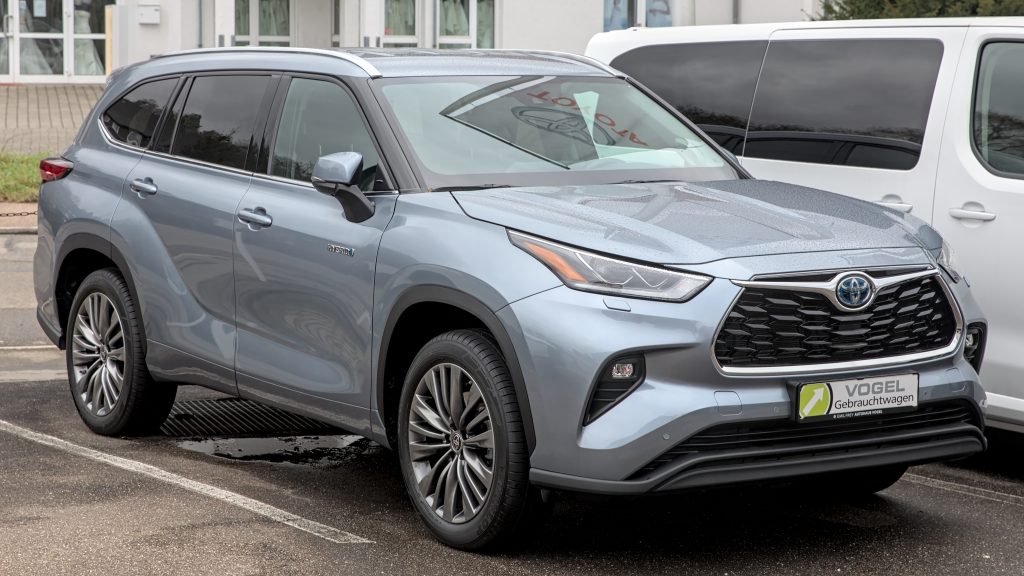
The Highlander’s third-row seating, often a weak point in many SUVs, is surprisingly supportive for extended use. Even with frequent passenger rotation, these seats maintain firmness and reliability, reflecting Toyota’s attention to long-term durability.
In addition to comfort, the Highlander’s seats contribute to overall driving satisfaction. Maintaining proper support improves driver alertness and reduces strain during daily driving. For families and long-distance travelers, this translates into a better overall experience.
Overall, the Toyota Highlander demonstrates how high-quality materials, thoughtful design, and ergonomic construction combine to create seats that endure.
This makes it an excellent choice for buyers seeking a midsize SUV that remains comfortable and supportive over many years, maintaining both its value and enjoyment.
2. Honda Pilot
The Honda Pilot is another SUV renowned for durable, comfortable seating. Its seats are crafted with high-quality foam and reinforced frames, ensuring that they retain shape and cushioning even after years of heavy use. This durability makes the Pilot suitable for families, frequent travelers, and daily commuters alike.
Upholstery materials, including leather and high-grade cloth, resist wear and maintain their appearance over time.
Stitching is reinforced to prevent tearing or fraying, while seat surfaces remain comfortable and supportive, even in high-traffic areas like the driver’s seat. Owners consistently report minimal sagging or flattening, which contributes to long-term satisfaction.
Ergonomics play a key role in the Pilot’s seat endurance. Front seats offer adjustable lumbar support and multiple positioning options, promoting comfort and reducing fatigue.
Second-row captain’s chairs provide excellent cushioning, while the third row is surprisingly accommodating for an SUV of this size. Seats are designed to distribute weight evenly, preventing early wear and maintaining support for years.
The Pilot’s cabin layout ensures that passengers can enter and exit without excessive pressure on seat cushions, which further enhances longevity. Careful attention to material choice and frame strength makes the seats reliable under daily use, family transport, or long-distance trips.
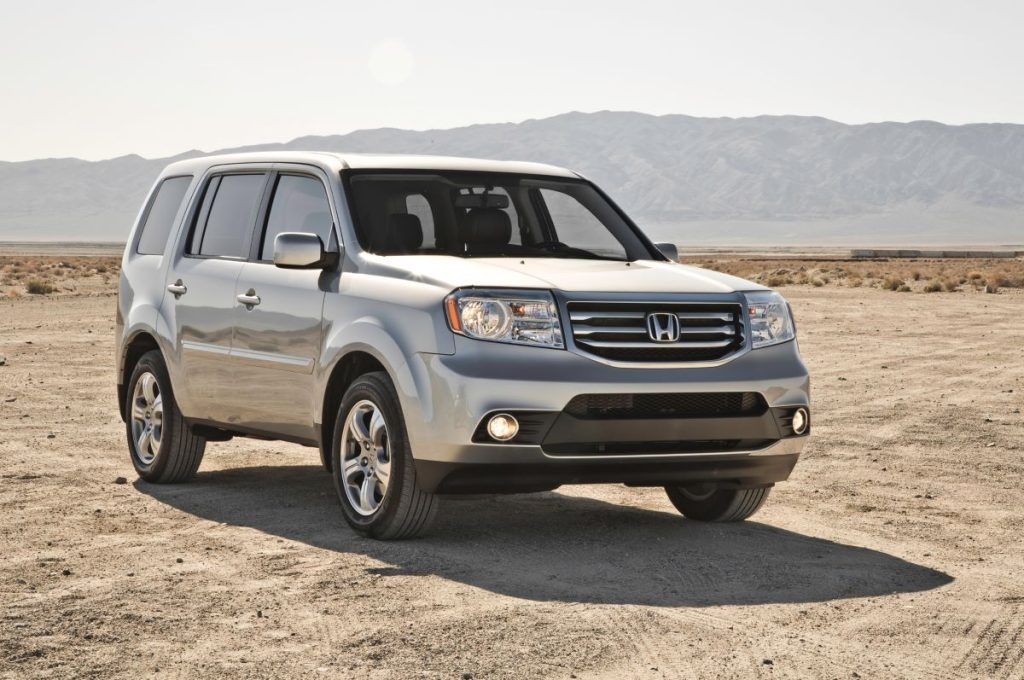
In addition to comfort, seat durability improves the overall ownership experience. Maintaining firm, supportive seating enhances driving posture and reduces discomfort during long drives, reinforcing the Pilot’s reputation as a family-friendly, long-lasting SUV.
Overall, the Honda Pilot exemplifies how a combination of high-quality materials, ergonomic design, and reinforced construction creates seats that endure. Its commitment to long-term comfort makes it a top choice for those seeking an SUV that remains supportive and enjoyable over many years.
3. Subaru Ascent
The Subaru Ascent is praised for its durable and comfortable seating, making it an excellent choice for families and long-distance travelers. Its high-density foam and reinforced seat frames ensure that cushions maintain shape and support over years of use. This longevity prevents sagging and flattening, a common issue in many three-row SUVs.
Upholstery options, including leather and high-quality cloth, are designed to resist wear and creasing. Stitching is reinforced, and seat surfaces remain comfortable even after heavy use. Owners frequently note that Ascent seats retain their firmness and look nearly new even after extended periods, highlighting Subaru’s attention to durability.
Ergonomic design enhances both comfort and long-term endurance. Front seats offer adjustable lumbar support and multiple settings to fit different body types, reducing fatigue during long drives.
Second-row seats provide excellent cushioning and sliding adjustments for legroom, while the third row, often overlooked in other SUVs, remains supportive for children or smaller adults.
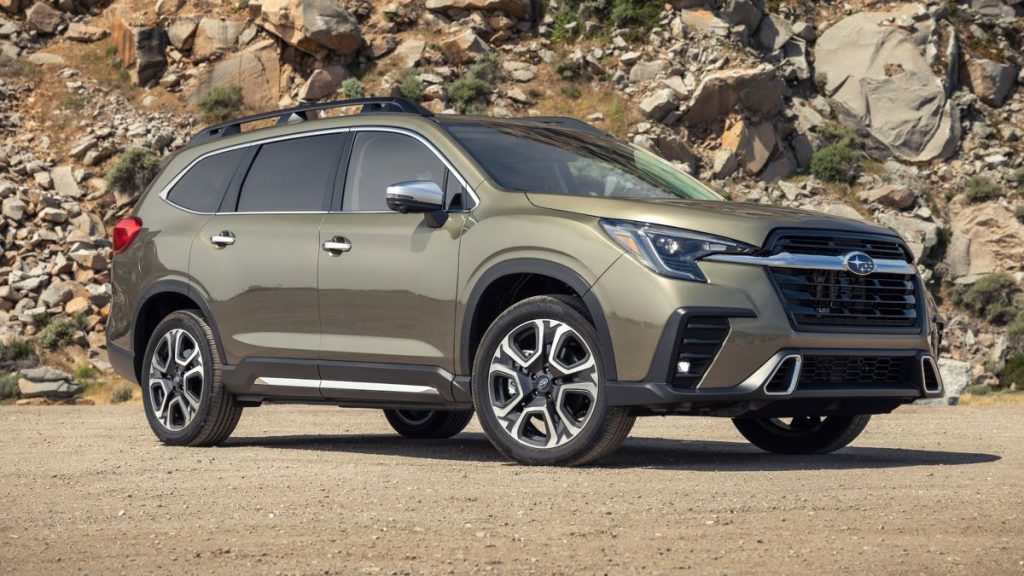
The Ascent also benefits from thoughtful cabin layout, which minimizes stress on seat cushions during entry and exit. Combined with reinforced seat frames, this design ensures that long-term wear is minimal, making the vehicle practical for daily commuting or family adventures.
In addition to comfort, seat durability contributes to overall driving satisfaction. Maintaining proper support reduces driver fatigue, improves posture, and enhances passenger comfort.
This combination of high-quality materials, ergonomic design, and reinforced construction ensures that Subaru Ascent seats endure for many years, making it a reliable and comfortable option for families seeking a long-lasting SUV.
4. Ford Explorer
The Ford Explorer is another SUV renowned for long-lasting seat comfort and durability. Its seats feature high-density foam and reinforced frames, which maintain shape and cushioning even under frequent use. This ensures that drivers and passengers enjoy consistent support, whether on daily commutes or long road trips.
Upholstery materials, such as premium leather and durable cloth, are resistant to wear, creasing, and sagging.
Reinforced stitching further enhances durability, preventing common issues seen in other SUVs. Owners report that Explorer seats remain firm and supportive even after years of use, highlighting the vehicle’s long-term reliability.
Ergonomics play a key role in the Explorer’s seat endurance. Front seats offer power adjustments, lumbar support, and heating options, while second-row captain’s chairs provide comfort and cushioning for adult passengers.
The third-row seating, often a challenge for many SUVs, remains reasonably supportive for shorter trips, reflecting thoughtful design and material selection.
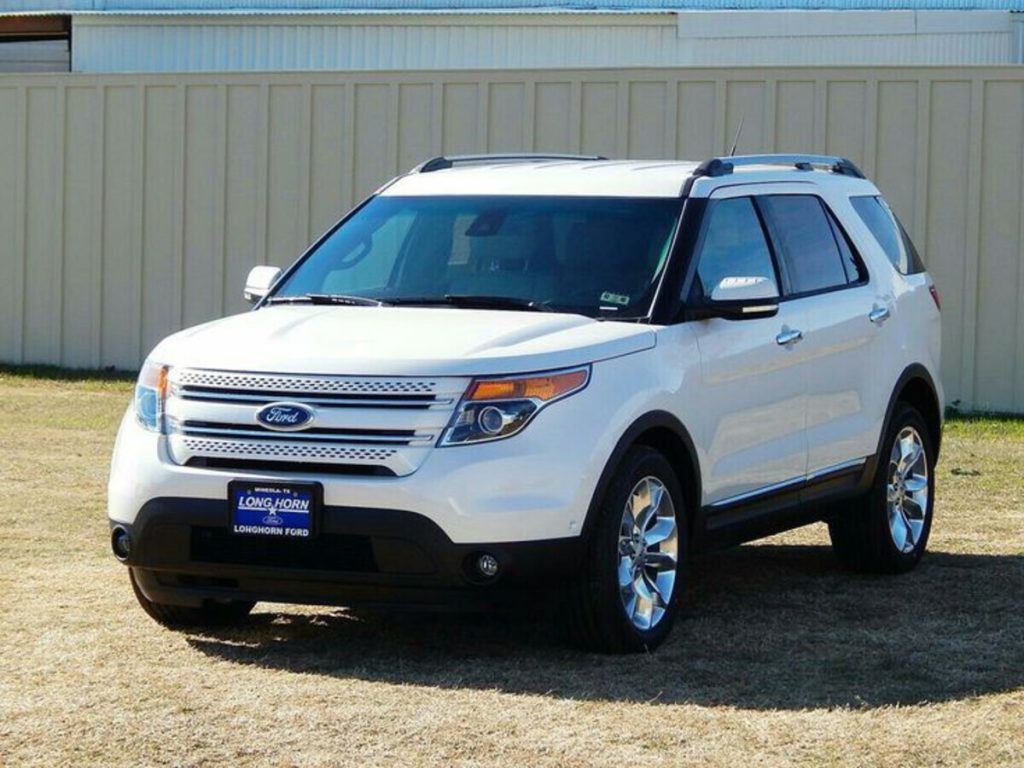
The Explorer’s cabin layout also minimizes strain on seat cushions during entry and exit, reducing early wear. The combination of durable materials, strong frames, and ergonomic design ensures that the SUV’s seats remain comfortable and functional over time.
Seat durability in the Explorer contributes to overall driving experience. Consistent support reduces fatigue, improves posture, and maintains passenger comfort on long journeys.
The combination of comfort, resilience, and ergonomic design makes the Ford Explorer an SUV with seats that truly endure, offering long-term satisfaction for families and daily drivers alike.
5. Chevrolet Tahoe
The Chevrolet Tahoe is a full-size SUV known for its robust and enduring seating, making it an ideal choice for families, long-distance travelers, and daily drivers who prioritize comfort.
Its seats are constructed with high-density foam and reinforced frames, ensuring that cushions retain their shape and support even after years of heavy use. This durability minimizes sagging and maintains comfort for both drivers and passengers over time.
Upholstery options in the Tahoe include premium leather and durable cloth, both designed to resist wear, creasing, and fading. Reinforced stitching enhances the longevity of the seats, allowing them to withstand frequent use without losing structural integrity.
Owners frequently report that the Tahoe’s seats remain supportive and comfortable even after prolonged use, which is particularly important for full-size SUVs where seating comfort significantly impacts overall satisfaction.
Ergonomics play a key role in the Tahoe’s enduring seat comfort. Front seats offer power adjustments, lumbar support, and heating options, while second-row seats provide ample cushioning and adjustable features for passenger comfort.
The third row, often less supportive in other large SUVs, remains reasonably firm and comfortable for children or occasional adult passengers, reflecting thoughtful design and attention to material quality.
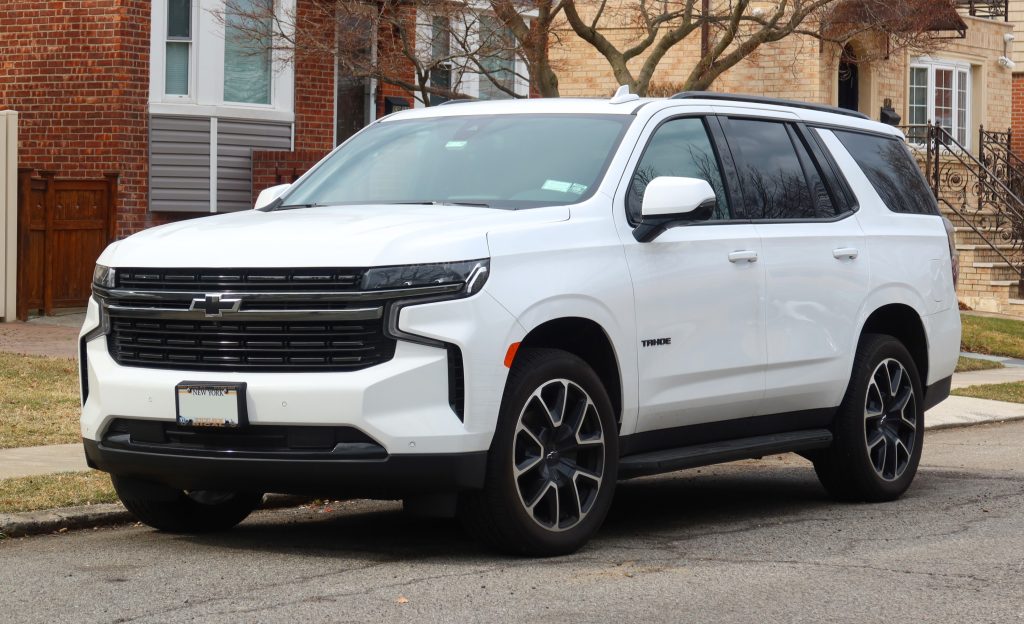
The Tahoe’s cabin layout reduces strain on seat cushions during entry and exit, further preserving longevity. High-quality materials and strong seat frames ensure that the seats remain functional and comfortable over many years, even with frequent passenger rotation and heavy daily use.
Beyond durability, the Tahoe’s seats contribute to a superior driving experience. Maintaining proper support reduces driver fatigue, improves posture, and enhances overall comfort during long journeys.
By combining premium materials, ergonomic design, and reinforced construction, the Chevrolet Tahoe exemplifies an SUV with seats that endure, offering long-term satisfaction and comfort for drivers and passengers alike.
5 SUVs With Seats That Give Out Too Soon
While some SUVs offer seats that endure for years, others struggle with durability, leading to discomfort and dissatisfaction over time. In these vehicles, seat cushions flatten quickly, bolsters lose support, or upholstery wears prematurely, reducing both comfort and overall enjoyment.
Seats that give out too soon can impact long-term ownership experience. Drivers may notice sagging, collapsing, or uneven cushioning, which can lead to fatigue on long drives and make daily commutes less enjoyable.
Poorly constructed seats may also reduce resale value, as the interior appears worn or uncomfortable compared to competitors with durable seating.
This section highlights five SUVs whose seats are prone to early wear and reduced support. Each selection is based on owner feedback, material quality, and design shortcomings that contribute to diminished seat longevity.
By examining these factors, readers can understand why certain vehicles fail to maintain comfort and support, even with moderate use.
Understanding which SUVs have seats that collapse too quickly helps buyers make informed decisions, particularly for families, commuters, and anyone spending significant time on the road.
Choosing vehicles with durable seating ensures comfort, reliability, and long-term satisfaction, while avoiding models that lose support too soon prevents frustration and discomfort over years of ownership.
1. Jeep Renegade
The Jeep Renegade, while appealing for its compact size and off-road styling, has earned a reputation for seats that lose support prematurely. Many owners report that cushions flatten quickly, especially on the driver’s side, leading to discomfort during daily commutes or long drives.
The primary issue lies in seat construction. The foam used in Renegade seats is softer than in other SUVs, which can result in sagging and reduced lumbar support over time.
Bolsters, intended to provide lateral support, often compress unevenly, diminishing stability during cornering or spirited driving. Over months of regular use, these seats can feel worn out, making long trips tiring and less enjoyable.
Upholstery materials also contribute to the problem. While leather and cloth options look good initially, they tend to crease and stretch under frequent use, particularly on high-traffic areas such as the driver’s seat. Fabric seats may absorb moisture and lose firmness faster, exacerbating the issue.
Ergonomics play a role as well. Limited adjustability in base models prevents drivers from compensating for flattening cushions, further reducing comfort. The combination of soft foam, minimal adjustment, and moderate-quality materials results in seats that fail to maintain their original support over time.
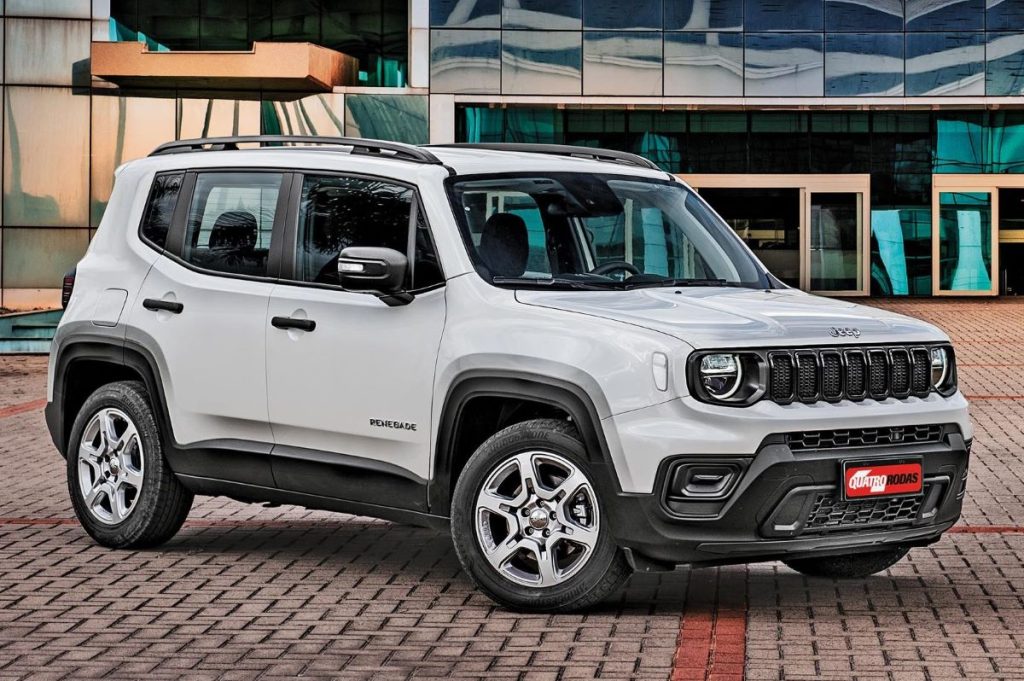
Owners often notice that the Renegade’s seats feel increasingly worn after only a few years, impacting the overall driving experience. This makes the SUV less suitable for drivers seeking long-term comfort and reliability in seating.
Overall, the Jeep Renegade demonstrates that stylish design and compact size cannot compensate for poor seat durability.
Drivers who prioritize comfort and long-term support may want to consider alternative vehicles with stronger construction and more resilient cushioning.
2. Ford EcoSport
The Ford EcoSport is a subcompact SUV that struggles with seat durability, particularly in lower trims. Its seats often show signs of wear and reduced support after only a short period of ownership, which can significantly affect driving comfort.
Seat foam in the EcoSport is relatively soft and compresses easily under daily use. This leads to flattening and reduced lumbar support, making long drives uncomfortable for both drivers and passengers. Bolsters may lose shape quickly, resulting in less lateral support during cornering or quick maneuvers.
Upholstery quality contributes to early deterioration. Cloth seats tend to wrinkle and stretch with frequent use, while synthetic leather surfaces may show cracking or creasing after moderate mileage. These issues not only affect comfort but also impact the vehicle’s interior appearance, making the cabin feel aged prematurely.
Adjustability is limited in base models, preventing drivers from compensating for seat wear. Even with manual adjustments, the seats often fail to provide consistent support, leading to fatigue during commutes or longer trips.
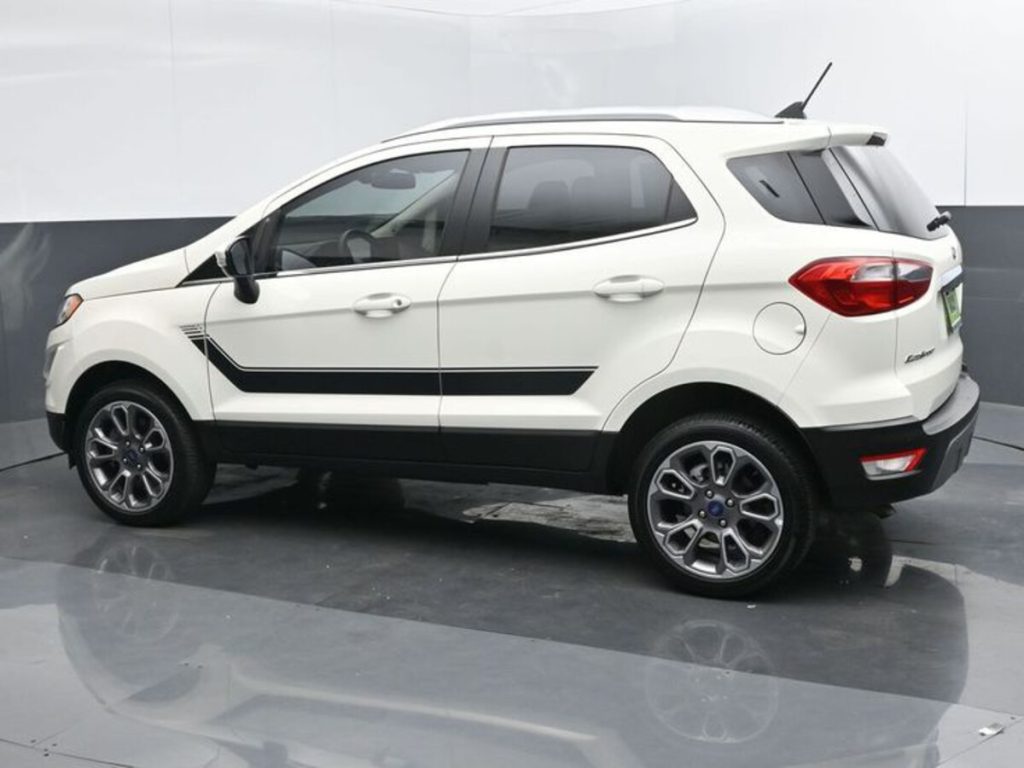
Owners report that the EcoSport’s seating experience declines faster than expected, making it less suitable for drivers who spend significant time on the road. This early wear diminishes overall satisfaction and can influence resale value negatively.
In conclusion, the Ford EcoSport highlights the importance of seat construction and material quality. While it remains an appealing subcompact SUV for urban driving, its seats give out too soon, making it a less reliable choice for long-term comfort and support.
3. Nissan Rogue
The Nissan Rogue, despite its popularity, has drawn criticism for seats that lose comfort and support over time. Many owners report that seat cushions flatten quickly, particularly in the driver’s seat, resulting in fatigue on longer drives.
The problem begins with seat construction. The foam used in Rogue seats is moderately soft and lacks reinforced support in high-pressure areas.
This causes the cushioning to compress unevenly with regular use, leading to sagging bolsters and diminished lumbar support. Over time, these issues make seating feel less structured and comfortable.
Upholstery materials also contribute to premature wear. Fabric seats tend to crease and stretch after regular use, while leatherette surfaces may crack or lose firmness. Repeated pressure and weight cycling accelerate the degradation, giving the cabin a worn-out appearance even in relatively low-mileage vehicles.
Ergonomics are limited in base models, with fewer adjustment options to compensate for flattening cushions.
Drivers cannot fully tailor their seating position, further reducing comfort during commutes or longer trips. Even in higher trims with more features, the foam quality and bolsters show signs of early wear compared to competitors.
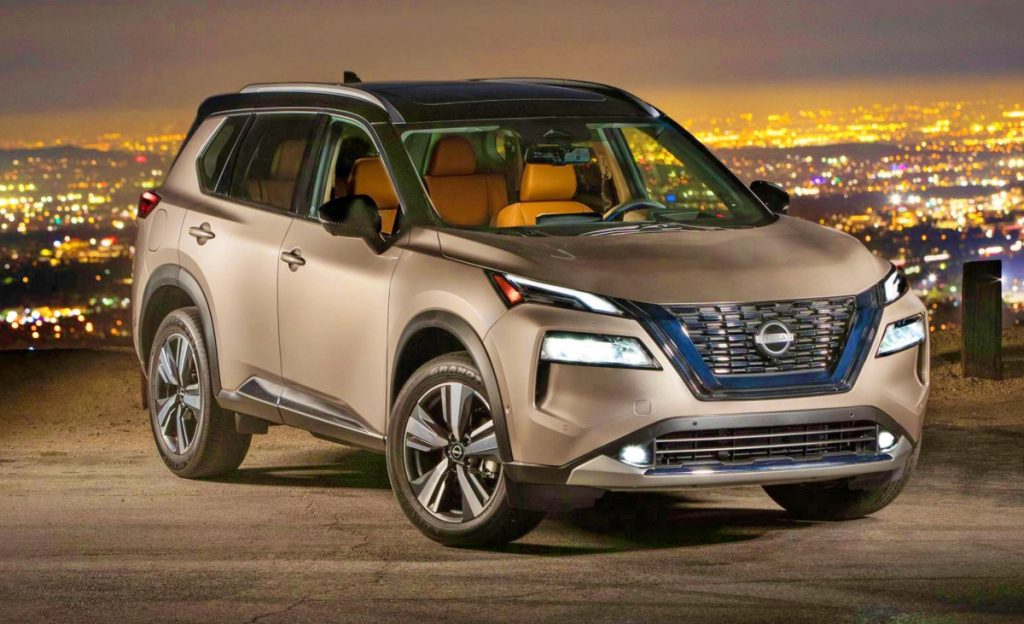
Owner feedback highlights that daily driving quickly becomes less enjoyable as seat support diminishes. This affects overall satisfaction and can impact resale value, as worn seats make the interior appear aged prematurely.
Overall, the Nissan Rogue demonstrates that even reliable and popular SUVs can fall short in seat durability. Drivers seeking long-term comfort should carefully consider this factor, as Rogue seats tend to give out sooner than expected, affecting both comfort and driving experience.
4. Jeep Compass
The Jeep Compass faces similar challenges with seat durability, particularly in base and mid-level trims. Owners frequently note that seats compress quickly and lose proper support, making longer drives uncomfortable.
Seat foam in the Compass is softer than competitors, which contributes to early sagging. Bolsters that initially provide lateral support flatten with repeated use, reducing stability during turns or maneuvers. The cushioning often becomes uneven, resulting in discomfort for both driver and passengers.
Upholstery quality further impacts longevity. Fabric seats may stretch, wrinkle, or fade, while leatherette options can crack under pressure. These issues become noticeable after only a few years, leaving the cabin looking worn and contributing to a perception of lower quality.
Limited adjustability compounds the problem. Manual adjustments and fewer lumbar support options prevent drivers from compensating for flattening cushions. This can increase fatigue during longer commutes and reduce overall driving satisfaction.
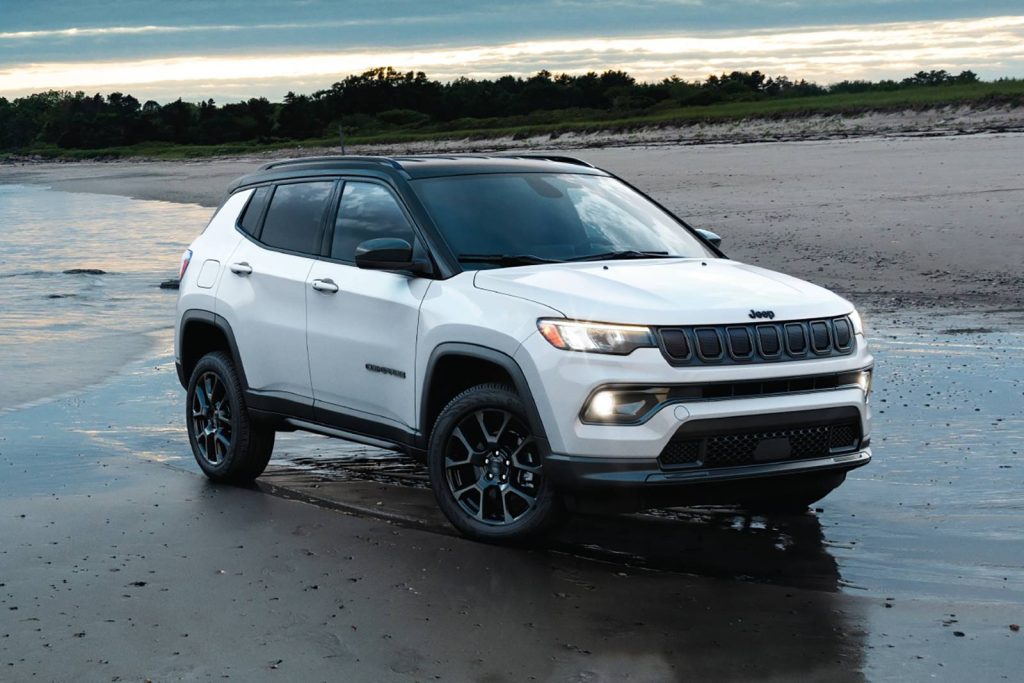
Owners report that the Compass’s seats provide comfort initially, but support diminishes quickly. This early wear detracts from the SUV’s usability, especially for families or frequent travelers who rely on consistent seating comfort.
In conclusion, the Jeep Compass illustrates the importance of seat construction and material selection. While it may appeal for styling or off-road capability, its seats give out too soon, making it less suitable for those who prioritize long-term comfort and support in a daily-use SUV.
5. Chevrolet Trax
The Chevrolet Trax, a subcompact SUV, is known for having seats that lose support and comfort relatively quickly, particularly under regular daily use. While the Trax offers a practical and affordable option for urban driving, its seating durability falls short compared to competitors.
The primary issue lies in seat construction. Foam cushioning is softer than in larger or more premium SUVs, causing flattening and sagging after only a few years of use.
Bolsters, designed to provide lateral support, compress unevenly, leading to discomfort during cornering or longer drives. The driver’s seat, in particular, tends to show early signs of wear, which significantly impacts overall driving comfort.
Upholstery materials also contribute to early deterioration. Cloth seats often wrinkle or stretch with repeated use, while synthetic leather options may develop creases or lose firmness. Over time, these problems not only reduce comfort but also affect the cabin’s appearance, making the interior seem worn and less appealing.
Adjustability is limited in base and mid-level trims. Without advanced lumbar support or seat positioning options, drivers are unable to compensate for flattening cushions, which increases fatigue on commutes or extended trips. Even higher trims with more features do not fully address the underlying cushion quality, leaving long-term seating support lacking.
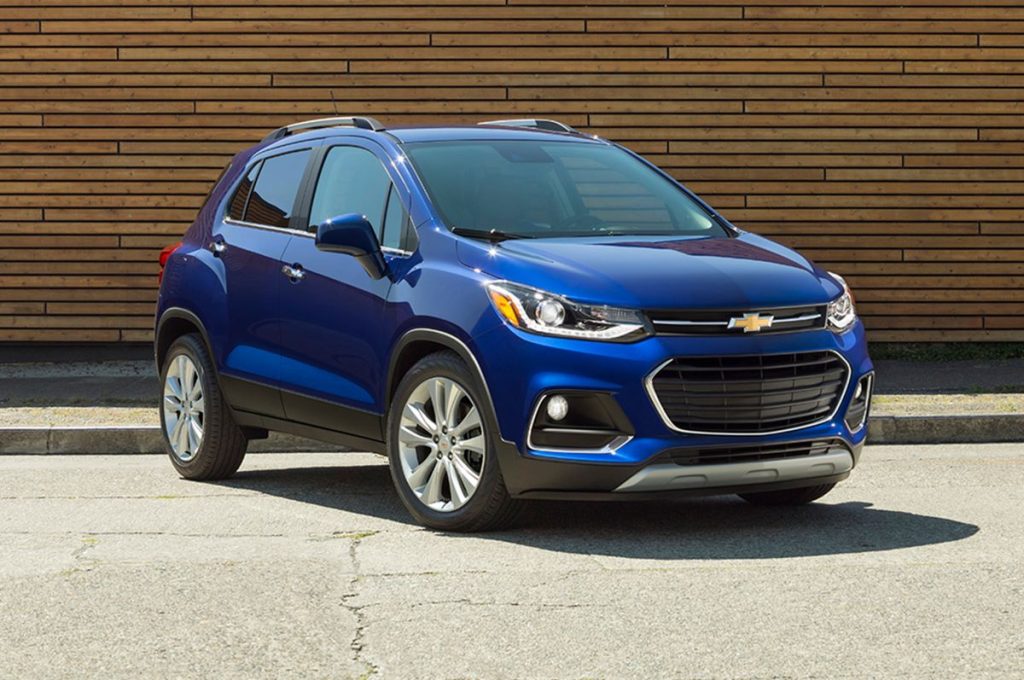
Owner feedback indicates that the Trax’s seats feel less supportive and increasingly uncomfortable over time. For frequent drivers, families, or anyone planning longer trips, this early seat wear can detract from the SUV’s usability and satisfaction.
Overall, the Chevrolet Trax demonstrates that compact size and affordability do not guarantee durable seating. The combination of soft foam, minimal reinforcement, and moderate-quality upholstery results in seats that give out too soon.
Buyers who prioritize long-term comfort and support may want to consider alternatives with better construction and more resilient cushioning, ensuring a more comfortable and enduring driving experience.
Also Read: 5 Best Sedans That Stay Smooth After Years vs 5 That Don’t
