

While many cars show signs of wear as the odometer climbs, some models have a surprising way of improving with age.
Instead of becoming fragile or unpredictable, these vehicles often gain resilience, benefiting from components that settle in and engines that reach their optimal rhythm. Drivers who invest in these cars may find that their confidence grows as the miles accumulate.
The key to this increased reliability often lies in a combination of engineering, design, and material quality.
Engines that are overbuilt, transmissions designed to endure, and suspensions that resist stress all contribute to a car that doesn’t just survive but thrives over time. Regular maintenance can further enhance these benefits, allowing components to function at their best long after most vehicles would require major repairs.
Owners often report that their cars feel smoother, quieter, and more stable after several years of use. Mechanical parts tend to “wear in,” electrical systems become more predictable, and the overall driving experience improves.
In addition, cars that gain reliability with mileage tend to hold their value better, making them a smart choice for long-term ownership.
This article highlights ten cars that demonstrate this unusual trait. Each has earned a reputation for becoming more dependable as the miles pile up. From sedans to SUVs, these vehicles offer a mix of comfort, durability, and engineering finesse that rewards careful owners.
Understanding why these cars become more reliable can help prospective buyers make informed decisions, while current owners can appreciate the long-term benefits of their investment.
By examining each model’s strengths, common maintenance practices, and real-world owner experiences, this guide provides a detailed look at vehicles that defy the usual expectations of aging. These ten cars are proof that longevity and performance can grow together, giving drivers confidence in the miles ahead.
Also Read: 10 Cars From the 2020s Already Building Bulletproof Reputations
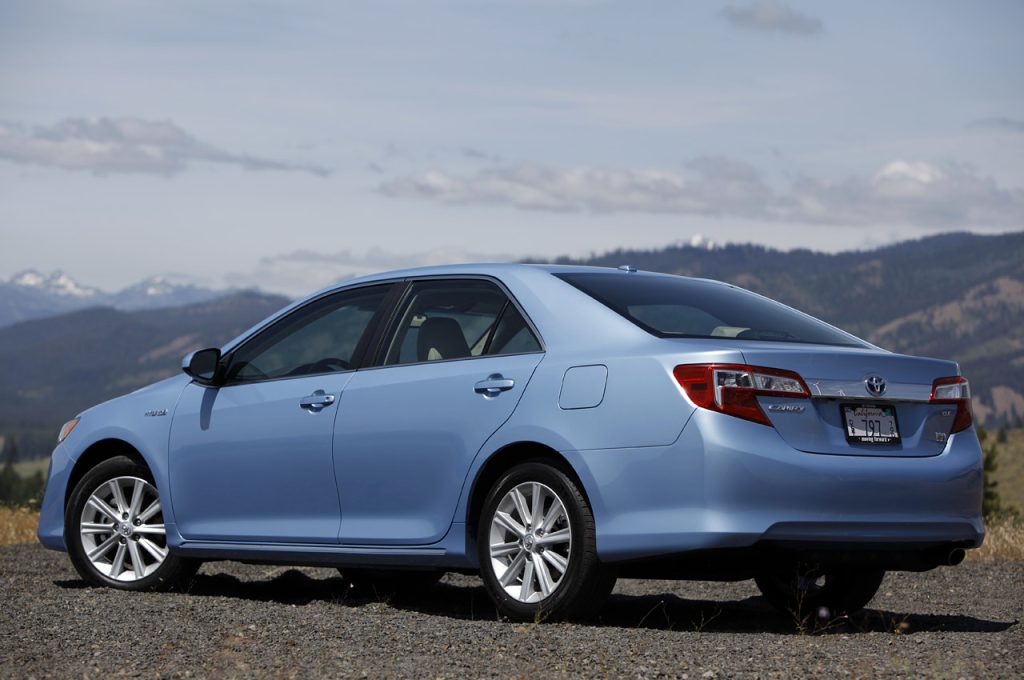
1. Toyota Camry (2012–2017)
The Toyota Camry has long been synonymous with durability, and models from 2012 to 2017 prove that some cars only get stronger with time. Owners frequently report that their Camrys feel smoother after 100,000 miles as engine components fully settle in.
One factor behind this improvement is the Camry’s naturally aspirated 4-cylinder and V6 engines. They are built with precision, with tight tolerances that allow moving parts to wear evenly. Over time, this reduces stress on the engine and can even improve fuel efficiency slightly, a rare trait for older vehicles.
The transmission is another area where the Camry shines. Many high-mileage examples continue to shift smoothly, showing fewer signs of the jerky behavior that can appear in some competitors. Regular oil changes and periodic inspections of the transmission fluid keep it operating reliably for well over 200,000 miles.
Suspension components, like shocks and bushings, often feel more refined after the initial break-in period. Early miles can reveal stiffness, but with proper maintenance, the Camry’s ride becomes consistently comfortable. Steering responsiveness also improves slightly as the steering components wear evenly.
Electrical systems in these Camrys are simple yet durable. Fewer complex electronics reduce the chance of random failures, and systems such as the air conditioning, infotainment, and lighting tend to perform reliably as the car ages.
Owners also highlight the Camry’s rust resistance, especially in models with good undercoating. A well-maintained exterior reduces the likelihood of corrosion, making the car appear and function better even after years of use.
For long-term drivers, the Camry offers low-cost maintenance and widely available replacement parts. This accessibility encourages consistent care, which in turn contributes to the car’s growing reliability.
Ultimately, the Camry demonstrates that a combination of solid engineering, durable materials, and simple, maintainable systems allows a car to improve with mileage. Many owners find that each additional year makes the Camry feel even more predictable and dependable.
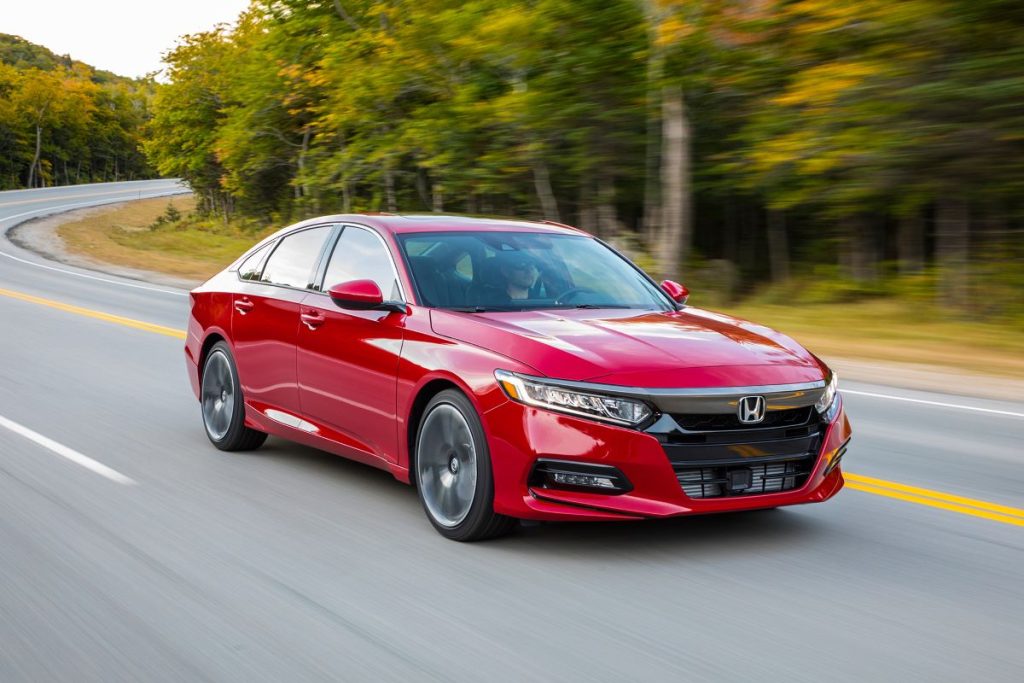
2. Honda Accord (2013–2018)
The Honda Accord has earned a reputation for lasting well beyond 200,000 miles. Interestingly, many owners notice that the car’s behavior improves as the odometer rises. Early wear allows moving components to settle, and the result is a more refined, stable ride.
The Accord’s engines, including the 2.4-liter 4-cylinder and 3.5-liter V6, are known for consistent performance.
The internal parts, such as pistons, bearings, and valves, benefit from initial break-in wear. By 50,000 to 70,000 miles, these components often work more harmoniously, resulting in smoother operation and improved throttle response.
Transmission reliability is another strength. Whether equipped with a manual or CVT, the Accord tends to shift more predictably as it ages, especially when maintenance schedules are followed. Routine fluid changes reduce friction and extend the life of moving components.
Suspension components are built to endure, and after the first 30,000 miles, many drivers report that handling feels more composed.
Springs, bushings, and shocks tend to settle in, creating a quieter and more comfortable ride. Steering feedback also becomes more consistent as the system wears evenly.
Electrical systems in the Accord are robust. Sensors, lighting, and infotainment systems rarely fail with age, which enhances reliability and reduces unexpected repairs.
Exterior durability plays a role as well. Accords from these years often show minimal rust when maintained properly, and paint holds up better than many competitors. Combined with widely available parts and straightforward repairs, the car rewards attentive owners.
Overall, the Honda Accord demonstrates that careful engineering and durable components allow certain vehicles to improve with mileage.
High-mileage examples frequently feel smoother, more stable, and more predictable, making them ideal long-term companions for drivers seeking reliability.
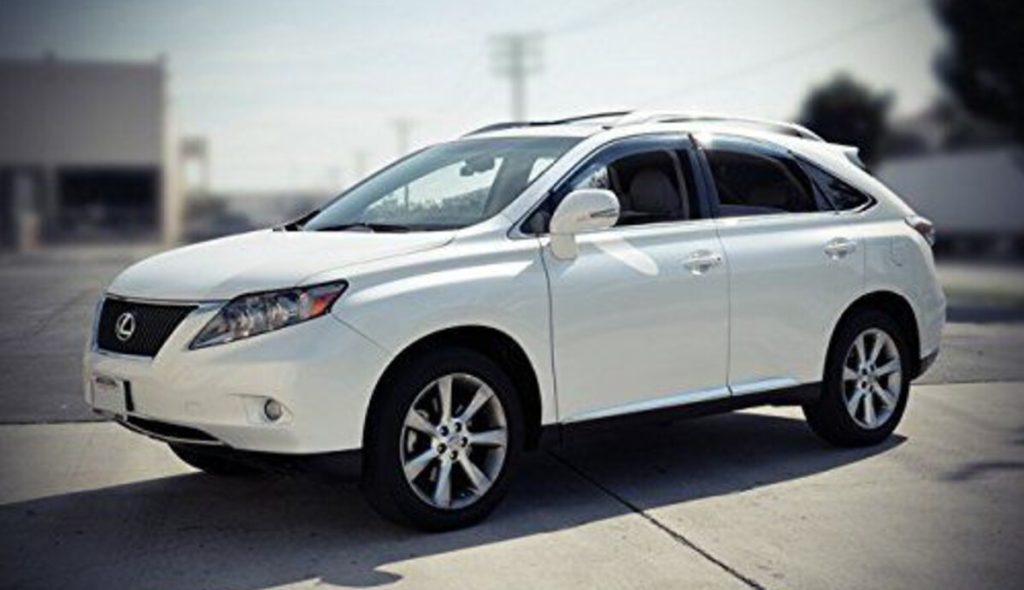
3. Lexus RX 350 (2010–2015)
The Lexus RX 350 is known for its quiet, smooth ride, and many owners notice that this comfort actually improves with mileage. Early on, some suspension components feel slightly stiff, but after tens of thousands of miles, the ride becomes more supple and refined.
The 3.5-liter V6 engine is a major contributor to long-term reliability. Built with high-quality materials, it maintains consistent performance as parts settle in.
Pistons, bearings, and valves wear in evenly, resulting in smoother acceleration and reduced vibration over time. Many RX 350s with over 200,000 miles continue to deliver reliable power without requiring major engine repairs.
The automatic transmission also benefits from initial break-in wear. Gear engagement often becomes more precise, and the overall shift quality improves. Regular transmission fluid changes help maintain this smooth operation for many years.
Suspension durability is another standout feature. Lexus uses robust shocks, bushings, and springs that are designed to endure high mileage. Owners frequently report that steering feels more stable after prolonged use, and road imperfections are absorbed better as the suspension settles.
The RX 350 also shines in electrical reliability. Components like the infotainment system, climate controls, and lighting remain consistent over time. Fewer electronic issues contribute to a feeling of reliability that only grows with experience.
Interior materials in the RX 350 are high-grade and resilient. Leather seats soften pleasantly with age, and cabin trims maintain their appearance and function. This creates a more comfortable and polished experience as the car ages.
Lexus’ commitment to corrosion resistance helps the RX 350 remain structurally sound. Minimal rust issues even after heavy use enhance both aesthetics and reliability. Combined with a strong network for replacement parts, this SUV rewards attentive owners.
In summary, the RX 350 demonstrates that luxury and reliability can coexist. Components that settle over time, robust engineering, and high-quality materials all contribute to a vehicle that feels more dependable as mileage increases.
Many owners find that their RX 350 becomes smoother, quieter, and more predictable the longer they drive it.
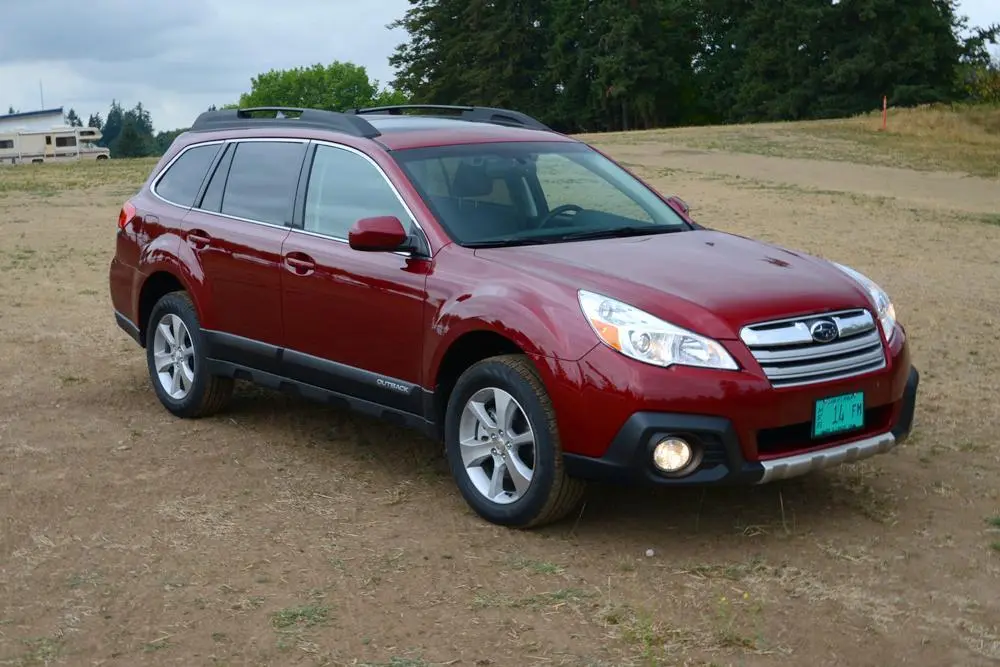
4. Subaru Outback (2012–2017)
The Subaru Outback is celebrated for its all-weather capability and long-lasting performance. Many drivers notice that after the initial break-in period, the vehicle feels more stable and responsive, especially in terms of engine and suspension behavior.
The 2.5-liter flat-four engine benefits from early use. Pistons and bearings settle evenly, improving smoothness and reducing the likelihood of uneven wear. High-mileage Outbacks often maintain strong power delivery and reliable fuel efficiency, making them excellent choices for drivers who accumulate miles quickly.
Transmission performance improves with mileage as well. Continuously monitored by the owner through regular fluid changes, the automatic or CVT transmission becomes smoother and more predictable, reducing any initial hesitation or rough shifting.
The Outback’s suspension is designed to endure challenging road conditions. Springs, struts, and bushings stabilize over time, resulting in improved ride comfort. Drivers frequently notice that the car handles bumps and rough terrain more confidently after the first 50,000 miles.
Electrical systems are simple yet robust. Lighting, sensors, and infotainment modules tend to perform reliably as the vehicle ages. Fewer electronics mean less chance of random failures, enhancing overall dependability.
Subaru’s reputation for corrosion resistance ensures that body panels and undercarriage components remain solid. This prevents rust-related issues that can compromise reliability and longevity.
Maintenance friendliness also contributes to the Outback’s increasing dependability. Widely available parts and straightforward repairs make it easier for owners to maintain the car’s optimal performance over hundreds of thousands of miles.
Ultimately, the Subaru Outback shows that rugged design and thoughtful engineering can create a vehicle that improves with age.
Owners report a smoother, more comfortable ride, better handling, and reliable mechanical performance as the miles accumulate, making it a top choice for those seeking a dependable long-term vehicle.
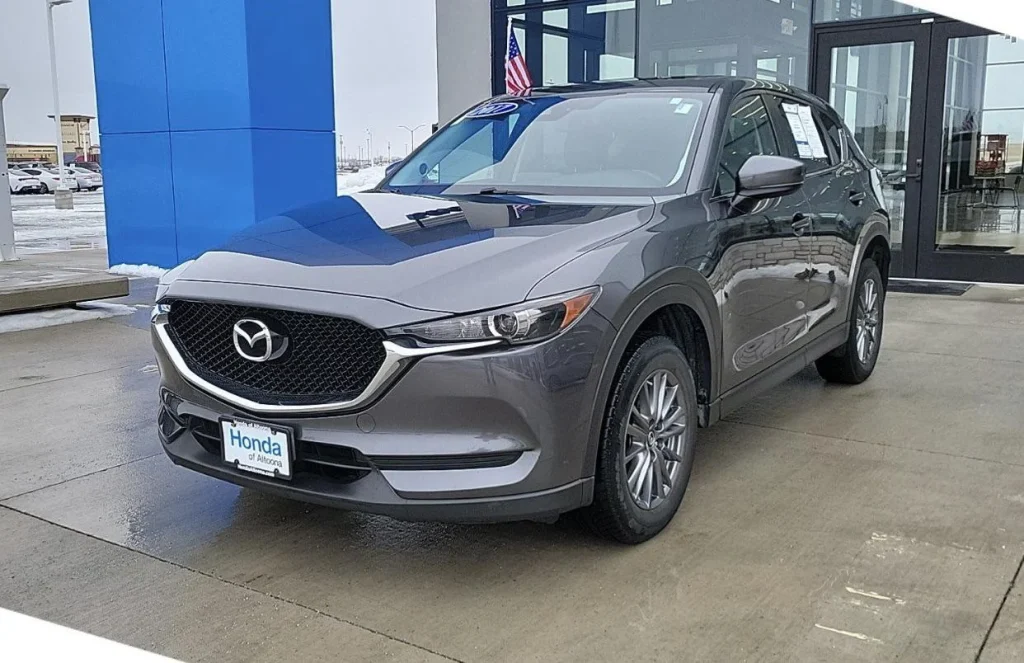
5. Mazda CX-5 (2013–2018)
The Mazda CX-5 has built a reputation for reliability, and many owners notice that it becomes even more enjoyable with mileage. Early driving impressions can show a slightly firm suspension, but as the car accumulates miles, components settle in and the ride becomes smoother.
The 2.0-liter and 2.5-liter engines are known for their durability. Pistons, valves, and bearings wear evenly over time, allowing the engine to run more quietly and efficiently. Drivers often report that acceleration feels more refined after 50,000 miles. Regular oil changes and proper maintenance play a key role in maintaining this high level of performance.
The transmission, whether automatic or manual, also benefits from break-in wear. Shifts become more predictable and smooth, and fluid changes help preserve the system’s longevity. Many CX-5s continue to operate flawlessly well past 150,000 miles.
Suspension and steering components are robustly built. Shock absorbers, bushings, and control arms settle with use, enhancing both comfort and handling.
Owners often find that the vehicle feels more composed on rough roads as mileage increases. Steering feedback also becomes more consistent, making highway driving more effortless.
Electrical systems in the CX-5 are straightforward and reliable. Infotainment, lighting, and climate control systems rarely develop issues, even in high-mileage vehicles. Fewer complex electronics contribute to overall durability.
The CX-5’s exterior and underbody components are resistant to corrosion. Proper cleaning and occasional rustproofing can help maintain structural integrity for years, allowing the vehicle to age gracefully.
Maintenance accessibility is another advantage. Replacement parts are widely available, and repairs are typically straightforward, which encourages regular upkeep. This consistent care reinforces the car’s reliability and ensures that it continues to improve with use.
In short, the Mazda CX-5 demonstrates that careful engineering and durable materials create a vehicle that rewards long-term ownership. Many drivers notice smoother performance, better handling, and more predictable behavior as the car accumulates miles, making it a practical choice for families and commuters alike.
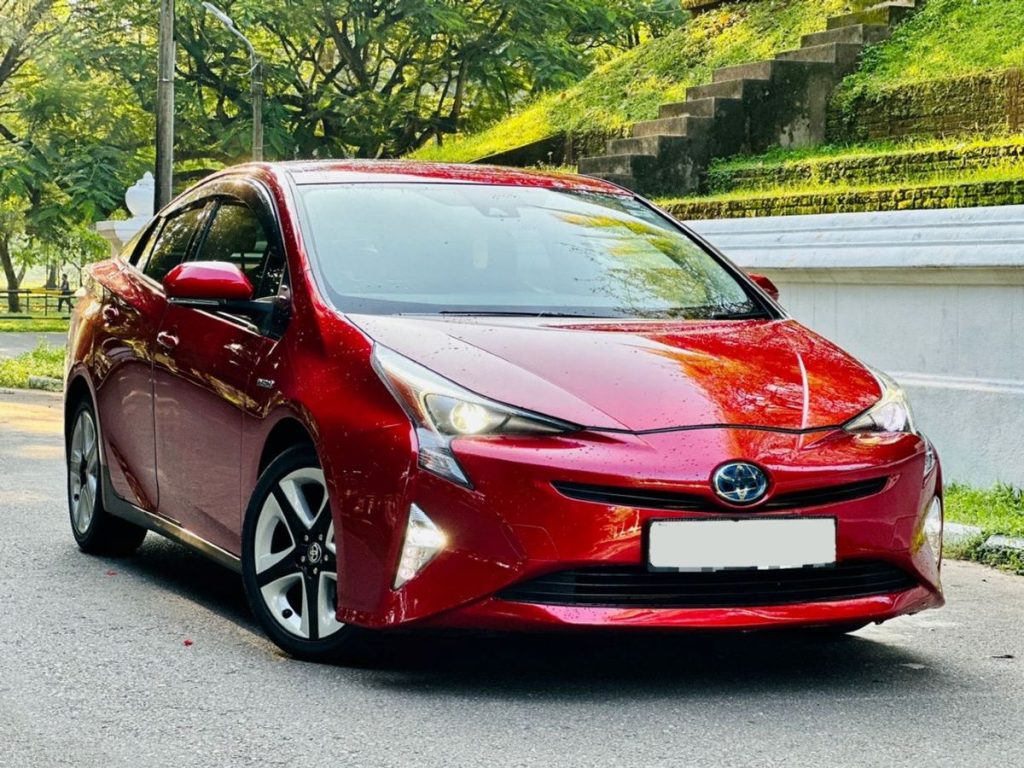
6. Toyota Prius (2010–2015)
The Toyota Prius is a hybrid that has earned praise for its longevity. Surprisingly, many owners find that the car feels more dependable as it accumulates miles. The hybrid system, along with the gasoline engine, becomes increasingly smooth and efficient over time.
The 1.8-liter engine paired with Toyota’s hybrid technology is engineered for endurance. Over the first 50,000 miles, moving parts such as pistons, valves, and bearings settle in, improving smoothness and responsiveness. The engine often feels quieter and more balanced as mileage grows.
The continuously variable transmission (CVT) benefits from proper maintenance. High-mileage Priuses usually shift more predictably, with smoother power delivery. Regular fluid checks and changes enhance longevity, ensuring the CVT performs reliably for hundreds of thousands of miles.
The hybrid battery is another area where the Prius shines. Toyota designed it to age gradually, and many drivers report that battery performance stabilizes over time. Well-maintained batteries can continue to provide strong efficiency and performance well past 150,000 miles.
Suspension and steering components also settle in with use. Shocks, struts, and bushings soften slightly, creating a smoother ride and better road absorption. Steering feedback becomes consistent, making the car feel more stable over long journeys.
Electrical systems in the Prius are straightforward and durable. Infotainment, charging, and lighting systems rarely fail, reducing repair frequency. This contributes to an overall sense of dependability that improves with age.
Exterior durability is another benefit. Corrosion-resistant body panels and careful engineering help maintain the car’s structure over time. Combined with regular maintenance, the Prius often looks and functions well after many years.
In conclusion, the Toyota Prius demonstrates that hybrid engineering and solid construction can create a vehicle that improves with mileage.
Owners notice better engine smoothness, stable hybrid performance, and reliable handling as the miles accumulate, making it an excellent choice for long-term ownership.
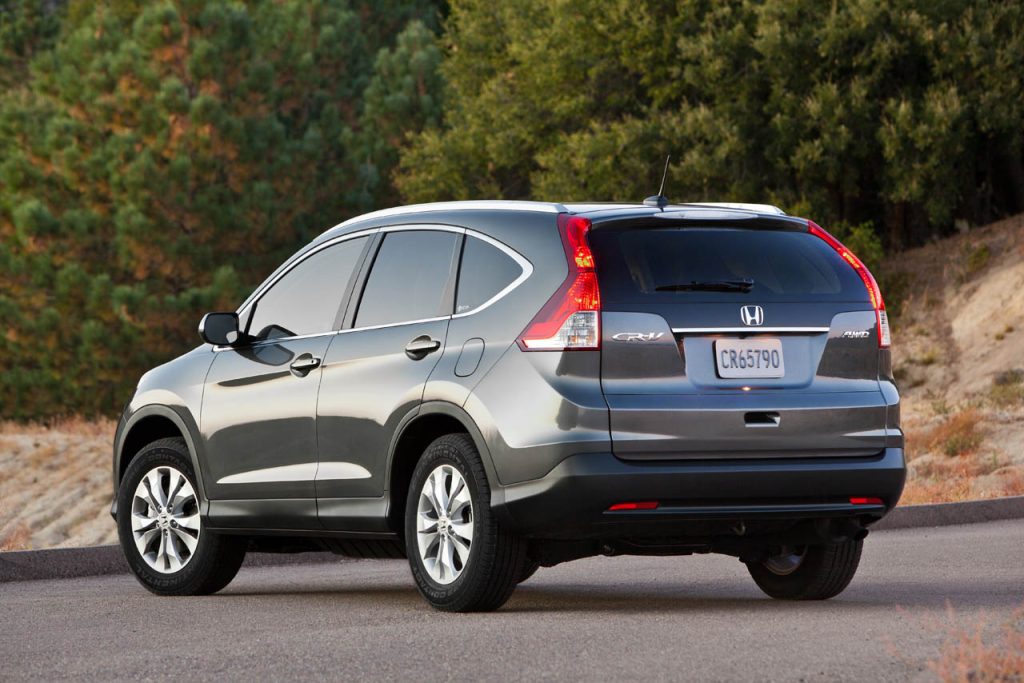
7. Honda CR-V (2012–2016)
The Honda CR-V is well-known for its practicality and longevity. Many owners notice that as it accumulates mileage, the vehicle’s performance and handling improve slightly. Early stiffness in suspension and brakes often smooths out, creating a more comfortable driving experience.
The 2.4-liter inline-four engine is durable and designed to handle high mileage. Over the first 50,000 miles, components such as pistons, bearings, and valves wear evenly, allowing the engine to run more quietly and efficiently. This settling process reduces friction and can slightly enhance fuel efficiency over time.
The automatic transmission also becomes more predictable with mileage. Regular fluid changes and proper maintenance ensure smooth shifts. Many high-mileage CR-Vs report minimal transmission issues, demonstrating that the system improves with consistent care.
Suspension components, including shocks, struts, and bushings, settle gradually. After the initial break-in period, ride comfort improves and handling feels more stable. Steering feedback becomes consistent, giving drivers confidence on highways and winding roads alike.
Electrical systems in the CR-V are straightforward and reliable. Infotainment, lighting, and sensors rarely fail, even after years of use. This simplicity contributes to the overall sense of reliability that owners notice increases with mileage.
Corrosion-resistant body panels and undercarriage components also contribute to the CR-V’s longevity. With regular cleaning and maintenance, these vehicles show minimal rust, which helps maintain structural integrity and long-term reliability.
Maintenance is relatively easy and cost-effective. Replacement parts are widely available, and repairs are usually straightforward. This accessibility encourages consistent care, allowing the vehicle to perform better as it ages.
In summary, the Honda CR-V demonstrates that practical engineering, durable materials, and thoughtful design can result in a car that grows more dependable with use. High-mileage models often feel smoother, handle better, and offer a more refined driving experience than when they were new.
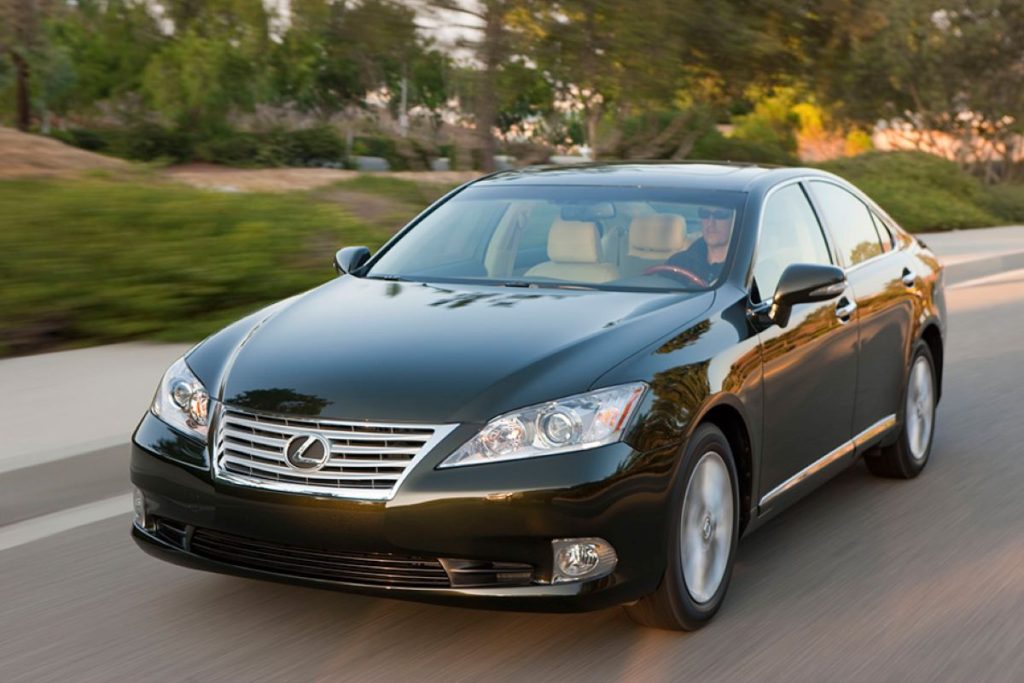
8. Lexus ES 350 (2010–2015)
The Lexus ES 350 is a luxury sedan that continues to impress drivers even after high mileage. Many owners notice that the car feels more refined and dependable as components settle over time, making the driving experience increasingly smooth and predictable.
The 3.5-liter V6 engine is designed for longevity. Pistons, valves, and bearings wear in evenly, reducing vibrations and improving smoothness. Over time, the engine’s throttle response and quiet operation often feel more polished than when the car was new.
The automatic transmission benefits from initial break-in wear. Gear engagement becomes smoother, and shift timing feels more consistent. Regular transmission fluid changes extend the life of the system, allowing high-mileage ES 350s to maintain reliable performance.
Suspension and steering components are built with durability in mind. After tens of thousands of miles, shocks, struts, and bushings settle, resulting in a more comfortable and composed ride. Steering feedback becomes consistent, which enhances both highway and city driving experiences.
Electrical systems are also dependable. Infotainment, climate control, and lighting systems rarely fail even in high-mileage vehicles, reducing unexpected repair needs. This contributes to a feeling of reliability that strengthens with usage.
Interior materials, including leather and wood trims, age gracefully. Seats soften while retaining support, and cabin components maintain function. This creates a more comfortable and enjoyable driving environment over time.
Corrosion resistance and structural integrity are additional strengths. Minimal rust and well-protected undercarriage components help preserve the vehicle’s performance and appearance over many years.
The Lexus ES 350 shows that careful engineering, durable materials, and simple yet robust systems allow a car to improve with mileage.
Owners often find the ride smoother, the handling more stable, and the overall driving experience more satisfying as the miles increase.
9. Ford F-150 (2011–2016)
The Ford F-150 is a pickup truck known for durability, and many owners report that it becomes even more reliable with mileage.
Early in its life, some components may feel stiff or new, but as the truck accumulates miles, engine, suspension, and drivetrain components often settle for smoother operation.
The 3.5-liter EcoBoost V6 and 5.0-liter V8 engines are built for long-term performance. Pistons, valves, and bearings gradually wear in, reducing internal friction. Many owners notice improved engine smoothness and consistent power delivery after the first 50,000 miles.
The automatic transmission also benefits from break-in. Gear engagement becomes more predictable, and regular fluid maintenance ensures long-term reliability. Trucks with over 200,000 miles often continue shifting smoothly without requiring major repairs.
The suspension system is designed to handle heavy loads and rough roads. Springs, shocks, and bushings settle over time, creating a more controlled ride. Steering becomes more consistent as wear occurs evenly, enhancing handling and stability.

Electrical systems in the F-150 are relatively simple and reliable. Infotainment, lighting, and sensors maintain performance even at high mileage, reducing the chance of unexpected failures. This straightforward design contributes to the truck’s growing reliability.
Exterior durability is another highlight. High-strength steel and corrosion-resistant treatments prevent rust, especially on well-maintained vehicles. This ensures structural integrity over years of use.
Maintenance accessibility and the availability of parts make long-term care easier. Consistent maintenance enhances the truck’s durability and helps it continue performing well over hundreds of thousands of miles.
The F-150 demonstrates that a combination of rugged engineering, durable materials, and simple systems can create a vehicle that improves with use. Owners often report smoother engine operation, stable handling, and dependable performance as the truck ages, making it a solid long-term investment.
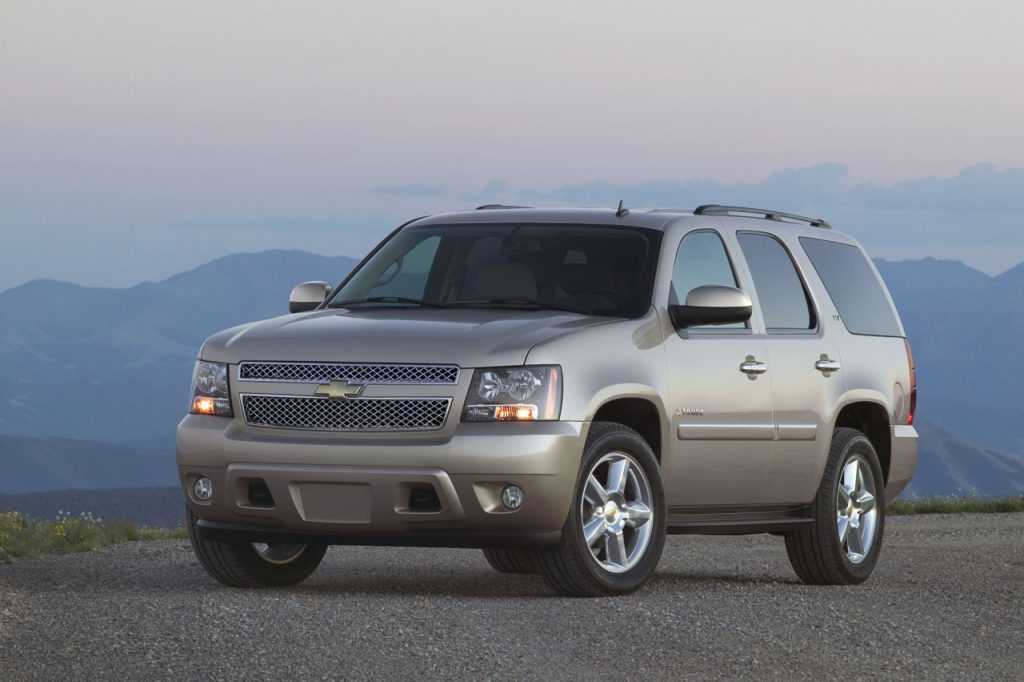
10. Chevrolet Tahoe (2010–2015)
The Chevrolet Tahoe is a full-size SUV designed for durability and heavy-duty use. Surprisingly, many drivers find that it becomes more reliable as it accumulates mileage, with smoother performance and more predictable handling over time.
The 5.3-liter V8 engine is engineered to endure high mileage. Pistons, valves, and bearings wear evenly, resulting in reduced engine vibration and smoother operation. After tens of thousands of miles, many owners notice improved throttle response and overall reliability.
The automatic transmission also improves with use. Gear shifts feel more consistent after break-in, and regular fluid changes ensure the system remains durable. High-mileage Tahoes often continue shifting smoothly without major repairs.
Suspension and steering components benefit from gradual settling. Shocks, springs, and bushings absorb road imperfections more efficiently over time, creating a more comfortable ride. Steering feedback becomes more predictable, improving driving confidence.
Electrical systems in the Tahoe are designed to last. Infotainment, lighting, and safety sensors rarely fail, even after years of use, which adds to the vehicle’s overall dependability.
The SUV’s body and chassis are corrosion-resistant. Regular maintenance and cleaning reduce the risk of rust, helping the Tahoe maintain structural integrity over long periods.
Maintenance friendliness is another advantage. Replacement parts are widely available, and repairs are generally straightforward. Consistent care ensures the vehicle continues to perform reliably, even with high mileage.
The Chevrolet Tahoe demonstrates that strong engineering, robust materials, and straightforward systems can create a vehicle that improves with mileage.
Drivers often notice smoother operation, stable handling, and reliable performance as the miles add up, making it a trusted choice for families and heavy-duty use.
Not every car follows the usual pattern of declining reliability with age. The ten vehicles highlighted in this article prove that, with strong engineering and proper maintenance, some cars actually improve as mileage increases.
Drivers often notice smoother engines, more predictable handling, and better suspension performance after the initial break-in period.
Engines are a central factor in this trend. Models like the Toyota Camry, Honda Accord, and Lexus ES 350 benefit from components that wear evenly over time.
Pistons, valves, and bearings settle into optimal alignment, reducing friction and vibration. The result is a quieter, smoother, and more efficient driving experience that owners appreciate after tens of thousands of miles.
Transmissions also show noticeable improvements in high-mileage examples. Automatic and CVT systems in cars like the Toyota Prius, Subaru Outback, and Mazda CX-5 become more predictable as fluids are changed and moving parts settle. This leads to smoother shifts and a more confident driving experience.
Suspension and steering systems in these vehicles further enhance long-term reliability. Components like shocks, struts, and bushings gradually settle, creating a more comfortable ride and consistent handling.
Drivers often find that highway driving feels easier and less stressful after the vehicle has accumulated substantial mileage.
Electrical systems and interior durability also play important roles. Vehicles with simpler, well-built electronics, such as the Honda CR-V and Lexus RX 350, maintain reliable performance, while high-quality interior materials age gracefully, contributing to a more refined experience.
Finally, corrosion resistance and ease of maintenance reinforce longevity. Rust-resistant body panels and widely available parts encourage consistent care, helping these cars continue performing reliably for hundreds of thousands of miles.
In short, the ten vehicles featured here demonstrate that long-term dependability is achievable.
With proper upkeep and solid engineering, many cars become smoother, more predictable, and increasingly enjoyable as the miles accumulate, rewarding drivers who choose them as long-term companions.
