
Electric vehicles are often thought of as high-tech machines that require careful handling, yet some EVs defy expectations and become more reliable as they accumulate miles.
Owners frequently notice smoother operation, improved efficiency, and fewer quirks after the first tens of thousands of miles. This increase in dependability is largely due to engineering that allows components to settle over time.
Electric motors, battery systems, and regenerative braking units can work more harmoniously once initial wear-in occurs. Many drivers report that their vehicles feel more responsive and consistent after the early period of use.
Battery management plays a crucial role in long-term performance. Well-designed battery packs maintain capacity better with age, and control systems adapt to driving habits, resulting in more predictable energy use.
As components age together, overall efficiency and drivability improve, which gives drivers confidence on longer journeys. Suspension and steering systems in EVs also benefit from use. Initial stiffness often softens, creating a more comfortable ride.
Steering responsiveness becomes smoother, and road feedback tends to feel more balanced. These subtle changes contribute to the overall sense of a vehicle growing stronger with mileage.
Additionally, EVs with fewer complex electronics and robust software tend to age gracefully. Reliable infotainment, climate control, and sensor systems ensure consistent performance even after years of ownership.
This article highlights twelve EVs that have proven themselves to become more dependable over time. From compact hatchbacks to luxury SUVs, these vehicles demonstrate that electric cars can reward owners who maintain them properly.
Each model has been selected based on real-world reports and technical durability, showing that longevity is achievable in the EV market.
By examining each vehicle’s engineering, battery performance, and owner experiences, this guide provides insight into EVs that get better with age, giving drivers confidence in both performance and reliability over hundreds of thousands of miles.
Also Read: 12 Durable Pickup Trucks That Refuse to Die in Harsh Conditions
1. Tesla Model 3 (2017–Present)
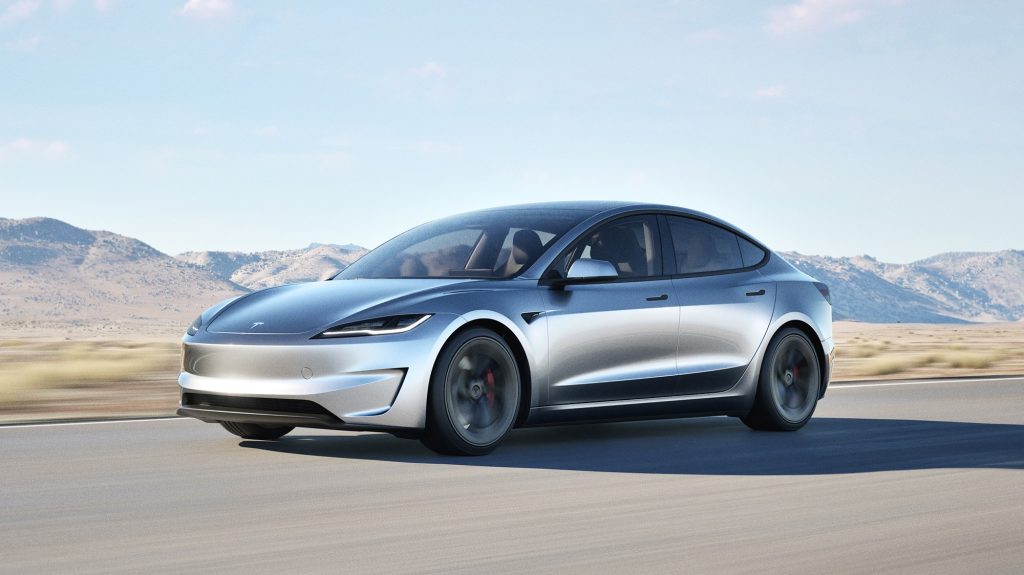
The Tesla Model 3 has become one of the most popular electric vehicles worldwide, and many owners are pleasantly surprised to find it grows more dependable with mileage. Once early software updates and hardware adjustments are completed, the car often feels smoother and more predictable over time.
Its electric motor and single-speed transmission require very little maintenance. As components wear in, the system’s efficiency stabilizes, and performance remains consistent even after high mileage. Many drivers report that acceleration and regenerative braking feel more refined after the first 30,000 miles.
The battery system is one of the most impressive aspects of the Model 3’s longevity. Tesla’s advanced thermal management maintains even temperatures across cells, preventing rapid degradation. With regular charging habits and software updates, the battery retains a high percentage of capacity, even past 150,000 miles.
Suspension and steering systems also benefit from use. Early on, the ride may feel slightly firm, but as components settle, the car handles more smoothly and absorbs road imperfections better. Steering feedback becomes more natural, giving the driver a strong sense of control.
Interior components in the Model 3 are built to last. Minimalist materials resist wear, and cabin electronics, including infotainment and sensors, remain reliable with age. Regular software updates often improve performance rather than diminish it, something few vehicles can claim.
Maintenance costs stay low since there are no oil changes or complex moving parts to worry about. Brake wear is minimal due to regenerative braking, which adds to long-term dependability.
Owners who consistently maintain tire pressure, alignments, and software updates find that their Model 3 runs just as well, if not better, after several years of ownership. It is a clear example of how thoughtful engineering and continuous software refinement allow an electric car to become more dependable with time and use.
2. Nissan Leaf (2013–2019)
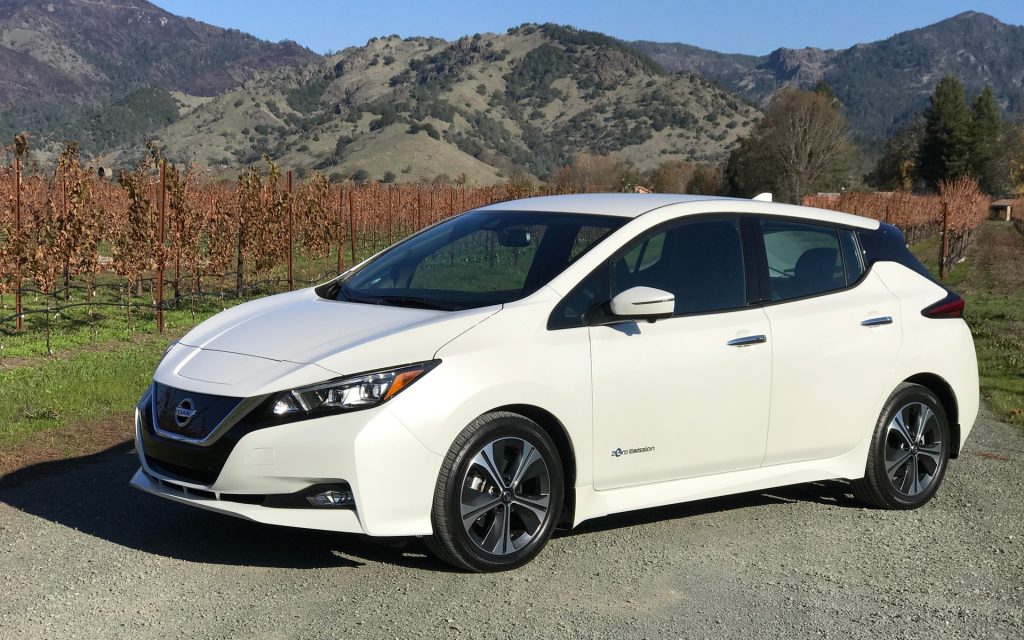
The Nissan Leaf was one of the first widely adopted electric vehicles, and it has proven to age gracefully. Many owners find that their Leafs feel more dependable after years of use, thanks to a simple design and durable drivetrain.
The electric motor is built with few moving parts, which minimizes wear. As the vehicle accumulates miles, components like bearings and rotors settle, leading to smoother power delivery. Drivers often mention that acceleration feels steadier and quieter after extended use.
The Leaf’s battery system benefits from gradual conditioning. Newer models with improved cooling and cell chemistry experience slower degradation over time. Many high-mileage Leafs maintain 80 to 90 percent of their original range after several years when charged correctly.
Regenerative braking also becomes more balanced as the car ages. The system learns the driver’s habits, improving energy recovery and braking consistency. This not only boosts efficiency but also reduces brake wear, which helps maintain reliability over the long term.
Suspension and steering components mature nicely with use. Once the initial stiffness fades, the Leaf handles more smoothly, and ride comfort improves. Steering input feels more natural, and road noise often decreases slightly as components settle.
Electrical and interior systems are simple yet durable. Infotainment and climate controls remain reliable, and the absence of complex electronics reduces the chance of failures. Owners appreciate the Leaf’s consistent dependability for daily commuting even after high mileage.
Maintenance needs are minimal, with most requirements focusing on brake checks, tire rotations, and software updates. Since there is no traditional engine, there are fewer components to service, which helps the car remain dependable for longer periods.
Overall, the Nissan Leaf demonstrates that electric simplicity and careful design can lead to long-term reliability. As it ages, it often feels smoother, quieter, and more stable, making it one of the most trusted early EVs on the road.
3. Chevrolet Bolt EV (2017–2023)
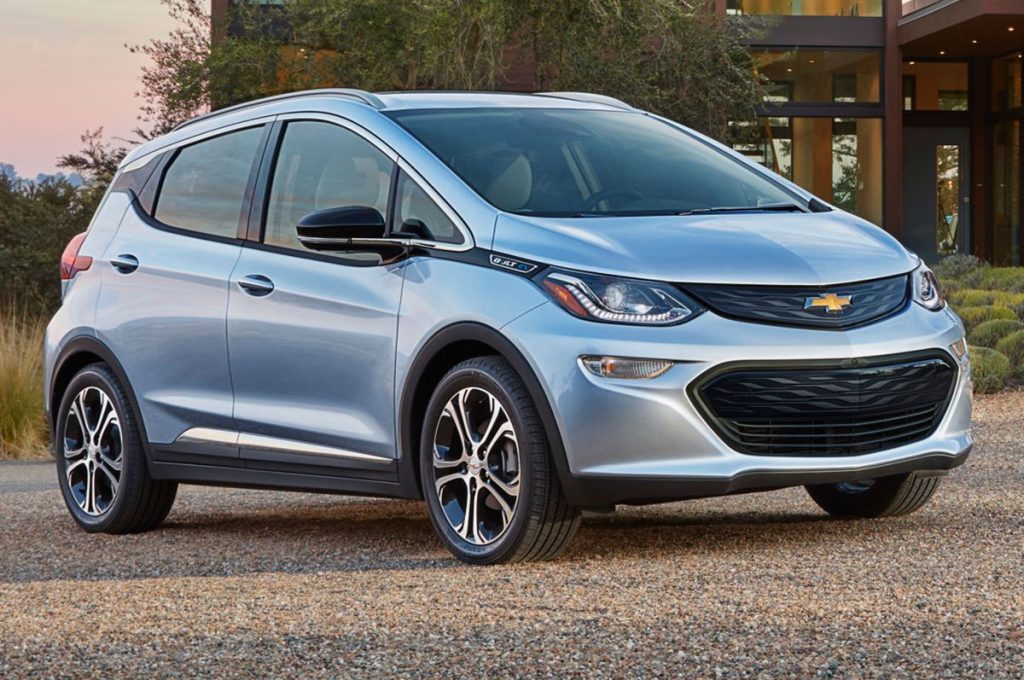
The Chevrolet Bolt EV has earned its reputation as one of the most dependable electric cars over time. Many owners report that the longer they drive it, the more refined and consistent it feels. This reliability comes from the Bolt’s solid engineering and efficient battery system.
The Bolt’s permanent magnet motor is known for smooth operation and strong power delivery. It requires very little maintenance and shows minimal wear over thousands of miles. As the drivetrain settles, the car’s performance often feels more balanced, especially in stop-and-go traffic.
One of the Bolt’s strongest features is its battery management system. Chevrolet designed it to carefully control charge levels and temperature, which helps preserve capacity. Even after years of daily driving, most owners retain more than 90 percent of the original battery range when charged properly.
Regenerative braking improves with familiarity. The system allows for one-pedal driving, and drivers often notice that it becomes smoother and more responsive over time. This reduces brake wear and helps maintain steady efficiency.
The cabin materials and structure hold up well under regular use. Seats maintain their support, and interior electronics, including the infotainment system and cameras, continue to function dependably. The simplicity of the control layout adds to long-term ease of use.
On the mechanical side, suspension components are designed for durability. The Bolt’s compact size and low center of gravity prevent excessive stress on joints and bushings. Owners commonly report quiet operation and consistent ride quality even after years of city or highway driving.
Regular tire maintenance and occasional fluid checks are usually all that is required to keep the Bolt performing like new. Without a traditional engine or transmission, fewer parts can fail, which adds to the overall sense of reliability.
The Bolt EV has proven that affordability and longevity can go hand in hand. Many examples with over 150,000 miles still run efficiently, making it a trusted electric option that grows more dependable with age.
4. Hyundai Kona Electric (2019–Present)
The Hyundai Kona Electric has impressed many owners with its dependable nature and strong performance over time. While some electric vehicles show small declines in battery or motor performance, the Kona Electric often feels better as it gains miles.
Hyundai built the Kona Electric with a focus on balance between range and durability. The 64 kWh battery pack is managed by a well-tuned thermal system that protects cells from heat stress. This system allows the battery to retain excellent health even after long-term daily use.
The electric motor provides consistent power and quiet operation. As the drivetrain components wear in, the Kona’s acceleration feels smoother, and vibrations are minimal. Drivers often note that the car becomes even quieter after the first few thousand miles.
Regenerative braking also plays a part in long-term reliability. The system adjusts based on driving patterns, learning how to best balance energy recovery and braking force. This not only extends brake life but also ensures stable performance over years of driving.
The suspension system is tuned for comfort and control. As parts settle, ride quality improves, and the vehicle feels more connected to the road. Steering feedback remains sharp, helping the driver maintain confidence on all surfaces.
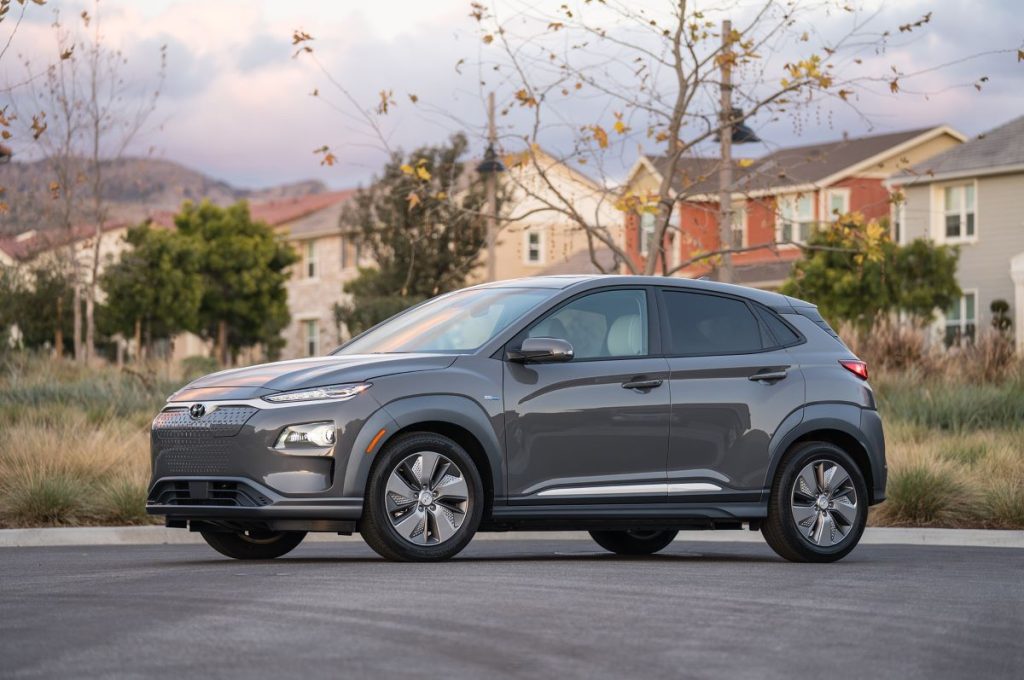
Interior build quality adds to the Kona’s dependable feel. Materials resist fading and wear, while electronics and sensors stay consistent in function. Infotainment software updates enhance performance rather than slow it down, a benefit of Hyundai’s ongoing support.
Maintenance remains simple. There are no fluids to replace apart from coolant checks, and brake wear is limited thanks to regeneration. Owners who keep tires properly inflated and rotate them regularly often experience excellent long-term performance.
The Kona Electric has proven to be more than just a compact crossover with great range. It’s an electric car that matures gracefully, delivering the same quiet strength and smooth handling after years of ownership as it did on the first day.
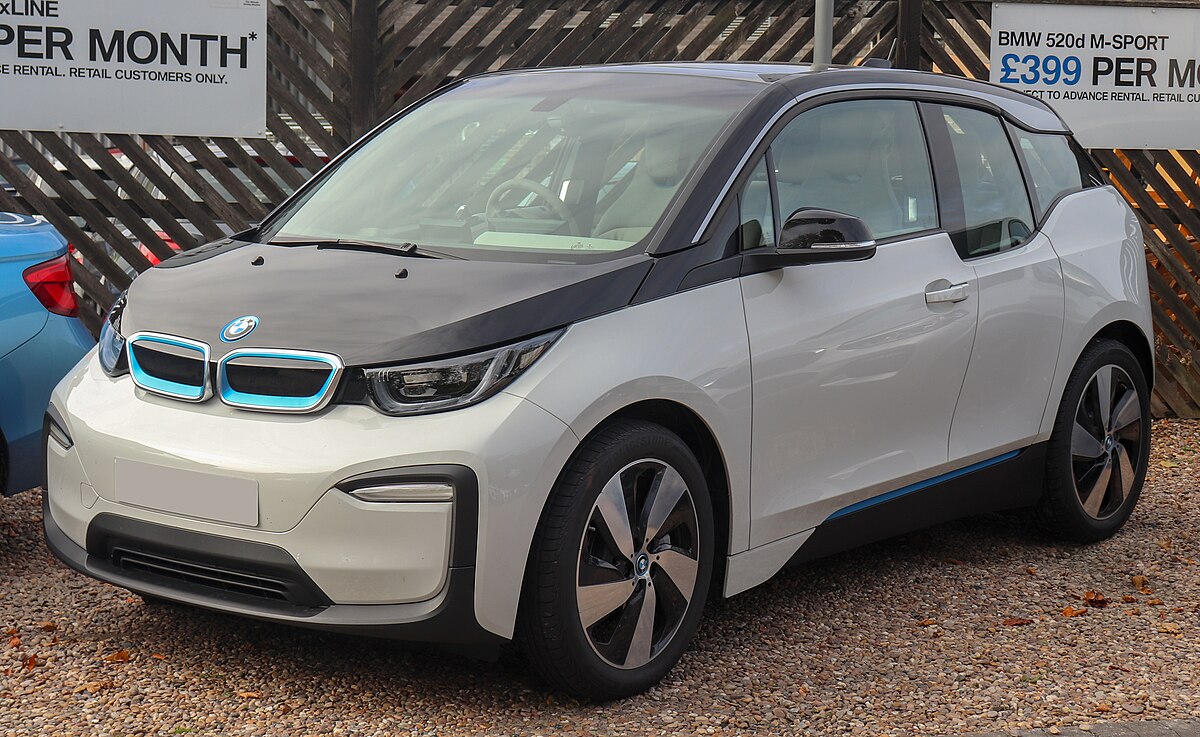
5. BMW i3 (2014–2021)
The BMW i3 remains one of the most distinctive and durable electric cars ever built. Despite its unconventional design and compact size, many owners have found that the i3 becomes more reliable the longer it’s driven. Its engineering focus on simplicity and balance has allowed it to age gracefully.
At the heart of the i3’s dependability is its electric motor. Built with BMW’s precision standards, it provides smooth, linear power delivery and shows almost no degradation even after years of heavy use. The single-speed transmission reduces mechanical stress, which keeps performance consistent over time.
The battery system is managed with exceptional care. BMW designed an advanced thermal management network that maintains ideal temperatures during both charging and driving.
This results in less wear on battery cells and helps preserve range. Many owners report minimal capacity loss, even after crossing 100,000 miles.
One overlooked factor behind the i3’s reliability is its carbon-fiber-reinforced body structure. The lightweight yet strong frame resists corrosion and reduces strain on suspension parts. The rigid chassis also prevents vibrations that often cause wear in other electric vehicles.
Ride quality tends to improve with use. The suspension settles slightly after the first few thousand miles, leading to smoother handling and better comfort. Steering becomes more balanced, giving drivers a confident and predictable feel on both city streets and highways.
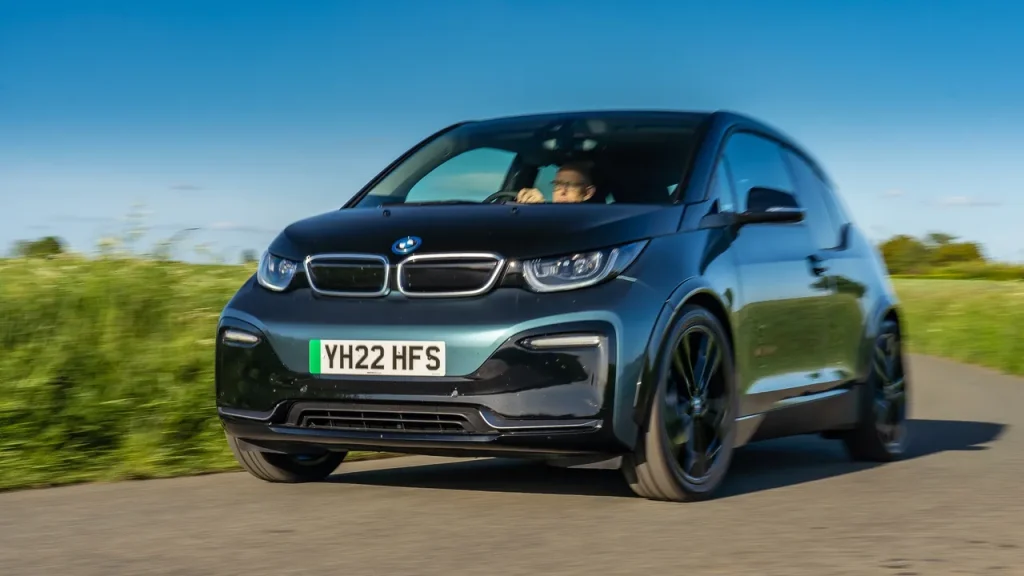
Inside, the i3’s cabin materials age well. Recycled and natural-fiber panels hold their shape, while seats maintain support. Electronic systems remain stable, and BMW’s software updates have kept the infotainment functions smooth and responsive through the years.
Maintenance is minimal. With no oil changes or timing belts to worry about, the main focus is tire rotation and brake inspection. Thanks to regenerative braking, the i3’s pads and rotors often last much longer than expected.
The BMW i3 demonstrates how strong design and careful engineering can lead to long-term dependability. Its efficient motor, robust structure, and intelligent battery care make it an EV that continues to perform reliably well past its early years.
6. Kia Soul EV (2015–Present)
The Kia Soul EV may look quirky, but its dependability has made it a favorite among drivers who want a long-lasting electric car. Over time, owners often discover that this compact crossover grows more consistent in performance and comfort.
Kia equipped the Soul EV with a reliable electric drivetrain that prioritizes smooth torque delivery and minimal mechanical wear. The motor setup is simple yet durable, allowing the vehicle to maintain quiet operation and responsive performance even after extensive use.
Its battery system, built with high-quality lithium-ion polymer cells, is managed by an effective cooling and monitoring network. The system protects the pack from excessive heat and overcharging, which helps preserve its original capacity. Many Soul EVs continue to deliver near-original range figures well past 100,000 miles.
The regenerative braking system becomes more refined as drivers adapt to it. It balances energy recovery and brake feel, making the car efficient without jerky transitions. The process results in longer brake life and smoother daily operation.
Inside, the Soul EV impresses with materials that stand up to regular use. The seats remain supportive, and interior trim holds up well against fading or wear. Kia’s infotainment systems are also known for stability, with few issues over time.
Mechanically, the suspension setup remains sturdy. The Soul EV handles rough roads without significant deterioration, and its boxy structure provides consistent strength against vibrations. Owners often note that the car feels solid and dependable, even after years of city driving.
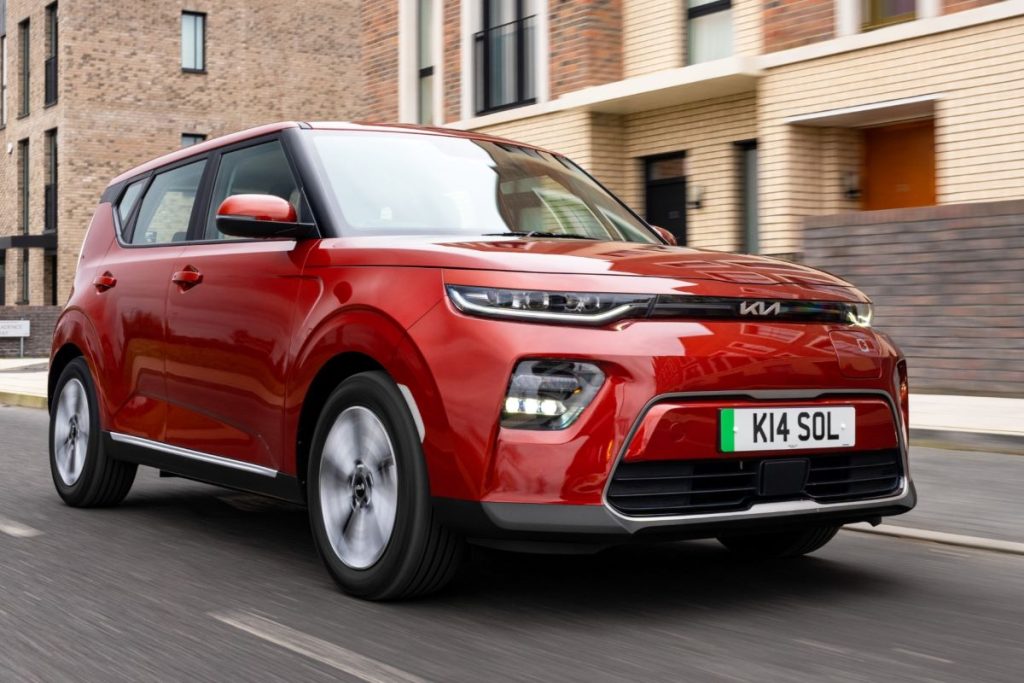
Maintenance costs remain low, limited mostly to tires and cabin filters. Since the Soul EV has fewer moving parts than traditional vehicles, wear-related issues are rare.
The Kia Soul EV’s longevity proves that dependable performance isn’t limited to expensive models. It’s a practical electric vehicle that continues to perform steadily with mileage, offering drivers confidence and comfort long after the initial miles are covered.
7. Audi e-tron (2019–Present)
The Audi e-tron was built with long-term reliability as one of its key strengths. Unlike some early luxury EVs that faced battery or software inconsistencies, the e-tron has proven to get smoother and more dependable as the miles add up.
Audi’s approach to engineering the e-tron focused on durability from the start. The dual-motor setup provides steady power distribution and is cooled efficiently to prevent thermal stress. Over time, this consistent thermal control helps preserve both the battery and motor performance.
The e-tron’s 95 kWh battery pack uses liquid cooling and precise management software to ensure even temperature distribution. This system protects against overheating during fast charging or long drives. Many owners have reported minimal range loss even after several years of regular use.
Ride comfort also improves with mileage. The adaptive air suspension becomes more balanced after its initial break-in period, creating a smoother and more composed driving experience. The suspension design, combined with Audi’s sturdy build quality, keeps vibrations and noise levels low over time.
The interior materials are designed to handle extensive daily driving. Leather, trims, and switchgear retain their premium feel, and software updates have helped keep infotainment functions consistent. Unlike some electric SUVs, the e-tron’s cabin doesn’t develop squeaks or rattles as it ages.
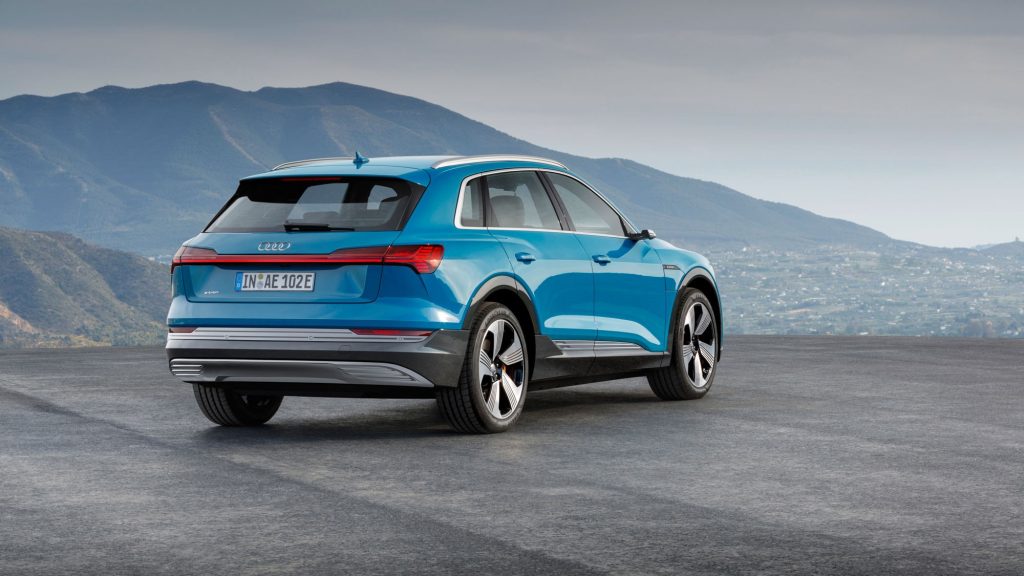
Maintenance needs are minimal. The regenerative braking system handles most of the stopping effort, reducing wear on brake components. Battery coolant and cabin filters require occasional checks, but mechanical issues are rare.
Audi’s attention to long-term dependability also extends to its charging hardware. The vehicle’s charging port and electronics are well sealed and remain reliable even in harsh weather conditions. Owners often find that the e-tron becomes more predictable and refined with continued use.
Overall, the Audi e-tron stands as a quiet example of luxury meeting endurance. Its strong components, careful software tuning, and robust design make it a dependable electric SUV that holds its quality far beyond its first few years on the road.
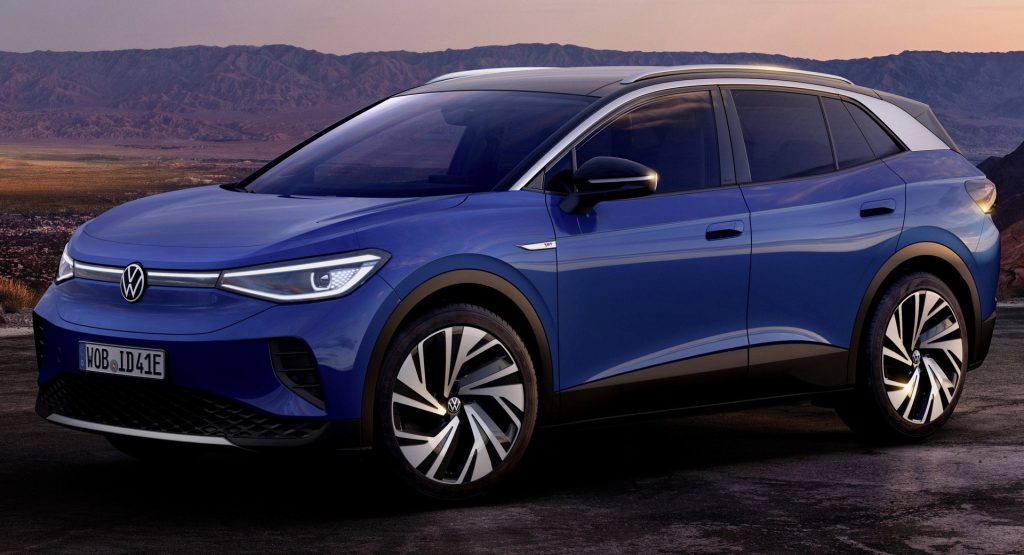
8. Volkswagen ID.4 (2021–Present)
The Volkswagen ID.4 has steadily built a reputation for dependability, surprising many who initially viewed it as an experimental step for VW. As owners have accumulated miles, the ID.4 has shown that it becomes more consistent and efficient over time.
The ID.4’s drivetrain is one of its major strengths. The rear-mounted electric motor provides smooth acceleration and excellent balance. As parts settle, the system feels more refined and delivers even power without hesitation. Drivers often report that the car feels more stable after the first 10,000 miles.
Volkswagen engineered the battery system to maintain durability. The liquid-cooled pack ensures even temperature control, which helps preserve energy capacity. The vehicle’s charging electronics are also known for reliability, handling frequent DC fast-charging sessions without noticeable degradation.
Suspension and steering components mature well with usage. The setup softens slightly with miles, improving comfort on rough surfaces. Steering feedback becomes smoother, and the vehicle gains a more natural feel during long-distance drives.
Inside the cabin, build quality has been a pleasant surprise for many owners. The seats hold up well, and trim pieces stay firmly in place. Infotainment performance improves after software updates, and Volkswagen continues to refine system stability through new firmware versions.
The ID.4’s regenerative braking system contributes to long-term dependability by reducing stress on physical brake components. Many owners report brake pads lasting significantly longer than expected. The motor and power electronics also show excellent endurance, maintaining strong performance after years of daily driving.
Maintenance is limited to regular tire care, coolant checks, and cabin filters. The ID.4’s design keeps mechanical complexity low, helping prevent costly repairs.
What makes the ID.4 stand out is its steady improvement over time. Early rough edges often smooth out, resulting in a reliable and confident driving experience. As mileage increases, it feels even more composed, making it a strong example of how Volkswagen’s engineering evolves through use.
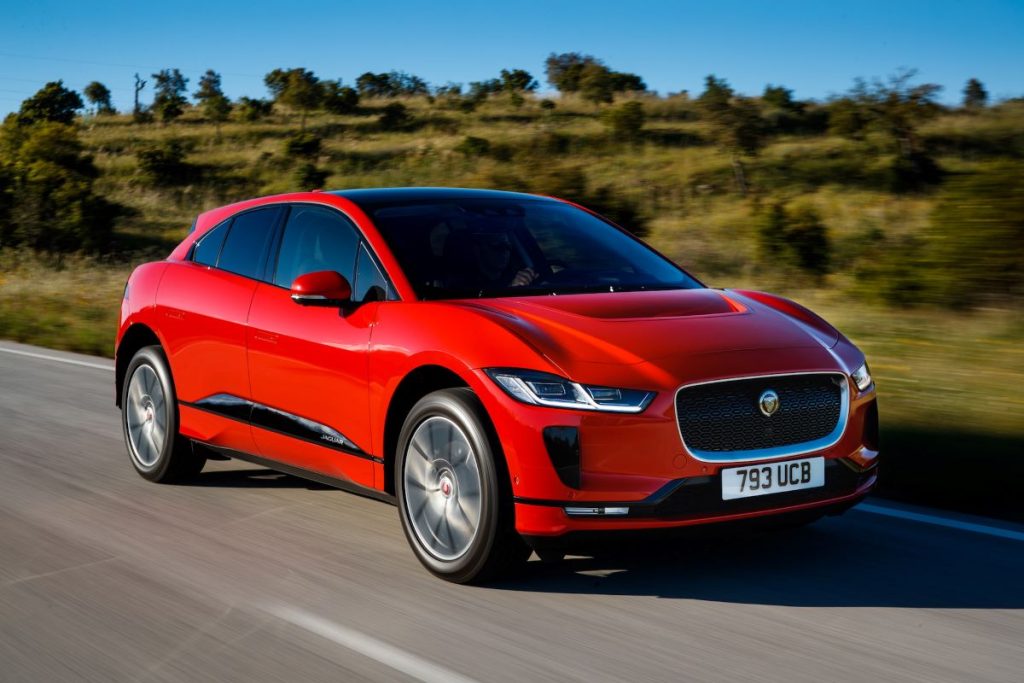
9. Jaguar I-Pace (2018–Present)
The Jaguar I-Pace has matured into one of the most dependable luxury EVs on the market. While its early production models had minor software issues, the vehicle has become noticeably smoother and more reliable as owners have accumulated more miles. Its robust design and solid engineering ensure that performance remains consistent over time.
The I-Pace utilises dual electric motors, providing all-wheel drive and balanced torque distribution. These motors are liquid-cooled, which helps maintain stable performance even in demanding conditions. As the system breaks in, power delivery becomes more refined, and energy efficiency improves slightly with age.
Battery performance is one of the I-Pace’s strengths. The 90 kWh pack features a well-calibrated thermal management system that prevents overheating during fast charging and long-distance travel. Owners who charge within moderate limits often retain excellent range, even after years of regular use.
Ride quality also improves as components settle. The air suspension becomes smoother and more predictable, particularly on uneven surfaces. Many drivers note that the I-Pace feels tighter and quieter after its first 10,000 miles, suggesting that the chassis and suspension mature well with time.
Interior quality is another highlight. Jaguar used premium materials designed to endure years of daily use.
Seats retain their shape, controls stay firm, and the infotainment system becomes more responsive with software updates. The quiet cabin, combined with a sturdy structure, contributes to a refined driving experience that doesn’t fade with mileage.
The regenerative braking system becomes more seamless as the system adapts to driving habits. It provides steady braking force while reducing wear on physical components, helping the vehicle maintain its composure during extended use.
Maintenance needs are modest for a performance-oriented luxury EV. Fluid checks, brake inspections, and tire rotations cover most service intervals. Owners often report minimal degradation and few mechanical issues, even after years of operation.
The Jaguar I-Pace proves that performance and long-term dependability can coexist. With its durable construction, intelligent battery system, and well-aged ride quality, it stands among the few premium EVs that truly grow more dependable with every mile.
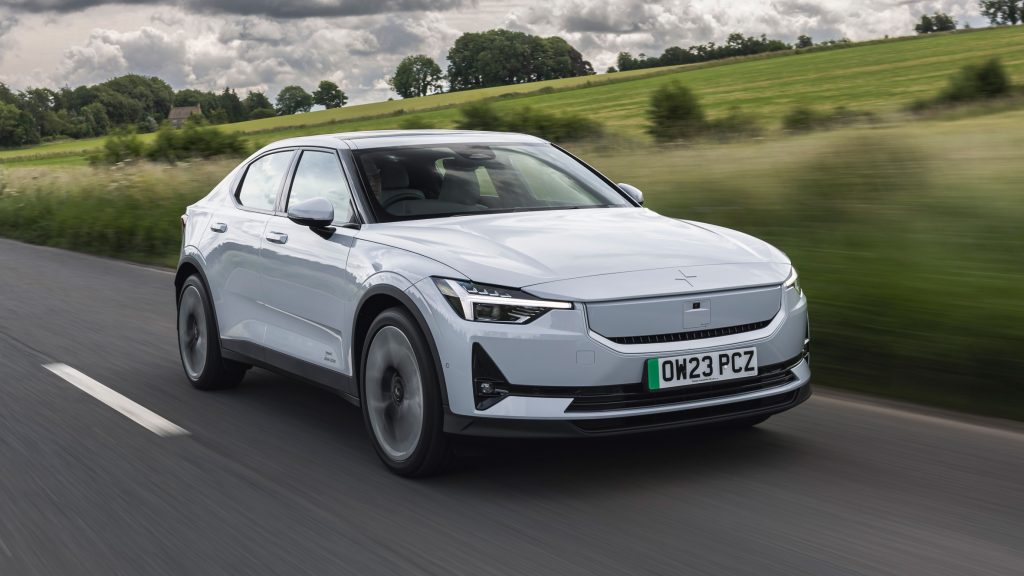
10. Polestar 2 (2020–Present)
The Polestar 2 has quickly established itself as a reliable and solidly built electric car that grows stronger with time. Backed by Volvo’s engineering expertise, it combines Scandinavian simplicity with long-term durability that becomes more noticeable as it gains mileage.
Its electric drivetrain is one of the most dependable among premium EVs. The dual-motor setup is liquid-cooled, allowing it to maintain stable performance even during demanding conditions. As components wear in, power delivery feels smoother and acceleration more consistent.
Battery care is a major factor in the Polestar 2’s long-term success. The advanced management system balances temperature and charge rates precisely, reducing cell stress.
This not only maintains capacity but also keeps charging times stable across years of use. Owners often report little to no range loss in their first 100,000 kilometers.
The regenerative braking system is finely tuned, allowing for seamless transitions between motor braking and mechanical brakes. Over time, it becomes even smoother as the system learns the driver’s habits. This adaptive feature reduces brake wear and improves overall efficiency.
The interior reflects long-term strength as well. Sustainable materials such as WeaveTech upholstery and aluminum trims hold up well against wear.
The minimalist cabin retains its original appearance, and software updates from Polestar continue to refine functionality without slowing the system down.
Structurally, the Polestar 2 is engineered for endurance. The body is stiff and corrosion-resistant, helping the car stay quiet and solid even after years of driving. The suspension components remain reliable, with only minimal changes in ride comfort as mileage builds.
Maintenance needs are low, limited mostly to fluid checks and tire rotation. Polestar’s service intervals are generous, reflecting confidence in the car’s durability.
As the Polestar 2 covers more miles, its performance consistency, quiet operation, and stable efficiency reveal the strength of its design. It shows that reliability can be part of modern EV innovation rather than a compromise.
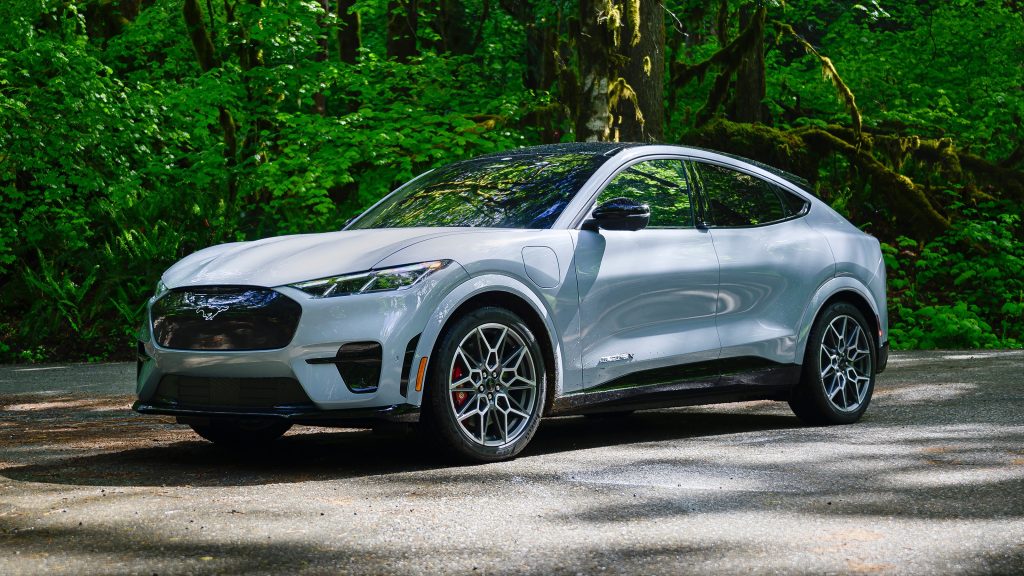
11. Ford Mustang Mach-E (2021–Present)
The Ford Mustang Mach-E has proven that a performance-oriented electric vehicle can also be remarkably dependable over time. Owners who initially bought it for style and acceleration often find that the car becomes even more composed and reliable as mileage increases.
Its electric drivetrain is robust and well-balanced. Ford engineered both the single- and dual-motor systems to deliver steady torque while keeping stress on components minimal.
After the first few thousand miles, many drivers notice smoother transitions between acceleration and regenerative braking, signaling that the system has settled in.
Battery performance is another strength. The Mach-E’s liquid-cooled battery pack keeps temperatures consistent during charging and long drives.
This thermal control allows the battery to retain capacity and prevents rapid degradation, even under demanding use. Owners have reported stable range numbers after several years of mixed driving.
Ride quality also improves over time. The suspension and chassis adapt to regular use, becoming more compliant on rough surfaces. Steering feedback feels more natural, and the body remains tight and free of vibrations. The solid construction helps the Mach-E maintain a quiet cabin environment as it ages.
Interior durability has been a pleasant surprise. Seat materials, panels, and controls hold up well under daily use. The infotainment system, powered by Ford’s SYNC software, continues to perform reliably with periodic updates.
Maintenance is simple. Brake pads last longer thanks to regenerative braking, and scheduled service mainly involves checks of coolant, tires, and software updates. Few owners report mechanical failures, reflecting Ford’s strong build quality in its new EV lineup.
Over the miles, the Mach-E feels more refined, efficient, and trustworthy. It combines the excitement of electric performance with the steady reliability of traditional engineering, making it one of the most balanced long-term choices among modern EVs.
12. Porsche Taycan (2020–Present)
The Porsche Taycan stands out not just for speed but also for its unexpected long-term reliability. While high-performance cars often face wear issues as they age, the Taycan’s engineering ensures that it stays strong and consistent as miles build up.
The dual-motor setup is designed for precision and endurance. Each motor operates independently, allowing balanced power delivery and reducing strain on the drivetrain. Over time, owners report that acceleration remains as sharp and stable as when the car was new.
The Taycan’s 800-volt battery architecture plays a key role in its lasting strength. The cooling system maintains even temperatures across all cells, helping preserve capacity and efficiency. Drivers who regularly fast-charge the Taycan still experience excellent range retention after many charging cycles.
Ride comfort and control improve slightly with use. The adaptive air suspension settles into a smoother rhythm, offering both comfort and stability. Steering response also becomes more fluid, giving the Taycan a planted yet natural feel during spirited or daily driving.
Interior craftsmanship supports the car’s long-term dependability. High-quality leather, aluminum trims, and soft-touch materials hold their form. The infotainment and electronic systems are updated regularly through Porsche’s service network, keeping performance steady and avoiding software slowdowns.
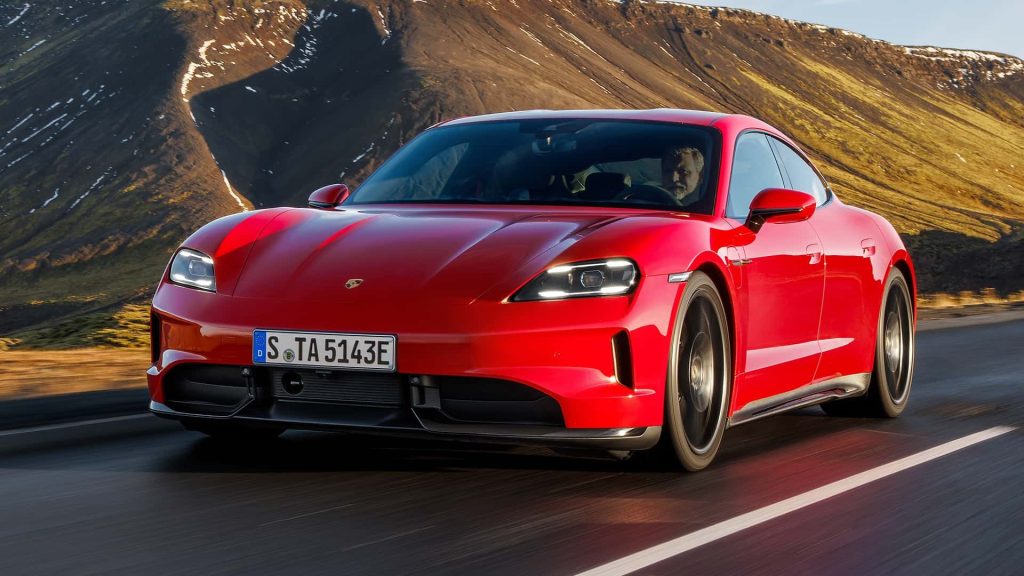
Maintenance needs are minimal compared to traditional performance cars. With no oil changes or exhaust components to service, ownership costs remain reasonable. Regenerative braking extends pad life, and the cooling system ensures consistent operation under heavy loads.
What surprises many owners is how little the Taycan changes with age. It feels as composed and responsive at 100,000 kilometers as it did during its first few months. The combination of careful engineering, high-grade materials, and strong electric architecture gives it endurance that matches its speed.
The Porsche Taycan proves that high performance and long-term reliability can coexist. It matures beautifully with mileage, rewarding owners with a car that feels just as precise, stable, and enjoyable after years of driving.
