
Resale value is one of the most overlooked aspects of car ownership, yet it has a major impact on long-term cost and satisfaction.
Some cars maintain their value well, offering owners confidence that a future sale won’t erase their investment. Others depreciate quickly, leaving buyers with vehicles worth far less than expected within just a few years.
Several factors influence resale performance. Reliability, brand reputation, demand in the used market, and ownership costs all play a role.
A car with a strong service record, low maintenance needs, and steady demand can retain value surprisingly well, even compared with newer models. Conversely, vehicles prone to mechanical issues or with low brand recognition often lose value rapidly.
This article examines both sides of the spectrum. The first section highlights five cars known for maintaining strong resale value, consistently retaining their value even after years of ownership.
The second section examines five cars that tend to struggle with depreciation, often losing a substantial portion of their value shortly after leaving the dealership.
Understanding these patterns helps buyers make smarter choices, ensuring their next car investment remains financially sound while avoiding models that become financial burdens.
Also Read: 10 Best Side-by-Sides To Buy For Off-Roading in 2025
5 Cars That Keep Resale Strong
Certain cars have earned reputations for retaining value through a combination of reliability, demand, and overall desirability. These are vehicles that buyers trust, either because of a proven track record or enduring popularity.
Cars with strong resale value often benefit from a blend of practicality, brand loyalty, and engineering quality.
They may have lower maintenance costs, good fuel economy, or a combination of performance and versatility that keeps them in demand. Even as new models are introduced, these vehicles maintain a market for used buyers, which strengthens their retained value.
In this section, we focus on five cars that consistently prove resilient in the resale market. Each has earned praise for longevity, affordability in ownership, or brand prestige that keeps prices high years after the initial purchase.
Highlighting these models shows how thoughtful engineering and market perception contribute to real-world financial outcomes.
The following entries examine why each car maintains strong resale, discussing both mechanical factors and market perception that reinforce their value over time.
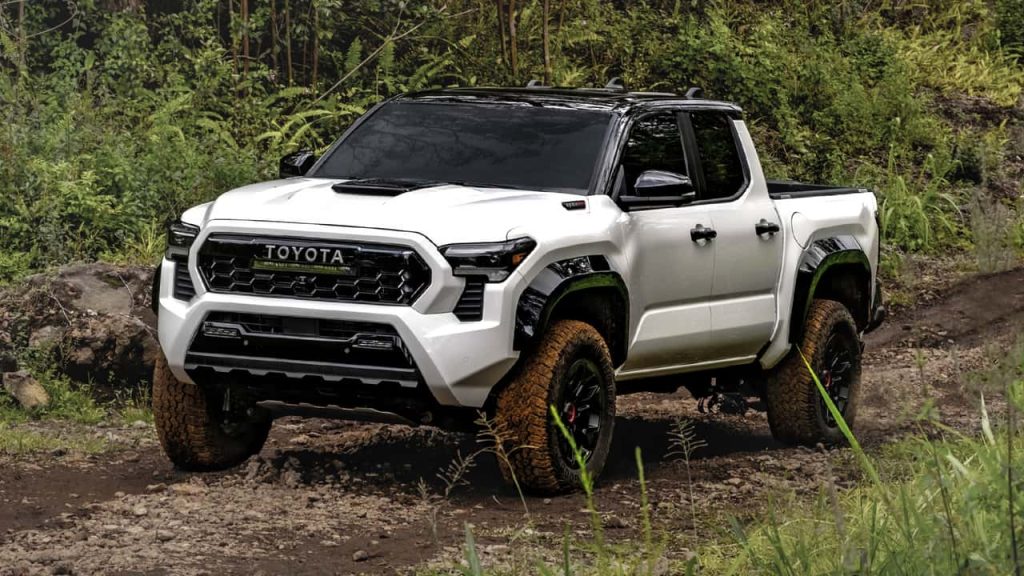
1. Toyota Tacoma
The Toyota Tacoma has become synonymous with reliability and durability in the midsize pickup segment. Its reputation for minimal mechanical issues keeps demand high in the used market, which directly supports strong resale values.
Many owners exceed 200,000 miles on the original engine and transmission without major repairs. This longevity appeals to buyers seeking a dependable vehicle, even at higher mileage. The Tacoma’s design focuses on practicality over luxury, but features like four-wheel drive, a robust suspension, and efficient engines make it highly versatile.
Limited trims, such as TRD Pro, are especially sought after, maintaining value significantly better than base models. Even older generations hold their worth well because replacement parts are widely available and maintenance is straightforward.
The truck’s consistent reliability also fuels a vibrant secondary market. Enthusiasts and first-time buyers alike trust the Tacoma to perform under diverse conditions, from off-road adventures to daily commuting. Its strong reputation reduces depreciation rates compared with competitors.
Overall, the Tacoma exemplifies how dependable engineering, practical features, and a loyal buyer base combine to create a vehicle that retains value exceptionally well over time.
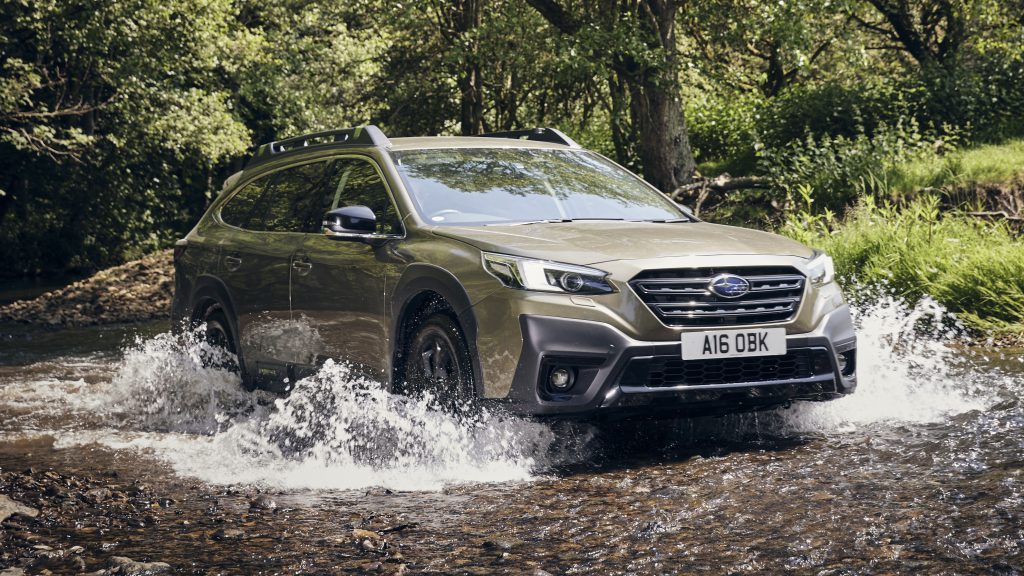
2. Subaru Outback
The Subaru Outback is a staple in the crossover segment, combining all-wheel drive, versatility, and fuel efficiency. Its resale strength stems from both brand reputation and practical design.
Outbacks are known for consistent mechanical reliability, especially the AWD system and engines that hold up well under proper maintenance. Buyers value the balance of rugged capability and daily drivability, which keeps older models in high demand.
Trim levels like the Limited and Touring maintain value slightly better due to additional comfort features, but even base models perform well in resale because of strong brand loyalty. Maintenance and repair costs remain reasonable, which further contributes to sustained demand.
The Outback also benefits from niche appeal: outdoor enthusiasts, families, and commuters all recognize its practicality. Its reputation for longevity, safety, and adaptability makes it a preferred choice in the used car market.
Ultimately, the Outback demonstrates that combining reliability, versatility, and broad appeal creates a vehicle that not only serves its owners well but also retains financial value long after the initial purchase.
3. Honda CR-V
The Honda CR-V has long been a benchmark for compact SUVs, praised for reliability, fuel efficiency, and versatility. These qualities make it a favorite in the used car market, ensuring strong resale performance.
Its engines and transmissions are known for long-term durability. Many CR-Vs exceed 200,000 miles with minimal repairs, which reassures buyers that older models remain dependable. Routine maintenance is straightforward and affordable, reducing the overall cost of ownership.
The CR-V’s consistent popularity keeps demand high. Its combination of interior space, comfort, and manageable size appeals to families, commuters, and first-time SUV buyers alike. Even older models maintain competitive prices because the CR-V brand is associated with low ownership risk.
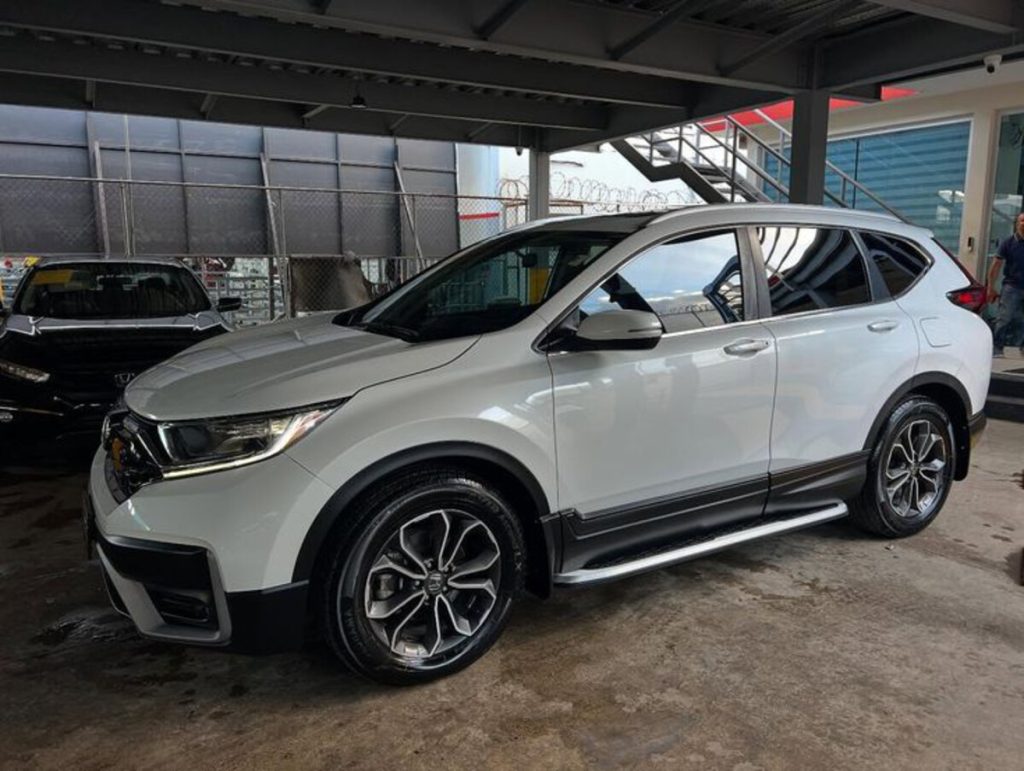
Certain trims, like EX and Touring, feature amenities that further enhance resale value. All-wheel-drive versions are particularly sought after in regions with seasonal weather changes, adding to sustained demand.
Honda’s reputation for engineering quality, combined with a strong network of service centers, ensures that parts and repairs are accessible. Buyers often favor CR-Vs over competitors with similar age or mileage, simply because of reliability and predictability.
Overall, the CR-V illustrates how long-term mechanical dependability, broad market appeal, and practical design contribute to a vehicle that keeps resale strong over many years.
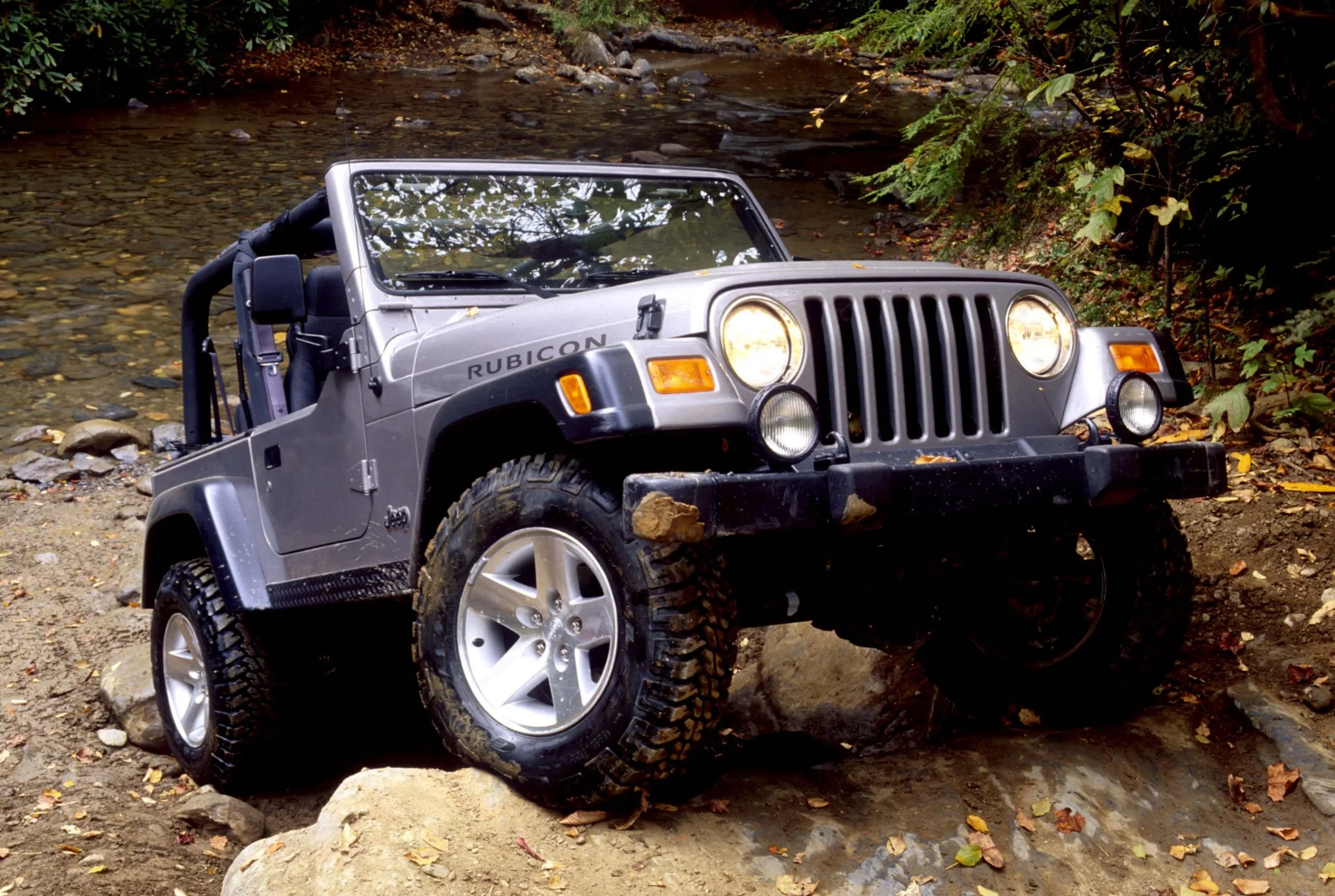
4. Jeep Wrangler
The Jeep Wrangler is an icon among off-road enthusiasts, but it also maintains impressive resale value across all trim levels. Its reputation for durability, customization, and adventure-ready design keeps buyers willing to pay a premium for older models.
Wranglers are engineered for rugged use, with robust axles, body-on-frame construction, and proven drivetrains. Even older models handle off-road conditions without significant mechanical failure, which attracts buyers seeking a reliable second-hand SUV.
Trim variants like Rubicon or Sahara add features and off-road capability, increasing their resale potential. The vehicle’s unique design and strong brand identity ensure that demand rarely dips, even for high-mileage examples.
Another factor is customization. Many owners invest in aftermarket parts, lift kits, and accessories, and the market values well-maintained, modified Wranglers highly. This community-driven enthusiasm supports a strong resale market.
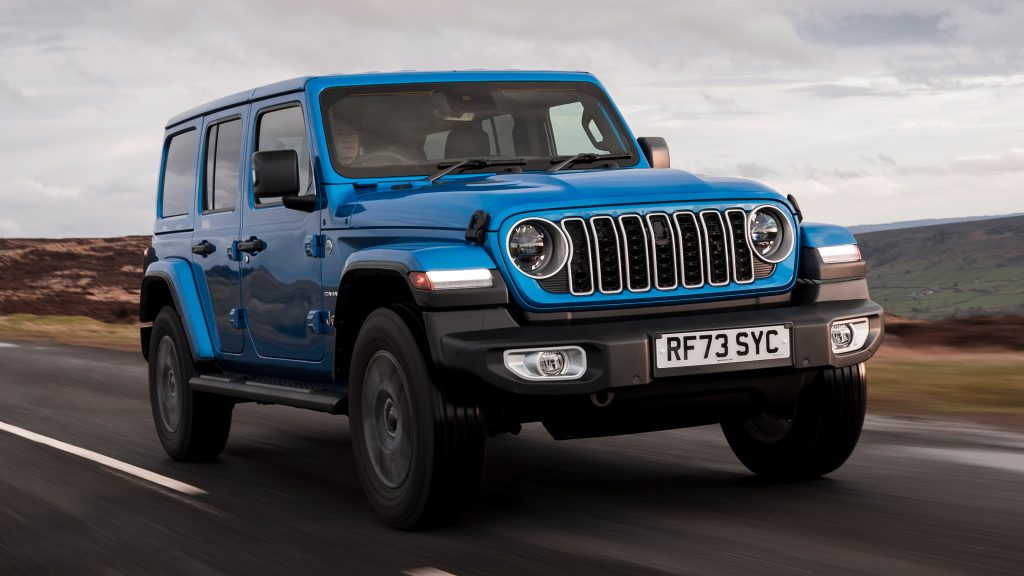
Additionally, Jeep’s reputation for a simple yet effective mechanical layout reduces the likelihood of expensive repairs, making ownership less stressful over the long term.
The Wrangler proves that a combination of durability, cultural desirability, and practical engineering keeps a vehicle sought after, helping it maintain value consistently across years and generations.
5. Toyota 4Runner
The Toyota 4Runner has earned a reputation as one of the most dependable mid-size SUVs on the market, which directly contributes to its strong resale value. Known for rugged construction and long-lasting components, it appeals to buyers who prioritize longevity.
Its body-on-frame design, reliable V6 and V8 engines, and robust suspension make it ideal for off-road conditions while maintaining on-road comfort. Many 4Runners surpass 250,000 miles with minimal mechanical issues, a key factor that keeps older models in high demand.
Trim levels such as TRD Pro and Limited enhance value further, offering desirable features like advanced suspension packages, upgraded interiors, and off-road capabilities. These trims often retain higher resale prices, even as the vehicles age.
The 4Runner also benefits from Toyota’s widespread service network and the availability of affordable replacement parts. Owners know that maintenance is straightforward, reducing long-term costs and making used 4Runners attractive to buyers.
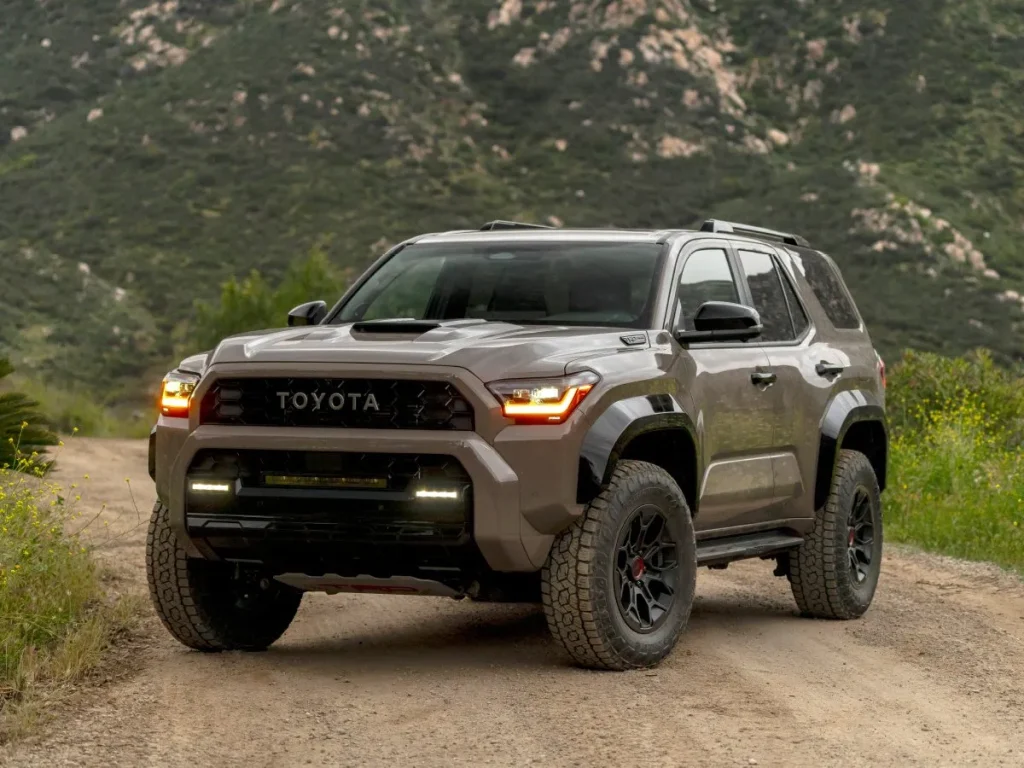
Its reputation extends beyond durability; the 4Runner is a trusted choice for families, outdoor enthusiasts, and commuters alike. This broad appeal ensures that demand remains steady, keeping depreciation lower than competitors.
In short, the Toyota 4Runner demonstrates how a combination of mechanical reliability, practical design, and strong brand reputation can preserve resale value. Its consistency in the used market proves that a vehicle engineered for longevity rewards owners with financial security and peace of mind over time.
5 Cars That Constantly Drop
While some vehicles hold value well, others lose it rapidly, leaving owners with significant depreciation within just a few years. Rapid value loss is often tied to a combination of brand perception, reliability issues, and low demand in the used market.
Cars that drop quickly may have high maintenance costs, limited appeal, or mechanical issues that discourage buyers from paying a premium. Even models that look good on paper can depreciate fast if they fail to meet expectations in real-world ownership.
Another factor influencing depreciation is market saturation. Vehicles produced in large quantities often flood the used market, driving prices down. Conversely, cars with niche appeal or strong brand loyalty are shielded from such declines.
In this section, we focus on five vehicles that consistently struggle with resale. These cars lose value quickly due to mechanical weaknesses, high maintenance requirements, or simply low desirability among second-hand buyers.
Understanding which models tend to depreciate fast helps buyers make informed choices, avoid unnecessary financial loss, and recognize how long-term ownership costs extend beyond the initial purchase price.
The following entries examine why each of these cars fails to maintain value, highlighting the factors that contribute to rapid depreciation.
1. Nissan Murano
The Nissan Murano has struggled with resale value despite its appealing design and technology features. While it offered a comfortable ride and stylish interior, reliability concerns and high maintenance costs have hurt its long-term desirability.
Owners frequently report transmission issues, particularly with early CVT models. These failures can be costly to repair, discouraging used buyers. Electrical problems, such as failing infotainment systems and sensor malfunctions, also add to ownership headaches.
Another factor affecting depreciation is market perception. While competitors like the Toyota RAV4 or Honda CR-V are known for longevity, the Murano lacks the same reputation, reducing buyer confidence.
High production numbers and widespread availability in the used market further depress resale value. Even well-maintained models often sell for significantly less than the original purchase price after just a few years.
Trim levels with more features, such as SL or Platinum, do not maintain value significantly better, as potential buyers weigh the cost of repairs and maintenance against comparable models.
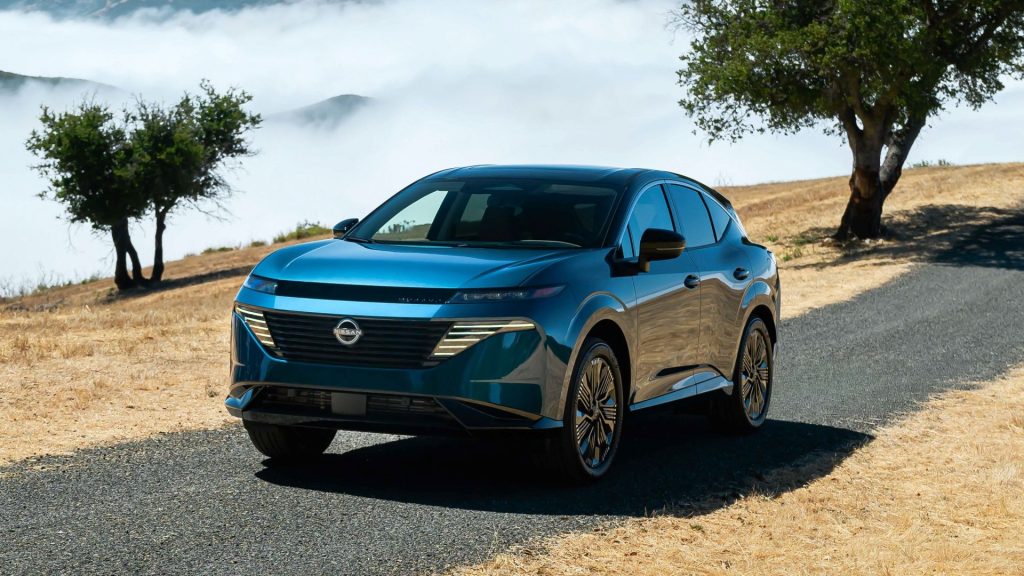
The Murano exemplifies how a combination of mechanical weaknesses, low brand confidence, and high supply leads to rapid depreciation. Even a stylish, comfortable crossover can fail to hold resale if real-world reliability does not match expectations.
2. Ford Fusion
The Ford Fusion, particularly models from the early 2010s, is known for steep depreciation despite offering competitive features in its segment. Its resale struggles stem from both reliability concerns and market competition.
Many owners report transmission issues, especially with the 6F35 automatic transmission, which can exhibit slipping, delayed shifts, or complete failure over time. Engine problems, including premature timing chain wear, have also contributed to high maintenance costs.
The midsize sedan segment is crowded, and competitors like the Honda Accord and Toyota Camry have stronger reputations for longevity, making the Fusion less desirable on the used market. This high supply and relatively low demand further accelerate depreciation.
While higher trims like Titanium offered advanced technology and comfort, these features do little to offset the costs of repairs and lower buyer confidence.
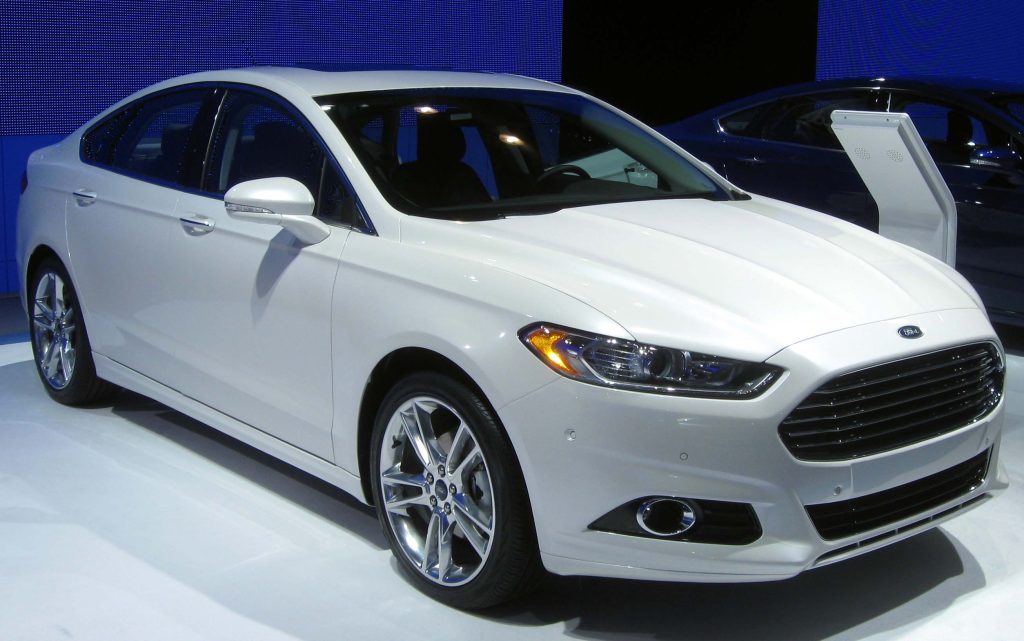
Insurance and maintenance costs also affect resale, as buyers factor these into purchase decisions. The Fusion’s combination of mechanical concerns and intense segment competition ensures it loses value faster than many peers.
In practice, the Fusion shows that even vehicles with attractive features and styling can fail to retain value if reliability and market perception do not align with consumer expectations.
3. Jeep Compass
The Jeep Compass has become notorious for rapid depreciation, despite carrying the Jeep badge. While it promises off-road capability and SUV styling, reliability issues and high maintenance costs make it less appealing in the used market.
Owners frequently experience electrical malfunctions, including problems with infotainment, sensors, and wiring harnesses. Some models also suffer from transmission hesitation or failure, especially in earlier generations, which can be expensive to repair.
Compared to more reliable compact SUVs like the Toyota RAV4 or Honda CR-V, the Compass lacks long-term trust among buyers. Limited brand confidence reduces resale value, even if the vehicle is in good condition.
High production numbers further saturate the used market. With so many units available, depreciation accelerates quickly, leaving owners with a steep drop in value after only a few years.
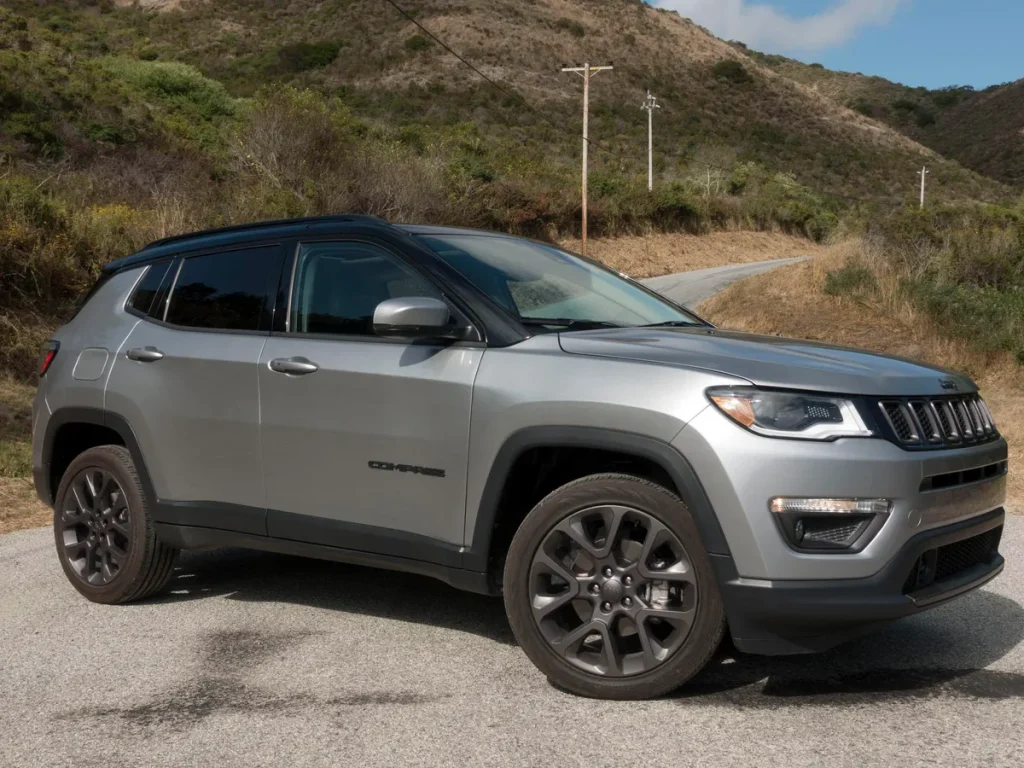
Trim packages such as Limited or High Altitude offer more features, but they do little to preserve resale, as buyers remain cautious about reliability concerns and maintenance costs.
Overall, the Jeep Compass demonstrates that brand recognition alone cannot prevent rapid depreciation. Mechanical weaknesses and market competition play a larger role in determining long-term value.
4. Chevrolet Spark
The Chevrolet Spark is an entry-level subcompact designed for affordability, but its low initial price comes with a cost: weak resale retention. While practical for city driving, it suffers from mechanical and market factors that accelerate depreciation.
Spark models are prone to transmission and engine issues in higher-mileage examples. Components such as the continuously variable transmission (CVT) may fail prematurely, requiring costly repairs that discourage used buyers.
Low demand in the used market further reduces resale value. Buyers tend to favor subcompact alternatives with stronger reliability records, such as the Honda Fit or Toyota Yaris.
Safety ratings and interior quality also impact depreciation. The Spark lacks some of the refinement and features that competitors offer, making older models less attractive over time.
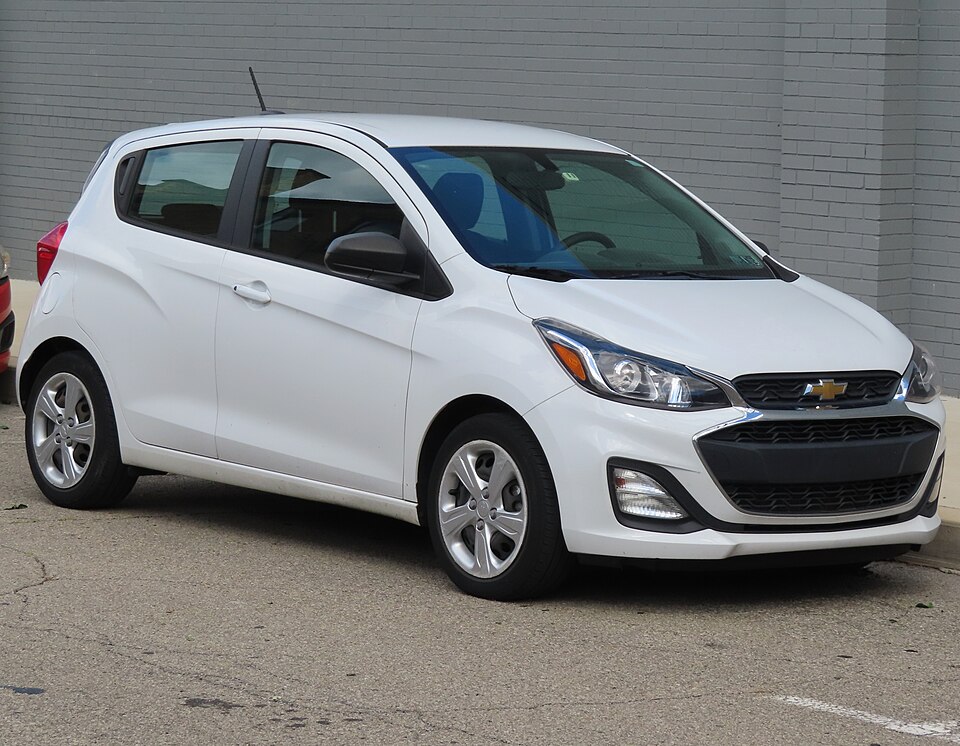
Even special trims with added technology or styling upgrades do little to mitigate the steep drop in value. Parts and repair costs are reasonable, but the vehicle’s overall desirability remains low.
The Chevrolet Spark exemplifies how low-cost entry models can struggle with resale. Without a reputation for reliability or strong buyer demand, even well-maintained units lose significant value quickly.
5. Dodge Journey
The Dodge Journey has long struggled with depreciation, despite being marketed as a practical family crossover. Its resale value suffers due to a combination of reliability concerns, high maintenance costs, and limited market appeal.
Owners often report transmission problems, particularly with the automatic gearbox, which can exhibit slipping or hesitation. Electrical issues, including malfunctioning infotainment systems and faulty sensors, are also common in higher-mileage models.
The interior and build quality contribute to rapid depreciation. Materials feel dated compared with competitors, and the lack of modern technology reduces desirability among buyers seeking used family vehicles.
Trim levels such as SXT or Crossroad provide more features, but these upgrades do little to preserve value. Buyers prioritize long-term reliability and market demand, areas where the Journey consistently underperforms.
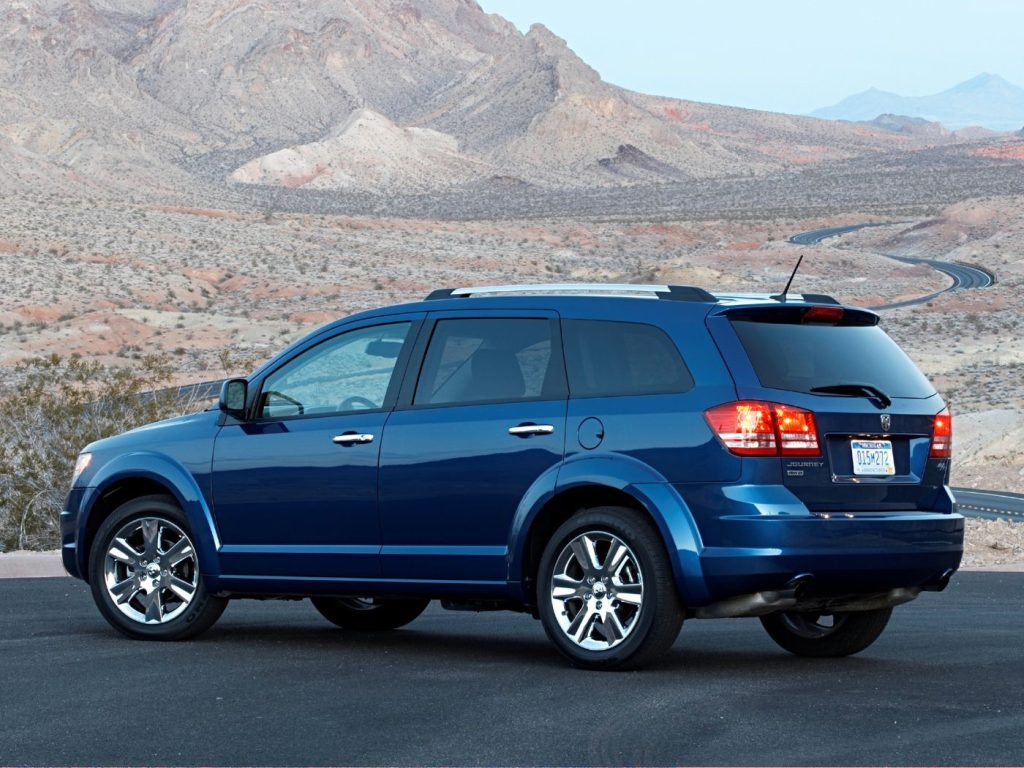
Market saturation further accelerates depreciation. Large numbers of Journeys were produced, leaving the used market crowded. Even well-maintained vehicles often sell for a fraction of their original cost within a few years.
The Dodge Journey demonstrates that practicality alone cannot guarantee strong resale. Mechanical issues, lackluster design, and low market demand combine to create one of the segment’s steepest depreciation curves.
Resale value is one of the most important yet often overlooked aspects of vehicle ownership. A car that maintains its value over time provides financial stability, reduces long-term costs, and reflects a reputation for reliability and quality.
Conversely, vehicles that depreciate quickly can turn even a seemingly good purchase into a costly investment. Examining both extremes cars that keep resale strong and those that drop rapidly reveals the key factors influencing long-term value.
Vehicles like the Toyota Tacoma, Subaru Outback, Honda CR-V, Jeep Wrangler, and Toyota 4Runner demonstrate how reliability, brand reputation, and practical engineering contribute to strong resale.
The Tacoma’s legendary durability, for example, reassures buyers that even high-mileage examples remain dependable. Its solid construction, simple yet robust drivetrain, and off-road capability make it highly sought after.
The Outback combines all-wheel drive, versatility, and low maintenance costs, creating a balance of practicality and reliability that keeps demand steady in the used market.
Similarly, the Honda CR-V offers consistent reliability and broad market appeal. Its durable engines and transmissions, manageable maintenance, and family-friendly design make it a safe choice for buyers seeking used vehicles.
The Jeep Wrangler retains value due to rugged construction, customization options, and strong enthusiast demand, while the Toyota 4Runner combines mechanical dependability with a reputation for long-lasting performance, particularly in off-road and adventure contexts.
These vehicles share a pattern: they are trusted, maintainable, and meet the real-world expectations of buyers, which reinforces demand and slows depreciation.
By contrast, cars like the Nissan Murano, Ford Fusion, Jeep Compass, Chevrolet Spark, and Dodge Journey demonstrate the consequences of rapid depreciation. The Murano suffers from transmission and electrical issues, reducing buyer confidence.
The Ford Fusion faces mechanical reliability concerns and stiff competition from more dependable midsize sedans.
The Jeep Compass and Dodge Journey combine frequent maintenance issues with high production numbers, leaving the used market flooded and values depressed. Even the Chevrolet Spark, while affordable and practical, lacks reliability reputation and market desirability, resulting in steep depreciation.
Across both groups, reliability and market perception are decisive. Buyers are willing to pay a premium for vehicles known to last and maintain performance, while they discount those with histories of repairs or poor quality.
Production numbers, brand loyalty, and practical features also influence resale, with limited-supply or highly desired models retaining value better than mass-produced, low-demand alternatives.
Ultimately, resale performance is the product of mechanical integrity, perceived reliability, and consistent demand. Vehicles that keep resale strong reward owners financially and provide confidence in long-term ownership.
Those that drop rapidly highlight the risks of poor reliability, saturated markets, or unappealing design. Understanding these patterns allows buyers to make informed decisions, aligning their purchase choices with both practical needs and long-term financial outcomes.
In essence, resale value reflects a combination of engineering quality, market dynamics, and buyer trust. Choosing vehicles wisely ensures that ownership remains rewarding beyond the initial purchase, saving money, reducing stress, and preserving value over time.
Also Read: 10 Cars That Stay Reliable for Multiple Generations
