
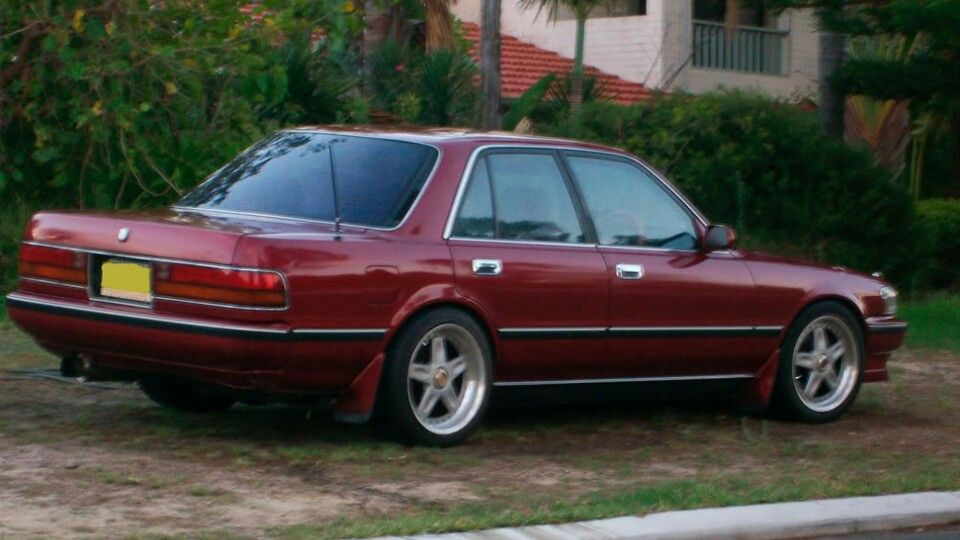
The 1980s produced some of the most distinctive sedans ever built. It was an era of boxy styling, durable engineering, and mechanical honesty that many modern cars have lost.
These sedans carried a balance of comfort and dependability, built to last when craftsmanship still mattered more than cutting costs. While technology was simpler, that simplicity became the reason many of these cars still run strong today.
Drivers who own these 80s sedans often say the cars “just keep going.” Their engines might not have massive power, but they were built for endurance.
Parts were accessible, repairs were straightforward, and the designs resisted corrosion better than expected. For many enthusiasts, owning one today feels like a return to an age when reliability came standard, not as a selling point.
Another reason these models have survived is their loyal following. Forums, clubs, and independent garages still support them, keeping parts in circulation. Some are daily drivers, while others are weekend treasures, polished and preserved by those who appreciate old-school quality.
These sedans were never meant to be collector’s items, yet their staying power has made them rare sights on modern roads.
Whether it’s a Toyota Camry that refuses to quit, a Mercedes-Benz that outlasts decades, or a Volvo that shrugs off rust, each model on this list has earned its reputation through miles, not marketing.
Here are 12 sedans from the 1980s that defy aging, proving that good engineering and thoughtful design never go out of style.
Also Read: 12 EVs That Are Still Running Strong at 200k Miles
1. 1985 Toyota Camry
The 1985 Toyota Camry stands as one of the most enduring sedans from the decade. It didn’t gain fame through flashy design or performance, but through sheer dependability.
This second-generation Camry arrived when Toyota was building a reputation for engineering cars that lasted far beyond expectations. The clean, angular styling and simple interior perfectly fit the practical spirit of the 1980s.
Under the hood, the 2.0-liter four-cylinder engine was modest in power but famous for longevity. It ran smoothly with minimal maintenance and could easily surpass 250,000 miles with regular care.
Toyota focused on precision assembly, rust protection, and smooth drivetrain operation, giving the Camry a reputation as a car you could buy once and drive for decades.
Owners often recall how comfortable the suspension felt for long drives, paired with responsive steering that made city driving easy.
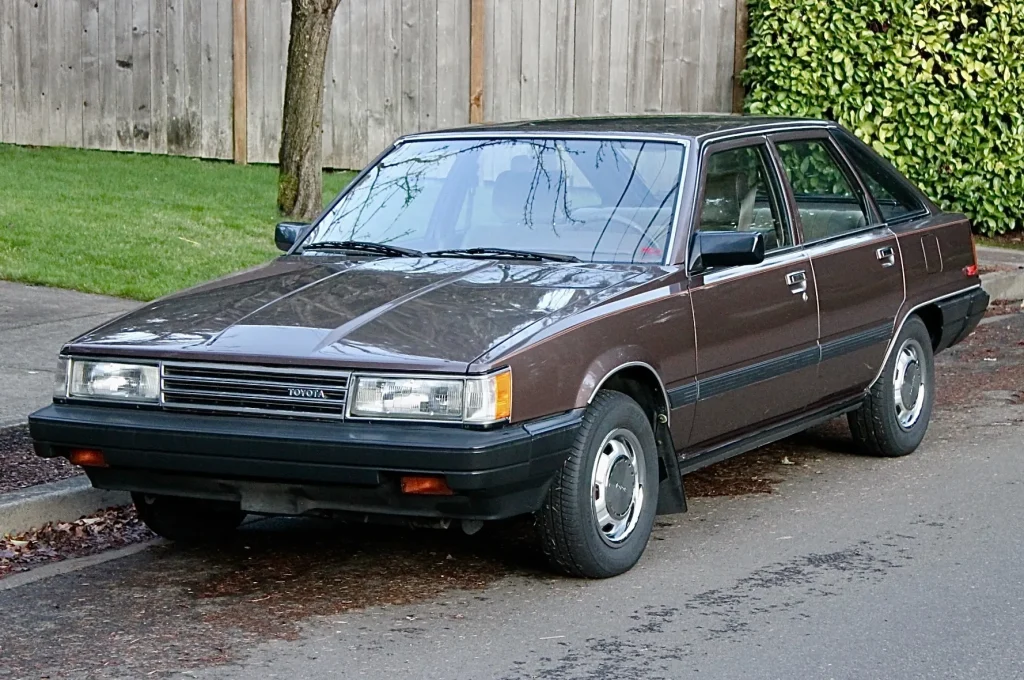
The cabin, though basic, featured high-quality materials that resisted wear surprisingly well. Even the cloth seats and simple dashboard layout held up to years of use.
Today, enthusiasts appreciate the 1985 Camry as a reminder of when Toyota’s goal was lasting quality rather than modern gadgetry.
Many examples remain on the road, their owners proud to maintain a sedan that still starts reliably every morning. It is not just a car but a piece of 1980s resilience, quietly outliving trendier machines.
2. 1987 Mercedes-Benz 300E
The 1987 Mercedes-Benz 300E is widely regarded as one of the finest sedans ever engineered. Part of the W124 series, it represented Mercedes at its peak, before electronics and cost-cutting changed automotive design.
Built with an obsession for precision, the 300E offered a perfect blend of comfort, performance, and build integrity that few cars have matched since.
Its inline-six engine was a masterpiece of smoothness and strength. Known for running well past 300,000 miles, it delivered refined power and effortless cruising. The 300E also used advanced suspension technology for its time, offering stability at highway speeds without sacrificing ride quality.
Every detail inside the car reflected craftsmanship. Doors closed with a satisfying solidity, controls felt substantial, and materials were chosen for durability rather than looks alone. The thick leather seats, robust switchgear, and real wood trim have aged gracefully in surviving examples.
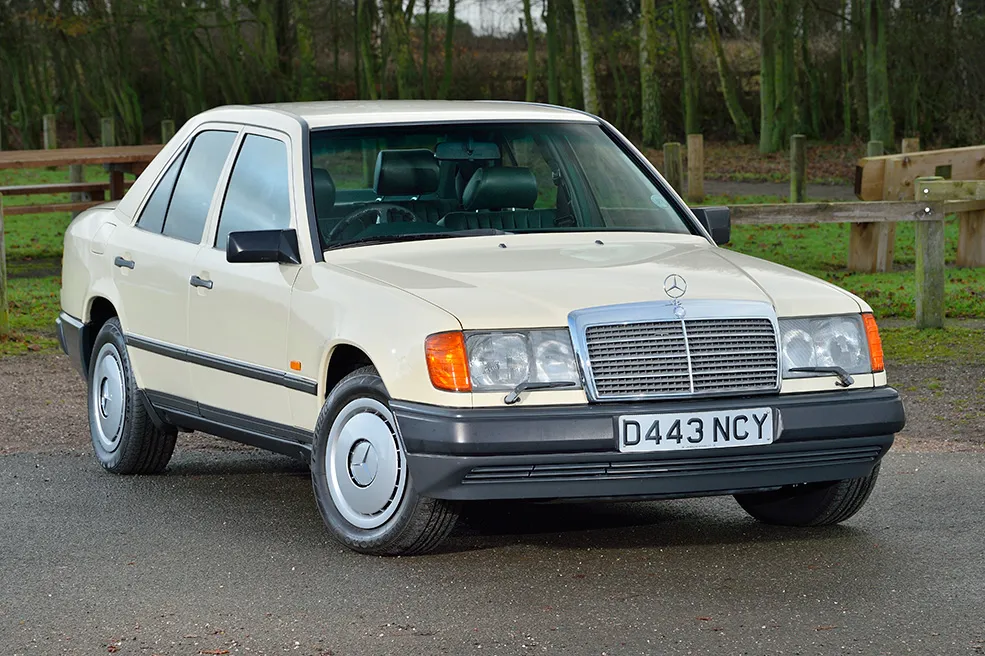
Mechanics still admire the W124 for its serviceable layout and high mechanical quality. With routine maintenance, it keeps performing like a well-built machine rather than a relic. Unlike many luxury cars of its era, the 300E wasn’t overcomplicated. It was simply engineered to last.
Decades later, this sedan continues to attract collectors and long-time owners who know it represents a golden standard for Mercedes. It remains proof that true engineering excellence never fades with time.
3. 1986 Honda Accord
The 1986 Honda Accord marked a turning point for Honda’s reputation in America. It wasn’t just an economical choice; it was a symbol of reliability and thoughtful design.
Honda’s third-generation Accord introduced sleeker lines, refined handling, and engineering precision that made it a long-term favorite for families and commuters alike.
At the core was Honda’s 2.0-liter engine, renowned for its bulletproof reliability. It could run for hundreds of thousands of miles with little more than regular oil changes and timing belt replacements.
The engine’s smoothness, paired with either a five-speed manual or a well-tuned automatic, made it both enjoyable and easy to live with.
The 1986 Accord also stood out for its comfortable and durable interior. The seats held their shape, the dash resisted fading, and the controls had a satisfying mechanical feel.
Owners praised its build quality, saying the car felt “tight” even after years of use. Honda also gave it independent rear suspension, a feature that improved both handling and comfort, helping it feel more modern than many rivals.
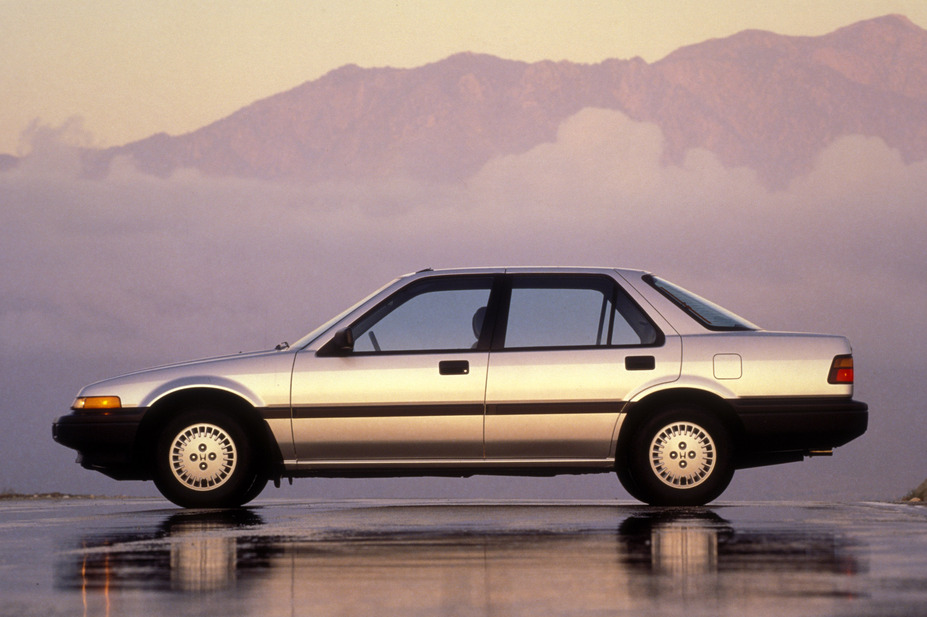
Rust protection was solid, especially on cars maintained in mild climates, and the simple electronics have aged far better than those in newer vehicles. Even decades later, the Accord continues to be spotted in daily use, often still driven by original owners.
The 1986 Accord represents the moment Honda perfected its formula: efficient, long-lasting, and surprisingly enjoyable. It remains a trusted companion for anyone who values a car that asks for little but delivers endlessly.
4. 1988 Volvo 240
Few cars embody longevity as completely as the 1988 Volvo 240. This Swedish sedan became a global icon for safety, durability, and simplicity.
Its boxy styling, once considered plain, is now appreciated for its honesty and practicality. The 240 wasn’t built to impress at first glance; it was built to last a lifetime.
Power came from Volvo’s legendary “red block” four-cylinder engine, a cast-iron design capable of astonishing mileage.
With regular oil changes, many examples easily exceed 400,000 miles. The engine’s design favored reliability over performance, and that decision gave the 240 its near-mythic reputation for endurance.
Inside, the Volvo focused on function. Thick, supportive seats and simple controls made long drives comfortable. Every component was made to survive years of use in harsh Scandinavian conditions. Even the switches and knobs were built like industrial tools, refusing to wear out.
Safety was another defining feature. Volvo’s emphasis on crash protection made the 240 one of the safest sedans of its time, with strong crumple zones and reinforced passenger compartments. These design choices also contributed to the car’s long-term durability.
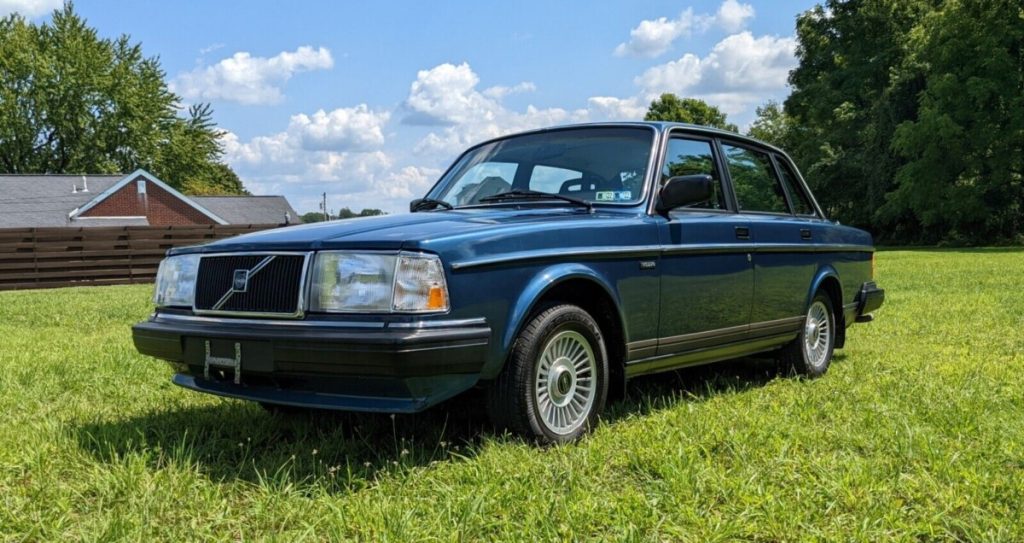
Today, the 1988 Volvo 240 has earned cult status. Many are still daily drivers, while others have become collector favorites for those who admire cars built on principle rather than profit. Its ability to remain dependable after decades is proof that good engineering outlives fashion.
5. 1989 BMW 325i (E30)
The 1989 BMW 325i from the E30 generation stands as one of the most beloved sedans of its era. It struck the perfect balance between driving pleasure and mechanical endurance, earning a reputation that still defines BMW’s legacy.
While it carried a premium price when new, the car’s lasting quality has made it one of the most reliable European classics still running today.
Under its hood lies the M20 inline-six engine, a masterpiece of German engineering. Known for its smoothness and resilience, it could easily reach 300,000 miles when properly maintained. The 325i also benefited from rear-wheel drive and a perfectly balanced chassis, giving it excellent road manners that felt natural and precise.
The build quality was equally impressive. Everything from the thick door panels to the sturdy switchgear felt engineered to last.
Even after decades, many E30s still feel solid, with tight body gaps and interiors that hold up far better than expected. The seats remain supportive, and the controls maintain that distinctive BMW precision.
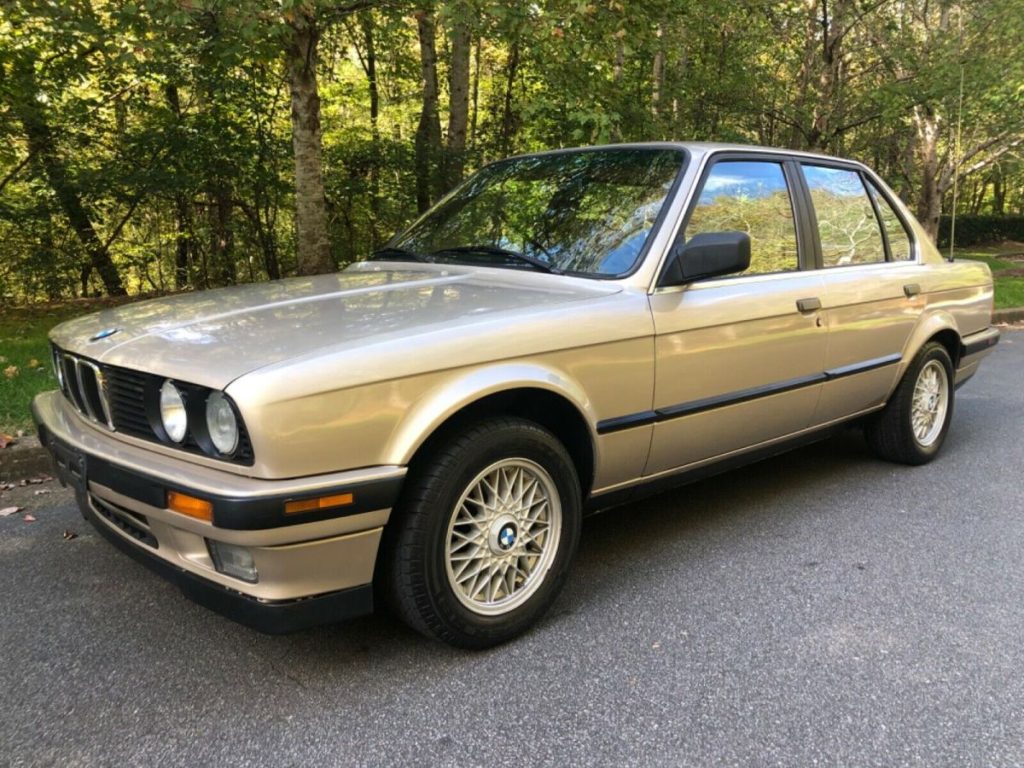
Enthusiasts continue to praise the 325i for being a car that rewards both drivers and owners. It’s easy to work on, parts are still available, and its mechanical design avoids unnecessary complexity. Modern cars may outperform it on paper, but few offer its blend of engagement and longevity.
The 1989 325i remains a benchmark for durable German sedans, proving that true quality is measured not just by luxury, but by how well a car endures decades of use.
6. 1984 Saab 900 Turbo
The 1984 Saab 900 Turbo combined innovative engineering with durability, creating a sedan that aged gracefully both mechanically and stylistically.
Saab’s unique approach to design made it stand apart from typical European cars of the time, and its reputation for toughness has helped many examples survive well into the modern era.
Power came from a 2.0-liter turbocharged engine that was both lively and reliable. Saab perfected turbocharging long before it became mainstream, ensuring the system could handle daily driving without strain. Owners often praised the car for its smooth acceleration and long-lasting engine components.
Built with aviation-inspired principles, the 900 Turbo emphasized safety and driver control. The wraparound windshield improved visibility, and the reinforced safety cage added strength to the body structure. These design choices made the car durable not only in performance but also in physical resilience.
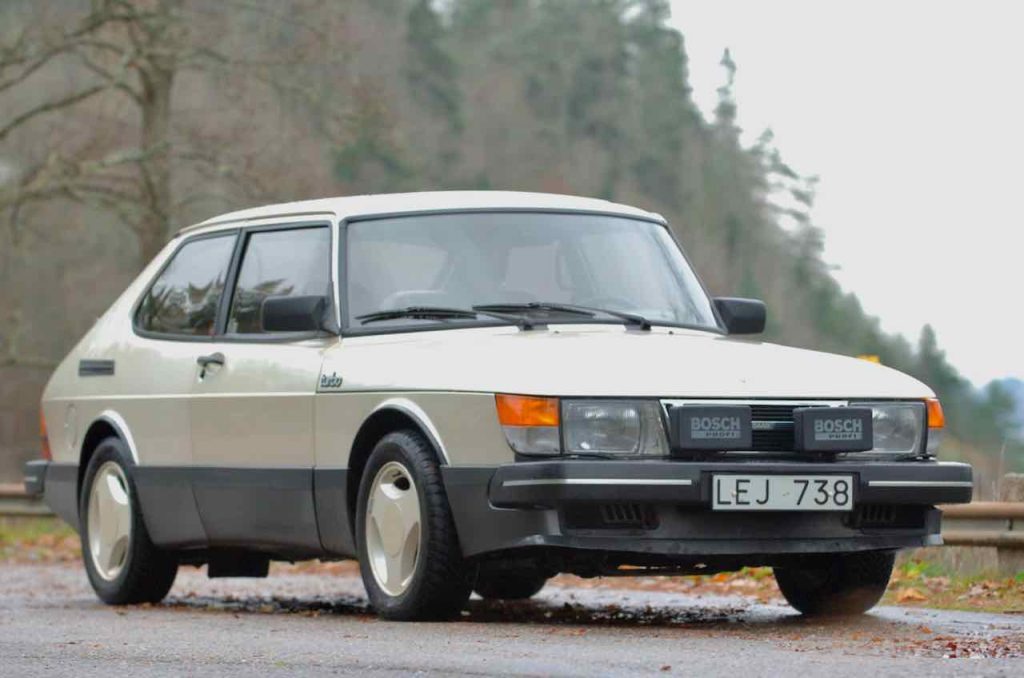
Inside, the ergonomics reflected thoughtful Swedish practicality. The controls were positioned for comfort and ease, and the materials aged better than those in many luxury rivals. Even the seats, with their unique contouring, remain comfortable decades later.
The Saab 900 Turbo continues to attract dedicated fans who value individuality and solid engineering.
Many examples have clocked high mileage without major repairs, proving that Saab’s engineering philosophy truly delivered long-term reliability. It stands today as one of the 1980s sedans most capable of defying time.
7. 1983 Nissan Maxima
The 1983 Nissan Maxima marked the start of Nissan’s reputation for building reliable, refined sedans that could withstand years of use.
It arrived with technology ahead of its time and mechanical durability that helped it remain relevant long after newer models replaced it. This first-generation Maxima was solid, practical, and thoughtfully engineered to go the distance.
The car’s 2.4-liter inline-six engine, shared with the legendary 280ZX sports car, was known for its smooth operation and surprising endurance.
When maintained correctly, it could easily reach 250,000 miles or more. Its rear-wheel-drive layout made it enjoyable to drive, giving the Maxima an edge over many competitors in handling and balance.
Inside, Nissan focused on quality materials and modern features. Digital dashboards, talking voice alerts, and comfortable seating gave the car a futuristic feel for its time. Despite these early electronic experiments, the Maxima’s essential systems were designed with simplicity and serviceability in mind.
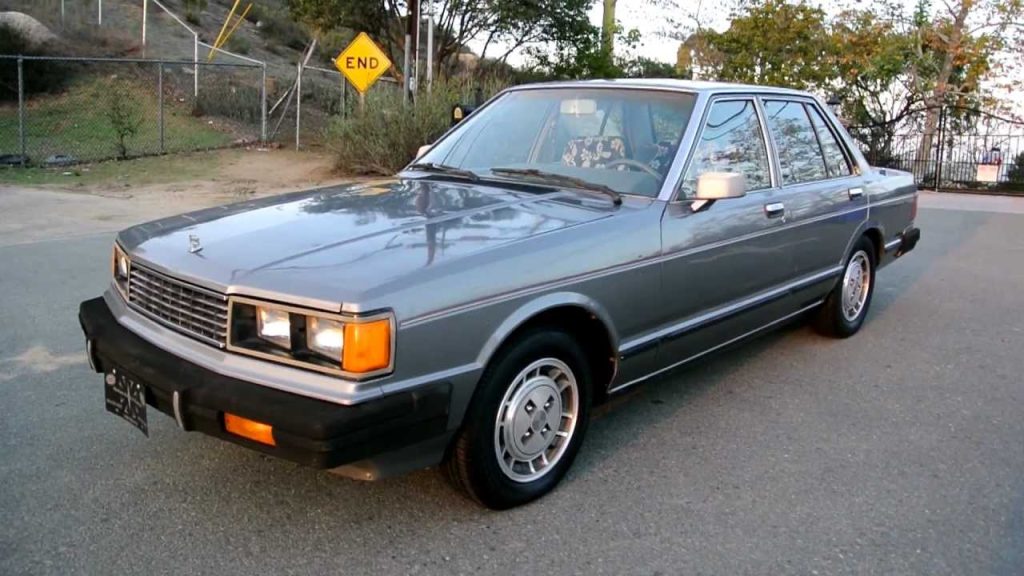
Owners admired its reliability and steady performance, often calling it a “luxury car without the price.” Rust resistance was strong, and the powertrain rarely caused issues. Even decades later, many examples still start reliably after long periods of rest, a testament to its robust engineering.
The 1983 Maxima helped set the foundation for Nissan’s later success in the sedan market. It may not have the glamour of European models, but its toughness, smoothness, and mechanical honesty allow it to defy age gracefully.
8. 1988 Audi 80
The 1988 Audi 80 is one of the quiet survivors of its decade, offering understated durability behind its elegant German styling.
It was smaller and less known than the flagship Audi 100, yet it carried the same engineering discipline that made the brand famous for precision. The 80’s clean lines and solid build reflected Audi’s focus on long-term quality over flashiness.
Power came from a range of robust inline-four engines, designed to run smoothly and efficiently. The 1.8-liter version, in particular, was celebrated for its fuel economy and long life. Audi’s use of galvanized steel helped prevent rust, giving the car an impressive ability to resist corrosion even in harsh climates.
Inside, the Audi 80 demonstrated German craftsmanship in a practical package. Everything from the dashboard layout to the switchgear felt deliberate and solid. The driving position was comfortable, visibility was excellent, and the car provided a calm, composed ride.
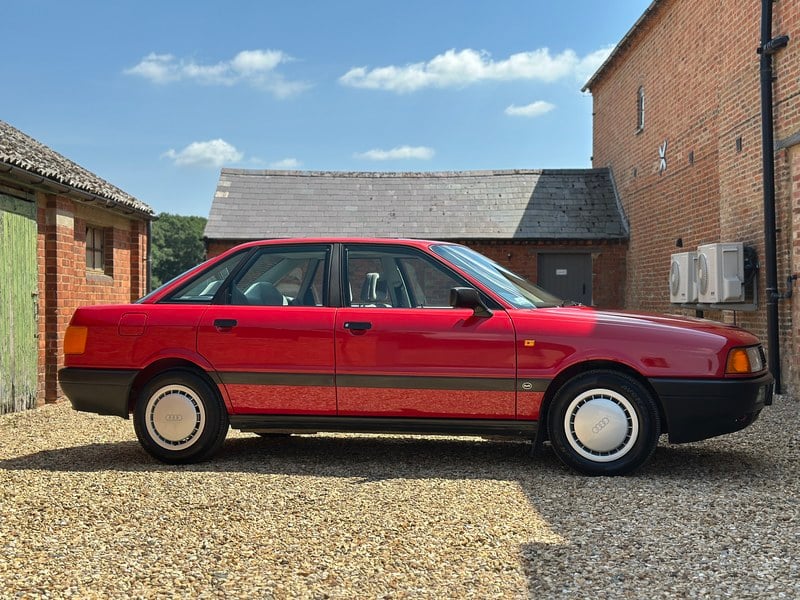
Owners appreciated how the 80 balanced dependability with refinement. It was not a flashy sedan, but its reliability and thoughtful design made it a favorite among those who valued longevity. Many examples still run today, maintained by enthusiasts who understand its hidden strength.
The 1988 Audi 80 may not have dominated sales charts, but its engineering excellence gave it a timeless character. It remains one of the best examples of how careful design and quality materials can allow a car to age gracefully.
9. 1985 Peugeot 505
The 1985 Peugeot 505 remains one of the most refined and resilient European sedans of its time. Known for its smooth ride and sturdy construction, it combined French comfort with mechanical strength.
Peugeot built the 505 to handle rough roads and long journeys, giving it a durability that surprised even skeptical buyers.
The car came with several engine options, including a robust 2.3-liter diesel that became a favorite for its dependability.
Many owners praised it for being nearly indestructible, often running well past 300,000 miles. The suspension system, with its long travel and balanced tuning, gave the car an incredibly smooth ride, even on uneven roads.
The 505’s design was simple yet elegant. Its square proportions, large windows, and roomy cabin made it both comfortable and easy to maintain.
The interior featured durable materials, and the seats were famously supportive. Peugeot emphasized longevity through quality craftsmanship, avoiding unnecessary electronics that might fail with age.
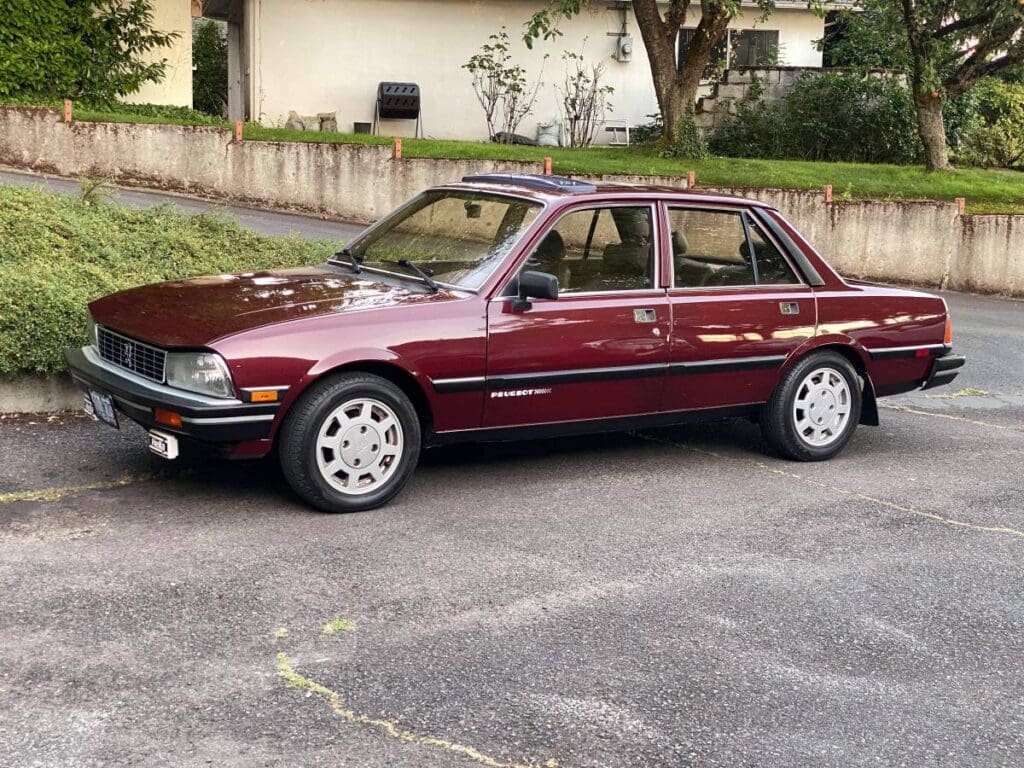
Mechanics often admired how straightforward the 505 was to repair. Its engine bay was spacious, and parts remained accessible, which contributed to its long service life. Even in regions with poor road conditions, the 505’s chassis and suspension endured where others struggled.
Today, enthusiasts cherish the Peugeot 505 for its classic driving feel and remarkable toughness. It represents an era when European sedans prioritized reliability as much as comfort. Decades later, it continues to prove that solid engineering and thoughtful simplicity can outlast changing trends.
10. 1987 Oldsmobile Cutlass Ciera
The 1987 Oldsmobile Cutlass Ciera stands as a reminder of how American sedans once balanced affordability, comfort, and surprising endurance.
While many dismissed it as an average family car, its ability to stay on the road for decades shows just how well-built it truly was.
Powered by General Motors’ dependable 2.8-liter V6, the Cutlass Ciera was easy to service and known for its steady performance.
The engine and transmission were designed for simplicity, and parts availability kept maintenance costs low. Owners often commented that the car “just ran,” even after years of minimal care.
The interior offered wide, cushioned seating and large windows, creating a calm driving experience. It wasn’t luxurious, but it was comfortable in a way modern cars rarely achieve. The materials were tough, and many examples have interiors that still look good after decades.
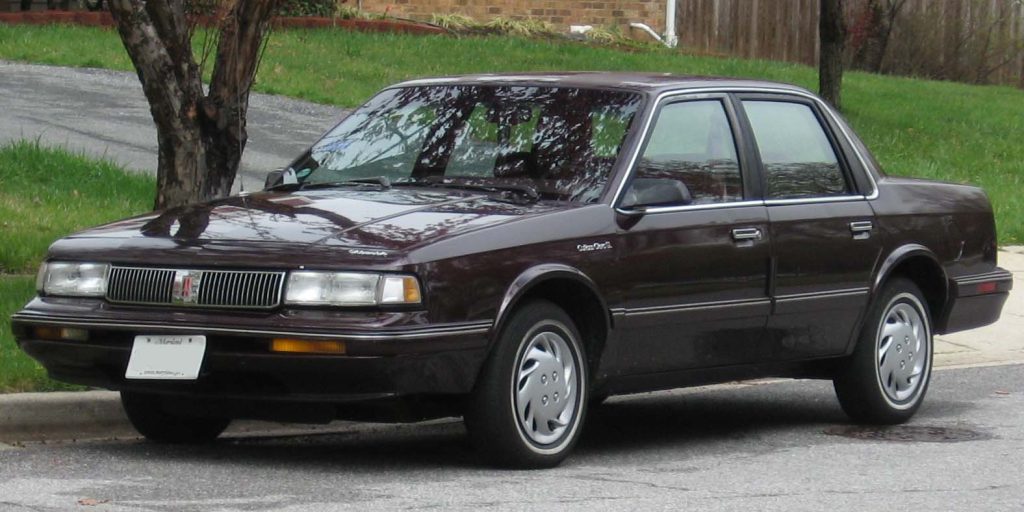
Mechanically, the Ciera’s reliability came from its unpretentious engineering. There were no complex systems to fail, and the body structure resisted rust better than many competitors of the time. Its suspension absorbed rough pavement with ease, contributing to its reputation for dependability.
The 1987 Cutlass Ciera might not be a collector’s dream, but it remains a survivor from a forgotten era of practical American sedans. For thousands of drivers, it provided faithful service year after year, proving that sometimes, the simplest cars age the best.
11. 1989 Toyota Cressida
The 1989 Toyota Cressida represented the peak of Toyota’s craftsmanship before luxury branding separated from practicality. Sharing components with the early Lexus LS, the Cressida offered smooth performance and exceptional build quality.
It was a car that combined comfort, power, and precision in a durable package, and it still holds a strong reputation among long-time owners.
Under the hood, Toyota equipped it with the 3.0-liter inline-six engine from the Supra. This engine became famous for its silky smooth operation and incredible lifespan. With regular maintenance, it could easily exceed 300,000 miles, and many examples continue to run today with original drivetrains.
The Cressida’s rear-wheel-drive setup gave it balanced handling uncommon in Japanese sedans of the era.
The ride was quiet and composed, making highway travel effortless. Inside, the car was filled with thoughtful details—soft-touch materials, supportive seats, and simple controls that remain reliable decades later.
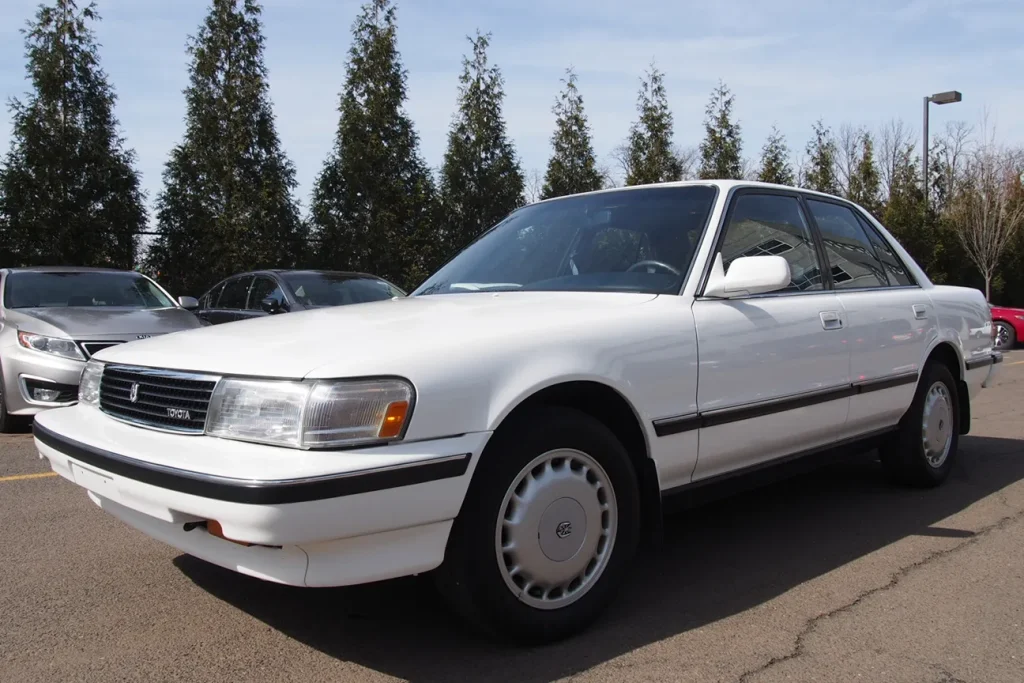
Unlike some luxury rivals, the Cressida avoided unnecessary electronics that could cause trouble over time. Everything was engineered for longevity, from the solid doors to the resilient interior fabrics. Even the paint quality has held up impressively on well-maintained examples.
Collectors now view the 1989 Cressida as one of Toyota’s most enduring designs. It combined mechanical excellence with understated elegance, creating a sedan that continues to start, drive, and perform like a true survivor from the golden age of craftsmanship.
12. 1984 Pontiac 6000 STE
The 1984 Pontiac 6000 STE was General Motors’ attempt to blend European-style handling with American reliability.
It succeeded more than expected, creating one of the most balanced and dependable midsize sedans of the decade. The 6000 STE offered impressive longevity thanks to strong engineering and careful construction.
Its 2.8-liter V6 engine was shared with several GM models and became known for its consistent reliability.
The car delivered enough power for daily use while maintaining excellent fuel economy for the time. With proper upkeep, the drivetrain easily surpassed 200,000 miles, proving that Pontiac’s focus on durability paid off.
What made the 6000 STE special was its driving experience. Pontiac tuned the suspension for agility, giving the sedan a European feel while retaining comfort on long trips. The steering was responsive, and the brakes offered excellent control traits that made it stand out from typical American sedans.
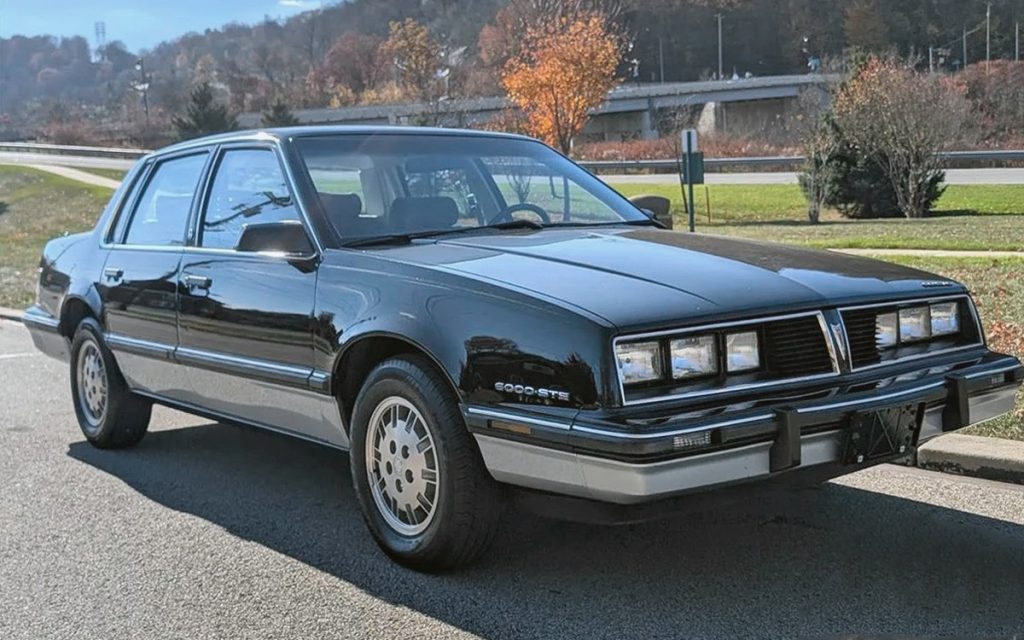
Inside, the car featured supportive seats and sturdy materials that resisted aging well. The simple dashboard layout avoided fragile electronics, ensuring everything remained functional for decades. Owners often remark that their 6000 STEs still drive tightly, even after years on the road.
Although Pontiac as a brand is gone, the 6000 STE endures as a symbol of what American automakers could achieve when they focused on quality. It remains a cherished example of reliable 1980s innovation.
Also Read: 12 Cars That Stay Tight Without Suspension Issues
