When it comes to SUVs, some vehicles are not just built to last, they are practically indestructible. From rugged off-road warriors to spacious family haulers, these SUVs have proven their ability to endure decades of hard use, extreme terrain, and high mileage with minimal compromise.
In this list, we explore ten legendary models, from the 1997 Toyota Land Cruiser, known for its legendary reliability and towing power, to the military-grade 1998 Hummer H1, built to handle the harshest environments. Each SUV has earned a reputation not only for strength but also for durability, versatility, and practicality.
Whether it is the timeless 1966 Ford Bronco, the dependable 1995 Jeep Cherokee, or the luxurious 2004 Volvo XC90, these vehicles showcase engineering excellence and resilience that continues to impress both enthusiasts and everyday drivers.
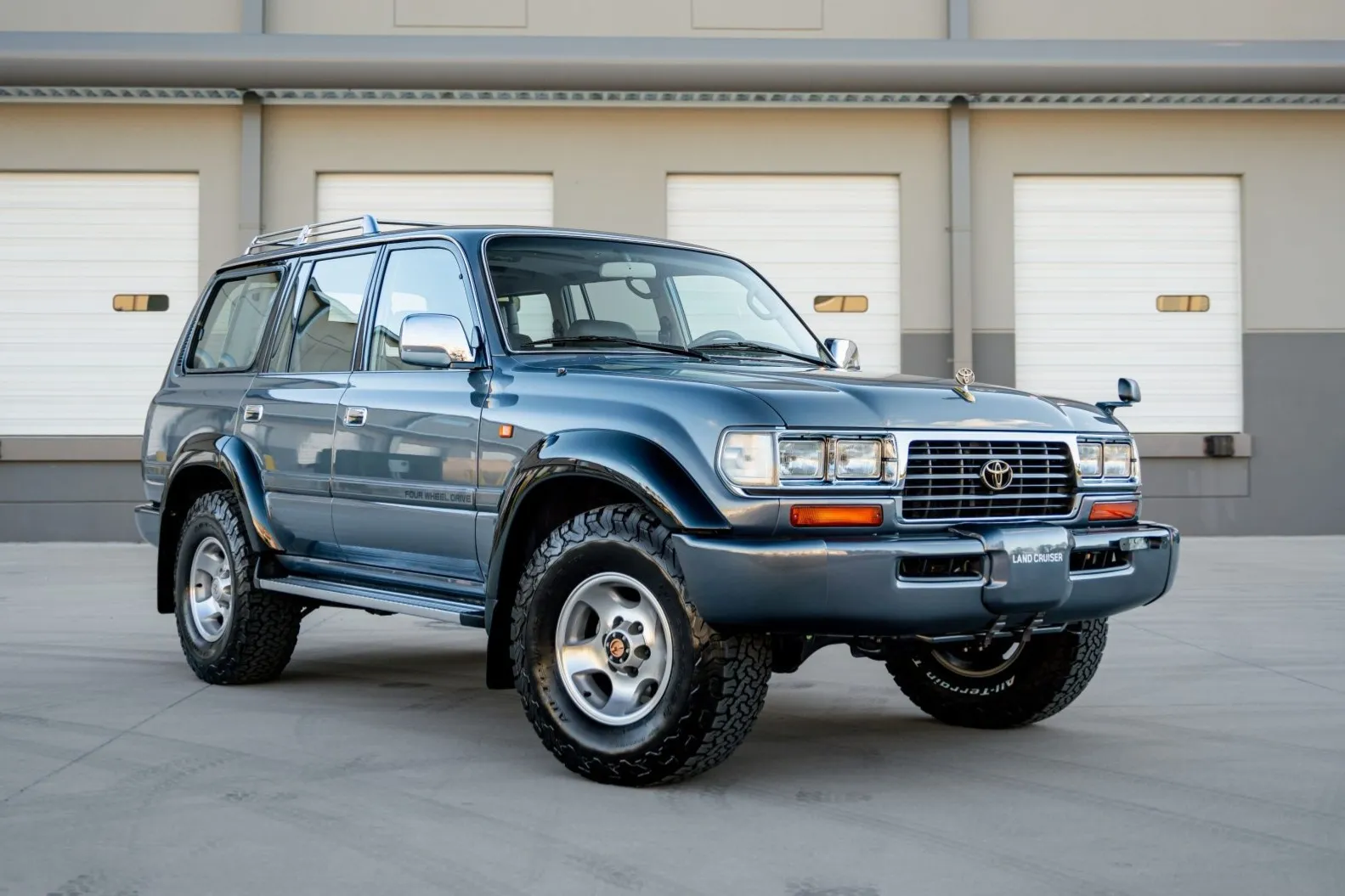
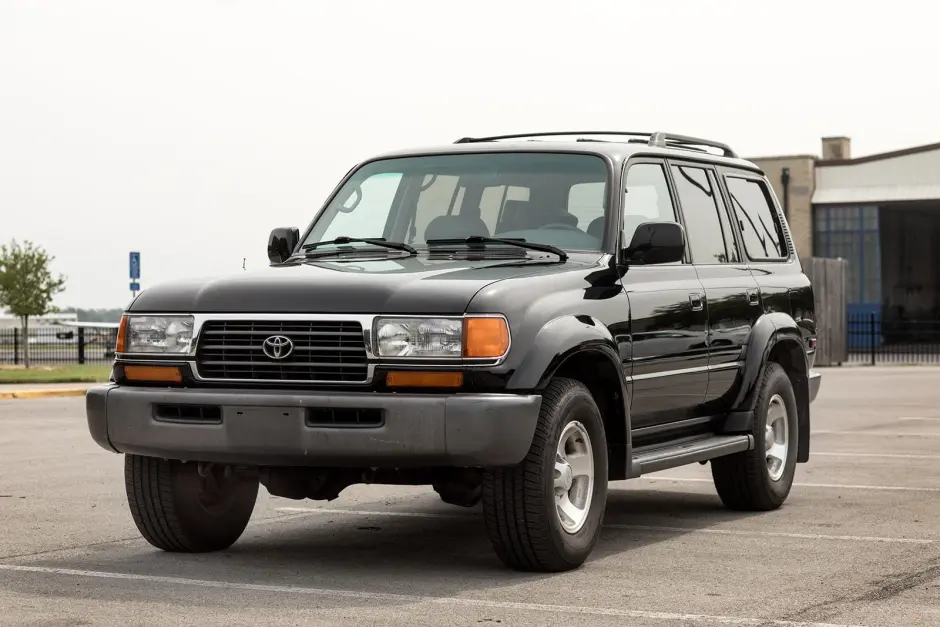
1. 1997 Toyota Land Cruiser: Legendary Reliability and Off-Road Capability
The 1997 Toyota Land Cruiser is one of the most reliable and enduring SUVs ever produced. Part of Toyota’s longest-running series, the Land Cruiser combines rugged off-road capability with family-friendly practicality. Its boxy, military-inspired design evolved into a more refined and comfortable vehicle over time.
Powered by a 4.0-liter inline-six engine, it can carry seven passengers and tow up to 5,000 pounds, making it suitable for both daily driving and heavy-duty adventures.
The 1997 Land Cruiser has earned an exceptional 4.9-star rating on Edmunds, reflecting its legendary reliability. Owners report vehicles running smoothly well beyond 165,000 miles, with some reaching 330,000 or even 500,000 miles.
Carsurvey lists the highest reported mileage of 163,000 miles for this model, though many examples have exceeded that mark due to consistent maintenance. There were no recalls for the 1997 Land Cruiser, highlighting its robust design and engineering.
Common high-mileage issues include minor power steering pump leaks, transmission shifting problems, worn sensors and hoses, and occasional starter or EGR system failures, but these remain uncommon given the vehicle’s exceptional durability.
The Land Cruiser’s full-time four-wheel-drive system, along with factory-installed locking differentials, ensures excellent off-road capability. Its solid frame, durable axles, and well-built drivetrain provide confidence in challenging terrains. Owners consistently praise its longevity, build quality, and ability to handle both daily commuting and extreme off-road conditions without compromise.
Proper maintenance is critical to sustaining the Land Cruiser’s performance. Regular servicing, including thermostat and coolant replacement every 60,000 miles, is essential. Prospective buyers of used models should inspect for power steering and oil leaks, as well as any signs of rust, particularly if the vehicle’s history is unclear.
The 1997 Toyota Land Cruiser is an iconic SUV that blends exceptional reliability, rugged off-road capability, and practical family utility. Its reputation for durability and longevity makes it a sought-after choice for those seeking a dependable, high-mileage SUV that can endure both road and trail conditions for decades.
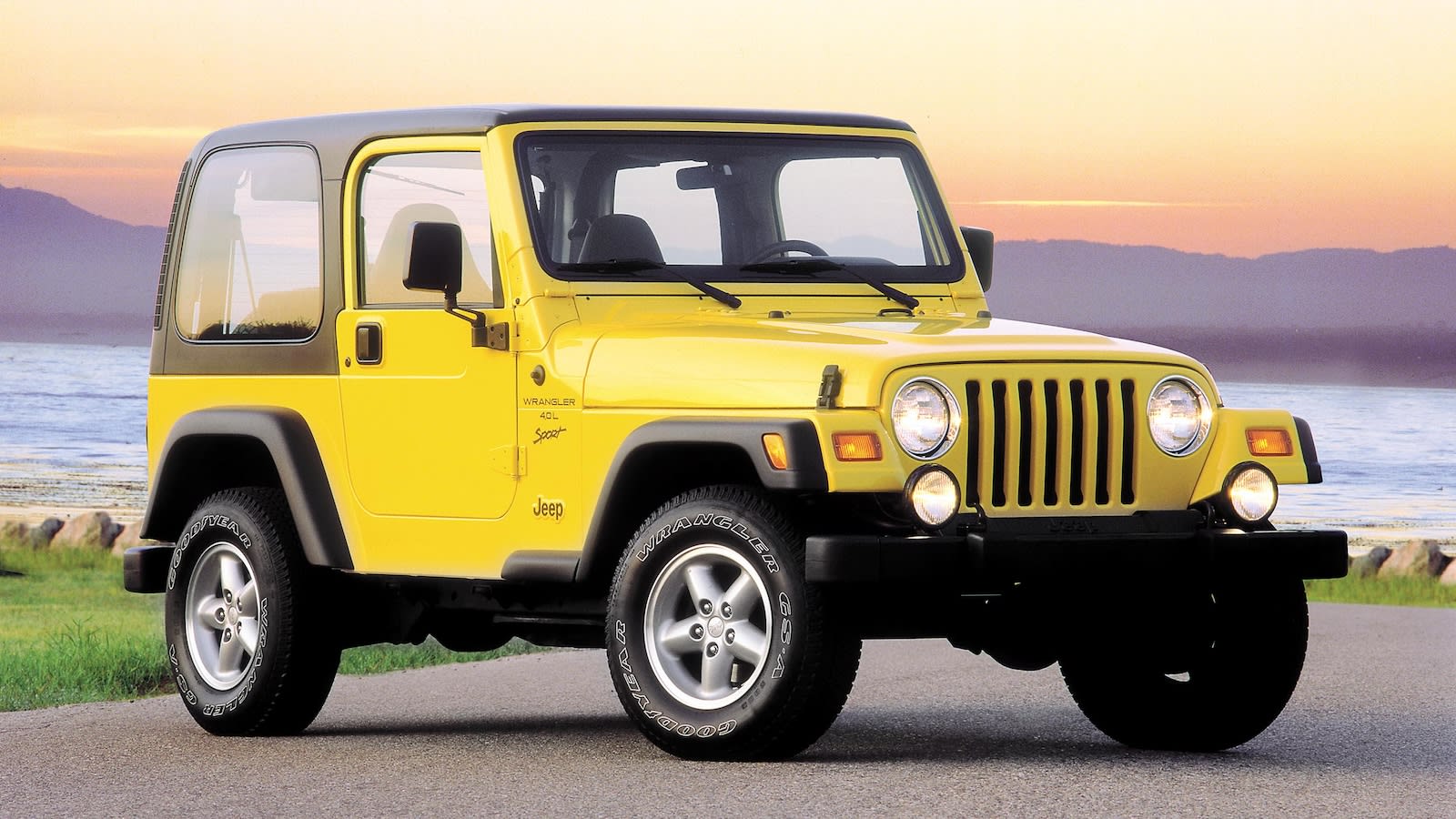
2. 1997 Jeep Wrangler: Rugged Icon of Off-Road Adventure
The 1997 Jeep Wrangler, part of the second-generation (1996–2006) lineup, remains an unmistakable symbol of American off-road culture. Retaining the boxy, rugged look first introduced in 1986, the Wrangler combines classic design with practical performance enhancements.
Its simple yet functional interior emphasizes utility over luxury, appealing to those seeking a durable vehicle capable of tackling any terrain. The Wrangler has long been favored by beachgoers, outdoor enthusiasts, and adventure seekers, and the 1997 model continues this legacy.
The 1997 Wrangler earns a high reliability rating of 4.6 stars on Edmunds. Its 4.0-liter inline-six engine is renowned for durability, performing reliably over time even under challenging conditions. CarSurvey reports the highest mileage for this model at 152,000 miles.
With an average fuel economy of 18 miles per gallon, it is not the most economical vehicle, but the tradeoff for long-term reliability and off-road capability is widely considered worthwhile. Later models, such as 2010 and 2018, faced numerous recalls, highlighting the importance of careful model-year selection.
The second-generation Wrangler retained its rugged identity while introducing several performance improvements. The Quadra-coil suspension provides an additional seven inches of articulation over the previous leaf-spring setup, enhancing approach and departure angles for off-road maneuvers.
Improved shocks and tires further enhance both off-road capability and on-road stability. Minor engine refinements reduced noise and vibration while improving responsiveness, maintaining the Wrangler’s characteristic truck-like feel.
A five-speed manual transmission is standard, with a three-speed automatic option for those preferring convenience over a traditional clutch.
The interior received meaningful updates compared to its predecessor, including an ergonomically designed dashboard with integrated HVAC and stereo controls, a lockable glovebox, and a more functional and organized layout. Despite these updates, the Wrangler maintains its utilitarian essence, with a bounce bar on the dash reminding drivers of the vehicle’s rugged purpose.
The 1997 Jeep Wrangler blends durability, off-road prowess, and iconic styling into a vehicle that appeals to adventure seekers. Minor improvements in comfort, safety, and drivability enhance the driving experience without compromising the Wrangler’s core identity.
While not ideal for those seeking a quiet, luxury SUV, it rewards those willing to embrace its truck-like charm with an engaging, capable, and long-lasting vehicle. Its rugged design, reliable performance, and legendary go-anywhere capability solidify the 1997 Wrangler as a true off-road icon.
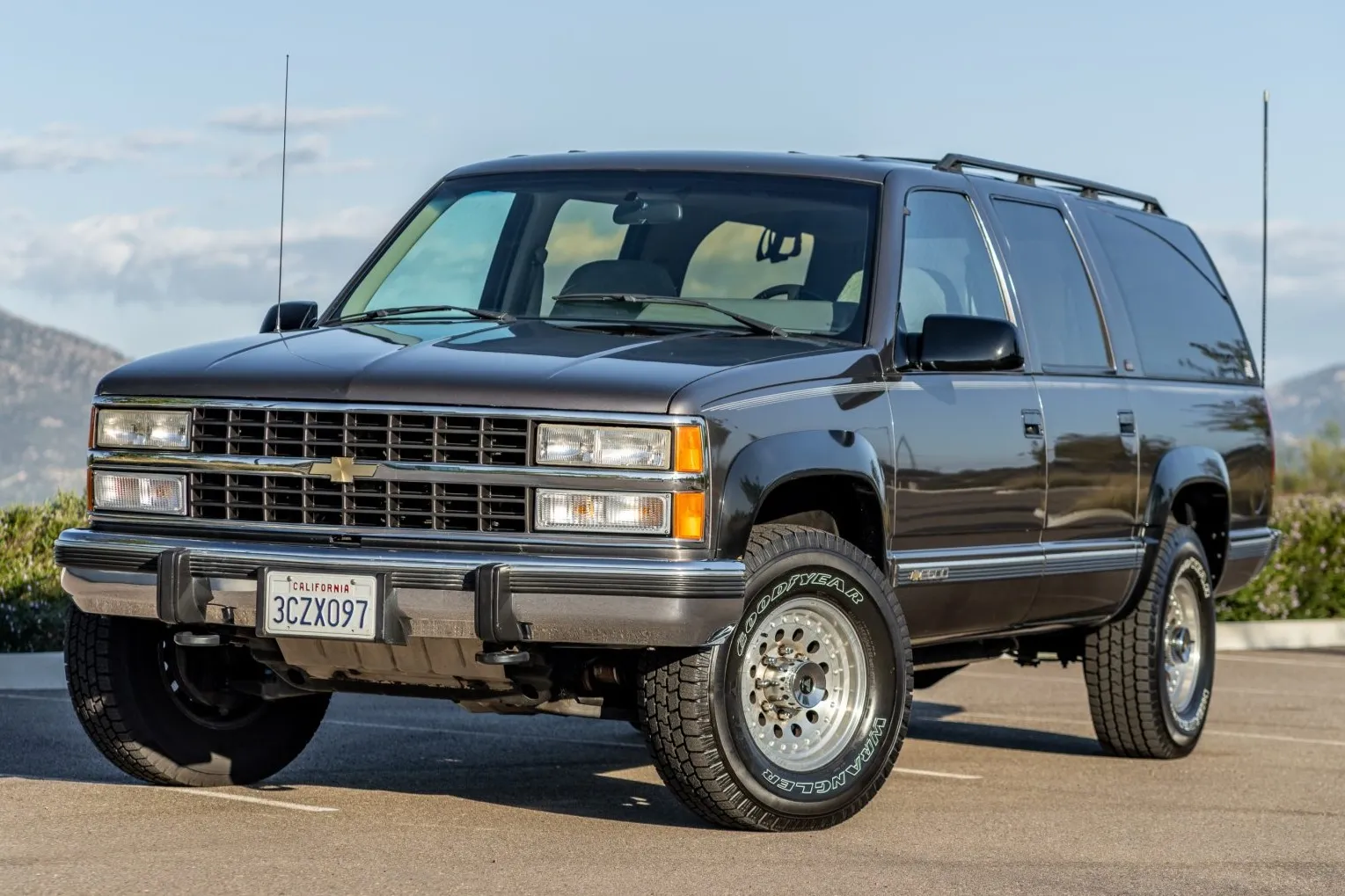
3. 1993 Chevrolet Suburban: Powerful, Spacious, and Durable
The 1993 Chevrolet Suburban is a classic full-size SUV that has earned a reputation for toughness, reliability, and family-friendly versatility. As part of the eighth generation of Suburbans, it features a 5.7-liter V8 engine as standard, with an optional 7.4-liter V8 for those seeking even more power.
Designed for families, work, and long road trips, the Suburban combines sheer size with capability, making it suitable for towing, hauling, or traversing rough terrain. Its 43-gallon fuel tank helps offset its low fuel economy, averaging around 14 miles per gallon, allowing for long distances between refueling.
Owners of the 1993 Suburban report high satisfaction, reflected in a 4.4-star rating on Edmunds. Many vehicles have surpassed 200,000 miles, with some reaching 260,000 miles or more when properly maintained.
Cars.com reviews indicate that 100% of surveyed drivers recommend the SUV, highlighting its durability and comfort. Regular maintenance, including oil changes, tune-ups, and chassis lubrication, is critical to sustaining the Suburban’s long life.
Despite its reliability, potential problems can arise over time. Owners have reported issues with transmissions, engines, and electrical components, though these are often manageable with proper care.
Rust can develop in regions with heavy road salt, and some interior components, such as radios, gas gauges, and door sidings, may fail with age. Wear-and-tear parts like fuel pumps and shocks might also require replacement as mileage climbs.
The 1993 Suburban’s spacious and comfortable interior is ideal for large families or work crews. Its durability and strong construction make it capable of handling demanding conditions, from off-road trails to highway towing. Its powerful V8 engines provide reliable performance and the confidence to tackle heavy loads.
The SUV’s main drawbacks are its poor fuel efficiency and occasional interior component failures. Owners must also stay vigilant about maintenance and rust prevention to preserve their longevity.
The 1993 Chevrolet Suburban stands out as a reliable, rugged, and versatile full-size SUV that balances power, space, and durability, making it a trusted choice for drivers seeking a capable family or work vehicle.
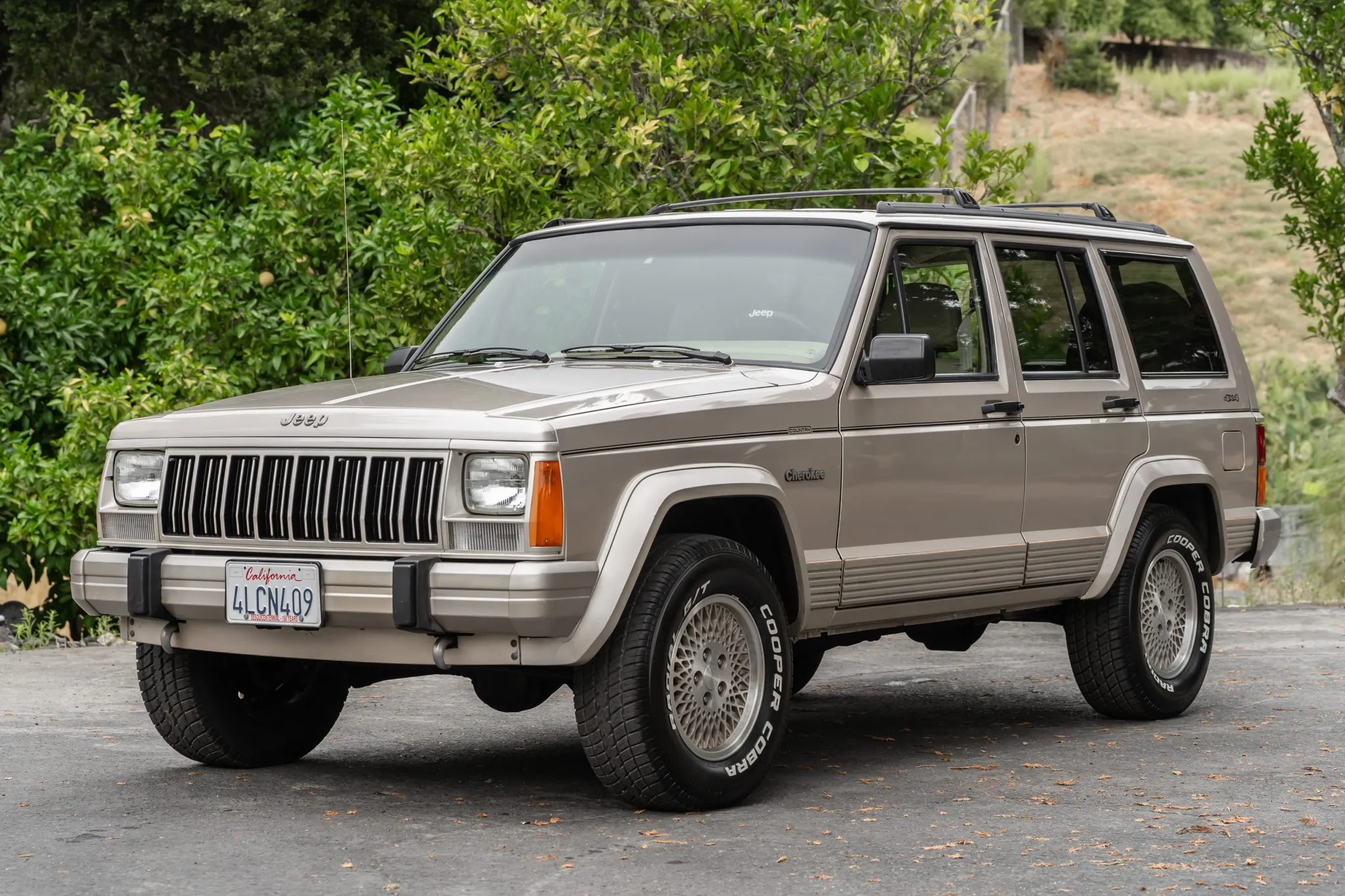
4. 1995 Jeep Cherokee: Rugged and Versatile Pioneer
The 1995 Jeep Cherokee, part of the second-generation XJ lineup, is an enduring icon in the SUV world. Marketed as a “sportswagon,” it bridged the gap between utility and sportiness, appealing to drivers seeking both performance and practicality.
With engine options ranging from a 2.0-liter inline-four to the legendary 4.0-liter inline-six, the Cherokee offered flexibility to meet diverse driving needs. Its compact yet durable design made it a capable off-roader while remaining suitable for daily commuting.
The 1995 Cherokee has earned a reputation for reliability and durability. Many owners report surpassing 250,000 miles, with some vehicles reaching up to 317,000 miles, reflecting the robustness of the AMC 4.0L straight-six engine.
Edmunds and Kelley Blue Book reviews consistently praise its resilience, noting that the Cherokee can withstand challenging conditions with minimal long-term issues. Parts remain widely available, and extensive documentation makes maintenance manageable for enthusiasts and mechanics alike.
Despite its durability, potential problems exist. Persistent oil leaks, often from the rear main seal or oil filter housing gasket, are common. Overheating can occur, typically requiring attention to the cooling system components, like the fan clutch relay.
Throttle position sensor malfunctions can affect drivability, while front brake rotors may corrode or warp in areas with heavy road salt. Owners should also ensure that recalls, including those related to the steering gearbox and brake rotor corrosion, have been properly addressed.
The 1995 Cherokee’s strengths lie in its reliable engine, versatile design, and strong owner satisfaction. Its compact size and rugged construction make it ideal for off-road adventures, while the variety of trims and engine options allow buyers to tailor the vehicle to their needs. The Cherokee remains a practical choice for those seeking a capable, long-lasting SUV with a balance of utility and sportiness.
Prospective buyers should inspect for oil leaks, check the cooling system, and verify that any recalls have been completed. Brake rotors should be examined for corrosion or warping, particularly in vehicles from regions with heavy salt use. With careful maintenance and attention to known issues, the 1995 Jeep Cherokee can continue to serve as a reliable, capable SUV for decades.
5. 1997 Land Rover Defender: Rugged British Off-Road Heritage
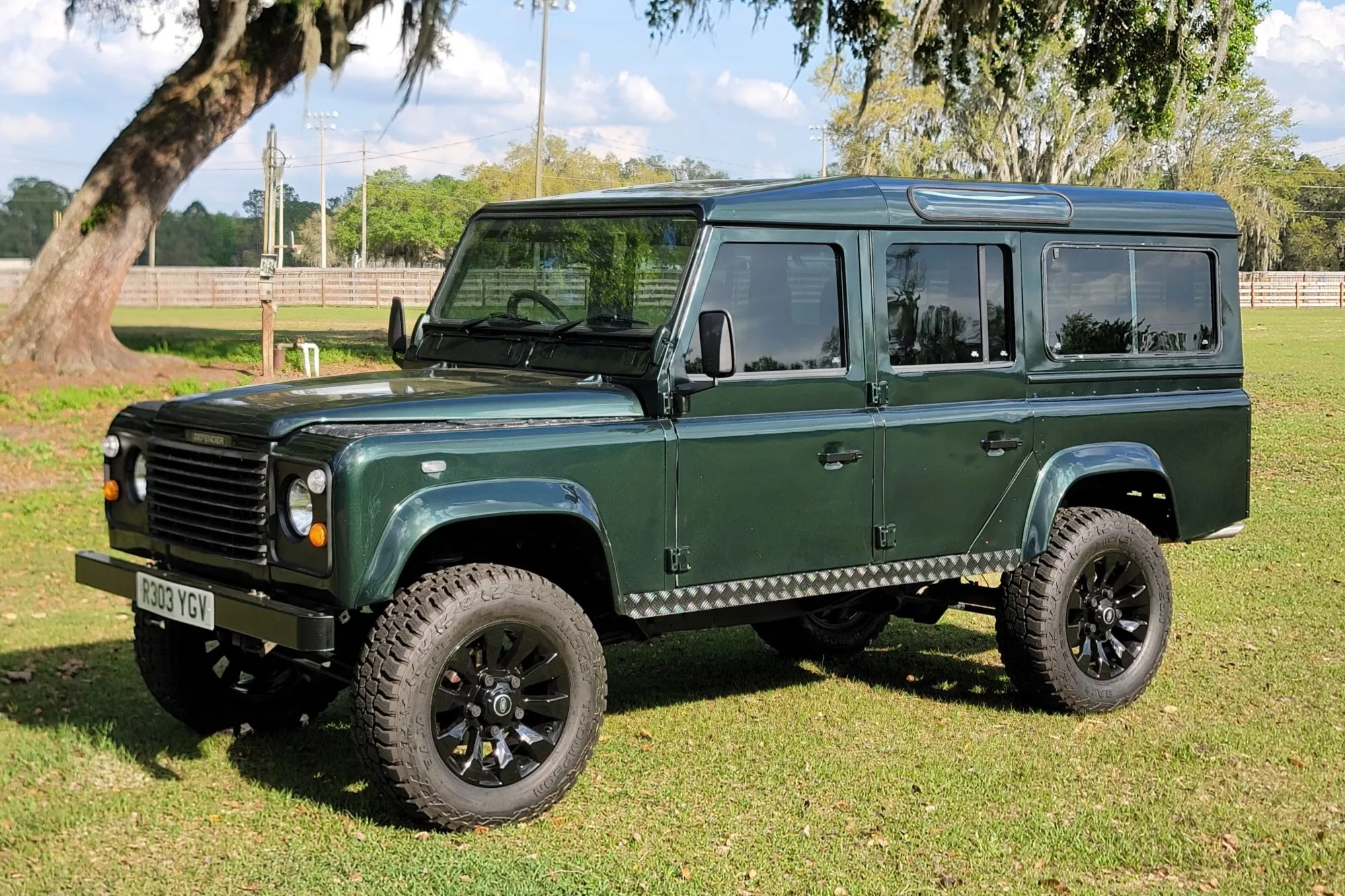
The 1997 Land Rover Defender is a quintessential British SUV, celebrated for its durability, off-road capability, and unmistakable design. Evolving from the former 90 and 110 models, the Defender balances extreme terrain performance with modest daily usability.
Comfort features were minimal, true to its utilitarian roots, with amenities like air conditioning available only in select variants. Its macho styling and go-anywhere reputation have made it a symbol of adventurous driving and off-road excellence.
Despite its Spartan design, the Defender is engineered for longevity. Owners frequently praise its toughness and ability to endure harsh conditions, even if it comes with quirks like a small gas tank or occasional leaks.
It earned a 4.2-star rating on Edmunds, with comments highlighting that, while the ride may be rough and the cabin noisy, it remains a loyal companion both on and off the road.
CarSurvey reports no specific mileage for the 1997 model, though a 1996 example reached 85,000 miles, demonstrating reasonable longevity given the Defender’s niche production. No recalls were reported for 1997, though recent models from 2020–2021 have faced multiple minor issues.
The 1997 Defender was offered in both convertible and hardtop configurations, seating four to six passengers depending on the model. Convertibles feature a removable fastback soft top, with optional Bimini or surrey-style roofs, while hardtops come with an aluminum roof and rear jump seats.
Weather-resistant upholstery and a swing-away spare tire maximize practicality, and long-travel coil springs provide an acceptable ride across varied terrain.
Power comes from a 4.0-liter aluminum V8 producing 182 horsepower, mated to a ZF four-speed automatic transmission. Its compact 92.9-inch wheelbase, aluminum body panels, and minimal overhangs make it agile off-road.
However, the Defender lacks modern safety features such as airbags or ABS, and options are limited to a CD changer and select paint choices. Road noise and mechanical sounds are pronounced, reflecting its rugged, utilitarian character.
The 1997 Defender excels in off-road performance, towing, and ruggedness, offering a driving experience steeped in heritage. Its compact design, high ground clearance, and durable construction make it ideal for enthusiasts who value capability over luxury.
While it does not compete with modern SUVs in comfort or refinement, it delivers an authentic, adventurous driving experience backed by decades of Land Rover off-road engineering.
The 1997 Land Rover Defender stands as a symbol of British ruggedness, blending heritage, toughness, and true off-road capability in a vehicle built to endure the most challenging environments.
Also Read: 10 Cars That Owners Hold Onto for 20+ Years
6. 2004 Volvo XC90: A Safe and Versatile Scandinavian SUV
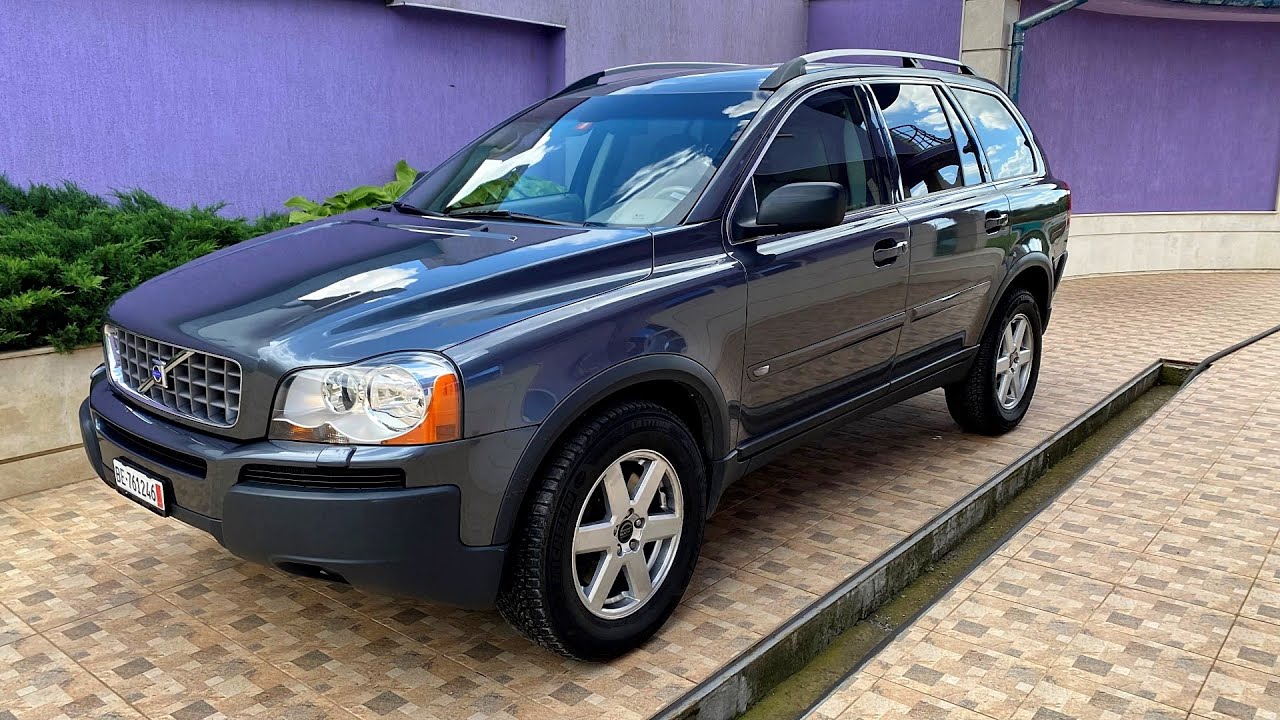
The 2004 Volvo XC90 marked the Swedish automaker’s first foray into the luxury SUV market, blending practicality, safety, and distinctive Scandinavian design. Introduced in 2002, the first-generation XC90 maintained its appealing styling for over a decade, earning recognition as a quintessential family SUV.
The 2004 model came with two engine options: a base 2.5-liter turbocharged five-cylinder producing 208 horsepower and 236 lb-ft of torque, and a more powerful 2.9-liter twin-turbocharged six-cylinder generating 268 hp and 280 lb-ft.
While the five-cylinder offered an all-wheel-drive option alongside standard front-wheel drive, the six-cylinder came with all-wheel drive as standard. Both engines met ULEV standards and were paired with a four-speed Geartronic automatic transmission, allowing either full automatic operation or manual gear selection.
Owners generally report high satisfaction with the XC90, with an average 4.5/5 rating on Edmunds from 389 reviews. Many vehicles have exceeded 200,000 miles with only routine maintenance, highlighting their long-term durability.
However, the T6 model’s twin-turbo inline-six is prone to transmission issues due to high torque, making it a riskier choice unless the service history is meticulously maintained. The highest mileage reported by Carsurvey was 170,000 miles.
The 2004 XC90 experienced six recalls, with later years like 2016 being less reliable due to multiple issues with seat belts, coolant leaks, and airbags.
Volvo emphasized “masculinity and flexibility the Scandinavian way,” resulting in a muscular yet elegant SUV that appeals to a broad audience.
Its signature dark eggcrate grille, truncated snout, and upright stance make it recognizable, while the rear resembles the BMW X5, albeit with larger taillights. Inside, the XC90 prioritizes versatility and family convenience.
Buyers could choose five- or seven-passenger layouts, with fold-flat second and third rows and integrated child booster options. Scandinavian design principles govern the cabin, featuring clear, intuitive controls and instruments angled for optimal readability.
Volvo reinforced its reputation for safety with the XC90. Roll Stability Control uses a gyro-sensor to monitor potential rollover situations, activating stability systems as needed.
In the event of a rollover, inflatable curtains protect occupants’ heads and reduce ejection risk. A uniquely positioned crossmember ensures that in collisions with smaller cars, the SUV engages the other vehicle’s crumple zones, maximizing occupant safety.
The 2004 Volvo XC90 successfully combines safety, practicality, and style, delivering a dependable luxury SUV that remains a strong choice for families. With around 50,000 units offered in the U.S., it set the stage for Volvo’s continued success in the SUV segment.
7. 1998 Nissan Patrol: Rugged Longevity and Off-Road Prowess
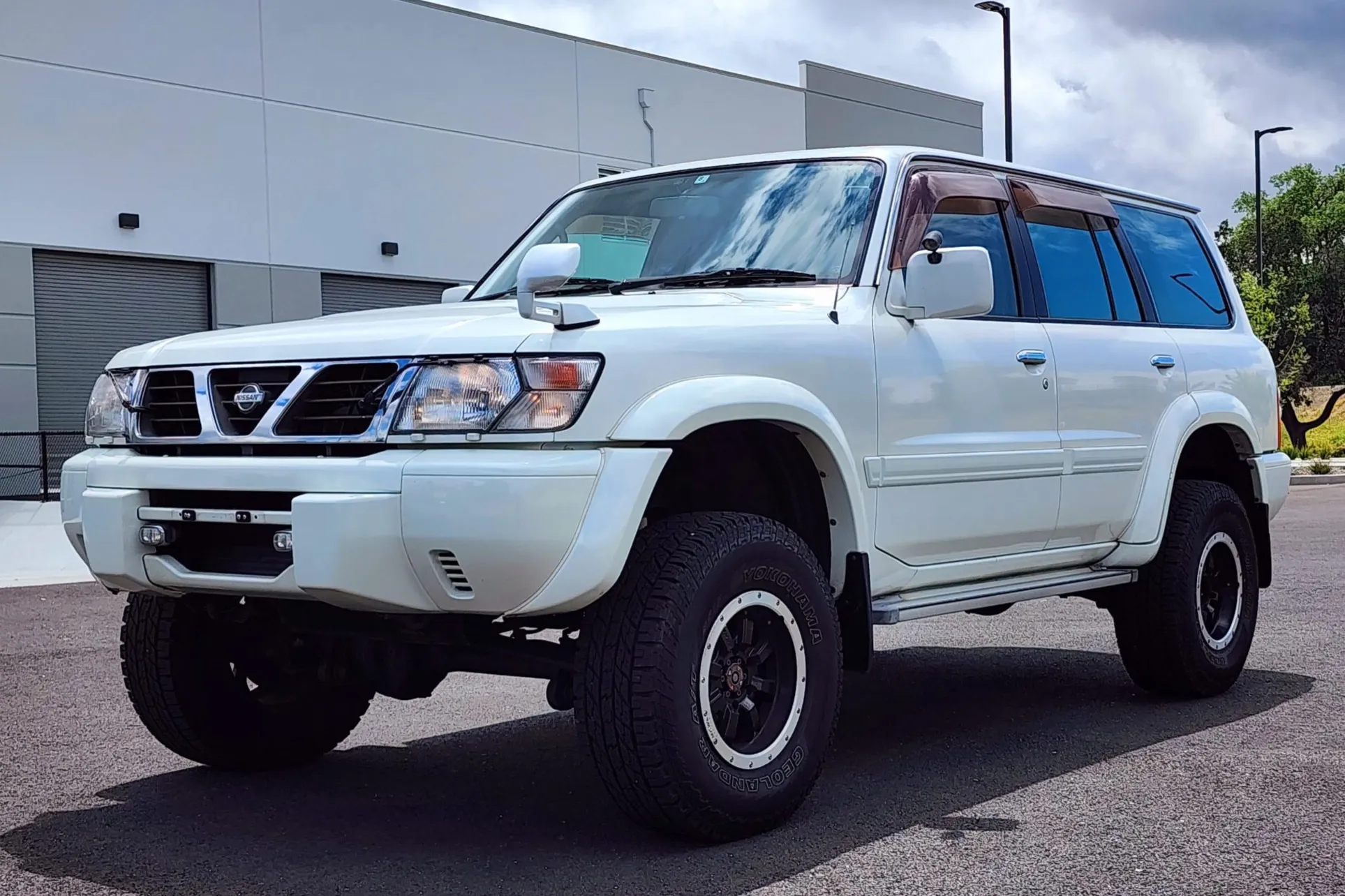
The 1998 Nissan Patrol, part of the Y61 generation, is a standout in the long lineage of Nissan’s iconic off-road SUVs. Tracing its roots back to 1951 as the 4W60, the Patrol has evolved into a globally recognized vehicle, sold under names like Datsun Patrol, Nissan Safari, Nissan Armada, and even the luxury Infiniti QX80.
The fifth generation, introduced in 1997, earned praise for its rugged reliability and durability, with some markets, such as Morocco, still offering it as a new model years later due to its enduring reputation.
The 1998 Patrol is renowned for its toughness, capable of withstanding both hard use and neglect when properly maintained. Its 4.5-liter six-cylinder engine is particularly robust, with owners reporting mileage well over 350,000 miles without major replacements.
Nevertheless, longevity heavily depends on attentive care, including timely servicing and inspections. Carsurvey reports the highest mileage for this model at 150,000 miles, with zero recalls for the 1998 version, indicating strong reliability. By contrast, later Patrols, such as 2009 models, faced issues like airbag malfunctions, highlighting the importance of model-specific knowledge.
While the Patrol is durable, some potential issues are worth noting. Head gasket failures can occur on certain engines, potentially leading to expensive repairs. Gearbox problems are another concern, particularly if the vehicle has been subjected to heavy towing or off-road use.
The 1998 model benefits from older engines like the TB45 or TD42, which are generally more reliable than the later ZD30 engine found in subsequent generations. Excessive off-road modifications may also place additional stress on the drivetrain, potentially reducing long-term reliability.
Prospective buyers should always review the service history and maintenance receipts to ensure the vehicle has been cared for. Corrosion checks are crucial, especially on the chassis, suspension, wheel arches, and tailgate. Inspecting the engine and transmission is vital, with a focus on robust engines like the TB45 and TD42.
A thorough test of the gearbox ensures all gears engage properly, while a professional inspection by a qualified mechanic or Patrol specialist can provide added confidence before purchase.
The 1998 Patrol is built for serious off-roading, featuring a sturdy chassis, reliable suspension, and a strong drivetrain. Its simple, functional design emphasizes durability and utility, appealing to those who require a vehicle capable of handling challenging terrain while delivering dependable long-term performance.
The 1998 Nissan Patrol exemplifies ruggedness and longevity, offering a reliable, versatile SUV for families and off-road enthusiasts alike, provided it receives proper care and attention throughout its life.
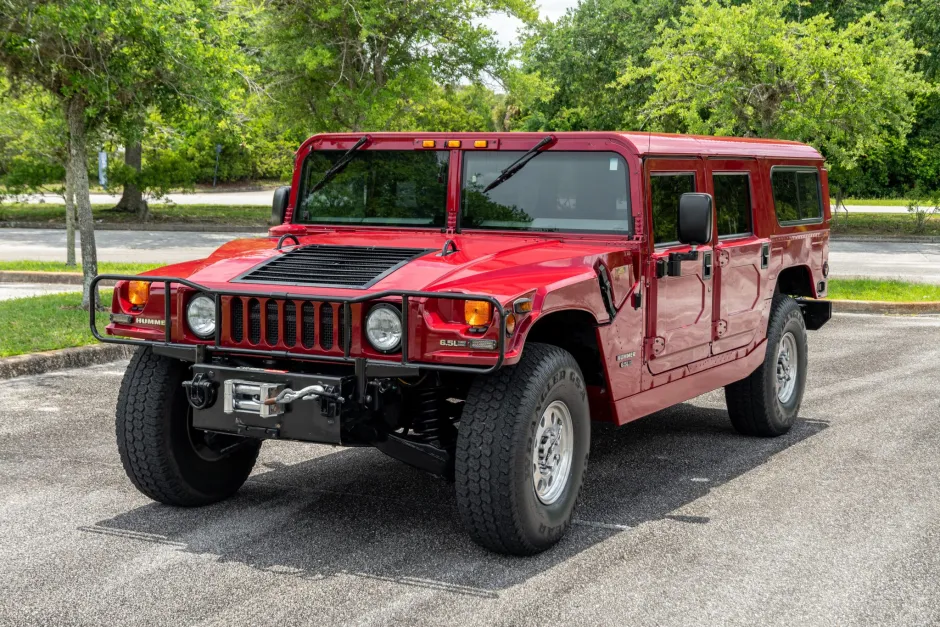
8. 1998 Hummer H1: Military-Grade Durability for Civilians
The 1998 Hummer H1 is a civilian adaptation of the military Humvee, designed to deliver unmatched off-road performance and rugged durability. Its iconic, boxy design immediately signals strength, while its engineering ensures it can tackle extreme terrain with ease.
Built for heavy-duty use, the H1 combines utilitarian functionality with a distinctive presence, offering a unique driving experience for enthusiasts who value capability over comfort or refinement.
Powered by a 6.5-liter turbo diesel V8, the H1 is engineered to withstand extensive use. Owners frequently report driving over 100,000 miles with minimal issues beyond standard wear and tear.
Kelley Blue Book and other review platforms consistently give it high reliability scores, around 4.5 out of 5 stars, highlighting its ability to endure harsh conditions when properly maintained.
CarSurvey notes the highest mileage for a 1997 H1 at 35,700 miles, while the 1998 model has no reported figures but is expected to be equally robust. There were no recalls for the 1998 H1, although later models, such as the 2006 version, had minor fuel tank-related issues.
The H1 excels in off-road performance, with features like a tire inflation system controllable from the cabin, allowing the driver to adjust pressure for varied terrains. It seats four passengers comfortably, with ample cargo capacity for gear and equipment.
The durable drivetrain, solid axles, and reinforced frame make the H1 virtually unstoppable in challenging environments. Owner sentiment underscores the vehicle’s dependable nature and unmatched utility in off-road scenarios.
Reliability is highly dependent on rigorous maintenance. Specialized mechanics are often required due to the vehicle’s unique systems, and repair costs can be significant.
Cabin comfort is minimal, with the HVAC system struggling to regulate temperatures effectively, and interior insulation is poor. Despite these challenges, dedicated owners who follow a strict maintenance schedule can enjoy an H1 that performs reliably for decades.
The 1998 Hummer H1 is a military-grade SUV built for durability and off-road mastery. Its reliability and performance shine for those willing to invest in proper upkeep, making it an ideal choice for enthusiasts who prioritize capability, ruggedness, and longevity over convenience or refinement.
9. 1966 Ford Bronco: Classic Off-Road Ruggedness
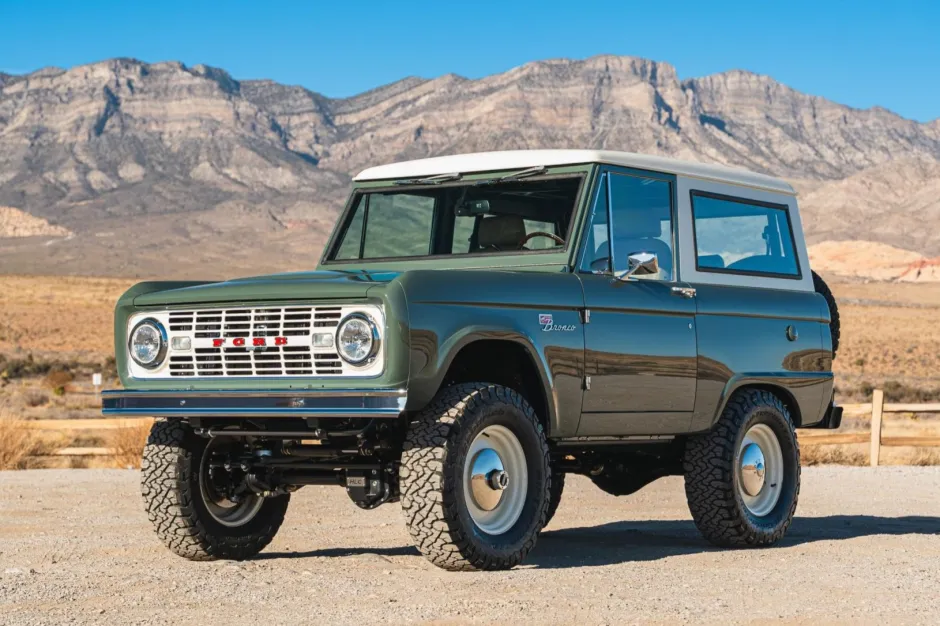
The 1966 Ford Bronco is a pioneering compact SUV that set the stage for America’s off-road enthusiasts. Built in a different era, it prioritizes ruggedness and simplicity over modern technology, making it ideal for drivers seeking a vintage, go-anywhere vehicle.
With 13 inches of ground clearance, the first-generation Bronco can handle rocky, uneven terrain better than many contemporary SUVs, reflecting its original design as a capable off-road utility vehicle.
The 1966 Bronco is renowned for its durability and mechanical simplicity. Early models featured solid axles, a basic 4×4 system, and minimal electronics, all of which contribute to easy maintenance and longevity. Its sturdy frame, protected fuel tank, large oil pan, and cast-iron clutch housing enhance reliability, allowing the vehicle to endure harsh conditions and off-road abuse.
Carsurvey does not report the highest mileage for the 1966 model, but anecdotal evidence and enthusiast reports indicate that with proper care, these Broncos can remain functional for decades. No recalls were reported for the 1966 Bronco, further reflecting its straightforward engineering.
Despite its robustness, the 1966 Bronco requires careful maintenance to remain dependable. Rust prevention and repair are critical, as sheet metal from the era was prone to corrosion from dirt and road salt.
Upgrading essential components, such as the electrical system, and using modern restoration parts can significantly enhance reliability. Regular checks of oil, brakes, and mechanical components are essential, and expert guidance from a dedicated Bronco community or specialized restoration shops can ensure long-term performance.
The Bronco’s simple design, proven mechanical components, and sturdy construction make it an enduring favorite among off-road enthusiasts and vintage SUV collectors. Its straightforward engineering allows for easy repairs, and its off-road capability remains impressive even by today’s standards.
While it lacks modern comfort features and safety equipment, the 1966 Bronco delivers an authentic, hands-on driving experience that appeals to those who value durability and classic styling over convenience.
The 1966 Ford Bronco exemplifies early SUV engineering, offering rugged performance, mechanical simplicity, and a timeless off-road spirit for enthusiasts who appreciate vintage vehicles.
10. 2006 Chevrolet Trailblazer: Rugged Midsize American SUV
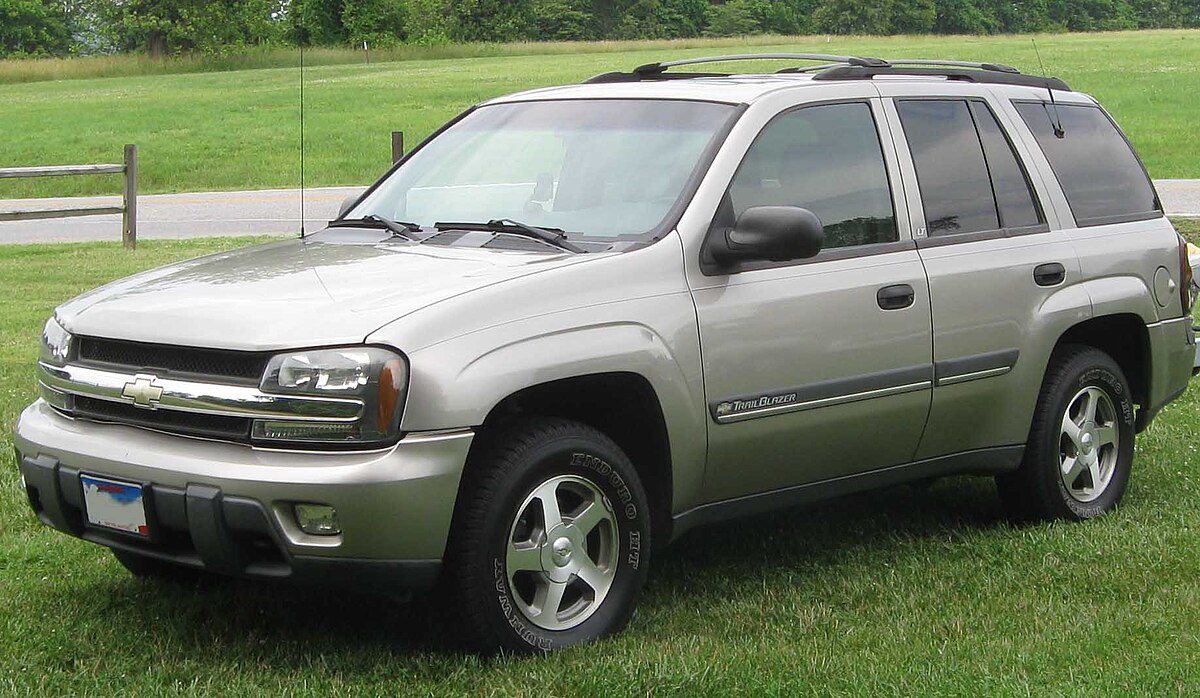
The 2006 Chevrolet Trailblazer is a midsize SUV that blends rugged American styling with practical utility and moderate luxury. Evolving from the S-10 Blazer lineage, the Trailblazer offers a sporty exterior and versatile interior, appealing to buyers seeking a capable off-road and family-friendly vehicle.
Base models feature a 4.2-liter inline-six engine, producing 291 horsepower and 277 lb-ft of torque, while optional 5.3- and 6.0-liter V8 engines deliver 300 hp and 330 lb-ft, and 391 hp and 395 lb-ft, respectively.
These options allow for towing up to 6,800 pounds, making the Trailblazer suitable for hauling trailers or boats. Buyers can choose between two- and four-wheel-drive configurations, with the SS trim offering a Torsen-equipped 4WD system for improved traction.
The 2006 Trailblazer earns a 4.1-star rating on Edmunds, indicating solid reliability. Owners report that with proper care, the SUV crosses 150,000 miles with minimal issues. Gas mileage is modest, averaging 14 MPG combined, but the Trailblazer rewards drivers with responsive performance and strong engine longevity.
CarSurvey notes a highest reported mileage of 68,000 miles, highlighting that many examples are still in early ownership stages. With eight recalls for minor issues and the 2002 Trailblazer identified as the least reliable early model, careful inspection is recommended when buying used.
The inline-six engine delivers sufficient power for daily driving, though V8 trims provide more torque for towing and highway acceleration. The SS model is particularly sporty, reaching 60 mph in 6.3 seconds and the quarter-mile in 14.4 seconds.
Suspension tuning favors comfort, providing a smooth ride on highways and city streets, though it can feel soft and unstable during aggressive cornering. The SS trim offers a firmer suspension and improved body control for more spirited driving.
The Trailblazer seats five adults comfortably, with the Trailblazer EXT variant offering seven-passenger capacity. Cargo space measures 44 cubic feet, expandable to 80 cubes with the 60/40-split rear seat folded. While controls are user-friendly, interior materials are basic, and the cabin design feels dated compared to competitors.
Standard safety includes four-wheel antilock disc brakes and stability control. Optional full-length side curtain airbags boost side-impact protection, earning five stars from NHTSA when equipped. Frontal-impact ratings are three stars for the driver and four for the front passenger, while IIHS frontal offset testing rates the Trailblazer as “Marginal.”
The 2006 Chevrolet Trailblazer offers a combination of American ruggedness, practical interior space, and capable towing performance, making it a solid choice for buyers seeking a versatile midsize SUV with multiple engine and drivetrain options.
Choosing an SUV is more than making a purchase; it is an investment in reliability and longevity. The ten vehicles highlighted here show that with solid engineering, proper maintenance, and care, some SUVs can truly stand the test of time.
From the trail-conquering Nissan Patrol to the spacious Chevrolet Suburban, each model has proven it can endure countless miles, rough terrain, and demanding conditions while maintaining performance and utility.
These indestructible SUVs are not only tools for adventure, they are companions for life, blending toughness with versatility and, in many cases, a touch of iconic style. For anyone seeking a vehicle that will keep going for decades, this list provides a roadmap to the most durable and dependable SUVs ever built.
Also Read: 15 Cars That Surprise Owners With Bulletproof Durability