In the golden era of motoring, cars weren’t designed with today’s tight city spaces in mind. Large tailfins, long hoods, and heavy steering made parking a real workout especially before the days of power-assisted everything.
Yet not all classics are parking nightmares. Some were cleverly engineered with compact dimensions, nimble handling, or excellent visibility, making them surprisingly easy to squeeze into modern spaces.
On the other hand, a few timeless icons still test even the most skilled drivers’ patience. Let’s explore five classic vehicles that are easy to park and five that make maneuvering a challenge a blend of beauty, practicality, and a bit of driver’s sweat.
Easy-to-Park Classic Vehicles
Classic cars often conjure images of wide, powerful machines that dominate the road with style, but they don’t always play nice in tight city spaces. Thankfully, not all vintage vehicles are oversized or cumbersome.
Some classic models are surprisingly compact and nimble, making them a joy to drive and, more importantly, easy to park. In this article, we’ll explore classic vehicles that combine timeless style with practicality, proving that you don’t need a modern compact car to fit effortlessly into a crowded street or a tight parking spot.
1. Mini Cooper
Few vehicles in automotive history have been as brilliantly packaged as the original Mini Cooper. Designed by Sir Alec Issigonis to maximize interior space while minimizing footprint, the Mini became a British icon and a global favorite.
Its 10-foot overall length makes modern subcompacts look oversized, and with its tight turning circle, parallel parking is nearly effortless.
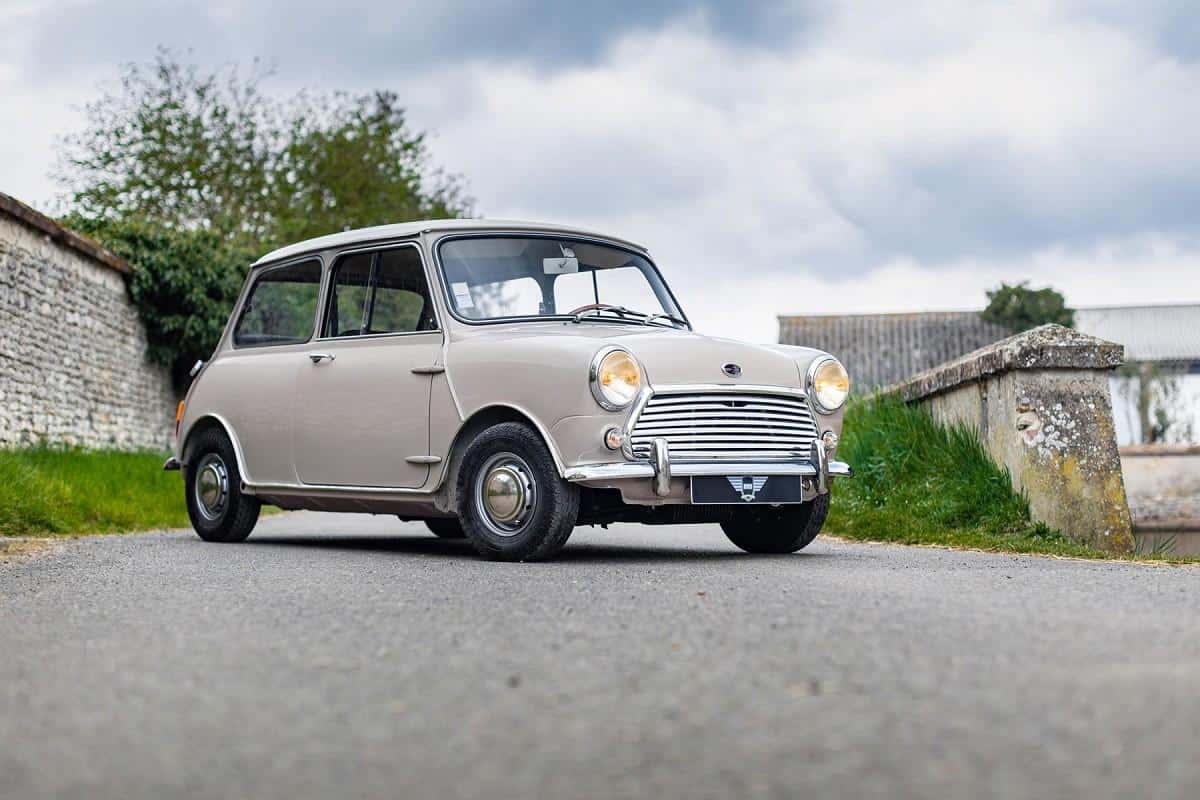
The front-wheel-drive layout and short overhangs allow the Mini to slot into gaps that even motorcycles envy.
In busy urban settings from London’s alleys to New York’s side streets the classic Mini remains one of the easiest cars to park, reminding us that good design doesn’t have to be large or loud.
The 2000 Mini Classic Cooper (manual 4-speed), a special European edition available from April to October, was manufactured in the United Kingdom. This compact 2-door sedan features front-wheel drive and a 1275 cm³ (77.7 cu in) gasoline engine delivering 46.2 kW (62 hp / 63 PS ECE) and 95 Nm (70 lb-ft) of torque.
Measuring just 3,054 mm (120.25 in) in length, 1,440 mm (56.7 in) in width, with a wheelbase of 2,035 mm (80.1 in), it has a base curb weight of 696 kg (1,534 lbs) and a gross vehicle weight of 1,050 kg (2,315 lbs).
Performance-wise, the Mini Classic Cooper reaches a top speed of 148 km/h (92 mph), accelerates from 0–60 mph in 12.2 seconds and 0–100 km/h in 13 seconds, with a simulated 1/4 mile time of 18.4 seconds.
Its fuel efficiency is notable for a classic car, averaging 6.6 l/100 km (42.8 mpg imp. / 35.6 mpg U.S.) or 15.2 km/l under the EU cycle, with CO₂ emissions of 164 g/km, and an average estimated consumption of 7.3 l/100 km (38.6 mpg imp. / 32.1 mpg U.S.).
2. Fiat 500
The original Fiat 500 redefined city mobility in post-war Europe, and its parking ease is part of its enduring charm.
Measuring less than 10 feet long and just over 4.5 feet wide, it’s almost laughably small by American standards, yet it offered enough room for two adults and a few groceries.
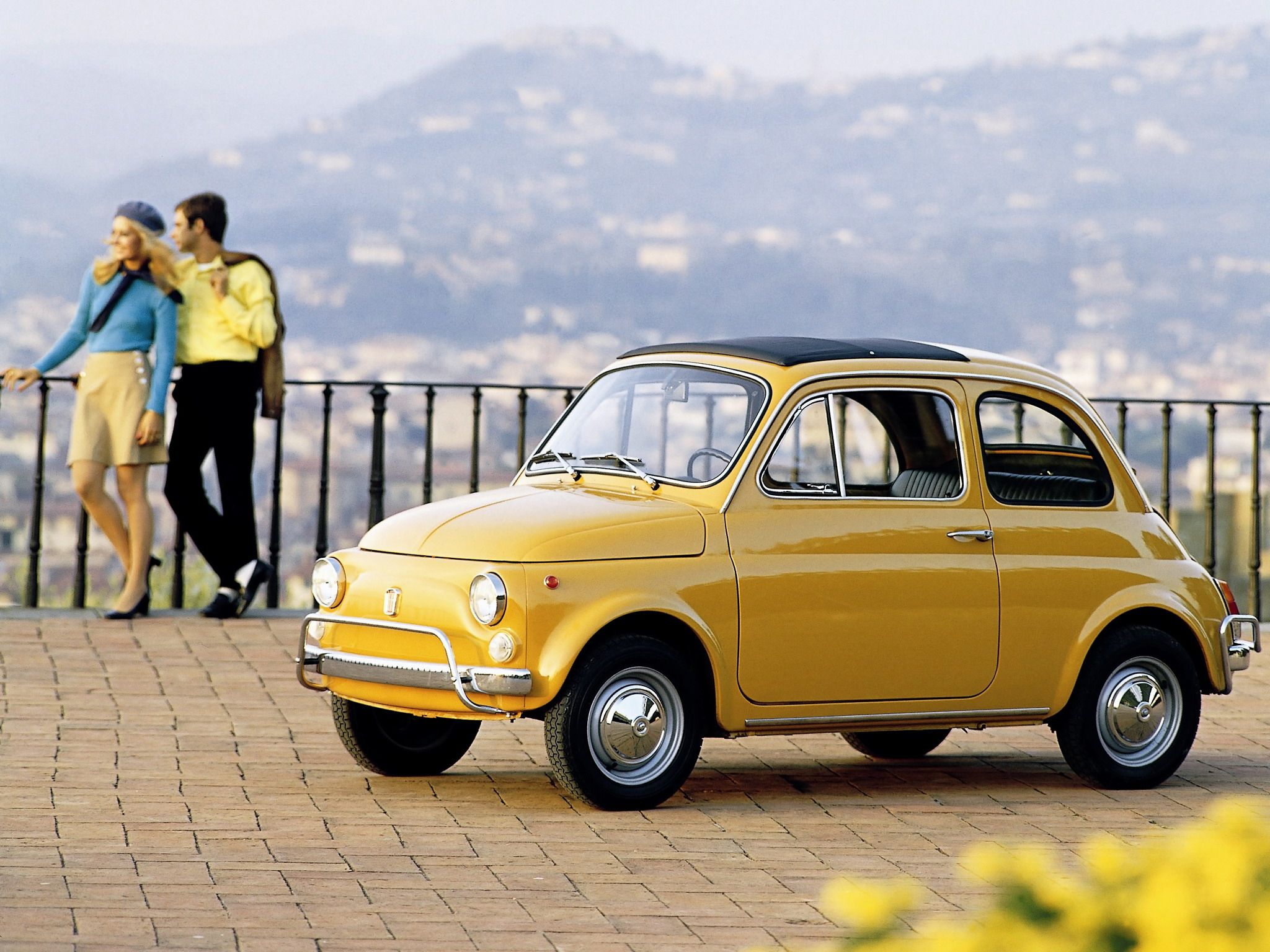
Its tiny size allows it to fit perpendicularly in parallel parking spots a trick still seen on narrow Italian streets today.
Even with manual steering, the 500’s featherweight frame makes it a dream to maneuver. Among collectors in the U.S., it’s a perfect vintage choice for city dwellers who love nostalgia but hate parking tickets.
It was time to bid farewell to the cherished Fiat 500, and the Italian manufacturer did so in style with its final iteration, named Rinnovata.
While the 500 may not have been the model that rescued Fiat, it certainly helped the brand grow in a market where low running costs mattered. It achieved this with a captivating design and an interior that comfortably accommodated two adults up front and two children in the back. The rear-engine layout contributed to its agility, allowing the car to turn sharply and handle with ease.
When rear-hinged doors were prohibited from production, Fiat replaced them with conventional front-hinged doors, a move that drew some criticism from loyal customers.
The Rinnovata, or 500 R, featured the same front fascia as the D model, highlighted by a simple chromed bumper. Mounted on the fenders above were plain, round turn signals. The 500 R was distinguishable from other versions as it lacked a chromed badge on the front panel.
Inside, the cabin was carried over from the L-version (Lusso – Luxury), featuring vinyl-covered seats and a small tray positioned in front of the floor-mounted gearstick. Door panels were also vinyl-covered and included convenient storage pockets.
Under the rear hood, Fiat fitted a larger engine previously used in the Fiat 126. However, the car retained the same 4-speed unsynchronized gearbox found in its predecessors.
Also Read: 10 Least Reliable Cars With CVT Transmissions To Avoid
3. Volkswagen Beetle
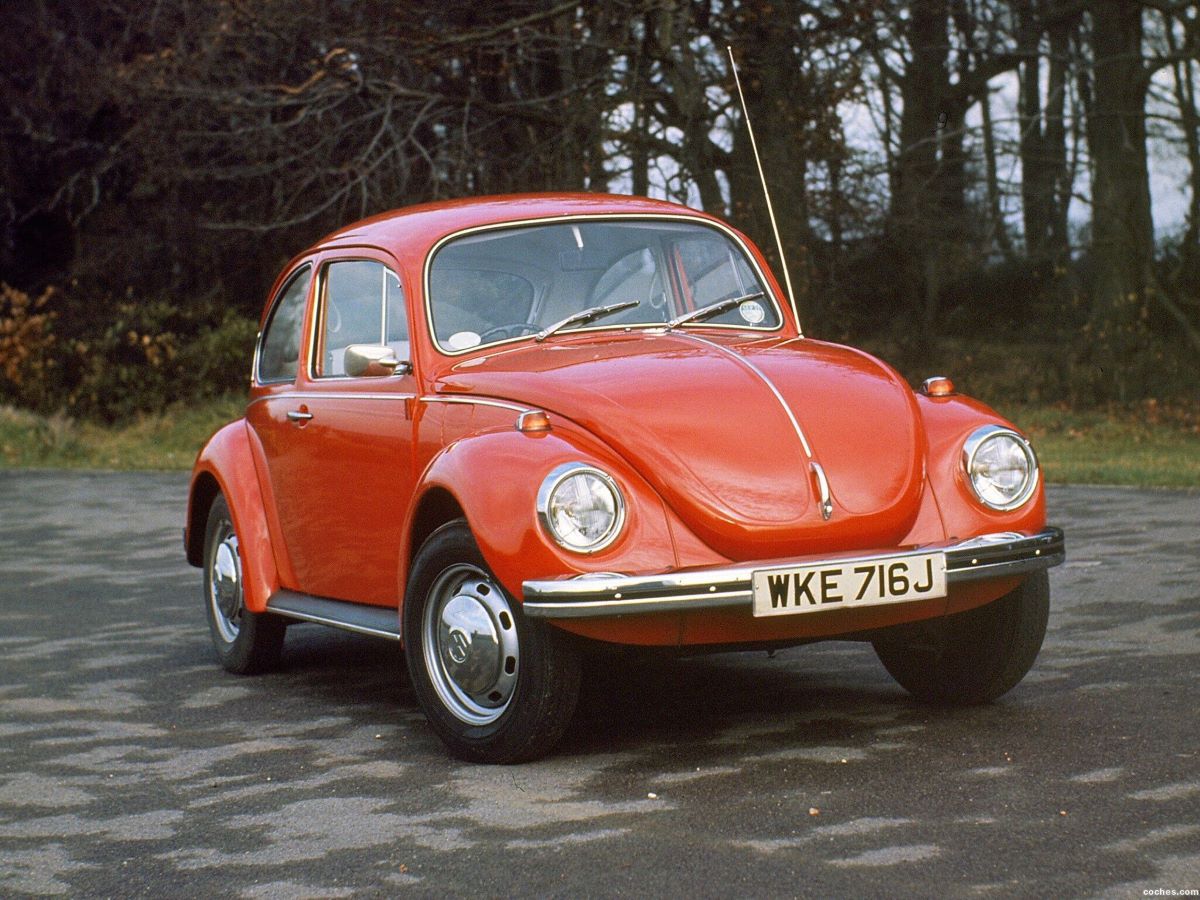
The Beetle wasn’t just a global best-seller; it was one of the most driver-friendly cars ever made. With its rear-engine layout, compact dimensions, and short wheelbase, the original VW Beetle can slip into most modern parking spaces with ease.
The curved design gives good outward visibility, and despite lacking power steering, it’s light enough to handle tight turns without breaking a sweat.
Beetle owners often joke that if you can’t park one, you probably shouldn’t be driving at all and they’re not wrong.
The New Beetle is full of contradictions. It’s a nostalgic nod to the past while serving as a gateway to the 21st century. It’s compact, yet safe. It’s stylish, yet surprisingly potent.
Volkswagen revealed the New Beetle at the North American International Auto Show in Detroit this past January, accompanied by classic ’60s tunes and dashboards dotted with daisies. As one Volkswagen executive remarked, “It’s the birth of a legend, a love affair continued, a dream come true.”
Volkswagen describes it as a car that brings a smile to your face, and we certainly agree. Combining design cues from the original flower-power era Beetle with contemporary technology and modern conveniences, the Concept 1 design study presented at the same show in 1994 has now become a reality. Depending on your age, it’s groovy, cool, or phat.
The iconic Beetle silhouette is instantly recognizable, though the New Beetle shares no parts with the original. It is both larger, 161.1 inches long with 96.3 cubic feet of interior space, and more powerful than its predecessor, with the engine relocated from the rear to the front.
Buyers can choose between a 2.0-liter, four-cylinder 115-horsepower engine or a high-tech Turbo Direct Injection diesel engine that achieves 48 mpg on the highway and offers a driving range of 700 miles.
Later in the production cycle, a 1.8-liter 150-horsepower turbocharged engine will also be available. With 16-inch wheels, modified front and rear axles, and front-wheel drive, cruising in the New Beetle “may remind you of the first time you drove the go-cart around the track,” according to a company official.
Volkswagen insists this car isn’t just for nostalgic Baby Boomers. Its appeal transcends age, race, and class. The target audience includes men, women, the young, and anyone who is young at heart.
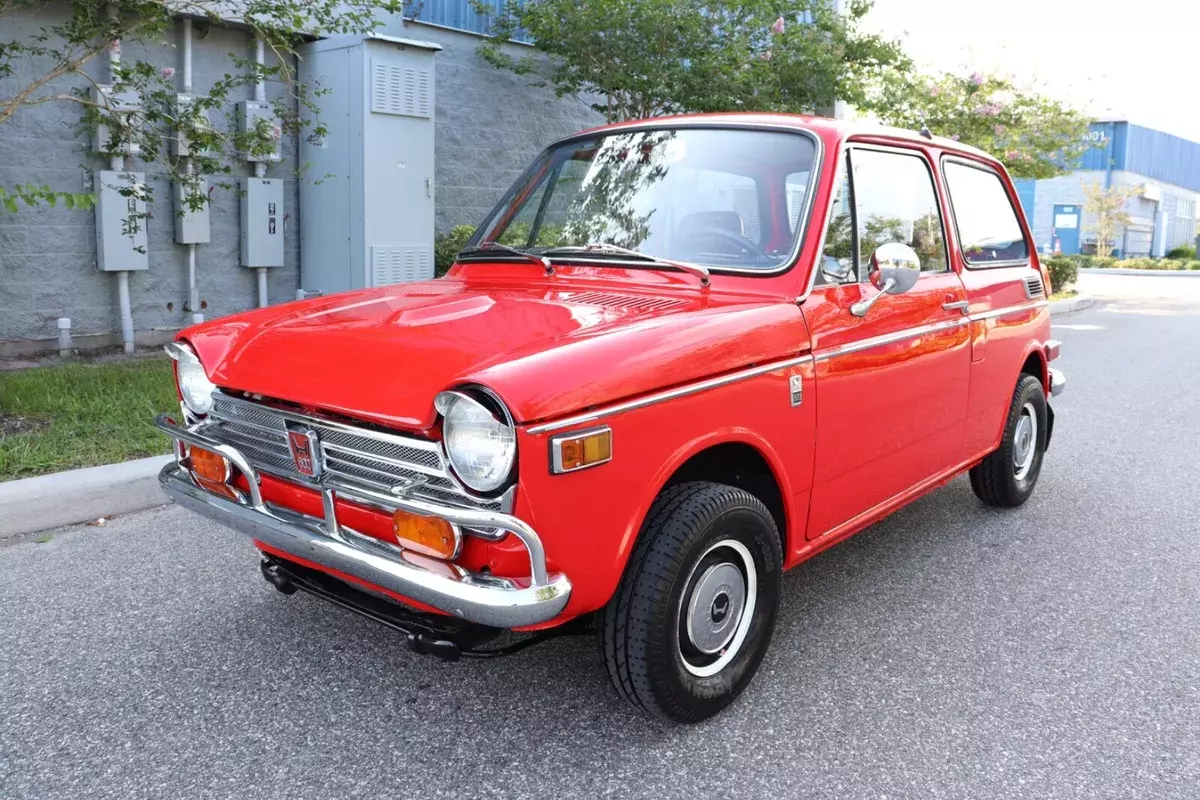
4. Honda N600
Before Honda became a U.S. powerhouse, the N600 was its first major entry into the American market. At under 10 feet long and weighing just over 1,300 pounds, the N600 is a masterclass in simplicity and compactness.
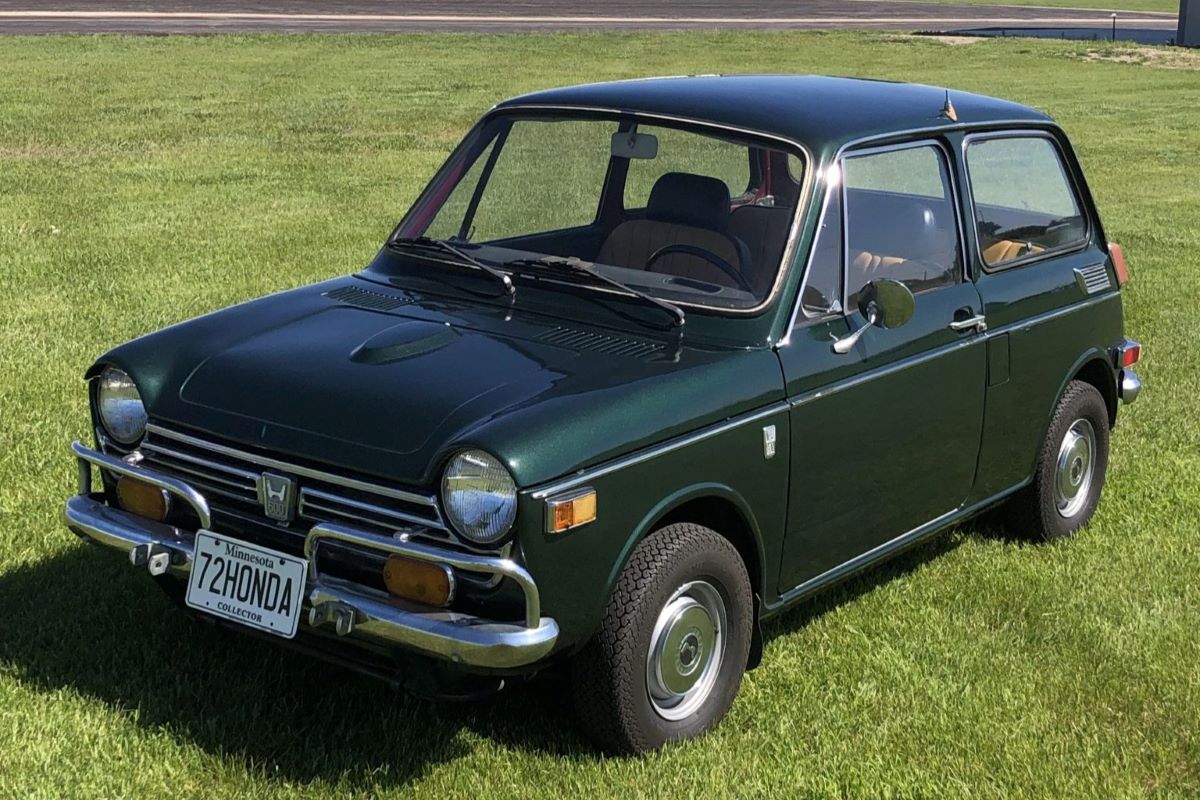
Its motorcycle-derived engine made it surprisingly lively in city traffic, and the narrow width let it squeeze between parked cars that modern sedans couldn’t dream of approaching.
Though rare today, it’s one of the few Japanese classics that’s as practical to own as it is fun to look at especially when parking is a daily challenge.
5. Datsun 510
Sometimes, a car can be both sporty and easy to park and the Datsun 510 proved that point beautifully. Known as the “poor man’s BMW,” the 510 had clean, square proportions that made judging corners simple.
Its small footprint and responsive steering made parking straightforward, even without modern assists. Many collectors today still drive their 510s on weekends, appreciating not just the car’s racing heritage but its usability.
For anyone wanting a vintage car that won’t make city driving miserable, the Datsun 510 stands as an underrated gem.
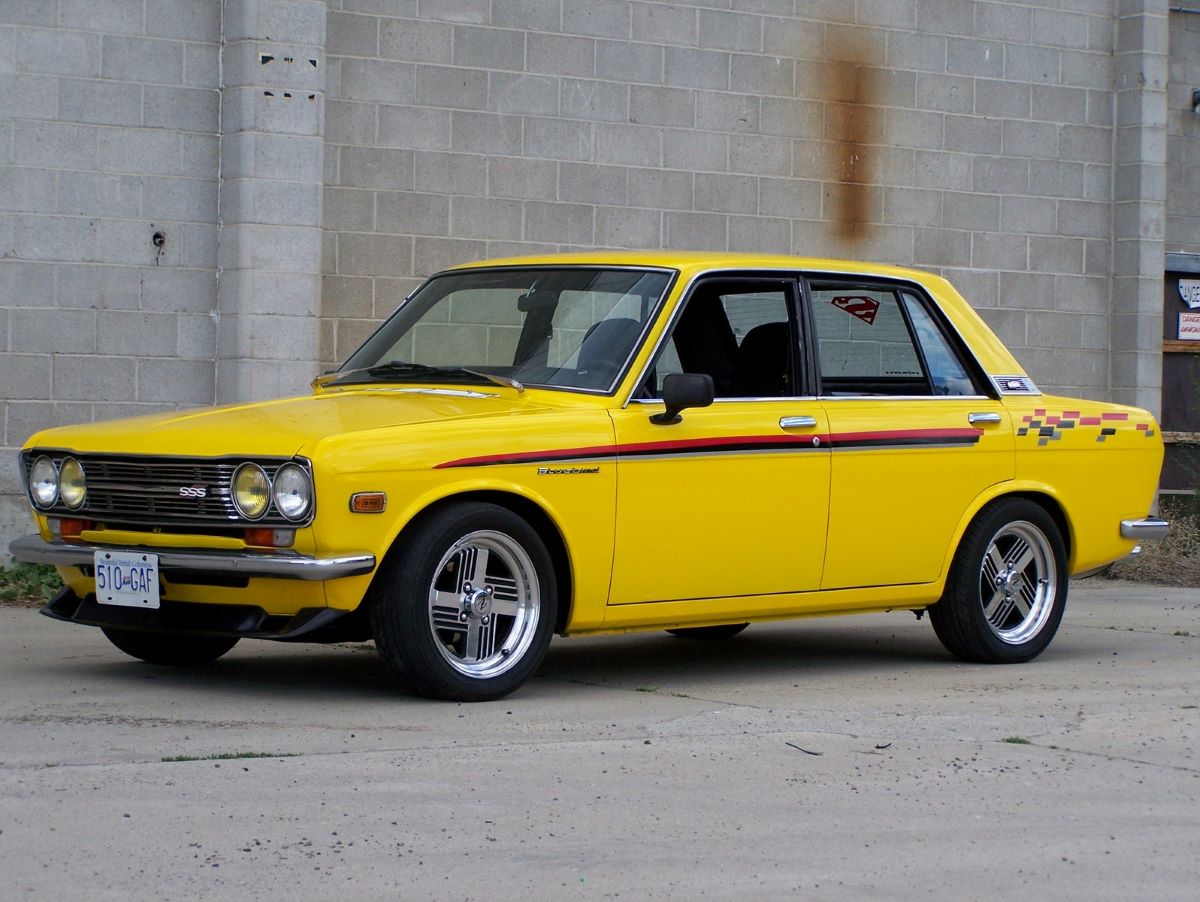
With a chassis crafted by Nissan engineers based on a BMW 1600 template and subtle yet well-proportioned sheetmetal designed by young industrial-design graduate Teruo Uchino, everything came together to create an instant cult classic.
The 510 debuted in fall 1967 as a four-door sedan and wagon, with a two-door variant following a year later. Priced at $1,996, the sedan came equipped with a 96-horsepower, 1.6-liter engine, front-disc/rear-drum brakes, and a MacPherson-strut front/semi-trailing-arm rear suspension, BMW specifications at a $500 discount.
No American car offered those features at anything close to that price. While Volkswagen’s massively popular Beetle was similar in size, extremely well built, and $200 cheaper, it fell short with only 53 horsepower, cramped rear seating, limited trunk space, and uninspiring chassis dynamics.
By contrast, the 510 delivered a comfortable ride, a roomy and airy interior, and a spacious 13-cubic-foot trunk. These attributes drew enough buyers to help quadruple Nissan’s U.S. sales between 1968 and 1973.
Classic Vehicles That Are Always Difficult to Park
Classic cars are admired for their style, character, and the nostalgia they bring, but not all of them are convenient to drive in modern settings.
Some vintage vehicles are notoriously large, wide, or awkwardly shaped, making even a simple parking maneuver a challenge. In this article, we’ll look at classic cars that are as impressive on the road as they are tricky to park, proving that timeless design doesn’t always come with practicality.
1. Cadillac Eldorado
If there’s one car that represents “too much of a good thing,” it’s the late-’50s Cadillac Eldorado. Stretching over 18 feet long and nearly 7 feet wide, this chrome-covered cruiser is majestic on open roads but a parking nightmare anywhere else.
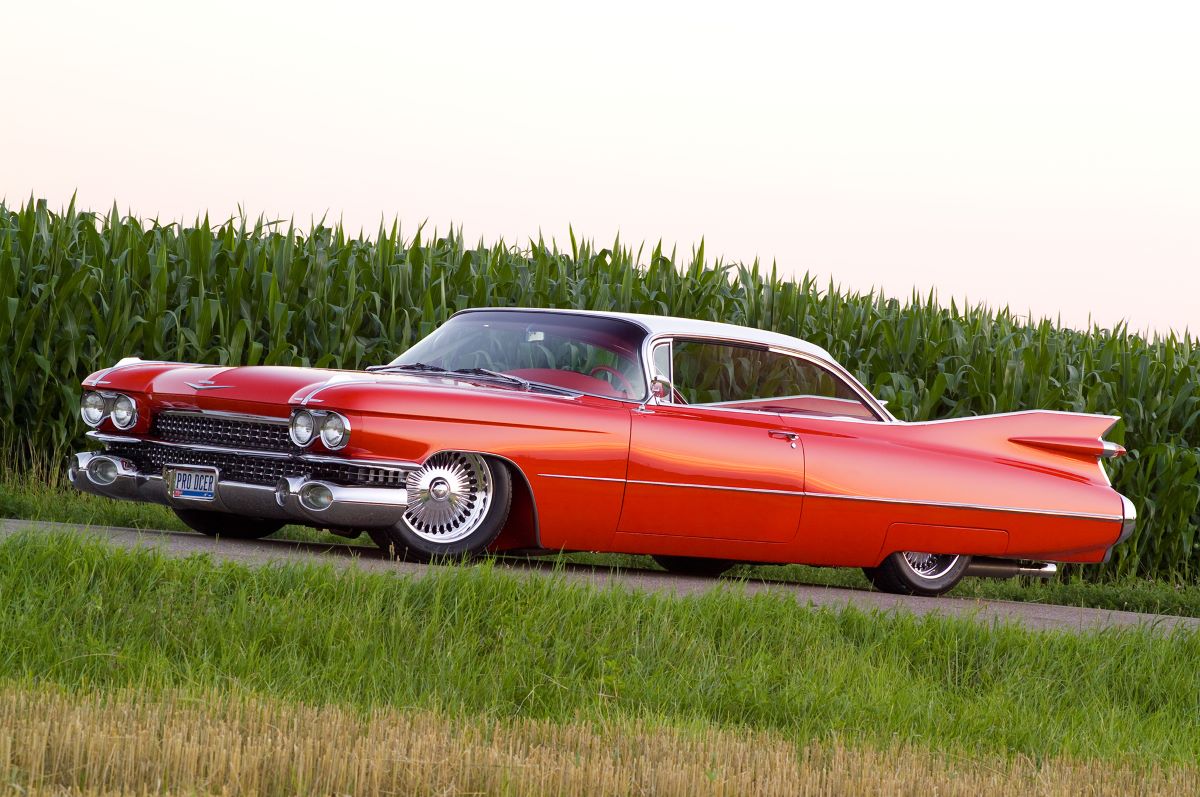
Even the most experienced classic car enthusiasts admit that backing an Eldorado into a spot feels like docking a yacht.
The enormous tailfins and limited rear visibility make tight spaces nerve-wracking, and unless you have a football field to work with, parking this beauty is more performance art than driving.
2. Lincoln Continental Mark IV
During the early 1970s, bigger was better and nowhere was that clearer than in the Lincoln Continental Mark IV. This personal luxury coupe could easily rival full-size SUVs in length.
Add in a hood long enough to host a dinner party, and you have a car that’s almost impossible to park gracefully. Power steering helps, but its turning radius feels more like a city bus than a car. Even parallel parking on a quiet suburban street requires multiple adjustments and nerves of steel.
For the masters of the universe in the 1970s, the prevailing mantra was clearly “soft.” Soft seats, soft armrests, soft carpets. A soft ride makes the Lincoln Continental Mark IV an exceptionally comfortable highway cruiser, though it performs best with the wheel pointed straight ahead.
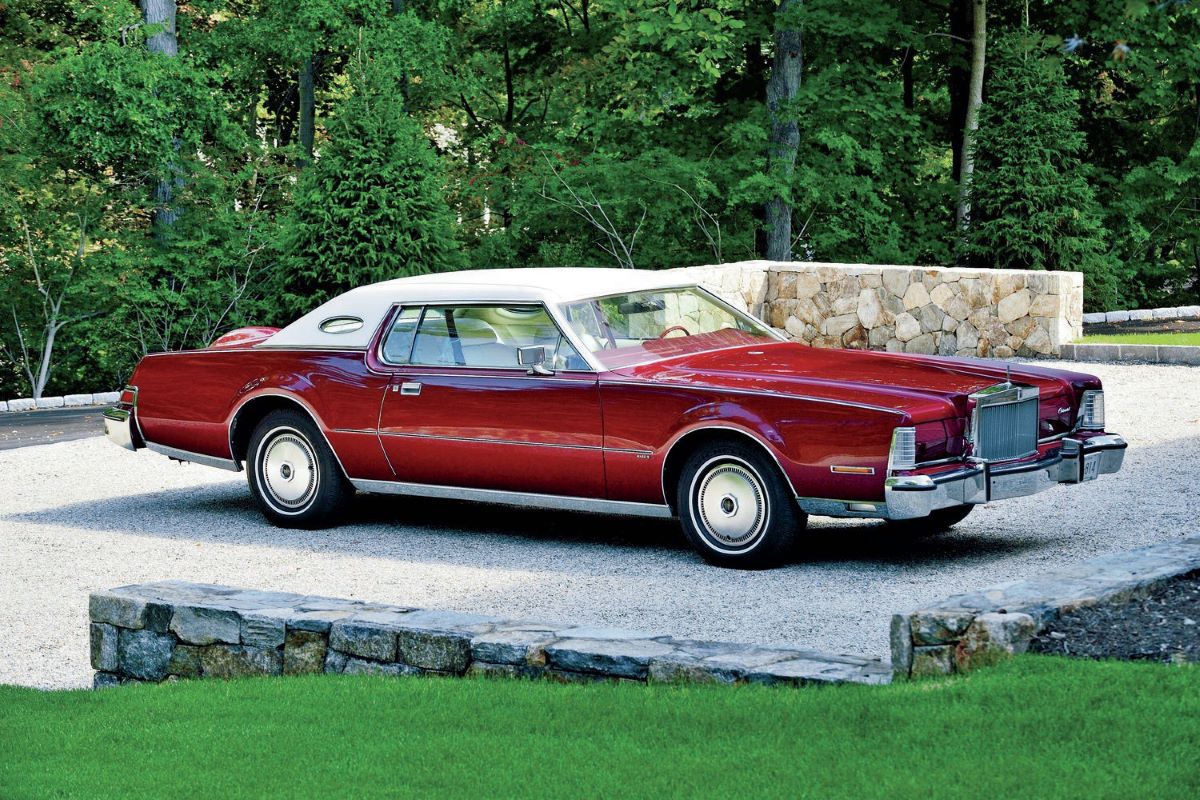
Cornering is not this car’s forte. Surprisingly, the most remarkable aspect of steering it through turns isn’t the extreme body roll, it’s the delay between when the distant hood begins to turn and when the car actually responds. With a hood extending more than six feet, the perspective from behind the wheel is unlike any other.
That long hood is also the defining design feature of the Mark IV. Its styling changed very little over its five-year production run and remained closely aligned with the preceding Mark III and the following Mark V, though the 1972 model benefited from smaller bumpers.
The Mark IV also gained fame for its designer editions. Four designer series, Bill Blass, Cartier, Givenchy, and Emilio Pucci, were introduced with the 1976 models, building on earlier color-specific luxury packages.
Among Lincoln enthusiasts, the designer-series cars command a modest premium, yet even so, these vehicles remain surprisingly affordable. Excellent examples can be purchased for under five figures, and well-maintained drivers still trade for standard used-car prices.
Appreciation for ’70s automobiles appears to still be in its early stages. However, it seems likely that this slice of rolling Americana will eventually gain the recognition it deserves, cruising proudly down even the finest streets in Connecticut, its stand-up hood ornament sparkling in the sun.
3. Chevrolet Impala
The Chevy Impala is a true American classic, known for its low-slung styling and immense presence. Unfortunately, that “presence” extends to the parking lot.
While newer Impalas are reasonably sized, the early models especially the 1960s variants were among the longest sedans on the market.
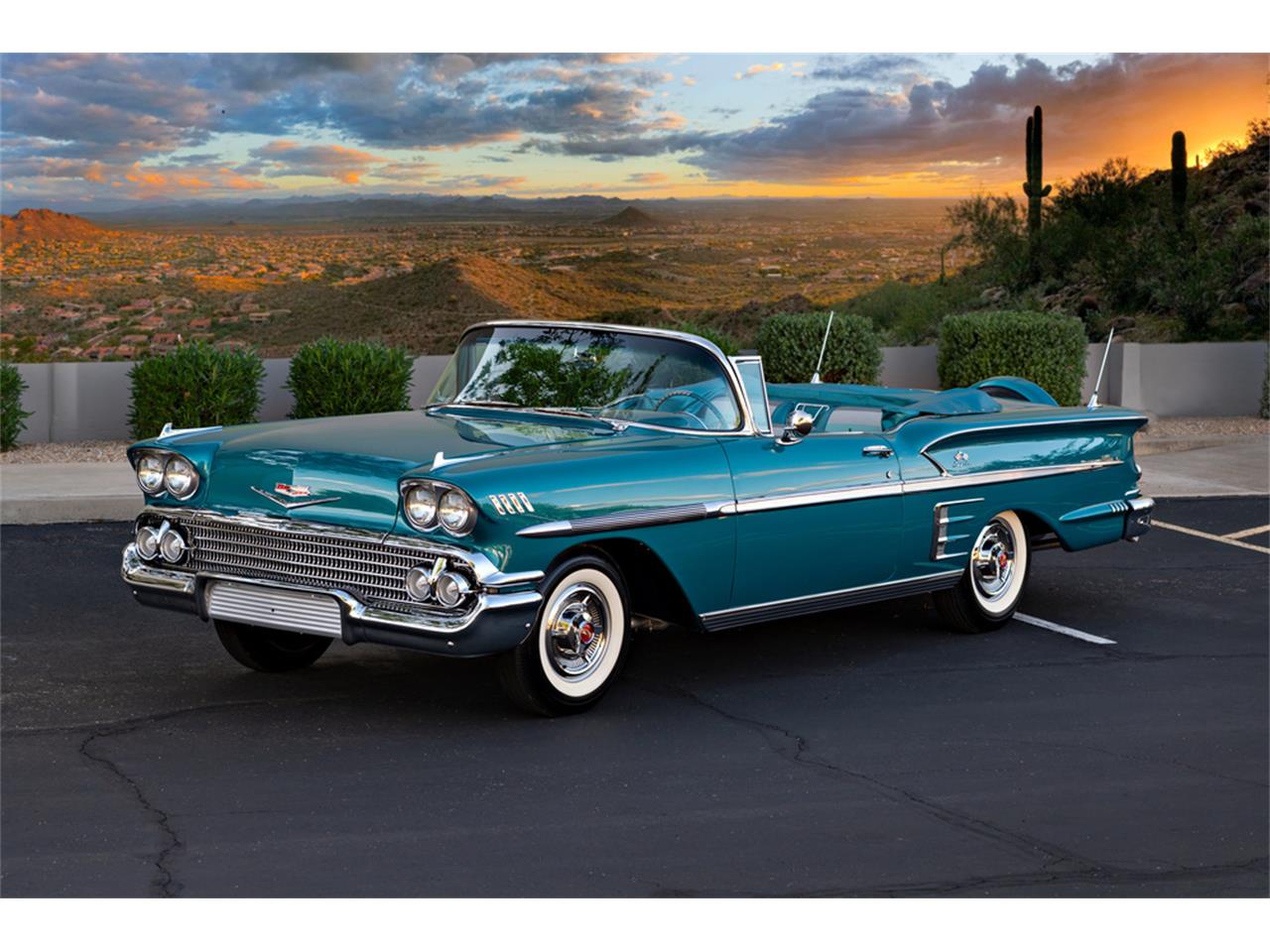
Long rear decks and minimal rear visibility make backing up a guessing game. For all its power and elegance, parking an old Impala downtown is best left to those with patience or a very large driveway.
4. Ford Thunderbird (1958–1960 “Square Bird”)
The second-generation Ford Thunderbird, affectionately nicknamed the “Square Bird,” brought more luxury but also more size.
With its wide track, heavy steering, and limited rear view, this car demands both skill and strength to park. It’s a stylish cruiser with undeniable curb appeal but ironically, getting it to the curb is the hardest part.
Many collectors love the Thunderbird for its looks but admit it’s a handful in tight spaces. It’s a case where elegance and ease don’t go hand in hand.
The 1960 Ford Thunderbird Convertible marks the final year of the second-generation Thunderbird, commonly known as the “Square Bird” (1958–1960). This generation represented a major evolution for the model, transforming it from a sporty two-seater into a stylish and comfortable four-passenger personal luxury car.
This change responded directly to market demand for a vehicle that combined the thrill of open-top driving with the practicality of seating more than two occupants.
For 1960, Ford introduced minor styling updates, including a redesigned grille and the addition of triple taillights on each side, further setting it apart from earlier “Square Birds.” The Thunderbird Convertible continued to build on the success of its predecessors, offering a distinctive mix of style, comfort, and performance that secured its place as an automotive icon.
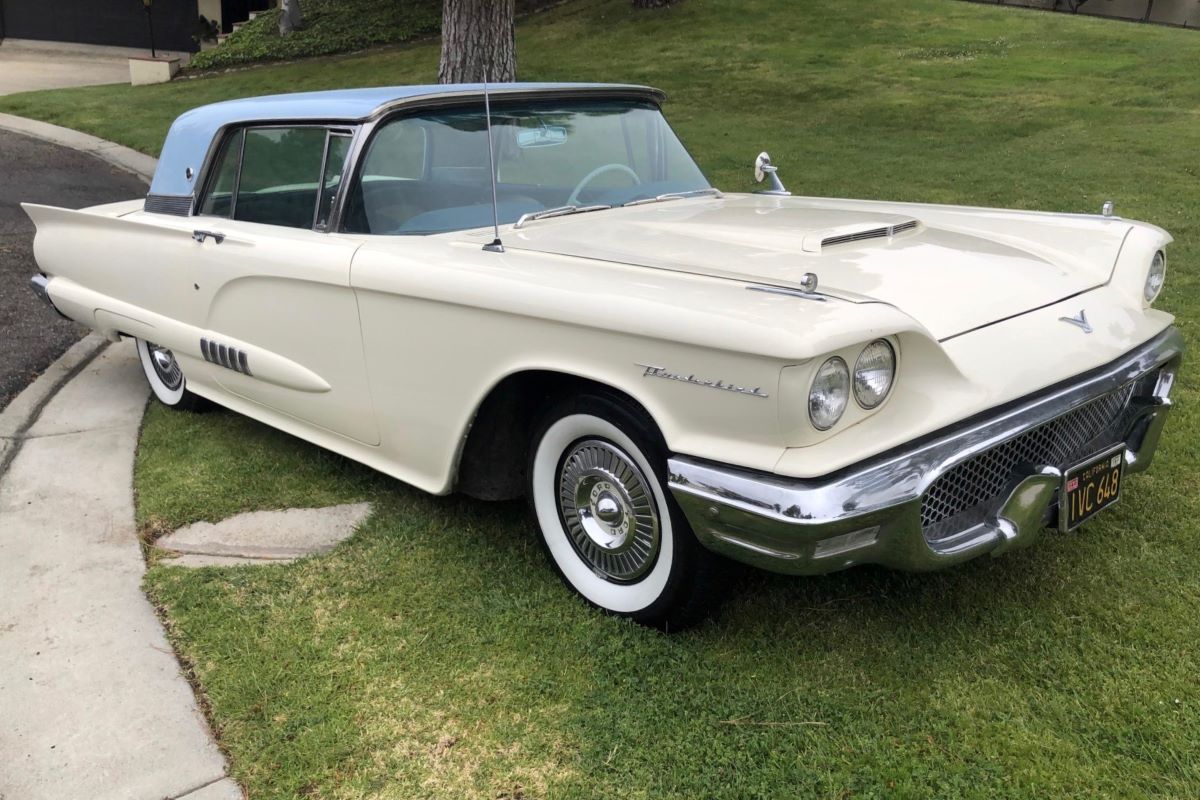
The 1960 Ford Thunderbird Convertible gave buyers a choice of two V-8 engines. The standard “Thunderbird 352 Special” V-8 was a 5.8-liter unit producing roughly 300 horsepower.
For those desiring more power, the optional “Thunderbird 430 Special” V-8, a 7.0-liter engine generating around 350 horsepower and 490 lb-ft of torque, was available. Both engines provided ample power for relaxed cruising and confident acceleration.
They were typically paired with a three-speed automatic transmission (Cruise-O-Matic) for smooth gear changes, while a three-speed manual transmission was offered as standard. Although the Thunderbird was designed more for comfortable highway cruising than outright sports car performance, the available V-8 engines ensured it could hold its own on the open road.
The 1960 Thunderbird Convertible maintained the squared-off styling that defined the second generation. It featured a prominent front grille, often described as an “eagle eye” design because of the headlight casings, along with substantial chrome bumpers. The curved windshield and side glass reflected the jet-age design trends of the era.
At the rear, prominent tailfins were complemented by the newly introduced triple round taillights on each side, a visual distinction from the 1958 and 1959 models.
The convertible top was power-operated, folding completely into the trunk for a clean open-top appearance. For hardtop models, an optional manually operated sunroof became available in 1960, a relatively innovative feature at the time.
As a personal luxury car, the 1960 Thunderbird Convertible came well-equipped with comfort and convenience features. Standard amenities included power steering and power brakes, bucket seats with a center console, and a generously sized trunk.
Optional features allowed buyers to further customize their Thunderbirds, including power windows, power seats for both driver and passenger, air conditioning (“SelectAire”), a push-button radio, and a unique “Sport Spare Wheel Carrier” that mounted the spare tire externally.
The interior was spacious for four passengers, with individually contoured seats designed for comfort. A padded instrument panel and other safety enhancements were also included. Various interior upholstery options, including vinyl and leather, allowed buyers to tailor the cabin to their personal tastes.
The 1960 Ford Thunderbird Convertible captured the style and spirit of the early 1960s. Its combination of open-air freedom, distinctive design, and luxurious comfort made it a popular choice among those seeking a personal luxury car with flair. Its presence in popular culture further cemented its iconic status.
Also Read: 8 Most Popular Pickup Trucks in the U.S. Ranked by Real Owners
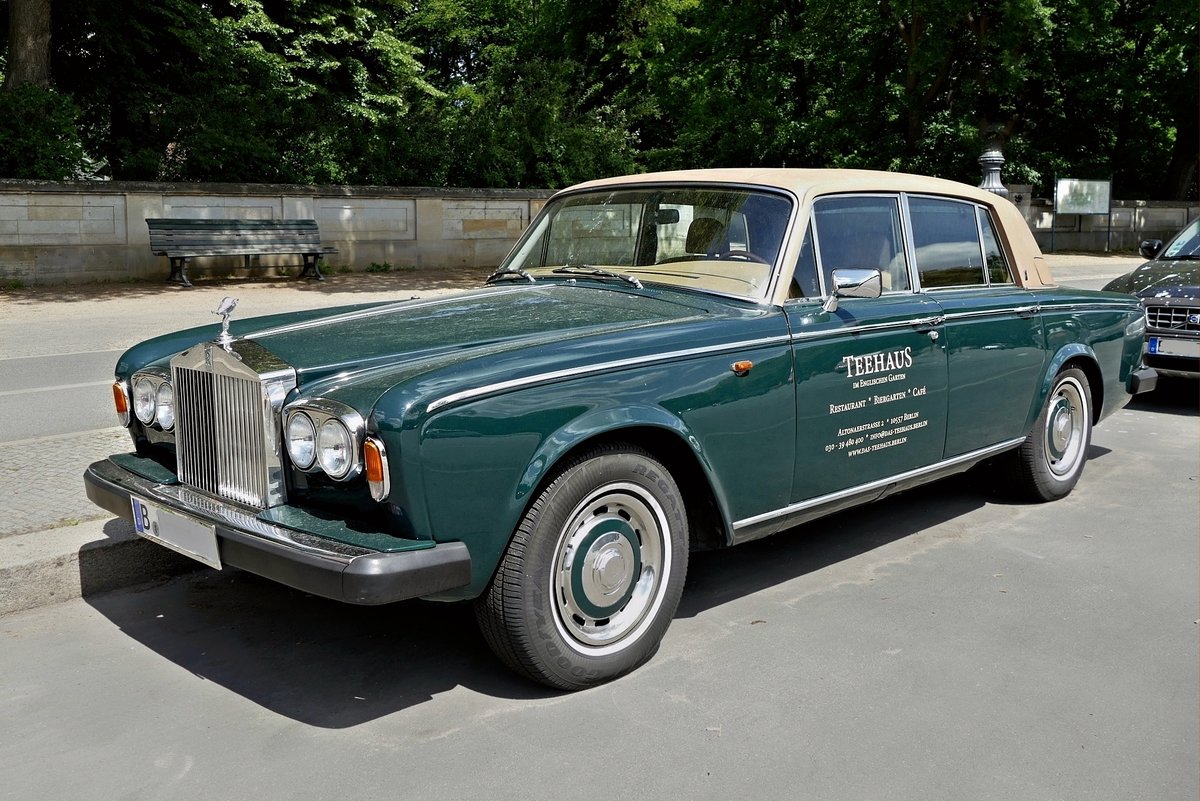
5. Rolls-Royce Silver Shadow (1965–1980)
Even luxury can come with compromises, and the Rolls-Royce Silver Shadow proves it. Though smaller than the massive Phantoms before it, the Silver Shadow remains a large, heavy car by any standard.
Parking one requires precision and nerves especially since one wrong move could cost thousands in bodywork. The long wheelbase and stately proportions make tight spots nearly impossible, and rearward visibility isn’t great either.
Yet, for many owners, the effort is worth it; few experiences rival gliding through town in a Rolls, even if parking it feels like defusing a bomb.
Classic vehicles are often admired for their design, history, and emotional connection but practicality plays a surprising role in how enjoyable they are to own.
Small, nimble cars like the Mini or Fiat 500 prove that simplicity and clever engineering can make even old-school driving easy in a modern world.
On the other hand, large cruisers like the Eldorado or Continental remind us that style sometimes came before practicality.
For collectors, the choice often comes down to lifestyle. If you live in a dense urban area, a compact classic means you’ll actually drive and enjoy it.
If you’ve got space to spare, the big cruisers offer unmatched comfort and charisma just make sure you’ve got a wide driveway and strong forearms.
In the end, both categories highlight what makes classic cars so fascinating: they capture the design priorities of their eras.
Whether it’s the effortless charm of a Mini Cooper or the grand presence of a Cadillac Eldorado, parking them tells a story of how drivers once saw the world and how much effort it sometimes took to look stylish doing it.