When Americans think about vehicles built to last, Toyota’s name often tops the list. From sedans like the Camry to trucks like the Tacoma, the brand has built a reputation for reliability that few automakers can match.
But it’s in the SUV category where Toyota’s engineering really shines. Many of its SUVs are known to easily cross 200,000 miles and some go far beyond that, still running smoothly after decades on the road.
Whether it’s families looking for long-term dependability, off-roaders who need toughness, or commuters who value low maintenance, Toyota’s SUV lineup has proven it can stand the test of time.
Here are ten Toyota SUVs that are famous for running for decades.
1. Toyota Land Cruiser
The Land Cruiser is Toyota’s ultimate symbol of durability. Originally built for military and heavy-duty use, this SUV evolved into a luxury off-roader that could traverse deserts, mountains, and everything in between without breaking down.
American buyers love it not just for its comfort but also for its bulletproof 5.7-liter V8 and tank-like build quality. Owners often report these vehicles lasting well past 300,000 miles with proper care.
While Toyota retired the Land Cruiser from the U.S. market after 2021, many are still running strong, often fetching high resale values due to their legendary reliability.
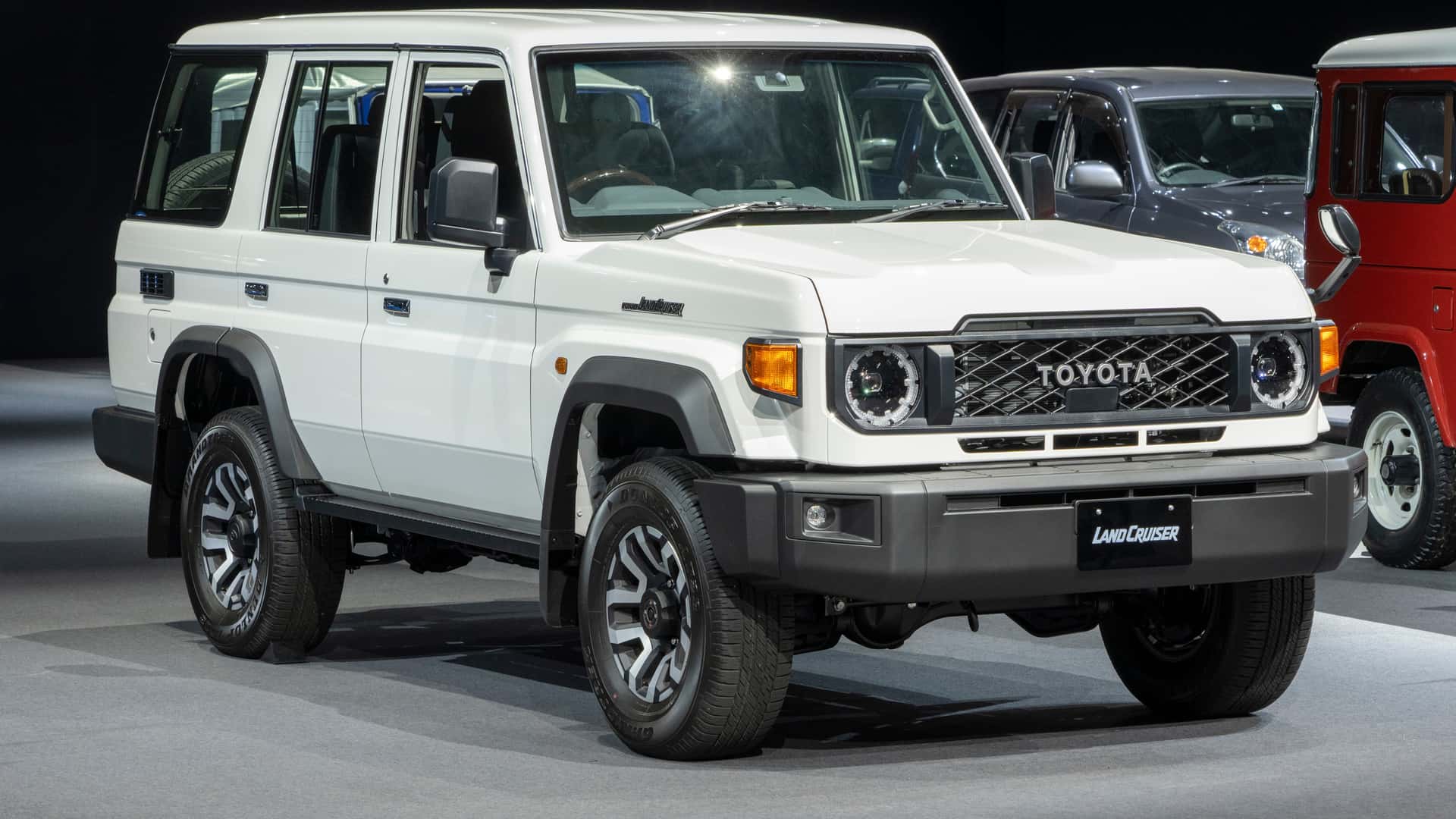
The 2018 Toyota Land Cruiser is built to go anywhere, any terrain, any climate, any country. Its interior warning labels, printed in English, Japanese, Russian, and Arabic, underscore its global versatility for adventurous drivers.
The Land Cruiser’s immense capabilities come from a rugged body-on-frame chassis, full-time four-wheel drive, a strong V8 engine, and Toyota’s suite of off-road technologies, all supported by a legendary reputation for reliability earned over decades of use worldwide.
Whether navigating Icelandic glaciers or the scorching sands of Death Valley, the Land Cruiser performs with ease, all while surrounding occupants with a leather-lined, fully equipped luxury cabin.
However, for drivers whose adventures rarely leave paved roads or shopping-center lots, the Land Cruiser is hard to justify. Its combined fuel economy is a meager 15 mpg, and its large, heavy frame paired with slow steering makes it cumbersome on the highway and reduces maneuverability compared with modern crossovers.
The cabin, while luxurious, presents some compromises: the second-row seats sit a bit low, and their reclining ability is nearly eliminated when the third row is folded up against the cargo walls.
The third row itself does not fold into the floor, occupying cargo space even when not in use, and it offers limited comfort and accessibility for passengers.
In short, while the Land Cruiser is unmatched in capability and luxury, its size, fuel consumption, and interior compromises make it a specialized vehicle best suited for serious off-road use rather than everyday driving.
Also Read: 10 Best SUVs That Still Get Top Dollar at Auction
2. Toyota 4Runner
Few SUVs capture the old-school, body-on-frame durability like the Toyota 4Runner. Its design philosophy hasn’t changed much over the decades, and that’s exactly why owners love it.
The 4Runner’s V6 engine, strong suspension, and simple mechanical systems are built for longevity. It’s not uncommon to see 4Runners from the early 2000s still being used for daily commutes or outdoor adventures.
Whether it’s tackling trails in Colorado or surviving harsh winters in Minnesota, the 4Runner’s durability makes it one of the most trusted long-term SUVs in America.
The Toyota 4Runner has been around for years, and its rugged, last-decade styling reflects that. With a burly 4.0-liter V-6 and a five-speed automatic transmission, the 2019 4Runner is far more at home off the beaten path than on paved roads.
Its on-road dynamics are numb and wandering, making it best suited for drivers who value off-road capability over refinement. Luckily, it delivers in spades, with a body-on-frame construction, substantial ground clearance, and durable, easy-to-clean interior surfaces that can handle mud, dirt, and grime.
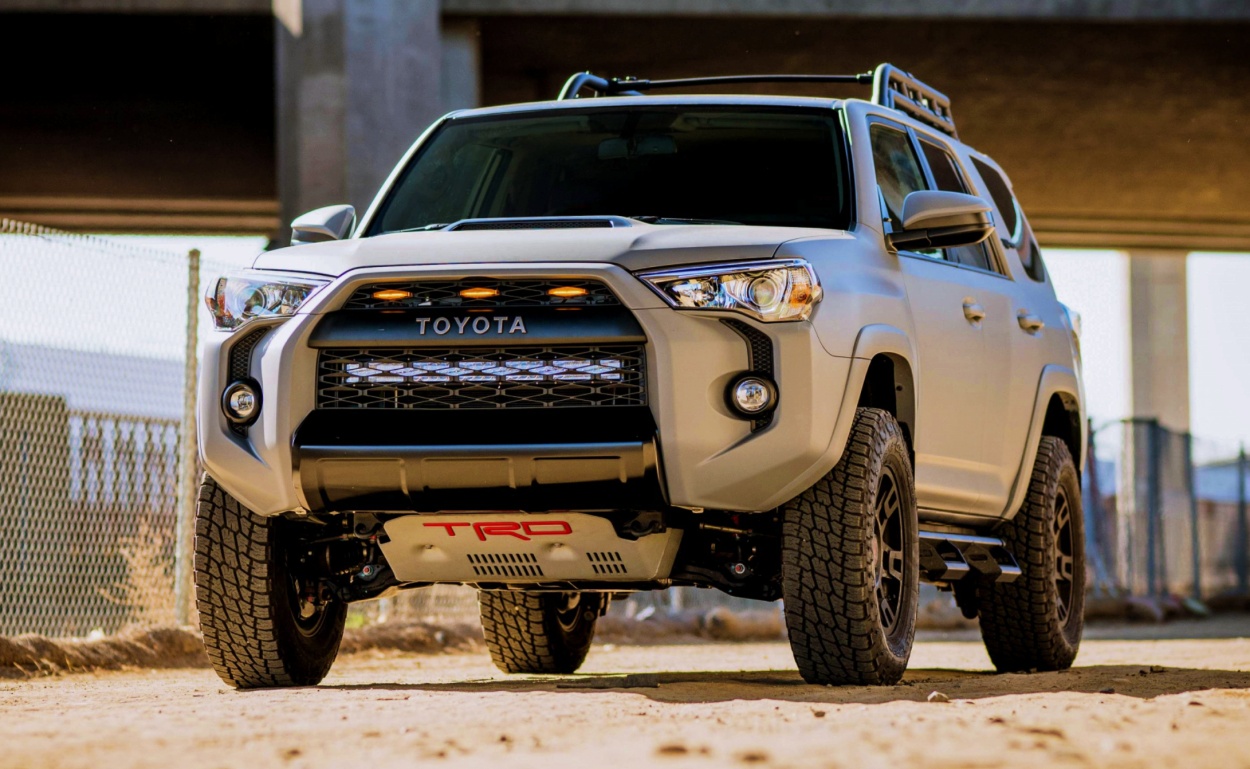
While it lacks some modern creature comforts and the latest driver-assistance technology, few SUVs in this segment can match its rock-crawling prowess outside of a Jeep Wrangler.
For 2019, Toyota adds the Nightshade special edition, featuring blacked-out wheels and trim, while the TRD Pro model gains a new suspension with Fox internal-bypass shocks. Otherwise, the 4Runner remains largely unchanged from 2018.
Pricing ranges from $35,930 for the base SR5 to $47,935 for the TRD Pro, with the mid-level TRD Off-Road Premium ($41,040) representing the best mix of off-road capability and creature comforts.
This trim includes part-time four-wheel drive, heated front seats, leatherette upholstery, a locking rear differential with crawl mode, and Toyota’s Kinetic Dynamic Suspension System (KDSS), which enhances suspension travel and stability on rocky terrain. Additional options include a sliding rear cargo deck, power sunroof, and running boards, allowing for customization without breaking the bank.
Performance-wise, the 4Runner’s V-6 and five-speed automatic are old-school but competent. Lower trims are rear-wheel drive, while most other models feature selectable part-time four-wheel drive with a two-speed transfer case and low-range gearing. Limited models come with full-time all-wheel drive and a Torsen center differential that optimally distributes torque.
In testing, the TRD Off-Road accelerated to 60 mph in 7.5 seconds, its gruff engine note a reminder of its rugged nature. The 4Runner’s towing capacity of 5,000 pounds beats most competitors in its class, including the Hyundai Santa Fe Sport and Ford Edge, though it falls short of the Dodge Durango’s 7,400-pound maximum.
Inside, the 4Runner remains practical but dated. The cabin materials feel cheap compared with modern rivals, and the infotainment system, while simple and responsive, lacks Apple CarPlay and Android Auto.
The optional third row is best suited for children, and the cargo hold is high off the ground, making loading cumbersome. A pull-out cargo deck on the two-row model can carry up to 440 pounds and doubles as a tailgate, though it reduces cargo height.
Even with these compromises, the 4Runner offers versatile storage, deep front-row cubbies, and enough room behind the second row to fit 14 carry-on bags, combining off-road capability with practical hauling for those who embrace its rugged, old-school nature.
3. Toyota Highlander
The Highlander combines practicality, comfort, and Toyota’s trademark dependability. Introduced as a unibody crossover in 2001, it quickly became one of the brand’s most popular family SUVs.
Its V6 engines especially those from the mid-2000s to mid-2010s are known to reach 250,000 miles or more with routine maintenance.
Families often hang on to their Highlanders for over a decade because of their low repair costs and smooth ride quality. Newer hybrid variants have proven equally reliable, extending the Highlander’s reputation for long-term value in an era of electrification.
For 2017, the Toyota Highlander receives a significant midcycle refresh, featuring updated styling highlighted by a larger, more pronounced grille and redesigned LED taillights.
The new V6 engine delivers more power while improving fuel economy, and it’s paired with an eight-speed transmission and an automatic stop-start system.
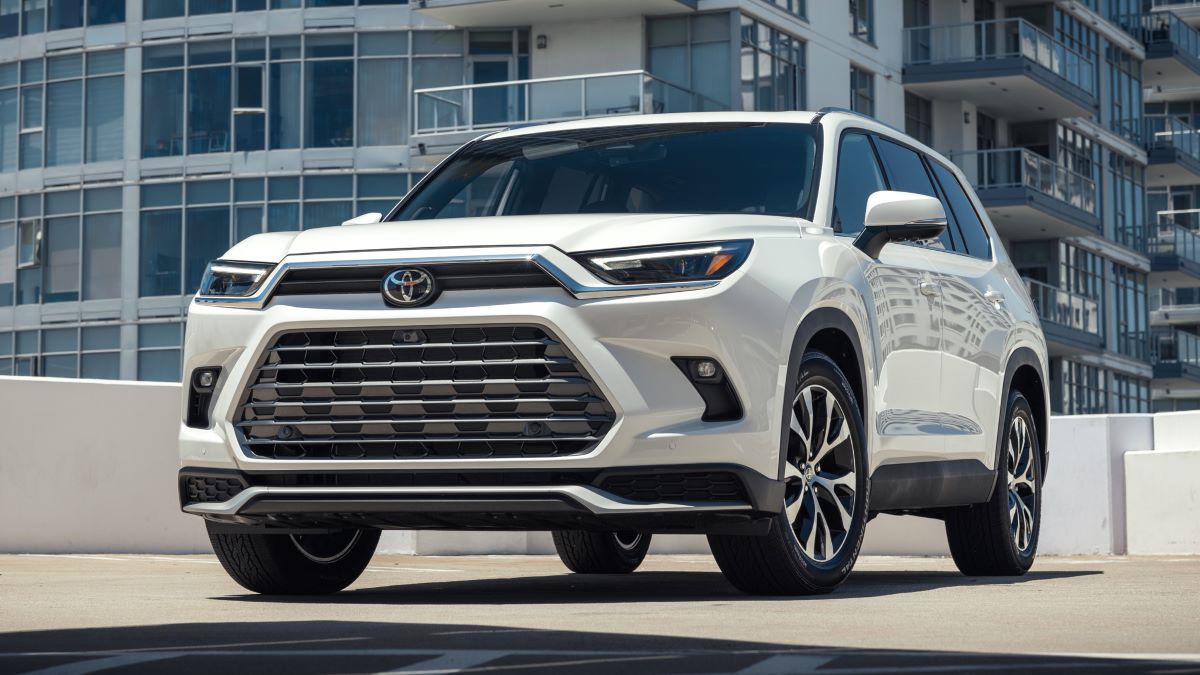
The 2017 Highlander also adds the Toyota Safety Sense suite as standard on every trim, bringing advanced safety technologies to all models. Additionally, a new SE trim introduces sporty styling cues and a retuned suspension for sharper handling.
The Highlander’s size is ideal for many families, large enough to provide ample interior space yet compact enough to remain easy to maneuver. The updated V6 engine, standard on most trims, offers strong acceleration and solid fuel efficiency, while the driving experience strikes a balance between comfort, refinement, and responsive handling.
The cabin is well-built and versatile, with the 2017 update adding four more USB ports to keep devices charged on long trips. Standard Safety Sense features, including autonomous braking, further enhance peace of mind for families.
While the Highlander is one of the top choices in the competitive three-row SUV segment, shoppers should still consider cross-shopping with other leading options. Its strong reliability and resale value make it a compelling candidate, but the segment is packed with capable alternatives, so test-driving several models is the best way to find the SUV that fits your family’s needs.
4. Toyota Sequoia
For large families or those needing an SUV that can tow, the Sequoia is Toyota’s answer to the Chevy Tahoe and Ford Expedition.
Based on the Tundra pickup platform, the Sequoia features a strong V8 engine and robust frame, making it ideal for long-term ownership.
Many first-generation Sequoias from the early 2000s are still on the road today, often with 250,000–300,000 miles on the odometer.
While it’s not the most fuel-efficient SUV, its reliability and build quality ensure it keeps running when other large SUVs start showing their age.
The 2018 Toyota Sequoia is a solid option if you need a heavy-duty, three-row SUV. It can seat up to eight passengers, offers genuine off-road and towing capabilities, and provides generous cargo space, making it a versatile choice for a wide range of uses.
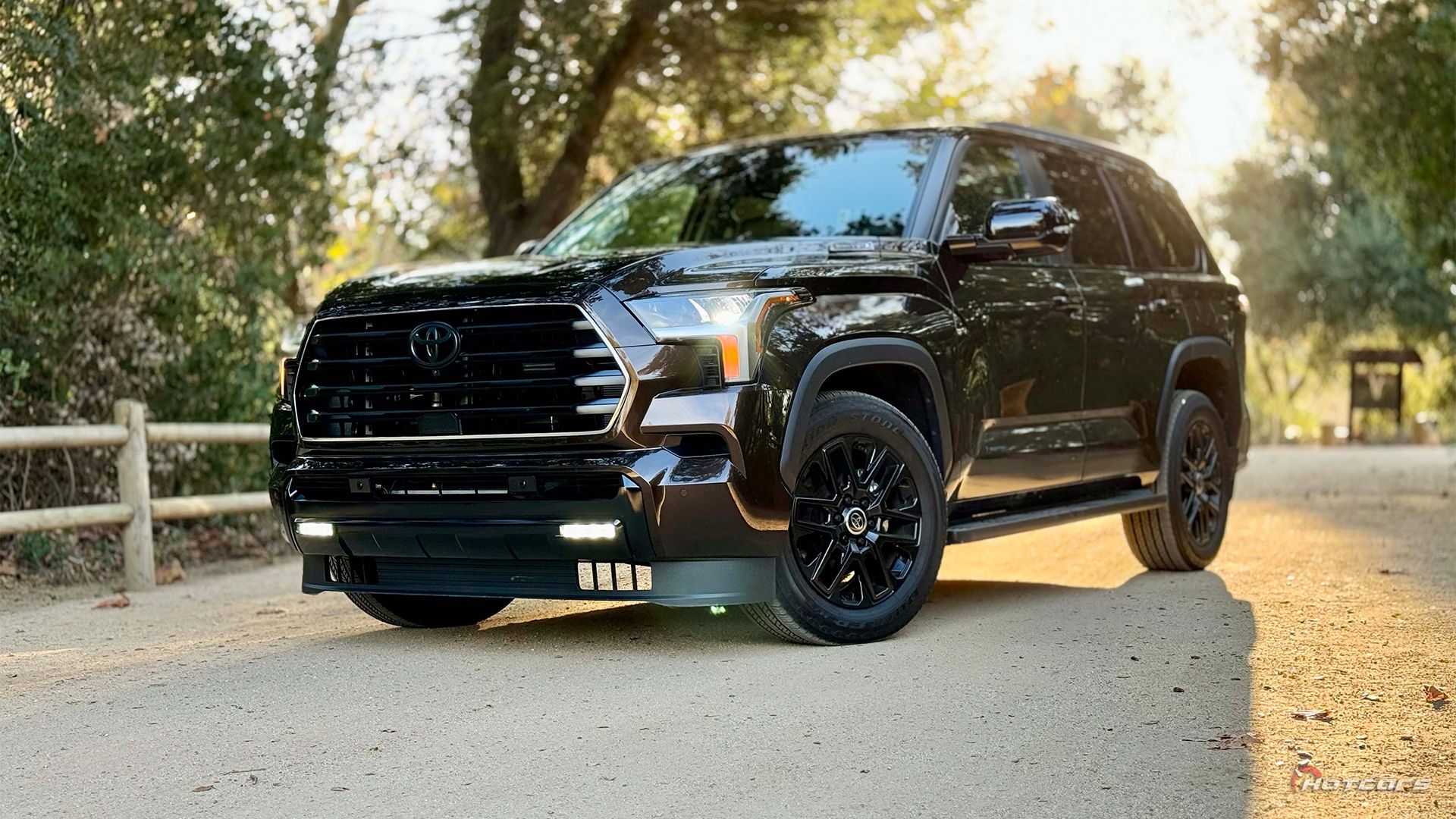
Despite these strengths, the current-generation Sequoia has been on the market for over a decade without a redesign, and its age shows in a dated interior, lack of refinement, and disappointing fuel economy. Compared with newer big crossovers, which often deliver similar interior space with better efficiency, ride comfort, and handling, the Sequoia can feel a bit behind the times.
Still, the Sequoia has its advantages. Traditional SUV buyers will appreciate its comfortable ride, particularly in the Platinum trim equipped with air suspension. Its substantial ground clearance and robust construction make it capable off-road, though it isn’t suited for tight, narrow trails.
Overall, while it may not be our top recommendation in the large three-row SUV segment, the Sequoia’s combination of space, durability, and off-road ability makes it a vehicle worth considering for buyers who prioritize capability over cutting-edge refinement.
5. Toyota RAV4
Since its U.S. debut in 1996, the RAV4 has evolved from a quirky small SUV into one of America’s best-selling crossovers. Its reliability has remained a constant through every generation.
The four-cylinder engines found in most RAV4s are simple yet efficient, requiring little more than oil changes and basic upkeep to last decades.
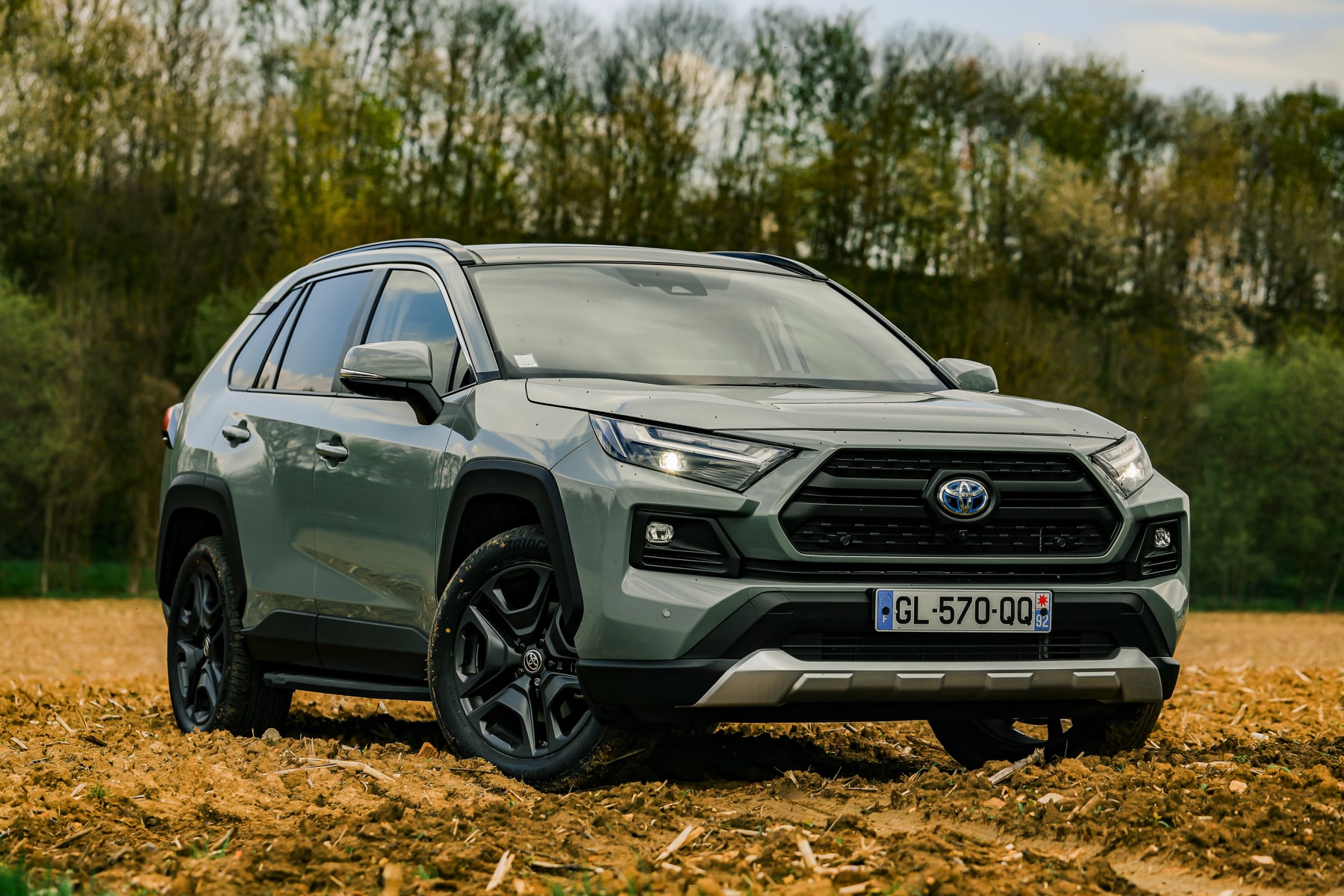
Owners often keep these vehicles for 15 years or more, and high-mileage examples regularly surpass 250,000 miles. For urban drivers who want Toyota dependability in a manageable size, the RAV4 is a proven winner.
Also Read: Top 10 Pickups That Rarely Need Engine Swaps
6. Toyota FJ Cruiser
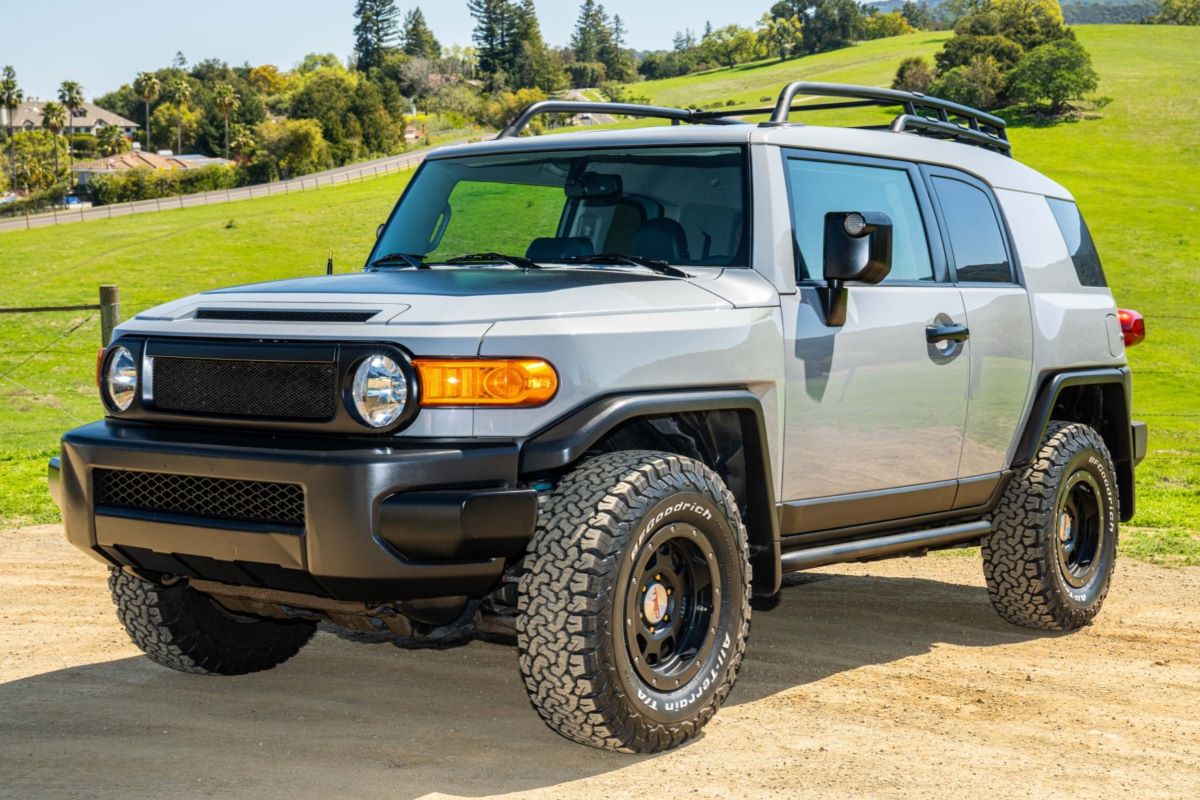
The FJ Cruiser may have been discontinued after 2014, but it’s far from forgotten. With its retro styling and off-road prowess, it’s a favorite among enthusiasts who appreciate rugged reliability.
Built on the same platform as the 4Runner, the FJ’s 4.0-liter V6 engine is nearly indestructible. Many examples have been pushed hard on trails yet continue to run strong after 200,000 miles.
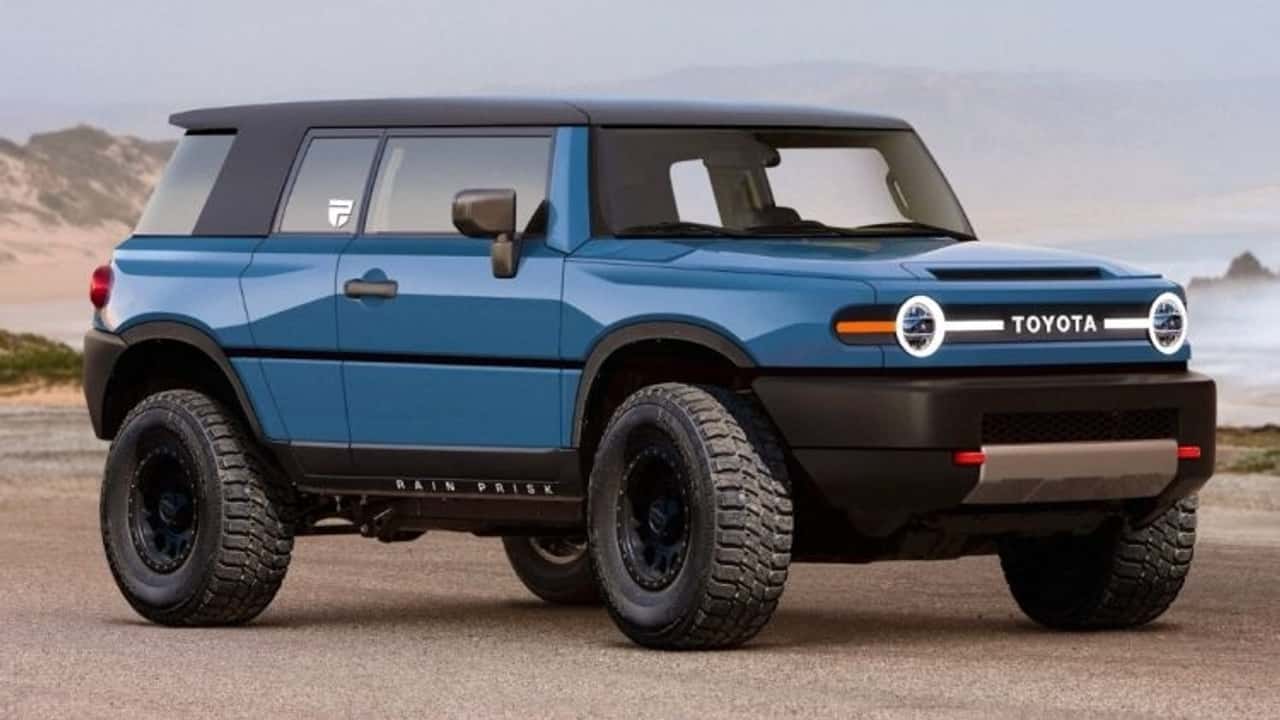
Its resale value remains impressively high proof that buyers know just how durable this SUV really is. The FJ Cruiser has earned its place as a future classic that still feels fresh decades later.
7. Toyota Venza
The Toyota Venza often flies under the radar, but it has quietly built a reputation for reliability. Sharing much of its DNA with the Camry, the Venza offers sedan-like dependability with SUV practicality.
The first generation, sold from 2009 to 2015, has aged exceptionally well, with owners reporting minimal issues even after 200,000 miles.
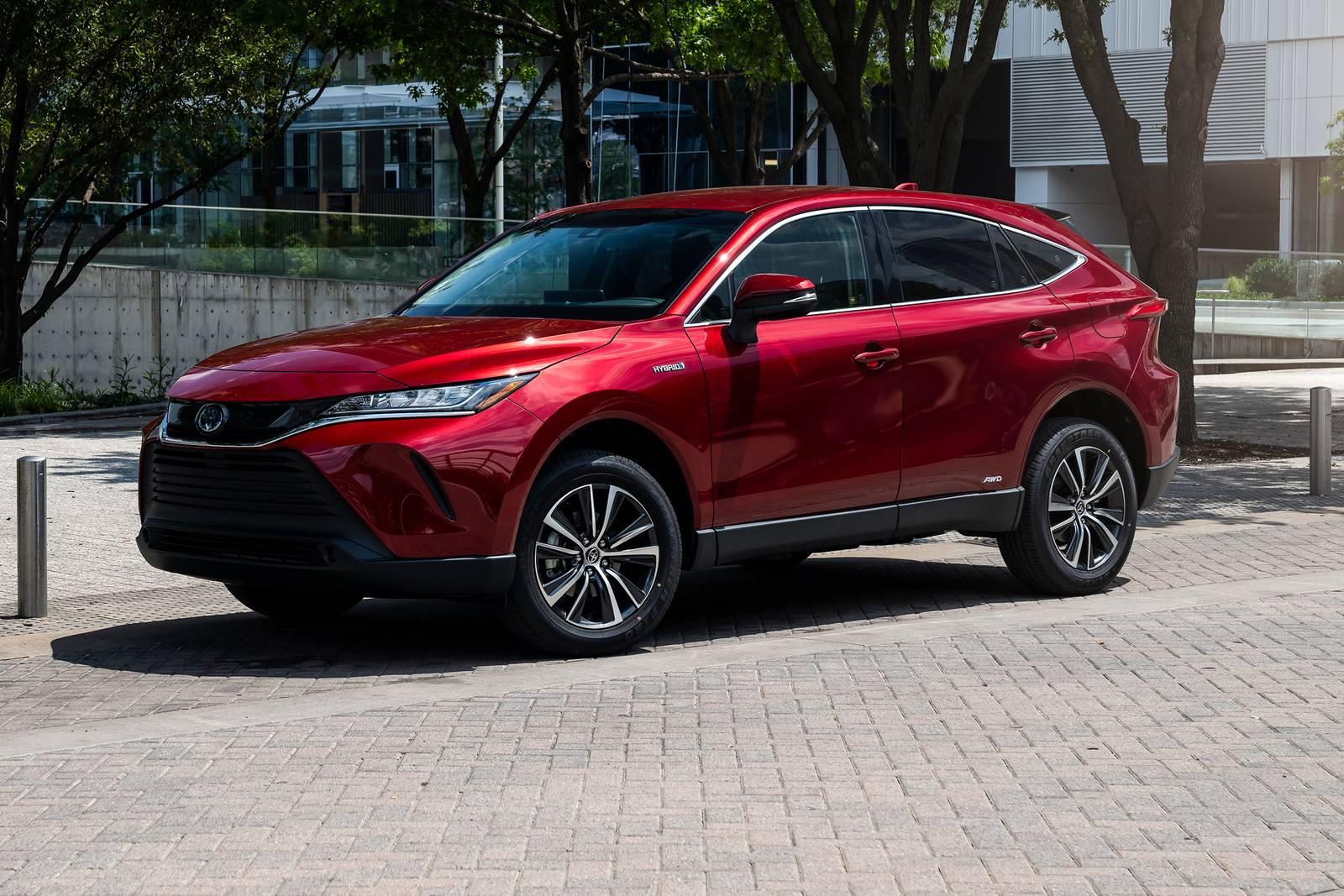
The second-generation hybrid version launched in 2021 continues that tradition, combining Toyota’s bulletproof hybrid technology with refined comfort. It’s a smart pick for drivers who want something long-lasting yet slightly upscale.
The second-generation Toyota Venza makes a strong impression, earning a finalist spot in our 2021 SUV of the Year evaluations. It almost feels more like a Lexus than a higher-end Toyota, with available features such as a clever auto-dimming panoramic moonroof and a stylish two-tone interior.
The available 12.3-inch touchscreen infotainment system adds a premium touch, though the larger screen replaces many physical knobs and buttons with touch controls that can be tricky to use.
Cargo space is also a bit smaller than that of the RAV4, but efficiency remains the Venza’s headline feature. Some staffers noted that the engine can sound coarse and tire noise is more pronounced than expected, yet these issues don’t hinder its competence on long road trips.
Under the hood, the Venza is exclusively a hybrid. Its setup combines a 2.5-liter naturally aspirated four-cylinder engine with two electric motors at the front and one at the rear, paired with a continuously variable automatic transmission (CVT). The rear motor ensures that all models come standard with all-wheel drive, and fuel economy is impressive at 40/37 mpg city/highway.
Total system output is 219 horsepower and 163 lb-ft of torque. In our testing, the Venza accelerated from 0 to 60 mph in 7.1 seconds, nearly half a second quicker than the RAV4 Hybrid, proving that efficiency doesn’t come at the expense of performance.
8. Toyota GX 460
The GX 460 might wear a Lexus badge in the U.S., but it’s very much a Toyota at heart. Built on the Land Cruiser Prado platform, this SUV has earned a loyal following among those who want off-road ability and long-term reliability wrapped in luxury.
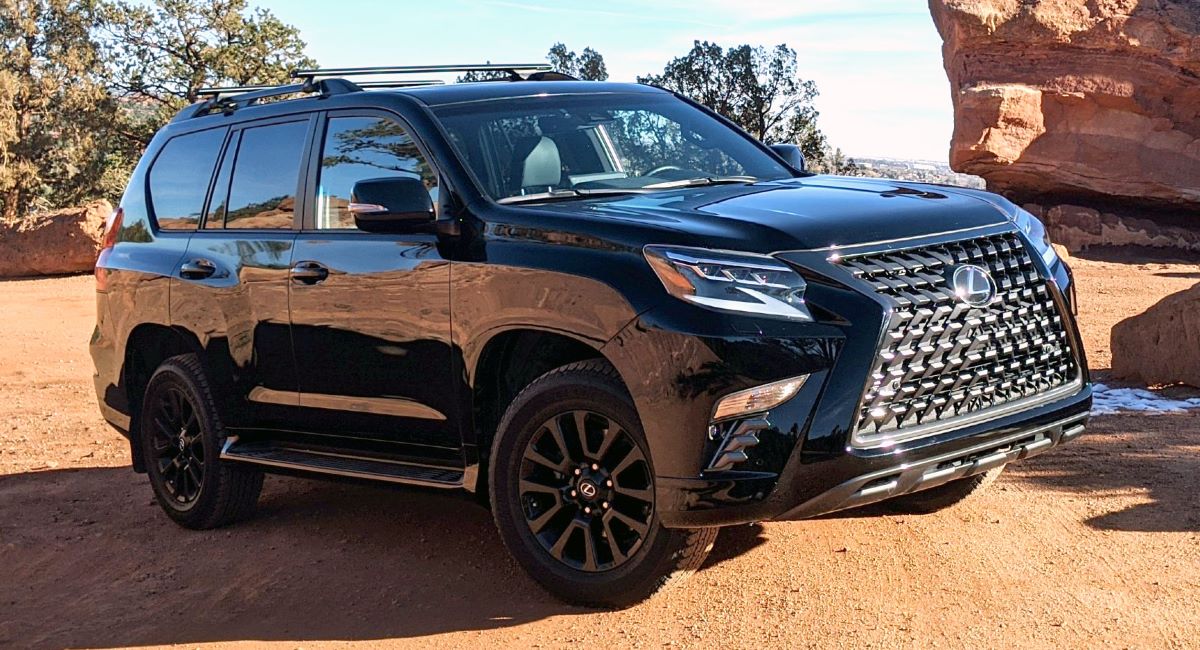
Under the hood lies a 4.6-liter V8 that can easily surpass 300,000 miles with proper care.
Despite being marketed as a premium vehicle, the GX’s mechanical simplicity and proven Toyota engineering make it one of the longest-lasting luxury SUVs on the road today.
Merging a rugged, body-on-frame chassis with Lexus’s signature luxury, the 2019 GX is essentially a mountain climber dressed in a three-piece suit. Its old-school construction is paired with a thirstier V-8 engine at a time when more carlike crossovers dominate the market, giving it a distinctive charm for buyers who prioritize capability over fuel economy.
Under the hood, the GX is powered by a 4.6-liter V-8 producing 301 horsepower, paired with a six-speed automatic transmission. Its full-time all-wheel-drive system, complete with a locking center differential, ensures serious off-road prowess.
On paved roads, the GX delivers a comfortable ride, though it feels ponderous around tight curves and accelerates more slowly than many competitors, taking 7.0 seconds to hit 60 mph at our test track.
Drivers seeking a sportier experience on twisty roads might want to consider alternatives like the BMW X5 or Audi Q7. Visibility is excellent, and the GX’s high seating position offers the commanding view that SUV buyers expect.
9. Toyota C-HR
While it’s one of Toyota’s newer SUVs, the C-HR carries the brand’s legacy of long-term dependability. Introduced in 2018, it’s aimed at urban drivers who want something compact but built to last.
Its naturally aspirated 2.0-liter four-cylinder engine avoids the complexity of turbochargers, which often means fewer long-term maintenance headaches.
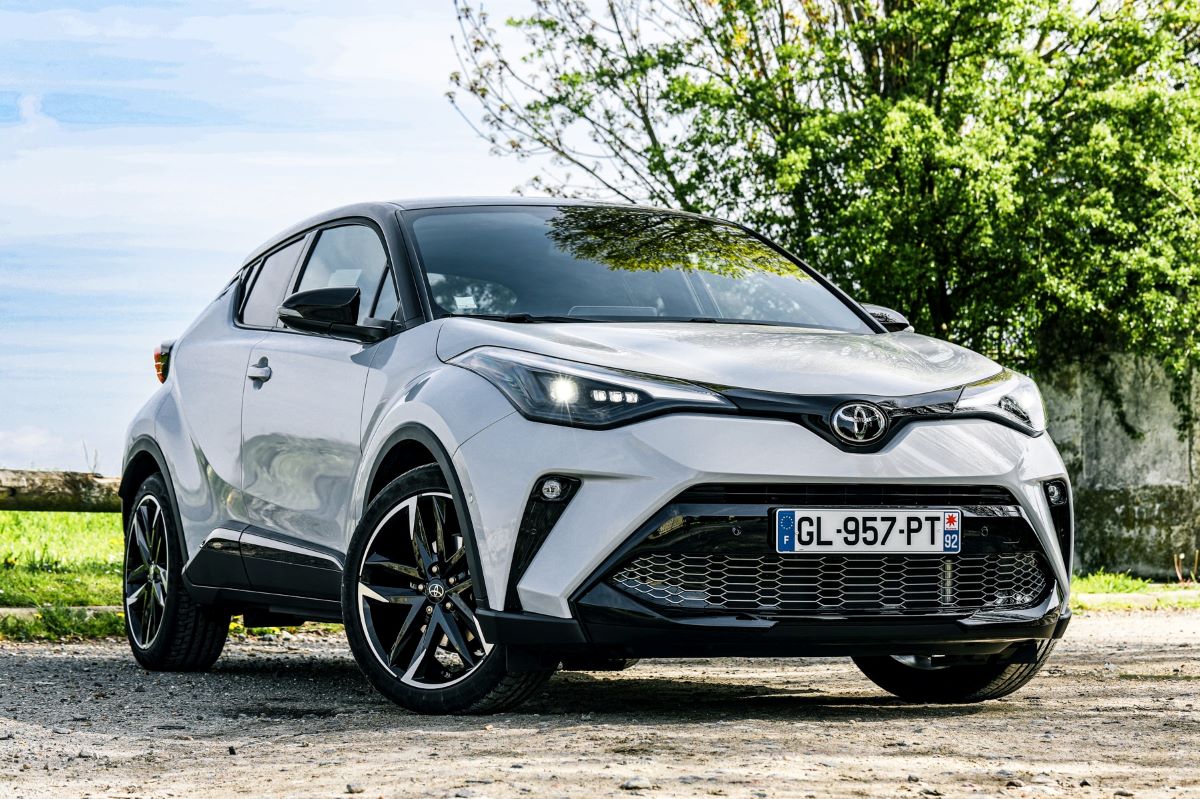
With Toyota’s track record for small engines, the C-HR is likely to join the ranks of other Toyotas that last 200,000 miles or more without major issues ideal for city dwellers who plan to keep their vehicle for a decade or longer.
The 2020 Toyota C-HR turns heads with its wild styling, coupe-like body, and vibrant exterior-color options, but behind the wheel, it proves to be a rather uninspiring ride. Its four-cylinder engine delivers minimal power, resulting in sluggish acceleration, and all-wheel drive isn’t available at all, this is strictly a front-wheel-drive SUV.
On the bright side, the underpowered powertrain is fuel-efficient, achieving 37 mpg on our highway test route. Despite its attractive appearance and competitive list of standard features, other small SUVs may represent a better overall value, offering more passenger space and larger cargo areas.
Toyota’s smallest SUV received a light styling refresh for 2020, including an updated front bumper, grille, headlamps, and new wheel designs.
The base LE trim now comes standard with Android Auto, LED headlamps, and SiriusXM satellite radio, while mid-range XLE models add front seatback pockets and sun-visor extensions. Pricing for the 2020 C-HR starts at $22,470 for the LE and rises to $27,525 for the fully equipped Limited trim.
The modest jump from LE to XLE adds 18-inch wheels, a proximity key with passive entry, blind-spot monitoring, heated exterior mirrors, and a leather-wrapped steering wheel, making the XLE a worthwhile upgrade. Toyota offers few options beyond accessories, which helps keep the C-HR affordable.
Performance-wise, the C-HR’s four-cylinder engine feels underwhelming, lacking the punch needed for spirited driving. It takes 11.0 seconds to reach 60 mph, significantly slower than many rivals.
Around town, the throttle feels responsive, masking some of the engine’s shortcomings, but heavy acceleration results in droning noise from the continuously variable automatic transmission (CVT) as it struggles to adjust.
Ride quality is comfortable over most surfaces, though rough or patched pavement can create noticeable cabin vibrations. Steering is precise, and the front wheels respond well, giving the C-HR a surprisingly playful feel. Handling is lively, and body roll is kept under control, offering some driving enjoyment despite the engine’s limitations.
10. Toyota RAV4 Prime
The RAV4 Prime blends Toyota’s legendary reliability with cutting-edge hybrid technology. As a plug-in hybrid, it offers impressive performance 302 horsepower and an electric-only range of over 40 miles. But what truly makes it stand out is its engineering durability.
Toyota has spent decades refining hybrid systems, and the RAV4 Prime benefits from that expertise.
Owners of older Toyota hybrids often report long battery life and minimal powertrain issues even after 10 years, making the RAV4 Prime a strong candidate for longevity in the electrified era.
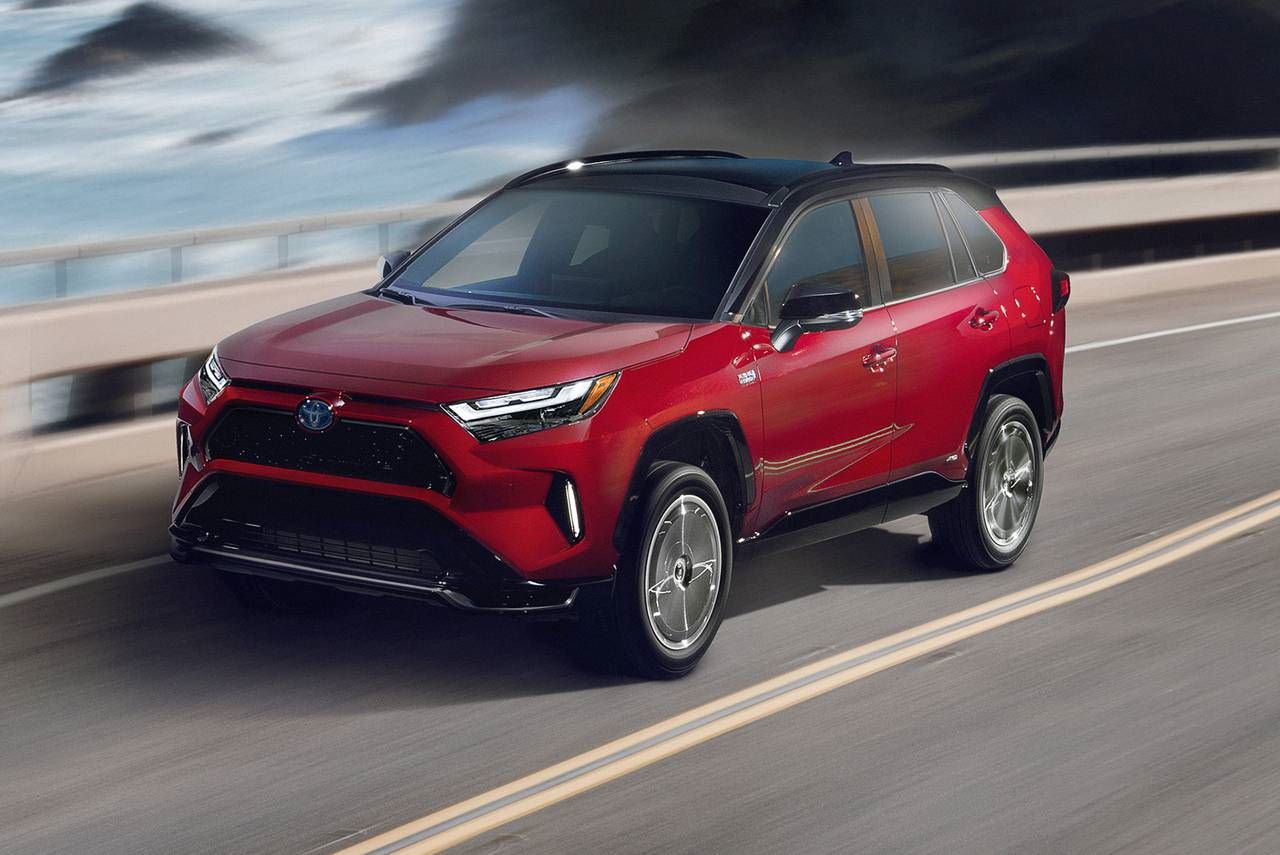
From the rugged Land Cruiser to the futuristic RAV4 Prime, Toyota has proven time and again that it knows how to build SUVs that go the distance.
These vehicles aren’t just transportation they’re long-term investments that can serve families, adventurers, and commuters for decades.
In a market filled with rapidly changing designs and untested technologies, Toyota’s focus on proven engineering and simplicity continues to pay off.
Whether you want a luxury off-roader or a practical hybrid, one thing is certain: Toyota SUVs are built to last not just years, but generations.