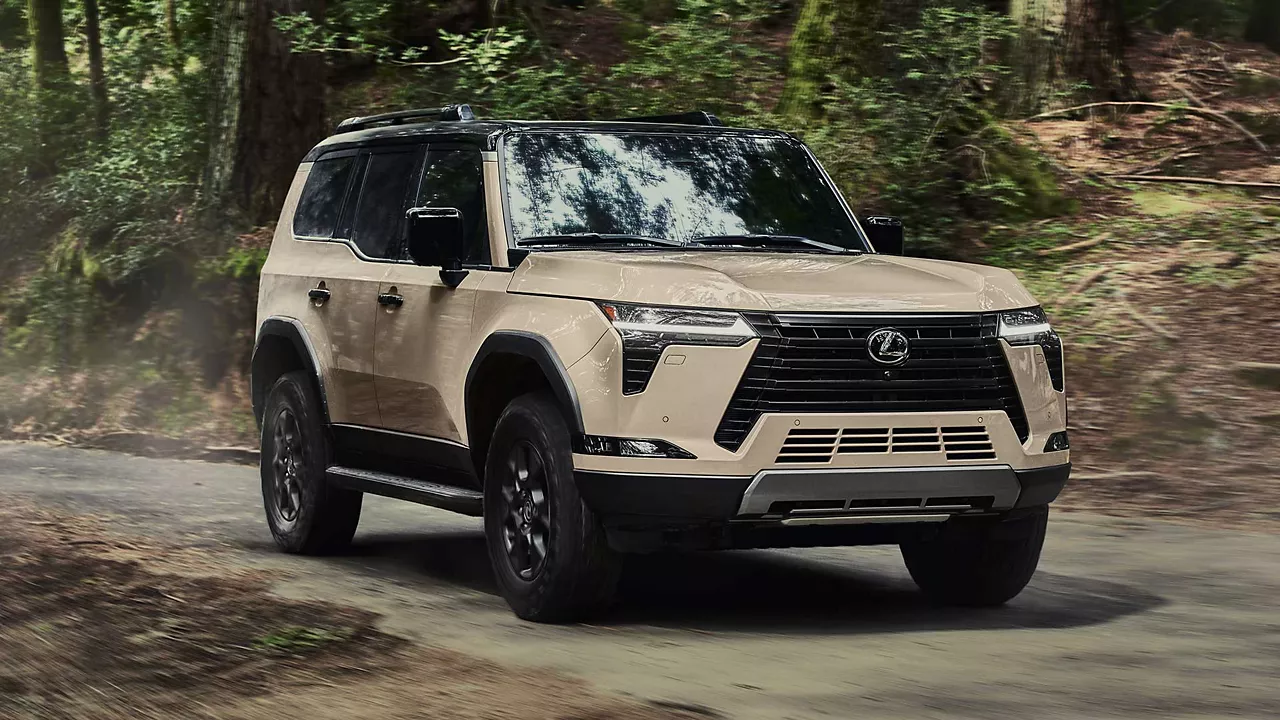
When it comes to SUVs, style and features are important, but mechanics and long-term owners know that true value lies in reliability, durability, and low maintenance. The vehicles that stand the test of time are not always the flashiest.
They are the ones engineered with proven components, thoughtful design, and robust performance. From compact crossovers to full-size family haulers, some SUVs consistently earn the trust of mechanics for their dependability and longevity.
In this guide, we explore ten SUVs that combine comfort, capability, and durability, backed by strong maintenance records and reputations for going the distance.
Whether you prioritize off-road toughness, hybrid efficiency, or everyday practicality, these selections showcase vehicles that mechanics not only recommend but would confidently own themselves. These SUVs are a testament to engineering that withstands the demands of real-world driving.
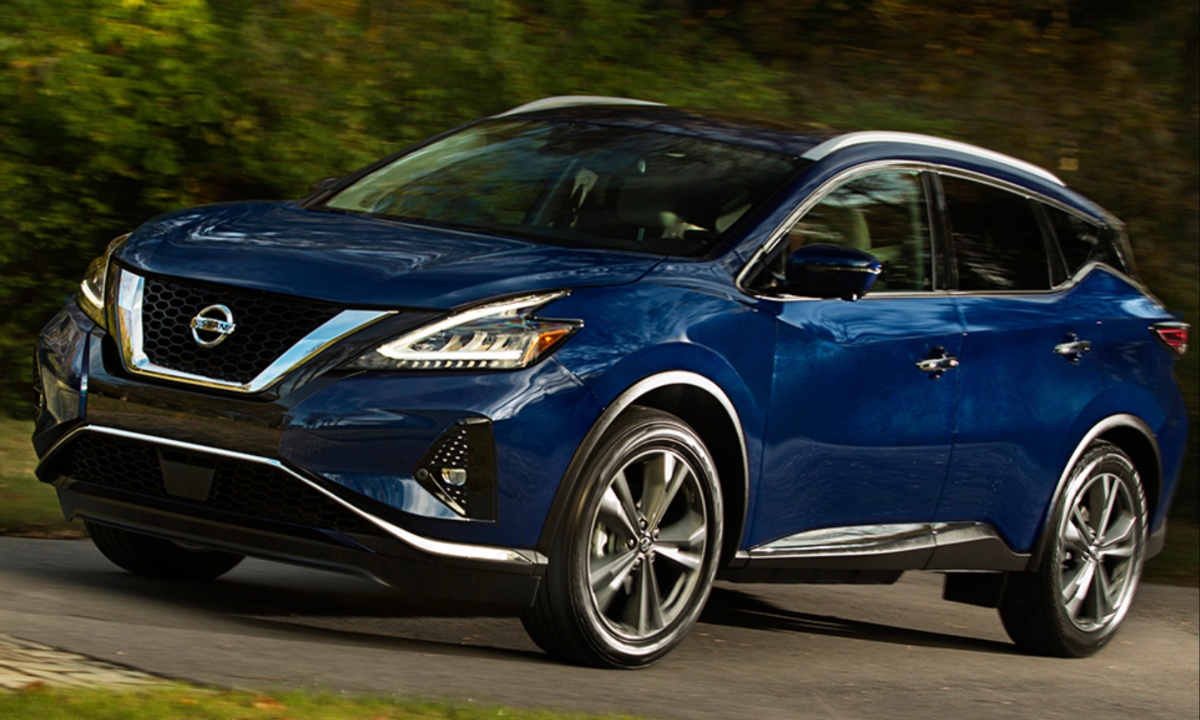
1. Nissan Murano: A Modern Makeover for Comfort and Reliability
The 2025 Nissan Murano marks a fresh chapter for the nameplate, introducing a long-awaited redesign that modernizes its style and technology while preserving the comfort and reliability it’s known for. After nearly a decade with minimal updates, the latest Murano arrives with sharper exterior lines, a refined interior, and a more responsive powertrain that make it a more competitive midsize SUV.
Reliability remains a key strength. Previous models earned a 91 out of 100 reliability score, and the new Murano continues that tradition with a reputation for dependability and low ownership costs.
Powered by Nissan’s proven 3.5-liter V6 engine, it offers smooth performance and durability. Typical annual repair costs hover around $500, and major issues are uncommon, reinforcing the Murano’s standing as one of Nissan’s most trustworthy vehicles.
Performance has also evolved. The latest Murano replaces its old continuously variable transmission with a nine-speed automatic paired to a turbocharged four-cylinder engine. The result is a livelier feel and quicker acceleration, reaching 60 mph in 7.4 seconds.
While it’s not designed for spirited driving, the Murano prioritizes comfort and stability, offering a serene and composed ride ideal for daily commutes or long highway trips. Light steering and available driver aids such as adaptive cruise control and blind-spot monitoring make it especially easy to handle.
Inside, the Murano continues to impress with some of the most comfortable seats in its class. The front seats are exceptionally supportive, with available heating, ventilation, and even massaging functions on higher trims.
The cabin remains quiet, contributing to a premium, relaxing driving experience. Rear passengers also enjoy generous space and comfort, despite the SUV’s sleek roofline. While the design looks elegant, the touch-sensitive controls can sometimes be less intuitive than traditional buttons.
Technology has been upgraded with dual 12.3-inch digital displays, wireless Apple CarPlay and Android Auto, and a standard wireless charging pad. The infotainment interface could be more intuitive, but its visuals are crisp and modern. Cargo space measures 32.9 cubic feet behind the rear seats and 63.5 cubic feet with them folded, which is adequate though slightly smaller than some rivals.
With its refreshed design, advanced tech, and enduring comfort, the 2025 Nissan Murano offers a strong blend of reliability, refinement, and style ideal for drivers who want an upscale yet practical midsize SUV.
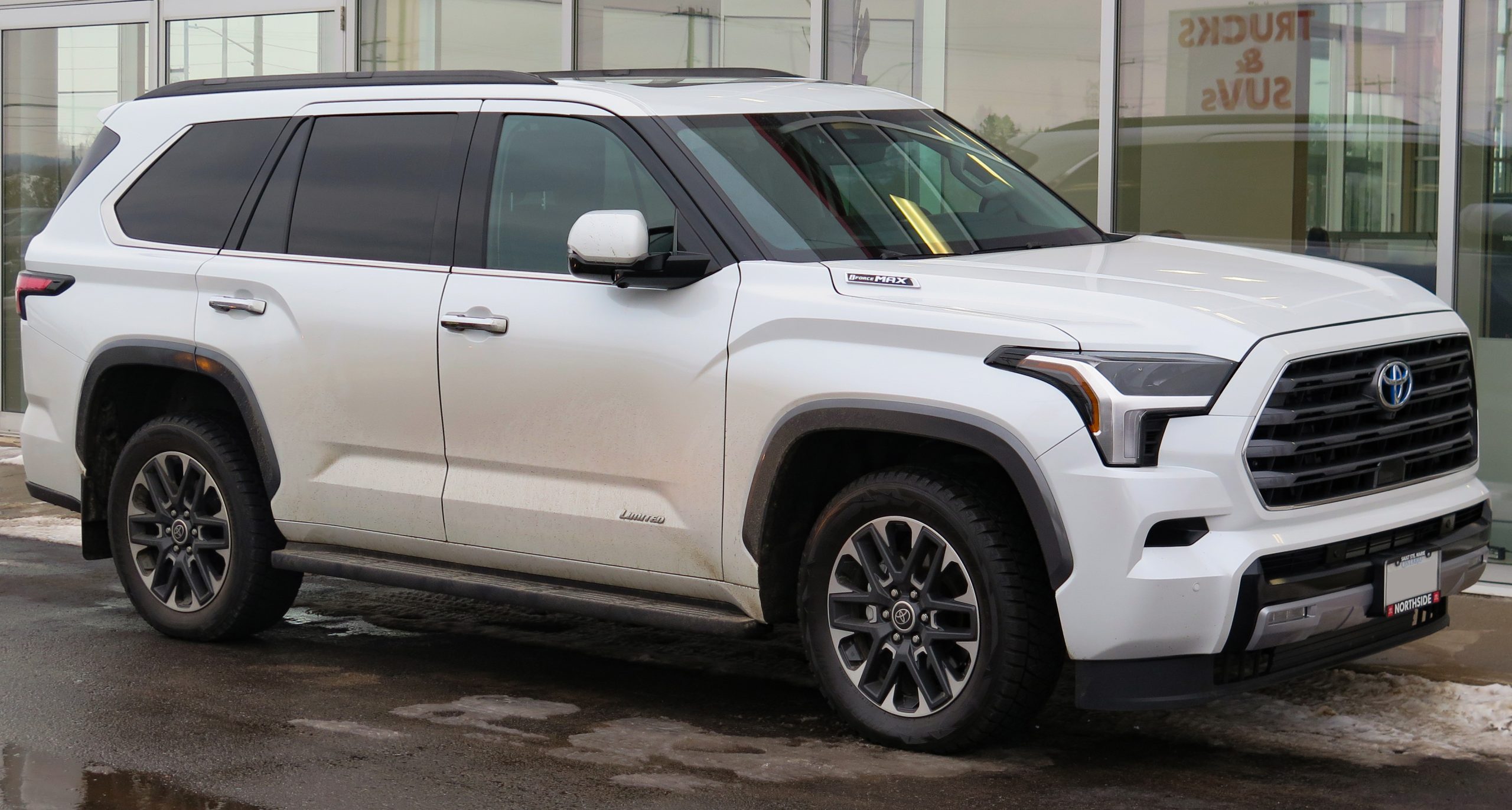
2. Toyota Sequoia: A Rugged Hybrid SUV Built for Power and Longevity
The 2025 Toyota Sequoia combines the rugged DNA of a truck with the refinement of a modern SUV, offering exceptional durability, towing capability, and a surprisingly quick hybrid powertrain.
Built on the same platform as the Toyota Tundra, the Sequoia embraces strength over luxury designed for those who prioritize performance, reliability, and longevity. It’s no surprise that this SUV is known to surpass 300,000 miles, standing as one of the most durable vehicles in its class.
True to Toyota’s reputation, the Sequoia delivers remarkable longevity and dependability. Its annual repair cost averages $642, lower than most full-size SUVs, making it a practical long-term investment.
The hybrid system not only boosts performance but also enhances efficiency and durability. Owners can expect years of use before major maintenance is required, reinforcing the Sequoia’s reputation as a long-lasting family hauler and capable workhorse.
Under the hood, the Sequoia features a twin-turbocharged V6 hybrid engine that produces strong acceleration and impressive responsiveness. During testing, the TRD Pro model reached 0–60 mph in just 6 seconds, making it one of the quickest SUVs in its segment.
The solid rear-axle suspension contributes to its outstanding towing and off-road ability but can make the ride feel firmer and bumpier on city streets. The steering feels composed, and surround-view cameras improve visibility a big help when maneuvering such a large vehicle. Toyota’s adaptive cruise control and lane-keeping assist operate smoothly, though the Sequoia offers fewer driver aids than some luxury competitors.
Inside, the Sequoia balances toughness with a degree of comfort. Higher trims offer plush, heated, and ventilated front seats, but the rear seats sit low, causing knees to ride higher than ideal. Cabin noise from the road and powertrain is more noticeable compared to rivals, and even the ventilated seat fans can be loud.
Still, step rails, large door openings, and well-positioned grab handles make entry and exit easy, even for kids. Seating ergonomics are solid, and the driving position is highly adjustable, accommodating a wide range of drivers.
The Sequoia’s 14-inch touchscreen looks impressive but suffers from occasional connectivity glitches with navigation and Apple CarPlay. The sound system is clear, though not exceptional, and the cabin offers five USB ports, a power outlet, and wireless charging. Cargo space, however, is a weak spot.
The 22.3 cubic feet behind the third row is decent, but the seats don’t fold flat due to the hybrid battery placement, limiting storage versatility. On the other hand, its 9,520-pound towing capacity stands among the best in its class, ideal for hauling boats or trailers.
While the Sequoia’s focus on durability over luxury may not appeal to everyone, its robust construction, hybrid efficiency, and strong performance deliver good value.
Warranty coverage is competitive, with hybrid components protected for eight years/100,000 miles and the battery for 10 years/150,000 miles. Fuel efficiency is respectable for a full-size SUV 20 mpg combined, matching real-world results during testing.
What truly sets the Sequoia apart is its bold character and powerful presence. The muscular styling, commanding turbo V6 hybrid, and truck-grade toughness make it a standout for drivers seeking performance and durability in equal measure.
Though not the most luxurious or spacious in its class, the 2025 Toyota Sequoia remains a rugged, reliable, and long-lasting SUV that delivers where it matters most power, endurance, and dependability.
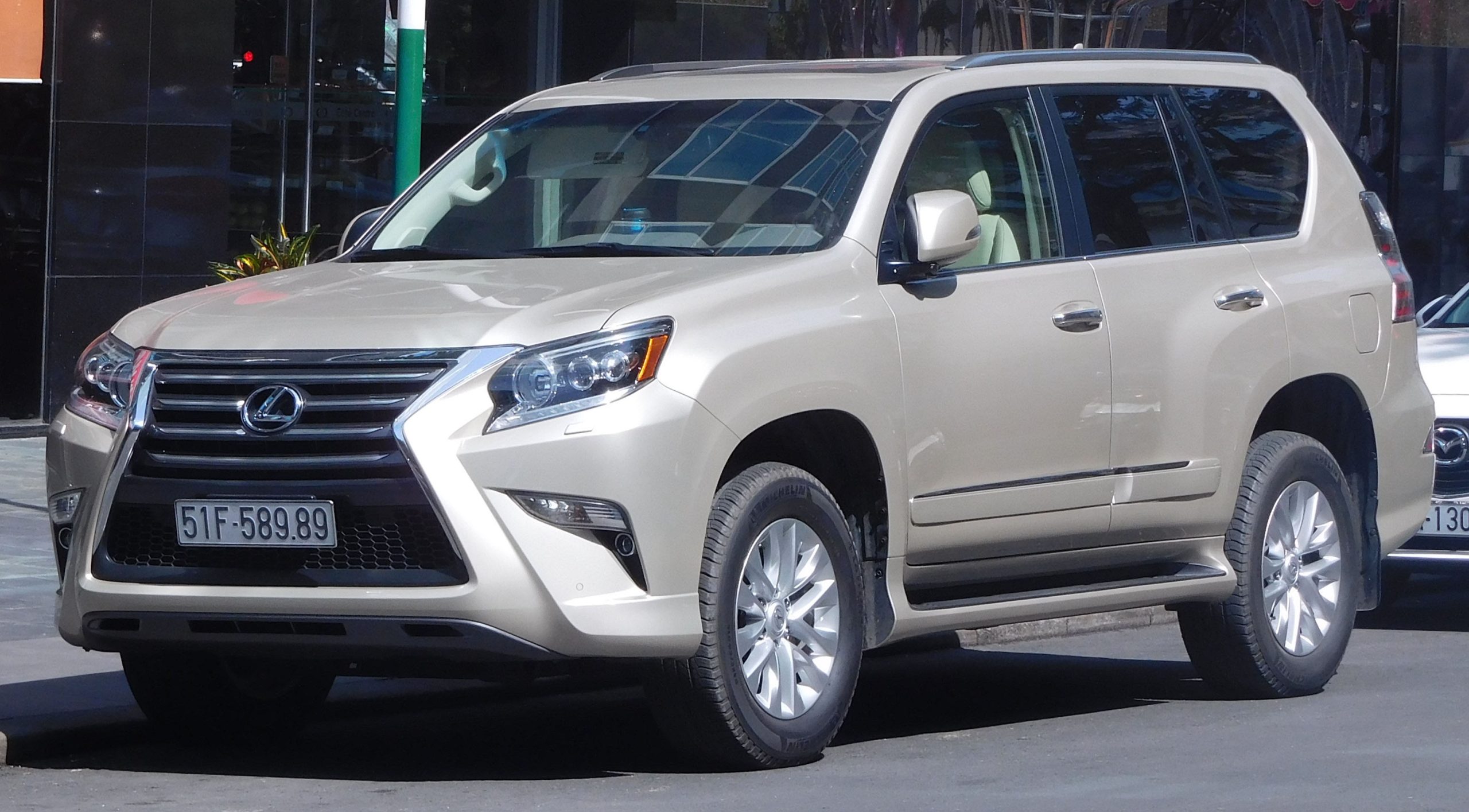
3. Lexus GX: The Perfect Blend of Luxury and Off-Road Strength
The 2025 Lexus GX combines toughness with sophistication, offering the durability of a traditional off-roader and the elegance of a luxury SUV. Sharing its body-on-frame platform with the Toyota Land Cruiser, the GX elevates Toyota’s reputation for dependability with Lexus craftsmanship.
Powered by a twin-turbocharged V6 engine, it delivers genuine off-road capability along with refined comfort, making it an ideal choice for drivers who value performance, reliability, and style.
Dependability remains one of the GX’s greatest strengths. With a J.D. Power reliability score of 89 out of 100, it ranks among the most trustworthy SUVs available today.
Owners spend about $550 annually on repairs, far less than luxury competitors like Mercedes-Benz or BMW, which often cost nearly twice as much to maintain. Thanks to its proven Toyota engineering and Lexus attention to detail, the GX provides years of consistent performance with minimal maintenance concerns.
The twin-turbo V6 paired with a 10-speed automatic transmission delivers smooth, responsive acceleration. During testing, the GX reached 0–60 mph in 6.7 seconds, an impressive number for its size and weight. It offers ample power for highway merging and passing, and while it’s not built for sporty cornering, it feels composed and steady.
The Overtrail trim enhances its off-road ability with a locking rear differential and advanced terrain features. The surround-view and off-road cameras make tight situations easier, and the ride remains comfortable even on rough surfaces. The Luxury trim, equipped with road-oriented tires, offers an even smoother experience for daily driving.
Inside, the GX provides a quiet, premium environment with high-quality materials and thoughtful design. The front and second-row seats are supportive and comfortable, while the third row is more compact and better suited for smaller passengers. Access is easy thanks to sturdy running boards and large door openings.
Controls are intuitively arranged, combining modern digital displays with helpful physical buttons. Though interior space is slightly tighter than some rivals, the cabin’s refinement and comfort make it an inviting place to spend time.
The centerpiece of the dashboard is a 14-inch touchscreen with sharp graphics and fast responses. While wireless Apple CarPlay and Android Auto are standard, navigation requires a paid subscription after a three-year trial. Multiple USB-C ports, a wireless charger, and a cooled center console add convenience.
Cargo space is 10.3 cubic feet behind the third row, expanding to 76.9 cubic feet with both rear rows folded. Two-row versions provide even more room. The GX can also tow up to 9,000 pounds, surpassing many luxury rivals.
The 2025 Lexus GX stands out by combining luxury with genuine capability. While higher trims such as the Overtrail can become expensive, the craftsmanship, durability, and technology justify the investment.
Fuel economy averages 17 mpg combined, comparable to other large luxury SUVs. With its bold styling, refined interior, and outstanding reliability, the Lexus GX delivers a rare mix of comfort, strength, and elegance a true luxury SUV built to last and perform with confidence.
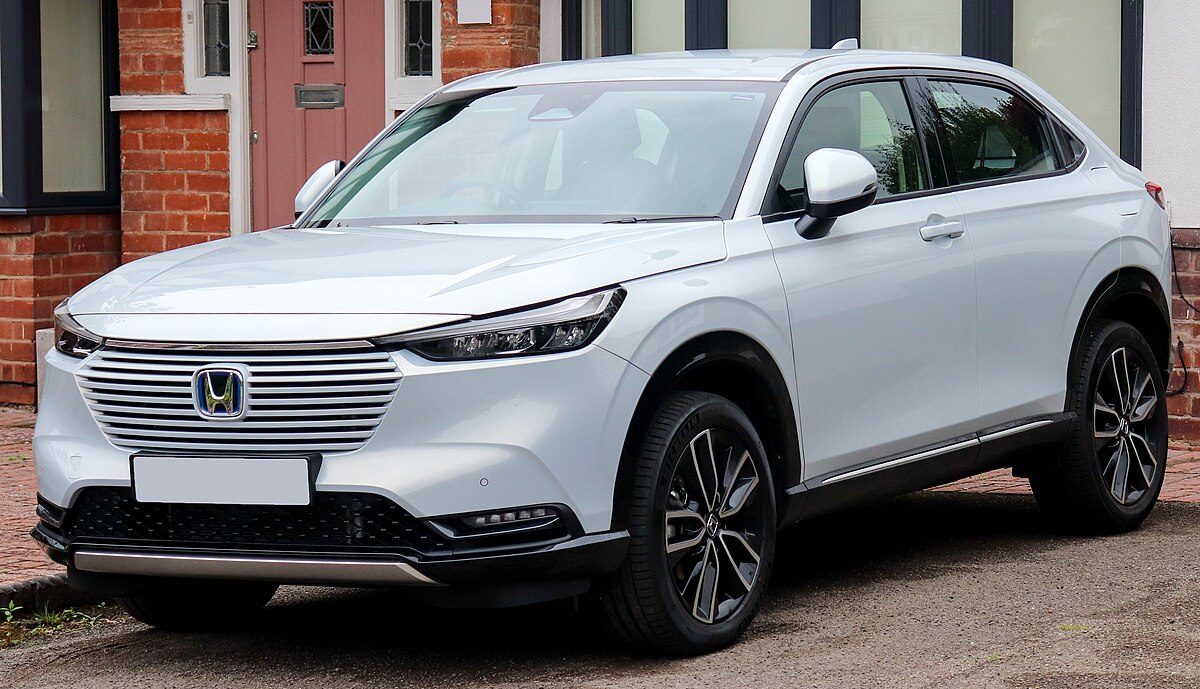
4. Honda HR-V: Dependable Simplicity with Everyday Practicality
The Honda HR-V may not turn heads, but it wins loyalty through reliability and practicality. Essentially a smaller sibling to the CR-V, this compact SUV offers a no-fuss driving experience that emphasizes dependability and low running costs over flash and flair.
With Honda’s reputation for long-lasting vehicles, the HR-V can easily exceed 200,000 miles, and with careful maintenance, even reach 250,000 miles. According to RepairPal, it earns a perfect reliability rating and costs only $300 annually to maintain. Owners appreciate its consistency, roomy interior, and ease of use making it a trustworthy companion for city dwellers and daily commuters alike.
On the road, the HR-V’s performance is adequate for daily driving, though far from exciting. Its engine and CVT transmission handle city speeds smoothly but feel sluggish when merging onto highways or carrying passengers.
The 0–60 mph time exceeds 10 seconds, which is slow for the class, but the HR-V redeems itself with responsive brakes and precise handling that provide confidence in urban settings.
Ride quality is soft and composed, soaking up bumps with ease, and visibility is excellent thanks to low-mounted side mirrors. While the adaptive cruise control and blind-spot monitoring are useful, they can be overly sensitive, requiring some adjustment.
Inside, the HR-V offers more cabin space than most subcompact SUVs, making it surprisingly comfortable for its size. Getting in and out is effortless due to large door openings and ideal seat heights. However, the front seats are disappointingly stiff, with no lumbar adjustment, which can lead to fatigue on longer drives.
The rear seats, on the other hand, are more comfortable and supportive, and car seat installation is a breeze thanks to wide anchor access. Cabin noise is moderate mostly from the tires but remains acceptable for this class. Climate controls are simple and effective, though the system tends to run colder than expected and lacks rear air vents, which may affect passenger comfort in the back.
Technology is minimal but functional. The HR-V features wireless Apple CarPlay and Android Auto, a wireless charging pad, and three front USB ports, though none are provided for rear passengers. The infotainment interface is easy to use, with a layout borrowed from the Civic.
Cargo space is 24.4 cubic feet, but the area feels larger thanks to its practical shape and flat-folding rear seats. Small-item storage is adequate, with a rubberized cubby behind the shifter and a deep center armrest bin. However, towing isn’t supported, limiting versatility for outdoor enthusiasts.
The HR-V’s greatest strength lies in its affordability and reliability. Its high-quality interior materials, solid build, and Honda’s proven engineering make it a smart long-term investment.
Pricing remains competitive, though higher trims are required to access desirable features like the 9-inch touchscreen and enhanced safety tech. The HR-V’s fuel economy is also impressive achieving 27 mpg combined and up to 31.6 mpg in real-world driving.
In short, the Honda HR-V may not excite, but it delivers exactly what many drivers want: a dependable, efficient, and low-maintenance SUV that quietly gets the job done year after year.
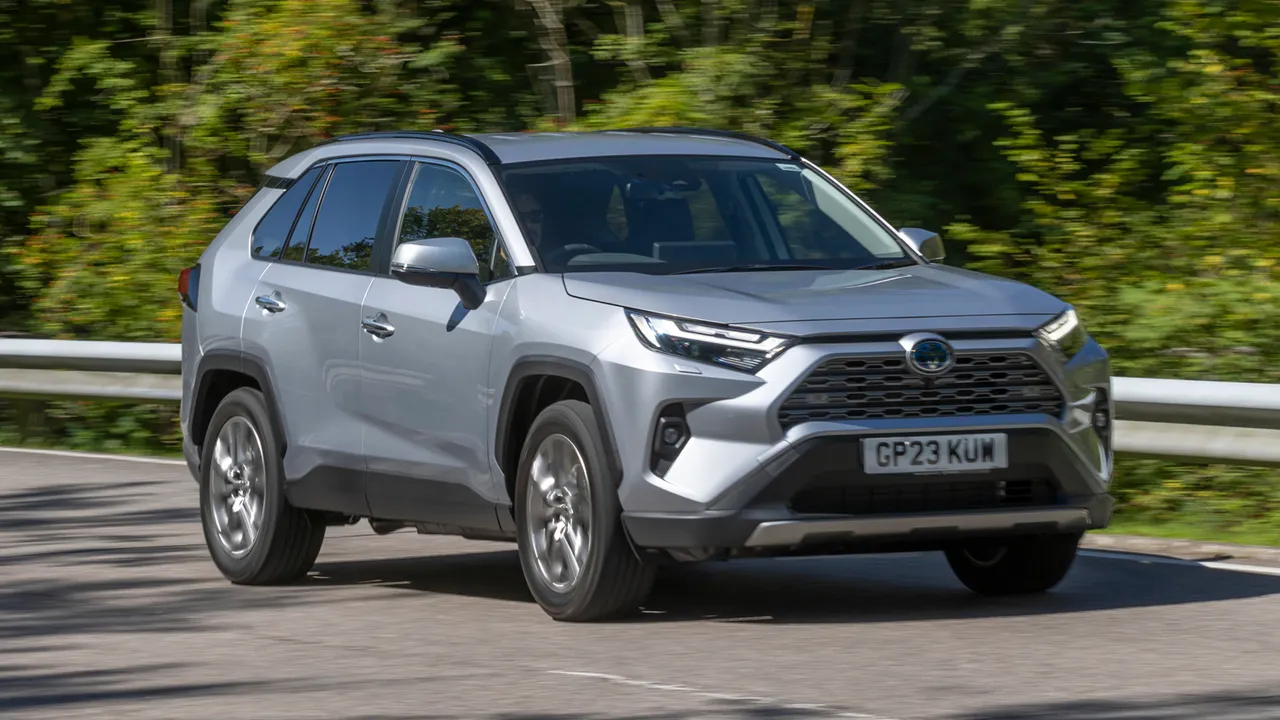
5. Toyota RAV4: The Benchmark for Practical Dependability
The Toyota RAV4 has built a reputation as one of the most dependable and best-selling SUVs in history, and the 2025 model continues that legacy. Known for its reliability, efficiency, and practicality, it’s a vehicle that prioritizes peace of mind over excitement.
Many owners report their RAV4s lasting well beyond 250,000 miles, and with Toyota’s track record for longevity, that’s no surprise. It’s a solid, low-maintenance choice for anyone who wants an SUV that simply works every time.
Behind the wheel, the RAV4 delivers a smooth, composed, and predictable ride. Its engine provides adequate power for everyday driving, and highway merging or passing feels steady, though not quick. In Edmunds testing, the RAV4 reached 0–60 mph in 9.1 seconds, slightly slower than most rivals, but its refined ride and quiet cabin make up for it. The steering is light and somewhat numb, making it easy to maneuver but lacking engagement for spirited drivers.
The available all-wheel-drive system with torque vectoring and hill descent control adds capability on rough roads, and the RAV4’s ground clearance gives it more off-road confidence than most crossovers. Standard driver assistance features include adaptive cruise control, lane keeping assist, and automatic emergency braking, all of which operate smoothly and effectively.
Comfort is one of the RAV4’s strong suits. The driver’s seat offers good adjustability, though the front passenger seat sits a bit high and can’t be lowered in most trims. Seating is supportive, and cabin access is easy thanks to wide door openings. The interior layout is clean and logical large rubberized knobs and clearly labeled controls make it easy to adjust climate or audio settings without distraction.
Installing child safety seats is straightforward, with well-placed LATCH anchors and enough rear-seat space for forward-facing or booster seats. However, fitting a rear-facing infant seat may require sliding the front passenger seat forward. The cabin stays quiet at highway speeds, and the climate system performs efficiently in both hot and cold conditions.
The RAV4’s infotainment system is simple and responsive. Lower trims include an 8-inch touchscreen, while the Limited trim gets a 10.5-inch display. The interface is quick, and features like wireless Apple CarPlay and Android Auto are standard. Navigation can be controlled via voice commands or an on-screen keyboard, and menus are intuitive. Wireless charging is optional on higher trims, and USB ports are conveniently placed throughout the cabin.
When it comes to practicality, the RAV4 excels. It offers 37.5 cubic feet of cargo space behind the rear seats and 69.8 cubic feet with them folded down near the top of its class. The low load floor makes lifting heavy items easy, and thoughtful cabin storage solutions, including shelves and bins, add everyday convenience. The 1,500-pound towing capacity isn’t remarkable but fits the typical needs of most compact SUV owners.
The RAV4 balances refinement, reliability, and cost of ownership remarkably well. The cabin features high-quality materials, from soft-touch plastics to synthetic leather on upper trims. Toyota’s attention to detail is clear in the stitching, trim fitment, and tactile controls. Warranty coverage is standard for the segment, but Toyota includes two years or 25,000 miles of complimentary maintenance, which adds to its value proposition.
Efficiency remains a RAV4 highlight. Depending on the trim and drivetrain, you can expect 28–30 mpg combined, with real-world results often matching or exceeding that. In extended mixed driving, the RAV4 averaged 28.6 mpg, proving its consistency and practicality for road trips or daily commuting alike.
The Toyota RAV4 isn’t flashy or thrilling and that’s exactly the point. Its slightly rugged design gives it presence, but the real appeal lies in its unshakable reliability, thoughtful design, and stress-free ownership experience. It’s the SUV you buy when you want something that simply works year after year, mile after mile.
Also Read: 10 Cars From the 2020s Already Building Bulletproof Reputations
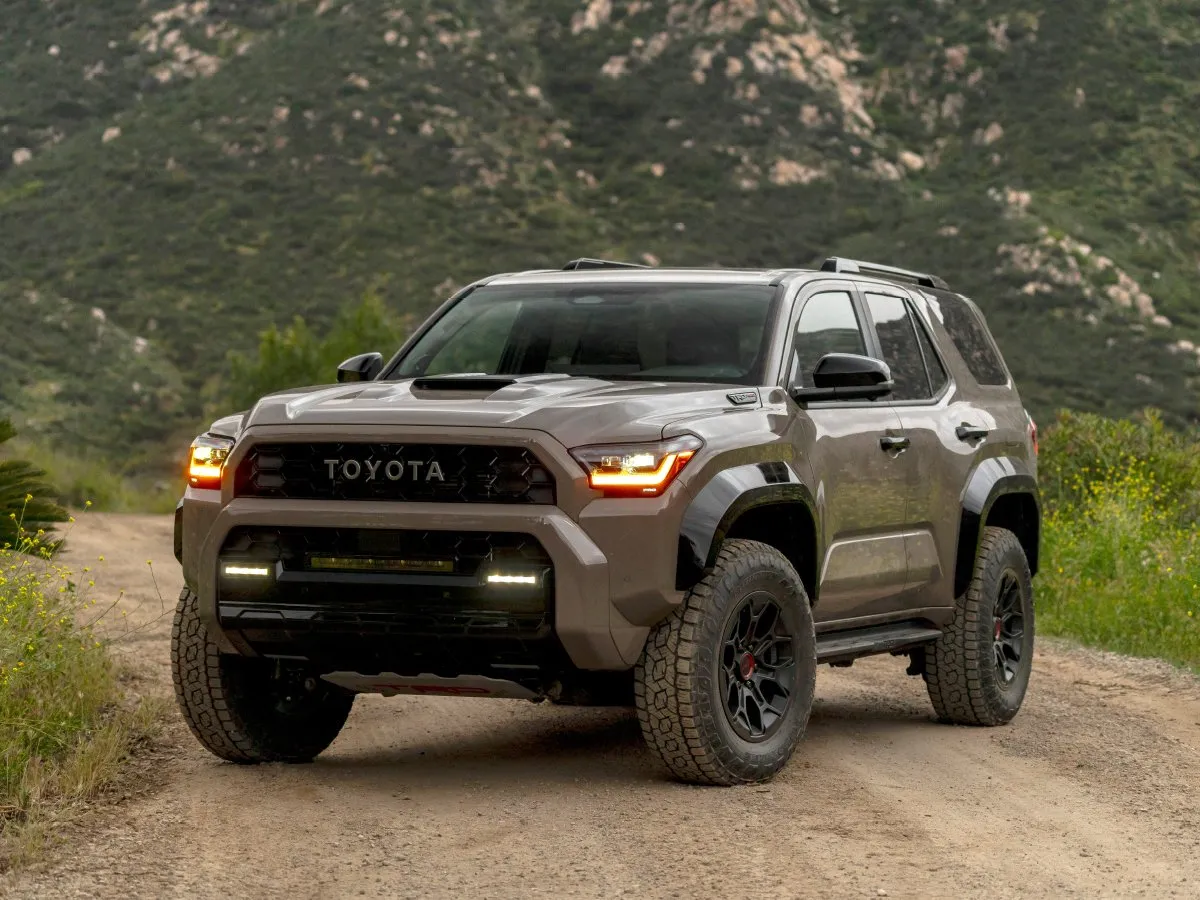
6. Toyota 4Runner: A Modern Take on a Proven Off-Road Legend
The 2025 Toyota 4Runner carries forward its reputation for rugged dependability while introducing long-awaited updates. Built on the same body-on-frame platform as the latest Tacoma pickup, this generation blends durability with fresh technology and improved efficiency.
Buyers can choose between a gas engine or a hybrid powertrain, both designed to handle rough terrain and daily driving with ease. Known to last beyond 200,000 miles, the 4Runner remains one of the most dependable SUVs on the road, with JD Power rating it 86/100 for reliability and annual repair costs averaging around $500, according to RepairPal.
The 4Runner’s gas engine offers solid power, moving confidently through traffic and on highways, while the hybrid version delivers quicker acceleration at 7.7 seconds from 0–60 mph compared to 8.2 seconds for the gas-only model. However, the ride quality and handling leave room for improvement.
Body roll is noticeable, and the rear suspension can feel unsettled, especially on smoother roads. The steering is light but requires more turns than expected for basic maneuvers. Despite that, the 4Runner offers more comfort than off-road rivals like the Ford Bronco and Jeep Wrangler. It also excels in safety, with standard adaptive cruise control, lane-keeping assistance, and blind-spot monitoring across all trims.
Inside, the 4Runner provides a blend of durability and usability. The front seats are supportive, but rear passengers may find space limited, particularly in legroom and headroom. The rear doors are small, making it tricky to install child seats.
Cabin insulation is decent at cruising speeds, though engine noise becomes intrusive during hard acceleration. The climate controls are simple and effective, with large knobs that are easy to use even while wearing gloves a thoughtful touch for outdoor enthusiasts.
Tech features vary by trim. Lower trims include an 8-inch touchscreen, while higher trims upgrade to a 14-inch display, both with wireless Apple CarPlay and Android Auto. Multiple USB ports and an optional wireless charger add convenience, though the charger’s grip could be better.
Toyota’s built-in navigation and voice command features work well but require a paid data plan after the initial trial. Cargo space is generous, offering 48.4 cubic feet behind the second row and 12.1 cubic feet with the third row in use. The 4Runner can tow up to 6,000 pounds, making it capable of handling gear, trailers, and more.
Pricing varies widely depending on the trim. Base models offer solid value, while TRD Pro and Trailhunter trims can exceed $65,000, putting them in luxury SUV territory. Regardless of trim, build quality remains solid, with no rattles or squeaks even during off-road testing. Fuel economy is 21–22 mpg combined for gas models and 23 mpg combined for hybrids respectable for a vehicle of its size and capability.
On pavement, the 4Runner feels heavy and traditional, but off-road is where it shines. Its capable suspension, robust design, and classic “TOYOTA” grille badging give it a distinct personality that appeals to adventure lovers. The 2025 Toyota 4Runner isn’t about luxury it’s about strength, reliability, and the confidence to tackle any environment while maintaining Toyota’s signature toughness.
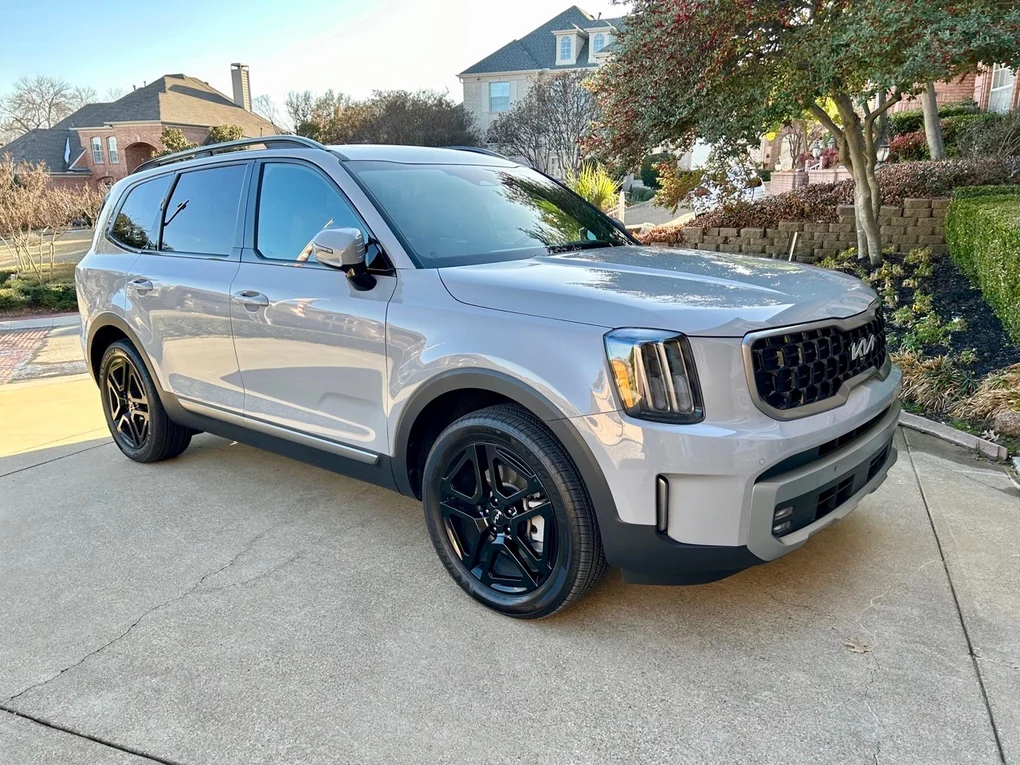
7. Kia Telluride: Premium Comfort and Reliability Without the Price Tag
The Kia Telluride has quickly become one of the most trusted names in family SUVs. Once an underdog, it now rivals luxury brands thanks to its premium design, quiet ride, and unbeatable value. Kia’s flagship three-row SUV delivers a near-luxury experience without the luxury price, earning it high praise from critics and owners alike.
JD Power rates the Telluride at 85 out of 100 and names it the Best Upper Midsize SUV of 2024. Add to that an average annual repair cost of just $430 and Kia’s industry-leading 10-year/100,000-mile powertrain warranty, and it’s clear why this SUV has become a family favorite.
Behind the wheel, the Telluride feels composed and confident. Its V6 engine delivers smooth power that’s more than adequate for daily driving and highway merging, though acceleration is average for the class.
The brakes are strong and predictable, and the steering adjusts naturally light in tight spots, more substantial on the highway. Transmission shifts can feel a bit rough during hard acceleration, but the suspension tuning is excellent, delivering a plush, balanced ride even on the X-Pro off-road model.
Visibility is excellent, aided by a surround-view camera system, and driver-assist features like adaptive cruise control and lane change assist work seamlessly, adding confidence to long drives.
Comfort is where the Telluride shines brightest. Its quiet cabin filters out nearly all road and wind noise, creating a calm, upscale atmosphere. The seats are supportive and plush, and getting in is easy thanks to a low step-in height and wide door openings.
Second-row captain’s chairs slide forward smoothly to allow easy access to the third row, which, while not the most spacious in the segment, is still usable for adults on short trips.
The climate control system keeps all three rows at comfortable temperatures, and heated and ventilated seats are available for both front and second-row passengers. Kia also wisely kept physical controls, which are clear and easy to operate while driving.
The Telluride’s infotainment system is simple and intuitive, even if it’s showing its age compared to newer Kia models. The biggest drawback is the lack of wireless Apple CarPlay and Android Auto, requiring a cable connection. However, higher trims include six USB ports (five USB-C), a wireless charging pad, and a crisp touchscreen interface.
Cargo capacity is another strong suit, with 21 cubic feet behind the third row and a cavernous 87 cubic feet when both rear rows are folded flat. The wide rear hatch and underfloor storage compartment make it especially versatile for family trips.
Few SUVs deliver as much as the Telluride for the price. From its refined ride and premium materials to its class-leading warranty, it provides exceptional peace of mind and comfort without breaking the bank. With strong reliability ratings, low ownership costs, and a luxurious driving experience, the Kia Telluride proves that you don’t need a six-figure badge to enjoy first-class quality.
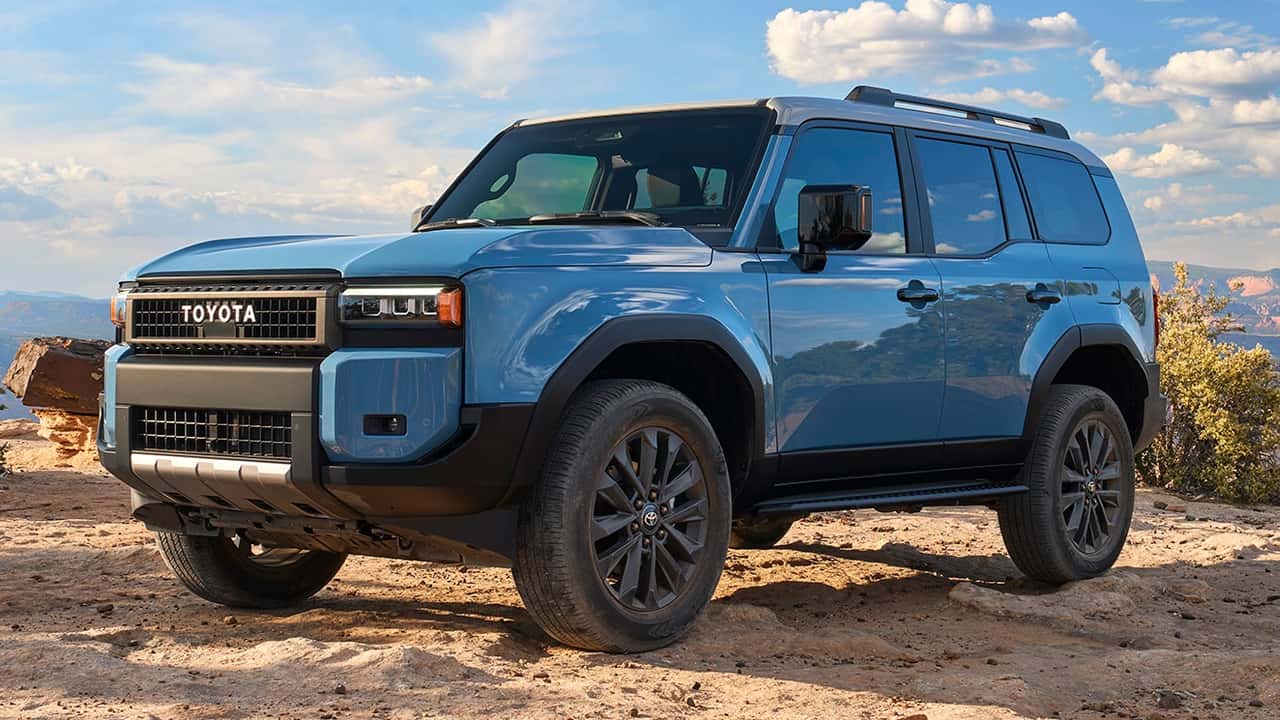
8. Toyota Land Cruiser: A Legendary Return Built on Strength and Heritage
The Toyota Land Cruiser is back for 2025, and it marks the return of one of the most respected names in the SUV world. After being discontinued in 2021, Toyota revived it with a fresh design that balances modern refinement with the toughness that has defined the model for decades.
Built on Toyota’s proven body-on-frame platform, the new Land Cruiser combines advanced hybrid technology with serious off-road ability, making it a true adventure vehicle that can also serve comfortably as a daily driver.
The Land Cruiser’s reputation for reliability is legendary. Owners often report their vehicles lasting well past 200,000 miles, with some reaching 300,000 when properly maintained.
RepairPal estimates average yearly repair costs at about $850, which is relatively low considering the vehicle’s durability and capability. With Toyota’s engineering heritage behind it, this SUV remains one of the toughest and longest-lasting vehicles on the road.
Power comes from a 2.4-liter turbocharged hybrid powertrain producing 326 horsepower and 465 lb-ft of torque. It delivers strong low-end power, smooth highway acceleration, and impressive towing ability of up to 5,000 pounds. The standard four-wheel-drive system, locking rear differential, and Multi-Terrain Select modes give the Land Cruiser true off-road confidence.
On the pavement, it rides smoothly and feels stable, with steering that inspires confidence even on winding roads. While not quick or sporty, it prioritizes control and comfort, offering a composed driving experience in nearly any condition.
Inside, the Land Cruiser offers a blend of utility and comfort. The cabin features high-quality materials, supportive seats, and an intuitive layout. Noise isolation is excellent, and the large rubberized controls are easy to operate. The climate control system efficiently manages temperature throughout the cabin, while the seats provide excellent comfort for long trips.
Technology has been significantly updated. A 12.3-inch touchscreen features Toyota’s latest infotainment system, along with wireless Apple CarPlay, Android Auto, and a responsive voice assistant. Multiple USB-C ports and a wireless charger are also included. Cargo space is generous and easy to access, and the rear seats fold flat for larger loads.
The 2025 Toyota Land Cruiser delivers what fans have always loved about it: durability, reliability, and real-world capability. Now, it adds hybrid efficiency and modern comfort, making it a smart choice for drivers who want an SUV that can go anywhere and last a lifetime.
9. Honda CR-V: The Benchmark for Reliability and Everyday Comfort
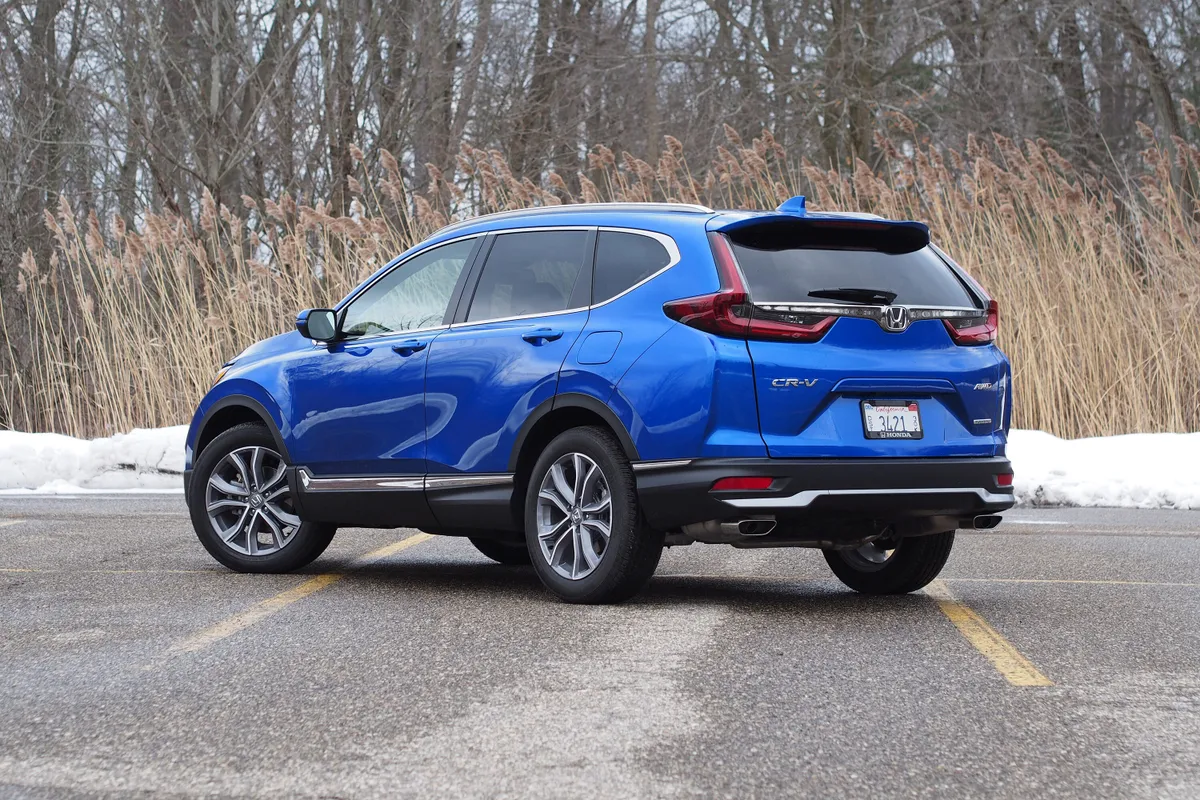
The 2025 Honda CR-V continues its legacy as one of the most dependable and well-rounded compact SUVs on the market. Celebrating 30 years since its debut, the CR-V remains Honda’s best-selling vehicle and a top choice for drivers prioritizing reliability, comfort, and practicality.
Its refined hybrid powertrain, excellent fuel economy, and strong resale value make it an ideal long-term companion for families and commuters alike.
Honda’s reputation for dependability shines through the 2025 CR-V. J.D. Power ranks it the second-highest consumer-rated compact SUV with an 83/100 score, while RepairPal awards it 4.5 out of 5 stars, placing it second among 26 compact SUVs.
With annual repair costs averaging just over $400, the CR-V is among the most affordable vehicles to maintain. Its strong build quality ensures years of service with minimal upkeep, key factors behind its enduring popularity.
The CR-V offers a balanced and composed driving experience. While not built for speed, the hybrid Sport Touring model achieves a respectable 0–60 mph in 8 seconds, typical for its class. Its smooth braking, controlled handling, and responsive steering deliver confidence behind the wheel.
The hybrid system operates quietly and efficiently, though it may require more effort on steep grades. Ride comfort stands out as one of the CR-V’s greatest strengths, offering a stable and cushioned experience on most roads.
Inside, the CR-V impresses with space, comfort, and practicality. Both rows provide generous legroom and well-designed seating, with easy ingress and egress for adults. Visibility is strong up front, though the rear view is somewhat limited. The cabin layout is intuitive, featuring physical climate controls that are easy to use without distraction. Large windows and a sense of openness enhance the driving experience.
Tech-wise, the CR-V offers wireless Apple CarPlay, Android Auto, and wireless charging, though its 9-inch infotainment screen feels modest compared to competitors. Cargo capacity is above average, especially in the gas models, with flexible storage solutions throughout the cabin. While it’s slightly pricier than rivals, the CR-V’s refined build quality, quiet ride, and reliability justify the cost.
The non-hybrid CR-V delivers up to 30 mpg combined, while the hybrid achieves up to 40 mpg (or 37 mpg AWD). Real-world results vary, but urban driving maximizes efficiency. Aesthetically, the CR-V adopts a clean, understated design more elegant than flashy, suiting those who prefer subtle sophistication over bold styling.
The 2025 Honda CR-V remains a class leader by excelling in the areas that matter most: comfort, reliability, and long-term value.
10. Chevrolet Suburban: The Ultimate Full-Size SUV for Families and Adventure
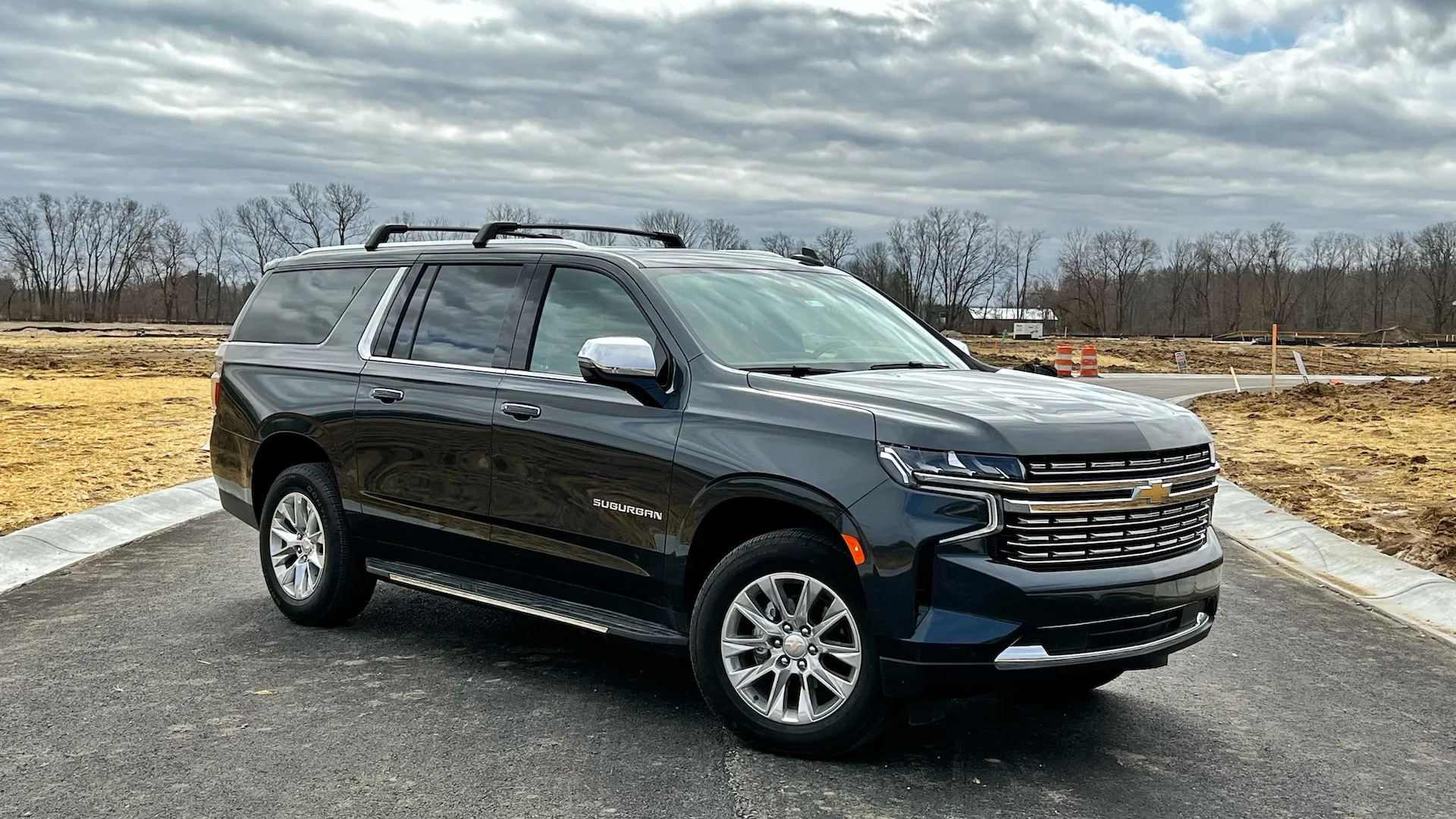
The 2025 Chevrolet Suburban stands as an American automotive icon the longest-running nameplate in history, celebrating nearly 90 years of production. Its enduring popularity is driven by its exceptional combination of space, strength, and versatility.
Designed for large families and heavy-duty needs, the Suburban continues to dominate the full-size SUV segment with its immense passenger and cargo capacity, powerful engine lineup, and solid towing capability.
The Suburban is built for longevity, with many owners reporting lifespans well beyond 250,000 miles. Its robust construction and durable components make it a trusted choice for families and fleet users alike.
However, maintenance costs are slightly above average, with annual repair expenses around $821, though most common repairs fall between $100–$200. Despite this, its reliability record and sheer utility make the investment worthwhile for those who need a vehicle that can truly do it all.
The Suburban’s optional 6.2-liter V8 engine paired with a 10-speed automatic transmission delivers impressive performance 0 to 60 mph in just 6.7 seconds, matching competitors like the Ford Expedition.
It feels stable and composed, especially with available Magnetic Ride Control and adaptive air suspension, which smooth out uneven roads. While the steering is light and lacks feedback, it enhances straight-line stability, especially when towing.
The Suburban’s size is noticeable, but it remains surprisingly balanced for its proportions. Driver-assist technologies such as adaptive cruise control and lane-keeping assist add convenience, though the controls can take some getting used to.
Inside, the Suburban delivers unmatched spaciousness it’s the only SUV capable of seating up to nine passengers. The massive cabin provides generous headroom and legroom across all three rows, with easy access via large doors and optional power running boards.
While the leather seats are soft, they lack firm support for longer drives. The Suburban’s enormous size makes it easy to install multiple child seats, though the high step-in height may pose a challenge.
Chevrolet’s updated infotainment system is user-friendly and smartphone-inspired, featuring large, bright displays, wireless Apple CarPlay and Android Auto, and abundant USB-C ports. However, occasional software glitches can interrupt its smooth operation. Cargo space is where the Suburban truly excels, offering 41.5 cubic feet behind the third row and an enormous 93.8 cubic feet with seats folded, outpacing most rivals.
The Suburban offers strong value at its base trims, though luxury variants like the High Country can become pricey given the modest interior materials. It includes a solid warranty package: three-year/36,000-mile basic, five-year/60,000-mile powertrain, and six-year/100,000-mile rust protection. Fuel economy is surprisingly good for its size.
The 6.2-liter V8 achieves 16 mpg combined, and even 18.7 mpg in mixed driving, thanks to advanced cylinder deactivation technology. However, premium fuel is required, adding to running costs.
The Suburban’s defining trait is its imposing size and commanding presence. While maneuvering can be challenging, its powerful performance, vast cargo capacity, and family-focused versatility make it an ideal choice for those who live life on the go. For large families, adventurers, and those who simply need the biggest and toughest SUV on the market, the Chevrolet Suburban remains the gold standard.
Choosing an SUV is not just about looks or acceleration. It is about investing in a vehicle that performs reliably over the long haul. The ten SUVs featured here demonstrate that longevity, low repair costs, and consistent performance are achievable when manufacturers prioritize engineering, quality materials, and thoughtful design.
From the rugged Land Cruiser and Toyota Sequoia to versatile family favorites like the RAV4 and CR-V, each vehicle proves that comfort, safety, and dependability can coexist with modern technology and style.
For drivers seeking peace of mind and a vehicle that endures daily commutes, road trips, and adventurous escapes alike, these SUVs come highly recommended by mechanics and experts. Choosing any of these models means selecting an SUV built to last, delivering confidence and reliability mile after mile, year after year.
Also Read: 10 Cars That Outlast Multiple Generations in Families