When it comes to pickups, toughness is not just about horsepower or towing capacity. It is about lasting through years of work, adventures, and life’s unexpected challenges. From rugged full-size trucks to versatile midsize models, some pickups earn their reputation for reliability and durability.
In this roundup, we explore 10 trucks that are surprisingly indestructible, vehicles that have proven themselves through solid engineering, dependable powertrains, and owner satisfaction over time.
Whether it is the legendary 2021 Ford F-150, the off-road-ready 2020 Jeep Gladiator, or the versatile 2020 Honda Ridgeline, each truck on this list offers a unique combination of toughness, practicality, and comfort.
These are the trucks that owners can trust to handle heavy towing, long commutes, rugged terrain, and everyday wear without constant repairs. If you are looking for a truck that can endure both the road and the test of time, this guide highlights the best options.
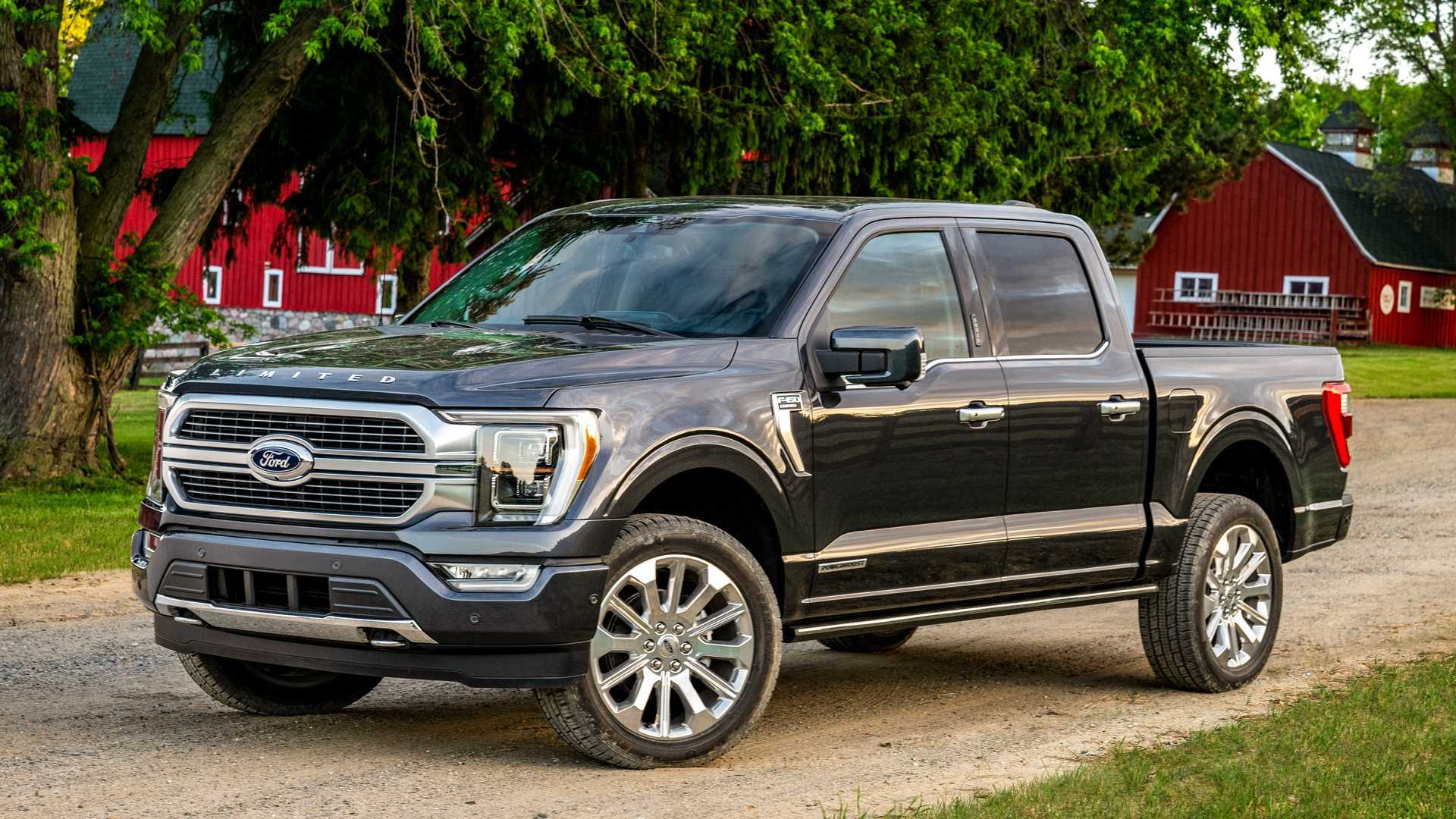
1. 2021 Ford F-150
The 2021 Ford F-150 is a legendary full-size pickup with a broad range of trims, from practical work trucks to high-performance Raptors and hybrid variants. Towing capacity reaches up to 14,000 pounds, and bed lengths can extend to 8 feet, making it highly adaptable for hauling, construction, or recreational use. Its versatility and strong engine lineup have helped the F-150 maintain its status as America’s best-selling pickup.
The F-150 scores 77/100 for reliability, with 15 recalls reported by the NHTSA, including minor defects and some safety-critical fuel-related issues. Edmunds owner reviews indicate 19% one-star ratings, citing occasional mechanical or electrical problems.
Average yearly maintenance costs are $775, with ten-year projected expenses of $10,245. The truck comes with a standard 3-year/36,000-mile warranty. Historically, older models, like the 2004 F-150, had serious issues such as failing tank straps.
Ford offers multiple engines and configurations. A tested 4WD crew cab with the hybrid PowerBoost engine reached 0–60 mph in 5.7 seconds. Gas-powered options, including the 5.0-liter V8 and 3.5-liter turbo V6, deliver smooth and linear power.
Steering is direct and precise, enhancing maneuverability, while braking is strong and reliable. High towing and payload capacities make the F-150 exceptionally capable in both work and recreational scenarios.
The cabin is spacious, especially in crew cab layouts. Front seats can include heating, ventilation, lumbar adjustment, and massaging functions, with Max Recline options for near-flat resting positions. Ride quality is solid, with minimal road, tire, and wind noise. The interior layout is intuitive, with wide-ranging seat, steering wheel, and pedal adjustments. Large windows and optional surround-view cameras enhance visibility.
Tech offerings are extensive, including an available 12-inch touchscreen, digital gauge cluster, Apple CarPlay, and Android Auto. Advanced driver aids are optional, and Pro Power Onboard allows the F-150 to function as a portable generator, with up to 7.2 kW of power through bed-mounted outlets.
The F-150 can tow up to 14,000 pounds and has a maximum payload of 3,325 pounds. Bed options include a power-up-and-down tailgate and tailgate step, though folding or modular features are absent. Gas engines achieve an EPA-estimated 20 mpg combined, with the hybrid rated at 24 mpg. Fuel tanks range from 23 to 36 gallons, depending on configuration.
The F-150 combines durability, capability, and customizable options, making it suitable for nearly any truck buyer. Its range of engines, cabs, and beds allows tailored setups that match specific needs, although warranty coverage remains standard for the class.
2. 2021 Toyota Tundra
The 2021 Toyota Tundra is a rugged full-size pickup with a reputation for reliability and durability. Known for its solid construction, it offers a payload capacity of up to 1,730 lbs and a towing rating of around 10,000 lbs.
The TRD Pro trim enhances off-road capabilities, while the 1794 Edition provides distinctive Western-themed styling. Standard safety features include pedestrian detection, lane-departure alert, and adaptive cruise control, making the Tundra a practical choice for work and daily driving.
The Tundra demonstrates exceptional reliability, with very few complaints reported by owners. Minor issues, such as flaking paint, have been noted, but the engine and transmission perform dependably.
Average annual maintenance costs are approximately $606, with a projected ten-year cost of $6,738. Standard coverage includes a 3-year/36,000-mile warranty and a 5-year/60,000-mile powertrain warranty. The 2021 model had three recalls, while transmission problems are more common in older models, such as the 2012 Tundra.
Performance is powered by a 5.7-liter V8 engine, which provides ample thrust. Acceleration is adequate, but braking feels numb and can reduce driver confidence during emergency stops. Steering is vague, and handling can feel unsettled, particularly on tight roads. The TRD Pro model improves traction and off-road handling, but in everyday driving, many competitors feel more agile and modern.
Seating comfort is below average, with stiff padding that may make longer drives tiring. Suspension absorbs small bumps well but transmits larger impacts into the cabin.
The SR5 trim offers a simple climate control system with intuitive knobs, though cooling or heating the cabin quickly can be challenging. Interior space is generous, accommodating adults comfortably in all seating positions. Forward visibility is good, but large blind spots reduce ease of maneuvering.
Technology is limited compared with rivals. The base stereo is underpowered and prone to distortion at high volume. Bluetooth and USB connections are reliable, and voice controls function adequately with specific menu commands. Advanced safety features such as adaptive cruise control, automated emergency braking, and lane departure monitoring are standard, though some systems can be overly sensitive.
Towing is strong thanks to the 5.7-liter V8 and standard 4.30 axle ratio. The high bed height and lack of advanced tailgate options limit cargo accessibility. Rear seating is spacious for child seats, but the center floor hump reduces usability for large cargo. Fuel economy is below average, constrained by the six-speed automatic transmission and high axle ratio, but EPA estimates are realistic in real-world driving.
The Tundra is suitable as a basic work truck, but pricing rises quickly with options. Interior materials feel dated, and rivals offer more modern cabins and features for a similar price. Standard warranty coverage and included scheduled maintenance add modest appeal.
3. 2021 Nissan Titan
The 2021 Nissan Titan is a full-size pickup with a standard 400-horsepower V8 and 413 lb-ft of torque, capable of towing up to 9,310 pounds. Its design balances ruggedness with modern technology, including Apple CarPlay, Android Auto, and premium audio systems. Safety features such as adaptive cruise control and the Safety Shield 360 suite are standard, making the Titan a reliable choice for both work and daily driving.
The Titan demonstrates strong reliability, with very few complaints reported and just four recalls logged. Average yearly maintenance costs are around $500, with projected ten-year expenses of $8,545.
Standard coverage includes a 3-year/36,000-mile warranty and a 5-year/60,000-mile powertrain warranty. Previous model years, such as 2018, experienced transmission and electrical issues, but the 2021 Titan appears engineered for durability.
The Titan’s standard V8, paired with a nine-speed automatic, delivers smooth power but accelerates from 0–60 mph in 7.5 seconds, which is modest compared with rivals. Steering is heavy and cumbersome at low speeds, and braking requires firm pedal pressure for confident stops. The truck’s size and weight become noticeable on winding roads, affecting maneuverability.
Ride quality is smooth over pavement, and the front seats are cushioned and supportive. Automatic climate control responds quickly, though fan noise is significant. Wind noise is noticeable at higher speeds.
The interior is functional, with large, clearly labeled controls. Front space is generous, while rear seating is adequate but not as roomy as some competitors. Blind spots are large, though assisted by the blind-spot monitoring system.
The Titan features a 9-inch touchscreen with clear graphics, Apple CarPlay, and Android Auto. Some screen visibility issues occur with polarized sunglasses, and the rearview camera resolution is low. Fender audio quality is moderate.
Safety and driver-assistance features, including adaptive cruise control, lane departure warning, and emergency braking, are standard. NissanConnect app services offer additional convenience with live support and remote guidance.
Maximum towing is 9,310 pounds, and payload capacity is 1,690 pounds. The bed is spacious and easier to reach than some competitors, but interior storage is less configurable, with some spaces difficult to use efficiently. Fuel economy is average for a V8, with 4WD models rated at 18 mpg combined and real-world performance aligning closely with EPA estimates.
The Titan’s value is limited. Warranty coverage is standard, and the lack of more fuel-efficient engine options reduces savings. Pricing is higher than some rivals, and cabin materials, particularly hard plastics, feel less refined. Despite its capabilities, the trade-offs make it a less compelling choice for budget-conscious buyers.
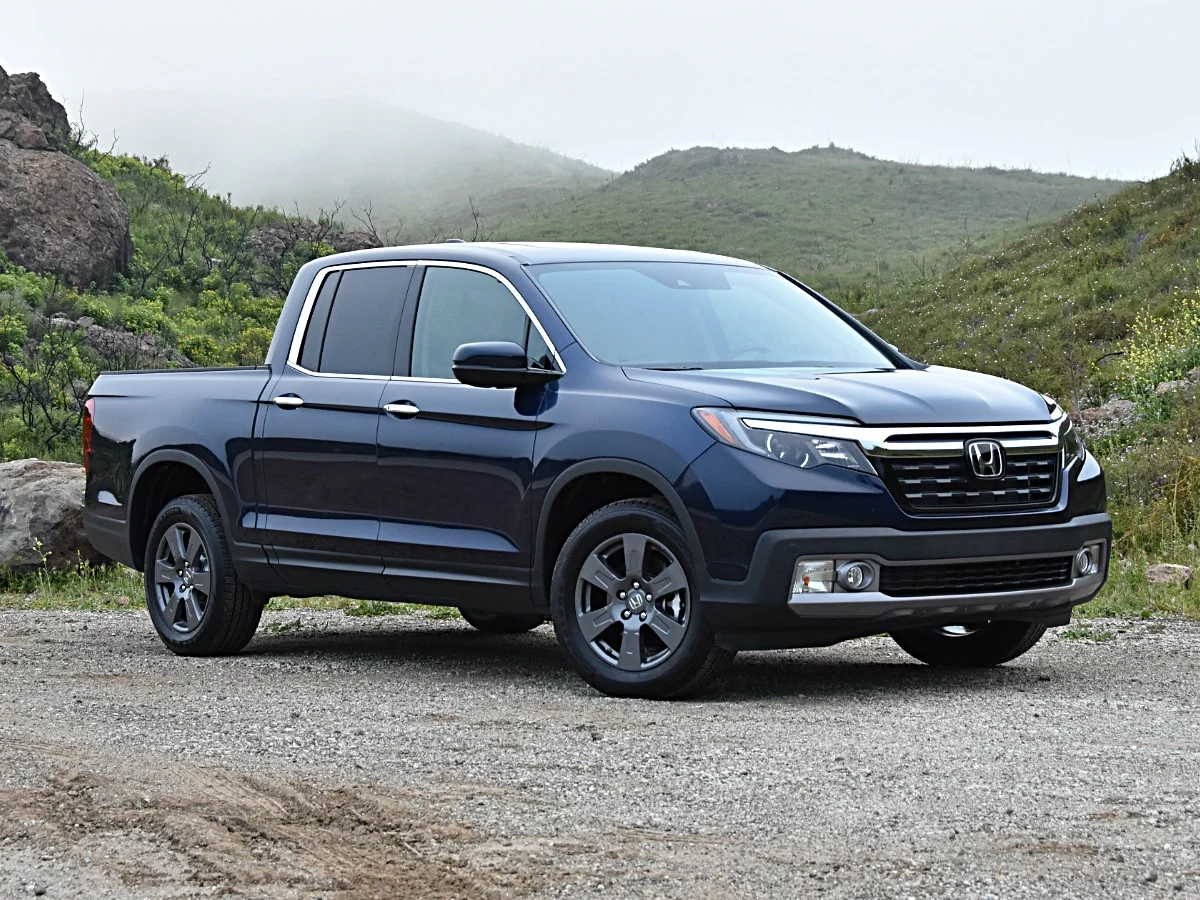
4. 2020 Honda Ridgeline
The 2020 Honda Ridgeline is a midsize pickup that combines comfort, versatility, and practicality. It features a 280-horsepower V6 engine paired with a nine-speed automatic transmission and a torque-vectoring AWD system.
Its unibody chassis and fully independent suspension make it ride more like a crossover SUV than a traditional truck, while maintaining capability for light towing and cargo hauling. Unique features like a dual-action tailgate and a lockable in-bed trunk enhance its practicality.
The Ridgeline maintains Honda’s strong reputation for reliability. Engine and transmission issues are rare, with only minor complaints about wind noise from window seals. Average annual maintenance costs are approximately $502, with ten-year estimates around $8,263.
The truck comes with a standard 3-year/36,000-mile warranty. The 2006 model year had significant reliability issues, but recent models demonstrate dependability. There have been three recalls for the 2020 Ridgeline.
The Ridgeline’s 3.5-liter V6 delivers smooth and predictable power. The unibody construction and independent suspension give it a composed ride over uneven surfaces, and the AWD system improves traction in snow, sand, and dirt.
Off-road potential is limited due to modest ground clearance, lack of low-range gearing, and limited wheel articulation. Acceleration and handling are well-suited to highway and city driving, but the Ridgeline does not match the rugged capabilities of traditional 4WD pickups.
Ride quality is smooth and composed, with minimal body motion over bumps. Front and rear seats are supportive and designed for long-distance comfort. Entry and exit are easier than in many midsize trucks, thanks to a lower step-up height. Interior space is generous, with ample headroom, legroom, and width. Large windows provide good visibility, and blind spots are minimal.
Apple CarPlay and Android Auto are standard, along with a voice command interface and advanced driver-assistance features. The 8-inch touchscreen has quirks, such as inconsistent volume controls. Forward collision warning and other safety systems can be overly sensitive, occasionally generating false alerts.
The Ridgeline’s cargo capabilities are strong for the midsize segment, with a dent-resistant bed, lockable in-bed trunk, and two-way tailgate. It can carry 4-by-8 sheets flat between wheel wells. Payload capacity is competitive, and towing maxes out at 5,000 pounds with AWD. Fuel economy is solid, with 21 mpg combined for AWD models and 22 mpg for FWD, consistent with EPA estimates.
The Ridgeline’s cabin and exterior are well-finished, with high-quality materials and precise assembly. Pricing is transparent due to Honda’s no-option strategy and is competitive for the features and comfort provided. Its combination of reliability, practicality, and refinement makes it an attractive choice in the midsize pickup segment.
5. 2020 Jeep Gladiator
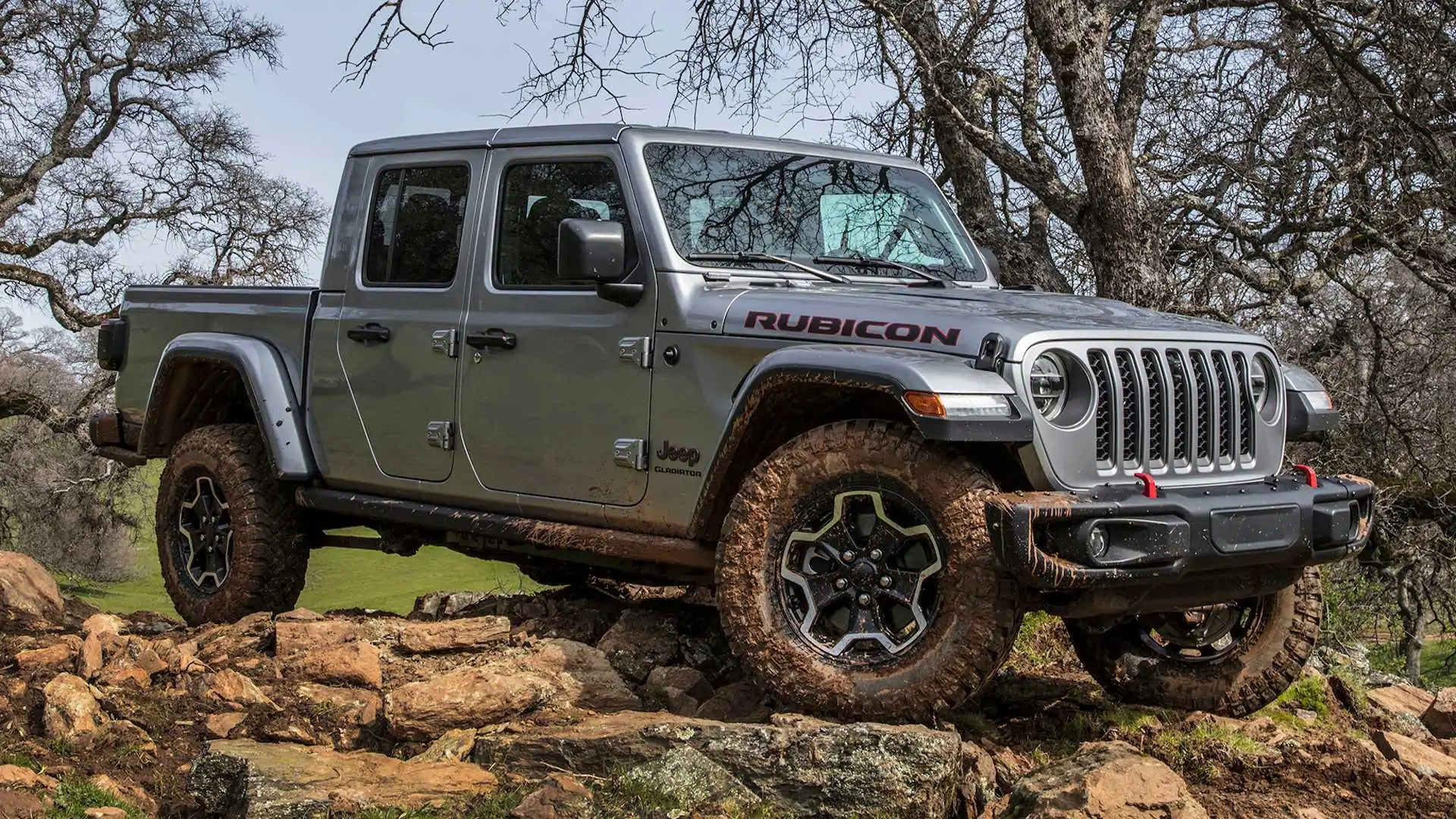
The 2020 Jeep Gladiator is a midsize pickup that stands out with removable doors and a convertible roof, offering a unique open-air experience. Built for rugged adventure, it combines off-road capability with a functional pickup bed and towing capacity. The Rubicon trim enhances its trail readiness, while standard and optional tech features make it competitive for daily driving and recreational use.
The Gladiator demonstrates solid reliability, particularly with its 3.6-liter V6 and eight-speed automatic transmission. Few complaints are noted, aside from occasional rear-window leaks that are usually fixed under warranty.
Average annual maintenance costs are about $694, with projected ten-year expenses of $11,803. It comes with a standard 3-year/36,000-mile warranty and has had six recalls. The 2023 model year has been rated the worst pickup by some consumers, but the 2020 model appears dependable.
The Gladiator excels off-road thanks to its Rubicon trim, capable suspension, and well-matched engine and transmission. On paved roads, handling is less refined due to large tires and a solid front axle, and steering can feel heavy and imprecise at low speeds.
The truck tracks reasonably well through corners, but crosswinds and road ruts require driver attention. Acceleration and braking are adequate for its class, though the truck’s weight is noticeable in dynamic situations.
Ride comfort is compromised somewhat by the solid-axle front suspension, which transmits bumps into the cabin. Seats are supportive, and the cabin is quieter than the Wrangler thanks to new tires and improved interior insulation.
Front and rear passengers benefit from a powerful climate control system with vents for rear occupants. Entry can be challenging due to the Gladiator’s height, but grab handles and wide doors ease access.
The Gladiator’s infotainment setup is user-friendly and capable, with optional 8.4-inch Uconnect touchscreen navigation and crisp audio. Physical buttons, knobs, and touchscreen controls are intuitive. Safety features include automated emergency braking and adaptive cruise control, which are compatible with off-road accessories. Apple CarPlay and Android Auto are not standard on all trims.
Towing capacity ranges from 7,000 to 7,650 pounds, depending on the trim. The bed features low sides and a power-locking tailgate, and rear seating folds to accommodate cargo and child seats. Small-item storage is limited. Fuel economy is modest, with EPA estimates of 18 mpg combined, making it one of the less efficient midsize trucks.
The Gladiator is well-built, likely to retain value well, and excels in off-road versatility. It is more expensive than many competitors and has higher fuel costs. Manual transmission is standard, while automatic adds $2,000. Warranty coverage is standard for the segment. Its unique features appeal to enthusiasts, but practicality and fuel efficiency lag behind rivals.
Also Read: 5 Cars That Surprise Owners With High Resale vs 5 That Don’t
6. 2020 RAM 1500
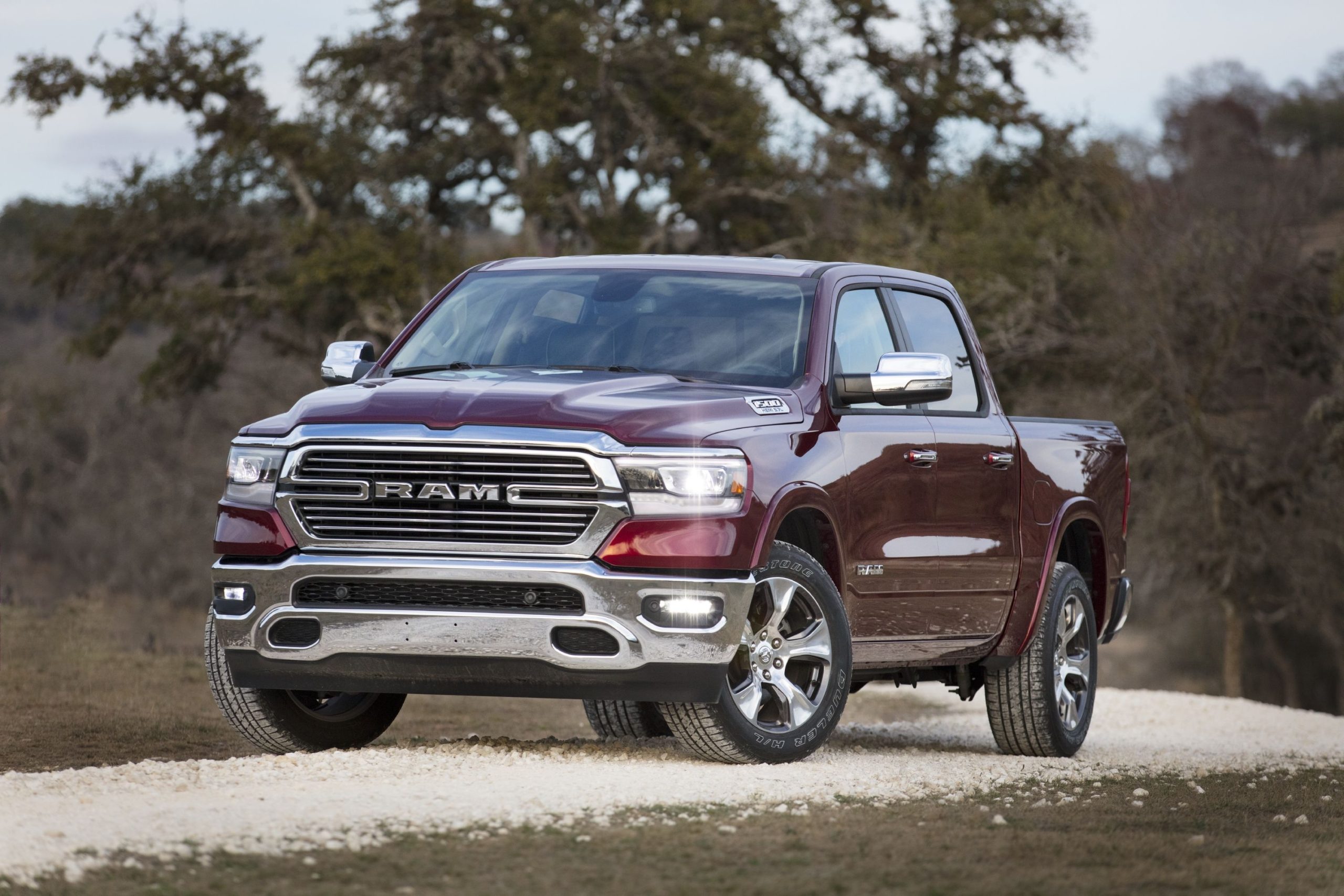
The 2020 RAM 1500 is a standout full-size pickup, recognized for its bold front grille, smooth ride quality, and versatile tech-rich interior. Offering multiple engine options, including a 3.6-liter V6, 5.7-liter V8, and EcoDiesel V6, it caters to a wide range of buyers seeking power, towing capability, and efficiency.
Its strong engineering and well-considered design make it a reliable and comfortable choice in the full-size truck segment.
The RAM 1500 earns high marks from both the NHTSA and IIHS, reflecting its strong reliability. It comes standard with a 3-year/36,000-mile warranty and a 5-year/60,000-mile powertrain warranty.
Average annual maintenance is approximately $691, with projected costs of $17,677 over the first decade. The truck has had 10 recalls, but previous model years, such as 2016, are known for more severe engine and transmission issues.
Driving the RAM 1500, especially with the V8 and eight-speed transmission, provides a smooth and powerful experience suitable for almost any situation. The EcoDiesel option adds torque for impressive towing, while all models benefit from steady steering, confident braking, and secure handling. RAM’s coil-spring rear suspension, replacing traditional leaf springs, enhances ride comfort and handling stability.
The RAM 1500 excels in comfort, minimizing road and wind noise even with the V8 engine. Front and rear seats are supportive, spacious, and well-designed for long trips. Higher trims offer reclining rear seats and effective climate control, including rear vents. The cabin is roomy, with ample headroom, legroom, and shoulder space, making it practical for both drivers and passengers.
Technology offerings include an optional 12-inch touchscreen, an 8.4-inch Uconnect infotainment system, and a basic 5-inch display on entry-level models. Features include Apple CarPlay, Android Auto, multiple USB ports, and navigation. Advanced driver-assist options are limited to higher trims like Laramie, which add parking sensors, lane departure mitigation, and adaptive cruise control.
Towing capacity ranges above 11,000 pounds, with some configurations exceeding 12,000 pounds. The truck includes practical storage options like RamBox bins, a two-way tailgate, and configurable interior compartments. Fuel economy varies by engine, with EcoDiesel RWD models achieving an EPA-estimated 26 mpg combined, capable of nearly 1,000 highway miles per tank.
The RAM 1500 balances upscale build quality with practical trim and engine options. Engines can be paired with nearly any trim, offering flexibility for both economical and high-performance needs. Despite some minor part issues over time, its competitive pricing, robust towing, and versatile features make it a compelling full-size truck choice.
7. 2020 GMC Sierra 1500
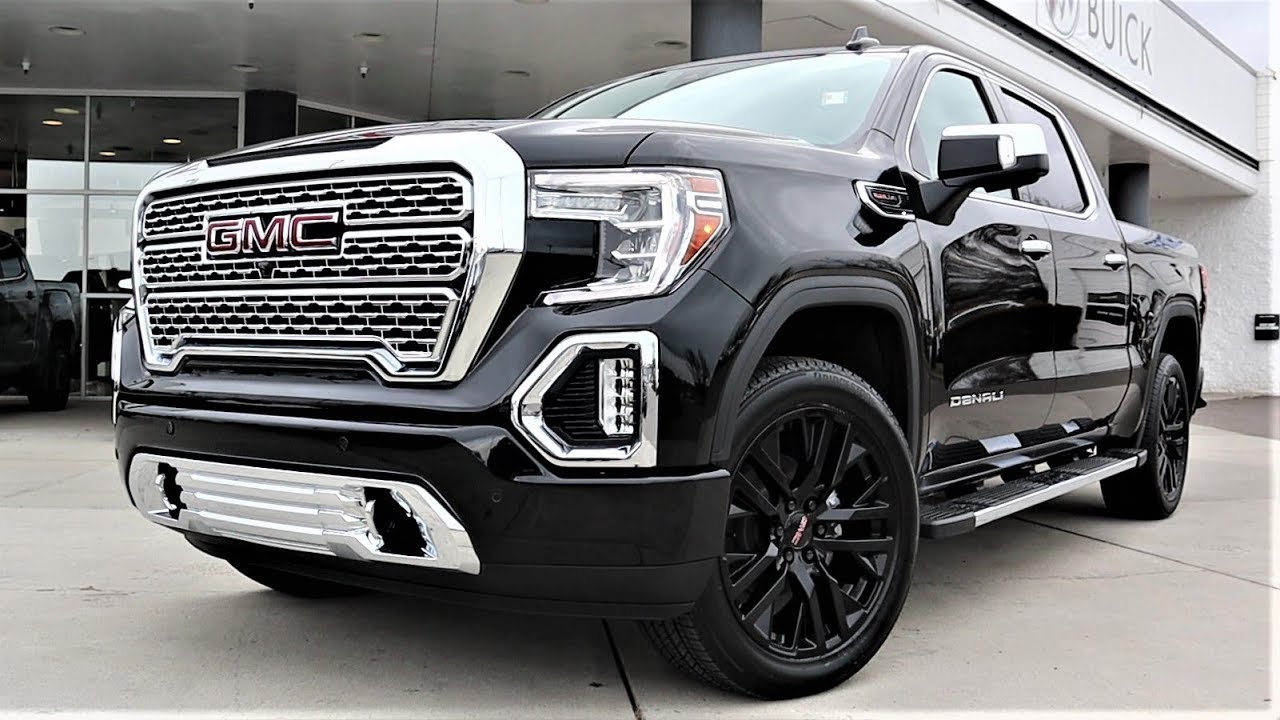
The 2020 GMC Sierra 1500 is a durable full-size pickup with a strong reputation for reliability. While some owners report minor issues with slow or lagging electronics, the engine and transmission remain dependable. Available with multiple engines, including a 6.2-liter V8, the Sierra provides solid towing capability, confident acceleration, and comfort suitable for both work and daily driving.
The Sierra has a long track record for durability. Average annual maintenance costs are approximately $744, with projected expenses over ten years at $8,948. Standard coverage includes a 3-year/36,000-mile warranty and a 5-year/60,000-mile powertrain warranty. The 2020 model has had ten recalls, while older model years, such as 2005, experienced a higher number of complaints.
Performance is strong, particularly with the optional 6.2-liter V8 paired with a 10-speed transmission, which allows 0–60 mph in 6.2 seconds. Braking is effective, though pedal feel can be less precise during light stops.
The truck leans noticeably in turns, and the steering feels numb in tight maneuvers. Off-road performance is sufficient for light trails, assisted by a Traction Select system that optimizes wheelspin and throttle response in low-traction conditions.
Seating provides good support, though it is slightly less plush than some competitors. The ride is smooth on highways but can become bouncy on rough roads. Split-heated front seats allow separate adjustments for the seatback and cushion. Crew-cab models offer generous headroom, legroom, and shoulder space. Steering wheel adjustments can be tricky, and thick roof pillars may limit visibility in some situations.
The 8-inch infotainment system supports Apple CarPlay and Android Auto and is easy to use, though smaller than some competitor screens. USB and USB-C ports are available for front and rear passengers.
Safety features include automatic emergency braking, lane-keeping assist, blind-spot monitoring, rear cross-traffic alert, and parking sensors. The voice recognition system handles basic commands reliably but can struggle with natural speech.
The Sierra’s bed is practical, featuring tie-downs, bed steps, and a MultiPro tailgate with six configurations. Towing capacity is respectable, with trailer cameras, brake controllers, and memory settings in higher trims. Fuel economy is modest for a V8, with the Denali averaging 17 mpg combined and reaching up to 20.5 mpg on extended highway trips.
The Sierra delivers reliability, towing capability, and technology, but pricing, particularly for Denali trims, can feel steep. Material quality is adequate but not exceptional. Scheduled maintenance during the first year is included, giving a small advantage over some competitors.
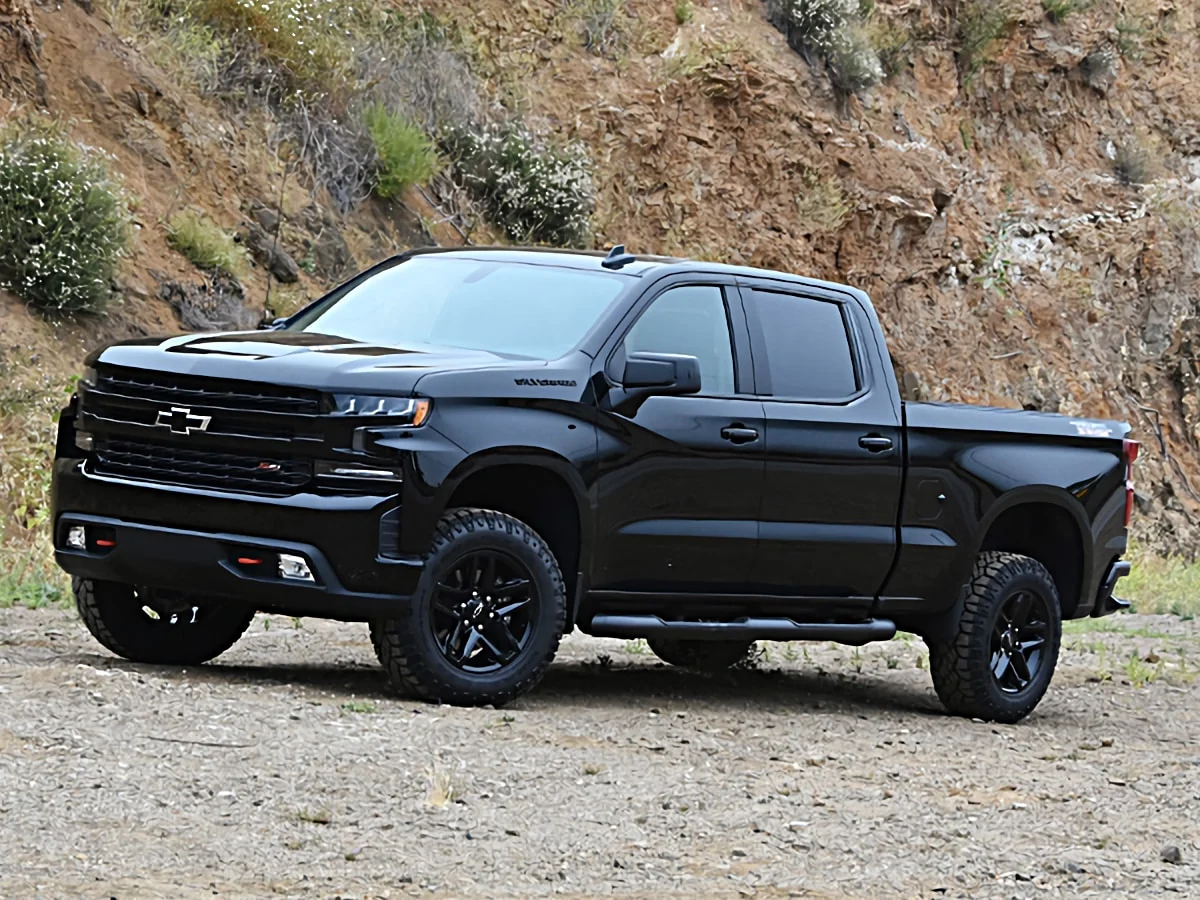
8. 2020 Chevrolet Silverado 1500
The 2020 Chevrolet Silverado 1500 is a full-size pickup that balances capability, comfort, and versatility. It seats up to six passengers comfortably in a spacious crew cab and offers multiple powertrain options, including a 5.3-liter V8, a turbo-diesel six-cylinder, and 4WD configurations. Off-road enthusiasts can upgrade to the Z71 or Trail Boss packages for enhanced ruggedness.
Owners report few mechanical issues, with most complaints focused on media display glitches, such as GPS pop-ups. Engine and transmission durability are strong, reinforcing the Silverado’s reputation as a dependable truck.
Average annual maintenance costs are $714, with projected ten-year costs of $10,003. The Silverado comes with a 3-year/36,000-mile warranty, and the 2020 model had ten recalls issued. Older models, particularly 2012–2013, showed notable powertrain concerns.
Testing a 5.3-liter V8 4WD High Country trim revealed solid performance. The truck accelerated from 0–60 mph in 7 seconds, with smooth eight-speed automatic shifts and strong low-end torque.
Braking is sufficient, but midcorner bumps can unsettle the chassis. Steering is light, and body roll is managed, though the Silverado is less agile than some competitors. Off-road potential improves significantly with the Z71 or Trail Boss packages.
The Silverado rides relatively smoothly and absorbs minor road imperfections well. Front and rear seating is spacious, with optional ventilated and split-heated front seats providing adjustable comfort. Engine noise is muted at normal speeds but becomes more noticeable under hard acceleration.
The crew cab offers massive legroom in the back, and power-adjustable seats and a tilt-and-telescoping steering wheel provide flexibility for drivers. Visibility is hindered by a tall hood and thick roof pillars.
Apple CarPlay and Android Auto are standard, while advanced features like adaptive cruise control, automatic emergency braking, and lane-keeping assist are available on higher trims. The surround-view camera system aids maneuvering, but the display resolution could be sharper. The High Country’s power tailgate is convenient but considered more of a novelty than a necessity.
The tested 5.3-liter 4WD crew cab achieved a 9,600-pound tow rating and 2,020-pound payload. The bed is spacious with multiple tie-downs. Interior storage includes a multi-pocket center console, though some spaces feel limited. The EPA estimates 19 mpg combined for the V8 4WD, which was achievable in real-world testing.
The Silverado is slightly pricier than key competitors without offering a clear advantage in features or interior quality. Dashboard and button materials are functional but not modern. First scheduled maintenance is included, and warranty coverage is standard for the segment.
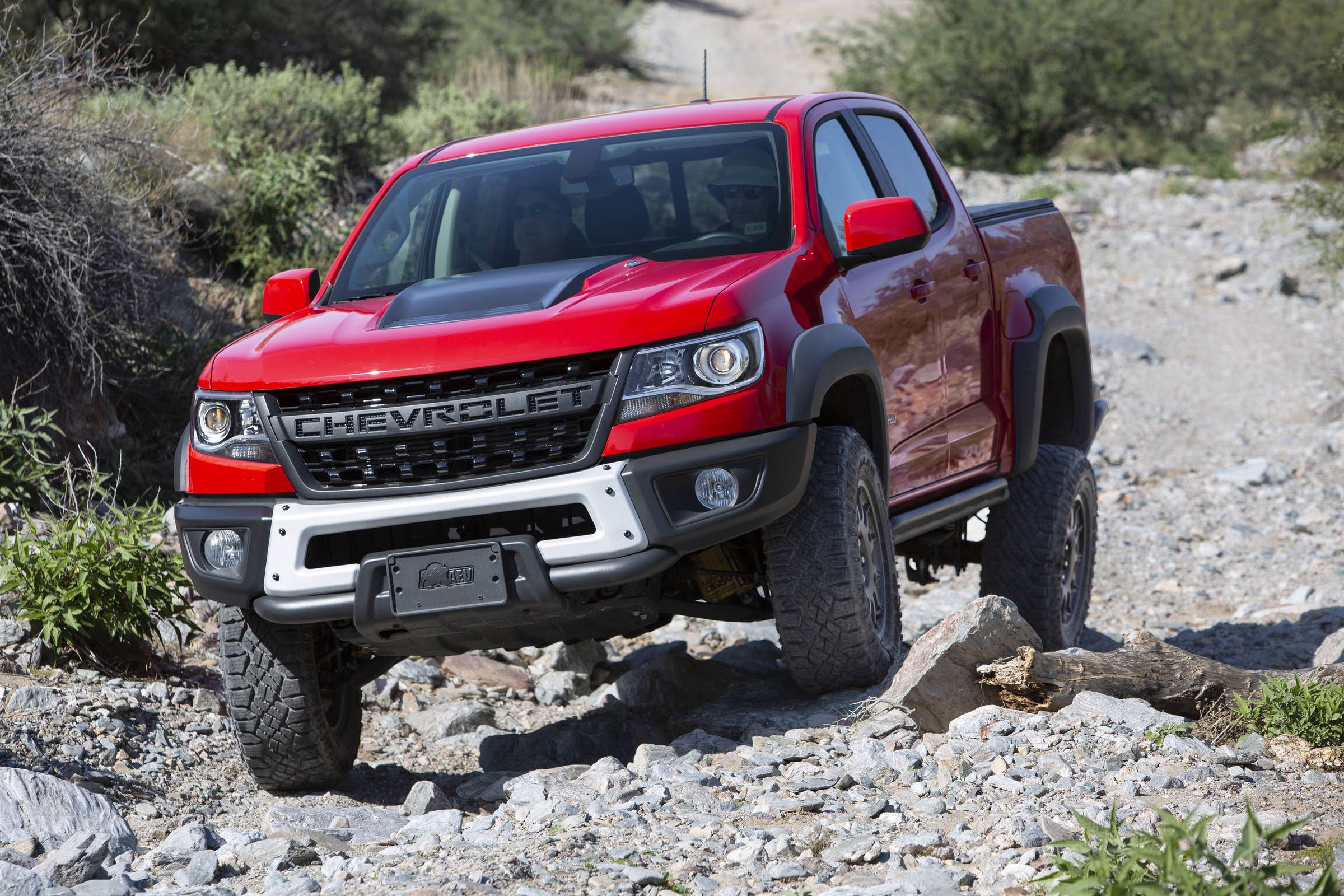
9. 2019 Chevrolet Colorado
The 2019 Chevrolet Colorado is a midsize pickup that balances capability, fuel efficiency, and comfort. Its optional diesel engine delivers impressive highway mileage, up to 30 mpg, while the ZR2 trim enhances off-road performance with locking differentials, upgraded suspension, and larger tires. With strong towing and payload ratings, it is suitable for both work and recreational use.
The Colorado earns solid reliability marks from owners, though some have noted thermostat issues, hub concerns, and limited rust protection. Average annual maintenance costs are around $599, with estimated ten-year expenses of $9,910.
The 3-year/36,000-mile warranty covers basic repairs, and the 2015 model year is the least desirable due to engine and transmission problems. The 2019 model has no recalls, suggesting solid engineering.
The 3.5-liter V6 produces 305 horsepower and pairs well with an eight-speed automatic. Acceleration is brisk, with a 0–60 mph time of 7.3 seconds. Steering is precise on highways but lacks feedback, while body roll is well-controlled in corners.
Brakes are predictable in normal driving, but can feel soft in emergency stops. Off-road, the Z71 and ZR2 trims perform competently, though low airdams limit clearance. Traction control helps mitigate wheel lift in rocky terrain.
Front seats are firm but comfortable, with upright positioning suited to long drives. Rear seating is tighter and less cushioned, and access can be challenging without optional side steps.
Ride quality is smoother than many competitors, absorbing both small bumps and larger road imperfections. Wind and engine noise are noticeable but manageable. Climate controls are intuitive, and heated seats and steering wheel options enhance comfort in colder weather.
Chevy’s Infotainment 3 system is responsive and easy to use, featuring Android Auto, Apple CarPlay, and multiple USB and 110-volt outlets. Audio quality from the optional Bose system is acceptable, with minimal distortion at high volumes.
Voice commands require specific phrasing but generally function well. Optional driver-assistance features, such as forward collision alert and lane departure warning, are functional, though blind-spot monitoring is not standard.
The Colorado excels in towing, handling up to 7,700 pounds with the diesel engine, and features a built-in trailer brake controller. Payload capacity is strong for the midsize segment.
The bed has tall sides and requires optional accessories for a liner, but corner access steps aid loading. Interior storage includes large center console compartments, door pockets, and under-seat space. Rear seating is less accommodating for child seats or large cargo.
The Colorado combines capability, fuel efficiency, and comfort at a competitive price for a midsize pickup. Its towing and hauling strengths, efficient diesel option, and feature-rich infotainment make it an appealing choice for buyers seeking a versatile, practical truck.
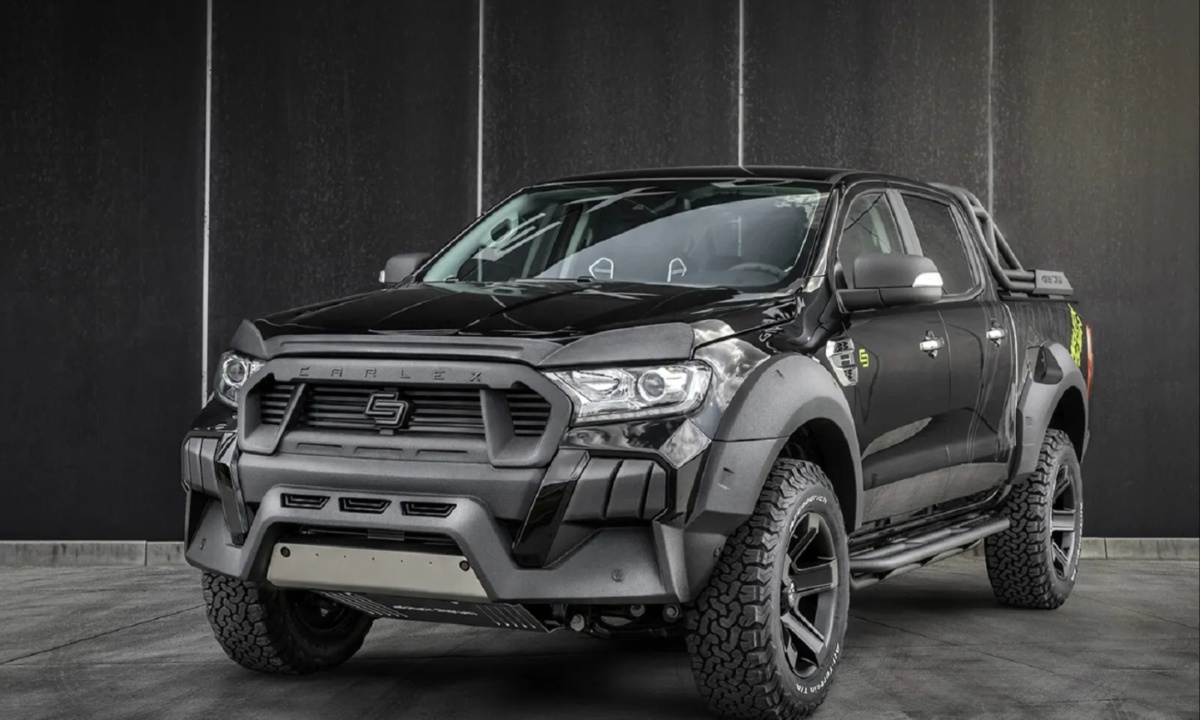
10. 2021 Ford Ranger
The 2021 Ford Ranger is a midsize pickup that delivers strong capability in a compact package. Its 2.3-liter turbocharged EcoBoost four-cylinder engine produces 270 horsepower and 310 lb-ft of torque, allowing a towing capacity of 7,500 pounds and a payload of 1,860 pounds. The Ranger combines efficiency, daily usability, and ruggedness, making it a versatile option for work and recreation.
Owner feedback for the 2021 Ranger is overwhelmingly positive, highlighting its durability and reliability. Average annual maintenance costs are $615, with projected ten-year costs of $10,045.
The truck comes with a 3-year/36,000-mile warranty, and eight recalls have been issued for the model. Older Rangers, particularly the 1999 model, have the worst reputation, but the current generation shows strong long-term potential.
The Ranger’s turbocharged four-cylinder engine delivers quick acceleration, reaching 0–60 mph in 6.8 seconds in 4WD crew-cab tests. The 10-speed automatic transmission can be slow to respond in normal mode, and steering feels light and numb.
The suspension tends to bounce on corners and undulating surfaces, and a significant nose-dive occurs during hard braking. Handling is adequate, but the truck can feel unsettled over uneven terrain.
Ride quality is bouncy and springy, which may affect passenger comfort on uneven roads. Front seats are well-shaped and padded for a variety of body types, while the rear bench is more upright and less accommodating. Wind, road, and tire noise are reasonably controlled. The climate system is functional but difficult to operate due to small buttons and non-adjustable vents.
The Ranger includes the Sync 3 infotainment system on XLT and higher trims, offering Apple CarPlay, Android Auto, and multiple USB ports. Co-Pilot360 driver aids, including forward collision warning, lane-keeping assist, and blind-spot monitoring, are standard at these trims. Voice commands work reliably, but the touchscreen could benefit from physical shortcut buttons. Built-in navigation is part of the optional Technology package.
The Ranger’s bed includes six tie-downs and a central locking system for the tailgate. Tall bed sides make loading cumbersome, and interior storage is limited due to a one-piece rear bench and modest cubbies. Fuel economy is rated at 22 mpg combined (20 city/24 highway) for 4WD, which is strong for a four-cylinder midsize truck, though real-world results may vary.
The Ranger is capable and efficient, but a well-equipped model can become expensive. Interior materials and design are dated compared to competitors, which reduces perceived value. Warranty coverage aligns with segment standards, but buyers seeking a refined cabin experience may need to look elsewhere.
Choosing a truck is about more than style or engine size. It is about reliability, longevity, and peace of mind. The trucks featured here, from the powerhouse 2021 Toyota Tundra to the efficient 2021 Ford Ranger, show what it means to be truly indestructible in the pickup world.
These vehicles combine strong engineering, capable towing and payload capacities, and durable components that stand the test of time, making them trusted partners for both work and adventure.
Whether you need a heavy-duty full-size pickup or a versatile midsize truck, these models demonstrate that toughness does not have to come at the expense of comfort, technology, or daily usability. Investing in one of these indestructible trucks means fewer repairs, more confidence on the road, and the freedom to tackle any challenge. These ten trucks prove that true resilience is built into every mile.
Also Read: 10 Cars That Owners Never Sell Due to Reliability