When most vehicles are left to sit unused, time, weather, and neglect often take their toll, turning even promising cars into rusting shells. Yet some vehicles possess a remarkable resilience that allows them to endure long periods of abandonment without losing functionality, performance, or charm.
From rugged off-road warriors to iconic sports cars, these durable machines prove that exceptional engineering, quality materials, and thoughtful design can withstand years of inactivity. In this list, we explore 9 cars that survive being abandoned, examining what makes each one tough enough to endure neglect while remaining reliable when called back to life.
Whether it’s the Toyota 4Runner’s legendary durability, the Mitsubishi Pajero’s off-road longevity, or the timeless Porsche 911’s enduring performance, these vehicles showcase a combination of strength, practicality, and engineering foresight that few cars can match.
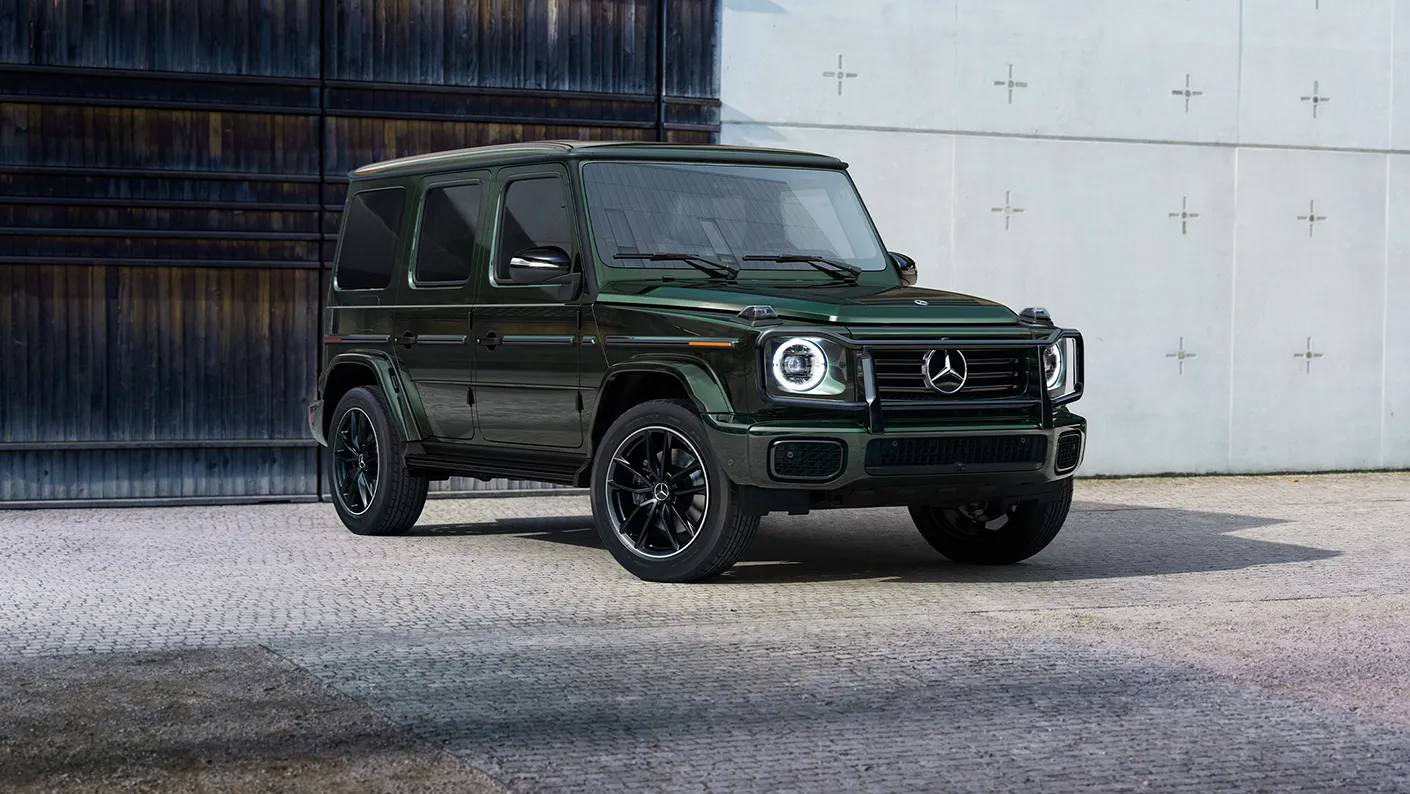
1. Toyota 4Runner: Rugged Reliability and Off-Road Prowess
The Toyota 4Runner is built to excel where ruggedness matters most, combining legendary Toyota reliability with impressive off-road capability. Its robust suspension system and high ground clearance allow it to handle rough terrain and muddy trails with confidence.
While the 4Runner is not designed as a luxury SUV, its focus on practicality makes it a favorite for drivers who need a dependable vehicle for outdoor adventures. The gas powertrain delivers enough performance for city and highway driving, though acceleration is slower than hybrid alternatives.
Steering feels a bit heavy, and body roll is noticeable, yet adaptive cruise control, lane keeping assistance, and blind-spot monitoring provide modern safety support that complements its durable design.
Inside, the 4Runner emphasizes function over flair. The front seats are supportive and comfortable, but the rear cabin can feel cramped, with limited legroom and headroom. Small rear doors complicate the installation of child safety seats, and noise from the engine and road can intrude at higher speeds.
Despite this, the climate system is responsive, quickly heating or cooling the cabin, and storage is practical, with pockets, a glovebox shelf, and an L-shaped bin near the shifter. Cargo space behind the rear seats is generous, although adding a third row significantly reduces capacity. The SUV can tow up to 6,000 pounds, making it capable enough for trailers, boats, or other recreational gear.
Technology is functional and straightforward. Wireless Apple CarPlay and Android Auto come standard, along with multiple USB ports and an optional wireless charging pad. Toyota’s navigation system works reasonably well, though extended use requires a paid data plan.
The infotainment interface is not the most advanced, but it suits the 4Runner’s practical ethos, keeping controls accessible and intuitive for drivers who prefer simplicity over complexity.
Fuel efficiency is modest, with 2WD versions averaging 22 mpg and 4WD models around 21 mpg. The hybrid variant adds a small improvement to 23 mpg combined, but the 4Runner’s strength lies in capability rather than efficiency.
Pricing spans a wide range, from affordable base trims to fully equipped TRD Pro models exceeding $60,000. Across all trims, build quality remains solid, with minimal rattles or squeaks even under off-road use.
Ultimately, the Toyota 4Runner shines when taken off the beaten path. While its ride is harsher and its handling less refined than more comfort-oriented SUVs, it delivers unmatched durability, practicality, and off-road performance.
Its combination of reliable engineering, capable towing, and versatile storage ensures that it remains a trusted choice for drivers seeking a vehicle that can confidently handle both everyday driving and adventurous journeys.
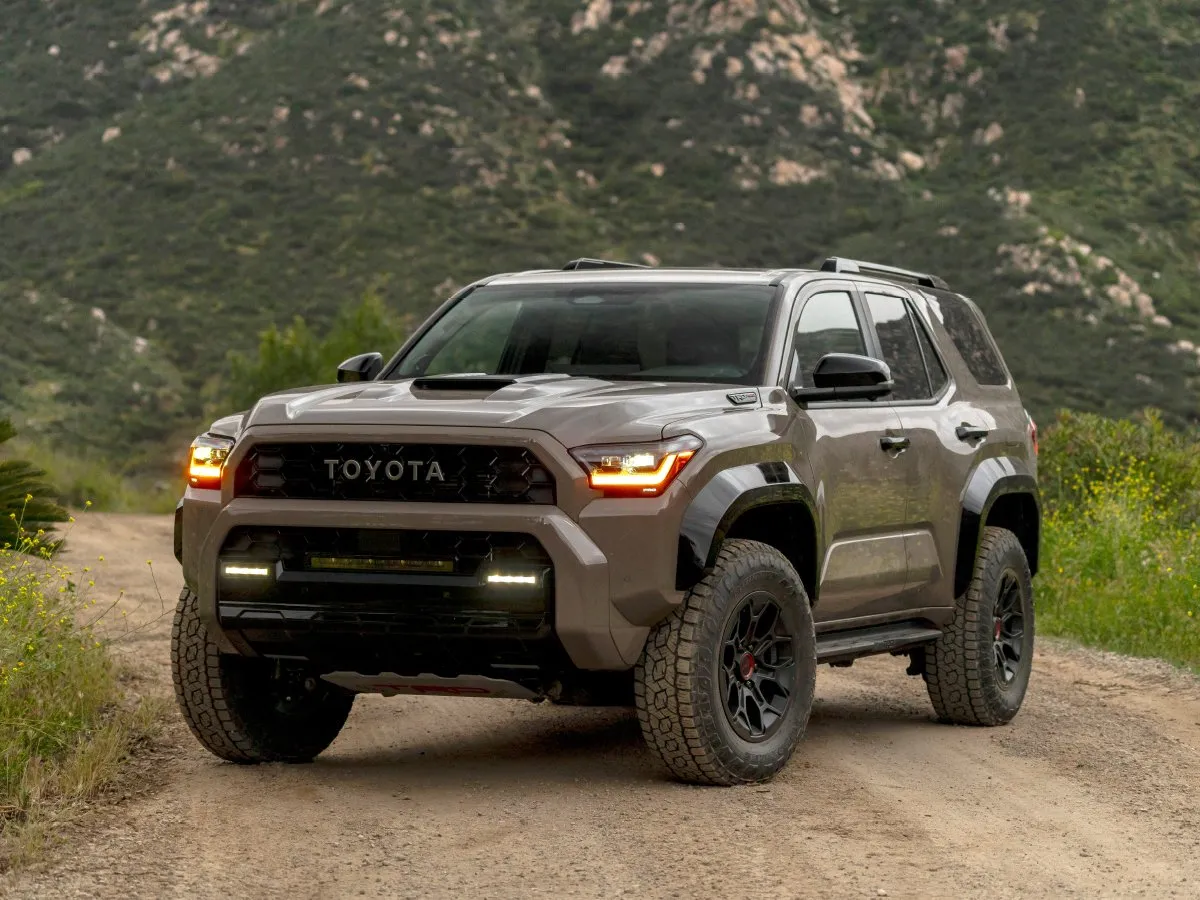
2. Nissan Titan: Dependable Strength for Everyday Work
The Nissan Titan is a full-size pickup built with practicality and toughness in mind. Unlike some of its competitors that prioritize luxury features or extreme performance, the Titan focuses on reliability and functionality, appealing to buyers who value a workhorse that can endure daily demands.
Its design emphasizes ruggedness, conveying a sense of durability, while its engineering ensures that it can handle hauling, towing, and other heavy-duty tasks without unnecessary complexity.
Powering the Titan is a 400-horsepower V-8 engine paired with a nine-speed automatic transmission. This setup provides enough acceleration for typical daily use and towing needs, though it doesn’t match the more potent or technologically advanced engines available in rival pickups.
The truck accelerates from 0 to 60 mph in 7.5 seconds, a respectable but unremarkable figure for a vehicle of its size. Driving dynamics are solid but reveal the Titan’s weight on winding roads, with steering that feels heavy and braking that requires a firm touch. Despite this, the Titan delivers a composed and manageable ride, making it suitable for both work and long-distance drives.
Inside, the Titan emphasizes usability and function over opulence. The cabin layout is familiar, with a column-mounted shifter and large, clearly labeled controls. While much of the interior features hard plastic, higher trims incorporate softer materials and wood accents for a slightly more refined feel.
Front seating is spacious and comfortable, though rear passenger space is only adequate. The truck’s elevated seating position provides a commanding view of the road, though blind spots remain significant even with large mirrors. Features like a tilt-and-telescoping steering wheel and easy-to-access door handles enhance everyday practicality.
Technology in the Titan is straightforward but functional. A standard 9-inch touchscreen offers crisp graphics, and smartphone integration via Apple CarPlay and Android Auto is included.
Safety features are robust, with the Safety Shield 360 suite offering adaptive cruise control, lane assistance, and other driver aids as standard equipment. Some tech elements, like the rearview camera and interior storage layout, feel less polished compared with competitors, but they meet practical needs.
The Titan also delivers practical utility with a maximum towing capacity of 9,290 pounds and a payload rating of 1,710 pounds. The bed is easy to access, and interior storage is ample, though not especially clever or configurable. Fuel economy is modest, averaging around 17 mpg for 4WD models, with no more efficient engine options available.
The Nissan Titan is a dependable, no-nonsense pickup. While it may lack the refinement, advanced technology, or superior performance of some rivals, it excels as a durable, functional, and reliable truck.
For those who prioritize toughness and practicality over flash, the Titan remains a solid choice capable of meeting the demands of everyday work and long-term use.
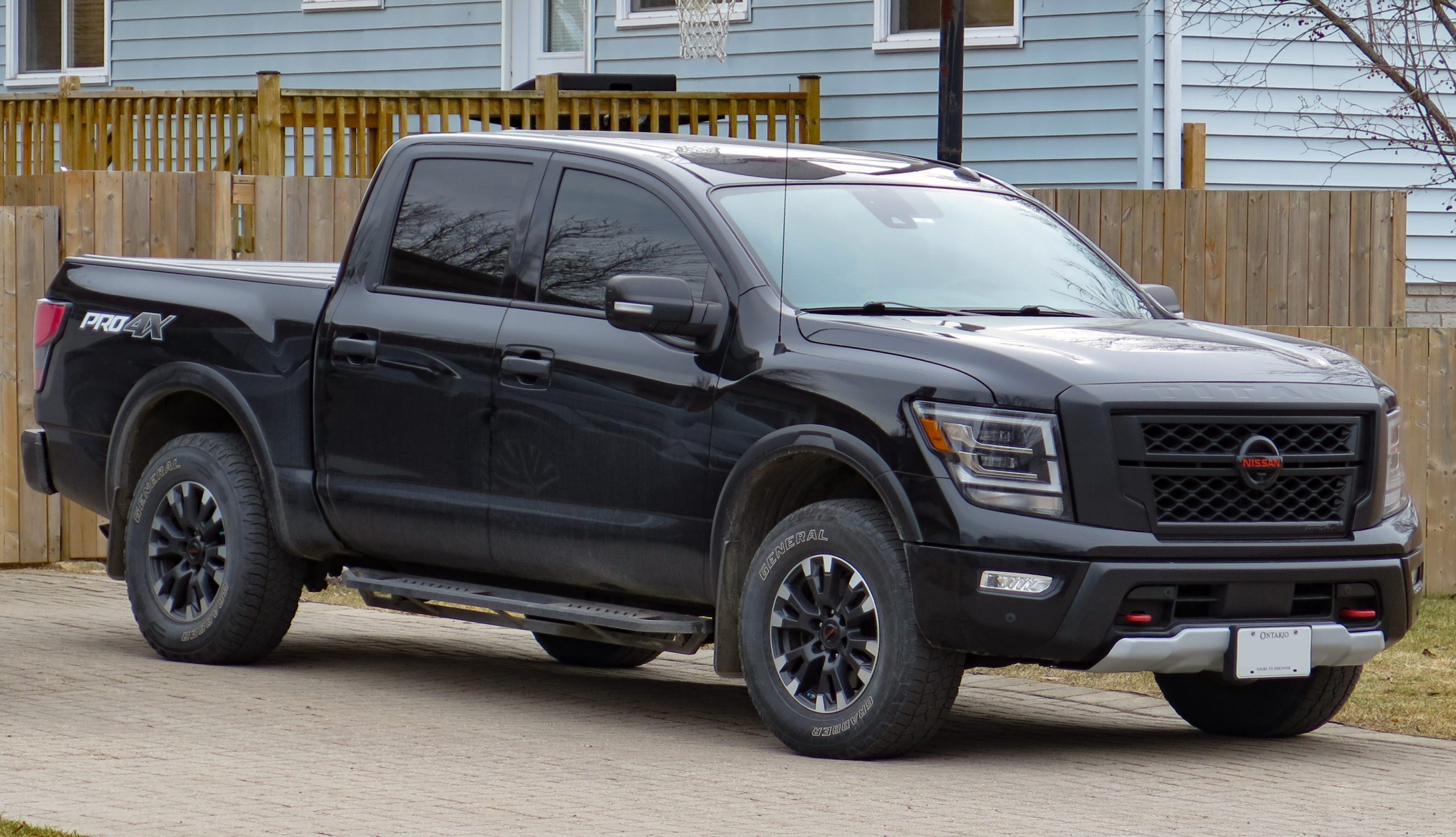
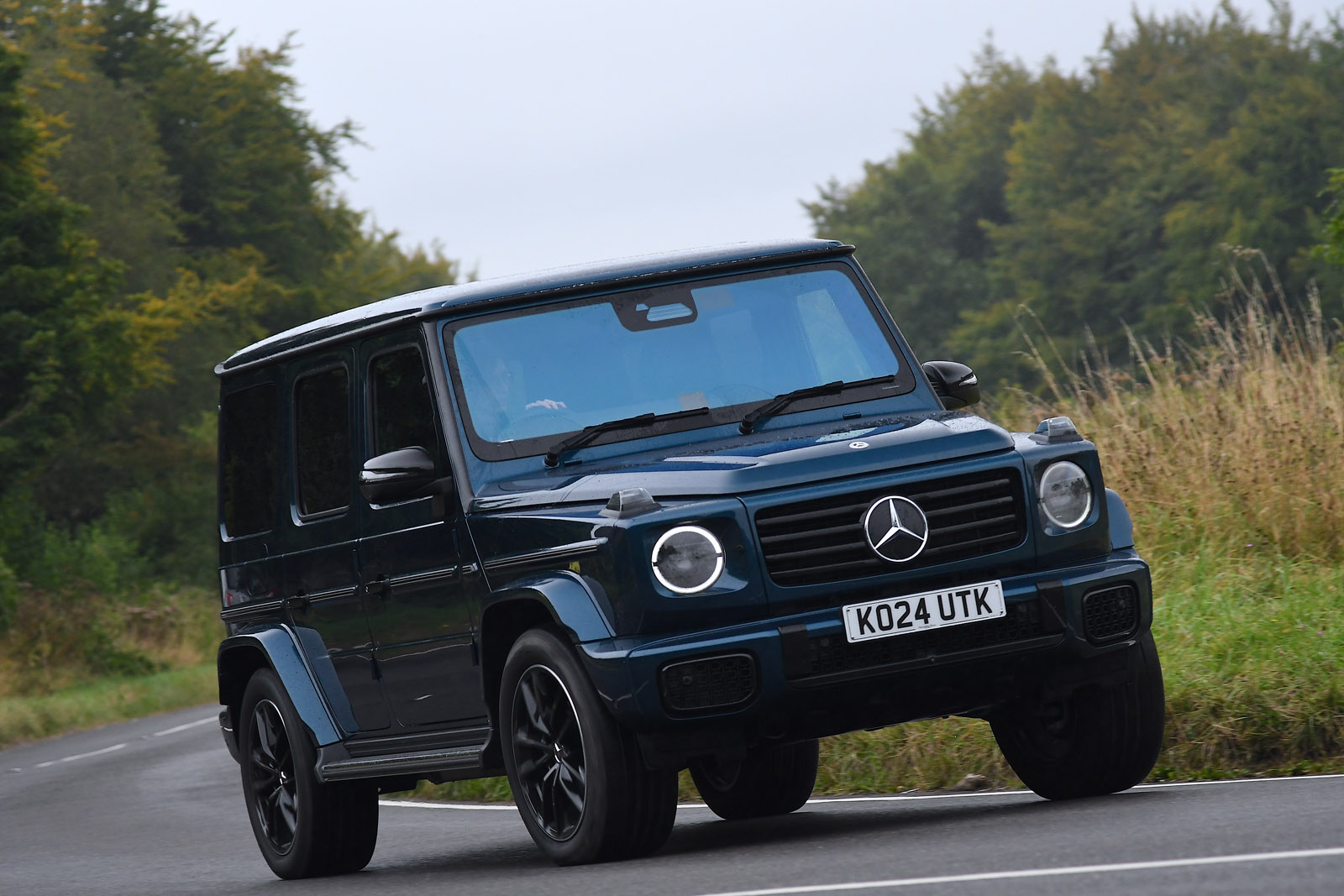
3. Mercedes-Benz G-Class: Luxury and Capability in a Box
The Mercedes-Benz G-Class is a unique SUV that blends rugged off-road capability with high-end luxury, creating a vehicle that is as comfortable in the city as it is on rough terrain.
Its instantly recognizable boxy design is more than aesthetic it reflects a lineage of durability and reliability that has made the G-Class a symbol of automotive toughness. While it may not offer the expansive cabin space of larger SUVs, it delivers a premium driving experience that balances refinement with sheer capability.
Driving the G-Class is a study in contrasts. The G 550, equipped with an inline-six engine, accelerates from 0 to 60 mph in just over five seconds, quicker than many previous V8 variants. Braking performance is similarly impressive, allowing the SUV to stop from highway speeds in just over 100 feet.
Yet the G-Class retains its off-road roots: body roll is noticeable, and tire grip is limited when cornering aggressively, reflecting its focus on versatility over sporty handling. On highways or rugged trails, the vehicle remains composed, providing confidence and stability to its driver.
Inside, the G-Class is unmistakably luxurious. High-quality materials and thoughtful design create a cabin that is refined and inviting. The seats are cushioned and supportive, though slightly narrow, and entry and exit require some maneuvering due to high step rails and short door openings.
Rear seating is tight, particularly when optional rear-seat entertainment systems are installed, making the SUV less suitable for larger families. Nevertheless, the elevated seating position offers a commanding view of the road, while thick pillars, small side mirrors, and a rear-mounted spare tire create blind spots that are mitigated by a surround-view camera system and parking sensors.
Technology in the G-Class has been modernized, with a responsive infotainment touchscreen, Apple CarPlay, and Android Auto, as well as an array of driver-assistance features. Lane-keeping assistance can feel aggressive at times, but adaptive cruise control and parking aids enhance usability.
Storage, however, remains limited: the high load floor, side intrusions, and non-flat folding rear seats reduce the practicality of the cargo area. Car-seat installation is possible but requires careful maneuvering due to the SUV’s height.
Fuel efficiency is modest, with an EPA rating of 18 mpg combined, slightly better than previous V8 models but still typical for a luxury off-roader. The G-Class comes at a premium price, reflecting both its luxury credentials and rugged engineering. It is less a practical SUV and more a statement of capability, comfort, and style.
Ultimately, the Mercedes-Benz G-Class combines luxury, off-road toughness, and commanding presence in a compact yet formidable package. For buyers seeking a capable SUV that doesn’t compromise on comfort or prestige, the G-Class remains a benchmark in its class.
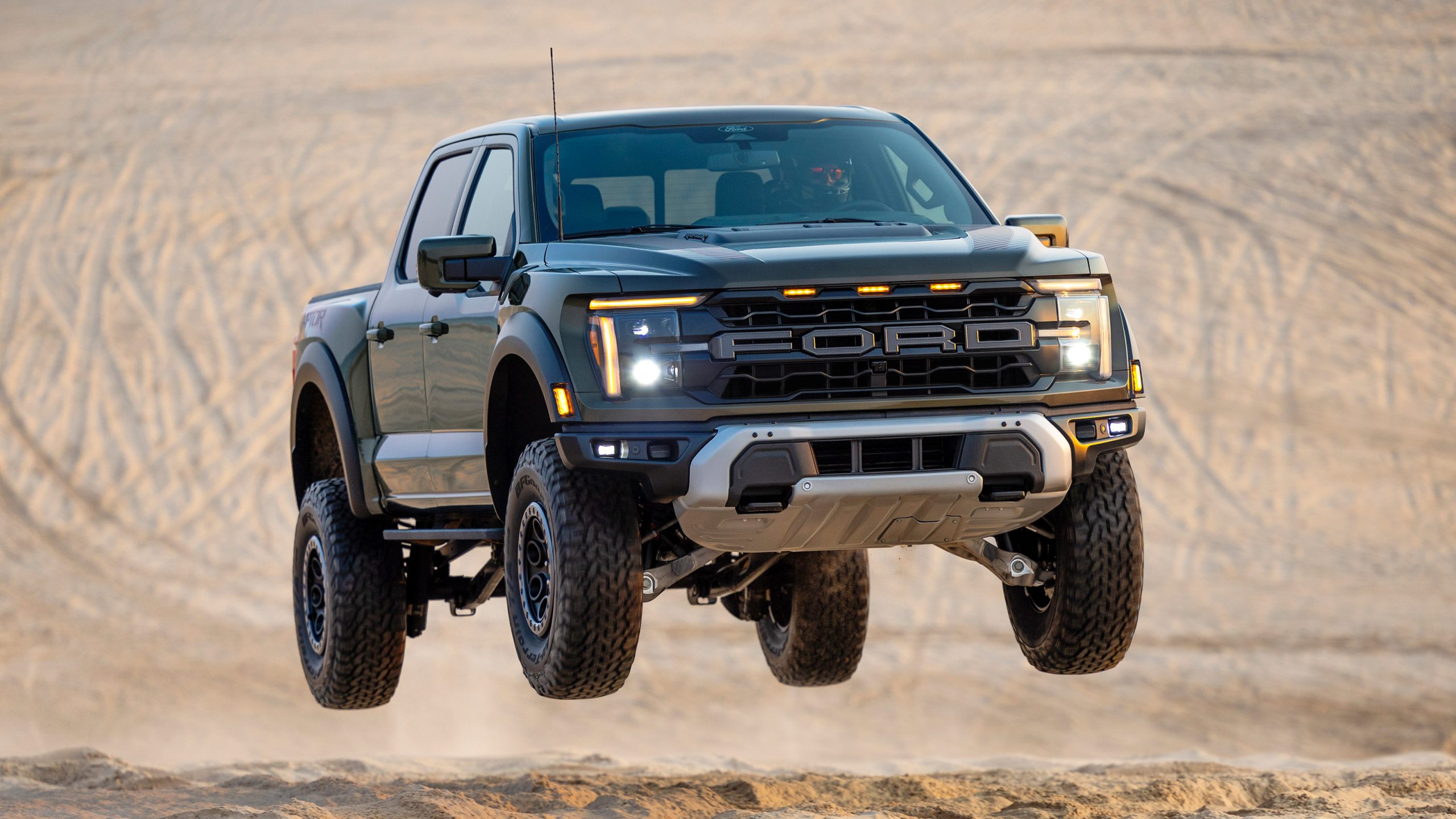
4. Ford F-150 Raptor: Extreme Capability in a Full-Size Pickup
The Ford F-150 Raptor is a full-size pickup designed to combine rugged off-road performance with everyday usability, making it a truck that can handle both extreme adventure and routine driving.
Its wide, aggressive stance and bold design signal its capability, while engineering focused on suspension travel, tires, and drivetrain performance allows it to tackle mud, sand, and rocky terrain with confidence. The Raptor is built for those who want a truck that looks as formidable as it drives.
Beneath its imposing exterior, the Raptor is powered by a turbocharged V6 producing 450 horsepower. This engine, coupled with a ten-speed automatic transmission, allows the truck to accelerate from 0 to 60 mph in 5.8 seconds.
While the optional 37-inch tires can slightly blunt straight-line performance, they provide the traction needed for off-road excursions. Steering is precise and responsive for a vehicle of its size, giving drivers confidence both on highways and in off-road conditions.
Braking takes a little longer than average, a consequence of the heavy tires and suspension setup, yet the truck remains remarkably stable and handles impressively for a vehicle weighing nearly six thousand pounds.
Inside, the Raptor combines comfort with functionality. The cabin is spacious, with adjustable seats that provide ample support and lumbar comfort, along with available heating and ventilation.
The rear coil-spring suspension softens impacts over rough terrain, ensuring that long drives or extended off-road trips remain manageable. Interior controls are intuitive, large, and easy to operate even when wearing gloves, while the crew cab offers generous space and excellent forward visibility.
A 360-degree camera system enhances situational awareness in tight areas, though the truck’s size can still make maneuvering challenging in urban environments.
The Raptor also excels in technology and utility. A 12-inch touchscreen, digital gauge cluster, and wireless Apple CarPlay and Android Auto integration keep drivers connected, while advanced driver-assistance features such as adaptive cruise control and blind-spot monitoring improve safety.
Off-road enthusiasts benefit from Baja drive modes and a forward-facing camera system for navigation on difficult terrain. The optional Pro Power Onboard generator adds versatility for camping or worksite needs.
Towing and payload figures are respectable but not class-leading, with a maximum towing capacity of 8,200 pounds and payload of 1,400 pounds, reflecting the Raptor’s focus on off-road performance rather than pure utility. Fuel economy averages around 15 mpg combined, reasonable for a truck of this size and capability.
The Ford F-150 Raptor is more than a truck; it is an embodiment of extreme capability paired with everyday practicality. It may carry a premium price and sacrifices some conventional utility, but for buyers seeking off-road dominance, comfort, and technology in one commanding package, the Raptor remains an unrivaled choice.
Also Read: 5 Cars That Surprise Owners With High Resale vs 5 That Don’t
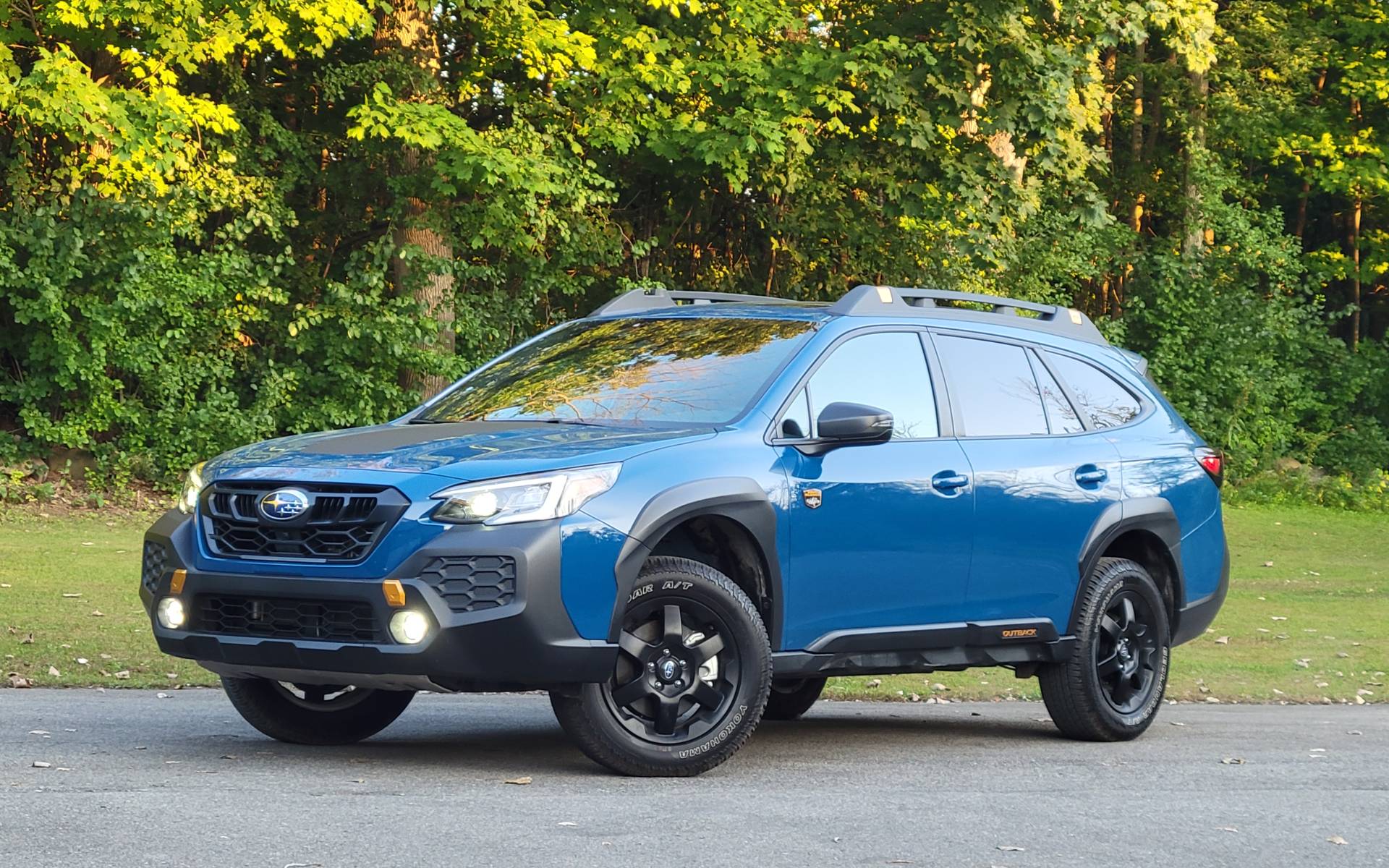
5. Subaru Outback: Versatile Adventure with Everyday Practicality
The Subaru Outback is a midsize SUV with deep roots in station wagon heritage, offering a unique blend of versatility, off-road capability, and everyday usability. Known for reliability and durability, the Outback appeals to drivers who need a vehicle capable of handling both daily commutes and outdoor adventures.
Its raised design, combined with standard all-wheel drive and 8.7 inches of ground clearance, allows it to traverse dirt roads, shallow streams, and rough terrain with ease, while maintaining a smooth and comfortable ride on paved roads.
Under the hood, the Outback offers a choice of engines, with the optional turbocharged 2.4-liter unit providing a notable performance boost. In testing, the turbo model accelerates from 0 to 60 mph in 6.5 seconds, a significant improvement over the base engine.
On the road, the Outback feels versatile, though steering is somewhat slow and body roll is noticeable during turns, reflecting its wagon-like roots rather than SUV rigidity. Despite these quirks, the combination of ground clearance, all-wheel drive, and Subaru’s engineering ensures the Outback can reach places that many other midsize SUVs cannot, making it ideal for adventurous lifestyles.
Comfort is one of the Outback’s strongest points. Its ride quality absorbs potholes, speed humps, and rough pavement effectively, while front seats are soft yet supportive, suitable for long journeys. The cabin provides generous space, though its wagon-style layout means some may prefer a more upright SUV seating position.
Heating and ventilation functions for seats and steering wheel improve comfort, and the automatic climate system is responsive. Interior ergonomics are generally good, though much of the control system relies on a touchscreen that can be slow and distracting, particularly when adjusting multiple settings.
Technology in the Outback is adequate but not class-leading. Apple CarPlay and Android Auto are standard, but the infotainment system often feels laggy and unintuitive.
Audio quality is good, and the presence of physical volume and tuning knobs helps mitigate touchscreen shortcomings. Safety remains a priority, with numerous driver-assistance features included, though some, like lane-keeping and driver-attention warnings, can be overly intrusive.
Storage and cargo capacity are practical, though not exceptional. The flat, low cargo floor makes loading gear easy, and roof rails increase versatility. Interior storage is sufficient, though the center console is smaller than in many SUVs. Installing child safety seats is straightforward due to easily accessible anchors and rear space.
Fuel economy is a highlight, with the turbocharged Outback achieving around 25 mpg combined, making it efficient for both daily commuting and long road trips. The Subaru Outback excels as a reliable, practical, and capable vehicle for those who need an SUV that can do a little bit of everything.
Its combination of comfort, versatility, off-road readiness, and fuel efficiency makes it a compelling choice, even if its technology and driver aids feel dated or overly cautious.
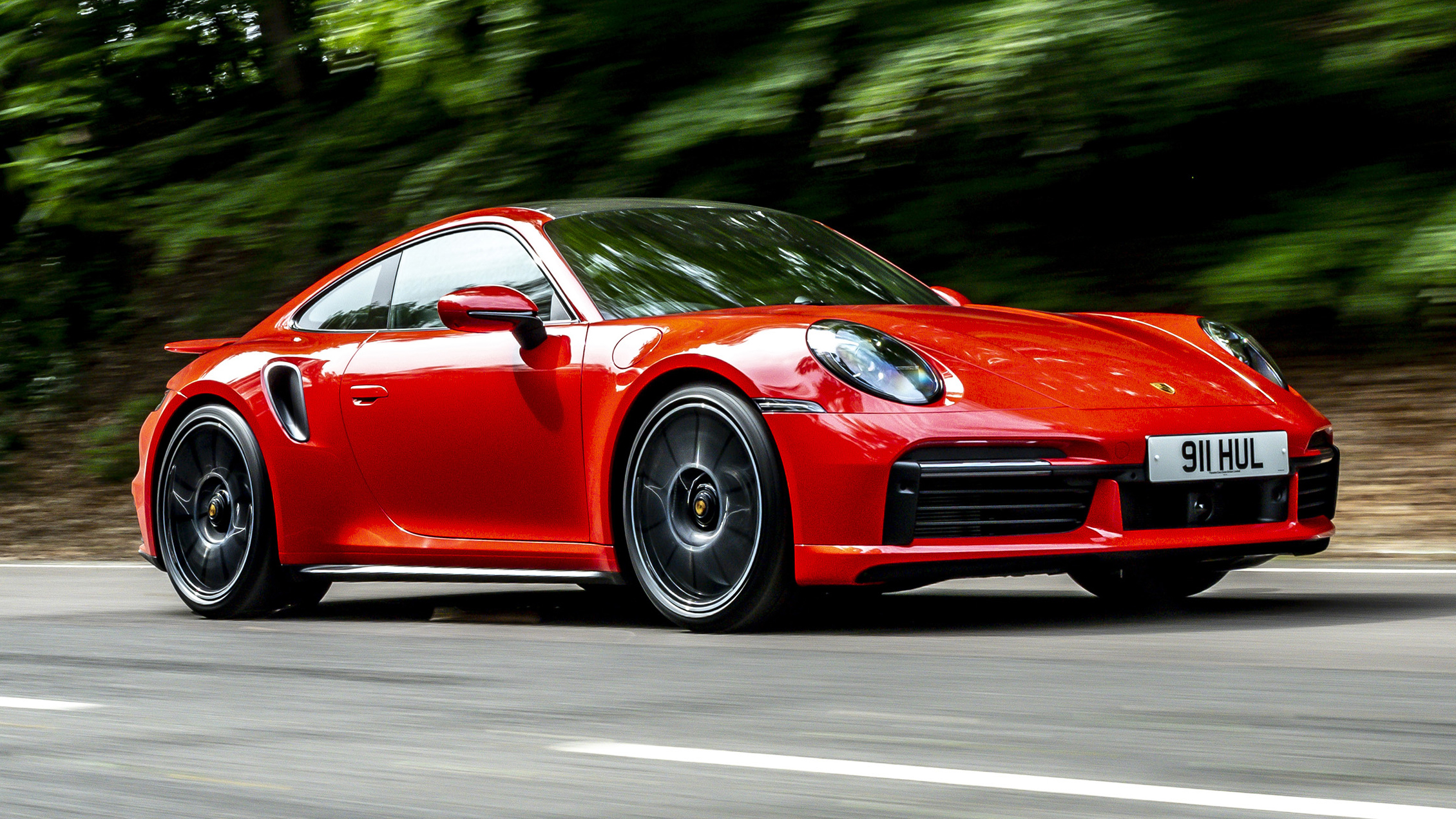
6. Porsche 911: The Quintessential Sports Car
The air-cooled Porsche 911 is more than just a car; it is an icon. Produced until 1998, this classic sports car is still highly revered by enthusiasts worldwide. Its combination of timeless design, robust engineering, and spirited performance has allowed it to remain relevant decades after production ended.
Unlike the water-cooled successors, which offer modern technology but lack the original’s charm, the air-cooled 911 maintains a deep connection to Porsche’s storied past. Collectors and driving aficionados value its longevity and durability, demonstrating that truly exceptional engineering withstands the test of time.
Performance is the heart of the 911. The base Carrera coupe accelerates from 0 to 60 mph in just 3.5 seconds and covers a quarter mile in 11.7 seconds. The eight-speed dual-clutch automatic transmission delivers fast, smooth shifts, while a manual option caters to traditionalists.
The rear-engine layout enhances traction and provides a distinctive driving feel, with sharp, responsive steering and powerful brakes that allow for confident handling in demanding conditions. Even with modern rivals, the 911 continues to impress with its balance of speed, precision, and driver engagement.
Despite its sports car pedigree, the 911 remains surprisingly comfortable for everyday use. Seats are supportive and well-padded, and the adaptive suspension absorbs bumps while maintaining performance. Cabin noise is present but well-managed, with the flat-six engine’s growl providing an unmistakable character.
Interior ergonomics are thoughtfully designed, combining touchscreen and physical controls, while forward visibility is excellent. Rear seating is minimal, suitable only for children, and storage is limited to a small front trunk and compact interior compartments.
Modern 911 models integrate contemporary technology, including wireless Apple CarPlay and Android Auto, USB-C charging, and a fully digital instrument cluster. Optional driver-assistance features like adaptive cruise control and parking assist enhance convenience, though the 911 remains primarily focused on the driving experience rather than tech overload.
Fuel economy for the base Carrera coupe averages 21 mpg combined, outperforming many competitors. While the 911 comes with a premium starting price, Porsche offers extensive personalization options, allowing buyers to create a bespoke sports car. Build quality is excellent, and ownership is supported by a four-year/50,000-mile warranty with roadside assistance.
The Porsche 911 is a rare blend of performance, heritage, and enduring style. Whether on the track, a scenic drive, or in a collector’s garage, it remains a symbol of automotive excellence and an aspirational icon for enthusiasts around the globe.
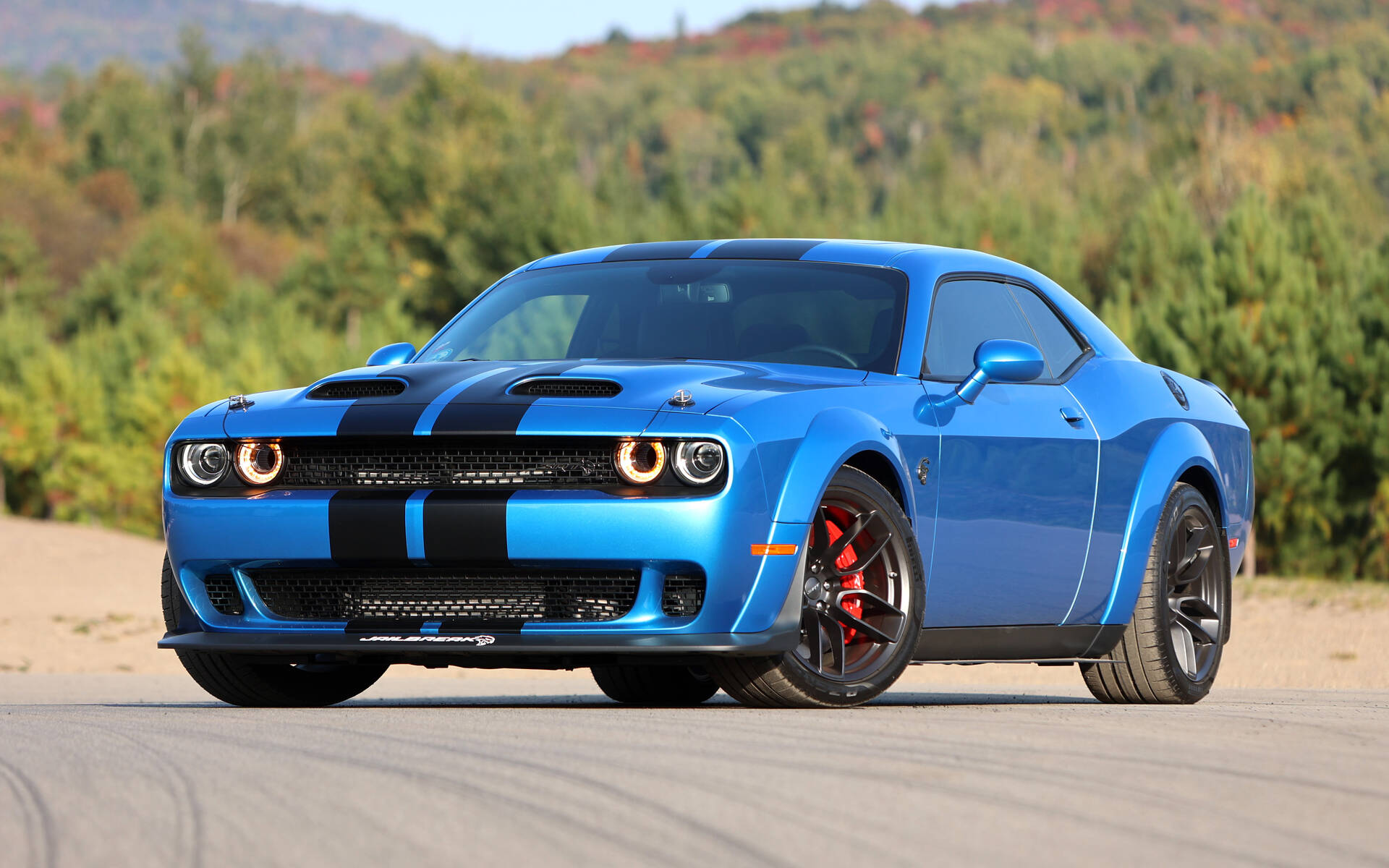
7. Dodge Challenger Hellcat: American Muscle in Its Purest Form
The Dodge Challenger Hellcat stands as one of the most recognizable and celebrated American muscle cars, known for its aggressive design and commanding presence.
Its bold hood, wide stance, and striking lines immediately convey power, while its reputation for longevity and durability makes it a standout choice for enthusiasts who value both performance and reliability. The Hellcat combines a visually intimidating exterior with engineering that ensures it can endure years of spirited driving.
Under the hood, the Hellcat is powered by a supercharged 6.2-liter V-8 engine, delivering astonishing horsepower and acceleration. Its incredible performance allows for extreme top speeds and thrilling driving experiences that few other muscle cars can match.
Despite its focus on raw power, the Hellcat manages to provide a surprisingly comfortable ride. Unlike many high-performance vehicles that compromise comfort for speed, the Hellcat balances its aggressive capabilities with a suspension and cabin setup that can handle longer drives or even daily commuting without undue stress.
The interior of the Hellcat emphasizes functionality rather than luxury. While it lacks some premium features, the cabin is practical and driver-focused, ensuring that the experience remains centered on the thrill of driving. Fuel economy, as expected for a high-powered muscle car, is modest, but most drivers accept this tradeoff in exchange for performance.
Reliability in the Dodge Challenger Hellcat is generally good to excellent when the car receives proper, consistent maintenance, especially regular oil changes. Early models from 2015 and 2016 experienced some issues, including supercharger bearing failures and corrosion affecting the hood latch.
In 2017, Dodge issued a recall to address faulty engine oil cooler hoses. Transmission problems, such as rough shifting, have occasionally been reported, particularly under aggressive driving conditions, and brakes and tires can wear quickly due to the car’s high-performance demands. Later models, especially those from 2020 onward, have a strong track record and are generally more reliable than earlier versions.
For those considering a used Hellcat, attention to maintenance history is crucial, as is evaluating the vehicle for signs of aggressive driving or high mileage. Opting for newer models and considering an extended warranty can offer additional peace of mind.
Proper care, including adherence to recommended maintenance schedules, careful driving habits, and monitoring fluid levels, can significantly extend the life of this high-performance muscle car.
Ultimately, the Dodge Challenger Hellcat combines extreme performance, commanding presence, and enduring durability. While it may not be the most economical or luxurious option, its thrilling power, rugged reliability, and unmistakable design make it a top choice for muscle car enthusiasts seeking a car that embodies the essence of American performance.
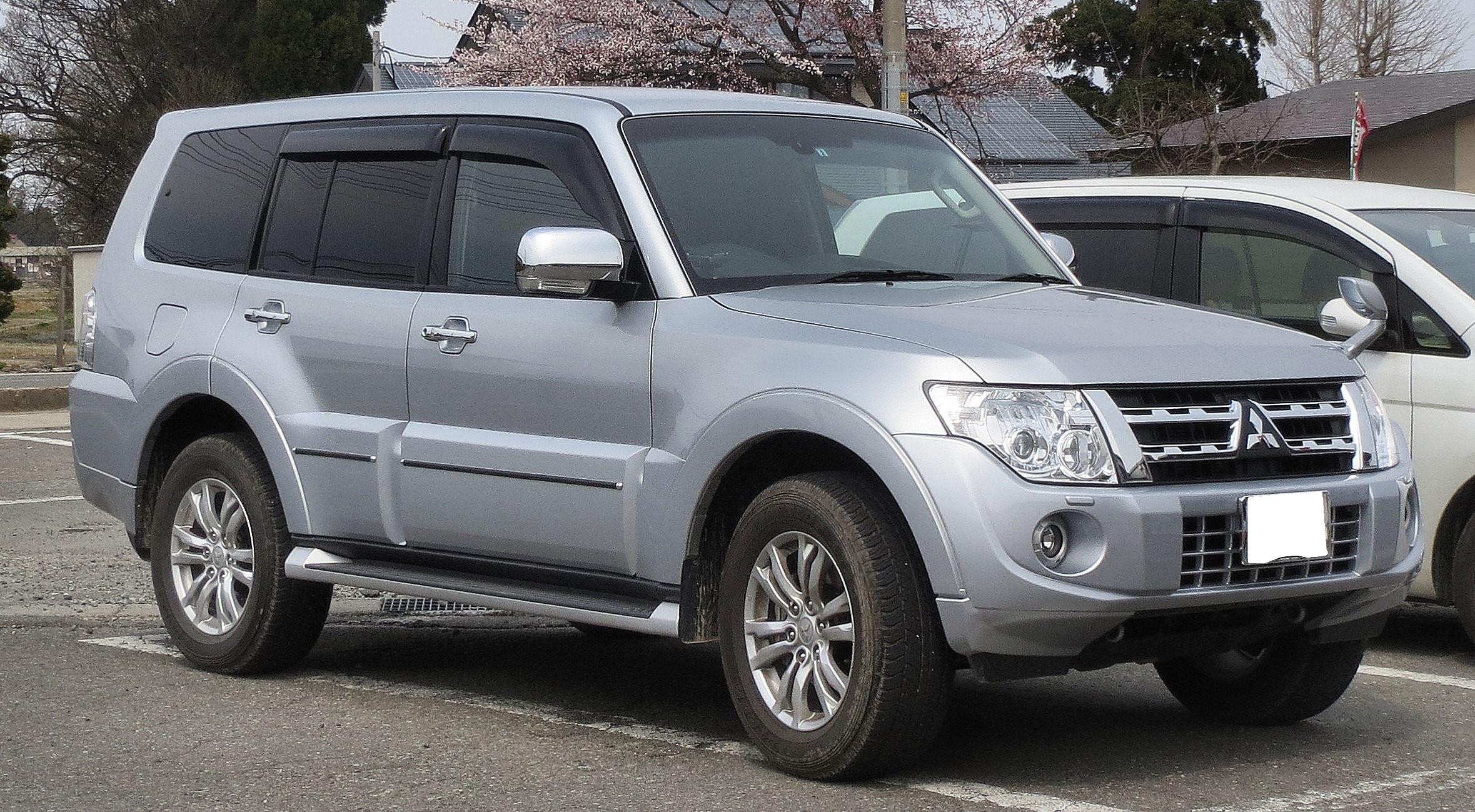
8. Mitsubishi Pajero: Enduring Off-Road Legacy
The Mitsubishi Pajero is a legendary SUV celebrated for durability, reliability, and off-road capability. Produced for nearly four decades until 2021, the Pajero remains a familiar sight on roads worldwide, reflecting its robust engineering and timeless design.
Its commanding presence begins with a high driving position, offering excellent visibility and giving the driver a strong sense of control. Combined with generous ground clearance, the Pajero easily navigates rough terrain, unpaved roads, and steep inclines, making it an ideal choice for drivers who demand both capability and reliability.
Despite its rugged nature, the Pajero provides a surprisingly comfortable ride for long journeys. The cabin is spacious and practical, and while entering the vehicle can require a small effort due to its height, passengers benefit from supportive seating and functional storage.
The ride remains smooth, whether on highways or extended off-road excursions, offering a balance between heavy-duty performance and everyday usability. Fuel efficiency is respectable for an SUV of this size and capability, adding to its practicality for both adventure and daily use.
Central to the Pajero’s reputation is its robust 4M41 diesel engine, known for longevity and simple, reliable design. With proper maintenance, including regular oil changes and fluid flushes, many Pajeros reach hundreds of thousands of kilometers, and some exceed a million.
Early diesel models from 2006 to 2014 had timing chain stretch issues, and certain vehicles faced diesel particulate filter problems, but later generations addressed these concerns. The durable drivetrain complements the engine, enabling the Pajero to handle heavy use and off-road challenges without compromising performance.
Inside, the Pajero focuses on functionality and resilience rather than luxury. The cabin is practical and well-laid-out, prioritizing usability over high-tech features. Storage is sufficient for gear, and the elevated seating position enhances visibility for both driver and passengers. Its combination of reliability, off-road capability, and comfortable ride ensures it remains a versatile option for those seeking a durable SUV.
The Mitsubishi Pajero stands out as a durable and dependable SUV. Its high ground clearance, proven off-road performance, smooth ride, and long-lasting diesel engine make it a strong choice for drivers who value toughness and versatility.
Well-maintained Pajeros continue to perform reliably for hundreds of thousands of kilometers, proving that robust engineering and practical design can endure the test of time.
9. Volvo XC90: Safety, Luxury, and Family-Focused Practicality
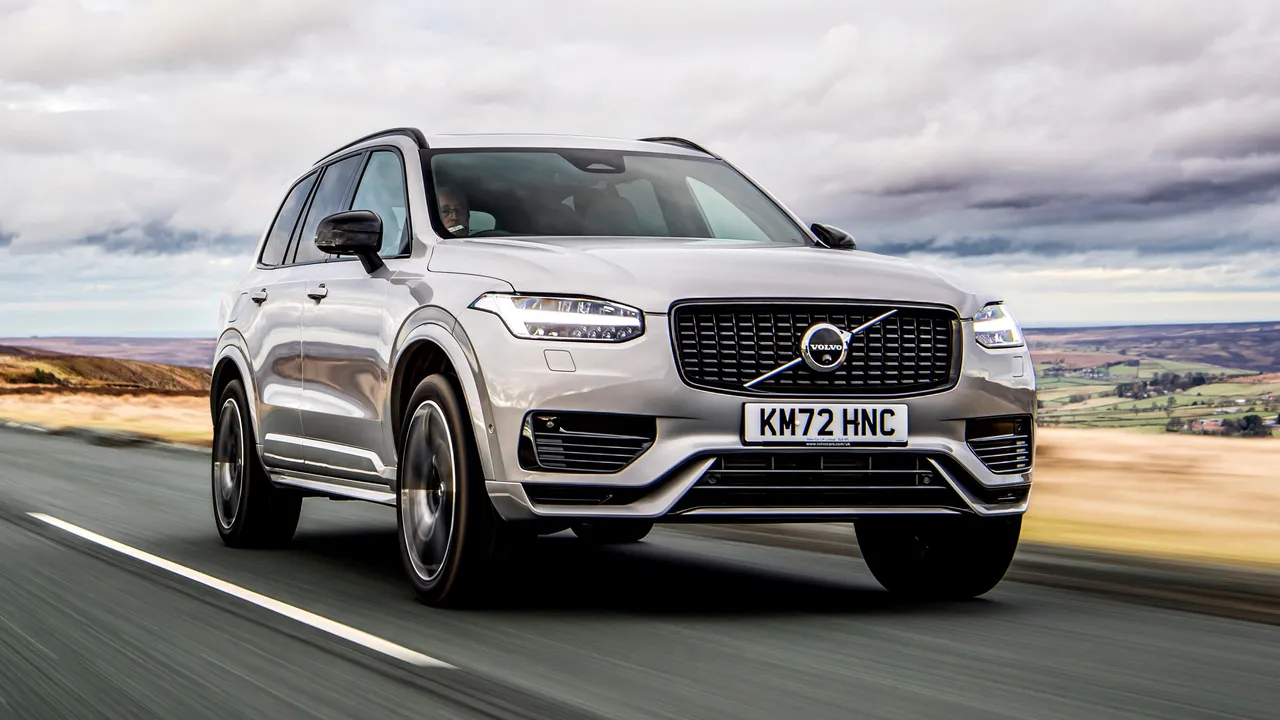
The Volvo XC90 is a midsize luxury SUV that balances comfort, safety, and versatility, making it a top choice for families who prioritize reliability and refinement. Its Scandinavian design combines understated elegance with a rugged appeal, while the available all-wheel-drive system ensures confidence in varied road and weather conditions.
The XC90 is not built for extreme off-roading, but it handles gravel, snow, and light dirt trails with ease, offering a smooth and composed driving experience on highways and suburban streets alike.
Powering the XC90 T8 AWD Ultra is a hybrid powertrain producing 455 horsepower and 563 lb-ft of torque, enabling a 0–60 mph sprint in just over five seconds despite the SUV’s 5,100-pound weight.
The eight-speed automatic transmission delivers power seamlessly, making acceleration feel effortless, though braking performance is modest, requiring longer stopping distances than some rivals.
The optional air suspension provides a comfortable ride, yet body motions remain noticeable during cornering, and tire limitations slightly restrict high-speed maneuvering. Still, the combination of smooth power delivery, responsive steering, and a well-tuned chassis ensures a confident drive under most conditions.
Inside, the XC90 excels in comfort and practicality. The six- or seven-seat configurations accommodate families, with second-row captain’s chairs sliding for adjustable legroom and backrest comfort. Front seats are supportive and adjustable, making long trips manageable, though the third row is cramped and less accessible.
Cabin storage is generous, with door pockets, bins, and clever compartments throughout. Despite these strengths, usability suffers due to reliance on a touchscreen for most settings, which can be slow to respond and unintuitive, detracting from an otherwise high-quality interior experience.
Technology in the XC90 includes an 11.2-inch central touchscreen, a 12.3-inch digital instrument cluster, and standard Apple CarPlay and Android Auto, though wired connections are required. While the suite of driver-assistance features enhances safety, some controls can feel intrusive or overly sensitive.
Cargo space is a standout, with both second- and third-row seats folding flat to create up to 85.7 cubic feet of storage, complemented by an air suspension that eases loading of heavy items. Towing capacity is limited at 5,000 pounds, making it less capable than some competitors in the segment.
Fuel efficiency is modest, with real-world testing yielding around 21 mpg combined, slightly below EPA estimates. The XC90’s electric-only range reaches up to 32 miles, but recharging can be slow, requiring convenient home or public charging for optimal use.
Ultimately, the Volvo XC90 combines safety, luxury, and family-friendly versatility into a sophisticated package. Its refined materials, thoughtful interior layout, and smooth hybrid powertrain make it a compelling option for buyers seeking a reliable, high-quality SUV that blends elegance with practical performance, even if technology and towing capacity have some limitations.
The 9 cars highlighted here demonstrate that true durability goes beyond daily reliability it’s a measure of how a vehicle stands the test of time, even under neglect. From family-friendly SUVs like the Volvo XC90 to high-octane muscle and sports cars like the Dodge Challenger Hellcat and Porsche 911, these vehicles prove that longevity is often engineered, not accidental.
Their resilience stems from solid construction, dependable powertrains, and practical design choices that minimize wear and tear over time. For enthusiasts, adventurers, and pragmatic drivers alike, these cars are more than transportation they are examples of automotive fortitude, capable of surviving the harshest conditions, including the ultimate test: being abandoned.
Owning one is not just about performance or style; it’s a testament to selecting a machine built to endure, outlasting neglect, and continuing to perform long after other vehicles have faded into obsolescence.
Also Read: 10 Cars From the 2020s Already Building Bulletproof Reputations