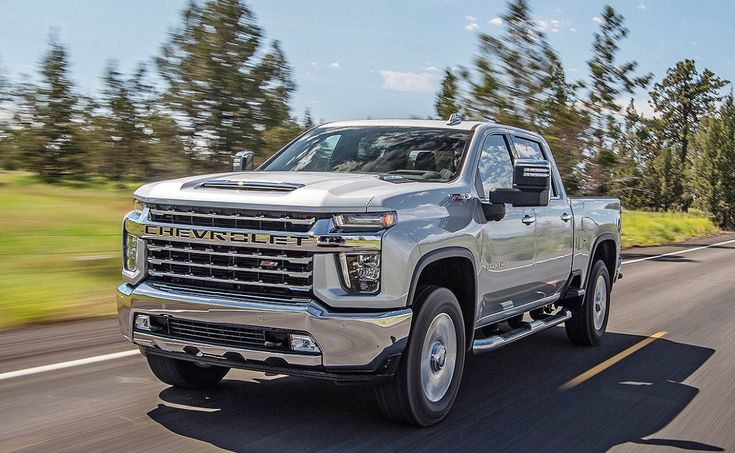
Ask any seasoned mechanic what they’d drive home after a long day under the hood, and you’ll probably get an answer that’s both practical and brutally honest.
Mechanics see the best and worst of what the truck world offers from bulletproof workhorses that never quit to overhyped rigs that break down faster than their owners can Google the warranty terms. What mechanics choose to drive themselves says a lot about a vehicle’s real-world durability, not just the marketing promises.
Truck enthusiasts love torque numbers and towing specs, but those don’t always tell the full story. The true test of a pickup’s worth comes down to long-term ownership: reliability, parts availability, service costs, and how often it actually needs to visit a repair bay.
Mechanics have a front-row seat to all of it. They see which trucks consistently come in for blown transmissions, rusted frames, or electrical nightmares and which ones rack up 200,000 miles without drama.
In this comparison, we’re taking a hard look at five trucks that mechanics actually trust enough to drive and five they’d rather avoid, even if you handed them the keys for free. The insight here isn’t from glossy brochures or PR events it’s straight from the grease-stained perspective of people who live and breathe engines for a living.
If you’re thinking about buying a truck that’ll last, tow hard, and not bankrupt you in repairs, this list will help you see through the hype. Some names will surprise you, others not so much. Either way, this breakdown is about real-world dependability, not dealership charm.
5 Trucks Mechanics Drive
The trucks’ mechanics tend to share a few common traits: proven engines, accessible parts, solid transmissions, and frames that don’t crumble after a few salty winters.
They may not have the flashiest interiors or newest tech, but they make up for it with dependability and low ownership costs. Mechanics value function over fashion, and the five picks below reflect that trucks that start every morning, haul without complaint, and don’t need an appointment with the shop every other week.
Let’s look at the trucks that get a mechanic’s nod of approval.
ALSO READ: 5 Trucks That Outlive Their Owners vs 5 That Retire Early
1. Toyota Tacoma (2005–Present)
It’s no surprise that the Toyota Tacoma makes this list. When it comes to reliability, the Tacoma is the poster child for what a small-to-midsize pickup should be.
Mechanics respect it for its bulletproof drivetrain, tough body-on-frame construction, and simplicity under the hood. Whether you’ve got the 4.0L V6 from earlier models or the 3.5L V6 in newer ones, these engines are known to outlast most owners with basic maintenance.
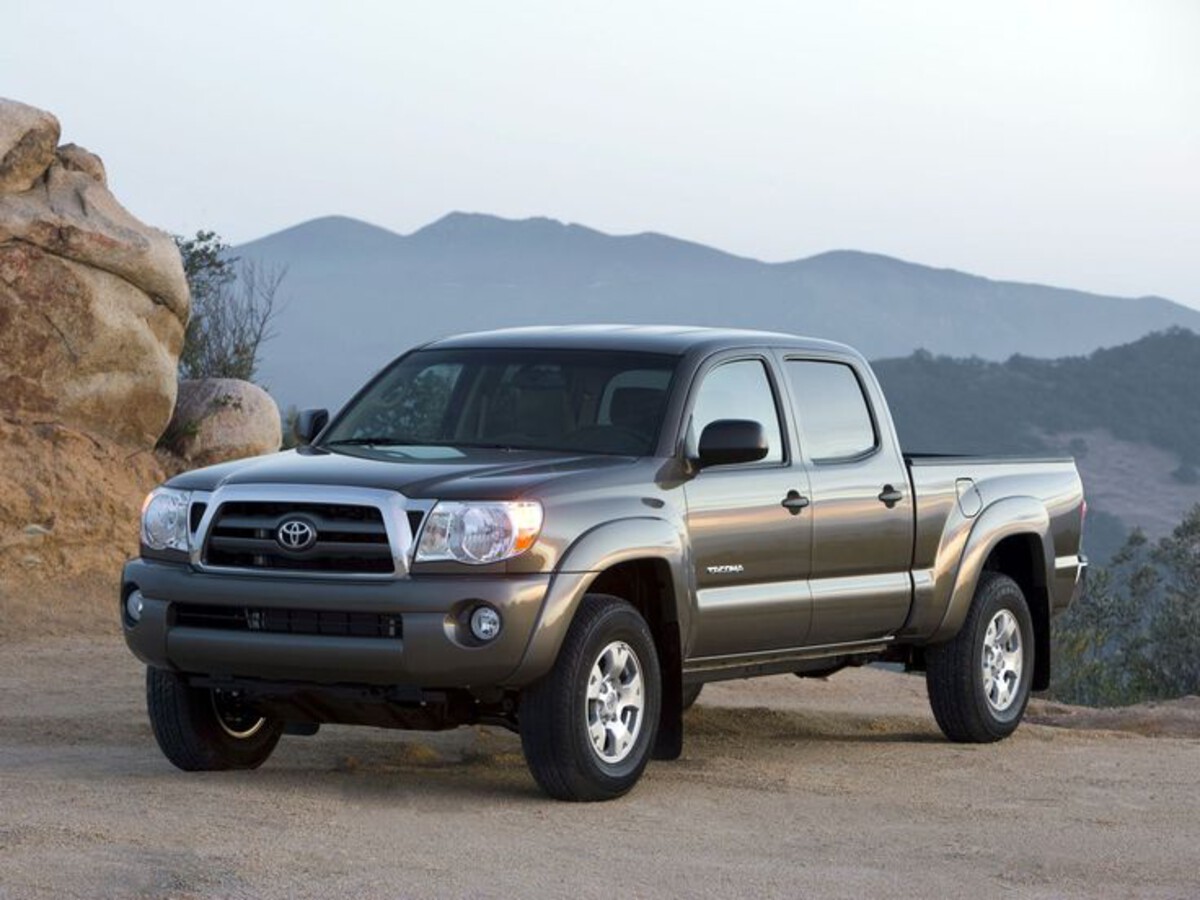
The Tacoma isn’t the most powerful truck out there it’s not designed to tow massive fifth-wheels or win drag races. What it does is deliver consistent, durable performance with very few mechanical surprises.
The 4WD system is sturdy, the transmissions hold up even under rough use, and the suspension is built to handle abuse. For off-roaders and tradesmen alike, the Tacoma just gets the job done.
Mechanics love that parts are plentiful and repairs are straightforward. You don’t need a diagnostic degree to change spark plugs or work on the cooling system.
The frame rust issues from older generations have been addressed, and Toyota’s resale value remains untouchable. If you ask a mechanic which truck they’d buy for 15 years of worry-free driving, you’ll hear “Tacoma” more than anything else.
2. Ford F-150 (2015–Present)
The Ford F-150 has been America’s best-selling truck for decades for a reason and mechanics aren’t shy about praising certain versions. The 2015+ generation brought an aluminum body that cut weight and improved fuel economy without compromising strength. The 5.0L “Coyote” V8 is a standout: powerful, smooth, and capable of running 300,000 miles with proper care.
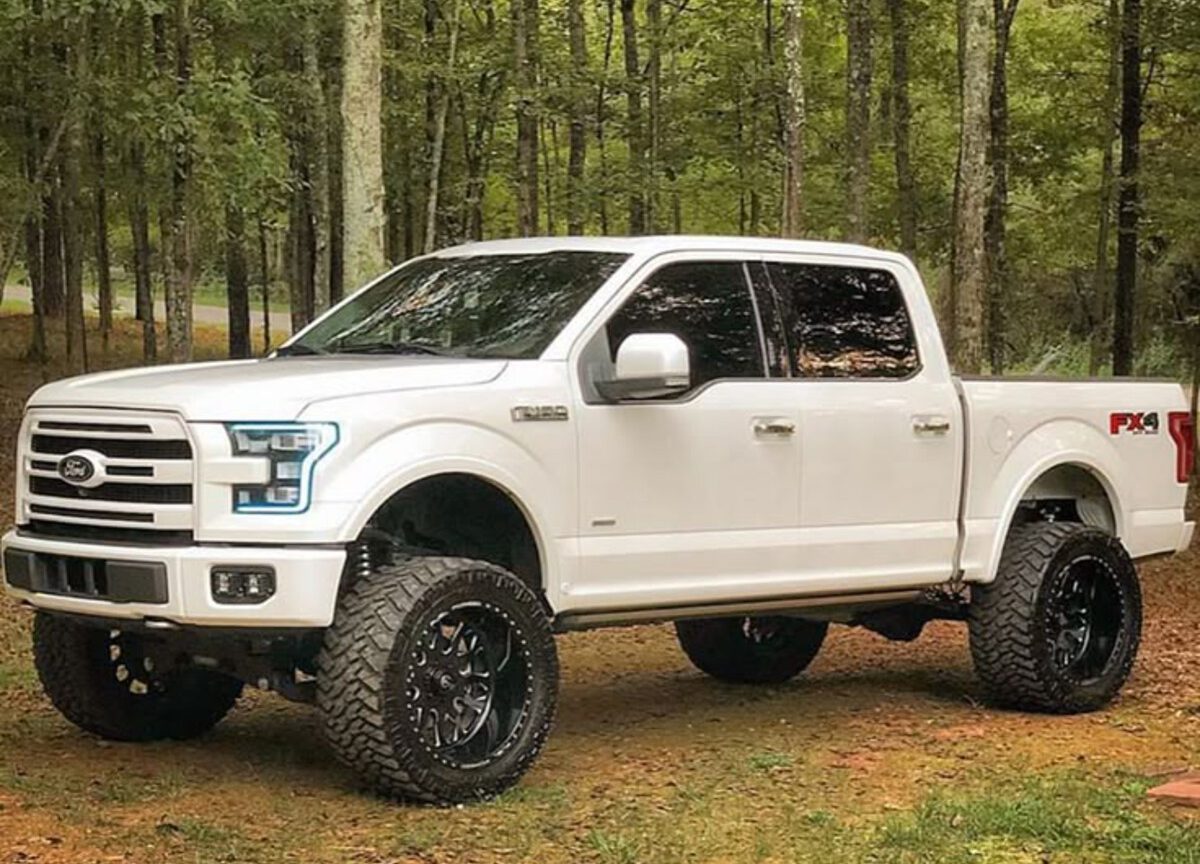
Mechanics appreciate the F-150 for its blend of practicality and power. The EcoBoost engines, particularly the 2.7L and 3.5L V6s, have mixed reputations, but many shops agree they’ve matured nicely since the early days.
The 10-speed automatic is a bit finicky, but when maintained properly, it performs beautifully. Cabin comfort and modern tech features make it equally good as a workhorse or family hauler.
From a service standpoint, the F-150 is one of the easiest full-size trucks to live with. Parts are everywhere, and repair costs are generally reasonable.
Mechanics especially like the modular design under the hood it’s engineered with serviceability in mind, not as a puzzle box. If you stick to the naturally aspirated 5.0 or newer EcoBoosts, this is a truck a lot of mechanics are proud to daily.
3. Chevrolet Silverado 1500 (2014–2018)
While GM’s trucks can be hit or miss, the 2014–2018 Silverado 1500 hit a sweet spot that many mechanics respect. It’s got a strong backbone, dependable V8 options (especially the 5.3L EcoTec3), and a transmission that’s far more robust than earlier 6L80 setups. The truck is comfortable without being fragile and blends old-school mechanical strength with enough tech to feel modern.
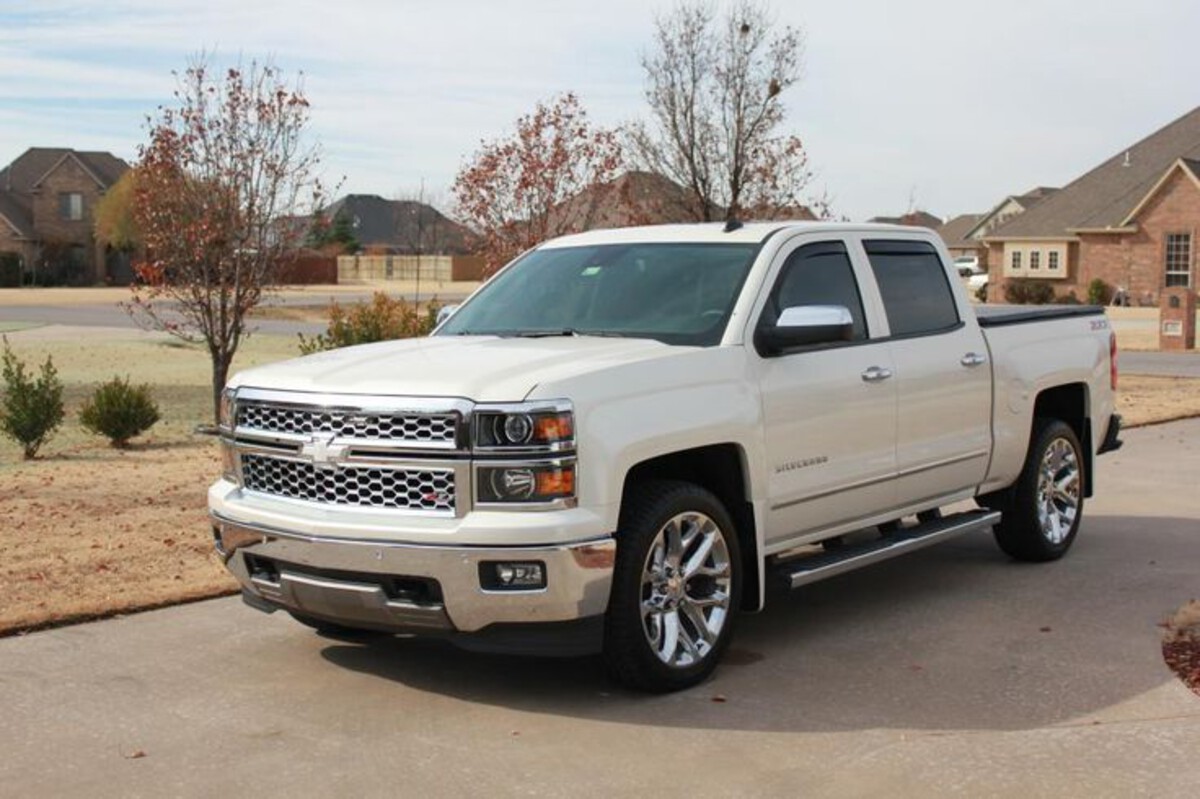
The Silverado isn’t flashy, but it’s tough. The frame is solid, the engines are known to take a beating, and the electrical systems during this generation were more stable than earlier ones. It’s not uncommon to see these trucks rolling past 250,000 miles with nothing but regular maintenance and maybe a few brake jobs.
Mechanics like the Silverado because it’s straightforward to fix. You can reach most components without dismantling half the engine bay, and replacement parts are affordable and widely available.
The interiors are functional and durable, and while some plastics feel cheap, they hold up. It’s the kind of truck that may not wow you but earns your respect over time and mechanics love that kind of honesty.
4. Ram 2500 (2014–Present, with Cummins Diesel)
When it comes to heavy-duty work, few engines have a reputation like the 6.7L Cummins Turbo Diesel found in the Ram 2500. Mechanics who need a truck that tows like a beast and runs reliably under serious loads often lean toward this setup. The engine’s simplicity, low-end torque, and long-term reliability make it a favorite.
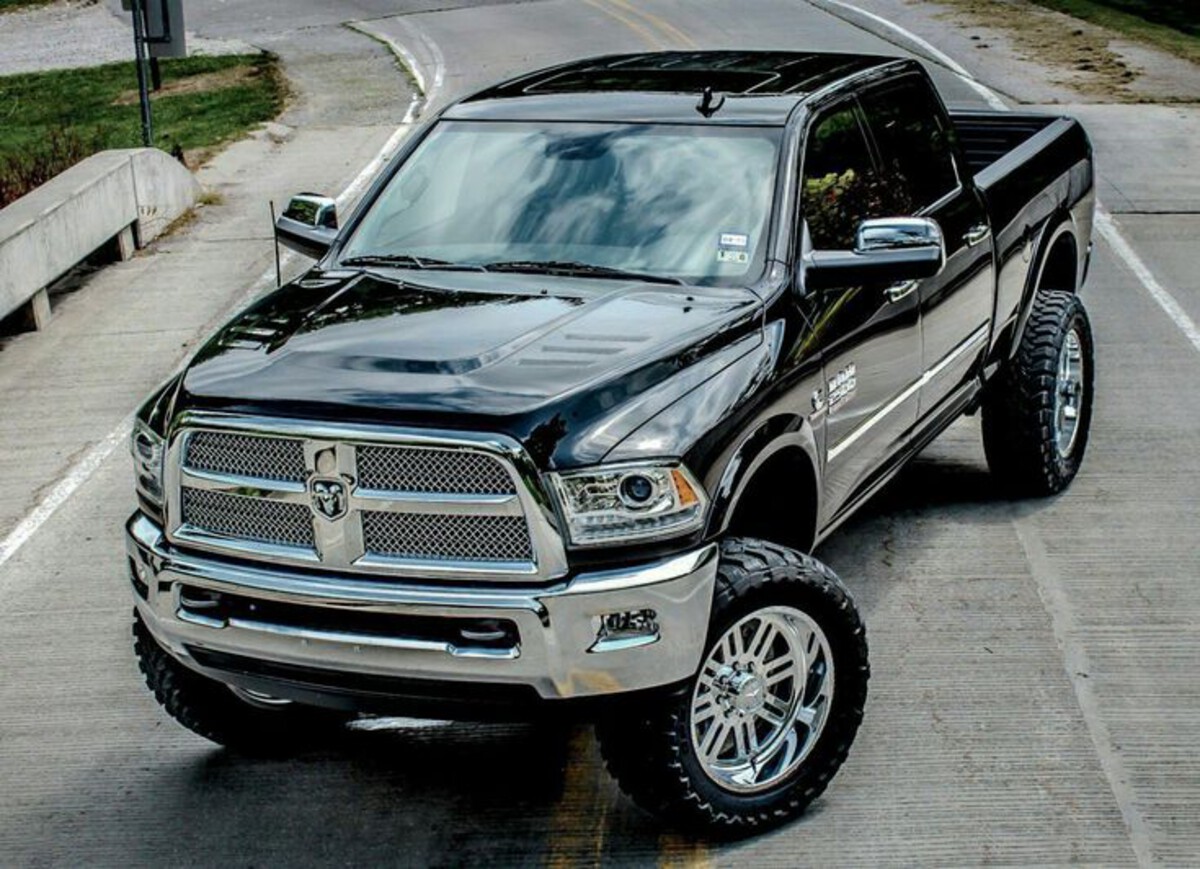
Mechanics love the Cummins for its serviceability. It’s an inline-six layout, meaning fewer moving parts compared to a V8 diesel. Accessing components is easier, and these engines are known to push half a million miles without breaking a sweat. The 68RFE transmission has mixed reviews, but many mechanics swap it for beefier setups if they tow heavy often.
Inside, the Ram 2500 offers one of the most comfortable cabins in its class. Ride quality has improved thanks to coil-spring rear suspension, and while the infotainment can lag at times, it’s miles ahead of what older trucks offered.
This is the kind of rig mechanics drive when they need to haul their tools, trailers, or equipment without worrying if the engine will hold up. It’s a true work truck, not just a badge on a tailgate.
5. Honda Ridgeline (2017–Present)
The Honda Ridgeline might not scream “mechanic’s truck,” but it earns their respect for different reasons. It’s not built for hardcore towing or rock-crawling, but it’s the ultimate no-nonsense pickup for people who want something dependable for daily life. With its unibody construction and smooth V6 engine, the Ridgeline drives like an SUV yet still hauls like a light-duty truck.
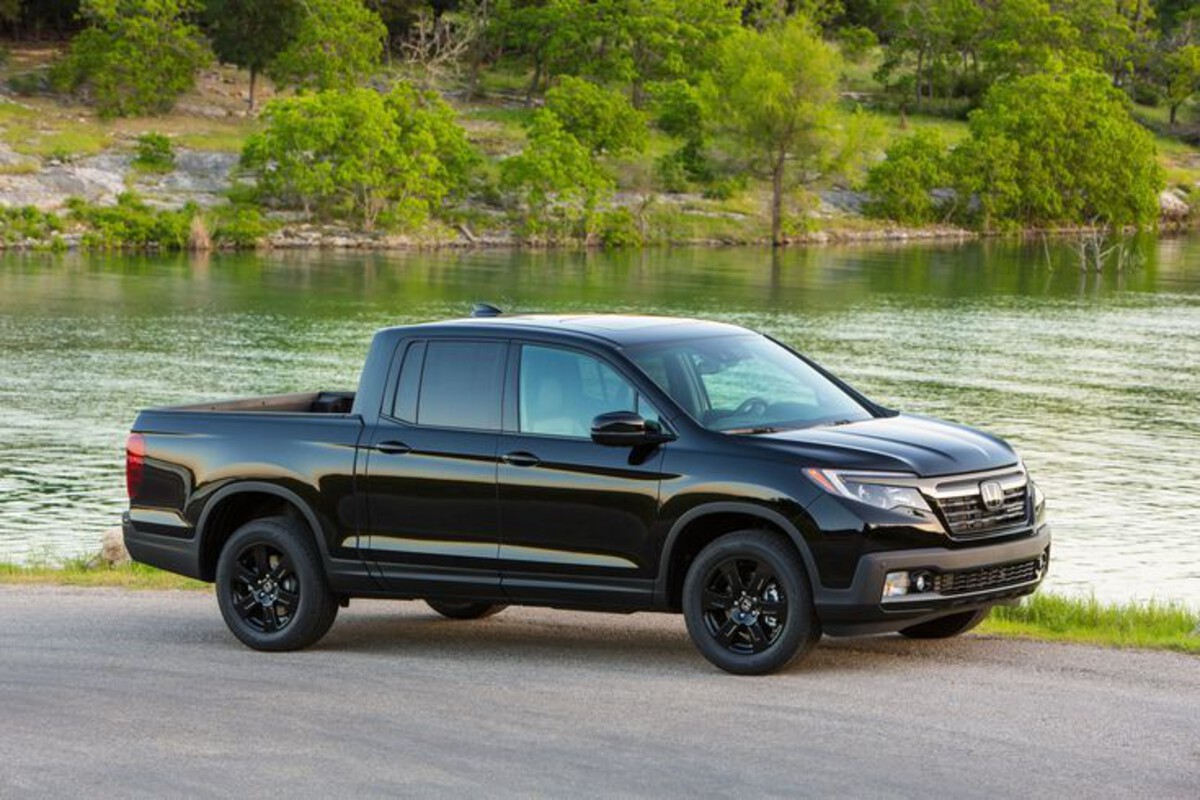
Mechanics appreciate how little trouble these trucks cause. The 3.5L V6 is a proven engine used across Honda’s lineup, the transmission is smooth and reliable, and the all-wheel-drive system works flawlessly for light off-road use. It’s one of the few pickups that you can just drive and forget no chronic leaks, no constant warning lights, and no endless recalls.
The interior is comfortable and smartly laid out, and Honda’s build quality shows everywhere. For mechanics who don’t need to tow a boat but still want utility without headaches, the Ridgeline is perfect. It may not have the macho image of a diesel dually, but it’s one of those vehicles that just works and mechanics love anything that doesn’t spend its life on a lift.
5 Trucks Mechanics Avoid
Not every truck is worth wrenching on or owning. Some are plagued by design flaws, cheap components, or repairs so tedious that even professionals don’t want to deal with them.
When mechanics actively avoid driving certain trucks, it’s usually because they’ve seen the carnage firsthand: blown head gaskets, failing transmissions, or electrical gremlins that never die. Below are five pickups that may look good on paper but don’t hold up in the real world.
They’re the ones mechanics warn friends about, even if the dealership’s got a killer deal on them.
ALSO READ: 12 SUVs That Don’t Show Cabin Wear Fast
6. Nissan Titan (2016–2021)
The Nissan Titan was supposed to be Nissan’s answer to the F-150 and Silverado, but it never hit the mark. Mechanics often criticize it for being an awkward blend of decent design and poor execution.
The 5.6L Endurance V8 sounds strong on paper, but in reality, it’s thirsty, not particularly powerful, and tied to a transmission that shifts like it’s guessing. Fuel economy is dismal, and performance doesn’t justify the gas bills.
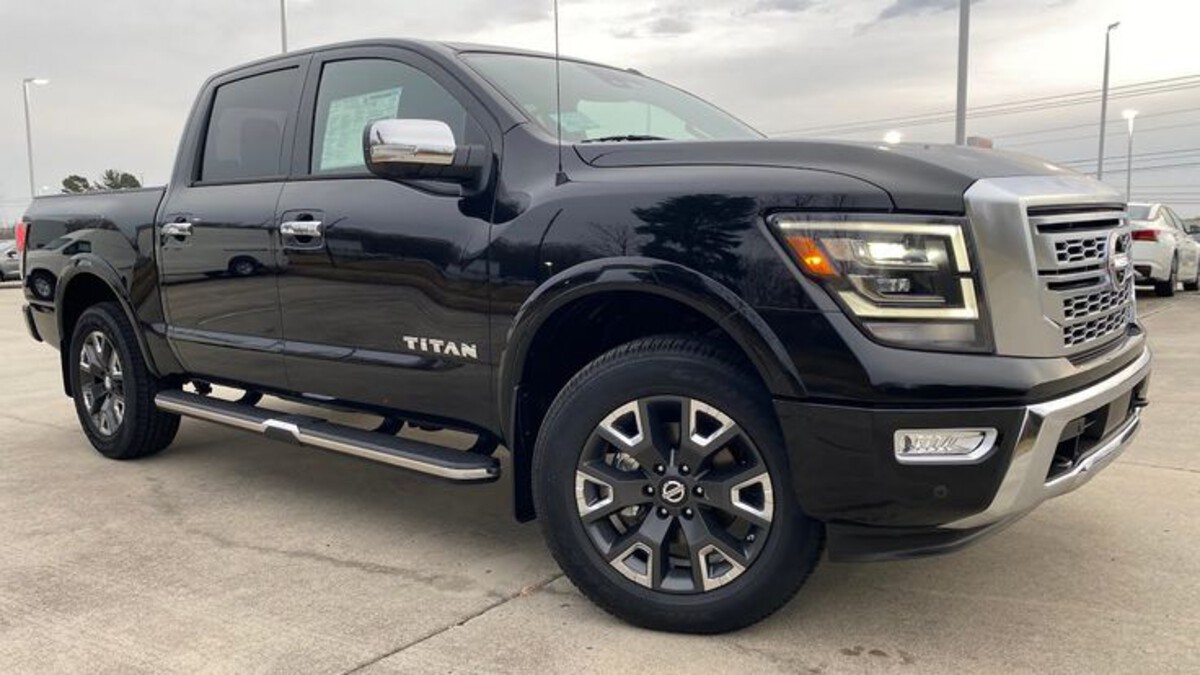
Where it really loses points with mechanics is in long-term reliability. Electrical gremlins, drivetrain issues, and poor parts availability make it a headache to maintain.
Many Titans have transmission problems around 80,000–100,000 miles, and finding replacements isn’t cheap. The truck’s resale value also tanks fast, which tells you everything you need to know about its reputation.
The Titan isn’t an outright disaster the interior is comfortable and it rides well but when mechanics avoid something, it’s because they know the repair bills will keep coming. Most say it feels like a truck that was rushed to market and never fully sorted out. Great intentions, poor execution and not a vehicle you want to rely on for a decade.
7. Chevrolet Colorado (2015–2020 Diesel & Gas)
The Colorado had a lot of potential on paper, but mechanics have mixed feelings and most avoid owning one themselves. The 2.8L Duramax diesel seemed promising, but it’s plagued by DEF system issues, injector problems, and expensive maintenance. Gas models with the 3.6L V6 aren’t much better, suffering from transmission shudder and hard shifts that frustrate owners and mechanics alike.
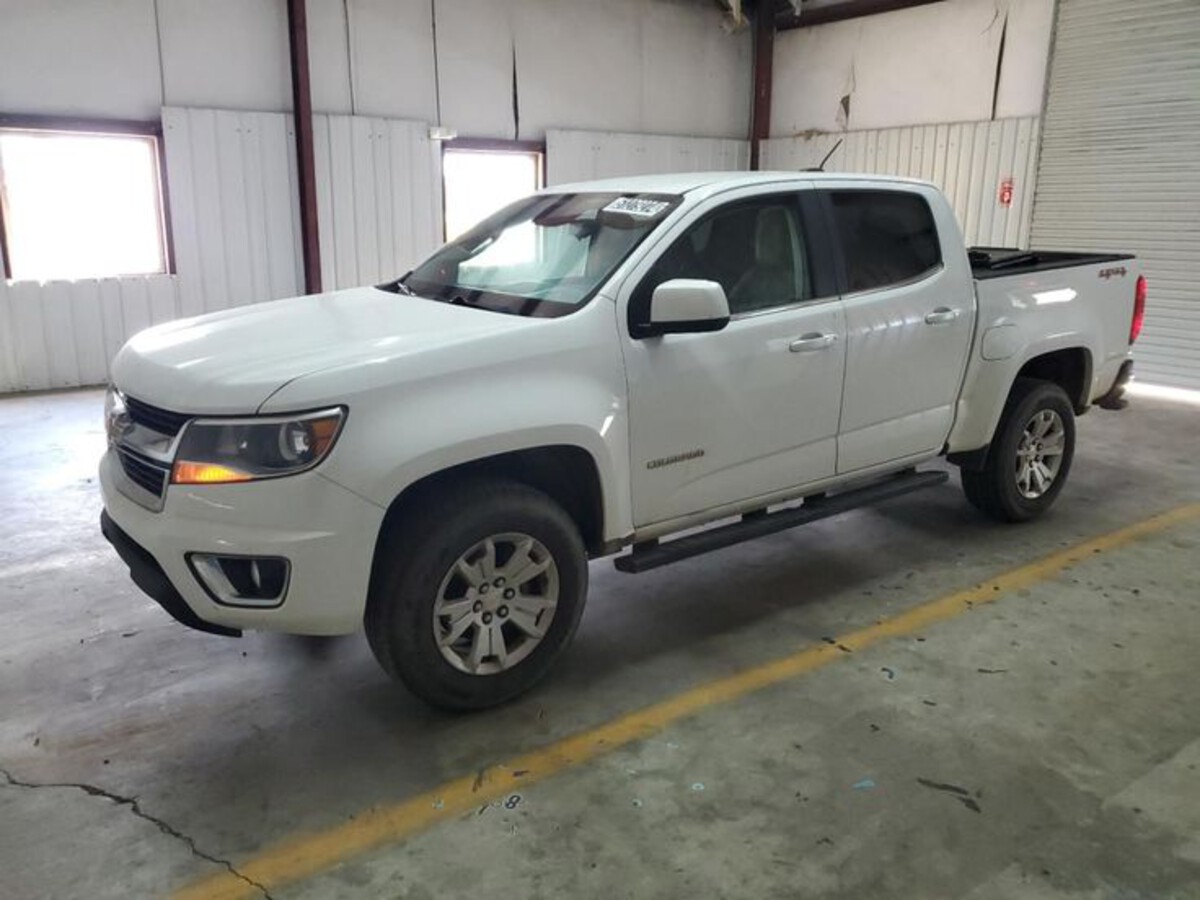
Another issue is the cramped engine bay. Doing simple work like replacing spark plugs or alternators can feel like surgery. Parts costs are high for a midsize truck, and once the warranty expires, owners are often left with expensive repair decisions.
The ride is decent, the styling sharp, but when you’re constantly dealing with electrical issues, transmission reprograms, and check-engine lights, it loses appeal fast. Mechanics often say the Colorado feels like GM tried to shrink the Silverado’s complexity into a smaller body and it just didn’t translate well. Most would rather work on or drive an older Tacoma any day.
8. Ram 1500 (2011–2018, non-diesel)
While the heavy-duty Cummins-powered Rams are well-liked, the gas-powered 1500s from this era are another story. The 5.7L Hemi is powerful, but it’s paired with some of the least reliable electronics and suspension setups in its class.
Mechanics complain about failing air suspensions, unreliable MDS cylinder deactivation systems, and oil consumption issues that can ruin engines over time.
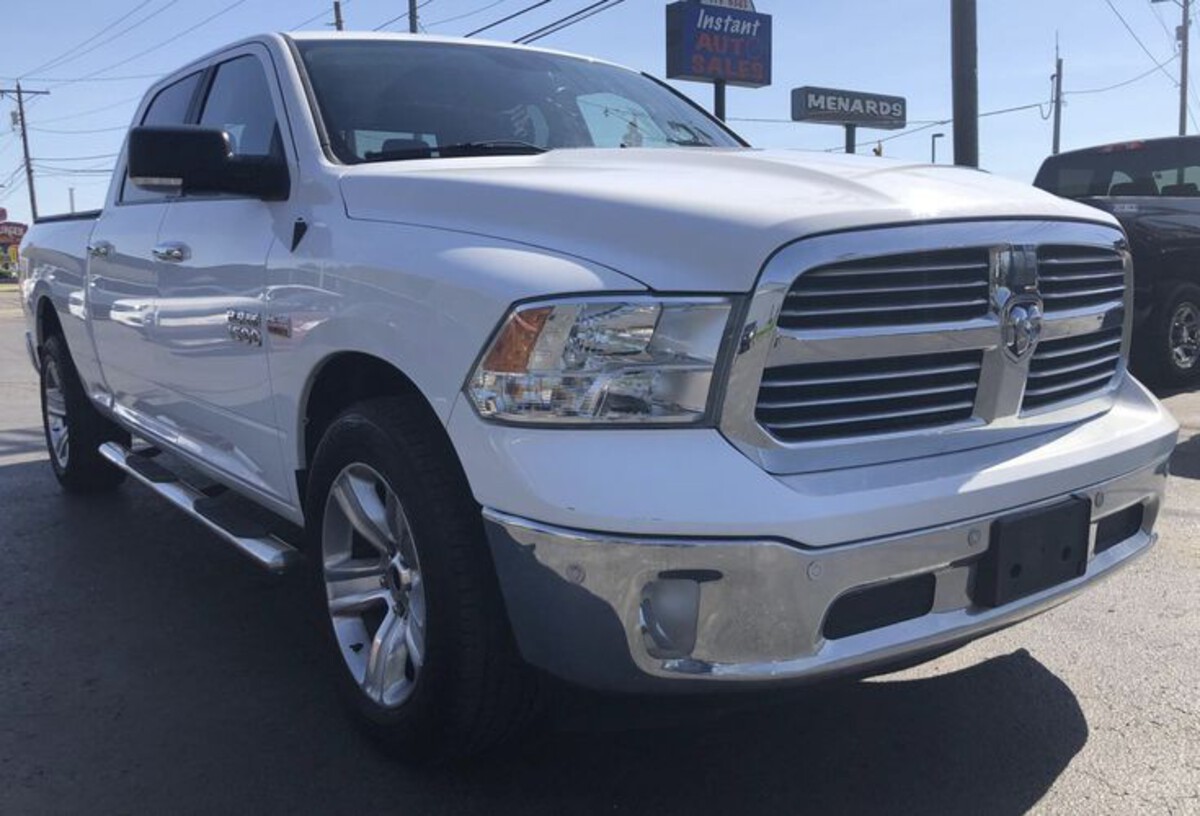
Electrical problems are rampant from dead instrument clusters to glitchy infotainment systems. Transmission issues, especially with the 8-speed ZF units, also pop up too often. Even though it drives well and has a plush interior, the cost of keeping a Ram 1500 on the road past 100,000 miles can be brutal.
Mechanics often say it’s a truck that feels great for the first few years, but once the honeymoon period ends, it starts to nickel-and-dime owners to death. Between unreliable electronics and expensive suspension parts, most pros would rather avoid owning one personally, even if they enjoy fixing them for the business.
9. Ford Ranger (2019–2022)
When Ford brought back the Ranger, expectations were sky-high. Unfortunately, mechanics quickly realized this midsize pickup didn’t live up to the heritage of its bulletproof predecessors.
The 2.3L EcoBoost engine is punchy but problematic, known for turbo lag, carbon buildup, and occasional head gasket failures. The 10-speed automatic, while smooth when new, has a reputation for hard shifts and slipping over time.
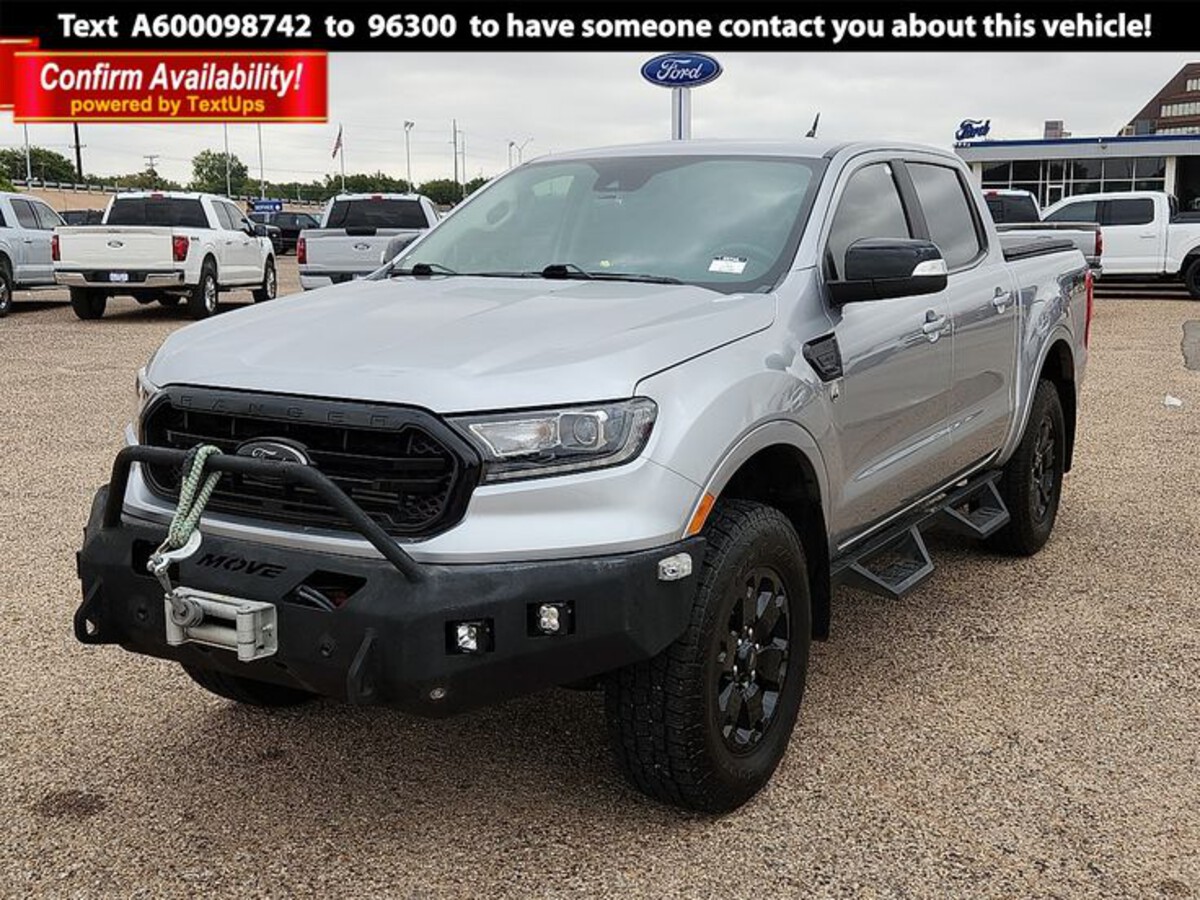
Mechanics dislike how cramped and complex the engine bay is for such a small truck. Even routine maintenance feels unnecessarily complicated. Reliability is hit or miss some Rangers run flawlessly, while others become recurring guests at the shop. Build quality also varies; rattles and trim issues show up early.
The Ranger isn’t a total flop, but most mechanics agree it’s more hassle than it’s worth. Ford tried to modernize the platform, but the result feels over-engineered and under-tested. For pros who want a midsize pickup, the Tacoma or Ridgeline still wins by a long shot.
10. GMC Canyon (2015–2020)
Mechanics often lump the GMC Canyon in the same camp as the Colorado for good reason. It shares the same drivetrain, same flaws, and same long-term headaches.
The diesel versions are especially problematic, with emissions system failures and turbo issues being common. Gas models have the same shaky transmission calibration and inconsistent build quality that make ownership frustrating.
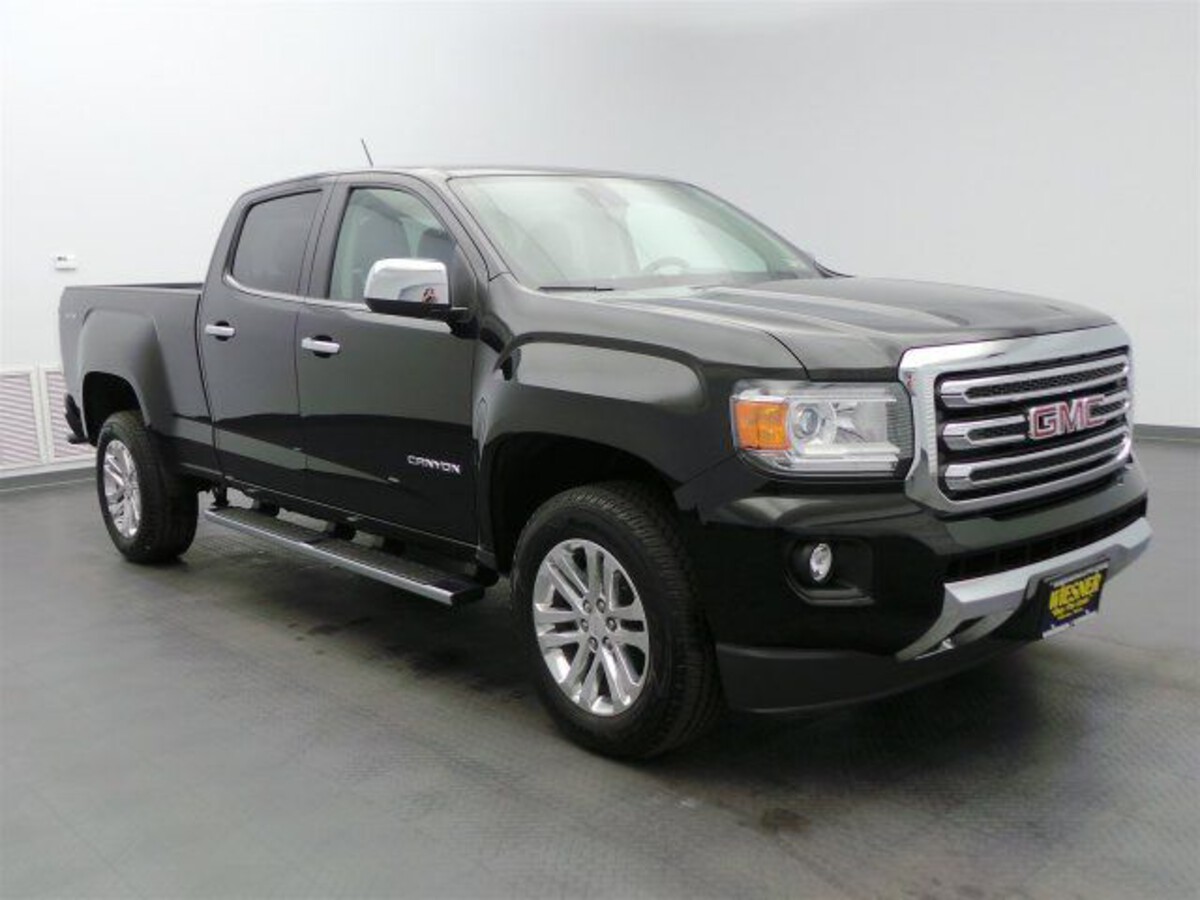
The Canyon tries to position itself as the “premium” midsize truck, but most mechanics see that as code for “more expensive parts.”
The electrical systems are finicky, the infotainment glitches often, and the paint quality on some models leaves much to be desired. It’s not a terrible truck, but it’s one of those vehicles that gives mechanics too much business which is never a good sign for long-term ownership.
For buyers, it’s an attractive truck with great comfort, but for those who fix them, it’s not worth the trouble. Mechanics know that under the badge, it’s the same problematic GM formula that’s tough to recommend for personal use.
When it comes to trucks, mechanics cut through the marketing noise better than anyone. They see the real side of ownership the repairs, recalls, and reliability patterns that shape a vehicle’s true character.
The trucks they choose to drive, like the Tacoma, F-150, Silverado, Ram 2500 (Cummins), and Ridgeline, all share one thing: dependability. They’re not perfect, but they’re predictable, built with serviceability in mind, and proven to go the distance.
On the flip side, the ones they avoid the Titan, Colorado, Ram 1500, Ranger, and Canyon all have one fatal flaw in common: inconsistency. They may offer style, comfort, or even power, but they fail where it matters most reliability and ease of ownership. When mechanics don’t trust a truck for themselves, it’s usually because they’ve seen the cost of keeping it running far too often.
If you’re shopping for a truck, the takeaway is simple: listen to the people who fix them. Mechanics don’t care about badge prestige or touchscreen size; they care about what breaks, how often, and how expensive it is to fix. Buy something built to last, not something that just looks good on the lot.
In the end, the best truck isn’t the one with the highest towing rating or the fanciest trim. It’s the one that lets you spend your weekends driving not waiting in a repair shop lobby.