
Nothing, I mean absolutely nothing, spoils your day like running late, grabbing your keys, rushing out the door, and then hearing that terrible, strained, ‘rur-rur-rur’ sound when you turn the ignition. Your car just sits there, silent and mocking you, choosing that precise moment, when you have a job interview or a flight to catch, to refuse to start.
That frustration can make a grown person want to shout. Dependability is not just a nice feature in a car; it is the absolute foundation of your peace of mind and your daily life, abi? You need a car that wakes up ready to go when you do, without drama or unnecessary delay.
We are not talking about cars that are simply okay; we are talking about two very distinct groups of automobiles. On one side, you have the mechanical champions, the Start Every Morning legends that simply do their job with quiet, boring, rock-solid regularity.
These are the machines built with heavy-duty components, simple electrical systems, and engines that are totally immune to the tiny electronic glitches that plague newer models.
They are the undisputed workhorses that ask for nothing but petrol and a little attention every few months, making them the mechanic’s friend because they rarely need serious help.
However, you have the prima donnas, the temperamental divas that are beautiful, powerful, or advanced, but whose sophisticated nature makes them incredibly prone to throwing a tantrum at the absolute worst possible time. These are the Fail at the Worst Time
5 Cars That Start Every Morning
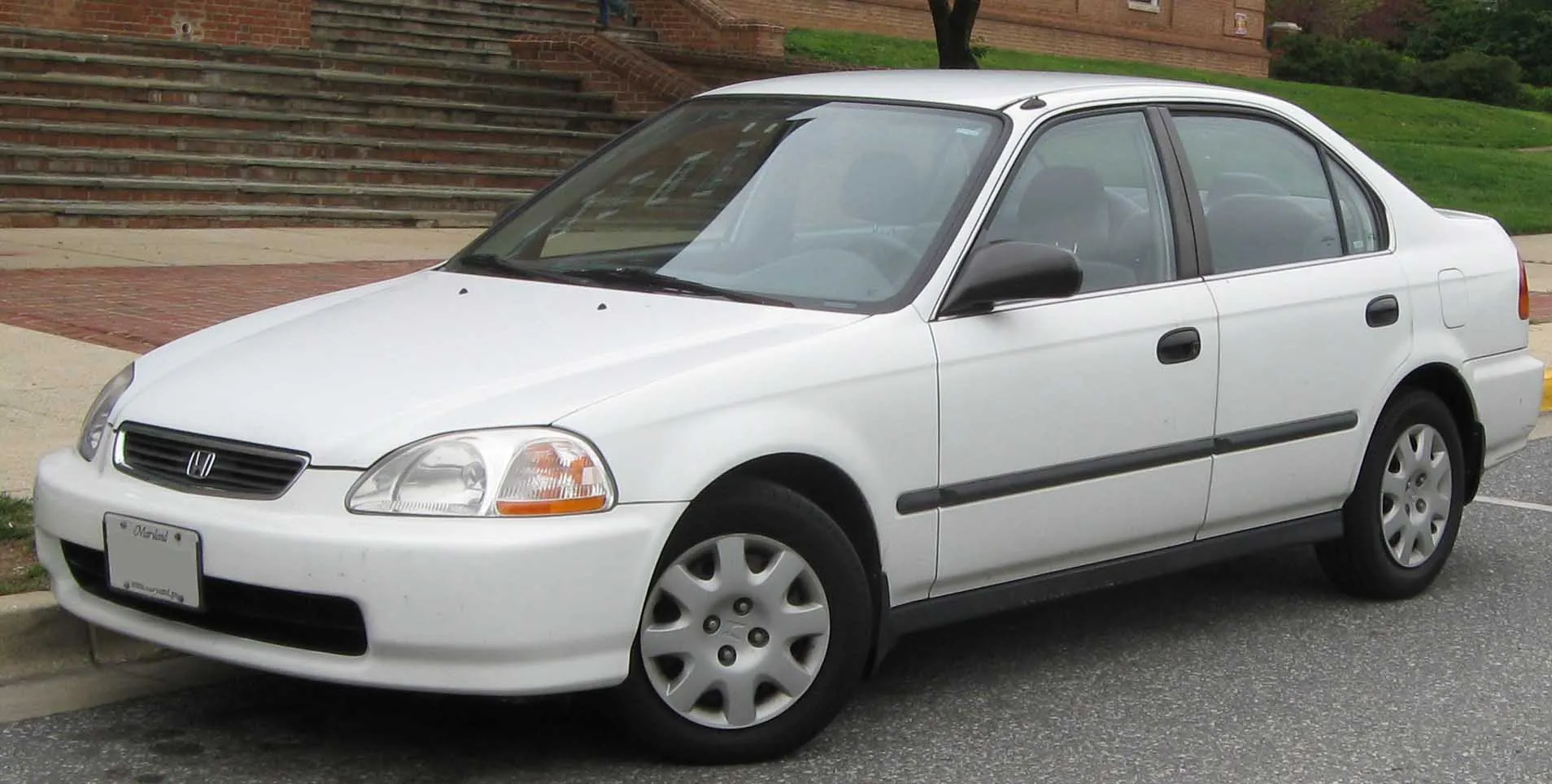
1. 1997 Honda Civic (EK Sedan)
When you talk about a car that will absolutely start every single morning, regardless of the weather or how long it sat idle, the 1997 Honda Civic (EK Sedan) is right at the top of the list. This generation of the Civic is famous among mechanics for its almost ridiculous level of basic, unfussy dependability.
It is not a flashy car; it is a sound, steady performer that was engineered to be completely bulletproof for the everyday driver. The EK Civic’s mechanical integrity is its greatest asset, making it a tried-and-tested machine that delivers unwavering reliability.
The sheer simplicity of its design means there are fewer points of failure, which is the ultimate guarantee of a morning start. If you are looking for a car that is an honest partner and will never let you down, this Honda is the answer.
The key to the EK Civic’s unwavering starting ability is the beautiful simplicity of its engine, usually the D16 or D15 series. These engines are non-interference, which speaks volumes about their low-stress design, and they use a straightforward distributor-based ignition system that is incredibly reliable.
Unlike newer models that rely on multiple delicate electronic sensors to confirm a start, the EK’s system is much more forgiving and easier to troubleshoot. The engine has excellent compression retention, meaning that even after sitting for a long time, it has the necessary internal pressure to fire up instantly.
The quality of the piston rings and valve seals is so high that engine wear is minimal, preserving its starting ability for decades.
The electrical system is basic and minimalist, which means there are fewer modules to suffer from a parasitic battery drain overnight. Mechanics rarely see these Civics for starting problems; if they do, it is usually just a simple battery or alternator replacement, repairs that are cheap and easy to do.
This Honda is the definition of a dependable machine, a four-wheeled commitment to getting you to work on time without ever making a fuss, making it a true reliable partner for any driver. The fuel pump system is also highly robust, maintaining pressure well, ensuring that fuel is instantly available upon cranking.
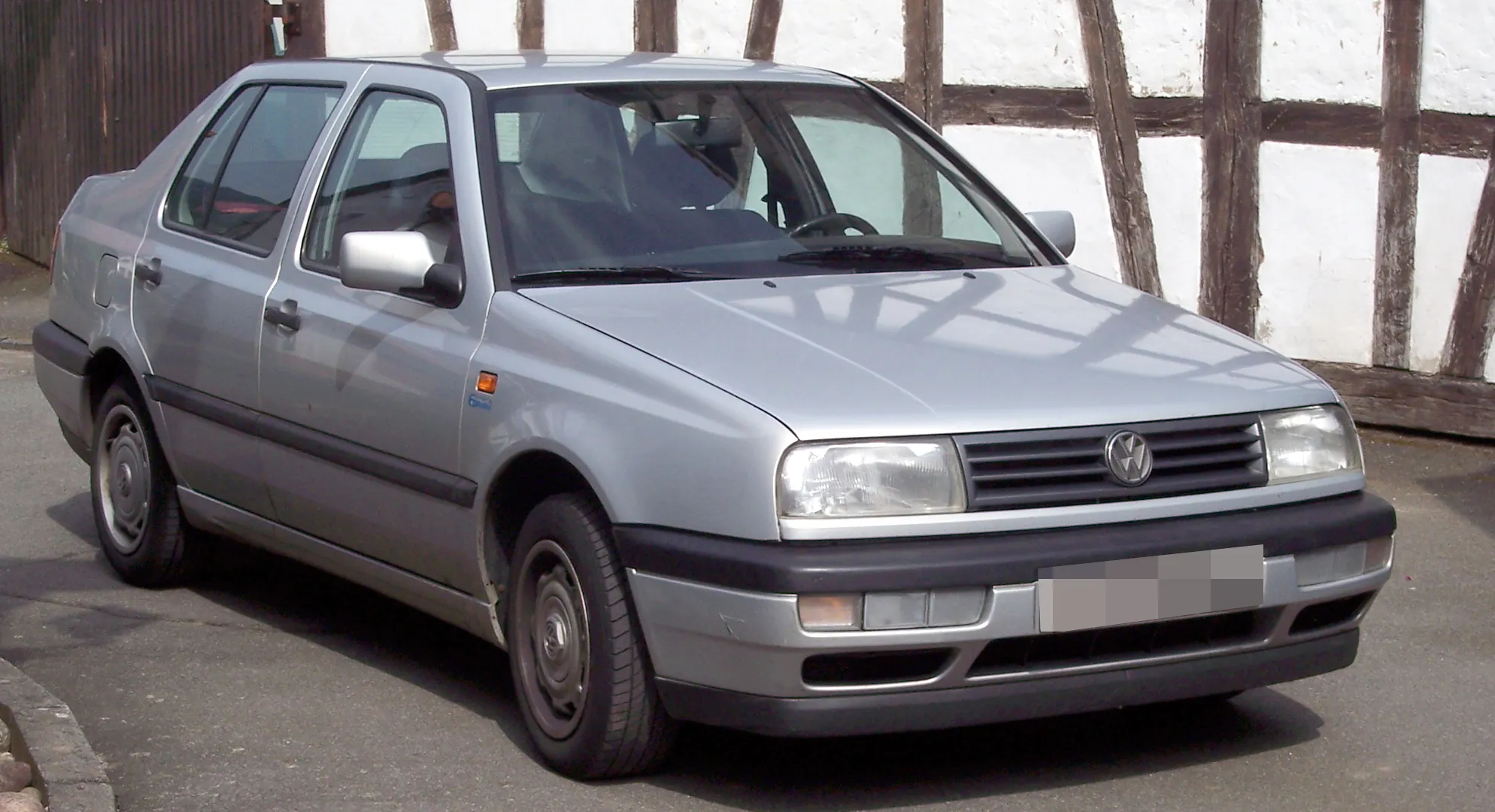
2. 1993 Volkswagen Jetta/Vento (Mk3)
The 1993 Volkswagen Jetta/Vento (Mk3), especially when fitted with the simple, naturally aspirated diesel or the reliable 8-valve petrol engines, is a machine built with German toughness that simply refuses to stay down.
While the Mk2 is slightly more famous, the Mk3 retained that essential VW toughness with a slight update in design, making it a sound choice for those who want guaranteed morning starts.
This car is a true workhorse, engineered with a mechanical-first philosophy that ensures the most vital functions, like starting, are never left to chance or fragile electronics. It is the kind of car that inspires confidence even after years of hard use, proving that dependability can indeed come in a practical package.
The secret to this Jetta’s starting prowess lies in the sheer simplicity of its engine management system. The early engines use robust, mechanical fuel injection systems that are far less susceptible to cold-weather or moisture-related electronic faults than later models.
The 8-valve petrol engines (like the 2.0L ABA) are particularly forgiving, known for their wide piston rings and excellent compression even after years of use. This durability ensures that the engine requires minimal effort from the starter motor to reach ignition speed.
For the diesel variants, the glow plug system is robust and effective, ensuring a quick ignition even on the coldest mornings, and the relay system that controls them is simple and highly durable.
Additionally, the entire electrical system is straightforward; there are few finicky electronic control units or power-hungry modules that drain the battery overnight, giving the battery a greater chance of survival.
Also Read: 10 Cars From the 60s That Still Run in 2025
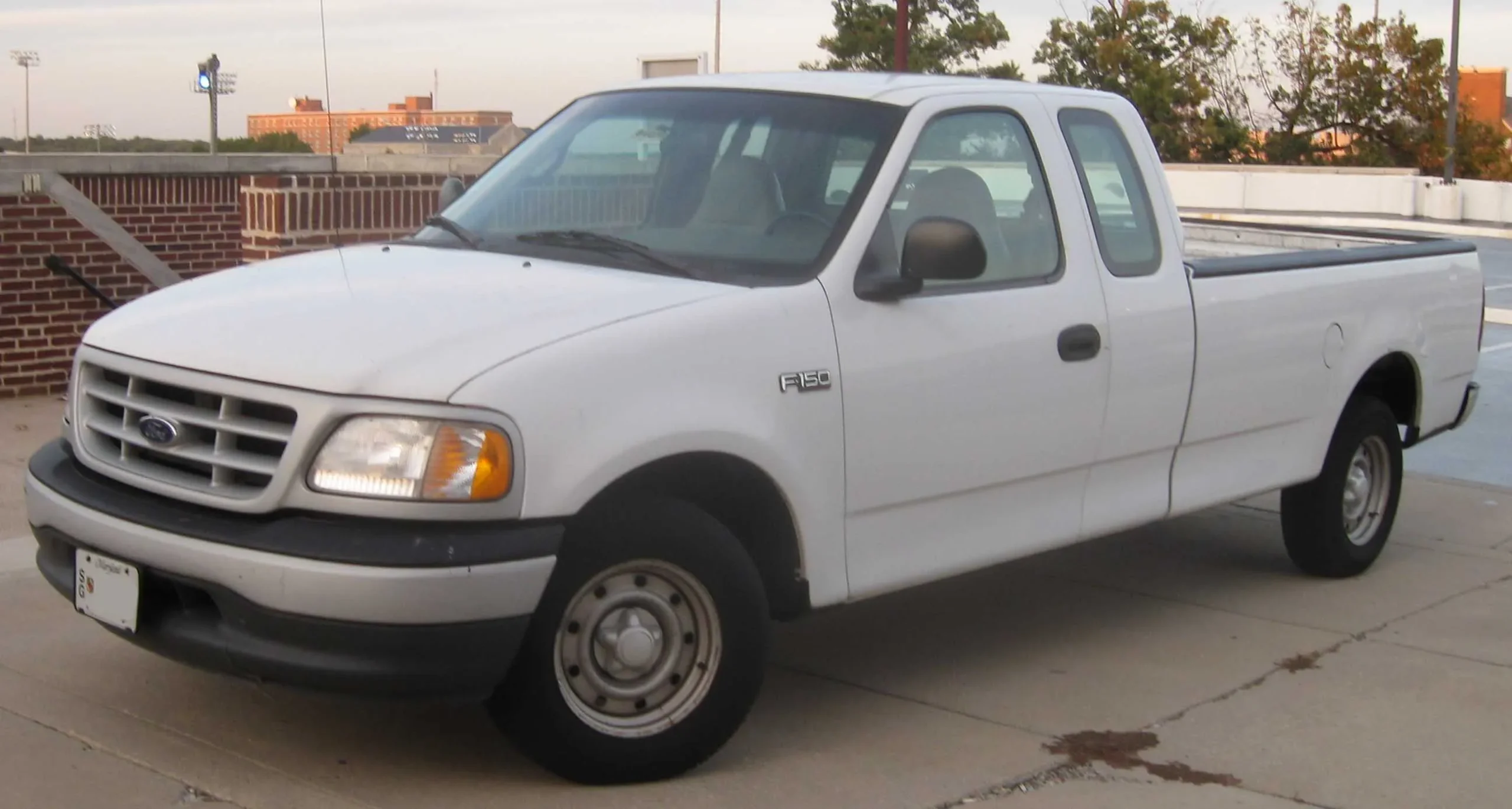
3. 1998 Ford F-150 (Tenth Generation)
When a mechanic needs a truck that they know will start on the first crank, they often point to the 1998 Ford F-150 (Tenth Generation), specifically the ones equipped with the reliable 4.6-liter Triton V8.
This truck is the definition of a dependable workhorse, built with tough, oversized components that are designed to withstand years of hard labour and still fire up instantly.
It is the truck of choice for contractors and farmers who cannot afford a single day of downtime, a machine whose very purpose is unwavering service. The design philosophy behind this generation was rugged functionality, prioritizing power and durability over fuel economy or frivolous electronics, which is why it remains a sure starter.
The F-150’s absolute reliability at start-up comes from its large-displacement V8 engine and its generous electrical system. The 4.6L V8 is a robust engine that operates at low stress and has a simple, yet effective coil-on-plug ignition system that rarely fails.
The engine’s large cylinder displacement means that the firing process is inherently more forgiving of slight fluctuations in fuel or spark quality. Because the engine is physically large, it is less susceptible to the temperature fluctuations that plague smaller, turbocharged engines.
The battery system and starter motor are typically oversized, designed to handle the massive current required to crank the large engine, giving them an excellent margin of safety when the battery might be slightly weak. The wiring harness is built thick and tough, minimizing resistance and electrical losses during the critical starting phase.
Mechanics appreciate that most starting problems are related to simple wear-and-tear items like batteries or spark plugs, repairs that are easy and cheap to perform.
This F-150 is a testament to the old-school philosophy of over-engineering, a truck that promises a quick getaway every morning, making it a powerful symbol of unwavering dependability for those who need a sound mechanical friend.
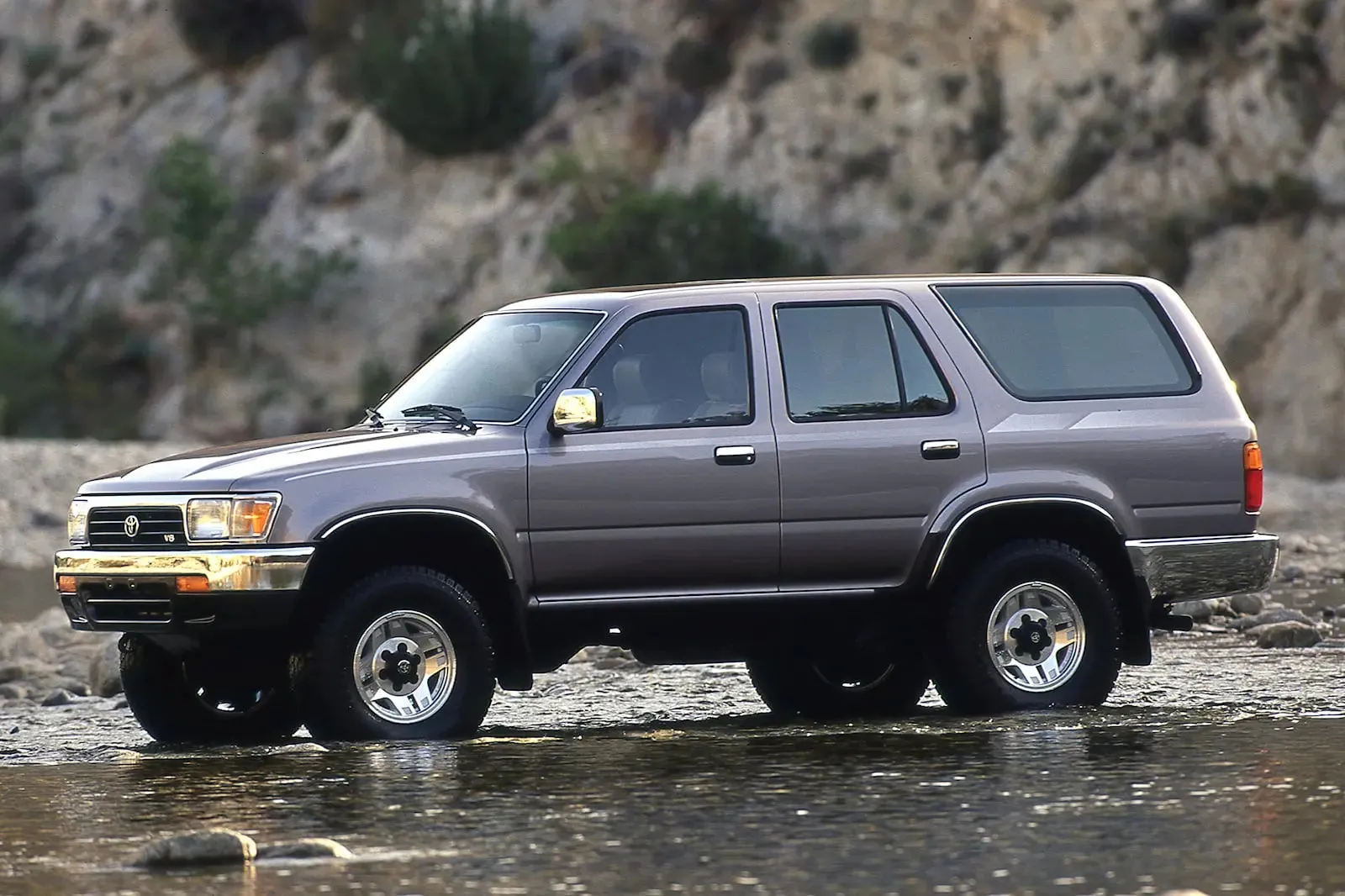
4. 1995 Toyota 4Runner (Second Generation)
If you are going far away from civilization, you need a car that you know will start, and the 1995 Toyota 4Runner (Second Generation) is arguably the best example of a vehicle built for this kind of uncompromising reliability. This SUV is a classic amongst off-roaders and long-distance travellers because its mechanical systems are totally simple and incredibly tough.
It simply does not know how to fail when the key is turned, a characteristic that earned it a reputation as a machine you can bet your life on. Its design prioritizes absolute functionality over fancy features, ensuring that the starting circuit is simple and strong.
The 4Runner’s starting excellence is down to the incredible endurance of the 3.0-liter V6 (3VZ-E) and the 2.4-liter I4 (22R-E) engines. These engines are known for their strong bottom end and basic electronic system.
The 22R-E engine, in particular, is mechanically simple and uses a time-tested fuel injection system that is incredibly resistant to common faults, especially those caused by poor fuel quality.
The entire vehicle’s electrical harness is built with thick wires and solid connectors, a huge factor in preventing the tiny, frustrating electrical gremlins that cause no-start conditions.
The engine’s cranking sensors are few and robust, making them less likely to fail and prevent ignition. The starter motor and battery system are robustly designed to handle cold starts in challenging conditions, often exceeding the specification needed for city driving.
Mechanics often find that these 4Runners are only in the workshop for basic maintenance after running flawlessly for hundreds of thousands of miles.
This Toyota is a true champion of dependability, a vehicle built to start in the bush just as easily as it starts in the city, ensuring that your journey always begins exactly when you plan it to. The throttle body and air intake system are also simple and less prone to carbon buildup, which can hinder starting performance.
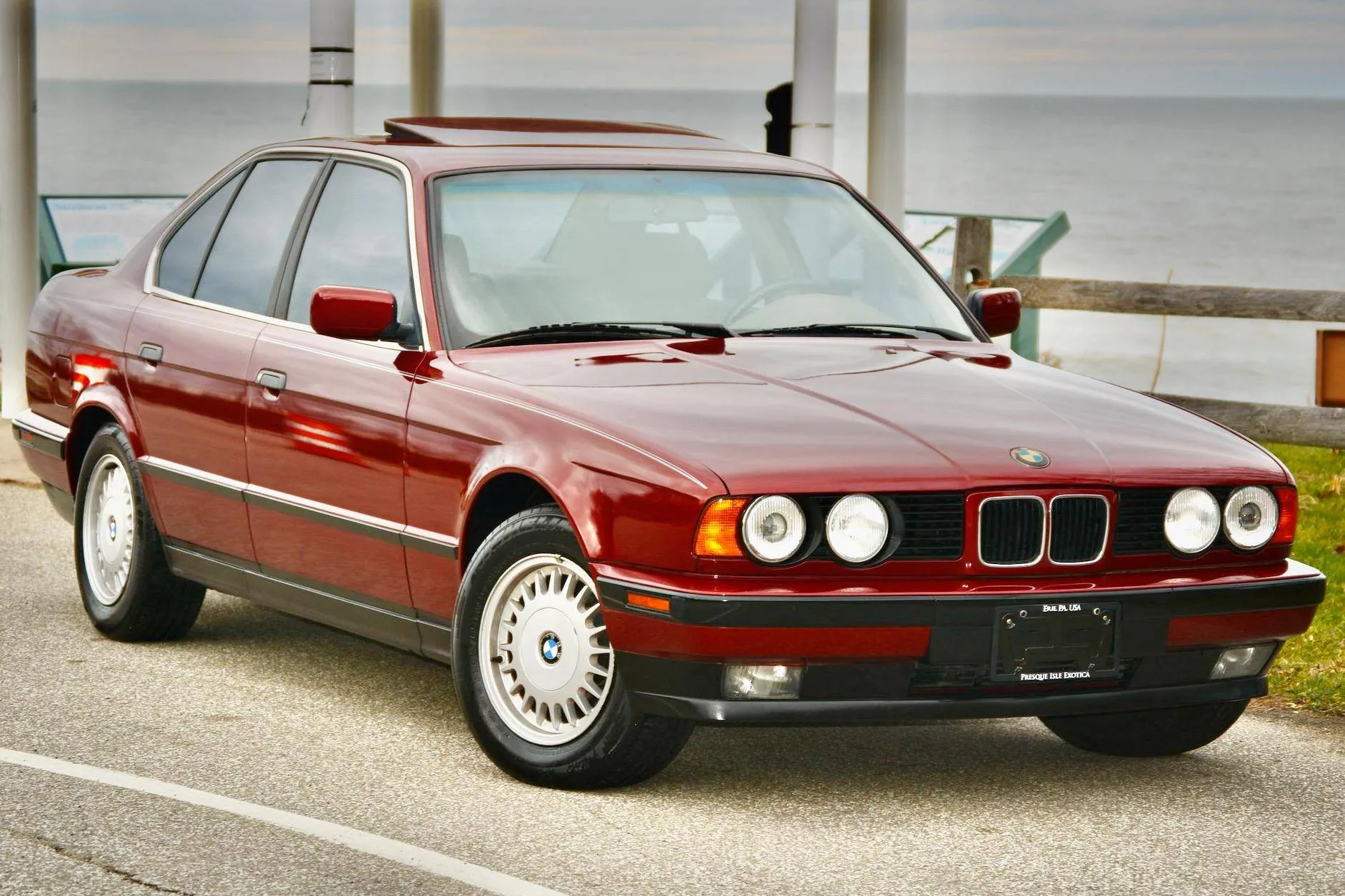
5. 1994 BMW 525i (E34)
Believe it or not, an older BMW can be one of the most reliable morning starters, and the 1994 BMW 525i (E34) is the perfect example. This era of BMW was known for being beautifully engineered with a focus on mechanical integrity rather than overwhelming electronic features. It is a sound combination of luxury and unfussy dependability.
The E34 represents a golden age for BMW, where the engine was the masterpiece and the electronics were the support system, not the other way around. This car offers a level of assured start-up quality that few modern luxury cars can match.
The secret to the E34’s starting prowess is the legendary M50 inline-six engine. This is one of the most celebrated engines BMW ever built, known for its incredible durability and simplicity compared to later models.
The engine is inherently balanced, which reduces wear, and its simple coil-on-plug ignition system is extremely reliable. The main electronic components are robust and logically laid out, reducing the chance of a phantom electrical drain that kills the battery overnight.
Additionally, the quality of the internal components means that the engine maintains excellent compression throughout its life, requiring less effort from the starter motor.
The E34’s main computer (DME) is robust and less prone to internal faults than later modules. The fuel pump relay and main power relays are located in a well-protected area and are built with heavy-duty switches that resist failure.
Mechanics appreciate that the problems are usually basic and easy to isolate, meaning you do not spend days hunting for a tiny sensor fault.
This BMW is a fine blend of engineering excellence and mechanical common sense, ensuring that you get a smooth, reliable start every single time, giving you a dependable ride without the usual headaches associated with high-end vehicles.
Cars That Fail at the Worst Time
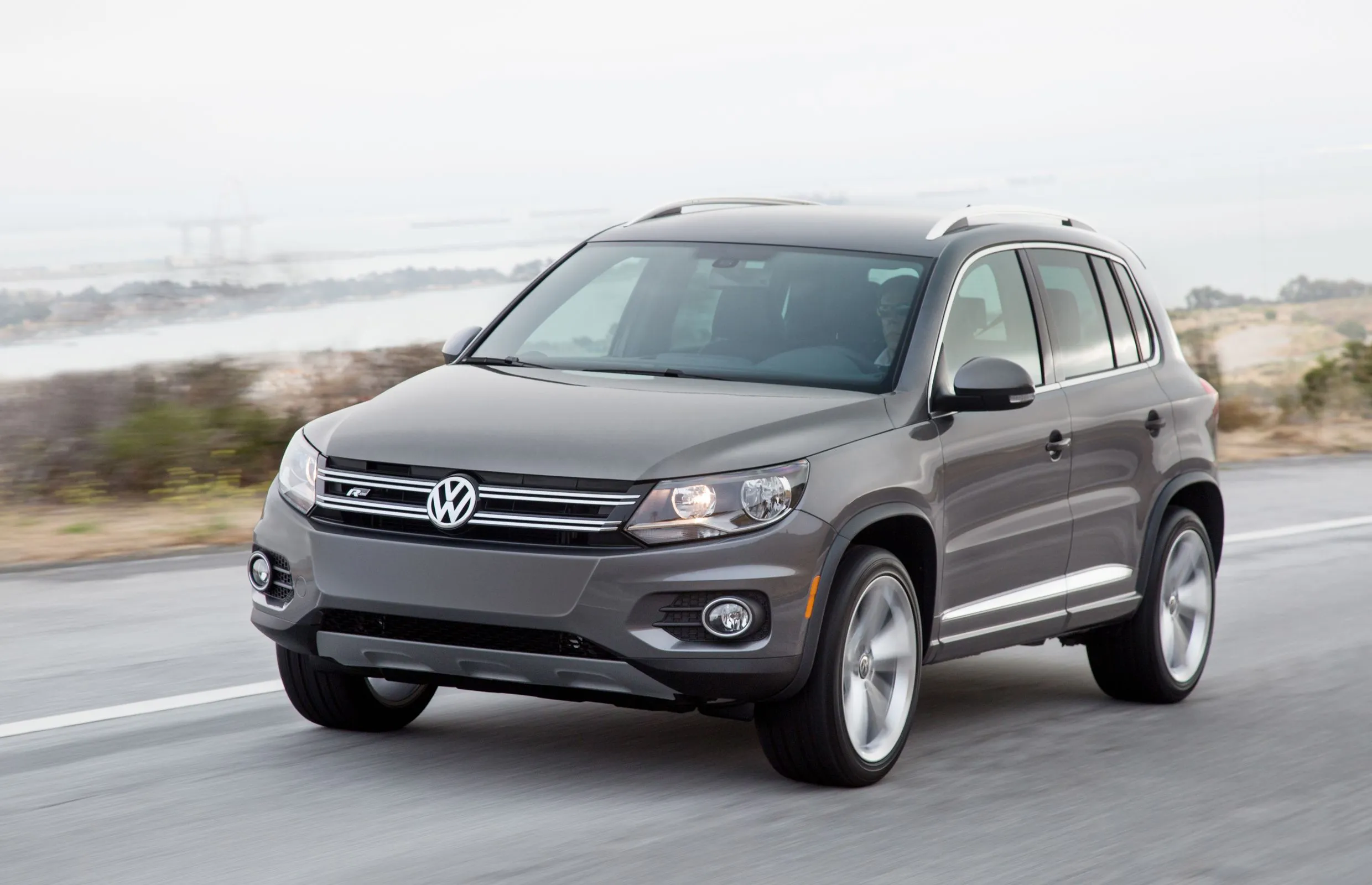
1. Volkswagen Tiguan (2009-2017, First Generation)
Volkswagen built a reputation for German engineering excellence, but the first-generation Tiguan tells a different story about reliability and long-term durability.
This compact SUV looks solid, feels well-built when new, and offers decent performance, but underneath that promising exterior lurks a collection of problems that reveal themselves as the vehicle ages.
Owners who bought these Tiguan expecting VW quality instead learned expensive lessons about the difference between perception and reality.
The 2.0-liter turbocharged four-cylinder engine that powered most Tiguans has proven to be a troublesome unit.
Timing chain tensioner failures are common enough that VW issued extended warranties on some model years, but that doesn’t help owners of older vehicles who face repair bills exceeding $2,000 to fix this problem before it destroys the engine completely.
Water pump failures occur regularly, often without warning, leading to overheating that can warp cylinder heads or worse. The turbocharger, which should last the life of the vehicle, frequently fails prematurely, requiring expensive replacement that makes owners question their purchase decision.
The dual-clutch automated manual transmission found in some models is even more problematic, with clutch pack failures and mechatronic unit issues leading to repair bills that often exceed the vehicle’s value on older examples.
These aren’t minor annoyances; they’re fundamental failures of major components that leave owners stranded and facing repair quotes that make them consider abandoning their vehicles.
The electrical system in the Tiguan introduces problems that would be funny if they weren’t so frustrating for owners dealing with them. Window regulators fail with disturbing frequency, leaving windows stuck open or closed at inconvenient times.
The panoramic sunroof, a popular option, develops leaks that let water into the cabin and can cause electrical shorts.
Coil packs fail regularly, causing misfires and check engine lights that send owners to repair shops repeatedly. The fuel pump control module tends to fail, leaving the vehicle unable to start and requiring towing to a dealer for diagnosis and repair.
Smart buyers avoid first-generation Tiguans, leaving them for bargain hunters who don’t research reliability or people who enjoy visiting their mechanic regularly. When a vehicle’s reputation for breaking down becomes so widespread that it affects resale values this dramatically, you know the problems are real and serious.
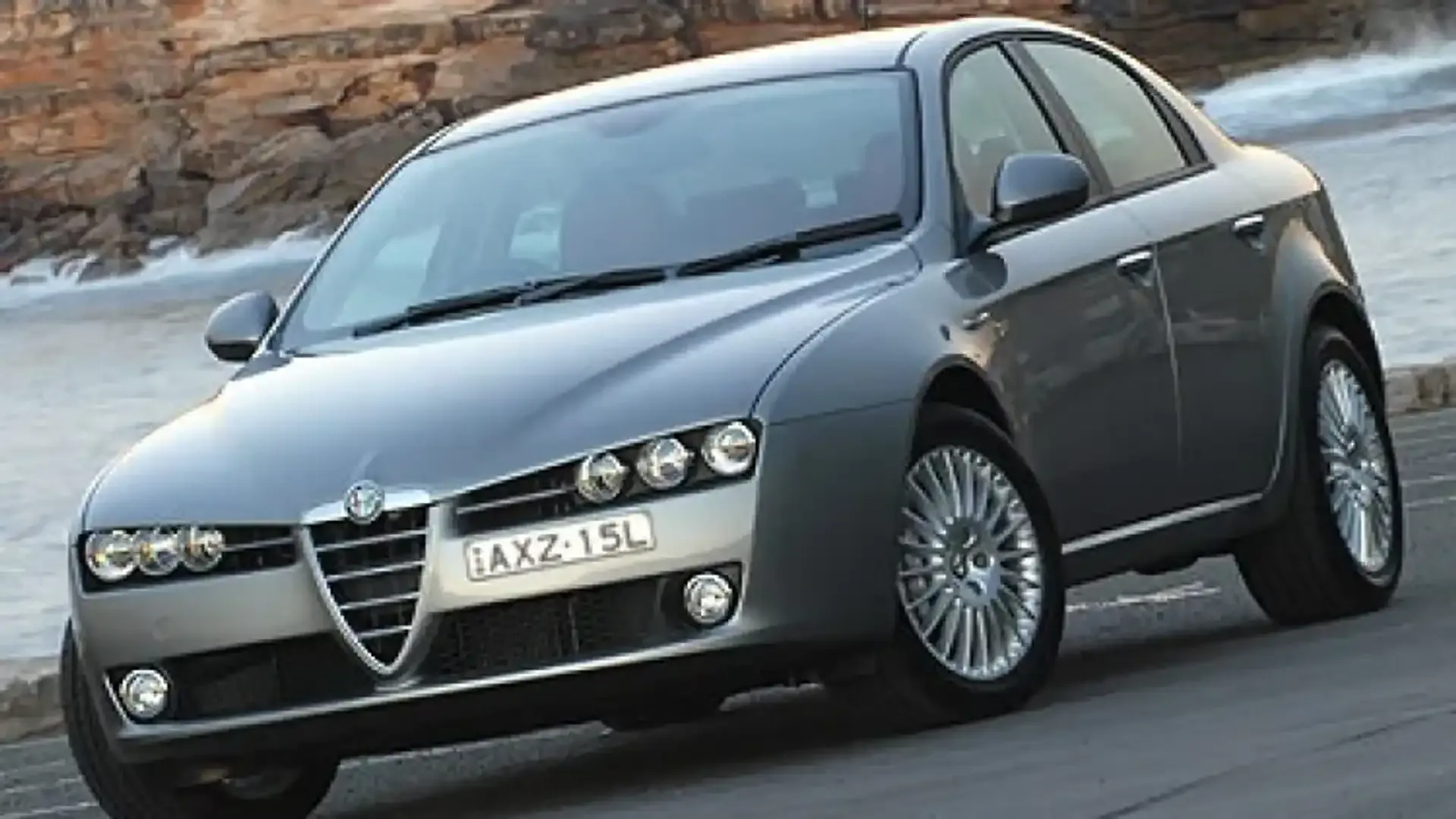
2. 2006 Alfa Romeo 159
The 2006 Alfa Romeo 159 is a beautiful car that turns heads, but it is a car that demands patience and perfect conditions to start. This Italian sedan, while delivering an exciting drive, is notorious among mechanics for having highly sensitive systems that can fail at the worst possible moment.
It is a machine that prioritizes passion over practicality, making it a risky choice for daily, uninterrupted transportation. Its finely tuned engines and delicate electrical systems do not tolerate any form of neglect or moisture.
The 159’s starting vulnerability stems from two primary areas: its complicated JTS (Jet Thrust Stoichiometric) direct-injection petrol engines and its delicate wiring harnesses.
The direct-injection system requires precise fuel pressure and sensor readings to start. A small fault in the high-pressure fuel pump or a cranky camshaft position sensor will cause a no-start situation that is difficult to diagnose, especially because the faults can be intermittent.
The wiring harnesses are known for being vulnerable to moisture ingress and corrosion, which causes intermittent electrical faults that prevent the engine management system from arming. The engine’s crankshaft position sensor is particularly sensitive to heat and electrical noise, often failing when the car is warm or damp.
Mechanics often find themselves chasing phantom faults that disappear as soon as the car is towed into the garage and dries out.
This Alfa Romeo is a perfect example of a car that is a joy to own when running, but a total nightmare when it chooses to fail, often leaving its owner stranded when least expected, proving that beauty does not always equate to dependability.

3. 2004 BMW X5 (E53) with Diesel Engine
The 2004 BMW X5 (E53), especially the diesel models, is a prime example of a luxury SUV that can be a disaster when it comes to reliable morning starts.
While powerful and luxurious, the combination of advanced diesel technology and complicated electronics makes this BMW highly temperamental and prone to failure when cold. It is a machine whose high-tech nature introduces numerous vulnerabilities into the simple process of starting, making it a poor choice for the daily grind.
The X5’s unreliability is rooted in its highly sensitive diesel system and its demanding electronic management.
The diesel engine requires a perfectly functioning glow plug system to start properly, and these plugs are notorious for failing individually, causing difficult starts on cold mornings, with the engine computer often failing to correctly diagnose the issue. More serious is the complicated electronic system.
The E53 is famous for Battery Monitoring System (BMS) faults and delicate control modules that randomly draw current, leading to a dead battery just when you need the car.
The battery is located in the rear, often making it inconvenient to jump-start. Because the system is so sophisticated, even a small fault in a non-critical module can disable the entire vehicle, leaving the owner stranded.
Mechanics often have to replace multiple expensive modules to solve a simple no-start issue, often involving expensive programming. This BMW is a lesson in avoiding overly advanced used luxury vehicles, as their sensitivity to electrical health makes them unreliable partners for a stress-free morning.
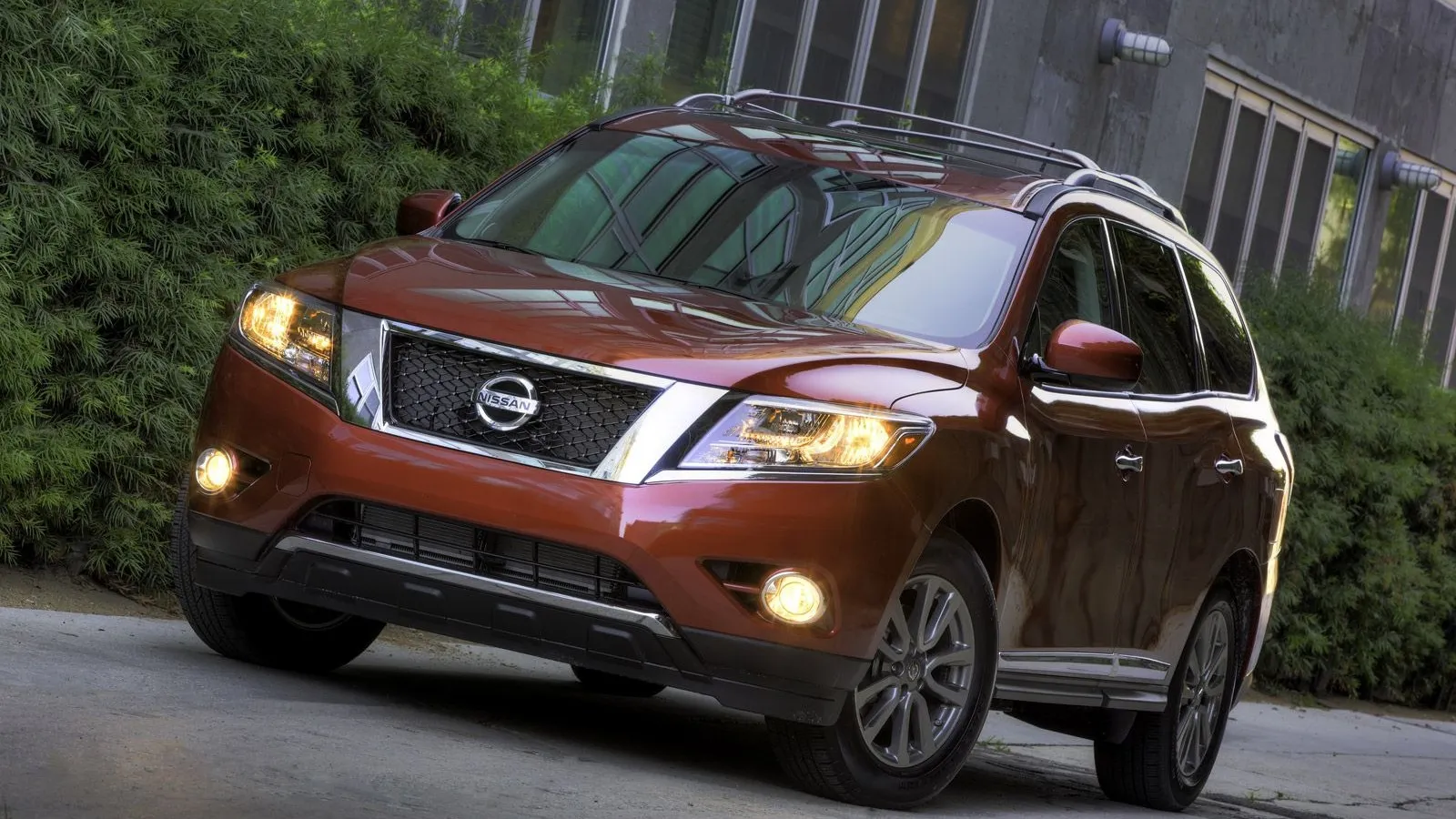
4. Nissan Pathfinder (2013-2019, Fourth Generation)
Nissan transformed the Pathfinder from a truck-based SUV into a car-based crossover with the fourth generation, and while they gained better fuel economy and on-road manners, they lost the reliability that made earlier Pathfinders respected.
This generation Pathfinder has become notorious for transmission problems so severe that they’ve spawned class action lawsuits and made the model name synonymous with reliability nightmares.
The CVT transmission in the fourth-generation Pathfinder is the source of most owner complaints and the reason these vehicles have a terrible reputation. This transmission develops shuddering, hesitation, and overheating problems that Nissan initially denied but eventually couldn’t ignore when failures piled up.
Complete transmission replacements are common, sometimes multiple times on the same vehicle, which suggests fundamental design or manufacturing flaws rather than isolated problems. Some owners report transmission failures before 100,000 miles, which is unacceptable for a major component that should last the life of the vehicle.
Beyond the infamous transmission, the Pathfinder suffers from other problems that compound owner frustration. The 3.5-liter V6 engine generally runs well but develops issues with the timing chain system that can lead to catastrophic engine failure if the chain stretches or jumps timing.
Radiator failures occur prematurely on some vehicles, leading to coolant leaks that can cause overheating and engine damage if not caught quickly. These engine problems, while less common than the transmission issues, still occur frequently enough to be concerning.
Electrical and electronic problems add to the Pathfinder’s reliability woes. The backup camera stops working, leaving drivers without a safety feature that they’ve come to depend on. The climate control system develops a mind of its own, blowing cold when you want heat or vice versa.
Dashboard warning lights illuminate for problems that dealers struggle to diagnose accurately, leading to repeated repair attempts that don’t fix the underlying issues. These problems might seem minor compared to transmission or engine failures, but they contribute to an ownership experience defined by frustration and disappointment.
Also Read: 10 Most Durable Cars That Prove Longevity Is Real
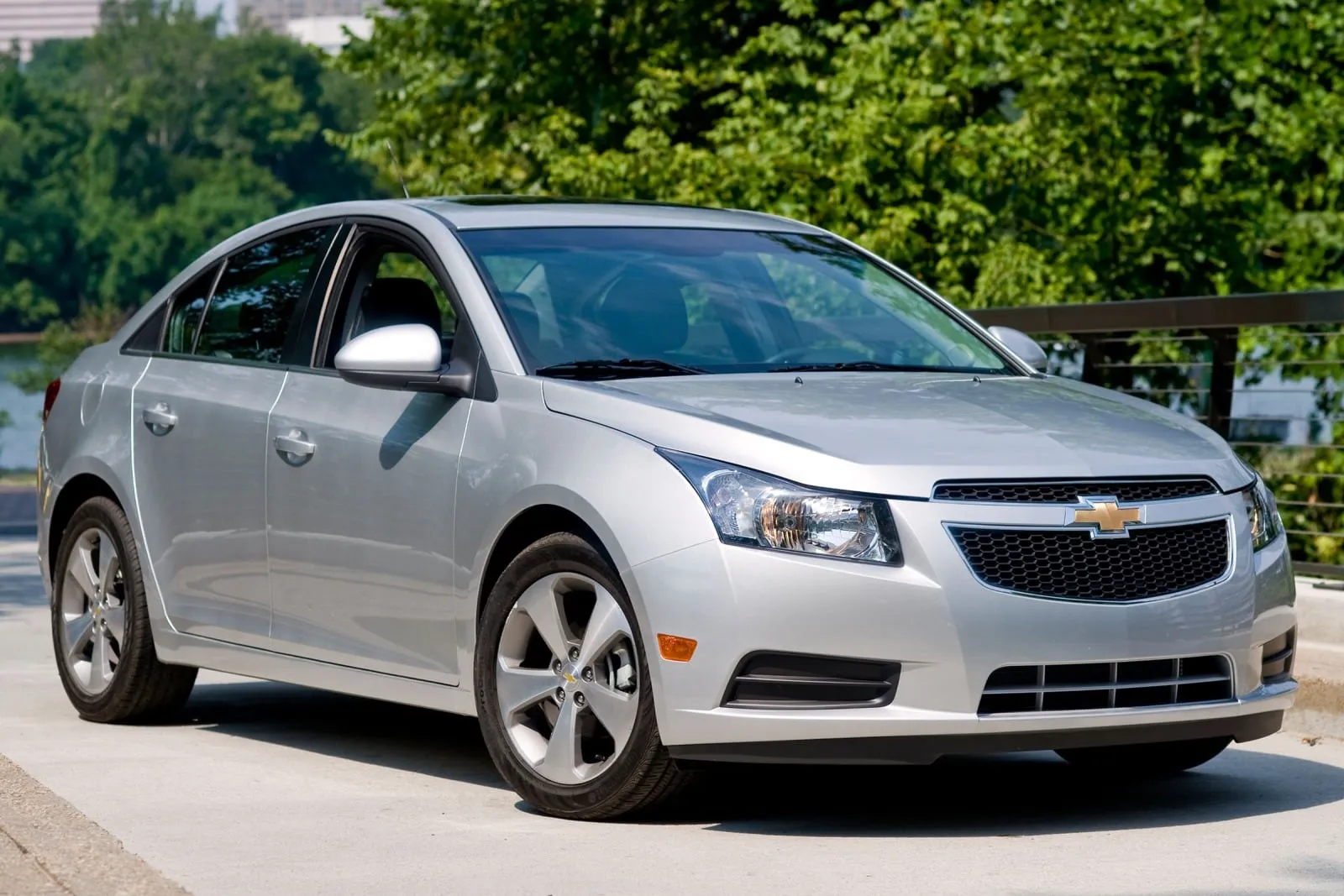
5. 2012 Chevrolet Cruze with 1.4L Turbo
We conclude with the 2012 Chevrolet Cruze, particularly the models equipped with the small, turbocharged 1.4-liter engine. This car is a modern example of how trying to squeeze high performance and fuel efficiency out of a small engine can drastically reduce starting reliability.
It is a finicky machine that does not forgive minor faults, making it a source of daily anxiety for its owners. The added complications of the turbocharger and its associated plumbing create many more opportunities for failure.
The Cruze’s propensity for starting failure is mostly linked to its turbocharged system and its associated sensors. The engine runs hot, which prematurely cooks the hoses and plastic components, leading to vacuum leaks that confuse the engine management system and prevent the engine from starting.
Common issues include failing PCV valves (Positive Crankcase Ventilation) and leaking coolant systems that cause overheating, preventing the car from starting.
More critically, the engine management system is extremely sensitive to sensor readings; a slightly faulty coolant temperature sensor or ambient air sensor can cause the computer to disable ignition as a precaution, even if the fault is minor.
The spark plugs and coils also operate under high stress and can fail without much warning. Mechanics find these sensor failures to be common and random, leaving the owner stranded with a car that seems fine but refuses to crank.
This Chevrolet is a perfect illustration of why mechanical simplicity often wins the race for absolute morning dependability, especially when compared to overstressed small-displacement engines.
