Luxury does not always equal longevity. Some vehicles are built with dependable engineering and practical design that allow them to perform reliably long after many luxury competitors begin to decline. “12 Cars That Outlast Modern Luxury Competitors” highlights vehicles that combine comfort, durability, and value without the high cost of a luxury badge.
Models such as the Hyundai Santa Fe, Honda Civic, and Toyota Corolla show that consistent quality and proven components often matter more than prestige. Each car in this collection is known for exceeding expectations in performance and lifespan, with many owners reporting well over 200,000 miles of dependable service.
They offer affordable maintenance, lasting comfort, and everyday usability that drivers appreciate. Whether you prefer a sturdy pickup, a reliable sedan, or a capable SUV, these vehicles prove that true automotive excellence comes from endurance and intelligent engineering, not from excessive luxury or complex features.
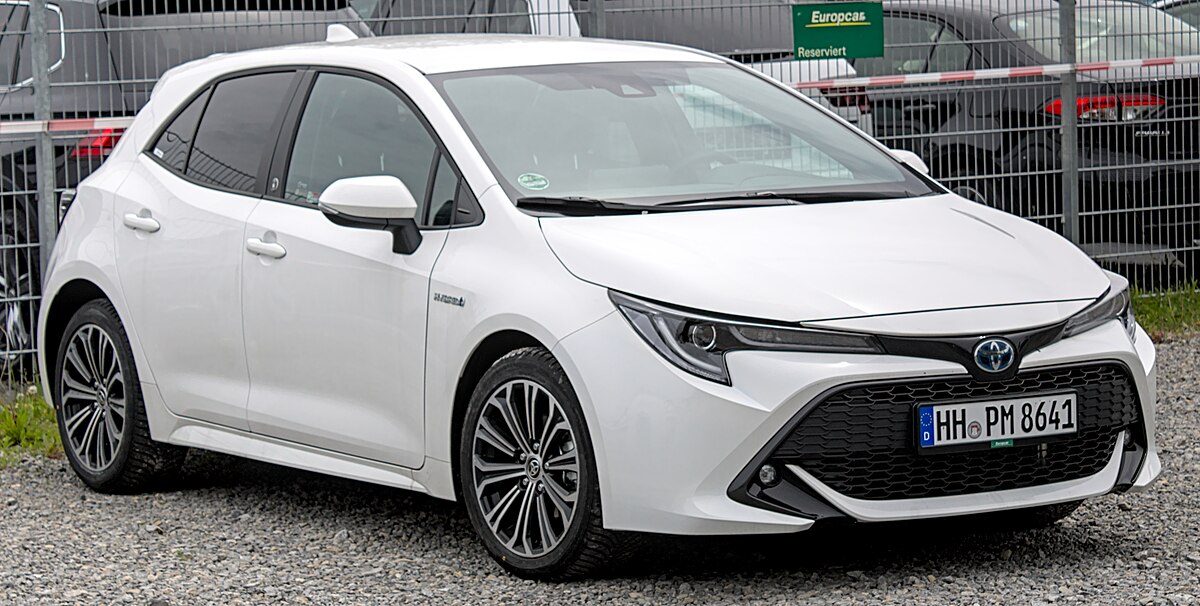
1. Hyundai Santa Fe: A Reliable and Practical Family SUV
The Hyundai Santa Fe has become a favorite among drivers who want durability, comfort, and value in one package. It may not wear a luxury badge, but its long-term reliability and modest upkeep make it one of the smartest choices in its class. Many owners have driven their Santa Fe for more than 200,000 miles with few major issues, thanks to Hyundai’s focus on solid engineering and dependable parts.
The Santa Fe’s powertrain is built to perform for years. Its engines and transmissions are designed with simplicity and endurance in mind, making repairs easier and less costly than those of more complex luxury rivals.
Routine maintenance is straightforward, and replacement parts are widely available. This dependability, combined with strong fuel efficiency for an SUV of its size, keeps ownership costs manageable over time.
Inside, the Santa Fe delivers the comfort and practicality families appreciate. The seats are supportive and well-padded, offering a relaxed experience on long drives. Durable materials throughout the cabin ensure it holds up to daily use.
The ride quality is smooth, even on rougher roads, and the cabin remains quiet at highway speeds. The Santa Fe’s suspension absorbs bumps effectively, while its steering feels stable and composed through corners.
Technology is one of Hyundai’s strengths, and the Santa Fe showcases that with an intuitive 12.3-inch touchscreen, crisp graphics, and wireless smartphone integration.
Voice controls are accurate, and optional features such as wireless charging and premium audio add modern convenience. Advanced driver assistance features like adaptive cruise control and Highway Driving Assist contribute to a confident driving experience, especially on long trips.
Storage space is another highlight. The Santa Fe’s squared rear design makes loading and unloading easy, and folding the rear seats opens up generous cargo capacity. Clever touches like the dual-hinged center console and multiple storage trays add to its everyday usefulness. Families will also appreciate the accessible LATCH anchors and flexible seating layout for child seats.
Fuel economy depends on the trim and engine, but the Santa Fe balances performance and efficiency well. Hyundai’s warranty coverage remains among the best in the industry, offering up to 10 years or 100,000 miles on the powertrain, along with complimentary maintenance for the first three years.
With its mix of dependability, comfort, and thoughtful design, the Hyundai Santa Fe stands as a durable and versatile SUV that continues to prove its worth long after the first few years of ownership.
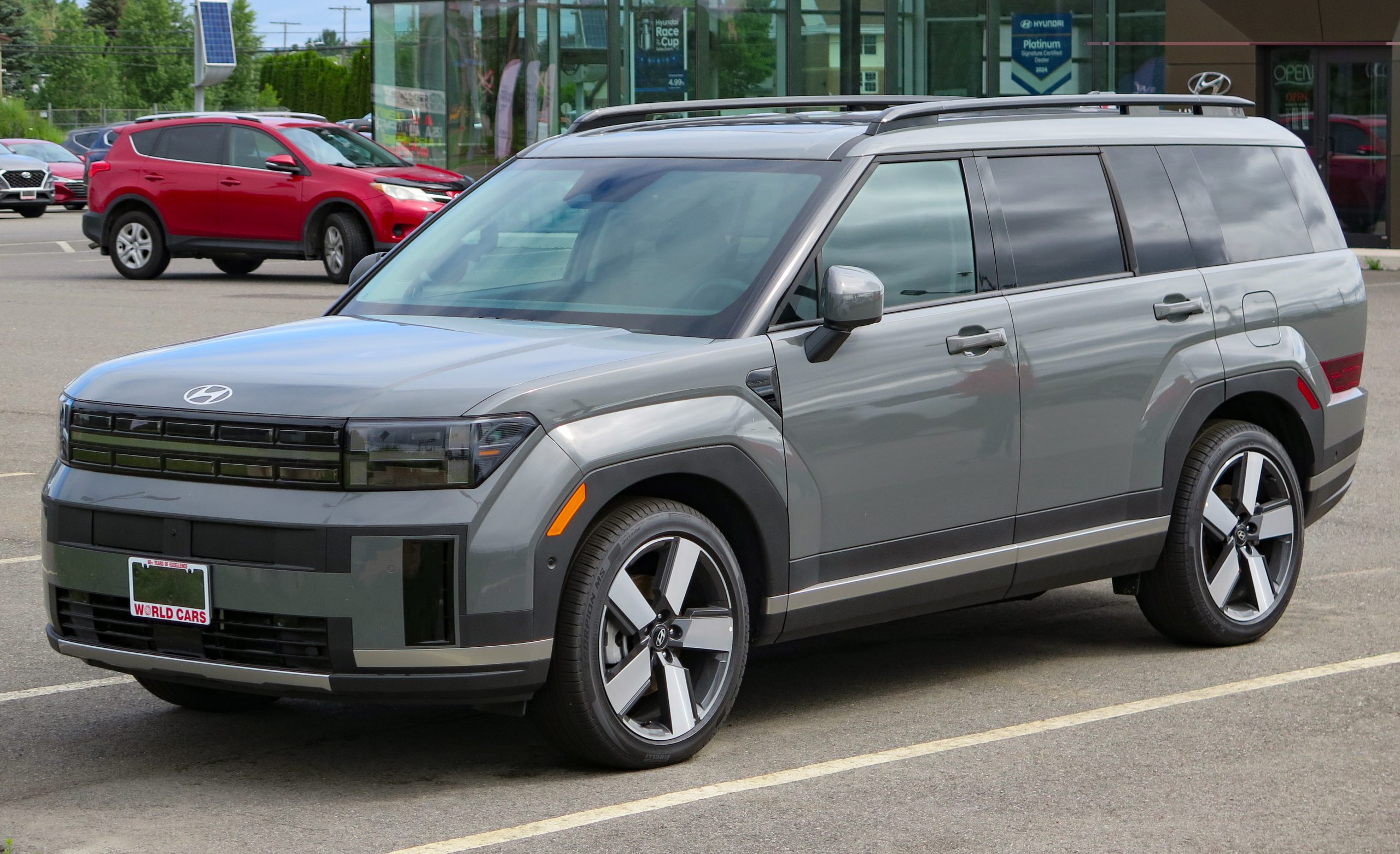
2. Lexus ES: Luxury That Lasts with Reliability and Refinement
The Lexus ES represents the perfect blend of luxury and Toyota’s legendary reliability. As Toyota’s premium division, Lexus designs vehicles that emphasize both long-term dependability and upscale comfort. The ES stands out as one of the most durable luxury sedans available, often outlasting its competitors when properly maintained.
Its engineering prioritizes smooth performance, longevity, and minimal mechanical issues. Owners frequently report driving their ES models for hundreds of thousands of miles with little more than routine servicing, making it one of the most worry-free luxury options on the market.
Durability in the ES begins with its finely tuned engine, designed for quiet, effortless operation. Components are built to resist wear, ensuring consistent performance over years of use.
Lexus focuses on precision and quality control, resulting in a sedan that delivers dependable power and refined handling without the costly maintenance often associated with luxury cars. The brand’s connection with Toyota also means that replacement parts and servicing are widely available, reducing costs and keeping maintenance straightforward.
Inside, the Lexus ES combines elegance with lasting comfort. Every material, from the leather upholstery to the cabin trim, is selected for both appearance and durability. The seats maintain their shape and support over time, while the cabin retains a premium feel even after extensive use.
Technology in the ES, including its infotainment and safety systems, is designed for reliability and ease of use. The 12.3-inch touchscreen offers quick response times and integrates wireless Apple CarPlay and Android Auto. Voice commands add convenience, and the interface remains intuitive despite its understated design.
Driving the ES 350 reveals the essence of Lexus luxury. The car accelerates smoothly, with well-balanced steering and predictable handling that inspire confidence. While not the fastest in its class, it glides effortlessly through city streets and highways alike. The suspension absorbs road imperfections with grace, ensuring a relaxed and quiet ride.
Wind and road noise are kept to a minimum, and engine sound is barely perceptible. Advanced driver aids such as lane keeping assist, adaptive cruise control, and blind-spot monitoring enhance safety without feeling intrusive.
Fuel economy is respectable, with an EPA rating of 25 miles per gallon combined, though real-world figures hover slightly lower. The ES’s 13.9 cubic foot trunk offers practical storage for luggage and golf bags, while the cabin’s thoughtful layout provides sufficient small-item storage.
With premium build quality, timeless design, and exceptional reliability, the Lexus ES delivers a serene, long-lasting luxury experience that few competitors can match.
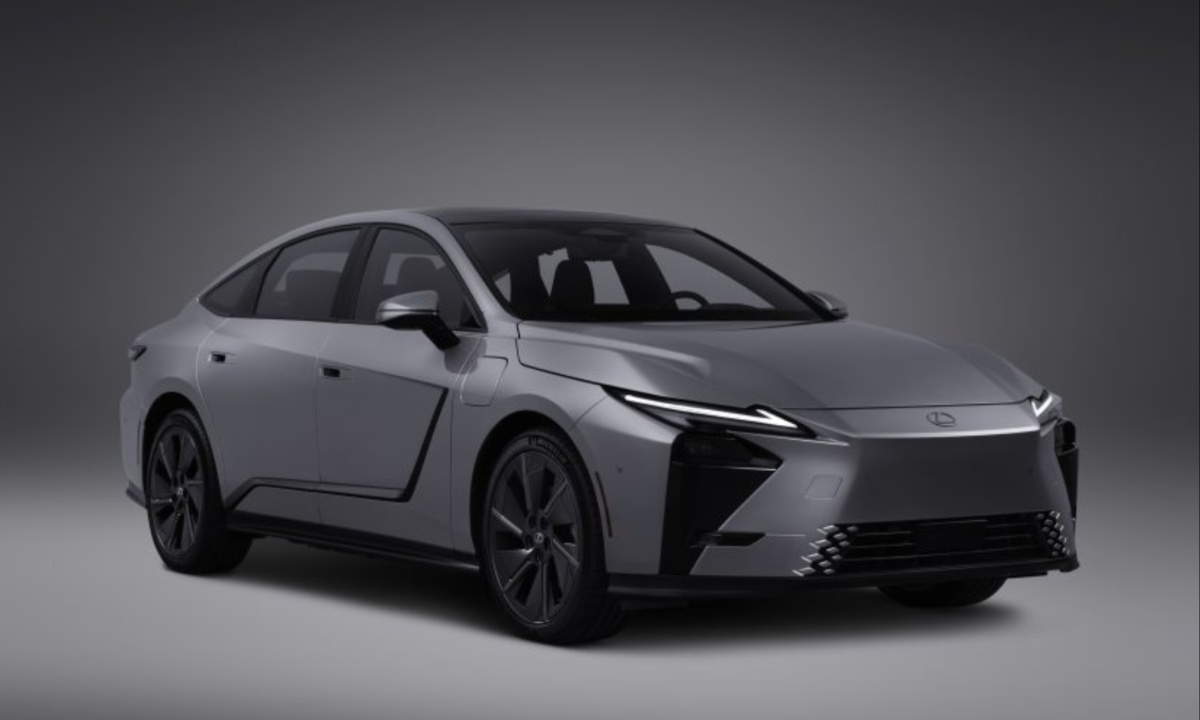
3. Toyota Corolla: The Global Symbol of Reliability and Practicality
The Toyota Corolla has long been a benchmark for reliability, simplicity, and affordability. Known for lasting well beyond 250,000 miles with proper care, it appeals to drivers who value consistency over flashiness. Toyota’s focus on efficiency and straightforward engineering allows the Corolla to deliver dependable performance year after year.
Its uncomplicated design reduces the chances of mechanical failure, and repairs are easy and inexpensive thanks to the wide availability of parts. This makes the Corolla a stress-free car to own and maintain, ideal for families and commuters alike.
Durability is a hallmark of the Corolla’s design. Its engines are built for longevity rather than complexity, ensuring smooth operation over time. The model’s reputation for low maintenance costs and minimal issues contributes to strong resale value.
Buyers trust the Corolla to remain dependable long after many other cars have faded in performance. Safety also plays a significant role in its appeal. Toyota equips the Corolla with reliable safety systems that continue to perform effectively without frequent recalibration, helping the car retain its reputation as a trustworthy daily driver.
Behind the wheel, the Corolla provides a pleasant and predictable driving experience. While acceleration is modest, taking about 8.8 seconds to reach 60 mph, it is well-suited for routine commuting.
The brakes are easy to modulate, ensuring smooth stops, and the continuously variable transmission (CVT) operates quietly and efficiently in most conditions. Handling is secure, though not sporty, making it ideal for city driving and long highway trips. The suspension absorbs bumps effectively, and steering is light, which simplifies maneuvering in tight spaces.
Comfort is a strong point for a compact sedan. The front seats are supportive and adjustable for a wide range of drivers, while the rear seats, though tighter on headroom, are adequate for shorter trips.
Cloth seats provide better breathability than the available synthetic leather, and cabin noise remains reasonable except at higher speeds. The interior design emphasizes simplicity and usability, with intuitive controls and easy access to essential functions.
Technology in the Corolla is practical and modern. It includes an 8-inch or optional 10.5-inch touchscreen with Apple CarPlay, Android Auto, USB-C ports, and available wireless charging. Driver-assistance features such as lane-keeping assist and adaptive cruise control perform smoothly and enhance safety.
Fuel efficiency is another highlight. The Corolla delivers an estimated 34 to 35 miles per gallon combined, and real-world testing often exceeds 40 mpg. With its durability, low ownership costs, and impressive economy, the Toyota Corolla remains a global favorite for reliable, everyday transportation.
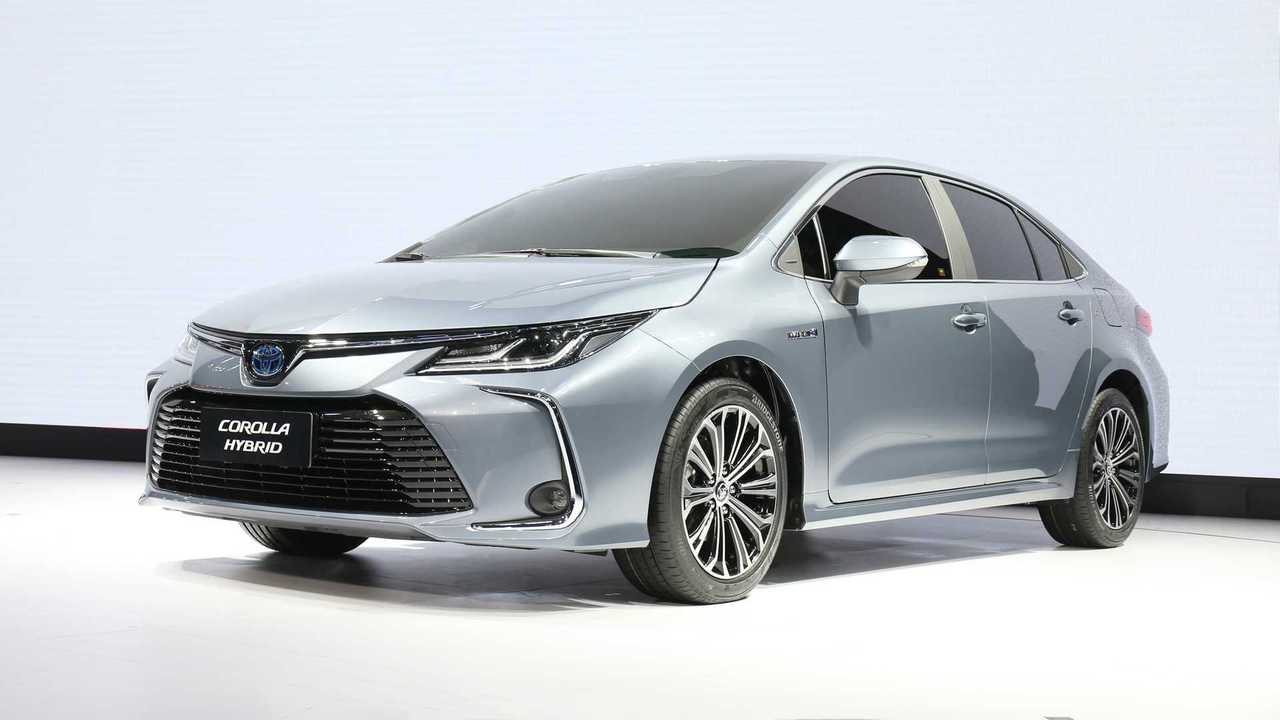
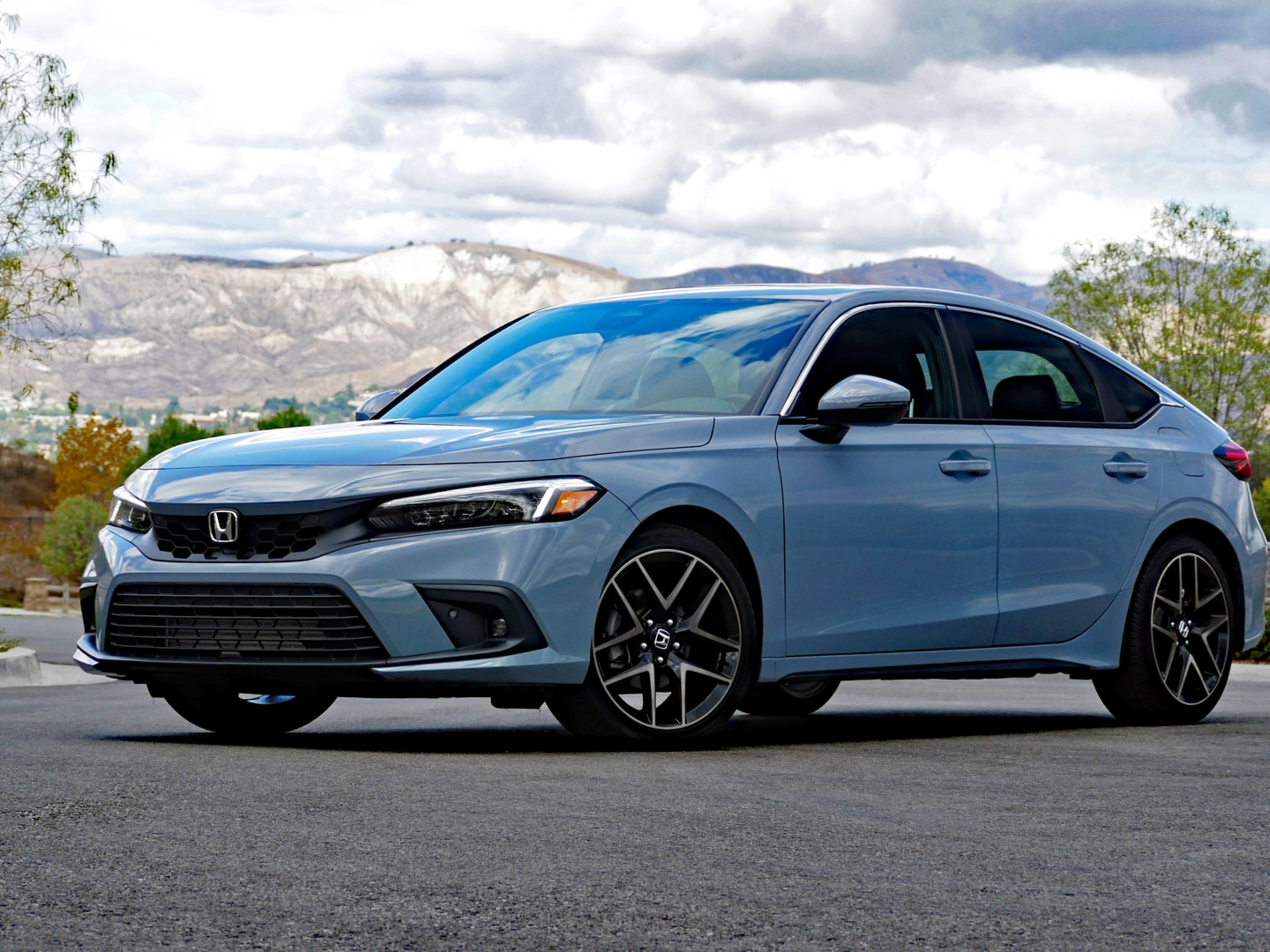
4. Honda Civic: A Reliable Compact with Lasting Performance and Modern Appeal
The Honda Civic has earned a reputation as one of the most dependable and enduring compact cars on the market. Designed with practical engineering and efficient components, it delivers long-term reliability without the high maintenance costs of many rivals. Many Civic models remain in excellent working condition well past 200,000 miles, showing Honda’s commitment to durability and quality craftsmanship.
The Civic’s longevity begins with its precisely engineered engine and transmission. Honda builds these components for consistent performance and easy maintenance, minimizing unexpected failures.
Replacement parts are widely available and affordable, and mechanics are familiar with the Civic’s design, making servicing straightforward and cost-effective. These qualities have helped the Civic become a practical choice for drivers who want a dependable vehicle that lasts.
Inside, the Civic blends comfort with durable materials. The seats maintain their support and shape over years of use, while the cabin layout emphasizes simplicity and ease of operation. The hybrid version enhances both performance and efficiency, reaching 60 mph in just 6.6 seconds faster than most compact sedans.
It handles smoothly and feels composed on various road surfaces, combining precise steering with confident braking. Though it is not designed for high-performance driving, its balance and responsiveness make it pleasant to drive every day.
Comfort is another Civic strength. The front seats suit a range of body types, and legroom is generous for both front and rear passengers. Headroom in the back is somewhat limited due to the sloping roofline, but space remains competitive for the class.
Cabin noise is modest, with wind and road sounds effectively reduced by the car’s aerodynamic design. Climate controls are intuitive and easy to adjust, though the absence of rear air vents may disappoint some passengers.
Technology in the Civic is clear and dependable. The available 9-inch touchscreen includes Google Built-In software with Google Assistant and Maps, while lower trims feature a 7-inch display.
Apple CarPlay and Android Auto are standard, and the upgraded Bose audio system provides impressive sound quality. Driver-assist features such as adaptive cruise control and lane-keeping assist operate smoothly, adding reassurance without distraction.
Fuel efficiency strengthens the Civic’s reputation further, with the hybrid model achieving up to 49 miles per gallon in combined driving. Cargo space measures 14.8 cubic feet in the sedan, while the hatchback offers over 24 cubic feet with fold-flat rear seats. With its proven reliability, efficient performance, and refined driving manners, the Honda Civic remains a benchmark for practical, long-lasting compact cars.
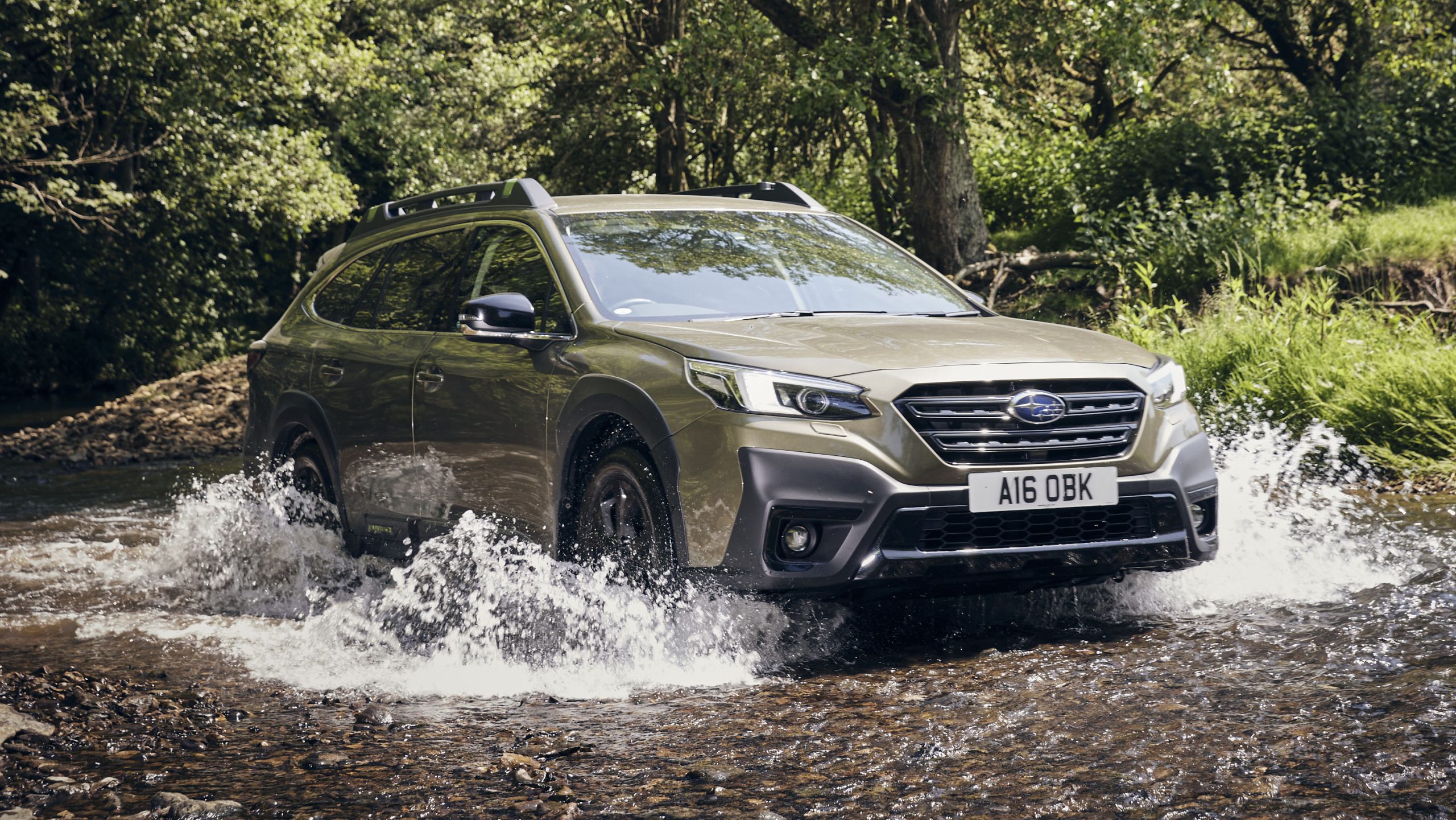
5. Subaru Outback: A Durable Wagon Built for Longevity and Adventure
The Subaru Outback has built a strong reputation for toughness and reliability. Designed to handle a wide range of road and weather conditions, it delivers lasting performance that appeals to drivers who value practicality over flash. Many Outback owners have driven their vehicles well beyond 200,000 miles with few major issues, highlighting Subaru’s commitment to durability and function.
A key part of the Outback’s strength lies in its engineering. Subaru’s signature boxer engine helps lower the vehicle’s center of gravity, improving stability while minimizing stress on internal components.
Combined with the brand’s proven all-wheel-drive system, the Outback maintains consistent traction and dependable handling on rough or slippery surfaces. Maintenance is simple, with readily available parts and easy access for repairs, keeping ownership costs lower than those of many premium SUVs that rely on complex drivetrains.
The Outback’s cabin focuses on comfort and practicality. Seats remain supportive during long drives, and the spacious interior holds up well to years of daily use. Materials are durable and chosen for longevity rather than luxury.
The ride quality is refined, absorbing bumps and uneven pavement with ease, while interior noise is kept to a minimum. Heated seats and steering wheel options add comfort in colder climates, though the touchscreen-based controls can be slow to respond, which can frustrate drivers.
Technology in the Outback covers essential needs, including Apple CarPlay, Android Auto, multiple charging ports, and a quality sound system. However, most functions require scrolling through several on-screen menus, which can lag and distract from driving.
While the infotainment system could benefit from improvement, the vehicle’s safety features remain a major strength. Subaru’s EyeSight driver-assistance suite provides lane keeping, adaptive cruise control, and automatic emergency braking. Though sometimes overly sensitive, these systems contribute to the Outback’s strong safety reputation.
Storage and cargo space are practical for both urban and outdoor use. The low, flat cargo floor makes loading gear easy, and the roof rails allow for convenient installation of carriers or racks. The rear seat area provides enough room for passengers and child seats, adding to its family-friendly design.
Fuel efficiency from the 2.4-liter turbo engine averages about 25 miles per gallon in combined driving, which is respectable for a vehicle with all-wheel drive and solid off-road capability. With its balance of rugged performance, comfort, and dependability, the Subaru Outback remains a smart choice for drivers seeking a long-lasting and versatile vehicle built to handle nearly any journey.
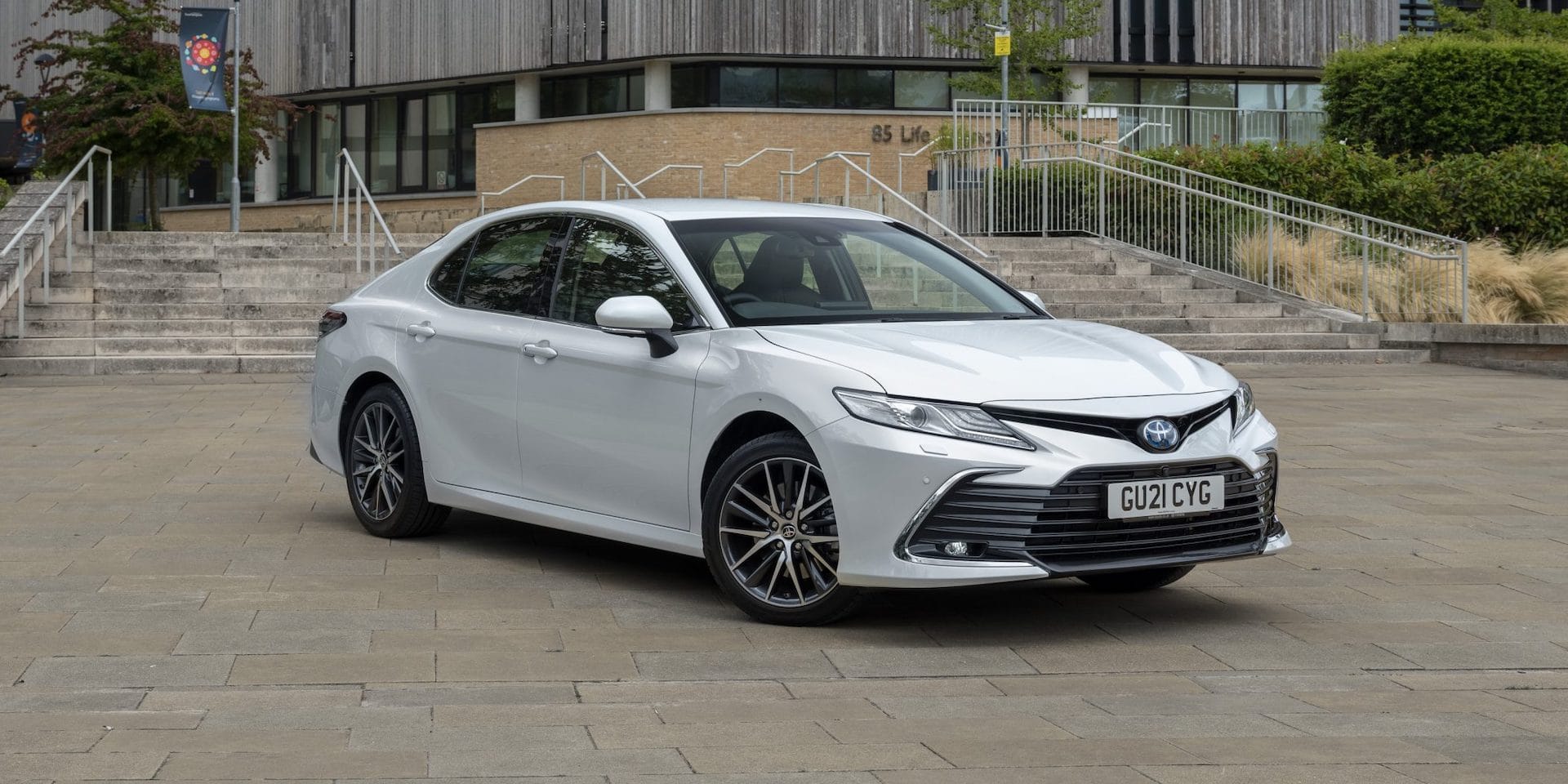
6. Toyota Camry: The Benchmark for Reliability and Everyday Comfort
The Toyota Camry has built an enduring reputation for reliability and durability that rivals many luxury sedans. Known for lasting well beyond 200,000 miles when properly maintained, it has become a top choice among families and commuters.
A key factor in its longevity lies in Toyota’s well-engineered powertrains engines designed for both efficiency and endurance. Owners appreciate the Camry’s low maintenance costs, ease of repairs, and readily available parts, which together ensure long-term affordability.
Beyond reliability, Toyota’s commitment to quality control ensures that each Camry undergoes extensive testing before release. This consistency, paired with thoughtful engineering, means fewer breakdowns and a longer lifespan. As a result, the Camry enjoys strong resale value, outperforming many luxury models that depreciate quickly due to high repair costs and complex maintenance.
The Camry XSE, equipped with front-wheel drive, delivers a balanced and confident driving experience. Its 2.5-liter engine propels the car from 0–60 mph in 7.8 seconds, slightly quicker than the Honda Accord and Hyundai Sonata hybrids. The sport-tuned suspension and responsive steering enhance agility without compromising stability, while the brakes remain strong and smooth.
Toyota has improved the Camry’s ride quality over previous generations. It now feels more connected to the road while maintaining a refined comfort level. The upright driving position offers excellent visibility, and advanced safety technologies like adaptive cruise control, lane-keeping assist, and Traffic Jam Assist ensure a secure, semi-autonomous driving experience.
Inside, the Camry blends practicality with comfort. The front seats, though firm, provide solid back support for long drives, while the rear seats offer ample legroom and easy access.
Cabin insulation keeps the interior quiet at highway speeds, with only mild engine noise under heavy acceleration. Controls are intuitive, featuring tactile buttons beneath a large touchscreen. The climate system is efficient, offering strong airflow and accurate temperature regulation.
Technology in the Camry focuses on convenience and durability. Most trims feature a 12.3-inch touchscreen with wireless Apple CarPlay and Android Auto. The wireless charging pad is effective, and the available JBL audio system provides clear sound quality. While trunk space (15.1 cubic feet) is modest on paper, clever storage solutions throughout the cabin make it highly functional.
Toyota’s decision to offer hybrid powertrains across most trims enhances its value. With fuel economy ranging from 44–51 mpg combined, the Camry remains one of the most efficient non-electric sedans on the market. Coupled with a standard two-year maintenance plan and roadside assistance, the Camry delivers practicality, comfort, and long-term dependability, reaffirming its place as a benchmark in midsize sedans.
Also Read: 15 Cars That Became Collector Favourites Overnight
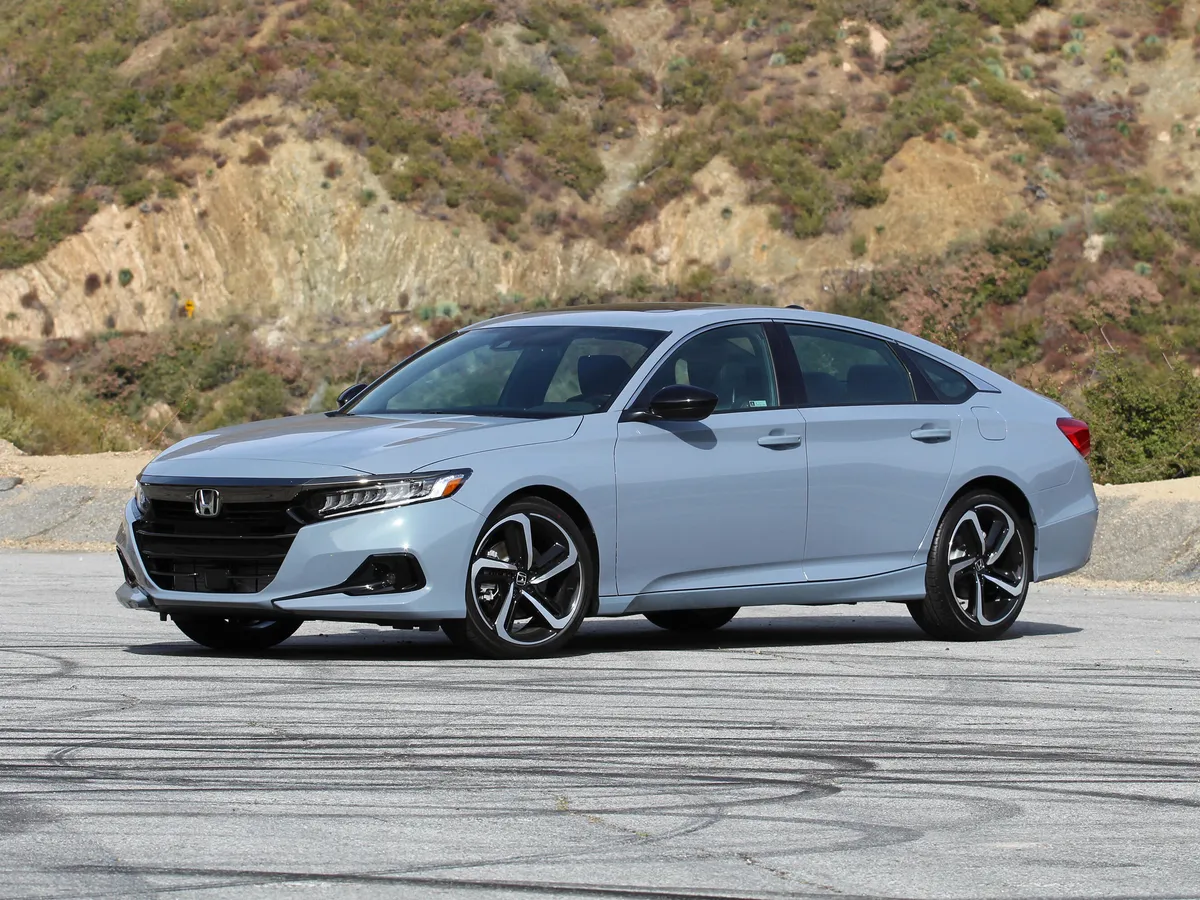
7. Honda Accord: A Perfect Blend of Reliability, Comfort, and Efficiency
The Honda Accord stands as one of the most reliable and enduring sedans on the market, often mentioned alongside the Toyota Camry. Known for lasting well beyond 200,000 miles with proper maintenance, it appeals to drivers seeking long-term dependability.
Honda’s engineering excellence, particularly in its engines and transmissions, allows the Accord to perform consistently for years without major breakdowns. Affordable replacement parts and ease of repair add to its practicality, reducing maintenance costs and ensuring lasting value.
These strengths help the Accord maintain strong resale potential, making it a smart investment for those prioritizing reliability and low ownership costs.
Driving the Accord is a refined experience that blends performance and comfort. The Sport-L hybrid version accelerates from 0 to 60 mph in just 7 seconds, outpacing most midsize hybrid rivals. Its continuously variable transmission mimics the feel of a traditional automatic, offering smooth power delivery.
The suspension system is tuned for comfort, absorbing bumps effectively while maintaining stability. Although the latest generation is larger than before, it remains composed and agile.
Visibility is excellent, aided by slim windshield pillars and a wide rear window. The Honda Sensing suite enhances safety with adaptive cruise control, collision mitigation braking, and lane-keeping assist, though the latter can occasionally feel intrusive.
Inside, the Accord combines simplicity with spacious comfort. Its wide door openings make entry and exit easy, and both front and rear seats provide generous legroom. The driver’s seat offers ample adjustability, though slightly firmer padding could improve long-distance comfort.
Cabin insulation effectively keeps out road noise, and the climate control system performs well in all conditions. The clean and functional interior design emphasizes usability, making it easy for drivers to focus on the road.
Technology in the Accord centers on a 12.3-inch touchscreen with wireless Apple CarPlay and Android Auto. Google Assistant integration is reserved for higher trims, though it would be a welcome addition to all versions. Storage is excellent, featuring a 16.7 cubic foot trunk, one of the largest in its class, and plenty of small compartments for everyday items.
Fuel efficiency is another major strength, with the hybrid achieving up to 48 miles per gallon combined. Even real-world tests show over 40 miles per gallon, balancing economy and performance. Though it lacks dramatic flair, the Honda Accord remains a benchmark for durability, comfort, and practicality, a sedan that quietly excels at everything that matters most.
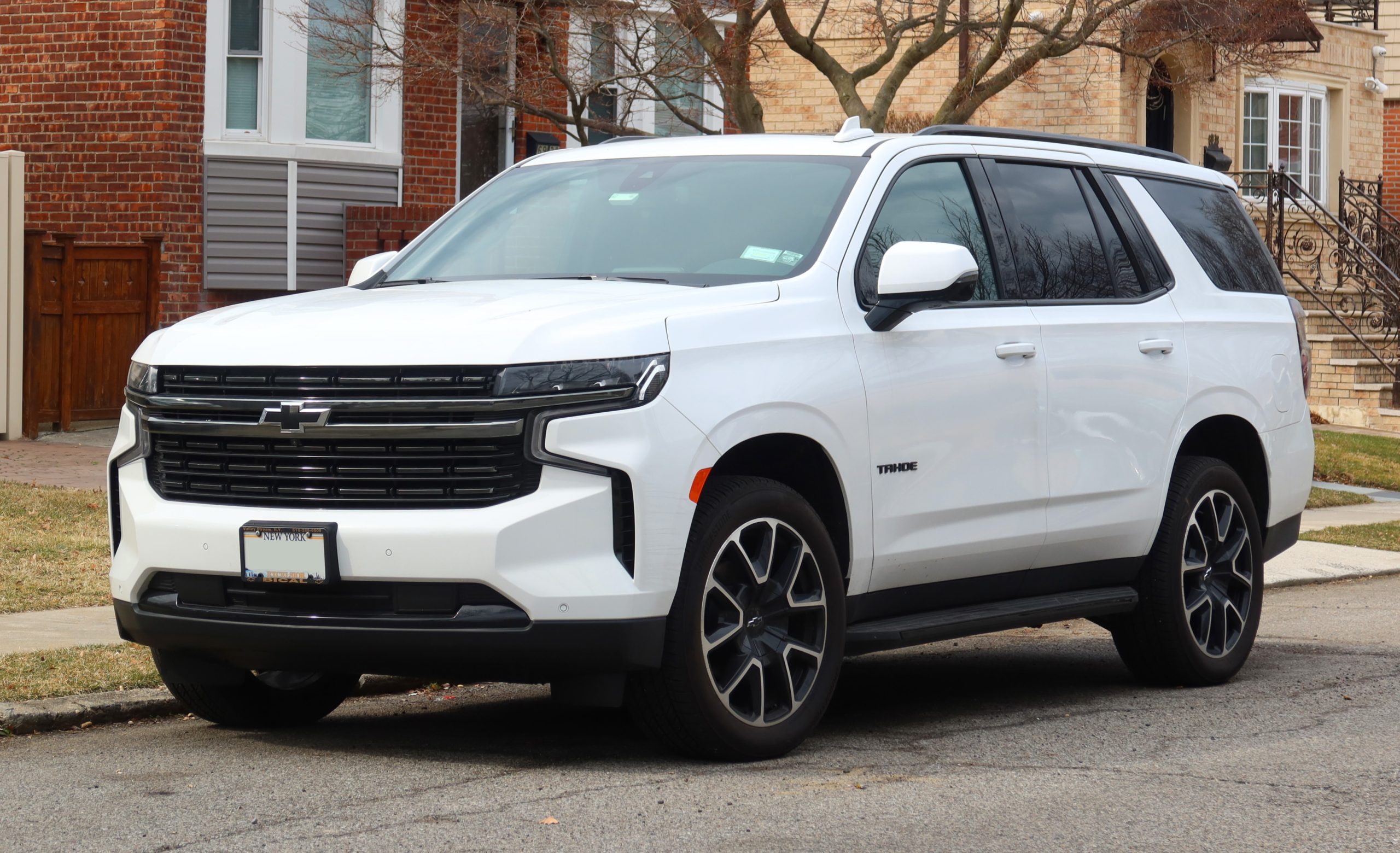
8. Chevrolet Tahoe: A Proven Full-Size SUV Built for Longevity
The Chevrolet Tahoe stands out as one of the most dependable full-size SUVs available, offering a blend of strength, comfort, and long-term reliability. Built on a durable frame with powerful engine options, it can handle demanding conditions and heavy use for years. Many Tahoe owners report surpassing 250,000 miles with consistent upkeep, a testament to the vehicle’s engineering and build quality.
The Tahoe’s V8 and diesel engines are designed for endurance and high performance under load. Both powertrains provide smooth acceleration and strong towing capacity, with the diesel model offering greater fuel efficiency and torque for long-distance driving.
Maintenance is uncomplicated, and parts are widely accessible, keeping operating costs reasonable. This reliability makes the Tahoe an appealing option for families, professionals, and outdoor enthusiasts who rely on consistent performance.
Inside, the Tahoe delivers a spacious and practical cabin. It seats up to eight passengers, with durable upholstery and surfaces that resist wear. The interior layout emphasizes comfort and usability, with generous headroom and legroom across all three rows. Climate control functions well in every seating area, though some wind and rear system noise can be noticeable at highway speeds.
Driving the Tahoe feels composed despite its size. The light steering and tight turning circle make maneuvering through traffic or parking lots relatively simple. An independent rear suspension provides a smoother ride and better handling than older models, while adaptive dampers absorb bumps effectively. The large windows and multiple camera views improve visibility, adding confidence in tight spaces.
Technology in the Tahoe is modern and easy to operate. The upgraded infotainment system uses a large, high-resolution screen with wireless Apple CarPlay and Android Auto. The interface is intuitive, though the system may occasionally require a reset.
The SUV includes several safety features such as adaptive cruise control, blind-spot monitoring, and lane keeping assistance, with Chevrolet’s Super Cruise available as an option for hands-free driving.
Cargo capacity is exceptional, offering 25.5 cubic feet behind the third row and a massive 122.7 cubic feet with all rear seats folded. Towing strength is equally impressive, with ratings up to 8,400 pounds depending on configuration. Fuel economy ranges from 17 mpg with the 5.3-liter V8 to around 21 mpg with the diesel engine.
The Chevrolet Tahoe combines durability, versatility, and comfort in a package built to last. Its strong resale value and proven reliability make it a trusted choice for those seeking a long-lasting full-size SUV that balances practicality and performance.
9. Toyota Land Cruiser: Built for Endurance and Adventure
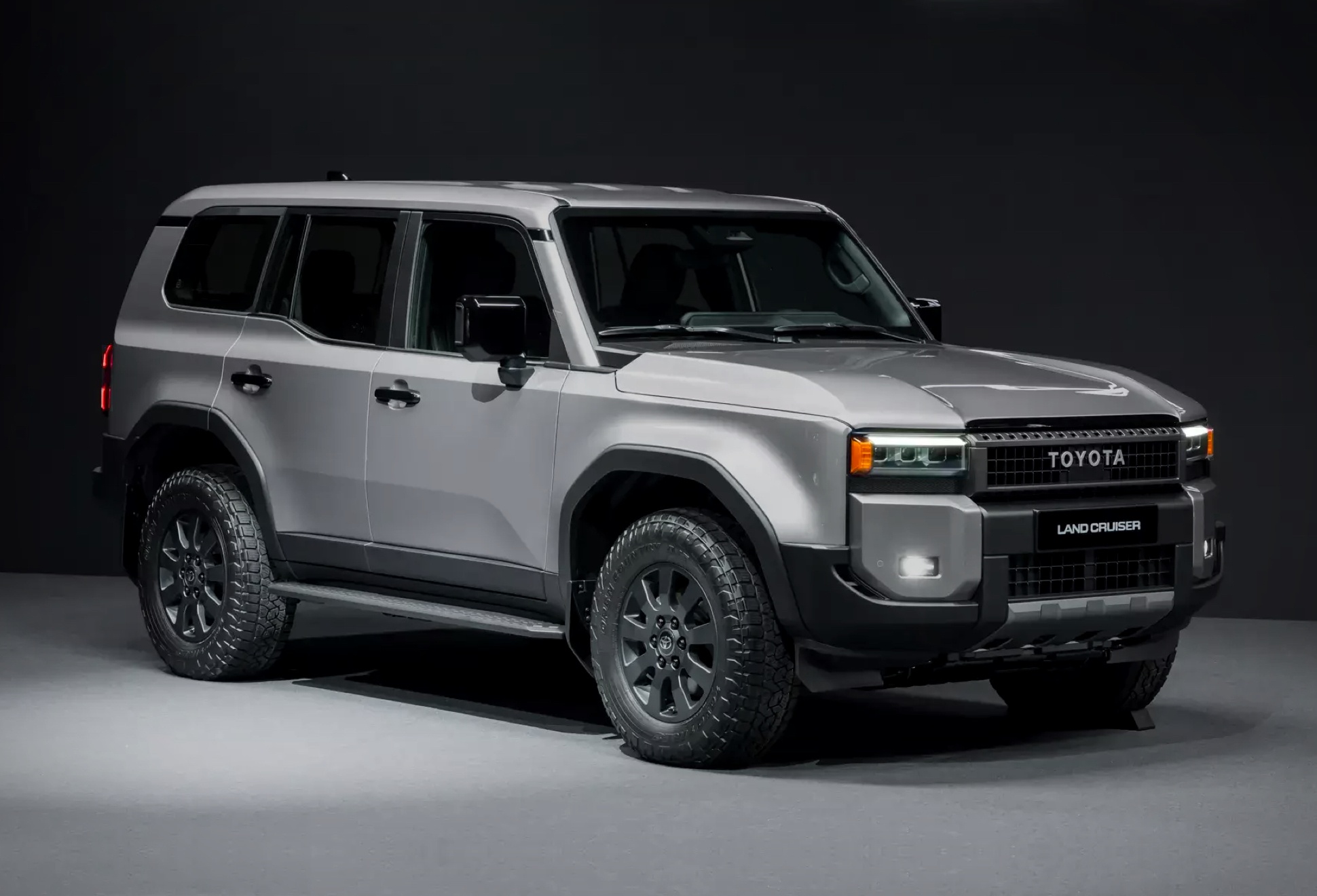
The Toyota Land Cruiser has long stood as a benchmark for durability and dependability. It thrives in environments where other SUVs might struggle, from rugged mountain trails to endless stretches of highway. Known for lasting decades with proper maintenance, it has become a symbol of reliability and strength, offering a rare blend of toughness and refinement.
The Land Cruiser’s design emphasizes long-term performance. Its hybrid powertrain and four-wheel-drive system provide dependable traction and smooth power delivery on and off the road.
The vehicle’s engineering prioritizes longevity, using components proven to handle heavy use and challenging terrain. Maintenance is straightforward, and replacement parts are easy to source, keeping ownership costs manageable for a vehicle of its class.
Inside, the cabin balances practicality and comfort. Seats offer firm yet supportive cushioning, making long drives less tiring. The layout of controls is logical and accessible, with climate settings and essential functions placed within easy reach.
Materials throughout the interior are durable and well-fitted, capable of withstanding years of use without showing significant wear. Noise insulation is also excellent, helping maintain a calm environment even on uneven surfaces.
Driving the Land Cruiser highlights its dual nature: composed on pavement and confident off-road. While it may not be quick, it provides stable handling and a secure feel. The suspension smooths out rough patches effectively, though steering can feel heavy at lower speeds. Off-road, its traction systems, hill control, and sturdy chassis allow it to navigate mud, gravel, and rocky paths with ease.
Technology is functional and easy to operate. The infotainment system offers wireless smartphone integration and a responsive touchscreen. Several USB ports and a power outlet enhance practicality for long journeys. Safety systems such as adaptive cruise control, lane keeping assistance, and Proactive Driving Assist work well, though some users may find them slightly intrusive.
Cargo space is generous at 37.5 cubic feet, though the raised floor from the hybrid battery can make loading larger items tricky. Towing capacity reaches 6,000 pounds, suitable for small trailers and recreational equipment.
While not the cheapest option, the Toyota Land Cruiser’s build quality and dependability justify its cost. Its strong resale value and legendary reputation make it a solid investment for drivers seeking a vehicle that performs equally well in the city, on the highway, and far beyond the pavement.
10. Nissan Frontier: Dependable and Built to Last
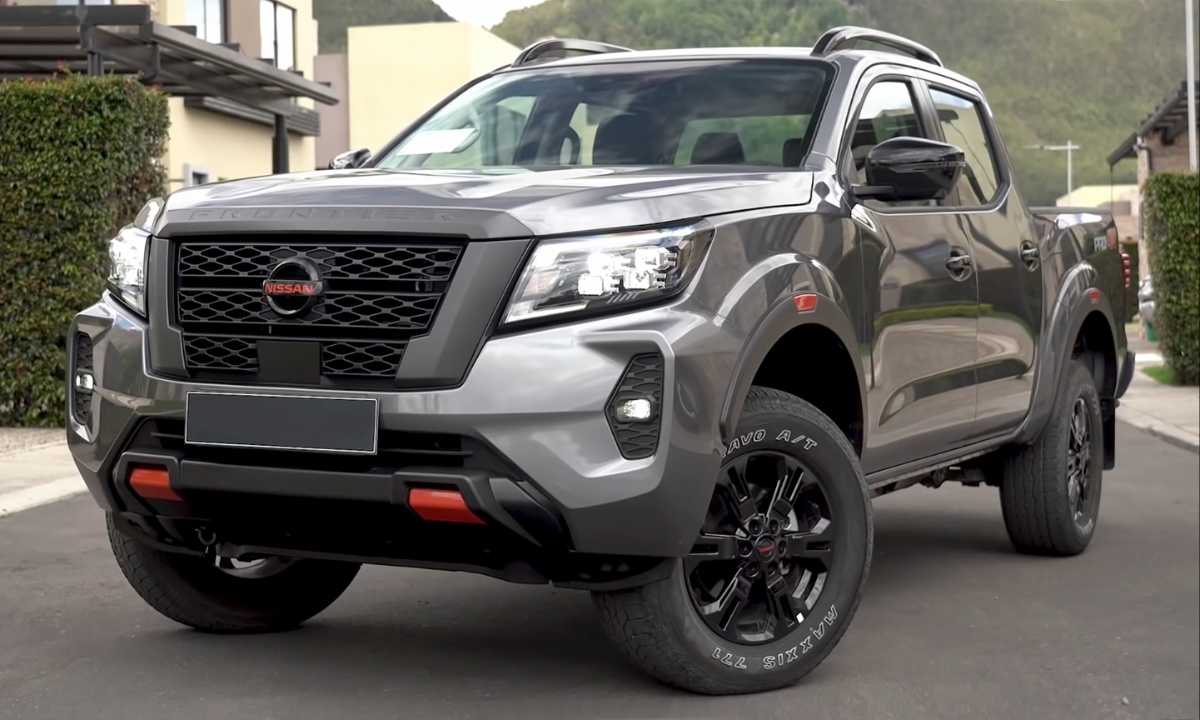
The Nissan Frontier has earned a reputation as one of the most reliable midsize pickups available. Its focus on practicality and strength, rather than excessive luxury, helps it stay durable over the long haul. Many owners have driven their Frontiers well past 200,000 miles with few issues, making it a trusted companion for both work and daily driving.
Power comes from a sturdy V6 engine paired with a smooth-shifting automatic transmission. This combination delivers consistent performance, whether hauling heavy loads or cruising on the highway.
Repairs are generally straightforward, and replacement parts are easy to find, which keeps maintenance costs manageable. The Frontier’s simple design is one of its strongest traits, as fewer complicated systems mean fewer chances for mechanical trouble.
Inside, the truck’s cabin is designed with functionality in mind. The materials are tough and built to resist wear, while the seats provide firm support during long drives. The dashboard layout is clear, and most controls are within easy reach, though some buttons could be better organized.
Wind noise at higher speeds can be noticeable, but the ride quality makes up for it. The suspension absorbs bumps well, providing a stable and composed experience both on city streets and uneven terrain.
Technology is practical and user-friendly. The Frontier includes a standard 8-inch touchscreen, with an optional 12.3-inch upgrade available on higher trims. Apple CarPlay and Android Auto come standard, along with features like trailer sway control and automatic emergency braking. Optional driver aids and a surround-view camera system improve safety, though the camera resolution could be sharper.
When it comes to capability, the Frontier delivers where it counts. It can tow up to 7,150 pounds and carry a payload of up to 1,620 pounds. The bed offers smart touches such as adjustable tie-down cleats, a spray-in liner, and available lighting. Inside the cab, storage compartments and cupholders are well placed, making it easy to organize essentials.
Fuel economy is reasonable for a midsize truck, averaging about 19 mpg combined. It’s efficient enough for regular commuting while still offering the muscle needed for demanding jobs.
The Nissan Frontier stands out for its toughness, simplicity, and value. It may not have all the high-end touches of luxury competitors, but it delivers what matters most: a solid, dependable truck built to handle years of hard work without complaint.
11. Mazda CX-5: A Reliable and Engaging Compact SUV
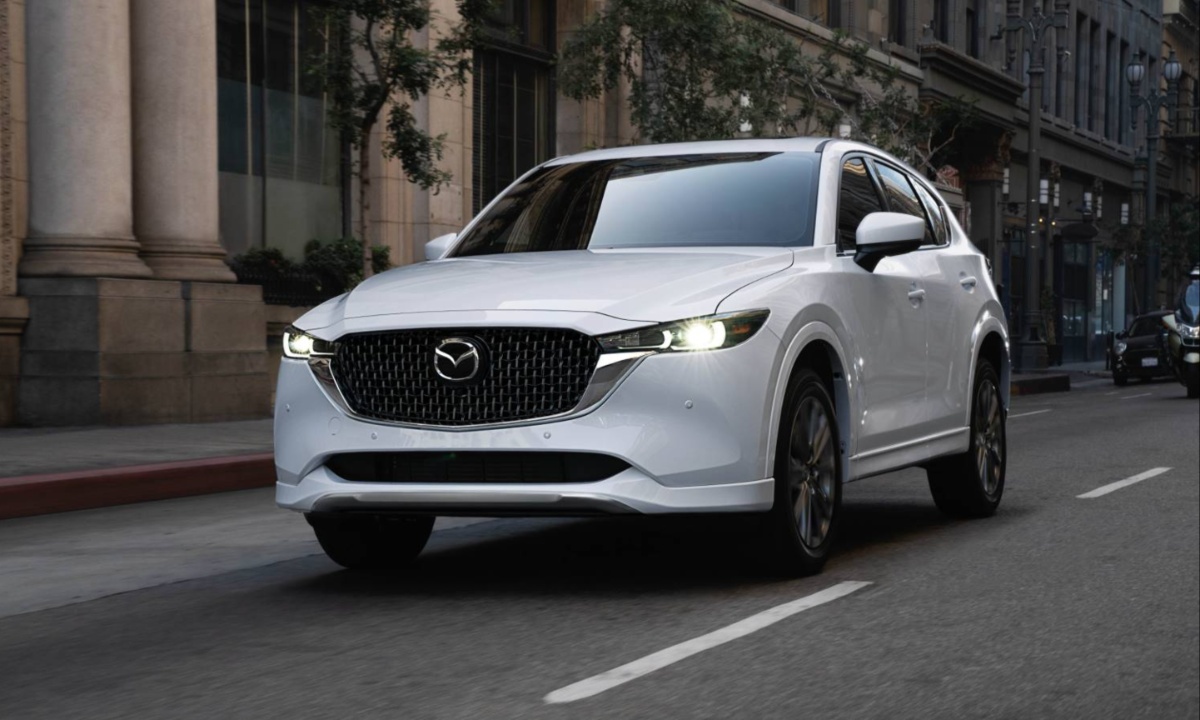
The Mazda CX-5 blends performance, style, and long-term dependability in a compact SUV package. It stands out for its engaging driving dynamics and build quality while maintaining the practical reliability expected from Mazda. Owners consistently report smooth operation and low maintenance costs, even after many years of use, setting it apart from some luxury competitors that tend to age less gracefully.
Mazda’s Skyactiv engines are key to the CX-5’s endurance. These powertrains balance fuel efficiency with strong performance while using components engineered for reduced wear. The available turbocharged engine adds impressive power for highway driving without sacrificing durability. Repairs are straightforward, and parts remain affordable, helping the CX-5 stay on the road for hundreds of thousands of miles.
Inside, the CX-5 delivers both comfort and resilience. The seats are supportive and shaped for long drives, while the interior materials are designed to resist aging and maintain a premium look.
The cabin is quiet, and the physical controls for climate and audio systems are intuitive, avoiding the overcomplicated touch panels found in many newer vehicles. The ride is slightly firm, but it gives the SUV a sportier and more controlled feel on corners and winding roads.
Technology in the CX-5 focuses on simplicity and reliability. The 10.25-inch display offers Apple CarPlay and Android Auto, though the lack of touchscreen functionality during driving can make operation cumbersome. The rotary control knob, however, feels solid and is easy to use when the vehicle is stationary.
Some features, such as the wireless charger, could be better executed, but the core infotainment system is stable and user-friendly. Safety equipment includes adaptive cruise control, blind-spot monitoring, and lane-keeping assistance, providing reassurance on long trips.
Storage space is practical, though slightly smaller than in some rivals. The cargo area offers 29.1 cubic feet of capacity, enough for luggage and groceries, but the liftgate opening is tighter than what competitors like the Honda CR-V provide. Interior storage for small items is sufficient, with deep door pockets and a well-sized center console.
Fuel efficiency remains strong for its class. The base engine achieves about 28 miles per gallon in combined driving, while the turbocharged version averages closer to 24. With standard all-wheel drive, durable construction, and a refined yet athletic feel, the Mazda CX-5 is a smart choice for drivers who want lasting reliability without giving up driving enjoyment or quality craftsmanship.
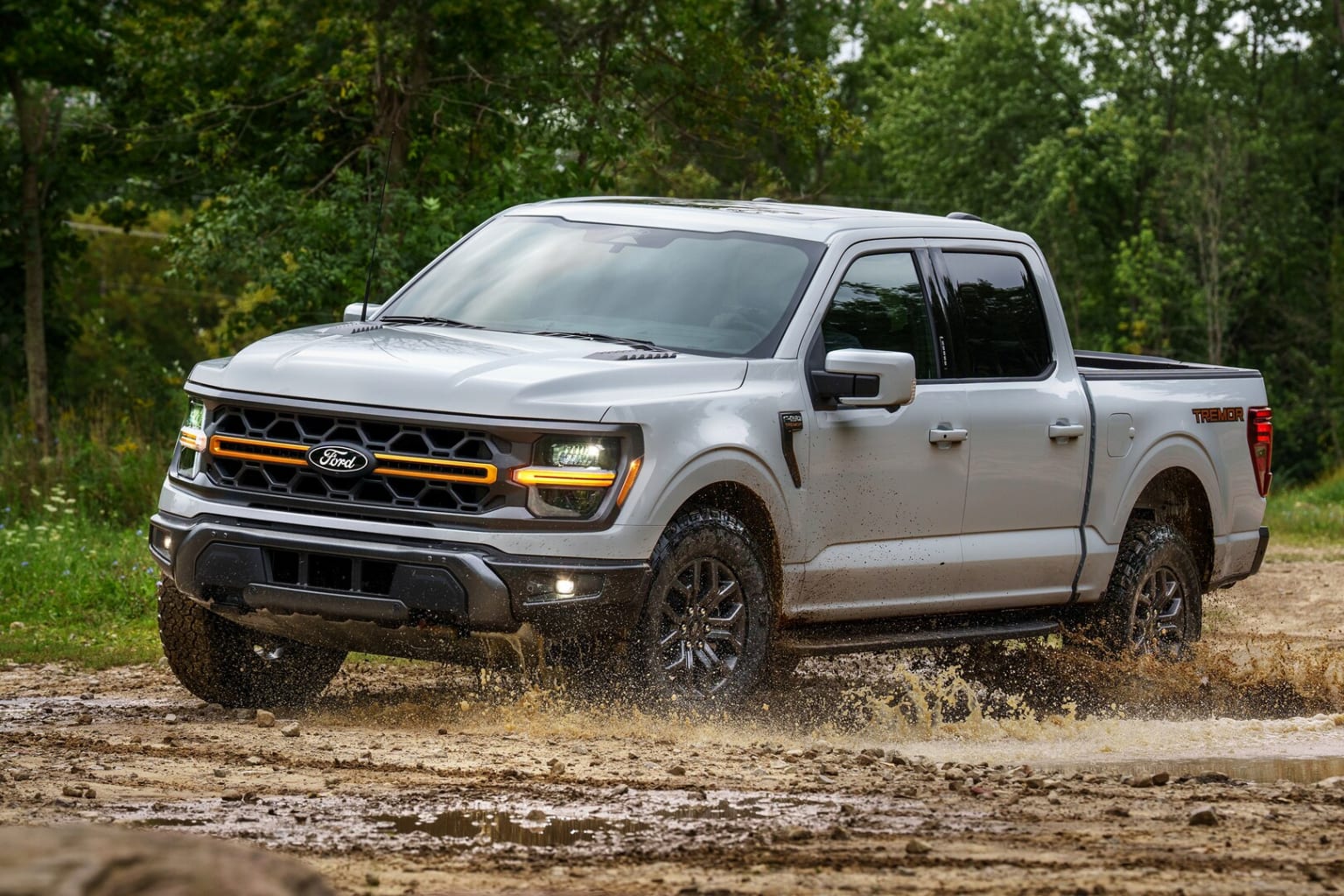
12. Ford F-150: A Durable and Versatile Workhorse
The Ford F-150 has long been recognized for its strength, endurance, and versatility. It remains one of the most trusted full-size trucks for drivers who need power, reliability, and comfort in equal measure. Built on a rugged frame and equipped with a wide selection of proven engines, the F-150 can easily surpass 300,000 miles when properly maintained, making it one of the most dependable vehicles in its class.
Ford offers several powertrains, including V6, V8, turbocharged, and hybrid options, each engineered for lasting performance. These engines are designed to handle heavy workloads, from towing and hauling to off-road use.
Replacement parts are easy to find, and mechanics are well acquainted with the F-150’s systems, keeping maintenance simple and cost-effective. Its durability and serviceability make it a practical choice for both work and recreation.
Inside, the F-150 offers a blend of comfort and functionality. Seats are well-cushioned and supportive, with available heating, ventilation, and even massage functions on higher trims.
The cabin is spacious, and road noise is minimal, creating a calm driving environment. The interior materials are sturdy and chosen to withstand daily use, while the intuitive layout ensures that drivers can operate controls easily, even while wearing gloves.
Technology plays a major role in the truck’s modern appeal. A large 12-inch touchscreen, standard smartphone connectivity, and available driver aids such as adaptive cruise control and lane centering add convenience.
The optional BlueCruise system allows hands-free driving on certain highways, making long commutes more manageable. The Pro Power Onboard system is another standout, turning the truck into a mobile generator with outlets in the bed for powering tools or camping gear.
When it comes to capability, the F-150 sets the benchmark for light-duty pickups. Properly equipped, it can tow up to 13,500 pounds and haul over 2,400 pounds. Features like the power tailgate, tailgate step, and optional split-opening design make loading and unloading easier. Despite its size, steering is precise, giving the truck a confident and surprisingly nimble feel.
Fuel economy depends on the setup, with combined ratings ranging from 19 to 23 miles per gallon. While not the most efficient in the segment, these numbers are reasonable given its strength and towing capacity. The F-150’s combination of reliability, adaptability, and advanced technology keeps it a leading choice for drivers who value both utility and long-term dependability.
Luxury can lose its shine over time, but reliability remains a lasting quality. The vehicles featured in “12 Cars That Outlast Modern Luxury Competitors” demonstrate how thoughtful design, durable construction, and proven engineering deliver real long-term value.
From the adventurous Subaru Outback to the powerful Ford F-150 and refined Lexus ES, each model represents strength and dependability that stand the test of time. These cars are built to stay solid through years of daily driving while maintaining comfort, safety, and performance.
They avoid unnecessary complexity and high repair costs, focusing instead on practical, reliable operation. While many luxury models prioritize style and short-term appeal, these vehicles deliver confidence that lasts for hundreds of thousands of miles.
True automotive satisfaction comes not from prestige but from peace of mind, knowing your vehicle will continue performing dependably no matter how many years or miles pass.
Also Read: 10 Cars That Defy Depreciation Completely After Long-Term Use