When buying a car, the initial cost is only part of the equation. Long-term value plays an equally important role. Cars that maintain their worth over time save owners thousands in depreciation and make a smarter investment.
From compact hatchbacks to high-performance sports cars and rugged pickups, certain models consistently outperform others when it comes to resale value. Factors such as brand reputation, reliability, fuel efficiency, performance, and market demand all influence how well a car holds its value.
In this article, we explore 12 cars known for their long-term resale strength, from the versatile Toyota RAV4 and Tacoma to iconic sports cars like the Porsche 911 and Chevrolet Corvette.
Whether you prioritize practicality, driving enjoyment, or investment potential, these vehicles represent some of the most dependable and desirable options for buyers seeking lasting value.
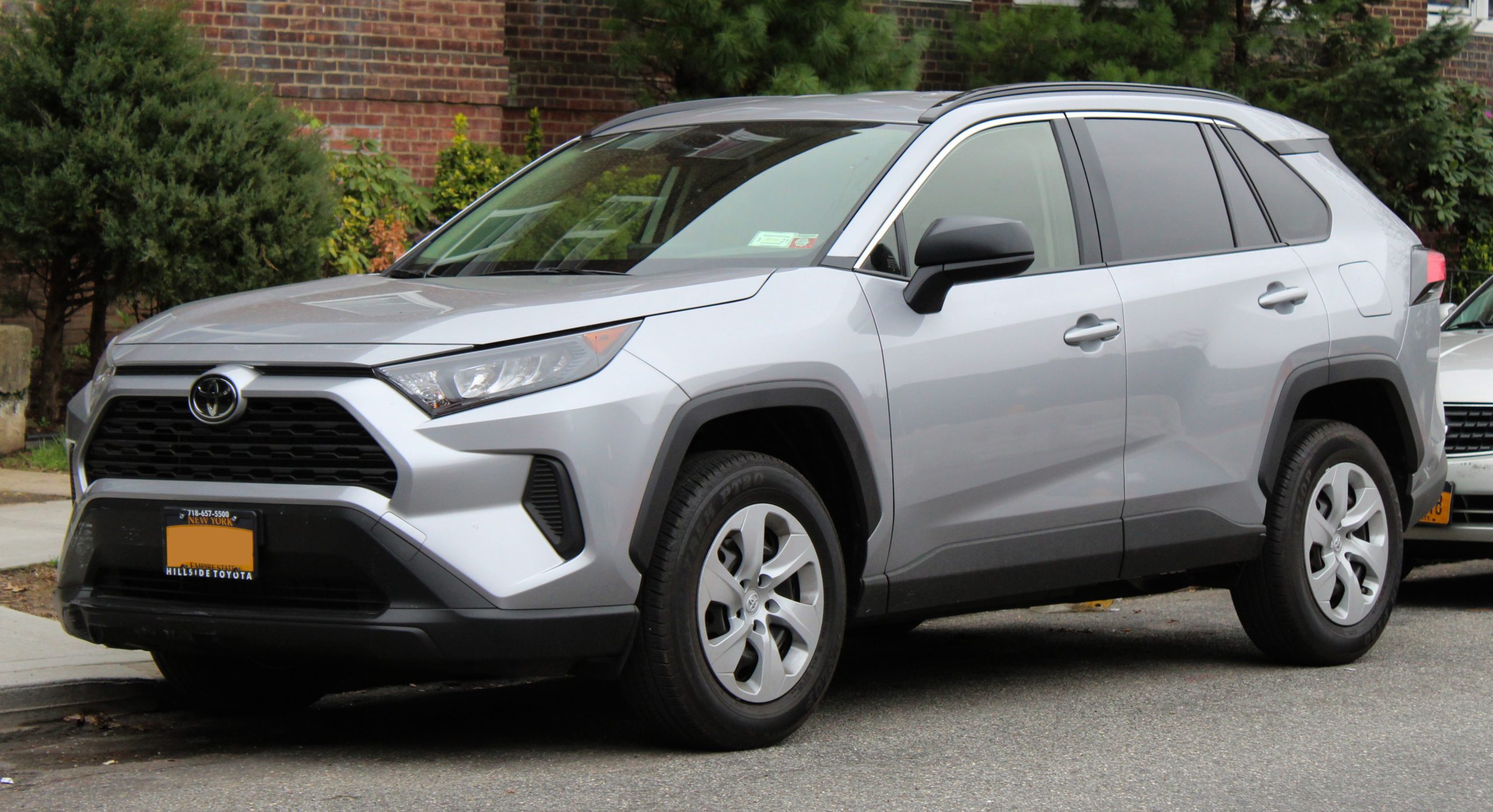
1. Toyota RAV4/RAV4 Hybrid: A Reliable, High-Value Compact SUV
The Toyota RAV4 and RAV4 Hybrid boast an impressive five-year depreciation rate of 30.9%, meaning they lose about $9,233 of their original MSRP during that period. This is nearly 15% better than the industry average, reflecting their exceptional resale value. Their long-term worth is driven by Toyota’s renowned reliability, the high demand for compact SUVs, and the RAV4 Hybrid’s superior fuel economy and cost efficiency.
Toyota’s reputation for reliability ensures low maintenance costs and strong consumer trust. As a pioneer in the compact SUV market, the RAV4 continues to attract families and individuals seeking durability and practicality.
The RAV4 Hybrid’s fuel efficiency and eco-friendly technology further enhance demand, while Toyota’s proven hybrid system reinforces long-term reliability. Its versatile design, offering spacious cargo and comfort, appeals to a wide range of buyers. Additionally, affordable maintenance and Toyota’s extensive service network contribute to its desirability in both new and used markets.
Both RAV4 models maintain high reliability scores. The 2024 RAV4 and Hybrid earned a 76/100 from J.D. Power (average rating), while Consumer Reports awarded the 2025 RAV4 an 86/100, reflecting strong reliability and owner satisfaction.
While most owners praise the RAV4’s performance and efficiency, minor concerns include comfort during long drives and issues with body hardware, factory tires, and the all-wheel-drive system, which may overheat or engage late.
Toyota offers one of the strongest warranties in its class: 10 years/150,000 miles for the hybrid battery and 8 years/100,000 miles for the hybrid system. Owners generally report excellent battery longevity, adding confidence to long-term ownership.
The Toyota RAV4 and RAV4 Hybrid stand out as dependable, efficient, and value-retaining SUVs, making them top contenders for buyers prioritizing reliability, practicality, and long-term savings.
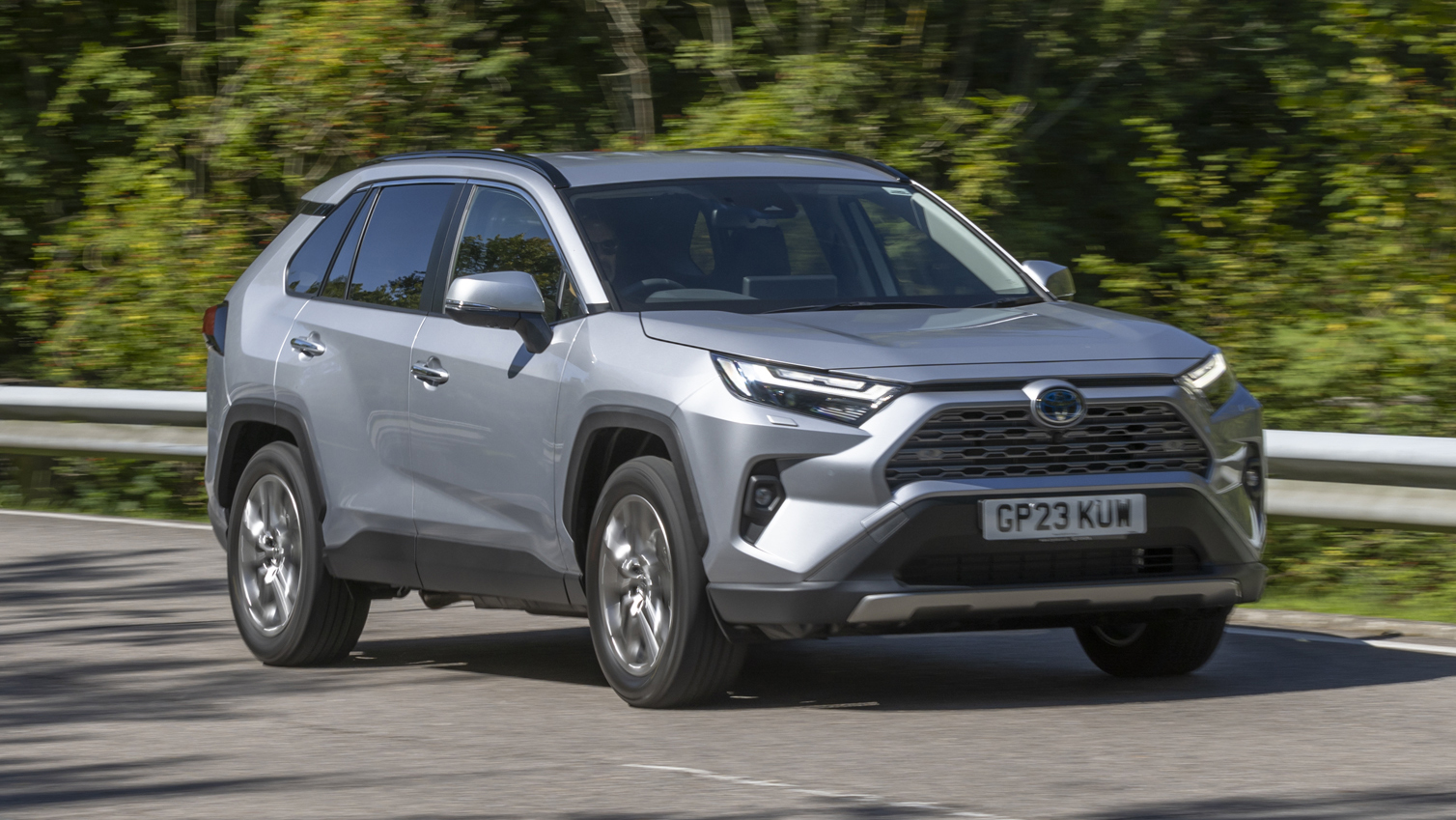
2. Subaru BRZ: A Reliable and Fun-to-Drive Sports Car
The Subaru BRZ experiences an average five-year depreciation rate of 30.2%, losing approximately $9,424 of its original value. This means it retains value over 15% better than the average vehicle, making it a strong choice for buyers seeking long-term value.
Its resale appeal is fueled by Subaru’s reputation for reliability, enthusiastic driving dynamics, and straightforward maintenance. Modern second-generation models enhance desirability with features like digital instrument clusters and advanced driver-assist systems.
Subaru’s reliability and consistent engineering quality instill buyer confidence. The BRZ enjoys strong demand, particularly among driving enthusiasts who value its performance and handling. Affordable maintenance and robust safety ratings, along with modern amenities, further support its resale potential. The car’s timeless design ensures it remains visually appealing even as it ages.
Resale can vary based on vehicle condition, mileage, model year, and modifications. Stock or high-quality modifications help maintain value, while poorly executed modifications may reduce it.
The BRZ is generally reliable for daily driving, thanks to solid Japanese engineering, though its potential for major repairs is slightly higher than some competitors. With proper care, the car can exceed 200,000 miles, and its typical lifespan averages around 126,618 miles.
Owners may encounter tail light condensation, front bumper paint chips, minor electrical glitches, and, for manual models, potential throw-out bearing issues around 60,000 miles.
Regular oil changes, fluid checks, and preventative maintenance are essential. Mindful driving habits can extend the vehicle’s lifespan, and pre-purchase inspections are recommended when buying a used BRZ to ensure reliability.
The Subaru BRZ combines enthusiastic performance, reliability, and strong resale value, making it a standout sports car for buyers seeking both fun and long-term dependability.
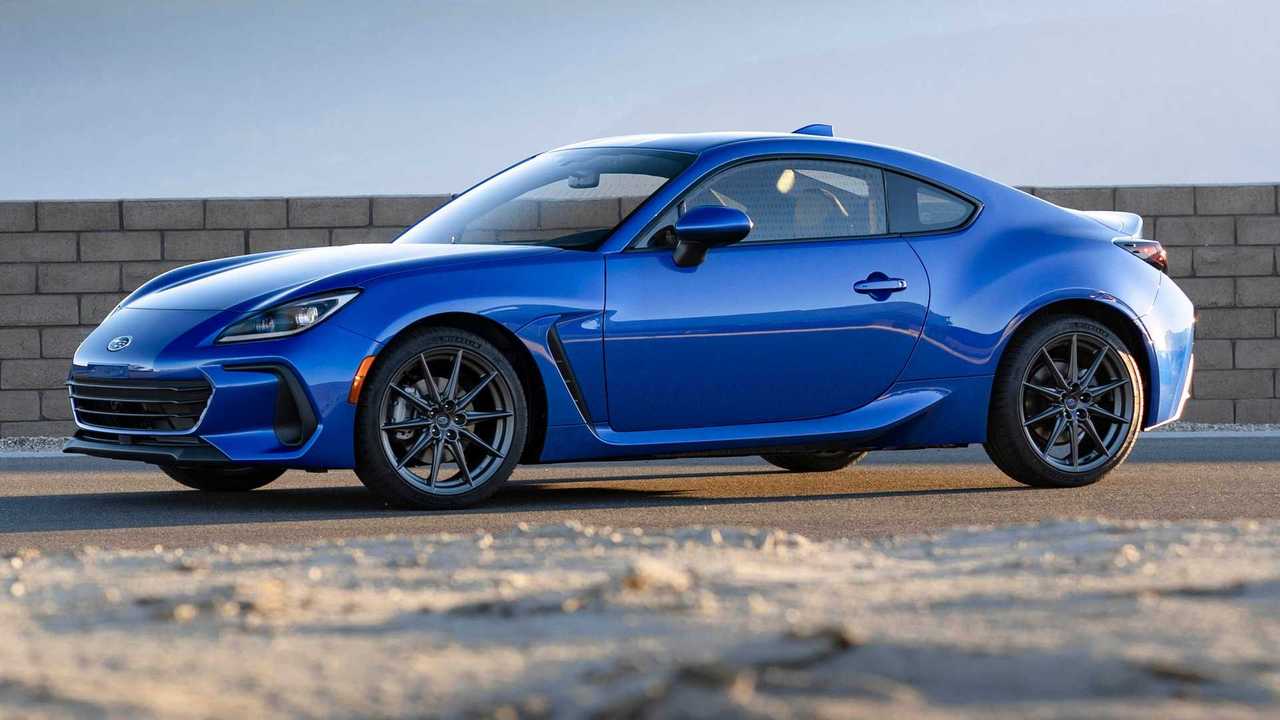
3. Toyota Corolla Hatchback: A Dependable and Efficient Compact Car
The Toyota Corolla Hatchback has an average five-year depreciation rate of 30.1%, losing roughly $7,156 of its original value. This strong retention reflects its enduring appeal in the used car market, driven by Toyota’s reputation for reliability, durability, and cost-efficient operation.
The Corolla Hatchback benefits from Toyota’s proven reliability and consistent engineering, which reduces long-term costs and gives buyers confidence in its durability. Its excellent fuel efficiency enhances value by lowering running costs, while simple maintenance ensures ownership remains affordable.
The Corolla’s status as the world’s best-selling car maintains high demand in the used market, supporting strong resale values. Additionally, the vehicle typically avoids large manufacturer incentives and fleet sales, which helps preserve its price retention.
Toyota’s long-standing brand reputation translates directly to the Corolla Hatchback’s reliability. Built with durable components and a dependable engine and transmission, the hatchback can last 10–15 years or more with proper maintenance.
Organizations like RepairPal and Kelley Blue Book consistently rate the Corolla Hatchback highly for quality and dependability. Owners frequently cite longevity and low maintenance needs as key advantages.
Regular maintenance is essential to sustain reliability over time. While most model years are dependable, some, like the 2020 Corolla Hatchback, are often highlighted for particularly strong performance in terms of quality. Potential buyers should note that the car emphasizes practicality and efficiency over performance, so driving excitement is limited compared with sportier alternatives.
The Toyota Corolla Hatchback stands out as a practical, reliable, and fuel-efficient compact car. Its strong resale value, low maintenance costs, and enduring brand reputation make it a smart choice for buyers seeking dependable transportation with minimal long-term expenses.
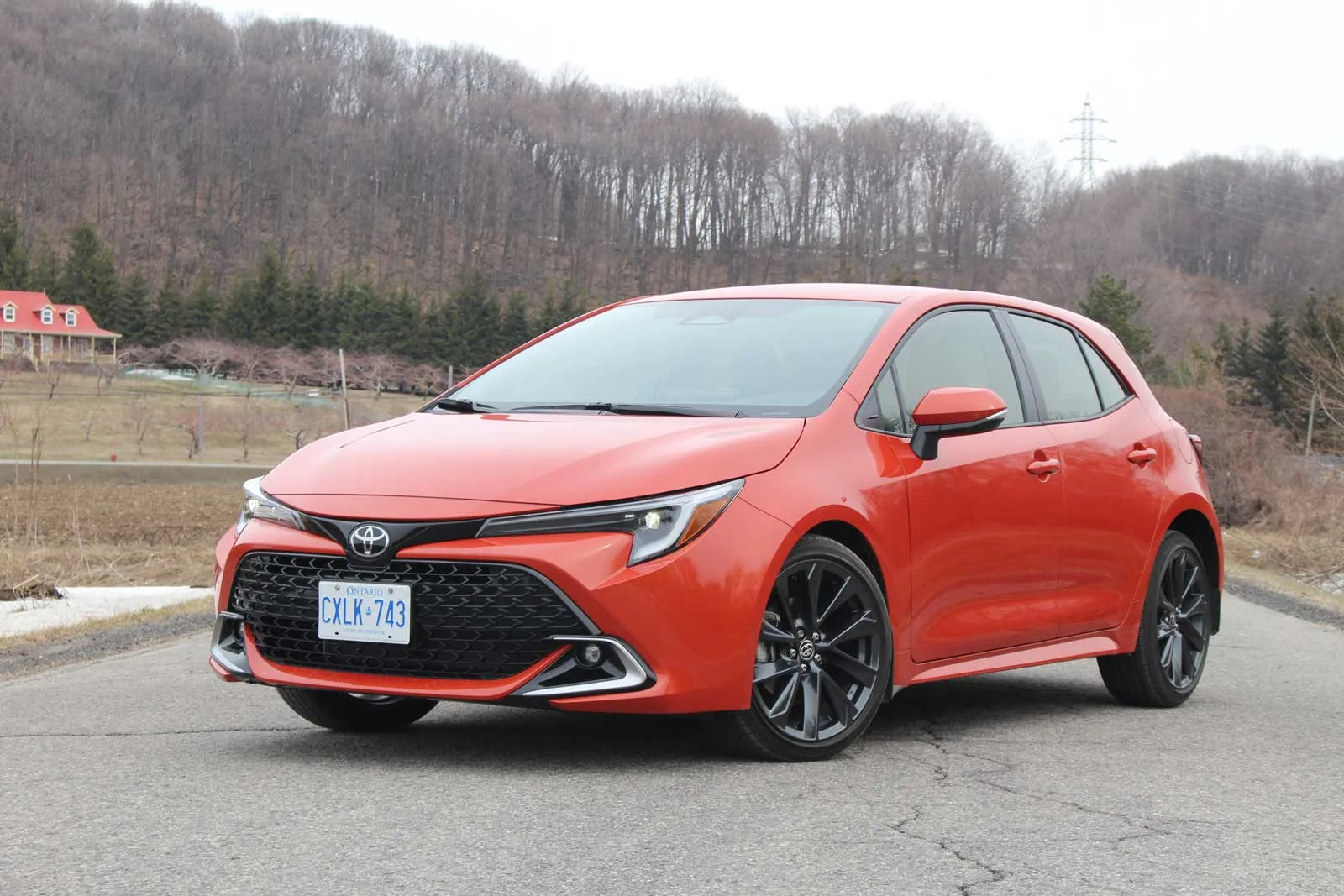
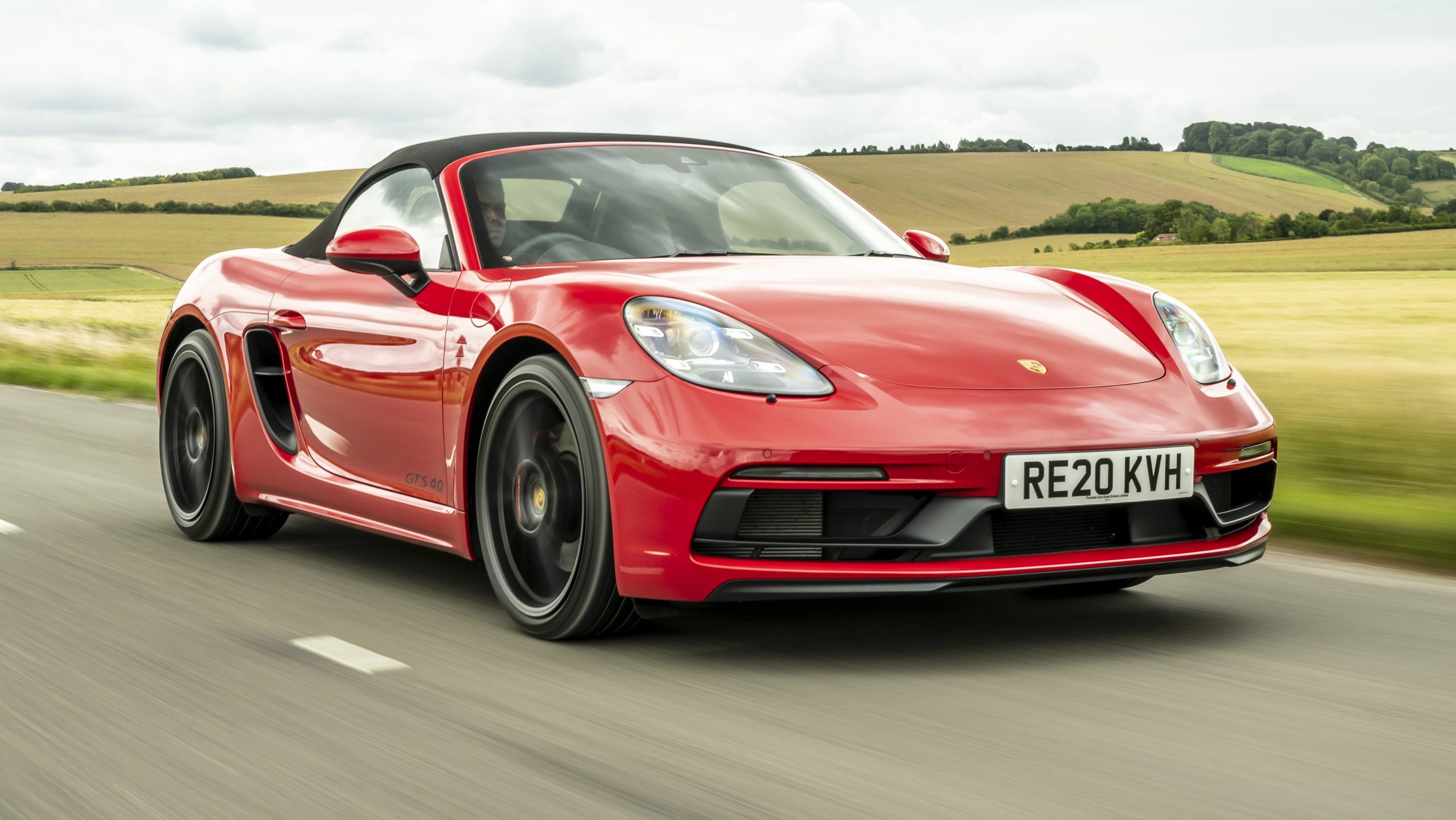
4. Porsche 718 Boxster: A High-Performance Sports Car with Strong Resale Value
The Porsche 718 Boxster has an average five-year depreciation rate of 29.6%, losing about $22,155 of its original MSRP. This places it 16% above the average vehicle in value retention. Its enduring appeal is driven by Porsche’s brand prestige, exceptional handling, and the growing demand for analog, six-cylinder sports cars as the automotive market transitions toward electric vehicles.
The 718 Boxster benefits from Porsche’s luxury and performance reputation, which ensures high desirability. Its mid-engine chassis and precise handling make it an enthusiast favorite, while reliability and build quality contribute to long-term value. Special attention is given to six-cylinder models like the GTS 4.0 and Spyder, which are poised to become modern classics.
As Porsche phases out internal combustion engines, these analog sports cars are expected to maintain strong market demand. Low-mileage, well-preserved examples have additional collectibility potential.
While generally reliable, the 718 Boxster has some specific issues, especially in early models: turbo actuator and pressure converter failures (2.0L models), water pump and O2 sensor failures, second-gear grinding, exhaust valve issues, and occasional sagging headliners or AC compressor problems.
Later models (post-2019) show fewer of these problems. Porsche ranks high in brand dependability surveys, and the 718 is praised for its build quality, performance, and handling.
Potential buyers should conduct a thorough inspection of service records, particularly for early models, and perform a test drive focusing on gear operation and exhaust performance. Be prepared for higher maintenance and repair costs, which are typical for luxury sports cars.
The Porsche 718 Boxster offers excellent driving dynamics, brand prestige, and strong resale value, particularly for six-cylinder models. Enthusiasts seeking a modern analog sports car will find it a compelling choice, though careful attention to maintenance history is essential for long-term reliability.
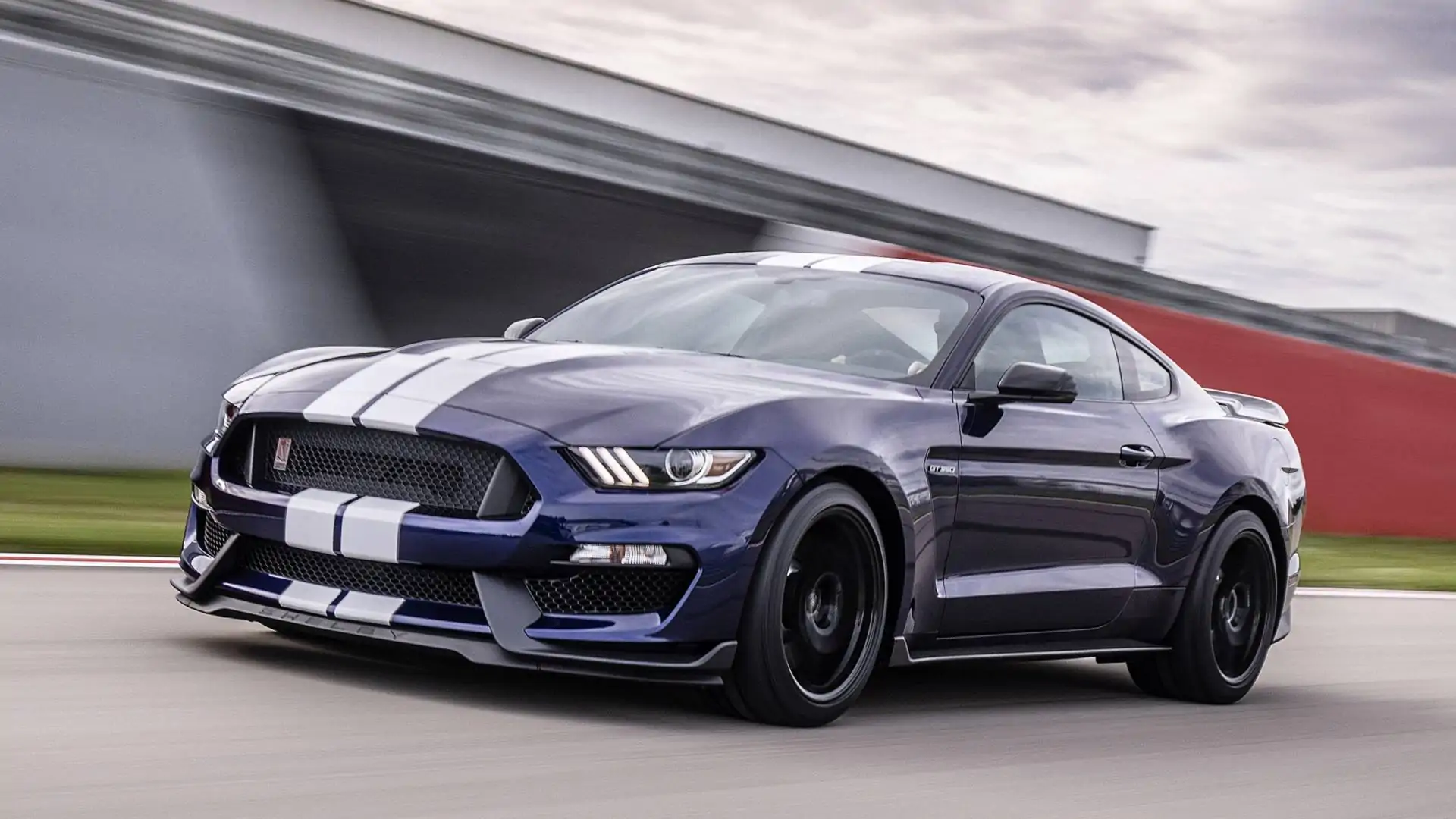
5. Ford Mustang: Iconic Muscle Car with Long-Term Value
The Ford Mustang remains one of the most recognizable American sports cars, with a five-year depreciation rate of 29.2%, resulting in a loss of about $9,325 from its original MSRP. This rate of value retention is relatively strong for a sports car and reflects the Mustang’s continued desirability in the used market.
Its position as one of the last traditional muscle or “pony” cars, especially after the discontinuation of competitors like the Chevy Camaro and Dodge Challenger, ensures steady demand and helps preserve resale value. The car’s design has maintained its appeal over decades, allowing it to remain relevant to buyers seeking a combination of style and performance.
Ford’s investment in durable materials and solid engineering has helped the Mustang maintain its performance over time. High-performance models and special editions, such as the Bullitt, attract enthusiasts and further support the vehicle’s value in both new and used markets.
The Mustang is generally reliable, though reliability varies by model year. Newer models, like the 2021 Mustang, are highly rated, while some earlier years, particularly 2015 through 2017, faced challenges with transmissions and electrical systems.
Manual transmission models, especially those equipped with the MT-82, have a history of premature wear, while certain automatic gearboxes have experienced shifting issues that required recalls.
Buyers looking for a dependable Mustang should research specific model years, check maintenance records, and inspect the exterior for paint issues, particularly on the hood and roof.
Choosing models with a 10-speed automatic or the TREMEC TR-3160 manual can help avoid common transmission problems. With its combination of iconic design, strong performance, and relatively moderate depreciation, the Ford Mustang remains a sought-after sports car that provides both driving enjoyment and long-term value.
This version rearranges the content for a smoother narrative flow without bullet points, emphasizing the car’s value retention, reliability, and buyer considerations.
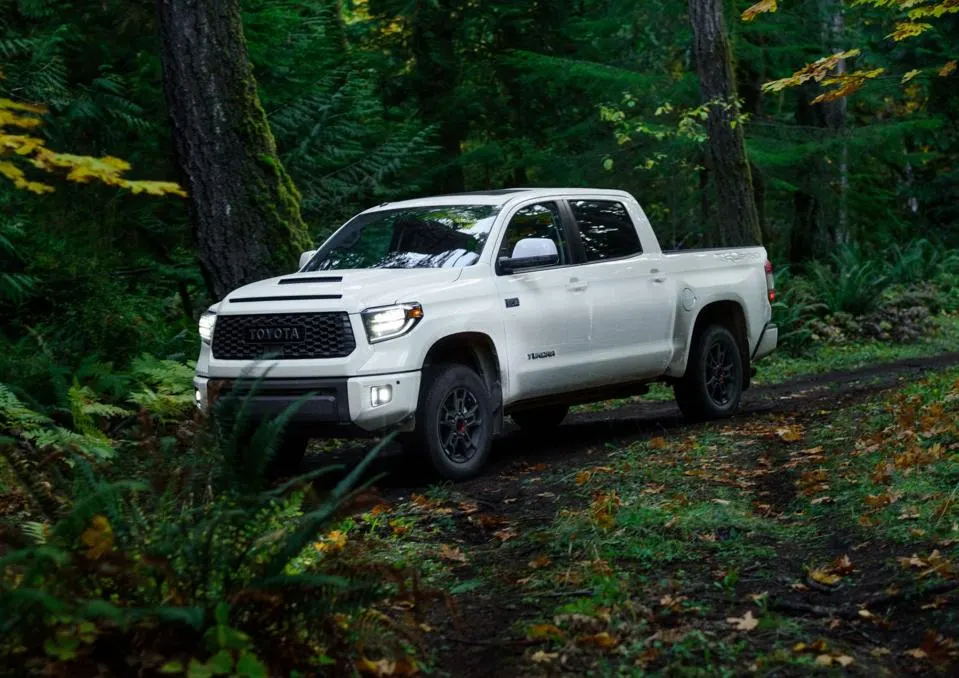
6. Toyota Tundra: Durable Pickup with Strong Resale Value
The Toyota Tundra is a full-size pickup truck with an average five-year depreciation rate of 29.1%, losing approximately $11,659 of its original MSRP. Its strong resale value is driven by Toyota’s reputation for reliability and durability, the high demand for used Tundras, and the vehicle’s exceptional longevity.
Many owners are willing to pay a premium for a pre-owned Tundra due to its proven ability to last for many years with lower running costs compared with competitors.
Earlier generations of the Tundra are celebrated for their exceptional reliability, with many trucks reaching 150,000 to over 250,000 miles on the original powertrain. These models consistently performed well in reliability surveys, and their durable engineering and high-quality materials have helped them retain value in the used truck market.
The body-on-frame design, combined with Toyota’s precise engineering, ensures the truck holds up even under heavy use, making it a smart long-term investment.
The current third-generation Tundra, starting with the 2022 model year, has faced challenges affecting reliability. Reports include engine problems with the new twin-turbo V6, occasional 10-speed transmission failures, and quality control issues such as improperly installed trims and recall-related defects.
These factors have contributed to lower predicted reliability scores from sources like Consumer Reports. Hybrid models of the new generation, however, are showing improved performance and may offer better long-term dependability.
When considering a Tundra, model year is a key factor. Buyers seeking proven durability should focus on pre-2022 models, while newer models, particularly hybrids, may improve with future refinements. Consistent maintenance remains critical for maximizing the truck’s lifespan, regardless of generation.
The Toyota Tundra combines strong brand reputation, durability, and high resale value, particularly in earlier generations. While recent models have introduced some concerns, the truck’s history of longevity and Toyota’s commitment to resolving issues suggest that the Tundra will continue to be a reliable and valuable choice for pickup truck buyers.
Also Read: 10 Cars That Remain Reliable Generation After Generation
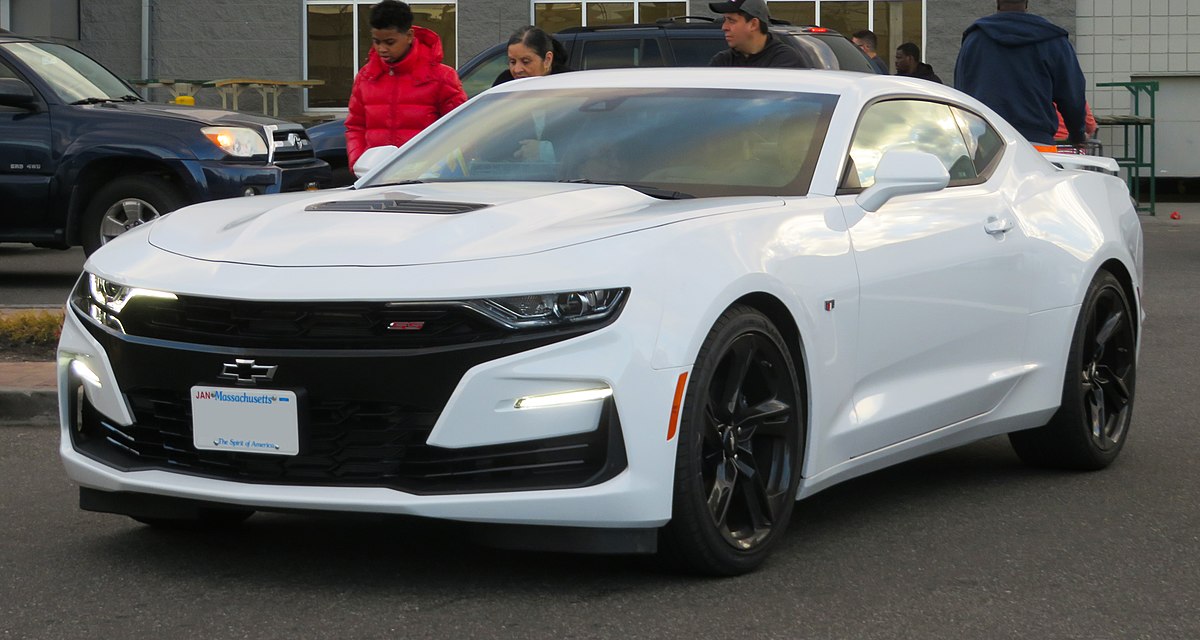
7. Chevrolet Camaro: Muscle Car Performance with Strong Resale
The Chevrolet Camaro is an American muscle car with a five-year depreciation rate of 28%, meaning it loses roughly $8,653 of its original MSRP. This rate is over 17% better than the average vehicle, reflecting the Camaro’s ability to maintain value over time.
Its long-term appeal is supported by strong demand for performance-oriented trims such as the SS, ZL1, and 1LE package, as well as well-maintained first-generation and limited-edition models, which remain sought after by collectors and enthusiasts. The Camaro’s performance heritage and strong brand following also contribute to its steady demand in the used car market.
Despite its strengths, the Camaro faces potential challenges that could affect future resale value. The discontinuation of the next-generation model may reduce availability and increase depreciation for base trims.
Additionally, the growing popularity of electric vehicles may shift buyer interest away from traditional muscle cars, and aging models could face higher repair costs due to parts scarcity. Competition from newer sports cars could further influence the Camaro’s resale trajectory over time.
Camaro reliability is generally above average, with a J.D. Power quality and reliability score of 84/100. With proper maintenance, both V6 and V8 models can surpass 100,000 miles, and the car’s annual repair costs are moderate for its class.
Common issues differ by generation: fifth-generation models (2010–2015) have been known to develop coolant leaks and occasional steering shudders, while early sixth-generation cars (2016–2018) sometimes experienced trunk leaks affecting electronics, manual transmission clutch wear, and engine shutdowns.
Owners looking to maximize value and reliability should focus on well-maintained models, adhere strictly to recommended service schedules, promptly address minor issues, and choose trims or editions that are most desirable in the market. Investing in first-generation or limited-edition Camaros can provide additional stability in resale value.
The Chevrolet Camaro offers a combination of muscle car performance, collectible appeal, and solid depreciation control, making it an attractive option for buyers seeking both driving excitement and long-term value.
8. Honda Civic: Reliable Compact Car with Strong Resale Value
The Honda Civic is a highly dependable compact car with a five-year depreciation rate of 28%, resulting in a loss of approximately $6,987 from its original MSRP. This rate places the Civic among vehicles with strong long-term value retention, driven by its reputation for reliability, low ownership costs, and consistent quality.
The Civic’s fuel efficiency, affordable maintenance, and high safety ratings make it a practical choice for buyers and maintain strong demand in the used car market.
Civic reliability is well-established, with many vehicles exceeding 200,000 miles when properly maintained. Honda’s use of durable components and relatively simple engineering reduces the likelihood of major failures, while fuel-efficient engines place less strain on mechanical systems, extending the car’s lifespan.
Consistent high ratings from organizations such as J.D. Power and Kelley Blue Book reinforce buyer confidence and contribute to the car’s strong resale value. Low average annual repair costs, around $368, further enhance the Civic’s affordability and desirability.
While generally dependable, some model years have specific issues that buyers should consider. Early 2000s models experienced transmission problems and Takata airbag recalls, while 2006–2009 models saw incidents of cracked engine blocks.
Prospective owners should research individual model years and confirm that any applicable recalls have been addressed. Routine maintenance, including oil changes, tire rotations, and servicing of cooling and suspension systems, is essential to sustaining the Civic’s longevity.
The Civic’s combination of reliability, fuel efficiency, and low maintenance costs, along with sustained market demand, ensures it retains value better than many competitors. Buyers seeking a compact car with proven durability, practical running costs, and strong resale potential will find the Honda Civic to be a dependable and wise investment for both short- and long-term ownership.
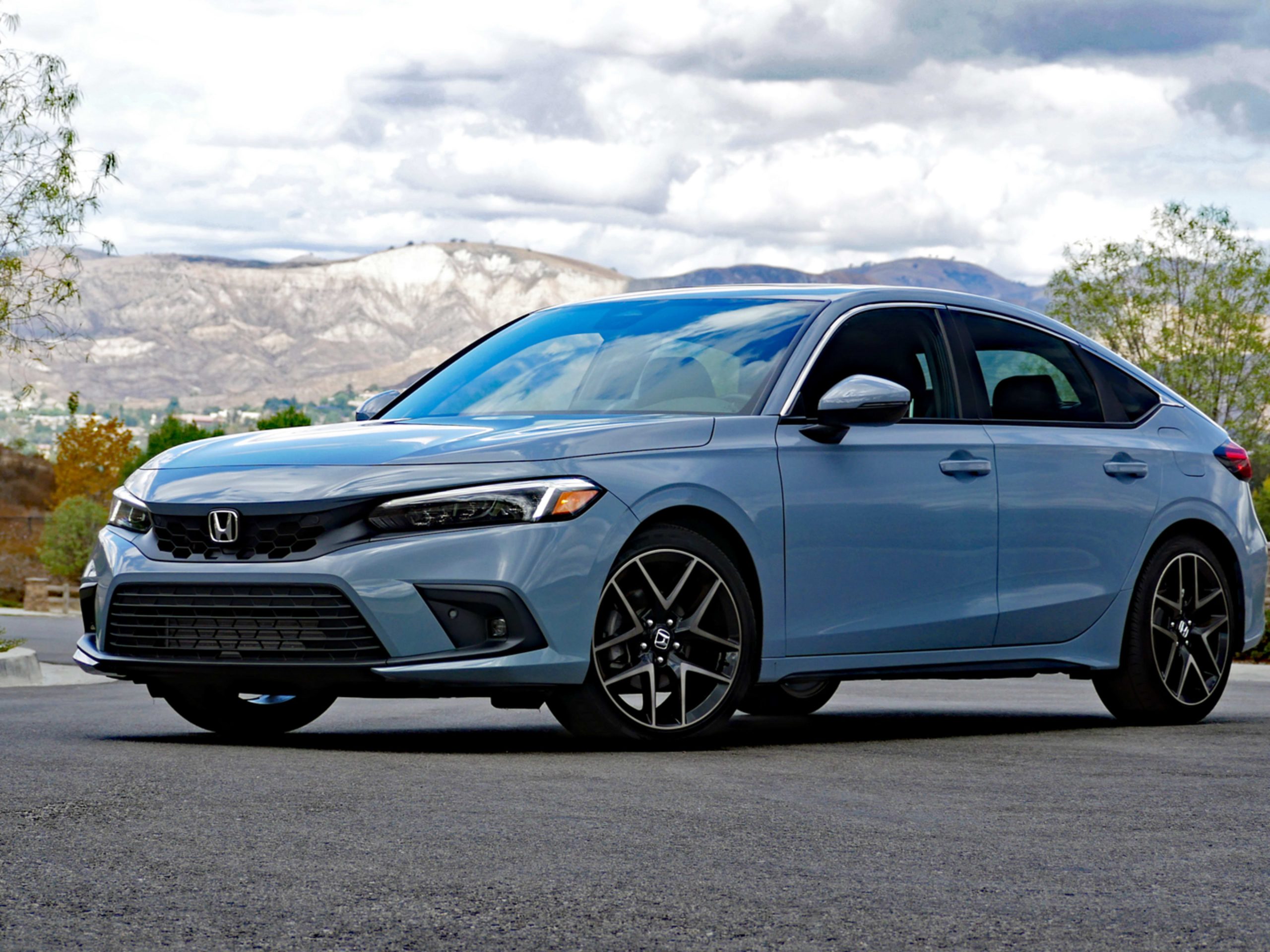
9. Chevrolet Corvette Coupe: American Supercar with Strong Resale Value
The Chevrolet Corvette coupe is an American sports car with a five-year depreciation rate of 27.2%, losing approximately $18,557 of its original MSRP. This represents an 18% better value retention than the average vehicle, making the Corvette a standout choice for enthusiasts seeking both performance and investment potential.
Its strong resale value is supported by high-performance capabilities, a long-standing heritage, and consistent demand from sports car enthusiasts. The mid-engine C8 generation has further elevated the Corvette into a world-class sports car, enhancing handling, balance, and desirability.
The Corvette’s appeal stems from its combination of supercar-level performance at a relatively accessible price. The C8 generation’s mid-engine design delivers superior handling and driving dynamics, while earlier generations, such as the C7, maintain collector interest despite occasional reliability concerns.
The Corvette’s decades-long reputation for performance and styling ensures a steady market for both new and used models. Enthusiast demand remains high, particularly for models with strong historical or performance significance, which helps maintain robust resale values.
In terms of reliability, the Corvette is considered dependable for a high-performance sports car. The modern C8 generation, including 2021 and later models, has earned high scores from J.D. Power and U.S. News, with the 2021 model receiving a 91/100 rating.
Maintenance is generally manageable, though some specific issues have been reported, including door latch failures, PDR camera malfunctions, and condenser damage from road impacts. Certain newer models, like the 2025 Corvette, have mixed reliability feedback, indicating that prospective buyers should research model-specific data carefully.
To assess reliability, buyers are encouraged to review J.D. Power and U.S. News ratings, consult Consumer Reports, and explore owner forums and reviews for real-world insights. With its blend of performance, heritage, and strong market demand, the Chevrolet Corvette coupe offers a supercar experience with impressive long-term value, making it a compelling option for enthusiasts and collectors alike.
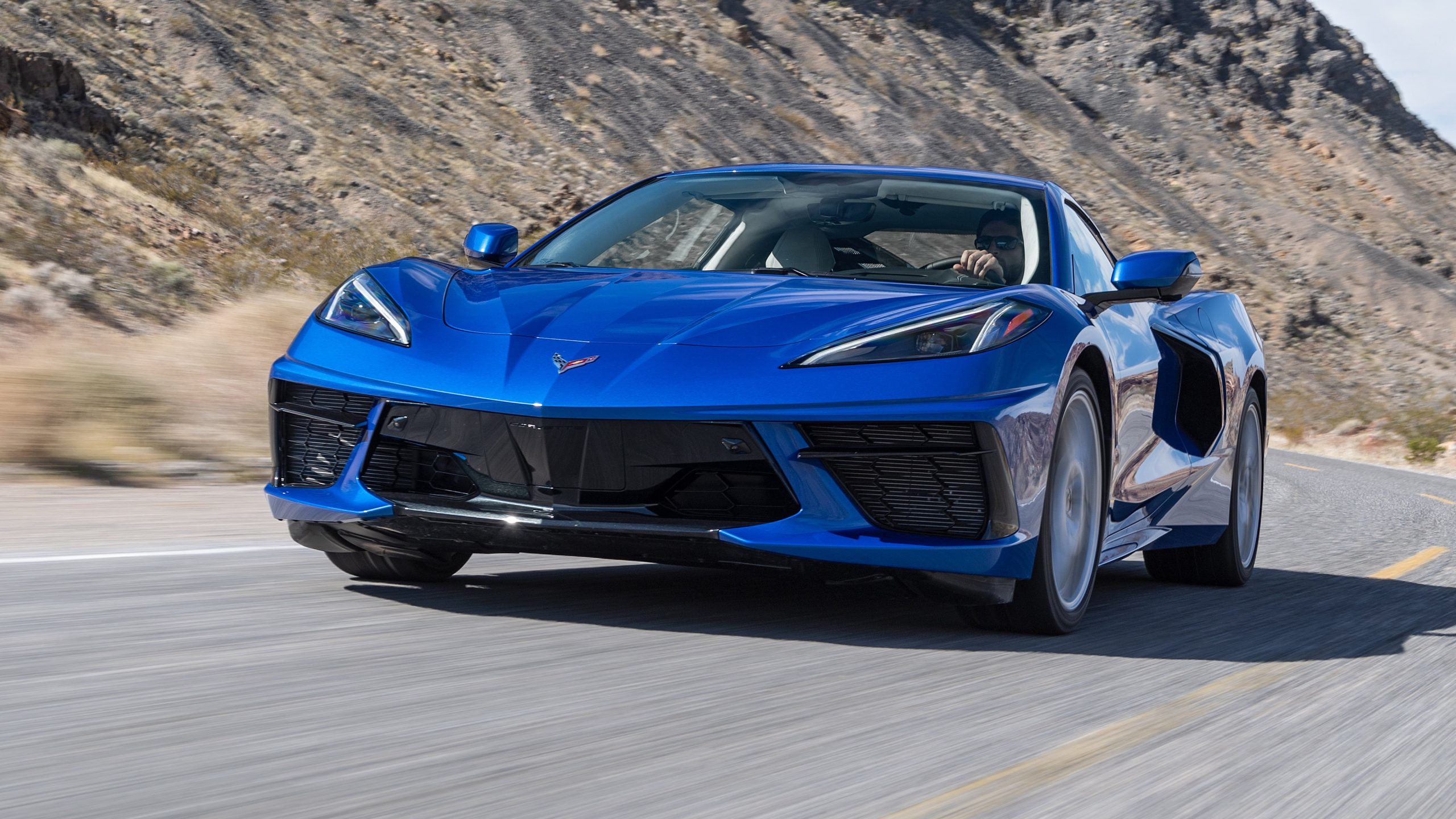
10. Toyota Tacoma: Durable Pickup with Exceptional Resale Value
The Toyota Tacoma is a midsize pickup truck with a five-year depreciation rate of 26%, losing roughly $8,217 from its original MSRP. This makes it retain value more than 19% better than the average vehicle, reflecting its strong desirability in the used market.
The Tacoma’s resale strength is built on a reputation for legendary reliability, durability, and longevity, combined with high demand for its off-road capability, particularly in TRD models. Buyers can maximize resale value by keeping thorough service records, adhering to maintenance schedules, and maintaining both mechanical and cosmetic condition.
Tacomas are known for their “bulletproof” reliability, capable of exceeding 300,000 miles with proper care. The truck’s simple yet robust mechanical design, reinforced frame, and durable components contribute to its lasting performance.
Toyota’s strong brand reputation further strengthens buyer confidence, making the Tacoma one of the most sought-after used trucks. Its proven longevity, paired with high market demand, ensures firm resale prices even after years of use.
While the Tacoma is highly reliable, certain model years and components warrant attention. Second-generation trucks from 2006–2008 are prone to significant frame rust, sometimes requiring full replacement.
Some newer models have reported rough-shifting 8-speed automatic transmissions, minor electrical issues, paint peeling (notably the “Ultra White” color), and occasional lower ball joint failures. Prospective buyers should have used Tacomas inspected by a qualified mechanic and research specific model year histories to avoid known problems.
To maintain value, owners should document all service work, follow Toyota’s recommended maintenance, address recalls and technical service bulletins promptly, and prioritize proper fluids, particularly for turbocharged models.
The Toyota Tacoma combines durability, strong resale value, and proven reliability, making it an attractive choice for buyers seeking a dependable, long-lasting pickup with both everyday utility and off-road capability.
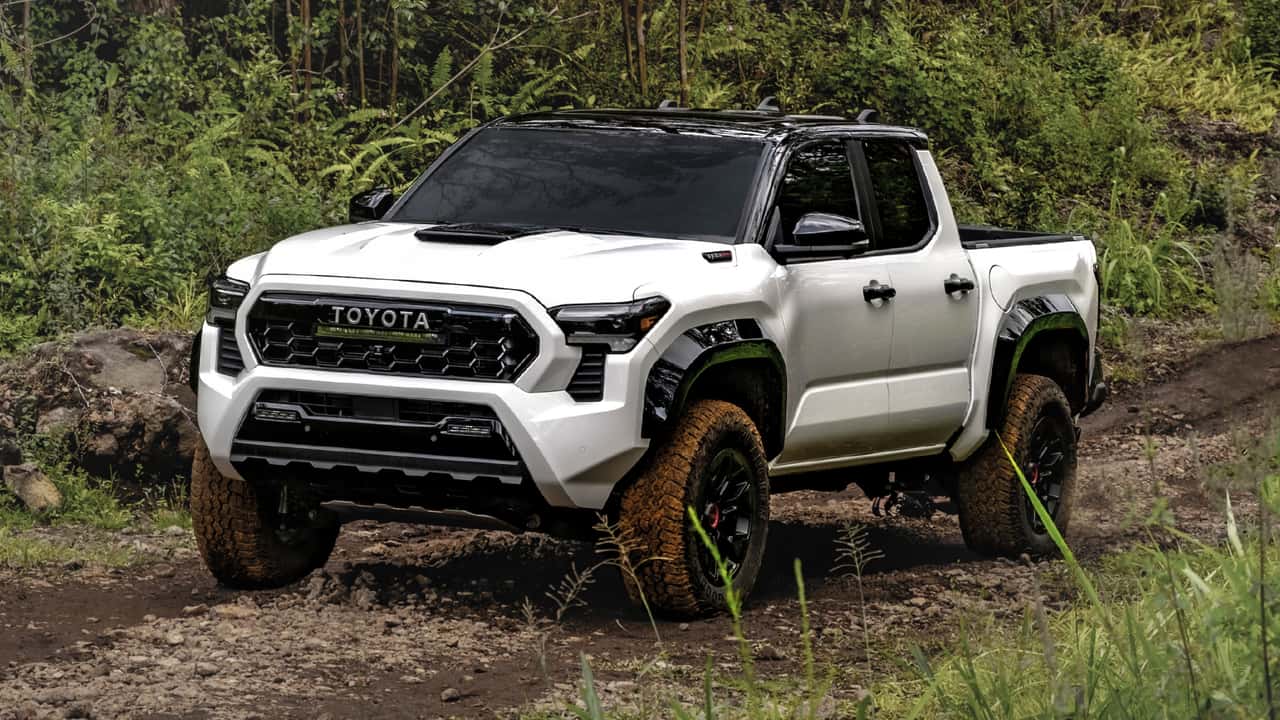
11. Porsche 718 Cayman: German Sports Car with Exceptional Resale
The Porsche 718 Cayman is a premium sports car with a five-year depreciation rate of 21.8%, losing approximately $15,851 of its original MSRP. This allows it to retain value 23% better than the average vehicle during its first five years, making it an attractive choice for enthusiasts seeking performance without the steep depreciation often associated with luxury sports cars.
Its strong resale value is supported by high demand from enthusiasts, Porsche’s brand prestige, and the car’s reputation for solid construction and reliability.
The 718 Cayman benefits from Porsche’s luxury and performance reputation, which contributes to its desirability and stable market value. Its enthusiast following ensures consistent demand in the pre-owned market, while the car’s high build quality, durable materials, and responsive driving dynamics enhance long-term appeal.
The mid-engine layout, precise chassis tuning, and engaging steering create a driving experience that maintains interest among buyers, further supporting resale value. Additionally, Porsche’s rigorous Certified Pre-Owned program, which involves thorough inspections and reconditioning with genuine parts, adds confidence for those purchasing used models.
Reliability for the 718 Cayman is strong, with high ratings from J.D. Power and positive owner experiences reported by sources such as What Car? and Top Speed. While generally dependable, some common issues include minor bodywork problems and potential water pump failures in earlier turbocharged models.
These issues are often addressed under warranty, and routine maintenance is key to preserving the vehicle’s performance and lifespan. Being a high-performance Porsche, maintenance costs, including tires and brakes, can be higher than average, especially under spirited driving conditions.
Prospective buyers are advised to maintain a detailed service history, follow the manufacturer’s maintenance schedule, and consider a pre-purchase inspection by a Porsche-specialized mechanic. Verifying warranty coverage and confirming resolution of any known issues, such as earlier water pump concerns, can help ensure a reliable and satisfying ownership experience.
The Porsche 718 Cayman combines lasting value, high-quality engineering, and driving enjoyment, making it a compelling option for sports car enthusiasts and collectors alike.
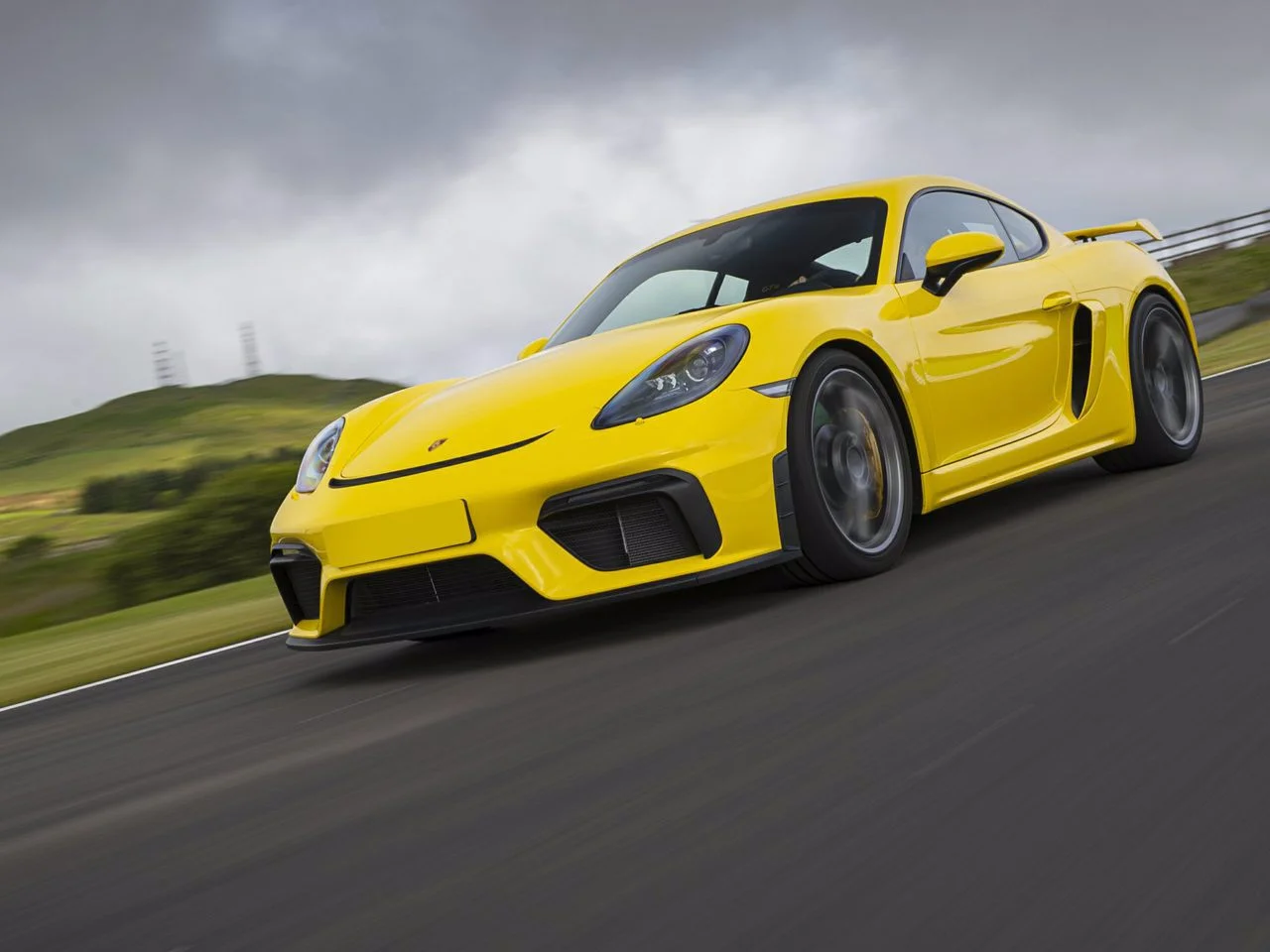
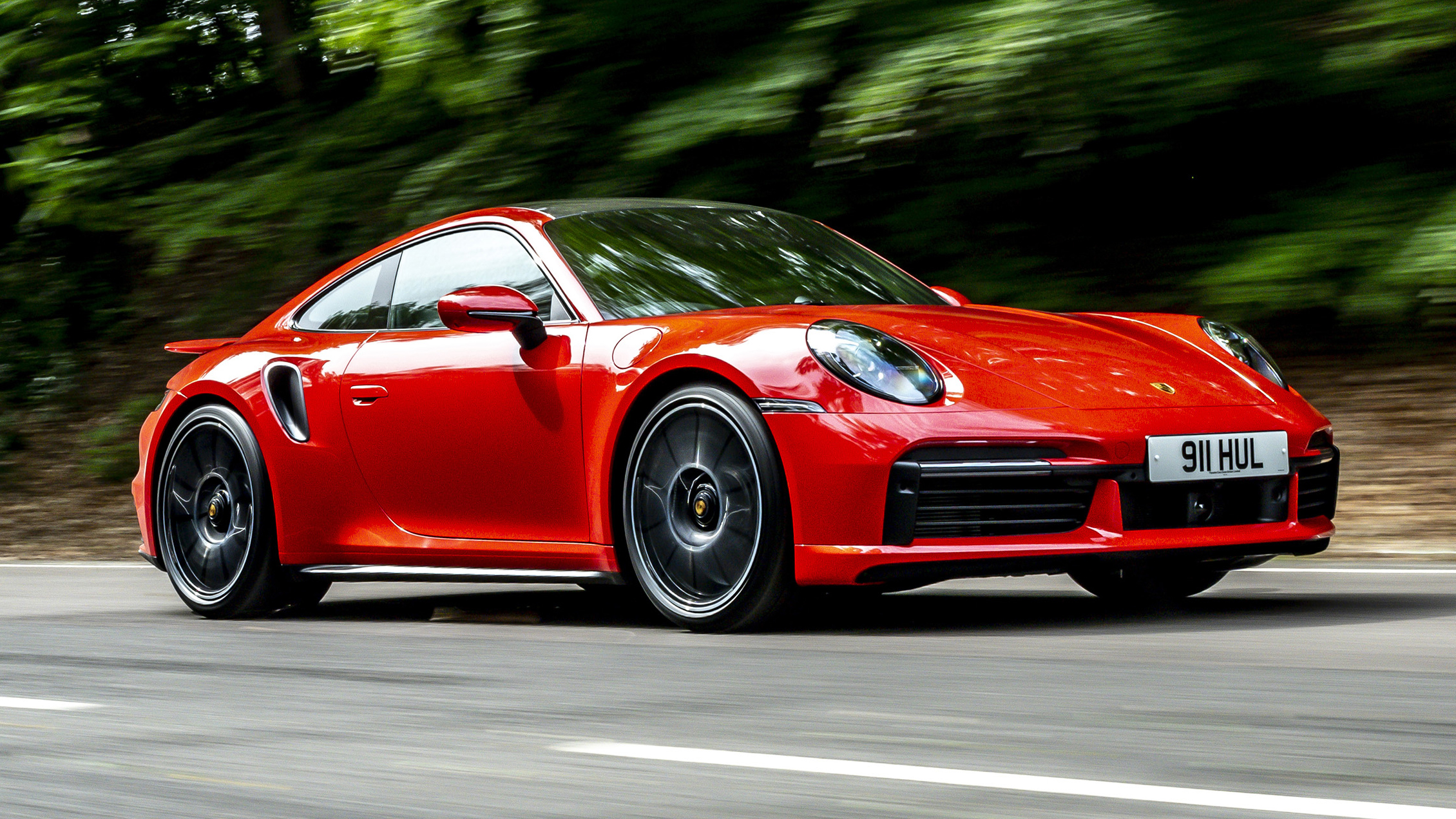
12. Porsche 911: The Benchmark for Long-Term Resale Value
The Porsche 911 is the sports car that loses the least value over five years, with an average depreciation rate of 19.5%, equating to a loss of $24,428 from its original MSRP. This allows it to retain value 25% better than the average vehicle, making it the top choice for buyers seeking both performance and investment potential.
Its strong resale value is driven by an iconic design, timeless engineering, brand prestige, and high demand from enthusiasts and collectors. Limited production runs, high-quality components, and a loyal following ensure that the 911 remains highly desirable in the pre-owned market.
The 911’s iconic design has evolved subtly over decades, preserving the car’s recognizable silhouette and ensuring its appeal to both purists and new buyers. Porsche’s reputation for precision engineering and high-performance luxury reinforces the model’s desirability, while special editions and limited production runs add exclusivity that further supports resale value.
Enthusiast demand remains strong, with collectors actively seeking well-maintained examples, particularly as one of the last pure internal combustion engine sports cars.
In terms of reliability, modern 911 generations, such as the 997, 991, and 992, generally score high in quality and dependability studies from sources like J.D. Power. Many owners report reliable high-mileage performance when routine maintenance is performed diligently.
However, owning a 911 comes with higher maintenance and repair costs than typical vehicles, and any issues that arise can be more serious due to the car’s high-performance nature. Using qualified independent specialists for servicing is often recommended to control costs and ensure proper care.
A typical Porsche 911 can last around 150,000 miles, reflecting its solid engineering for a luxury sports car. The combination of brand prestige, limited availability, enduring design, and loyal enthusiast demand makes the 911 a standout choice for buyers who want a sports car that maintains value exceptionally well while delivering precision, performance, and driving satisfaction.
Investing in a car with strong long-term resale is not just about minimizing depreciation. It is also about choosing a vehicle that combines reliability, performance, and enduring appeal.
The 12 models highlighted here show how thoughtful engineering, brand reputation, and market desirability translate into real savings and long-term satisfaction.
From practical vehicles like the Toyota Corolla Hatchback and rugged Tundra to performance-focused cars like the Porsche 718 Cayman and Ford Mustang, these cars prove that smart choices today can pay off in the future.
By focusing on durability, low maintenance costs, and sustained buyer demand, owners enjoy both peace of mind and financial advantages. These vehicles stand out as exceptional options for anyone looking for lasting quality, driving pleasure, and strong resale potential.
Also Read: 5 Cars That Stay Reliable After 400k Miles vs 5 That Break By 120k