
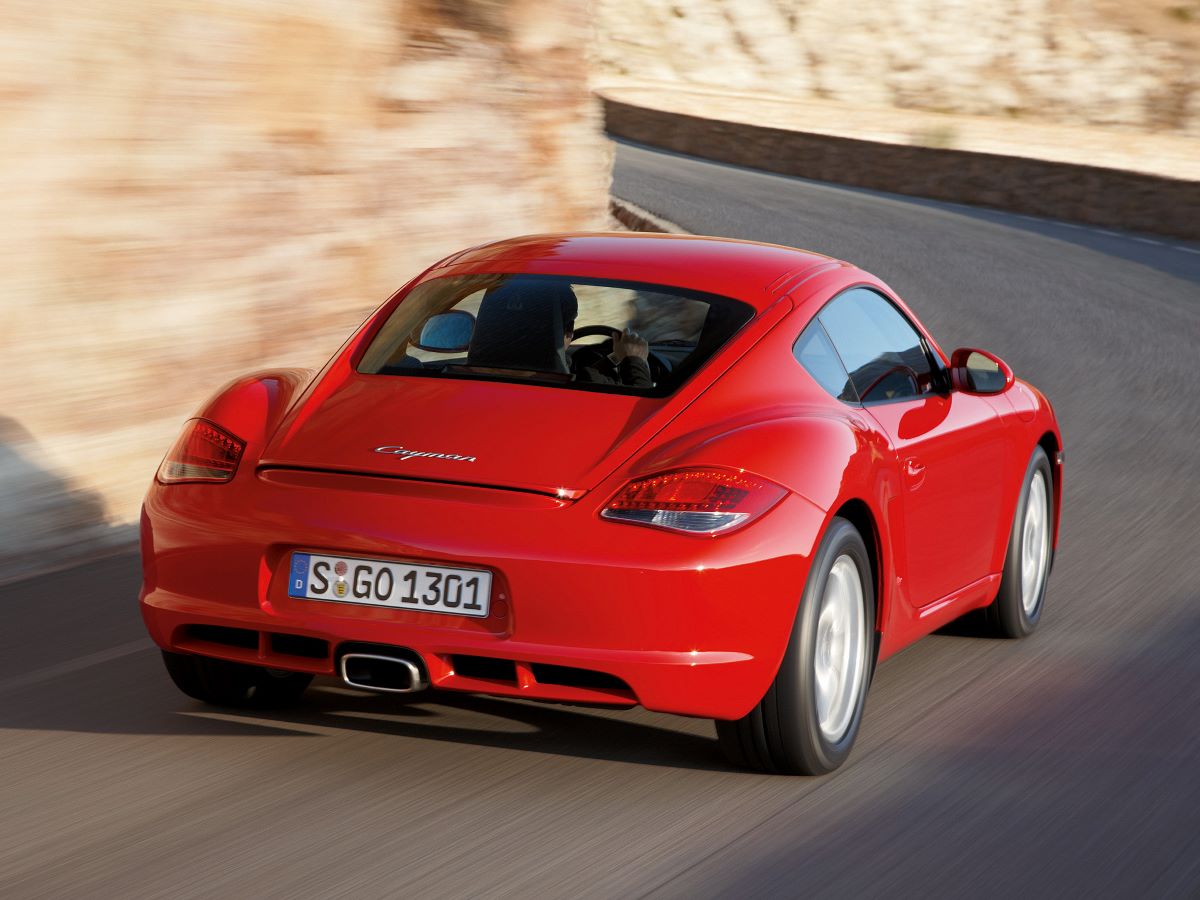
When it comes to cars, performance and longevity aren’t the only measures of greatness handling is just as crucial.
A car that stays easy to maneuver, even after years of use, reflects thoughtful engineering, balanced weight distribution, and a well-tuned suspension.
Conversely, some vehicles start off promising but lose their composure over time, becoming cumbersome or unpredictable as parts wear out.
In the United States, where drivers deal with everything from smooth highways to unpredictable backroads, having a car that remains responsive and predictable makes all the difference.
Below, we’ll explore five cars renowned for maintaining excellent handling over time and five that tend to struggle as they age.
Well-Built Cars That Stay Easy to Handle
Some cars age like fine wine, they retain their balance, reliability, and charm long after leaving the showroom floor. These are the vehicles that don’t just survive the years; they thrive through them, remaining smooth, predictable, and enjoyable to drive.
In a world where technology often complicates simplicity, a few models still stand out for their effortless handling, thoughtful engineering, and lasting build quality. Here’s a look at well-built cars that continue to stay easy to handle, mile after mile.
1. Mazda MX-5 Miata
The Mazda MX-5 Miata remains one of the most balanced and enjoyable cars to drive in automotive history. Its near-perfect 50/50 weight distribution and rear-wheel-drive setup give it razor-sharp cornering and intuitive steering feel.
Unlike heavier sports cars that become twitchy as components age, the Miata’s simple and light construction ensures consistent handling even after years of spirited driving.
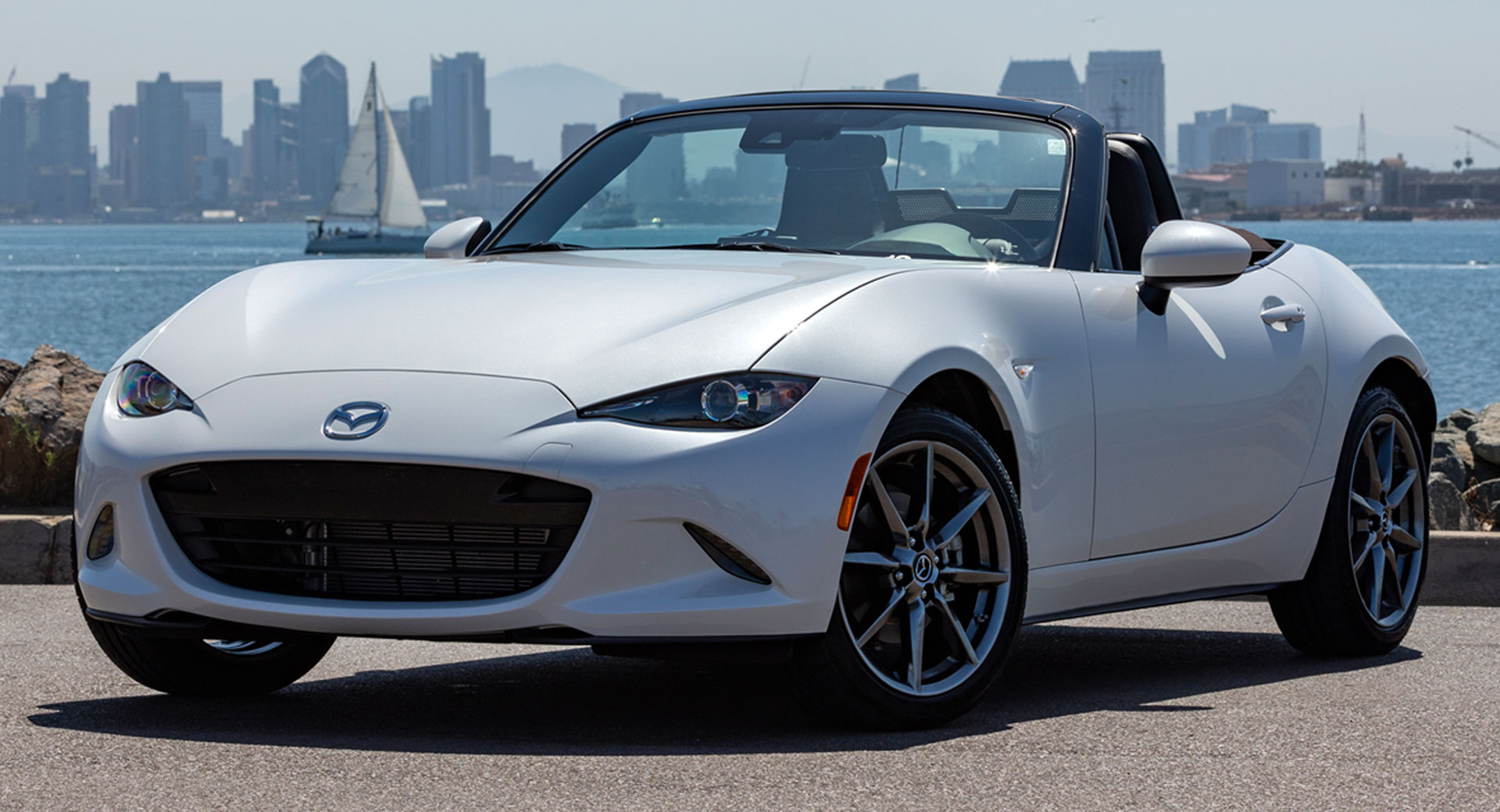
American owners often report that with basic maintenance such as bushings, shocks, and tires the car retains its agility decade after decade. It’s no wonder the Miata has become a go-to choice for weekend racers and daily drivers alike.
2. BMW 3 Series (E46 and E90 Generations)
Few sedans have earned a handling reputation as enduring as the BMW 3 Series. The E46 and E90 generations, in particular, showcase BMW’s signature blend of sportiness and everyday comfort.
These models were engineered with a precise steering rack and multi-link rear suspension that keeps the car stable even at higher speeds or on uneven pavement.
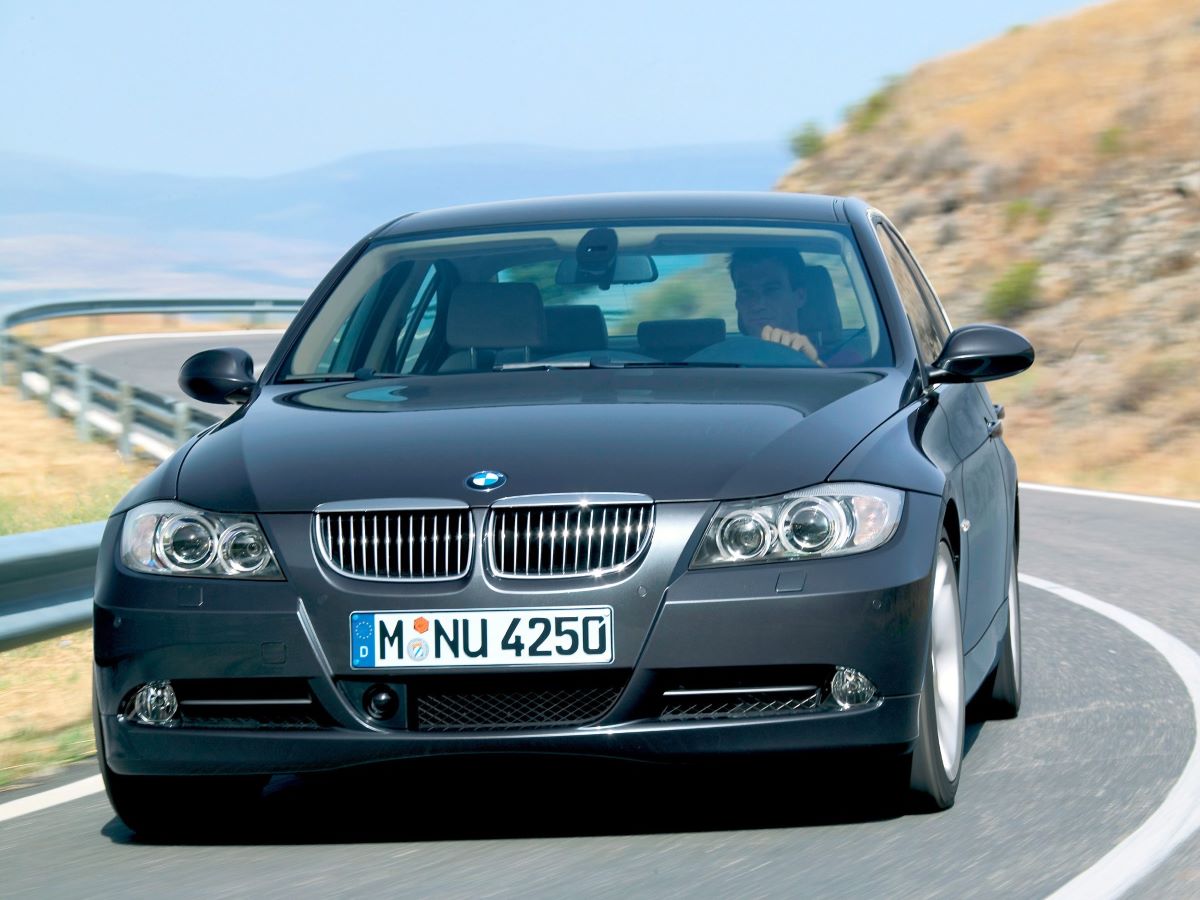
Enthusiasts still hunt for well-kept examples because, with proper maintenance, they maintain that signature “connected” road feel. Even twenty years later, the 3 Series demonstrates that great handling doesn’t fade when built on a strong foundation.
For 2017, BMW introduced a new four-cylinder engine for its midlevel 3 Series models, leading to a name change, the previous 328i is now called the 330i, along with a modest increase in power.
The M Sport package has become standard on the 340i models, though buyers can still choose the Sport or Luxury package at no extra cost.
Wireless device charging and Apple CarPlay integration debut as new stand-alone options, while the iDrive infotainment system has been updated to its latest version.
The 2017 BMW 3 Series deserves a top spot on the list of anyone shopping for a compact luxury sport sedan.
Whether you’re appreciating its polished mix of comfort, technology, and driving dynamics or pushing its refined optional engine on the road, the experience is impressive. The 3 Series competes in a crowded class, but it continues to stand out as one of the best options available.
BMW essentially pioneered the compact luxury segment decades ago, and the modern 3 Series continues to uphold that legacy. It remains the top-selling car in its category, and for good reason. Few rivals can match its seamless balance of performance and sophistication, though many attempt to.
Whether you choose the sedan or wagon, the 3 Series makes virtually no compromises. It manages to be both sporty and comfortable, compact yet spacious enough, with engines that are both powerful and fuel-efficient. It’s a truly exceptional all-rounder with hardly any notable weaknesses.
Also Read: 5 SUVs Where Silence Rules vs 5 That Can’t Stop Making Noise
3. Porsche Cayman (987 and 981 Models)
Porsche’s mid-engine layout in the Cayman delivers a level of balance few other sports cars can match.
The chassis tuning gives drivers predictable control through corners, while the steering feel especially in the hydraulic-assisted models remains remarkably communicative.
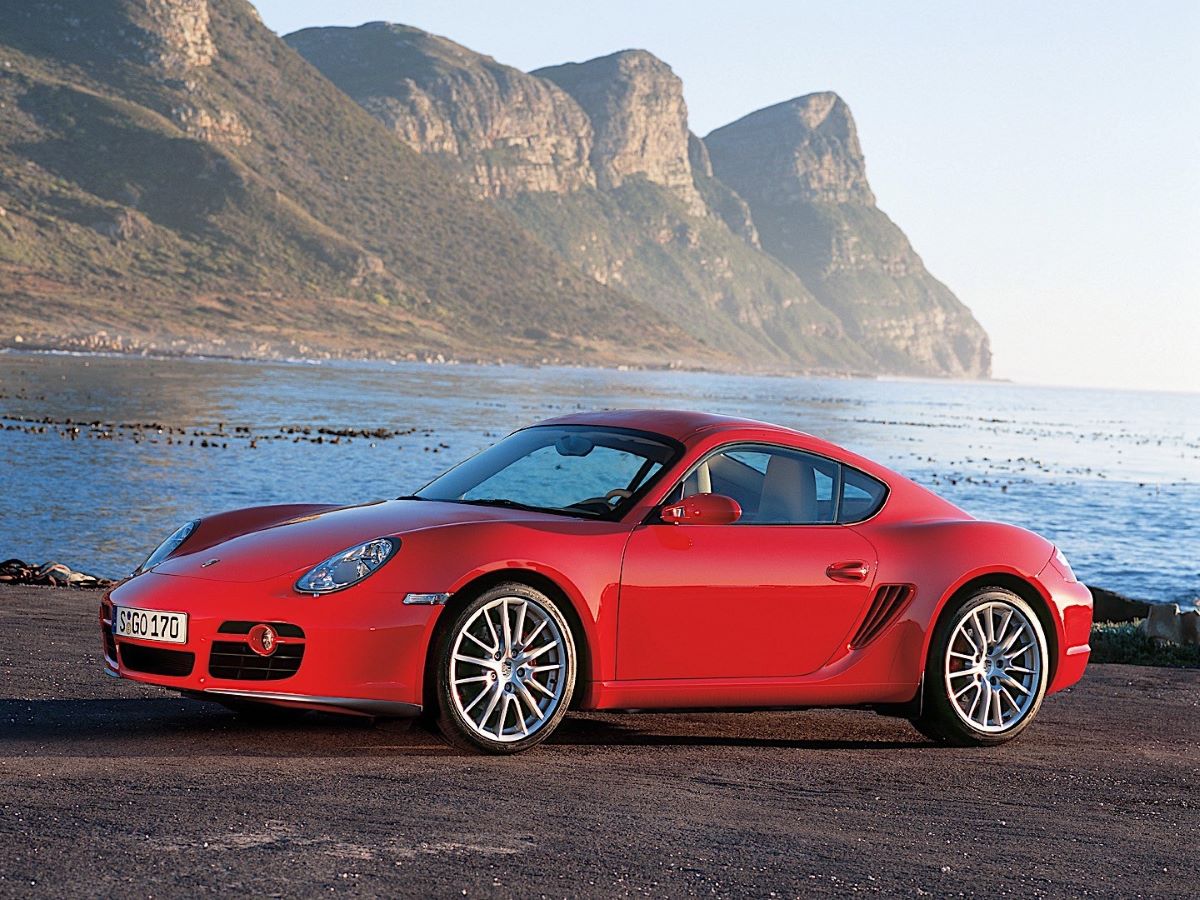
What makes the Cayman stand out, however, is how well it maintains that poise with age. The structure is tight, the suspension durable, and the steering components are designed to resist wear.
It’s a testament to Porsche’s meticulous engineering that many older Caymans still feel composed and confidence-inspiring, even after a decade on the road.
4. Honda S2000
Honda’s S2000 might be one of the purest driver’s cars ever made. Its high-revving 2.0-liter or 2.2-liter engine paired with an exceptionally stiff chassis creates a driving experience that’s both thrilling and controlled.
The double-wishbone suspension at all four corners ensures superior grip and balance, while the lightweight design keeps steering crisp and responsive.
Importantly, even as these cars age, the handling rarely deteriorates if they’re properly maintained.
The S2000’s steering geometry and suspension tuning were so finely engineered that owners often say the car “ages gracefully,” feeling nearly as tight today as it did off the showroom floor.
Adored by both driving purists and young enthusiasts, the Honda S2000 stands as one of the most coveted sports cars ever produced by Japan. It’s a textbook example of a modern classic in the making.
Honda, however, chose a very different kind of present for its own 50th anniversary: a compact, lightweight, two-seater sports car powered by a high-revving four-cylinder engine and an incredibly responsive chassis.
Now, while it might seem natural to compare the S2000, a Japanese two-seat roadster, with the Mazda MX-5, it’s a different kind of machine altogether.
The S2000 is far more performance-oriented, with its true competitor being the Porsche Boxster.
The S2000’s design features a compact, purposeful stance, defined by a long hood and a short rear deck.
That 2.0-liter engine, later enlarged to 2.2 liters in the U.S. and Japan, boasted one of the highest “specific outputs” of its era, meaning it produced an impressive amount of power relative to its size.
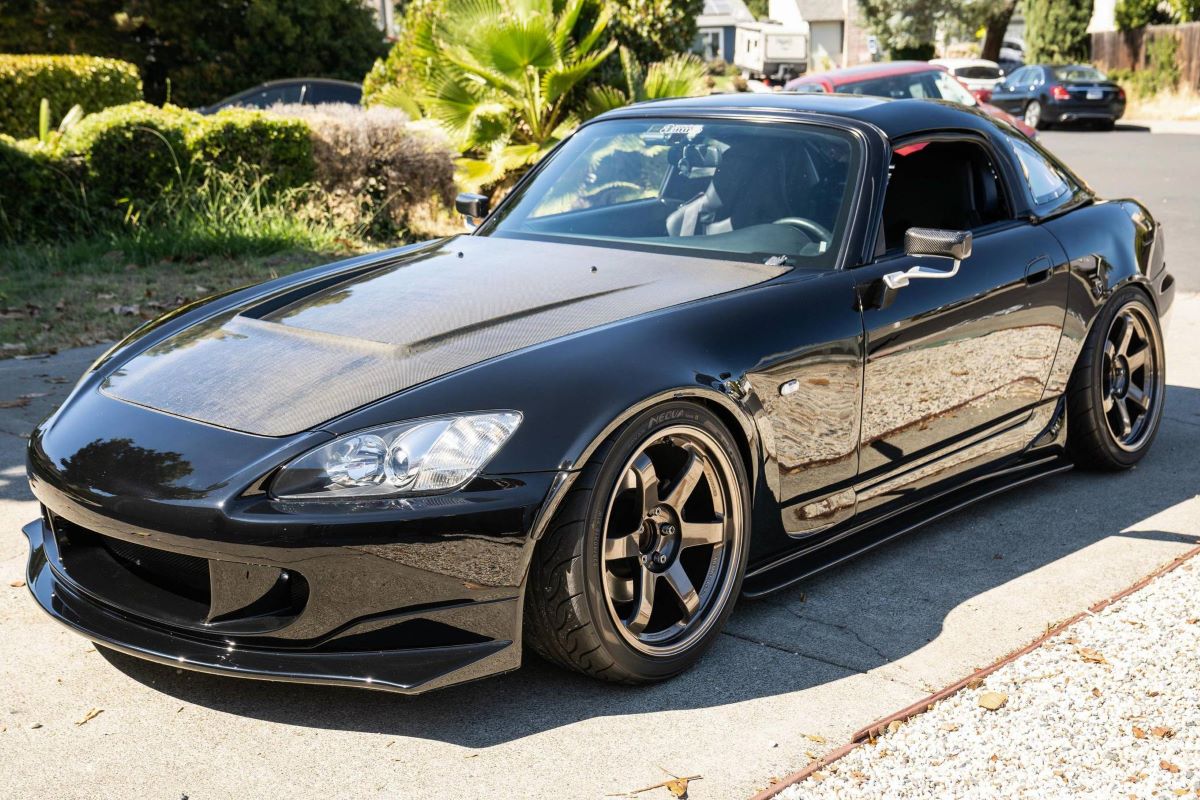
With 124 horsepower per liter at launch, the S2000’s engine was closer in spirit to a race car’s than an everyday road car’s.
Although the S2000 never sold in Civic-like numbers, Honda kept it in production for a full decade, producing more than 100,000 units.
However, shoppers should be wary of poorly modified examples, as the car’s popularity among the “Max Power” crowd means that questionable customizations are not uncommon.
Designed well before the era of oversized grilles and aggressive headlights, the S2000’s styling remains clean and timeless.
The Honda S2000 will forever be remembered for having one of the greatest petrol engines ever built. Despite being just a 2.0-liter four-cylinder, Honda’s ingenious VTEC variable valve timing system allowed it to be both civilized at low speeds and ferocious at high revs, soaring to a 9,000 rpm redline and wailing like a race engine.
It’s a remarkable feat of engineering, complemented by a six-speed manual gearbox so precise that even rifle makers might envy its mechanical feel.
That said, it’s not as forgiving as a Porsche Boxster or BMW Z4. Both rivals used torquey six-cylinder engines that pulled effortlessly from low revs, while the S2000’s character is more akin to one of Honda’s superbikes, you need to rev it hard to unlock its full potential.
Combined with a suspension setup designed for precision and responsiveness, it’s little surprise that more than a few S2000s met unfortunate fates in roadside hedges.
Fortunately, suspension updates in 2004 made the S2000 far less nervous, and the introduction of the 2.2-liter engine in the U.S. and Japan provided a bit more torque lower in the rev range, making it slightly more forgiving to drive. European and UK models, however, retained the 2.0-liter unit.
Despite its sporting nature, the S2000 is relatively practical. Cabin space and comfort are quite good for two occupants, and while its digital dashboard once drew criticism for looking cheap, it now carries a nostalgic charm.
The bright red engine start button remains an iconic touch, one that many other brands later emulated.
The trunk, though shallow, is adequate for soft weekend luggage, and if you resist the urge to constantly rev it to redline, fuel economy can approach 30 mpg.
5. Lexus IS 300 (First Generation)
Toyota’s luxury division designed the original Lexus IS 300 with an eye toward both performance and longevity.
Borrowing much of its mechanical DNA from the Toyota Supra, this sedan delivers surprising agility thanks to a rear-wheel-drive platform and well-balanced suspension geometry.
Over the years, many owners have praised how its steering precision and cornering stability remain intact, even with high mileage.
The car’s build quality and overengineered components make it an ideal long-term choice for drivers who want a car that still feels composed after 150,000 miles.
The IS 300 represents the most accessible entry point into Lexus’ smallest sedan lineup, sitting below the IS 350 and the V8-powered IS 500.
While the 2023 IS still shares its basic platform with the 2014 model, numerous updates and refinements over the years have transformed it into a more polished and capable contender in the compact luxury segment.
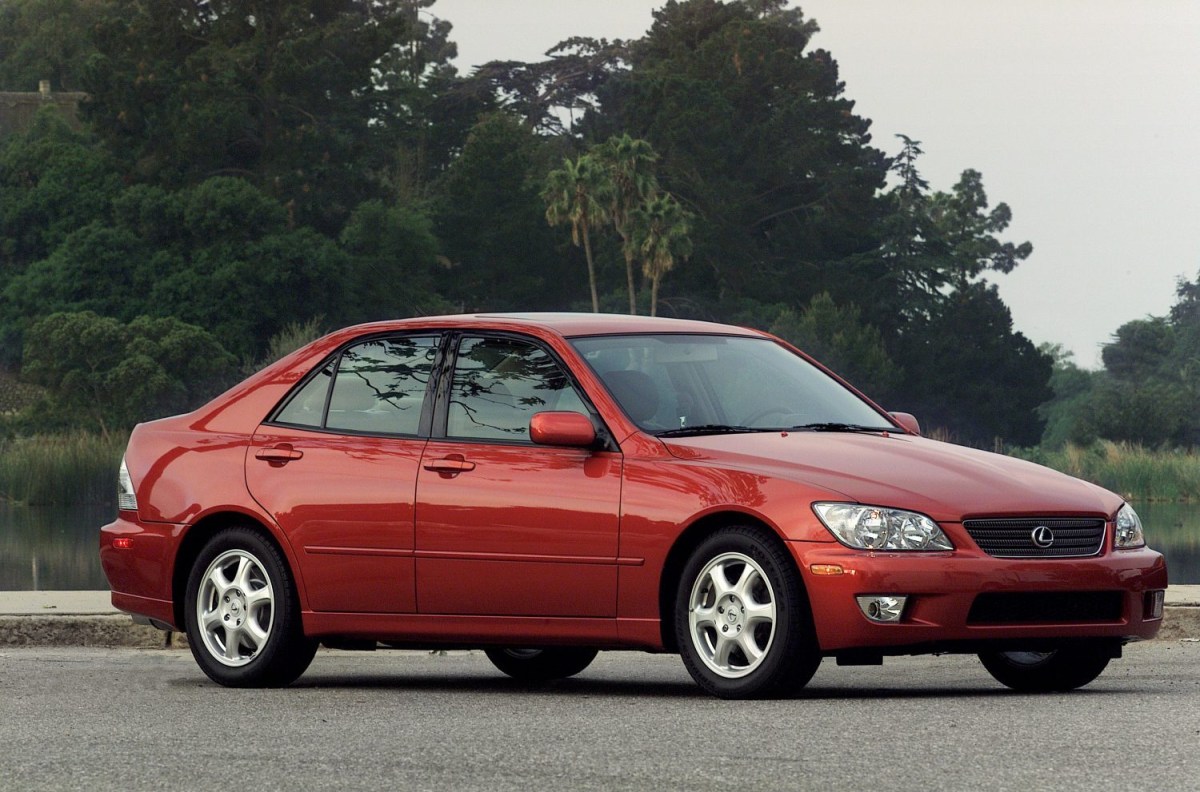
If you’re shopping for a smaller luxury sedan, the IS 300 is a strong choice. However, if interior space and comfort are higher priorities, the larger Lexus ES and LS sedans provide more generous headroom and legroom.
The 2023 IS 300 carries over unchanged from the previous year. While higher trims receive new paint colors and optional package updates, the base IS remains identical to the 2022 version, and that’s not necessarily a drawback.
Over the past few model years, Lexus has introduced several meaningful improvements that have made even the entry-level IS a balanced and comfortable daily driver.
It might not deliver the same level of excitement as rivals like the BMW 3 Series or Alfa Romeo Giulia, but it compensates with an extensive list of standard features, many of which are expensive add-ons for its European competitors.
The 2023 Lexus IS 300 is offered in two configurations: IS 300 RWD and IS 300 AWD. Both versions share the same available option packages and equipment, but they differ under the hood.
The IS 300 RWD is equipped with a turbocharged 2.0-liter four-cylinder engine producing 241 horsepower and 258 lb-ft of torque, paired with an eight-speed automatic transmission.
The IS 300 AWD, on the other hand, comes with a 3.5-liter naturally aspirated V6 generating 260 horsepower and 236 lb-ft of torque, mated to a six-speed automatic transmission.
Also Read: 5 SUVs Where Silence Rules vs 5 That Can’t Stop Making Noise
Cars That Don’t Stay Easy to Handle Over Time
Not every car keeps its composure as the miles add up. Some start off sharp and responsive but gradually lose their balance, precision, or comfort with age.
Whether it’s due to complex suspension systems, heavy steering, or simply poor long-term refinement, these vehicles can become more of a workout than a joy to drive. Here’s a look at cars that don’t stay easy to handle over time, the ones that remind us not all engineering ages gracefully.
1. Dodge Charger (2006–2014)
The Dodge Charger’s muscle-car roots make it exciting in a straight line, but its handling hasn’t always aged gracefully. Older models suffer from heavy steering, worn-out suspension bushings, and uneven weight distribution that amplify body roll as the miles add up.
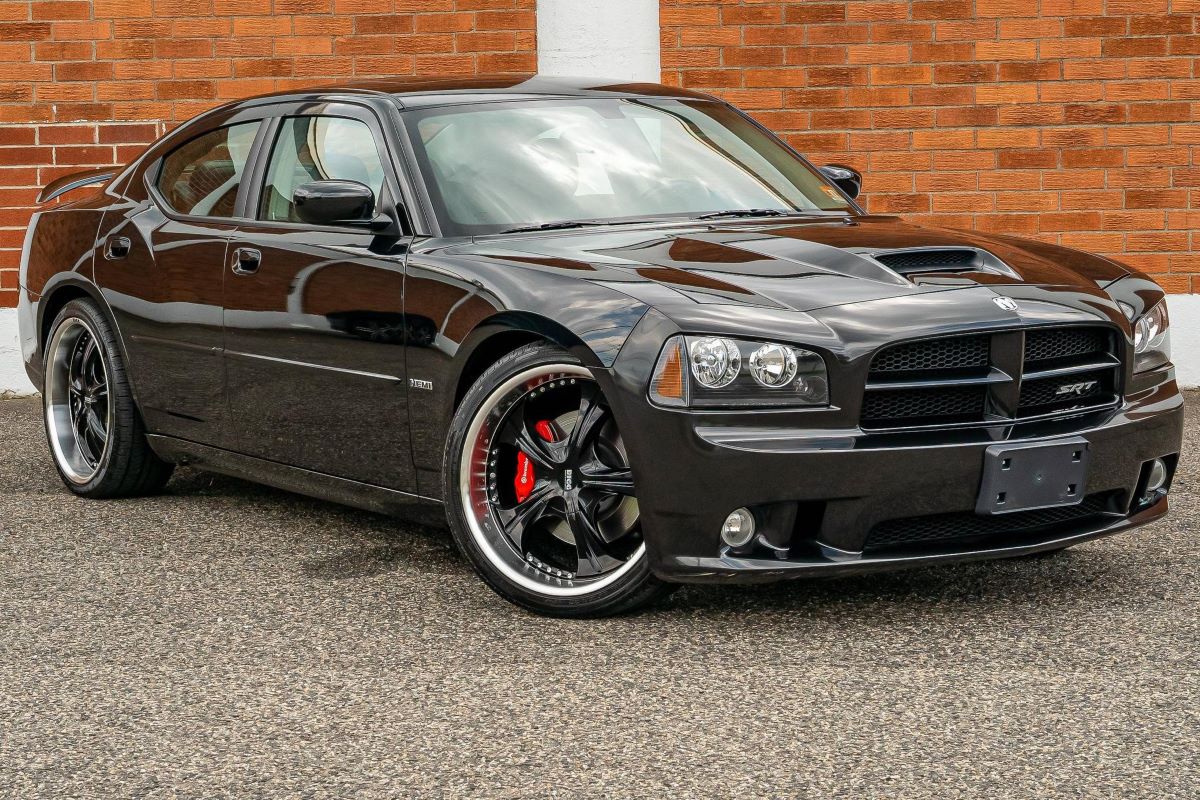
While modern versions have improved, early generations of the Charger often lose their stability and cornering precision over time.
Without frequent suspension updates, they can become tiring to drive on winding roads an issue that stands in contrast to their initial promise of power and control.
2. Nissan 350Z
When it debuted, the Nissan 350Z was celebrated for its raw power and sharp styling. However, over time, many owners have noted that its handling balance fades as the suspension components wear down.
The heavy front end and less refined steering feedback can make the car feel clunky, especially compared to competitors like the Miata or S2000. While it’s still a fun car for weekend driving, maintaining precise control requires constant upkeep.
As these cars age, the once-taut handling can become unpredictable particularly on uneven pavement or when cornering aggressively.
The sport coupe released in 2006 received minor updates but is still recognized as the second generation of the 350Z.
The exterior styling was refreshed with redesigned headlights and a new front bumper, while maintaining the car’s signature sleek, low-slung roofline. However, the rear end appeared somewhat dated compared to the more modern-looking front fascia.
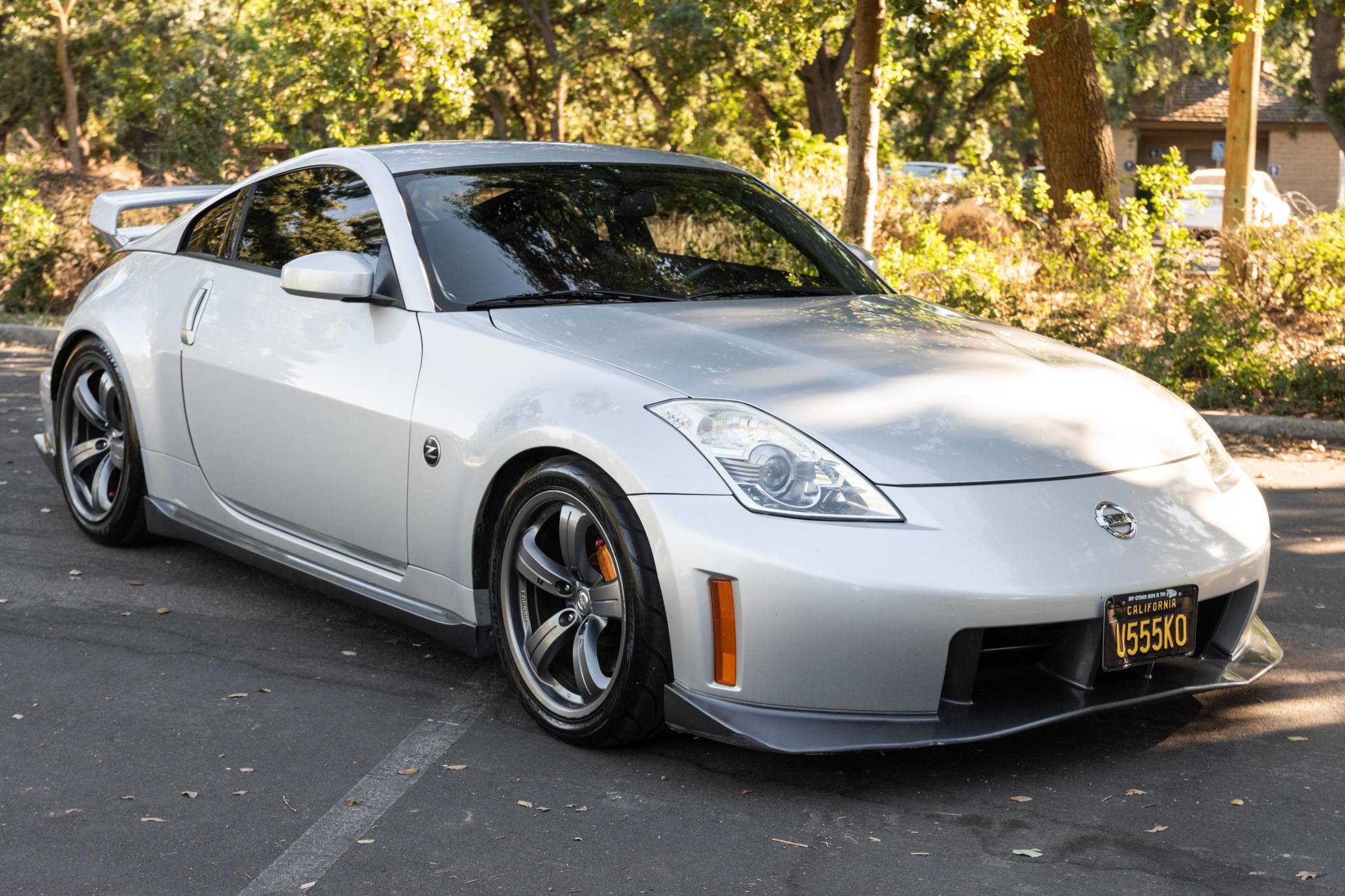
Inside, the design wasn’t particularly striking, yet it was functional for a two-seater, with controls positioned exactly where you’d expect them.
One noticeable drawback was the quality of the materials, door handles were prone to scratches, and several interior surfaces showed wear easily.
The leather-wrapped steering wheel was slimmer but offered a satisfying and secure grip.
The main gauges were simple and easy to read, displaying all the essential information, while the additional auxiliary dials, showing oil pressure and voltage, enhanced the car’s sporty appeal.
Interestingly, the front lacked a traditional glovebox. Instead, Nissan added two small storage compartments behind the seats.
Since the 350Z didn’t have rear seats, the remaining space was cleverly utilized with several storage areas in the back of the cabin.
Overall, the cabin was quieter than that of its successor, the 370Z, though both shared a common flaw, limited rear visibility. The sloping roofline contributed to a noticeable blind spot, requiring drivers to stay extra cautious when changing lanes.
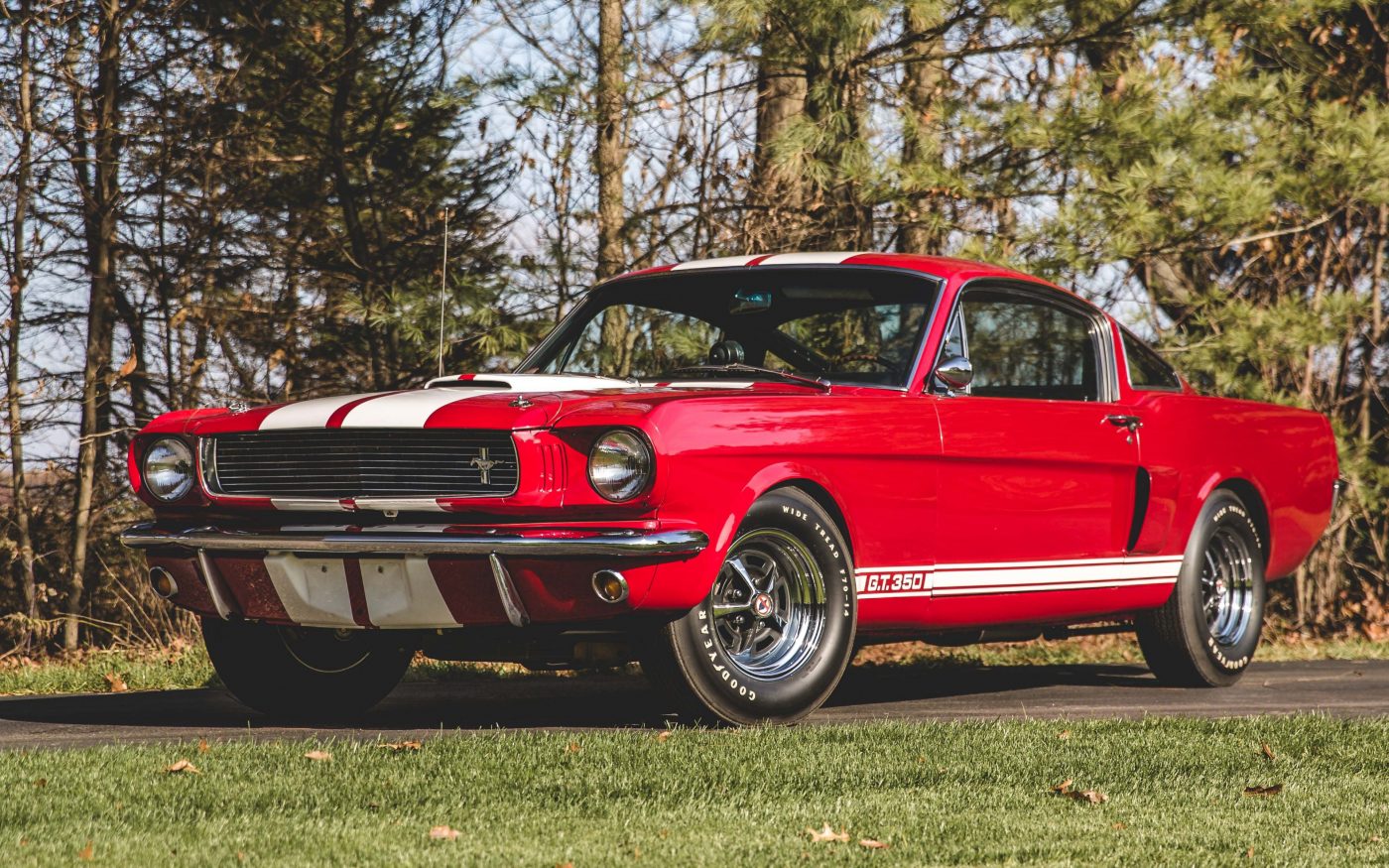
3. Ford Mustang (Pre-2015 Models)
Before the 2015 redesign introduced an independent rear suspension, the Ford Mustang’s solid rear axle setup was a handling liability.
While fine for straight-line acceleration, it often made the car difficult to control on rough or twisting roads. Over time, that rigidity leads to rattles, imprecise steering, and unpredictable rear-end behavior.
Many American Mustang owners love the nostalgia and power, but they’ll admit that older models require more effort to keep composed, especially after tens of thousands of miles.
The newer versions corrected much of this, but the classic Mustangs remain a handful when pushed hard.
The Mustang GT models now feature secondary turn signals integrated into the hood vents as standard equipment.
In Ford’s car lineup, the Mustang sits above the Fiesta, Focus, Fusion, and C-Max in terms of pricing, but below the full-size Taurus.
As Ford’s iconic sports car, the Mustang holds a special place in the brand’s history. The high-performance GT350 and GT350R models are part of Ford Performance, the same division responsible for creating the Fiesta ST, Focus ST, Focus RS, Raptor, and the GT supercar.
The 2016 Ford Mustang offers a diverse engine lineup, appealing to a wide range of driving styles.
The standard 3.7-liter V6 engine generates 300 horsepower and 280 lb-ft of torque, returning an EPA-estimated 19/27 mpg with the six-speed automatic and 17/28 mpg with the six-speed manual transmission.
For those seeking a balance of performance and efficiency, the available 2.3-liter turbocharged inline-four delivers 310 horsepower and 320 lb-ft of torque, achieving 21/31 mpg with the automatic and 22/31 mpg with the manual transmission.
The most powerful non-Shelby option is the 5.0-liter V8, producing 435 horsepower and 400 lb-ft of torque. This engine returns 16/25 mpg when paired with the six-speed automatic and 15/25 mpg with the manual.
At the top of the range sits the Shelby GT350 Mustang, powered by a high-revving 5.2-liter V8 that produces 526 horsepower and 429 lb-ft of torque. It’s exclusively offered with a six-speed manual transmission and rated at 14/21 mpg.
Convertible variants of the Mustang come equipped with a six-speed automatic transmission. The 2.3-liter turbocharged I-4 version offers 20/29 mpg, while the 5.0-liter V8 convertible delivers 15/23 mpg.
4. Chevrolet Camaro (Fifth Generation, 2010–2015)
The fifth-generation Camaro is undeniably powerful and stylish, but its handling characteristics don’t hold up well over time. Its heavy chassis and limited visibility make precise driving challenging even when new.
As suspension components age, the car tends to understeer and lose road feel, particularly in city traffic or on narrow backroads.
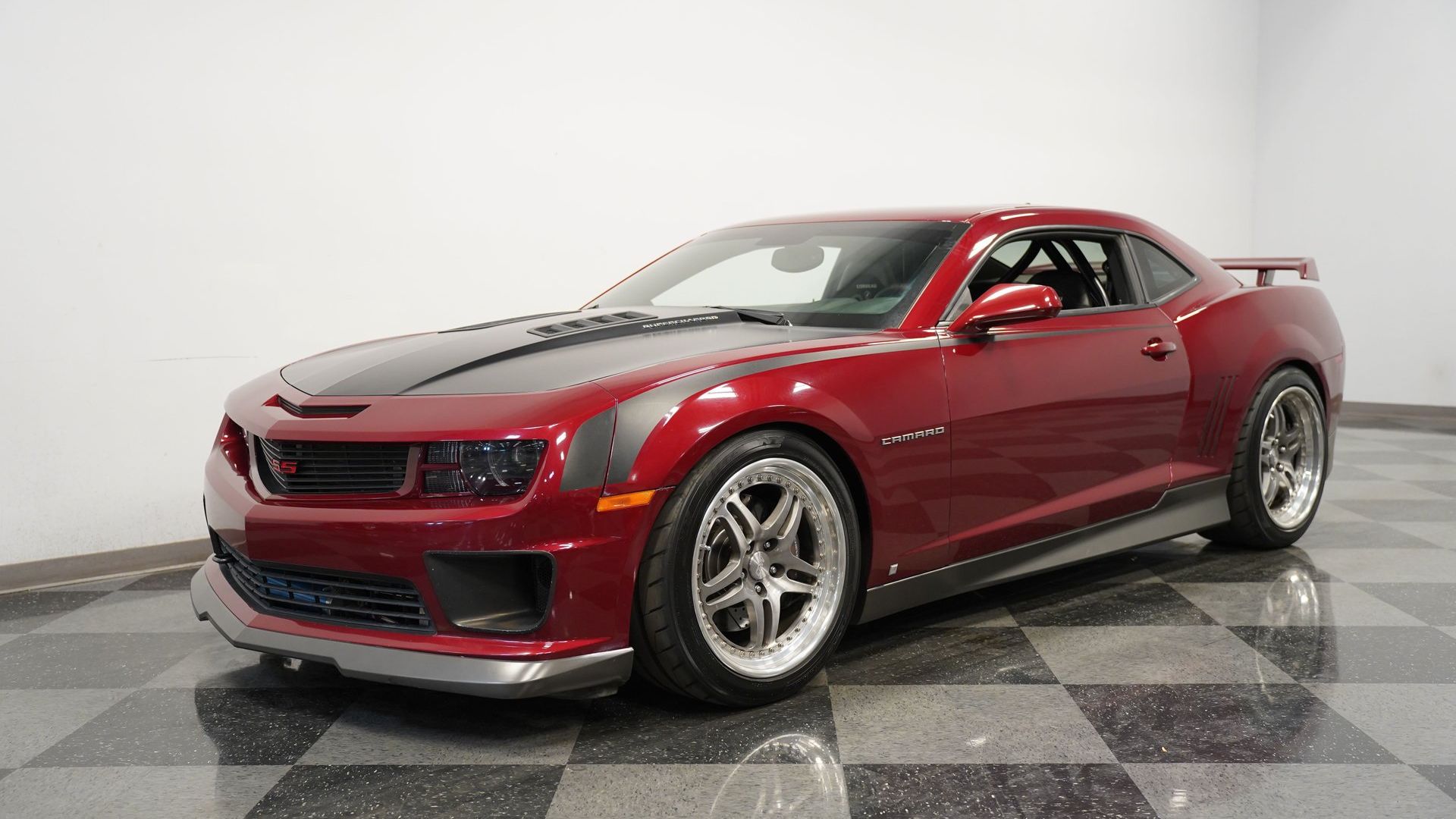
Owners have reported that even minor wear in the bushings or shocks can drastically affect how controllable the car feels. While the Camaro is built for straight-line thrills, it’s less satisfying when the road starts to twist.
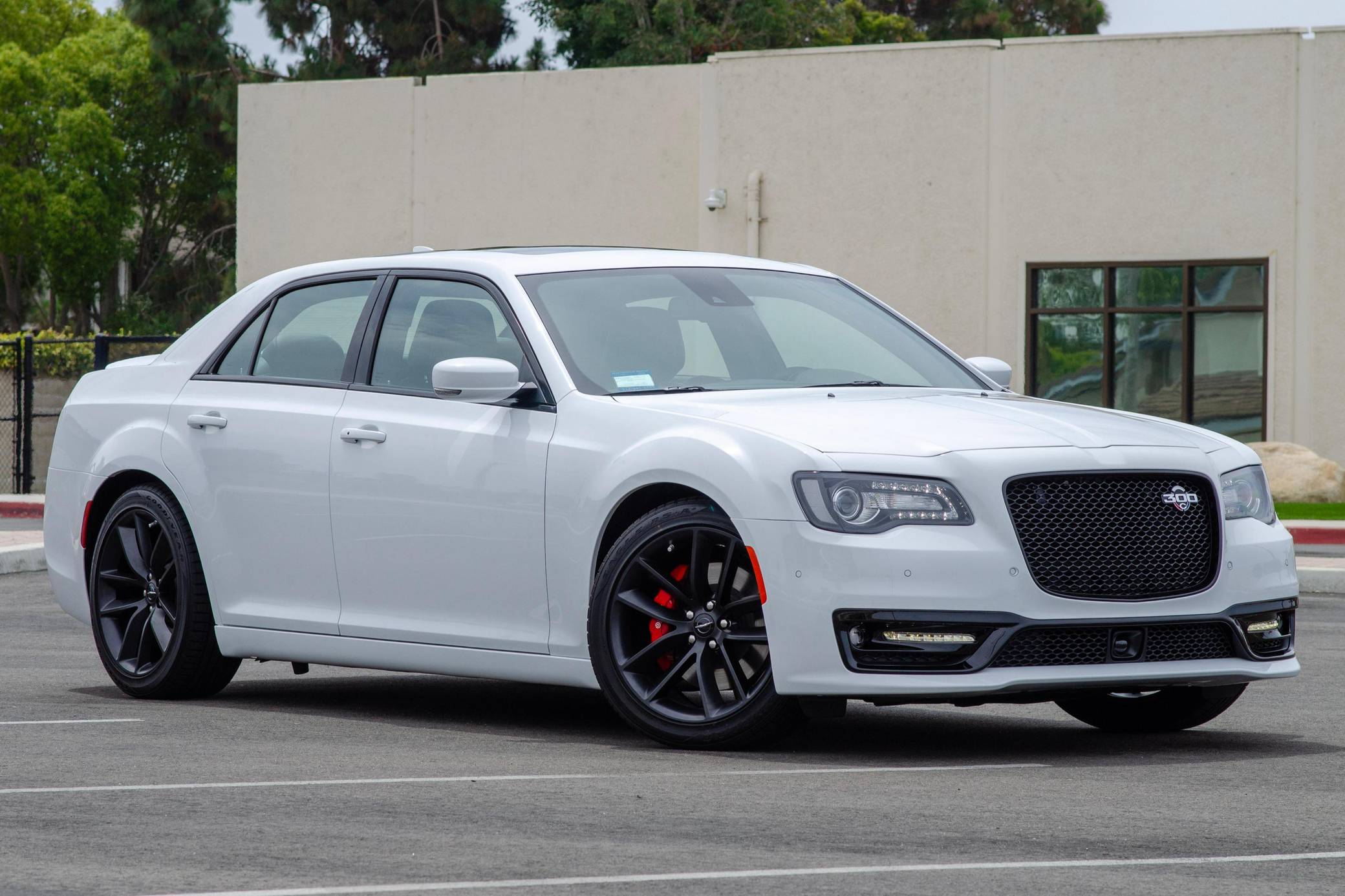
5. Chrysler 300
The Chrysler 300 was designed for comfort and luxury rather than agility, but over time, that comfort-focused suspension can become a drawback. As components age, the steering grows vague, and the car’s heavy body begins to feel detached from the road.
Many American drivers appreciate its roomy cabin and smooth ride, yet they often find themselves fighting to maintain tight control at higher speeds.
Unlike the Lexus IS 300 which was engineered for long-term handling stability the Chrysler 300’s setup sacrifices precision for plushness, a trade-off that becomes more noticeable with age.
Cars that remain easy to handle after years of driving are usually those built with precision engineering, thoughtful weight distribution, and high-quality suspension design.
Unless you’re part of a dedicated Pacifica enthusiast community, you’ve probably noticed that the Chrysler brand has faded from relevance over the past decade.
The last Chrysler 300 sedan exited the market in 2023 after nearly two decades of production, and the smaller 200 sedan was discontinued more than five years before that.
However, recent developments suggest that a revival may be underway. One of the most promising ways to do that would be by reintroducing a new 300 sedan, something Chrysler has been hinting at for several months.
It’s easy to assume Chrysler will simply bring back the 300 badge for its next sedan, and that might indeed be the case. But the model’s nameplate has gone through numerous variations over the past half-century.
The original Chrysler 300, launched in 1955, was known as the C-300, which later evolved into the 300C.
At this point, Chrysler has not confirmed whether the upcoming sedan will even carry the 300 name, or if it will feature any letter designations at all. Still, it would be surprising for the automaker to abandon such an iconic badge.
Considering Dodge’s success in reviving classic names with the new Charger, Chrysler may take a similar nostalgic approach with whatever form the next 300 takes.
Models like the Mazda MX-5 Miata, BMW 3 Series, and Honda S2000 prove that great handling isn’t just about initial performance it’s about consistency over time.
On the flip side, cars such as the Dodge Charger or pre-2015 Ford Mustang show how poor suspension tuning and weight imbalance can turn a once-thrilling drive into a chore as the years roll on.
For American drivers who value control, confidence, and driving enjoyment, the lesson is clear: a car that starts well-built stays well-handled.
Choosing vehicles with proven chassis dynamics and durable steering systems pays off in the long run because good handling should never be temporary.
