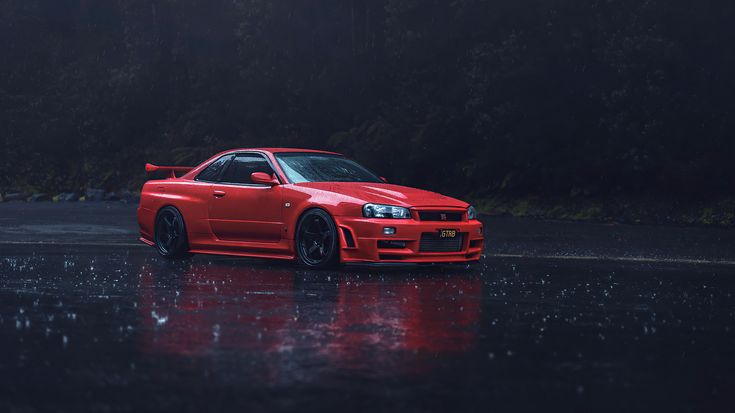
Most cars are considered “totaled” when the cost of repairs outweighs their book value. But every gearhead knows there’s a special breed of vehicles that refuse to die even after insurance says they’re not worth saving.
These are the cars that outlast their insurance totals the ones that can be beaten, bent, or battered, yet still fire up, get back on the road, and haul for another decade.
This topic hits home for anyone who truly understands cars. Enthusiasts love machines that keep fighting no matter what, buyers want something dependable that won’t break the bank after a fender bender, and mechanics appreciate builds that can take punishment without constant comebacks.
Cars like these tell a story one of engineering resilience, simple design, and an almost human stubbornness to stay alive. In a world where vehicles are packed with sensors, tech, and expensive modules, reliability isn’t just about the odometer anymore.
It’s about longevity under stress, repairability, and real-world toughness that insurance adjusters rarely factor in. Some cars rack up miles with nothing but oil changes. Others get smashed, written off, rebuilt, and keep running like nothing happened.
These are not necessarily the prettiest or flashiest rides. They’re the ones that thrive on durability. Whether it’s a Toyota that refuses to quit, a Honda that shrugs off abuse, or a Jeep that keeps crawling after every dent, each of these cars has earned its reputation the hard way on driveways, in garages, and on the open road.
So let’s take a look at twelve cars that consistently outlast their insurance totals vehicles that keep proving, time and again, that sometimes, the numbers don’t tell the whole story.
The Cars That Refuse to Quit
When we say a car “outlasts its insurance total,” we’re talking about vehicles that are often declared too expensive to fix on paper but, in reality, keep running strong long after the checks are written. These are cars that still perform, stay reliable, and hold together despite accidents, rust, or high mileage.
The criteria here are simple: overall reliability, strength of mechanical parts, cost of repair, and longevity under real-world use. Every car listed here has proven, through owner experience or mechanic testimony, that it’s tougher than its book value. These aren’t necessarily luxury or high-performance rides they’re dependable machines built to take a beating.
We’ll be diving into twelve of them from compact commuters to sturdy SUVs and even a few pickup legends. Expect a mix of models that have become folk heroes among car owners and technicians alike
. Each one brings something unique to the table: bulletproof engines, simple electronics, accessible parts, or just that unexplainable toughness that refuses to fade away.
ALSO READ: 5 EVs That Rarely Retain Resale Value vs 5 That Lose Value Fast
1. Toyota Corolla (1998–2013)
If you’ve ever owned or serviced a Corolla, you already know why it tops this list. The Toyota Corolla has a well-earned reputation for being unkillable. Even when insurance companies label one as totaled after an accident, many still find their way back onto the road sometimes with a few dents but zero complaints.
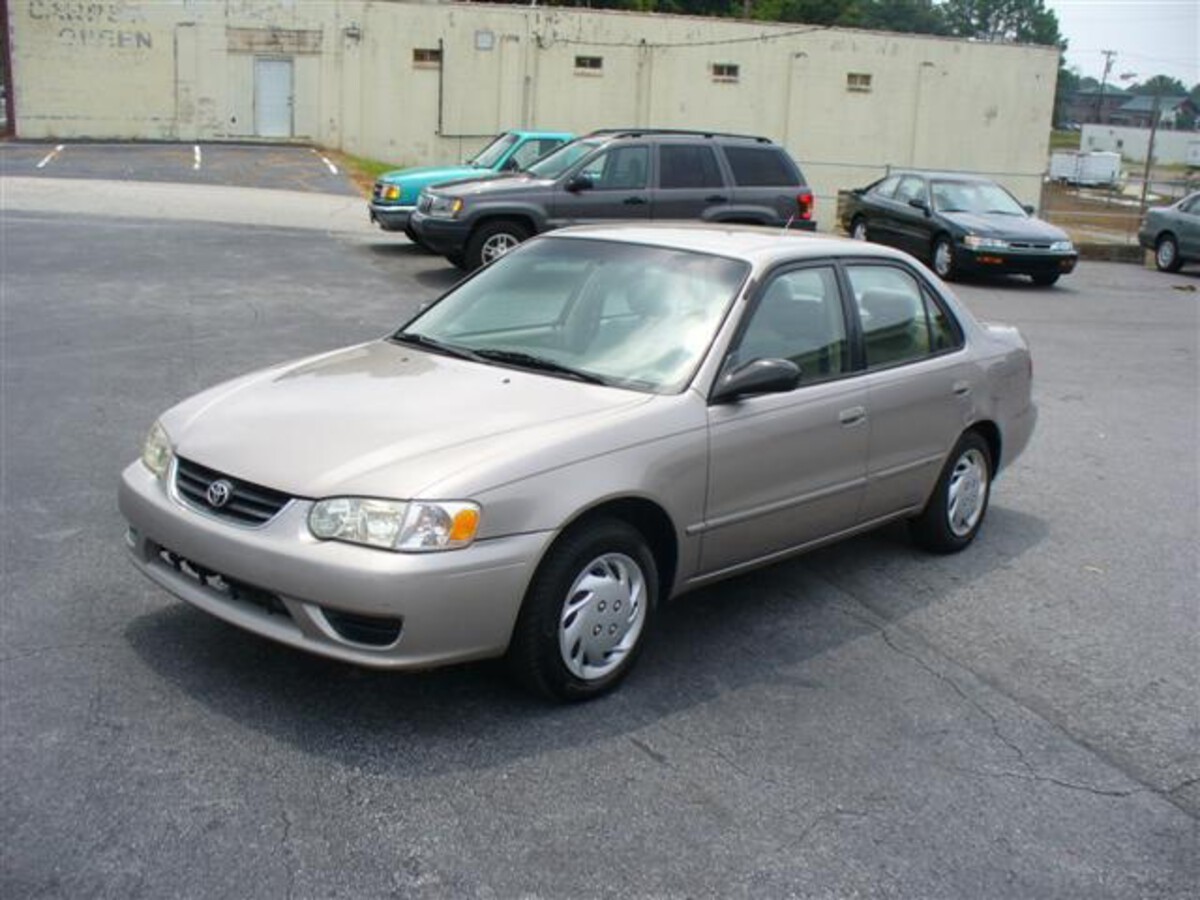
The late ‘90s through early 2010s models are especially bulletproof. They run on Toyota’s tried-and-true inline-four engines, often the 1.8L 1ZZ-FE or 2ZR-FE, both known for ridiculous longevity.
It’s not uncommon to see Corollas with 400,000 kilometers or more still running without major work. Fuel economy stays solid at around 6–7 L/100km, and the automatic transmissions, while not sporty, are smooth and long-lasting.
Mechanics love them because parts are cheap, accessible, and rarely need replacement. Even the interiors hold up nothing fancy, but the plastics don’t crumble like some competitors’.
What keeps them alive past insurance totals is their simple construction. A front-end collision might look bad on paper, but swap a few panels, and the car is back. The drivetrain and frame are usually untouched.
A Corolla’s strength lies in its ability to just keep doing its job with minimal fuss, no matter what life throws at it.
2. Honda Civic (2001–2015)
Few compact cars carry the kind of cult reliability the Honda Civic does. From first-time buyers to tuners, everyone knows the Civic’s durability isn’t hype it’s earned. Even when totaled, many end up rebuilt and back in daily service because the bones of the car are so resilient.
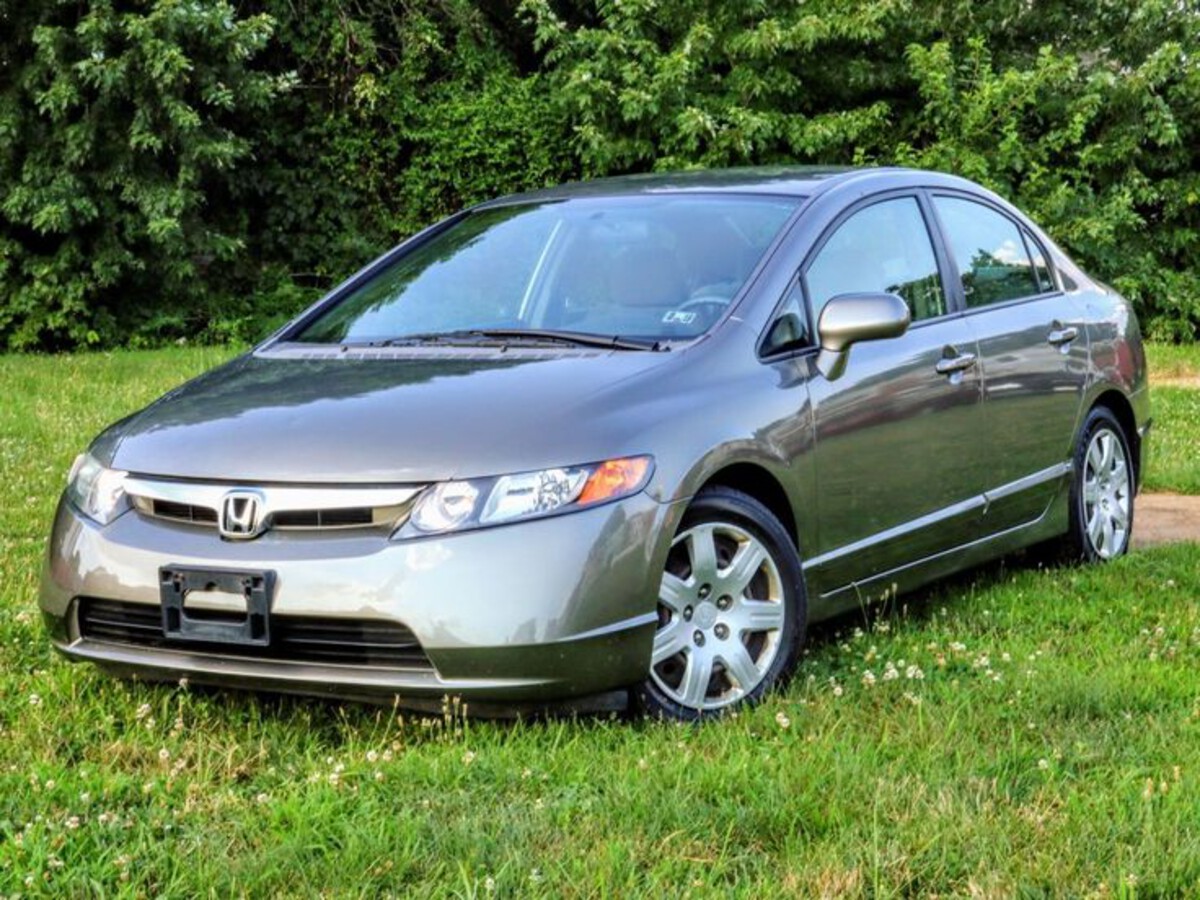
The seventh through ninth generations, covering 2001 to 2015, are especially known for mechanical toughness. Honda’s 1.7L and 1.8L i-VTEC engines can easily outlast most insurance expectations, often surpassing 500,000 km with proper maintenance.
The transmissions, especially manuals, are nearly indestructible, and the chassis is surprisingly rust-resistant for an economy car.
Fuel economy stays consistently good, and while the interiors aren’t luxury-grade, they don’t fall apart easily either. The Civic’s handling also makes it fun it’s light, responsive, and nimble, which adds to its appeal long after newer models hit the market.
Mechanics appreciate how easy it is to work on. Panels and parts are readily available, and the simplicity of the design means it’s rarely a nightmare in the shop.
Insurance may write off a Civic after a small crash, but the engine, suspension, and driveline usually survive untouched. That’s why so many of these cars just keep on driving.
3. Toyota Camry (2002–2017)
The Camry is the big brother of the Corolla, and it’s every bit as reliable. It’s one of those sedans you’ll see everywhere because owners simply never let them go. The early 2000s to mid-2010s models are a perfect blend of durability and comfort strong engines, solid transmissions, and interiors that age gracefully.
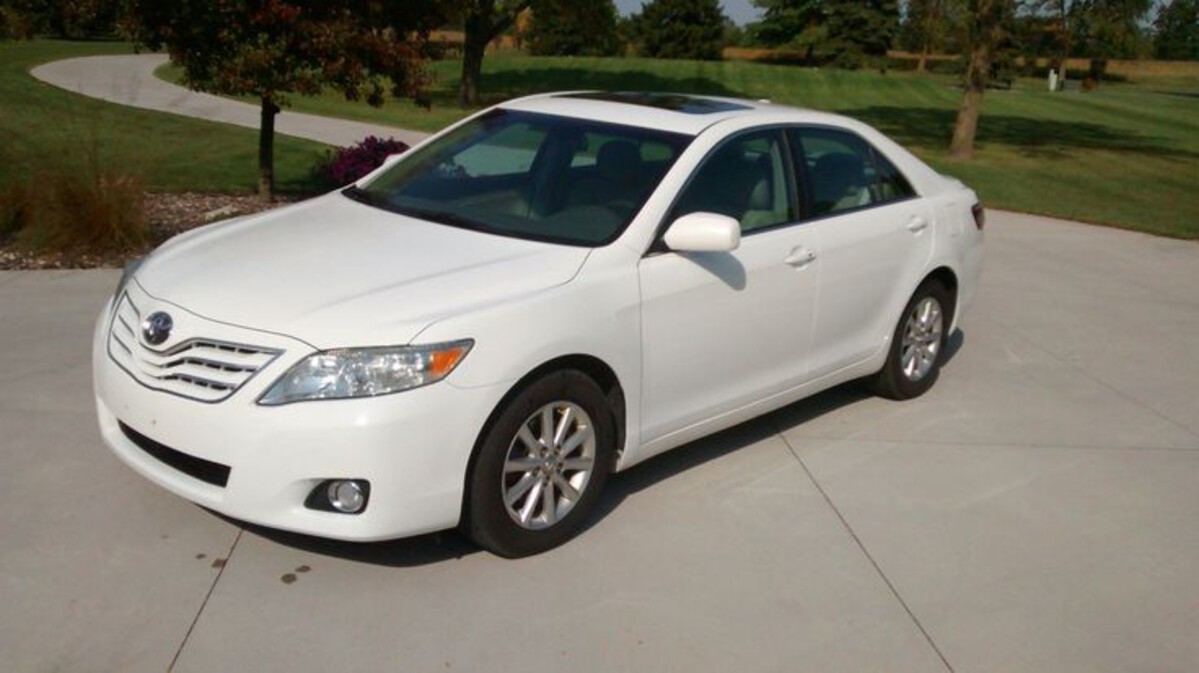
The 2.4L four-cylinder and the 3.5L V6 options both offer bulletproof longevity. The 2GR-FE V6, in particular, is known for handling abuse while still delivering smooth power.
The Camry’s structure is stout enough to survive moderate collisions, and insurance often writes them off just because the bodywork is expensive not because the car’s done for.
Fuel economy is decent for its size, and the driving experience is quietly composed. It’s not thrilling, but it’s incredibly predictable and forgiving. The suspension and steering soak up rough roads without drama.
Mechanics will tell you the Camry’s real charm is its simplicity. Parts are widely available, and the engines rarely need anything more than basic maintenance. A Camry that’s “totaled” on paper often just needs cosmetic work to get back on the road. It’s the kind of car that keeps proving value isn’t always about numbers.
4. Ford F-150 (2004–2014)
America’s best-selling truck has a reputation for taking hits both literally and figuratively. The Ford F-150 from the mid-2000s to early 2010s stands out as a pickup that keeps running long after it should’ve been retired.
Insurance totals mean little when the frame, powertrain, and purpose-built toughness of this truck are still intact.
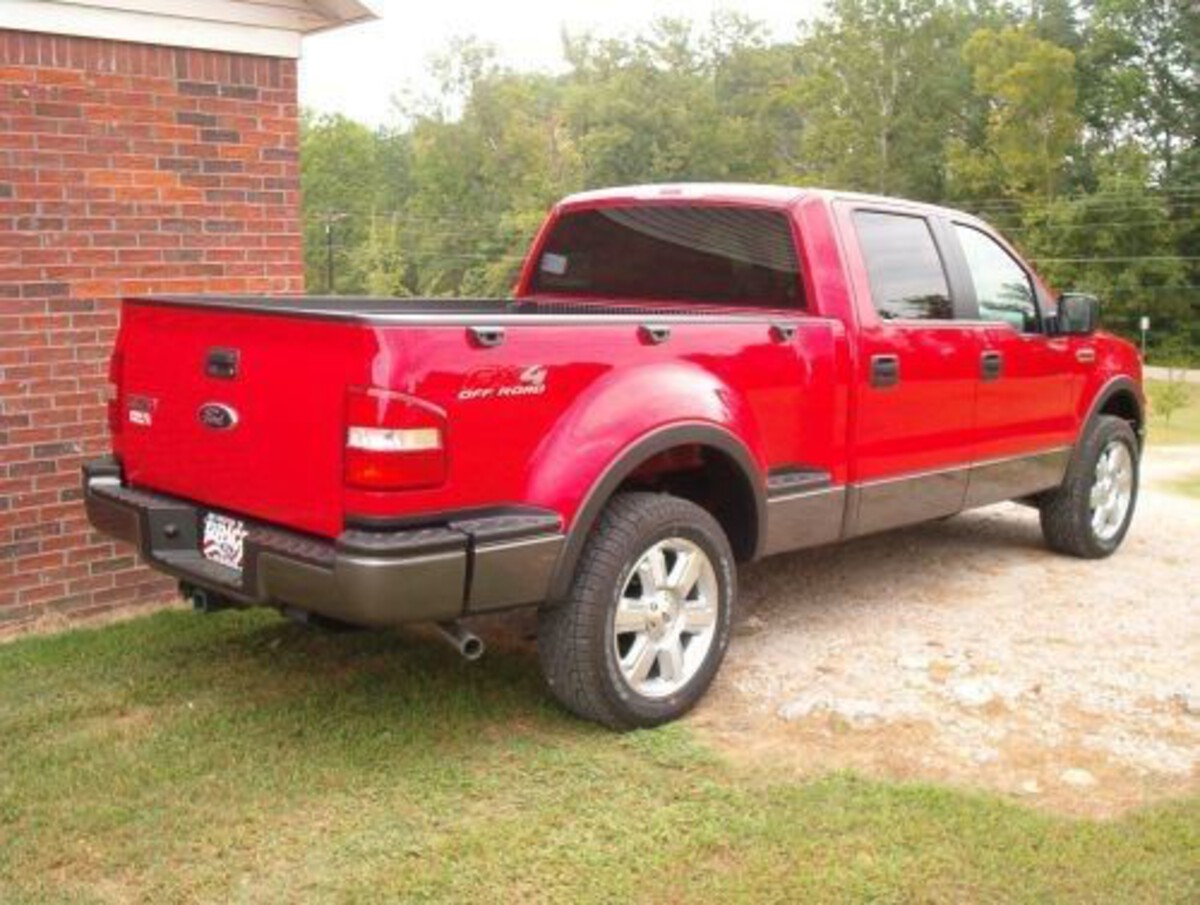
Under the hood, the 4.6L and 5.4L Triton V8 engines deliver serious torque, and while they’re not the most fuel-efficient, they’ll run for hundreds of thousands of miles if maintained. The six-speed automatic transmissions are generally reliable, and the frame design gives the F-150 an edge in surviving accidents.
Mechanics often find that what insurance calls a total is usually just bodywork. Fenders and beds are replaceable, and with parts availability through the roof, getting an F-150 back on the road isn’t difficult. The interiors of this generation are basic but durable built for work, not luxury.
Truck owners love them for one reason: they keep earning. Even after accidents, these trucks haul, tow, and plow like they’re fresh off the lot. It’s common to see rebuilt F-150s working construction sites or farms years after being declared done.
5. Subaru Outback (2005–2014)
The Subaru Outback has long been a favorite among drivers who live in rough weather or rugged areas. What makes it special is how well it handles abuse snow, gravel, or city traffic, it doesn’t matter. Even after major insurance claims, many Outbacks keep trucking thanks to their tough design and dependable drivetrains.
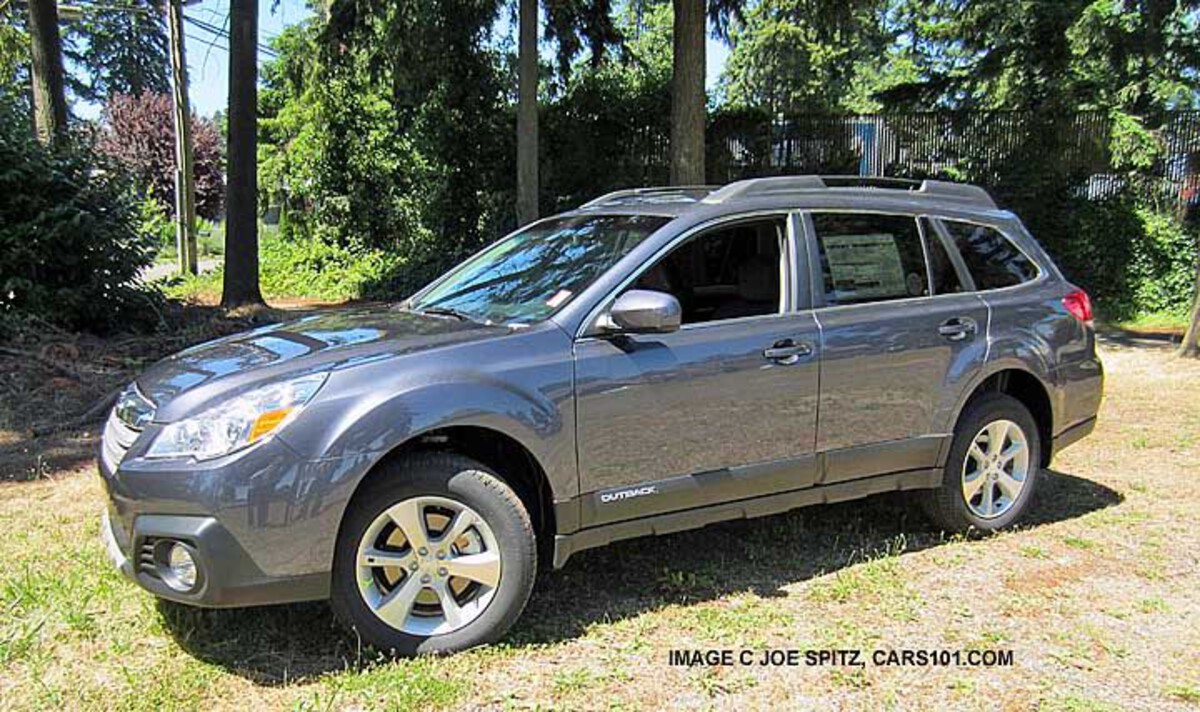
The 2.5L boxer engine and symmetrical all-wheel drive setup are the heart of the Outback’s endurance. While the head gaskets of older models had issues, once replaced properly, these engines go the distance. The low center of gravity gives it car-like handling while offering SUV-like practicality.
Mechanics admire the Outback because it’s straightforward to work on for an AWD system, and used parts are easy to find. Insurance often calls them totaled after minor underbody or suspension damage, but the structure is typically sound.
The interiors are comfortable and wear-resistant, making them perfect for long commutes or road trips. Drivers who own Outbacks often keep them past the 300,000 km mark. Even when insurance gives up, the car rarely does. It’s a wagon that acts like a mountain goat and lasts like one too.
6. Honda Accord (2003–2017)
If there’s one midsize car that defines reliability, it’s the Honda Accord. Known for balanced performance, strong resale value, and mechanical toughness, it’s no surprise many Accord owners rebuild after a total because the car’s worth saving.
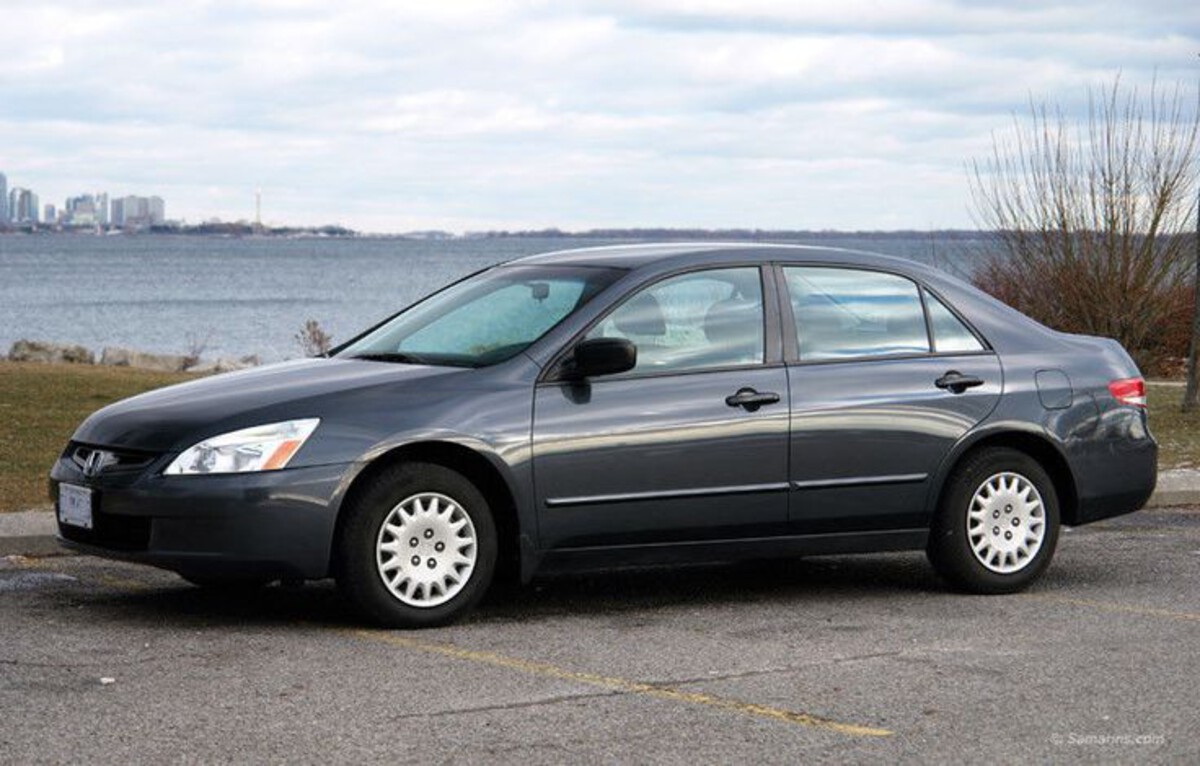
The 2.4L inline-four and 3.0L/3.5L V6 options are some of Honda’s finest. Smooth, durable, and low-maintenance, these engines just don’t quit. The transmissions especially the later six-speeds are dependable too. Combine that with a comfortable ride and a roomy cabin, and you’ve got one of the best all-around cars ever built.
Fuel efficiency sits around 7–9 L/100km, and while it’s not a sports car, the Accord drives with confidence and control. Interior quality is high, especially in EX trims, and everything ages gracefully.
Mechanics praise the Accord for being easy to repair and rarely needing deep engine work. Insurance might call it done after moderate body damage, but that doesn’t stop owners from fixing it.
The structure is strong, the engines are eager, and the parts market is full. Few sedans can survive both time and the junkyard label like the Accord can.
7. Toyota Tacoma (2005–2015)
The Tacoma’s reputation for indestructibility is legendary. It’s the small truck that never seems to die, even when insurance adjusters insist it’s done. Built for durability, the Tacoma shrugs off rust, dents, and even frame damage better than most.
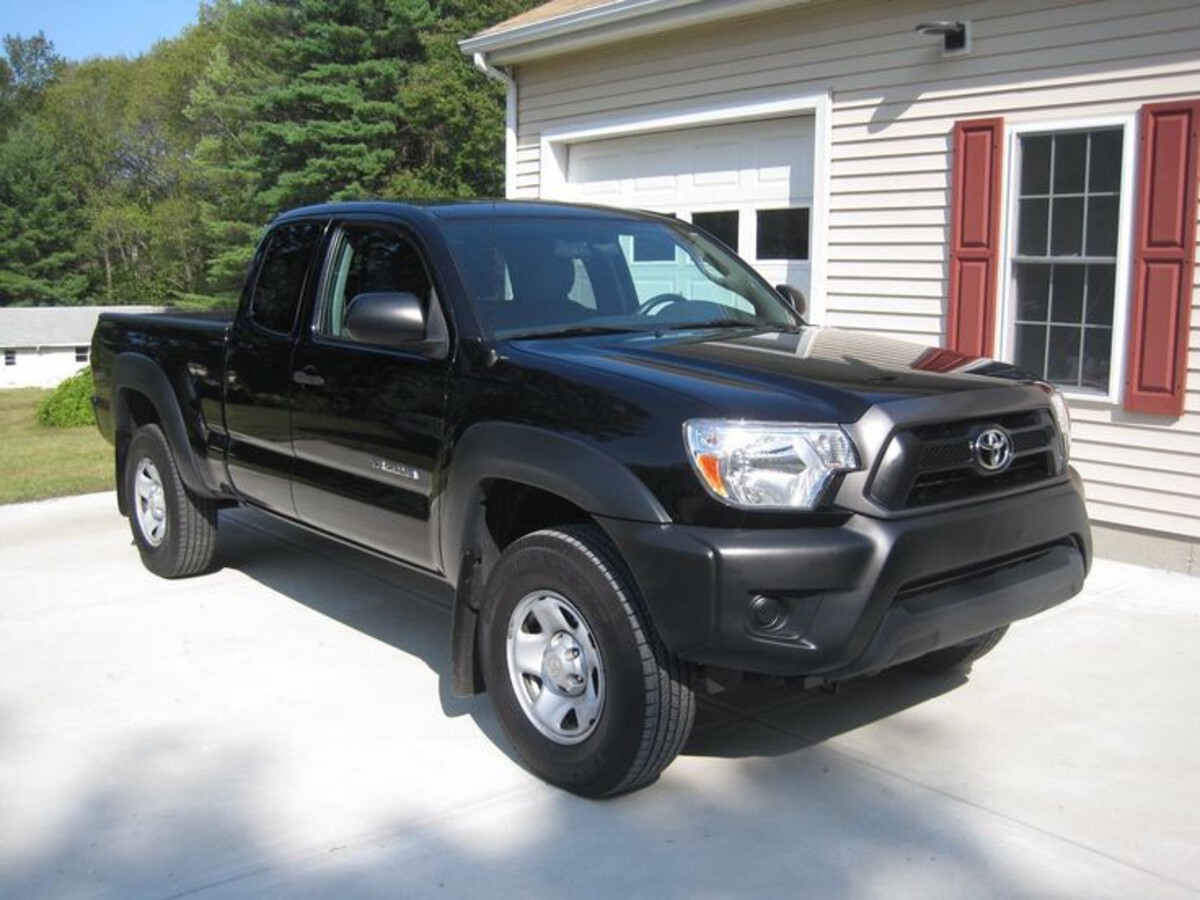
Powered by the 2.7L four-cylinder or the 4.0L V6, both engines are proven to run forever with minimal issues. The 4.0L, in particular, is a torque-heavy workhorse that’s nearly impossible to kill. Off-road performance is excellent, and the frame while known for some rust issues, remains sturdy once treated.
The cabin feels utilitarian but not cheap. Everything is designed to handle abuse, from the seats to the switchgear. Fuel economy isn’t great, but reliability makes up for it tenfold.
Mechanics often say Tacomas are overbuilt for their size. That’s why so many get resurrected after collisions. They’re easy to fix, with strong aftermarket support and simple mechanicals.
For those who value long-term dependability over looks, a rebuilt Tacoma is often better than a new crossover. Insurance may total it, but Tacoma owners know better these trucks don’t know when to quit.
ALSO READ: 12 Cars That Handle Dirt Roads Easily
8. Jeep Wrangler (2007–2018)
The Jeep Wrangler has a different kind of toughness. It’s not refined, it’s not quiet, but it’s built to take punishment. Insurance totals often mean little because these vehicles are modular most parts can be replaced or upgraded easily.
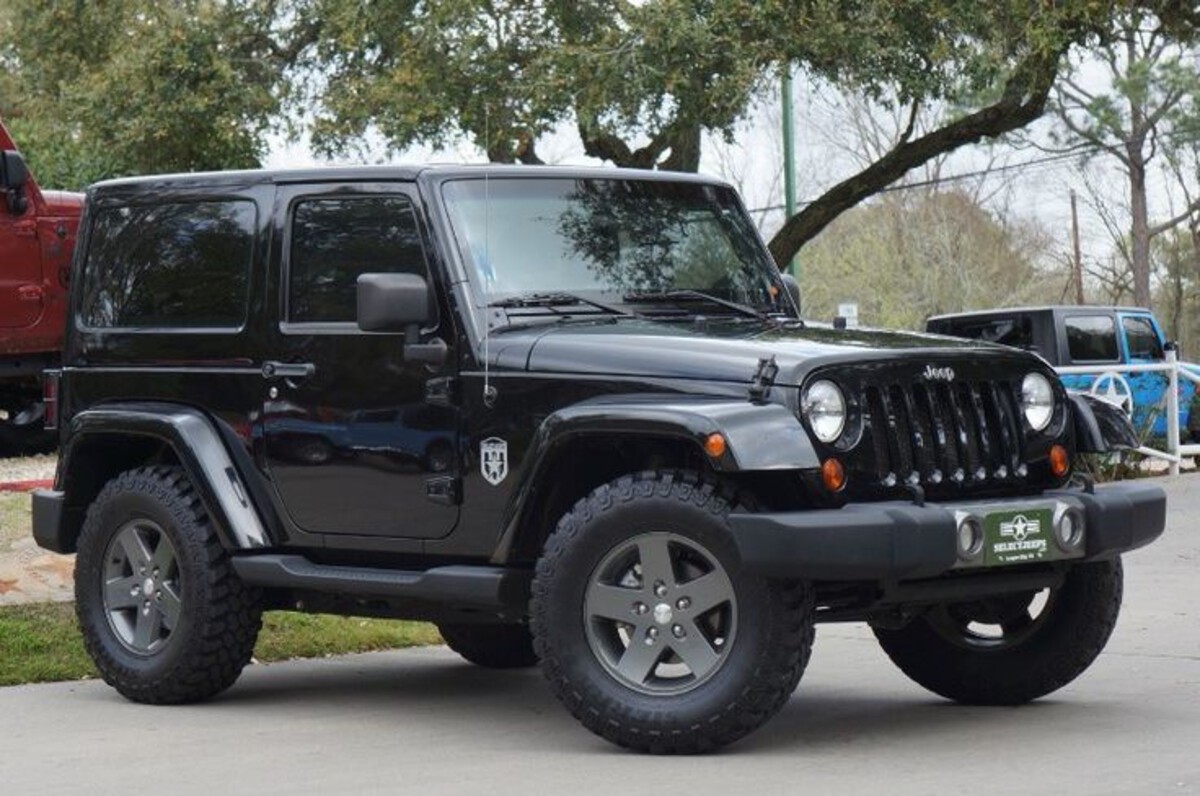
The 3.6L Pentastar V6 and older 3.8L engines are strong and straightforward. The body-on-frame construction means most collisions don’t ruin the whole vehicle. You can replace panels, fenders, even doors, without major structural repair. That’s why Wranglers keep popping up even after major insurance claims.
Mechanics appreciate the Wrangler’s simplicity. It’s built like a Lego set easy to disassemble, fix, and reassemble. The interiors are spartan but durable, made to resist mud and weather.
While the ride is rough and the handling truck-like, it’s part of the charm. Off-road, the Wrangler dominates, which is why owners rarely give them up. They’ll repair and rebuild instead of replacing.
The aftermarket scene is massive, keeping these rigs alive for decades. Even a “totaled” Wrangler is usually just a project waiting for a new life.
9. Chevrolet Silverado 1500 (2007–2016)
The Chevy Silverado is a workhorse through and through. These trucks often rack up hundreds of thousands of miles and still have plenty left to give, even after an insurance write-off. The 2007–2016 models hit a sweet spot of power, simplicity, and solid build quality.
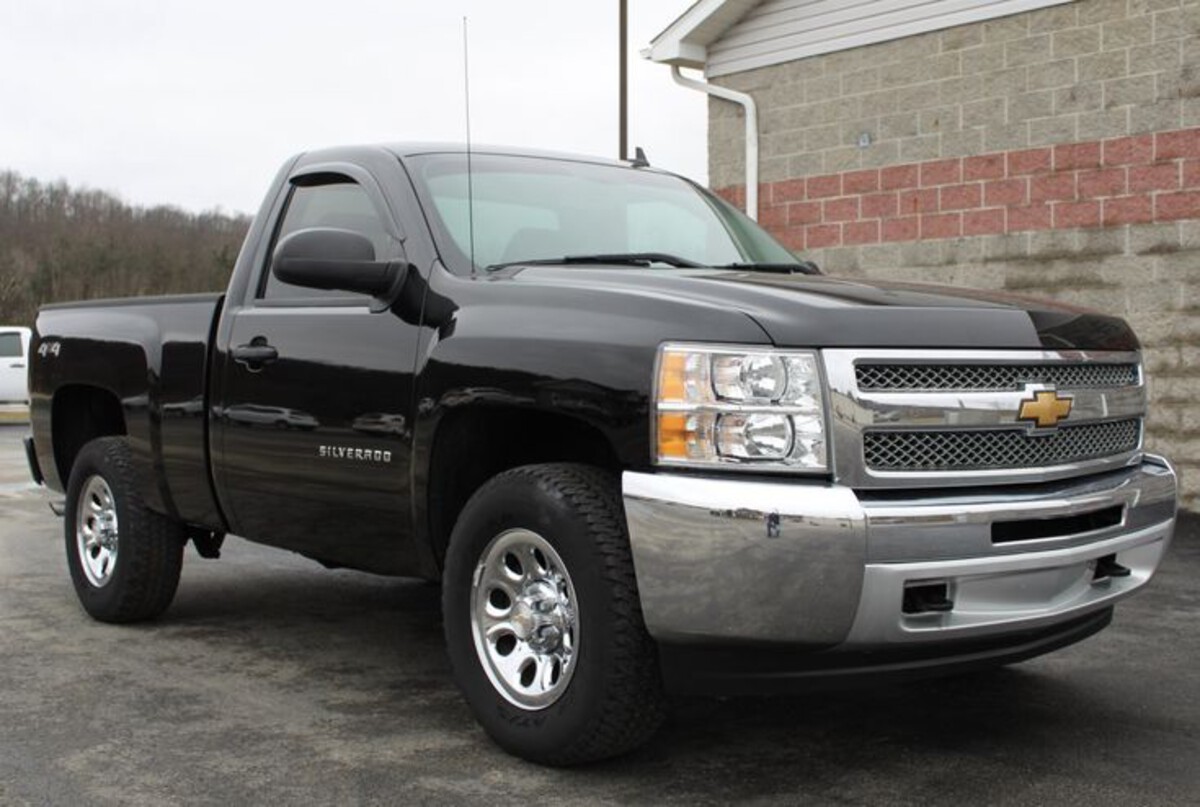
Engines like the 5.3L and 6.2L V8s are proven long-haulers. They’re smooth, strong, and capable of handling serious abuse. The frames are rigid, and while rust can be a concern in certain regions, proper care keeps them solid. The interiors are roomy and built for work, not luxury, but they age better than you’d expect.
Mechanics find them straightforward to repair, and replacement parts are abundant. Many Silverados get declared totaled because of bed or panel damage, not mechanical failure. The powertrain usually outlasts the bodywork.
Owners love them for towing, hauling, and general dependability. Even after heavy use or collisions, these trucks get patched up and keep earning. The Silverado’s strength is in its consistency it doesn’t do anything flashy, but it does everything well.
10. Lexus RX 350 (2007–2015)
The Lexus RX 350 may not be a rugged off-roader, but it’s one of the longest-lasting luxury crossovers out there. Many insurance companies underestimate its value after accidents, yet owners who rebuild them get years of quiet, comfortable driving afterward.
Powered by the same dependable 3.5L V6 that Toyota uses across its lineup, the RX 350 runs silky smooth and lasts well beyond 400,000 km with regular care. The six-speed automatic is reliable, and the suspension holds up to abuse surprisingly well for a luxury ride.
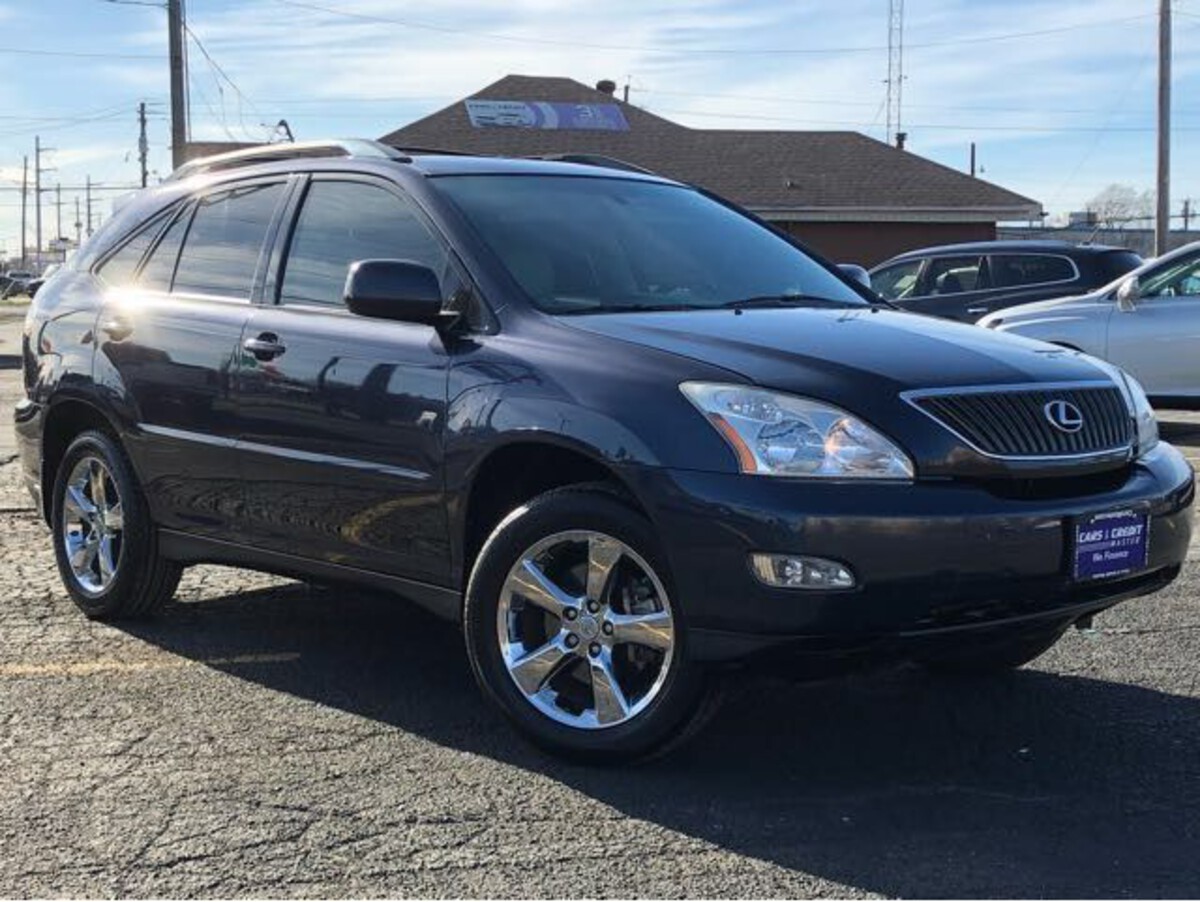
Inside, everything feels solid. Soft-touch materials and leather don’t crumble, and electronics rarely fail. It’s the kind of vehicle where even a “totaled” one can be worth saving because the drivetrain and comfort level are still top-notch.
Mechanics appreciate that the RX 350 shares many parts with the Toyota Highlander, keeping repair costs reasonable. Insurance totals often come from expensive cosmetic damage, not mechanical ruin.
That’s why so many of these end up rebuilt and driven for years. It’s a luxury crossover with Toyota’s reliability DNA and that combination is hard to kill.
11. Mazda3 (2009–2018)
Mazda’s compact sedan and hatchback deserve more credit for their toughness. The Mazda3 blends fun driving dynamics with genuine reliability, which makes it one of the few small cars worth fixing even after a major claim.
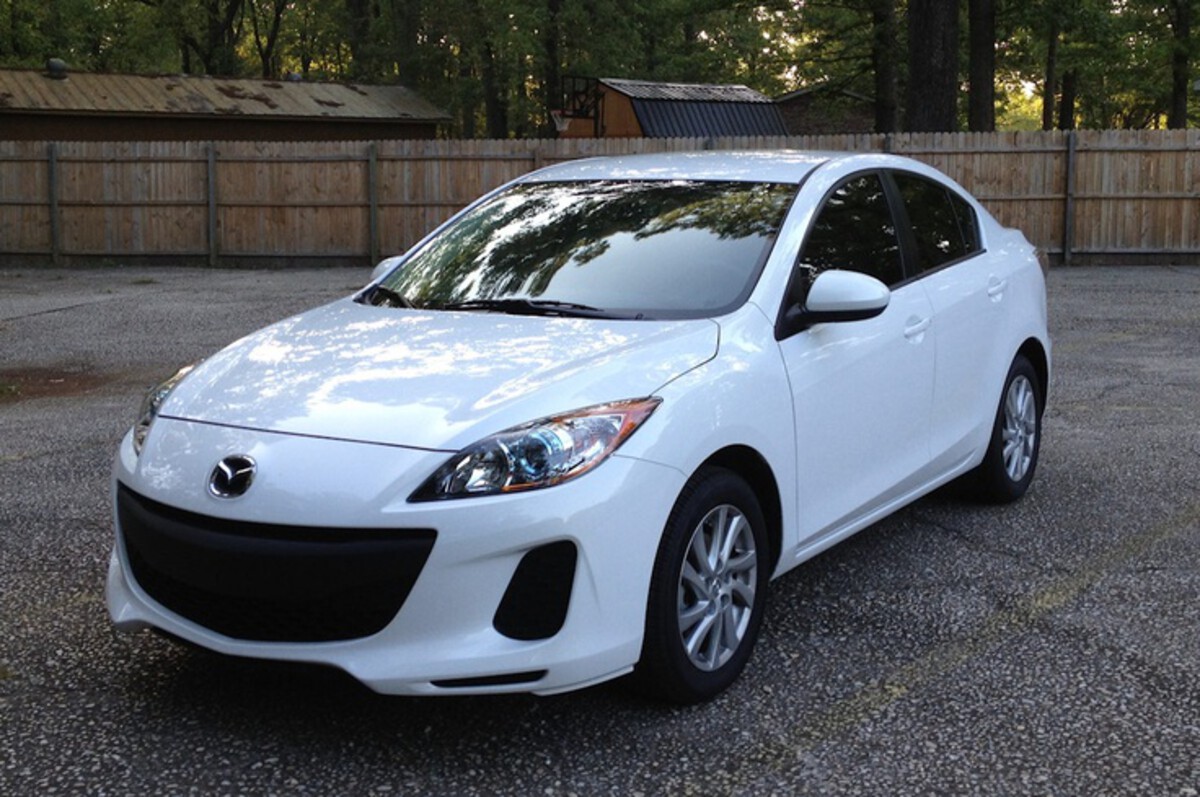
The SkyActiv 2.0L and 2.5L engines are strong, efficient, and known to last well beyond expectations. The manual transmissions are bulletproof, and the automatic ones hold up well if maintained. Steering and suspension give it a sporty feel, yet it’s built solidly enough to handle abuse.
Inside, Mazda3s from this era feature tight-fitting panels and durable fabrics. They don’t rattle apart like some rivals. Fuel efficiency is excellent too a big reason many owners stick with them long after the odometer’s high.
Mechanics say they’re easy to service, with a well-designed layout. Many insurance totals happen due to minor front-end damage or airbags deploying, but the core mechanicals almost always survive.
Owners who rebuild them get a reliable, engaging car for years afterward. The Mazda3 proves that even affordable cars can have premium endurance.
12. Volvo XC70 (2008–2016)
The Volvo XC70 is a tank disguised as a family wagon. With its strong structure, comfortable ride, and all-wheel-drive confidence, it’s the kind of vehicle that survives hits most cars can’t. Insurance companies often total them because of expensive European parts, not because the car’s actually done.
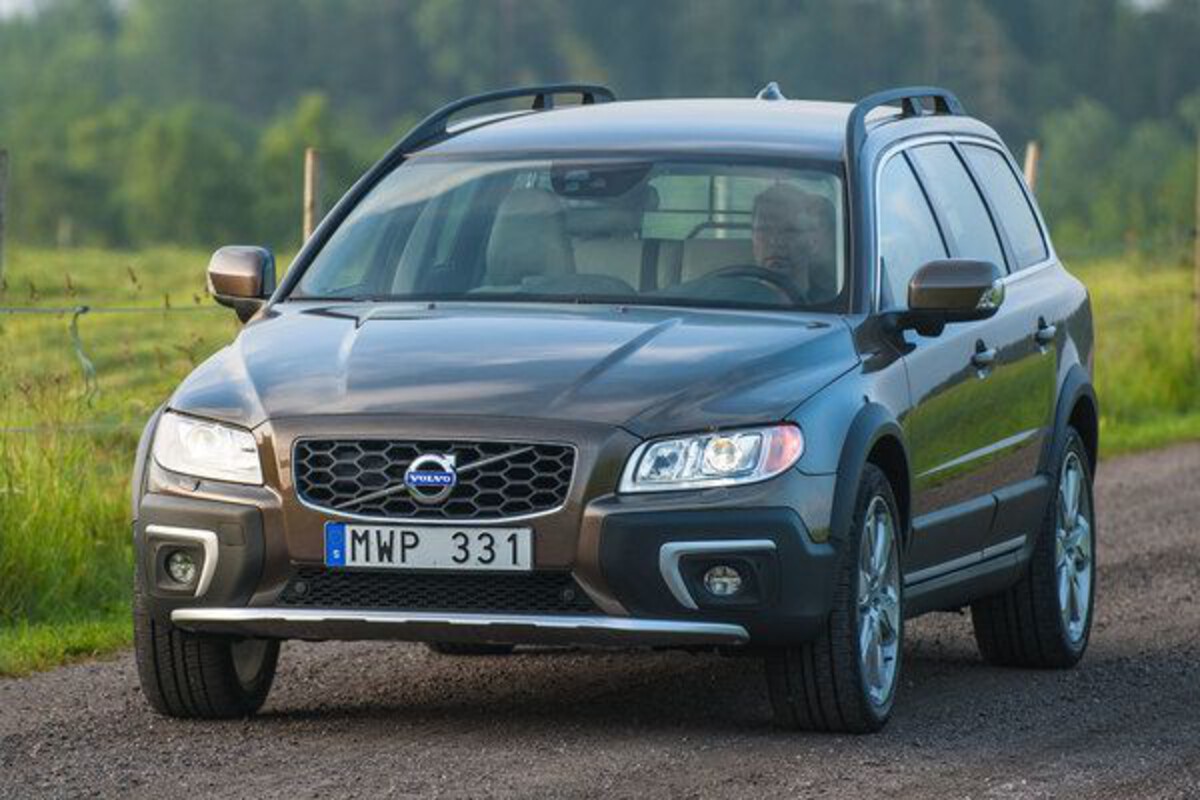
The 3.2L inline-six and T6 turbo engines are known for lasting power, and the transmissions are smoother than most expect. The chassis is built with Volvo’s typical overengineering thick steel, heavy-duty suspension, and a reinforced body shell.
Inside, everything feels premium but solid, from the leather to the switches. Electronics are reliable, and the car feels safe and confident even at high mileage.
Mechanics note that while parts can be pricey, these cars rarely suffer from terminal failures. Many XC70s hit 400,000 km without losing comfort or stability. A “totaled” one often just needs cosmetic fixes or suspension work.
The XC70 proves that European engineering can last if built by Volvo. For families or commuters who want something safe, strong, and built to take punishment, this wagon’s a survivor in every sense.
What all these cars have in common isn’t glamour it’s grit. They represent a generation of vehicles built before everything became overcomplicated. When insurance totals them, it’s usually for financial reasons, not because the vehicle’s life is actually over. That’s where owners, enthusiasts, and mechanics see opportunity.
If you’re looking for a car that can survive long-term ownership, focus on proven powertrains, simple construction, and accessible parts.
Toyotas, Hondas, and older trucks tend to win here because their engines were engineered for endurance, not just efficiency. Rebuild-friendly designs and durable materials also make a difference.
Mechanics often say these cars are “worth fixing” because they know the bones are solid. You might replace a bumper, an airbag, or a control arm, but the heart of the car the engine, the frame, the drivetrain keeps going.
For buyers, the takeaway is clear: don’t dismiss a rebuilt or “totaled” title too quickly. Some of the most dependable cars on the road started that way. What matters most is how well they were repaired and how solid the foundation still is.
In the end, the best cars aren’t just the ones that look new the longest. They’re the ones that refuse to quit, that keep showing up day after day, outlasting the spreadsheets and proving their worth the old-fashioned way by still running strong.