Car enthusiasts, everyday drivers, and even mechanics all share a quiet obsession: engines that just keep going. We’ve all heard horror stories of vehicles giving up after 100,000 miles, or engines that guzzle oil and start costing more in repairs than they’re worth.
But then there are those rare powerplants that defy expectations, clocking 300,000 miles or more without missing a beat.
Knowing which engines fall into this category matters whether you’re buying a used car, building a long-term project, or just want peace of mind that your daily driver won’t break the bank in a few years.
Long-lasting engines aren’t just about reliability. Performance, handling, fuel economy, and the ease of finding parts all play a part.
Some engines become legends because they combine durability with spirited driving dynamics, while others quietly rack up miles because they’re simple, cheap to maintain, and incredibly forgiving to less-than-perfect care.
Trends in modern cars have shifted towards turbocharging, direct injection, and hybrid tech. These innovations deliver power and efficiency, but they don’t always match the longevity of classic, straightforward designs.
Mechanics often point out that an engine’s long life usually comes from solid engineering, high-quality materials, and well-thought-out maintenance schedules. Buyers, on the other hand, care about resale value, fuel economy, and insurance costs alongside durability.
With so many variables, spotting engines that genuinely last is like separating the wheat from the chaff. This list focuses on power plants that consistently outperform expectations.
Each of them earns praise not because they’re perfect, but because they hold up when others would falter. You won’t find gimmicks here; just engines that have proven themselves in real-world conditions, backed by expert opinion and hands-on experience.
12 Engines That Defy All Longevity Expectations
Not all long-lasting engines are high-performance monsters or luxury V8s. This list includes everyday workhorses, spirited small-displacement engines, and renowned performance units.
The common thread is consistency: these engines repeatedly demonstrate the ability to reach high mileage without catastrophic failure. Criteria for evaluation include reliability, ease of maintenance, fuel economy, performance, parts availability, and resale value.
We also consider how mechanics and enthusiasts view these engines, highlighting those that have earned respect over decades.
These engines prove that thoughtful design, high-quality components, and straightforward engineering often outperform complex or heavily marketed alternatives. Some are legendary for their tuning potential, while others quietly rack up miles in daily drivers.
Reliability, combined with manageable maintenance, is what makes these engines stand out. By the end of this list, readers will understand why these powerplants endure, how to maintain them, and which engines are worth seeking out for long-term ownership.
1. Toyota 2JZ-GTE (1991-2002)
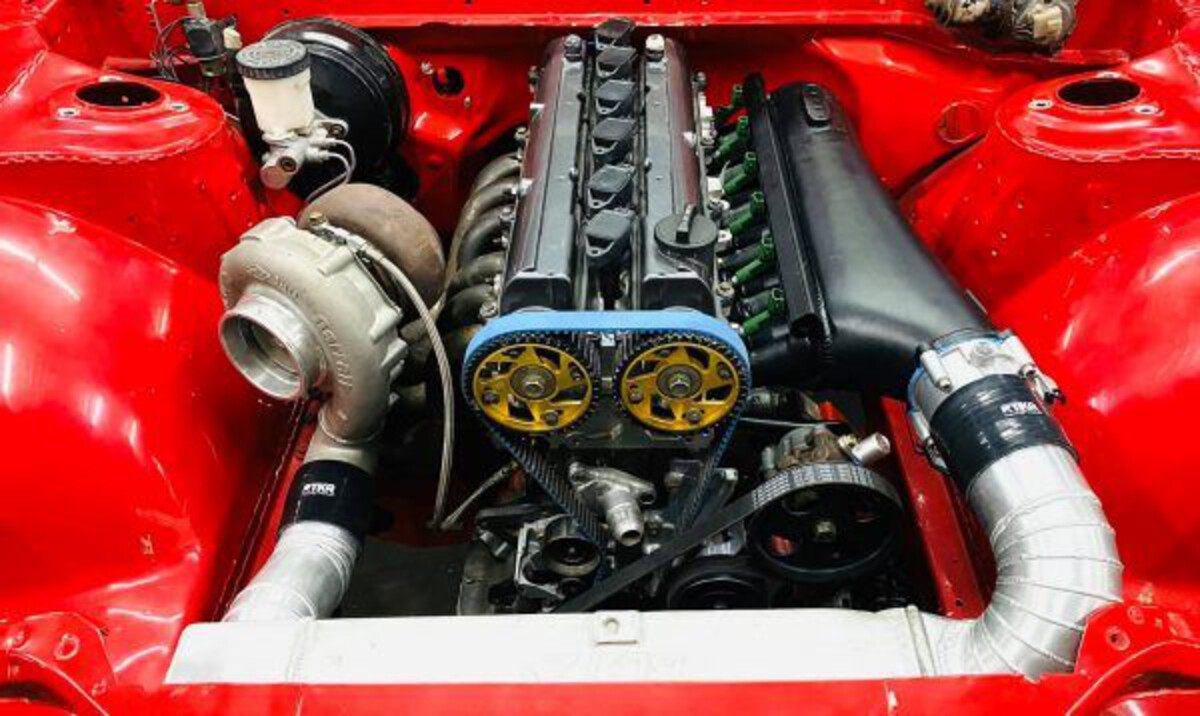
The Toyota 2JZ-GTE, found in the Supra, is an inline-six twin-turbo that has become synonymous with durability and performance. Its cast-iron block and forged internals allow it to handle high horsepower modifications without compromising reliability.
Owners regularly report over 300,000 miles on well-maintained examples. Mechanics appreciate this engine’s simplicity relative to its output, and parts availability remains strong even decades later.
Handling in the Supra is balanced, with a rear-wheel-drive layout that rewards smooth, deliberate inputs. Interior quality is solid for its era, featuring supportive seats, intuitive controls, and a surprisingly ergonomic layout.
The engine’s performance is exhilarating, but regular maintenance is essential: oil changes, coolant checks, and attention to the turbo system ensure longevity.
Avoid heavily modified versions unless you know the previous owner maintained them meticulously. In stock or mildly tuned form, the 2JZ-GTE is nearly indestructible. Its reputation makes it a favorite among enthusiasts and a safe bet for long-term ownership.
ALSO READ: 13 SUVs That Will Be Worth Big Money by 2030
2. Honda K20/K24 Series (2001-Present)
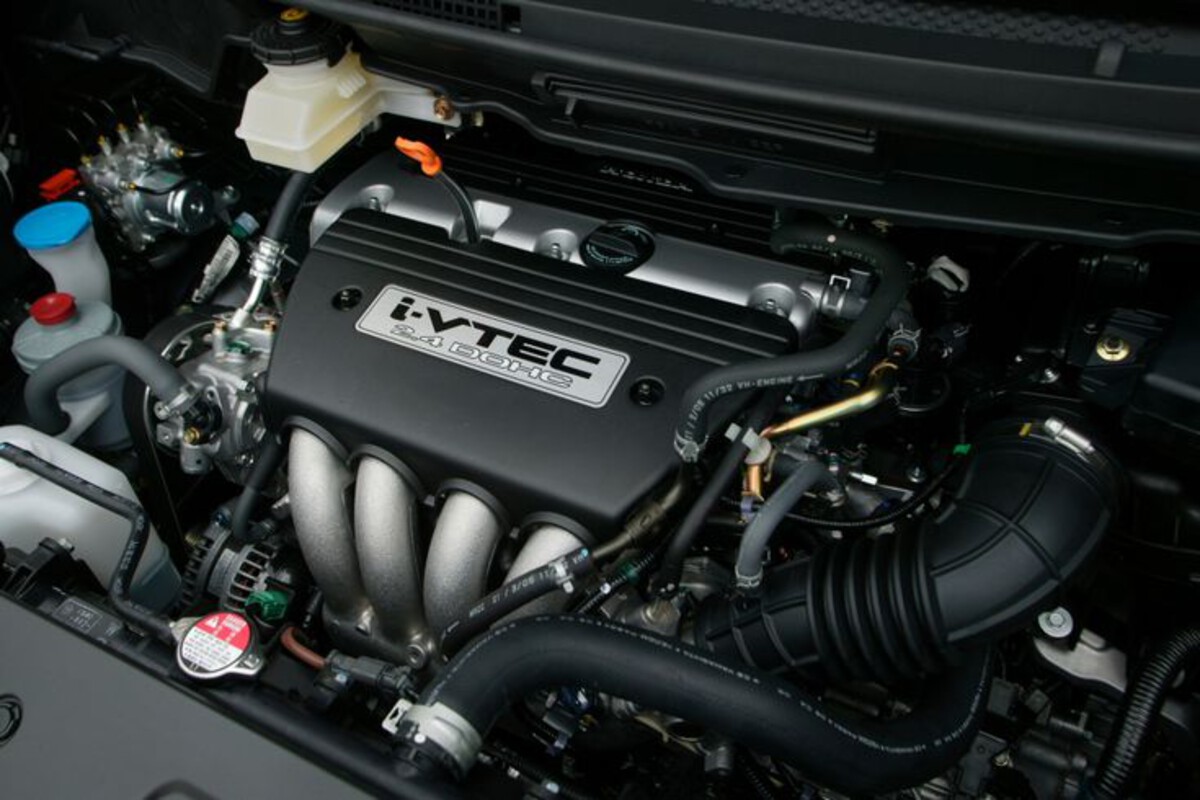
Honda’s K-series engines, particularly the K20 and K24, combine reliability, efficiency, and rev-happy performance. Naturally aspirated, these inline-fours are common in Civic Si, Accord, and CR-V models.
They are straightforward to maintain, fuel-efficient, and capable of exceeding 250,000 miles with routine care. Mechanics cite them as easy to work on and forgiving even with less-than-perfect maintenance.
The K-series delivers lively performance while retaining everyday drivability. Handling in cars equipped with these engines is precise and responsive. Interiors are practical, durable, and ergonomic, with quality materials that stand the test of time.
These engines benefit from simple maintenance routines: oil changes, timing chain inspections, and spark plug replacements are typically sufficient. Avoid aggressive aftermarket modifications if longevity is a priority. General, the K20 and K24 prove that small, lightweight engines can combine fun, efficiency, and durability in one reliable package.
3. Lexus 1UZ-FE (1989-2002)
The 1UZ-FE V8, powering the Lexus LS400, is a smooth, dependable, and robust engine. Its aluminum construction does not compromise durability, and many examples exceed 300,000 miles.
Handling in the LS400 emphasizes comfort over sportiness, but the engine is capable of spirited driving without stress. Fuel economy is moderate, but the trade-off for reliability and refinement is reasonable.
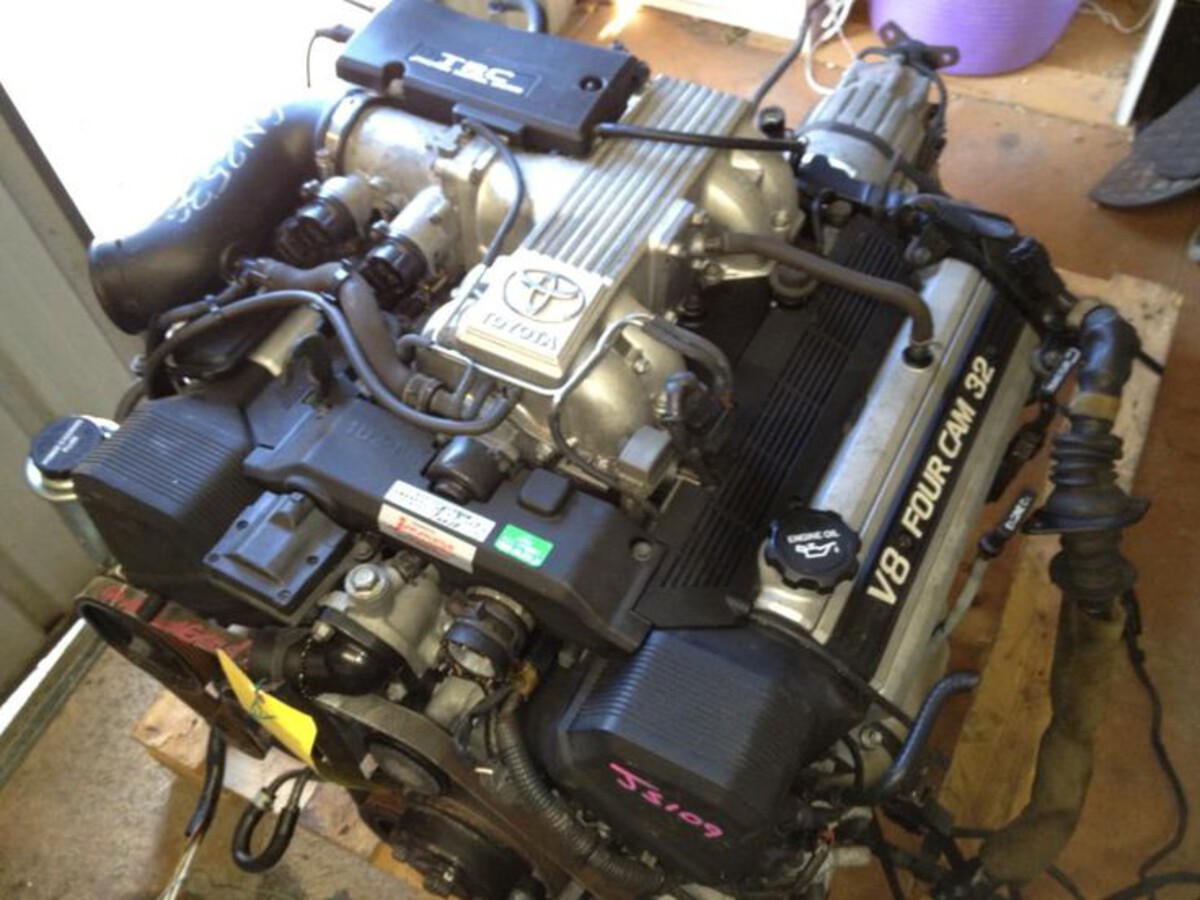
Interior quality is outstanding, featuring premium materials and build quality that rarely deteriorates. Mechanics respect the 1UZ-FE for its simplicity and longevity; regular oil changes and cooling system maintenance are usually all that’s required.
Avoid neglect or DIY modifications that compromise the engine. Its reputation for durability makes it a benchmark for luxury V8s and a favorite among those seeking long-lasting performance and smooth operation.
4. Ford 5.0L Coyote V8 (2011-Present)
The 5.0L Coyote V8 is modern, efficient, and reliable. Found in Mustangs and F-150s, it offers impressive naturally aspirated performance while remaining durable.
Dual overhead cams and robust internal components make it forgiving and long-lived when properly maintained. Mechanics value its modularity, and parts are widely available.
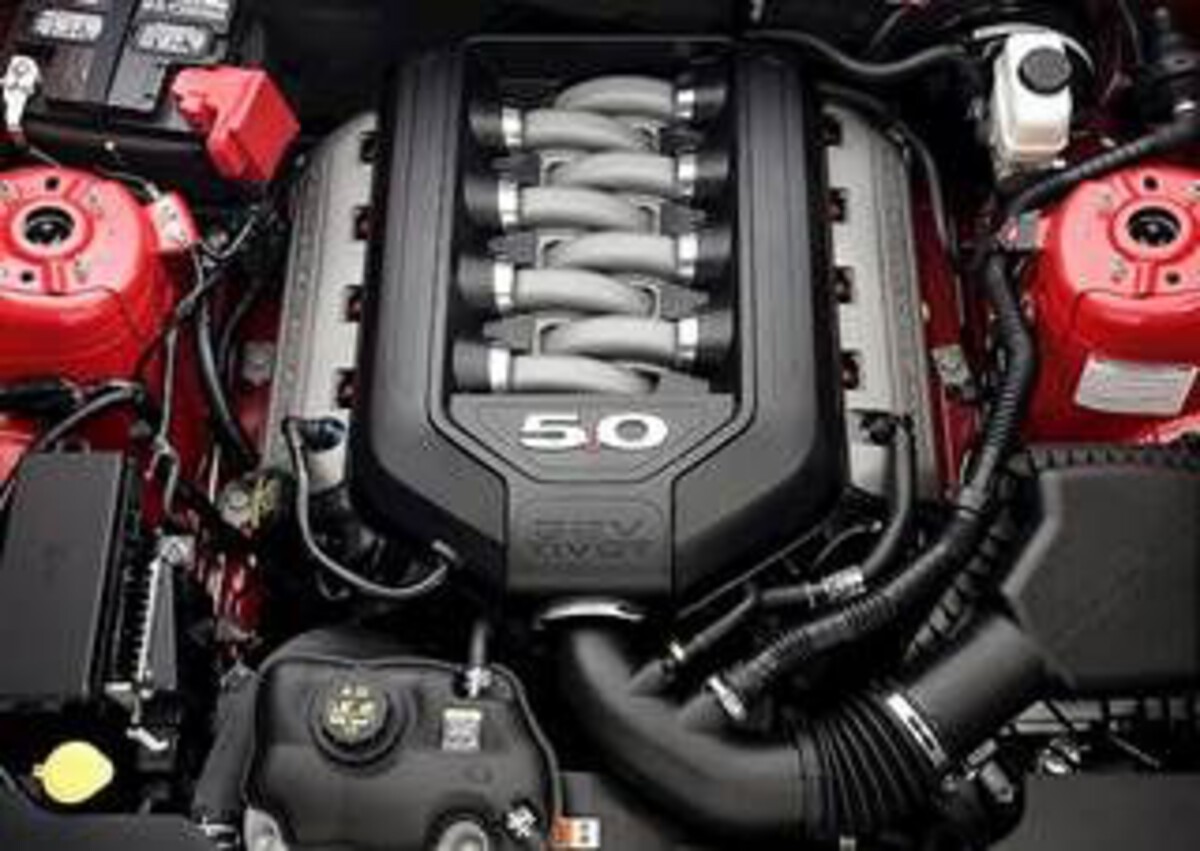
Mustang handling is dynamic, but torque delivery in both sports cars and trucks is smooth. Interiors are comfortable, with well-laid-out controls.
Maintenance, including regular oil changes and coolant monitoring, preserves engine life. The Coyote V8 is recommended for both spirited driving and long-term ownership, showing that modern V8s can combine power, efficiency, and longevity effectively.
5. Chevrolet LS Series V8 (1997-Present)
Chevrolet’s LS engine family is famous for reliability, ease of modification, and widespread availability. Small-block V8s in trucks, SUVs, and performance cars often surpass 250,000 miles.
Performance is strong, and fuel economy is reasonable in larger vehicles. Mechanics praise the LS series for durability and straightforward maintenance.
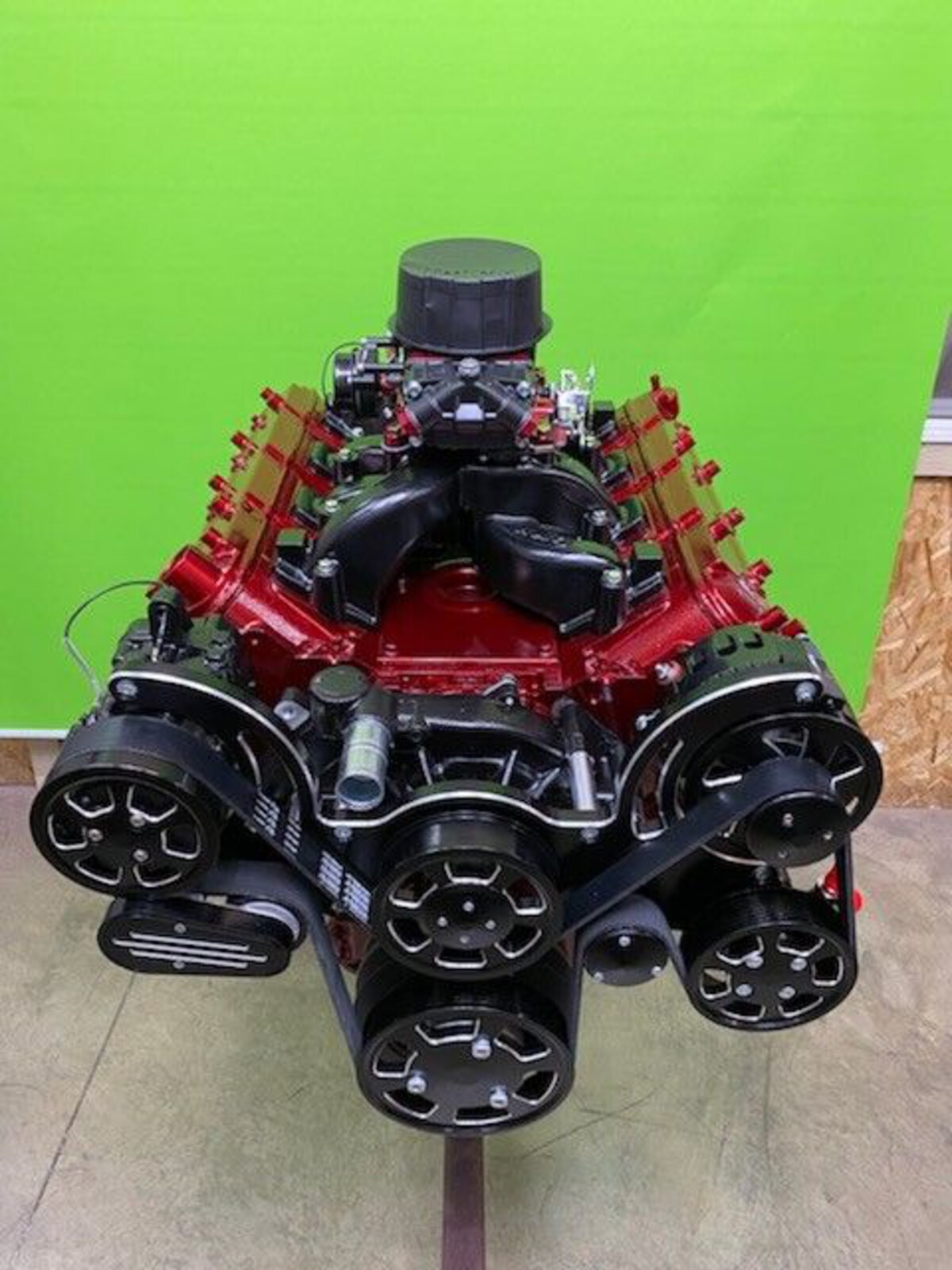
Interior quality varies by application, but the engine compensates with low maintenance needs. Routine oil changes, cooling system checks, and avoiding extreme modifications ensure long life. The LS family is forgiving and dependable, a testament to smart design and simplicity.
6. Mercedes-Benz OM617 Diesel (1974-1985)
The OM617 inline-five diesel is legendary for extreme durability, often exceeding 500,000 miles. Found in older Mercedes sedans and wagons, it offers modest performance but exceptional fuel efficiency. Mechanics praise its simplicity, with no turbo complications and straightforward fuel systems.
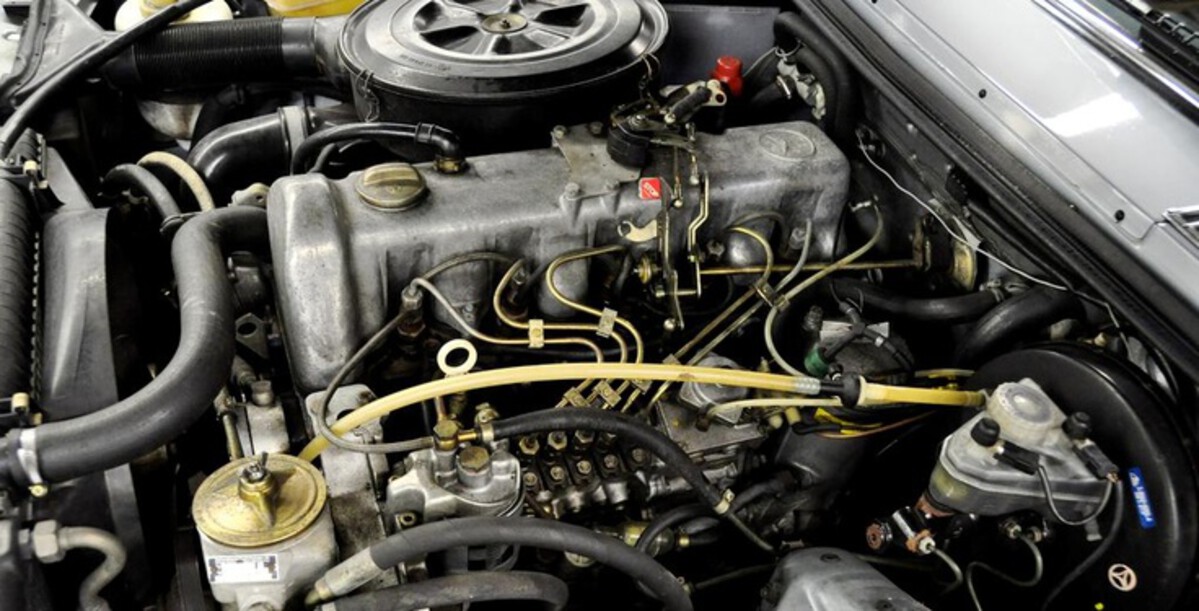
Handling is stable, interiors are solid, and torque delivery makes city and highway driving manageable. Regular oil changes, fuel system upkeep, and cooling maintenance are crucial. The OM617 demonstrates that simplicity and quality engineering produce engines that outlast most modern powerplants.
7. Subaru EJ25 (1996-2019)
The EJ25 flat-four engine powers many Subarus, offering longevity and strong torque, especially in AWD setups. Mechanics note head gasket concerns in early models, but later revisions are highly reliable. Fuel economy is decent, and handling is predictable.
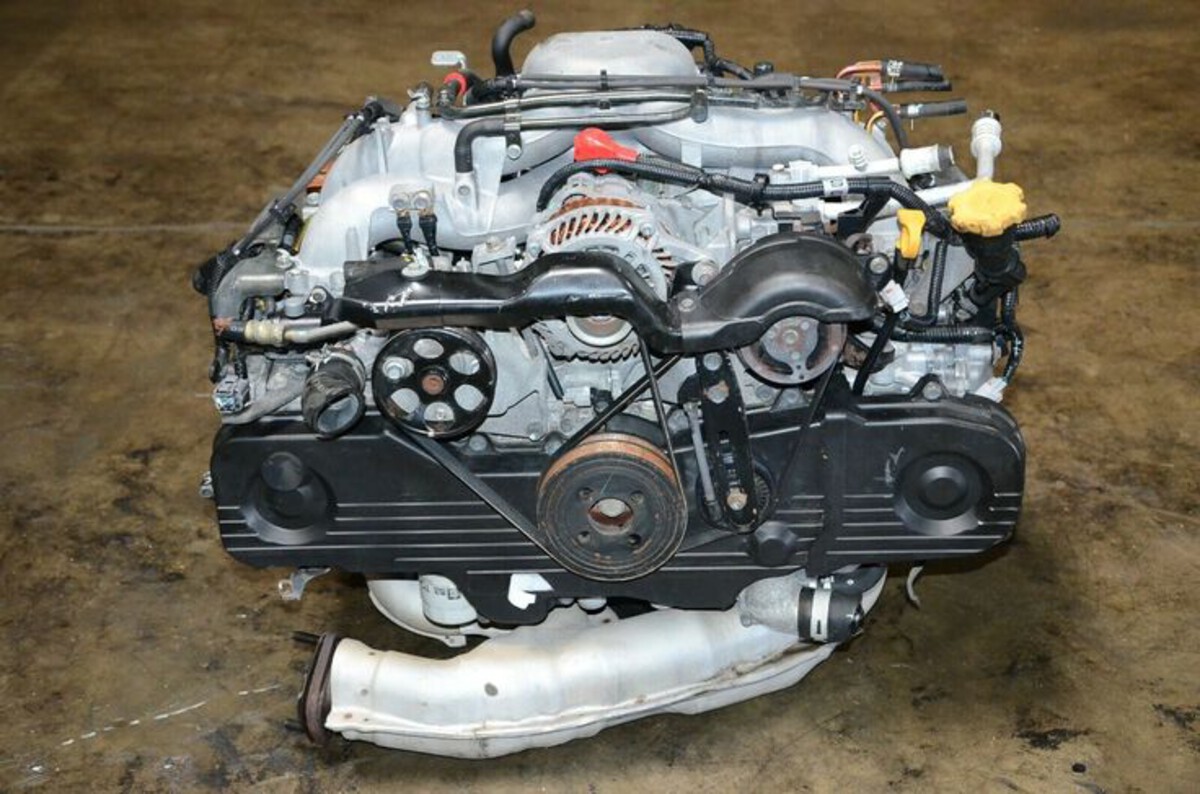
Interior durability is solid, reflecting Subaru’s practical design. Routine oil changes, timing belt or chain maintenance, and cooling checks ensure long life. The EJ25 is valued for reliability and all-weather capability, rewarding owners who follow basic maintenance guidelines.
8. BMW M54 (2000-2006)
The BMW M54 inline-six is often hailed as one of the most reliable engines from the early 2000s BMW lineup. Found in the 3 Series, 5 Series, Z4, and even the X3, it combines smooth power delivery with proven engineering.
Its naturally aspirated design is simple yet efficient, producing solid horsepower while maintaining strong torque across the rev range. Mechanics frequently point to its strong internals and straightforward maintenance as key reasons for its longevity.
Valve cover gaskets and cooling components are its main weak points, but these are relatively easy and inexpensive to service compared to other European engines.
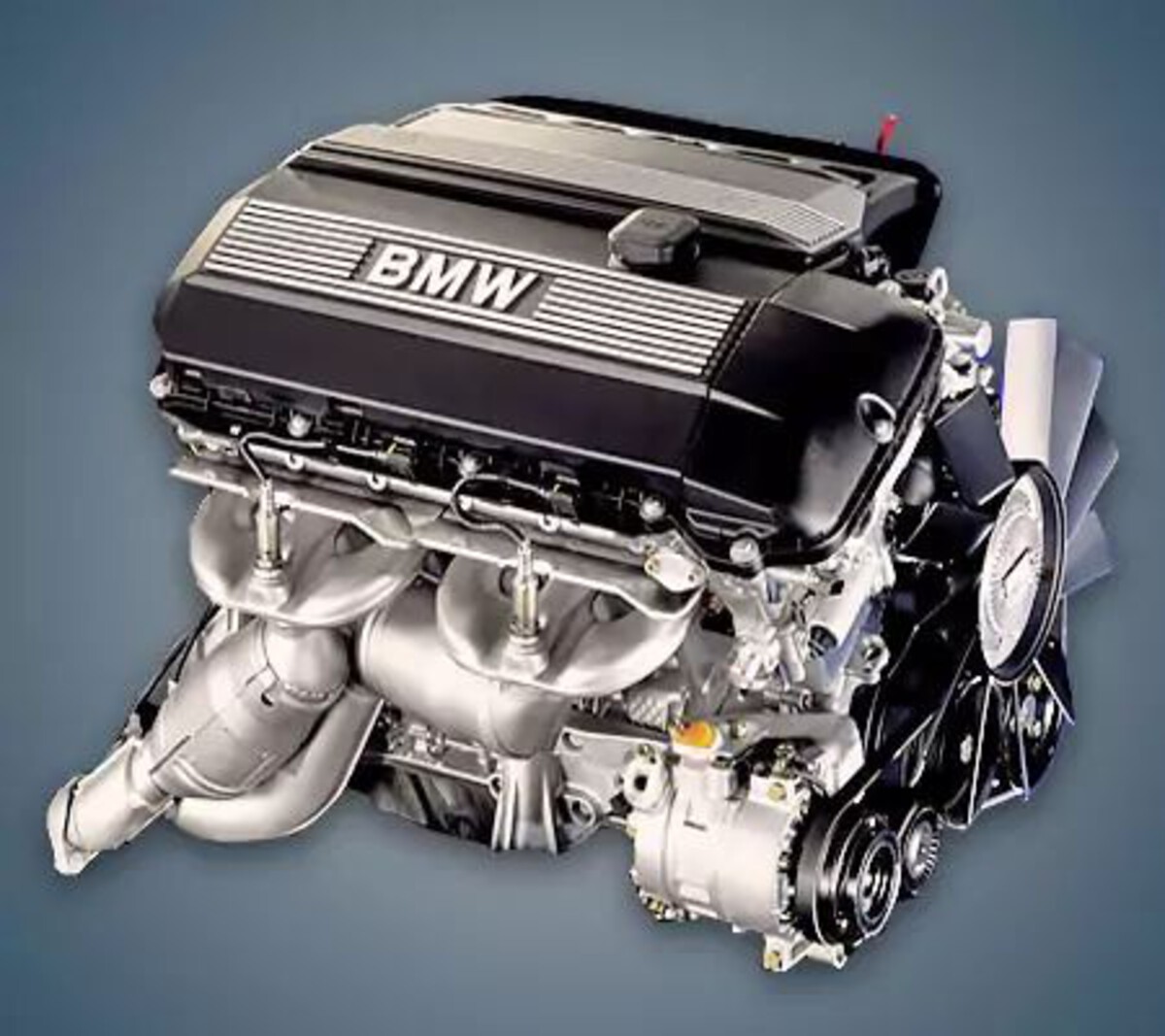
Handling in BMWs equipped with the M54 is precise, with balanced weight distribution and responsive steering that make it enjoyable for spirited driving.
Interiors during this era were driver-focused, with intuitive layouts, quality materials, and good ergonomics that remain functional even today. Fuel economy is respectable for a six-cylinder, especially given the engine’s smoothness and refinement.
Owners report consistent performance even after 200,000–250,000 miles, provided maintenance is followed. Regular oil changes, cooling system inspections, and timely replacement of worn belts or gaskets are crucial to keep it running.
Mechanics recommend avoiding neglect, particularly in cooling, as overheating can cause head gasket issues. Prevailing, the M54 represents a sweet spot for BMW buyers: dependable performance, engaging driving experience, and a reputation for long-lasting reliability.
This engine shows that even premium European designs can be durable when built with quality components and sensible engineering
ALSO READ: 5 Cars That Still Run After Being Abandoned vs 5 That Don’t
9. Nissan RB26DETT (1989-2002)
The RB26DETT is the twin-turbo inline-six that made the Nissan Skyline GT-R an icon. While known for its tuning potential, the engine is remarkably durable in stock form. Its iron block and forged internals allow for high-revving performance without compromising structural integrity.
Mechanics consistently note that the RB26DETT, when properly maintained, can endure extreme mileage without catastrophic failure. Common issues revolve around timing components, turbo care, and cooling maintenance rather than the block or pistons themselves.
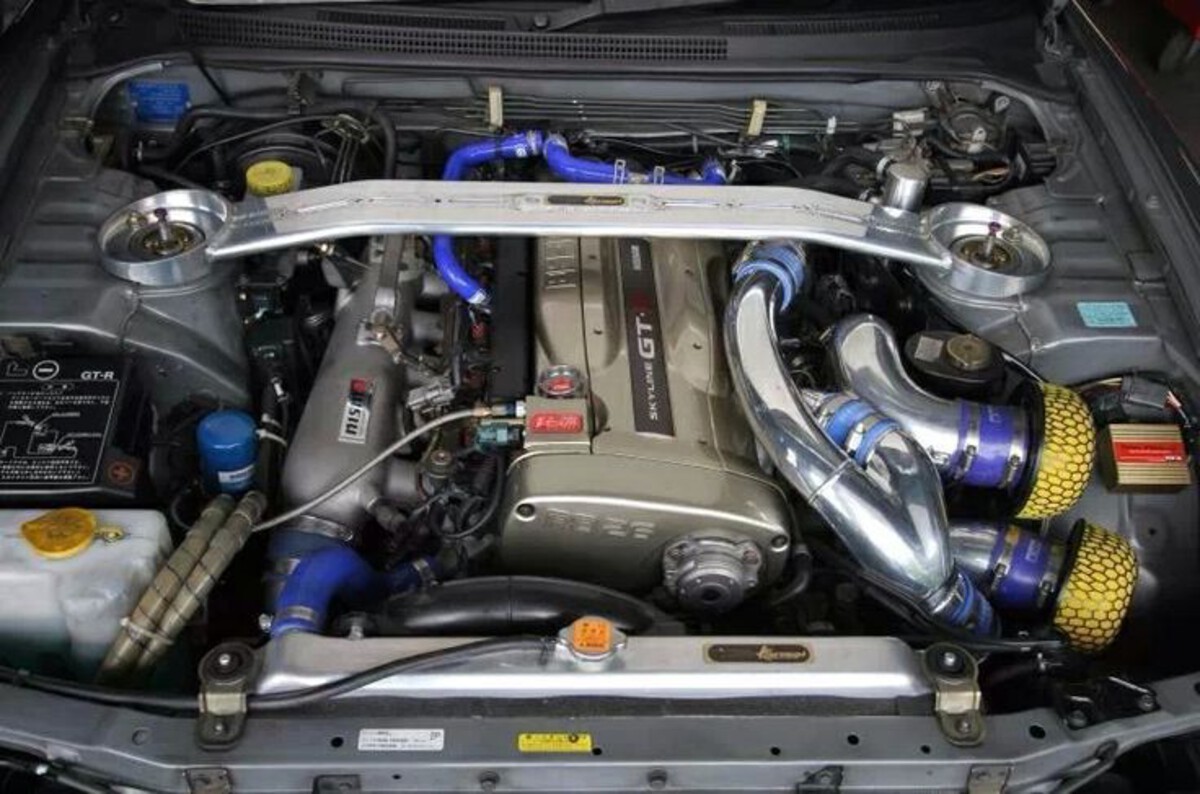
Performance is where this engine shines, producing smooth, linear power delivery and exceptional responsiveness. Handling in GT-Rs is famously precise, thanks to advanced suspension and AWD systems, allowing the RB26DETT to exploit its power without sacrificing control.
Interiors are functional and driver-focused, with little luxury but excellent ergonomics for performance driving. Routine maintenance is essential: oil changes with high-quality fluids, monitoring turbo health, and regular cooling system inspections preserve engine longevity.
Mechanics advise caution with aftermarket modifications, as aggressive tuning can exceed stock tolerances. Stock or lightly modified RB26DETTs have documented examples surpassing 200,000–250,000 miles without major repairs.
This engine proves that a high-performance turbocharged powerplant can be long-lived if engineered with robust components and maintained diligently.
10. Volvo B230 (1985-1998)
The Volvo B230 is a 2.3-liter four-cylinder engine renowned for reliability, found in 700 and 900 series sedans and wagons. Its cast-iron block and simple fuel injection design make it remarkably durable, capable of exceeding 300,000 miles with regular maintenance.
Mechanics praise its straightforward layout, forgiving nature, and availability of parts even decades after production. Fuel economy is solid for its time, and torque delivery is smooth, making it ideal for daily commuting or long trips.
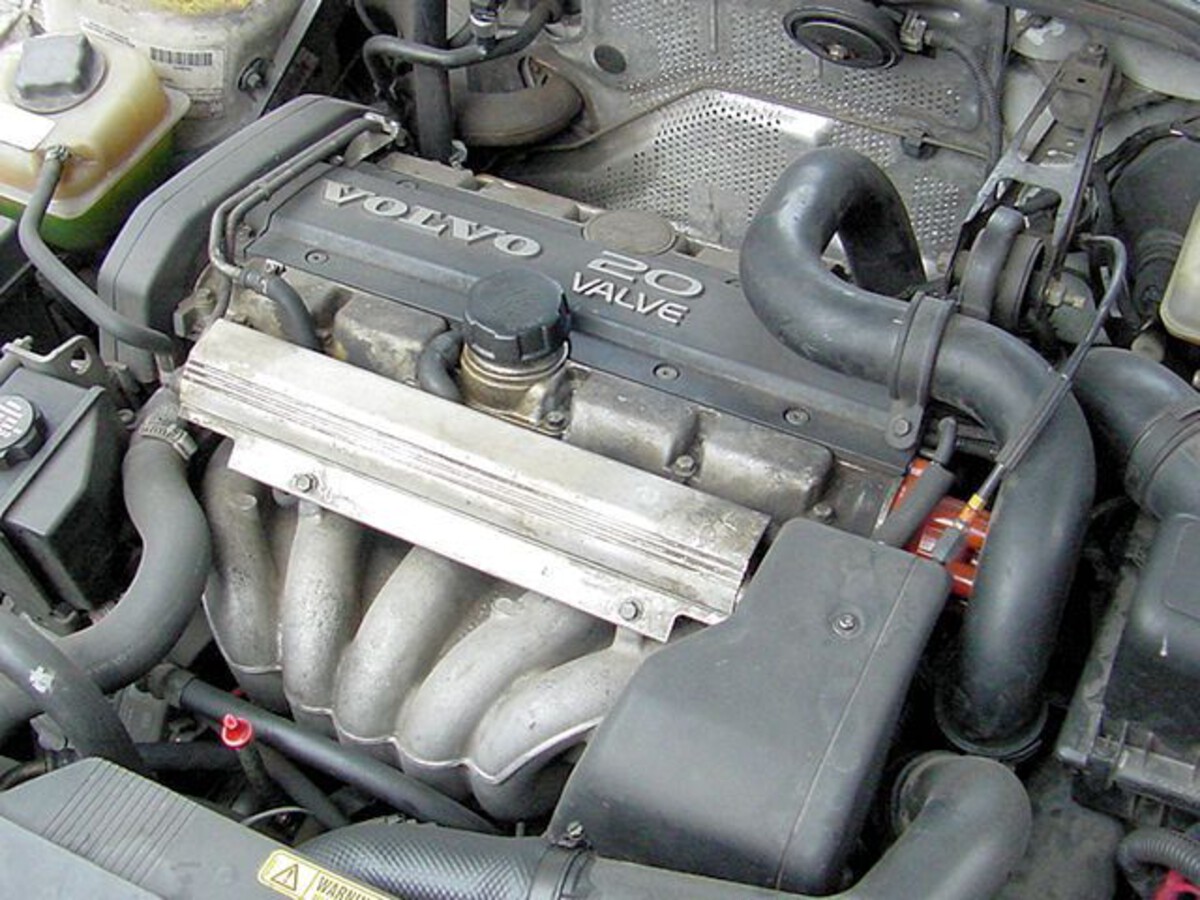
Volvo handling prioritizes stability and safety, complementing the engine’s steady performance. Interiors from this era are practical, durable, and built to last, with seats and materials that withstand high mileage without significant wear.
Routine maintenance such as oil changes, cooling system checks, and timing belt replacements ensures longevity. The B230 tolerates basic neglect, making it ideal for owners seeking low-stress, long-lasting performance.
This engine stands out for reliability over excitement. It doesn’t produce flashy horsepower, but it consistently delivers dependable performance for decades.
Mechanics and enthusiasts alike regard it as one of the best examples of a simple, durable four-cylinder. The B230 exemplifies that longevity doesn’t require complex technology smart engineering and regular care are enough to achieve incredible endurance.
11. Toyota 1UZ-FE VVT-i (1997-2006)
The 1UZ-FE VVT-i is an updated version of Toyota’s legendary LS400 V8, featuring variable valve timing for improved efficiency and smoothness. Found in Lexus LS430 models, it combines the proven durability of the original 1UZ-FE with modern refinements.
Mechanics commend its strong aluminum block, forged internals, and robust valvetrain. Routine maintenance like oil changes, cooling system monitoring, and timing belt inspections are all it requires to keep running smoothly. Owners report over 300,000 miles without significant engine issues.
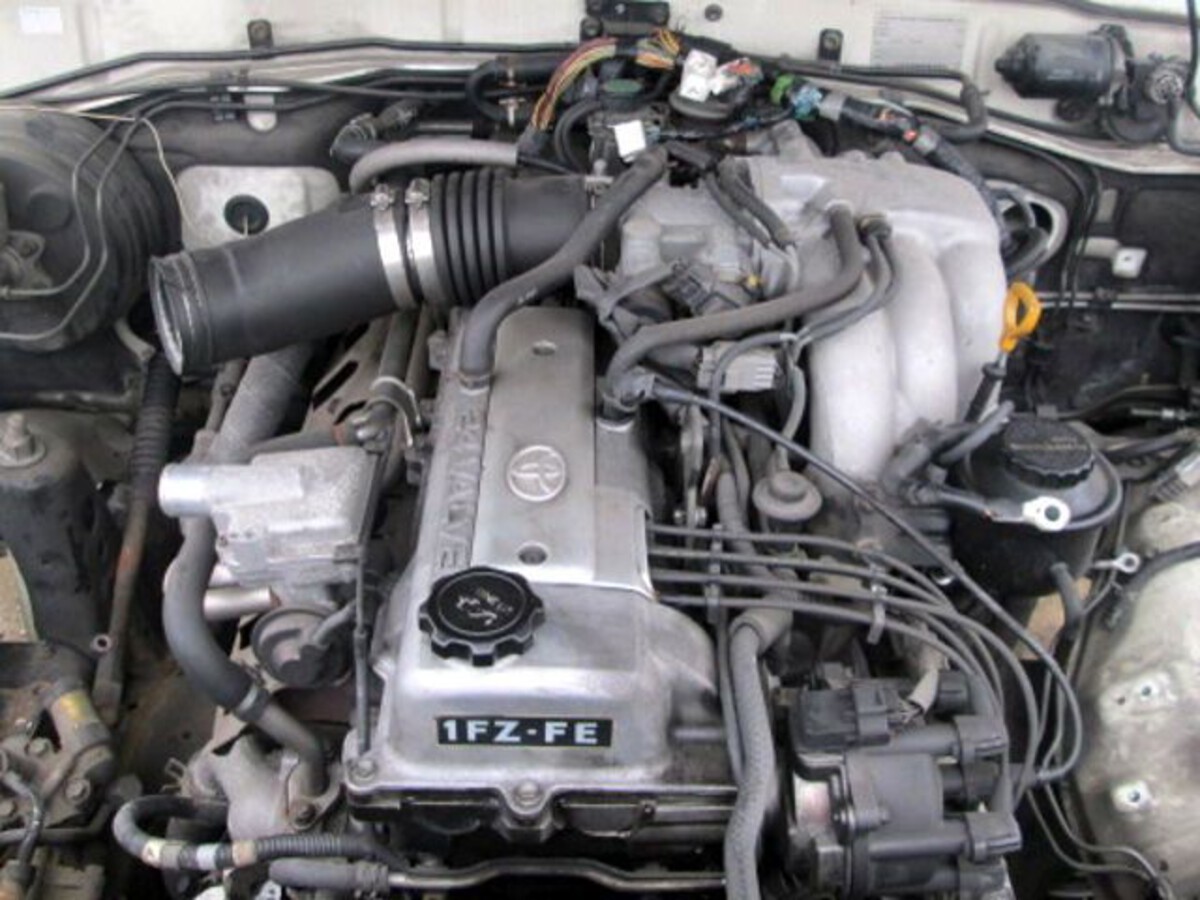
Performance is refined rather than aggressive, with effortless torque delivery and whisper-quiet operation. Handling in LS430s favors comfort, but the V8 provides ample power for highway passing and city driving. Interiors are luxurious, featuring high-quality materials and thoughtful ergonomics that remain impressive decades later.
The 1UZ-FE VVT-i demonstrates that incorporating modern technology like variable valve timing does not necessarily compromise reliability. It maintains the original engine’s reputation for endurance while providing better efficiency and emissions compliance.
This engine is a favorite for buyers seeking both luxury and long-term reliability. Mechanics recommend it for anyone prioritizing durability in a premium package without sacrificing smooth, capable performance.
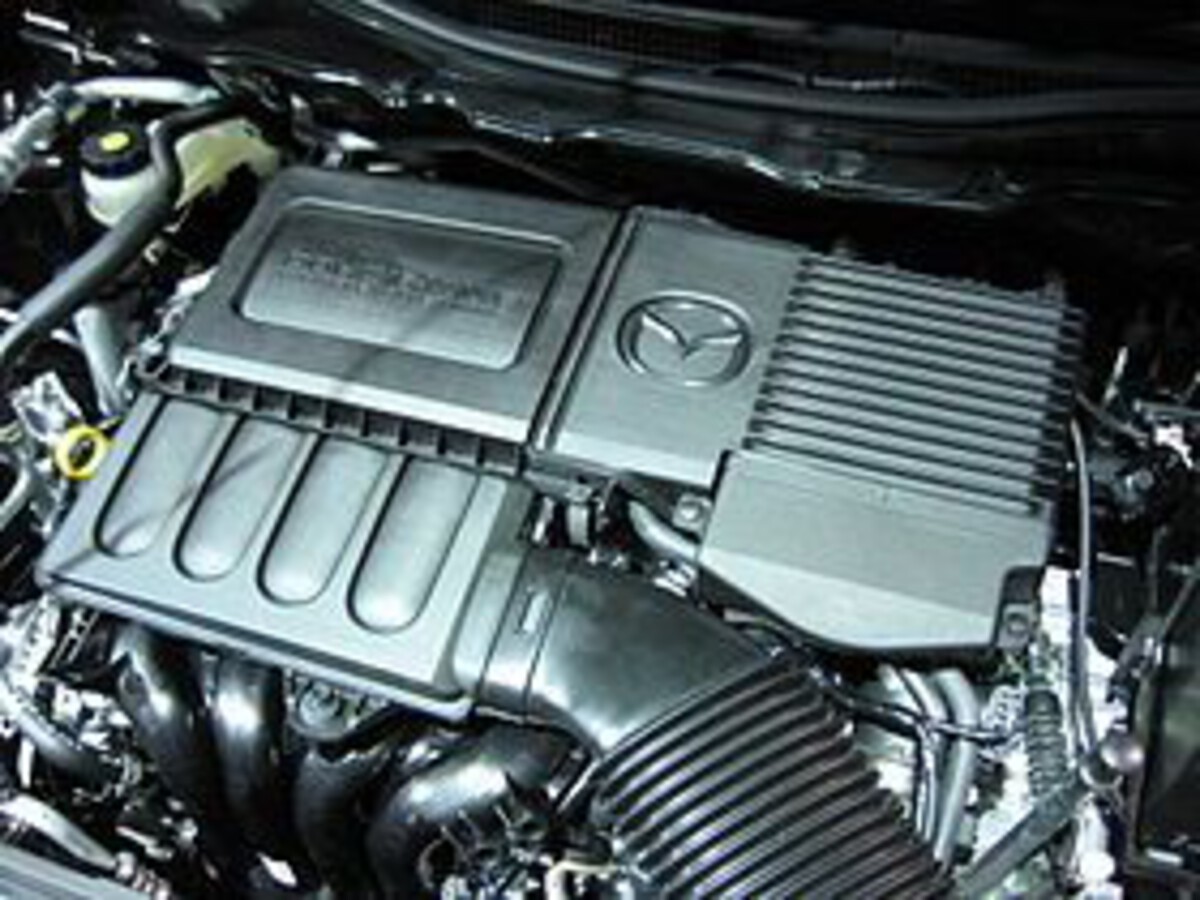
12. Mazda BP/FS Engines (1990s-2000s)
Mazda’s BP and FS engines, found in Miatas and Proteges, are simple, reliable, and lightweight four-cylinder powerplants. Naturally aspirated, they deliver spirited performance while remaining remarkably durable.
Mechanics highlight the engines’ ease of maintenance, solid internals, and predictable operation as reasons for their longevity. Many examples have surpassed 250,000 miles with standard oil changes and timing belt replacement.
Handling in Miatas is exceptional, aided by the engine’s low weight and smooth torque. Driver engagement is a hallmark, and interiors are compact, functional, and resistant to wear despite high mileage. Fuel economy is impressive for their era, making them practical daily drivers in addition to fun sports cars.
Routine maintenance ensures longevity. Oil changes, cooling system checks, and timing belt replacements are the main requirements.
These engines demonstrate that lightweight, simple designs can achieve long life without high costs or complex engineering. The BP and FS engines prove that even small, affordable cars can offer enduring reliability and enjoyable driving dynamics for decades.
Engines that consistently exceed expectations reveal that longevity is the product of smart design, quality materials, and simplicity. Naturally aspirated engines, straightforward diesels, and robust V8s tend to outlast turbocharged or hybrid systems that rely on complex electronics or forced induction.
Cast-iron blocks, forged internals, and well-designed cooling systems are hallmarks of engines built to last, and these traits appear repeatedly among the engines on this list.
Even the most durable engines require basic maintenance. Regular oil changes, timing belt or chain replacement, coolant inspections, and attention to minor issues can dramatically extend lifespan.
Neglect can shorten life, even in the toughest designs. Engines like the Toyota 2JZ, Honda K-series, and Mercedes OM617 illustrate that careful maintenance and basic care result in hundreds of thousands of trouble-free miles.
For buyers, choosing engines with proven track records is critical. High horsepower numbers or flashy features are often misleading; reliability, repair costs, parts availability, and longevity matter more over time.
Mechanics consistently recommend engines with reputations for endurance because they reduce stress, maintenance costs, and unexpected downtime.
Ultimately, engines that defy longevity expectations are not magic. They are the product of meticulous engineering, high-quality materials, and practical design decisions. They reward consistent maintenance and thoughtful use, demonstrating that durability can coexist with performance.
Owners of such engines enjoy long-term reliability, retain resale value, and experience peace of mind knowing their vehicle can handle high mileage without major repairs.
The lesson is simple: choose proven designs, follow basic maintenance, and trust engineering that favors substance over hype. In doing so, you can experience the rare satisfaction of driving an engine that not only performs but endures.