
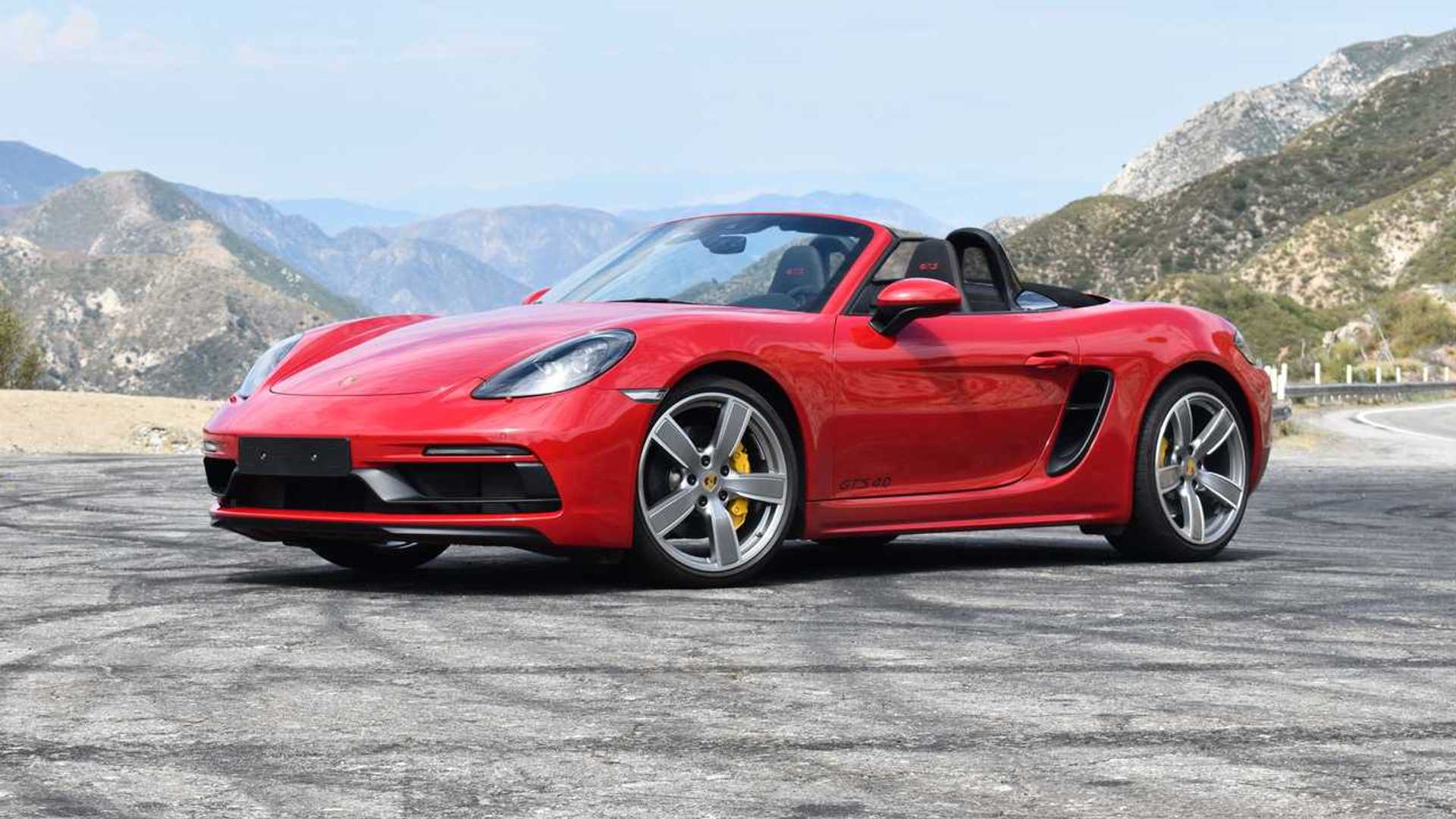
Depreciation is one of the most significant hidden costs of vehicle ownership, but some cars manage to resist it better than others. While most vehicles lose close to half their value within five years, a select few maintain their appeal, performance, and price stability over time.
“14 Cars That Defy Depreciation” showcases models that continue to hold strong resale value through a mix of reliability, engineering quality, and long-lasting demand. From the trustworthy Toyota Corolla Hatchback to high-performance legends like the Porsche 911 and Chevrolet Corvette, these cars prove that thoughtful design and dependable performance can pay off long after the initial purchase.
Whether it is brand reputation, mechanical strength, or timeless desirability, each of these vehicles stands out as a smart investment for drivers who value both enjoyment and financial sense.
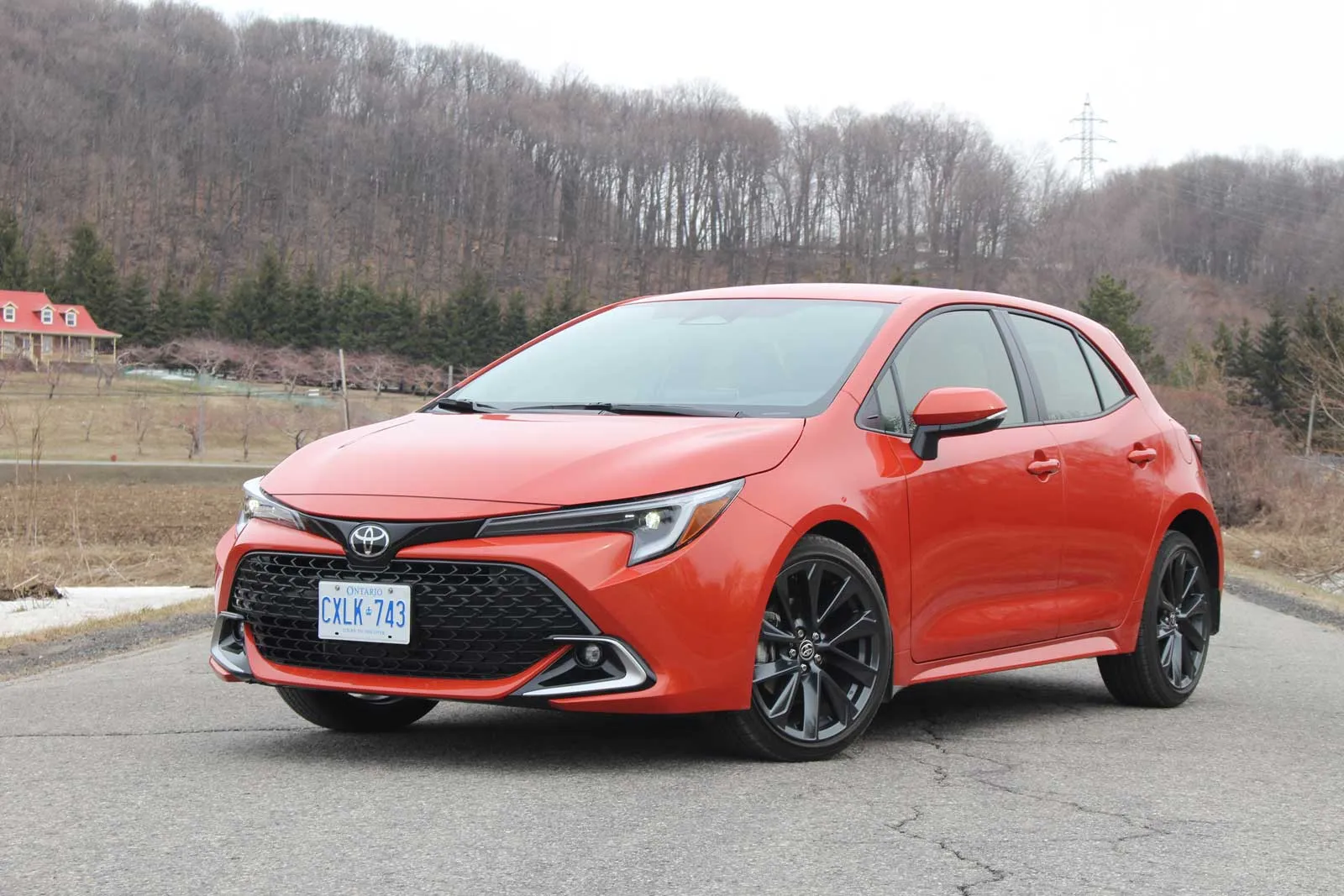
1. Toyota Corolla Hatchback: Reliable, Efficient, and Retains Value
The Toyota Corolla Hatchback ranks among the top ten vehicles with strong resale value, featuring an average five-year depreciation of 30.1% and a typical price drop of $7,156 from MSRP. Its combination of reliability, affordability, and practicality makes it a popular choice in both new and used car markets.
The Corolla Hatchback retains value due to Toyota’s reputation for durability, low maintenance costs, and high demand. Its dependable components and rigorous manufacturing standards reduce the likelihood of costly repairs.
Ownership costs remain low thanks to affordable parts and routine maintenance. Furthermore, Toyota’s focus on safety and innovation, along with the brand’s positive image, bolsters resale value.
The hatchback balances comfort with composure, particularly in SE trims with smaller 16-inch wheels, which offer a smoother ride. The XSE trim rides slightly firmer due to larger wheels and lower-profile tires. The interior is quiet and comfortable, with supportive front seats suitable for long drives. Climate control is effective, and visibility is excellent thanks to a low hoodline and ample side glass.
Inside, the layout is functional, though some buttons are small and slightly crowded. Front-seat accessibility is good, and the tilt-and-telescoping steering wheel accommodates drivers of various sizes.
Standard tech includes automated emergency braking, adaptive cruise control, lane-keeping assist, and auto high beams. Apple CarPlay and Android Auto provide convenient smartphone integration, while the 8-inch touchscreen is visually appealing but limited by software restrictions.
Cargo space is 17.8 cubic feet behind the rear seats, less than some competitors, though door pockets, cupholders, and easily accessible car seat anchors add practicality for small families.
Fuel efficiency is strong, with 31–35 mpg depending on transmission, and the vehicle delivers a reliable EPA estimate in real-world driving. The Corolla Hatchback combines solid construction, low operating costs, standard safety features, and free maintenance for the first two years, making it a practical and high-value compact hatchback choice.
2. Porsche 718 Boxster: Thrilling Performance with Strong Value Retention
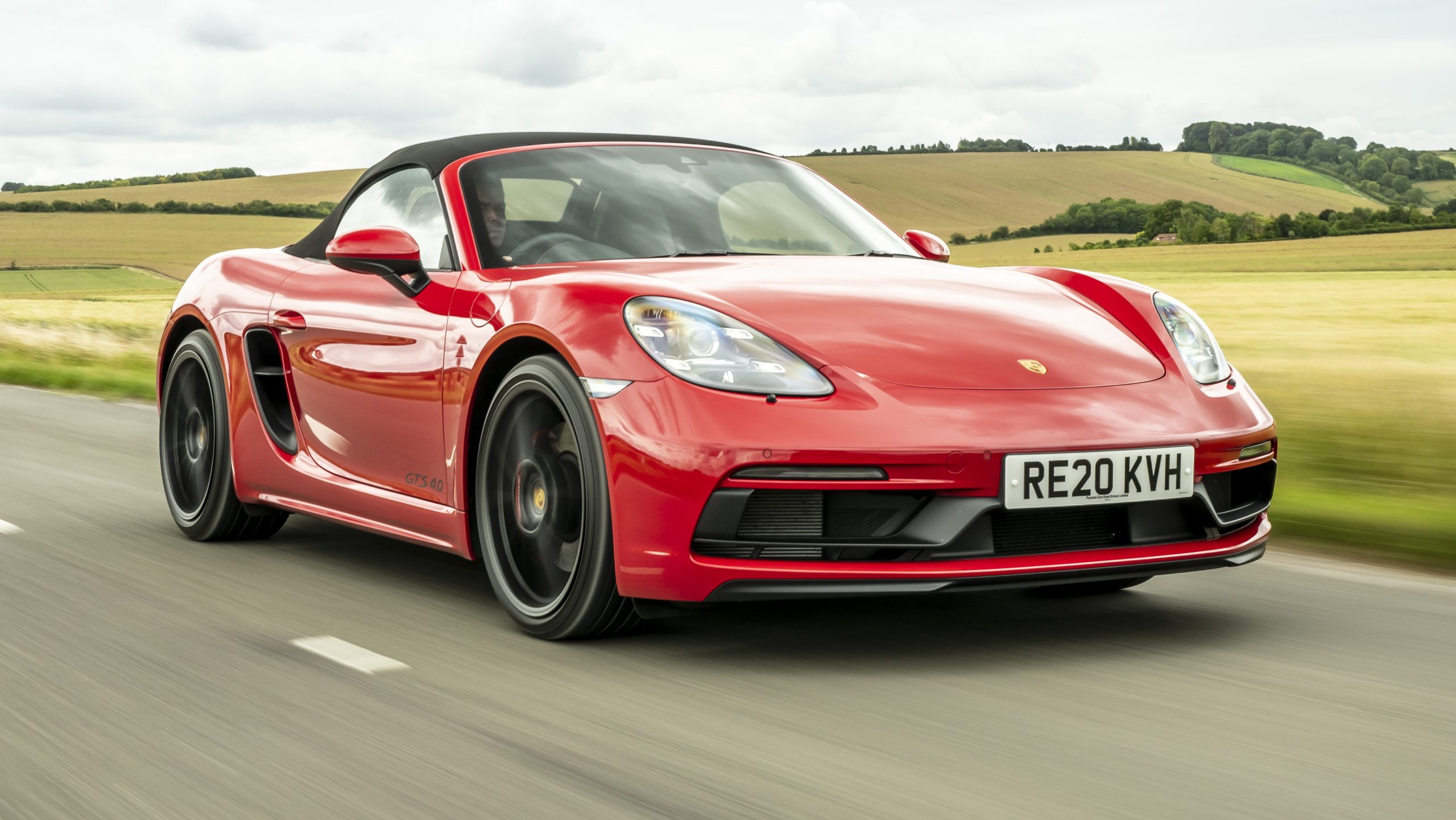
The Porsche 718 Boxster is a standout in the sports car segment, combining thrilling performance with strong resale value. Its average five-year depreciation is just 29.6%, with a typical price drop from MSRP of around $22,155.
The Boxster retains value thanks to Porsche’s brand prestige, exceptional engineering, and strong enthusiast appeal. Six-cylinder models, including the GTS 4.0 and Spyders, are especially sought after due to superior performance and rarity, often outperforming the broader sports car market in value retention.
The Boxster benefits from Porsche’s renowned engineering and reputation for quality. Enthusiast demand for its balance, handling, and open-air driving keeps the used market active. Its relative affordability within Porsche’s lineup attracts buyers looking for a luxury entry point. Six-cylinder variants have demonstrated exceptional price stability due to their performance and limited availability.
The 718 Boxster excels in acceleration, braking, and steering precision. The GTS reaches 60 mph in just 3.9 seconds, with firm, responsive brakes and highly direct steering.
Optional Porsche Active Suspension Management (PASM) enhances cornering and agility, while the base setup provides excellent drivability for everyday roads. Its power delivery is smooth, progressive, and accessible for both spirited driving and casual commuting.
The Boxster’s seats are supportive and comfortable, compensating for a firm sport-tuned suspension. The cabin is cozy but well-built, featuring high-quality materials and polished finishes. Entry and exit are manageable despite the low seating position, and forward visibility is excellent. Climate control is effective, and the soft top provides adequate noise insulation.
Storage is split between a 5.3-cubic-foot front trunk and a 4.6-cubic-foot rear trunk, suitable for small items. Standard driver aids include parking sensors, while Apple CarPlay is optional. The infotainment system is responsive, with crisp graphics and navigation integration.
The Porsche 718 Boxster combines exhilarating performance, luxury craftsmanship, and strong resale value, making it a compelling choice for enthusiasts seeking both thrills and long-term value.
3. Ford Mustang: Iconic Performance with Strong Value Retention
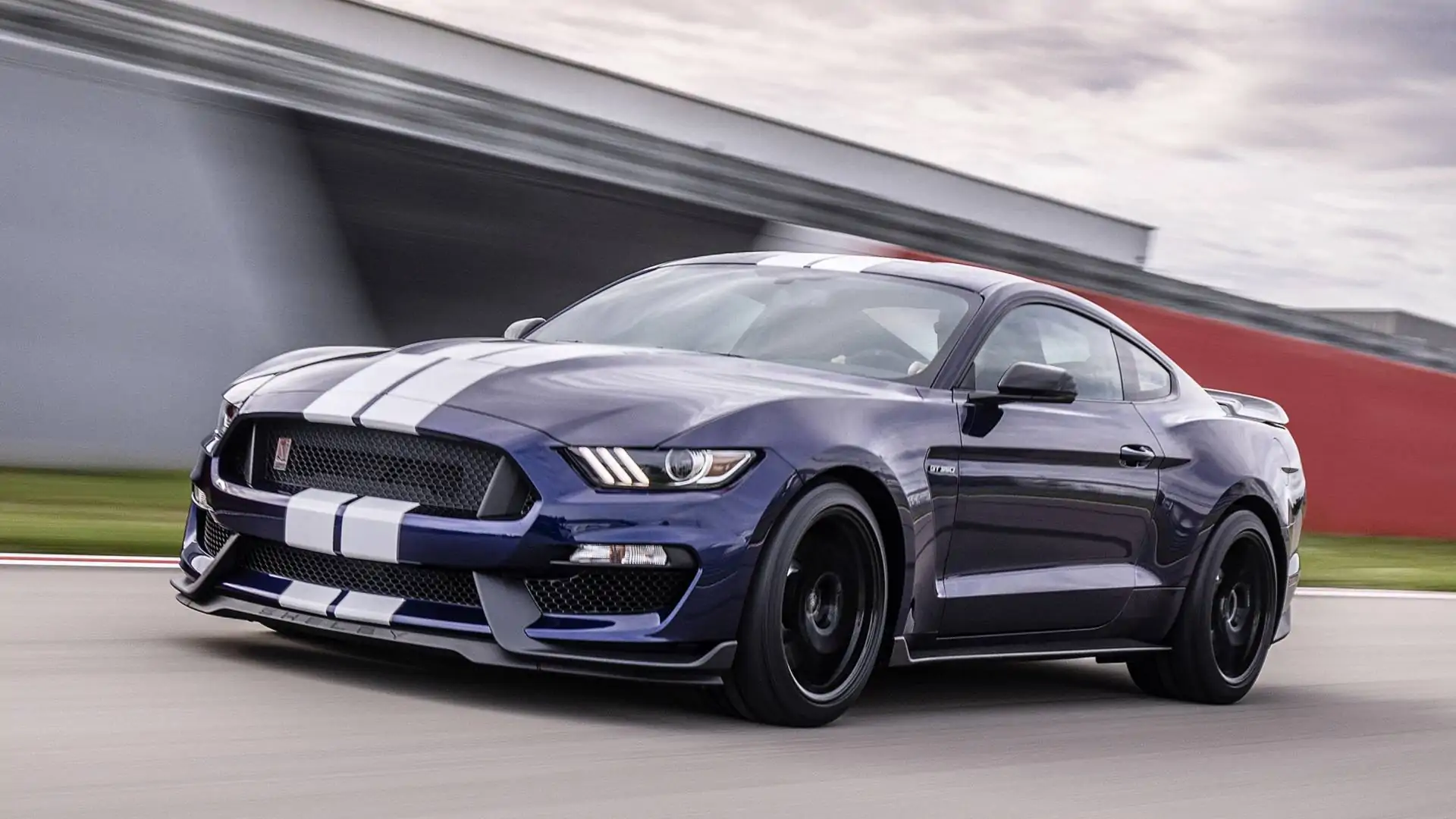
The Ford Mustang remains America’s lone pony car, holding strong resale value with an average five-year depreciation of 29.2% and an MSRP drop of approximately $9,325. Its value retention is driven by a combination of brand heritage, limited competition in the muscle car segment, and the enduring appeal of high-performance models and special editions.
The Mustang benefits from a storied history and iconic status, maintaining a steady pool of buyers for used models. With competitors like the Camaro being discontinued, Ford faces less segment competition, helping preserve resale value.
High-performance variants such as the GT, Bullitt, and Shelby GT500 remain in strong demand, while strategic pricing and limited discounts reinforce the Mustang’s perceived value. Depreciation can fluctuate depending on new generation introductions, market conditions, and the ongoing shift toward electric vehicles, which may affect internal combustion engine (ICE) models.
All Mustang variants offer engaging performance. The EcoBoost hits 60 mph in 5.6 seconds, the GT six-speed manual in 4.8 seconds, and the GT 10-speed automatic in 4.3 seconds. Braking is precise, requiring around 100 feet from 60 mph, and handling is stable with excellent body control. The Mustang excels both on the track and in everyday driving, with smooth power delivery, responsive steering, and adaptable chassis dynamics.
Standard suspension soaks up road imperfections, while the optional MagneRide adaptive suspension caters to enthusiasts. Seats range from standard comfort to supportive Recaro sport models. Cabin noise is controlled, though wide tires transmit some road sound.
Visibility is generally good, and the interior combines a digital instrument panel with a 13.2-inch touchscreen, offering intuitive controls and driver assistance features such as automatic emergency braking and blind-spot monitoring.
Trunk space ranges from 11.4 to 13.5 cubic feet, adequate for daily use. Fuel economy matches EPA estimates, with the EcoBoost achieving 26 mpg combined and the GT around 18 mpg. Warranties cover three years/36,000 miles for bumper-to-bumper and five years/60,000 miles for powertrain, complemented by roadside assistance. The Mustang delivers a compelling blend of iconic style, performance, and long-term value.
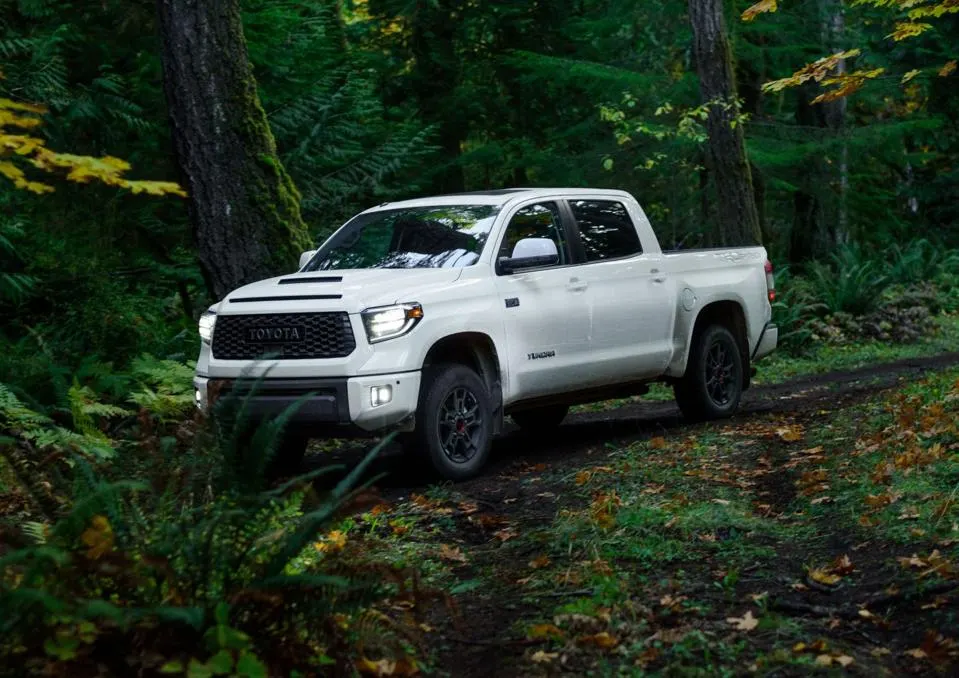
4. Toyota Tundra: Reliable Strength and Long-Term Value
The Toyota Tundra holds an average five-year depreciation rate of 29.1 percent, with an estimated price difference from MSRP of $11,659. While it does not completely resist depreciation, it maintains strong resale value thanks to Toyota’s reputation for reliability, durability, and low ownership costs.
Data from Kelley Blue Book and iSeeCars shows that the Tundra consistently performs above average in resale value among full-size trucks, driven by buyer confidence and steady demand for dependable pickups.
The Tundra’s high resale value stems from Toyota’s established brand trust, low maintenance costs, and lasting build quality. Buyers appreciate its reliability and lower long-term expenses compared to domestic rivals.
Depreciation rates vary by model year, trim, and configuration, but the Tundra remains one of the more value-retentive options in its class. Market conditions and fuel prices can influence its resale values, yet demand for used trucks keeps the Tundra competitive.
The 3.4-liter twin-turbo V6 delivers strong torque across the rev range, and the 10-speed automatic transmission provides smooth shifts. In testing, a 4WD Tundra accelerated from 0 to 60 mph in 6.6 seconds. Steering is light and accurate, and braking distances are shorter than average for its size. While the TRD Off-Road package adds some capability, the Tundra’s long wheelbase limits its effectiveness on tighter trails.
Ride quality is much improved over the previous generation, and the cabin is quiet with comfortable seating for all passengers. The interior design is straightforward, highlighted by the available 14-inch touchscreen and high-quality materials. Visibility is generally good, though thick windshield pillars can obscure side views.
The infotainment system is clear, responsive, and easy to navigate, while standard driver assistance features work reliably. Towing capacity reaches up to 11,120 pounds, and the reinforced composite bed enhances durability. Cabin storage is ample, though somewhat unorganized.
With proven dependability, strong resale performance, and refined comfort, the Toyota Tundra remains a practical and enduring choice among full-size trucks.
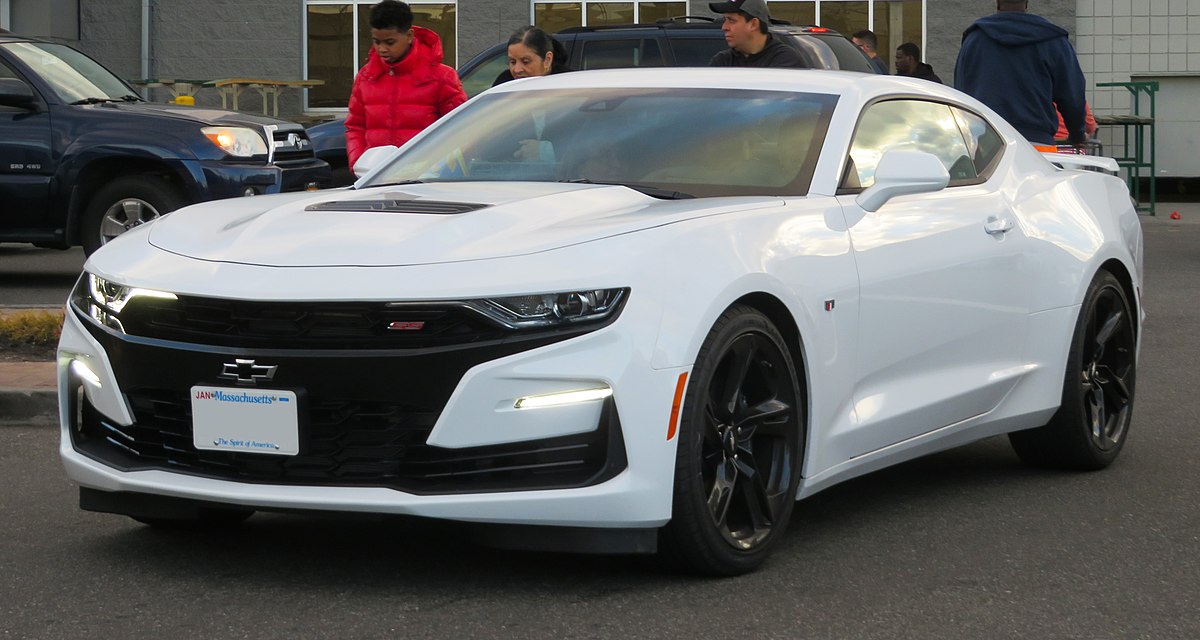
5. Chevrolet Camaro: Iconic Design, Strong Performance, and Steady Resale Value
The Chevrolet Camaro, known for its performance and heritage, experiences an average five-year depreciation of about 28 percent, with an estimated price difference from MSRP of $8,653.
While it does not truly resist depreciation, certain versions hold value well due to scarcity, collector appeal, and the model’s discontinuation in 2023. The limited supply of sixth-generation Camaros, combined with consistent demand from enthusiasts, helps stabilize resale prices in the used market.
Classic and limited-edition Camaros, such as the Z/28 or SS, often retain value better than standard trims. The discontinuation of the model has led to a short-term boost in desirability, though long-term values will depend on demand and maintenance costs. Meanwhile, standard trims follow normal depreciation patterns, particularly as electric and newer performance models gain popularity.
The Camaro offers a range of engines from a turbocharged four-cylinder to a supercharged V8. The V8 delivers thrilling acceleration and muscle-car character, while smaller engines enhance agility. The manual transmission’s precise gates and rev-matching feature add to the driving excitement. Handling is sharp, braking power is strong, and the car remains composed during spirited driving.
The Camaro’s ride quality is unexpectedly smooth, especially with the Magnetic Ride Control system. Front seats offer good lateral support, though rear seating is extremely tight. Interior materials feel solid, but outward visibility is limited due to the low roofline and high beltline, making parking and maneuvering challenging.
The infotainment system is responsive and user-friendly, though the screen placement is awkward. Higher trims include essential driver aids like blind-spot monitoring and rear cross-traffic alert. Storage space is minimal, with a small trunk opening and limited cabin compartments, but build quality remains excellent.
The Chevrolet Camaro combines classic styling, precise handling, and strong performance, securing steady resale value through scarcity and enthusiast demand despite its discontinuation.
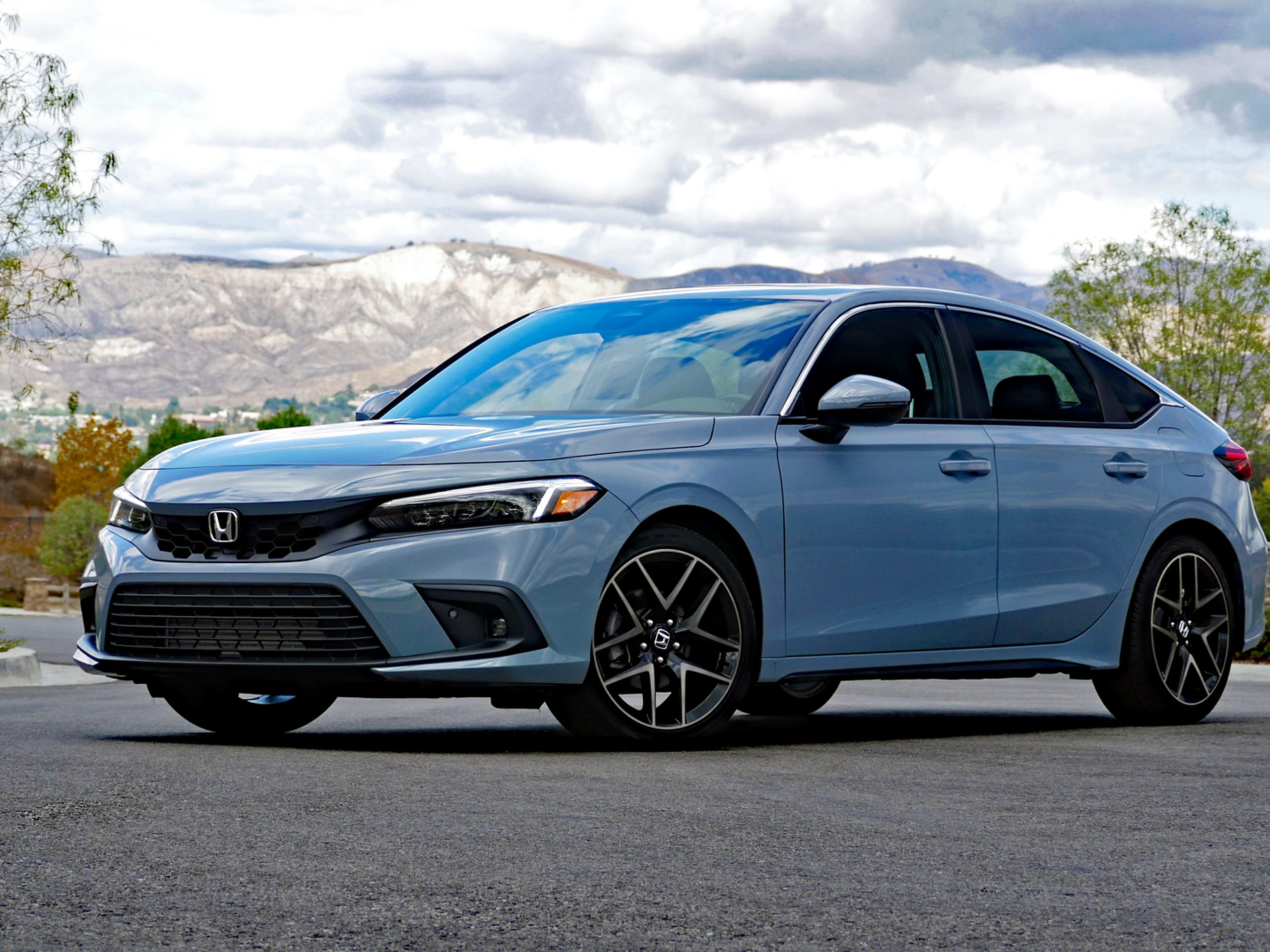
6. Honda Civic: Reliable, Practical, and Exceptional Value
The Honda Civic continues to hold its value remarkably well, with an average five-year depreciation of 28.0% and an average price drop from MSRP of $6,987.
Despite being one of America’s best-selling cars, the Civic maintains strong resale value thanks to its reliability, fuel efficiency, and wide-ranging appeal. Its combination of practicality, performance, and reputation makes it a smart investment for both new and used car buyers.
The Civic’s strong resale value stems from Honda’s longstanding reputation for building durable, dependable vehicles. Low maintenance costs, fuel efficiency, and reliability make it highly desirable in the used car market. The availability of performance-oriented trims, such as the turbocharged 1.5-liter with a six-speed manual or the Type R, adds to its appeal for enthusiasts and collectors alike.
The Civic balances everyday practicality with engaging driving dynamics. The turbocharged 1.5-liter engine delivers responsive acceleration, while the Type R offers track-capable performance.
Handling is precise, and braking is strong, making the Civic enjoyable in both city and highway driving conditions. Fuel economy is excellent, with most models easily achieving or exceeding EPA estimates, enhancing the value of ownership.
The Civic’s cabin is well-designed, providing ample space for front and rear passengers. Controls are intuitive, and visibility is excellent, with thoughtfully arranged seating for comfort during long drives. Materials are durable, and optional tech upgrades, such as touchscreen infotainment, Apple CarPlay, and Android Auto, enhance the driving experience.
Cargo space is generous for a compact car, with flexible seating and storage options. Combined with low operating costs, strong reliability, and Honda’s reputation for longevity, the Civic represents a vehicle that retains both practical usability and monetary value. Its balance of efficiency, comfort, and dependability cements its position as one of the best long-term investments in the compact car segment.
Also Read: 10 Cars Known to Surpass 300,000 Miles Trouble-Free
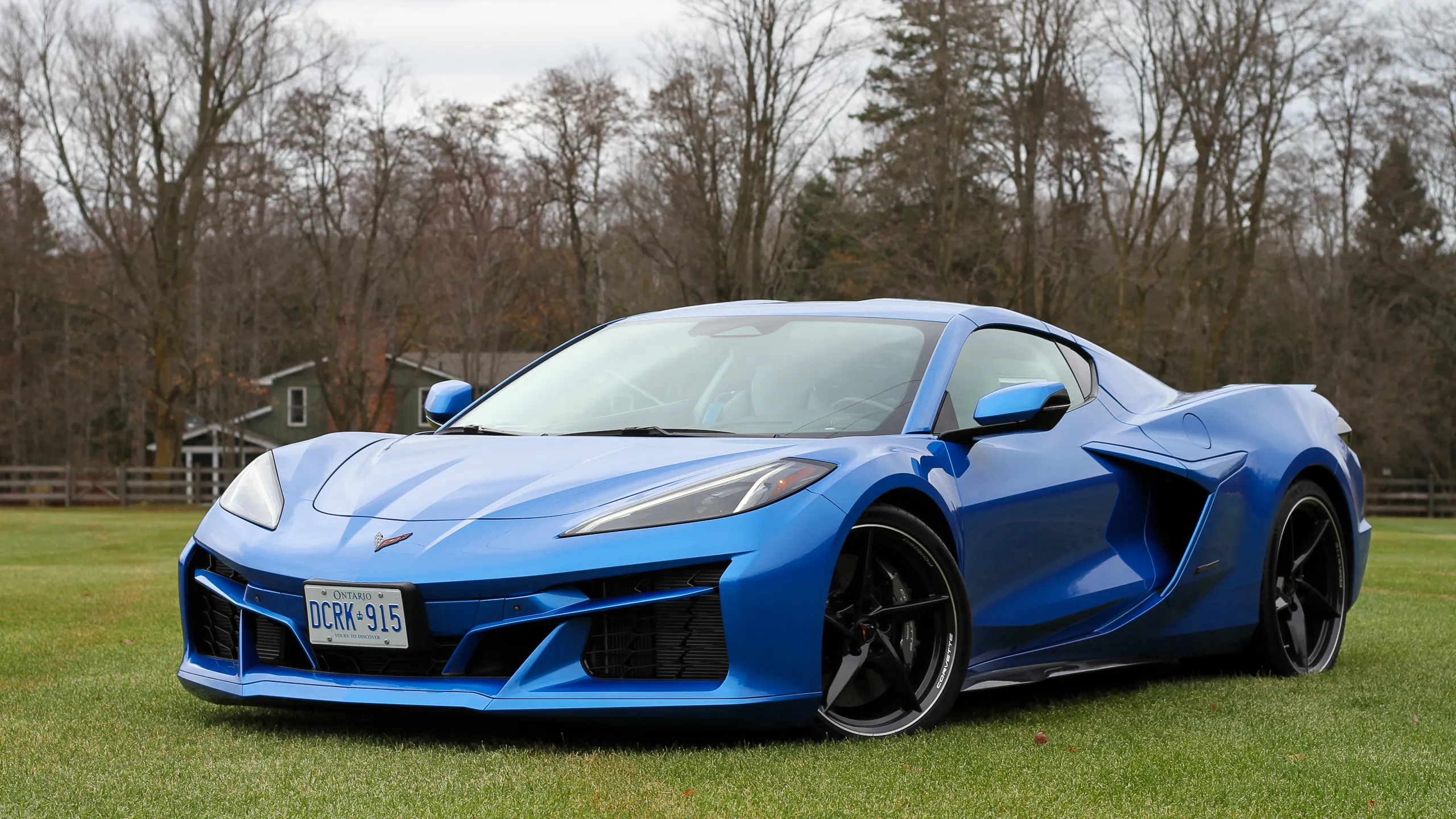
7. Chevrolet Corvette: High-Performance American Sports Car with Strong Value
The Chevrolet Corvette retains value exceptionally well, with an average five-year depreciation of 27.2% and an MSRP drop of $18,557. Known for its combination of supercar-level performance, striking design, and relative affordability, the Corvette attracts enthusiasts and collectors alike.
Certain generations, like the C7, show especially strong resistance to depreciation due to their final-year appeal and manual transmission availability.
The Corvette’s strong resale value is driven by its performance-to-price ratio, distinctive generational changes, brand reputation, and loyal following. Special and low-mileage models, such as the Z06 and Z51 variants, command premium prices.
Enthusiasts prize models from transitional eras, like the C7, which increases demand in the used market. Market dynamics, including production fluctuations and the release of higher-powered C8 variants, can affect depreciation rates for base models.
The Corvette delivers exhilarating acceleration and precise handling. The 3LT coupe, equipped with launch control, hits 0–60 mph in 3.6 seconds (3.3 with rollout) and covers the quarter mile in 11.8 seconds at over 118 mph.
The Z51 Performance package improves these numbers further. Braking is responsive, and the eight-speed automatic transmission shifts smoothly, making the Corvette accessible for both spirited driving and track use.
Optional MagneRide adaptive suspension provides a compliant ride across a variety of surfaces. The GT2 bucket seats balance support and comfort for long trips, and climate control with heated/ventilated seats enhances the driver and passenger experience. Visibility is limited due to the mid-engine layout, but camera-based rearview aids mitigate blind spots.
The touchscreen interface is driver-focused, with crisp graphics, intuitive controls, and standard wireless Apple CarPlay and Android Auto. Storage is practical for a sports car, with a front trunk for small items and a rear trunk capable of holding two golf bags, though space is reduced when the removable roof panel is stored.
The Corvette combines supercar-level performance, strong resale value, and practical usability for its class, making it an exceptional choice for enthusiasts seeking a high-value sports car.
8. Toyota Tacoma: Durable, Reliable, and High-Value Midsize Truck
The Toyota Tacoma stands out for its exceptional resale value, with an average five-year depreciation of just 26.0% and an MSRP drop of $8,217. Known for bulletproof engineering and strong reliability, the Tacoma remains highly desirable in the used truck market. Its consistent design, low ownership costs, and off-road capability make it an attractive choice for buyers seeking long-term value.
The Tacoma’s reputation for reliability and durability drives strong demand. Its simple, rugged design has changed little across generations, helping older models retain a modern look. Off-road performance, particularly in TRD Pro trims, further enhances desirability. Toyota’s brand reputation for quality and long-lasting vehicles also boosts resale value, while low maintenance costs add to financial appeal.
Tacoma’s driving dynamics are balanced for both city and off-road use. The 278-hp TRD Sport accelerates to 60 mph in 7.6 seconds, while the hybrid i-Force Max slightly improves that time. Braking is responsive, and steering is light and precise. TRD Pro models offer advanced suspension and traction control for more serious off-road use.
Front seats provide comfort for a variety of driver sizes, with optional leather upholstery enhancing durability. Rear seat space is limited, especially in TRD Pro models, but higher trims offer improved suspension for smoother rides. Climate control is intuitive, with large buttons and knobs that are easy to operate even with gloves.
The optional 14-inch touchscreen dominates the dash, offering wireless smartphone integration, voice controls, and multiple USB-C ports. Standard driver aids include automatic emergency braking, lane departure alert, and adaptive cruise control.
Tacoma’s interior and bed provide versatile storage, including cubbies, under-seat compartments, and two bed sizes. Maximum towing is 6,500 pounds, and payload capacity reaches 1,710 pounds.
Tacoma trims cater to different needs and budgets, providing strong long-term value despite some utilitarian elements in lower trims. Toyota’s warranties and two years of free maintenance further enhance ownership appeal. Its combination of durability, capability, and reliability makes the Tacoma one of the most valuable midsize trucks in its class.
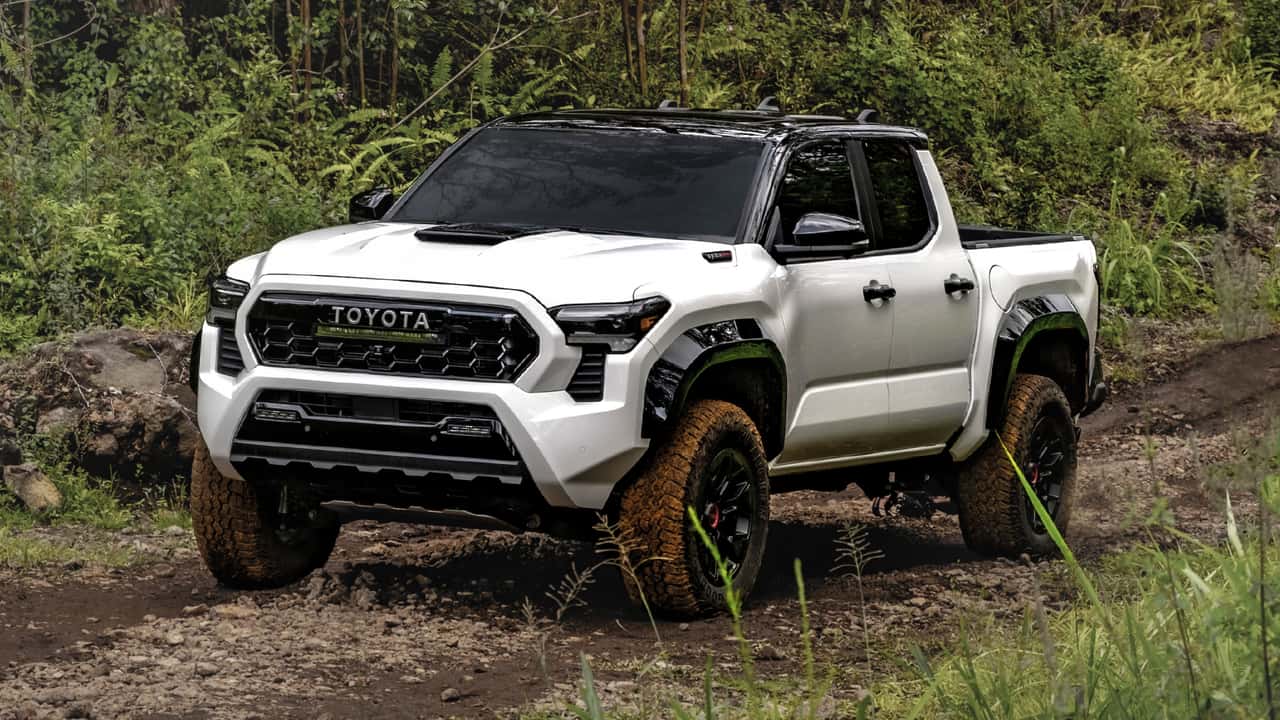
9. Porsche 718 Cayman: Driver-Focused Sports Car with Strong Resale Value
The Porsche 718 Cayman ranks near the top of low-depreciation vehicles, with an average five-year depreciation of 21.8% and an MSRP drop of $15,851. Its value retention is driven by Porsche’s brand prestige, enthusiast following, and driver-focused engineering.
Limited supply of used models, mechanical durability, and desirable six-cylinder engine options make certain configurations highly sought after, allowing some to even appreciate over time.
Porsche’s strong brand reputation and luxury status translate to high demand in the used market. The Cayman’s dedicated enthusiast base values nimble handling and pure driving dynamics.
Limited availability of certain trims, mechanical reliability, and naturally aspirated or six-cylinder engines, such as the GTS and GT4, further enhance resale value. J.D. Power has recognized the 718 Cayman for leading resale value in its segment for multiple years.
The Cayman delivers exceptional handling, with perfectly weighted steering and robust brakes. Our test Cayman S with a manual transmission accelerated from 0-60 mph in 4.6 seconds, while PDK-equipped models were quicker.
Base turbocharged engines provide adequate passing power but can feel underwhelming under full acceleration. The dual-clutch automatic shifts smoothly at higher speeds but can feel jarring at low speeds.
Optional sport seats are well-shaped and sufficiently cushioned for long drives. PASM sport suspension smooths smaller bumps, though larger bumps are more noticeable. Engine and exhaust noise are prominent, and road noise can intrude on coarse surfaces. Seating and steering adjustments accommodate a wide range of driver sizes, and forward visibility is excellent, though rear visibility relies on a camera.
Infotainment has a learning curve, and Android Auto is unavailable. Optional adaptive cruise and lane-keeping assist enhance safety. Storage includes a rear trunk and a smaller front compartment, suitable for duffel bags but limited for larger items. Interior bins and cupholders are minimal and somewhat awkwardly positioned.
EPA estimates range from 19-24 mpg, and our manual Cayman S achieved 28 mpg. Build quality is excellent, with premium materials and tight assembly. Pricing can rise quickly with options, making it a luxury investment for driving enthusiasts, blending performance and resale strength.
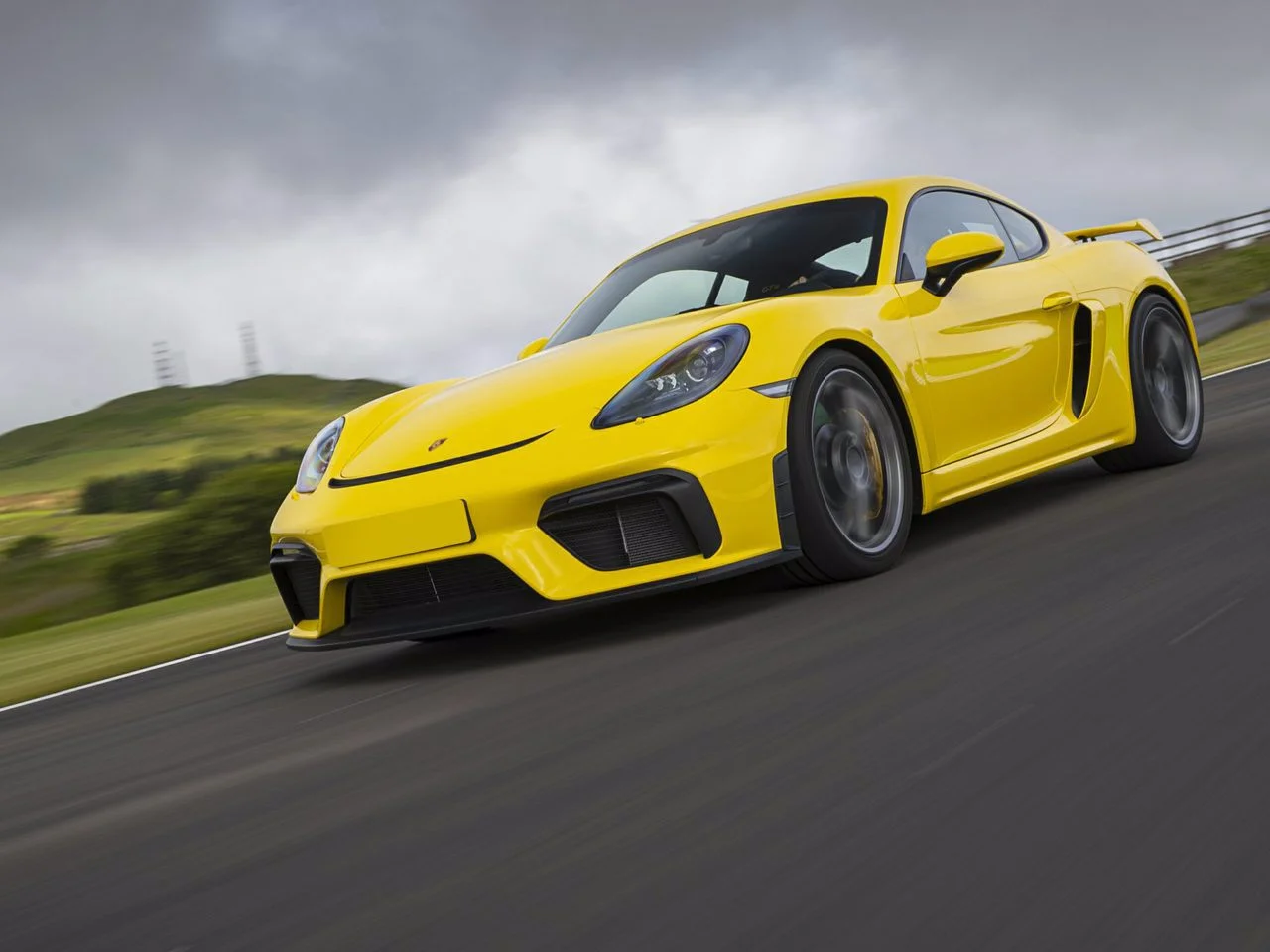
10. Porsche 911: Iconic Sports Car with Exceptional Resale Value
The Porsche 911 tops the low-depreciation list with an average five-year depreciation of 19.5% and an MSRP drop of $24,428. Its value retention comes from timeless design, enduring performance, strong brand prestige, and limited supply, making it a highly desirable choice in both new and used markets. Well-maintained and special editions can even appreciate over time.
The 911’s iconic silhouette and Porsche’s focus on refinement rather than reinvention maintain aesthetic appeal across generations. Consistent demand stems from its performance, engineering excellence, and brand strength.
Porsche’s mechanical durability, precision craftsmanship, and limited supply, especially for special trims like the GT3, reinforce value. Emotional appeal and lifestyle association further strengthen buyer interest and create lasting demand.
The base Carrera coupe accelerates from 0 to 60 mph in 3.5 seconds and the quarter mile in 11.7 seconds. The eight-speed dual-clutch automatic shifts smoothly and stays in the right gear, while a manual is available in the Carrera T. The rear-engine layout provides exceptional handling and traction. Steering is quick and precise, brakes are strong, and the chassis offers confidence-inspiring control.
Seats are supportive and well-padded, and the adaptive suspension smooths most road imperfections. Road and wind noise are well managed, with engine growl present but controlled. The driving position accommodates most body types, forward visibility is excellent, and a mix of physical and touchscreen controls makes operating the car intuitive.
Wireless Apple CarPlay and Android Auto are included, along with USB-C ports. Optional driver aids include adaptive cruise and parking assist. Cargo space is limited to a 4.6-cubic-foot front trunk, and interior storage is minimal, suitable for small items only. Rear seating is extremely limited.
The base 911 Carrera achieves an EPA-estimated 21 mpg combined. Build quality is tight, and Porsche allows extensive personalization. Warranty coverage of four years or 50,000 miles is standard, with roadside assistance included. The 911 combines iconic design, thrilling performance, and strong resale value into a compelling sports car investment.
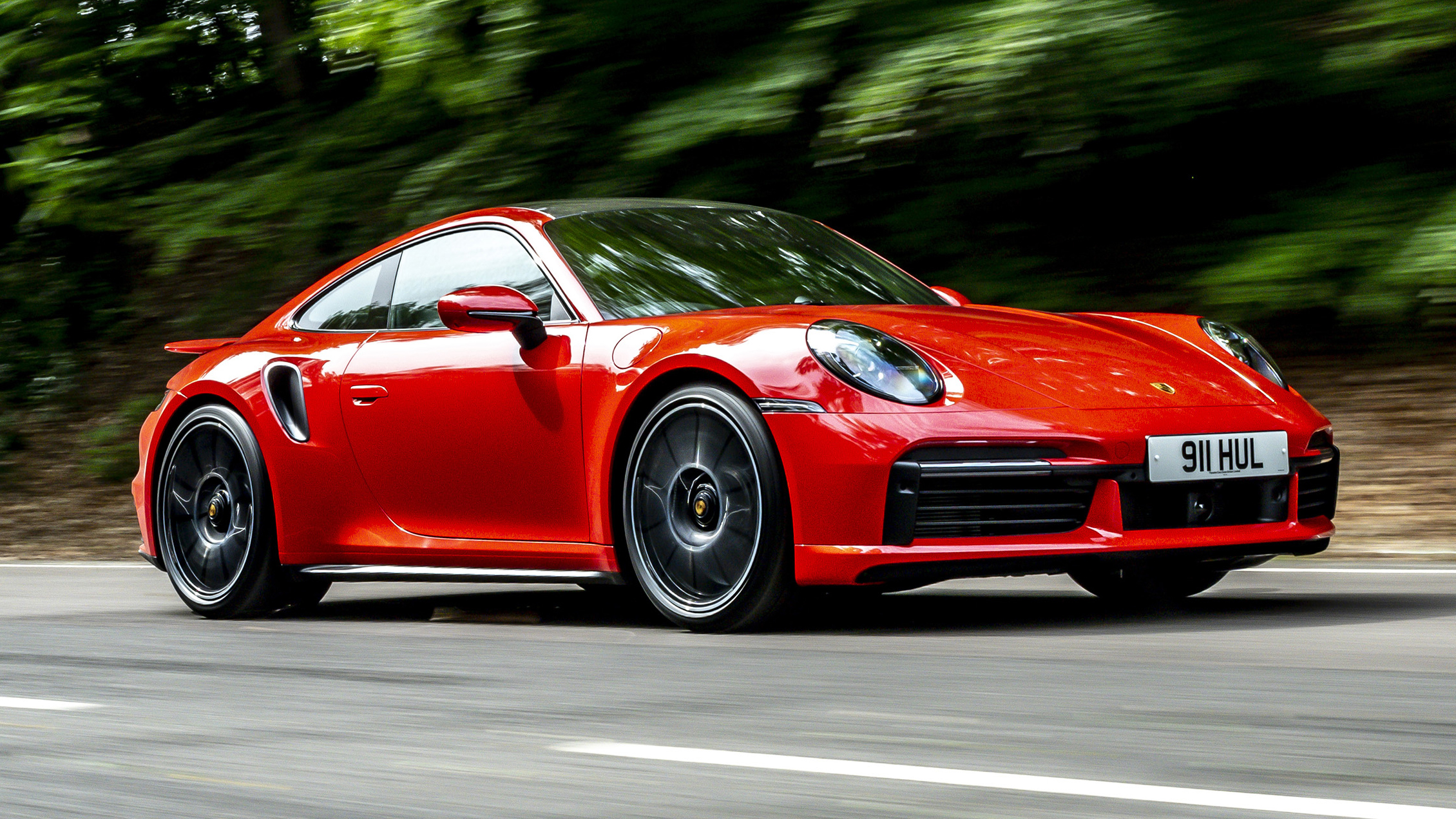
11. Subaru Forester: Reliable Compact SUV with Strong Resale Value
The Subaru Forester has a low five-year depreciation rate, retaining 78 percent of its value with a resale value of $27,481. Its value retention is supported by Subaru’s reputation for reliability and durability, strong owner loyalty, standard all-wheel drive, and abundant safety features. These factors create high demand in the used market and make the Forester a long-term value choice.
Subaru is known for producing durable and dependable vehicles, which builds trust among owners and encourages long-term ownership. Strong owner loyalty keeps fewer Foresters available on the market, maintaining demand.
Standard Symmetrical All-Wheel Drive adds capability and safety, increasing the vehicle’s perceived value. Thoughtful design and safety features cater to families and outdoor enthusiasts, while low ownership costs, fuel efficiency, and reasonable insurance contribute to long-term affordability.
The Forester is equipped with a 180-horsepower 2.5-liter four-cylinder engine. Acceleration is sluggish, with a 0 to 60 mph time of 9.2 seconds and modest quarter-mile speeds.
The ride quality feels busy and unrefined, while adaptive cruise and lane centering systems are slow to respond. Handling and braking are competent but only average for the segment. Off-road capability remains competitive compared with many compact SUVs.
Wide doors and comfortable seat heights make entry and exit easy. Front seats are well-shaped and padded, while rear seat space is typical for the segment. Wind and road noise are moderate, and engine noise increases under hard acceleration. The interior features an 11.6-inch tablet-style touchscreen, simple physical controls, and decent climate coverage.
The infotainment system is easy to use, though graphics and responsiveness lag behind competitors. Harman Kardon audio is available. USB-A and USB-C ports and wireless charging are included. Small-item storage is limited, but cargo space is excellent for the segment. Maximum towing capacity is 1,500 pounds.
EPA estimates for the Forester Sport are 28 mpg combined, though real-world efficiency is closer to 25 mpg. The fuel tank provides a good range, and only regular gasoline is required.
Warranty coverage includes three years or 36,000 miles bumper-to-bumper and five years or 60,000 miles powertrain, with three years or 36,000 miles roadside assistance. The Forester is practical and reliable but lacks refinement, speed, and advanced tech compared with many competitors.
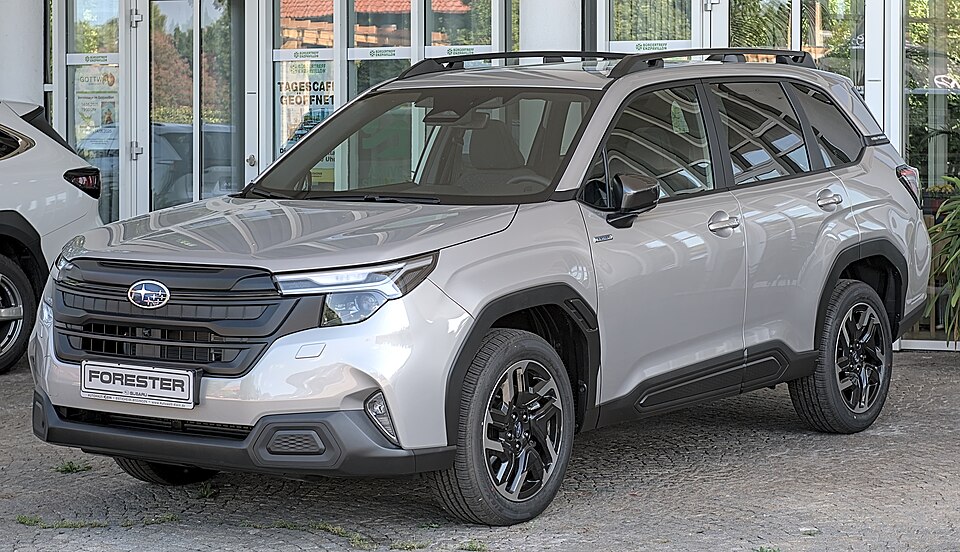
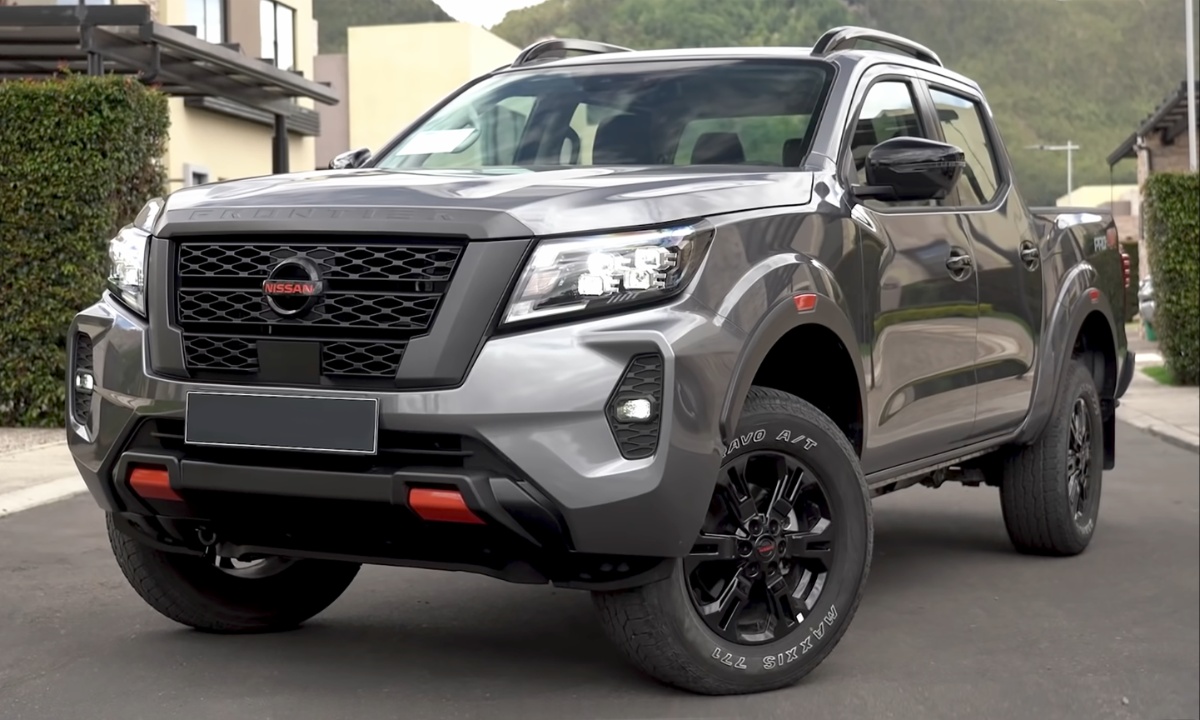
12. Nissan Frontier: Durable Midsize Truck with Strong Long-Term Value
The Nissan Frontier retains 77 percent of its value after five years, with a resale value of $29,942. Its value retention is supported by proven reliability, durable construction, simple mechanics, and lower maintenance costs compared with some competitors. While short-term depreciation may be higher than certain rivals, the Frontier’s value stabilizes over time, making it a sensible choice for long-term ownership.
The Frontier is known for durability, with a fully boxed ladder frame, robust axles, and suspension components that help it last well beyond 200,000 miles. Its simple V6 engine and uncomplicated electronics reduce potential issues, lower service costs, and improve part availability for high-mileage models. Owners report reliable performance, and the truck offers strong value for money in the used market.
The Frontier is not the fastest midsize truck, with a 0 to 60 mph time of 7.8 seconds in the Pro-4X trim. The V6 engine provides ample midrange power, and the transmission shifts smoothly. Brakes are easy to operate in city driving and capable for emergency stops. Handling feels confident around turns, though steering is heavy at low speeds. The Frontier is capable off-road, particularly in trims equipped with all-terrain tires.
Ride quality is a highlight, with the truck absorbing dips and bumps effectively. Front seats are firm, and adjustment options are limited, making it harder to find an optimal seating position.
Rear passengers have limited legroom, and wind noise can be noticeable on highways. The large infotainment touchscreen dominates the dashboard, with climate controls and physical buttons nearby. Some interior controls are not intuitively arranged.
The Frontier offers an 8-inch standard touchscreen or an optional 12.3-inch unit, along with optional wireless charging and a 10-speaker Fender audio system. Standard driver aids include automatic emergency braking, driver attention warning, and trailer sway control.
Storage includes a front tray, center console, cupholders, and door pockets. Additional options include underrail lighting, adjustable tie-down cleats, a spray-in bedliner, and a 120-volt power outlet.
Maximum payload is 1,620 pounds, with a towing capacity of 7,150 pounds. EPA estimates for a four-wheel-drive Frontier are 19 mpg combined, which matches our real-world testing of 19.9 mpg.
The Frontier is priced competitively with other midsize trucks. Build quality is solid, though warranty coverage trails some rivals, with a three-year/36,000-mile bumper-to-bumper and five-year/60,000-mile powertrain warranty. Roadside assistance is shorter than that of many competitors, and free maintenance is not included.
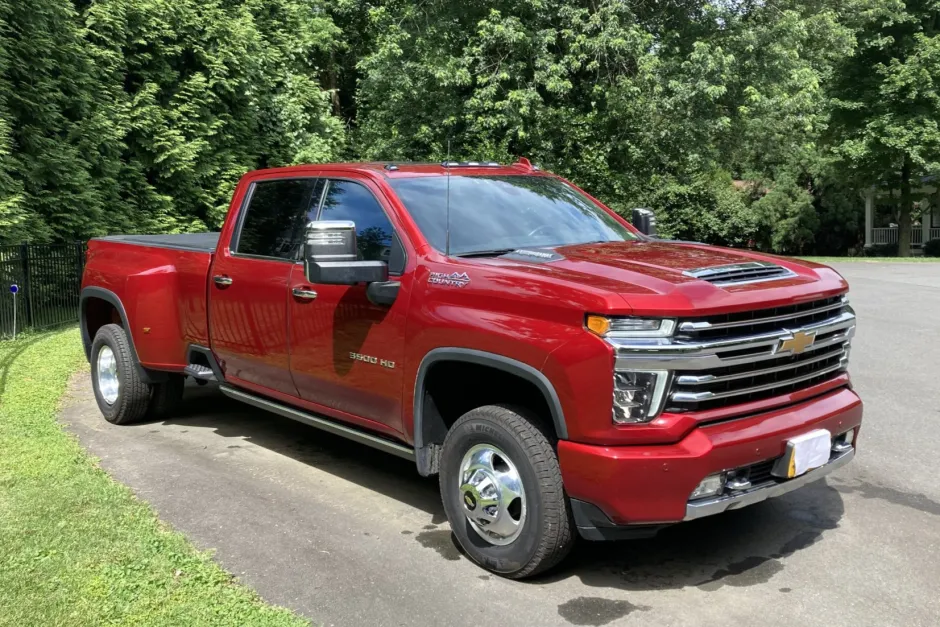
13. Chevrolet Silverado 3500HD: Heavy-Duty Strength and Lasting Value
The Chevrolet Silverado 3500HD retains about 73 percent of its value after five years, with a resale value of $56,348. This impressive retention stems from high demand for heavy-duty trucks, durable construction, and Chevrolet’s solid reputation for quality.
Buyers seek the 3500HD for its ability to handle serious towing and hauling tasks, especially with the available 6.6-liter turbodiesel engine, which keeps demand strong in both new and used markets.
Heavy-duty trucks like the Silverado 3500HD remain in steady demand for commercial and personal use. Its robust turbodiesel engine produces strong horsepower and torque, making it a dependable performer for towing and payload duties.
Chevrolet’s consistent build quality adds to long-term reliability, while multiple awards for resale value reinforce its reputation. Buyers can further reduce depreciation by negotiating below MSRP, strengthening its financial appeal.
The 6.6-liter turbodiesel delivers smooth, confident acceleration, reaching 60 mph in 7.7 seconds. The six-speed automatic transmission shifts cleanly, and the truck maintains control with minimal body roll during turns. Steering is heavy but precise for its size. The Silverado 3500HD performs well on highways and worksites, though its size limits maneuverability off-road.
Ride quality is firm when unloaded, but improves with heavy payloads. Seats offer good lateral support but feel stiff during long drives. Wind noise from large mirrors is noticeable, while engine noise is well managed.
Climate controls are simple and effective, with large knobs that can be operated with gloves. The cabin design favors function, featuring large buttons and durable materials. Ample headroom and legroom make it spacious, though visibility can be challenging due to wide pillars.
The Silverado 3500HD offers abundant interior storage and strong towing capability, though some rivals can tow slightly more. The infotainment system is easy to use but responds slowly. Apple CarPlay and Android Auto are included, though connections can drop occasionally.
The Silverado 3500HD combines proven durability, powerful performance, and dependable resale value, making it a smart choice for heavy-duty truck buyers.
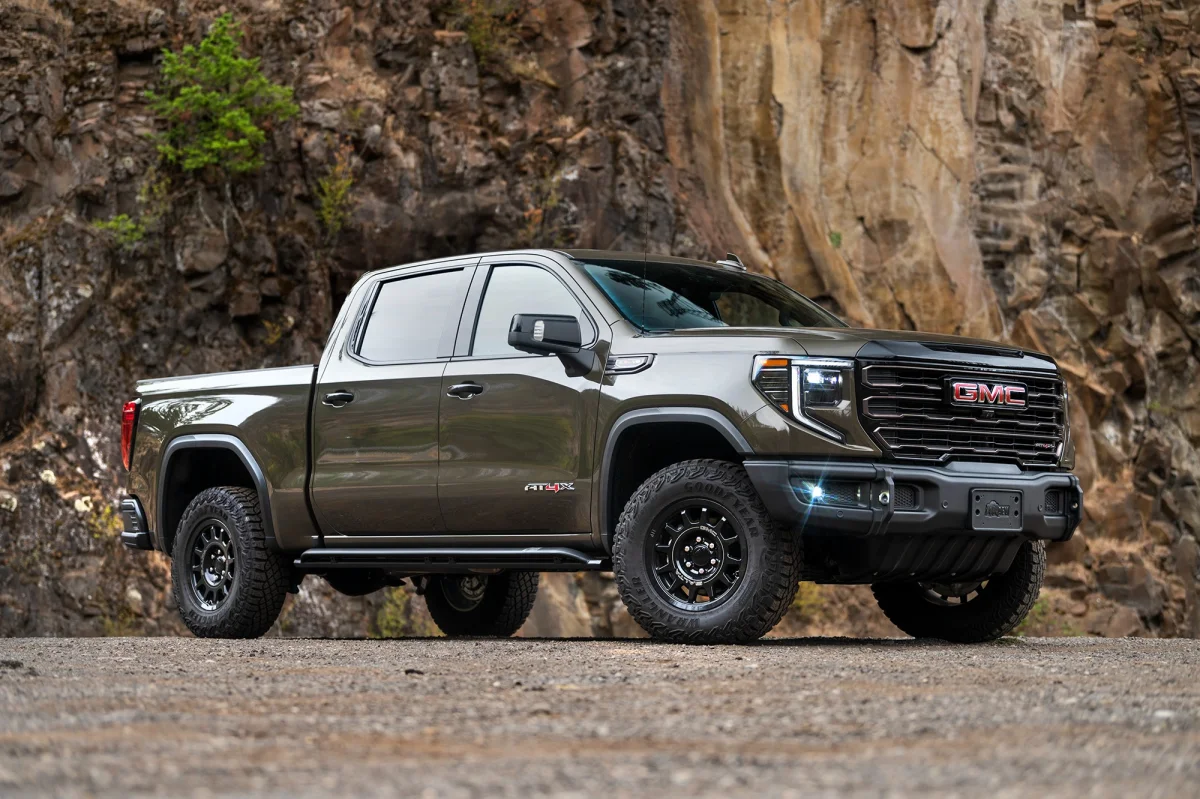
14. GMC Sierra 1500: Capable, Comfortable, and Retains Strong Value
The GMC Sierra 1500 retains around 78 percent of its value after five years, with an estimated resale value of $46,588. While it does not truly defy depreciation, its solid build, strong brand image, and steady demand help it hold value better than many rivals.
Market data shows that most Sierra 1500 models experience normal depreciation rates, with specific trims and newer versions performing slightly better depending on market trends and condition.
All vehicles lose value over time, but the Sierra’s mix of utility and design helps maintain appeal. Depreciation varies across trims and model years, typically ranging between 24 and 30 percent in the first three years. Demand for capable trucks, occasional market shortages, and loyal buyers help stabilize its resale performance.
Our test model, a crew cab with four-wheel drive and a 6.2-liter V8, accelerated from 0 to 60 mph in 6.2 seconds, impressive for a full-size truck. The 10-speed automatic shifts quickly and cleanly. Braking power is strong, though pedal feel can be inconsistent. The Sierra feels large in corners and leans noticeably, but its Traction Select system improves control in low-traction situations.
The cabin provides generous headroom, shoulder room, and legroom, with especially spacious rear seating. The ride is smooth on the highway, but can become bouncy on rough roads. Heated split front seats add comfort, and the climate system performs well, though small buttons make operation tricky. Noise isolation is effective, with engine sound pleasantly audible only under hard acceleration.
A 13.4-inch touchscreen delivers crisp graphics and quick responses. Wireless Apple CarPlay and Android Auto come standard, along with an intuitive voice recognition system.
Driver aids such as adaptive cruise control, parking cameras, and Super Cruise (on Denali trims) enhance usability. Storage options include a large center console, numerous cupholders, and a flexible bed with the MultiPro tailgate for easy access and cargo handling.
The Sierra 1500 blends strong performance, advanced technology, and lasting value, making it one of the most well-rounded full-size trucks available.
Only a small number of vehicles can truly retain their worth and popularity over time, and the models in “14 Cars That Defy Depreciation” demonstrate how excellence endures beyond trends.
From Toyota’s reputation for long-term dependability to Porsche’s unmatched engineering, each car on this list offers qualities that keep it in demand and highly valued. These vehicles represent more than transportation; they are dependable assets that continue to reward their owners year after year.
Whether you prioritize reliability, performance, or luxury, these models combine practical ownership with lasting appeal. Choosing one of them means owning a vehicle that performs as well on the road as it does in resale value. While most cars quickly lose their shine and price, these 14 prove that true automotive quality continues to stand the test of time.
