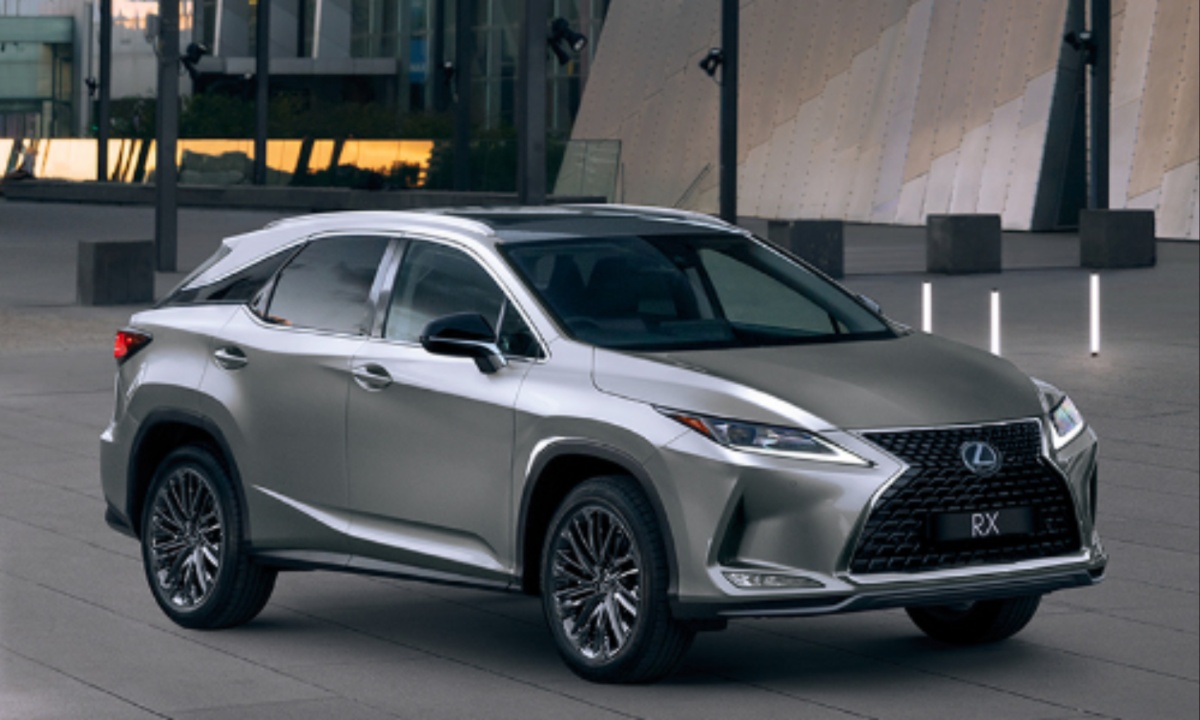
When shopping for a vehicle that lasts, not all cars age equally. Some models seem to lose value the moment they leave the dealership, while others remain dependable and desirable even after racking up hundreds of thousands of miles. In this list, “9 Cars That Maintain Value Even With High Mileage,” we highlight vehicles that prove longevity and reliability still matter.
These are not just cars that survive; they continue to perform with confidence, offering lasting performance, low maintenance costs, and strong resale prices. From the agile Mazda MX-5 Miata, a lightweight icon of driving joy, to the rugged Toyota Tacoma and Chevrolet Silverado 1500, each model has earned a reputation for endurance.
Whether you prefer sporty convertibles, practical sedans, or capable trucks, these vehicles share one key quality: exceptional value retention. Let us explore the cars that continue to deliver both reliability and satisfaction, mile after mile.
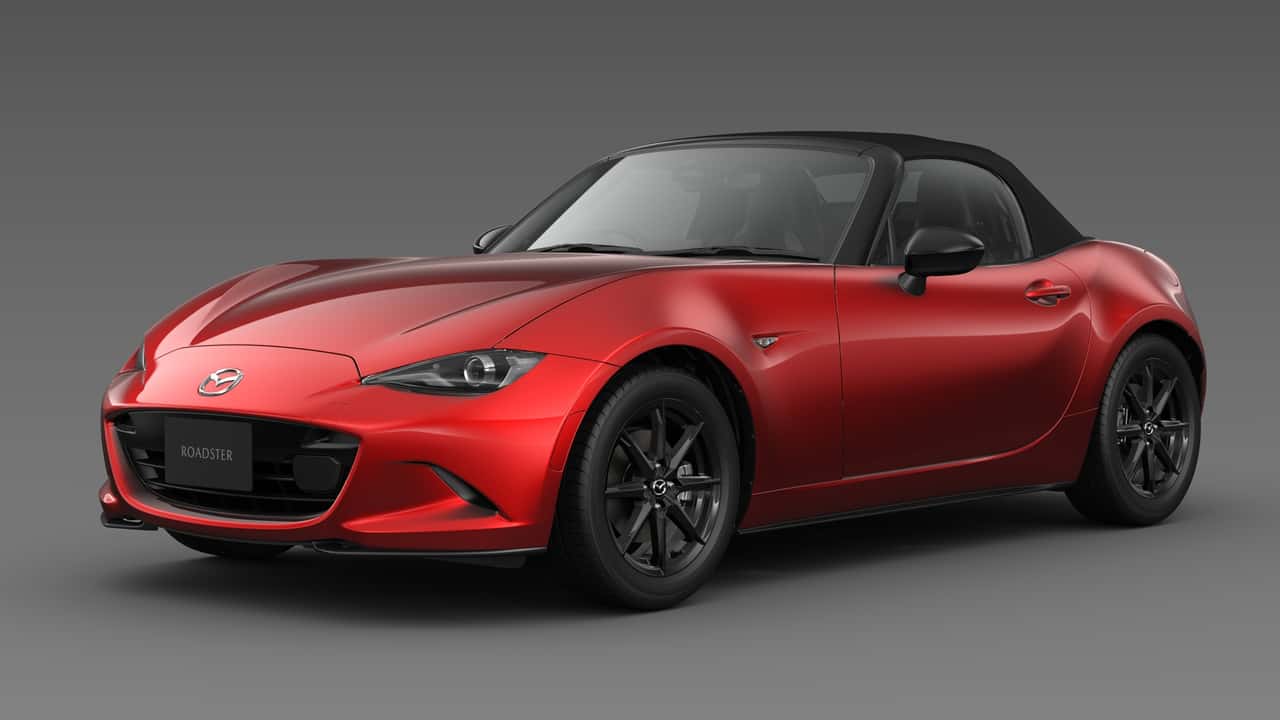
1. Mazda MX-5 Miata: A Lightweight Icon of Longevity and Driving Joy
The Mazda MX-5 Miata is one of the most admired sports cars ever made, known for its agility, simplicity, and lasting reliability. Its lightweight design and balanced handling provide an engaging driving experience that few vehicles can match.
Despite being a compact roadster, the Miata has built a reputation for durability and strong resale value. With regular maintenance, it often surpasses 150,000 miles, which is impressive for a performance-oriented car.
A key part of the Miata’s appeal lies in its engineering philosophy. Mazda focuses on balance and lightness, reducing strain on the engine, suspension, and drivetrain.
The naturally aspirated four-cylinder engine runs smoothly and consistently, offering dependable performance over many years of ownership. Drivers often praise how the Miata feels tight and responsive even at high mileage, a result of Mazda’s careful design and build quality.
Another reason the Miata keeps its value is the enthusiast community that surrounds it. Owners tend to maintain their cars meticulously, ensuring they remain in excellent mechanical condition.
The car’s wide popularity means replacement parts are easy to find, and the aftermarket offers many affordable options for upgrades. This availability keeps maintenance costs low and helps owners preserve their vehicles for longer periods, adding to the Miata’s reputation as a reliable and economical sports car.
Behind the wheel, the Miata is light, precise, and rewarding to drive. The steering provides direct feedback, giving the driver a clear sense of the road. In testing, a manual-equipped Miata reached 60 mph in 6.4 seconds, which delivers lively acceleration suitable for daily driving or spirited weekends.
Braking performance is confident, and the car handles corners with accuracy and balance. Some body lean is noticeable during sharp turns, but it contributes to the Miata’s approachable and predictable feel.
Comfort levels are higher than expected for a two-seat convertible. The seats offer firm support that keeps the driver comfortable on longer trips, while the suspension absorbs smaller bumps effectively.
Larger road imperfections can be felt, but they rarely disrupt the driving experience. Wind noise is noticeable with the top up, although many drivers prefer to lower the roof and enjoy open-air driving. The soft top is light and quick to operate manually, which adds to the Miata’s simplicity.
Inside, the interior design emphasizes function and driver focus. The controls are easy to reach, and the layout is intuitive. Space is limited, especially for taller occupants, yet materials feel high-quality and the craftsmanship is evident throughout.
The Miata includes modern technology features that enhance convenience without detracting from its pure driving feel. Standard equipment includes Apple CarPlay, Android Auto, and USB ports, along with driver aids such as blind-spot monitoring. The available Bose nine-speaker audio system produces clear, balanced sound even when driving with the top down.
Storage capacity is minimal, but this is expected in a small roadster. The trunk holds 4.6 cubic feet, which is enough for a carry-on bag or a few grocery items. There is a small storage bin between the seats, but no glovebox or rear seat area. These limitations are part of the car’s design focus on lightness and simplicity.
Fuel efficiency is another advantage. The manual-transmission Miata achieves an EPA-rated 29 mpg combined, and real-world driving often matches this figure. Few sports cars offer such a balance of performance and economy.
In terms of value, the Miata stands out for its blend of affordability, quality, and long-term dependability. Mazda provides a three-year or 36,000-mile bumper-to-bumper warranty and a five-year or 60,000-mile powertrain warranty, both offering solid coverage.
With its timeless styling, strong community support, and proven engineering, the MX-5 Miata remains one of the best examples of a fun-to-drive car that retains its worth through the years.
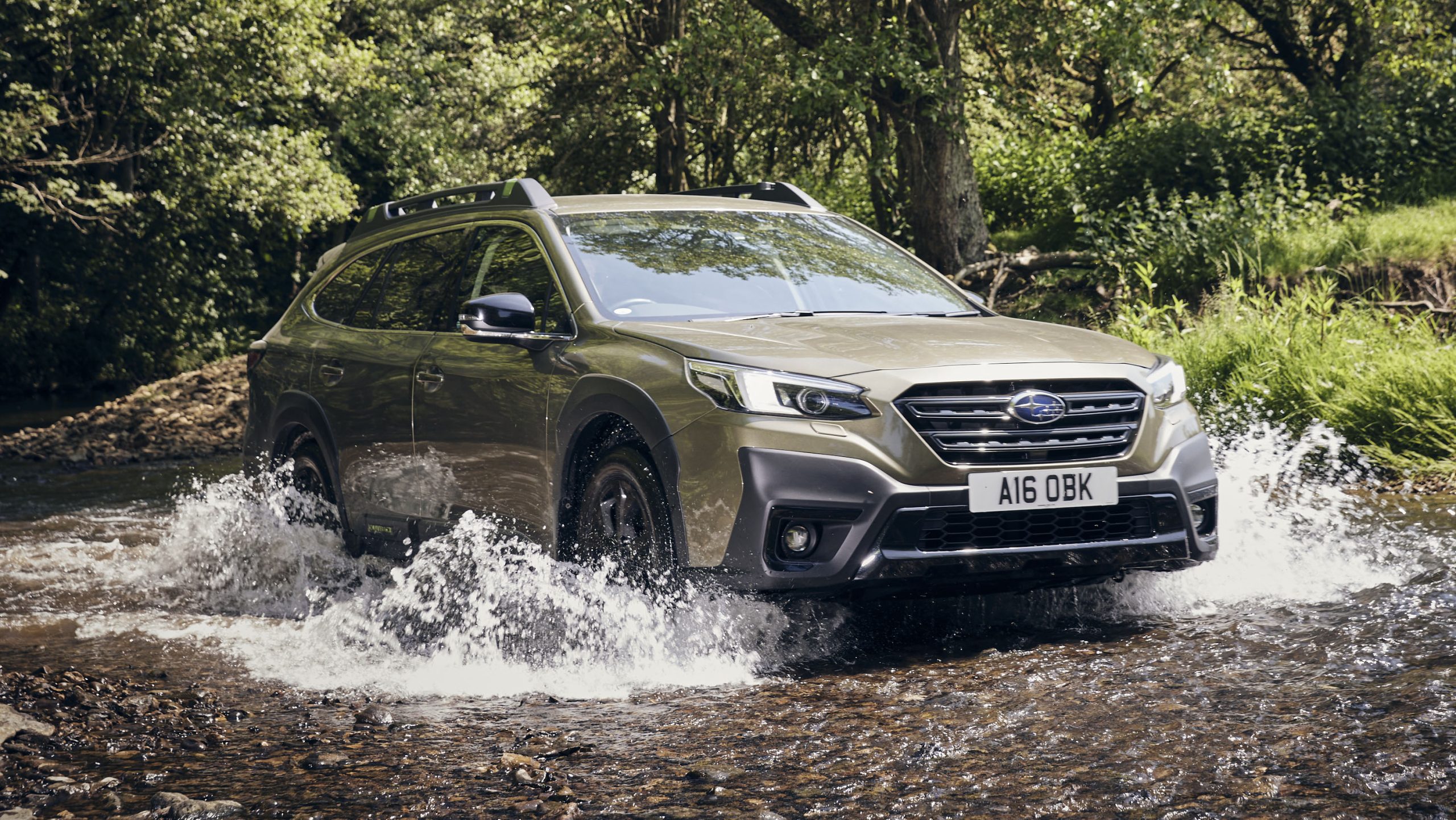
2. Subaru Outback: The Perfect Blend of Practicality, Capability, and Endurance
The Subaru Outback has established a strong reputation by combining the practicality of a station wagon with the toughness of an SUV. Known for its symmetrical all-wheel-drive system and rugged durability, the Outback maintains its value even after passing 200,000 miles. Owners often highlight its reliability and adaptability in different climates and terrains, making it an excellent choice for outdoor enthusiasts, families, and commuters.
A major factor behind the Outback’s lasting value is Subaru’s boxer engine design. This horizontally opposed layout creates a lower center of gravity, improving stability and ride quality. When maintained correctly, these engines deliver long life and dependable performance. The all-wheel-drive system adds further appeal in regions with harsh weather conditions, ensuring year-round traction and safety.
Another advantage is Subaru’s loyal customer base. Many owners choose to stay within the brand, helping sustain high demand for used models. This loyalty, combined with the Outback’s reputation for toughness, ensures that even high-mileage vehicles remain attractive options in the resale market.
The Outback offers a well-balanced blend of power and practicality. The optional turbocharged engine provides a noticeable boost in performance, reaching 0 to 60 mph in 6.5 seconds. This makes it a worthwhile upgrade over the base engine. With 8.7 inches of ground clearance and standard all-wheel drive, the Outback can handle unpaved roads, snow, and light off-road adventures with ease.
Handling is stable, but the Outback does show some body roll in corners and requires more steering input than most competitors. Despite this, it feels secure on winding roads or during highway travel. Subaru equips the Outback with an extensive suite of driver-assistance technologies, though systems such as lane keeping and automatic braking can sometimes be overly sensitive, activating when not needed.
Comfort is one of the Outback’s strongest features. The suspension absorbs potholes and uneven surfaces smoothly, making it a great companion for long trips. The front seats are soft yet supportive and feature available heating, ventilation, and steering wheel warmth. While the ventilation system could perform better, the seats remain comfortable for extended drives.
Interior space is generous, with ample headroom and legroom for both front and rear passengers. Some drivers might prefer a more upright seating position, but the Outback offers a wide range of seat adjustments for personalized comfort. The main drawback lies in its touchscreen controls, which can be slow to respond and make adjusting settings more time-consuming.
Technology in the Outback is a mix of strengths and weaknesses. The large touchscreen looks impressive, but it can be laggy and complex to navigate. Essential functions often require multiple menu selections, distracting from the driving experience. On the positive side, the vehicle includes physical knobs for volume and tuning, a quality sound system, and several charging ports for devices.
Storage and cargo capacity are practical for a vehicle of its size. The Outback’s low, flat cargo floor simplifies loading and unloading, and its integrated roof rails make it easy to carry outdoor equipment. Although it offers slightly less total cargo volume than some midsize SUVs, the design is efficient and user-friendly. The center console storage area is smaller than average, but the vehicle still provides sufficient space for everyday items.
The 2.4-liter turbo engine delivers an EPA-estimated 25 miles per gallon combined, a figure that aligns closely with real-world results. The standard engine is less powerful but still adequate for daily driving. The turbocharged model strikes a good balance between acceleration and fuel economy.
From a pricing perspective, the Outback offers strong value for its versatility. The base trim includes essential features, while higher trims with premium materials and technology remain more affordable than many similarly equipped competitors. Subaru’s warranty, which covers three years or 36,000 miles basic and five years or 60,000 miles powertrain, is standard for its class.
The Subaru Outback continues to stand out for its combination of practicality, durability, and all-weather confidence.
Although the technology interface and driver-assist systems could be more refined, its long-term reliability, comfortable ride, and adaptable design make it a favorite among drivers who value both function and endurance. For those seeking a vehicle that performs equally well on highways and mountain trails, the Outback remains a dependable and versatile choice.
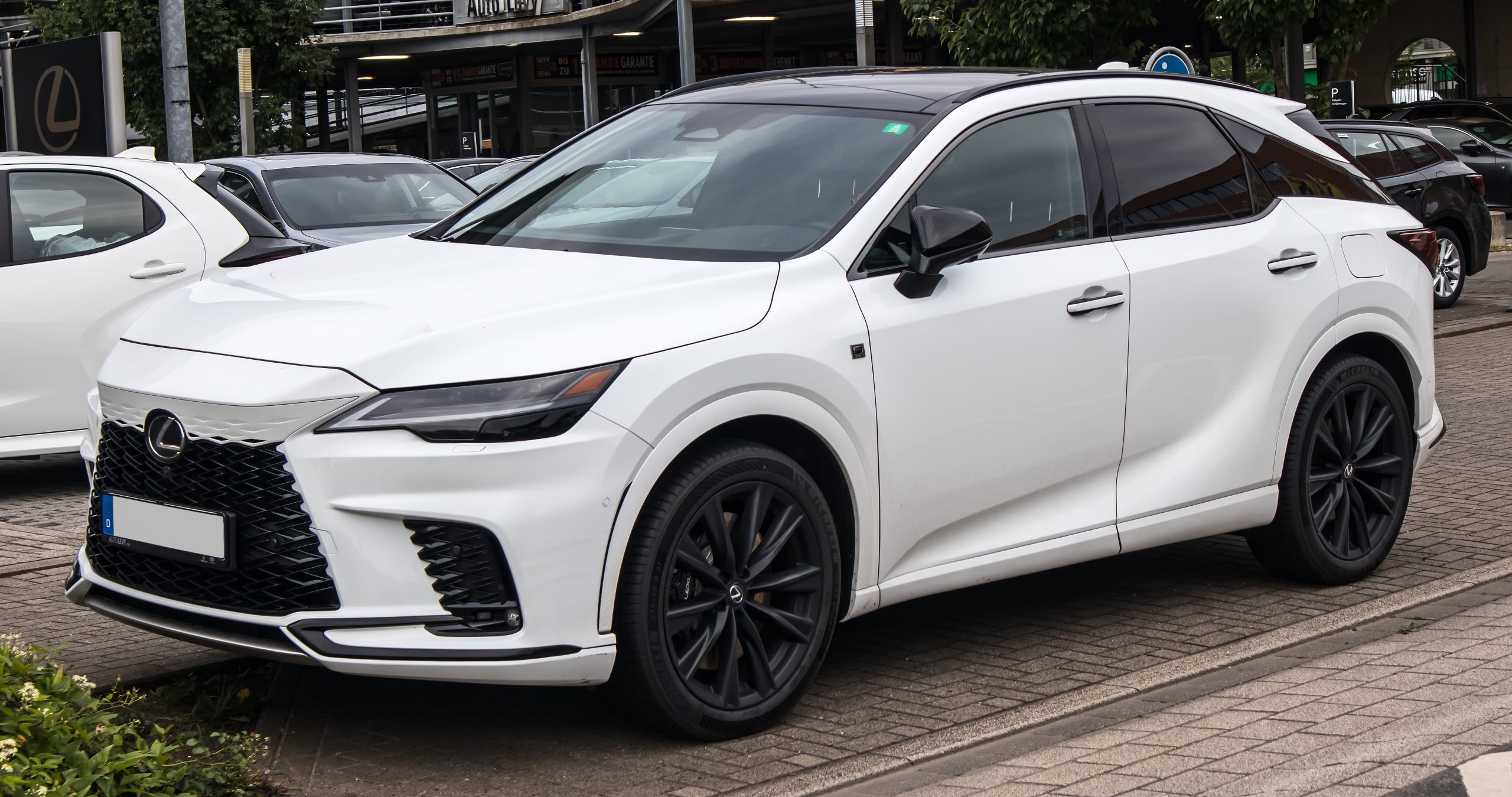
3. Lexus RX: Luxury That Lasts
The Lexus RX stands out in the luxury SUV market for its combination of comfort, dependability, and lasting value. Unlike many luxury vehicles that lose value quickly, the RX maintains strong resale prices thanks to its proven engineering, high-quality materials, and Toyota-based reliability.
As Lexus is Toyota’s luxury division, the RX benefits from the same mechanical durability that has made Toyota vehicles famous, enhanced with a premium interior and refined design. This mix of luxury and longevity appeals to buyers who want sophistication without sacrificing reliability.
Maintenance and repair costs are also lower than many competing luxury SUVs, supported by Lexus’ widespread service network and easy access to replacement parts. These factors help RX models remain valuable even well past 100,000 miles.
The RX’s reputation for dependability is backed by strong reliability ratings and satisfied owners. Its smooth ride and quiet cabin contribute to its appeal, making it a top choice for drivers seeking long-term comfort and peace of mind.
In testing, the RX 350 F Sport Handling trim accelerated to 60 mph in 7.8 seconds, offering steady and predictable performance. The all-wheel-drive system ensures confident traction in various conditions. Though it is not the quickest in its class, the RX focuses on composure and refinement. The sport-tuned suspension improves handling stability, and braking is strong and easy to modulate.
Comfort remains one of the RX’s greatest strengths. The adaptive suspension and soft yet supportive seats create a relaxed ride, while the three-zone climate control system maintains a consistent temperature throughout the cabin. Interior noise is minimal, contributing to a refined driving experience.
The RX’s interior is both elegant and functional. The 14-inch touchscreen display offers sharp graphics, quick responses, and easy smartphone connectivity. The 21-speaker Mark Levinson audio system delivers exceptional sound quality, though the infotainment system’s menu layout could be simpler.
Wireless smartphone integration is standard, but navigation services require a paid subscription after the trial period. The Lexus Safety System+ 3.0 package adds advanced driver aids such as adaptive cruise control and lane keeping assistance.
Cargo space measures 29.6 cubic feet, slightly less than some rivals, but the low floor and wide opening make loading easy. Fuel economy is another advantage, with the all-wheel-drive RX achieving an EPA-estimated 24 mpg combined.
With its refined ride, solid reliability, and competitive pricing, the Lexus RX remains one of the most balanced choices in the luxury SUV segment. It offers enduring value and comfort that make it as appealing at high mileage as it is brand new.
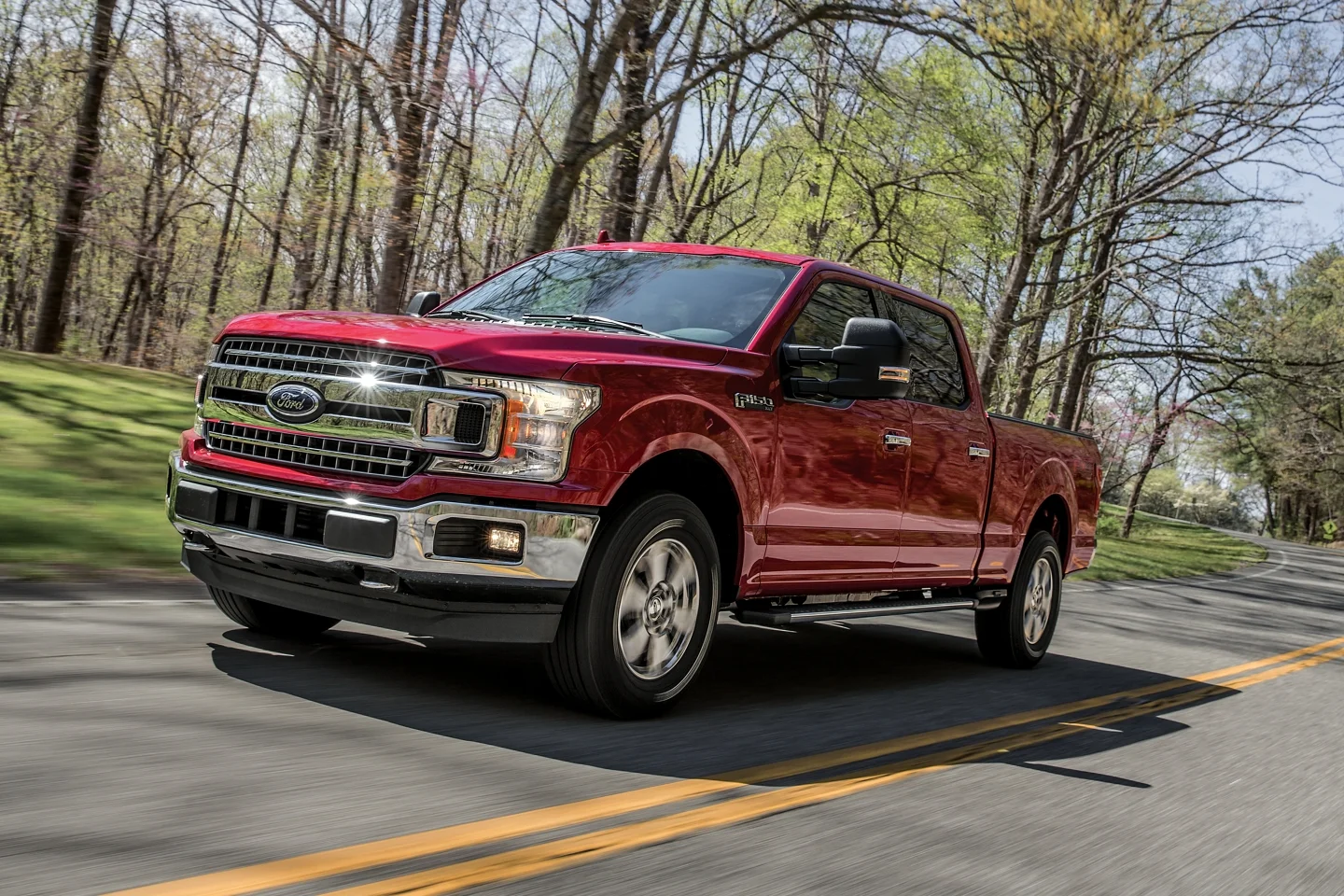
4. Ford F-150: America’s Enduring Workhorse
The Ford F-150 has long been the backbone of the American truck market, earning its reputation as a symbol of durability, capability, and value retention. Its ability to perform under demanding conditions while remaining reliable has made it a top choice for generations of truck buyers.
The F-150’s robust engineering and adaptability allow it to thrive as both a work truck and a comfortable family hauler, which helps it hold its value even after accumulating high mileage.
Many F-150s surpass 200,000 miles without significant mechanical issues, a testament to Ford’s commitment to building long-lasting vehicles. One of the main reasons for its strong resale value is the wide range of engine options and configurations.
Buyers can choose from fuel-efficient V6 engines, powerful V8s, and even hybrid powertrains that blend strength with efficiency. This variety allows the F-150 to appeal to a broad market, from contractors who need hauling capability to families looking for reliability and comfort.
Maintenance is made easy by Ford’s extensive dealer and service network, along with excellent parts availability. Mechanics are familiar with the F-150’s systems, which keeps repair costs low and ensures that owners can maintain their trucks easily over time. This convenience contributes significantly to the F-150’s longevity and market demand.
On the road, the F-150’s performance impresses across all trims. The hybrid PowerBoost version, for example, reaches 60 mph in 5.8 seconds, offering strong acceleration for a full-size truck. Steering is direct and responsive, making the F-150 surprisingly nimble in city driving and stable on the highway. The brakes provide confident stopping power, even with heavy loads.
Comfort levels vary depending on trim, but higher versions offer a luxurious experience with heated, ventilated, and even massaging front seats. The cabin remains quiet, with minimal wind and road noise. The ride quality is smooth for a truck of its size, especially when properly equipped with advanced suspension options.
Inside, the F-150’s cabin is functional yet refined. The controls are large and easy to operate, even with gloves. The layout is intuitive, and the crew cab offers generous space for both passengers and cargo. Visibility is excellent, aided by large windows and an available surround-view camera.
The technology suite includes a 12-inch touchscreen with standard smartphone integration and optional Ford BlueCruise, which enables hands-free highway driving. The standout feature, however, is Pro Power Onboard, which turns the truck into a mobile generator ideal for worksites, camping, or emergencies.
With towing capacity up to 13,500 pounds and payload ratings reaching 2,445 pounds, the F-150 leads its class in versatility. Fuel economy ranges between 19 and 23 mpg combined, depending on configuration.
Built with strength, innovation, and everyday practicality, the Ford F-150 remains a benchmark for full-size trucks. Its balance of performance, comfort, and reliability ensures that it continues to hold value long after leaving the showroom.
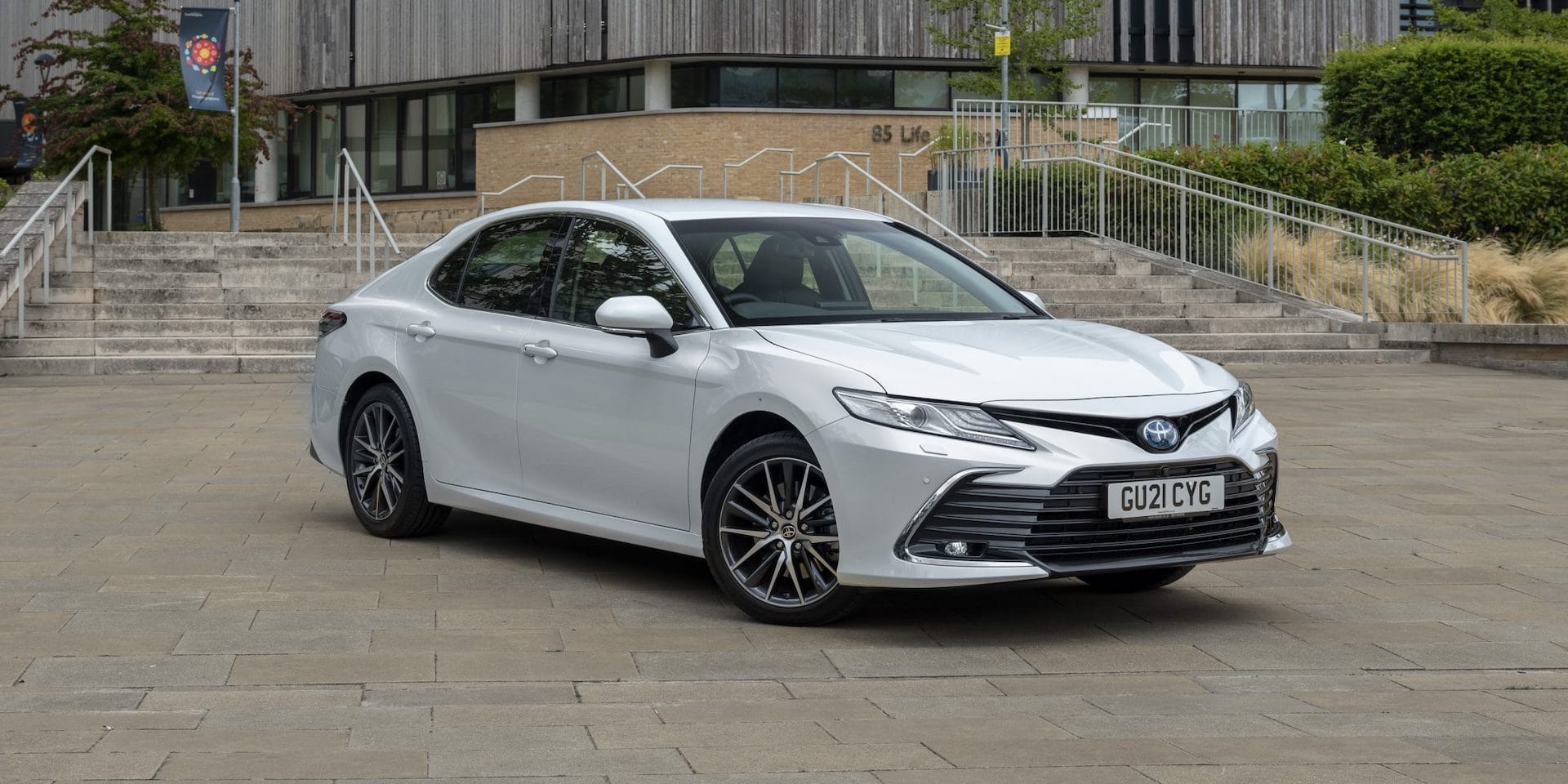
5. Toyota Camry: Dependable, Efficient, and Built to Last
The Toyota Camry has long been a benchmark in the midsize sedan class, known for its reliability, comfort, and enduring value. For decades, it has earned a reputation as a vehicle that simply lasts, with many examples surpassing 200,000 miles with only routine maintenance.
Its combination of strong build quality, practical engineering, and fuel efficiency continues to make it one of the most trusted and desirable sedans in both new and used markets.
The Camry’s value retention is rooted in its mechanical simplicity and the durability of its components. Both the four-cylinder and V6 engines have proven themselves over time, offering dependable performance and impressive longevity.
Toyota’s focus on high-quality parts and conservative engineering ensures that major repairs are rare, keeping ownership costs low. This reliability has created a loyal customer base and solid resale demand.
In recent years, the Camry has added hybrid options that blend performance with excellent fuel economy, appealing to buyers who prioritize efficiency and environmental responsibility. These hybrid models often deliver more than 45 mpg in combined driving, making them some of the most economical sedans available without moving into plug-in or fully electric territory.
Behind the wheel, the Camry XSE model offers smooth acceleration and precise control. In testing, it reached 60 mph in 7.8 seconds, a competitive result for the segment. The suspension tuning provides a good balance between comfort and stability, and the steering feels responsive without sacrificing ease of use.
The car absorbs bumps well and feels composed on winding roads. Toyota’s latest safety features, including adaptive cruise control and Traffic Jam Assist, further enhance confidence and convenience during everyday driving.
Comfort remains one of the Camry’s strongest qualities. The seats are firm yet supportive, providing excellent posture for long drives. Interior space is generous, with easy entry and exit through wide door openings and good headroom in both rows. Noise isolation is excellent, keeping the cabin calm even at highway speeds.
Inside, the Camry’s cabin design combines functionality and sophistication. The 12.3-inch touchscreen responds quickly and supports wireless Apple CarPlay and Android Auto. The control layout is simple, and physical buttons for climate settings add ease of use. The optional JBL audio system offers solid sound quality, while the wireless charging pad and abundant small storage spaces improve day-to-day practicality.
Trunk capacity measures 15.1 cubic feet, enough for luggage or large grocery runs, and the cabin provides ample storage for smaller items. With its efficient hybrid system, affordable maintenance, and standard two years of complimentary service, the Camry offers one of the strongest value propositions in its class.
Reliable, efficient, and comfortable, the Toyota Camry continues to stand as a smart long-term investment for drivers seeking quality and peace of mind.
Also Read: 5 Cars That Run After Sitting for Years vs 5 That Don’t
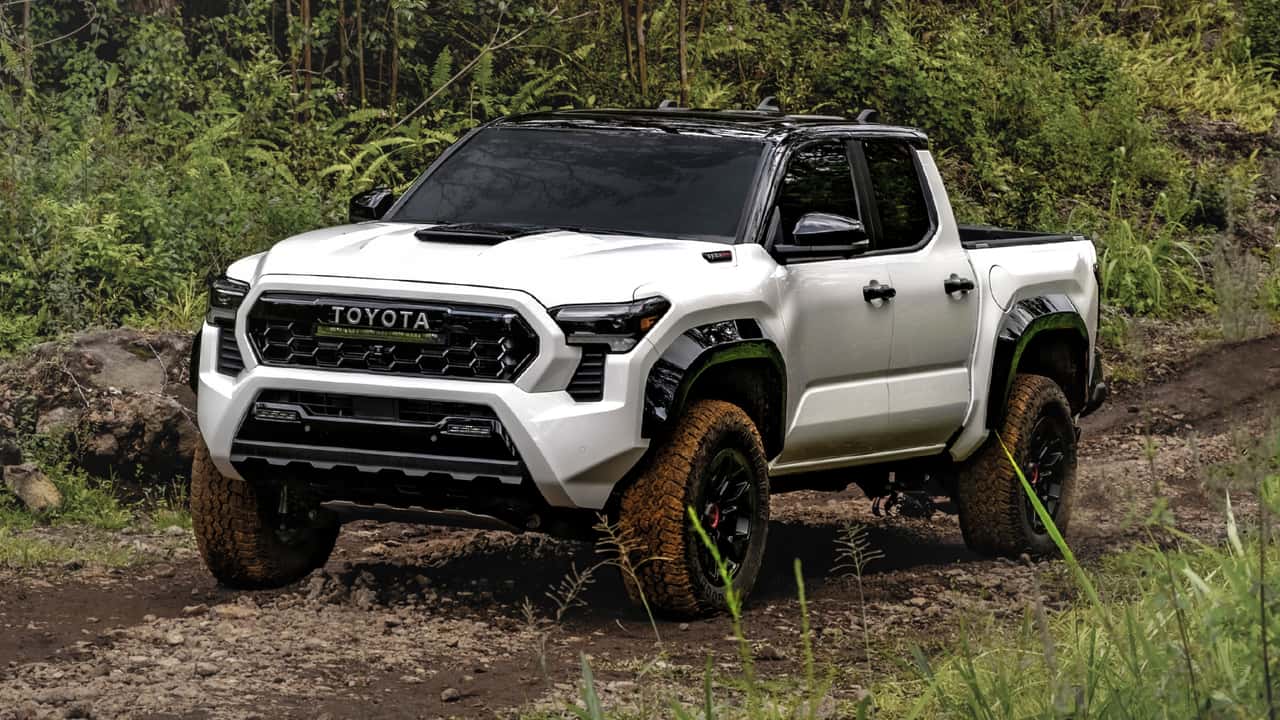
6. Toyota Tacoma: The Reliable Workhorse That Holds Its Value
Few midsize trucks can match the Toyota Tacoma’s legendary reliability and durability. Known for easily surpassing 200,000 miles, the Tacoma has built a strong reputation among both truck enthusiasts and everyday drivers. This reliability is a direct result of Toyota’s meticulous engineering and stringent quality control standards, which ensure consistent performance and longevity across generations.
The Tacoma’s straightforward mechanical design is one of its biggest advantages. Its four-cylinder and V6 engines are renowned for being low-maintenance and long-lasting, while the truck’s simple mechanical layout keeps repairs affordable and accessible. Buyers are drawn to its proven dependability, making the Tacoma one of the most sought-after used trucks on the market.
The Tacoma’s ability to retain value over time is unmatched in its segment. Its rugged build and long lifespan create high demand in the resale market. Beyond this, a large and active aftermarket community keeps the Tacoma relevant long after purchase.
Owners frequently upgrade suspension systems, tires, and accessories, increasing both the vehicle’s utility and resale desirability. Modified Tacomas often command higher prices, reflecting their continued popularity among off-road enthusiasts.
Toyota’s brand image also contributes heavily to the Tacoma’s market strength. Consistently high reliability rankings in consumer studies reinforce buyer confidence, ensuring that even high-mileage Tacomas are viewed as solid, long-term investments.
The Tacoma is equally at home on the highway and the trail. The TRD Sport model’s 278-hp engine delivers brisk acceleration, reaching 0–60 mph in 7.6 seconds, while the TRD Pro hybrid version achieves a similar 7.4 seconds. Both powertrains pair with a smooth-shifting transmission, providing responsive performance without unnecessary gear hunting.
On the road, the Tacoma impresses with its strong braking system, precise steering, and composed handling. Off-road, higher trims feature advanced shocks, traction control, and suspension systems, giving the Tacoma formidable capabilities across challenging terrains.
Inside, the Tacoma blends practical design with modern features. Front seats are wide and supportive, though rear seating remains tight, typical of midsize trucks. The ride comfort improves with higher trims equipped with upgraded suspension systems.
The interior’s centerpiece is the 14-inch touchscreen, offering crisp visuals and user-friendly menus. Wireless smartphone connectivity, multiple USB-C ports, and optional wireless charging pads enhance convenience. Despite its advanced tech, Toyota has wisely retained physical buttons and knobs, ensuring usability even in rugged conditions.
The Tacoma emphasizes functionality and versatility. Buyers can choose between two bed lengths, and the truck offers a payload capacity of 1,710 pounds and a towing limit of 6,500 pounds. Storage is ample both inside and out, with numerous cubbies, under-seat compartments, and optional household-style power outlets up to 2,400 watts in hybrid models.
Fuel economy remains competitive, averaging around 21–23 mpg, and the Tacoma uses regular gasoline, keeping running costs manageable. Toyota’s three-year/36,000-mile bumper-to-bumper and six-year/60,000-mile powertrain warranties, plus two years of free maintenance, round out its value proposition.
The Toyota Tacoma continues to define the midsize pickup segment through a rare combination of durability, dependability, and practicality. Its impressive longevity, strong resale value, and capable performance make it a top choice for drivers who want a truck that works hard and lasts even longer.
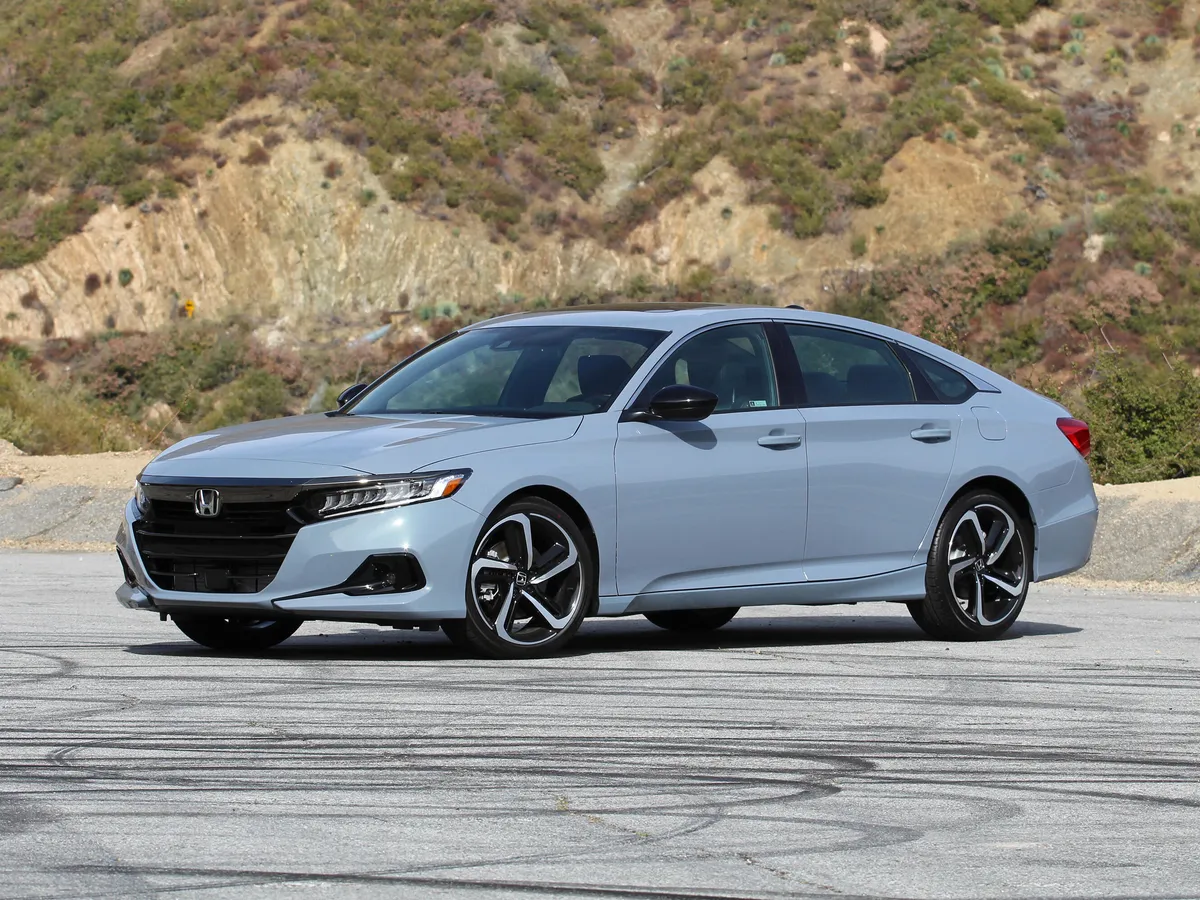
7. Honda Accord: The Gold Standard of Reliability and Everyday Practicality
The Honda Accord remains one of the most trusted and enduring midsize sedans in the automotive world. For decades, it has set the benchmark for reliability, comfort, and long-term value. Many Accords have easily surpassed 200,000 miles, reflecting Honda’s dedication to engineering excellence and quality control.
Drivers appreciate its balanced performance, fuel efficiency, and low maintenance needs, making it an ideal choice for those seeking a dependable long-term vehicle.
The Accord’s resale strength is rooted in its reputation for consistent performance and minimal mechanical issues. Its powertrains, both gasoline and hybrid, offer the right blend of power and efficiency, helping owners reduce operating costs without sacrificing drivability.
The introduction of hybrid variants has boosted its appeal among buyers looking for eco-friendly yet powerful options. Maintenance is simple and cost-effective thanks to Honda’s widespread service network and easily available parts, keeping the Accord in high demand even at high mileage.
The Accord delivers a refined balance of efficiency and driving enjoyment. The Sport-L hybrid trim showcases this perfectly, reaching 0–60 mph in 7 seconds, quicker than many midsize hybrids. Its continuously variable transmission (CVT) mimics a traditional automatic, providing smooth and responsive acceleration.
Steering feels precise and communicative, while the suspension system absorbs road imperfections with ease, creating a confident and comfortable driving experience.
Although the latest generation is larger than before, it remains stable and composed, with light steering that inspires confidence in city and highway driving. Visibility is excellent, aided by slim windshield pillars and a broad rear window.
The Honda Sensing safety suite, which includes adaptive cruise control and lane-keeping assist, enhances driver assurance, though the lane assist can occasionally feel intrusive. The Accord remains one of the most balanced sedans in its class, capable of delivering both comfort and engagement.
Inside, the Accord emphasizes space, usability, and quietness. Wide doors allow easy entry and exit, and both front and rear passengers enjoy generous legroom. Cabin insulation is effective, keeping road and wind noise to a minimum. The driver’s seat offers solid adjustability, though it could use slightly more padding for long journeys.
The interior layout is clean and intuitive, with large buttons and well-labeled climate controls. The available 12.3-inch touchscreen offers wireless Apple CarPlay and Android Auto, ensuring seamless connectivity. Honda limits certain premium tech features, such as Google voice integration, to top trims, which may leave mid-range buyers wishing for more options.
Practicality is one of the Accord’s defining strengths. With 16.7 cubic feet of trunk space, it provides generous cargo capacity for everyday needs. The center console is deep and versatile, and the cupholders easily fit large bottles or travel mugs.
Fuel economy further strengthens the Accord’s reputation for practicality. Base models achieve up to 32 mpg combined, while hybrid variants can reach 48 mpg combined with smaller wheels. In testing, the Accord Sport-L hybrid averaged 41.5 mpg, a commendable result for a midsize sedan.
When it comes to value, the Accord demonstrates high build quality and long-term durability, though some trims offer fewer standard features compared to competitors like the Hyundai Sonata. Honda’s three-year/36,000-mile basic and five-year/60,000-mile powertrain warranties, along with roadside assistance, provide peace of mind for buyers.
The Honda Accord continues to represent the perfect balance between durability, efficiency, and sophistication. It may not be the most thrilling sedan in its class, but it excels where it matters most: comfort, reliability, and practicality. For drivers who value dependable performance, thoughtful design, and long-term satisfaction, the Accord remains a standout choice among midsize sedans.
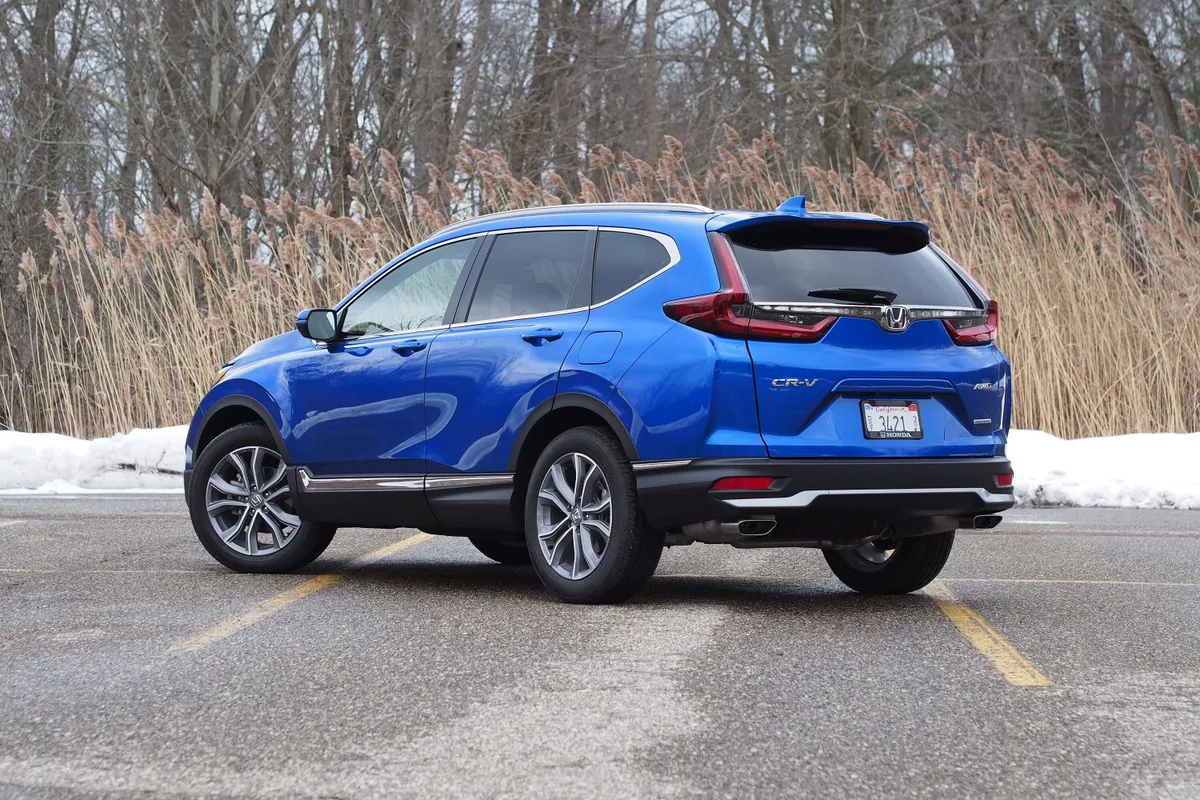
8. Honda CR-V: Reliable, Practical, and Built for Everyday Life
The Honda CR-V has earned its place among the most trusted compact SUVs, thanks to its long-standing reputation for reliability, practicality, and efficiency. Known for lasting well beyond 200,000 miles with consistent care, it appeals to families, commuters, and anyone seeking a dependable daily driver. The CR-V’s strong resale value reflects its durability and the confidence buyers have in Honda’s engineering.
A big part of the CR-V’s success lies in its efficient four-cylinder engine, which provides a smooth balance between power and fuel economy. Whether powered by the 1.5-liter turbo engine or the hybrid system, the CR-V delivers steady performance with minimal strain.
Honda’s proven drivetrain design ensures dependable operation over years of varied driving, from city commutes to light off-road excursions. The suspension system is tuned for comfort and control, keeping the ride composed on uneven roads and highways alike.
The interior design emphasizes practicality and comfort. The cabin is spacious and bright, aided by large windows that create an open feel. Both front and rear seats offer excellent support and generous legroom, while wide door openings make entry and exit effortless.
The rear seats fold easily, expanding the already impressive cargo area to handle everything from groceries to sports gear. For families, the rear seat’s ample width and accessible anchors make installing child seats simple and secure.
Technology in the CR-V focuses on usability rather than flash. The 9-inch touchscreen is responsive and clear, though some competitors now offer larger displays. Wireless Apple CarPlay, Android Auto, and a charging pad are standard, ensuring seamless device integration.
The infotainment layout is intuitive, complemented by physical knobs for climate and volume control, which are easy to use without distraction. Ample USB ports throughout the cabin enhance convenience for all passengers.
Storage and cargo capacity remain among the CR-V’s best features. The cargo floor is wide and low, making it simple to load bulky items. While the hybrid version sacrifices a bit of space for its battery, it still accommodates most family needs with ease. Clever storage solutions in the cabin including a deep center bin and large door pockets add to its practicality.
In terms of value, the CR-V strikes a strong balance between quality and cost. Build materials are durable, fit and finish are tight, and the cabin remains free of rattles even after years of use. While it may be priced slightly higher than some competitors, the long-term dependability and lower maintenance costs help justify the premium.
Fuel economy is another selling point. The hybrid model delivers up to 40 mpg combined in front-wheel-drive form, with real-world results often hovering in the mid-30s. Even non-hybrid versions achieve impressive efficiency for their size.
The Honda CR-V may not stand out for flashy design or performance thrills, but its comfort, reliability, and real-world usability make it one of the most complete small SUVs on the market. For those who value longevity and peace of mind, few vehicles hold their worth as well as this trusted Honda.
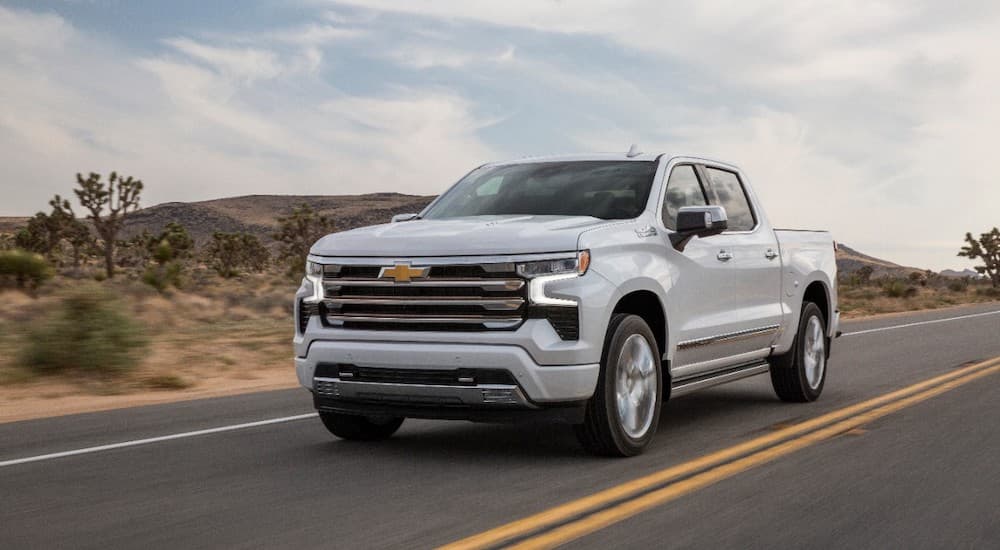
9. Chevrolet Silverado 1500: Power, Durability, and Everyday Usability
The Chevrolet Silverado 1500 is a cornerstone of the full-size pickup market, known for its rugged design, powerful performance, and long-term dependability. Its ability to handle heavy towing, demanding workloads, and off-road use makes it a preferred choice for both professionals and everyday drivers. Many Silverado 1500s surpass 200,000 miles with proper care, helping them retain strong resale value.
The Silverado offers a broad range of engine options, from dependable V6s to muscular V8s and a fuel-efficient diesel six-cylinder. Each powertrain is engineered for strength and endurance, giving the truck the ability to perform under pressure while maintaining smooth, consistent output.
The solid frame and reinforced suspension provide stability under heavy loads, whether hauling materials for work or towing recreational gear. Drivers who venture off-road can choose the Z71 or Trail Boss trims for additional capability and protection.
Behind the wheel, the Silverado feels confident and composed. The 5.3-liter V8 version delivers smooth shifts and steady power delivery, reaching 60 mph in roughly seven seconds. Steering is accurate, though slightly light, and the truck remains secure through turns. On the highway, it tracks straight and stable, while off-road trims bring improved grip and ground clearance for rougher conditions.
Comfort is a highlight for a vehicle in this class. While the seats aren’t quite as plush as those in the Ram 1500 or Ford F-150, they remain well-padded and supportive during long drives.
The ride quality is mostly smooth, with the suspension absorbing most road imperfections, though it can feel bouncy on uneven pavement. The climate control system works efficiently, and available ventilated and split-heated seats add a touch of luxury.
Inside, the modernized cabin brings the Silverado up to date. The design is clean and functional, with large, clearly labeled buttons and a fast, intuitive touchscreen interface. Crew cab versions offer generous legroom, especially in the rear seats, making it practical for both work and family use. Accessibility is easy, despite the truck’s tall stance, thanks to wide door openings and well-placed grab handles.
Technology plays a significant role in the Silverado’s appeal. The 13.4-inch touchscreen provides crisp graphics and quick responses, with wireless Apple CarPlay and Android Auto included.
The system’s Google-based voice assistant works naturally, allowing drivers to adjust settings or find destinations with ease. Features like adaptive cruise control, multiple exterior cameras, and available Super Cruise hands-free driving further enhance safety and convenience.
When it comes to towing, the Silverado 1500 shines. Properly equipped, it can tow up to 13,300 pounds, making it one of the most capable light-duty pickups. The truck bed is deep, durable, and filled with tie-down points for securing cargo. The cabin’s storage options are abundant, with a large center console and multiple compartments for gear and tools.
Fuel economy depends on configuration, with the 5.3-liter V8 averaging about 17 mpg combined, while the available diesel engine offers better efficiency. Despite its size and power, the Silverado remains competitive in this regard for its class.
In terms of value, the Silverado 1500 stands out for its balance of capability and comfort. While pricing can climb with higher trims, buyers receive proven reliability and broad versatility. Combined with accessible maintenance and strong parts availability, the Silverado remains a durable, high-mileage truck that holds its worth over time.
As this list of “9 Cars That Maintain Value Even With High Mileage” shows, long-term dependability and thoughtful engineering are still worth investing in. Vehicles such as the Honda Accord, Toyota Camry, and Subaru Outback demonstrate that practicality and performance can coexist, while models like the Mazda MX-5 Miata and Lexus RX prove that driving enjoyment can last for years.
Trucks including the Ford F-150, Toyota Tacoma, and Chevrolet Silverado 1500 highlight the toughness and versatility that help them retain strong resale value. Whether you value comfort, efficiency, or rugged capability, these vehicles offer proven reliability that stands the test of time.
Choosing one of these dependable options means investing in more than just transportation; it is a commitment to quality, durability, and lasting satisfaction that continues well beyond the first hundred thousand miles.
Also Read: 10 Cars That Remain Reliable Generation After Generation