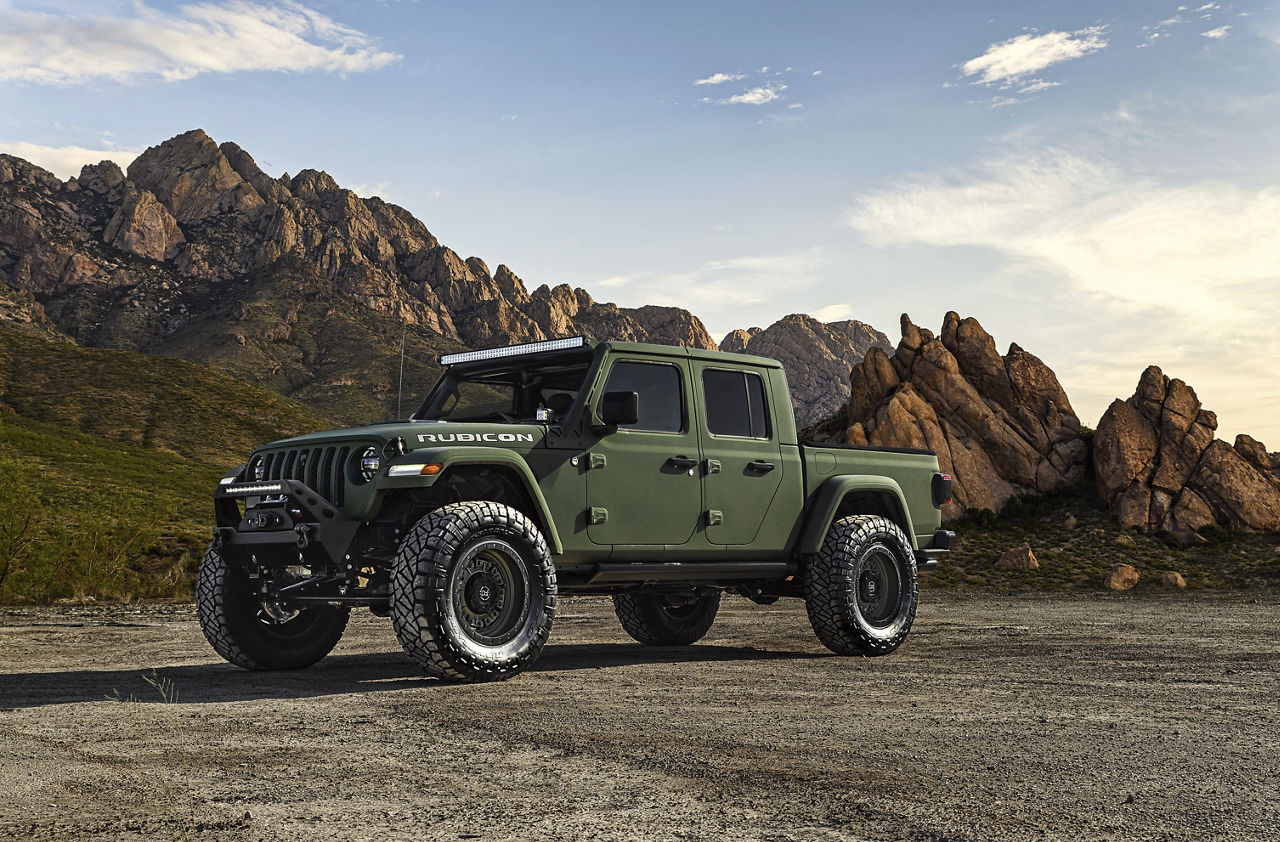
When it comes to rugged reliability, few names stir the same emotion as Jeep. Known for its off-road pedigree and military roots, Jeep has spent decades building vehicles designed to conquer tough terrains while keeping their spirit intact.
Yet, not every Jeep truck lives up to the brand’s bulletproof image. Some models have proven to be near indestructible, enduring years of hard use with minimal issues, while others earned reputations for being frustratingly unreliable.
For US buyers who prize longevity and dependability especially in work trucks or adventure rigs it’s important to know which Jeep trucks can truly go the distance and which are best avoided.
Below, we take a deep dive into five Jeep trucks that refuse to quit and five that constantly fail, analyzing their real-world performance, engineering quality, and long-term owner satisfaction.
Jeep Trucks That Refuse to Quit
Some trucks are built to haul, others to last, and Jeep trucks manage to do both with a toughness that’s hard to match.
Known for their rugged engineering, off-road capability, and loyal fan base, these pickups have earned a reputation for refusing to quit, no matter how rough the terrain or how many years roll by.
In this article, we take a look at the Jeep trucks that stand the test of time, the ones that just keep going long after others have called it quits.
1. Jeep Gladiator (2020–Present)
When Jeep revived the pickup truck format with the Gladiator, many enthusiasts were skeptical. Could a Wrangler-based truck actually deliver both utility and durability?
The answer turned out to be yes resoundingly so. The Gladiator has proven to be one of the toughest midsize trucks on the road, powered by a robust 3.6-liter Pentastar V6 that’s known for its long service life.
It shares most of its components with the Wrangler, meaning parts are easy to find and affordable to replace.
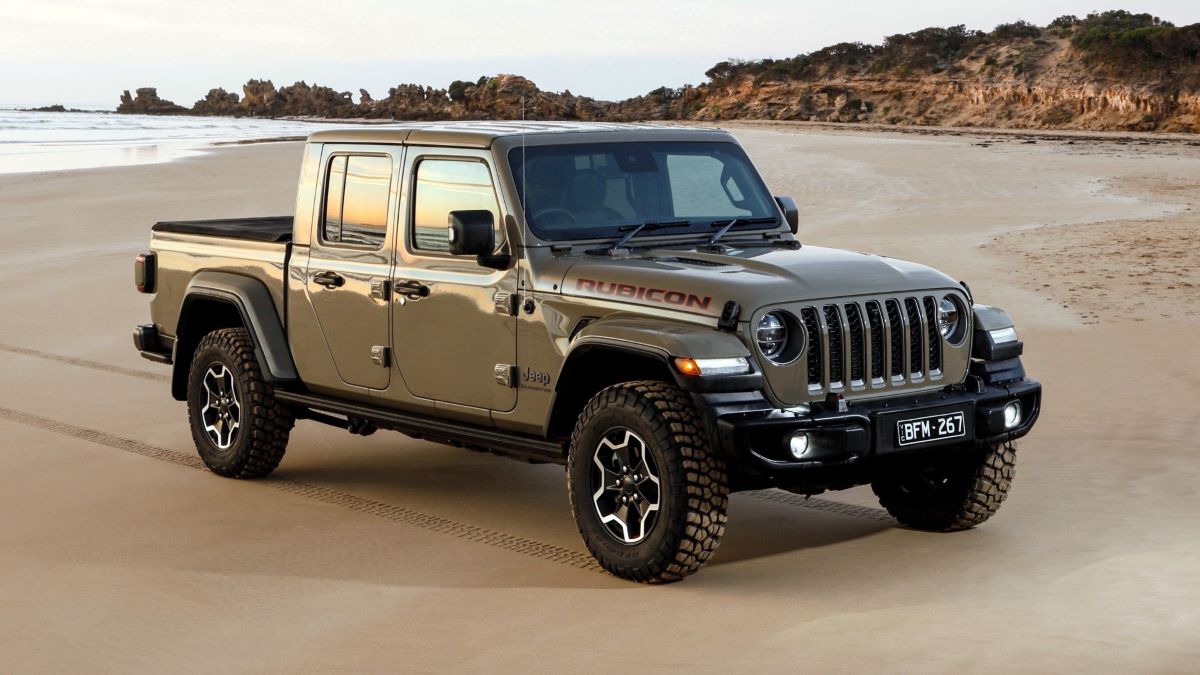
Off-road enthusiasts particularly love the Rubicon trim, which comes with locking differentials, heavy-duty Dana 44 axles, and rock-crawling gear ratios that let it handle abuse most trucks would crumble under.
Owners have routinely pushed Gladiators past 150,000 miles without major issues, and the truck’s frame, suspension, and drivetrain show minimal wear even after years of heavy use.
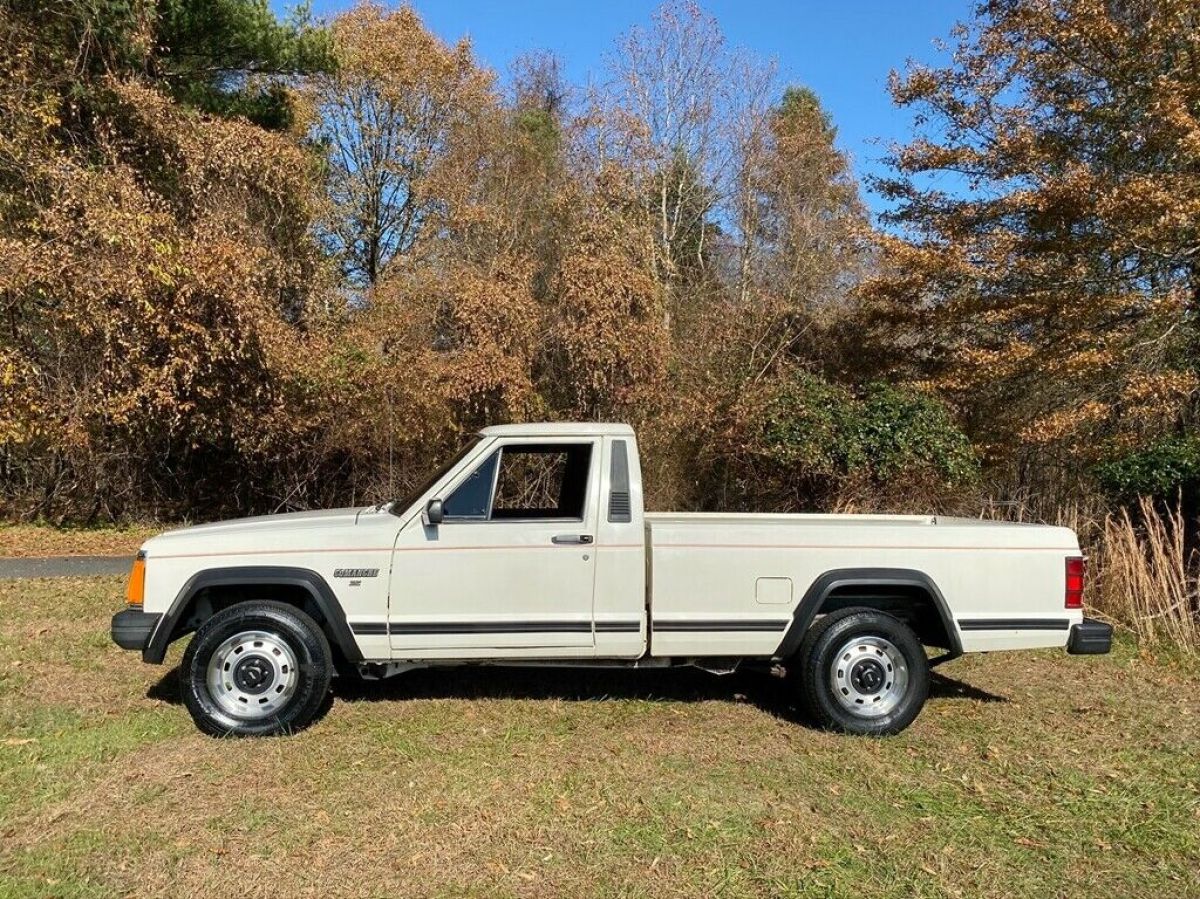
2. Jeep Comanche (1986–1992)
Before the Gladiator, Jeep had another tough pickup the Comanche. Based on the Cherokee XJ, the Comanche combined a unibody construction with a sturdy rear frame, making it surprisingly durable for its era.
Powered by the legendary 4.0-liter inline-six, this truck was built to last. Many Comanches still roam American backroads and farms today, often racking up 300,000 miles or more with only basic maintenance.
What makes the Comanche special is its simplicity no fancy electronics or fragile components. Its mechanical reliability, paired with the old-school ruggedness of 1980s Jeeps, helped it earn a cult following.
While it’s now considered a classic, the Comanche’s reputation for being “impossible to kill” remains well-deserved.
Often overshadowed by today’s Jeep Gladiator, the Comanche held the title of Jeep’s last pickup until the 2020 model year.
Much like the Gladiator, it owed its existence to the success of its sibling, in this case, the Jeep Cherokee.
Introduced just a few years earlier to widespread acclaim, the Cherokee helped redefine the compact SUV segment, and the Comanche aimed to build on that momentum.
Despite its potential, the Comanche never achieved the same level of success with small truck buyers.
Still, it offered a compelling alternative to the typical Detroit pickups of its time, combining solid utility with a level of off-road skill that few competitors could match.
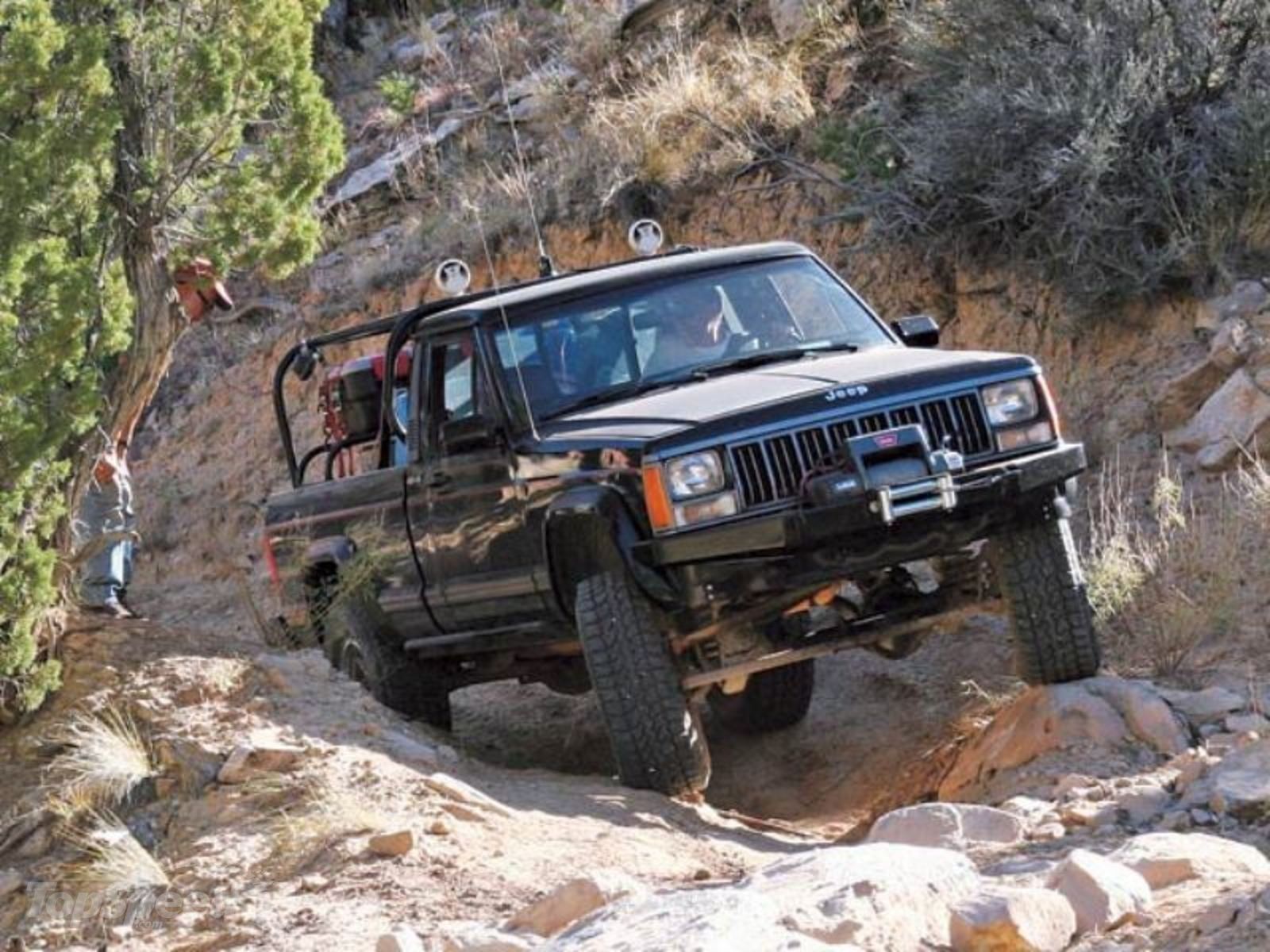
The idea behind the Comanche was straightforward. By the mid-1980s, models like the Ford Ranger and Chevrolet S-10 were battling Toyota’s small truck for dominance in the compact pickup market.
Jeep, soon to be absorbed by Chrysler, found itself on the sidelines of this growing segment.
Enter the XJ Cherokee, a last major innovation from AMC-era Jeep that struck gold with SUV enthusiasts. Seeing an opportunity, Jeep engineers decided to adapt the Cherokee’s right-sized platform into a pickup.
This presented a unique engineering challenge. Since the Cherokee used a unibody structure, converting it into a truck with a separate cargo bed required creative solutions.
The result was the first removable bed ever fitted to a unibody vehicle. Engineers added a subframe underneath to reinforce the connection between the front and rear sections, ensuring the truck’s structural integrity.
Like the Cherokee, the Comanche featured a coil-spring front suspension with a solid axle and a live rear axle supported by leaf springs.
When the 1986 model debuted, AMC had limited engine choices. Power initially came from a Peugeot-sourced turbodiesel four-cylinder, a General Motors–supplied V6, and a gas-powered four-cylinder.
Relief arrived in 1987 with AMC’s own 4.0-liter inline-six, the company’s final engine design.
Producing between 173 and 190 horsepower over the Comanche’s production run, this engine would go on to power the Cherokee well into the 2000s.
For its time, that output gave the Comanche strong performance credentials. Jeep sought to expand beyond its off-road image, which it proudly maintained through SCORE racing entries, and tap into the street performance crowd.
The rear-wheel-drive Comanche Eliminator was a product of that effort, blending aggressive looks with lively performance.
Also Read: 8 Trucks That Collectors Are Paying Top Dollar For
3. Jeep Gladiator JT Diesel (2021–2023)
The diesel variant of the modern Gladiator deserves its own spot on this list. Equipped with the 3.0-liter EcoDiesel V6, this truck delivers massive torque and exceptional longevity.
Diesel engines, by design, tend to outlast gasoline ones, and Jeep’s diesel tuning is among the best in the midsize segment. Owners report 25+ mpg fuel economy and excellent towing power while maintaining Jeep’s off-road integrity.
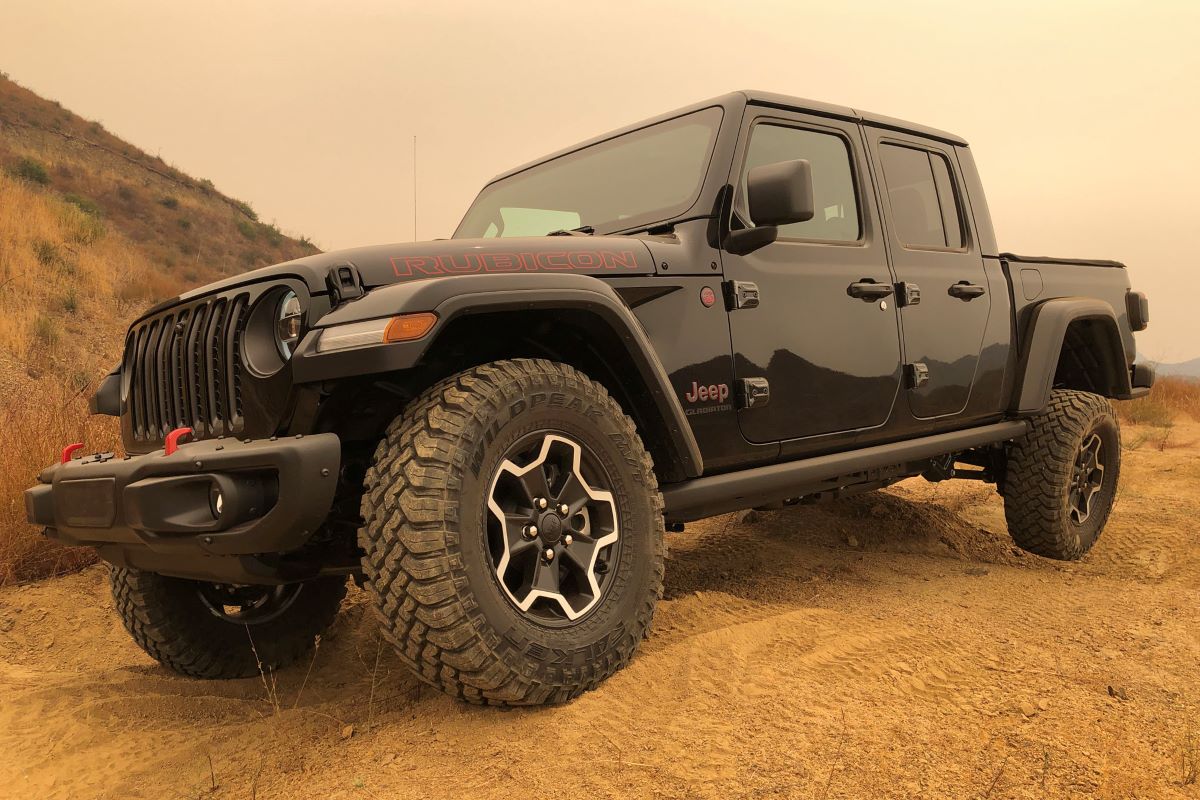
Even under heavy loads, the EcoDiesel Gladiator stays composed. It’s not unusual to see these trucks handling construction duty or long-distance hauling across rough terrain.
While the higher maintenance cost of diesel engines might scare some buyers off, their durability and torque make them unbeatable workhorses for those who plan to keep their truck for decades.
4. Jeep J10 (1974–1988)
The J10 was part of Jeep’s Full-Size Pickup (FSJ) lineup a brute of a truck that defined toughness in the 1970s and ‘80s. These trucks were simple, overbuilt, and capable of surviving decades of hard labor.
The AMC 360 V8 engine option was known for its endurance, while the four-wheel-drive system was pure Jeep magic strong axles, low gearing, and rugged suspension components that could handle extreme punishment.
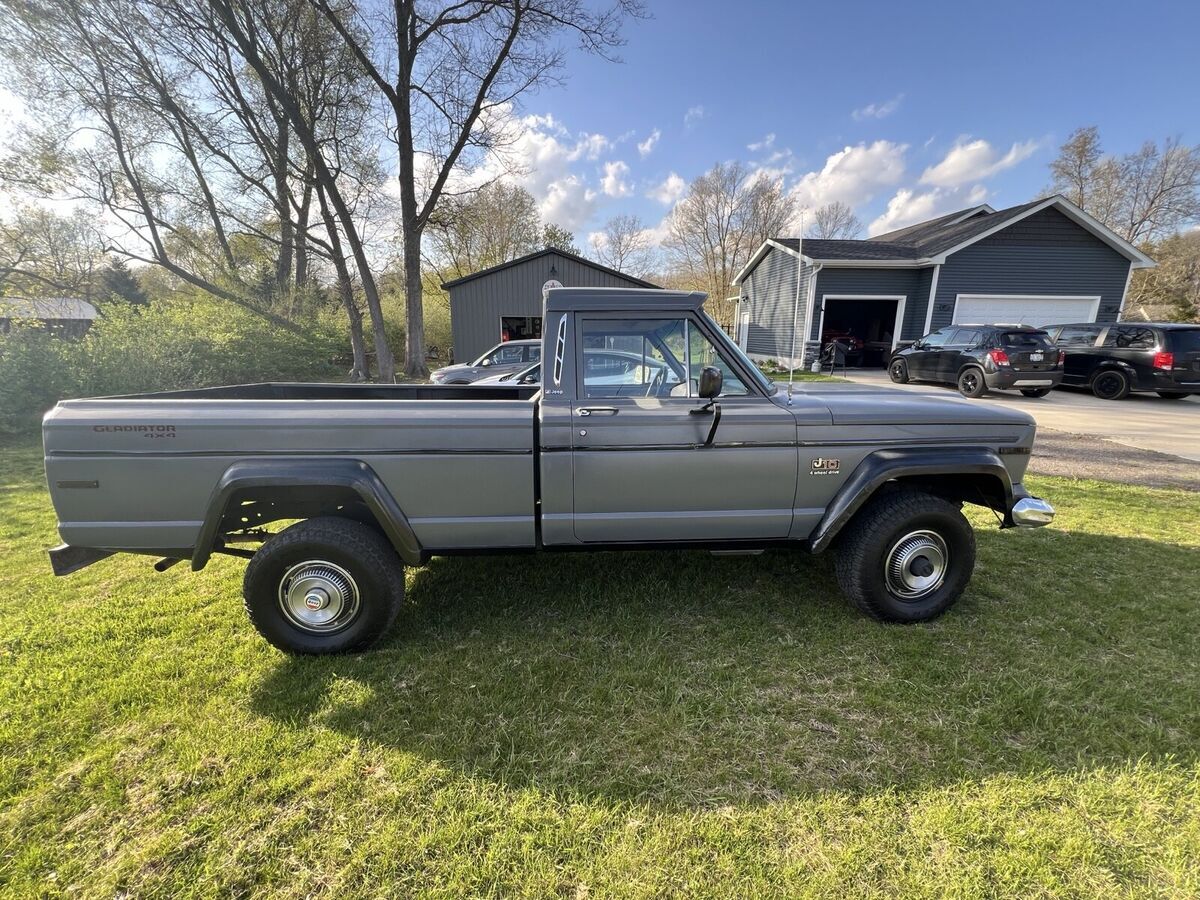
Even though the J10 predated modern creature comforts, its build quality was undeniable. Many American farmers and outdoor workers still rely on these classic pickups as secondary vehicles or off-road beaters that just won’t die.
Restorers love the J10 for this reason it’s one of the few vintage pickups that can still be driven daily with minimal fuss.
The Jeep J10 J-Series pickup truck was produced by AMC between 1974 and 1983, featuring several notable trim packages such as the Honcho, Golden Eagle, and 10-4.
Its predecessor, the Gladiator, was built from 1963 to 1973 and was nearly identical in design to the later J-Series pickups.
All versions shared the same front-end bodywork as the Jeep Wagoneer and Cherokee, while buyers could choose between step-side or traditional slab-sided bed styles.
While the Honcho, Golden Eagle, and 10-4 names are often associated with the J10, they were not official model names. However, the Honcho nickname eventually became the most recognized moniker for the J10.
The J10 came in two configurations: a 7-foot bed paired with a 119-inch wheelbase, or an 8-foot bed matched with a longer 131-inch wheelbase.
Among the more unusual J10 variants was the 10-4 model, a product of the 1970s CB radio craze.
Its name came from the popular trucker phrase “10-4,” and it was equipped with an optional CB radio along with distinctive trucker-style graphics that captured the spirit of the era.
The J10’s appearance was enhanced by bold pinstriping, eye-catching graphics, and rugged accessories like a roll bar.
Inside, certain trims even featured upholstery made from Levi’s denim, reinforcing its rugged, outdoorsy appeal.
Toward the end of its production, the J10 became a true parts hybrid, drawing components from several automakers.
It featured a General Motors steering column, Ford-sourced air conditioning, a Motorcraft ignition system, a Chrysler transmission, and Chevrolet transmission mounts, a mix that reflected AMC’s resourceful approach during its final years of truck production.
Also Read: 12 Diesel Engines Still Popular With Collectors
5. Jeep Gladiator Mojave (2020–Present)
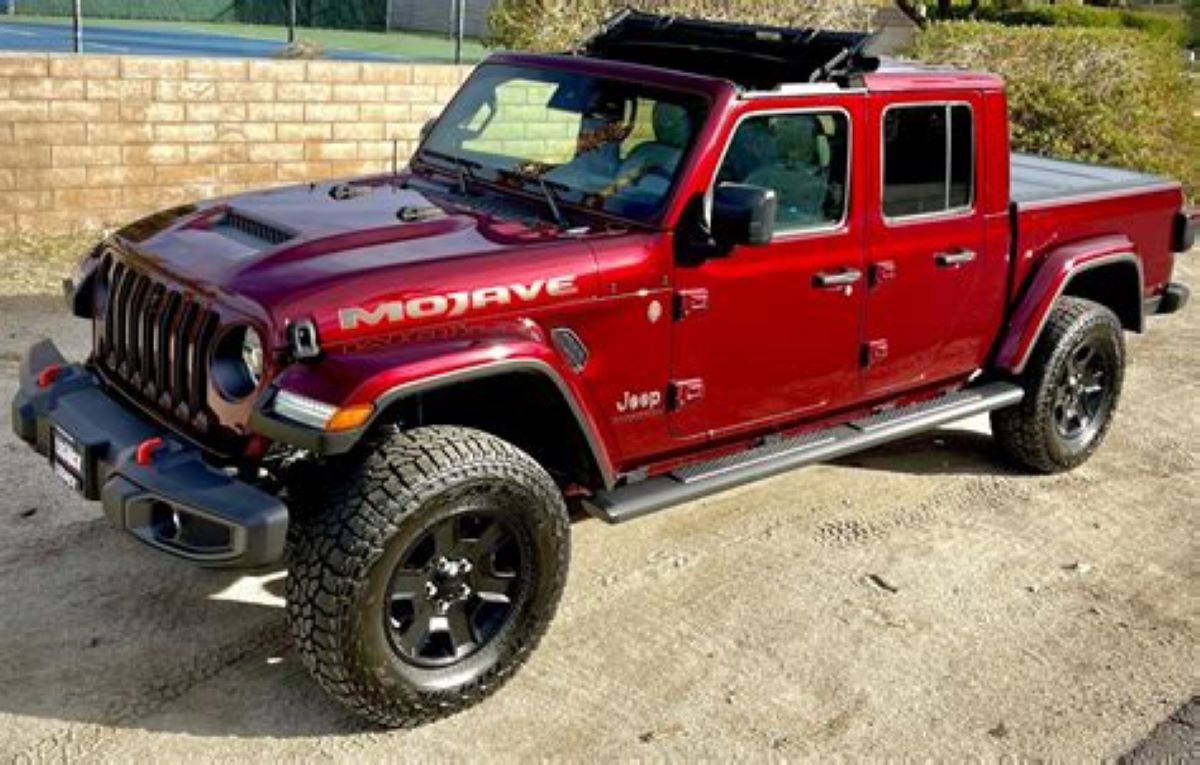
While most Jeep trucks excel off-road, the Mojave trim stands out for its desert-tested durability.
Specifically engineered for high-speed off-roading, the Mojave includes Fox internal bypass shocks, reinforced frame sections, and upgraded suspension geometry that make it nearly indestructible under harsh desert conditions.
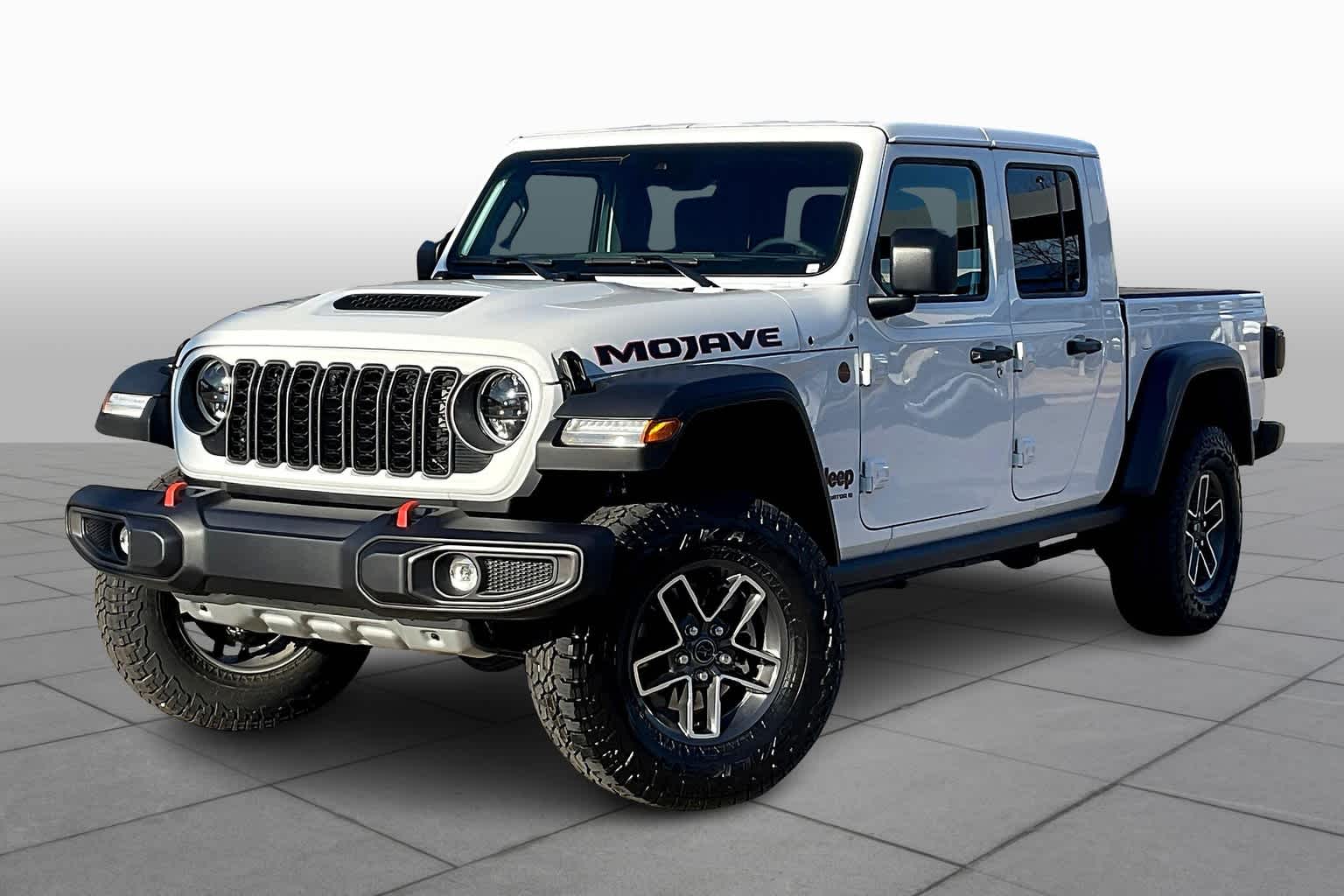
Owners report that even after years of aggressive driving on trails, dunes, and rocky paths, the Mojave maintains its composure without the creaks and rattles typical of many midsize trucks.
Its dependability isn’t just mechanical it’s structural. This is a Jeep that was literally tested to endure heat, dust, and sustained off-road punishment without breaking a sweat.
Jeep Trucks That Constantly Fail
Not every Jeep truck lives up to the brand’s rugged reputation. While Jeep is known for building vehicles that conquer trails and tackle tough conditions, some of its trucks have struggled with reliability, build quality, and performance over time.
From recurring mechanical issues to disappointing durability, these models have left many owners frustrated instead of fearless. In this article, we’ll look at the Jeep trucks that constantly fail, and explore where things went wrong.
1. Jeep Gladiator (Early 2020 Models)
While the Gladiator overall is reliable, early 2020 builds suffered from a series of manufacturing bugs. Some trucks experienced driveshaft issues, clutch failures, and infotainment glitches within the first few thousand miles.
A recall for rear driveshaft separation added to the concerns, leading early adopters to deal with headaches newer owners avoided.
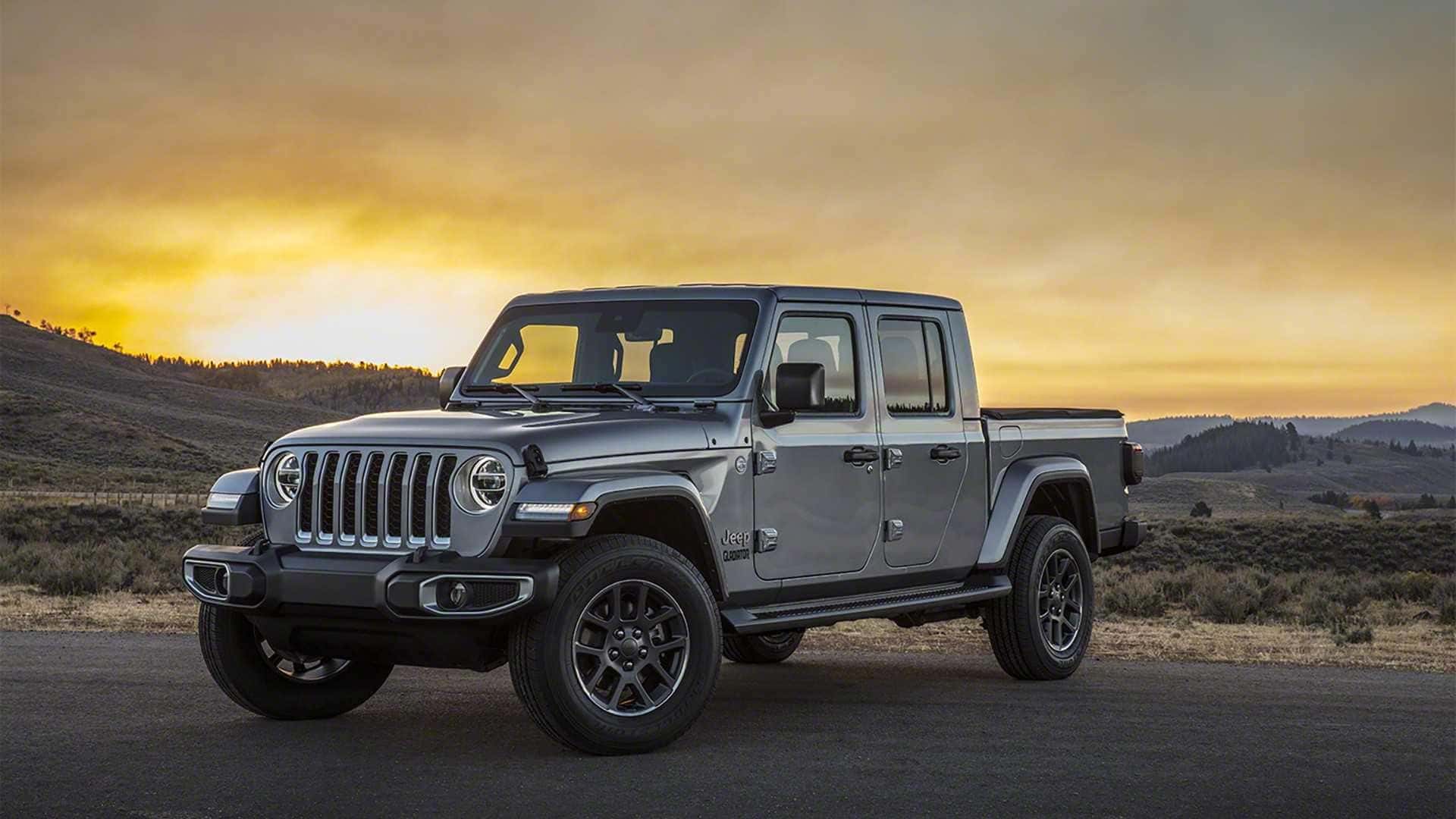
Many of these problems were resolved in later production runs, but first-year models often carry that stigma of “beta testing for Jeep.” For used truck buyers, it’s best to check recall history carefully before picking up an early Gladiator.
2. Jeep J20 (1974–1988)
The J20 was the heavy-duty sibling to the J10, but it didn’t enjoy the same reliability. Despite its strong frame, the J20 suffered from chronic electrical issues and transmission problems especially with its automatic versions.
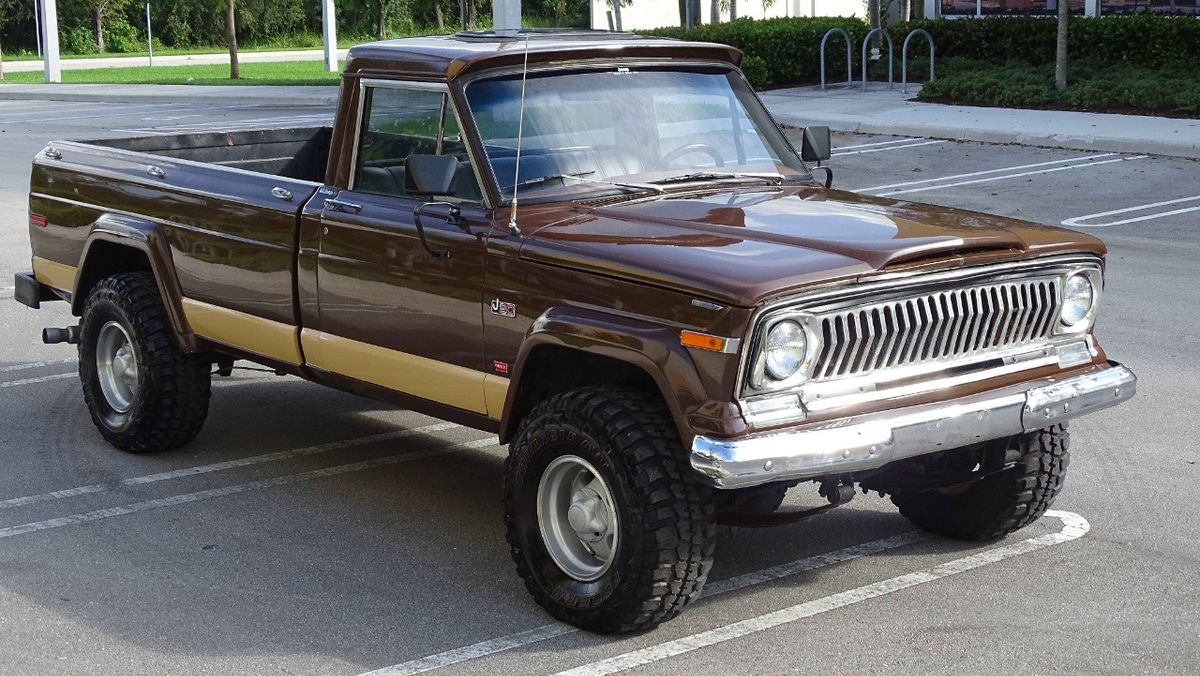
Corrosion was also a major problem in northern climates, often compromising structural integrity long before the drivetrain failed.
Owners who loved the J20 for its brute strength often found themselves battling rust and mechanical gremlins, making it one of those Jeep trucks that could either last forever or constantly drain your wallet.
As the three-quarter-ton version of the Jeep J10 and a direct descendant of the Jeep Gladiator, the J20 carried forward Jeep’s full-size truck legacy.
It featured the same body styling as the Jeep Cherokee and Wagoneer, offering buyers a choice between the traditional slab-sided or step-side cargo box.
Mechanically, the J20 shared many of its components and chassis design with the Cherokee and Wagoneer, ensuring a familiar and durable platform.
The full-size Jeep J20 was essentially an evolution of the Jeep Gladiator, the pickup variant of the Jeep Wagoneer introduced in 1963 by Kaiser-Jeep.
By 1970, the Gladiator’s three-quarter-ton model came equipped with a 132-inch wheelbase and a gross vehicle weight rating (GVWR) of 7,000 lbs.
That same year, American Motors Corporation acquired Jeep from Kaiser and, in 1972, retired the Gladiator nameplate, rebranding the line simply as “Jeep” or “Jeep J-Series.”
When Chrysler purchased Jeep from AMC in 1987, it ended production of the J-Series trucks altogether, shifting its focus to the smaller Comanche pickups, which remained in production until 1992.
The Jeep J20 and its sibling, the J10, shared their core architecture with the Cherokee and Wagoneer. Both trucks used the same front axle, dashboard layout, and optional Quadra-Trac four-wheel drive system.
Like their SUV counterparts, they featured body-on-frame construction, a hallmark of Jeep durability. The J10 and J20 also offered trim options similar to the Cherokee Pioneer model.
The J10 rode on a 119-inch wheelbase, while the J20 was available in two configurations: a 119-inch wheelbase for the standard bed and a longer 131-inch version for the extended bed.
Standard features on the J20 included wood grain exterior accents, a chrome front bumper, fabric seats, carpeting, dual horns, hubcaps, chrome window trim, 12.5-inch power front disc brakes, and a locking glove box, touches that blended ruggedness with comfort.
Powering the Jeep J20 was AMC’s 360 cubic-inch V8 engine. This powerplant featured a 4.08-inch bore, a 3.44-inch stroke, and an 8.5:1 compression ratio.
With a two-barrel carburetor, it produced 175 horsepower and 285 lb-ft of torque. An optional four-barrel carburetor version boosted those figures to 195 horsepower and 295 lb-ft of torque.
Transmission choices included a standard three-speed manual gearbox, with an optional four-speed manual or a General Motors-sourced three-speed automatic.
This range of options allowed buyers to tailor the truck to their performance or utility needs.
The J20’s front axle could handle up to 3,500 lbs., while the rear axle supported as much as 5,500 lbs.
A 3.93:1 rear axle ratio came standard, with a 4.09:1 ratio available as an option for heavier-duty tasks. Compared to the earlier Gladiator models, the J20 offered improved versatility, boasting an 8,000-lb GVWR.
The J20’s body measured 193.6 inches long on the short wheelbase, identical to the J10, and stretched to 205.6 inches on the long-wheelbase version.
The standard fuel tank held 19 gallons, with an optional 20-gallon tank available for extended range.
In essence, the Jeep J20 combined rugged truck performance with the refinement and comfort of Jeep’s SUV lineup, making it a durable and capable workhorse throughout its production run.
3. Jeep Comanche 2.5L (1986–1992)
While the 4.0-liter Comanche earned legendary status, the base 2.5-liter version was a disappointment. Underpowered, noisy, and often plagued by fuel delivery issues, the 2.5L models simply didn’t hold up to the abuse most Jeep owners expected them to take.
Their weak performance under load and lack of torque made them poor choices for towing or heavy hauling.
On top of that, the smaller engine struggled to maintain oil pressure and often suffered from head gasket leaks common failure points that led to early engine deaths if not maintained religiously.
4. Jeep Gladiator EcoDiesel
Ironically, while the earlier EcoDiesel models were durable, the latest ones from 2024 onward have seen a rise in complaints about emissions systems and DEF injector failures.
Jeep began phasing out the EcoDiesel due to tightening regulations, and that left some owners facing expensive service bills for parts that were increasingly hard to find.
For drivers looking for long-term ownership, these late-model EcoDiesel Gladiators might not be worth the risk unless they’re covered by an extended warranty.
The 2021 Jeep Gladiator, essentially a four-door Jeep Wrangler with a pickup bed, stands out as one of the most capable and exciting off-road trucks on the market.
Just like the Wrangler, it’s available in the Rubicon trim, which enhances its off-road performance even further.
Initially introduced in 2020 with the 3.6L Pentastar V6 engine, the Gladiator delivered respectable performance for a midsize SUV but lacked the raw torque and strength many expect from a true pickup.
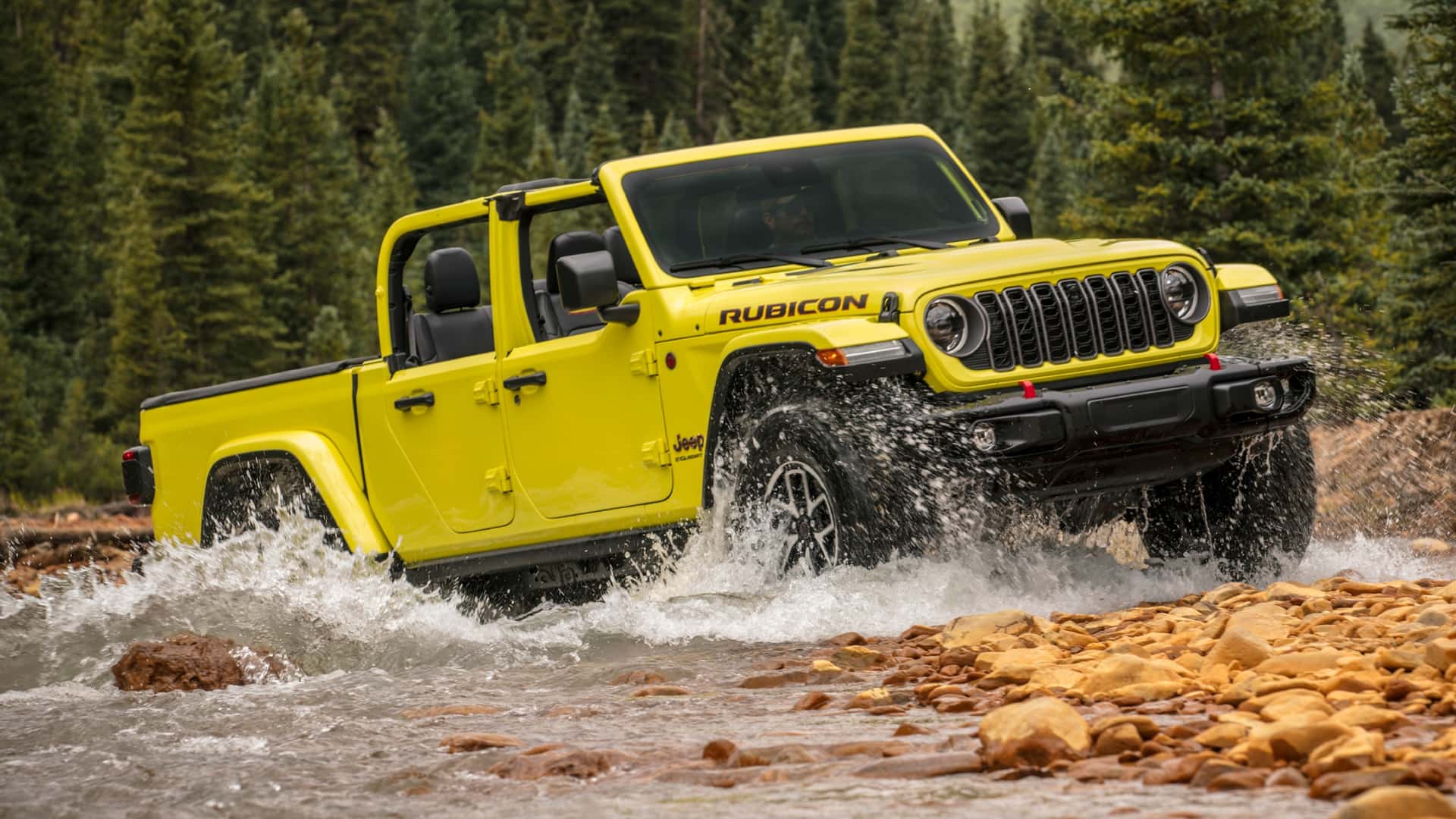
That changed in 2021, when Jeep introduced a new diesel option, the 3.0L EcoDiesel V6,, offering improved torque and efficiency that redefined the truck’s performance.
The addition of the 3.0L EcoDiesel powertrain was a game-changer for diesel enthusiasts. Not only does it deliver more torque and better fuel economy than its gas-powered counterpart, but it also offers the renowned durability and longevity of diesel engines.
Its towing capability and fuel efficiency, even under load, make it an excellent choice for those who demand both power and practicality.
The 2021 Jeep Gladiator equipped with the 3.0L EcoDiesel V6 produces 260 horsepower and 442 lb-ft of torque. While new to the Gladiator lineup, this engine is not new to the FCA family.
This same engine powers the 2020 Ram 1500 EcoDiesel and the 2020 Jeep Wrangler EcoDiesel, featuring major improvements over earlier versions in performance, noise reduction, and fuel efficiency.
The 3.0L EcoDiesel uses advanced materials and engineering for a balance of strength, refinement, and efficiency.
Built to endure heavy use while remaining quiet and smooth, the engine benefits from weight-reducing materials that preserve rigidity and reliability.
The 2021 Jeep Gladiator EcoDiesel combines real-world strength, off-road prowess, and long-lasting reliability — making it the ultimate diesel-powered Jeep pickup for adventurers and enthusiasts alike.
5. Jeep JT with Aftermarket Mods Gone Wrong
While not an official model, it’s worth noting that many Jeep trucks especially Gladiators end up failing due to poorly executed aftermarket modifications. Lift kits, oversized tires, and engine tuners can strain the drivetrain beyond design limits.
Many owners who push their trucks too far with non-OEM parts see premature wear on the clutch, differentials, and even steering components.
In this case, the failure isn’t Jeep’s fault it’s human nature. The brand’s go-anywhere appeal tempts owners to modify recklessly, and the result is often a truck that spends more time in the shop than on the trail.
Jeep’s history with trucks is a mix of brilliance and frustration. The brand has produced some of the toughest, most character-filled pickups in American history vehicles like the Comanche, J10, and modern Gladiator Mojave that define endurance.
Yet, Jeep has also stumbled with inconsistent quality control and questionable engine choices that have hurt certain models’ reputations.
For buyers today, the safest bets remain the Gladiator Rubicon or Mojave, both of which embody Jeep’s true off-road spirit with modern dependability.
Meanwhile, older classics like the Comanche 4.0L and J10 stand as reminders that Jeep once built trucks that could quite literally last a lifetime.
But if you’re shopping used, beware of those early Gladiators, J20s, or over-modified Jeeps that might look rugged but come with an expensive repair record.
The difference between a Jeep that refuses to quit and one that constantly fails often comes down to knowing which side of the brand’s history you’re buying into.