
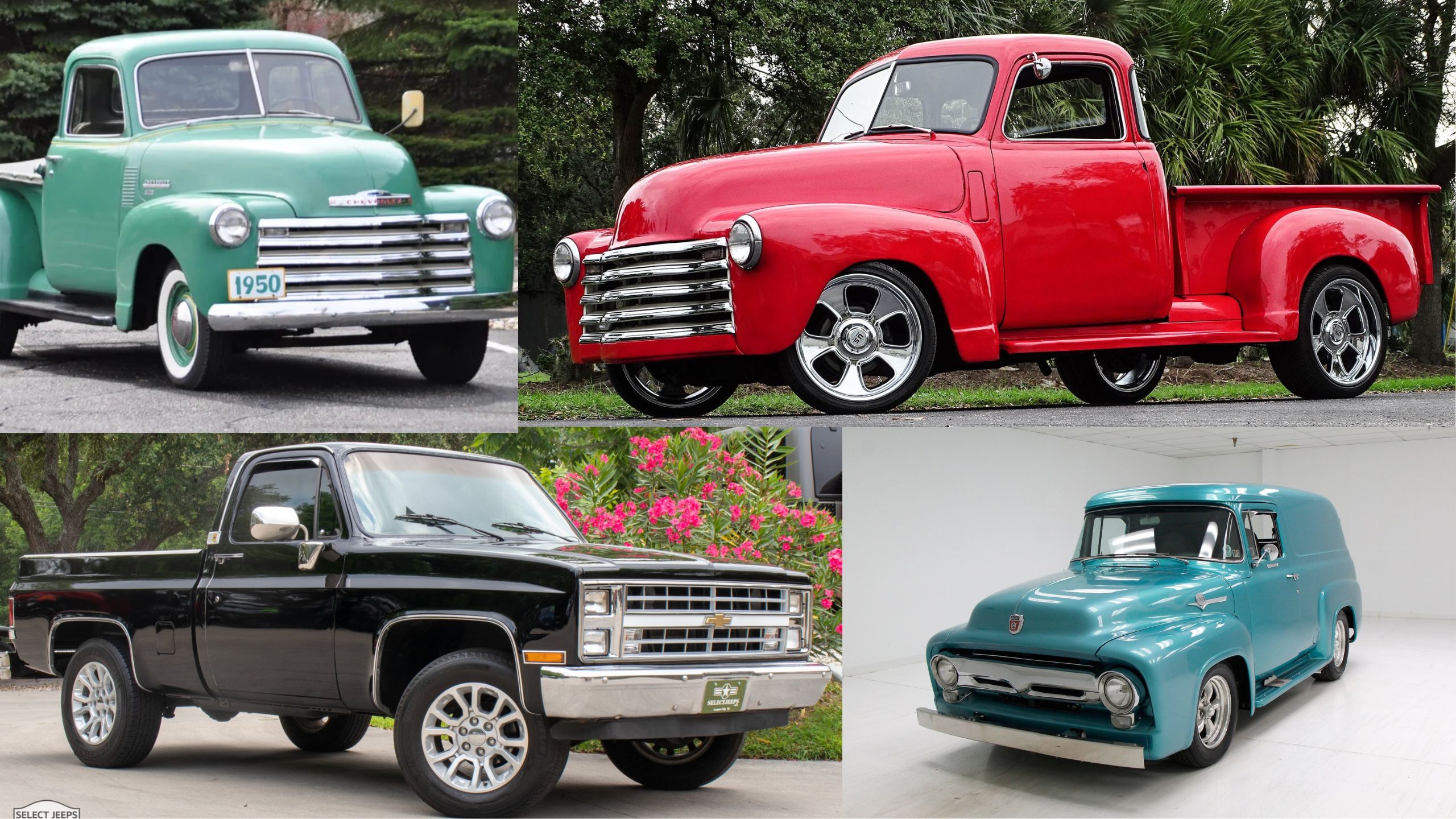
In the world of automotive auctions, certain vehicles capture the imagination and open wallets in ways nobody could predict.
While classic sports cars and luxury automobiles typically dominate headlines with record-breaking sales, a fascinating subset of vehicles has been quietly making waves in auction houses around the globe: trucks.
These utilitarian workhorses, often dismissed as mere transportation tools, have evolved into highly coveted collectibles that command astonishing prices at prestigious auctions.
The truck market has undergone a remarkable transformation over the past few decades. What were once considered disposable work vehicles destined for farms, construction sites, and utility fleets have emerged as legitimate collector’s items, with passionate enthusiasts willing to pay premium prices for the right examples.
This shift reflects broader changes in automotive culture, where authenticity, nostalgia, and practicality have become just as valued as speed and luxury.
The appeal of collectible trucks spans multiple dimensions. For many buyers, these vehicles represent a connection to America’s industrial heritage and the pioneering spirit that built modern society. They evoke memories of simpler times, hard work, and honest craftsmanship.
Today’s truck auction market reflects a maturing collector base that appreciates vehicles beyond traditional categories. Younger collectors, influenced by social media and a desire for distinctive vehicles, have helped drive demand for vintage trucks.
Meanwhile, established collectors have discovered that trucks offer investment potential comparable to classic cars, often with lower entry points and greater usability.
Let’s explore eight trucks that exceeded all expectations at auction, commanding prices that shocked experts and reshaped perceptions about what makes a vehicle valuable. From working-class heroes to luxury haulers, these trucks prove that four wheels and a bed can be just as collectible as any exotic sports car.
1. 1969 Ford F-100
The 1969 Ford F-100 represents the pinnacle of a design era that transformed American trucks from purely utilitarian vehicles into stylish statements.
When a pristine example crossed the auction block at a major collector car event, it shattered expectations by selling for well over six figures a price that would have seemed absurd just a decade earlier for what was once considered a common working truck.
This particular F-100 featured Ford’s distinctive “bump side” design, characterized by its protruding side marker lights that gave the body a unique profile.
The truck came equipped with the desirable 360-cubic-inch V8 engine, a powerplant that delivered robust performance while maintaining the reliability Ford trucks were famous for.
Its short-bed configuration and two-tone paint scheme factory-correct in every detail showcased the aesthetic sensibilities of late 1960s automotive design.
What raised this truck to auction stardom was its exceptional restoration. Every component had been meticulously sourced, rebuilt, or replaced with period-correct parts.
The chrome bumpers gleamed like jewelry, the paint showed depths that rivaled modern finishes, and the interior featured perfectly restored upholstery in the correct vinyl pattern and color.
Under the hood, the engine bay was detailed to show-quality standards, with correct hose clamps, spark plug wires, and even period-appropriate battery and radiator.
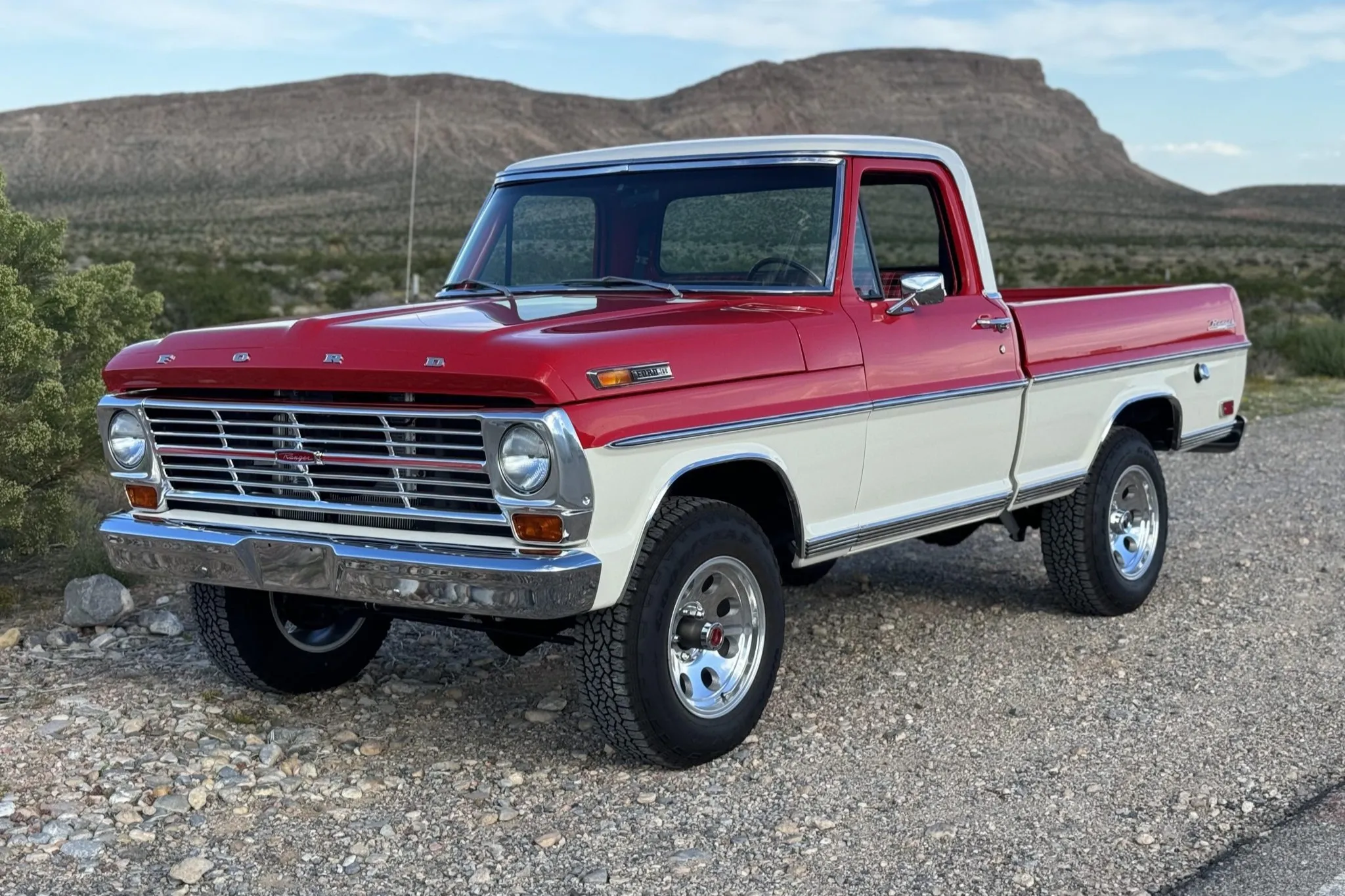
The F-100’s auction success reflects broader trends in truck collecting. These sixth-generation Ford trucks, produced from 1967 to 1972, have become increasingly desirable as baby boomers seek to recapture their youth and younger collectors discover their timeless appeal.
The 1969 model year is particularly prized for being the last year before significant design changes and the introduction of more stringent emissions regulations that would affect performance in subsequent years.
Market analysts point to this sale as a watershed moment when serious collectors recognized that pristine examples of once-common trucks had become genuinely rare.
While Ford built hundreds of thousands of F-100s during this era, survivors in original or properly restored condition are surprisingly scarce.
Most were used hard and eventually scrapped, making well-preserved examples increasingly valuable as demand continues to outpace supply in today’s robust collector truck market.
2. 1979 Dodge Li’l Red Express
When a 1979 Dodge Li’l Red Express roared across the auction stage, it commanded attention and dollars in equal measure, ultimately selling for a price that left even seasoned truck collectors stunned.
This wasn’t just any pickup it was a bold statement from Dodge during one of the darkest periods in American automotive performance, and its auction success validated what enthusiasts had long known: this truck was something special.
The Li’l Red Express emerged during the late 1970s when stringent emissions regulations and fuel economy standards had strangled performance across the automotive industry.
While most manufacturers were producing anemic, uninspiring vehicles, Dodge found a loophole. Trucks weren’t subject to the same emissions requirements as passenger cars, allowing Dodge to install a relatively powerful 360-cubic-inch V8 with performance camshaft, dual exhaust with vertical stacks, and minimal emissions equipment.
The result was a truck that Car and Driver magazine tested as the fastest American-made vehicle available in 1978 faster than Corvettes, Camaros, and Mustangs of that era.
The Li’l Red Express was impossible to miss. Its bright “Canyon Red” paint, gold trim, oak-planked cargo bed, chrome exhaust stacks rising behind the cab, and aggressive stance made it look like no other truck on the road.
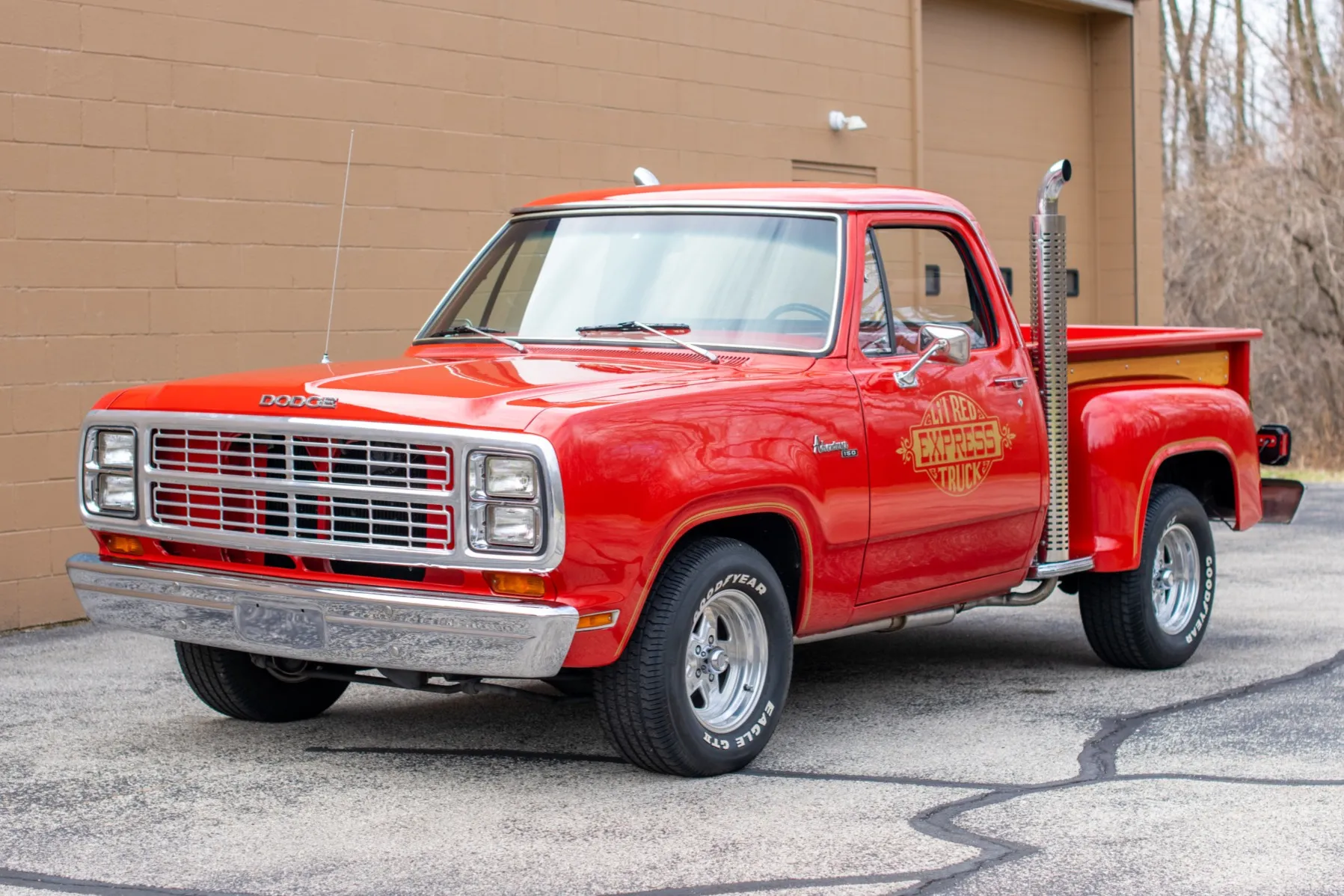
The interior featured luxurious touches uncommon in work trucks, including plush bench seats, full instrumentation, and comfortable appointments that made it suitable for daily driving.
Only built for 1978 and 1979, with the 1979 models being significantly rarer, these trucks were limited-production performance vehicles that have achieved legendary status.
The truck’s auction success has had ripple effects throughout the collector market. Other Li’l Red Express trucks, even those in less exceptional condition, have seen their values rise substantially.
The sale demonstrated that performance trucks from eras typically dismissed as undesirable can command serious money when they represent genuine innovation and character.
Collectors are now actively seeking other unusual trucks from this period, hoping to discover the next unexpected auction star before the market fully recognizes its potential.
3. 1956 Ford F-100 Panel Truck
Panel trucks commercial vehicles designed for deliveries with enclosed cargo areas rarely attract attention in collector circles. They lack the open beds and visual appeal of conventional pickups, and most were worked hard and scrapped when they outlived their utility.
Yet when a beautifully restored 1956 Ford F-100 Panel Truck appeared at auction, it rewrote expectations about what collectors value, ultimately achieving a sale price that rivaled sports cars from the same era.
This particular panel truck represented Ford’s first-generation F-Series redesign, featuring the clean, modern styling that defined mid-1950s American automotive design.
The new-for-1956 front fascia included a bold horizontal grille, prominent Ford lettering, and wraparound windshield that gave the truck a contemporary appearance.
Unlike utilitarian panel vans, this F-100 had been custom restored with exceptional attention to detail, transforming a working vehicle into rolling automotive art.
The restoration incorporated modern conveniences while respecting the truck’s original character. The exterior featured a stunning two-tone paint scheme turquoise and cream applied with modern urethane paint techniques that provided depth and durability impossible to achieve with 1950s technology.
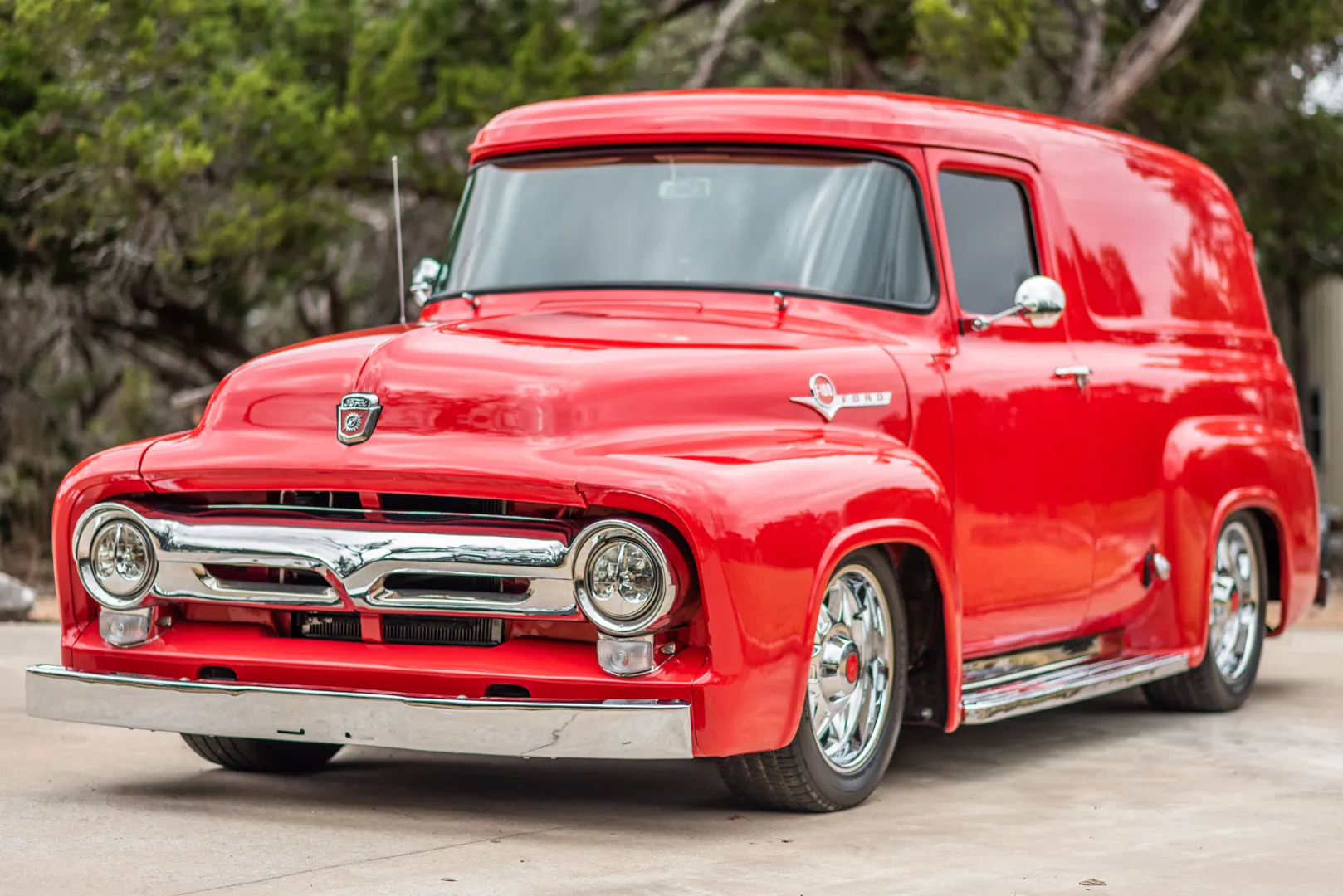
Chrome and stainless trim had been re-plated to perfection, and the panel sides featured subtle custom graphics that referenced period delivery truck aesthetics without appearing gaudy or overdone.
Inside, the transformation was even more impressive. The cabin featured custom leather seating with period-appropriate pleating patterns, modern air conditioning discreetly installed, and a custom sound system hidden within the dashboard using components designed to look factory-original.
The cargo area, typically rough and bare in working panel trucks, had been finished with polished wood planking and LED lighting, creating a space suitable for displaying memorabilia or transporting valuable cargo in style.
The panel truck’s new owner reportedly uses it regularly, taking it to shows and events where it attracts attention from enthusiasts across all collector car categories.
Its auction success has inspired others to consider unusual commercial vehicles for restoration projects, expanding the definition of what constitutes a collectible truck and demonstrating that value lies not just in rarity or originality but also in vision, execution, and the ability to create something genuinely special from an unexpected foundation.
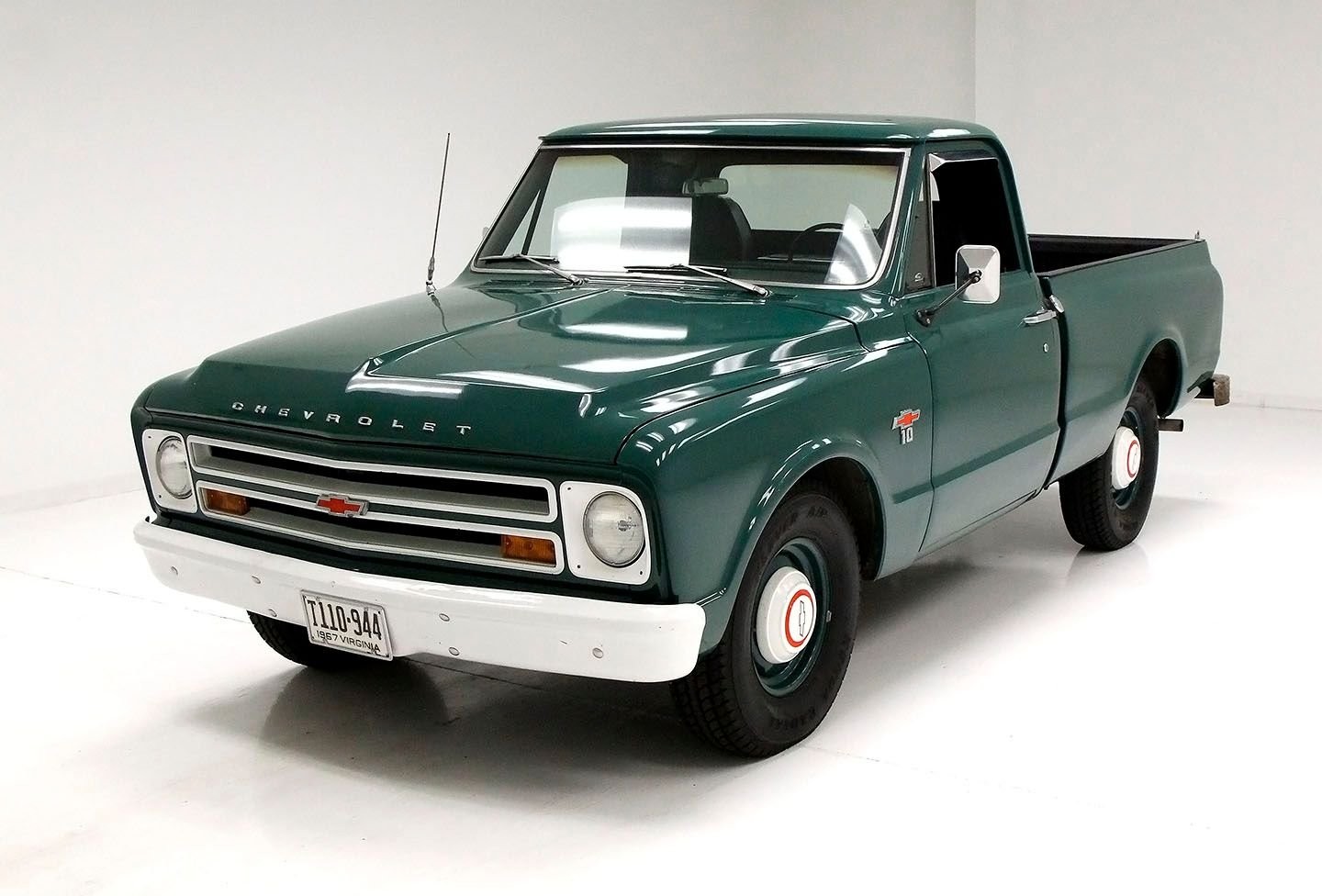
4. 1967 Chevrolet C10 Shortbed Fleetside
The classic truck market has long been divided between originality purists and resto-mod enthusiasts who believe vintage vehicles should incorporate modern technology.
When a comprehensively modified 1967 Chevrolet C10 shortbed hit the auction block, it decisively answered the question of whether heavily customized trucks could achieve blue-chip status, selling for a price that exceeded most factory-original examples of the same model.
This C10 represented the pinnacle of resto-mod philosophy: maintaining the classic’s aesthetic soul while replacing virtually every mechanical component with contemporary equivalents.
The body retained its iconic second-generation GM truck styling the clean lines, horizontal grille texture, and perfectly proportioned dimensions that make these trucks endlessly appealing.
However, the paint was modern metallic charcoal applied with techniques that produced a finish deeper and more lustrous than anything available in 1967.
The body had been stripped to bare metal, imperfections corrected, and reassembled with modern adhesives and seam sealers that ensured structural integrity.
Beneath that classic exterior lurked thoroughly modern mechanicals. The original inline-six engine was replaced with an LS3 V8 from a contemporary Corvette, producing over 430 horsepower while maintaining modern reliability and fuel efficiency.
This engine was mated to a six-speed automatic transmission with paddle shifters, providing performance and drivability that would astonish anyone familiar with original C10s.
The suspension system came from a modern Corvette, complete with independent front and rear setups, coilovers, and electronic adjustability that allowed the driver to select different ride heights and firmness settings.
The interior transformation was equally comprehensive. Custom leather seats provided contemporary support and comfort while maintaining styling appropriate to the truck’s era. A modern HVAC system delivered genuine climate control, crucial for making the truck usable in any weather.
The dashboard retained its original configuration but housed modern digital gauges designed to mimic classic analog instruments. A touchscreen infotainment system, cleverly integrated to appear factory-original when off, provided navigation, entertainment, and vehicle diagnostics.
Sound deadening throughout created a cabin quietness impossible in vintage trucks, allowing conversation at highway speeds.
Additional modern features included four-wheel disc brakes with ABS, power steering with adjustable assist levels, backup cameras discreetly integrated into the tailgate, and even wireless phone charging.
The C10’s auction success has validated the resto-mod approach at the highest levels of truck collecting. Builders who create high-quality custom trucks with modern drivetrains, contemporary amenities, and exceptional craftsmanship can now expect their work to be taken seriously by collectors and achieve strong auction results.
This has energized the custom truck industry, encouraging builders to pursue even more ambitious projects, knowing that the market will reward truly exceptional work with prices that reflect the investment in time, talent, and components required to create something genuinely special.
Also Read: 5 SUVs That Refuse to Rattle Inside vs 5 That Sound Old Too Soon
5. 1993 Ford F-150 SVT Lightning
When a first-generation Ford SVT Lightning crossed the auction block, few expected it to command significant money. After all, these trucks were produced in reasonable numbers during the early 1990s, and their performance while impressive for the era had been eclipsed by subsequent generations.
Yet the winning bid shocked observers, validating the Lightning’s status as the truck that established factory performance pickups as a legitimate market segment and launched modern truck enthusiasm.
The SVT Lightning represented Ford’s Special Vehicle Team’s first attempt at creating a true performance truck. Based on the F-150 regular cab short bed, the Lightning received a specially tuned 5.8-liter V8 producing 240 horsepower modest by today’s standards but genuinely quick for early 1990s trucks.
More importantly, Ford comprehensively upgraded the suspension, brakes, and handling to create a truck that drove more like a sports car than a traditional pickup. Lowered ride height, performance shock absorbers, front and rear anti-roll bars, and four-wheel disc brakes transformed the driving experience.
Visually, the Lightning stood apart from ordinary F-150s through subtle but effective cues. Monochromatic paint schemes eliminated chrome trim for a cleaner appearance.
Unique ground effects, a distinctive grille treatment, and special wheels identified the truck to those in the know without resorting to garish graphics or obvious modifications. Inside, sport seats and upgraded instrumentation provided a driver-focused environment uncommon in trucks of the period.
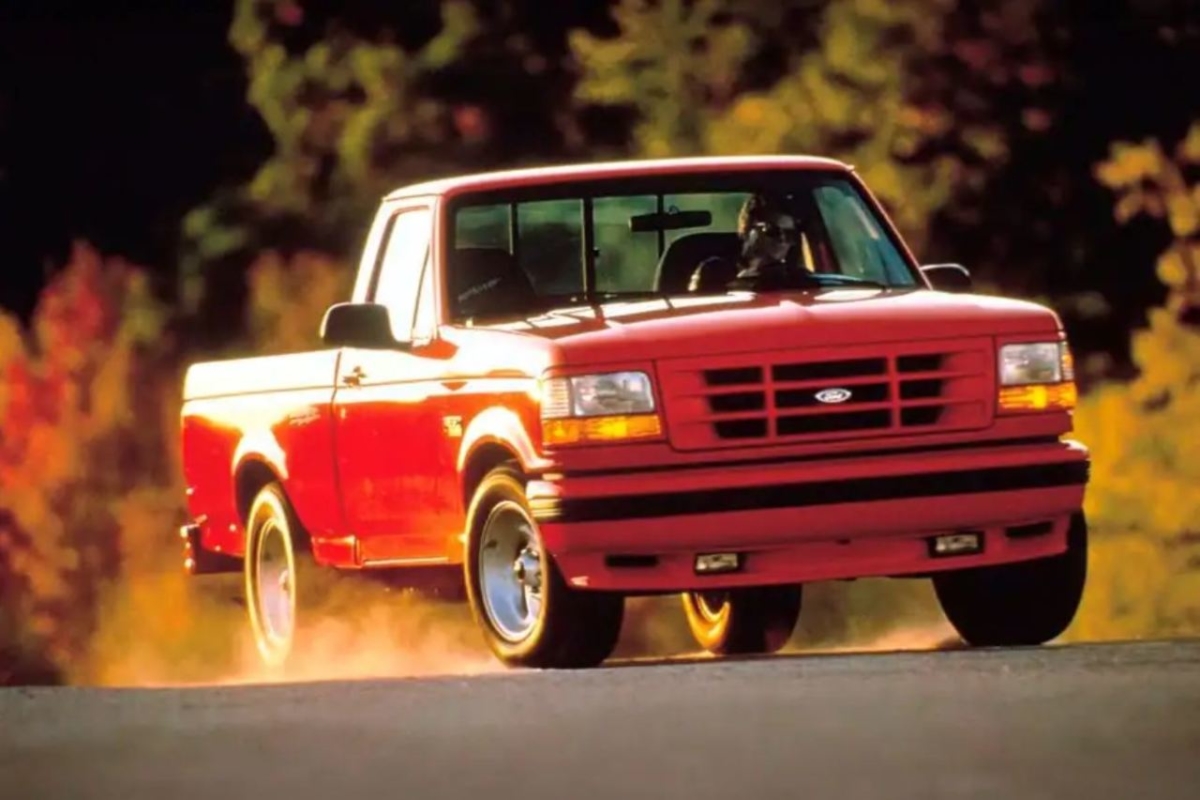
The example that achieved auction success was a remarkably well-preserved specimen finished in the signature Vibrant Red color, with fewer than 30,000 original miles showing on its odometer.
It retained complete originality, including factory tires, unmarred interior, and all original documentation including window sticker, owner’s manual, and service records.
The truck had spent most of its life in a private collection, emerging only occasionally for shows and enthusiast events, which explained its exceptional preservation.
What made this Lightning an unexpected auction star was its historical significance. While not the fastest or most powerful truck ever built, it was the first factory performance truck to be taken seriously by both enthusiasts and the automotive press.
The Lightning proved that trucks could handle, brake, and accelerate competitively while maintaining utility and daily usability. It launched a performance truck movement that continues today with vehicles like the Ford Raptor, Ram TRX, and modern Lightning variants.
Collectors recognized that first-generation Lightnings have become genuinely scarce in unmolested condition. Many were modified with aftermarket parts, driven hard, or simply used until they wore out.
Finding an original, low-mileage example represented an increasingly rare opportunity to own a piece of truck performance history in as-delivered condition.
The truck’s 1990s design aesthetic, once dismissed as dated, has now come full circle to being appreciated as a distinct period in automotive design, adding to its appeal.
Bidding on the Lightning attracted both traditional truck collectors and younger enthusiasts who remember these trucks from their childhood or teenage years.
For many Gen X and older Millennial collectors, the Lightning represents their introduction to performance trucks and automotive enthusiasm more broadly.
This nostalgic connection drove emotional bidding that pushed the price well beyond what purely rational economic analysis might justify, but auction results are often driven as much by emotion and memory as by objective value.
The truck’s auction success has had broader implications for the collector market. Other 1990s performance vehicles, often dismissed as too new or common to be collectible, are receiving renewed attention.
Collectors are recognizing that low-mileage, well-preserved examples from this era are becoming scarce as these vehicles reach 30+ years old. The Lightning’s strong auction result suggests that properly selected and preserved vehicles from the 1990s represent opportunities for collectors who cannot afford classic muscle cars or earlier collectibles.
6. 1950 Chevrolet 3100 5-Window
When a pristine 1950 Chevrolet 3100 five-window pickup appeared at a prominent auction, it embodied everything collectors love about early post-war trucks: honest design, robust construction, and timeless aesthetics.
The hammer price that ultimately fell shocked even optimistic observers, establishing this truck as one of the most valuable examples of its kind ever sold and confirming that Advance Design Chevrolet trucks have firmly entered the upper echelon of collectible vehicles.
The Advance Design series, produced from 1947 to 1955, represented Chevrolet’s first completely new truck design after World War II. These trucks featured rounded fenders, integrated headlights, and streamlined styling that was revolutionary compared to the separate-fender designs of earlier trucks.
The five-window cab variant, with its distinctive rear quarter windows, is particularly prized for providing better visibility and a more open, airy feeling than the standard three-window configuration.
These design elements created a truck that looked modern in 1950 and remains visually appealing over seven decades later.
This particular 3100 had undergone a comprehensive frame-off restoration that achieved concours-level quality in every detail. The body was returned to laser-straight perfection, with gaps and panel alignment exceeding factory specifications.
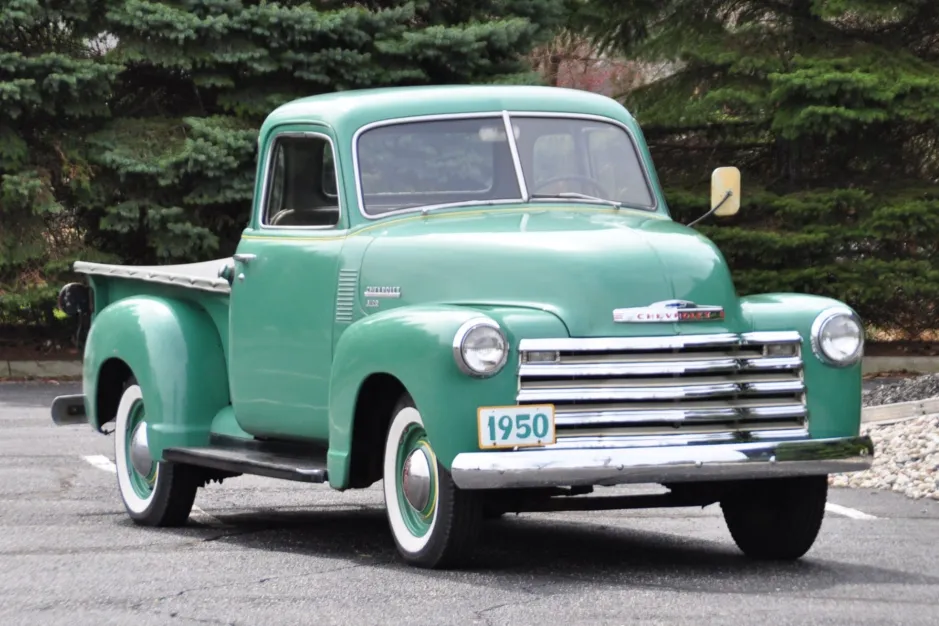
Paint in period-correct Chevrolet Special Blue covered every surface with depth and consistency that demonstrated hundreds of hours of preparation and application.
Chrome bumpers, grille, and trim pieces showed mirror finishes. Even the wood bed planking was recreated using period-appropriate lumber species, finished with traditional methods rather than modern polyurethane coatings.
The mechanical restoration was equally thorough. The original inline-six “Stovebolt” engine was completely rebuilt to as-new specifications, with every internal component measured, machined if necessary, and assembled to exacting tolerances.
The four-speed manual transmission was rebuilt with correct synchronizers and bearings. The braking system, while maintaining original drum brakes all around, was completely refreshed with new wheel cylinders, lines, and a master cylinder.
The suspension received new springs, shock absorbers, and bushings, returning the truck to factory ride height and characteristics. Inside, the cab received equal attention.
The bench seat was reupholstered in correct-pattern vinyl that matched original specifications in color, texture, and stitching. The dashboard and gauges were restored rather than replaced, maintaining originality while ensuring proper function.
Even small details like the original-style radio, dome light, and door handles were sourced or restored to period correctness. The headliner, door panels, and floor covering all matched factory specifications, creating an interior that appeared as it would have when the truck left the factory in 1950.
What raised this 3100 to unexpected auction stardom was not merely its exceptional restoration quality but also its documented history.
The truck came with an ownership trail back to its original purchase, including the original sales invoice showing it was bought by a Kansas farmer who used it for three decades before storing it in a barn.
That farmer’s grandson inherited the truck and commissioned its restoration, maintaining a family connection to the vehicle throughout its life. This provenance added emotional resonance that collectors value highly.
Competition for the truck was intense, with bidders participating both in person and remotely from around the world. The five-window configuration’s desirability, combined with the truck’s show-quality restoration and documented history, created a perfect storm of collector appeal.
When the hammer finally fell, the price exceeded pre-auction estimates by more than fifty percent, establishing a new benchmark for Advance Design Chevrolet trucks and signaling that the market for properly restored examples shows no signs of weakening.
The sale’s impact extended beyond this single truck. Owners of other Advance Design Chevrolets, particularly five-window models, saw the values of their vehicles rise substantially in subsequent months.
The auction result validated what enthusiasts had long believed: that these post-war trucks represent some of the most aesthetically pleasing and historically significant American vehicles ever produced.
Their relatively simple construction makes them maintainable, their styling ensures they’ll never look dated, and their increasing scarcity guarantees that exceptional examples will continue appreciating as new collectors discover their appeal.
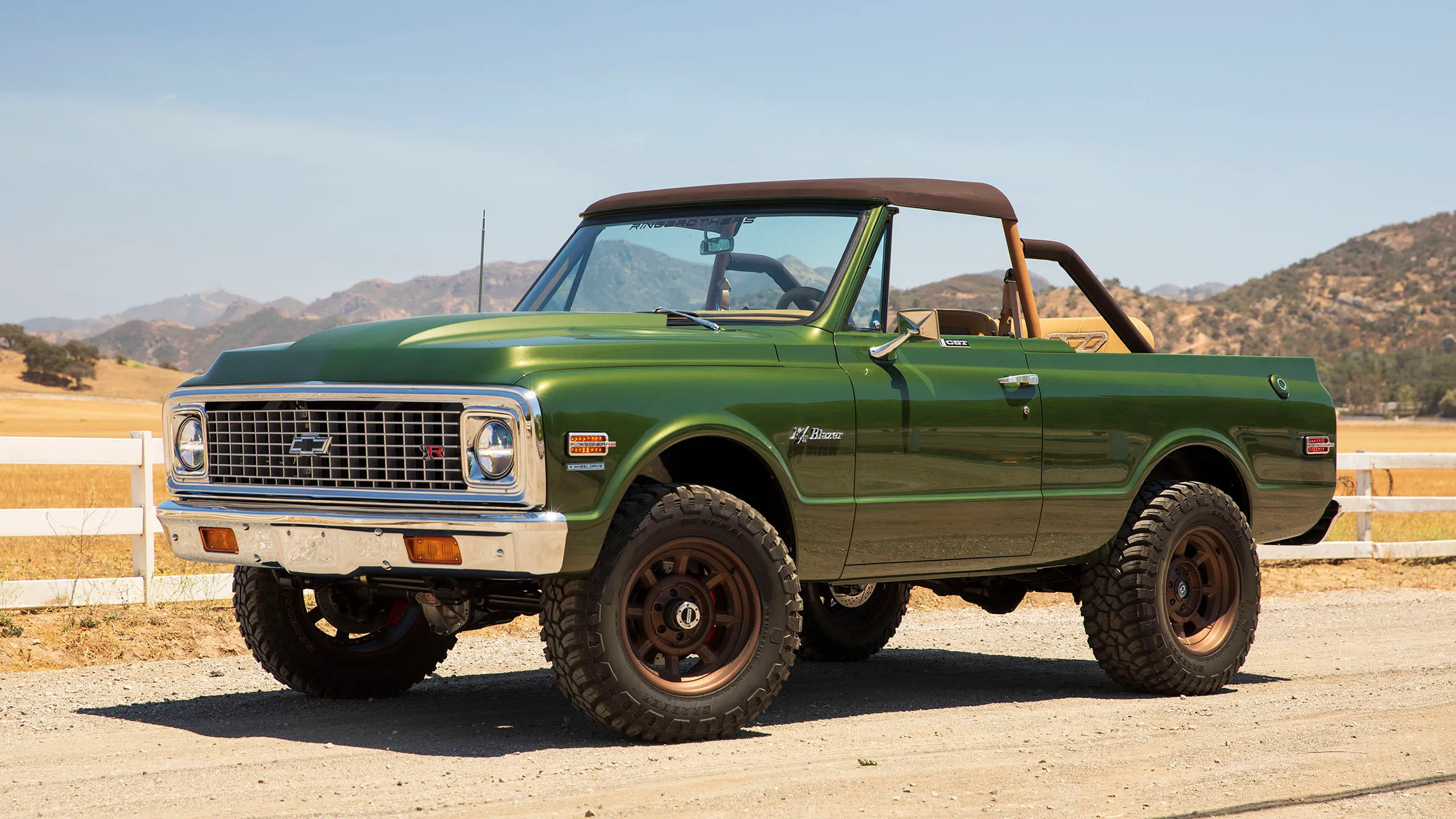
7. 1970 Chevrolet K5 Blazer
The Chevrolet K5 Blazer, introduced for 1969, pioneered the full-size removable-roof SUV concept that would eventually dominate American vehicle sales.
Yet when a meticulously restored 1970 example rolled across the auction stage, few anticipated the feeding frenzy that would ensue.
The final sale price exceeded most contemporary Land Cruisers, Broncos, and other classic 4x4s, establishing the first-generation K5 Blazer as a serious blue-chip collectible and surprising experts who had dismissed them as too common to achieve significant value.
This particular Blazer represented the model’s second year of production, featuring Chevrolet’s handsome styling with bold “Chevrolet” lettering across the front, a distinctive split grille, and the removable fiberglass top that defined the model.
The truck rode on a 104-inch wheelbase shorter than the C/K pickup trucks it was based on giving it improved maneuverability off-road while maintaining impressive cargo and passenger space with the top installed or removed.
What made this Blazer exceptional was its comprehensive frame-off restoration coupled with thoughtful period-appropriate modifications.
The body was restored to factory specifications with correct Hugger Orange paint one of the most desirable colors from this era applied over perfectly straight panels.
The removable top was in exceptional condition, with properly functioning latches and seals that actually kept water out, a notorious weak point in original K5s. Chrome bumpers and trim showed concours-quality finish, and the grille retained its original eggcrate texture with each section carefully detailed.
Under the hood, the original 350-cubic-inch small-block V8 had been rebuilt to exacting standards, with the addition of a period-correct Edelbrock carburetor and aluminum intake manifold that improved performance without compromising the truck’s vintage appearance.
The Turbo-Hydramatic three-speed automatic transmission was rebuilt with modern friction materials that improved durability while maintaining original shift feel and characteristics. The two-speed transfer case and differential were similarly rebuilt, ready for both highway cruising and serious off-road use.
The suspension system received particular attention, combining restoration with upgrades. Original-style leaf springs were replaced with new units manufactured to factory specifications, but with modern metallurgy that improved both ride quality and durability.
The shock absorbers were period-correct-appearing units that incorporated modern valving technology. The braking system maintained the factory drum brake configuration all around technically inferior to later disc brake systems but correct for the early K5 and surprisingly effective when properly rebuilt and adjusted.
Inside, the cabin received a complete restoration that balanced period correctness with usability improvements. The original bench seat was reupholstered in correct vinyl with the proper horizontal pleating pattern.
The dashboard retained all original gauges and controls, with each component either professionally restored or replaced with correct New Old Stock parts.
The steering wheel was a NOS unit in perfect condition, complete with Chevy bowtie horn button. Modern concessions were minimal but practical: sound deadening material under the carpet to reduce road noise, and updated wiring throughout using cloth-wrapped wire that looked original but incorporated modern insulation and connectors that improved reliability and safety.
The Blazer’s auction success reflected multiple converging trends. First-generation K5 Blazers have become increasingly desirable as baby boomers remember them from their youth and younger collectors discover their style and capability.
They represent the beginning of America’s SUV obsession and offer a compelling combination of classic truck aesthetics, removable-roof versatility, and genuine off-road capability. Unlike many modern SUVs that never leave pavement, K5 Blazers were engineered for serious work and recreation in challenging terrain.
Competition for this particular Blazer was fierce, with bidders representing different collector segments. Some wanted it for its off-road capability and planned to use it for trail running and camping.
Others saw it as a show vehicle and investment, recognizing that first-generation K5s in this condition are becoming genuinely scarce. A third group appreciated it as a usable classic something that could be driven regularly, carry cargo and passengers, and still turn heads wherever it went.
When the hammer fell, the price established a new benchmark for K5 Blazers and sent ripples through the classic 4×4 market. Other first-generation Blazer values rose in subsequent months, and collectors began seeking them out more aggressively.
The sale proved that the right K5 properly restored with desirable colors and options could compete with any classic 4×4 at auction, regardless of brand prestige or rarity.
This democratization of the classic truck market has opened opportunities for collectors who appreciate American iron and don’t need exotic badges to enjoy their vehicles.
8. 1987 Chevrolet R/V Series Suburban Silverado
When a 1987 Chevrolet Suburban Silverado appeared at auction, most observers expected it to sell for modest money. After all, Suburbans were family vehicles common, utilitarian, and typically driven into the ground rather than preserved.
Yet this particular example defied all expectations, achieving a sale price that rivaled many sports cars and proving that preservation, rather than rarity or performance, can create unexpected value in the collector market.
This Suburban represented the GMT400 platform in its first year of production, a design that would remain largely unchanged through 1991 and evolved into the model that became America’s default large SUV through the 1990s.
The R/V designation indicated two-wheel drive rather than four-wheel drive typically less desirable but this truck’s exceptional preservation overcame that perceived disadvantage.
Finished in Frost White with beige cloth interior, it exemplified the specification that countless American families had ordered for vacation hauling and daily utility. What made this Suburban auction-worthy was its astonishing originality and preservation.
The truck showed fewer than 20,000 original miles on its odometer, verified by documentation tracing back to the original owner a retired couple who purchased it new, used it occasionally for vacations and grandchildren visits, and eventually stored it in their climate-controlled garage, where it remained for nearly two decades.
When their estate sold the vehicle, it emerged as a genuine time capsule, showing virtually no wear beyond minimal age-related deterioration of rubber components.
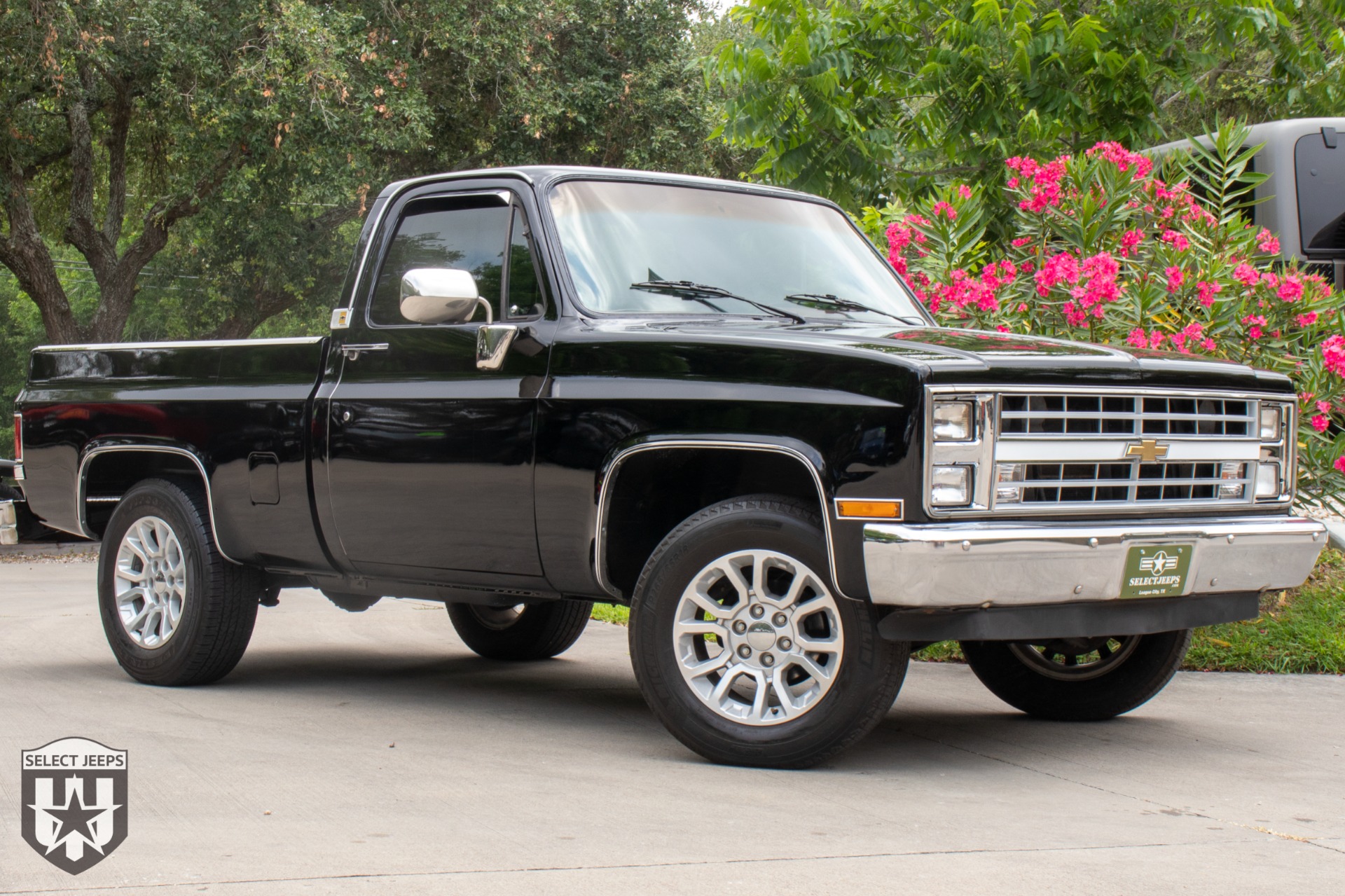
The exterior paint retained its original gloss, unmarred by scratches, door dings, or the inevitable corrosion that affects most 1980s GM vehicles.
Chrome bumpers showed no pitting, and all trim pieces remained properly attached with no missing clips or fading. The original tires, while aged beyond safe use remained on the wheels, adding to the truck’s time-capsule authenticity.
Even the undercarriage showed only minimal surface rust, a testament to its climate-controlled storage and limited exposure to road salt and moisture.
Inside, the Suburban was equally impressive. The cloth seats showed virtually no wear, with no stains, tears, or significant fading. The dashboard remained crack-free, a rarity for 1980s GM vehicles, where dashboard deterioration is nearly universal.
All gauges and controls functioned properly, including the original AM/FM radio and air conditioning system. The carpeting remained spotless, and the headliner showed no sagging another common failure point in vehicles of this era.
Original owner’s manuals, warranty books, and even dealer sales literature remained in the glovebox, adding to the documentation package.
Mechanically, the Suburban featured Chevrolet’s venerable 350-cubic-inch V8 engine paired with a four-speed overdrive automatic transmission a reliable, proven drivetrain combination that many of these trucks were still using decades after production.
The engine started immediately during auction inspection, ran smoothly, and showed no leaks or concerning sounds. The transmission shifted properly through all gears, and the brakes functioned effectively despite their age.
While a comprehensive mechanical service would be prudent before regular use, the truck required no major repairs or restoration. What transformed this Suburban from mere preserved vehicle to auction star was the broader cultural conversation about automotive preservation versus restoration.
Collectors increasingly value originality and authenticity, recognizing that truly original vehicles even of common models become rare as time passes.
While tens of thousands of these Suburbans were produced, finding one in essentially as-delivered condition is extraordinarily difficult. Most were driven extensively, modified, or discarded when repair costs exceeded their modest values.
Bidding on the Suburban attracted unexpected participants. Some were traditional collectors who appreciated preservation above all else. Others were younger enthusiasts nostalgic for the vehicles of their childhood, viewing this Suburban as the same model their parents drove when they were growing up.
Still others saw investment potential, recognizing that genuinely original examples of common vehicles can appreciate dramatically as they become increasingly scarce. The combination of these bidder groups drove the price far beyond pre-auction estimates.
The Suburban’s auction success sent a powerful message throughout the collector car market: preservation matters as much as rarity or performance in determining value.
This sale validated the decisions of countless vehicle owners who maintained their ordinary cars and trucks in exceptional condition rather than driving them into the ground.
It suggested that today’s common vehicles if preserved carefully could become tomorrow’s auction stars. Most importantly, it demonstrated that collector car enthusiasm extends far beyond exotic sports cars and classic muscle cars to encompass virtually any vehicle that survived in exceptional condition with proper documentation and history.
Also Read: 5 Cars That Rarely Need Alternators vs 5 That Burn Through Them
