
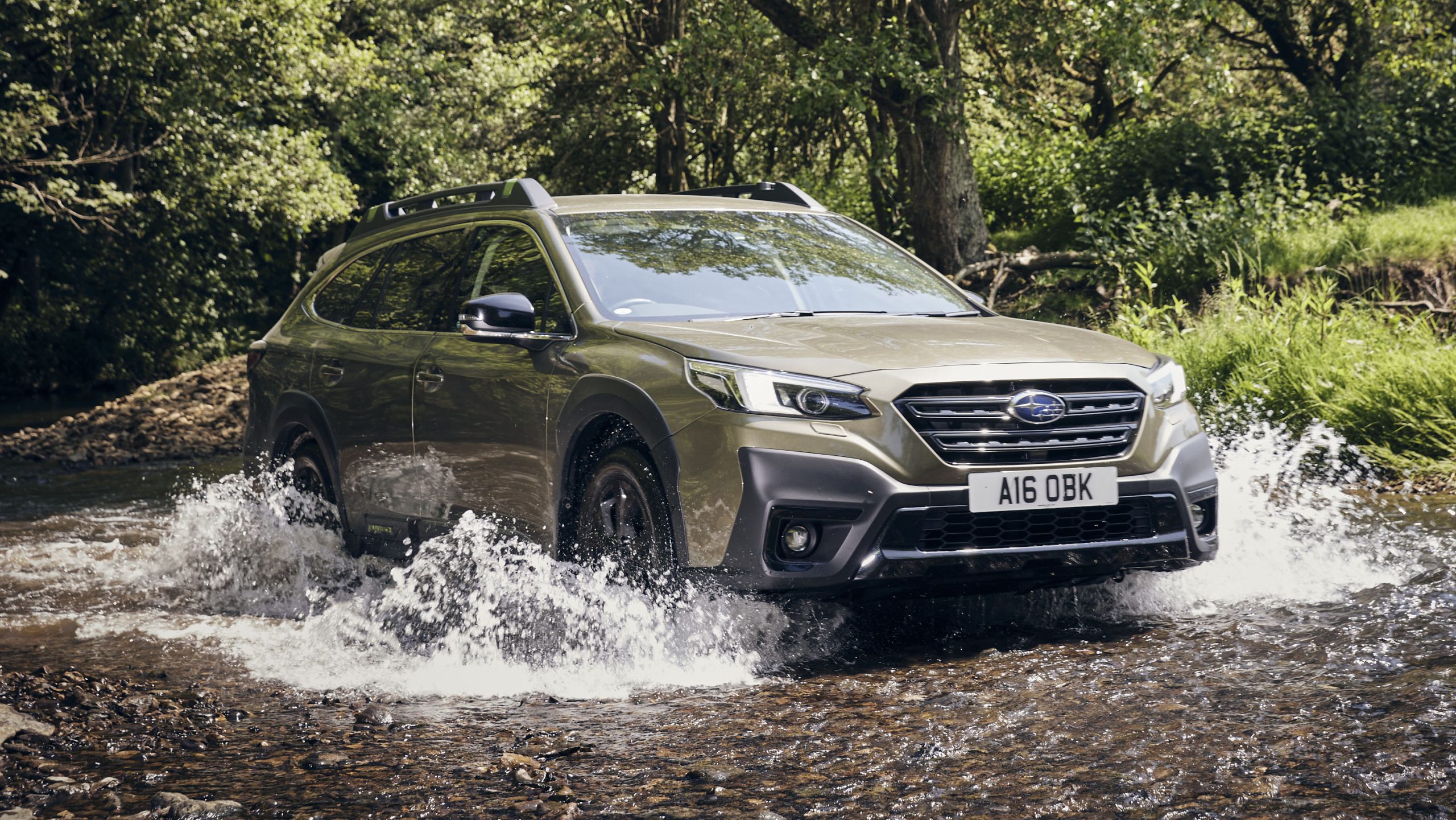
Subaru has built a legendary reputation for producing some of the most reliable and durable SUVs on the market. While many automakers chase fleeting trends or prioritize flashy features over substance, Subaru has remained steadfastly committed to engineering vehicles that can withstand the test of time.
The brand’s unwavering focus on all-wheel drive capability, boxer engine technology, and practical design has created a loyal following of owners who routinely drive their Subarus well past 200,000 miles without major issues.
What sets Subaru SUVs apart from their competitors isn’t just their mechanical reliability it’s the brand’s holistic approach to durability.
From the symmetrical all-wheel drive system that provides exceptional stability and control to the horizontally-opposed boxer engines that offer a lower center of gravity and superior balance, every Subaru is engineered with longevity in mind.
The company’s dedication to quality manufacturing is evident in their consistently high rankings in reliability surveys and the remarkable number of older Subarus still on the road today.
Subaru owners frequently report that their vehicles remain dependable daily drivers even after a decade or more of use. This longevity isn’t accidental it’s the result of conservative engineering choices, robust construction, and a corporate philosophy that values substance over superficial appeal.
While Subaru SUVs may not always feature the most cutting-edge infotainment systems or the most luxurious interiors, they deliver something far more valuable: peace of mind and exceptional value retention.
Whether you’re considering a compact Crosstrek for city commuting, a mid-size Outback for family adventures, or a three-row Ascent for hauling passengers, Subaru’s lineup offers options that consistently deliver reliable performance year after year.
The following twelve Subaru SUVs represent the brand’s finest examples of vehicles that stay strong long after their initial purchase, providing owners with dependable transportation that stands the test of time.
1. Subaru Outback
The Subaru Outback stands as perhaps the most iconic example of Subaru’s commitment to building vehicles that last. Since its introduction in the mid-1990s, the Outback has carved out a unique niche as a crossover wagon that combines the comfort of a sedan with the capability of an SUV.
This versatile vehicle has become synonymous with reliability, and it’s not uncommon to see Outbacks from the early 2000s still running strong with well over 200,000 miles on the odometer.
The Outback’s longevity stems from its robust mechanical foundation. The symmetrical all-wheel drive system, a hallmark of Subaru engineering, distributes power evenly to all four wheels and provides exceptional traction in all weather conditions.
This system is simpler than many competitors’ AWD setups, with fewer components that can fail over time. The boxer engine configuration, whether you choose the four-cylinder or six-cylinder variant, sits low in the chassis and provides excellent balance while being inherently smooth and durable.
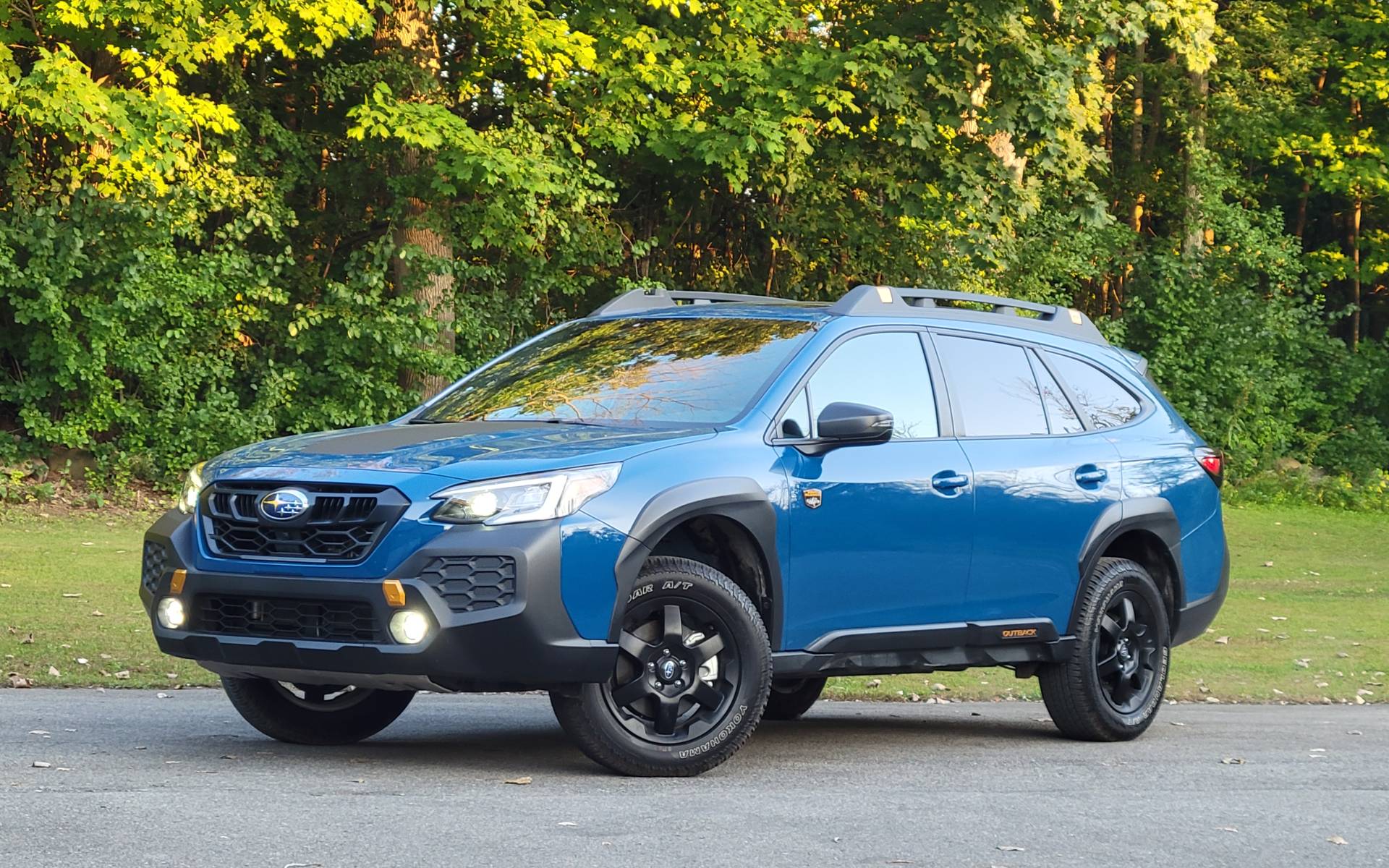
Owners consistently praise the Outback’s ability to handle harsh conditions without breaking down. The vehicle’s ground clearance rivals that of many traditional SUVs, making it capable of tackling rough roads and light off-road trails without suffering damage.
The suspension system is engineered to absorb punishment while maintaining ride comfort, and components like struts, bushings, and ball joints typically last well into six-figure mileage territory with proper maintenance.
Interior durability is another area where the Outback excels. Subaru uses hard-wearing materials throughout the cabin that may not feel as luxurious as some premium competitors, but they resist wear and tear remarkably well.
Seats maintain their support even after years of use, controls remain responsive, and the build quality ensures that rattles and squeaks are rare even in high-mileage examples.
The cargo area is designed with utility in mind, featuring durable plastic panels and a load floor that can handle years of hauling camping gear, sporting equipment, and household items.
The Outback’s powertrain options have evolved over the years, but all have demonstrated impressive longevity. The naturally aspirated four-cylinder engines are particularly robust, with many owners reporting trouble-free operation well past 300,000 miles.
The six-cylinder H6 engines, available in earlier generations, are similarly durable and provide smooth, refined power. More recent turbocharged models offer excellent performance while maintaining Subaru’s reliability standards, though they may require more attentive maintenance schedules.
Maintenance accessibility is another factor in the Outback’s longevity. Routine services like oil changes, air filter replacements, and spark plug changes are straightforward, and Subaru’s network of dealerships and independent specialists ensures that parts and expertise are readily available.
The timing chain design in newer models eliminates the need for timing belt replacements, reducing long-term maintenance costs. When repairs are needed, parts prices are generally reasonable, and the robust design means that major component failures are relatively rare.
The Outback’s safety features have improved dramatically over the years, with EyeSight driver assistance technology becoming standard in recent generations.
This system not only enhances safety but also includes features that reduce driver fatigue on long trips, potentially reducing the wear and tear that comes from stressful driving conditions.
The strong chassis construction and comprehensive airbag systems ensure that even older Outbacks provide solid crash protection.
Also Read: 5 Pickup Trucks That Always Sell for Top Dollar vs 5 That Don’t
2. Subaru Forester
The Subaru Forester has earned its reputation as one of the most reliable compact SUVs available, consistently ranking at the top of dependability surveys and owner satisfaction reports.
Introduced in 1997, the Forester was designed from the ground up to be a practical, durable vehicle that could handle daily commuting while remaining capable enough for weekend adventures.
This formula has proven incredibly successful, with countless Foresters remaining in service long after competing vehicles have been retired.
What makes the Forester particularly resilient is its straightforward engineering approach. Unlike many modern SUVs that prioritize complexity and technology, the Forester maintains a focus on mechanical simplicity and robust construction.
The naturally aspirated four-cylinder boxer engine found in most Foresters is one of the most reliable powerplants Subaru has ever produced. This engine features a simple design with fewer moving parts than traditional inline or V-configuration engines, resulting in reduced friction, better balance, and exceptional longevity.
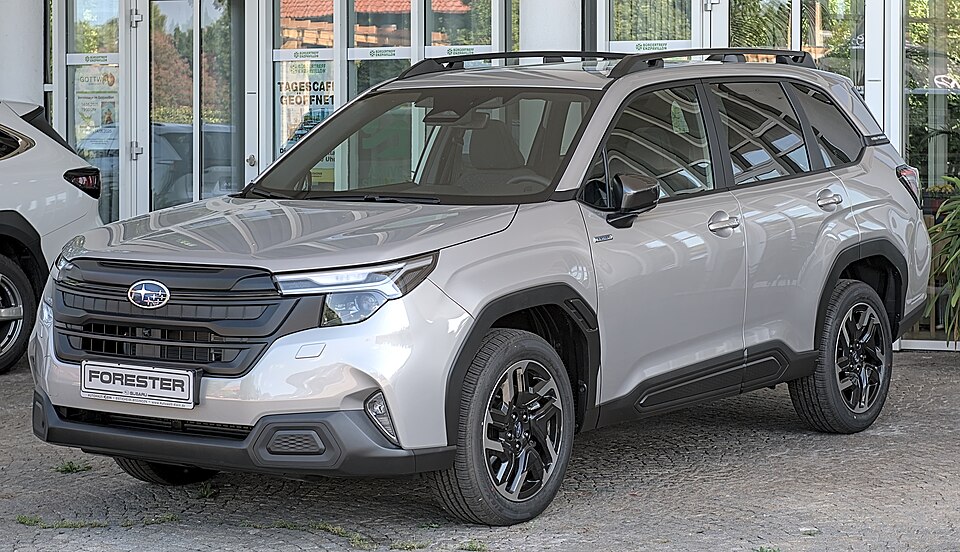
The Forester’s all-wheel drive system is a key component of its durability. The symmetrical AWD layout uses a longitudinally-mounted engine and transmission, creating a balanced driveline that reduces stress on individual components.
This system operates full-time, continuously distributing power to all four wheels based on traction conditions. The simplicity of this design means there are fewer electronic controls and clutch packs that can wear out over time, contributing to the vehicle’s long-term reliability.
Owners frequently report that the Forester’s suspension components demonstrate remarkable durability. The MacPherson strut front suspension and double-wishbone rear setup provide a comfortable ride while being robust enough to handle rough roads and heavy loads.
Components like wheel bearings, control arms, and CV joints typically last well beyond 100,000 miles, and when replacements are needed, the parts are readily available and reasonably priced.
The body structure itself is highly resistant to rust, with Subaru using galvanized steel and comprehensive undercoating to protect against corrosion even in harsh winter climates.
Interior quality in the Forester reflects Subaru’s practical approach to vehicle design. While the materials may not be as upscale as some competitors, they’re chosen for durability rather than luxury.
Dashboard plastics resist cracking and fading, cloth upholstery holds up well to daily use, and controls maintain their tactile feel even after years of operation.
The large windows and upright seating position that make the Forester so practical for everyday use also contribute to its longevity by reducing driver fatigue and making it easier to avoid accidents and parking lot mishaps.
The Forester’s transmission options have varied over the years, with both manual and automatic variants available. The manual transmission is particularly robust, with a simple design that requires minimal maintenance beyond regular fluid changes.
The continuously variable transmission (CVT) found in newer models has been refined over multiple generations and has proven more reliable than early CVT designs. While CVTs in general require more attention to fluid quality and change intervals, the Subaru unit has demonstrated good longevity when properly maintained.
Maintenance costs for the Forester remain reasonable throughout its life, contributing to its reputation as a vehicle that stays strong over time. Oil changes and routine services are straightforward and affordable, and major service intervals are well-spaced.
The timing chain design in modern Foresters eliminates the need for expensive timing belt replacements, though earlier models with timing belts remain reliable with proper maintenance. The availability of both OEM and quality aftermarket parts ensures that even older Foresters can be economically maintained.
3. Subaru Crosstrek
The Subaru Crosstrek has quickly established itself as a remarkably durable compact SUV since its introduction in 2012. Originally conceived as a lifted version of the Impreza hatchback, the Crosstrek has evolved into its own distinct model that combines car-like handling with impressive ground clearance and all-weather capability.
Despite being one of Subaru’s newer nameplates, the Crosstrek has already developed a strong reputation for reliability and longevity that matches its more established siblings.
The Crosstrek’s durability begins with its fundamental architecture. Built on Subaru’s proven Impreza platform, it benefits from decades of refinement and engineering knowledge.
The vehicle’s compact dimensions and relatively light weight mean less stress on drivetrain components, brakes, and suspension parts.
This translates to longer component life and reduced maintenance requirements over time. The 8.7 inches of ground clearance exceptional for a vehicle in this class allows drivers to go through rough roads and obstacles without damaging the undercarriage, contributing to the vehicle’s ability to remain strong over many years of use.
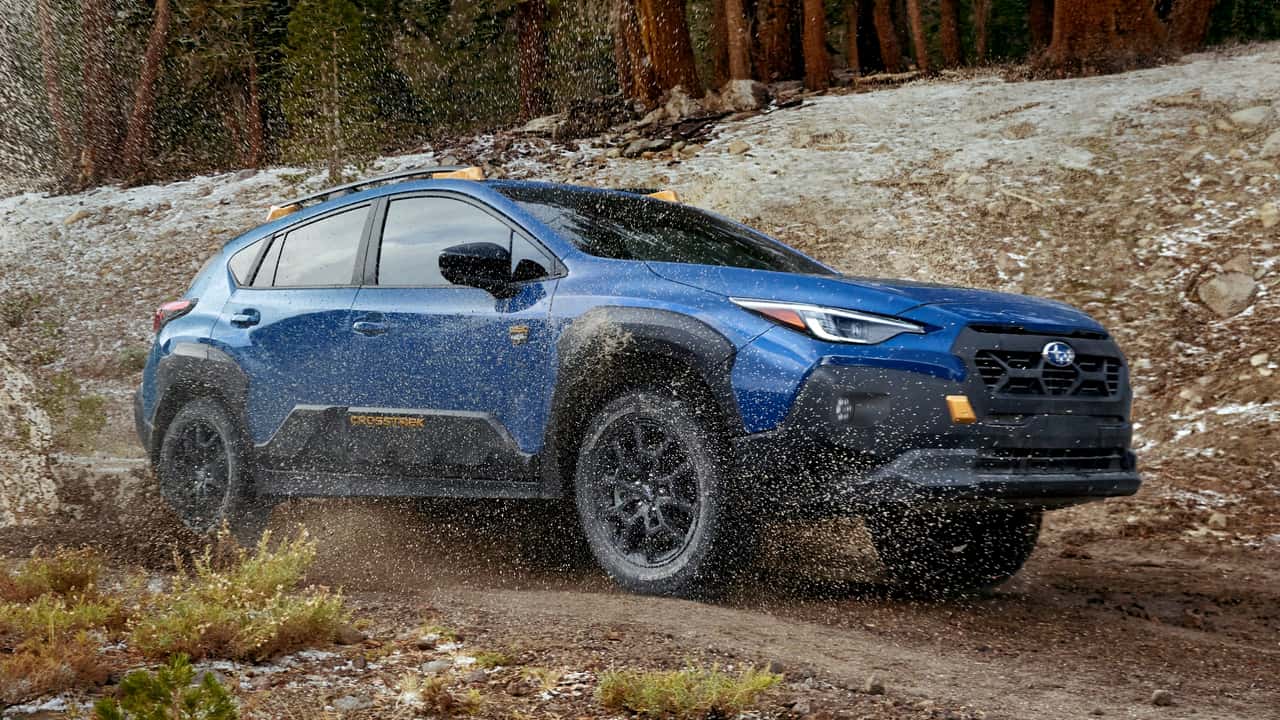
Powertrain reliability is a standout feature of the Crosstrek. Most models are equipped with a naturally aspirated 2.0-liter or 2.5-liter boxer engine that represents some of Subaru’s most proven technology.
These engines eschew complex turbocharging and direct injection systems that can cause problems in other vehicles, instead relying on tried-and-true port fuel injection.
The result is an engine that may not deliver thrilling performance but offers exceptional reliability and low maintenance requirements.
Owners regularly report these engines running smoothly well past 150,000 miles with nothing more than routine oil changes and scheduled maintenance.
The Crosstrek’s compact size and relatively simple construction make it economical to maintain and repair. Parts prices are reasonable, and the vehicle’s popularity ensures that both OEM and aftermarket components are readily available.
The boxer engine’s design allows for relatively easy access to spark plugs and other maintenance items, and routine services can be performed quickly and affordably.
The CVT transmission requires regular fluid changes to maintain longevity, but when this maintenance is performed according to schedule, these transmissions have proven durable in Crosstrek applications.
Also Read: 5 SUVs With the Least Expensive Wheel Straightening and 5 That’ll Empty Your Wallet
4. Subaru Ascent
The Subaru Ascent represents the brand’s entry into the competitive three-row SUV market and has quickly proven that Subaru’s commitment to durability extends to larger vehicles as well. Introduced in 2018, the Ascent is Subaru’s largest SUV ever produced, designed specifically for the North American market and built in Indiana.
While it’s too early to have decades of longevity data, the Ascent’s engineering and early reliability reports suggest it will maintain Subaru’s reputation for building vehicles that stay strong over time.
The Ascent’s foundation is Subaru’s Global Platform, which represents the most advanced architecture the company has ever developed.
This platform uses high-strength steel extensively and incorporates sophisticated engineering to provide exceptional rigidity and crash protection while remaining lightweight.
The platform’s robustness means that the Ascent can handle the stresses of carrying seven passengers and their cargo without developing the squeaks, rattles, and structural flexing that plague some larger SUVs as they age. The comprehensive rustproofing and modern corrosion protection ensure that the body structure will remain sound for many years.

Powering the Ascent is a turbocharged 2.4-liter boxer engine that delivers 260 horsepower and 277 lb-ft of torque power levels necessary to move a vehicle this large with authority.
While turbocharged engines have historically been less reliable than naturally aspirated units, Subaru’s experience with forced induction in WRX and other performance models has resulted in a robust turbo system.
The engine uses a direct and port fuel injection system that helps prevent carbon buildup issues common in direct-injection-only engines. Conservative tuning prioritizes reliability over maximum performance, and the engine operates well within its stress limits during normal driving.
Interior durability is excellent in the Ascent, with Subaru choosing materials that can withstand the punishment of family life. The three-row layout provides seating for up to eight passengers, and the seats themselves are designed to maintain their support and comfort over many years of use.
The captain’s chairs available in the second row are particularly well-constructed and resist the sagging and wear that can affect lesser seats. All interior surfaces are easy to clean, and the generous use of hard plastics in high-wear areas ensures that the cabin will look good even after years of service.
Also Read: 5 SUVs That Rarely Need Brake Jobs vs 5 That Eat Pads Fast
5. Subaru XV Crosstrek (First Generation)
The original Subaru XV Crosstrek, produced from 2012 to 2017, represents a watershed moment for the brand and has established itself as one of the most durable compact SUVs from that era.
This first-generation model introduced many buyers to Subaru’s unique combination of all-weather capability, fuel efficiency, and rugged dependability. More than a decade after the earliest models rolled off the production line, these vehicles continue to prove their worth as reliable daily drivers that refuse to quit.
Built on the proven fourth-generation Impreza platform, the first-generation XV Crosstrek benefited from Subaru’s extensive experience with this architecture.
The platform had been refined through multiple iterations, meaning that potential weak points had been identified and addressed before the Crosstrek even entered production.
This maturity translates directly into reliability, with these early Crosstreks experiencing fewer of the teething problems that often plague first-year models from other manufacturers.
The body structure uses galvanized steel and comprehensive rustproofing that has proven remarkably effective at preventing corrosion even in harsh climates.
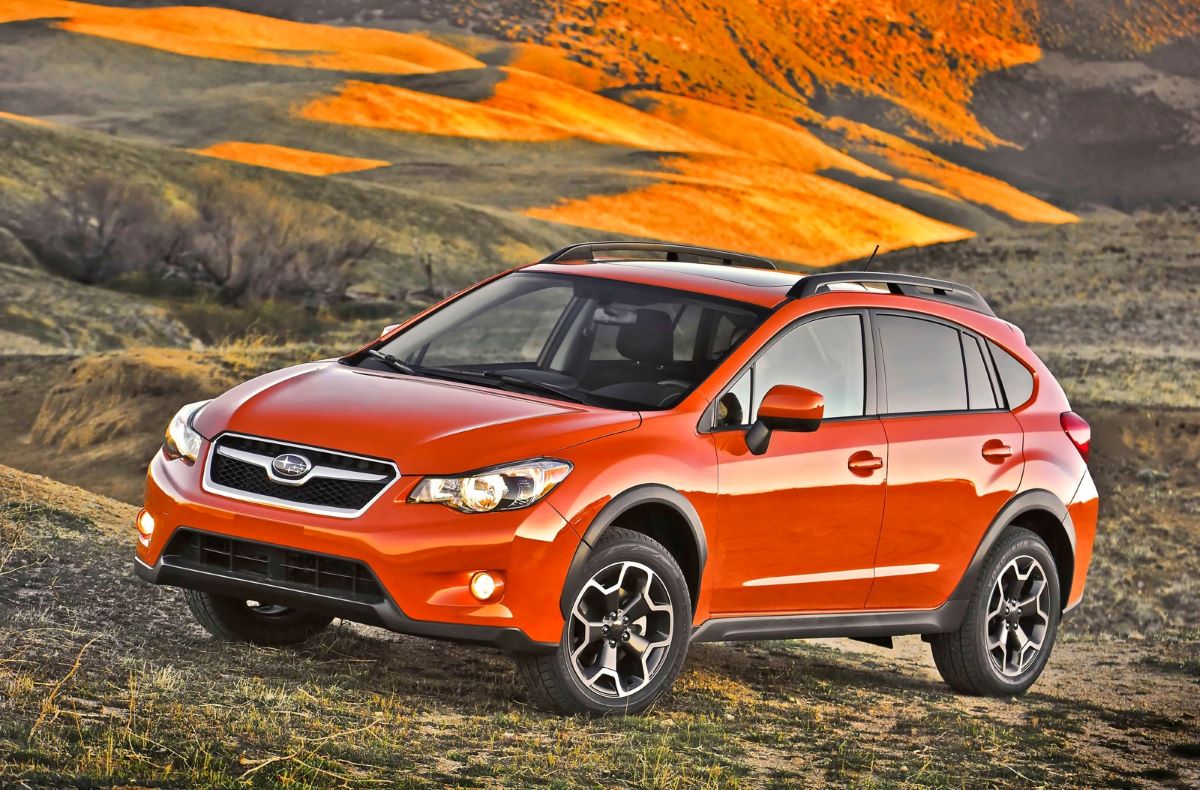
The powertrain in the first-generation Crosstrek is arguably its greatest strength from a durability perspective. The naturally aspirated 2.0-liter boxer engine produces a modest 148 horsepower, but what it lacks in excitement it makes up for in reliability.
This engine represents one of Subaru’s most proven designs, with a simple port fuel injection system, timing chain, and conservative tuning that prioritizes longevity over performance.
Many first-generation Crosstrek owners report trouble-free operation well past 150,000 miles, with some examples approaching 300,000 miles with only routine maintenance.
The interior of the first-generation Crosstrek has held up remarkably well across the model range. Subaru’s choice of durable, hard-wearing materials means that even high-mileage examples typically show minimal interior wear.
Dashboard plastics resist cracking and fading, door panels maintain their integrity, and seats hold their shape and support. The simple control layout means fewer switches and buttons that can break or malfunction over time.
The infotainment systems in these early models are basic by modern standards, but they remain functional and responsive in most vehicles.
6. Subaru Outback (Fourth Generation: 2010-2014)
The fourth-generation Subaru Outback, produced from 2010 to 2014, represents a pivotal point in the model’s evolution and has emerged as one of the most reliable iterations of this popular crossover wagon.
This generation saw the Outback grow larger and more refined while maintaining the rugged capability and dependability that had made earlier versions so successful.
More than a decade after production ended, these Outbacks continue to serve their owners reliably, with many examples showing well over 200,000 miles and still running strong.
This generation of Outback was built on an all-new platform that provided significant improvements in refinement, safety, and durability over its predecessor.
The body structure incorporated more high-strength steel and improved rustproofing processes, resulting in a vehicle that resists corrosion far better than many competitors.
The increased size and wheelbase provided better crash protection and interior space while maintaining the ground clearance and capability that Outback owners expect. The platform’s rigidity means that even high-mileage examples typically remain free of squeaks and rattles.

Engine options in the fourth-generation Outback included a 2.5-liter four-cylinder and a 3.6-liter six-cylinder boxer engine, both of which have proven exceptionally reliable.
The 2.5-liter engine produces 173 horsepower and provides adequate performance for most driving situations while delivering excellent fuel economy and remarkable longevity.
This engine uses a simple port fuel injection system and timing chain, eliminating the need for timing belt replacements. Many owners report these engines running smoothly well past 250,000 miles with nothing more than routine oil changes and scheduled maintenance.
All-wheel drive is standard across the fourth-generation Outback range, and the system has proven highly reliable. The symmetrical AWD layout distributes power efficiently and operates with minimal driver input, seamlessly adjusting power distribution based on road conditions.
The system’s mechanical simplicity means there are few electronic components that can fail, and the differentials and driveline components are robust enough to handle many years of service. Regular differential fluid changes are the primary maintenance requirement, and when performed, these systems rarely experience problems.
7. Subaru Forester (Third Generation: 2009-2013)
The third-generation Subaru Forester, produced from 2009 to 2013, stands as one of the most reliable compact SUVs of its era and continues to serve owners faithfully more than a decade after the final model rolled off the assembly line.
This generation represented a significant evolution of the Forester formula, with a larger, more refined body wrapped around Subaru’s proven mechanical components.
The result was a vehicle that offered improved comfort and capability while maintaining the exceptional reliability that had made earlier Foresters so popular.
This generation of Forester was built on a revised platform that provided improved crash protection and interior space while maintaining the compact exterior dimensions that make the Forester so maneuverable.
The body structure uses extensive rustproofing and galvanized steel in key areas, providing excellent corrosion resistance even in regions that use heavy road salt during winter months. Many third-generation Foresters in northern climates show minimal rust even after 15 years of service, a testament to Subaru’s attention to corrosion protection.

The engine lineup for this generation consisted of a naturally aspirated 2.5-liter four-cylinder boxer engine in most models, with a turbocharged version available in the sporty XT trim.
The naturally aspirated engine produces 170 horsepower and 170 lb-ft of torque, providing adequate performance while delivering exceptional reliability.
This engine uses a simple design with port fuel injection and a timing chain, eliminating the need for expensive timing belt replacements.
The conservative tuning and robust construction mean these engines regularly exceed 200,000 miles with only routine maintenance. Suspension components in this generation of Forester have proven exceptionally durable.
The front MacPherson strut and rear double-wishbone suspension provide a comfortable ride while being robust enough to handle rough roads and heavy loads.
Struts and shocks typically last 80,000-100,000 miles, and replacement is straightforward and affordable. Ball joints, control arm bushings, and other suspension components show similar longevity, with many vehicles reaching 150,000 miles or more without needing significant suspension work beyond struts and routine alignment.
8. Subaru Outback Wilderness
The Subaru Outback Wilderness, introduced for the 2022 model year, represents the most capable and rugged version of the Outback ever produced.
While this model is too new to have extensive long-term reliability data, its engineering and construction suggest it will continue Subaru’s tradition of building SUVs that stay strong over time.
The Wilderness trim takes the proven Outback formula and enhances it with additional ground clearance, off-road capability, and durability features designed to handle harsh conditions.
Built on Subaru’s latest Global Platform, the Outback Wilderness benefits from the most advanced engineering and manufacturing processes the company has ever employed. The platform uses extensive high-strength steel to provide exceptional rigidity and crash protection while keeping weight in check.
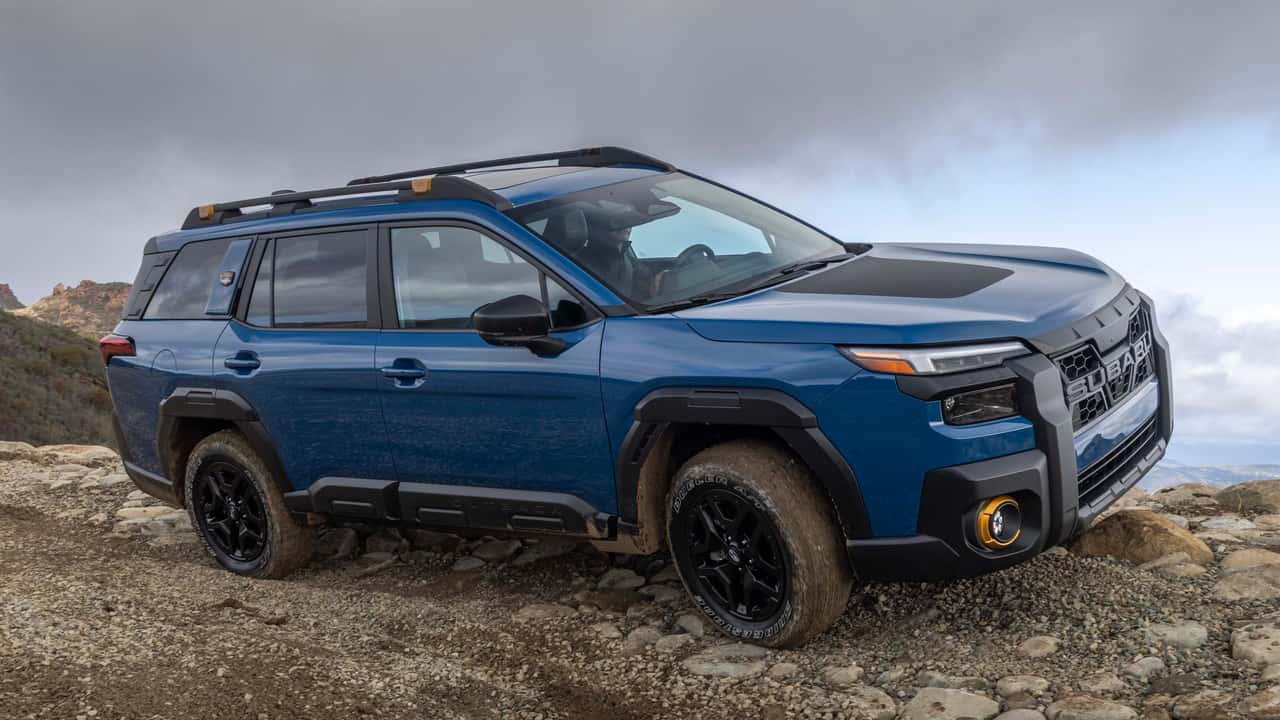
The body structure incorporates comprehensive rustproofing and undercoating specifically enhanced for the Wilderness model to protect against rock impacts and corrosion from off-road use.
This attention to protection suggests the Wilderness will age exceptionally well, even when subjected to conditions that would damage lesser vehicles.
Suspension components on the Wilderness are specifically upgraded to handle off-road use while maintaining on-road comfort. The increased ground clearance of 9.5 inches is achieved through longer springs and specially-tuned shock absorbers that provide more travel and better damping characteristics.
These components are designed to handle the impacts and stresses of off-road driving without premature wear. Skid plates protect vulnerable components underneath, preventing damage that could shorten the vehicle’s lifespan.
9. Subaru Forester Wilderness
The Subaru Forester Wilderness, introduced for the 2022 model year alongside the Outback Wilderness, represents the most rugged and capable version of Subaru’s popular compact SUV.
Like its Outback sibling, the Forester Wilderness is engineered to handle conditions that would challenge or damage standard SUVs while maintaining the reliability and durability that Subaru buyers expect.
Though relatively new to the market, the Wilderness model’s robust construction and thoughtful engineering suggest it will provide many years of dependable service.
The Forester Wilderness is built on the same Subaru Global Platform that underpins the standard Forester, but with significant enhancements for off-road capability and durability.
The platform’s high-strength steel construction provides exceptional rigidity and crash protection, while comprehensive undercoating and additional protective measures help resist corrosion and impact damage from off-road use.
The body structure is reinforced at key mounting points to handle the increased stresses of off-road driving, and all vulnerable components are protected by skid plates and guards.
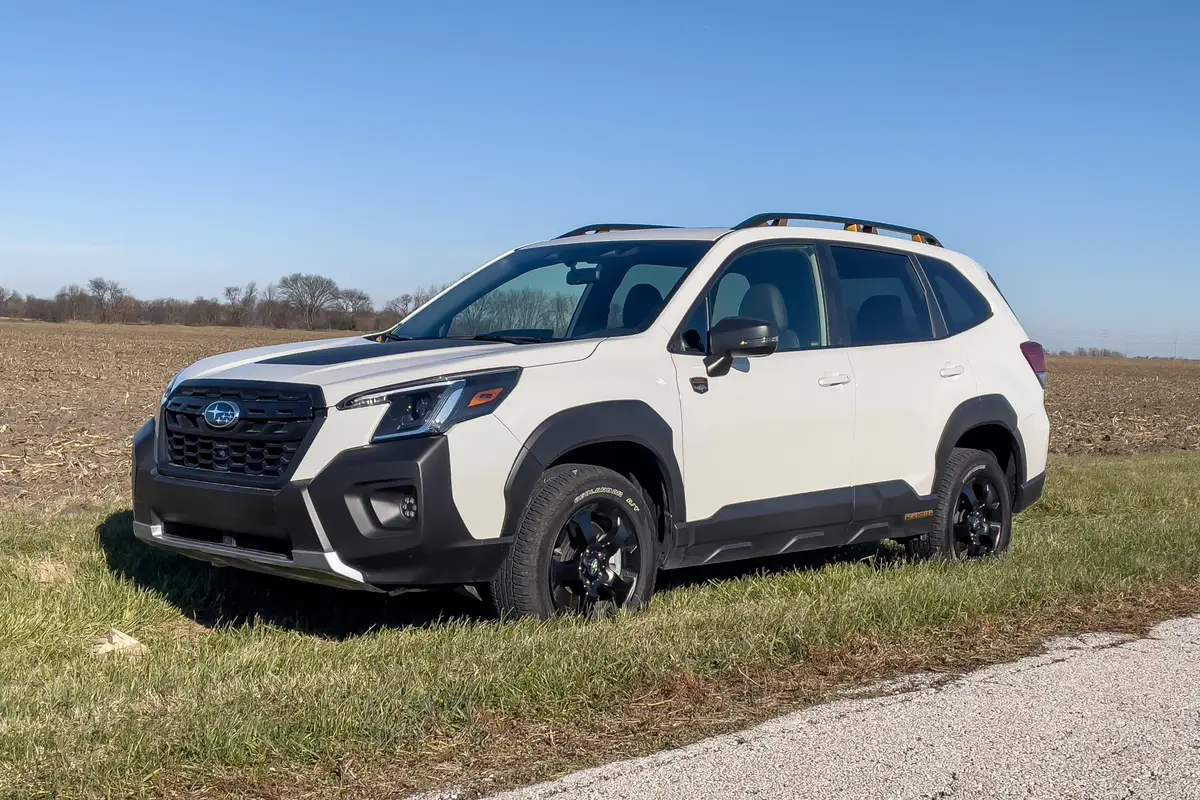
Powering the Forester Wilderness is Subaru’s naturally aspirated 2.5-liter boxer engine, producing 182 horsepower and 176 lb-ft of torque. While this engine doesn’t provide the impressive power of the turbocharged unit in the Outback Wilderness, it offers simplicity and proven reliability.
The naturally aspirated design means fewer components that can fail, and the conservative tuning ensures the engine operates well within its stress limits.
This engine represents one of Subaru’s most reliable designs, and its use in the Wilderness suggests that the model will maintain Subaru’s reputation for longevity.
Interior durability is enhanced in the Forester Wilderness with water-repellent upholstery, rubberized floor covering, and other features designed to handle the dirt, mud, and moisture that come with outdoor adventures.
These materials are not only more resistant to damage than standard interior materials but also easier to clean, helping the interior maintain its appearance over many years of use.
The cargo area includes protective panels and tie-down points that resist wear and provide practical functionality for hauling outdoor gear.
10. Subaru Outback (Fifth Generation: 2015-2019)
The fifth-generation Subaru Outback, produced from 2015 to 2019, represents a high point in the model’s evolution and has quickly established itself as one of the most reliable crossover wagons available.
This generation introduced significant refinements in comfort, technology, and capability while maintaining the core characteristics that have made the Outback so popular.
With many examples now accumulating significant mileage, this generation continues to demonstrate the durability and longevity that Subaru buyers expect.
Built on a refined version of Subaru’s global platform, the fifth-generation Outback provided improved refinement and capability compared to its predecessor.
The body structure uses extensive high-strength steel and advanced rust-proofing processes that have proven highly effective at preventing corrosion.
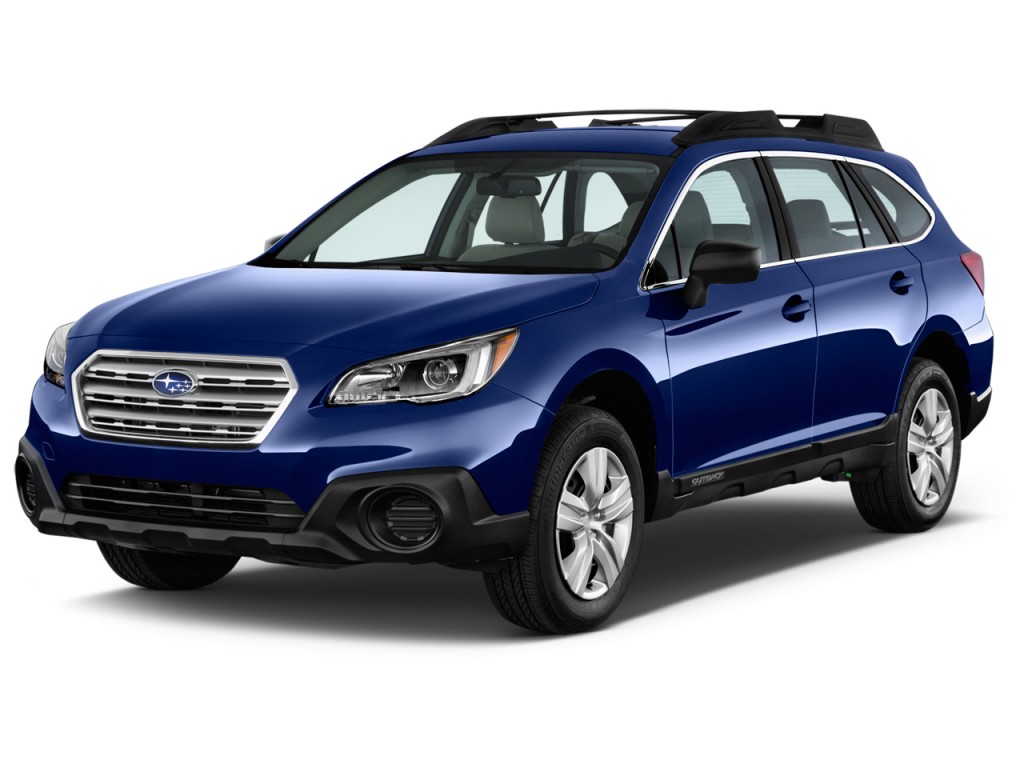
Many fifth-generation Outbacks operating in harsh winter climates show minimal rust even after nearly a decade of service, a testament to Subaru’s commitment to corrosion protection.
The increased use of sound-deadening materials provides a quieter cabin while the rigid body structure remains free of squeaks and rattles even at high mileage.
Interior quality and durability in the fifth-generation Outback are excellent, with materials chosen to withstand years of family use. Dashboard plastics resist UV damage and remain free of cracks even in sunny climates.
Seats maintain their support and comfort over many years, and the stitching and upholstery hold up well to daily use. The infotainment system, while not the most advanced on the market, remains functional and responsive in most vehicles.
Control switches and buttons maintain their tactile feel, and the build quality ensures that interior rattles are rare even in high-mileage examples.
11. Subaru Forester (Fourth Generation: 2014-2018)
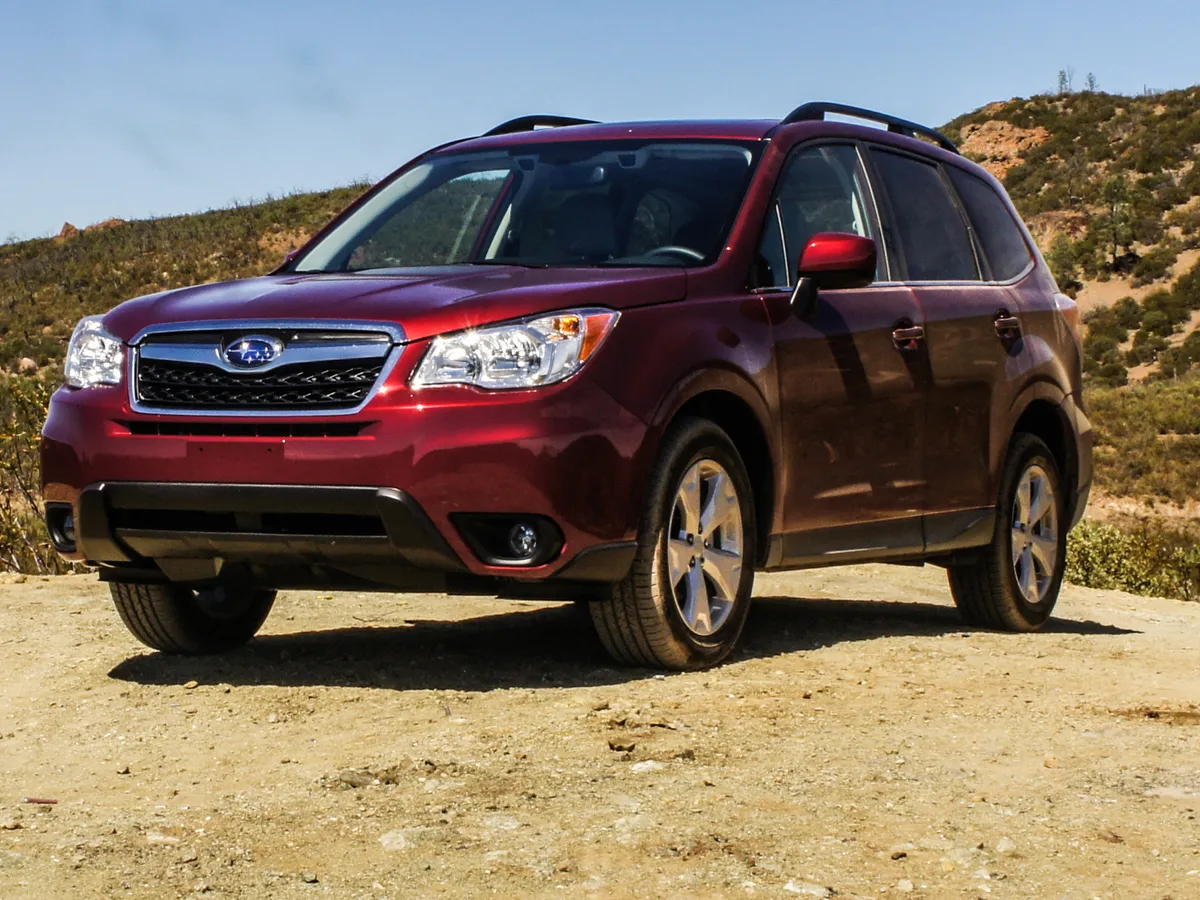
The fourth-generation Subaru Forester, produced from 2014 to 2018, represents one of the most successful iterations of this popular compact SUV.
This generation introduced a more spacious, refined interior while maintaining the rugged capability and mechanical simplicity that had made earlier Foresters so reliable.
As these vehicles approach or exceed a decade of service, they continue to demonstrate remarkable durability and dependability, with many examples showing well over 150,000 miles and still running strong.
Built on an evolution of the platform used in the third generation, the fourth-generation Forester benefited from years of refinement and development.
The body structure incorporates more high-strength steel than previous generations, providing improved crash protection and structural rigidity.
Subaru’s comprehensive rust-proofing process ensures that even Foresters operating in harsh winter climates resist corrosion effectively.
The increased dimensions provide more interior space and cargo capacity without significantly impacting the compact exterior dimensions that make the Forester so practical for urban use.
The interior of the fourth-generation Forester has held up remarkably well across the model range. Subaru’s focus on practical, durable materials means that even high-mileage examples typically show minimal wear.
The large windows and upright seating position that make the Forester so practical also contribute to its longevity by providing excellent visibility and reducing the likelihood of accidents.
Dashboard plastics resist fading and cracking, door panels maintain their integrity, and seats continue to provide good support even after years of use. The straightforward control layout means fewer switches that can malfunction over time.
12. Subaru Crosstrek Hybrid/Plug-in Hybrid
The Subaru Crosstrek Hybrid and Plug-in Hybrid models represent the brand’s entry into electrified vehicles while maintaining the core values of durability and capability that define all Subaru SUVs.
The original Crosstrek Hybrid, produced from 2019 to 2020, used a mild hybrid system, while the Crosstrek Plug-in Hybrid, introduced in 2024, features a more advanced plug-in hybrid powertrain.
While these vehicles are relatively new and lack the extensive long-term data of their conventional counterparts, their engineering suggests they will maintain Subaru’s reputation for building vehicles that stay strong over time.
The Crosstrek Plug-in Hybrid is built on Subaru’s proven Global Platform, which provides exceptional rigidity and crash protection. The platform has been specifically modified to accommodate the battery pack, electric motors, and associated components while maintaining the structural integrity that characterizes all modern Subarus.
The battery pack is mounted low in the chassis, which actually improves the vehicle’s center of gravity and handling characteristics. The comprehensive rust-proofing and corrosion protection that Subaru applies to all its vehicles extends to the hybrid models, ensuring long-term durability even in harsh climates.
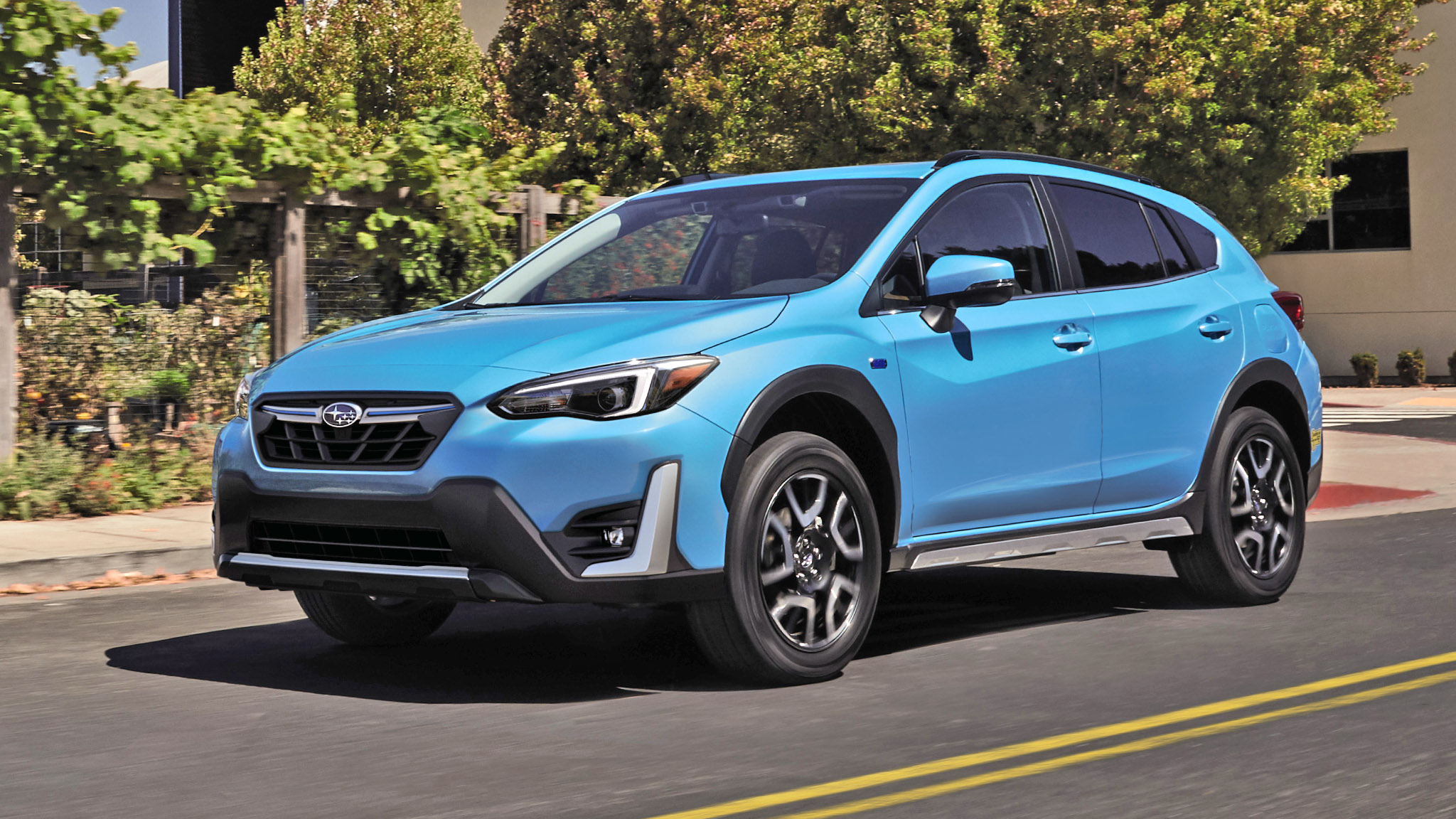
The powertrain combines a 2.5-liter naturally aspirated boxer engine with electric motors and a lithium-ion battery pack. The gasoline engine is based on the proven 2.5-liter unit used throughout Subaru’s lineup, modified to work in conjunction with the hybrid system.
This engine provides the reliability of conventional Crosstrek powertrains, while the electric motors add power and efficiency. The hybrid system is designed to operate seamlessly, with the gasoline engine and electric motors working together to provide smooth, efficient power delivery in all conditions.
The long-term durability of the Crosstrek Hybrid models will ultimately depend on battery longevity and the reliability of the hybrid system’s electronic components.
However, Subaru’s conservative engineering approach, comprehensive warranties, and commitment to quality suggest these vehicles will age well.
The brand’s reputation for building vehicles that last provides confidence that the hybrid models will continue to serve their owners reliably for many years, even as they accumulate significant mileage.
Also Read: 5 SUVs That Rarely Need Brake Jobs vs 5 That Eat Pads Fast
