
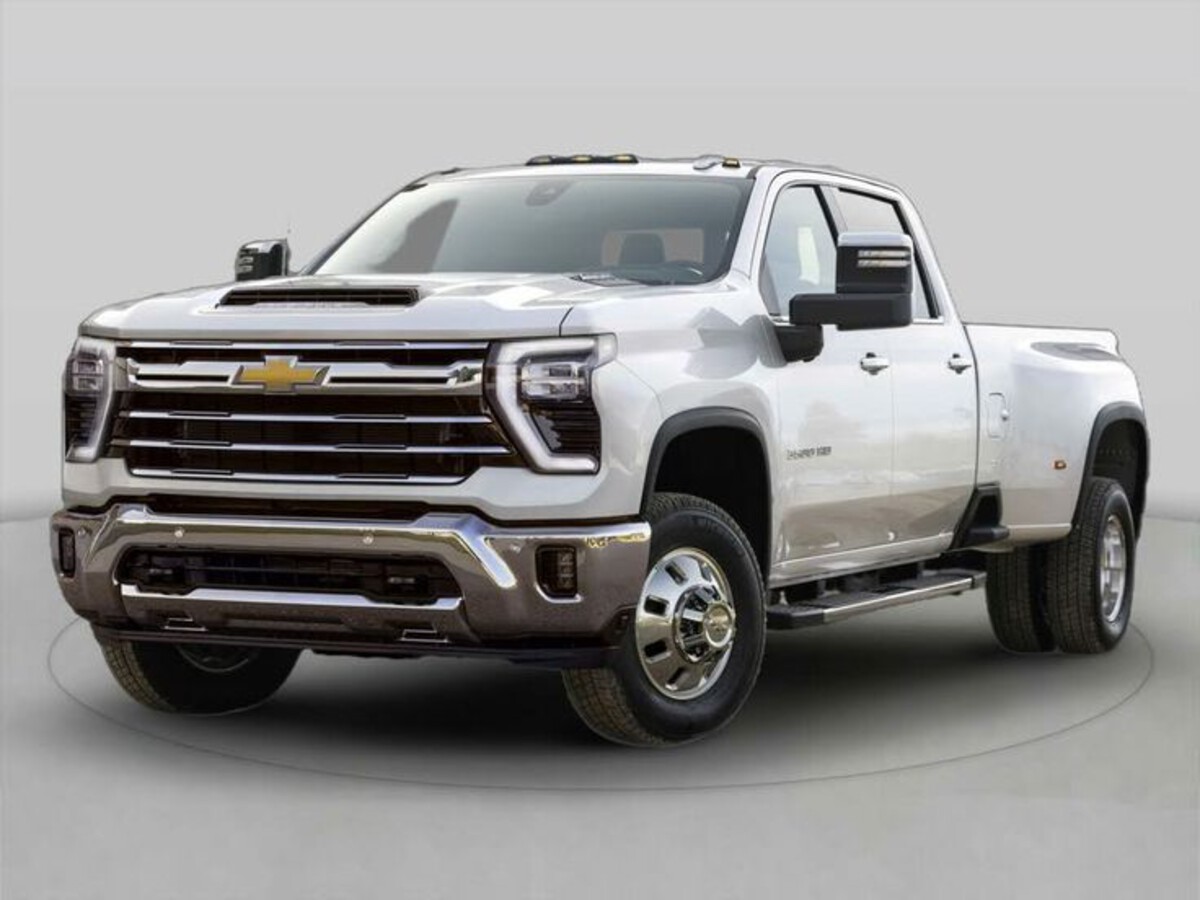
When it comes to commercial vehicles and heavy-duty work trucks, durability isn’t just a selling point it’s a fundamental requirement.
These mechanical workhorses face challenges that would cripple lesser vehicles hauling loads that push weight limits to the edge, going through punishing terrain that tests every suspension component, enduring extreme weather conditions from scorching desert heat to arctic cold, and accumulating hundreds of thousands of miles while maintaining operational readiness.
The trucks that truly survive work abuse aren’t just well-built; they’re engineered from the ground up with one singular purpose in mind to keep working when everything else stops.
The modern work truck has evolved far beyond its utilitarian origins. Today’s heavy-duty pickups and commercial vehicles incorporate advanced materials, sophisticated engineering, and proven powertrains that deliver reliability under the most demanding circumstances.
From legendary American heavy-duties to global commercial vehicle champions, from proven diesel workhorses to surprisingly capable gasoline-powered haulers, these eighteen trucks represent the absolute toughest, most reliable, and most abuse-resistant vehicles you can buy for serious work applications.
1. Ford F-350 Super Duty
The Ford F-350 Super Duty has cemented its reputation as one of the most indestructible work trucks ever produced, with a lineage dating back to 1999 when Ford separated its heavy-duty lineup from the standard F-Series.
This beast of a truck is engineered specifically for the kind of abuse that defines serious commercial applications, and it delivers on that promise with remarkable consistency.
The F-350’s frame utilizes fully boxed, high-strength steel construction that’s substantially more robust than lighter-duty competitors, providing the structural backbone necessary for sustained heavy hauling and towing operations that can exceed 35,000 pounds when properly equipped.
Fleet operators consistently report that these engines maintain their performance characteristics well into their second and third hundred thousand miles, with major overhauls rarely necessary before the half-million-mile mark.
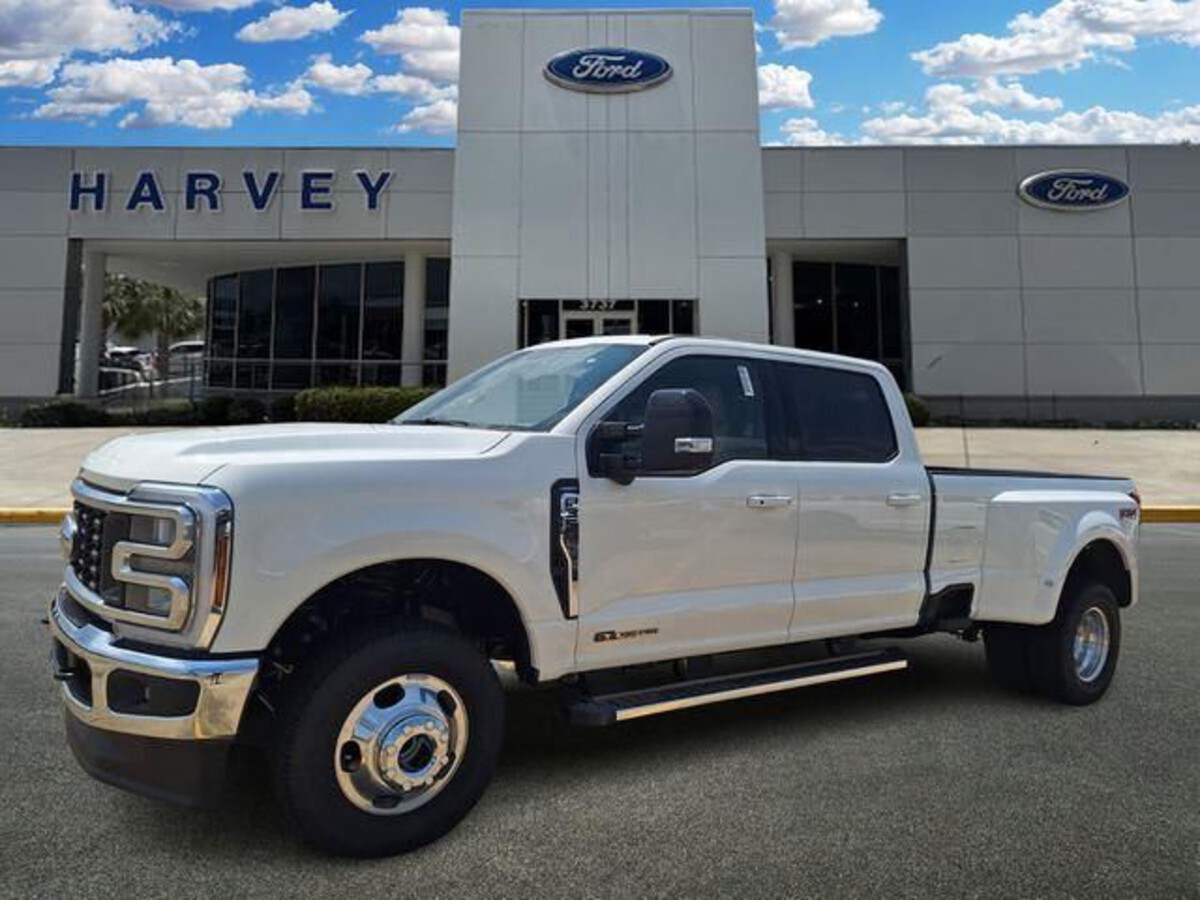
The F-350’s transmission options further enhance its reputation for surviving abuse. The TorqShift automatic transmission, whether in six-speed or newer ten-speed configuration, features deep gear ratios specifically calibrated for towing and hauling, along with robust clutch packs and enhanced cooling systems that prevent the overheating issues that plague lesser automatics under sustained load.
For those who prefer manual control, certain configurations offer a manual transmission option that provides direct engagement and eliminates many of the potential failure points associated with complex automatic systems.
The available front stabilizer bar and sophisticated damping systems ensure that even when pushed to maximum capacity, the truck maintains controllability and doesn’t develop the frame fatigue or stress fractures that can sideline lesser vehicles.
Construction crews, oilfield operators, and heavy equipment haulers consistently choose the F-350 because it simply refuses to quit, day after day, year after year, load after load.
2. Chevrolet Silverado 3500HD
General Motors’ heavy-duty champion, the Chevrolet Silverado 3500HD, represents decades of refinement in the pursuit of ultimate work truck durability.
Since its introduction as a distinct heavy-duty platform, the 3500HD has built an impressive reputation among contractors, farmers, and commercial operators who demand trucks capable of withstanding constant abuse without failing.
The current generation Silverado 3500HD rides on a fully boxed, high-strength steel frame that’s hydroformed in critical stress areas, providing superior resistance to twisting forces that can develop when hauling unbalanced loads or going through uneven terrain with maximum payload.
Independent testing and fleet reports consistently show Duramax engines reaching 300,000 miles with only routine maintenance, and many examples exceed 500,000 miles before requiring major work.
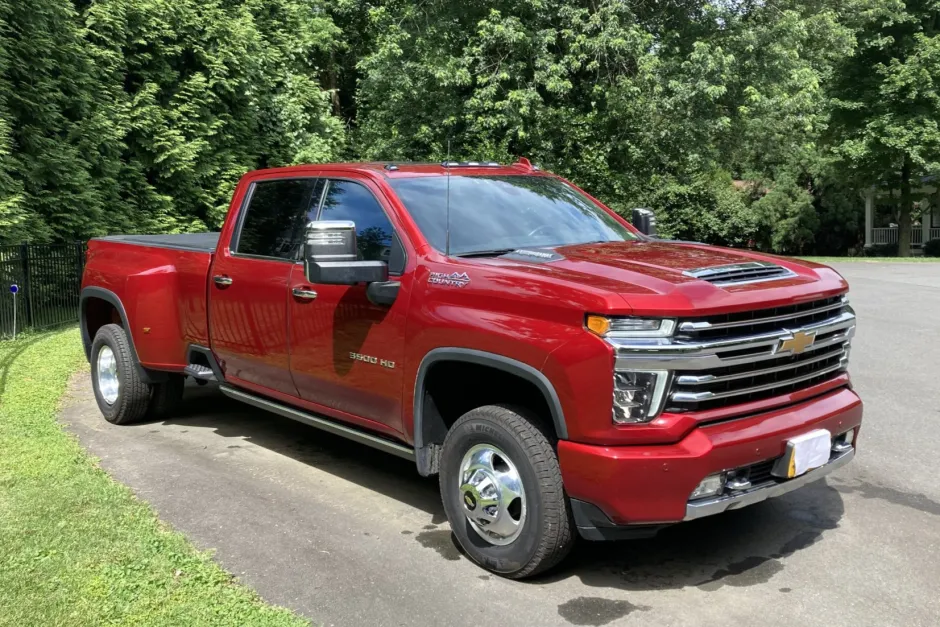
The Allison 1000 automatic transmission available in the Silverado 3500HD deserves special recognition as one of the toughest transmission designs ever fitted to a consumer vehicle. Originally developed for medium-duty commercial trucks and buses, the Allison 1000 is massively over-engineered for pickup truck applications, which translates directly into exceptional reliability.
This transmission features deep first and second gear ratios that allow the truck to move heavy loads from a standstill without excessive clutch slippage, along with a dedicated transmission cooler and internal filtration system that maintains fluid quality even under sustained high-temperature operation.
This comprehensive approach to durability, rather than relying on any single component, explains why the Silverado 3500HD consistently appears in high-mileage fleet rosters and why independent operators trust it with their livelihoods.
3. Ram 3500
The Ram 3500 has emerged as a serious contender in the heavy-duty truck segment, earning respect through genuine engineering excellence rather than just marketing hype. Ram’s decision to separate from the Dodge brand and focus exclusively on truck development has resulted in a heavy-duty offering that matches and often exceeds competitors in durability and capability.
The Ram 3500’s foundation is a fully boxed frame constructed from high-strength steel that’s up to 98 percent high-strength material in critical areas, providing exceptional resistance to the stress cycling that causes frame cracks and failures in heavily worked trucks.
Most significantly, the Cummins 6.7 has proven capable of astonishing longevity, with documented cases of engines exceeding one million miles in commercial applications, and hundreds of thousands of owner-operated examples surpassing 400,000 miles without major repairs.
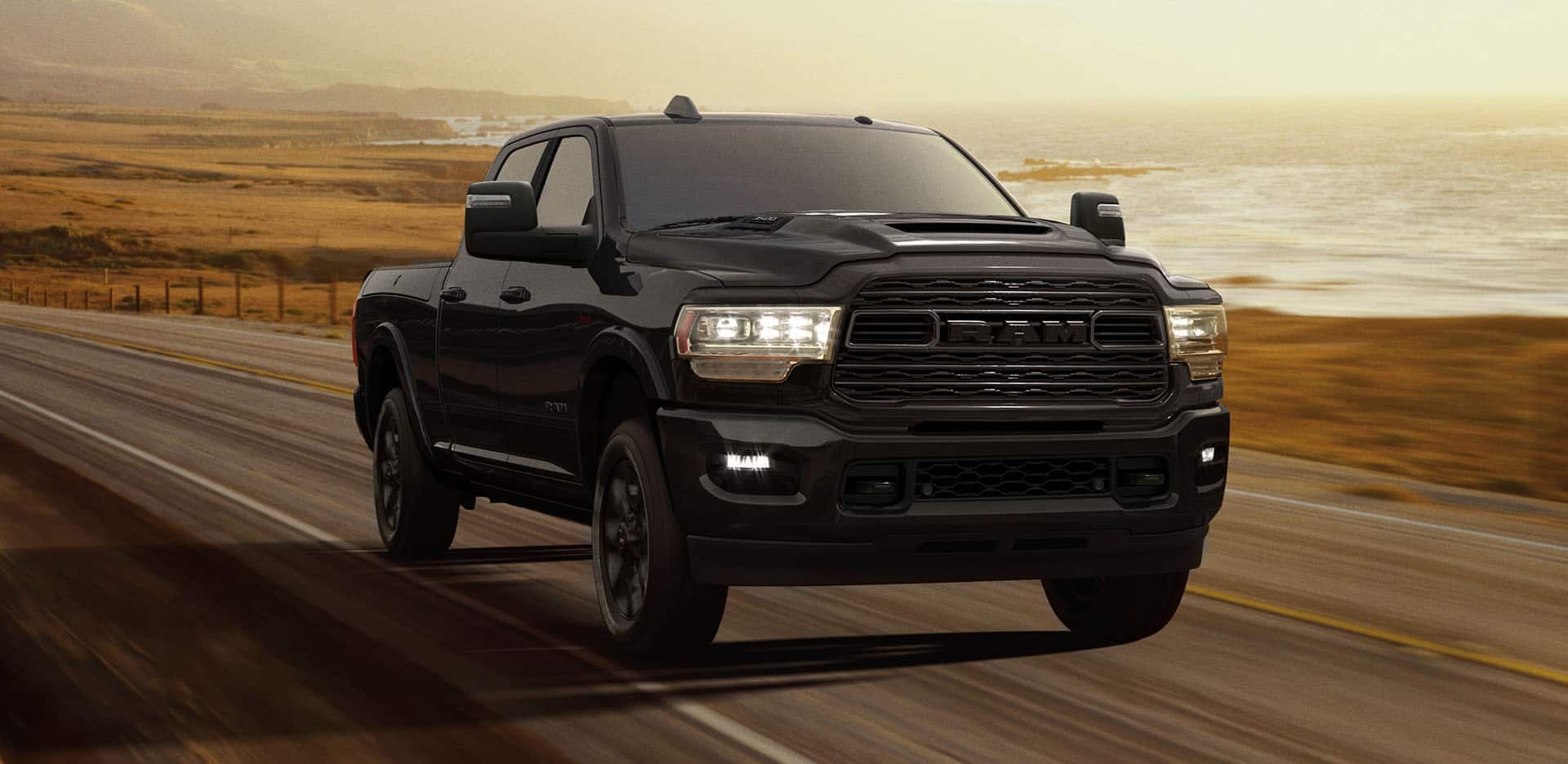
Ram offers two transmission options for the 3500, each engineered for different duty cycles but both proving exceptionally durable. The Aisin AS69RC automatic transmission, a six-speed unit built in Japan specifically for heavy-duty applications, features robust clutch packs and a torque converter designed to handle the Cummins engine’s massive output.
This transmission’s simple, proven design eschews the complexity of eight, nine, or ten-speed transmissions, reducing potential failure points while providing ratios perfectly suited for towing and hauling.
Fleet managers and independent contractors consistently report that properly maintained Ram 3500 trucks deliver hundreds of thousands of miles of reliable service, with the Cummins engine often outlasting other major components and being transplanted into replacement chassis when body and frame eventually succumb to rust and age.
4. Toyota Tundra
The Toyota Tundra occupies a unique position in the work truck world it’s not a heavy-duty truck by American standards, yet it has earned a reputation for surviving abuse that would destroy many supposedly tougher competitors.
This reputation stems from Toyota’s fundamental approach to vehicle engineering, which prioritizes long-term reliability and durability over maximum specification numbers.
However, for long-term durability discussions, the previous-generation 5.7-liter V8 deserves special recognition. This naturally aspirated engine featured an incredibly robust design with minimal complexity, and reports of these engines reaching 300,000 to 400,000 miles with only routine maintenance are remarkably common, establishing the Tundra’s reputation for refusing to die regardless of abuse levels.
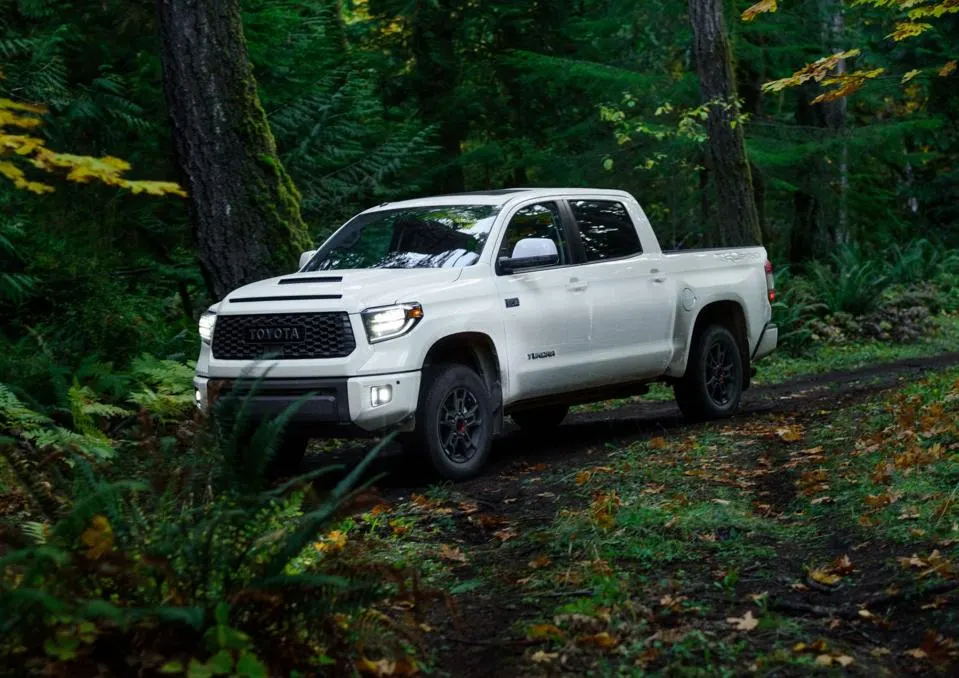
The transmission situation in the Tundra reflects Toyota’s conservative engineering philosophy. The current ten-speed automatic transmission is a collaborative design between Toyota and suppliers, engineered to handle the twin-turbo V6’s output while providing ratios suitable for both towing and daily driving.
The previous six-speed automatic used with the 5.7-liter V8 earned exceptional marks for reliability, with transmission failures being so rare as to be noteworthy when they did occur.
Construction crews who need a reliable truck for moderate-duty applications often find that the Tundra outlasts “tougher” competitors that succumb to electrical failures, transmission problems, or engine issues.
Also Read: 5 Cars With Bulletproof Cooling Systems vs 5 That Overheat Often
5. Ford F-250 Super Duty
The Ford F-250 Super Duty represents the sweet spot in heavy-duty truck engineering robust enough to handle serious work applications yet more maneuverable and economical than its one-ton sibling.
Since the Super Duty line’s introduction in 1999, the F-250 has built an enviable reputation among contractors, farmers, and commercial operators who need a truck capable of sustained abuse without the full-size footprint or fuel consumption of a dually.
Fleet operators consistently report Power Stroke engines in F-250 trucks reaching 250,000 to 350,000 miles before requiring anything beyond routine maintenance, with many examples exceeding 400,000 miles when properly cared for.
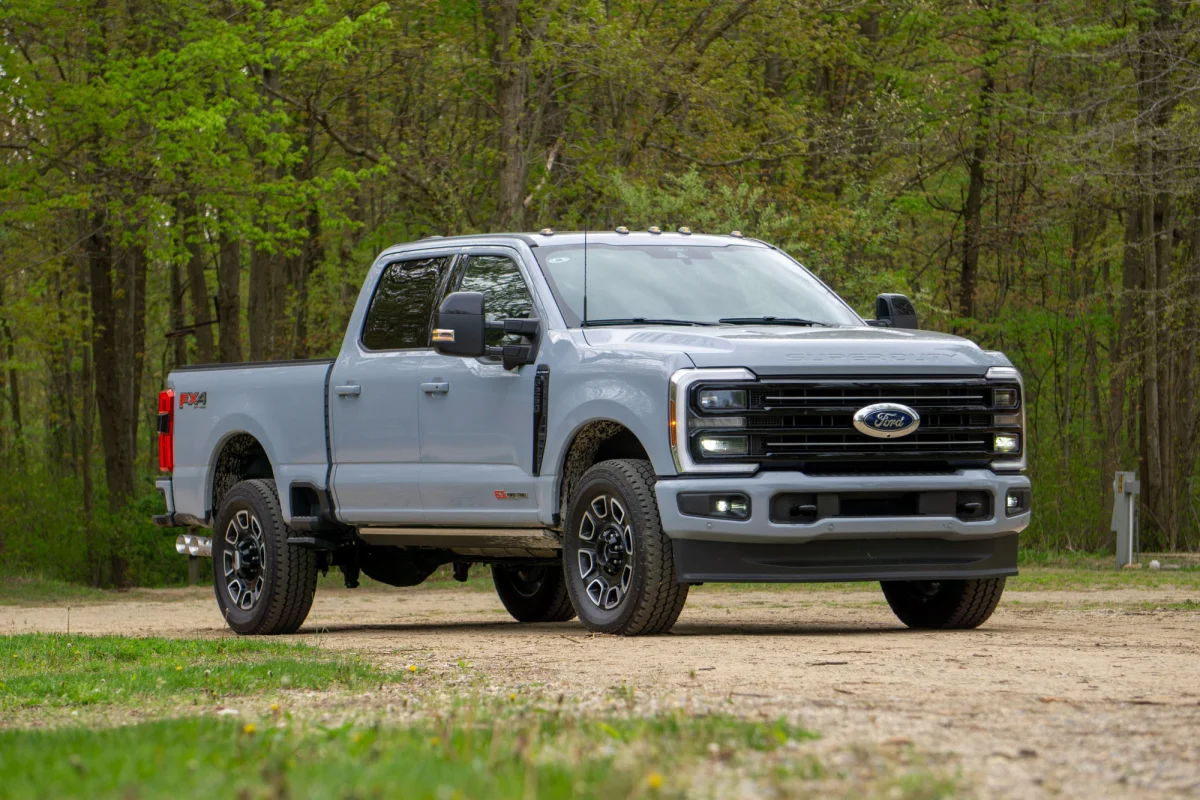
For buyers who don’t require diesel power or prefer to avoid the higher initial cost and diesel-specific maintenance, the F-250 offers gasoline engine options that have proven surprisingly durable in heavy-duty service.
The rear axle uses Dana components known throughout the industry for exceptional strength and longevity, with available electronic locking differentials that provide traction advantages without introducing significant additional complexity.
What ultimately makes the F-250 Super Duty a survivor in abusive work environments is Ford’s decades of refinement in the heavy duty truck segment the company has learned through extensive real-world feedback exactly where trucks fail under sustained abuse, and has engineered solutions to prevent those failures, resulting in a truck that simply keeps working long after competitors have been retired.
6. GMC Sierra 3500HD
The GMC Sierra 3500HD shares its fundamental engineering with the Chevrolet Silverado 3500HD, but deserves separate recognition due to its typically upscale positioning and the specific buyer demographic it attracts contractors and business owners who want heavy-duty capability combined with premium features.
Under the more refined exterior and upgraded interior treatments, however, beats the same durable heart that makes its Chevrolet sibling such a survivor in abusive work environments.
The Sierra 3500HD utilizes the same fully boxed, high-strength steel frame with hydroforming in critical stress areas, providing exceptional resistance to the twisting and flexing forces that can crack lighter frames under sustained heavy loads.
The engine’s design also facilitates maintenance critical service items like fuel filters and oil changes can be performed without specialized tools, and the engine’s architecture allows for major service work without requiring cab removal, unlike some competitors.
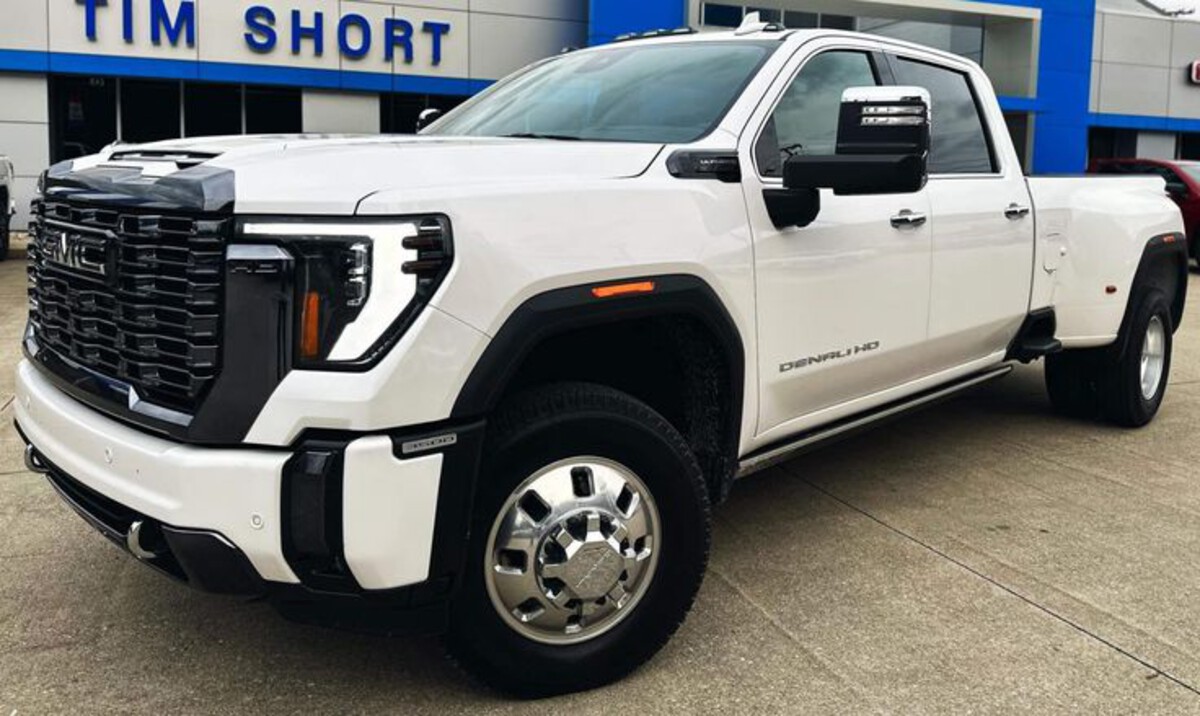
Where the Sierra 3500HD particularly distinguishes itself is in the Allison 1000 automatic transmission option, which represents perhaps the most over-engineered component in any consumer vehicle.
This transmission was designed for medium-duty commercial trucks and adapted for pickup use, meaning it operates well below its maximum design capacity in pickup applications.
Perhaps most importantly, the Sierra 3500HD benefits from General Motors’ extensive experience in the commercial truck market the engineering team understands exactly how these trucks are used and abused in real-world applications, and has designed systems to withstand those conditions, resulting in a truck that continues working long after lesser vehicles have been sidelined by component failures.
7. International CV Series
The International CV Series represents a different breed of work truck a purpose-built commercial vehicle that brings medium-duty truck engineering to applications where pickups fall short.
Available in various configurations including CV515 and CV550 models, these trucks are engineered from the ground up for severe-duty commercial applications, incorporating design elements and component choices that prioritize durability and serviceability above all else.
The inline-six configuration provides inherent balance that reduces vibration and wear on internal components, while the cast-iron construction delivers exceptional resistance to thermal stress.
These engines are designed for extended service intervals and easy maintenance critical considerations for commercial operators who need maximum uptime.
Fleet operators report these Cummins engines routinely exceeding 300,000 miles before requiring major service, with many examples reaching 500,000 miles or more when properly maintained according to the severe-service schedule.
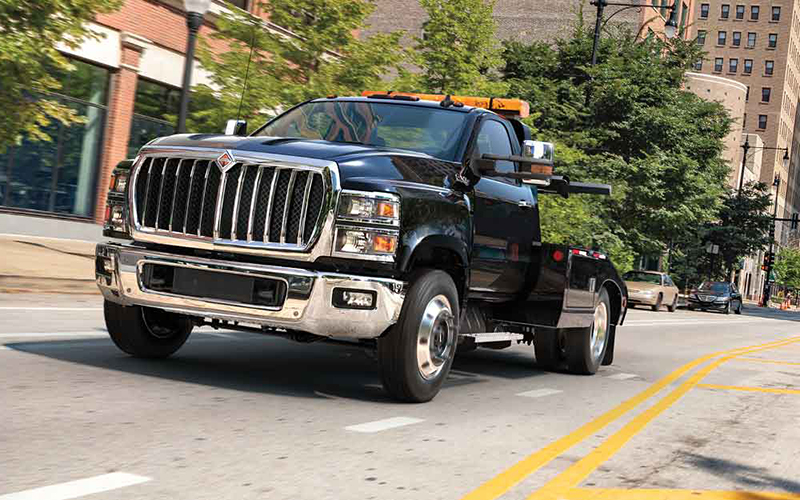
The transmission in CV Series trucks is typically an Allison 1000 or 2000 series automatic, commercial-grade units that are virtually indestructible in normal applications.
These transmissions feature electronics designed to communicate with the engine for optimal shift points and torque management, along with provisions for power take-off units that allow the transmission to power auxiliary equipment.
The Allison’s reputation in commercial applications is unparalleled these transmissions are designed for vehicles that operate eight to ten hours daily under constant load, meaning that even the most abusive work truck applications represent relatively light duty.
For operators who need capability beyond what heavy-duty pickups provide, the CV Series delivers true commercial-grade durability in a relatively compact package, with proven longevity that often sees these trucks remaining in service for decades, accumulating millions of cumulative miles across their operational lifetime as they’re rebuilt and repurposed for continued service.
8. Chevrolet Silverado 2500HD
The Chevrolet Silverado 2500HD occupies the same three-quarter-ton category as the Ford F-250, providing heavy-duty capability in a slightly more manageable package than full one-ton trucks.
This truck has built a solid reputation for durability through consistent engineering improvements and proven component choices that prioritize reliability under sustained load.
The frame uses fully boxed high-strength steel construction with strategic reinforcement in high-stress areas, particularly around the rear suspension mounts and fifth-wheel hitch mounting points where forces concentrate during heavy towing operations.
The diesel’s deep torque curve and efficient power delivery make it ideal for constant towing and hauling applications where gasoline engines would struggle with fuel consumption and heat management.
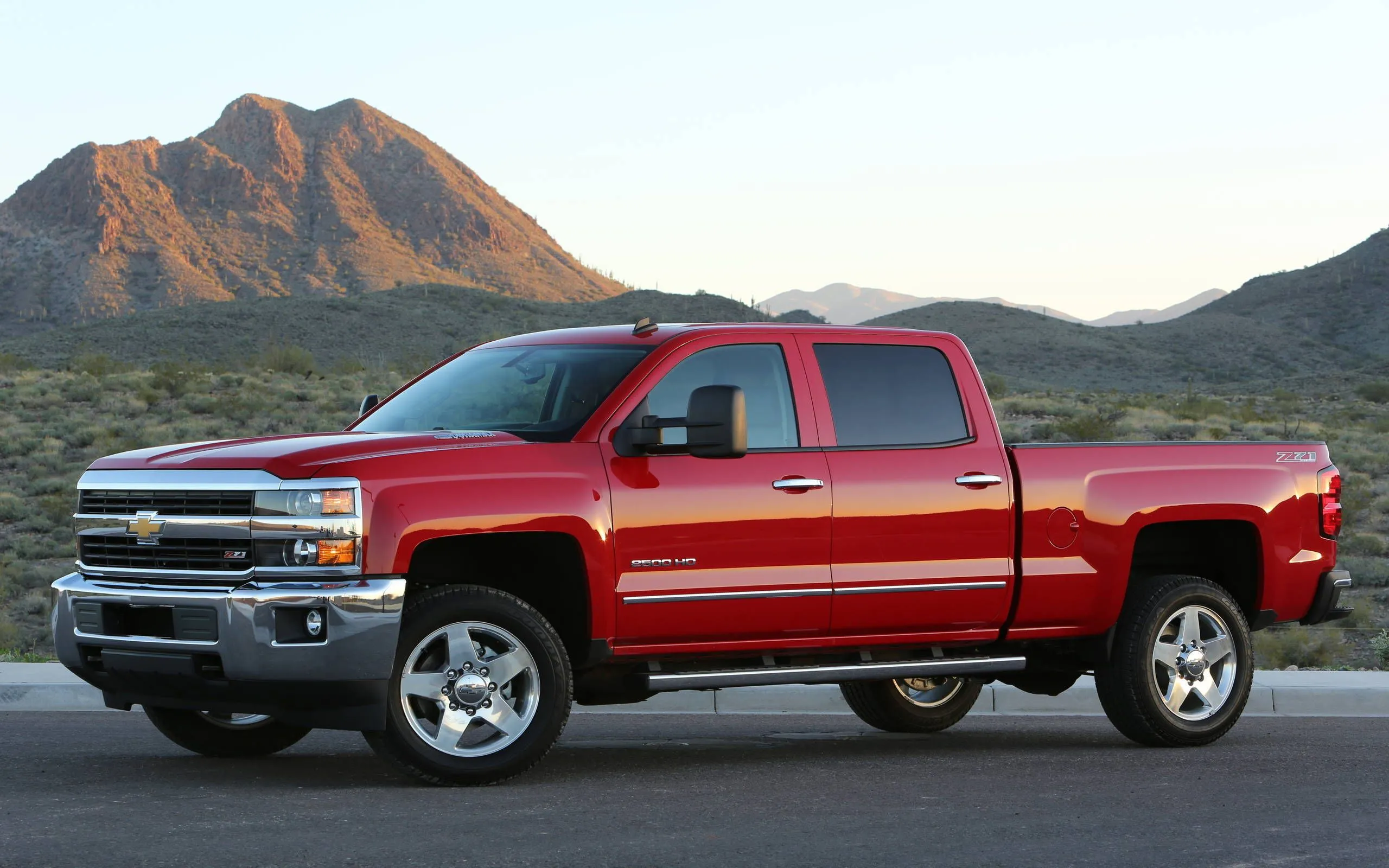
For operators who don’t require diesel capability or prefer to avoid the complexity and maintenance requirements of modern diesel emissions systems, the Silverado 2500HD offers a compelling gasoline alternative in the form of a 6.6-liter V8 that produces 401 horsepower and 464 lb-ft of torque.
This engine uses direct injection and variable valve timing but maintains a relatively straightforward design that prioritizes reliability. The gasoline V8’s cast-iron block construction and proven architecture have demonstrated solid longevity in fleet applications, with many examples exceeding 200,000 miles without major issues.
This proven longevity, combined with GM’s extensive dealer network and parts availability, makes the Silverado 2500HD a practical choice for operations that depend on truck reliability for business continuity.
9. Ram 2500
The Ram 2500 brings the same engineering excellence and component choices that distinguish the Ram 3500 to the three-quarter-ton segment, creating a truck that delivers exceptional durability without requiring the full size and capacity of a one-ton vehicle.
The Ram 2500 utilizes a fully boxed frame with up to 98 percent high-strength steel content, providing structural rigidity that resists the flex and twist that can cause stress cracks under sustained heavy loads.
The frame’s design incorporates strategic reinforcement in critical areas while optimizing weight distribution for improved handling and ride quality.
The available 6.7-liter Cummins turbo-diesel inline-six engine represents the pinnacle of heavy-duty diesel engineering, offering the same legendary reliability in the 2500 chassis as in heavier applications.
The Cummins 6.7’s reputation for longevity is well-established, with fleet operators routinely reporting engines that exceed 300,000 miles with only routine maintenance, and owner-operators documenting examples that surpass 400,000 to 500,000 miles before requiring major internal work.
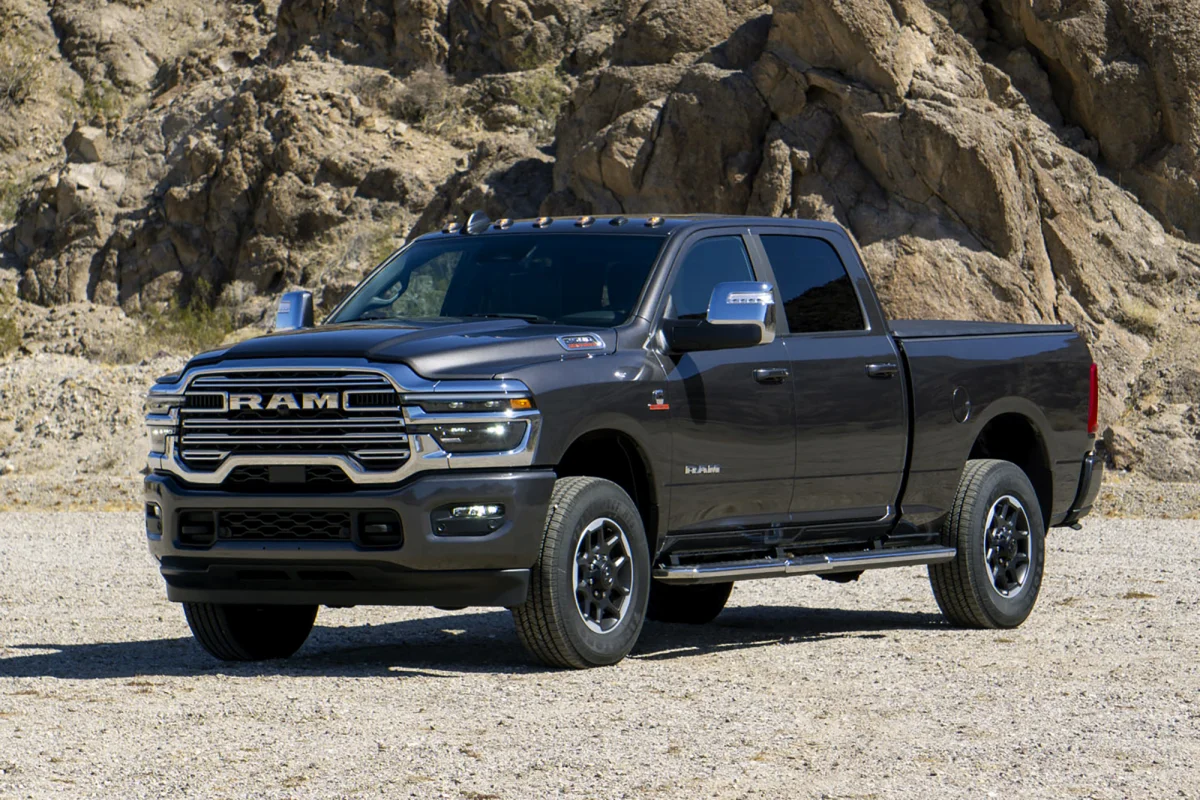
Ram offers comprehensive transmission options for the 2500, with the Aisin AS69RC six-speed automatic representing the most durable choice for diesel applications.
This transmission’s Japanese engineering emphasizes robust construction and proven design over complexity, with heavy-duty clutch packs and a torque converter specifically designed to handle the Cummins engine’s massive torque output.
The rear axle features Dana components with electronic locking differential options, the electrical system uses properly rated alternators and corrosion-resistant connectors, and the cooling system is sized appropriately for sustained heavy-duty operation.
Contractors and fleet operators consistently report that Ram 2500 trucks, particularly Cummins diesel-powered examples, deliver hundreds of thousands of miles of reliable service with the engine often outlasting other major components and frame structures.
10. Ford F-150
While not typically categorized as a heavy-duty truck, the Ford F-150 deserves recognition for its remarkable ability to survive sustained work abuse that would cripple many supposedly tougher competitors.
America’s best-selling vehicle for over four decades has earned this position not through marketing alone but through proven reliability and durability in real-world applications.
While early examples experienced some turbocharger and timing chain issues, later iterations have proven remarkably durable with proper maintenance.
The 5.0-liter Coyote V8 represents a more traditional choice, delivering 400 horsepower through a naturally aspirated design that avoids turbocharged complexity.
This engine’s dual overhead cam design and sophisticated variable valve timing provide modern efficiency while maintaining fundamental reliability that sees many examples exceeding 200,000 miles with routine maintenance.
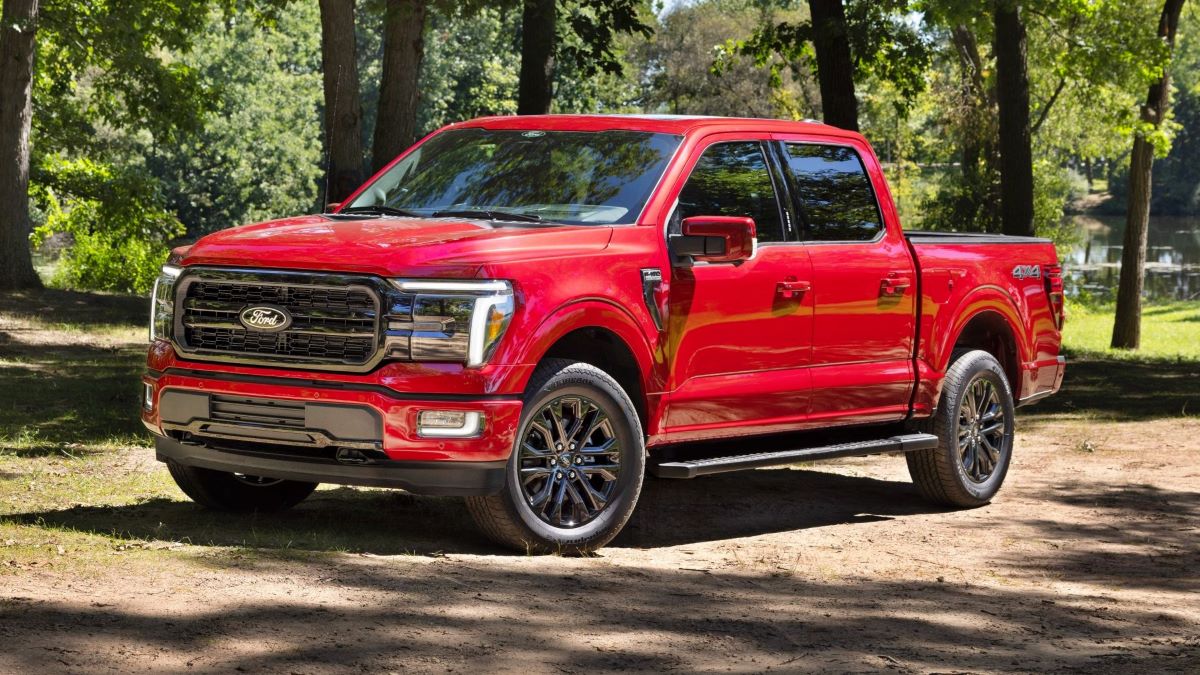
Perhaps most impressive from a durability standpoint is the F-150’s available 3.0-liter Power Stroke diesel V6, which brings diesel longevity and efficiency to the half-ton segment.
This engine, producing 250 horsepower and 440 lb-ft of torque, uses a compacted graphite iron block for exceptional strength and features a timing belt rather than a chain, eliminating a potential failure point that plagues some competitors.
The rear axle options include electronic locking differentials that provide traction advantages without maintenance-intensive mechanical lockers, and the suspension system balances load capacity with ride quality through carefully tuned springs and shock absorbers.
The truck’s widespread popularity also ensures excellent parts availability and extensive service network support, keeping repair costs and downtime minimal even when issues do arise.
11. Toyota Tacoma
The Toyota Tacoma occupies a unique position as a mid-size truck that has earned a reputation for surviving abuse that destroys supposedly tougher full-size competitors.
This reputation stems from Toyota’s fundamental engineering philosophy, which prioritizes long-term reliability over maximum specification numbers or cutting-edge features.
Reports of 4.0-liter Tacomas reaching 300,000 miles with only routine maintenance are commonplace in owner forums, and examples exceeding 400,000 miles are documented frequently enough to be unremarkable.
The engine’s cast-iron block liner construction and conservative tuning meant it operated well within its stress limits even when worked hard, contributing to exceptional longevity.
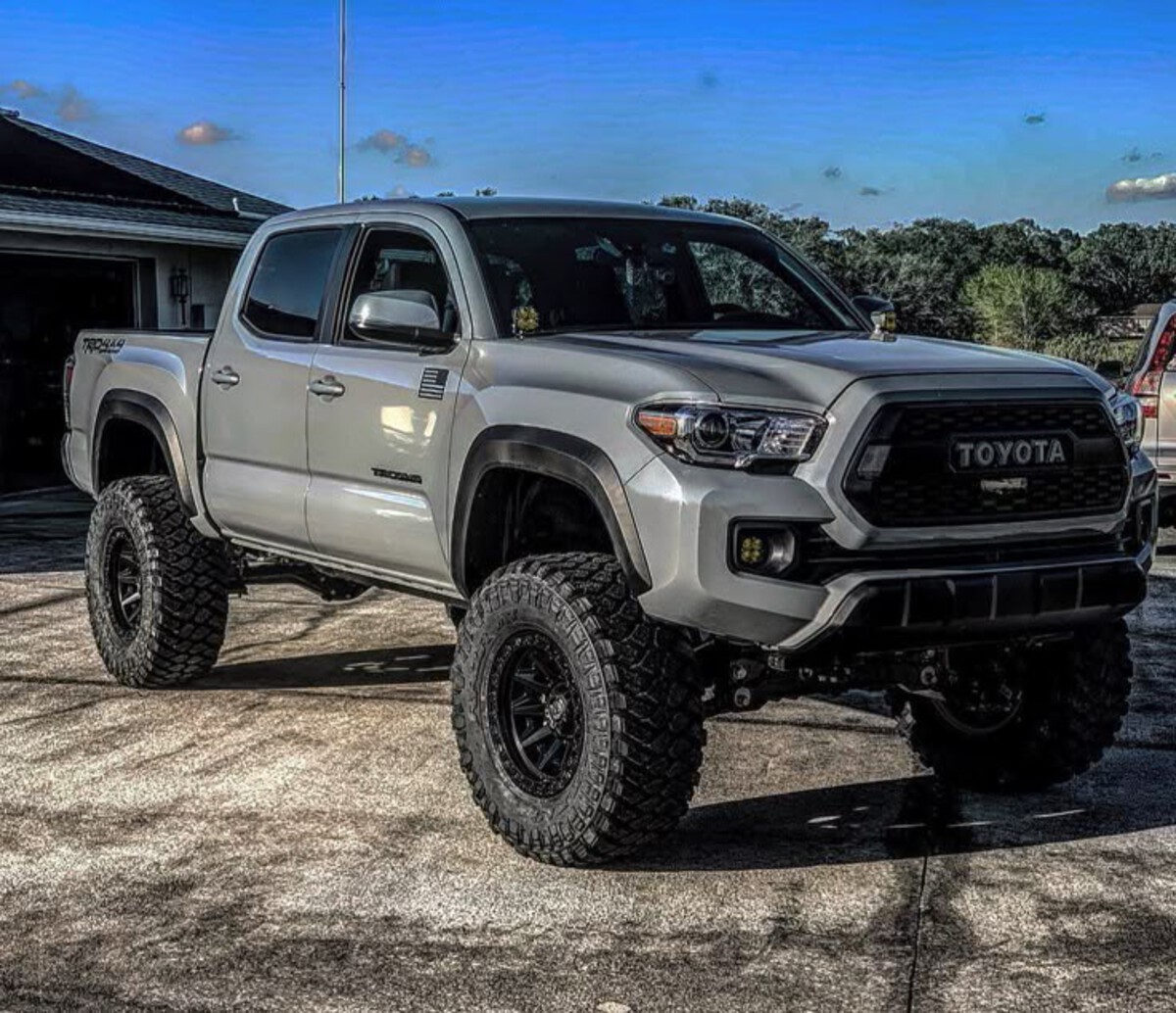
The transmission options in the Tacoma reflect Toyota’s conservative engineering approach. The current eight-speed automatic transmission provides modern efficiency and performance, while the available six-speed manual transmission appeals to enthusiasts who want direct control and the simplicity of a mechanical connection between engine and wheels.
The previous-generation six-speed automatic earned exceptional reliability marks, with transmission failures being extraordinarily rare even in trucks subjected to constant off-road abuse and towing at maximum capacity.
The truck’s smaller size compared to full-size competitors provides advantages in urban work environments and tight job sites, while the proven Toyota reliability means the truck simply shows up and works, day after day, without the downtime that can plague more complex or poorly engineered competitors.
12. Chevrolet Colorado ZR2
The Chevrolet Colorado ZR2 represents a specialized approach to work truck durability, focusing on off-road capability and abuse resistance rather than maximum towing or payload capacity.
This mid-size truck has built an impressive reputation among users who need a vehicle capable of surviving punishing off-road conditions while maintaining daily reliability.
This engine’s straightforward architecture and proven General Motors engineering contribute to solid reliability, with fleet reports suggesting the engine regularly exceeds 150,000 miles with routine maintenance.
More intriguing from a durability standpoint is the available 2.8-liter Duramax turbo-diesel four-cylinder, which delivers 181 horsepower and 369 lb-ft of torque.
Early reports from high-mileage users indicate the diesel delivers the kind of reliability diesel buyers expect, with smooth operation and impressive fuel economy.
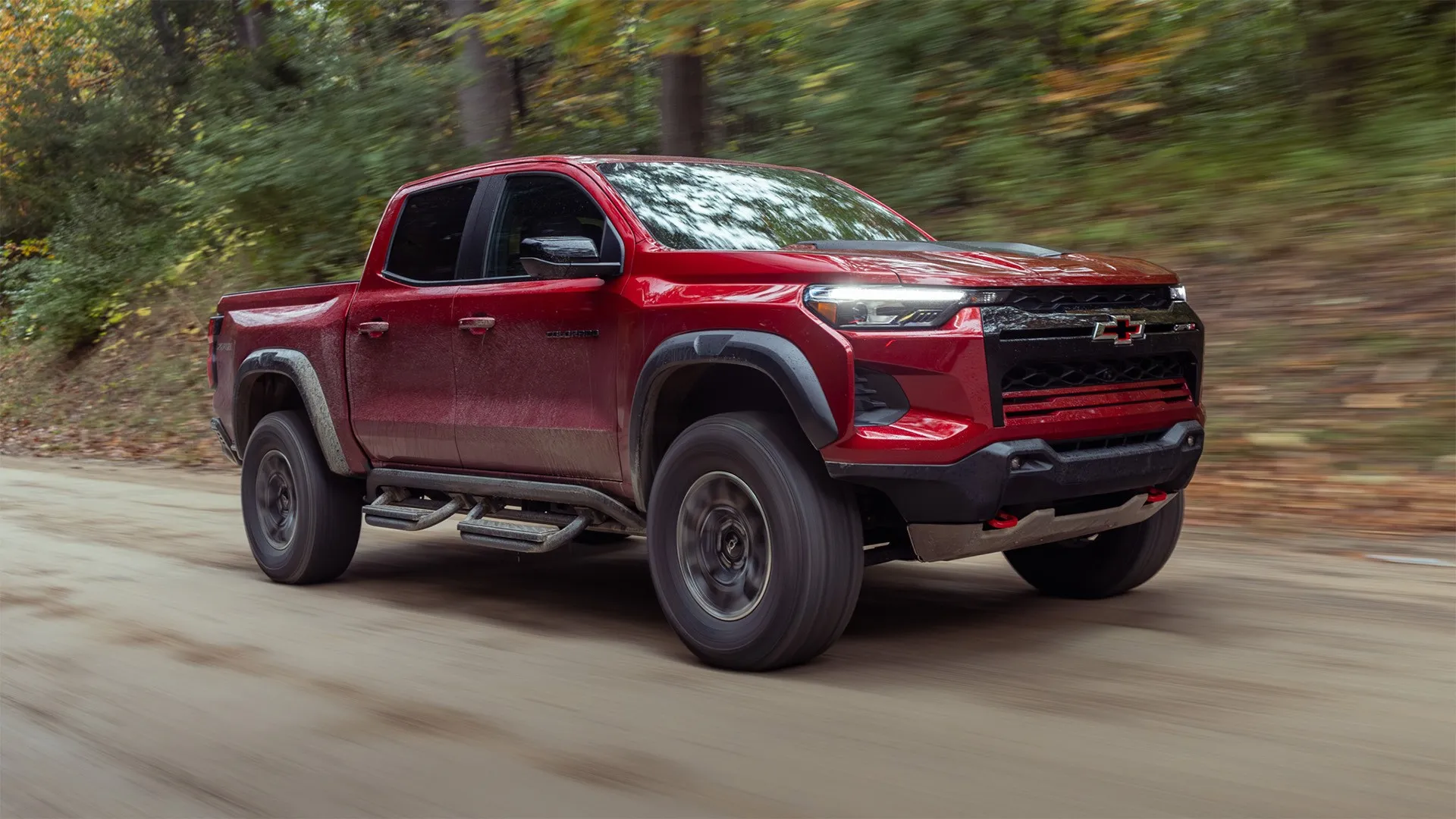
The ZR2’s suspension system deserves special recognition as it represents a significant departure from traditional truck design. Rather than conventional twin-tube shocks, the ZR2 employs Multimatic DSSV (Dynamic Suspensions Spool Valve) dampers, a sophisticated design originally developed for off-road racing.
These dampers provide exceptional control and durability in punishing off-road conditions, with internal components designed to resist the heat buildup and fade that can occur during sustained off-road abuse.
The suspension’s increased travel and specifically tuned spring rates allow the truck to absorb massive impacts without transmitting destructive forces to the frame or body, which directly contributes to the vehicle’s ability to survive conditions that would damage conventional trucks.
For users who regularly subject their trucks to severe off-road abuse utility companies accessing remote facilities, oil field workers going through unmaintained lease roads, or outdoor recreation professionals reaching remote locations the Colorado ZR2 has proven capable of surviving conditions that would sideline larger, supposedly tougher competitors, with the truck’s focused engineering and protective equipment allowing it to continue working where others fail.
13. Nissan Titan XD
The Nissan Titan XD represented an innovative attempt to bridge the gap between half-ton and heavy-duty trucks, creating a category that Nissan hoped would appeal to buyers who needed more capability than a standard truck but didn’t want the full size and complexity of a traditional heavy-duty.
While the Titan XD didn’t achieve commercial success and the diesel engine option was discontinued, the trucks deserve recognition for their robust engineering and surprising durability in work applications.
The Cummins V8 featured cast-iron block construction, a sophisticated common-rail fuel injection system, and a compacted graphite iron cylinder head for exceptional strength.
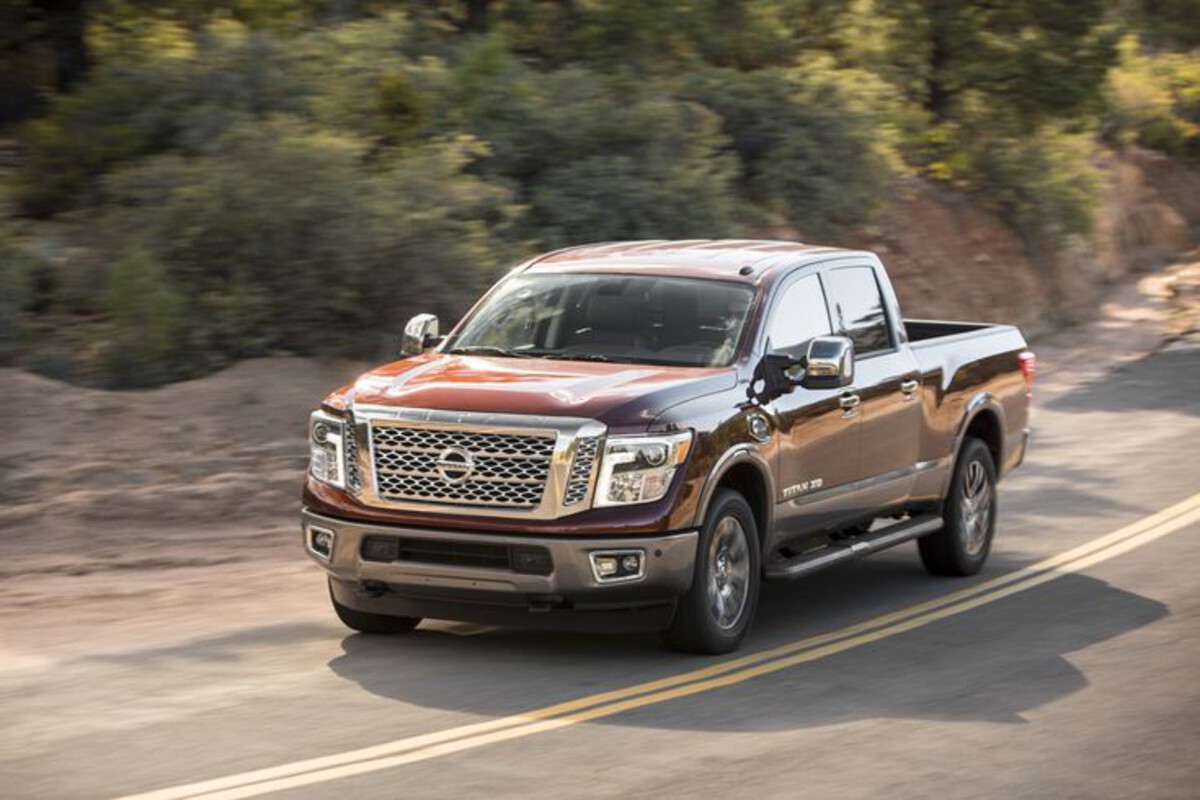
While production ended before extensive long-term data could accumulate, early reports from high-mileage users suggested the engine delivered solid reliability, and Cummins’ involvement provided confidence about fundamental durability.
The gasoline-powered Titan XD models use Nissan’s 5.6-liter V8 producing 400 horsepower and 413 lb-ft of torque, an engine with a proven track record in Nissan’s full-size truck and SUV lineup.
The transmission in diesel-powered Titan XD models was an Aisin six-speed automatic, the same fundamental design used in Ram heavy-duty trucks, which brought commercial-grade durability to the Nissan application.
The truck’s relative rarity in the marketplace has not prevented it from establishing a solid reputation among owners who appreciate its unique combination of manageable size and heavy-duty engineering.
14. Mercedes-Benz Sprinter
The Mercedes-Benz Sprinter occupies a unique position in the work vehicle world it’s not a traditional pickup truck but rather a large commercial van that has proven exceptionally durable in the most demanding delivery, service, and cargo applications.
Since its introduction to the North American market in 2001, the Sprinter has revolutionized the commercial van segment by demonstrating that a properly engineered European-style van could survive and thrive in American work environments.
The Sprinter’s unibody construction, while different from traditional body-on-frame trucks, uses high-strength steel in critical load-bearing areas with strategic reinforcement that provides exceptional rigidity and resistance to the flexing that can cause stress cracks.
The available gasoline engine option, a 2.0-liter turbocharged four-cylinder, provides an alternative for operators who prefer to avoid diesel complexity, though long-term durability data suggests the diesel remains the superior choice for maximum longevity.
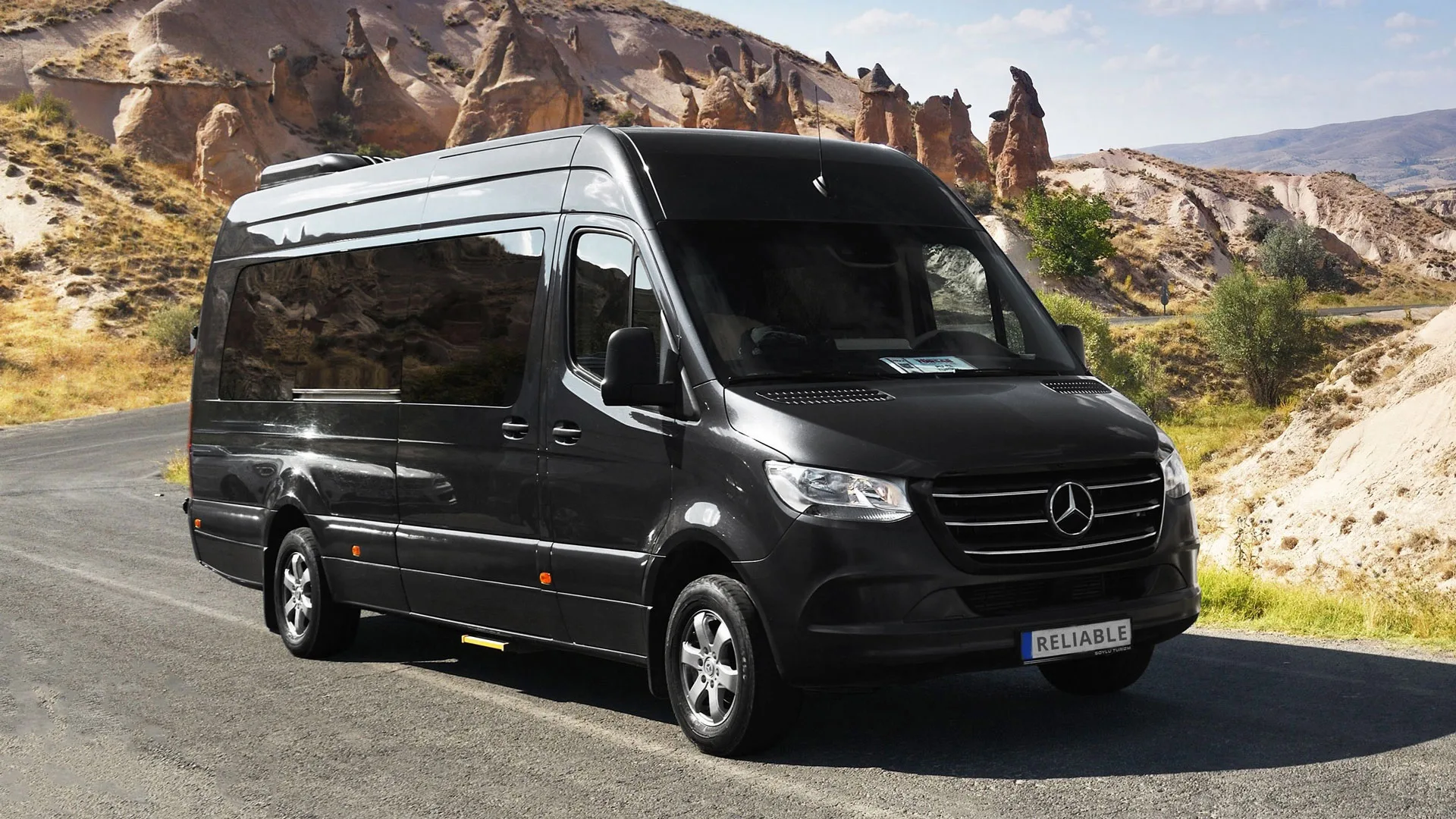
The transmission in Sprinter models is a seven-speed or nine-speed automatic depending on configuration and model year, with units specifically calibrated for commercial-duty cycles.
These transmissions feature electronics designed to optimize shift points for loaded operation, along with provisions for various driving modes that adjust shift behavior for different applications.
While not as legendary as the Allison transmissions found in heavy-duty pickups, the Sprinter’s automatic transmissions have proven reliable in sustained commercial use, with proper maintenance being key to longevity.
The transmission’s design facilitates fluid and filter changes without requiring extensive disassembly, an important consideration for commercial operators who need to minimize downtime.
Delivery companies, service contractors, and fleet operators consistently report that properly maintained Sprinters deliver reliable service well into six-figure mileage territory, with many examples remaining in service for a decade or more, accumulating hundreds of thousands of miles while requiring only routine maintenance and wear-item replacement.
15. Ford Transit
The Ford Transit represents Ford’s answer to the European commercial van segment, replacing the older Econoline with a more efficient and modern design that has quickly proven its durability in North American work applications.
Introduced to the U.S. market in 2015, the Transit has rapidly gained acceptance among commercial operators who appreciate its combination of capability, efficiency, and surprising reliability.
This engine shares fundamental architecture with the F-150’s EcoBoost powerplant and benefits from the same refinements that have improved reliability over multiple generations.
Fleet reports indicate EcoBoost-powered Transits regularly exceeding 150,000 miles with routine maintenance, though long-term data beyond 200,000 miles is still accumulating.
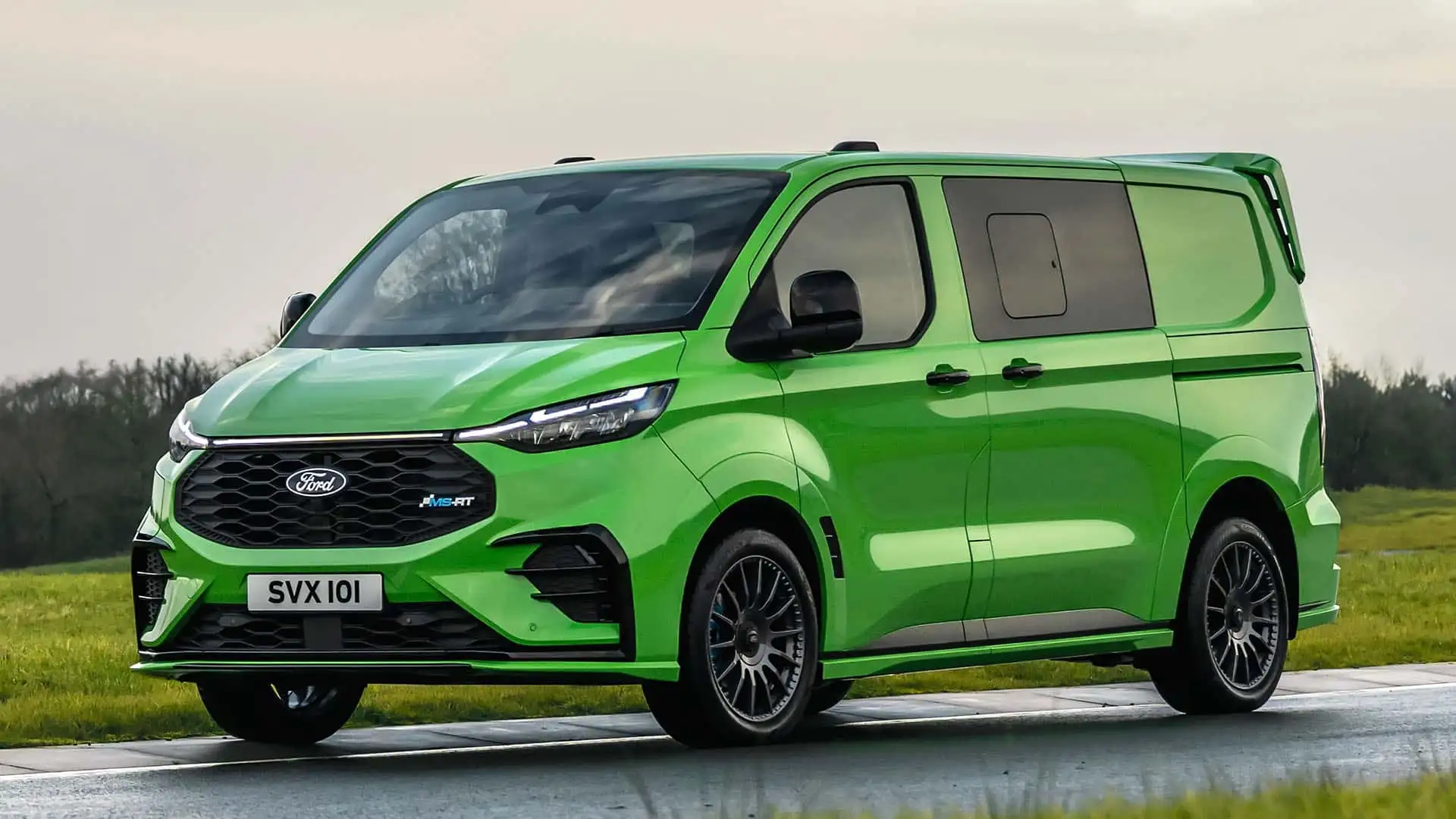
For operators who prefer naturally aspirated simplicity, the Transit offers a 3.7-liter V6 producing 275 horsepower and 260 lb-ft of torque through a straightforward design that eschews turbocharging and other complexity.
This engine’s conservative engineering and proven architecture contribute to solid reliability, with many fleet examples surpassing 200,000 miles with minimal issues beyond routine maintenance and wear items.
The available 3.2-liter inline-five diesel engine, offered in earlier Transit models, brought diesel efficiency and longevity to the platform, though this engine was discontinued for later model years due to emissions requirements and market demands rather than reliability concerns.
The extensive dealer network and strong parts availability ensure that even when service is required, downtime remains minimal, keeping vehicles productive and generating revenue rather than sitting in repair shops.
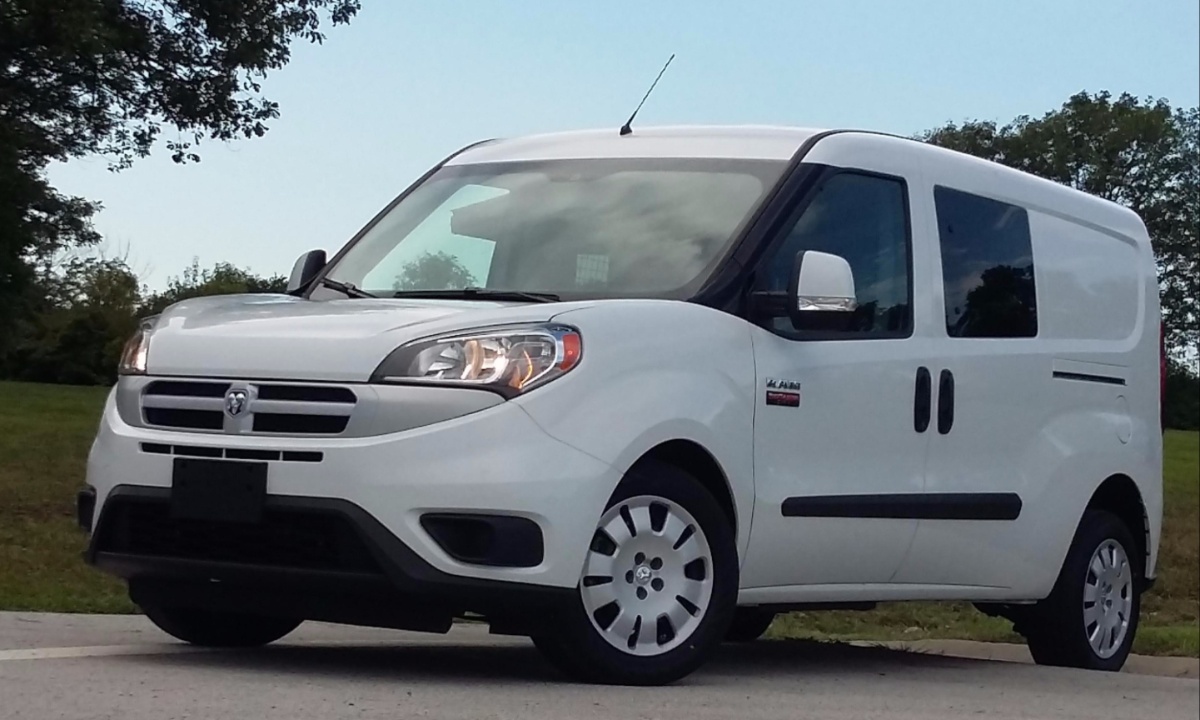
16. Ram ProMaster
The Ram ProMaster represents Fiat Chrysler’s entry into the full-size commercial van segment, bringing European design philosophy and proven international experience to the North American market.
Based on the Fiat Ducato, which has dominated European commercial van sales for decades, the ProMaster has established a solid reputation for durability in U.S. work applications since its 2014 introduction.
The ProMaster’s unibody construction uses high-strength steel in a design that has been refined through millions of miles of European commercial use, with strategic reinforcement in critical load-bearing areas that handle the stress of sustained heavy loads.
Fleet operators report that with proper maintenance, particularly attention to regular oil changes and cooling system service, Pentastar engines in ProMaster applications regularly exceed 150,000 miles with minimal issues, and examples surpassing 200,000 miles are increasingly common as the platform matures.
The transmission in the ProMaster is a six-speed automatic specifically calibrated for commercial-duty cycles, with shift programming optimized for loaded operation rather than spirited driving.
This transmission features a torque converter designed to handle sustained use at maximum gross vehicle weight, along with a dedicated cooler that maintains proper fluid temperatures even during extended heavy use.
For contractors, delivery companies, mobile service businesses, and fleet operators, the ProMaster has established itself as a viable alternative to traditional commercial vans, with its unique design providing practical advantages in daily use and its proven international heritage contributing to confidence in long-term durability.
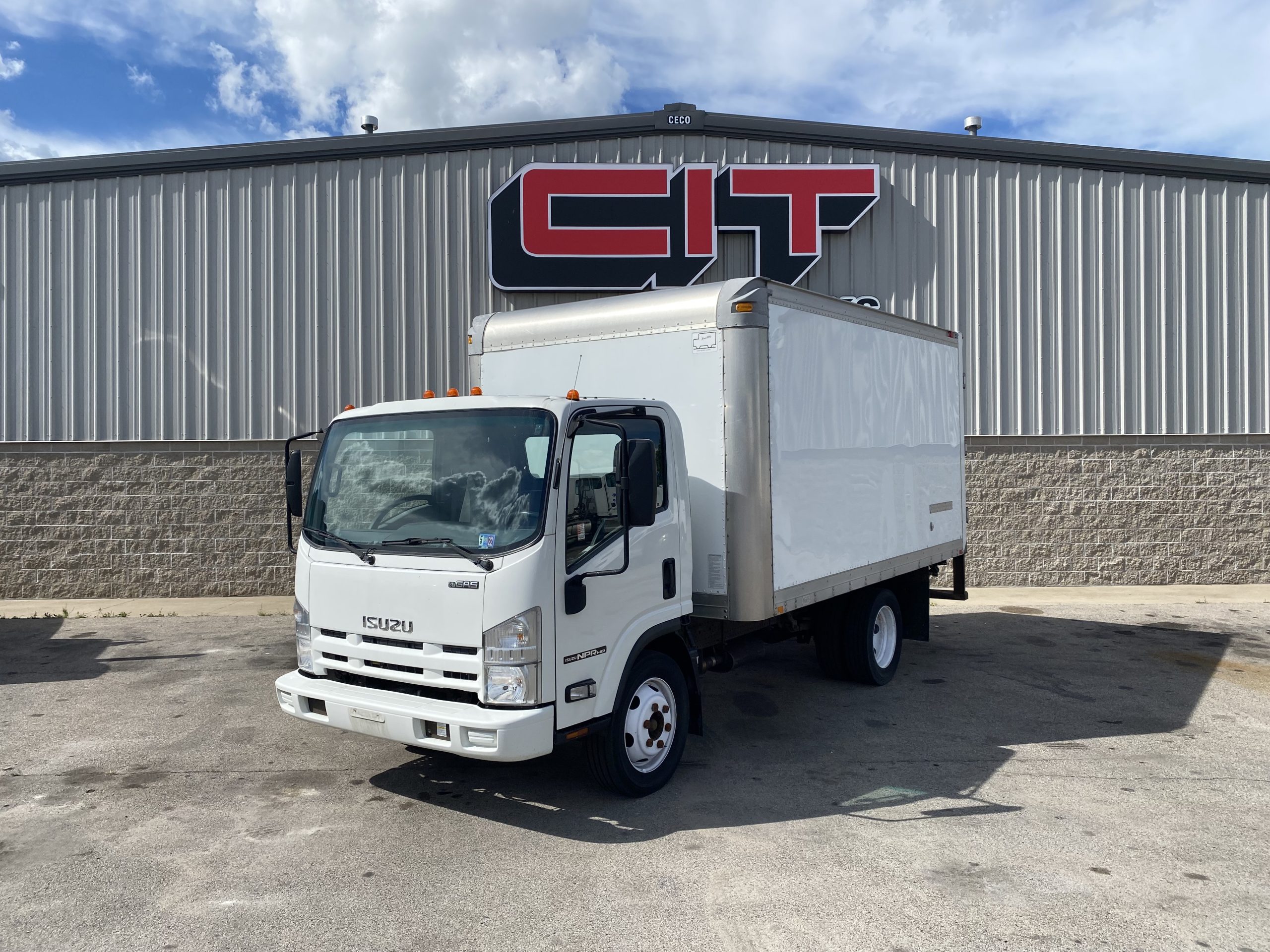
17. Isuzu NPR
The Isuzu NPR series represents true commercial truck engineering in a relatively compact package, bringing medium-duty truck capability and durability to applications where traditional pickups fall short but full-size commercial trucks are excessive.
These trucks, available in various configurations including NPR, NPR-HD, and NPR-XD models, are purpose-built commercial vehicles that prioritize durability, serviceability, and operational efficiency above all else.
Isuzu engines are legendary in commercial applications for their ability to accumulate astonishing mileage fleet operators routinely report NPR engines exceeding 300,000 miles before requiring major service, and examples surpassing 500,000 miles are documented regularly.
The engine’s design facilitates maintenance with easily accessible service points and straightforward procedures that minimize downtime and reduce repair costs.
The transmission in NPR models is typically an Aisin six-speed automatic, a commercial-grade unit that shares fundamental architecture with transmissions used in much heavier applications.
This transmission’s robust construction features heavy-duty clutch packs, a substantial torque converter, and electronics designed to optimize shift points for loaded commercial operation.
The Aisin’s reputation in commercial applications is exceptional these transmissions are designed for vehicles that operate constantly under maximum load, meaning even the most demanding work truck applications represent relatively light duty.
The NPR’s proven longevity, combined with Isuzu’s reputation for diesel reliability and the extensive dealer network supporting the platform, makes these trucks an intelligent choice for operations that depend on vehicle uptime for business viability and need trucks that simply refuse to quit regardless of how hard they’re worked.
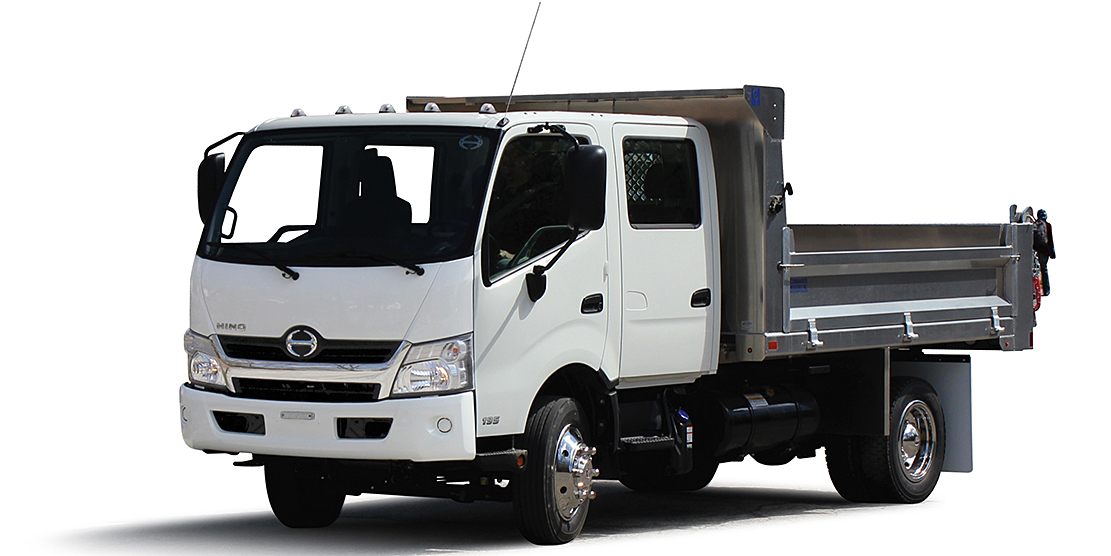
18. Hino 155/195
The Hino 155 and 195 models represent Toyota’s commercial truck division bringing Japanese engineering excellence and proven durability to the North American medium-duty truck segment.
These purpose-built commercial vehicles, available in Class 4 through Class 5 configurations, incorporate decades of Toyota commercial vehicle experience refined through millions of miles of global operations.
Hino engines benefit from Toyota’s obsessive attention to quality control and manufacturing precision, and fleet reports consistently indicate these engines delivering 300,000 miles or more before requiring major service, with many examples exceeding 400,000 miles when maintained according to the manufacturer’s recommended schedule.
The transmission in Hino models is an Aisin six-speed automatic, the same fundamental design used in various commercial applications worldwide.
This transmission’s commercial-grade construction features robust internal components designed for sustained operation under maximum load, with shift programming optimized for efficiency rather than performance.
The Hino 155 and 195 represent what happens when a manufacturer with Toyota’s reputation for reliability focuses specifically on commercial applications, resulting in trucks that survive work abuse not through brute force over-engineering but through thoughtful design, quality manufacturing, and comprehensive attention to every component’s contribution to vehicle longevity and operational reliability.
Also Read: 5 SUVs With Interiors That Stay Tight vs 5 That Rattle Early
