
Hybrid vehicles have become a major part of the American automotive landscape, promising fuel efficiency and lower emissions without the range anxiety of fully electric cars.
Yet, as hybrids age and rack up miles, not all of them maintain their reputation for reliability especially when driven across the wide range of climates the United States offers.
From the snowy Midwest to the sun-scorched Southwest, some hybrids keep running strong no matter the zip code, while others falter under environmental and mechanical pressure.
Below, we’ll explore five hybrids that stay reliable across states and five that don’t, based on performance history, maintenance trends, and owner experiences.
Hybrids That Stay Reliable Across States
Hybrid vehicles have proven themselves as dependable daily drivers, but not all of them perform equally well across different climates and terrains. From scorching deserts to snowy mountain passes, only a few hybrids manage to stay consistently reliable no matter where you take them.
This article highlights the hybrid models that maintain their performance, efficiency, and durability across state lines, making them ideal for travelers, commuters, and anyone who values long-term dependability.
1. Toyota Prius
When it comes to long-lasting hybrids, the Toyota Prius remains the gold standard. Its reputation for bulletproof reliability has held up for more than two decades.
Whether you’re driving through humid Florida, the dry deserts of Arizona, or the snowy hills of Vermont, the Prius consistently performs well thanks to Toyota’s robust hybrid system and efficient cooling architecture.
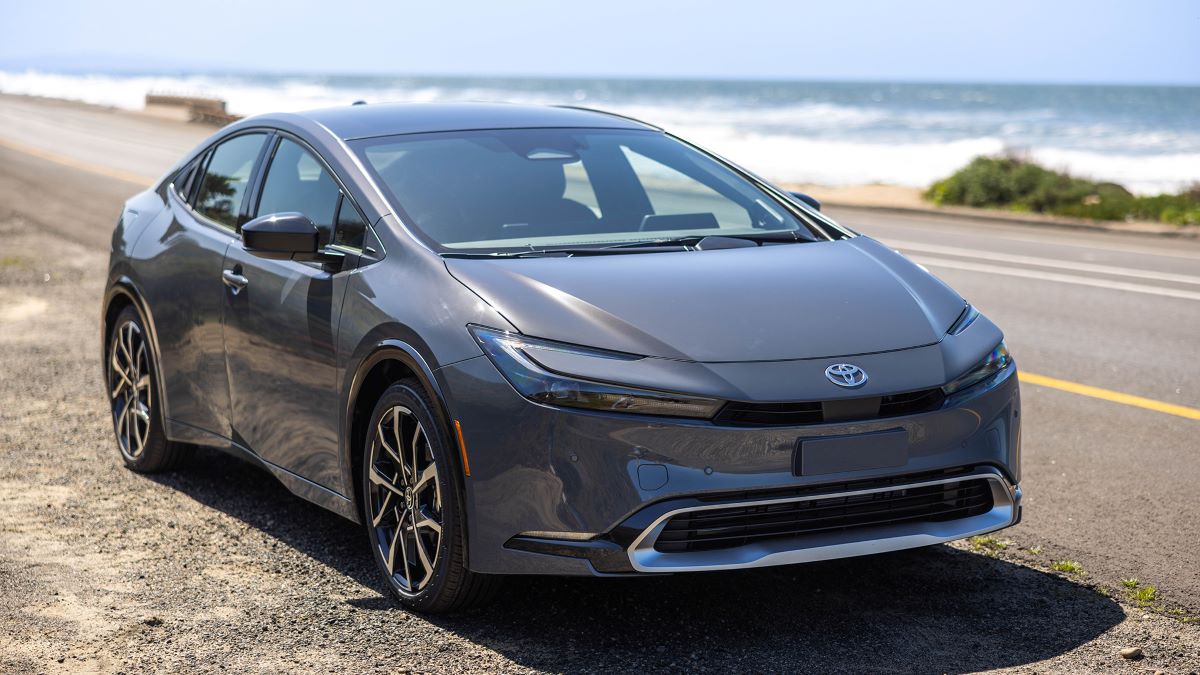
Owners routinely report Prius models lasting beyond 250,000 miles with minimal issues. Its electric motors and battery packs are engineered to handle temperature extremes, while regenerative braking systems rarely fail.
Routine maintenance is simple just oil changes and fluid checks. For those who drive across multiple states or face unpredictable weather, the Prius is about as dependable as they come.
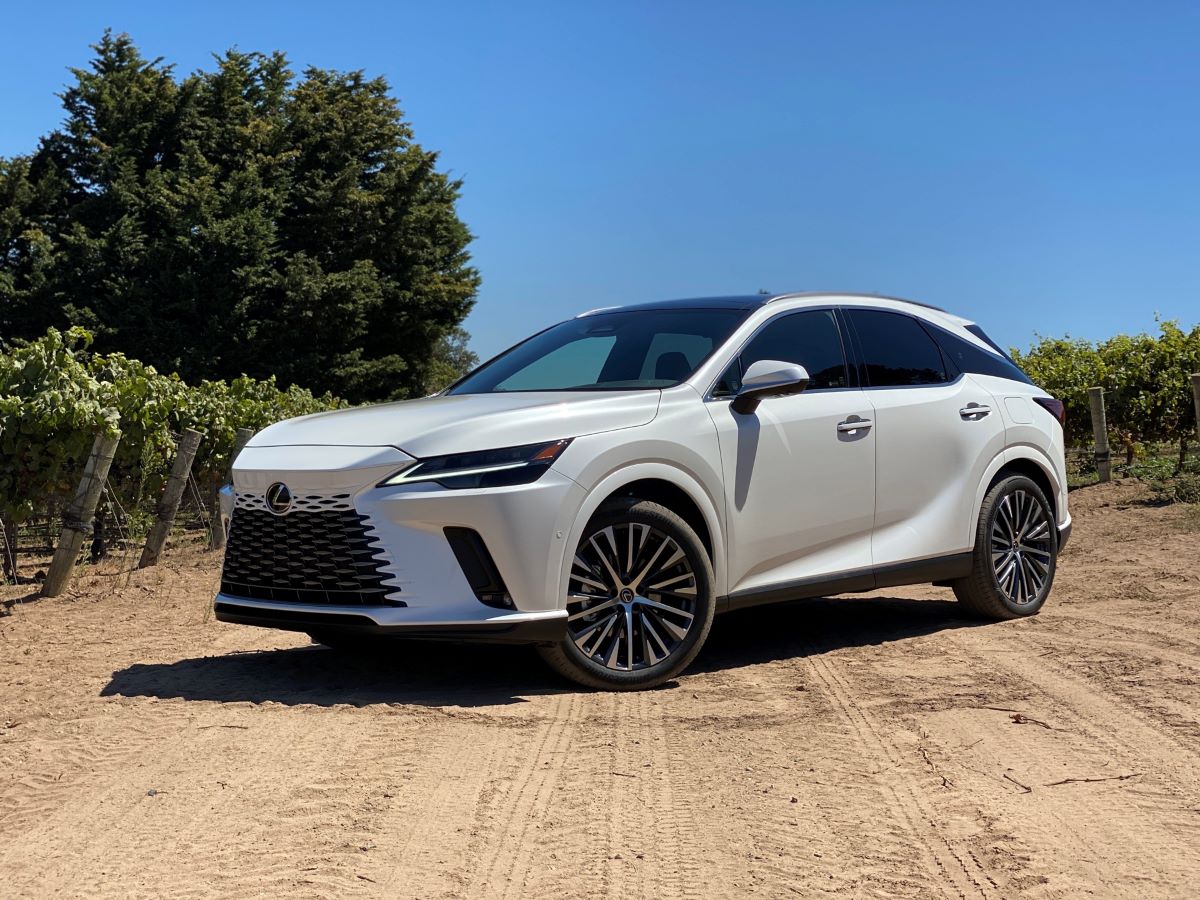
2. Lexus RX 450h
Luxury meets reliability with the Lexus RX 450h, a midsize hybrid SUV that doesn’t shy away from road trips or interstate climates.
Whether tackling mountain passes in Colorado or city streets in Los Angeles, the RX 450h offers consistent hybrid performance.
Underneath, it shares much of its powertrain DNA with Toyota hybrids, which means fewer unexpected failures.
The hybrid battery cooling design is particularly strong essential for preventing overheating during long drives across hot regions.
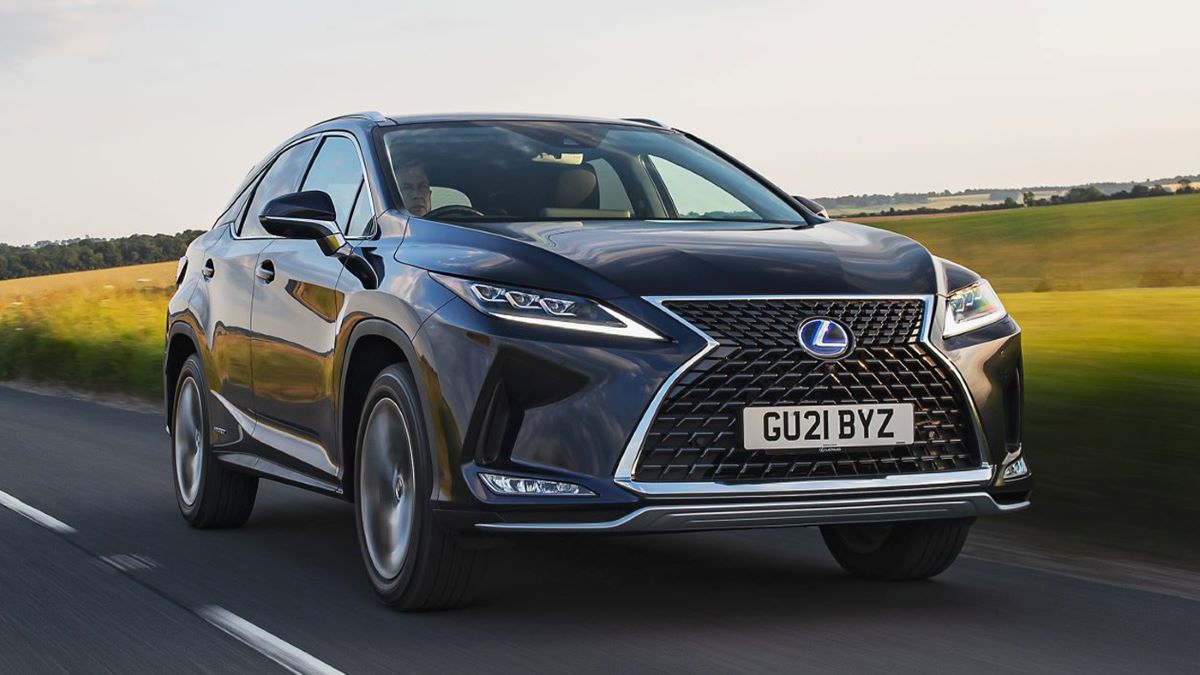
Maintenance costs are slightly higher due to the luxury badge, but mechanical dependability is outstanding. Many owners report their RX 450h running well past 200,000 miles with original hybrid components.
The Lexus RX has consistently stood out as the quiet and comfortable option in the luxury crossover SUV market. Over the years, it has largely adapted to the evolving preferences of luxury SUV buyers.
Although this current-generation RX 350, introduced for the 2016 model year, is approaching the end of its production cycle, it continues to provide a solidly built, refined interior and remains a worthwhile value.
Also Read: 5 SUVs Where Silence Rules vs 5 That Can’t Stop Making Noise
3. Honda Accord Hybrid
The Honda Accord Hybrid combines solid engineering with simplicity, making it a favorite among drivers who value both comfort and reliability.
Its hybrid system is less complex than some competitors, resulting in fewer breakdowns and lower maintenance costs.
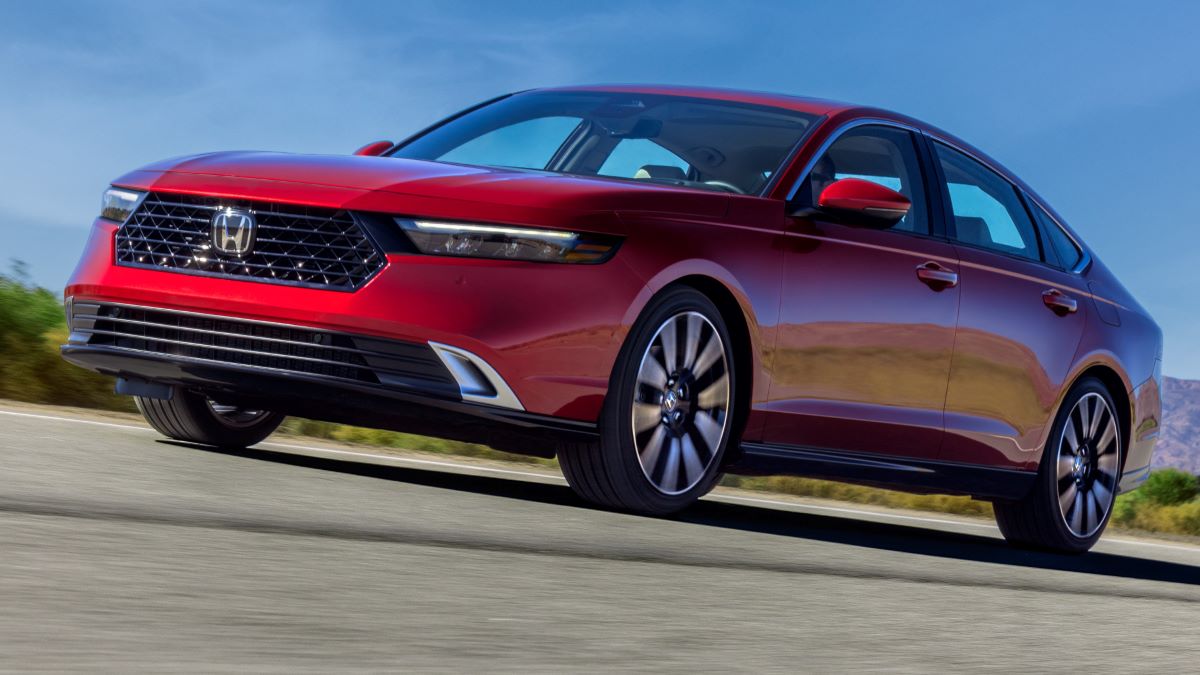
Across states, the Accord Hybrid has proven adaptable. Its lithium-ion battery manages heat well, avoiding performance dips in hot or cold climates.
Unlike some hybrids that suffer from cold-weather battery drain, the Accord remains consistent in frigid states like Minnesota or Maine.
Add in Honda’s excellent build quality, and this sedan is an all-around winner for families or commuters who travel across different regions.
The lineup begins with a 192-hp turbocharged 1.5-liter four-cylinder engine, but the standout choice is the 252-hp turbocharged 2.0-liter four-cylinder that tops the range.
This engine pairs with a 10-speed automatic transmission that delivers nearly seamless shifts. Both powertrains run smoothly, though the 2.0-liter provides a thrilling surge of power capable of spinning the front wheels in first gear.
There’s also a hybrid version, combining a four-cylinder gasoline engine with two electric motors. The Accord’s well-tuned chassis inspires confidence, encouraging drivers to tackle corners with enthusiasm, where it displays minimal body roll.
The steering feels light, appropriate for this class, but a bit more road feedback would be welcome. Nevertheless, its accuracy and predictability are commendable. The ride remains firmly composed yet never harsh, achieving an excellent balance between sporty handling and family-friendly comfort.
4. Toyota RAV4 Hybrid
For those who need an all-weather hybrid SUV, the Toyota RAV4 Hybrid fits the bill. It blends fuel efficiency with rugged versatility, handling highways, snow, and unpaved roads with ease.
Toyota’s AWD hybrid system automatically engages when traction is low, making it particularly dependable for states with harsh winters or rainy climates.
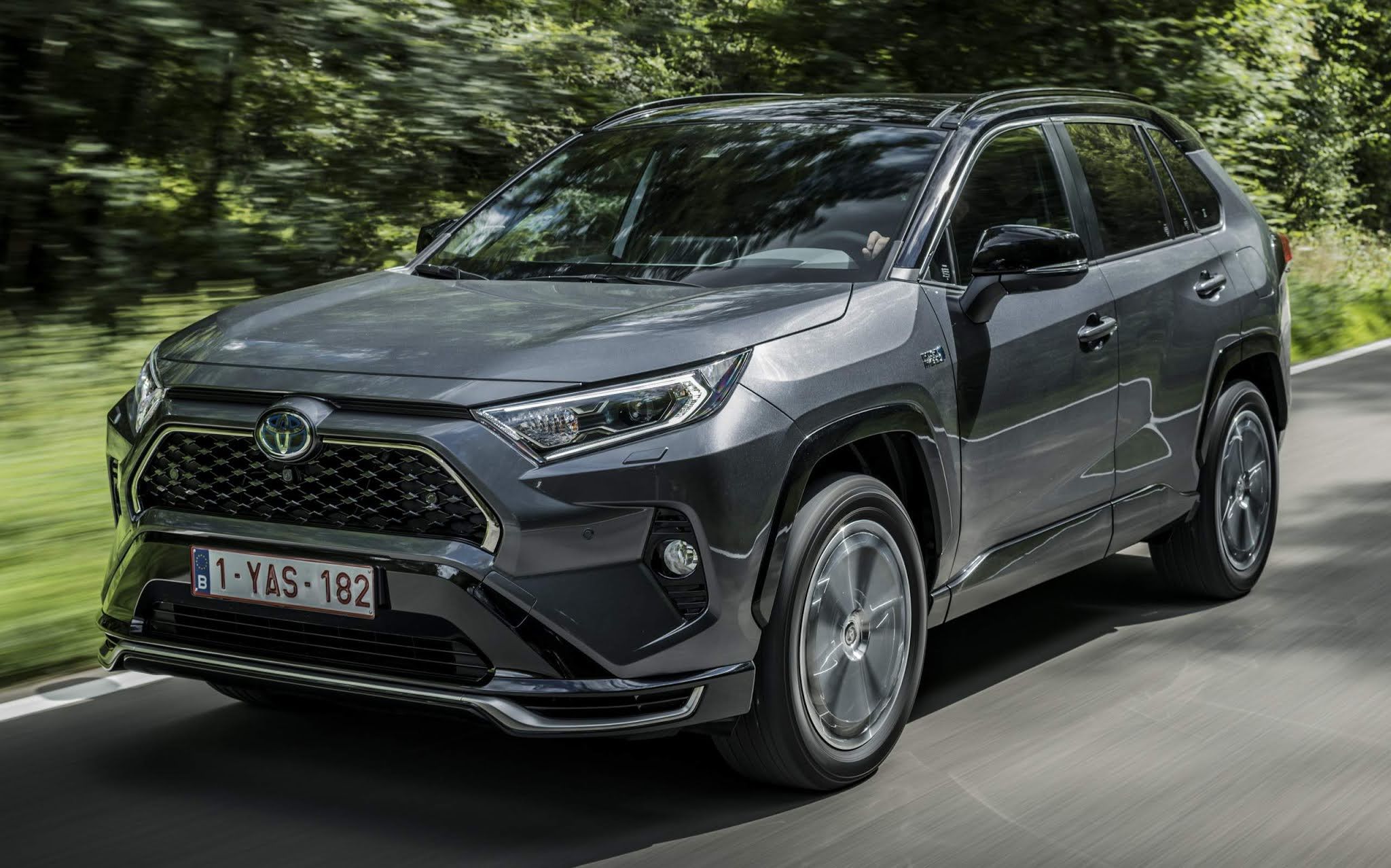
What sets the RAV4 Hybrid apart is its low rate of hybrid-related failures. Battery and inverter issues are rare, and even after 150,000 miles, most owners report excellent performance.
With strong resale value and national parts availability, it’s a safe bet for anyone planning to move or travel often across state lines.
Also Read: 5 SUVs Where Silence Rules vs 5 That Can’t Stop Making Noise
5. Ford Escape Hybrid
Ford’s second-generation Escape Hybrid has redeemed the nameplate after earlier hiccups. Built with lessons learned from its first hybrid SUV, the new Escape Hybrid features a modern eCVT system, improved cooling, and a reliable Atkinson-cycle engine.
Its reliability across states is notable drivers in both humid southern climates and cold northern areas report minimal hybrid degradation.
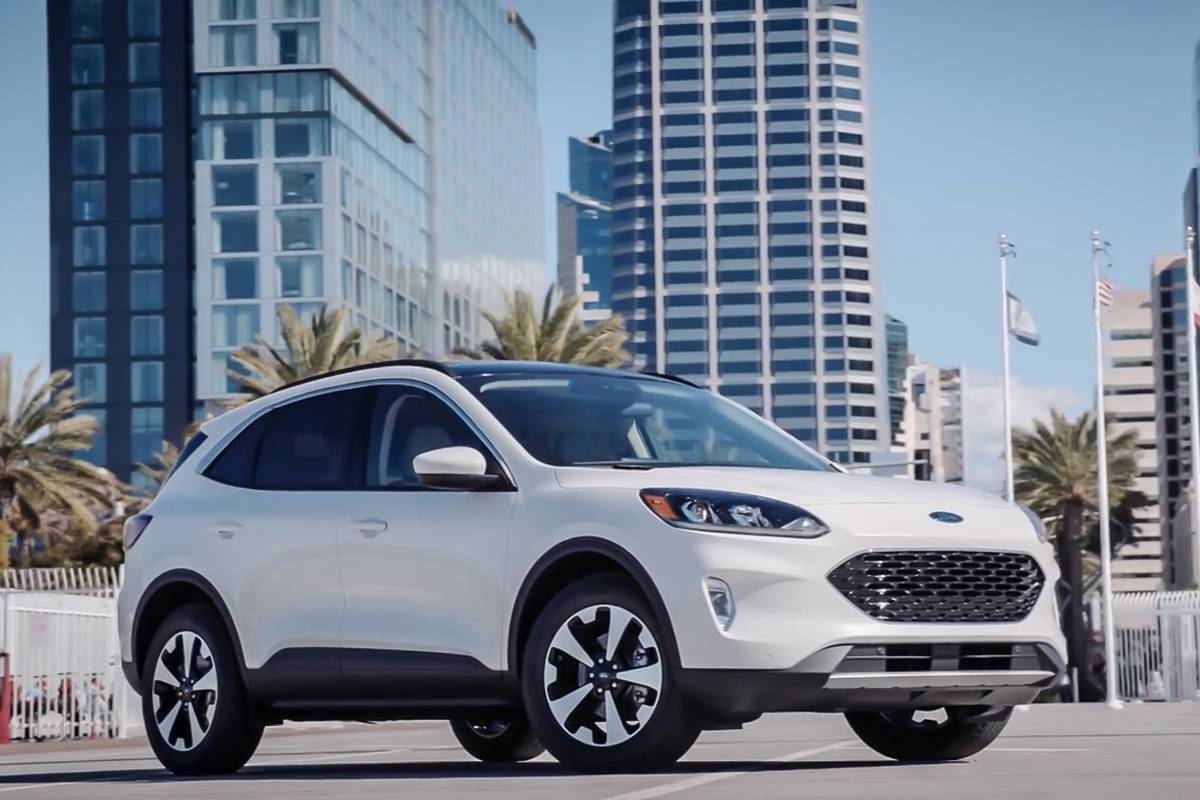
Ford’s hybrid technology now matches Toyota’s in consistency, and the Escape’s conventional battery placement helps it handle varying humidity and temperature better than older models.
For American-built hybrid fans, this SUV shows Ford has finally mastered cross-state dependability.
The 2021 Escape Hybrid expands its availability across more trims and delivers a responsive powertrain with impressively smooth transitions between regenerative and friction braking, something not all hybrids manage to achieve.
However, it continues to suffer from the same cheap-feeling interior found in the standard Escape, which falls short of the quality seen in some rivals.
While passenger space remains generous, cargo capacity is slightly reduced to make room for the battery pack.
Though it may not feel upscale or particularly exciting, the Escape Hybrid stands out as the best option in the lineup.
Its excellent fuel economy, roomy cabin, and standard suite of active safety features make it a strong contender for those already considering a Ford.
The Escape Hybrid comes with a CVT automatic transmission and standard front-wheel drive, with all-wheel drive available as an option. Power comes from a 2.5-liter I-4 engine paired with an electric motor, producing a combined 200 hp.
In MotorTrend testing, the AWD Escape Hybrid went from 0 to 60 mph in 8.7 seconds. According to EPA estimates for 2020 models, FWD versions return 44/37 mpg city/highway, while AWD versions lose about 1 mpg in city driving.
The Escape Plug-In Hybrid (PHEV) is front-wheel-drive only and pairs the same 2.5-liter engine with a 14.4-kWh battery pack, increasing output to 221 hp. It supports both Level 1 (110-volt) and Level 2 (240-volt) charging, requiring roughly 11 hours or 3.3 hours, respectively, for a full charge.
On a full battery, the Escape PHEV can travel up to 37 miles solely on electric power. The EPA rates it at 41 mpg and 100 MPGe combined. Estimated acceleration from 0 to 60 mph is about 9.0 seconds.
Hybrids That Don’t Stay Reliable Across States
While hybrid vehicles are often praised for their fuel efficiency and eco-friendly performance, not every model delivers consistent reliability from one region to another.
Some hybrids struggle in extreme temperatures, rough terrain, or high-altitude conditions, leading to reduced battery life, drivetrain issues, or unexpected maintenance needs.
This article takes a closer look at the hybrids that tend to lose their dependability across different states, and why their performance may vary depending on where you drive them.
1. Hyundai Ioniq Hybrid
While the Hyundai Ioniq Hybrid initially impressed with high fuel economy, long-term dependability hasn’t been its strongest suit.
Owners in warmer states like Texas and Arizona often report early battery wear and inconsistent fuel economy after extended use.
The Ioniq’s hybrid cooling system isn’t as robust as Toyota’s, making it vulnerable to heat-related degradation.
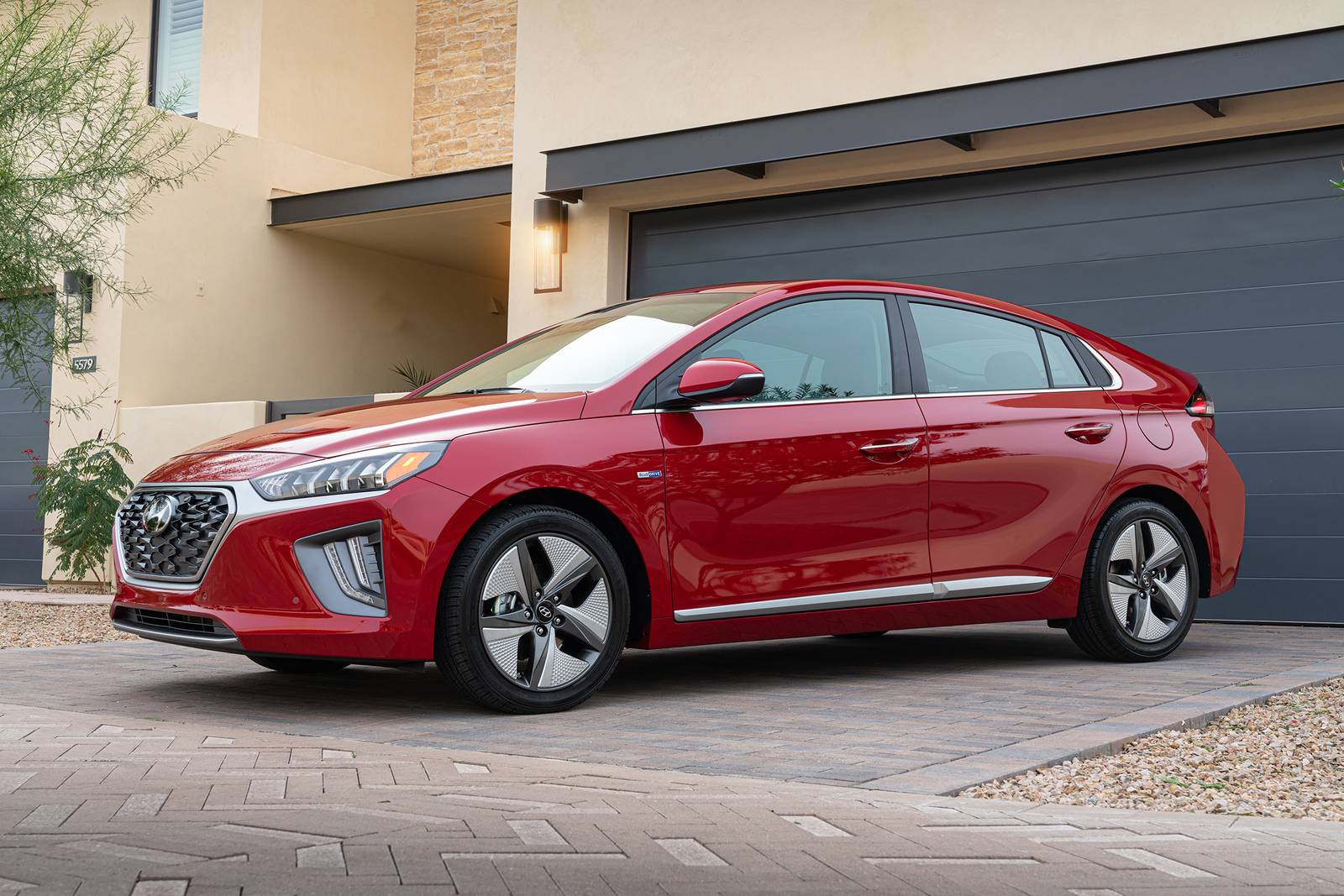
Additionally, electrical gremlins such as touchscreen and sensor failures appear more frequently in humid environments.
Hyundai’s warranty does help offset some repair costs, but for those driving cross-country or living in extreme climates, the Ioniq Hybrid can be hit or miss.
2. Chevrolet Malibu Hybrid
The Chevy Malibu Hybrid was GM’s attempt to take on the Toyota Camry Hybrid, but it fell short in long-term durability. The hybrid system, based on borrowed Volt technology, often struggles with heat management and electrical faults.
Owners in northern states have reported cold-weather issues, including delayed starts and reduced regenerative braking efficiency.
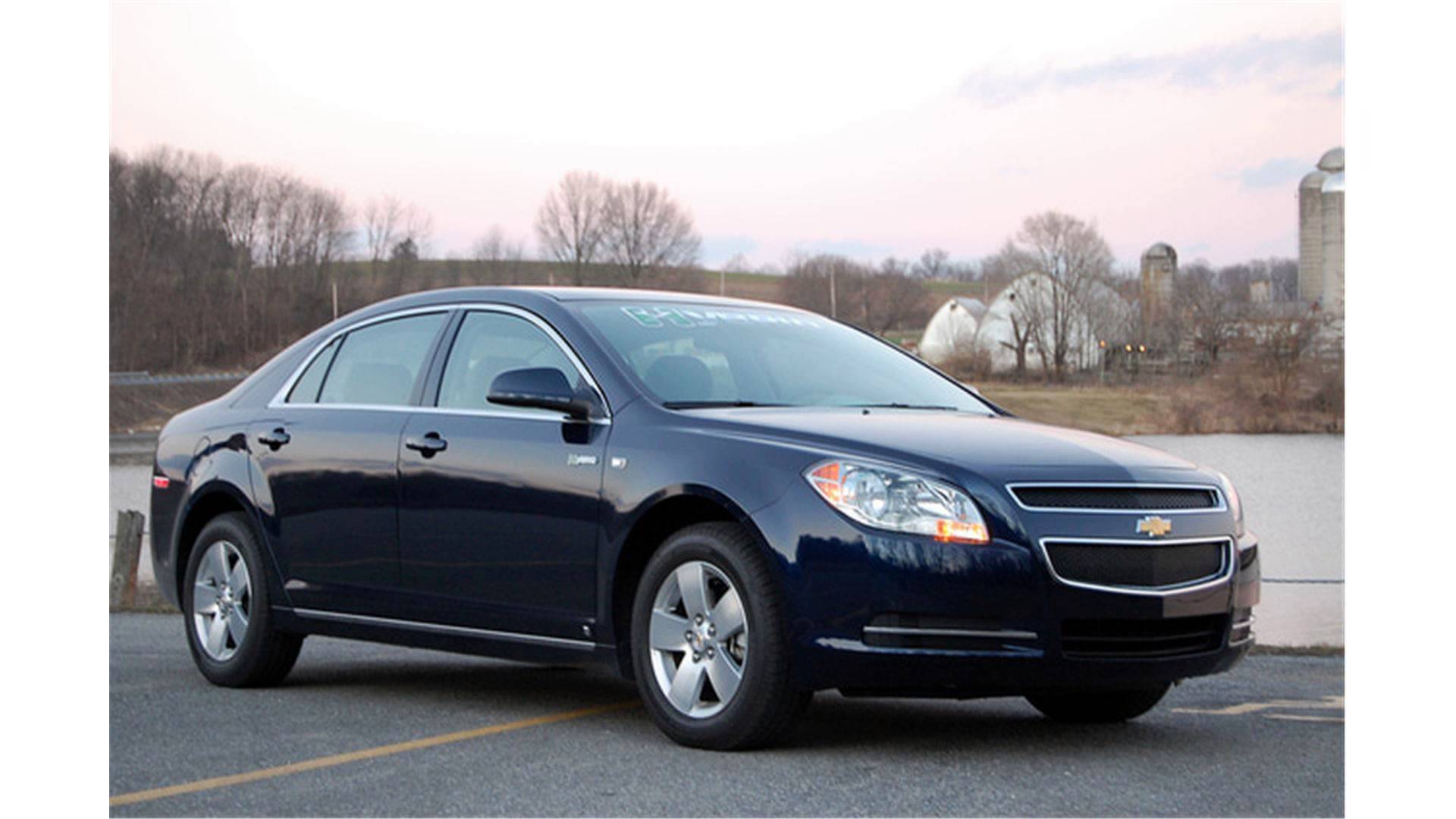
Parts availability has also become a problem since Chevrolet discontinued the hybrid variant, leaving owners scrambling for repairs. While it performs well in moderate climates, the Malibu Hybrid tends to suffer in both extremes too hot or too cold.
2019 Chevrolet Malibu Hybrid is a solid choice among used cars. Its powertrain delivers lively performance in nearly all driving conditions, offering smooth acceleration and a comfortable ride.
This Chevy also boasts excellent fuel economy. Inside, it features roomy, supportive seating and user-friendly technology. Additionally, the Malibu Hybrid holds a strong predicted reliability rating.
Even though it ranks among the top hybrid and electric vehicles in its segment, the Malibu Hybrid isn’t without flaws. The gasoline engine can be noticeably noisy at times, and the presence of some low-quality plastics keeps the cabin from matching the premium feel of the class’s best interiors.
3. Nissan Rogue Hybrid
The Nissan Rogue Hybrid sounded promising on paper a fuel-efficient SUV with Nissan’s trusted CVT. Unfortunately, the execution didn’t live up to expectations.
The combination of a small hybrid battery and an overworked CVT led to early mechanical failures, especially in hot and mountainous regions.
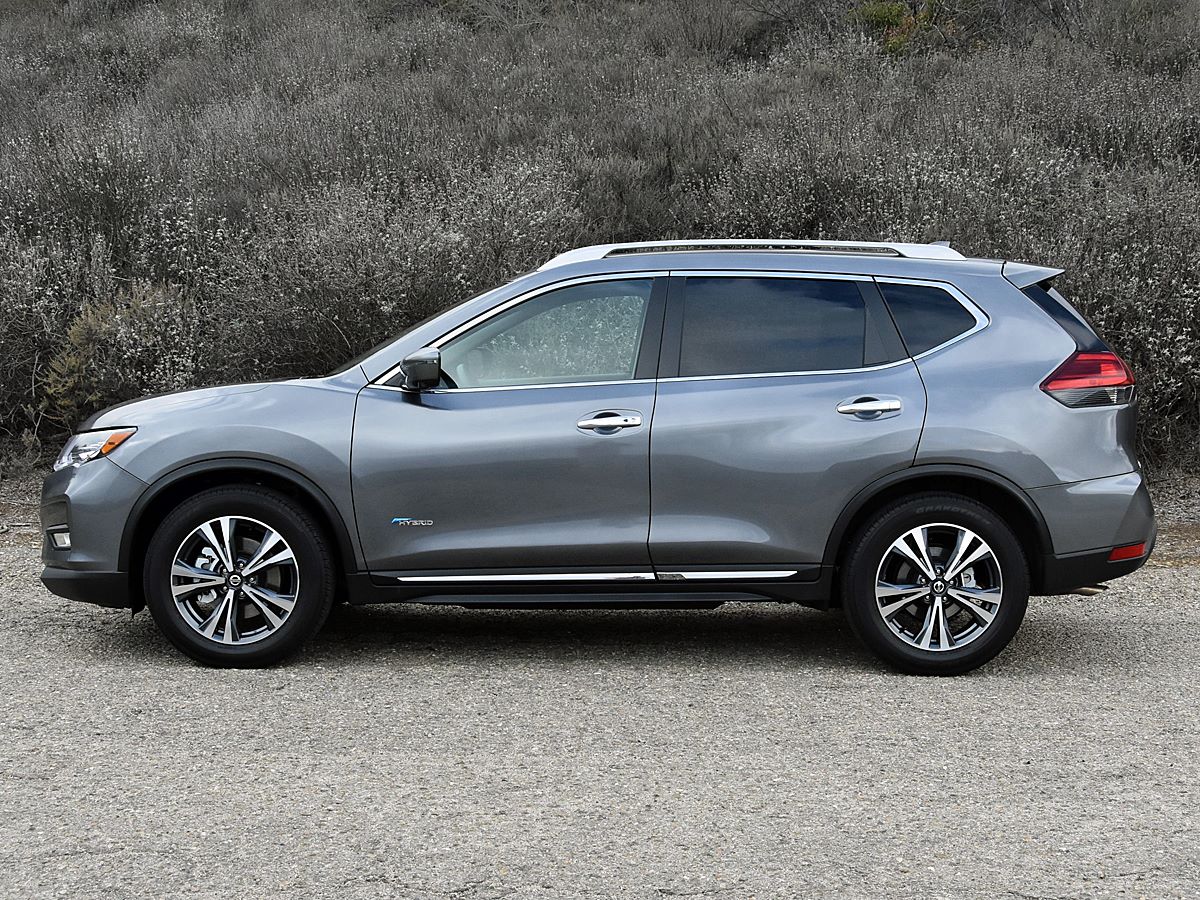
Owners in western states like Nevada and Utah have reported overheating issues during long drives, while those in the Northeast cite reduced battery efficiency during cold snaps.
Nissan eventually discontinued the Rogue Hybrid after disappointing reliability data. If you’re traveling across multiple states, the gas-only Rogue is a better option.
Nissan entered the electric vehicle market early with the Leaf, the first mass-market EV, and more recently launched the Ariya, the brand’s first long-range electric model.
However, the automaker has been slow to embrace hybrid and plug-in hybrid technologies. Apart from an Altima Hybrid sold in the late 2000s and a short-lived hybrid version of the previous-generation Rogue, Nissan hasn’t done much to blend gasoline and electric power.
Nissan aims for an impressive 70 miles of all-electric range, which would place it among the longest-range plug-in hybrids on the market.
However, a more realistic estimate is closer to 40 miles, especially if Nissan adopts the existing powertrain from the Mitsubishi Outlander PHEV, fitting, since the Outlander shares its platform with the Rogue.
That setup combines a 2.4-liter four-cylinder engine with a 20-kWh battery pack, providing 38 miles of electric range and delivering a total of 248 horsepower and 332 lb-ft of torque.
4. Kia Niro Hybrid
The Kia Niro Hybrid shares a lot with the Hyundai Ioniq, including its strengths and weaknesses. While the Niro delivers solid fuel economy, long-term durability remains inconsistent.
Its hybrid components show early signs of wear in high-heat or high-altitude conditions, and owners have complained about premature cooling fan failures and check-engine lights tied to the hybrid system.
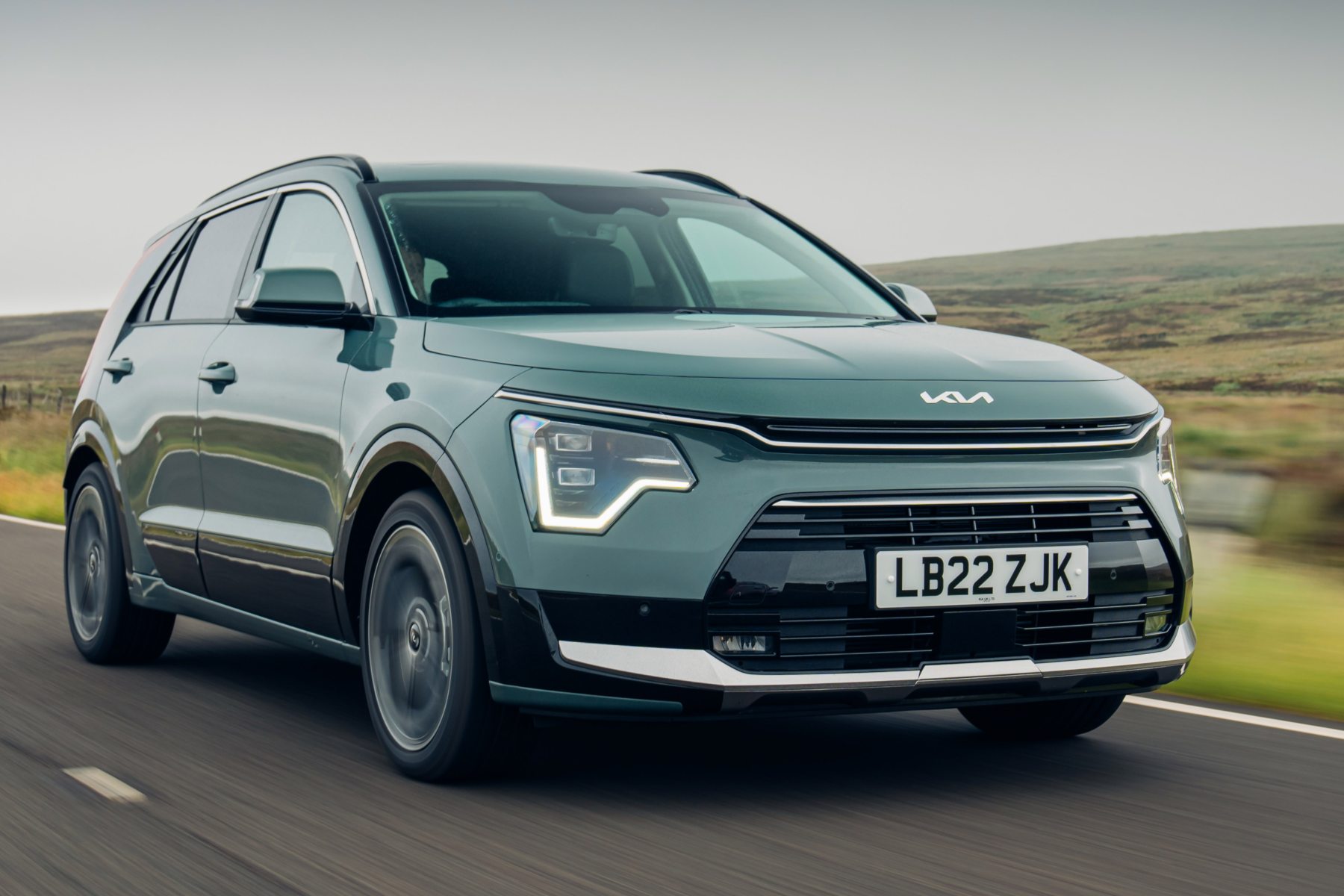
Kia’s warranty coverage helps, but frequent dealership visits for hybrid diagnostics make it less ideal for drivers who rely on their car across different climates.
The Niro’s reliability score tends to drop faster after 80,000 miles, especially in states with harsh weather.
The Kia Niro Hybrid stands out as one of the few affordable and appealing vehicles capable of achieving 50 mpg on the highway.
While it shares this distinction with models like the Toyota Prius and Hyundai Ioniq, the Niro may be the most versatile option in the group.
Offered as both a hybrid and a plug-in hybrid, with a fully electric version on the way, the Niro also benefits from being a crossover, offering a higher driving position, ample ground clearance, and a practical cargo area.
It’s an excellent choice for those seeking a mix of efficiency and utility, so long as they can live without all-wheel drive.
The major update for 2018 is the introduction of a plug-in hybrid version to the Niro lineup. This model delivers an EPA-estimated 26 miles of electric-only range while maintaining the flexibility of a gasoline engine.
Minor updates arrive for the standard hybrid Niro as well. The new Graphite Edition features an exclusive paint color and gloss-black trim, while Touring trims now include HID headlights, a wireless charging pad, and a full suite of active safety features as standard.
While the Niro isn’t built for speed, its performance is on par with several hybrid and conventional competitors. Power comes from a 1.6-liter four-cylinder gasoline engine paired with an electric motor and a six-speed dual-clutch automatic transmission, combining for 139 horsepower.
The plug-in hybrid model uses the same setup but includes a larger battery for extended electric driving range, up to 26 miles, according to EPA estimates. Charging takes about 2.5 hours using a 240-volt outlet or roughly nine hours with a standard 120-volt connection.
The biggest drawback is a somewhat unrefined powertrain, a common trait among hybrids in this category.
Otherwise, the Niro delivers better-than-expected handling, comfortably navigating uneven roads with a stable and composed ride. However, impact noise over rough surfaces is more noticeable than in some rivals.
The entry-level Niro FE offers a straightforward interior design, emphasizing practicality with plenty of plastic and cloth materials.
Partial leather upholstery becomes standard starting with the EX trim, and all models include dual-zone climate control. Both front and rear legroom are generous, though the rear seat cushions are shorter than average.
The Niro’s batteries are stored under the rear seats and cargo floor, preserving luggage space. However, the rear seats don’t fold completely flat, meaning other crossovers of similar size can carry slightly more cargo.
A 7.0-inch touchscreen infotainment system comes standard and is praised for its intuitive layout. Kia also earns credit for including Apple CarPlay and Android Auto as standard features.
The system can be a bit slow to respond, but it remains easy to use. Base trims include Bluetooth and SiriusXM satellite radio, while higher trims add navigation, which uses GPS data to anticipate power needs, such as conserving energy before an uphill climb.
Plug-in models benefit from Kia’s UVO Eco app, allowing owners to monitor battery status and schedule charging sessions during off-peak hours. The new Graphite Edition comes equipped with navigation and a premium eight-speaker Harman Kardon sound system.
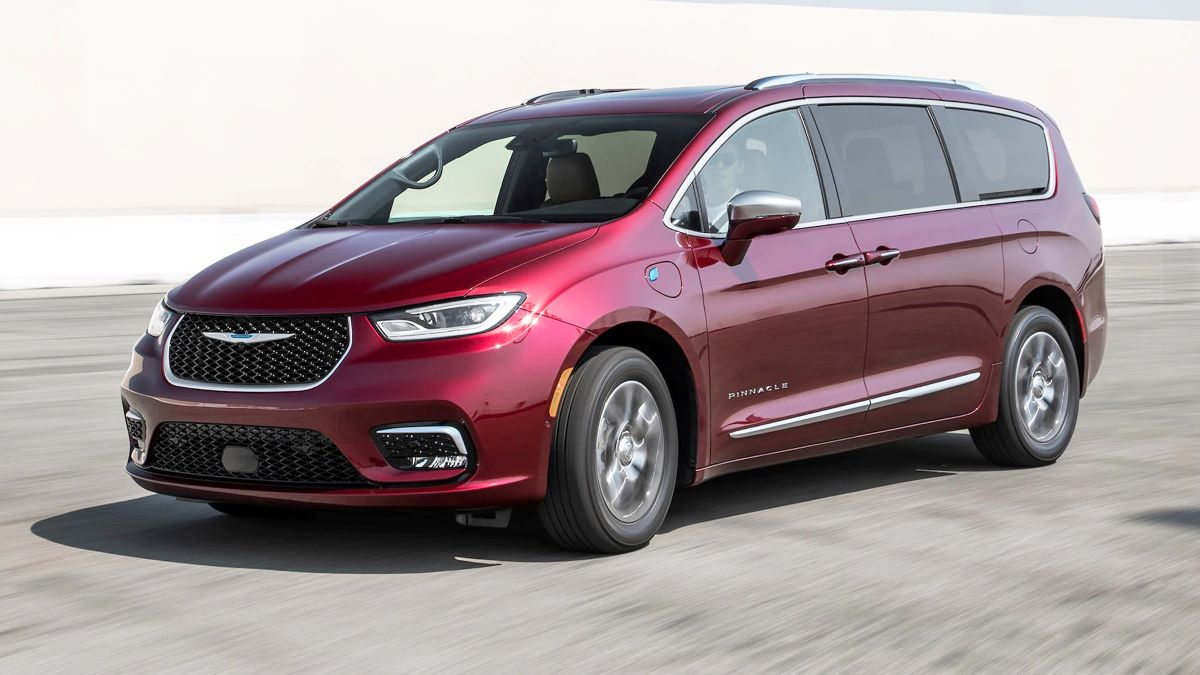
5. Chrysler Pacifica Hybrid
Chrysler’s plug-in hybrid minivan offers practicality and decent electric range, but its reliability record is far from reassuring.
Frequent software glitches, battery charging issues, and transmission problems have made it one of the least dependable hybrids for families on the go.
The Pacifica Hybrid’s complex powertrain struggles in extreme climates cold temperatures often reduce range drastically, while hot environments can trigger battery fault warnings.
Owners from both ends of the country report inconsistent hybrid performance and costly repairs outside warranty. For long-term, cross-state use, it’s better to stick with a non-hybrid minivan or a Toyota Sienna Hybrid instead.
Better than the average crossover in many measurable ways, cargo room, passenger comfort, and fuel economy, to name a few, the minivan remains an essential part of American automotive culture. And no model does it better than the 2019 Chrysler Pacifica.
Excelling in numerous tests and holding its own in the rest, the Pacifica’s quick-change interior makes daily life a breeze, almost as if it were a superhero in disguise.
For 2019, nearly every Pacifica and Pacifica Hybrid trim receives small updates. The S Appearance package is now available across all hybrid models, new paint colors have been added, and more optional features are offered on lower trims.
We recommend the midrange Touring L trim, priced around $37,690, which includes desirable features such as power-operated sliding doors and liftgate, a blind-spot monitor with rear cross-traffic alert, rear parking sensors, and three-zone automatic climate control.
The Premium Audio package is also worth adding, as it upgrades the infotainment system to a larger 8.4-inch touchscreen and includes a 13-speaker, 506-watt Alpine sound system plus a third-row USB port.
Although not the quickest minivan we’ve tested, the Pacifica is far from slow. The gas-powered model uses a 287-hp 3.6-liter V-6 paired with a nine-speed automatic transmission, reaching 60 mph in 7.3 seconds, a mid-pack result.
The hybrid version combines a 3.6-liter V-6 with two electric motors and a 16-kWh lithium-ion battery for a total of 260 horsepower.
Despite its lower output, it feels similarly lively in everyday driving but trails the gas version by about half a second in 0–60 mph testing.
Minivans should be as fuel-efficient as they are spacious, and the Pacifica excels here too. In testing, a Pacifica Limited achieved 31 mpg on a 200-mile highway loop, the best result in its class.
The Pacifica Hybrid can travel up to 33 miles on electric power and earns 84 MPGe combined. During our testing, we matched the EPA’s 33-mile electric estimate in city driving, while highway travel yielded about 23.4 miles before the gas engine took over.
Open and airy, the Pacifica’s interior is both spacious and functional, filled with storage bins, cupholders, and clever compartments. Build quality and materials surpass those of the outgoing Town & Country and Dodge Grand Caravan, though a few inexpensive plastics remain.
Chrysler’s Uconnect infotainment system continues to lead the segment, featuring physical knobs and buttons for easy control instead of touch-sensitive panels.
Its interface is quick, intuitive, and includes Apple CarPlay and Android Auto compatibility. Updates for 2018 added a faster processor and replaced the 3G connection with 4G LTE capability.
The standard Stow ’n Go second- and third-row seats fold seamlessly into the floor for maximum cargo space, though their thinner padding compromises comfort compared to rivals.
Hybrid models lose this feature because of the underfloor battery, but Chrysler compensates with added cushioning in the captain’s chairs.
When it comes to storage, the Pacifica leads the way, fitting 53 carry-on suitcases with all seats stowed.
A built-in vacuum cleaner is standard on Limited trims, though it replaces the optional mini-spare tire. Lower trims will need to make do with their own cleaning solution.
Not all hybrids are created equal. Some, like the Toyota Prius and Honda Accord Hybrid, have proven they can handle America’s diverse landscapes and climates year after year.
Others, like the Chevy Malibu Hybrid or Chrysler Pacifica Hybrid, show how complexity can sometimes undermine dependability.
When shopping for a hybrid you plan to keep for years or drive across multiple states focus on brands with a strong track record in hybrid technology and accessible service networks nationwide.
In the end, reliability isn’t just about the vehicle it’s about how well it adapts to wherever the road takes you.
