
When it comes to SUVs, longevity is not just about mileage; it is about consistency, craftsmanship, and reliability that stand the test of time. “12 SUVs That Still Feel New After 200,000 Miles” highlights vehicles built to last, combining strong engineering with comfort and practicality.
Whether it is the rugged dependability of the Toyota 4Runner, the refined comfort of the Buick Envision, or the everyday versatility of the Chevrolet Equinox, each model on this list proves that high mileage does not have to mean high maintenance.
These SUVs have earned excellent reliability scores, low long-term ownership costs, and loyal followings among drivers who value endurance as much as performance.
From family-friendly midsize options like the Hyundai Santa Fe to the luxurious durability of the Lexus GX 460, these vehicles redefine what it means to age gracefully, continuing to feel fresh, capable, and confident well past the 200,000-mile mark.
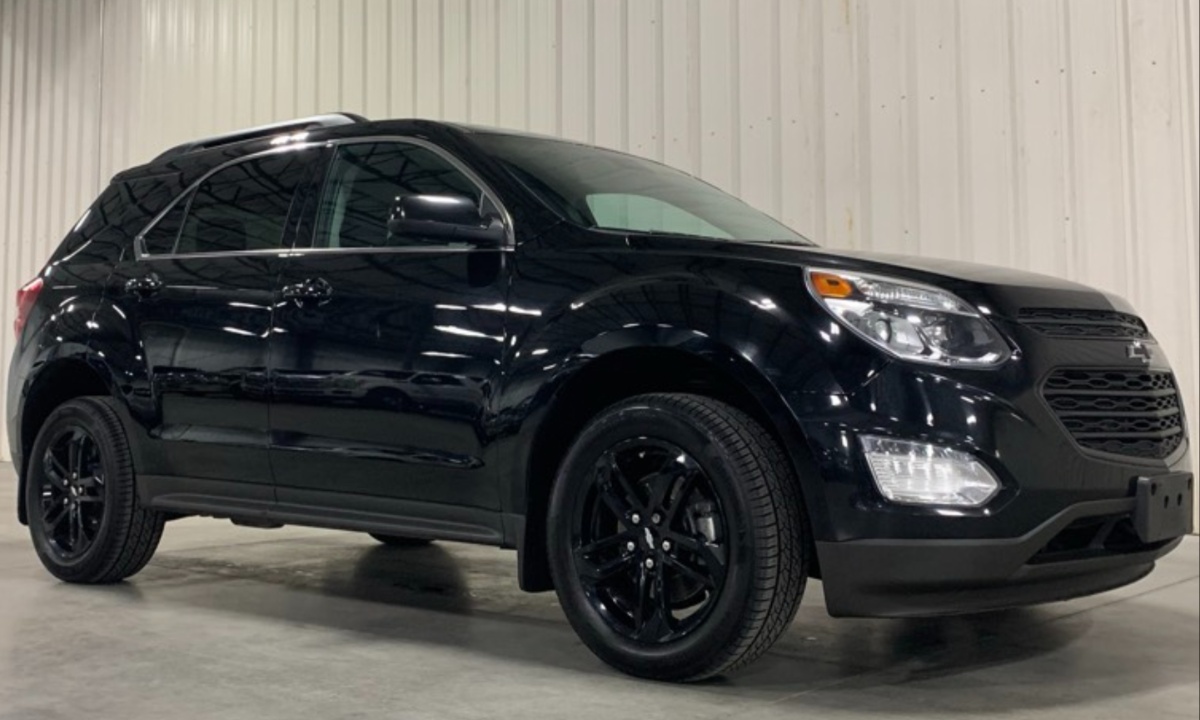
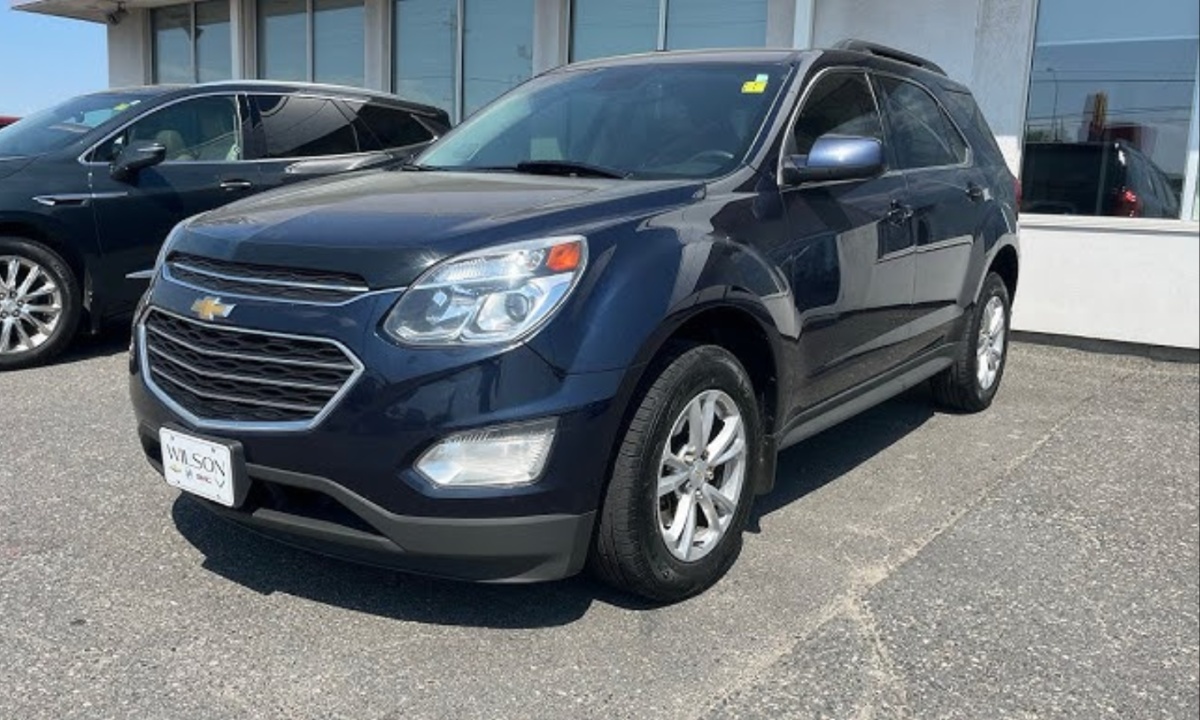
1. 2017 Chevrolet Equinox: A Reliable and Versatile Compact SUV
The 2017 Chevrolet Equinox ranks as one of the most dependable compact SUVs of its model year, earning the highest reliability rating among non-luxury compact SUVs from J.D. Power with an impressive 89 out of 100. It surpasses the Toyota RAV4, a long-time benchmark for dependability, to secure the top spot.
With an average market price of $13,580 and no recalls reported, the Equinox provides strong value for buyers seeking long-lasting performance. The average 10-year maintenance cost of $8,616 further reinforces its reputation for affordability and durability.
Buyers can choose between two engines: a 182-horsepower 2.4-liter four-cylinder and a 301-horsepower 3.6-liter V6, the latter being the most powerful engine available in any non-luxury compact SUV from 2017.
Both powertrains come with a six-speed automatic transmission and offer front-wheel or all-wheel drive configurations. The four-cylinder version prioritizes efficiency, capable of over 30 mpg city in front-wheel-drive form, though acceleration feels modest, reaching 0–60 mph in 8.9 seconds.
The transmission’s early upshifts improve fuel economy but reduce responsiveness during merging or passing. The available V6 transforms the Equinox’s character, delivering brisk performance and a 3,500-pound towing capacity.
The chassis provides confident handling and a stable ride, though it can feel firm on rough roads. Braking performance is slightly below segment standards, and while the steering is nicely weighted, it lacks pinpoint accuracy.
Inside, the Equinox features a well-built and quiet cabin. The base L trim offers minimal features suited for budget-conscious buyers, while the LT and Premier trims introduce perforated leather seating, automatic climate control, and refined materials. Interior noise levels remain impressively low during regular driving, enhancing ride comfort.
The rear bench seat can slide eight inches to balance passenger legroom and cargo flexibility. Cargo capacity measures 31.5 cubic feet behind the second row and 63.7 cubic feet with the seats folded, slightly trailing some competitors but still versatile enough for family needs.
Technology features include a 7-inch touchscreen, Bluetooth, Wi-Fi hotspot, USB port, and a six-speaker stereo system. Higher trims are equipped with the Chevrolet MyLink infotainment system, offering navigation and Bluetooth audio streaming.
MyLink is intuitive and responsive, with large, easy-to-use on-screen buttons that simplify operation while driving, though its visual design looks somewhat dated compared to newer systems.
The 2017 Chevrolet Equinox combines proven reliability, flexible powertrain options, and a quiet, comfortable interior. Its strong dependability record, available V6 performance, and balanced design make it an appealing choice for families and commuters seeking a trustworthy compact SUV.
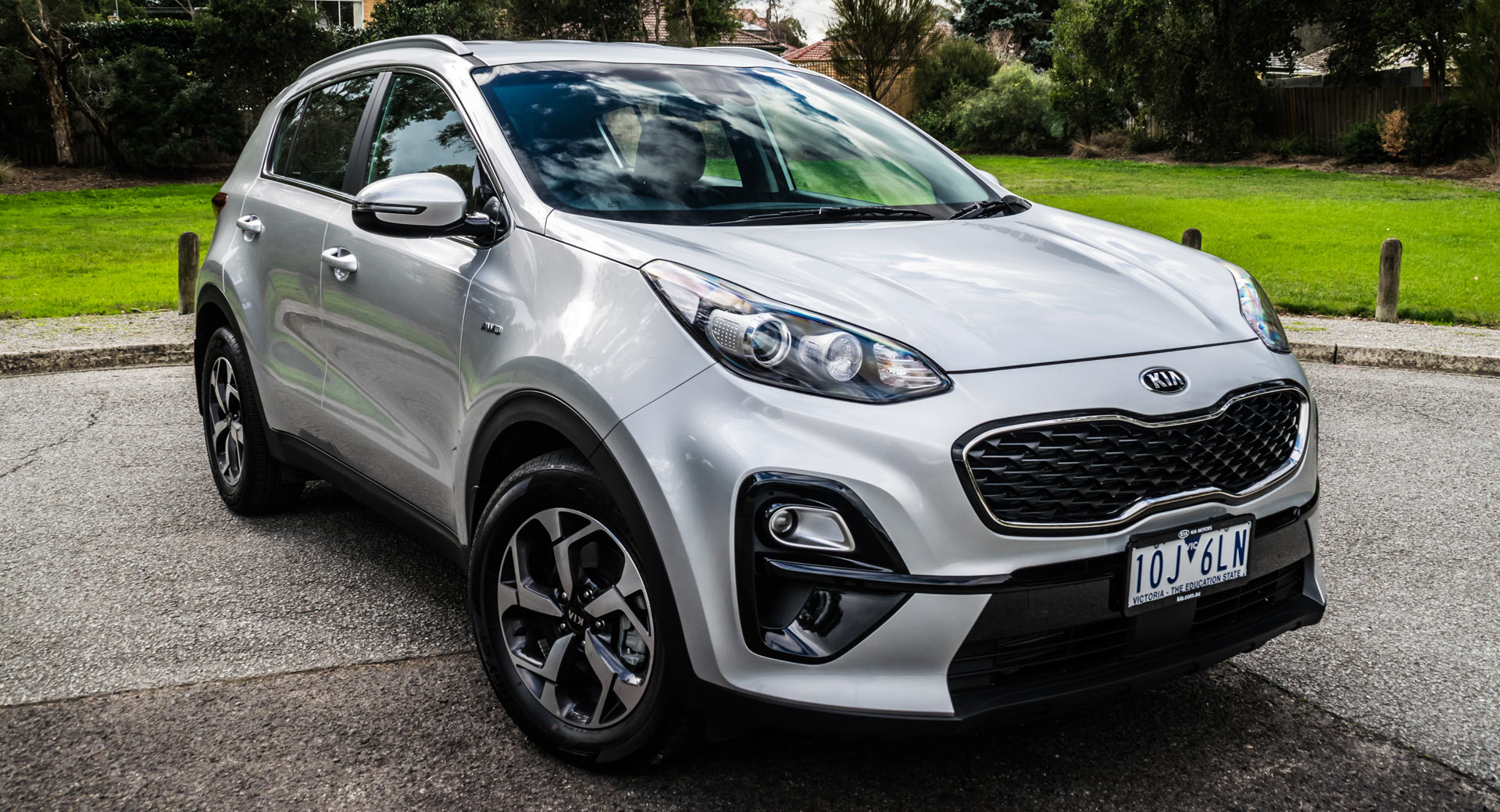
2. 2019 Kia Sportage: Reliable Performance Meets Premium Design
The 2019 Kia Sportage earns its place among the most dependable compact SUVs, boasting a J.D. Power reliability score of 88/100. With an average market price of $13,018, it offers exceptional value, and its 10-year maintenance cost of $7,873 is lower than that of several rivals, including the similarly rated 2019 Buick Encore.
Although it has faced two recalls, the Sportage’s strong reliability record, refined interior, and engaging driving dynamics make it a standout in its segment.
Kia’s emphasis on long-term dependability is evident in the 2019 Sportage’s strong reliability performance and reasonable upkeep costs. Its industry-leading warranty coverage provides additional peace of mind for buyers seeking a durable compact SUV. While maintenance costs are below average for the class, the vehicle’s slightly below-par fuel efficiency may increase operating expenses over time.
The 2019 Sportage comes with two engine choices: a 2.4-liter four-cylinder and a turbocharged 2.0-liter four-cylinder. The base engine offers solid, if unspectacular, performance suitable for everyday driving. Those who crave more excitement will appreciate the SX Turbo trim, which sprints from 0–60 mph in just 6.9 seconds one of the quickest times among compact SUVs.
Both versions use a six-speed automatic transmission that shifts smoothly, and the vehicle’s precise handling provides a confident and composed driving feel. However, the turbocharged engine upgrade comes at a higher cost, and the base powertrain can feel unrefined under heavy acceleration.
Fuel economy is not the Sportage’s strongest attribute. The SX Turbo returns 27 mpg on the highway, placing it behind class leaders like the Mazda CX-5 and Honda CR-V. Kia improved engine tuning compared to earlier models, but efficiency gains are minimal. For buyers prioritizing performance and build quality over fuel savings, the Sportage remains a compelling option.
Inside, the Sportage delivers a high-quality, well-crafted cabin that rivals more expensive vehicles. Reviewers have compared its interior styling and materials to those found in Audi models, highlighting Kia’s progress in design and craftsmanship. The seating is supportive and comfortable, while controls are logically arranged for ease of use.
The UVO infotainment system features a responsive interface and a host of modern features, though Apple CarPlay and Android Auto are only available on higher trims. Cargo capacity is on the smaller side, but thoughtful touches such as an adjustable load floor and flexible storage options enhance usability.
With its blend of reliability, premium feel, and engaging driving performance, the 2019 Kia Sportage stands out as a versatile compact SUV. Although it lags behind some competitors in fuel efficiency and cargo space, its refined interior, robust warranty, and spirited turbocharged engine make it a top contender for buyers seeking a dependable and well-rounded small crossover.
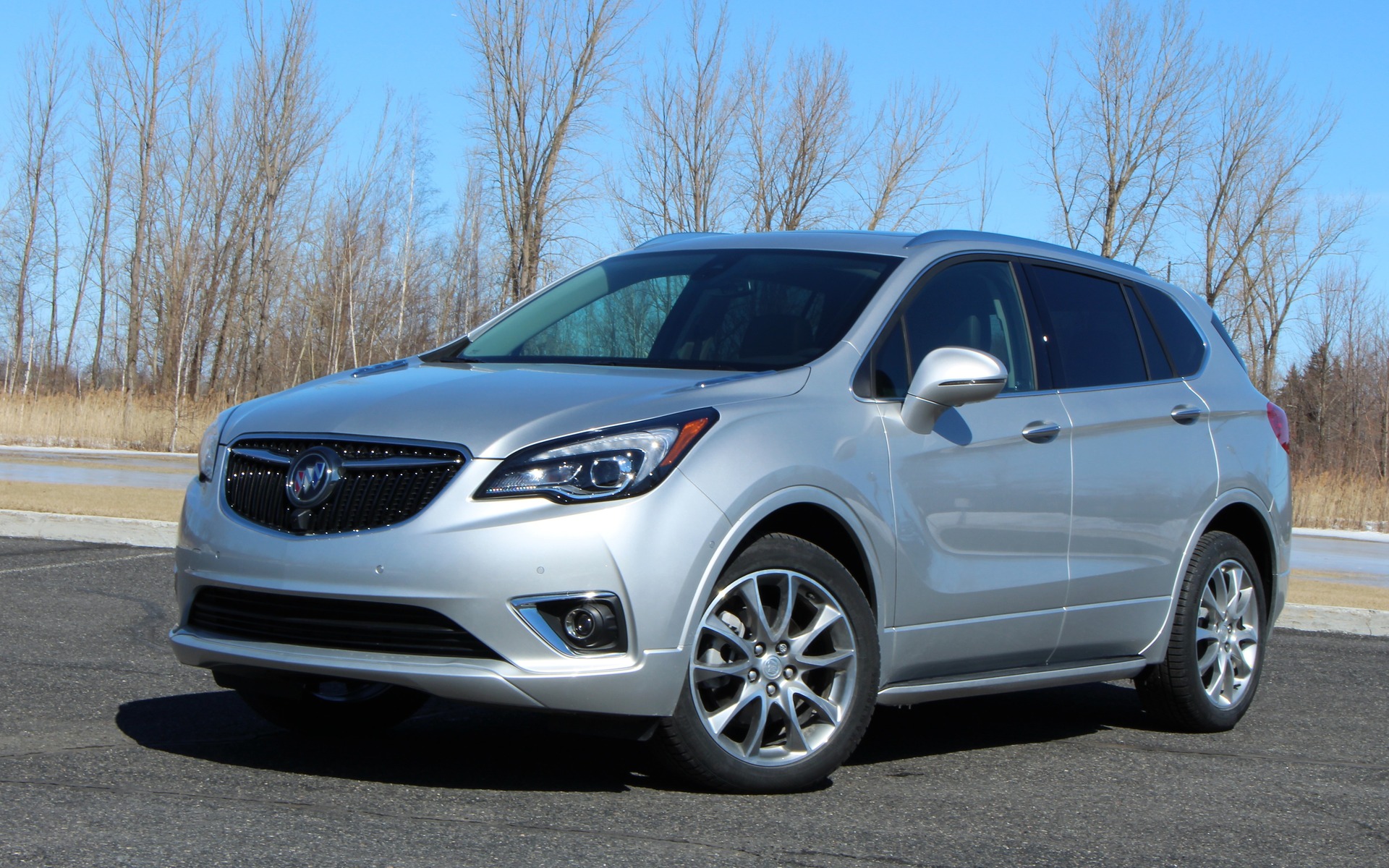
3. 2019 Buick Envision: A Refined and Reliable Compact SUV
The 2019 Buick Envision distinguishes itself in the compact SUV market through its combination of strong reliability and upscale comfort. With a J.D. Power reliability score of 88/100, it topped the 2022 dependability survey for compact SUVs, earning high marks not only for reliability but also for driving dynamics and resale value.
Priced at an average of $17,216, the Envision provides a premium feel without the luxury-brand price tag. It also carries no recalls and has an average 10-year maintenance cost of $8,521, reinforcing its reputation for quality and long-term value.
The 2019 Envision comes with two four-cylinder engines: a 197-horsepower 2.5-liter and a 252-horsepower turbocharged 2.0-liter. The base engine uses a six-speed automatic transmission and offers both front- and all-wheel-drive options, providing smooth and predictable performance for daily driving.
For those who prefer more robust power, the turbocharged 2.0-liter engine pairs with a nine-speed automatic transmission and a more advanced all-wheel-drive system that includes a locking rear differential for added stability.
The Envision focuses on comfort and composure rather than aggressive handling. Its soft suspension glides over uneven roads, ensuring a serene driving experience typical of the Buick brand. While it may not offer the sporty edge of the Audi Q5 or BMW X3, it remains poised and confident under most driving conditions, appealing to those who prioritize a relaxed and quiet ride.
Inside, the Envision presents a spacious and well-crafted cabin designed for comfort and tranquility. The interior easily accommodates four adults, offering generous legroom and supportive seating.
The materials are of good quality, giving the cabin a refined feel that aligns with its premium positioning. Higher trims include leather upholstery, heated and ventilated front seats, and a head-up display, enhancing the sense of sophistication and convenience.
Buick’s attention to noise insulation is particularly noteworthy. The Envision provides an exceptionally quiet cabin that isolates occupants from outside sounds, reinforcing its reputation for peaceful and comfortable travel.
Technology is a highlight of Envision’s design. The standard 8.0-inch touchscreen infotainment system features Apple CarPlay, Android Auto, and a 4G LTE Wi-Fi hotspot, allowing passengers to stay connected on the go.
Upper trims introduce advanced features such as a partially digital gauge cluster, adaptive cruise control, lane-keeping assist, and automated emergency braking. These additions improve convenience, connectivity, and safety, enhancing Envision’s appeal to tech-conscious buyers.
The 2019 Buick Envision delivers a satisfying blend of dependability, refinement, and advanced technology. Its quiet ride, comfortable interior, and confident performance make it an attractive option for drivers seeking a compact SUV that offers luxury-like comfort and strong reliability without the high cost of European competitors.
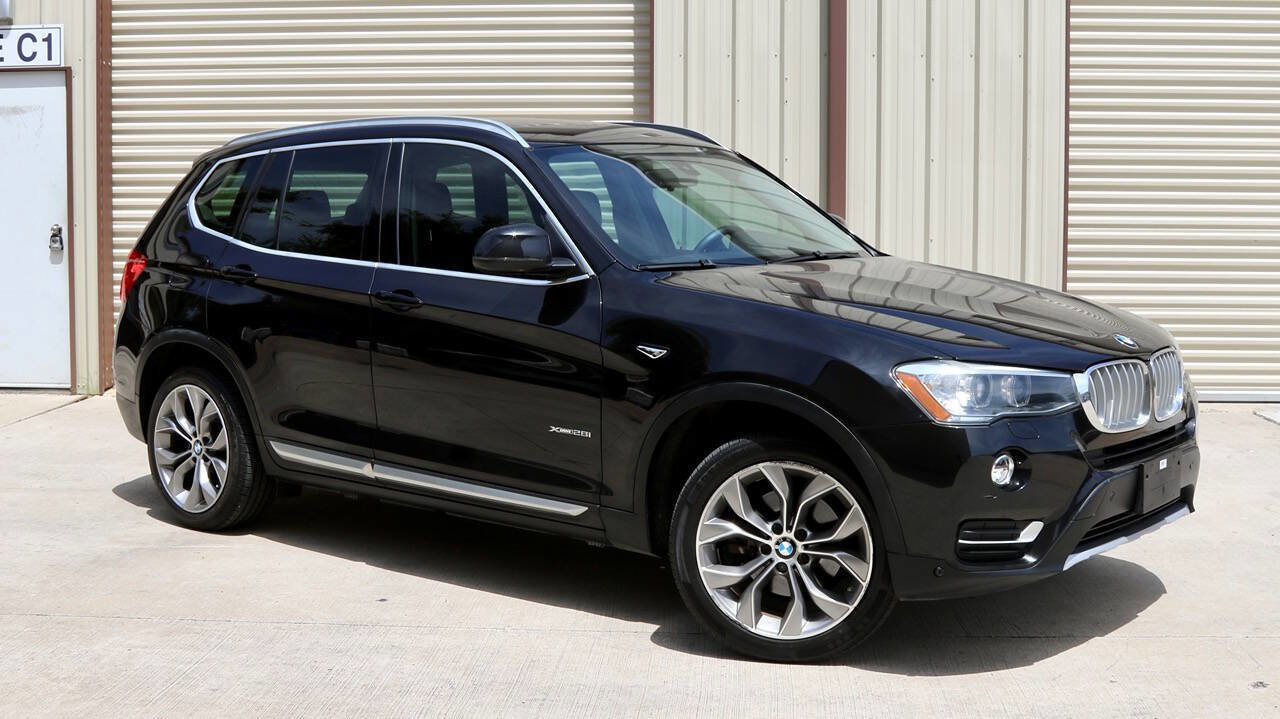
4. 2016 BMW X3: A Dynamic and Dependable Luxury SUV
The 2016 BMW X3 strikes a strong balance between performance, comfort, and reliability qualities, not always synonymous with luxury SUVs. It earned the top spot for midsize luxury SUVs in J.D. Power’s 2016 Dependability Survey, demonstrating that premium design can coexist with solid long-term performance.
Priced at an average of $11,192, the X3 remains an accessible entry point into the luxury market. However, potential owners should note the higher 10-year maintenance cost of $17,711 and four recorded recalls, typical of vehicles in this class.
The 2016 X3 offers three powertrain choices, all paired with a smooth eight-speed automatic transmission. The sDrive28i and xDrive28i use a turbocharged 2.0-liter four-cylinder engine producing 240 horsepower and 260 lb-ft of torque, achieving an EPA-rated 21 mpg city and 28 mpg highway.
The xDrive28d features a turbocharged 2.0-liter diesel engine rated at 180 horsepower and 280 lb-ft of torque, delivering impressive fuel economy of 27/34 mpg. For maximum performance, the xDrive35i boasts a turbocharged 3.0-liter inline-six generating 300 horsepower and 300 lb-ft of torque, with fuel efficiency rated at 19/27 mpg.
The X3’s driving dynamics highlight BMW’s signature sporty character. It offers precise steering, agile handling, and strong acceleration, making it one of the most engaging compact luxury SUVs to drive. The ride leans on the firmer side compared to competitors like the Lexus NX and Volvo XC60, prioritizing performance over plushness.
Inside, the X3 offers a well-built and spacious cabin with seating for five. Cargo space is generous, providing 27.6 cubic feet behind the rear seats and expanding to 63.3 cubic feet when folded. Standard interior features include eight-way power front seats, Sensatec leatherette upholstery, and Bluetooth connectivity.
The infotainment system, known for its intuitive iDrive interface, includes touchpad controls that make input simple and responsive. While the cabin is functional and solidly constructed, its design feels more clinical than luxurious, and some materials don’t match the richness found in newer rivals.
The X3 offers a comprehensive suite of safety features. Standard protection includes front, side, and curtain airbags, while the optional Driver Assistance Plus package adds blind-spot monitoring, lane departure warning, forward collision warning, pedestrian detection, and automatic emergency braking.
In IIHS testing, the X3 earned “Good” ratings in four key crash categories and a “Basic” rating for front crash prevention due to its optional collision warning system.
For 2016, all trims benefit from enhanced USB and Bluetooth connectivity, while the xDrive35i gains a Harman/Kardon audio system as standard. Optional upgrades include navigation, adaptive LED headlights, a panoramic sunroof, and heated leather seats, many available through bundled packages.
The 2016 BMW X3 stands as one of the most reliable and engaging luxury SUVs of its time. It delivers a satisfying mix of performance, utility, and refinement, supported by a proven powertrain lineup and BMW’s precision engineering.
While ownership costs are higher than non-luxury alternatives, the X3 rewards drivers with a dynamic experience, spacious design, and the prestige of the BMW name, making it an appealing option for those seeking a dependable yet spirited compact luxury SUV.
5. 2019 Hyundai Santa Fe: A Practical and Reliable Midsize SUV
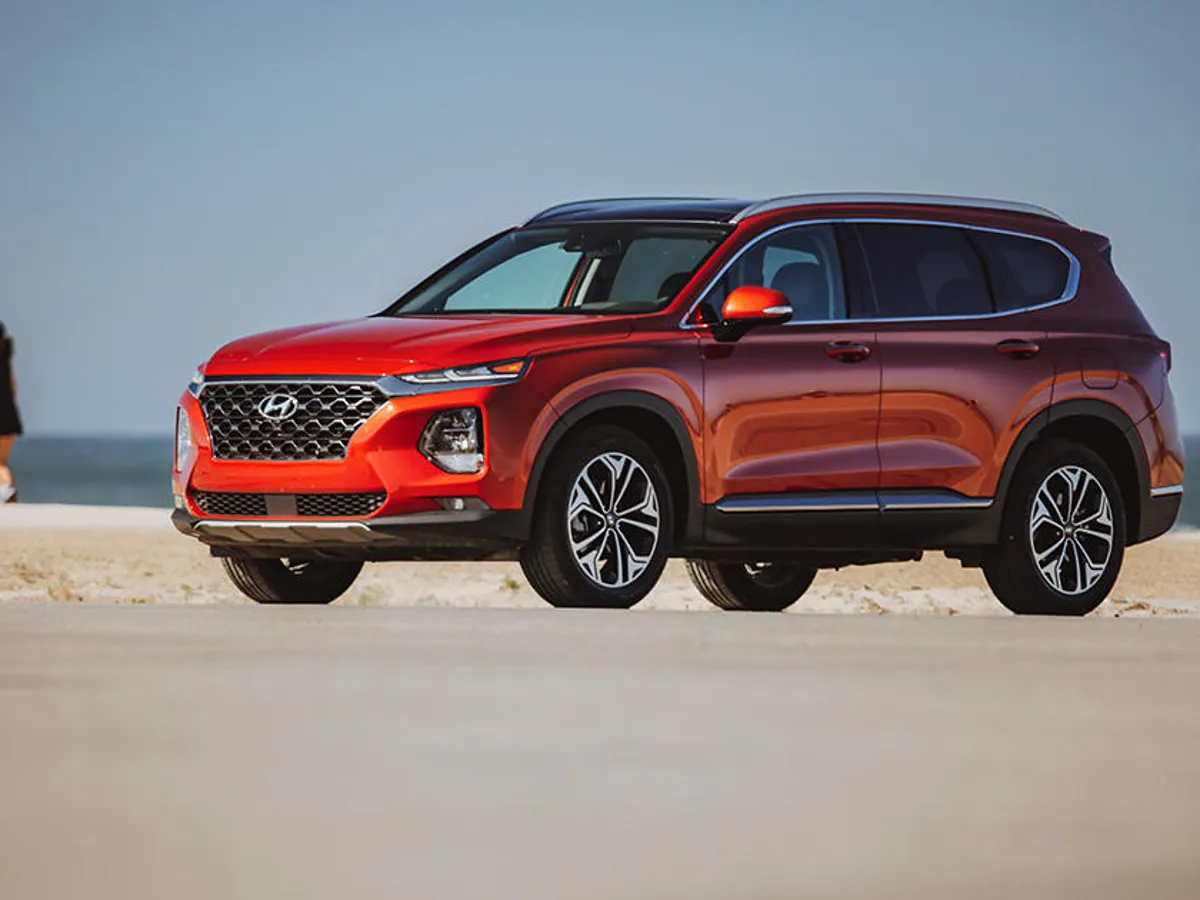
The 2019 Hyundai Santa Fe stands out as one of the most dependable midsize SUVs of its model year, earning a J.D. Power reliability score of 86 out of 100. With an average market price of $15,938, a 10-year maintenance cost of $8,056, and only one recall, it offers strong value for buyers prioritizing dependability, practicality, and safety. The 2019 redesign introduced a refined exterior, improved comfort, and an array of standard safety technologies.
For 2019, Hyundai renamed the former Santa Fe Sport to simply Santa Fe, transforming it into a two-row midsize SUV with a more traditional shape. The design features a longer hood, upright windshield, and an extended wheelbase, giving it a more confident stance.
The bold grille and slim LED daytime running lights help it stand out in a crowded market. Inside, the cabin provides generous space for five passengers, highlighted by a sliding and reclining rear seat and a nearly flat floor that makes three-across seating comfortable. Wide door openings improve access, and the interior layout uses physical controls that are easy to understand.
The infotainment system is straightforward, with a central touchscreen and clear graphics. Cabin materials feel solid and practical, emphasizing comfort and usability over luxury.
The Santa Fe offers two engines: a 2.4-liter four-cylinder producing 185 horsepower and a 2.0-liter turbocharged four-cylinder generating 235 horsepower. Both are paired with an eight-speed automatic transmission and come with either front-wheel or all-wheel drive.
The turbo engine provides strong acceleration, reaching 60 mph in 7.8 seconds, while the base engine delivers steady performance suited for daily driving. The 2.0T all-wheel-drive version achieves 27 miles per gallon on the highway, which is respectable but not class-leading. The base engine trails some competitors in efficiency, but both options deliver smooth and predictable power.
Ride quality is a key strength for the 2019 Santa Fe. Hyundai reworked the suspension with revised dampers and bushings to enhance comfort and reduce body roll. The steering feels responsive and well-weighted, and the cabin remains quiet on long drives. The structure feels sturdy even on rough roads, reflecting Hyundai’s emphasis on durability.
Safety is one of the Santa Fe’s greatest advantages. Standard features include forward-collision warning with pedestrian detection, automatic emergency braking, lane-keeping assist, blind-spot monitoring, rear cross-traffic alert, adaptive cruise control, and automatic high-beams.
With its reliability, practicality, and long list of standard equipment, the 2019 Hyundai Santa Fe offers a balanced blend of comfort, safety, and value for families seeking a durable midsize SUV.
6. 2018 Toyota Highlander: A Reliable and Family-Friendly Midsize SUV
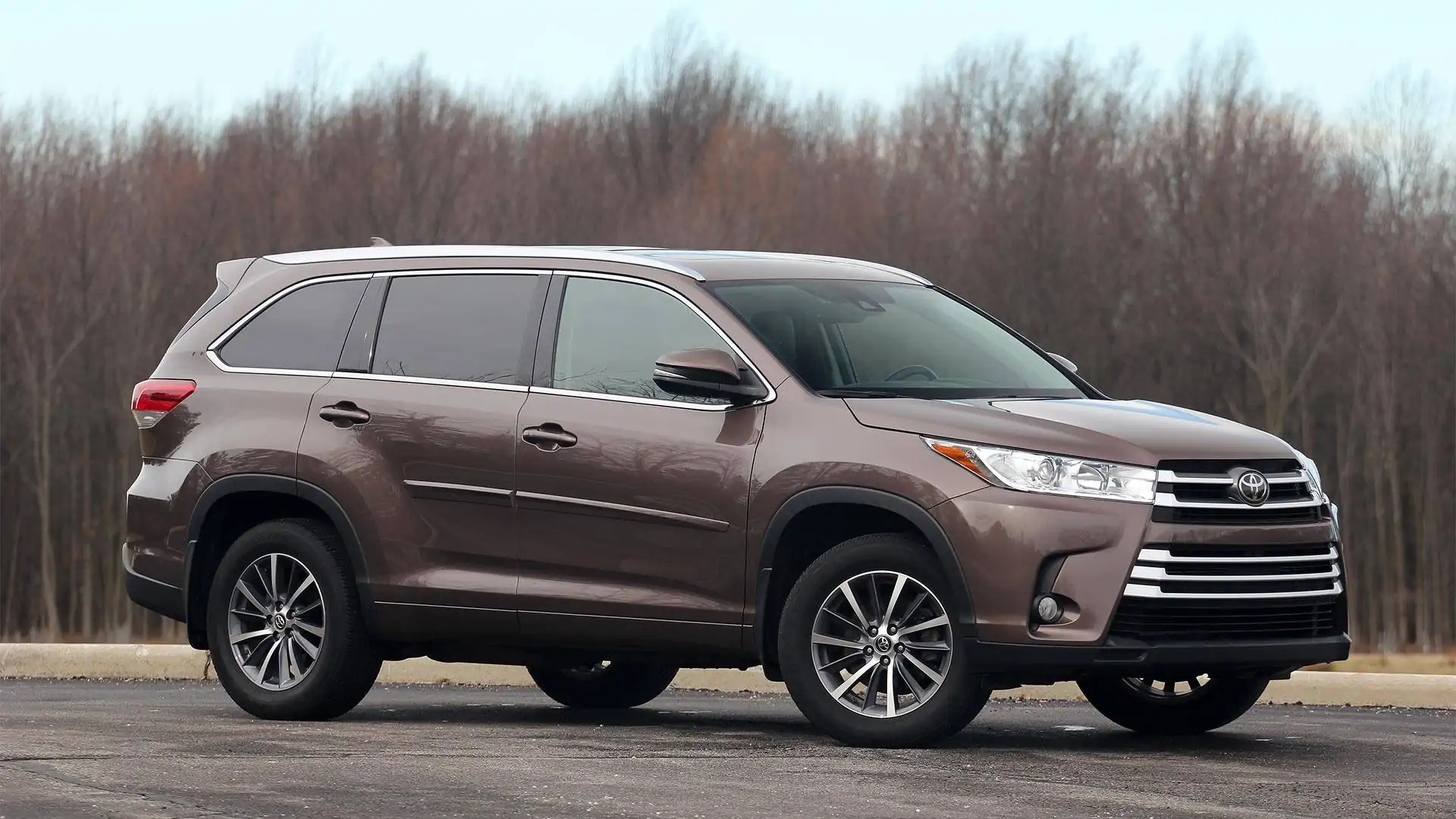
The 2018 Toyota Highlander exemplifies Toyota’s longstanding reputation for dependability, earning a J.D. Power reliability score of 86 out of 100. Priced at an average of $22,245, it ranks among the top midsize SUVs for long-term value and low ownership costs, with an estimated 10-year maintenance expense of only $5,771.
While it had five recalls, the Highlander’s strong reliability, family-focused design, and comfortable driving experience make it one of the most trusted options in its class.
The Highlander is a popular three-row crossover designed to meet the needs of families seeking comfort, safety, and versatility. It offers a spacious interior, high-quality build, and smooth, composed road manners.
Though not designed for driving excitement, its quiet cabin and easy handling appeal to those prioritizing refinement and practicality. The model’s strong resale value further enhances its appeal as a used SUV purchase.
Under the hood, the 2018 Highlander features three powertrain choices: a 3.5-liter V6 engine, a hybrid setup, and an older four-cylinder base option that was less common. The V6 produces 295 horsepower and pairs with an eight-speed automatic transmission, offering smooth power delivery but relaxed throttle response.
Front- or all-wheel-drive configurations are available. The hybrid variant combines a retuned V6 with two electric motors to generate 306 horsepower, using a continuously variable transmission (CVT) and standard all-wheel drive. While not thrilling, both versions prioritize fuel efficiency and everyday drivability.
Handling is soft and composed rather than sporty, and the brakes lack feedback, but the suspension absorbs road imperfections comfortably, providing a calm ride for passengers.
Inside, the Highlander delivers a well-organized and comfortable cabin suited for families. The first and second rows are spacious and supportive, while the third row is better suited for children or short trips.
Material quality varies, with a mix of upscale and utilitarian finishes, but the layout is functional and family-friendly. Available features include captain’s chairs, a rear-seat entertainment system, and abundant storage compartments for small items. Cargo space is average for the class but easily expandable by folding the rear seats.
The infotainment setup starts with a 6.1-inch touchscreen on base trims and grows to an 8.0-inch display on higher models. Navigation and app integration are offered from the XLE trim upward, though the Highlander lacks Apple CarPlay, Android Auto, and onboard Wi-Fi.
Blending proven reliability, comfort, and practicality, the 2018 Toyota Highlander remains a dependable midsize SUV ideal for families who value longevity, safety, and everyday ease of use.
Also Read: 5 Cars With Cabins That Age Well vs 5 That Don’t
7. 2016 Ford Expedition: A Capable and Spacious Full-Size SUV
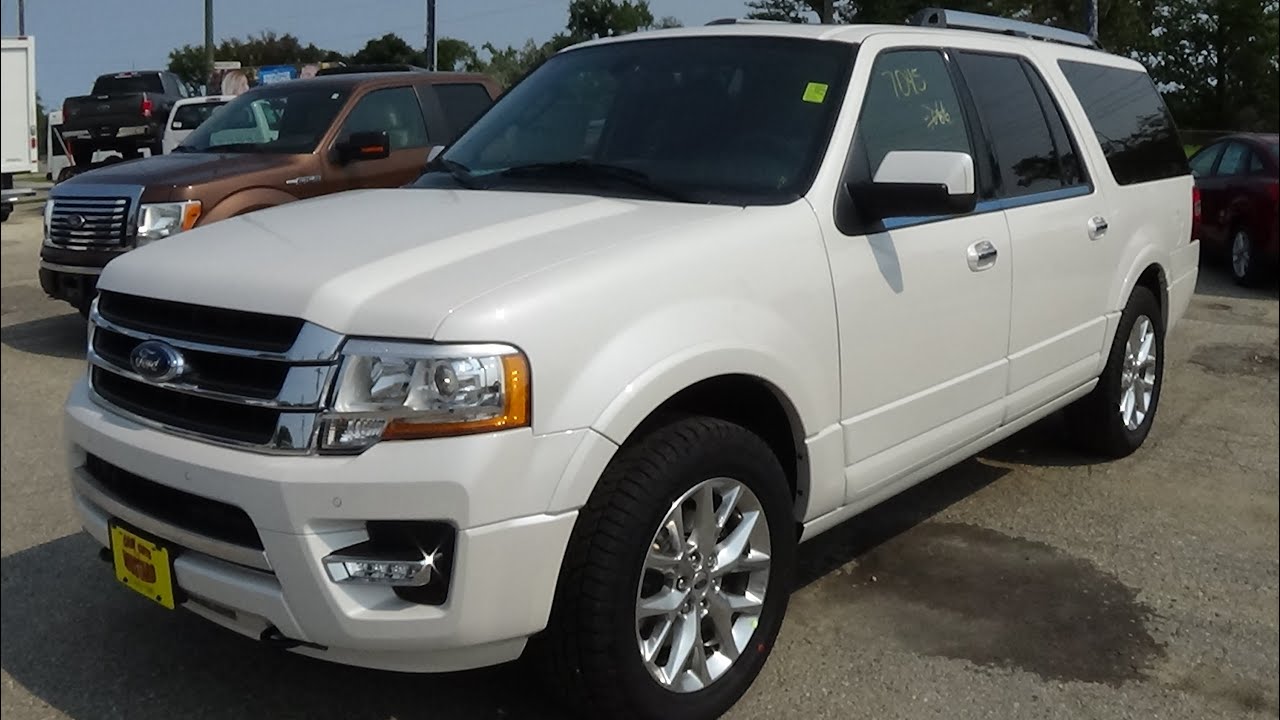
The 2016 Ford Expedition stands as one of the most reliable and practical full-size SUVs of its era, earning a J.D. Power reliability score of 79 out of 100. With an average price of $10,826 and a 10-year maintenance cost of $9,443, it offers strong long-term value for families or drivers needing a powerful, roomy vehicle.
It was ranked highest for dependability and performance in the 2019 J.D. Power survey, combining classic SUV toughness with a comfortable interior and modern features.
Under the hood, the Expedition features a 3.5-liter twin-turbocharged EcoBoost V6 engine that delivers 365 horsepower and 420 pound-feet of torque. This engine pairs with a six-speed automatic transmission and provides a best-in-class towing capacity of 9,200 pounds.
Compared with key rivals such as the Chevrolet Tahoe and Toyota Sequoia, the Expedition delivers better towing power and competitive fuel efficiency, achieving 16 miles per gallon in the city and 22 on the highway. The powertrain is smooth and responsive, offering dependable strength for highway driving, hauling, or family road trips.
The 2016 Expedition retains its traditional body-on-frame construction, which contributes to its durability and off-road capability. At 206 inches long, it provides exceptional space for passengers and cargo.
The Platinum trim enhances the exterior with a satin-aluminum grille, chrome accents, LED fog lights, and 20-inch polished aluminum wheels that create a premium appearance. For buyers needing extra room, the extended-length Expedition EL offers up to 130.8 cubic feet of cargo space, making it ideal for large families or those frequently transporting equipment.
Inside, the Expedition focuses on comfort and convenience. The Platinum model includes perforated leather seats with heating and cooling for the front row, heated second-row seats, a power-folding third row, and ambient lighting.
The interior layout is clean and functional, with durable materials and easy-to-use controls. The SUV also provides excellent headroom and legroom in all three rows, ensuring comfort for every passenger.
Technology features are modern and user-friendly. Ford’s SYNC 3 infotainment system includes navigation, a touchscreen interface, and improved voice recognition. A 12-speaker Sony sound system, SiriusXM, and HD Radio come standard. Available options include a rear-seat entertainment setup and adaptive suspension that adjusts for comfort and control.
Safety is another strong point. The Expedition earned a 5-star rating from the National Highway Traffic Safety Administration. Standard features include blind-spot monitoring, a rearview camera, rear parking sensors, Ford MyKey for young drivers, and an SOS Post-Crash Alert System.
The 2016 Ford Expedition delivers a powerful mix of strength, comfort, and reliability, making it an appealing choice for those seeking a versatile and long-lasting full-size SUV.
8. 2018 Toyota RAV4: A Reliable and Practical Compact SUV
The 2018 Toyota RAV4 remains a top contender in the compact SUV market, combining dependability, comfort, and utility in one package. Priced at an average of $18,310 and earning a reliability score of 88 out of 100 from J.D. Power, it ranks among the most dependable vehicles in its class. Maintenance costs average just $5,531 over ten years, and with only two recalls reported, it offers a sense of security that buyers value.
Under the hood, the RAV4 offers two powertrains: a 2.5-liter four-cylinder engine and a hybrid version that pairs the same engine with electric motors. Both provide modest acceleration, prioritizing fuel efficiency and day-to-day usability over excitement.
The hybrid model delivers standard all-wheel drive, while the gas version allows buyers to choose between front- and all-wheel-drive configurations. Power delivery is smooth, and the eight-speed automatic transmission operates without harsh shifts. While performance is not spirited, the RAV4 offers a composed and predictable drive, especially suited to city commuters and families seeking comfort and stability.
Ride quality is a notable strength. The suspension absorbs bumps effectively, keeping passengers comfortable even on uneven roads. Steering is light but accurate, and braking feels balanced and confident.
Toyota tuned the RAV4 to handle daily driving tasks with ease, making it ideal for long commutes or weekend getaways. Although the SE trim features a firmer suspension that may feel harsh on rough pavement, other trims maintain a pleasant, compliant feel.
Inside, the cabin emphasizes practicality. Space is generous for both passengers and cargo, and the RAV4’s low lift-over height makes loading and unloading effortless. The design favors durability and function, using sturdy materials such as leather-grained plastics and soft-touch surfaces.
The seating position is upright and supportive, offering a clear view of the road ahead. Minor ergonomic quirks, like awkwardly placed controls, are forgivable considering the RAV4’s otherwise thoughtful layout. With its wide rear opening and fold-flat rear seats, it offers some of the best cargo capacity in the compact SUV class.
Technology features are simple and reliable. A 6.1-inch touchscreen comes standard, providing access to Toyota’s Entune infotainment system with Bluetooth and USB connectivity. Higher trims add navigation and a larger 7-inch display. While it lacks Apple CarPlay, Android Auto, and Wi-Fi, its system is easy to use and well-suited for everyday needs.
The 2018 Toyota RAV4 continues to appeal to drivers who value reliability, comfort, and practicality. It is a sensible, well-rounded compact SUV that delivers lasting value and confidence on the road.
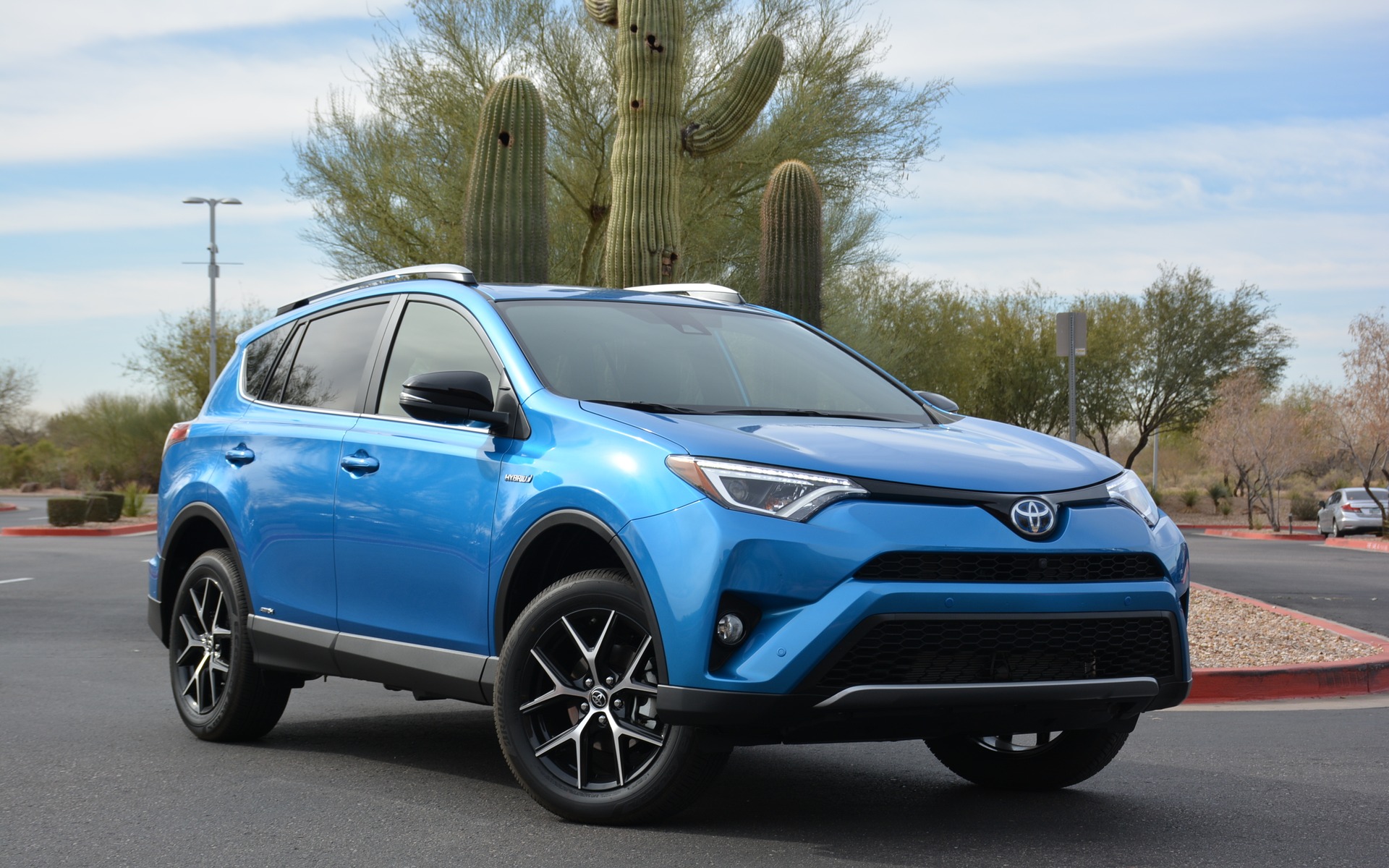
9. 2017 Toyota 4Runner: Rugged, Reliable, and Ready for Adventure
The 2017 Toyota 4Runner is a midsize SUV that continues to impress with its durability, off-road capability, and strong reliability record. With an average price of $24,061 and a reliability score of 88 out of 100 from J.D. Power, it stands as one of the most dependable SUVs in its class.
Maintenance costs average $5,825 over ten years, and despite five recalls, it retains excellent resale value, making it a sound option for long-term ownership.
Power comes from a 4.0-liter V6 engine paired with a five-speed automatic transmission. While this setup may appear dated by modern standards, it remains proven and dependable. Buyers can select between rear-wheel drive or several four-wheel-drive configurations.
Most trims feature part-time four-wheel drive with a low-range transfer case, while the Limited trim includes full-time all-wheel drive with a Torsen center differential that distributes torque between the front and rear wheels as needed.
Acceleration is moderate, but the 4Runner’s powertrain delivers consistent strength for towing and tackling rough terrain. Steering feels solid and provides reassuring feedback, helping drivers maintain control on winding roads or uneven surfaces.
The 4Runner’s ride quality reflects its truck-based construction, emphasizing stability and toughness rather than refinement. On paved roads, it feels sturdy but can exhibit body lean in corners. However, its body-on-frame design gives it true off-road capability that few competitors can match. Drivers who enjoy exploring trails or need a vehicle that can handle demanding conditions will appreciate its rugged nature.
Inside, the cabin prioritizes function over flash. The layout is straightforward, featuring large buttons and knobs that are easy to operate even while wearing gloves. Materials are durable, though not particularly upscale. Standard cloth seats are supportive, and higher trims offer leather upholstery with available heated and ventilated front seats.
The interior is spacious, with room for five passengers and an optional third row that increases seating to seven. Cargo capacity is generous, with a wide, flat load floor and deep storage compartments that make it an excellent companion for family trips or outdoor adventures.
Technology in the 4Runner is simple yet dependable. Every model includes Toyota’s Entune infotainment system with a touchscreen, Bluetooth, and a USB port. Higher trims upgrade to a premium JBL sound system with 15 speakers. While it lacks Apple CarPlay and Android Auto, the interface is clear and easy to use.
For drivers seeking a dependable SUV with genuine off-road strength and lasting value, the 2017 Toyota 4Runner remains a top contender that blends classic toughness with proven reliability.
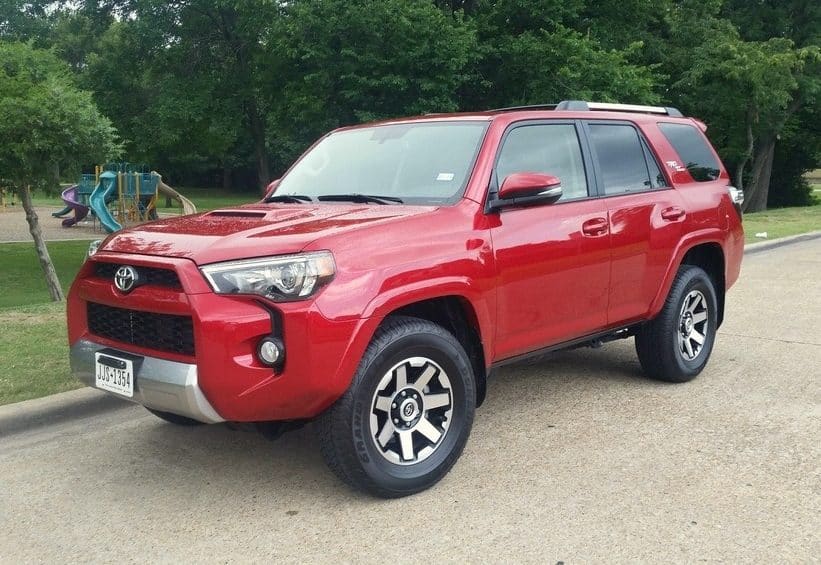
10. 2018 Toyota C-HR: Sporty Style Meets Everyday Practicality
The 2018 Toyota C-HR brings a bold personality to the subcompact SUV class with its distinctive styling, agile handling, and solid reliability record. Priced around $13,000 with a reliability score of 79 out of 100 from J.D. Power, it appeals to those who want a stylish and dependable crossover without breaking the bank.
Maintenance costs average $5,641 over ten years, and with only one recall, the C-HR proves to be a trustworthy long-term choice.
Powering the 2018 C-HR is a 2.0-liter four-cylinder engine producing 144 horsepower, paired with a continuously variable automatic transmission. It comes only with front-wheel drive. The powertrain isn’t especially quick, but it’s smooth and efficient for daily driving.
Around town, throttle response is lively enough for light commuting, although acceleration feels modest during highway merging or passing maneuvers. Despite the lack of punch, the C-HR’s handling is engaging, with responsive steering and minimal body roll.
Its chassis tuning gives it a nimble character that feels confident on winding roads. The suspension keeps the ride mostly comfortable, though rough pavement can transmit some noise and vibration into the cabin.
Inside, the C-HR offers an appealing mix of creativity and quality. The cabin features a youthful design with diamond-patterned accents and soft-touch materials, giving it a modern, upscale look. The faux-leather dashboard and well-fitted panels reflect Toyota’s attention to detail.
However, space in the rear seat is tight, and outward visibility is limited due to the sloping roofline. Cargo room is modest for the segment, though the wide hatch opening makes loading easier. The C-HR prioritizes design over practicality but remains comfortable for front-seat occupants with supportive seats and straightforward controls.
Technology in the C-HR is simple but user-friendly. All models come with a 7-inch touchscreen infotainment system with Bluetooth, USB connectivity, and an auxiliary input. It lacks Apple CarPlay, Android Auto, and built-in navigation, which might disappoint tech-focused buyers, but the system is intuitive and easy to operate.
On the safety front, Toyota includes a full suite of standard driver-assistance features, including adaptive cruise control, lane-keeping assist, and automated emergency braking, giving the C-HR an edge in safety compared to many competitors.
The 2018 Toyota C-HR may not be the fastest or roomiest option in its class, but it strikes a compelling balance between reliability, personality, and value. With its standout design and playful road manners, it’s a smart choice for drivers seeking something stylish and dependable for city life.
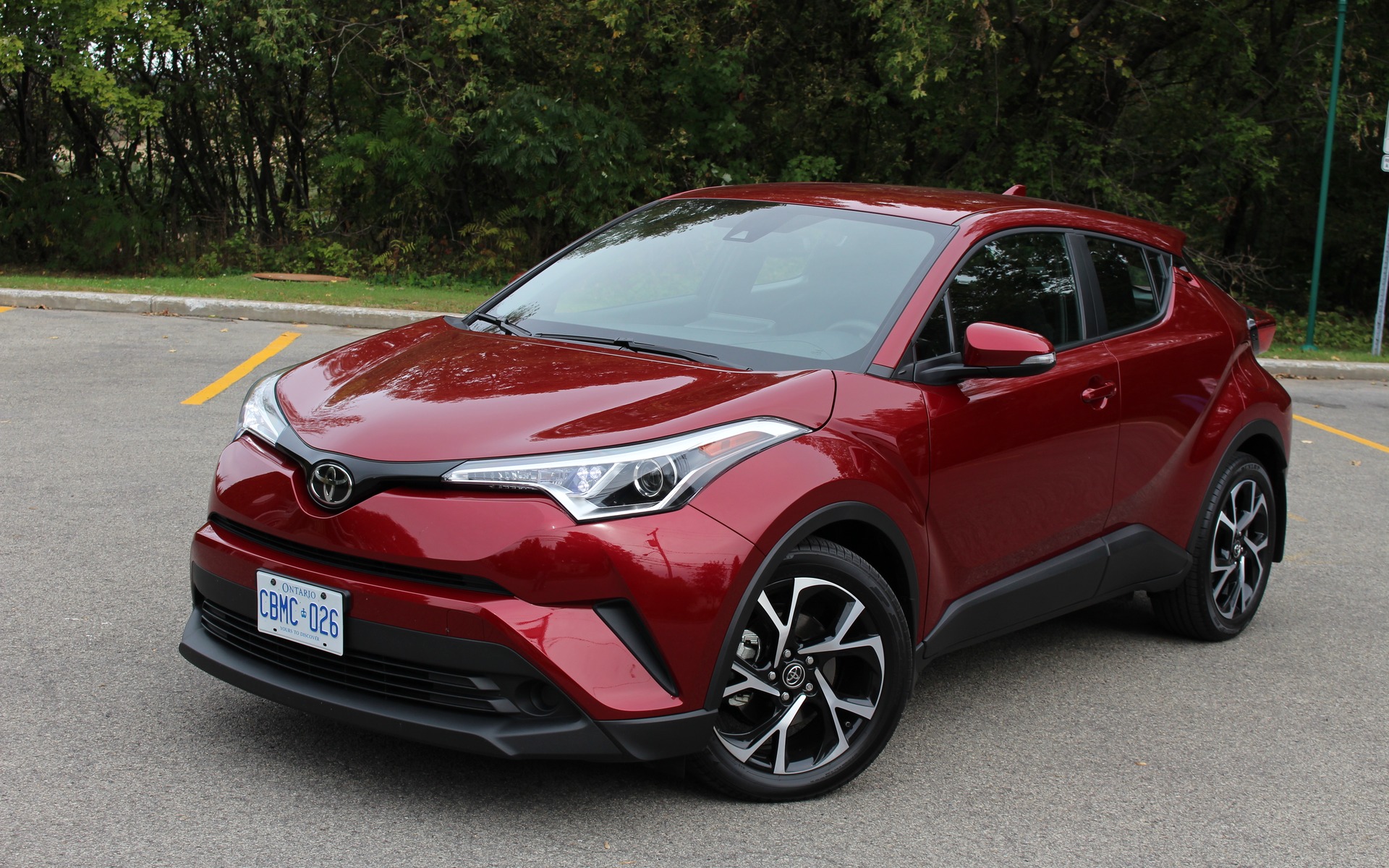
11. 2016 Chevrolet Tahoe: Power, Space, and Utility in One Package
The 2016 Chevrolet Tahoe remains a standout among full-size SUVs, combining truck-like strength with family-friendly comfort. Priced around $22,163 on the used market and earning a reliability score of 75 out of 100, it appeals to buyers who need space, towing capacity, and durability. With average 10-year maintenance costs of $9,544 and nine recalls recorded, the Tahoe offers solid dependability for its size and class.
Under the hood, a 5.3-liter V8 engine produces 355 horsepower and 383 lb-ft of torque, paired with a six-speed automatic transmission. Rear-wheel drive is standard, while four-wheel drive is available for those who need extra traction.
The Tahoe’s V8 provides strong pulling power and an 8,600-pound towing capacity, making it ideal for hauling campers, boats, or trailers. An Active Fuel Management system helps improve efficiency by deactivating cylinders when full power isn’t needed, though fuel economy remains modest at 16 mpg city and 23 mpg highway.
The Tahoe’s heavy body gives it a commanding road presence, and while it feels large in tight spaces, it remains composed and steady on the highway. Higher trims with magnetic ride control offer smoother handling and improved comfort.
Inside, the Tahoe offers generous room for up to nine passengers in its base configuration. Most models seat seven or eight, depending on second-row seating choices.
The cabin feels upscale, with quality materials and modern features, including available leather upholstery, heated and cooled front seats, and tri-zone climate control.
The third row folds flat at the push of a button, improving convenience, though the elevated cargo floor slightly reduces storage space. With all seats folded, the Tahoe provides up to 94.7 cubic feet of cargo room, enough for large family trips or bulky gear.
Chevrolet’s MyLink infotainment system, standard with a touchscreen interface, supports navigation, Bluetooth, and a 4G LTE Wi-Fi hotspot. Higher trims add luxury touches such as a power liftgate, premium audio, and rear entertainment options. Safety technology is another strength.
Available systems include forward collision warning, lane departure intervention, blind spot monitoring, and GM’s safety alert seat, which vibrates to warn of nearby hazards.
The 2016 Chevrolet Tahoe balances traditional SUV toughness with everyday practicality. Its combination of towing strength, spacious interior, and modern tech makes it an appealing choice for families and adventurers who value capability and comfort in equal measure.
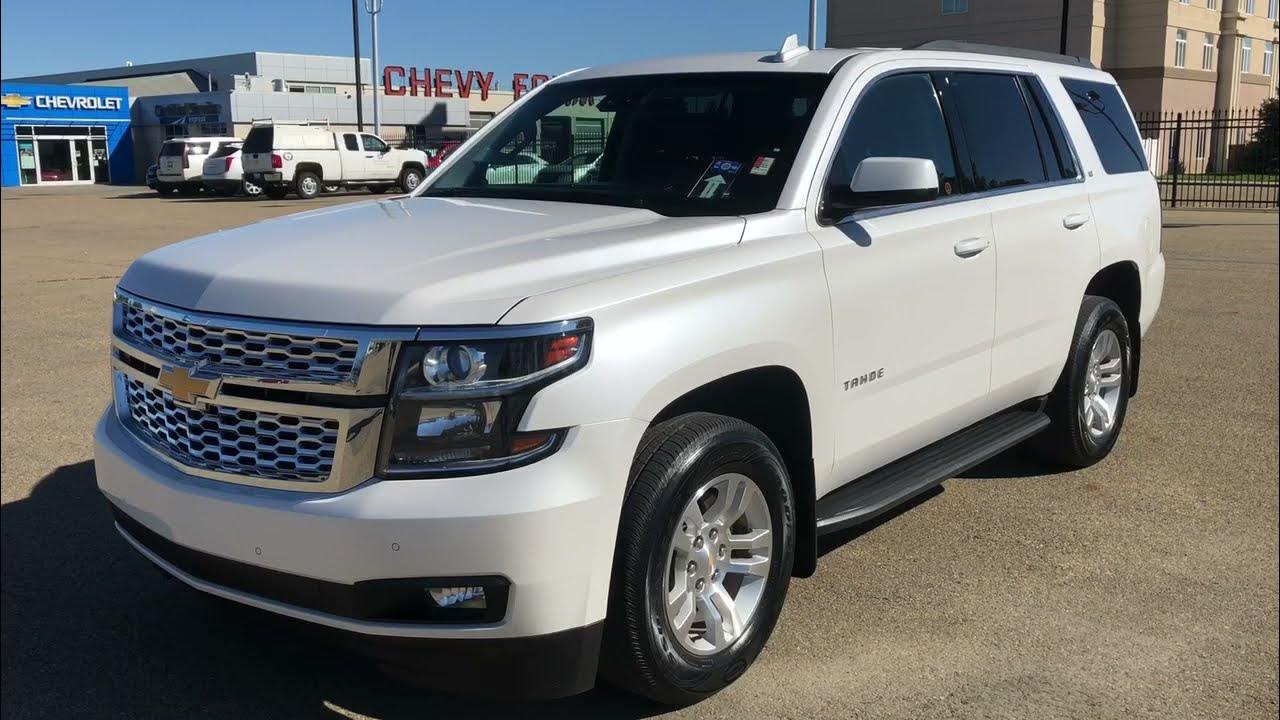
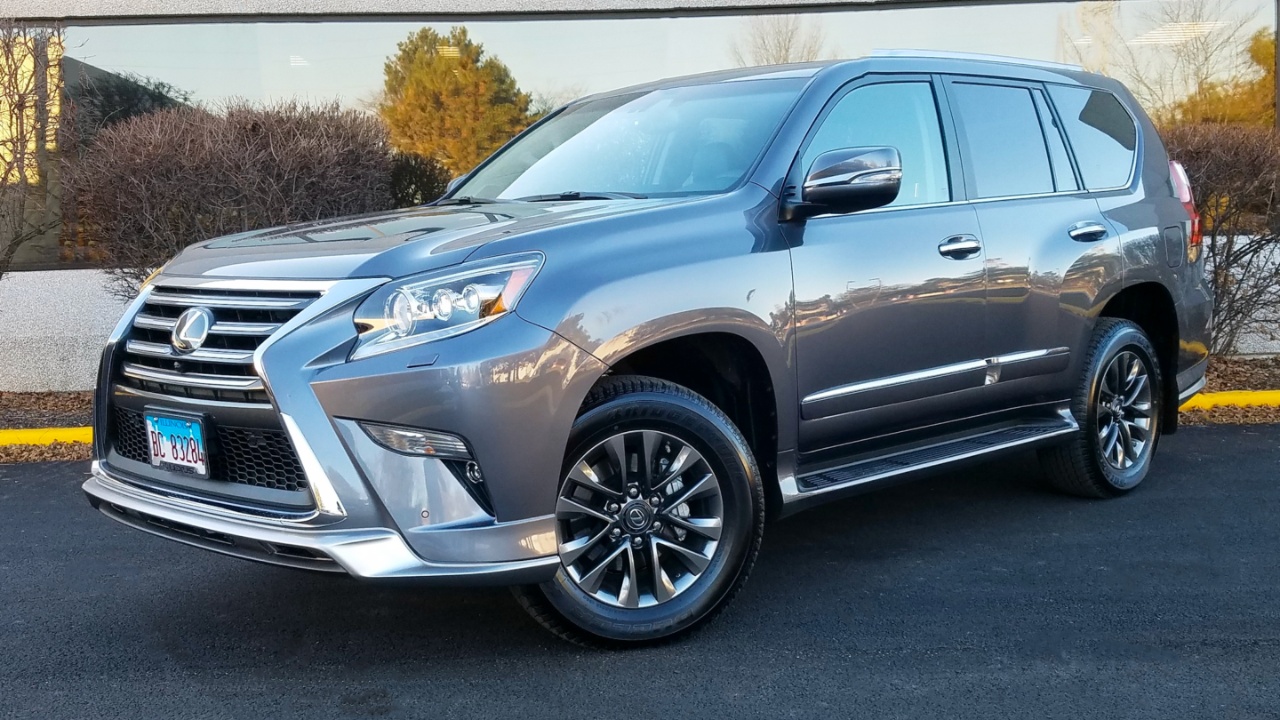
12. 2019 Lexus GX 460: Luxury Meets Rugged Capability
The 2019 Lexus GX 460 combines refinement, durability, and capability in one distinctive package. Priced around $32,203 on the used market with a reliability score of 75 out of 100, this three-row luxury SUV offers seating for up to seven passengers and a reputation for lasting quality.
With average 10-year maintenance costs estimated at $5,825 and five recalls recorded, the GX balances cost efficiency with the robust engineering expected from Lexus.
Under the hood lies a 4.6-liter V8 engine that delivers 301 horsepower through a six-speed automatic transmission. Power is sent to all four wheels via a full-time four-wheel-drive system featuring a Torsen limited-slip center differential and a two-speed transfer case.
This setup allows the GX to tackle off-road terrain with confidence, making it one of the few luxury SUVs capable of genuine trail performance. The powertrain feels strong and smooth, although acceleration is slower than most competitors, reaching 60 mph in about seven seconds.
On pavement, the GX rides comfortably and isolates passengers from rough surfaces, though its body-on-frame construction gives it a more traditional, trucklike feel compared to unibody rivals like the Audi Q7 or BMW X5.
Inside, the GX 460 exudes Lexus craftsmanship with high-quality materials and thoughtful design. Standard equipment includes plush seating, dual-zone automatic climate control, an 8.0-inch touchscreen infotainment system, and a power-adjustable steering wheel.
Buyers can add available upgrades such as leather upholstery, a 17-speaker Mark Levinson premium sound system, a rear-seat entertainment package, and a power-folding third row. The cabin provides excellent visibility and a commanding driving position, and while the design is more conservative than some competitors, it emphasizes comfort and functionality.
Lexus also integrates modern convenience and safety features into the GX lineup. Higher trims offer adaptive cruise control, automated emergency braking, and lane-departure warning. Heated and ventilated seats are available on lower trims, while the Premium and Luxury models include nearly every amenity one could want in a high-end SUV.
The 2019 Lexus GX 460 remains an appealing choice for those seeking a blend of old-school toughness and refined comfort. Its V8 power, proven reliability, and impressive off-road capabilities set it apart from more road-oriented luxury SUVs, making it a dependable and sophisticated option for drivers who value versatility and durability as much as prestige.
The SUVs featured in “12 SUVs That Still Feel New After 200,000 Miles” represent a rare balance of engineering quality, thoughtful design, and long-term reliability that makes ownership worthwhile.
Each model, whether it is a rugged off-roader like the 4Runner, a refined daily driver like the Envision, or a powerful family hauler like the Tahoe, demonstrates that quality construction can outlast trends and technology cycles.
While regular maintenance remains essential, these SUVs prove that true durability starts with solid design and dependable components. For drivers who want vehicles that deliver comfort, safety, and confidence year after year, these twelve options provide assurance that your investment will continue to hold value well beyond 200,000 miles.
They stand as examples of automotive excellence, showing that the best SUVs do more than survive with age; they continue to perform, impress, and inspire mile after mile.
Also Read: 10 Cars That Can Survive a Decade Without Major Repairs
