
When you’re spending over $40,000 on a new SUV, you expect more than good looks and decent mileage you expect peace of mind. Unfortunately, not all SUVs deliver that.
While some manufacturers have refined their models to the point of near perfection, others still frustrate owners with annoying quirks, inconsistent build quality, or tech that feels like it was added without real-world testing.
For American SUV buyers, especially families and commuters, it’s not just about horsepower or luxury features. It’s about day-to-day livability quiet cabins, intuitive infotainment systems, reliable engines, and smart designs that don’t drive you crazy after six months.
Based on recent owner surveys, expert reviews, and reliability data, here are five new SUVs that rarely annoy their owners and five that seem to do the exact opposite.
SUVs That Rarely Annoy Owners
When it comes to owning an SUV, comfort, convenience, and dependability are just as important as performance or style. Some models manage to strike that perfect balance, offering smooth rides, intuitive features, and solid reliability that keep drivers happy long after the new-car excitement fades.
In this article, we’ll look at SUVs that rarely annoy their owners, the ones praised for being easy to live with, hassle-free to maintain, and consistently enjoyable to drive day after day.
1. Toyota RAV4
Few SUVs embody dependability and user-friendliness like the Toyota RAV4. It’s the kind of vehicle that might not blow your mind with power, but it never lets you down.
Owners love the intuitive controls everything from the infotainment layout to the climate system feels designed for actual humans. The RAV4’s hybrid models add another layer of satisfaction, combining great fuel economy with minimal noise and smooth acceleration.
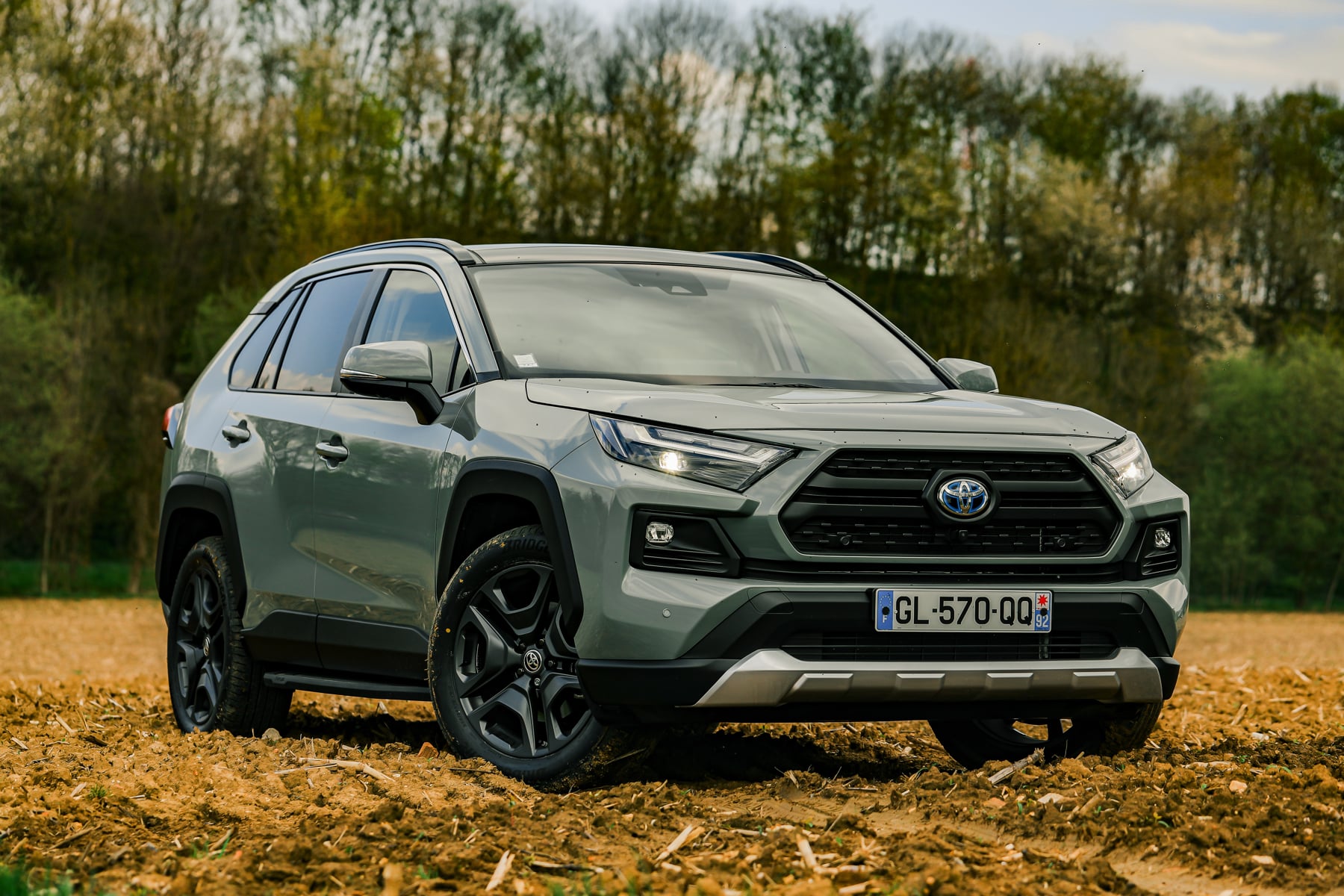
Toyota’s reputation for reliability remains intact here. Few owners report major mechanical problems, and annual maintenance costs are among the lowest in the segment.
Perhaps most importantly, nothing about the RAV4 feels needlessly complicated. It’s the sort of SUV you can hand to a teenager or grandparent and trust they’ll figure it out without frustration.
Also Read: 12 Cars That Shock Drivers With Unstoppable Reliability
2. Honda CR-V
The Honda CR-V continues to dominate owner satisfaction surveys, and for good reason. It strikes the perfect balance between refinement, comfort, and efficiency.
Its turbocharged engine provides plenty of pep without guzzling gas, and the hybrid version takes it up a notch with impressive mileage.
What owners consistently praise is how relaxing it is to drive quiet on highways, composed on rough roads, and loaded with practical storage solutions.
The cabin materials are high-quality without being flashy, and the infotainment system (a sore spot in older CR-Vs) has improved drastically in recent years.
Everything simply works the way you expect it to, making the CR-V one of the least annoying SUVs on the market.
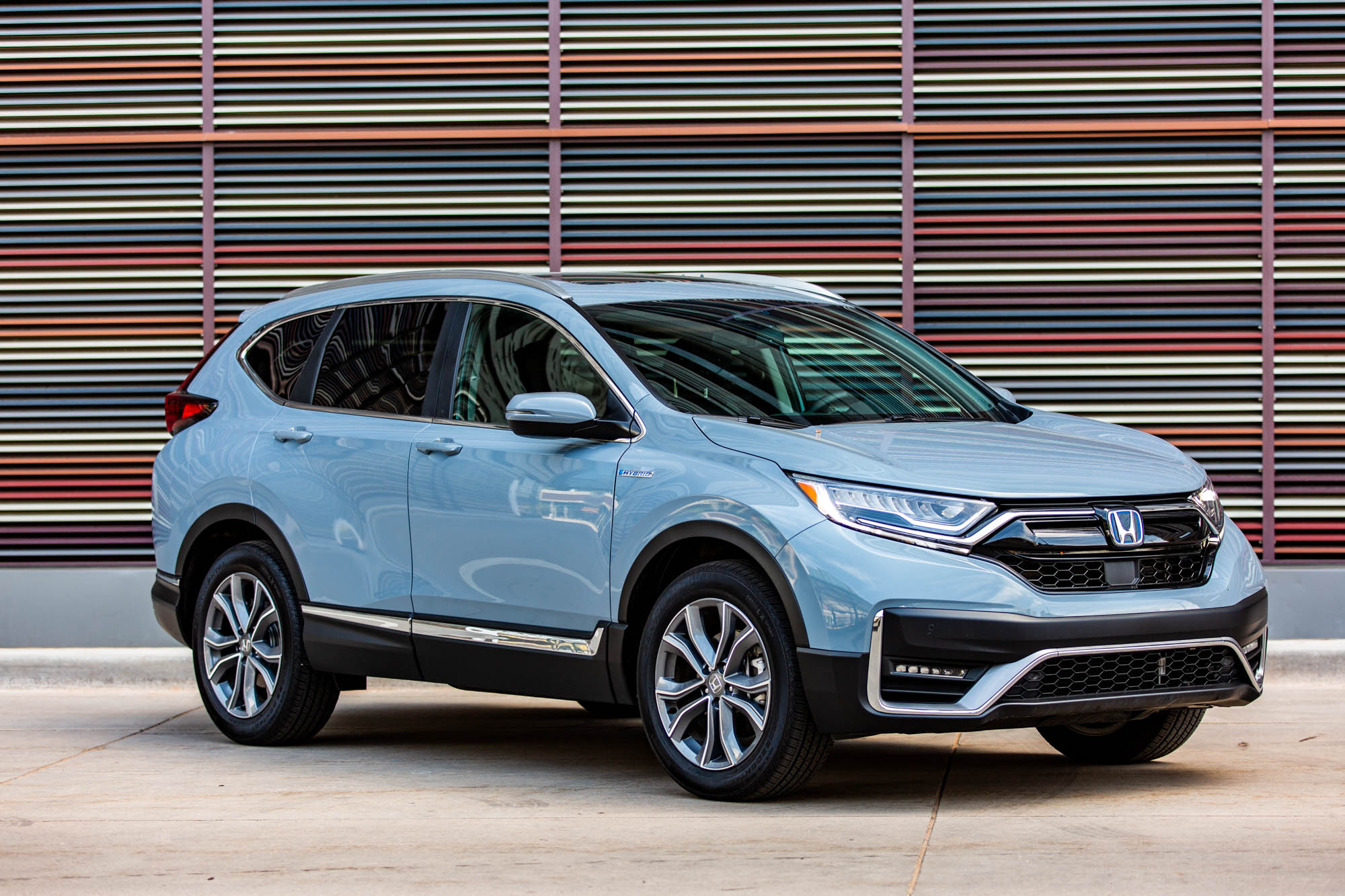
Honda put serious effort into equipping the CR-V with its first turbocharged engine, a 1.5-liter unit producing 190 horsepower, matched with one of the best continuously variable automatic transmissions (CVTs) on the market, and that’s high praise.
While most compact crossovers have modest towing abilities, the CR-V’s 1,500-pound limit is among the lowest. Those looking for thrilling acceleration might find it underwhelming, but its refined ride, precise steering, and confident braking more than make up for it.
The CR-V’s composed suspension ensures comfortable drives whether you’re commuting or road-tripping, while its responsive brakes deliver reassuring stopping power.
The CR-V Hybrid features a 2.0-liter four-cylinder engine paired with two electric motors, combining for 212 horsepower. The hybrid system operates smoothly and quietly, with Honda reducing engine drone under heavy throttle by adding extra sound insulation and active noise cancellation through the audio system.
The result is a noticeably quieter and more refined experience compared to the standard engine, which tends to be one of the louder options in its class during full-throttle acceleration.
3. Mazda CX-5
Mazda has built its reputation on driver enjoyment, and the CX-5 proves that fun and practicality can coexist.
This SUV stands out not only for its beautiful design and luxurious interior rivaling vehicles that cost much more but also for its simple, satisfying ownership experience.
Owners often say the CX-5 feels like a vehicle built with attention to detail. The rotary infotainment dial is still favored by many who dislike touchscreen-heavy setups, and the cabin insulation makes it whisper-quiet on highways.
Add in excellent reliability scores and superb handling, and you get an SUV that owners love to live with, day after day, without the constant frustrations that plague some competitors.
For 2018, Mazda refined the CX-5 by adding cylinder deactivation to its standard four-cylinder engine, a feature that shuts down two cylinders while cruising to improve fuel economy.
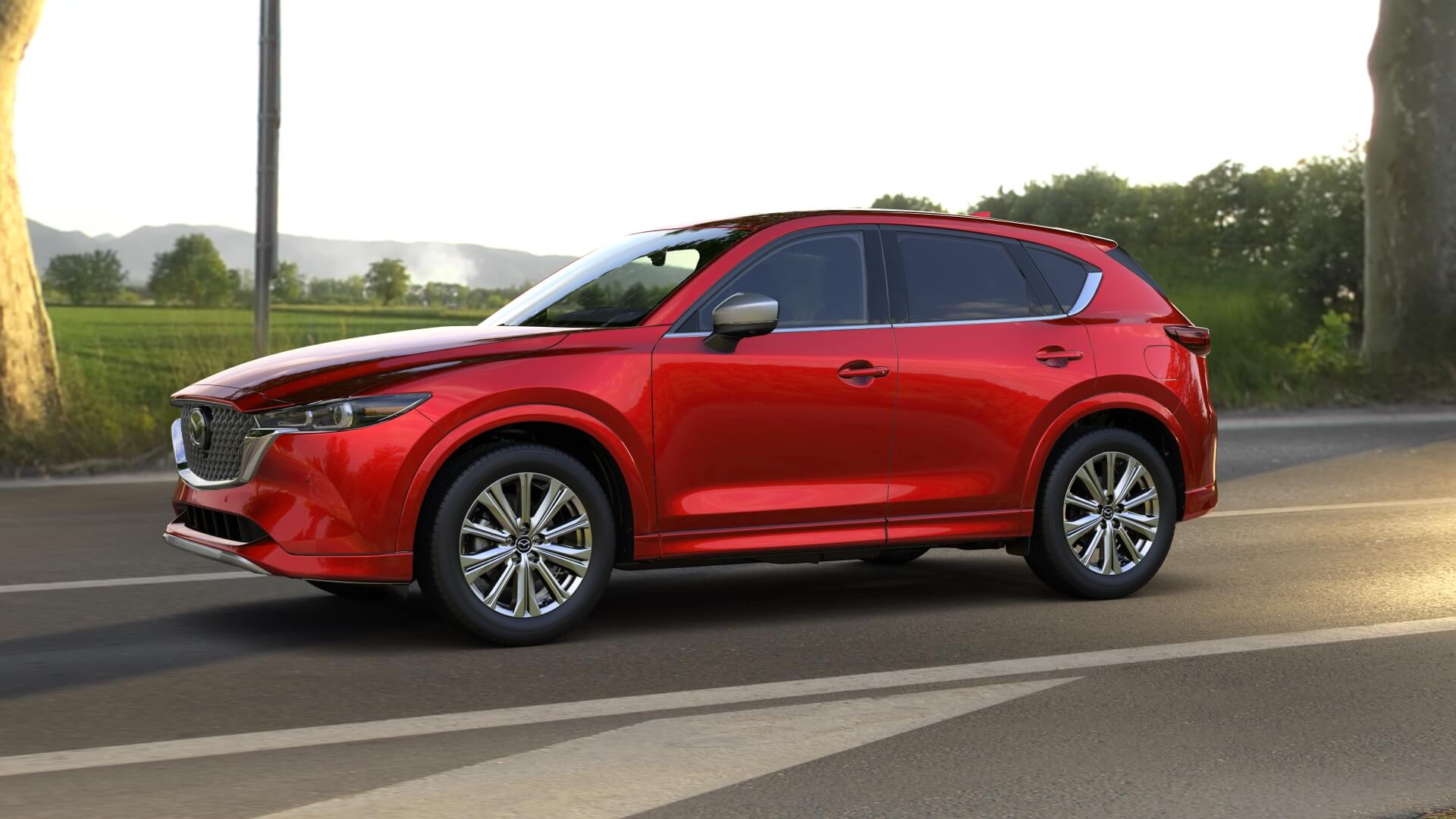
Every CX-5 now comes equipped with a leather-wrapped steering wheel and shift knob, along with standard blind-spot monitoring and rear cross-traffic alert. The base model also gains a range of active safety options such as adaptive cruise control and lane-keeping assist.
Stepping up to the Touring trim brings 19-inch wheels and the full suite of driver-assistance technologies, while the top-level Grand Touring adds driver’s seat memory settings and six-way power adjustments for the front passenger seat. The previously available Grand Select trim has been discontinued.
Although the CX-5 remains one of the few compact SUVs in its class without a turbocharged engine, its four-cylinder feels surprisingly lively. The 2.5-liter inline-four, now with cylinder deactivation, still produces 187 horsepower, while torque rises slightly to 186 pound-feet.
The six-speed automatic transmission carries over and continues to impress with quick, precise shifts, unlike the droning CVTs found in some rivals. Front-wheel drive comes standard, with all-wheel drive available.
The CX-5 shines on winding roads, delivering sharp handling and a balanced ride that doesn’t require aggressive driving to appreciate.
Cabin noise is minimal, and the suspension strikes an ideal balance, neither too firm nor too soft, absorbing bumps with ease. Overall, the CX-5 offers the ride comfort and composure of vehicles costing twice as much.
4. Subaru Outback
Part SUV, part wagon, the Subaru Outback has become a cult favorite among American families and adventurers alike. Its all-wheel-drive system is among the best in the business, offering confidence in rain, snow, and dirt alike.
Owners appreciate that the Outback doesn’t just promise practicality it delivers it with a spacious interior, excellent visibility, and thoughtful ergonomics.
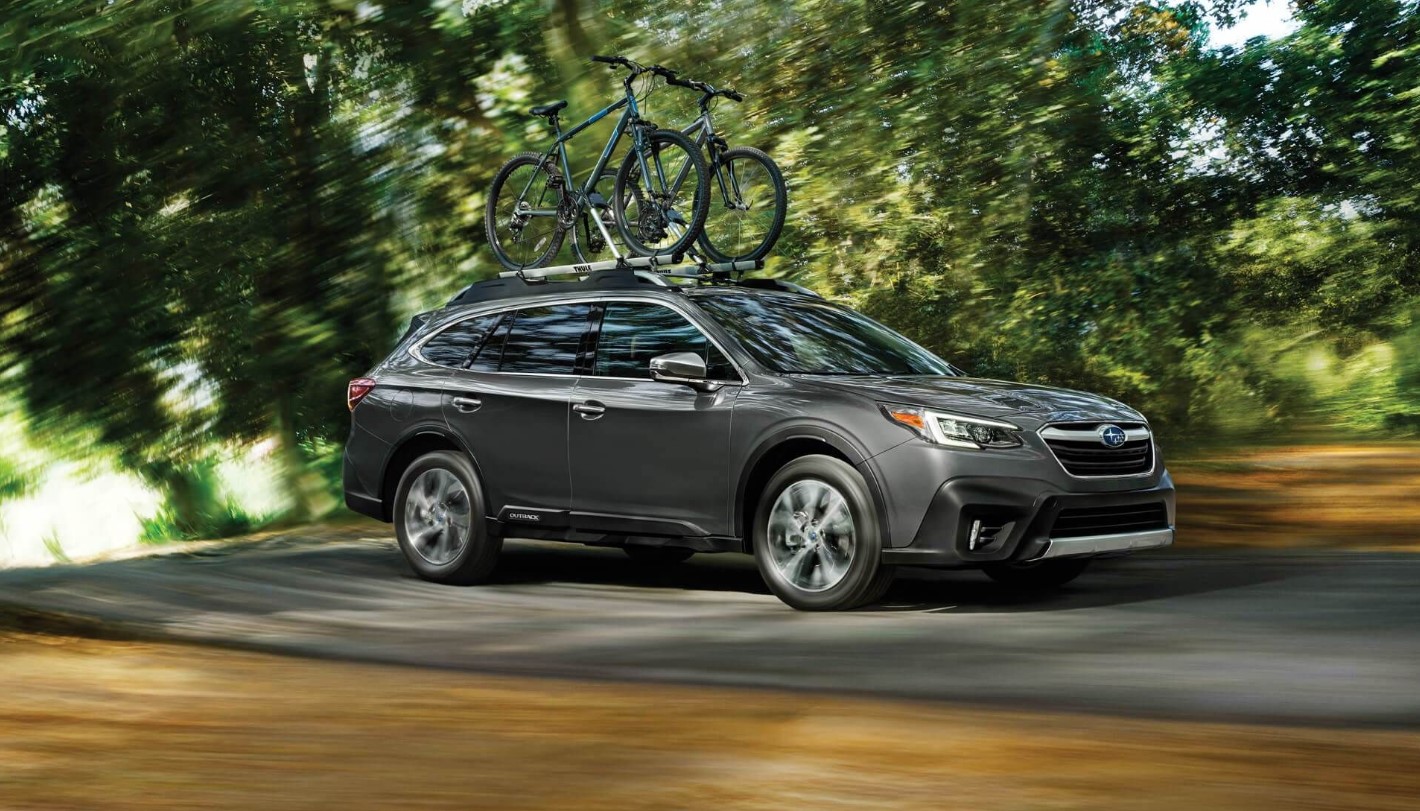
Subaru’s EyeSight safety suite occasionally gets flak for being overly sensitive, but most owners appreciate the added security. Moreover, its reliability record and long-term durability mean owners rarely find themselves at the repair shop.
Add its comfortable ride and adventure-ready nature, and it’s no wonder the Outback earns glowing reviews for being easy to live with.
5. Lexus RX
If serenity could be measured, the Lexus RX would top the charts. This midsize luxury SUV has long been one of the most satisfying vehicles to own, blending refinement, reliability, and comfort in a way that few rivals match.
The hybrid variant, in particular, wins over owners for its near-silent operation and impressive fuel economy.
Inside, the RX keeps things simple yet upscale soft-touch materials everywhere, a smooth infotainment interface, and superb sound insulation that makes even long commutes feel calming.
Unlike some European luxury SUVs that overwhelm owners with endless menus and touch-sensitive gimmicks, the RX focuses on usability and long-term satisfaction.
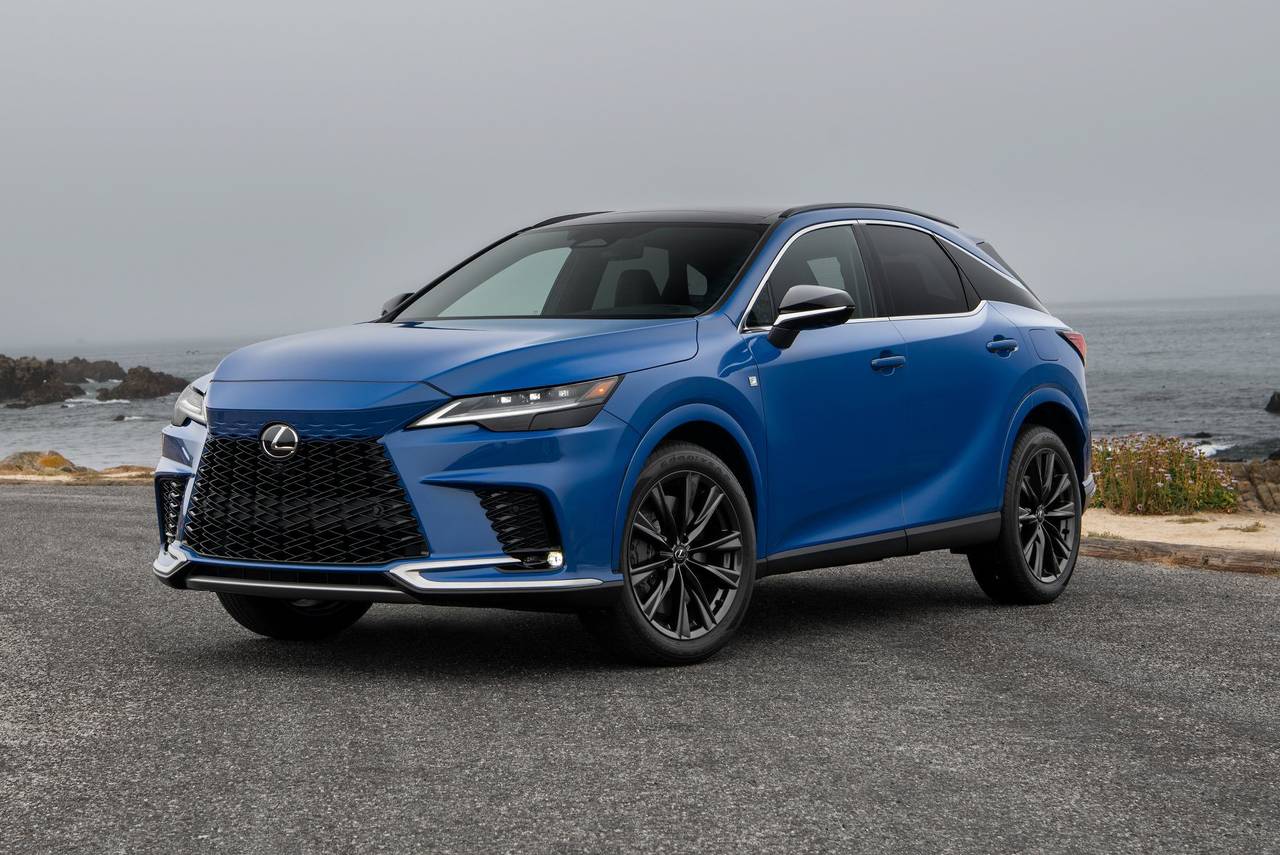
The most significant upgrade for the 2020 Lexus RX lies in its revamped infotainment system. Now featuring standard Apple CarPlay and Android Auto, the setup is far more user-friendly, even when operated through the touchpad.
The standard 295-hp V-6 delivers ample power, though the eight-speed automatic transmission tends to search for gears at times. Hybrid models add more power and offer a more responsive acceleration experience when extra speed is needed.
The 2020 Lexus RX 350 and RX 350L are powered by a 3.5-liter V-6 engine producing 295 horsepower and 267 lb-ft of torque, paired with an eight-speed automatic transmission.
The RX 450h and RX 450hL hybrids feature the same V-6 engine combined with an electric motor, a nickel-metal-hydride battery, and a continuously variable automatic transmission (CVT) for a total system output of 308 horsepower.
According to EPA estimates, the two-row RX 350 returns 20/27 mpg city/highway with front-wheel drive or 19/26 mpg with all-wheel drive.
The larger three-row RX 350L achieves 19/26 mpg with front-wheel drive and 18/25 mpg with all-wheel drive. Despite offering the most power and standard all-wheel drive, the RX 450h and RX 450hL are the most fuel-efficient options, rated at 31/28 mpg and 29/28 mpg respectively.
Also Read: 5 Cars Built for Generational Ownership and 5 You Should Sell Quickly
SUVs That Constantly Annoy Owners
Not every SUV delivers the satisfying ownership experience buyers hope for. Some models look great on the surface but end up frustrating drivers with reliability issues, awkward controls, or disappointing comfort.
In this article, we’ll take a closer look at SUVs that constantly annoy their owners, the ones that fall short in everyday usability, demand frequent repairs, or simply fail to make life on the road as smooth as it should be.
1. Jeep Grand Cherokee
The Jeep Grand Cherokee looks fantastic and promises off-road ability, but many owners find that the reality doesn’t live up to the image.
Frequent complaints revolve around the glitchy Uconnect infotainment system, transmission hesitation, and various electrical gremlins.
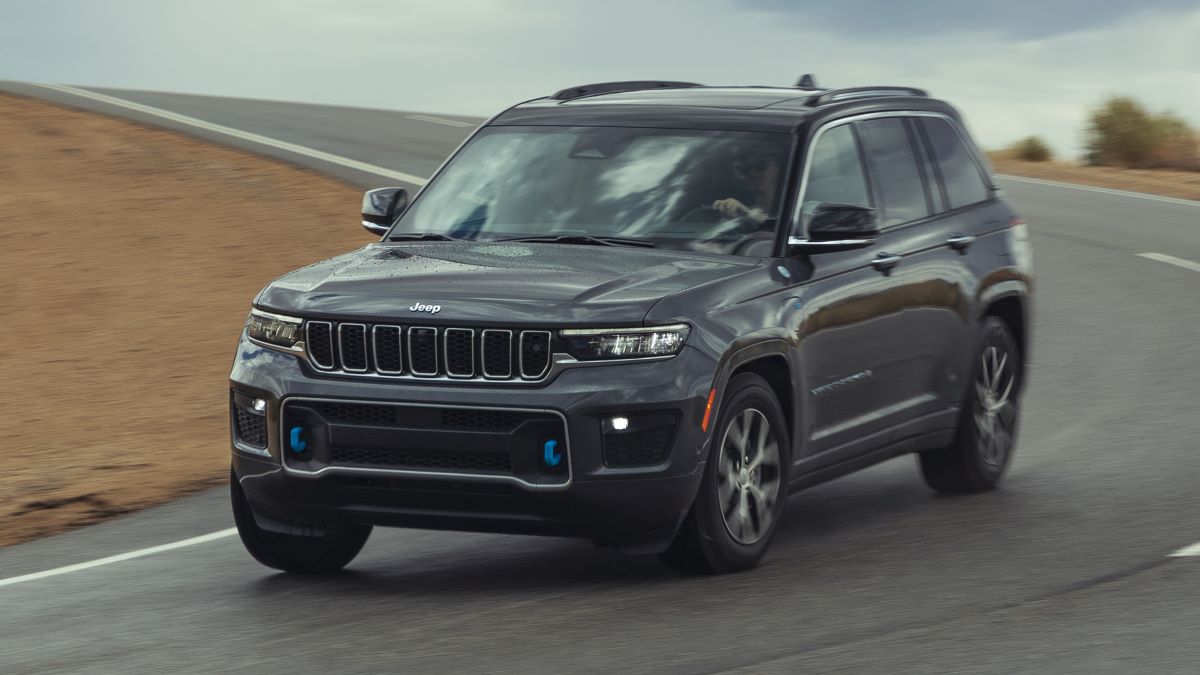
While Jeep has made strides in improving reliability, the Grand Cherokee still struggles with consistency. Owners often mention trips to the dealer for software updates or small but irritating issues like malfunctioning sensors.
It’s a reminder that while Jeep builds capable vehicles, long-term quality control can still be hit or miss.
Whether you’re driving on pavement or venturing off-road, the Grand Cherokee offers a well-rounded performance. Its light and precise steering, combined with strong braking, make it predictable and easy to handle.
While it’s not designed for outright speed, the Grand Cherokee provides one of the smoothest and most comfortable rides in its segment. Available features such as a height-adjustable air suspension and an electronic limited-slip rear differential further enhance its off-road capabilities.
Under the hood, the Grand Cherokee’s 293-horsepower V6 engine provides consistent and capable power. It’s paired with a refined and responsive eight-speed automatic transmission, contributing to a relaxed and composed driving experience.
Though it lacks the punch of the V8 offered in the larger Grand Cherokee L, this setup still delivers enough strength for most drivers. When properly equipped, the Grand Cherokee can tow up to 6,200 pounds, adding to its versatility.
2. Ford Explorer
The Ford Explorer should be one of the most dependable family SUVs on the road but it isn’t. Owners often cite transmission issues, noisy cabins, and complicated infotainment controls as major frustrations.
The Explorer’s size and power are appreciated, yet its interior design feels unintuitive compared to competitors like the Honda Pilot or Kia Telluride.
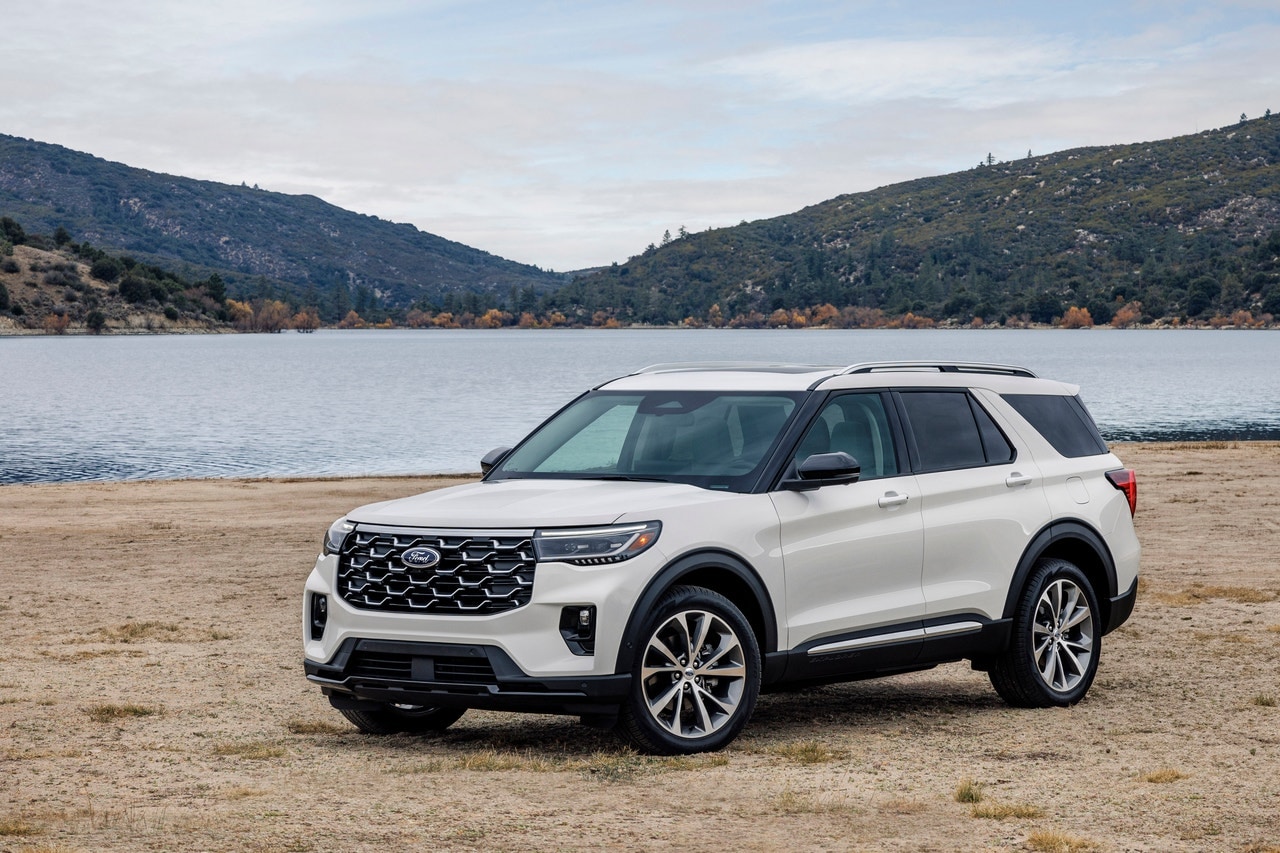
Some also find Ford’s driver-assistance features inconsistent, sometimes intervening too aggressively.
For a vehicle that should make daily life easier, it too often does the opposite. While newer models have improved slightly, the Explorer still lags in owner satisfaction.
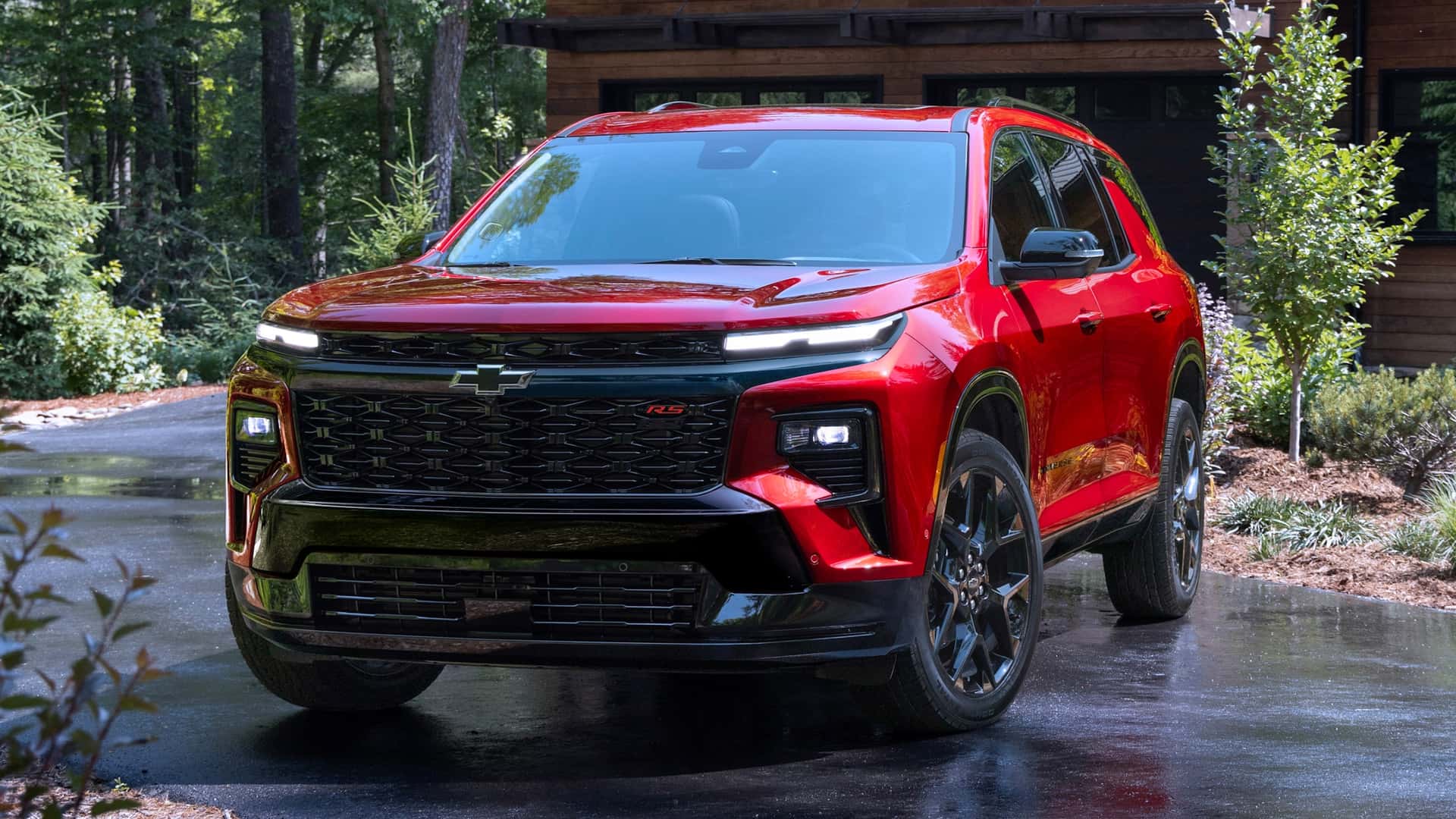
3. Chevrolet Traverse
On paper, the Chevy Traverse checks all the boxes room for eight, a strong V6 engine, and decent towing capacity.
But owners frequently report frustrations with build quality and the infotainment system. Squeaks, rattles, and minor electronic issues are common themes, especially as the vehicle ages.
Another sore point is fuel economy, which falls behind nearly all modern competitors. The interior design also feels dated and plasticky for a 2025 SUV, leaving owners wondering whether they got enough value for their money.
It’s practical but uninspiring and often annoying when the little things don’t work as they should.
Chevrolet has long been known for building family haulers, and the 2021 Traverse is a core part of that legacy. It’s one of three three-row SUVs in Chevy’s lineup, sharing the showroom with the Tahoe and Suburban.
What sets the Traverse apart from its siblings is its more carlike driving character, it feels less truck-based and more refined on the road. Under the hood, a smooth and quiet 3.6-liter V6 delivers adequate power, while the spacious cabin accommodates up to eight passengers in comfort.
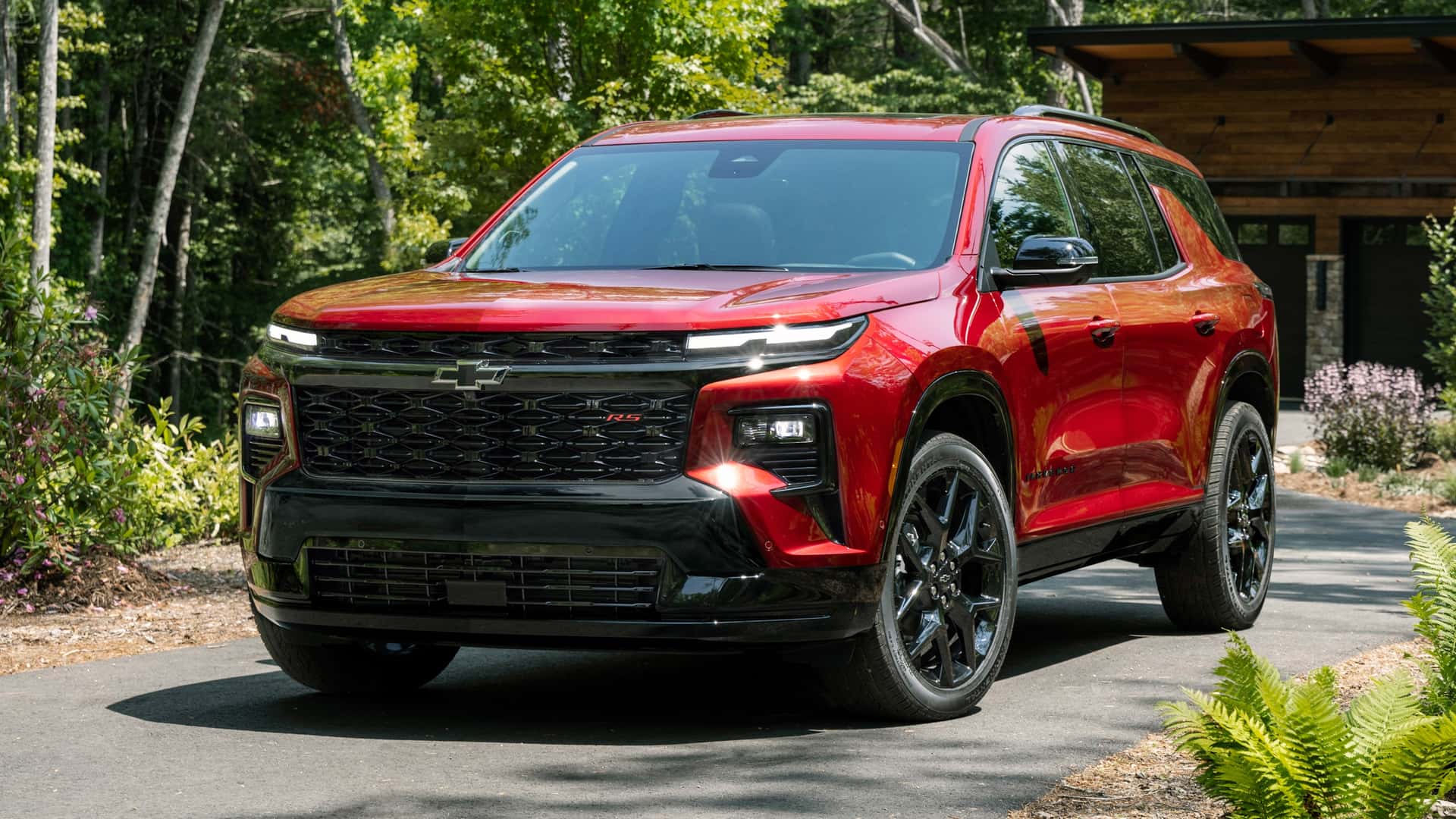
Originally, Chevrolet planned to release an updated Traverse for the 2021 model year, but the refresh was postponed to 2022 due to global production delays caused by the pandemic.
As a result, the 2021 Traverse carries over unchanged from 2020. Pricing ranges from $30,995 for the base L trim to $52,395 for the top High Country model.
Among the many trims, the RS stands out as a well-balanced choice. It adds a range of upscale features, including 20-inch wheels, leather upholstery, heated front seats, in-dash navigation, a heated steering wheel, and several advanced safety technologies such as automated emergency braking with pedestrian detection and lane-keeping assist.
Powering the Traverse is a strong 3.6-liter V6 engine paired with a refined nine-speed automatic transmission that shifts smoothly and quietly.
The engine provides robust acceleration, placing the Traverse among the quicker SUVs in its class. Its cabin is impressively quiet, so much so that at idle, you might need to check the tachometer to confirm the engine’s running. The automatic stop-start system operates nearly imperceptibly, one of the best we’ve seen.
While its size is noticeable in tight parking spaces, the Traverse feels surprisingly composed at higher speeds. The light yet precise steering makes it easy to maneuver, and the suspension delivers a well-judged balance between comfort and agility, resulting in a ride that’s both stable and refined.
4. Volkswagen Atlas
The Volkswagen Atlas impresses with space and European flair, but owners often find themselves frustrated by reliability concerns. Electrical problems, infotainment freezes, and early wear on interior components have been common complaints.
The powertrain also feels underwhelming, with some owners noting sluggish acceleration for such a large vehicle.
The Atlas’s biggest annoyance, though, comes from its overly complex tech interface. Volkswagen’s move toward touch-sensitive buttons and sliders has backfired for many drivers, who find the controls distracting and unintuitive.
It’s a stylish SUV that just doesn’t make everyday driving as pleasant as it should be.
Think of the Volkswagen Atlas as today’s version of the classic family station wagon, only bigger, bolder, and more capable. This three-row SUV comfortably seats up to seven passengers, can tow up to 5,000 pounds, and features a design that’s clean and attractive, though not particularly exciting.
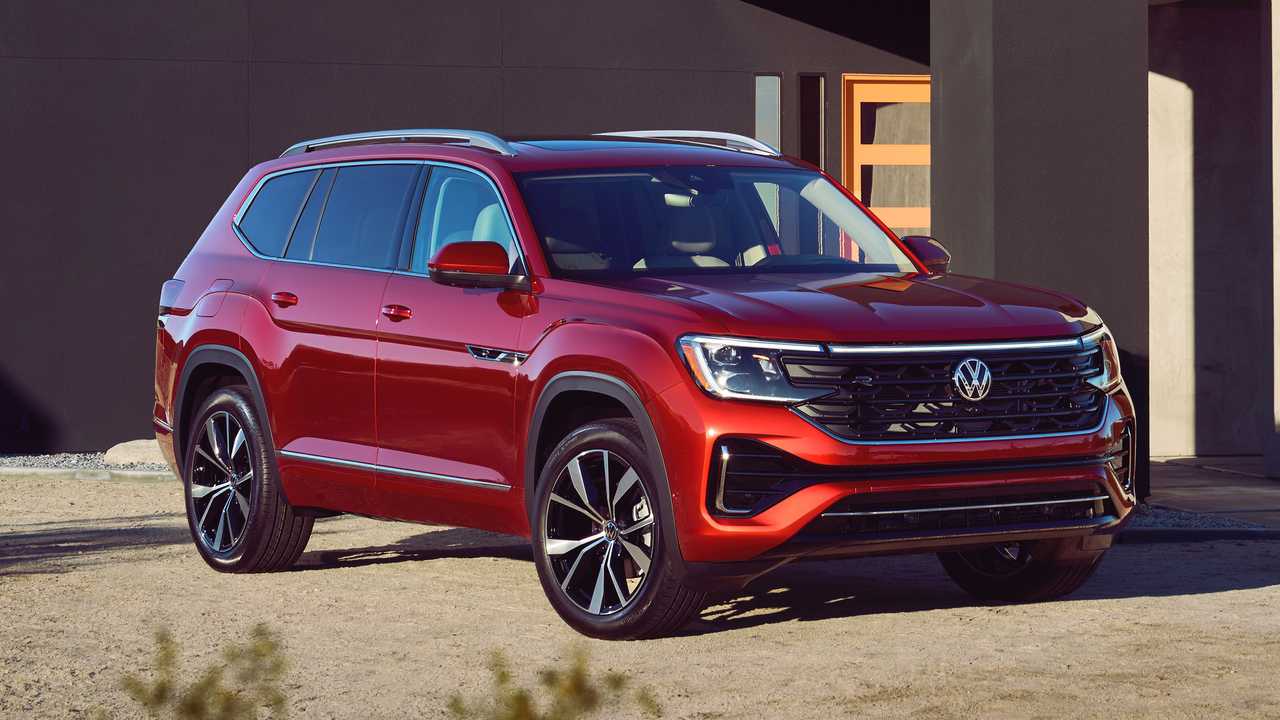
Inside, there’s plenty of space to stretch out, especially in the second row, and cargo capacity is generous when you fold down the second and third rows. Functionality is a strong suit, but the cabin’s styling is rather conservative, lacking the upscale flair that some competitors bring to the table.
For those drawn to the Atlas but craving a bit more style, the Atlas Cross Sport, with its sleeker, two-row design, is worth considering. After receiving a major refresh in 2024, the 2025 Atlas carries forward with only minor updates.
Wireless device charging is now standard across the lineup, while the SEL Premium R-Line trim gains additional upscale touches, including perforated headrest upholstery, four-way lumbar adjustment, and front-seat massaging.
Pricing starts at $39,625 for the base SE trim and climbs to $54,630 for the range-topping SEL Premium R-Line. The SE with Technology trim remains the sweet spot in the lineup.
It adds desirable features such as 20-inch wheels, a trailer hitch package, remote start, and USB charging ports for third-row passengers. Opting for 4Motion all-wheel drive and second-row captain’s chairs makes this version even more appealing for families.
All Atlas models share the same 269-horsepower, 2.0-liter turbocharged four-cylinder engine that produces 273 pound-feet of torque. This engine, paired with an eight-speed automatic, replaces the previous 3.6-liter V6 and offers quicker throttle response and smoother shifts.
On the road, the Atlas feels composed and secure, though its handling becomes slightly ponderous when cornering aggressively. It shines on the highway with confident stability and provides a generally smooth, quiet ride, making it an excellent choice for long family trips or daily commutes alike.
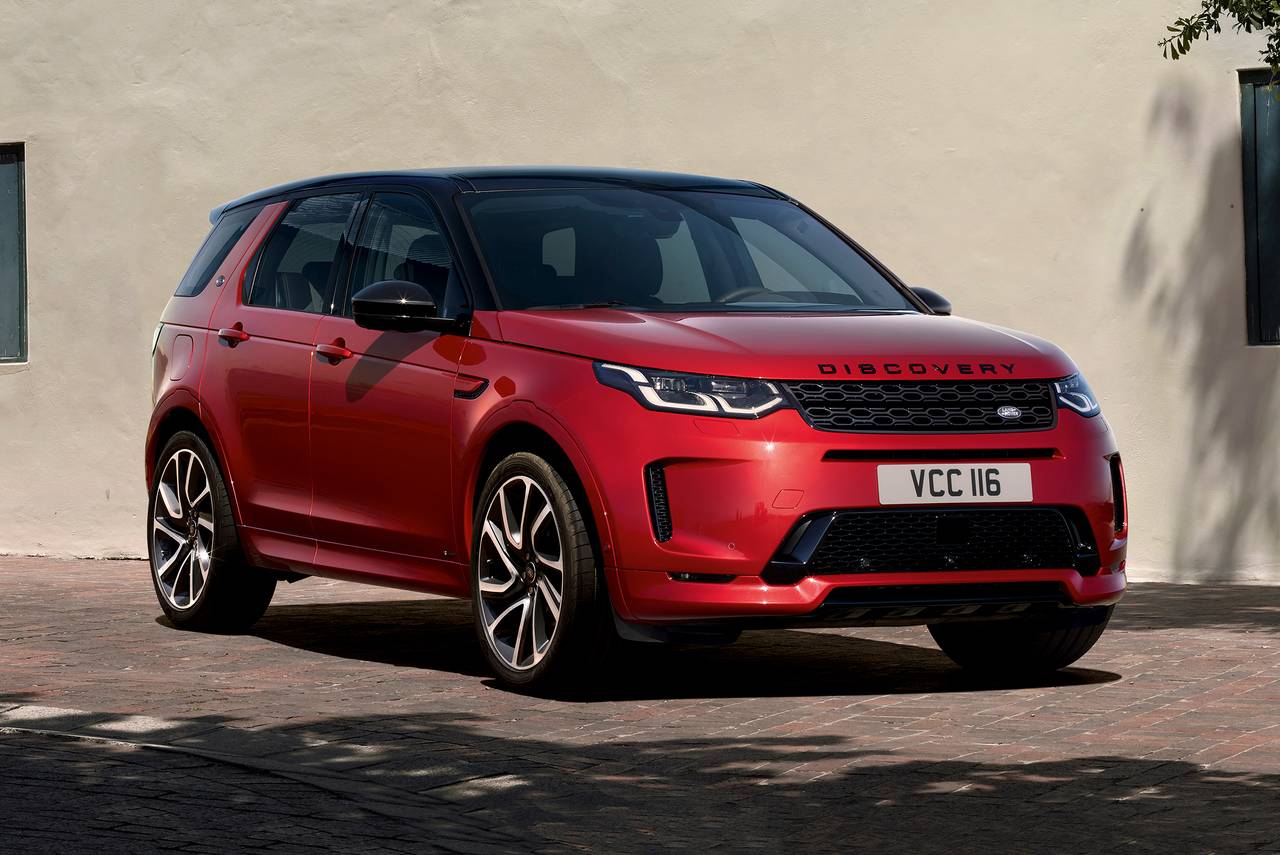
5. Land Rover Discovery Sport
Luxury appeal can only carry a vehicle so far, and the Land Rover Discovery Sport proves it. Despite its elegant design and capable off-road system, owners consistently report reliability headaches.
From infotainment freezes to engine misfires and warning lights, the Discovery Sport often feels like a vehicle that demands too much patience.
Land Rover has made strides in modernizing its software and components, but the brand still hasn’t escaped its reputation for inconsistency.
Even minor repairs can be expensive, and dealership service experiences vary wildly. For those who value dependability, the Discovery Sport can quickly go from dream SUV to daily irritation.
The stylish design of the 2019 Land Rover Discovery Sport hides a rugged side that few compact SUVs can match. While many of its competitors focus on on-road comfort, the Discovery Sport stands out for its genuine off-road prowess.
Its appearance closely mirrors that of the larger Discovery, but the smaller size makes it far more maneuverable in city traffic and on narrow trails. The 2020 model received a refresh that added sleeker styling, an optional 48-volt hybrid system, and several other improvements to enhance performance and efficiency.
Under the hood, the Discovery Sport is powered by a 2.0-liter turbocharged four-cylinder engine paired with a nine-speed automatic transmission and standard all-wheel drive, ensuring reliable traction and versatility in all weather conditions.
The engine comes in two output levels, 237 horsepower or a more powerful 286 horsepower, allowing buyers to choose the setup that best suits their needs. When it comes to off-road ability, the Discovery Sport easily outperforms most rivals in the compact SUV class.
Its advanced four-mode Terrain Response system lets drivers fine-tune performance for surfaces like sand, snow, rocks, or mud. On paved roads, the Discovery Sport provides a hint of driving fun, though its ride quality can feel firm, particularly when equipped with the optional 20-inch wheels.
The SUV market in the U.S. is more competitive than ever, and the difference between a vehicle you love and one that drives you crazy often comes down to execution.
The Toyota RAV4, Honda CR-V, Mazda CX-5, Subaru Outback, and Lexus RX stand out not because they’re flashy, but because they simply work smoothly, quietly, and reliably.
Meanwhile, the Jeep Grand Cherokee, Ford Explorer, Chevrolet Traverse, Volkswagen Atlas, and Land Rover Discovery Sport remind us that not every new SUV is ready for prime time.
Stylish looks and powerful marketing can’t make up for everyday frustrations that chip away at owner satisfaction.
For most American buyers, the smartest choice is the SUV that disappears into the background dependable, comfortable, and drama-free because the best vehicles are the ones that never make you think twice about getting behind the wheel.
