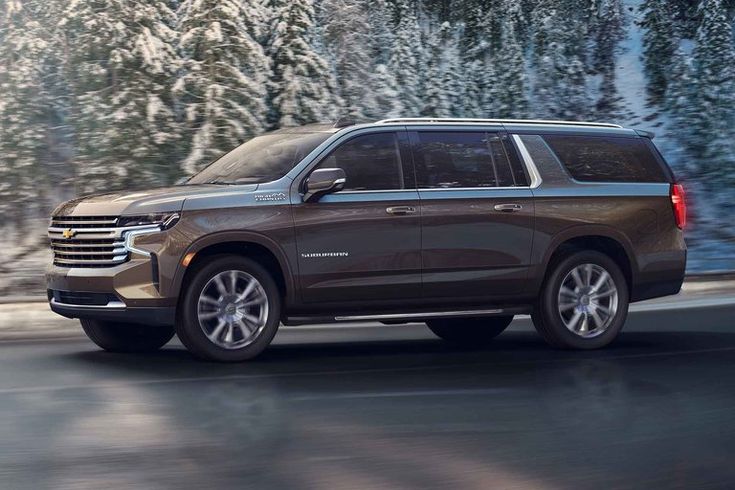
When you buy an SUV, you expect a quiet, solid ride not a rolling symphony of rattles and squeaks. Sadly, not every SUV holds up to that expectation. Some glide down the highway like a soundproof luxury lounge, while others make you wonder if you accidentally bought a maraca on wheels.
Noise levels inside an SUV might seem like a small detail until you actually live with one. A buzzing dashboard, a loose trim panel, or wind noise around the doors can drive you crazy, especially on long drives.
The difference between a peaceful drive and a noisy one usually comes down to build quality, materials, and how well the brand focuses on cabin insulation.
SUVs are larger, heavier, and often boxier ]which means they have more surfaces and joints that can develop rattles over time. Cheap plastics, poorly fitted panels, or weak door seals all add up. Even the engine mounts and suspension tuning matter because vibrations from below travel right into the cabin.
Luxury SUVs often get praised for being whisper-quiet, but even a few non-luxury models manage to surprise with their serenity.
On the flip side, some big names have fallen flat, producing vehicles that creak and buzz after just a few thousand miles. Owner forums are full of complaints like “the rear hatch rattles” or “the dashboard buzzes at 60 mph.”
In this list, we’re calling it straight no marketing fluff, no dealer sugar-coating. These are five SUVs that stay impressively noise-free, even after years of use, versus five that constantly rattle and hum like an old AC unit.
We’ll look at what makes the quiet ones so solid and what causes the noisy ones to disappoint. Whether you’re planning your next upgrade or just curious why your current ride sounds like it’s falling apart, this breakdown will give you a clear, honest view of who’s nailing cabin silence and who’s missing the mark.
5 SUVs That Stay Noise-Free vs 5 That Rattle Constantly
When it comes to noise isolation, not all SUVs are created equal. Some brands invest heavily in thick insulation, solid body structures, and precision assembly while others cut corners and it shows.
Below, we’ve got two sides of the SUV world: five models that deliver peace and quiet even at highway speeds, and five that tend to rattle, creak, or hum with every bump.
Each has been judged based on real-world feedback, owner reviews, and long-term reliability reports not just press releases. So, let’s start with the ones that get the “silence” part of luxury absolutely right.
Quiet cabins don’t happen by accident they’re built through precision engineering, high-quality materials, and a clear focus on driver comfort. The SUVs that truly stay noise-free aren’t just well-insulated; they’re designed to prevent vibrations before they even start.
Brands like Lexus, BMW, Audi, Toyota, and Volvo take that seriously. These automakers obsess over things most people never notice door seal angles, glass thickness, panel rigidity, and even the density of sound-deadening foam under the carpet.
A noise-free SUV feels like driving in your own private zone. The hum of the city fades away, the tires roll smoothly, and even at highway speeds, the cabin stays calm. You don’t have to crank up your music or talk louder to your passengers. Long drives become relaxing instead of tiring.
The SUVs in this group Lexus RX, BMW X5, Audi Q7, Toyota Highlander, and Volvo XC60, prove that silence equals sophistication.
Whether luxury or mainstream, they all share one thing: consistency. They stay tight and composed for years, resisting the creaks and buzzes that plague cheaper models. These are the SUVs built for people who value peace of mind and craftsmanship that lasts.
ALSO READ: 5 Reliable Engines Mechanics Swear By vs 5 They Warn Against
1. Lexus RX
The Lexus RX has built its entire reputation around comfort, and one big part of that is its near-silent cabin. Owners consistently praise how serene the RX feels even at 120 km/h you can have a phone call without raising your voice.
The reason is Lexus’ obsessive attention to building precision. Every door seal, every window, every interior clip is engineered to eliminate vibration paths.
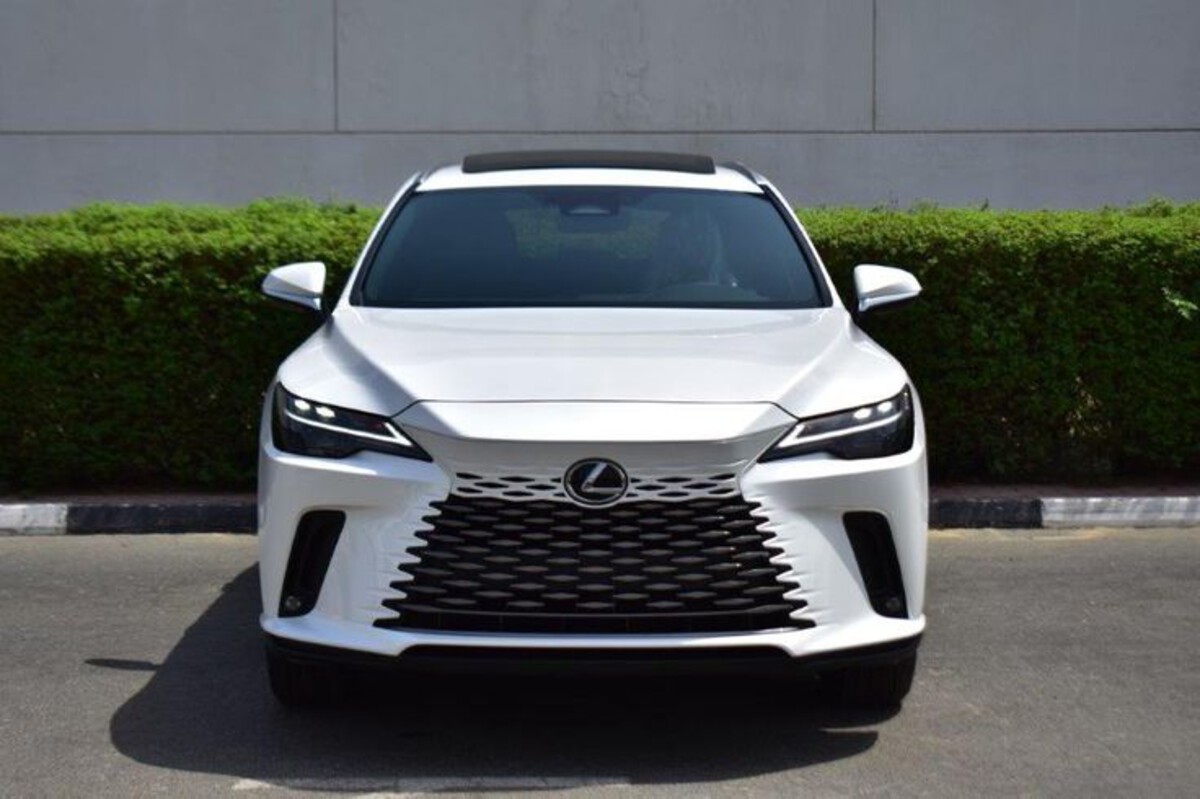
Lexus uses extra sound-deadening materials under the carpet, around the firewall, and even inside the wheel wells.
The engine itself whether it’s the V6 or hybrid is buttery smooth, and the transmission doesn’t whine or clunk. Suspension tuning helps too; it soaks up road imperfections instead of letting them echo through the chassis.
The RX’s doors have a triple-lip seal, which stops air turbulence from entering the cabin. Even the mirrors are shaped to deflect wind noise. Add to that the famously solid Lexus build quality and tight panel gaps the RX feels as if it’s carved from one solid block.
Over time, most cars develop squeaks and rattles, but the RX is the rare SUV that seems immune. Many owners with over 150,000 km still say it feels brand new. Sure, it’s not sporty or thrilling, but if silence and refinement matter more than road feel, the RX is one of the most dependable noise-free SUVs ever built.
Bottom line: it’s the SUV you buy if you want your cabin to feel like a spa on wheels calm, quiet, and unbothered by the chaos outside.
2. BMW X5
BMW’s X5 is proof that you can mix performance with quiet comfort. Despite being a driver-focused SUV, it delivers one of the most hushed rides in its class. The latest generation uses laminated glass, advanced body adhesives, and dense underbody shielding to keep outside sounds at bay.

The doors close with that signature “thunk” that signals tight manufacturing tolerances. At high speeds, the engine hums more than growls, and even when you hit potholes, the sound doesn’t travel inside like in cheaper SUVs.
The cabin materials are thick, tightly assembled, and reinforced with felt padding behind panels to prevent plastic-on-plastic contact the usual source of rattles.
BMW engineers paid special attention to how the chassis flexes under load. Less body twist means fewer squeaks. Plus, the optional air suspension isolates the cabin even better. The result is a premium SUV that feels like it’s gliding over rough roads without a whisper.
Owners rarely report interior noises, and most who do are dealing with things like loose cupholders not structural issues. Even after years of use, the X5’s quiet confidence stays intact. It’s not the cheapest SUV around, but you can hear or rather not hear where the money went.
3. Audi Q7
The Audi Q7 has long been known for its vault-like build. Close the door, and you get that satisfying thud that tells you it’s sealed tight. Audi takes acoustic engineering seriously, and the Q7 shows it. From triple-sealed doors to thick acoustic glass and multi-layer insulation in the floor and firewall, it’s designed to block out the world.
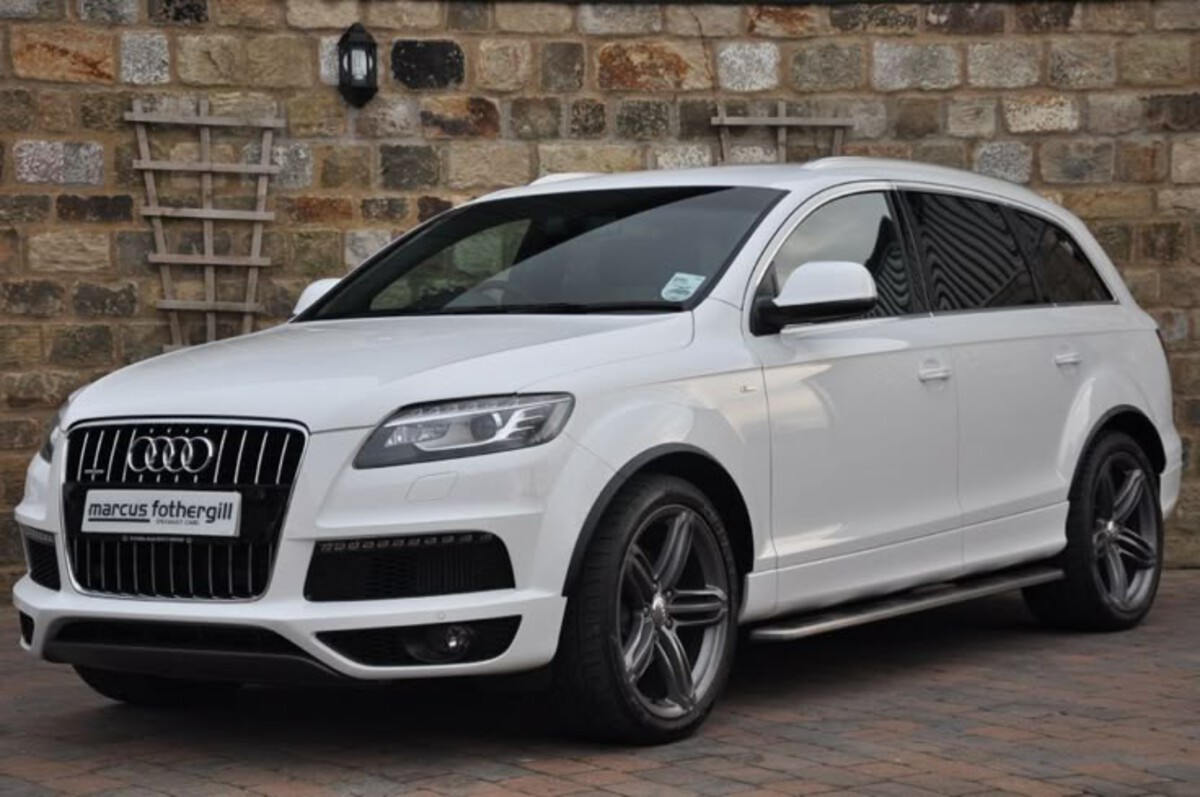
Even on rough highways, you’ll barely hear tire noise. The V6 engine stays quiet at idle, and there’s almost no wind noise around the A-pillars something many SUVs struggle with. The suspension tuning also helps. It’s firm enough to keep body roll in check but soft enough to dampen vibrations before they reach your ears.
Audi even isolates the seat mounts and dashboard to reduce vibration transmission. Over the years, owners praise how solid the cabin feels no creaks, no buzz, no random clicks from plastic trim. The materials are premium, and they stay that way.
Compared to rivals like the Volvo XC90 or Mercedes GLE, the Q7 simply feels more “together.” It’s not flashy or shouty; it’s quietly competent. If you want an SUV that feels like an armored cocoon against outside chaos, the Q7 nails it.
4. Toyota Highlander
Toyota’s Highlander isn’t technically a luxury SUV, but it might as well be when it comes to cabin silence. Toyota focused heavily on insulation and vibration control in the recent generations, and it shows. Whether it’s city driving or long highway hauls, the Highlander remains composed and quiet.
The 3.5L V6 runs smoothly, and the hybrid version is even calmer electric mode glides silently, while the gasoline engine kicks in with barely a murmur. Toyota added extra padding in the firewall, thicker carpeting, and improved door seals in later models to minimize road and wind noise.
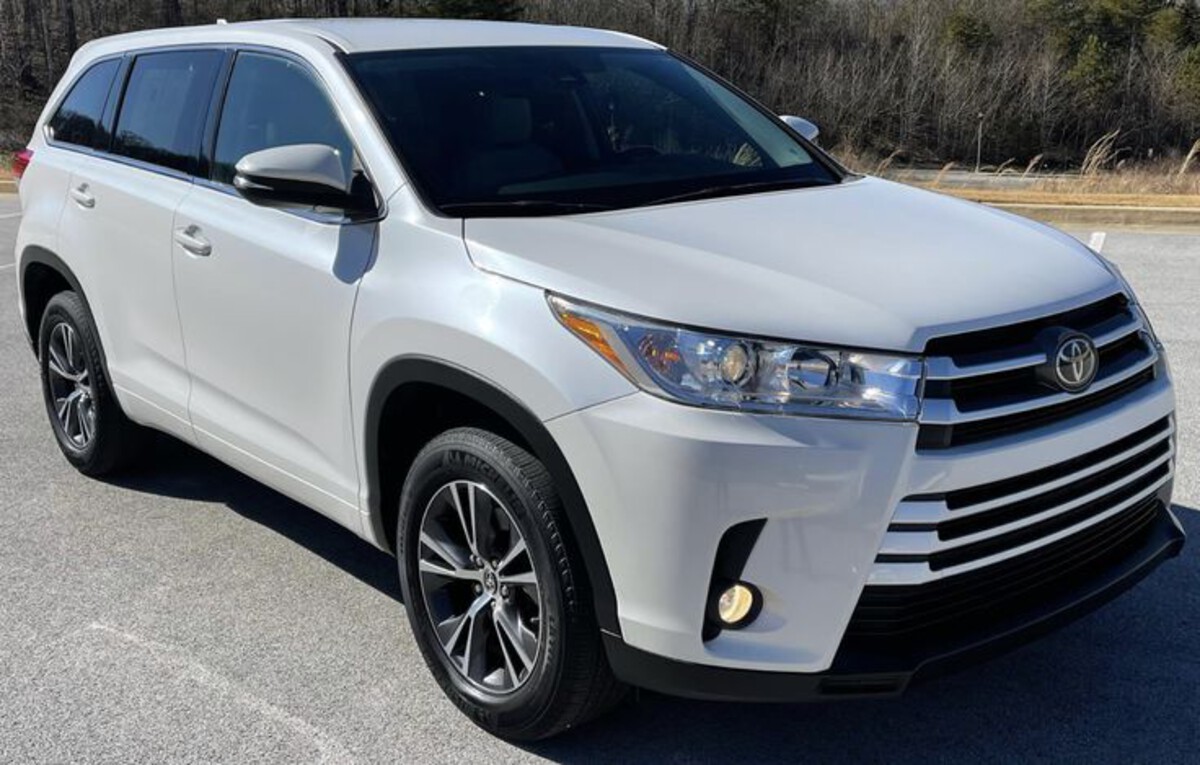
Owners love how refined it feels for the price. No dashboard rattles, no door buzzes, and no mystery noises even after years. Toyota’s build consistency is legendary, and the Highlander is one of the best examples of that.
It’s not an SUV you buy to show off it’s one you buy because you value peace and quiet on your commute. The suspension is soft but controlled, so it absorbs the bumps without letting vibrations through. Even the second and third rows remain calm, which is rare in big family SUVs.
If you want near-Lexus silence without the luxury badge pricing, the Highlander delivers in spades.
5. Volvo XC60
Volvo’s XC60 sits in that sweet spot between comfort and quiet luxury. It’s the Scandinavian take on serenity minimalist, solid, and hushed. Close the door, and the outside fades almost completely. Volvo uses laminated acoustic glass, heavy insulation panels, and meticulous assembly to achieve that calm cabin experience.
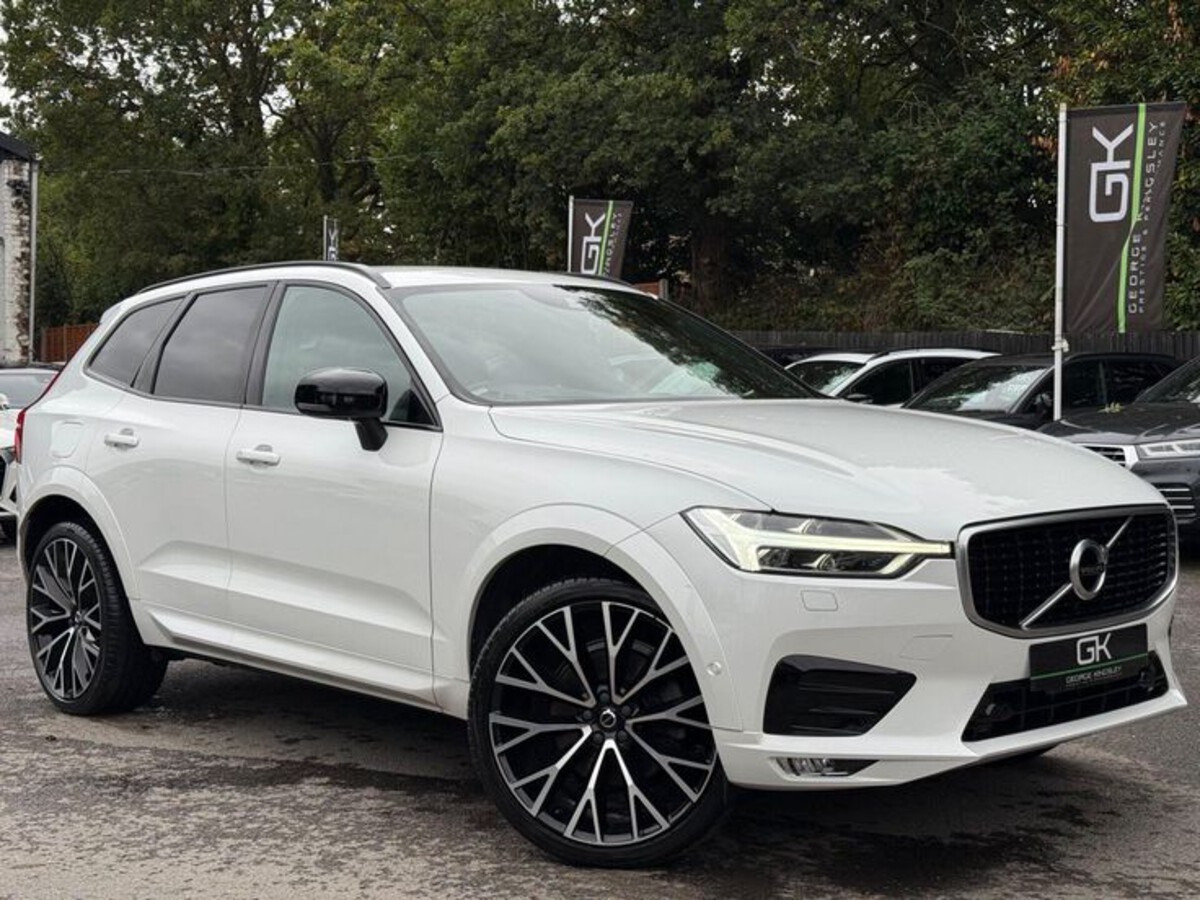
Even the seats help thickly padded, vibration-damping, and designed to isolate motion. The engines, especially the mild-hybrid and plug-in versions, stay smooth and composed. You won’t feel the drivetrain through the pedals or steering, which makes long drives feel effortless.
Unlike some luxury rivals, the XC60 doesn’t rely only on materials it’s also about how it’s put together. Volvo’s tight tolerances and anti-rattle fasteners ensure the cabin stays squeak-free even on rough European roads. Owners praise its aging well; no weird noises, no dashboard clicks, no tailgate buzz.
You might hear a faint hum from the tires at highway speeds, but that’s about it. The XC60’s cabin is a calm zone perfect for those who want comfort and focus, not chaos.
It’s a quiet achiever that shows you don’t need a German badge to enjoy silence and sophistication.
5 SUVs That Rattle Constantly
Now for the other side the SUVs that sound like they’ve seen battle even when brand new. Rattles, creaks, and squeaks are the enemies of refinement, and some SUVs just can’t keep them out. Models like the Jeep Wrangler, Ford Explorer, Nissan Pathfinder, Chevrolet Traverse, and Mitsubishi Outlander have built reputations not just for their engines or features but for the uninvited orchestra of noises they develop.
Most of these issues come down to design compromises or cost-cutting. Loose-fitting plastic panels, weak fastening clips, and thin insulation let road noise and vibrations invade the cabin. In off-road-oriented SUVs like the Wrangler, it’s almost expected but in family haulers like the Pathfinder or Explorer, it’s just disappointing. Over time, even small misalignments grow worse, and you end up chasing down rattles you can’t locate.
A noisy SUV might still perform well, but it kills the premium feel. You shouldn’t need to blast the radio just to drown out the buzz behind the dash. These five are reminders that while performance and looks matter, long-term quietness is what really defines quality. Because once the rattles start, they rarely ever stop.
ALSO READ: 15 Cars That Defy Age and Mileage Over Years of Use
1. Jeep Wrangler
Let’s be honest the Jeep Wrangler was never meant to be whisper-quiet. It’s rugged, boxy, and removable panels mean you’ll hear every gust of wind and road vibration. Even in the latest generation, owners report rattles from the doors, dashboard, and hardtop seams.
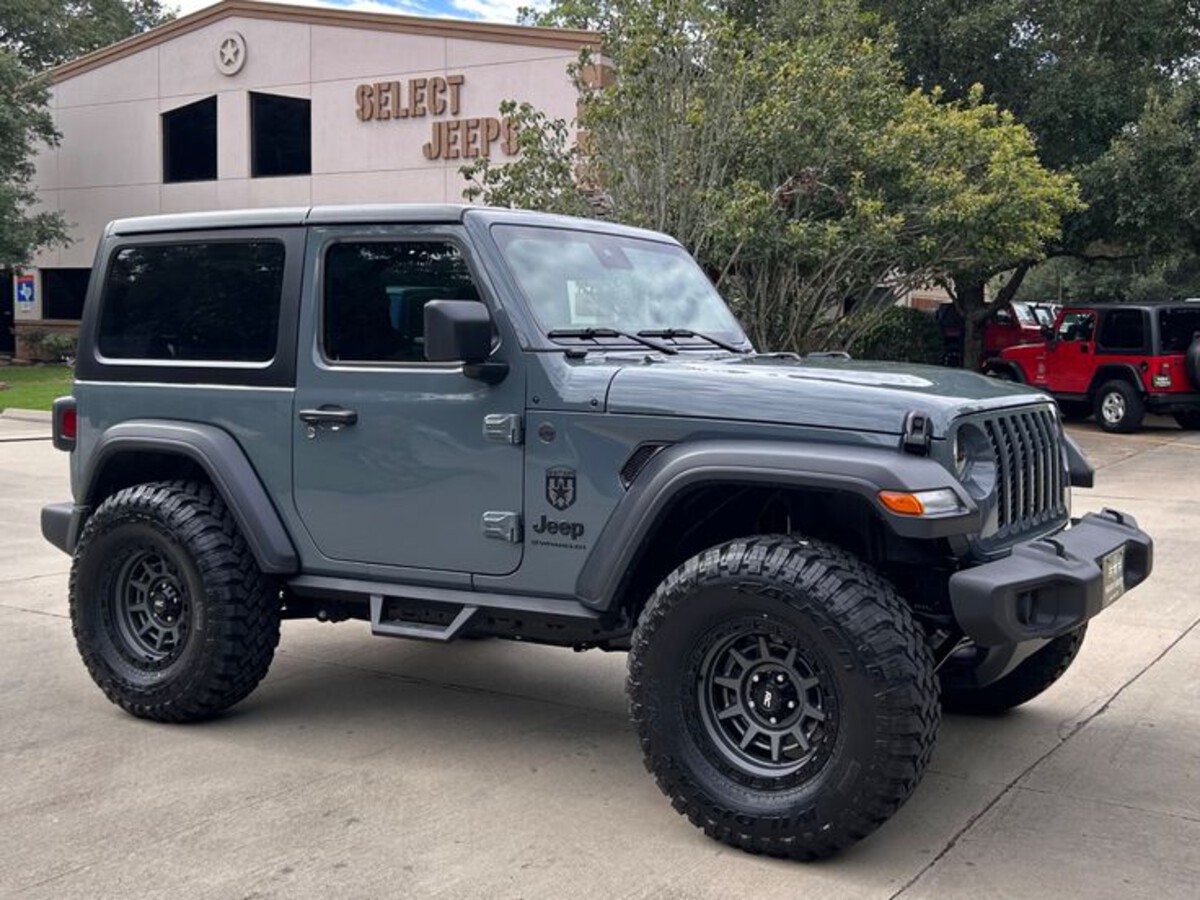
The problem is partly design. The detachable roof and doors make it nearly impossible to achieve a tight seal everywhere. Once the rubber gaskets wear slightly, the wind whistles in. Add a stiff off-road suspension, and you’ve got vibrations shaking every bolt.
On rough roads, it sounds like a toolbox in motion. Jeep fans accept it as “character,” but anyone expecting crossover-level silence will be disappointed. Over time, the interior panels start buzzing, and the rear tailgate often rattles from the spare tire weight.
Wrangler is fun, capable, and iconic but silent? Not a chance. It’s the opposite of peace and quiet.
2. Ford Explorer
The Ford Explorer has improved over the years, but some versions especially the earlier 2020 models have had constant complaints about rattling panels and creaky dashboards. Owners report noises from the third-row seat latches, door trims, and center console.
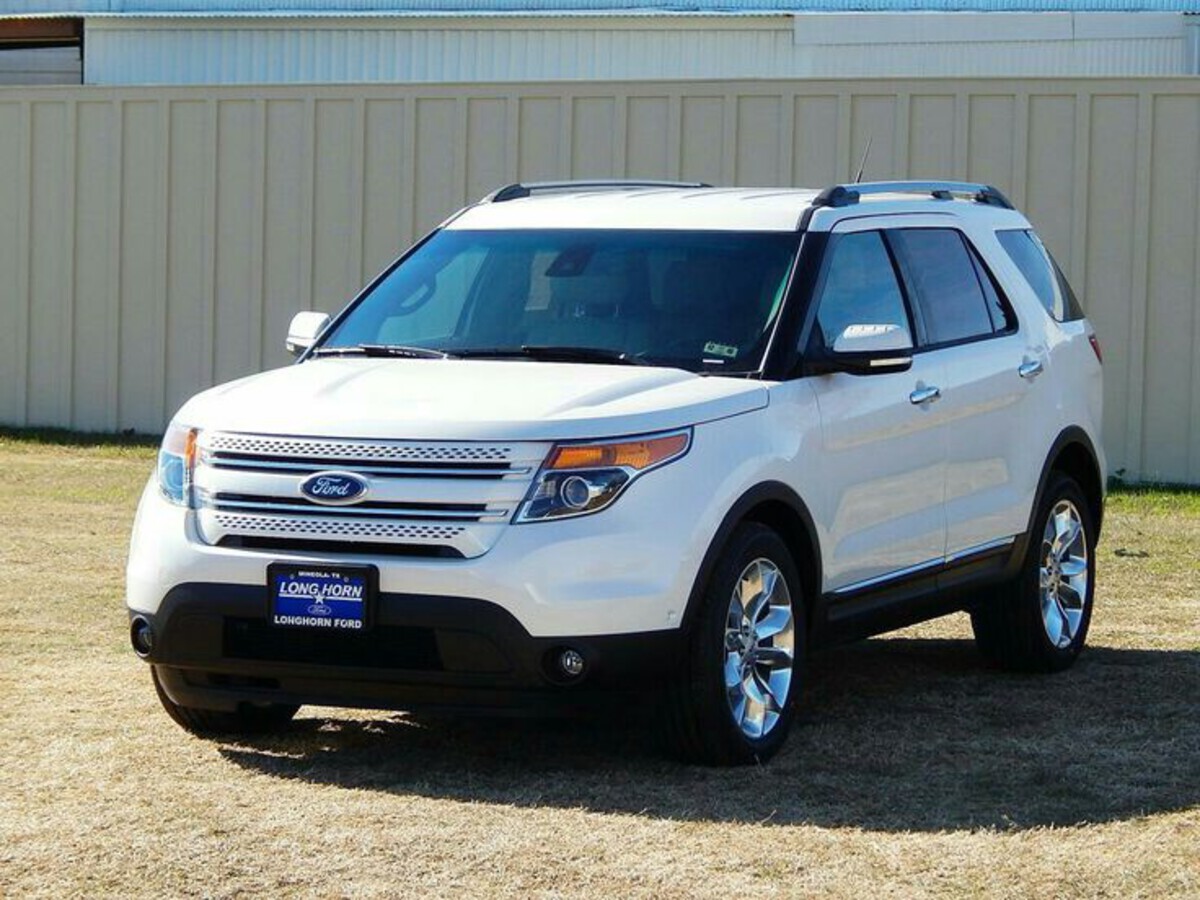
The main culprit is inconsistent build quality. Depending on the assembly plant and batch, panel alignment can vary slightly, and that’s all it takes for interior plastic to start buzzing. On rough roads or when the cabin heats up, expansion and contraction make the problem worse.
Even though Ford added insulation and laminated glass, many drivers still mention road noise and vibrations sneaking through. The engine mounts and suspension bushings tend to transmit more harshness than expected for its price.
It’s roomy and strong, but not what you’d call refined. The Explorer tries to play in the premium SUV space, yet it can’t quite deliver the smooth, rattle-free experience its badge promises.
3. Nissan Pathfinder
The Pathfinder has had its share of ups and downs, and cabin noise is definitely one of its weak points. Owners often report rattles from the dashboard, doors, and third-row area especially after a few thousand kilometers.
Nissan’s older interior materials don’t help; thin plastics and inconsistent fittings make it prone to squeaks. The newer models have improved, but the underlying structure still lets vibrations travel more than rivals like the Highlander or Pilot.
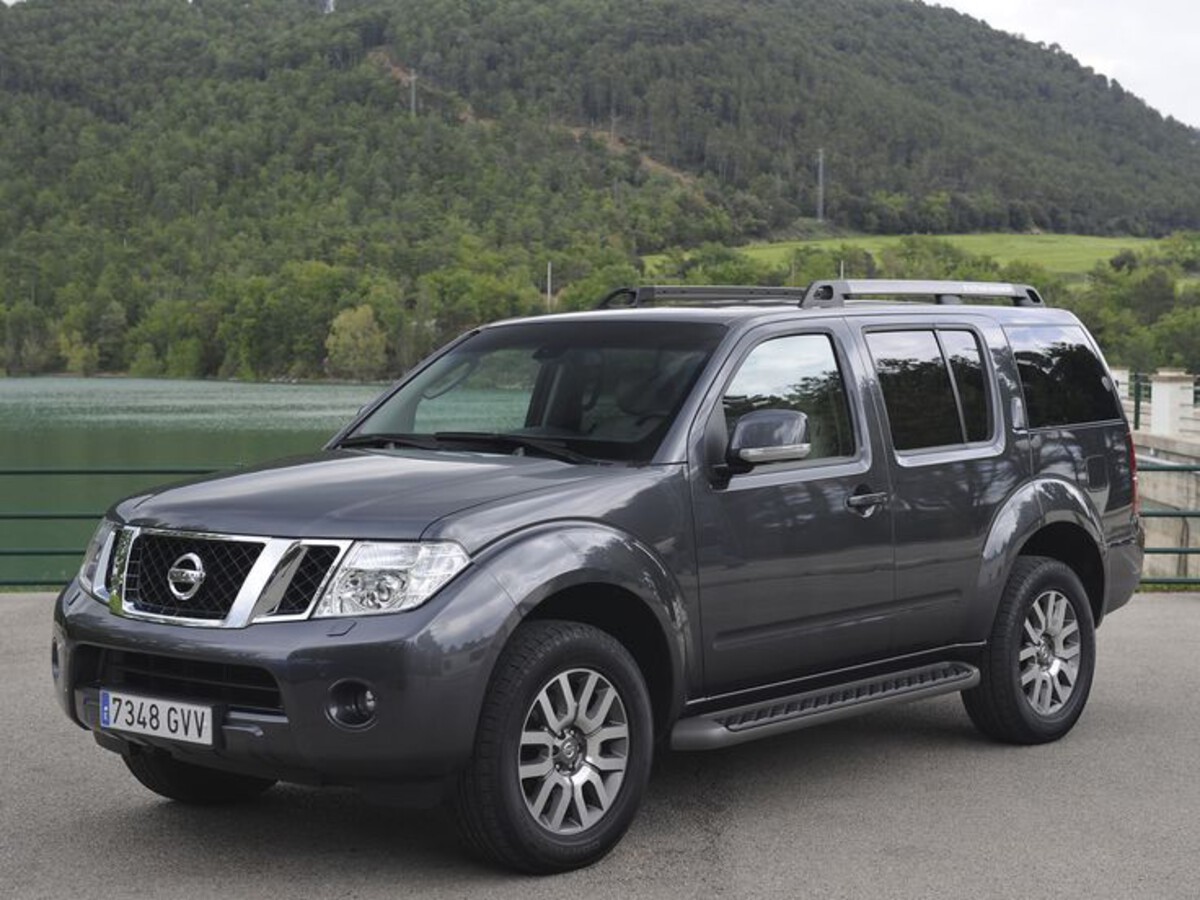
Wind noise at higher speeds is another sore spot the door seals just don’t isolate as well. Combine that with a CVT transmission that drones loudly under acceleration, and the cabin quickly gets tiring.
It’s practical and family-friendly, but if you value serenity, the Pathfinder will test your patience. You’ll constantly find yourself turning up the radio to drown out the hums and rattles.
4. Chevrolet Traverse
The Traverse is huge, spacious, and comfortable, but quiet? Not exactly. It’s known for developing interior rattles early in ownership. Common offenders include the tailgate area, the glove box, and the dashboard trim.
Owners often mention a faint buzzing sound over rough patches, which worsens with age. The problem lies in the cheap fastening clips GM uses for interior panels; they loosen over time. The suspension is tuned for comfort, but the body’s large size means more flex, translating into squeaks around the doors.
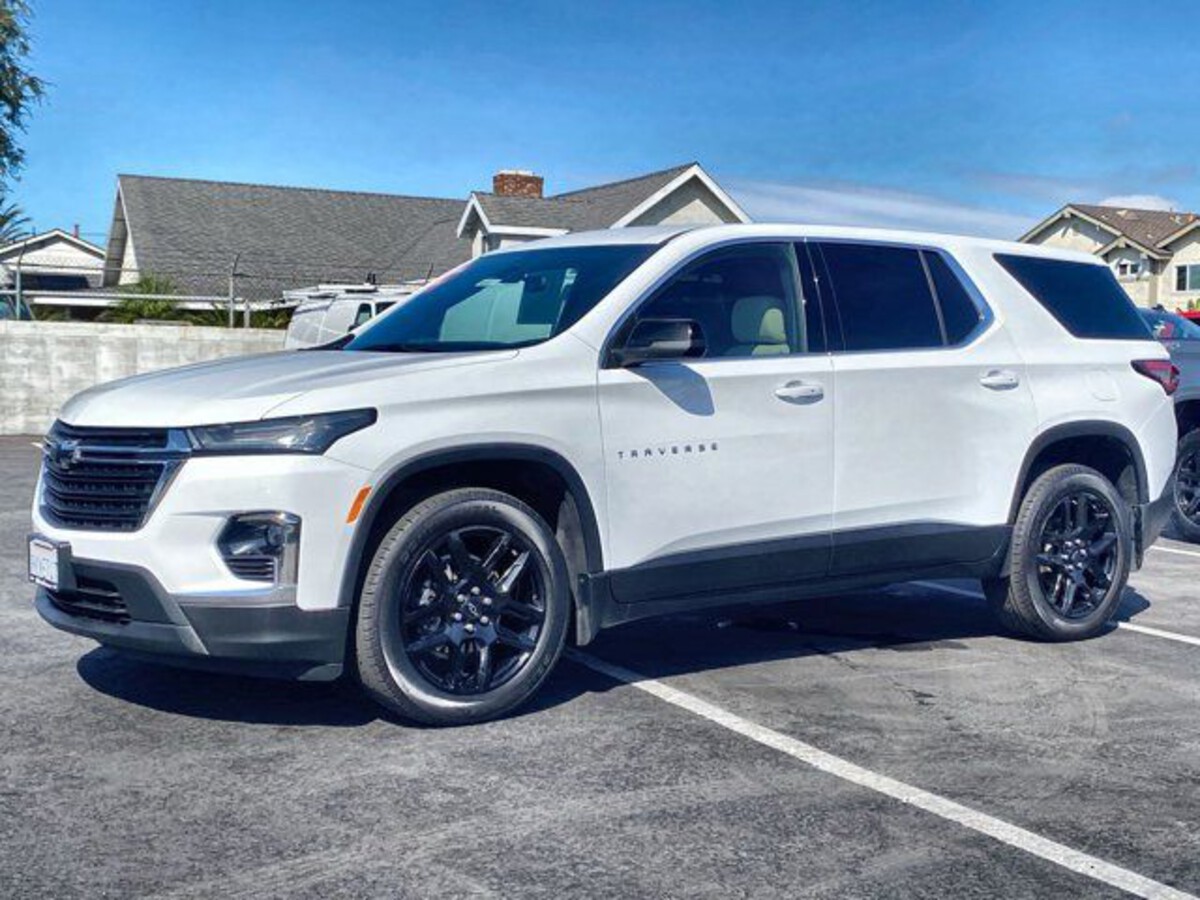
Wind noise around the side mirrors also creeps in, even at moderate speeds. GM tried to address this in newer models, but many long-term owners still complain about interior noises that never fully go away.
It’s a good family hauler, but refinement isn’t its strong suit. If you want peace and quiet, the Traverse is a mixed bag it might start silent, but it doesn’t stay that way.
5. Mitsubishi Outlander
Mitsubishi’s Outlander is an affordable SUV, but part of that affordability shows in the cabin quality. It’s not terrible, but you’ll hear more than you’d like. Owners consistently report rattles from the doors, tailgate, and dashboard, especially as mileage builds up.
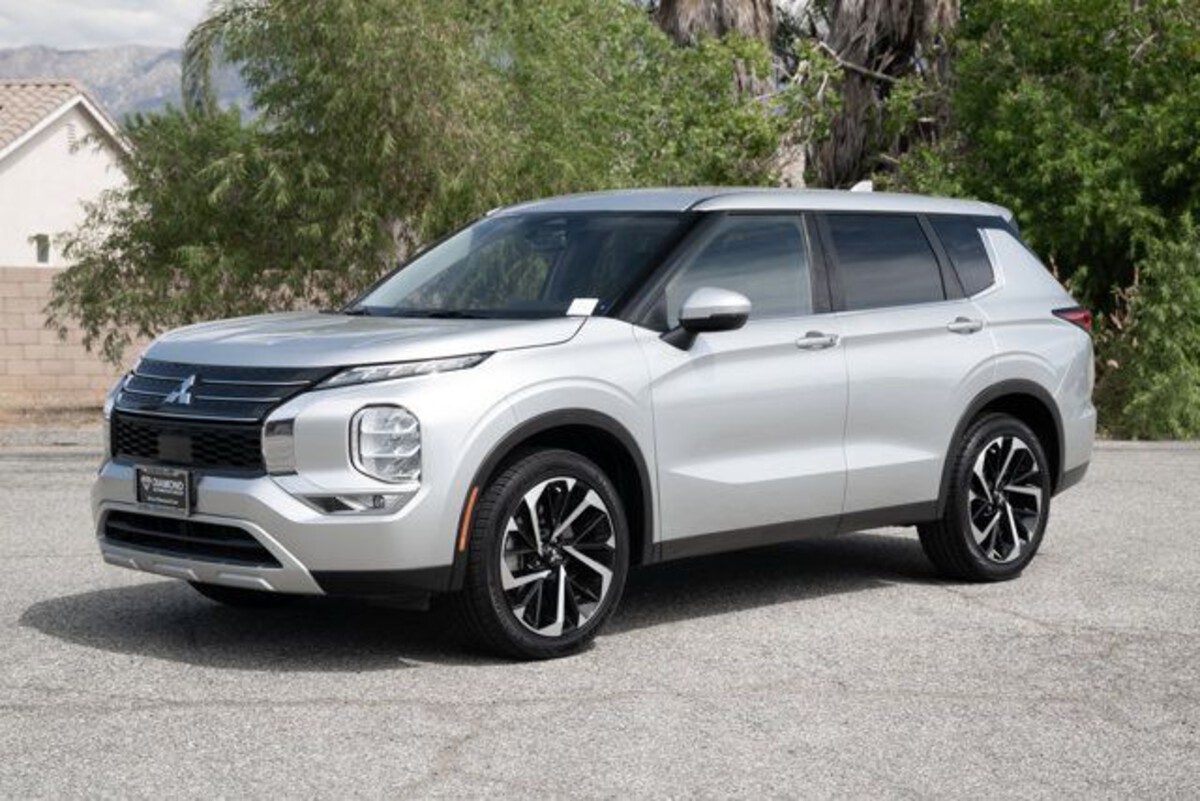
The culprit is light build materials and limited sound insulation. Even though the latest models look sharp, the structure still allows road noise and vibration to filter in. The CVT transmission doesn’t help it often drones, adding to the overall noise level.
On the highway, you’ll notice wind whistling near the A-pillars, and on rough roads, the plastic panels creak like they’re flexing. The ride isn’t terrible, but it lacks that solid, composed feeling you get in pricier SUVs.
It’s reliable and efficient, but if you’re hunting for quiet refinement, the Outlander won’t satisfy. It’s a budget SUV with budget acoustics, simple as that.
At the end of the day, cabin quietness says a lot about how seriously an automaker takes quality. It’s not just about luxury badges or fancy touchscreens it’s about how tightly things fit together, how well noise is managed, and how much engineering goes into peace of mind.
The Lexus RX, BMW X5, Audi Q7, Toyota Highlander, and Volvo XC60 show what proper build quality and sound isolation can achieve. You feel the calm, the composure, and the solid craftsmanship. These SUVs don’t just age well, they sound like they’re still new years later.
If you’re shopping for your next SUV, pay attention during the test drive not just to the engine or handling, but to what you don’t hear. Listen for quiet doors, smooth idle, and minimal road feedback.
A silent cabin might not sound like a big deal, but after a few years, it’s the difference between peaceful drives and constant irritation.
So yeah silence is luxury. And these ten SUVs prove who’s doing it right and who still has some tightening up to do.