
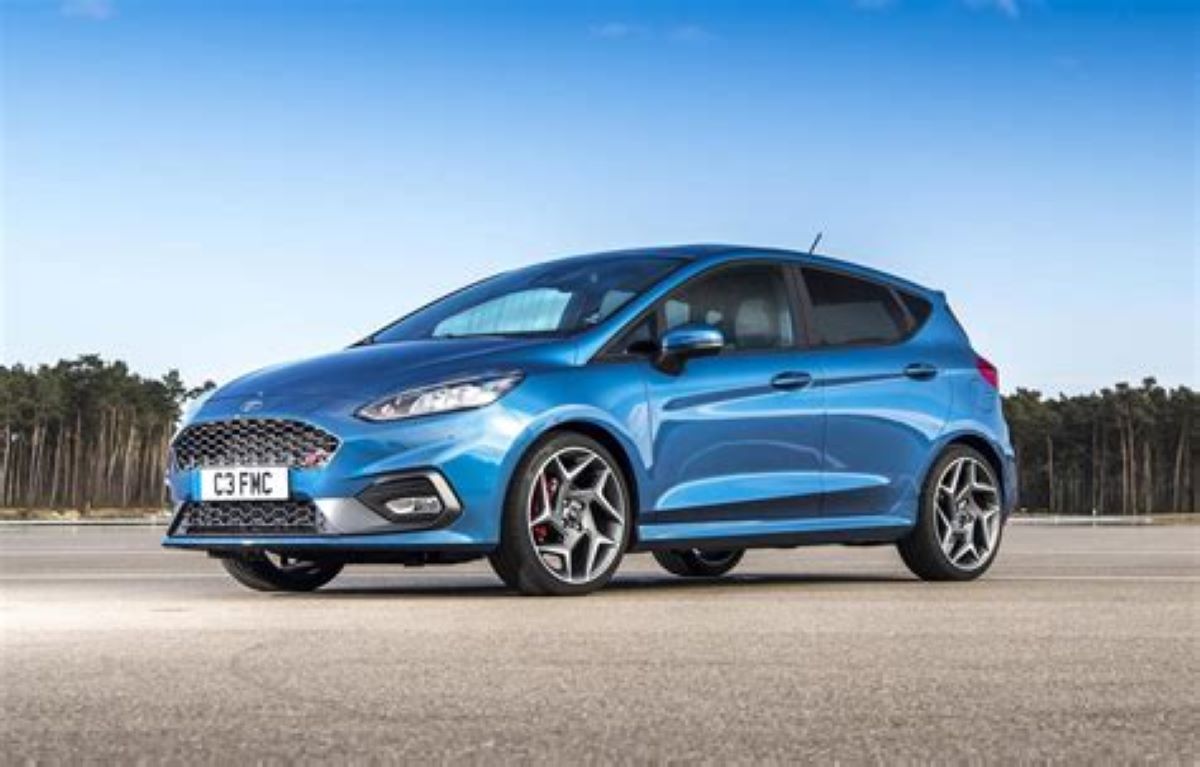
Few automakers in the world can match Ford’s legacy in shaping the American driving experience. From affordable compacts to performance icons, Ford vehicles have been part of family driveways for generations.
Yet, while the brand is synonymous with durability and blue-collar toughness, not every Ford has earned its place in history as a dependable workhorse.
Some have proven nearly indestructible, still running after hundreds of thousands of miles, while others turned out to be maintenance nightmares that cost owners time and money.
This list dives into five Ford cars that survive decades models that built reputations for longevity and five that constantly break, the ones that make even loyal Ford fans shake their heads.
Ford Cars That Survive Decades
When it comes to durability and longevity, few automakers can match Ford’s legacy. Over the decades, certain Ford models have proven they’re more than just vehicles, they’re reliable companions built to endure the test of time.
From classic trucks that keep working long past their expected lifespan to sedans that refuse to quit, these cars have earned a reputation for resilience, earning the trust of generations of drivers. In this article, we’ll explore the Ford models that not only survive but thrive, even decades after they first hit the road.
1. Ford Crown Victoria
There’s a reason the Ford Crown Victoria earned the nickname “forever car.” For decades, it served as the backbone of police fleets and taxi services across the U.S. Its 4.6-liter V8 engine, body-on-frame design, and simple rear-wheel-drive setup made it nearly bulletproof.
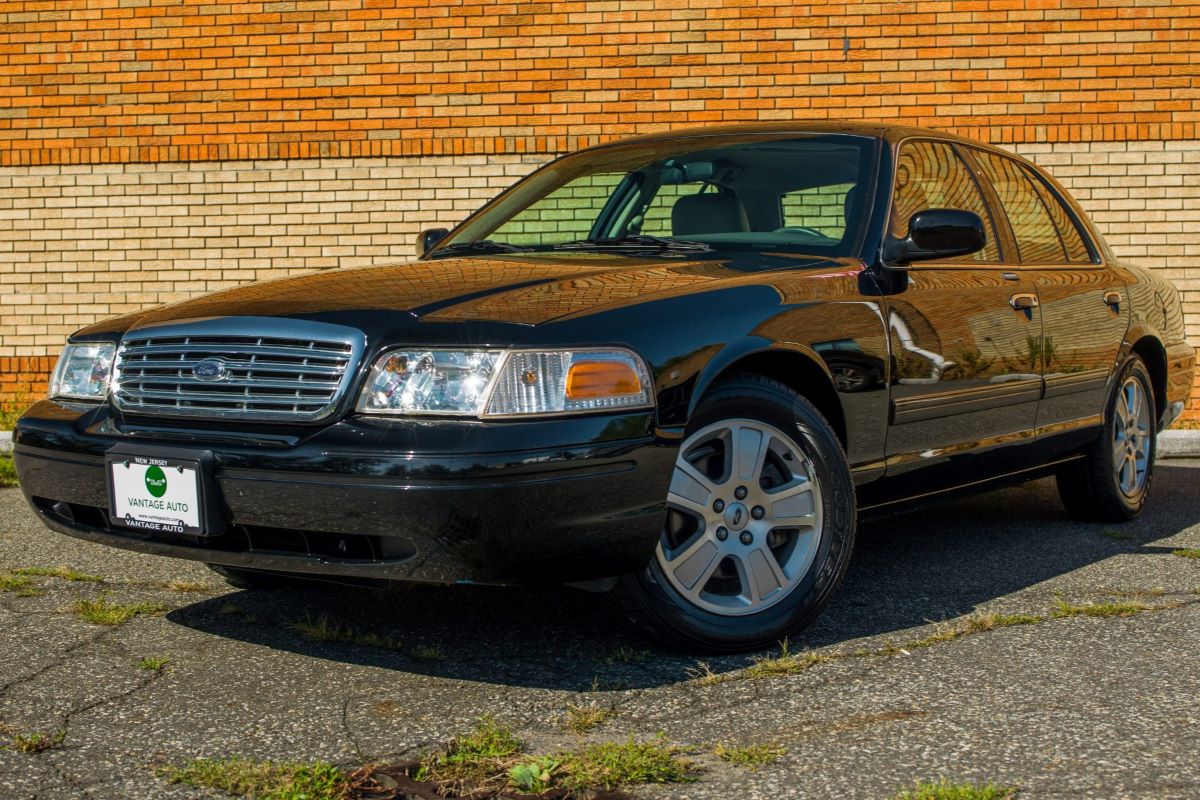
The Crown Vic’s mechanical components are easy to repair and parts are widely available, allowing many of these sedans to cross 300,000 miles without major issues.
Even after production ended in 2011, Crown Victorias still roam American streets a testament to their enduring reliability. Owners often say, “If you maintain it, it’ll outlive you,” and they’re only half joking.
When it comes to American automotive legends that have dominated both law enforcement fleets and private driveways for decades, the Ford Crown Victoria stands as a true icon.
This full-size sedan was far more than just another vehicle, it became the backbone of police departments nationwide and garnered a devoted following among drivers who prized reliability above all else.
From 1998 to 2012, the Crown Victoria charted an impressive journey as it evolved into one of America’s most trusted patrol cars. Its body-on-frame construction, potent V8 engine, and renowned durability made it the preferred choice for everything from taxi services to government fleets.
Even today, long after production ended, these dependable machines are still seen patrolling streets and highways across the country.
Whether you are considering purchasing a used Crown Victoria or are simply curious about this automotive legend, we are taking a closer look at what made this car so special and why it continues to capture the hearts of enthusiasts years after Ford ended production.
The Ford Crown Victoria represents Ford’s longest-running full-size sedan platform, spanning from 1955 to 2012 across three distinct generations. Production peaked during the second generation (1998–2012), cementing the vehicle’s status as America’s leading police interceptor and taxi fleet workhorse.
Built on Ford’s Panther platform, the Crown Victoria shared its body-on-frame design with the Mercury Grand Marquis and Lincoln Town Car. This construction offered exceptional durability compared to unibody competitors, making it ideal for high-mileage commercial use and the rigorous demands of law enforcement.
Most Crown Victoria models were equipped with a 4.6-liter Modular V8 engine, producing 239 horsepower in civilian trims and 250 horsepower in the Police Interceptor version. The naturally aspirated engine, paired with a four-speed automatic transmission, delivered reliable performance capable of exceeding 300,000 miles.
During the final generation, law enforcement agencies purchased roughly 75% of all Crown Victoria production. The Police Interceptor model featured upgraded cooling systems, reinforced suspension components, and certified speedometer accuracy to meet pursuit requirements.
Commercial fleets also favored the Crown Victoria for taxis, government service, and rental operations due to its low purchase price and minimal maintenance needs. Its rear-wheel-drive layout offered superior weight distribution and handling compared to front-wheel-drive alternatives.
Ford discontinued production of the Crown Victoria in August 2011, closing out a 57-year nameplate history. The final model year included refreshed exterior styling, upgraded interior materials, and standard safety features such as electronic stability control and side-impact airbags.
Also Read: 8 Models That Lose the Least Value the Moment You Drive Off the Lot
2. Ford Mustang (1990s–2010s Models)
Few cars embody longevity in spirit and metal like the Ford Mustang. The mid-1990s to mid-2010s generations are known for surviving decades with routine maintenance.
Their engines from the 3.8-liter V6 to the iconic 5.0-liter V8 are tough, understressed, and easy to service.
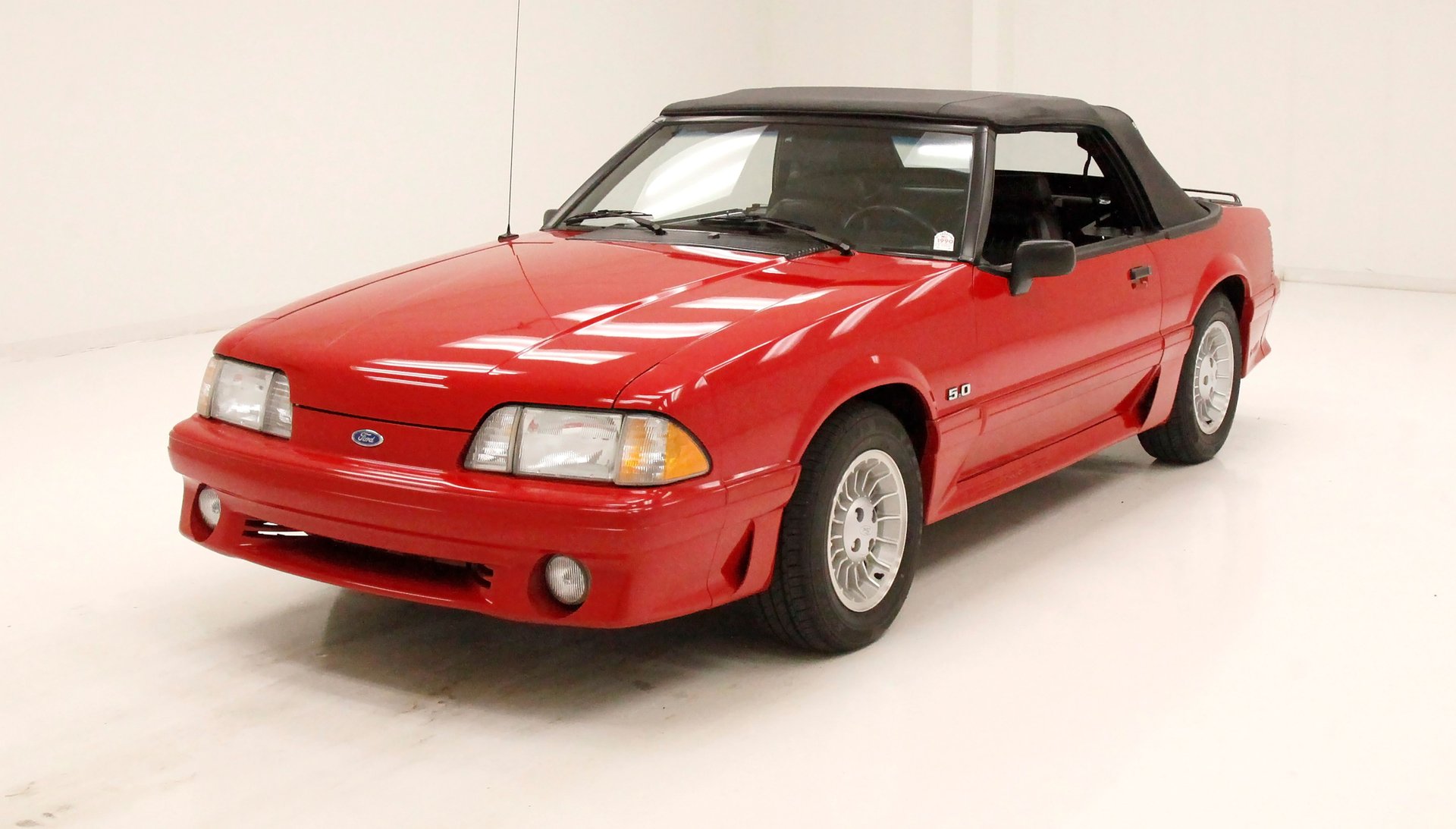
Enthusiasts often point out that Mustangs from these eras have a balance of analog simplicity and modern safety. Unlike newer turbocharged models that rely on sensitive electronics, these versions can handle neglect and still fire up strong.
They also benefit from one of the largest aftermarket support networks in the U.S., making repairs affordable and performance upgrades simple.
3. Ford Ranger (1993–2011)
The classic Ford Ranger compact pickup is one of the most indestructible small trucks ever built. Whether used for light farm work, home projects, or off-road adventures, the Ranger from this era could take years of abuse.
The 2.3-liter four-cylinder and 4.0-liter V6 engines are particularly admired for their simplicity and endurance. With minimal electronic complexity, the Ranger’s mechanical reliability makes it a favorite among DIY mechanics.
Even today, used Rangers routinely fetch high prices, especially in rural markets where dependability matters more than luxury.
Whether it’s style or utility that draws you to a compact truck, Ford makes a compelling case with its popular Ranger. The lineup spans from the practical XL to the well-appointed XLT and STX, all the way up to the eye-catching Ranger Splash, featuring a fiberglass Flareside bed, chrome wheels, and lowered suspension.
Acceleration is particularly brisk when equipped with the optional 4.0-liter V6 engine, whether starting from a standstill or merging and passing on the highway. The base four-cylinder engine, however, can struggle when the Ranger is heavily loaded.
Automatic transmission shifts are smooth and mostly unobtrusive, with only a slight jolt under heavy throttle, while downshifts produce a touch more harshness. If the truck is equipped with push-button four-wheel drive, engaging it is quick and effortless.
Rangers are well-controlled overall, offering precise steering feedback, capable cornering within reasonable limits, nimble maneuverability, and stable handling on curves.
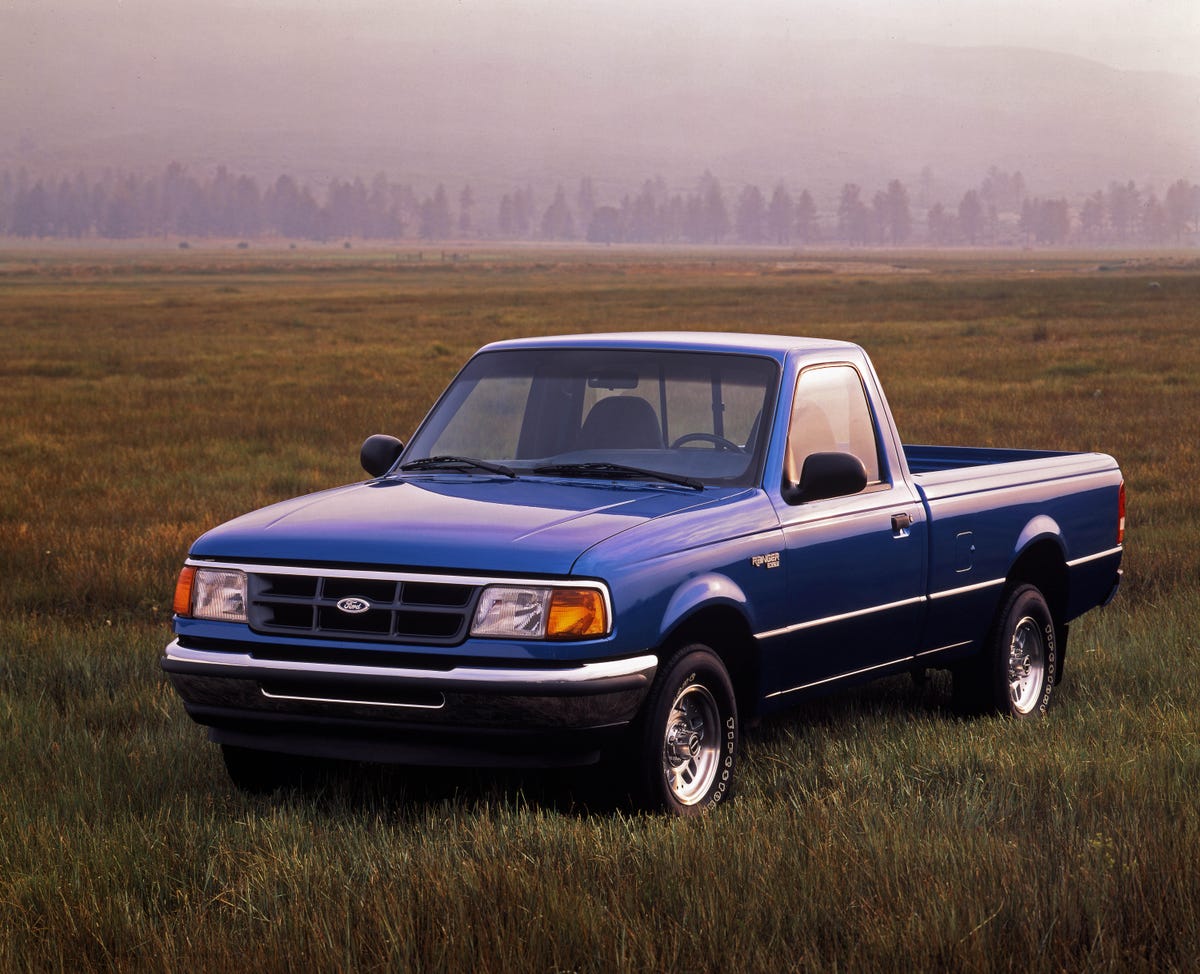
The ride is generally comfortable, though it can become a bit bouncy in urban settings. Fuel economy is not exceptional, particularly with the larger engine and automatic transmission, which is to be expected.
The Ranger also introduced a worldwide first in safety for its segment. An optional passenger-side airbag is available, which can be disabled with a simple switch if a car seat is installed.
New for 1997 is a five-speed automatic transmission, a first for compact trucks. Ford claims this new transmission enhances acceleration, towing, and hill-climbing performance.
Additionally, Ford reorganized its option packages this year to make ordering the more than 70 available options simpler and more cost-effective.
Seats are firm and supportive, encouraging a relaxed posture for long drives. The Ranger is unapologetically a truck, with minimal pretense, yet it can be outfitted with features typically found in luxury vehicles. Fun to drive, sharp in appearance, and solidly built, the Ranger delivers a well-rounded compact pickup experience.
4. Ford Fusion (2010–2018)
Among Ford’s modern sedans, the Fusion stands out for its resilience. Particularly the second-generation model (2010–2018), built on a solid global platform, combines strong engines with balanced performance.
The 2.5-liter naturally aspirated four-cylinder engine, in particular, has proven nearly indestructible.
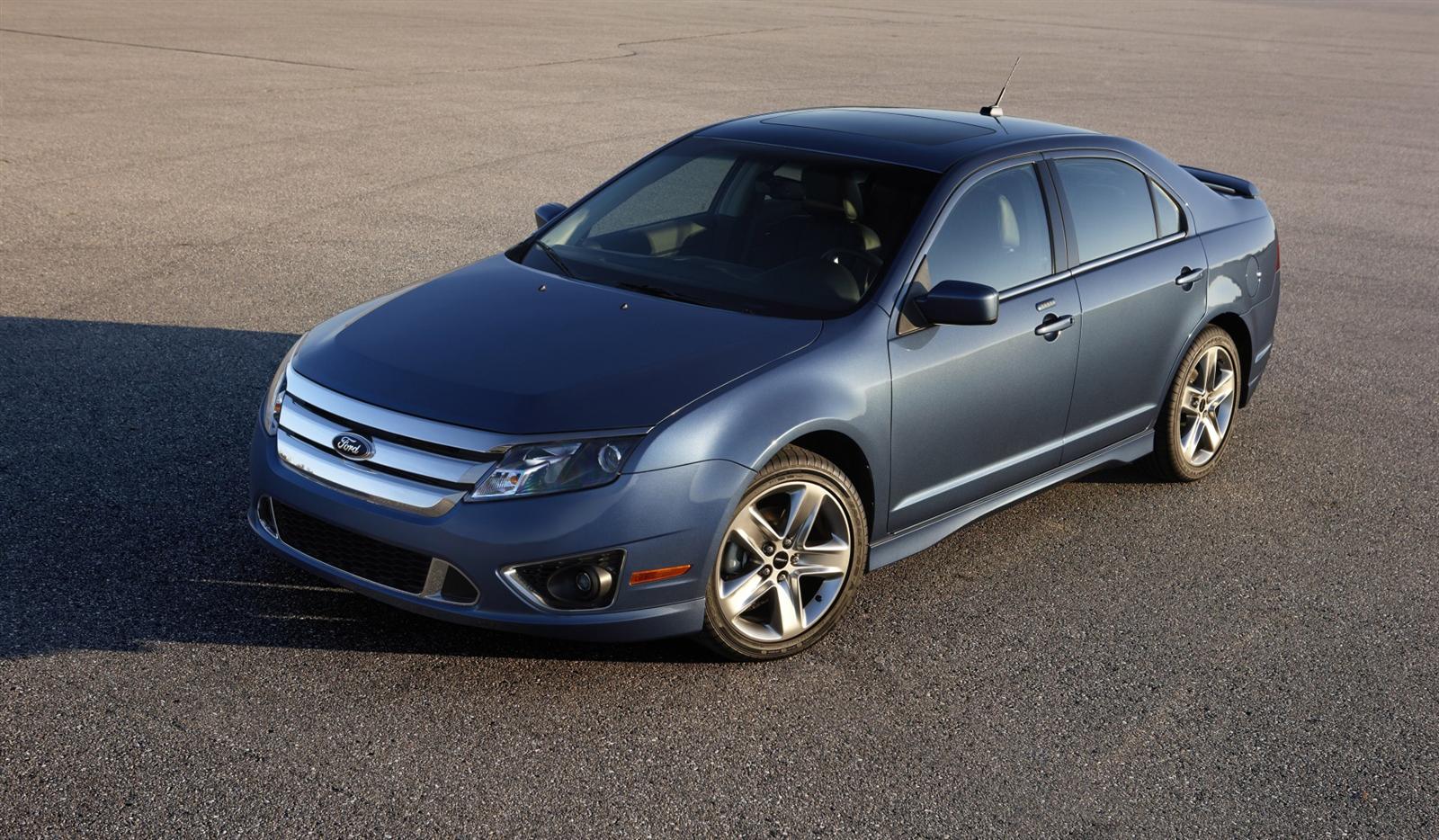
While the Fusion was eventually phased out as Ford shifted focus to SUVs, many of these sedans continue running with minimal major repairs.
Owners report few transmission failures and long-lasting suspension components, making it one of the brand’s most underrated modern cars for longevity.
5. Ford F-150
No Ford list is complete without the F-150 America’s best-selling truck for decades. While newer models are high-tech marvels, the early 2000s to early 2010s F-150s remain standouts for durability.
Their engines, especially the 5.4-liter Triton V8 (post-2005 updates) and the 4.6-liter V8, can easily exceed 250,000 miles when properly maintained.
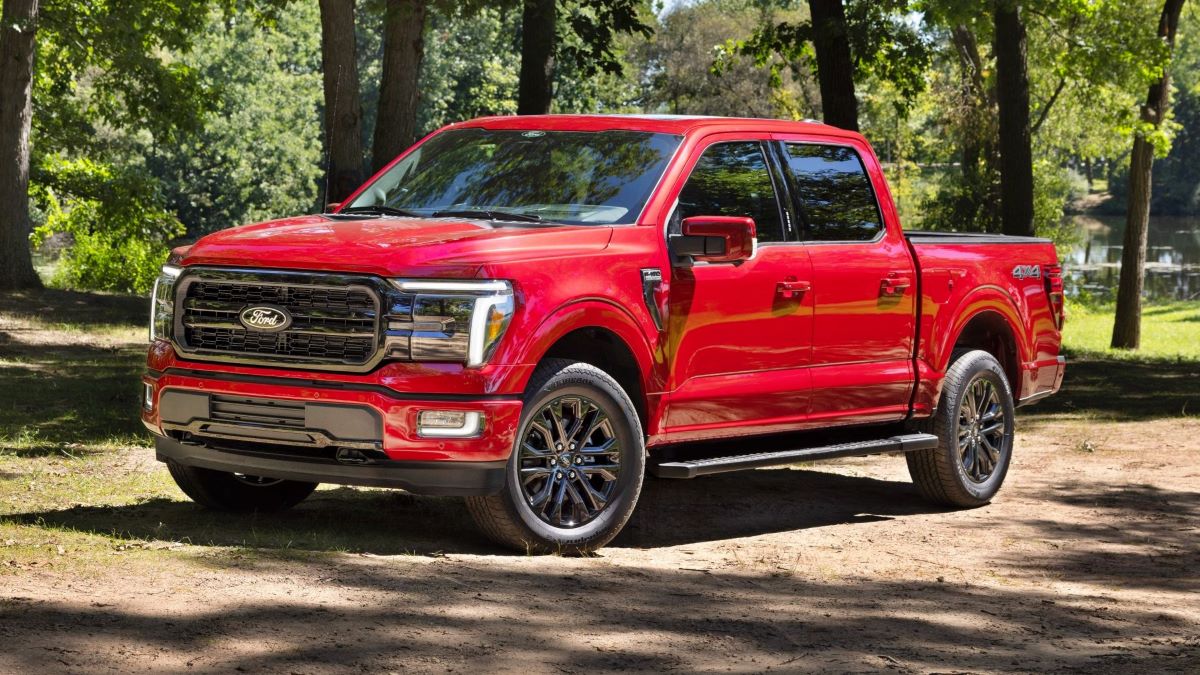
Beyond power, the F-150’s simple design and abundance of spare parts make it an easy vehicle to keep on the road.
Many families still use older F-150s as daily drivers or work trucks, proving Ford’s reputation for toughness wasn’t just marketing it was engineering.
Ford Cars That Constantly Break
Not all Fords are built to last. While the brand has its share of durable classics, some models have developed a reputation for frequent breakdowns and costly repairs.
From recurring engine troubles to electrical quirks, these cars test the patience, and wallets, of their owners. In this article, we’ll take a closer look at the Ford models that consistently fall short of reliability expectations.
1. Ford Focus (2012–2016)
The third-generation Ford Focus was meant to be Ford’s global compact car success story. Instead, it became one of the company’s biggest reliability headaches.
The dual-clutch “Powershift” automatic transmission was plagued with jerking, hesitation, and failure issues that led to major recalls and lawsuits.
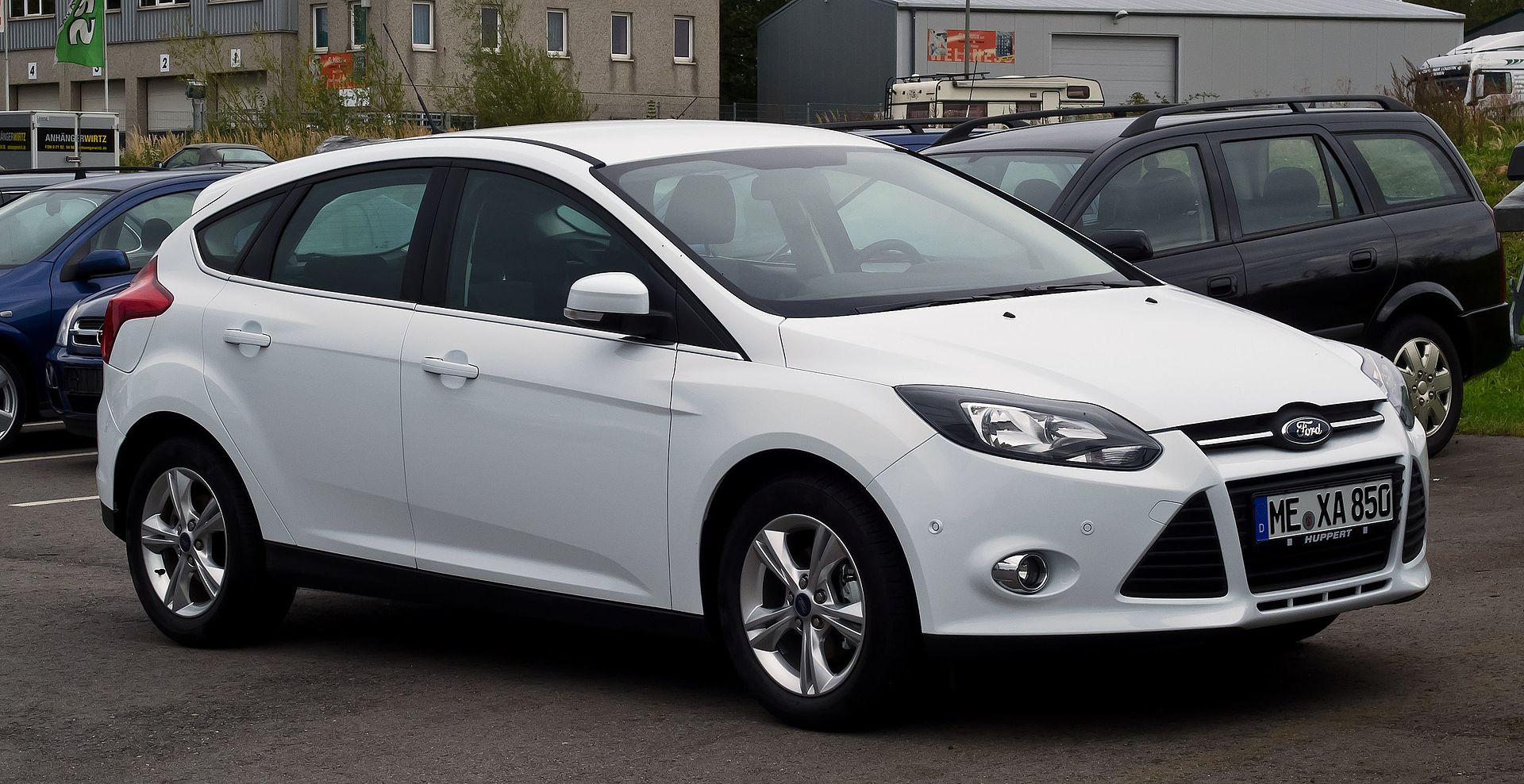
Many owners experienced multiple transmission replacements before reaching 100,000 miles.
While the Focus had sharp handling and good fuel economy, its mechanical troubles destroyed its long-term reputation. Even Ford loyalists now advise avoiding these years entirely in the used market.
2. Ford Explorer (2002–2005)
The early 2000s Ford Explorer should have been a home run, but it suffered from design flaws that made it infamous.
Transmission failures were rampant, often appearing before 80,000 miles. The V6 engines were also known for timing chain issues and coolant leaks.
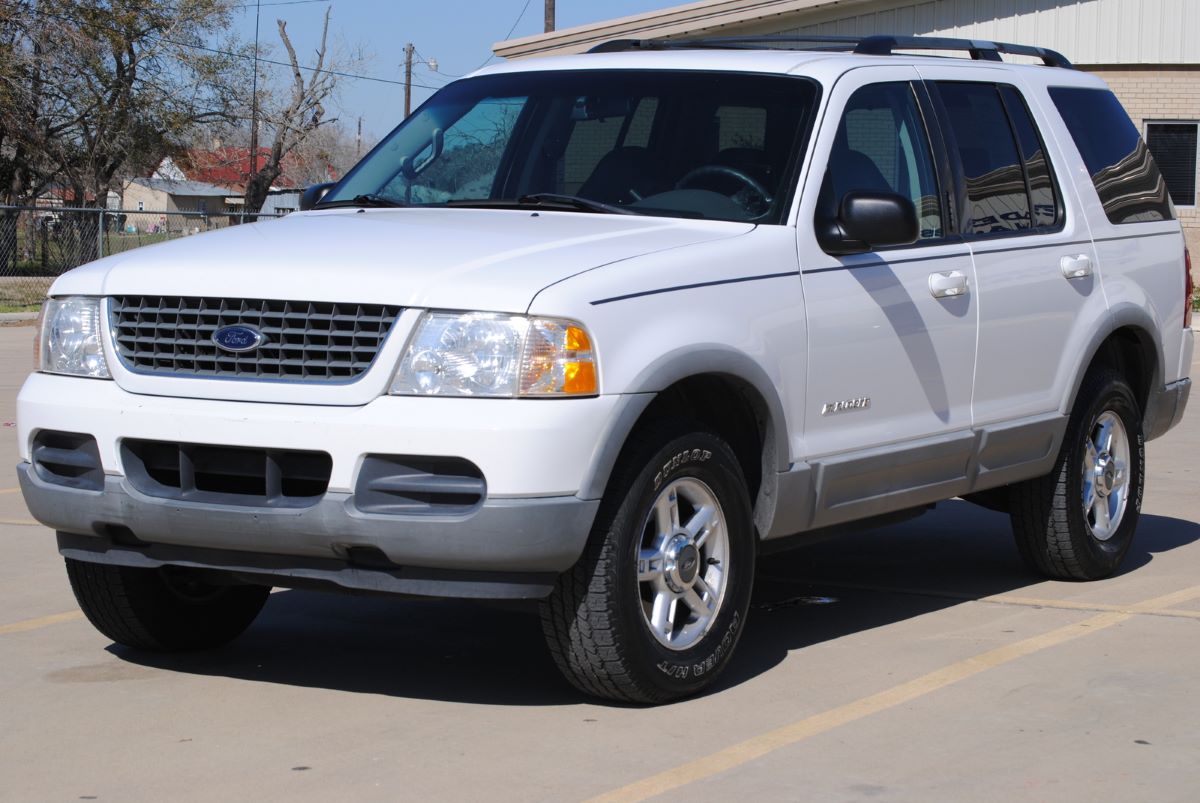
While the Explorer’s body and interior design were solid, the drivetrain reliability dragged it down. Many mechanics note that repairing these models often cost more than the vehicle’s resale value a death sentence for long-term ownership.
Calling the Ford Explorer an important SUV would be an understatement. Before its debut as a 1991 model, the family-oriented four-door SUV segment was virtually nonexistent.
The Explorer formula proved to be a massive success, and it wasn’t long before other automakers jumped into the segment. We all know what happened after that.
Now in its sixth generation, the 2020 Ford Explorer represents a complete reimagining of this three-row family SUV. Early Explorers were built on truck frames and primarily rear-wheel drive, while the previous generation moved to a front-wheel-drive layout with car-like unibody construction.
The all-new 2020 model blends the best of both approaches. It returns to a rear-wheel-drive configuration while retaining unibody construction.
This may not be immediately apparent, as the Explorer’s familiar styling maintains a strong family resemblance. These outward cues only hint at the transformative engineering that lies beneath the body panels.
The return to rear-wheel drive is sensible for several reasons. Handling and overall balance are dramatically improved when the same end of the vehicle isn’t tasked with both steering and delivering power. The layout also benefits towing stability and expands powertrain options.
The new Explorer, for example, pairs with Ford’s smooth and robust 10-speed automatic transmission. Additionally, the reconfiguration allows for increased interior space, providing a roomier experience for passengers and cargo alike.
3. Ford Taurus (1996–2005)
While earlier Taurus models were reliable family sedans, the late-1990s redesign changed everything. The oval-heavy styling wasn’t just controversial the mechanical side took a hit too.
Transmission problems became widespread, and the Vulcan and Duratec engines often developed oil leaks and gasket failures.
The Taurus became synonymous with early transmission death, making it one of the least dependable sedans of its time. Many owners loved its comfort and space, but costly mechanical issues meant few survived beyond the 150,000-mile mark without major repairs.
Following last year’s dramatic redesign of the Taurus, Ford is taking a cautious approach, aiming to keep costs under control as their top-selling vehicle faces sharp criticism from the press and hesitant buyers who are less than enthralled by its striking new appearance.
We’ve spent time with both the Taurus and its sibling, the Mercury Sable, and found ourselves genuinely impressed by this unconventional family sedan and wagon. If you can overlook the unusual curves and distinctive front end, the Taurus still delivers a substantial amount of car for the money.
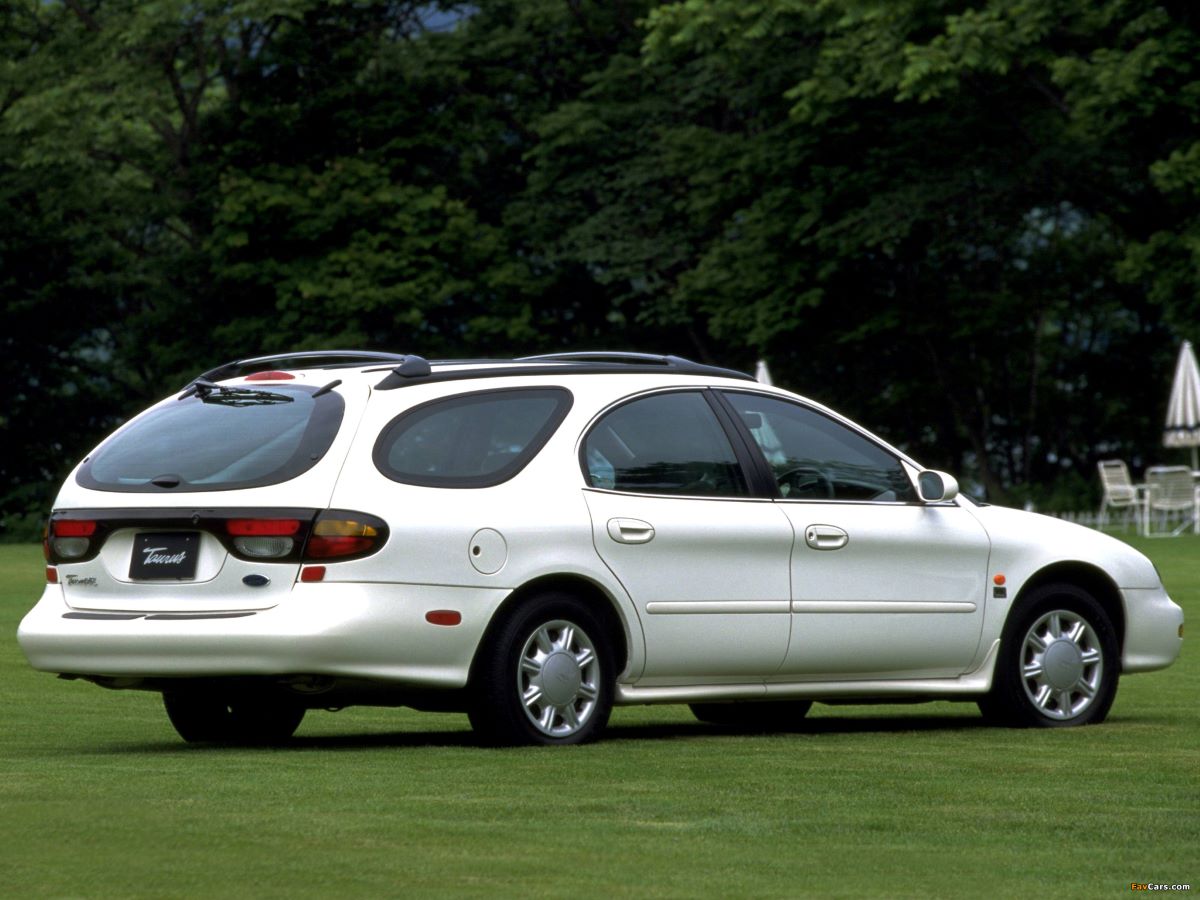
Upon stepping into the Taurus’s cockpit, drivers immediately notice the logical layout of controls and excellent outward visibility. Unlike previous Taurus models, which featured awkward dashboards and troublesome C-pillar blind spots, the new design is far more user-friendly.
The integrated control panel, which combines stereo and climate functions, is a standout, especially when compared to most competitors.
Interior space is generous, comfortably accommodating five adults along with their cargo. The Taurus offers supportive seating, numerous cupholders and ashtrays, well-integrated armrests, and optional rear-passenger air conditioning controls.
Midsized sedans are rarely bought for their handling prowess, and for most buyers, the Taurus meets expectations. It offers capable acceleration with the Duratec V6 engine available on the LX sedan and wagon, along with respectable handling thanks to the MacPherson front/quadralink rear suspension setup.
However, the redesigned Taurus SHO is somewhat underwhelming. While it boasts a V8, the first ever fitted in a Taurus, its lack of a manual transmission and slower acceleration diminish what had previously been a benchmark American sports sedan for seven years.
Despite this, the Taurus continues to deliver plenty of car, making it a preferable choice over the less sophisticated Chevrolet Lumina or the plain Buick Century. That said, competition from Europe, Japan, and even other American offerings is steadily challenging the Taurus’s grip on the best-selling-car-in-America title.
Buyers seeking an American sedan should certainly consider the Taurus near the top of their list, but those put off by its exterior styling may find comfort in competitively priced alternatives like the Honda Accord or the redesigned Toyota Camry.
4. Ford Escape (2013–2016)
The third-generation Ford Escape suffered from several reliability gremlins, particularly involving its EcoBoost engines.
The 1.6-liter and 2.0-liter turbo engines faced overheating, coolant intrusion, and even fire risks in early models problems serious enough to trigger multiple recalls.
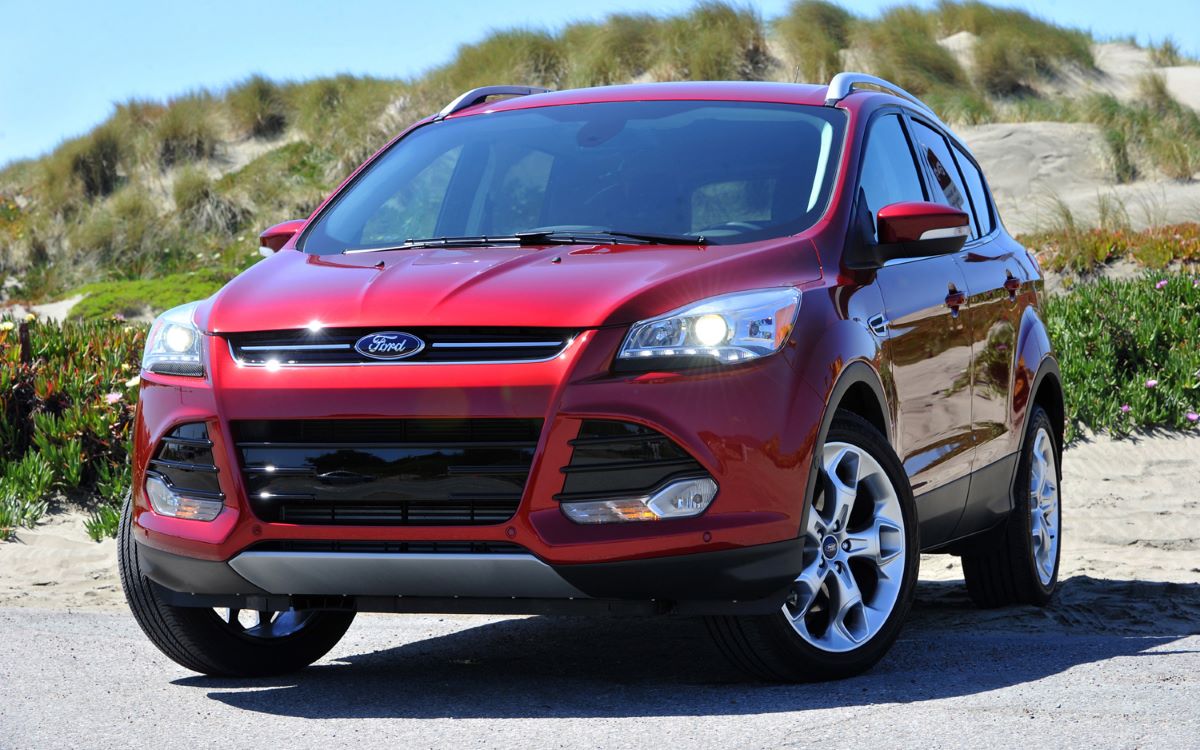
While the Escape drove well and offered great tech for its class, the engine reliability issues significantly hurt its reputation.
Many owners found themselves dealing with frequent check engine lights and costly repair bills, making it one of Ford’s most problematic modern SUVs.
After years of using essentially the same platform, Ford’s compact crossover has finally undergone a major transformation. Based on our experience with the 2013 Ford Escape, the redesign was well worth the wait. The new Escape now ranks among the strongest contenders in a segment already filled with excellent choices.
The 2013 Escape draws some of its DNA from international markets, as it is based on the Ford Kuga, a European compact crossover that shares its platform with the Ford Focus. This heritage has given the Escape sculpted styling and an athletic chassis.
Compared with the outgoing model, the new Escape features a 2.8-inch longer wheelbase and is 1.3 inches wider, resulting in more interior space.
Its slightly lower height, down 1.6 inches, enhances the sleeker exterior profile. Interior upgrades include higher-quality materials, a second-row seat that folds down with ease, a “hands-free” power liftgate, and the addition of the MyFord Touch electronics interface.
The Escape offers three four-cylinder engines, all paired with a six-speed automatic transmission. The base model retains a 168-horsepower 2.5-liter engine carried over from the previous year.
The most popular option is a new turbocharged 1.6-liter engine that produces 178 hp and achieves an EPA-estimated 33 mpg on the highway. For those seeking stronger performance, the 240-hp turbocharged four-cylinder effectively replaces the outgoing V6. It’s worth noting that Ford no longer offers a hybrid variant of the Escape.
One potential drawback is pricing, fully loaded Escapes become some of the priciest models in the segment. Nevertheless, for buyers willing to accept the cost, the 2013 Ford Escape remains an outstanding small crossover choice.
Standard and exclusive to the S trim is a 2.5-liter four-cylinder engine producing 168 hp and 167 lb-ft of torque. The SE and SEL trims come with a turbocharged 1.6-liter inline-4 that makes 178 hp and 184 lb-ft.
Optional for these trims, and standard on the Titanium, is a turbocharged 2.0-liter inline-4 generating 240 hp and 270 lb-ft of torque.
5. Ford Fiesta (2011–2016)
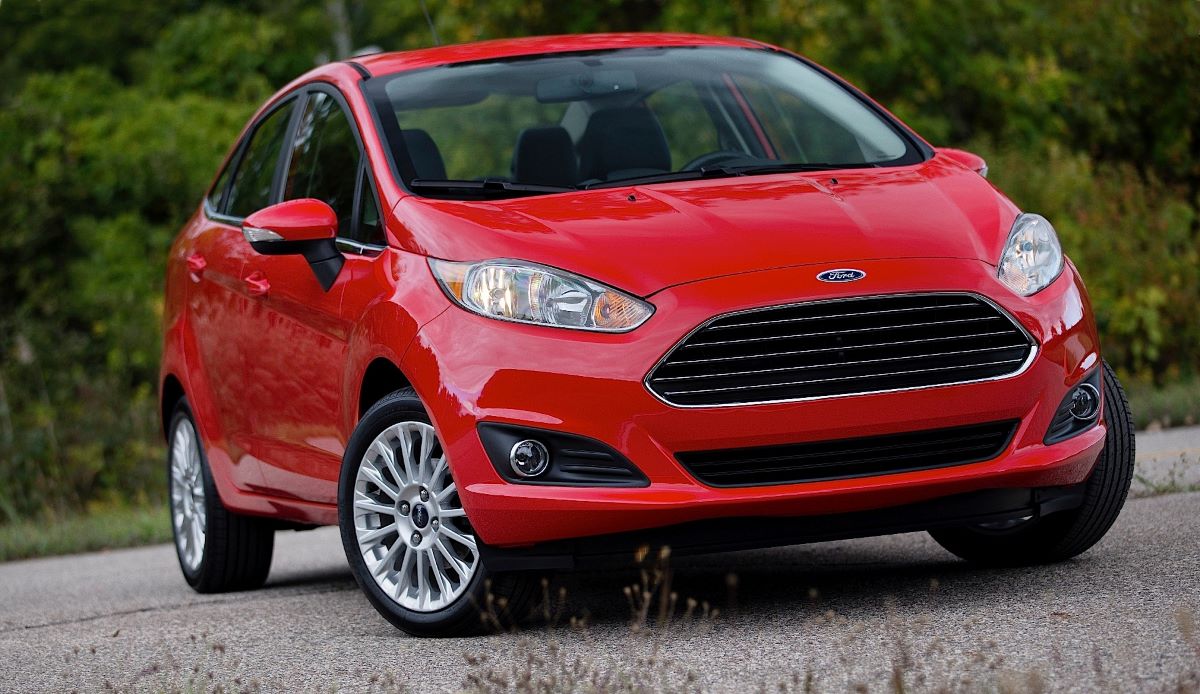
The Fiesta’s lively styling and great fuel economy made it a popular city car, but it shared the same problematic “Powershift” transmission as the Focus. Shuddering, gear slipping, and sudden loss of acceleration were common, frustrating countless owners.
Even though Ford offered software updates and extended warranties, many Fiestas continued to suffer the same mechanical issues.
Though small in size, the Ford Fiesta packs a surprisingly big punch. Ford has announced that 2019 will mark the final year for the Fiesta, at least in North America, due to the company’s new focus on trucks and SUVs
. If you’re interested in this practical, value-oriented subcompact, now is the time to act, as production is slated to end in May 2019. The Fiesta is offered in both sedan and hatchback configurations.
A lively five-speed manual transmission comes standard, paired with a 1.6-liter four-cylinder engine producing 120 horsepower. An optional six-speed automatic delivers nearly as engaging a driving experience as the manual.
Steering is precise and well-weighted, and while it isn’t particularly fast, the last model we tested reached 60 mph in 9.1 seconds, the Fiesta remains nimble and playful through corners.
The rear seat is tight in both sedan and hatchback versions, but its size and the limited standard features aren’t necessarily deal breakers. The base S trim includes essentials such as a tilt-and-telescoping steering wheel, manual-crank windows, and a backup camera.
Upgrading to the SE adds conveniences like cruise control and remote keyless entry. Options such as a 6.5-inch touchscreen infotainment system, in-dash navigation, and a sunroof are available at extra cost. The versatile hatchback impressed by accommodating 14 carry-on suitcases with the rear seats folded down.
Ford’s lineup over the decades shows how innovation and reliability don’t always move in sync. The Crown Victoria, Ranger, and F-150 remind us of a time when mechanical simplicity and rugged design built loyal followings.
Meanwhile, vehicles like the Focus and Fiesta highlight how the rush toward efficiency and technology can backfire if execution falters.
For American drivers seeking long-term ownership, the lesson is clear: stick with Ford’s proven workhorses and avoid the models tied to experimental tech or rushed redesigns.
When it comes to surviving decades, the best Fords are the ones that do what they’ve always done best keep running, no matter what the road throws their way.
