
When it comes to trucks that defy time and mileage, a few stand out for their unmatched durability, reliability, and performance. “8 Trucks That Refuse to Die No Matter the Mileage” celebrates these mechanical legends, vehicles built not only to work hard but to keep working long after others retire.
From Ford’s cutting-edge aluminum-bodied F-150 to Toyota’s trail-taming Tacoma TRD Pro, each model represents a blend of power, endurance, and engineering brilliance. These trucks have proven that longevity is not about luck but about thoughtful design, robust construction, and consistent innovation.
Whether it is the unstoppable torque of the Ford F-350, the rugged charm of the Nissan Frontier, or the refined resilience of the GMC Sierra Denali, these pickups continue to earn the trust of owners who measure reliability in decades rather than years. Here are eight trucks that redefine what it means to truly go the distance.
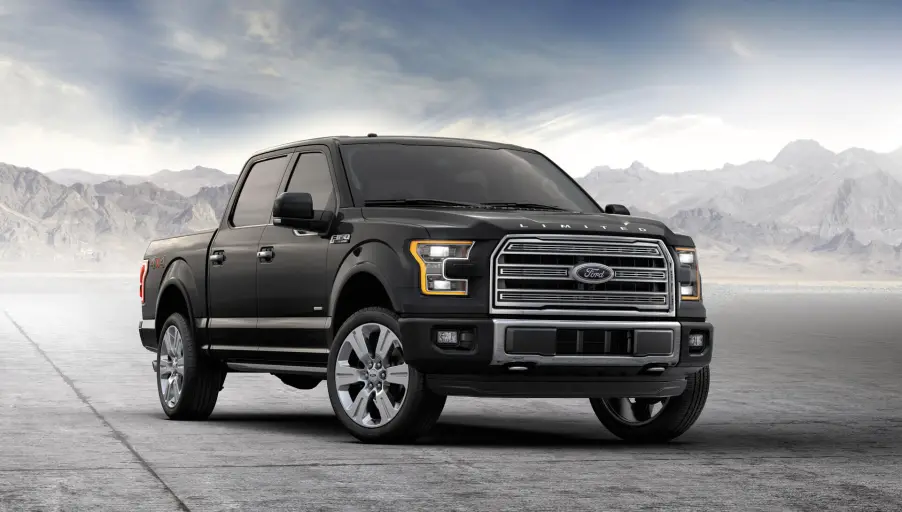
1. 2016 Ford F-150: Power, Performance, and Practical Innovation
The 2016 Ford F-150 stands as a durable and dependable full-size pickup, belonging to the thirteenth generation of Ford’s iconic F-Series introduced in 2015. With proper maintenance, many owners report their trucks easily surpassing 200,000 miles, a testament to the model’s reliability and longevity.
Its lightweight aluminum body and range of engine options give it impressive strength and efficiency, while the few common issues, such as minor paint wear and occasional stalling, are easily addressed. The truck’s blend of toughness and refinement ensures its appeal to both work-focused drivers and everyday users.
After a major redesign the previous year, the 2016 model introduced notable enhancements that improved both functionality and comfort. One of the most significant updates was the introduction of Ford’s Sync 3 infotainment system, which replaced the often criticized MyFord Touch interface.
Sync 3 delivers faster responses, cleaner visuals, and a more intuitive layout. The addition of the new Limited trim pushed the F-150 into premium territory, featuring upscale materials and modern amenities that rival luxury SUVs. The use of aluminum body panels reduced weight and enhanced fuel efficiency and payload capacity, though repairs for these panels can be slightly more expensive.
While the F-150’s ride is firmer than that of the Ram 1500, its broad selection of trims and configurations from the basic XL to the upscale Platinum and Limited allows it to meet the needs of nearly every kind of truck buyer.
The 2016 F-150 offers a range of engines designed to balance power, efficiency, and towing capability. The standard 3.5-liter V6 produces 282 horsepower and 253 pound-feet of torque, achieving about 20 miles per gallon combined.
Drivers seeking more vigor can choose the 2.7-liter turbocharged V6, delivering 325 horsepower and 375 pound-feet of torque with brisk acceleration and fuel efficiency up to 22 miles per gallon combined. The 5.0-liter V8, rated at 385 horsepower and 387 pound-feet of torque, provides impressive towing strength, capable of hauling over 11,000 pounds.
Topping the lineup is the 3.5-liter turbocharged V6, generating 365 horsepower and 420 pound-feet of torque, enabling the truck to tow up to 12,200 pounds when properly equipped. Each engine pairs with a six-speed automatic transmission, ensuring smooth and responsive performance across the range.
Safety and handling remain central to the F-150’s appeal. Standard features include antilock brakes, stability and traction control, trailer sway control, and full-length side curtain airbags. Optional technologies such as blind-spot monitoring, forward collision warning, and lane-keeping assist enhance driver confidence.
The truck performed exceptionally in government crash tests, earning five out of five stars for its frontal and side-impact protection, as well as its total safety rating. Despite its large frame, the F-150 feels agile and controlled, with precise steering and strong acceleration from nearly every engine option. The available Pro Trailer Backup Assist system further simplifies towing, making it accessible even for less experienced drivers.
Inside, the 2016 F-150 offers a wide range of interior experiences depending on trim level. The base XL model focuses on practicality with durable materials suited for heavy-duty work, while higher trims such as the Lariat, King Ranch, and Limited introduce premium leather upholstery, ventilated seats, and advanced controls.
Ford’s Sync 3 system enhances cabin usability with smartphone-like gestures and streamlined menus, while Supercrew models provide generous passenger space and exceptional comfort for long trips. Ample storage compartments, including under-seat bins and large center consoles, make the cabin both functional and inviting.
The 2016 Ford F-150 combines power, innovation, and refinement in a way that few competitors can match. Its strong engine lineup, improved technology, high safety ratings, and versatile design keep it among the leaders in the full-size pickup segment. Whether used for demanding work tasks or comfortable daily driving, it remains a symbol of capability and modern engineering.
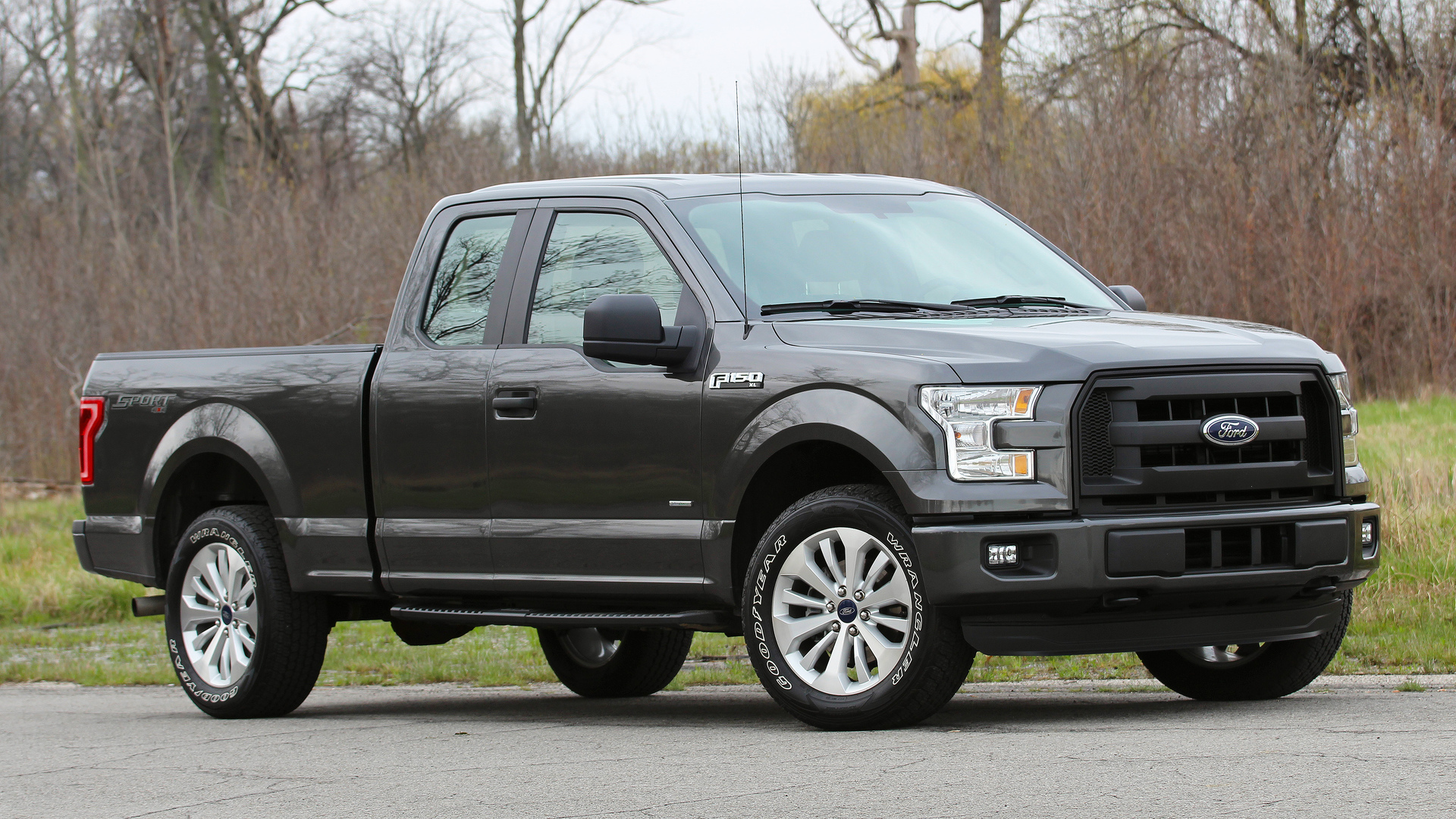
2. 2017 Nissan Frontier: Reliable Simplicity in a Modern Market
The 2017 Nissan Frontier remains a solid choice for buyers seeking a dependable used midsize pickup truck, provided its maintenance history is well-documented. Known internationally as the Nissan Navara or D23, this model belongs to the third generation of Frontiers and has earned a reputation for lasting well beyond 150,000 miles, with many examples reaching up to 300,000.
Its design and engineering emphasize practicality and reliability over flash, making it a trustworthy workhorse for those who value function over form.
When Nissan launched the Frontier, its main goal was to compete with global leaders such as the Toyota Hilux and Ford Ranger. It achieved this in part by offering a powerful V6 turbo-diesel engine in some markets, which bolstered its appeal among truck enthusiasts.
While the Frontier’s exterior styling may seem plain and outdated compared to newer rivals, this simplicity contributes to its strength and durability. The truck’s straightforward engineering reduces the likelihood of costly mechanical issues, a key reason why it remains popular among long-term owners.
By 2017, however, the midsize pickup segment had evolved significantly. Competitors like Chevrolet, GMC, and Toyota had modernized their trucks, leaving the Frontier feeling dated in comparison. Inside, its age becomes particularly apparent.
The dashboard layout, control knobs, and materials reflect an earlier era of truck design, with extensive use of hard plastics and limited noise insulation. Cabin noise is more noticeable at highway speeds, and features that are standard on newer rivals, such as advanced driver aids and upscale finishes, are missing here.
Yet the simplicity of the interior has its charm, controls are easy to operate, and the truck offers all the practical features that a working pickup requires.
On the road, the Frontier delivers a surprisingly comfortable ride for its class. Suspension tuning helps absorb bumps effectively, though limited seat and steering-wheel adjustability make finding an ideal driving position difficult. Rear seat space in crew cab models is tight, making long trips less comfortable for passengers.
In contrast, the Pro-4X trim stands out for its off-road capability, offering features that allow it to perform confidently on rugged terrain. This trim makes the Frontier a reliable companion for drivers who frequently venture off the beaten path.
Utility remains one of the Frontier’s strongest points. It includes thoughtful touches such as a cargo tie-down system, an available spray-in bedliner, and a sliding bed extender. Bed lengths of 5 feet or 6.1 feet accommodate varying needs, and when properly equipped, the four-cylinder model can tow up to 3,500 pounds, while the V6 variant boosts capacity to 6,500 pounds.
Technologically, the 2017 Frontier includes essential features such as the NissanConnect infotainment system, Bluetooth connectivity, hands-free text messaging, and smartphone app integration. While these amenities meet basic modern expectations, competitors offer more advanced and polished technology packages.
The 2017 Nissan Frontier may lack the refinement and innovation of newer rivals, but its enduring reliability, off-road competence, and practical design keep it relevant. For buyers seeking a no-nonsense, dependable truck that performs its duties without fuss, the Frontier continues to deliver on its promise of simplicity and strength.
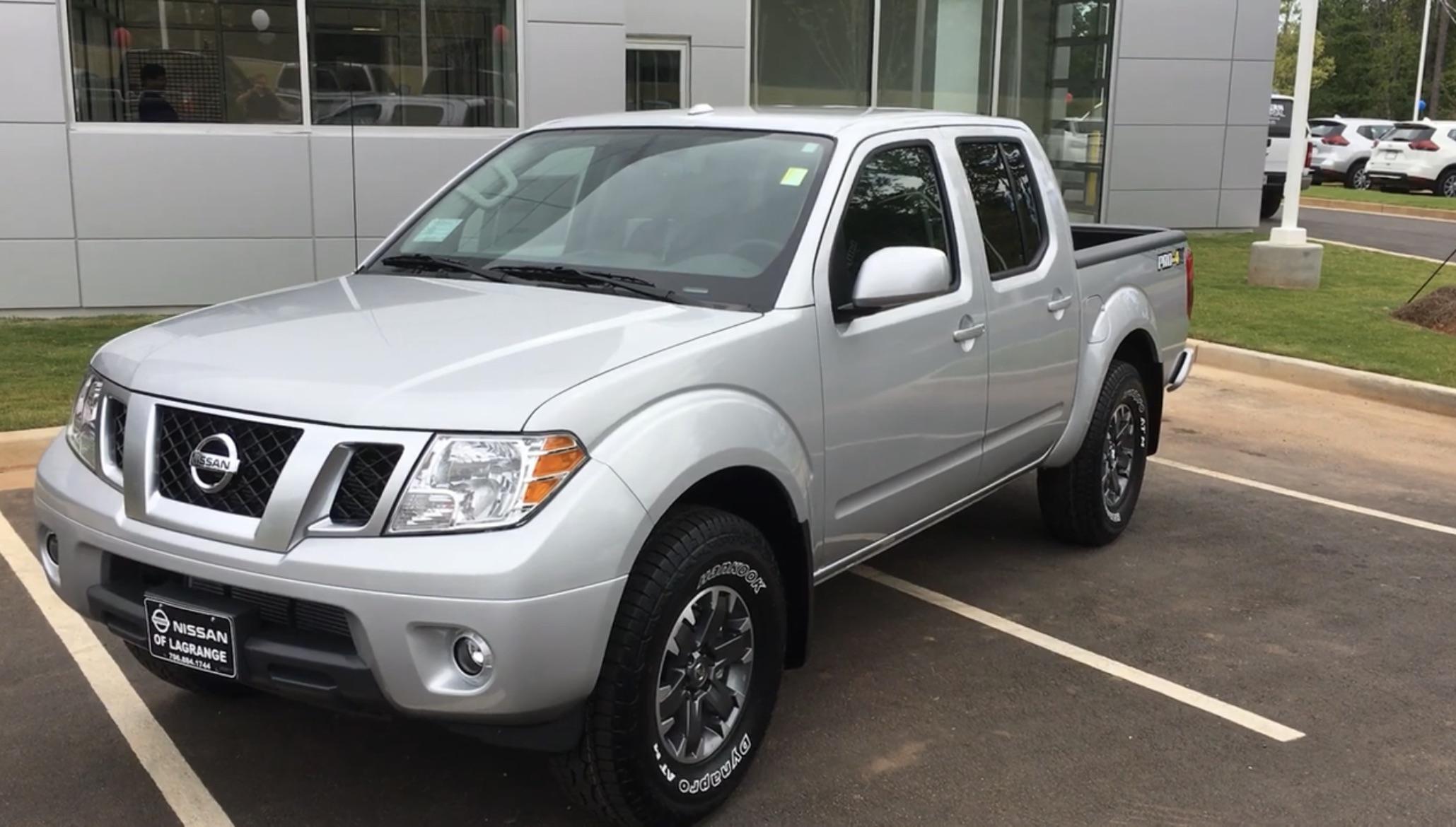
3. 2017 Ford F-350: The Redefinition of Heavy-Duty Power
The 2017 Ford F-350 stands as one of the most capable heavy-duty trucks ever produced, earning its reputation for monstrous towing power, longevity, and practical innovation. A favorite among towing and commercial users, this “one-ton” truck can easily surpass 400,000 miles when equipped with its diesel engine option.
While the F-350 may seem excessive for everyday driving, Ford’s redesign for 2017 ensures durability, comfort, and usability at every level, making it both a workhorse and a surprisingly livable machine.
Ford’s 2017 redesign marked the first ground-up overhaul of its Super Duty line in nearly two decades. The F-350 benefits from an aluminum body for both cab and bed, replacing the traditional steel construction. This shift was not only about reducing weight but also about enhancing strength and capability.
The weight saved from the aluminum panels was reinvested into a sturdier frame, heavier-duty axles, and improved towing components. The truck’s cab, shared with the F-150, brings a more modern layout, better rear-seat space, and improved legroom in both Super Cab and Crew Cab configurations.
Inside, the F-350 borrows the F-150’s simplified, driver-friendly dashboard, which includes an intuitive touchscreen and a highly configurable instrument cluster that can display key towing and performance data.
The F-350 is offered with two powerful engine options. The standard 6.2-liter gasoline V8 produces 385 horsepower and 430 pound-feet of torque, while the upgraded 6.7-liter Power Stroke turbodiesel V8 delivers a staggering 440 horsepower and an enormous 925 pound-feet of torque.
Both engines pair with a six-speed automatic transmission, ensuring seamless power delivery and confident towing performance. Depending on configuration, the F-350’s payload capacity reaches up to 7,630 pounds, and its towing ability peaks at an astonishing 32,000 pounds, making it one of the most capable trucks on the market.
Diesel variants are compatible with biodiesel blends up to B20 and offer fuel tank options ranging from 24 to 48 gallons, ensuring extended range during long hauls.
While undeniably massive, Ford worked to make the F-350 surprisingly manageable. The new variable-ratio steering system improves maneuverability, requiring fewer turns of the wheel at low speeds, while massive dual-section mirrors enhance visibility for both the truck and any attached trailers.
Ride quality is smoother than expected for a one-ton dually, and though it still shakes slightly on rough pavement, the F-350 remains more comfortable and composed than earlier heavy-duty models.
Ford’s focus on trailer technology sets the F-350 apart from competitors. It includes an integrated trailer brake controller, cameras embedded in the mirrors to provide wide-angle views while reversing, and a blind-spot monitoring system that compensates for trailer length.
Optional systems, such as a trailer-mounted backup camera and tire-pressure sensors, further enhance safety and confidence while towing. Even without the automated Trailer Backup Assist system found in the F-150, omitted here due to the hydraulic power steering, the F-350 provides helpful on-screen guidance and a trailer-angle display that warns drivers of potential jackknife situations.
The new Super Duty’s thoughtful design reflects Ford’s understanding of real-world truck users. Its interior blends work-ready practicality with comfort, its powertrains dominate in capability, and its technology meaningfully improves safety and usability.
Though maneuvering such a massive truck in tight spaces can be challenging, Ford has done everything possible to make the 2017 F-350 both formidable and functional. For those who demand unmatched strength for towing, hauling, or heavy-duty work, this truck delivers the tools and confidence to get any job done.
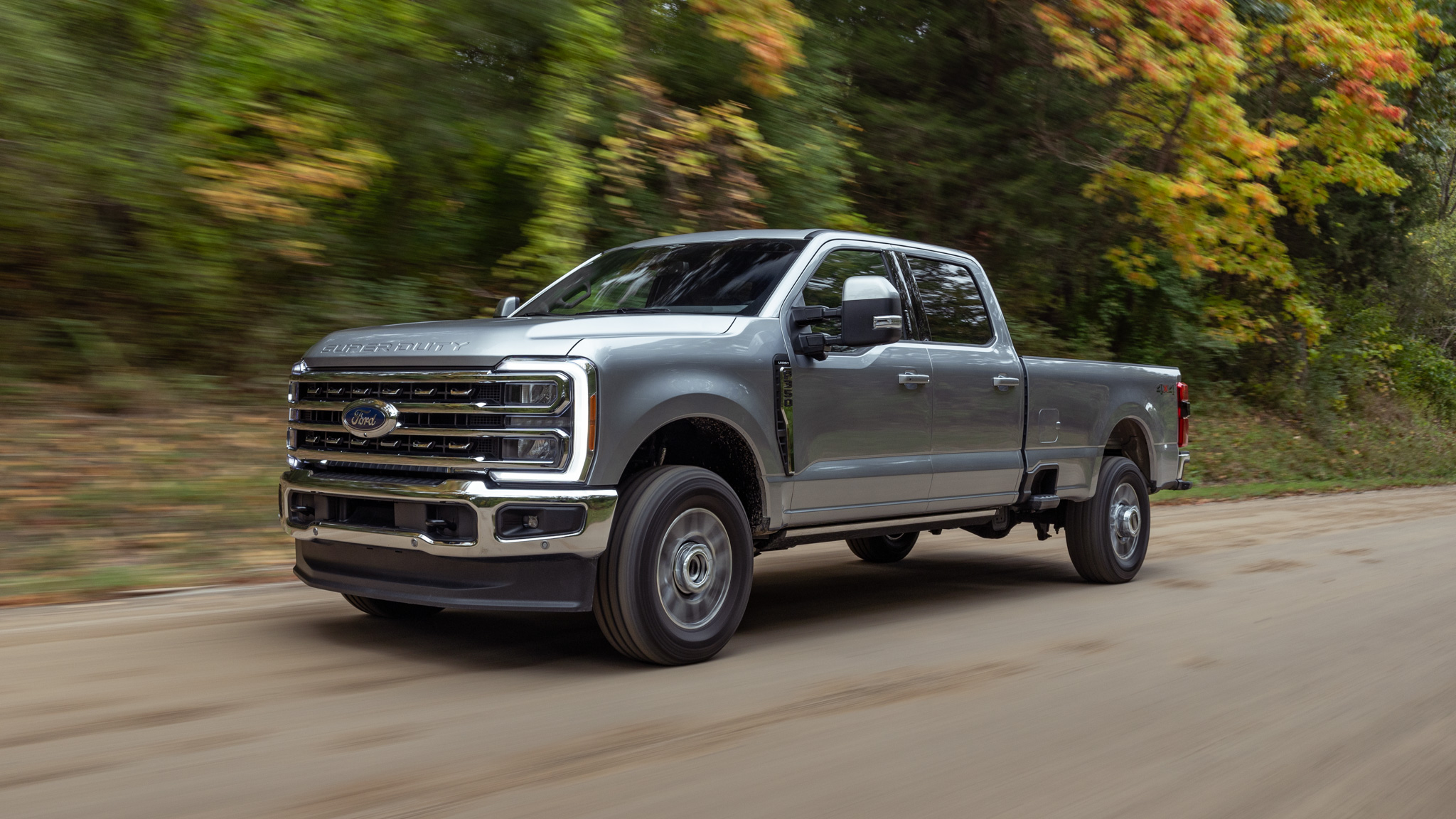
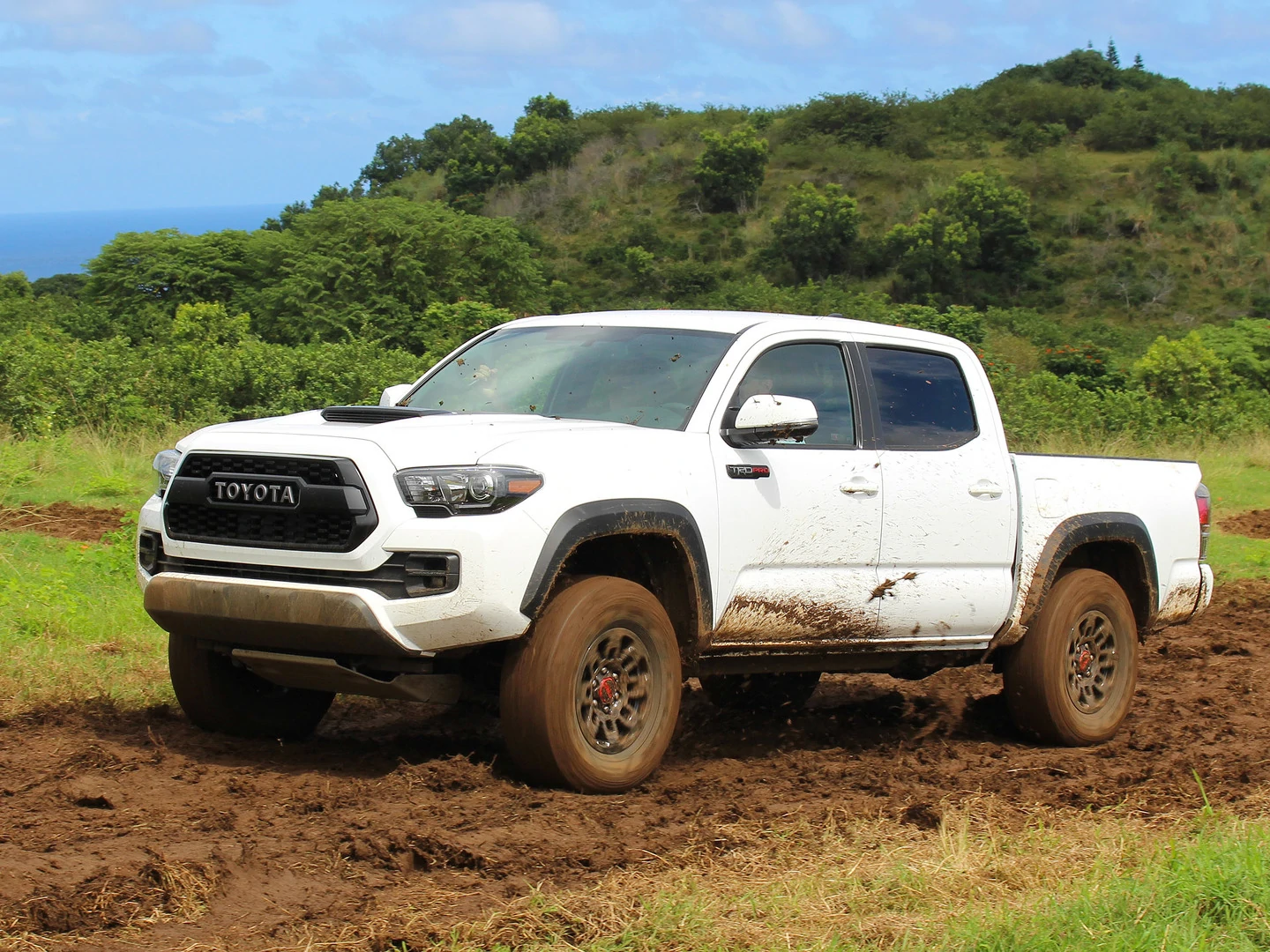
4. 2017 Toyota Tacoma TRD Pro: Rugged Reliability with Refined Resilience
The 2017 Toyota Tacoma TRD Pro continues Toyota’s long-standing reputation for producing durable and dependable trucks. Known for reliability that often exceeds 300,000 miles, the Tacoma has become a symbol of endurance, with owners frequently upgrading to newer models rather than replacing failing vehicles.
The third-generation Tacoma, introduced in 2016, maintains this legacy while adding new layers of refinement and off-road capability. Although its V6 engine may lack excitement, the Tacoma remains an impressive midsize pickup with remarkable off-road prowess and everyday usability.
Designed as an all-terrain champion, the Tacoma TRD Pro represents the pinnacle of Toyota’s off-road engineering. It builds upon the TRD Off-Road trim by adding enhanced equipment such as Fox internal bypass shocks, a one-inch suspension lift, a robust aluminum skid plate, and Goodyear Wrangler All-Terrain tires.
These components give the truck superior handling and durability across rough terrain. Toyota also includes signature touches like black alloy wheels, Rigid Industries LED fog lamps, and a vintage-inspired grille with bold “TOYOTA” lettering that evokes the spirit of classic Land Cruisers. The TRD Pro even comes with dual GoPro mounts for recording off-road adventures, a playful reminder of the truck’s purpose-built nature.
While the Tacoma TRD Pro excels in off-road performance, its interior reveals a few shortcomings for a truck priced around $45,000. The cabin design is functional but lacks the premium touches expected at this level.
The leather-trimmed seats feel closer to vinyl, and the absence of a height-adjustable driver’s seat or premium JBL audio system, features available on lower trims, feels like an oversight. Nonetheless, the Tacoma’s cabin remains solid and well-insulated, keeping road and wind noise minimal even when fitted with aggressive off-road tires.
Performance-wise, the Tacoma TRD Pro is powered by a 3.5-liter V6 engine producing 276 horsepower paired with a six-speed automatic transmission. Though not particularly fast, it delivers confident acceleration and impressive control over rugged terrain.
The truck’s 9.4 inches of ground clearance, along with improved approach and departure angles, make it capable of tackling steep climbs and rocky paths. On trails, the TRD Pro inspires confidence, its suspension effortlessly absorbing harsh impacts. Its smaller footprint compared to larger competitors such as the Ford Raptor gives it a distinct advantage on narrow trails and in tight spaces.
In urban settings, the Tacoma demonstrates surprising composure. The Fox shocks enhance ride comfort, and while the steering feels slightly heavy and uncommunicative, the truck’s size makes it manageable for city driving. The braking system, however, remains a weak point, exhibiting soft pedal response and noticeable nose dive under deceleration, a familiar trait in Toyota’s body-on-frame vehicles.
Aesthetically, the Tacoma’s design divides opinion. Its squared-off front end and low roofline create a squat profile that emphasizes toughness over elegance. Inside, the dashboard layout can feel cluttered, with buttons placed haphazardly enough to cause occasional confusion.
Storage space, however, is well thought out, offering multiple cupholders and compartments for small items, even if the placement occasionally interferes with the gearshift.
The 2017 Toyota Tacoma TRD Pro embodies the essence of a practical yet capable off-roader. It may not offer the raw power of larger performance pickups, but it strikes an ideal balance between durability, comfort, and trail-readiness. ‘
With a few interior refinements, it could easily be considered one of the most complete midsize trucks on the market. As it stands, the Tacoma TRD Pro remains a rugged and trustworthy companion that can conquer trails, endure years of use, and still drive home in comfort when the adventure ends.
Also Read: 10 Cars That Can Survive a Decade Without Major Repairs
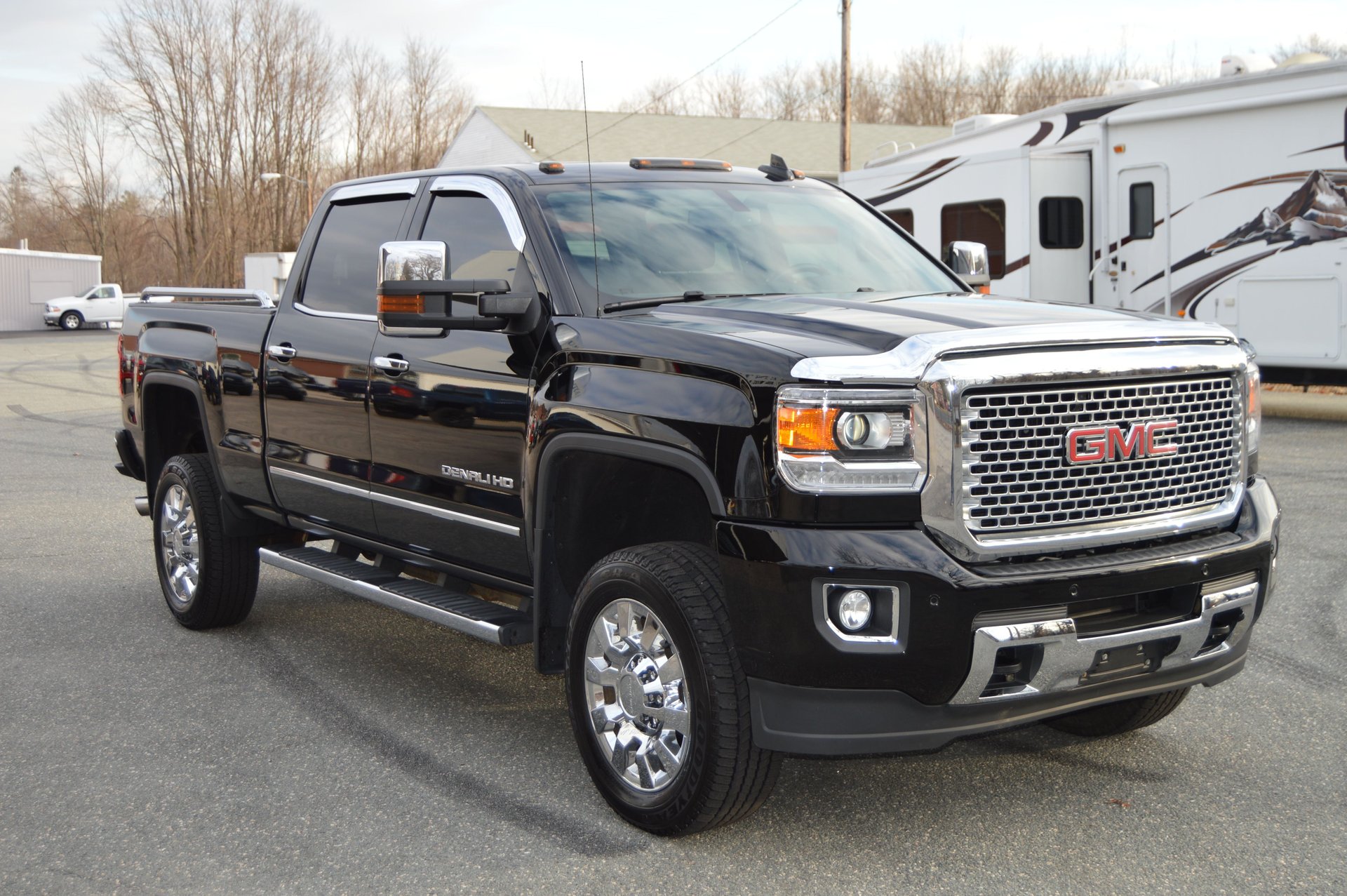
5. 2016 GMC Sierra Denali 2500HD: Strength Meets Sophistication
The 2016 GMC Sierra Denali 2500HD stands as a testament to how power and refinement can coexist in a heavy-duty pickup. Renowned for its durability, this truck’s reputation is backed by statistics showing that 2.7% of Sierras exchanged in 2017 had surpassed 200,000 miles, proving its staying power.
Beyond its longevity, the Sierra Denali impresses with features such as a heated steering wheel with active steering assist, a high-quality Bose audio system, and distinctive projector-beam headlights. These details set the Denali apart as one of the most comfortable and well-appointed trucks in its class, blending luxury and utility with ease.
Under the hood, the Sierra 2500HD offers two powerful engine choices tailored for different types of drivers. The standard 6.0-liter V8 generates 360 horsepower and 380 pound-feet of torque, paired with a smooth six-speed automatic transmission.
Buyers seeking more efficiency can opt for the bi-fuel version, which runs on either gasoline or compressed natural gas, though at a slightly reduced output. For those demanding maximum performance, the available 6.6-liter Duramax turbo-diesel V8 delivers an impressive 397 horsepower and 765 pound-feet of torque, offering immense towing and hauling capability.
Properly equipped, this powerhouse can handle up to 3,534 pounds of payload and tow as much as 18,000 pounds using a fifth-wheel or gooseneck hitch. Despite its heavy-duty nature, the diesel model still manages a 0-60 mph sprint in a brisk seven seconds, a remarkable feat for a truck of this size.
On the road, the Sierra 2500HD delivers a surprisingly composed and comfortable ride. While the heavy-duty suspension transmits more road and wind noise than the lighter Sierra 1500, the cabin remains impressively quiet for the segment.
Handling is predictable and confident, aided by controlled body roll and precise steering. Higher trims such as the SLE, SLT, and Denali benefit from Digital Steering Assist, a system that enhances stability and reduces steering effort, especially when towing or maneuvering with heavy loads.
The diesel engine’s integrated exhaust brake works seamlessly with the transmission’s automatic downshifts, providing reassuring control on steep descents. The combination of strong braking support and smart cruise control integration helps drivers maintain steady speeds even when fully loaded.
The Sierra’s cabin represents one of the most refined interiors available in a heavy-duty pickup. The Denali trim in particular sets the standard for luxury in the segment, offering premium materials, detailed stitching, and a design that balances ruggedness with sophistication.
The dashboard layout is intuitive, and key controls for climate and audio systems are conveniently placed. The infotainment system, powered by GMC’s IntelliLink interface, features sharp graphics and user-friendly operation, along with seamless Apple CarPlay and Android Auto connectivity.
The 4.2-inch and 8-inch display options are easy to read and allow for customization of vehicle information, making the driving experience both functional and engaging.
Comfort is another area where the Sierra excels. The front seats provide ample support for long drives, and the available heated and ventilated options add an extra layer of convenience. The only minor drawback is that lower trims lack a telescoping steering wheel, which could limit adjustability for some drivers.
In crew cab models, the rear seats are designed with passenger comfort in mind, avoiding the upright seating position that plagues many competitors. The result is a cabin that feels spacious and inviting for both work and leisure.
In terms of safety, the Sierra 2500HD offers a comprehensive suite of features. Standard equipment includes stability and traction control, trailer sway control, multiple airbags, and OnStar services such as automatic crash notification and roadside assistance.
Optional advanced safety technology, available through the Driver Alert package, adds lane departure warning, forward collision alert, and the innovative safety alert seat, which vibrates to warn of potential hazards. In government crash tests, the crew cab configuration earned four out of five stars for its total protection rating, reinforcing the truck’s solid build quality.
The 2016 GMC Sierra Denali 2500HD exemplifies what a premium heavy-duty truck should be. It combines exceptional towing and hauling strength with a quiet, comfortable ride and a luxurious cabin that rivals high-end SUVs.
Whether used for demanding work, long-distance towing, or simply as a refined daily driver, the Sierra Denali 2500HD delivers confidence, sophistication, and durability in equal measure. It is the truck for those who want to work hard, ride in comfort, and arrive with presence.
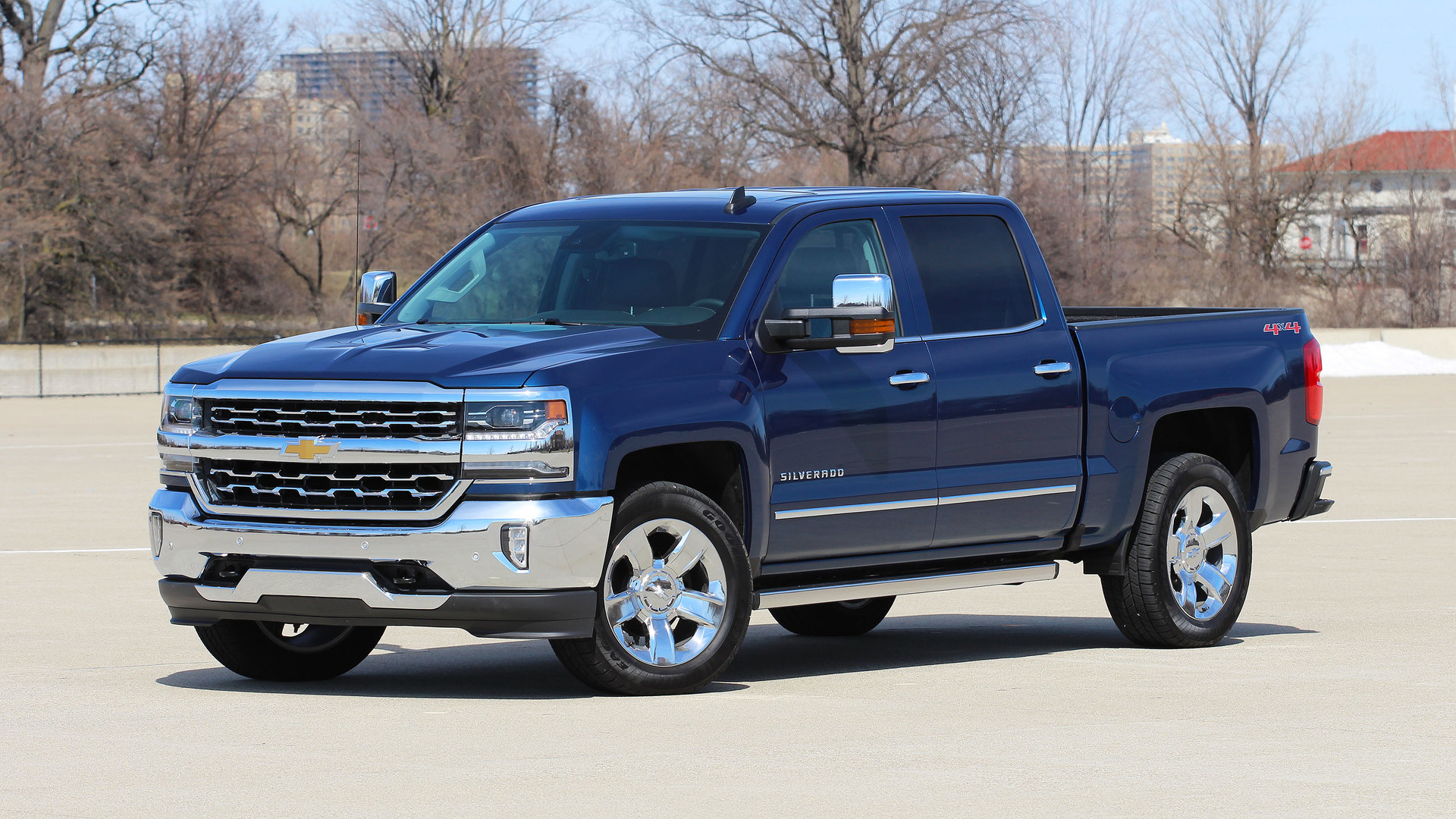
6. 2017 Chevrolet Silverado 1500: Versatility and Strength Refined
The 2017 Chevrolet Silverado 1500 stands as a cornerstone of the American pickup tradition, combining toughness, practicality, and comfort in one dependable package. While its competitors the Ford F-150 and Ram 1500 often dominate conversations about full-size trucks, the Silverado remains a strong and respected contender.
With a proven record of durability, including reports of models surpassing the one-million-mile mark, it has earned a solid reputation for reliability and performance. Recognized as the number one full-size pickup of 2017 by U.S. News and rated 2.5 out of 5 for reliability by J.D. Power, the Silverado strikes a balance between everyday drivability and serious work capability.
The Silverado offers a broad range of configurations to suit nearly any need, from a simple work truck to a well-equipped luxury cruiser. Its versatility allows it to haul heavy loads, tow trailers up steep grades, or carry passengers in comfort.
Chevrolet designed it for drivers who expect more than brute force, offering refinement, convenience, and modern technology. For California buyers, the LT model’s eAssist package introduced a mild-hybrid system that added an electric motor and regenerative braking to improve fuel efficiency by one to two miles per gallon.
Also debuting this year was the Teen Driver system, a feature that allows owners to set limits on speed and monitor safety alerts when the vehicle is driven by others, such as new drivers or valets. This addition highlights Chevrolet’s commitment to blending power and practicality with thoughtful safety innovation.
Performance-wise, the Silverado offers several capable engine options. The standard V6 provides more than enough strength for everyday use, while the 5.3-liter V8 enhances towing and hauling capability with refined performance.
The V8’s cylinder deactivation system operates smoothly, transitioning between eight and four cylinders to save fuel without interrupting power delivery. Paired with either a six- or eight-speed automatic transmission, the truck maintains steady acceleration and confident towing power.
Although the six-speed may feel spaced out between gears under heavy towing conditions, the eight-speed option available on higher trims like LTZ and High Country offers a better balance for demanding workloads. The Max Trailering package further boosts the Silverado’s capabilities, allowing it to pull loads exceeding 8,000 pounds with ease.
The Silverado’s driving dynamics are among the best in its class. Despite its size, the truck offers a composed, comfortable ride that absorbs bumps and rough pavement gracefully. Trucks equipped with the Max Trailering package ride a bit firmer, but all variants maintain impressive stability and poise. Cabin noise is minimal, even at highway speeds, thanks to excellent insulation.
The Silverado feels solid and confident on the road, with precise steering that makes daily driving and long trips equally comfortable. Although body lean is noticeable in sharper turns, it handles predictably and remains well-behaved on off-road terrain.
Inside, Chevrolet focused on functionality and quality. The cabin design emphasizes durability without sacrificing comfort, featuring soft-touch materials and a logical layout. Storage solutions are abundant, with numerous compartments and cupholders thoughtfully integrated throughout.
The infotainment system is another highlight, offering user-friendly controls, responsive touchscreens, and compatibility with both Apple CarPlay and Android Auto. Voice commands are accurate, and the interface mirrors familiar smartphone layouts, making it easy to navigate on the go.
Seating comfort is a strong point, with thick padding and available features such as heating, ventilation, and adjustable lumbar support. Depending on trim level, buyers can choose between a bench seat or individual buckets in the front row.
The crew cab models provide generous space in the back, ensuring passengers enjoy ample legroom and headroom. Cabin noise is well-controlled, and the Silverado’s suspension isolates occupants from road imperfections, creating a relaxed, car-like driving experience.
Clever design details, such as built-in bumper steps and handholds, make accessing the cargo bed simple and practical an appreciated touch for those who use the truck for work.
Safety was another area where Chevrolet focused attention. Standard features include antilock brakes, stability and traction control, and multiple airbags. Every model except the base Work Truck trim includes OnStar services, offering automatic crash response, roadside assistance, and vehicle recovery support.
The available Enhanced Driver Alert package adds lane departure warning and intervention, forward collision warning, low-speed automatic braking, and the Safety Alert seat, which vibrates to warn the driver of potential hazards. In government crash tests, the Silverado earned a perfect five-star safety rating, receiving top scores for front and side impacts and demonstrating strong performance in rollover protection.
The 2017 Chevrolet Silverado 1500 blends dependability, comfort, and capability in a way few full-size pickups manage to achieve. It is a workhorse that doubles as a refined daily driver, equally at home towing heavy loads or cruising long stretches of highway. With thoughtful updates, modern technology, and enduring reliability, the Silverado continues to prove why it remains one of the most trusted names in the pickup world.
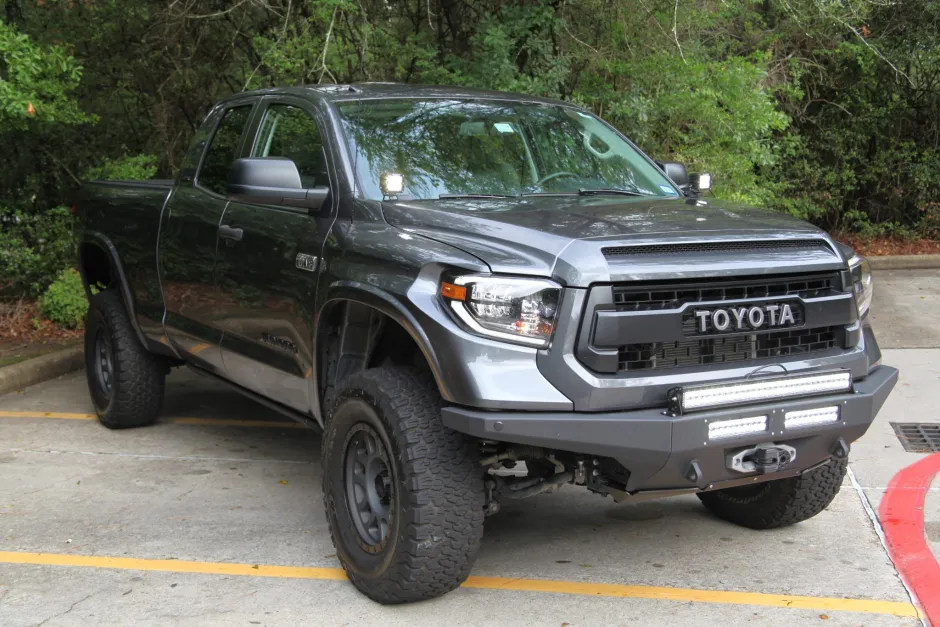
7. 2017 Toyota Tundra SR5: Proven Strength and Lasting Reliability
The 2017 Toyota Tundra SR5 continues the legacy of durability and dependability that has long defined Toyota’s full-size pickup line. As part of the second generation introduced in 2007, the Tundra has maintained a strong reputation for longevity, with many examples easily surpassing 200,000 miles and still running reliably.
Consumer Reports recognized the Tundra in 2014 as the most reliable full-size pickup truck, reinforcing its reputation as a vehicle that can withstand years of demanding use. One remarkable testament to its durability came from a Tundra owner who reached an astonishing one million miles on his odometer, prompting Toyota to study the vehicle in its laboratory to better understand its exceptional performance over time.
On the road, the Tundra SR5 delivers a mix of capability and power that appeals to traditional truck enthusiasts. The steering is notably light, which makes low-speed maneuvers in parking lots or tight spaces surprisingly easy for a truck of its size.
However, that same lightness becomes a drawback at highway speeds, where the truck’s weight and size contribute to handling that can feel cumbersome and less precise than that of its more refined competitors.
The suspension setup provides a firm ride, typical of a work-oriented truck, though other brands in the segment have developed smoother and more comfortable setups. Despite this, the Tundra’s body-on-frame construction ensures rugged strength, making it a solid choice for towing, hauling, and off-road demands.
The Tundra offers two capable V8 engine options. The 4.6-liter V8 provides adequate power for everyday driving and light towing, while the 5.7-liter V8 stands out for its commanding performance and impressive torque delivery.
The larger engine pairs well with the six-speed automatic transmission, which shifts smoothly and confidently, giving the truck strong acceleration and dependable towing power.
Although both engines trail some competitors in terms of fuel economy, they make up for it with reliability and consistent performance under heavy workloads. For those who need serious muscle, the 5.7-liter’s towing capacity remains one of the most competitive in its class.
Inside, the Tundra SR5 blends practicality with comfort. The cabin design is clean and functional, with a straightforward layout that emphasizes ease of use over flashiness. Even base models include Toyota’s Entune infotainment system with touchscreen controls and smartphone integration.
Higher trims offer larger screens and additional connectivity options, providing a seamless experience for daily driving and long trips alike. While the Entune system is user-friendly, competing systems like Ford’s Sync 3 and Ram’s Uconnect are slightly more polished in terms of graphics and interface fluidity.
Comfort is one of the Tundra’s strongest points, especially for passengers. The front seats are well-padded and supportive, offering long-term comfort for both the driver and front passenger. The Double Cab configuration provides significantly more rear legroom than what is typically found in extended-cab rivals, making it practical for carrying additional passengers.
The CrewMax variant goes a step further, offering rear seats with generous reclining capability and abundant legroom that rival some luxury sedans. These features make it one of the most comfortable rear cabins in any full-size pickup. Additionally, the rear seat bottoms flip up easily, creating secure interior storage space for tools or personal belongings that might otherwise be left exposed in the bed.
The 2017 Toyota Tundra SR5 may not deliver the smoothest ride or the most refined handling in its class, but it stands out as a truck built to last. Its powerful V8 engines, straightforward design, and reputation for exceptional reliability make it a trusted choice for drivers who value strength and longevity over flash and finesse.
Whether used for work, recreation, or everyday driving, the Tundra remains a steadfast companion that embodies Toyota’s long-standing commitment to durability and quality.
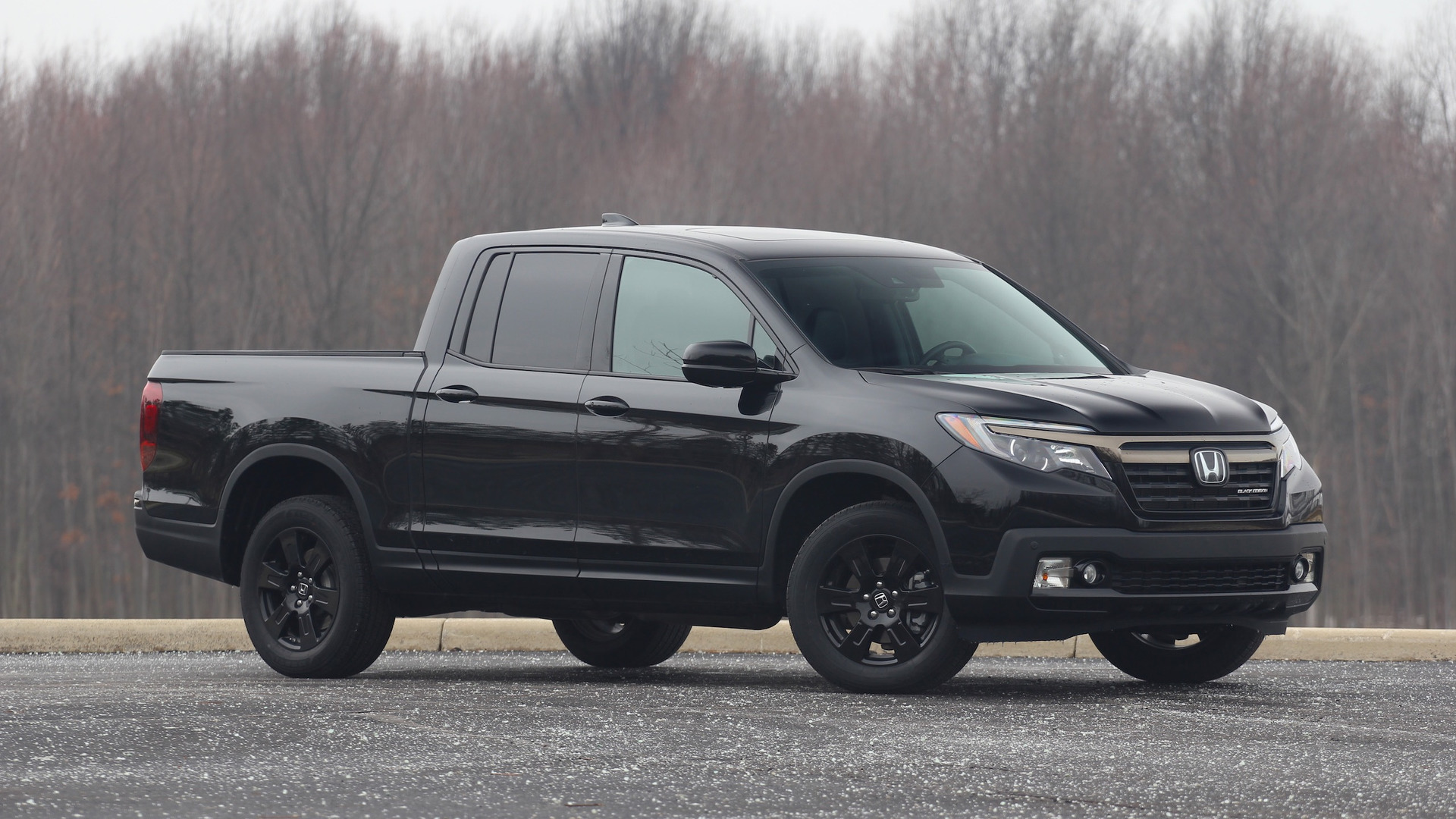
8. 2017 Honda Ridgeline: Redefining Practicality and Comfort in a Pickup
The 2017 Honda Ridgeline marked the debut of the second generation of Honda’s unconventional pickup, blending the utility of a truck with the comfort and refinement of an SUV. Known for its exceptional reliability, the Ridgeline proved that a pickup could be both rugged and civilized, with 3.0% of used models on the market showing odometer readings of over 200,000 miles according to iSeeCars.
Built on a unibody platform shared with the Honda Pilot, the 2017 Ridgeline introduced significant improvements, including a larger bed, a two-way tailgate, and a smoother six-speed automatic transmission. This combination of innovation, practicality, and Honda’s traditional reliability made the Ridgeline one of the most user-friendly trucks available.
On the road, the Ridgeline delivers an experience unlike any other pickup. Its unibody chassis and fully independent suspension create a ride that is exceptionally composed and carlike, setting it apart from the body-on-frame competition. Steering is light yet precise, offering a clear sense of direction and making the Ridgeline remarkably easy to maneuver in tight spaces or city environments.
The 3.5-liter V6 engine pairs harmoniously with the six-speed automatic transmission, delivering smooth and predictable power whether merging onto highways or passing slower traffic. In testing, the Ridgeline reached 60 mph in a respectable seven seconds, placing it at the top of its midsize truck class in acceleration.
While off-road performance is more limited compared to rugged competitors like the Toyota Tacoma, the all-wheel-drive system and traction management modes still provide capable handling in snow, sand, and dirt.
Ride comfort is where the Ridgeline truly excels. Thanks to its crossover roots, it feels settled and composed on all types of pavement. The suspension soaks up bumps effortlessly, producing minimal head toss and very little vibration through the cabin. Noise insulation is also excellent, with triple-sealed doors and sound-deadening materials keeping wind and road noise to a minimum.
The seats are comfortable and supportive for long drives, with a layout designed for both practicality and family comfort. Rear passengers benefit from a roomy cabin and a relaxed seating position, while available tri-zone automatic climate control ensures consistent comfort throughout the cabin.
The interior design reflects Honda’s focus on usability and quality. Entry and exit are easy thanks to a lower step-in height than most competitors, and once inside, the cabin offers more width and legroom than any other midsize truck. The driving position is highly adjustable, with a tilt-and-telescope steering wheel and a height-adjustable seat that make it easy for anyone to find a comfortable setup.
Visibility is excellent due to large windows and well-placed mirrors, and every model includes a standard backup camera. The layout of controls is intuitive, with a logical mix of buttons and knobs, though the optional 8-inch touchscreen’s touch-sensitive interface can be frustrating to use. Upper trims include Apple CarPlay and Android Auto integration, enhancing smartphone connectivity and entertainment options.
When it comes to utility, the Ridgeline blends creativity with function in ways no other truck can match. The five-foot-four-inch composite bed is wide enough to carry standard 4-by-8 sheets of plywood flat between the wheel wells, a rare feat among midsize crew-cab pickups.
It also features a lockable in-bed trunk that provides secure storage for tools, luggage, or even ice and beverages, complete with a drain plug for easy cleanup. The two-way tailgate adds further versatility, swinging open sideways or folding down traditionally to accommodate different loading situations.
The bed’s dent-resistant finish, high payload rating, and multiple tie-down points make it practical for both work and recreation. Inside, abundant small-item storage options, deep console bins, and generous door pockets keep essentials organized and accessible.
Technology in the Ridgeline is modern and comprehensive, especially on upper trims. The available suite of advanced driver aids includes adaptive cruise control, forward collision warning with automatic emergency braking, lane departure warning, and lane keeping assistance.
These systems add an extra layer of safety and convenience rarely found in midsize trucks. Voice command functionality is straightforward, and when paired with an iPhone, the system integrates seamlessly with Siri for more natural interactions.
The 2017 Honda Ridgeline stands as a unique and forward-thinking option in the midsize pickup market. Its blend of SUV-like comfort, clever utility features, and long-term reliability make it ideal for drivers who want the practicality of a truck without sacrificing everyday comfort or refinement.
While it may not be the go-to choice for extreme off-road enthusiasts, the Ridgeline remains one of the most versatile and livable pickups available, offering a balance of innovation, comfort, and capability that few competitors can match.
From job sites to open highways, these eight trucks prove that dependability never goes out of style. “8 Trucks That Refuse to Die No Matter the Mileage” highlights machines that endure beyond expectations, vehicles that carry stories as well as loads.
Each model, whether it is the luxurious strength of the GMC Sierra Denali 2500HD, the rugged persistence of the Toyota Tundra SR5, or the everyday versatility of the Honda Ridgeline, shows how innovation and craftsmanship can stand the test of time. Their engines may accumulate hundreds of thousands of miles, but their spirit remains unshaken.
In an age where technology evolves faster than ever, these trucks remind us that true reliability is built on consistency, care, and character. They are not just vehicles; they are lifelong companions for drivers who demand endurance, power, and performance from every journey.
Also Read: 5 Cars That Drive Like New After 15 Years vs 5 That Feel Old in 3
