When most car warranties expire after three or five years, many vehicles start showing their age, but not all. Some cars are built with an extra dose of engineering integrity, capable of running smoothly long after the warranty ends. “10 Cars That Keep Running Long After the Warranty Ends” highlights vehicles that combine reliability, value, and lasting performance.
These are not just dependable rides on paper; they are proven survivors that maintain quality and composure even as mileage climbs. From the stylish Mazda CX-5 and dependable Honda Accord to time-tested favorites like the Toyota Corolla and Subaru Forester, these models embody craftsmanship and thoughtful design that keep owners confident year after year.
Whether you prefer the efficiency of a hybrid, the comfort of a sedan, or the practicality of a compact SUV, these ten vehicles prove that true reliability does not have an expiration date.
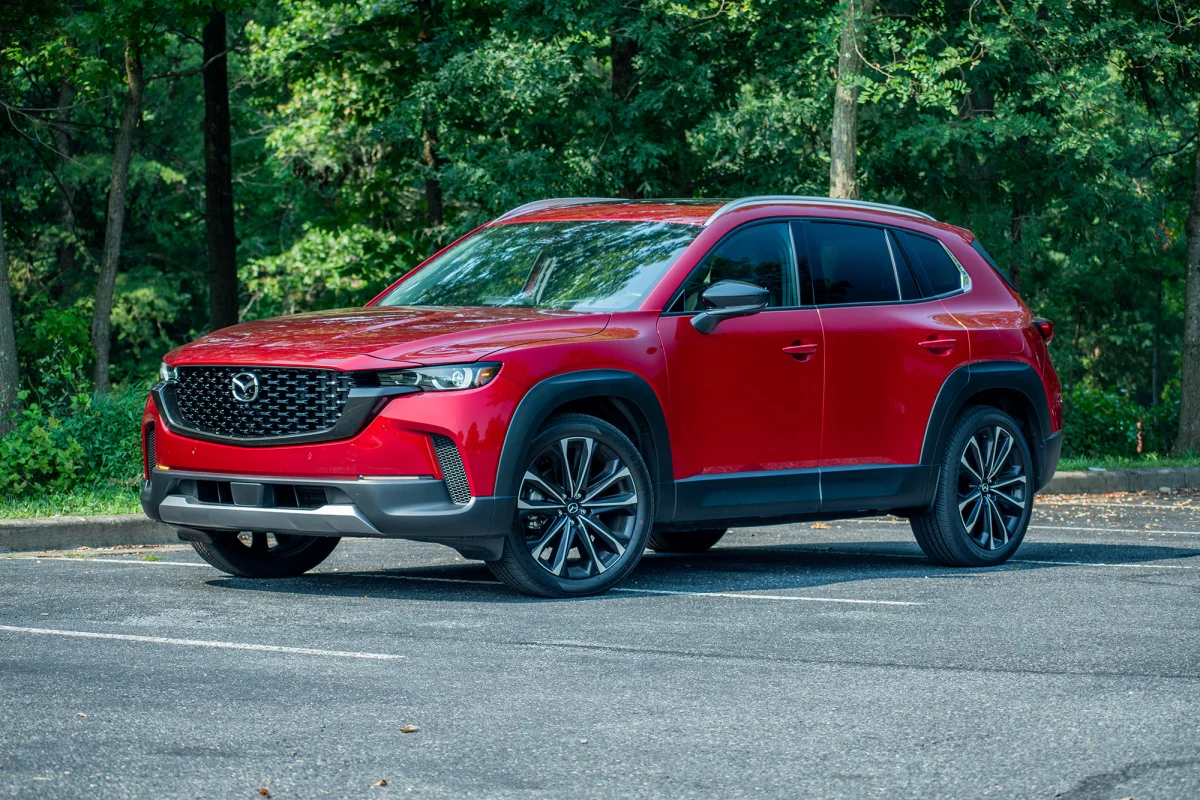
1. Mazda CX-5: Style, Performance, and Everyday Reliability
The Mazda CX-5 stands out in the crowded compact SUV segment for its rare balance of style, driving enjoyment, and reliability. Designed for drivers who appreciate both aesthetics and dependability, it combines sleek design, refined interior materials, and sporty handling without compromising long-term durability.
Powered by Mazda’s proven Skyactiv engines, the CX-5 delivers efficiency and reliability, while its focus on simplicity avoids the overcomplicated tech that can lead to issues in the future.
For 2025, Mazda has refined the CX-5 lineup to better cater to a wide range of buyers. The S trim returns as a more affordable entry point, while the non-turbo Premium trim has been dropped. The Carbon Edition now includes wireless Apple CarPlay, Android Auto, and a wireless charging pad as standard.
Those who choose the Premium Plus trim receive a surround-view camera system and parking sensors as part of the standard package, and all trims now come with front-seat USB-C ports.
The 2025 Mazda CX-5 starts at $30,265 for the base S trim and reaches $42,295 for the range-topping Turbo Signature, depending on configuration and options. In between are trims such as Select, Preferred, Carbon Edition, Premium Plus, Carbon Turbo, and Turbo Premium.
Among them, the Turbo Premium model is the standout choice, offering the ideal blend of performance and luxury. Its 256-horsepower turbocharged engine finally gives the CX-5 the muscle to match its agile handling. Externally, it gains gloss-black accents for a more refined look, while the interior is enhanced with sporty red stitching and distinctive cabin details that add to its upscale character.
Every CX-5 comes standard with all-wheel drive and a choice between two engines: a 187-horsepower naturally aspirated four-cylinder or the more powerful 256-horsepower turbocharged version.
At the Edmunds test track, the turbo model reached 0 to 60 mph in 6.6 seconds, making it one of the quickest in its class. The base engine feels energetic in city driving but can struggle when merging onto highways or overtaking at higher speeds.
Regardless of the engine, the CX-5’s steering precision, well-tuned suspension, and balanced chassis deliver a genuinely engaging driving experience that few compact SUVs can match. While the ride is a bit firmer than that of some competitors, it remains composed and stable, offering both control and comfort.
Visibility is excellent thanks to large windows and the optional surround-view camera. Although Mazda’s suite of driver aids is standard across all trims, the lane-keeping assist and adaptive cruise control systems feel slightly dated compared with newer rivals.
Inside, the CX-5 offers a cabin that feels both premium and functional. The front seats are well-shaped and supportive, with multiple adjustments available, including memory functions on higher trims. Entry and exit are easy thanks to wide doors, though rear passengers may find the space slightly narrower than in competitors like the Honda CR-V. Rear seats recline but lack substantial thigh support for longer trips.
Cabin insulation is excellent, keeping wind and road noise to a minimum, while the automatic climate control system works efficiently and includes vents for rear passengers.
Technology in the CX-5 is modern but retains Mazda’s traditional simplicity. The 10.25-inch infotainment screen is bright and clear but not a full touchscreen during motion; instead, it is controlled by a central rotary knob, which feels premium but can make smartphone integration less intuitive.
Wireless Apple CarPlay and Android Auto are available from mid-tier trims and up, along with a wireless charging pad, although the pad’s placement makes it less practical since phones can slide during driving.
Cargo capacity stands at 29.1 cubic feet, which is smaller than leading rivals, but still sufficient for everyday needs. Two large suitcases fit easily, and cabin storage for smaller items, such as water bottles and phones, is thoughtfully designed.
Fuel economy varies depending on engine choice. The base non-turbo four-cylinder achieves 28 mpg combined, while the turbocharged version returns 24 mpg combined and may dip slightly lower in real-world use.
Despite this, the CX-5’s build quality, craftsmanship, and driving enjoyment make it worth the price. Its interior materials and precise assembly are superior to most competitors, giving it a near-luxury feel even in lower trims.
The 2025 Mazda CX-5 may not have the largest cargo space or the most advanced tech in its class, but it continues to set itself apart with its engaging driving dynamics, refined design, and enduring reliability. For those who value driving pleasure as much as practicality, the CX-5 remains one of the most rewarding choices among compact SUVs.
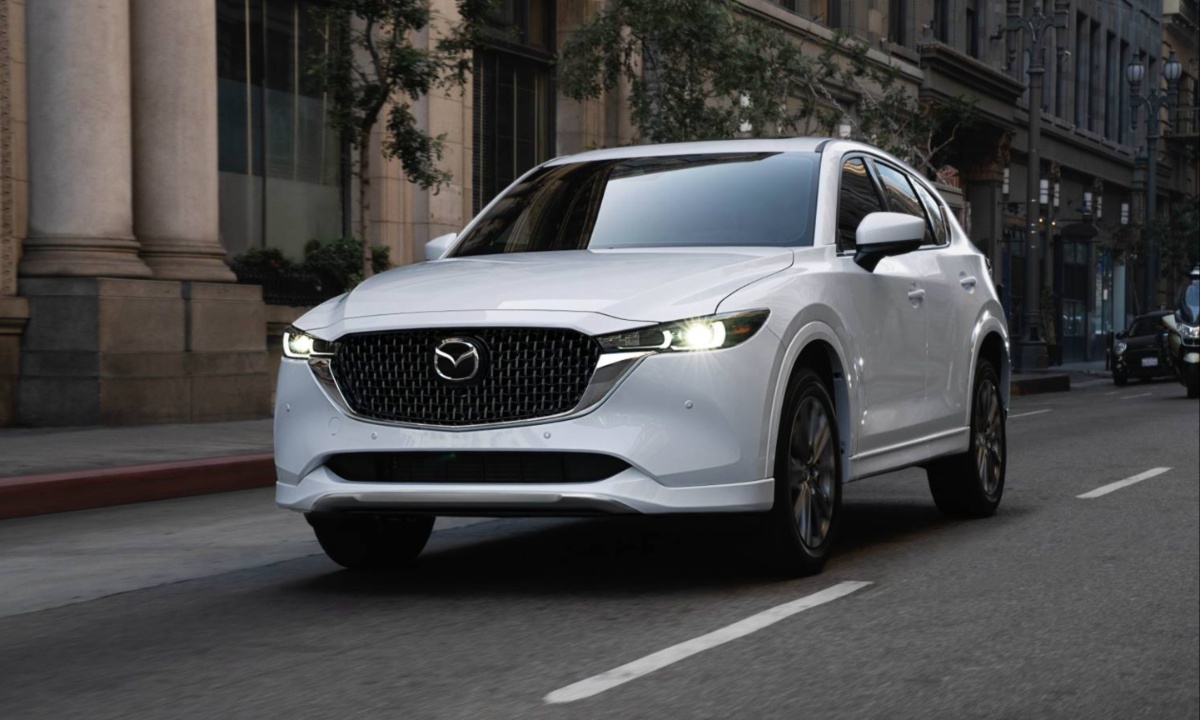
2. Honda Accord: A Blend of Reliability, Comfort, and Efficiency
The Honda Accord has long been admired for its durability and ease of maintenance. It’s a car that mechanics respect, not because it often needs repair, but because it’s simple to service and rarely requires major work.
Known for its longevity, especially in versions with the reliable 2.4-liter engine, the Accord delivers a blend of refinement, spaciousness, and resilience that continues to attract loyal buyers. Even as mileage climbs, the Accord maintains its integrity better than many competitors, making it a consistent favorite among used car shoppers.
While the Accord once led Honda’s sales, changing market preferences have shifted attention toward crossovers like the CR-V and HR-V. Despite this, the Accord remains an appealing choice for those who appreciate a traditional sedan’s low seating position and roomy interior. About half of current buyers now choose the Accord Hybrid, drawn by its efficiency and balanced performance.
The 2025 Honda Accord Hybrid starts at $33,655, sitting at the top of the lineup. Although pricier than some rivals, it offers strong value with superior fuel economy and improved power. Its hybrid system pairs a 2.0-liter gasoline engine with an electric motor, producing quick and seamless transitions between power sources. Drivers can also switch to electric-only operation using the “E” mode for short distances.
Standard features include a moonroof, heated front seats, a 12.3-inch touchscreen, and advanced safety systems such as adaptive cruise control and blind-spot monitoring. The EX-L and Sport-L trims add leather upholstery and a sportier design, while the Touring trim ($39,300) enhances luxury with ventilated seats, a head-up display, and a premium audio system.
The Accord Hybrid delivers smooth yet responsive performance. The Sport-L trim reaches 0 to 60 mph in seven seconds, faster than many midsize hybrid rivals. Handling is confident and well-balanced, though the car feels larger and less athletic than earlier generations. Even with 19-inch wheels, the ride remains composed and comfortable, and visibility is excellent thanks to slim windshield pillars.
Comfort is another Accord strength. Large doors make entry easy, and both rows offer generous space, particularly for legroom. Taller passengers may need to duck slightly under the sloping roofline. The cabin’s minimalist design favors physical buttons and knobs, giving the interior a practical and user-friendly appeal. Road and engine noise are well-suppressed, contributing to a calm driving environment.
The Accord’s 12.3-inch infotainment screen supports wireless Apple CarPlay and Android Auto. Google Assistant integration is available only on the Touring trim, which limits accessibility for lower-trim buyers. The trunk provides 16.7 cubic feet of space, easily accommodating luggage or golf bags, while the wide rear bench comfortably fits child safety seats.
Fuel efficiency remains a standout feature. The Accord Hybrid achieves up to 48 mpg combined with 17-inch wheels and about 44 mpg combined with the larger 19-inch setup. Real-world testing yielded around 41.5 mpg, still an impressive figure for a midsize sedan.
In terms of value, the Accord delivers excellent build quality and long-term dependability. Materials feel upscale, and fit and finish are precise. Although some trims cost more than similarly equipped rivals, the Accord’s refinement, reliability, and hybrid efficiency make it a strong contender.
The 2025 Honda Accord continues to embody comfort, efficiency, and enduring quality, offering a refined driving experience that stands the test of time.
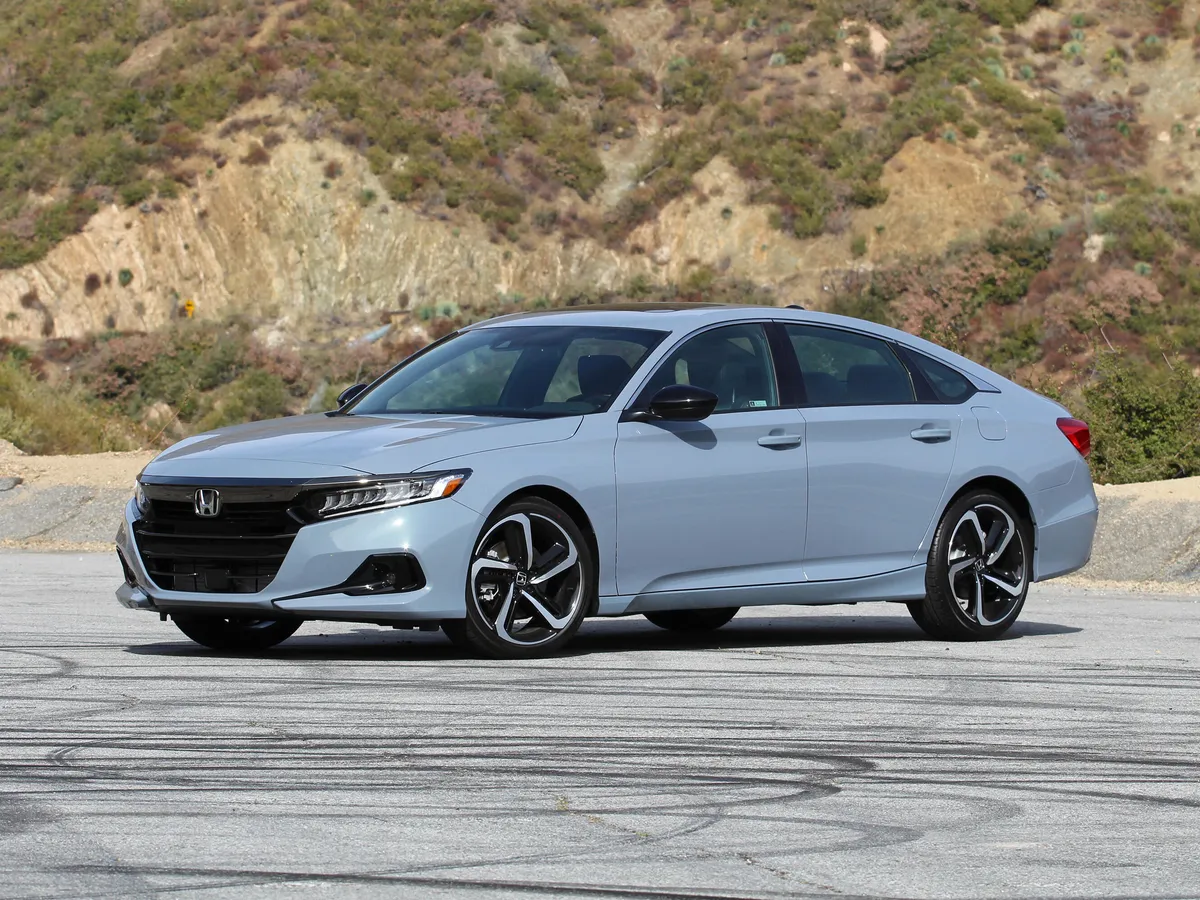
3. Hyundai Sonata (Post-2016 Models): Quiet Confidence and Lasting Value
The Hyundai Sonata models built from 2016 onward represent the turning point for Hyundai’s reputation in quality and reliability. While older Sonatas could be inconsistent, these newer versions deliver the kind of refinement, comfort, and durability that have made the midsize sedan segment so competitive.
Equipped with the dependable 2.4-liter four-cylinder engine, the Sonata offers smooth performance and impressive longevity, particularly when properly maintained. Buyers who choose certified pre-owned models can also benefit from Hyundai’s generous 10-year/100,000-mile powertrain warranty, often with coverage still remaining.
The post-2016 Sonata showcases how Hyundai embraced steady improvement rather than radical reinvention. The cabin feels airy and spacious, with a focus on simplicity and practicality.
Subtle updates such as a redesigned center console, upgraded materials, and a new three-spoke steering wheel lend a more upscale feel without pushing the price out of reach. Comfort remains a key strength, thanks to supportive seats, a quiet cabin, and well-controlled suspension tuning.
The Sonata’s ride is smooth and composed, soaking up road imperfections while maintaining stability at highway speeds. With 16.3 cubic feet of trunk space, the car is practical for both commuting and travel.
Performance options vary across the lineup, which includes seven trim levels ranging from the economical SE to the feature-rich Limited 2.0T. The standard 2.4-liter engine produces 185 horsepower and offers reliable, if modest, performance with fuel economy around 30 mpg combined.
Those seeking more excitement can opt for the 1.6-liter turbocharged engine in the Eco trim or the stronger 2.0-liter turbocharged four-cylinder in higher trims. Interestingly, the Eco’s smaller engine delivers the quickest acceleration and best fuel economy, achieving up to 32 mpg combined in testing.
Safety and technology have been significant selling points for the Sonata since 2016. Standard safety features include antilock brakes, traction and stability control, a full suite of airbags, and a rearview camera.
Hyundai’s Blue Link telematics system provides features such as roadside assistance, remote locking, crash response, and parental controls. Higher trims add advanced systems like blind-spot monitoring, rear cross-traffic alert, and lane departure warning. Government crash tests awarded the Sonata a perfect five-star rating, underscoring its solid engineering and strong occupant protection.
Inside, the Sonata’s design emphasizes function and comfort over flashiness. Materials are soft to the touch, and the layout of controls is intuitive. The 7-inch touchscreen introduced in 2016 brought a major improvement in usability, adding Apple CarPlay, Android Auto, and improved Blue Link connectivity.
The available 8-inch system provides sharp graphics and clear maps. Front and rear seating is generous, and while the sloping roofline slightly limits rear headroom, legroom remains excellent.
On the road, the Sonata is impressively quiet. The cabin remains calm even on rough pavement, and wind noise is minimal at highway speeds. Steering is light and precise, making city driving easy. While it may not deliver the sporty handling of rivals like the Mazda 6 or Honda Accord, it compensates with comfort and predictability.
For drivers seeking a midsize sedan that combines refinement, value, and long-term reliability, the Hyundai Sonata stands as one of the smartest choices of the past decade. With a quiet ride, spacious interior, and strong safety record, it delivers exactly what most people want from a daily driver: comfort, confidence, and durability.
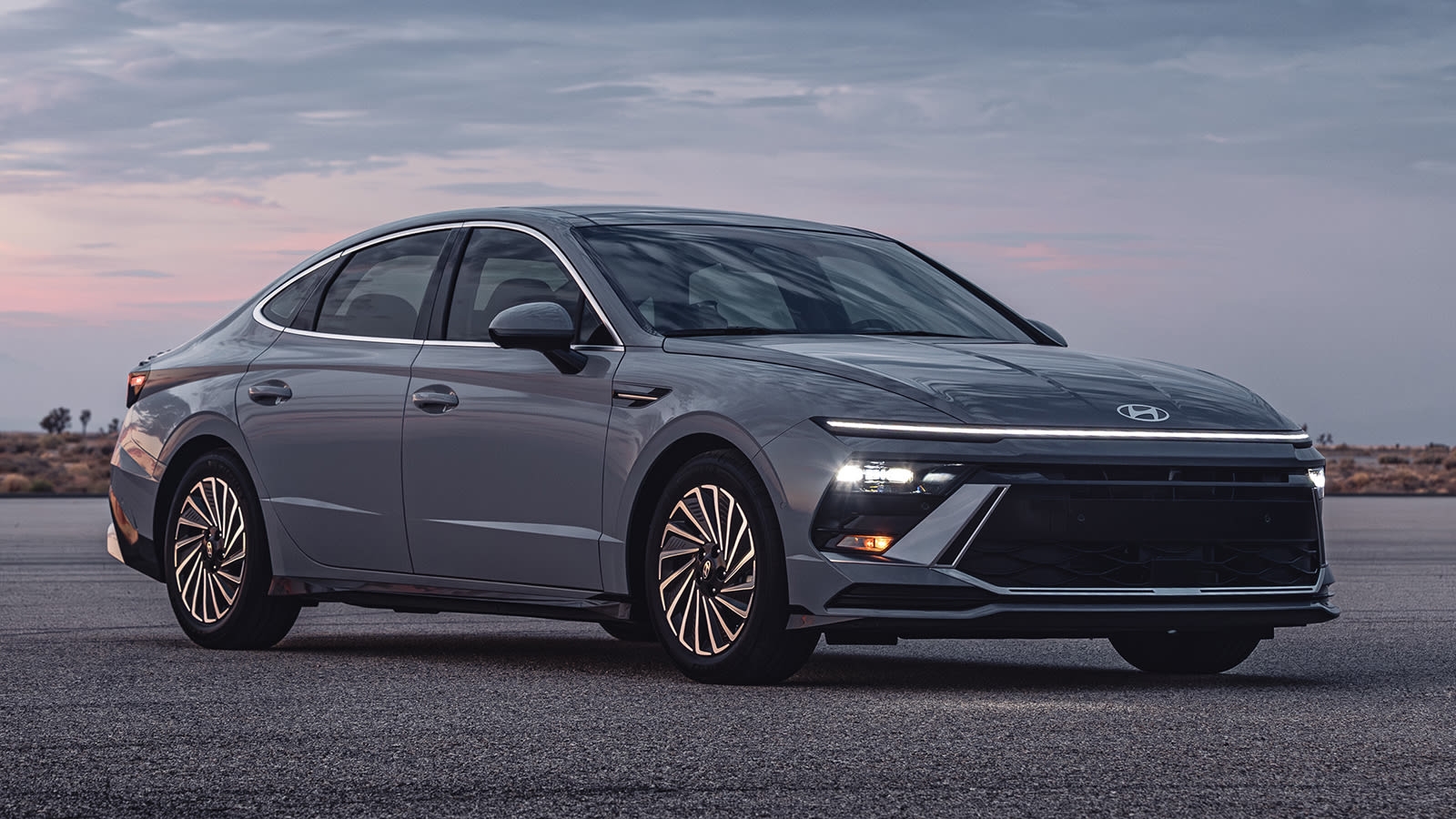
4. Toyota Corolla: The Benchmark for Reliability and Practicality
The Toyota Corolla has earned a long-standing reputation for reliability, simplicity, and affordability. Renowned for its “bulletproof” engineering, the Corolla is a car that demands minimal effort from its owner while offering unmatched durability.
With naturally aspirated engines and a no-fuss design, it can easily surpass 200,000 miles with routine maintenance, making it a top choice for those seeking a dependable, low-maintenance daily driver.
For 2025, the Corolla lineup continues to center around the sedan and hatchback models, powered by a 169-horsepower inline-four engine paired with a continuously variable transmission (CVT). While not designed for thrills, the Corolla provides steady and predictable performance ideal for commuting.
Drivers who want a sportier experience might prefer the Honda Civic or Mazda 3, while those focused on efficiency can choose the Corolla Hybrid, which even offers all-wheel drive.
A new addition for 2025 is the Corolla FX, a visually enhanced trim inspired by the 1980s FX16. Though it lacks the older model’s sporty performance, it introduces cosmetic and functional upgrades such as 18-inch satin-black alloy wheels, a black roof and mirrors, shorter springs, and re-tuned steering for a slightly sportier feel.
The FX also debuts Toyota’s new 10.5-inch infotainment touchscreen, which will expand to other trims in the future.
Pricing ranges from $23,520 for the base LE to $29,385 for higher trims, including the SE and Hybrid variants. Standard features include LED headlights, 18-inch wheels, a leather-trimmed steering wheel, and an 8-inch touchscreen with Apple CarPlay and Android Auto compatibility.
Performance-wise, the Corolla prioritizes stability over speed. It accelerates from 0 to 60 mph in 8.8 seconds, with adequate braking and smooth handling during daily drives. It is not meant for spirited driving but excels in its ease of use and predictable behavior.
Comfort levels are solid, with a smooth ride and well-designed seats that accommodate various body types. Cloth seats offer better breathability than synthetic leather. However, road noise and engine drone under hard acceleration can be intrusive on highways.
Inside, the Corolla features a clean, intuitive layout with practical controls and good visibility. Rear seat space is tighter compared to competitors like the Honda Civic, but front passengers enjoy ample room.
Technologically, both the 8-inch and optional 10.5-inch screens are crisp but can lag during use. Toyota’s connected services, such as remote start and phone-as-key, require subscriptions, which may not appeal to every buyer. Even so, the Corolla’s driver assistance features perform well, especially its lane-keeping system and optional JBL premium audio.
Storage space is modest, with a 13-cubic-foot trunk and limited compartments for small items, though child seat installation is easy. The Corolla excels in fuel efficiency, achieving 34 to 35 mpg combined and up to 40 mpg in real-world tests. The Hybrid model delivers even better mileage.
The 2025 Toyota Corolla remains a smart and high-value compact sedan, combining reliability, comfort, efficiency, and modern technology. With Toyota’s two-year free maintenance and long-term dependability, it continues to set the standard for practical, worry-free ownership.
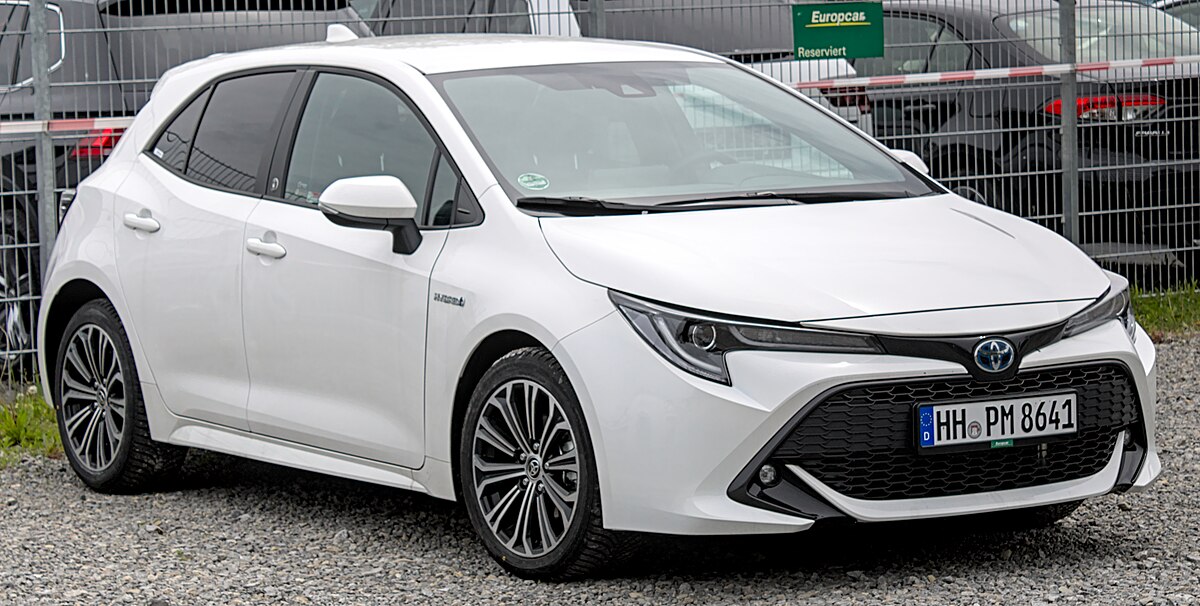
5. Toyota Prius: Dependable Efficiency with a Modern Edge
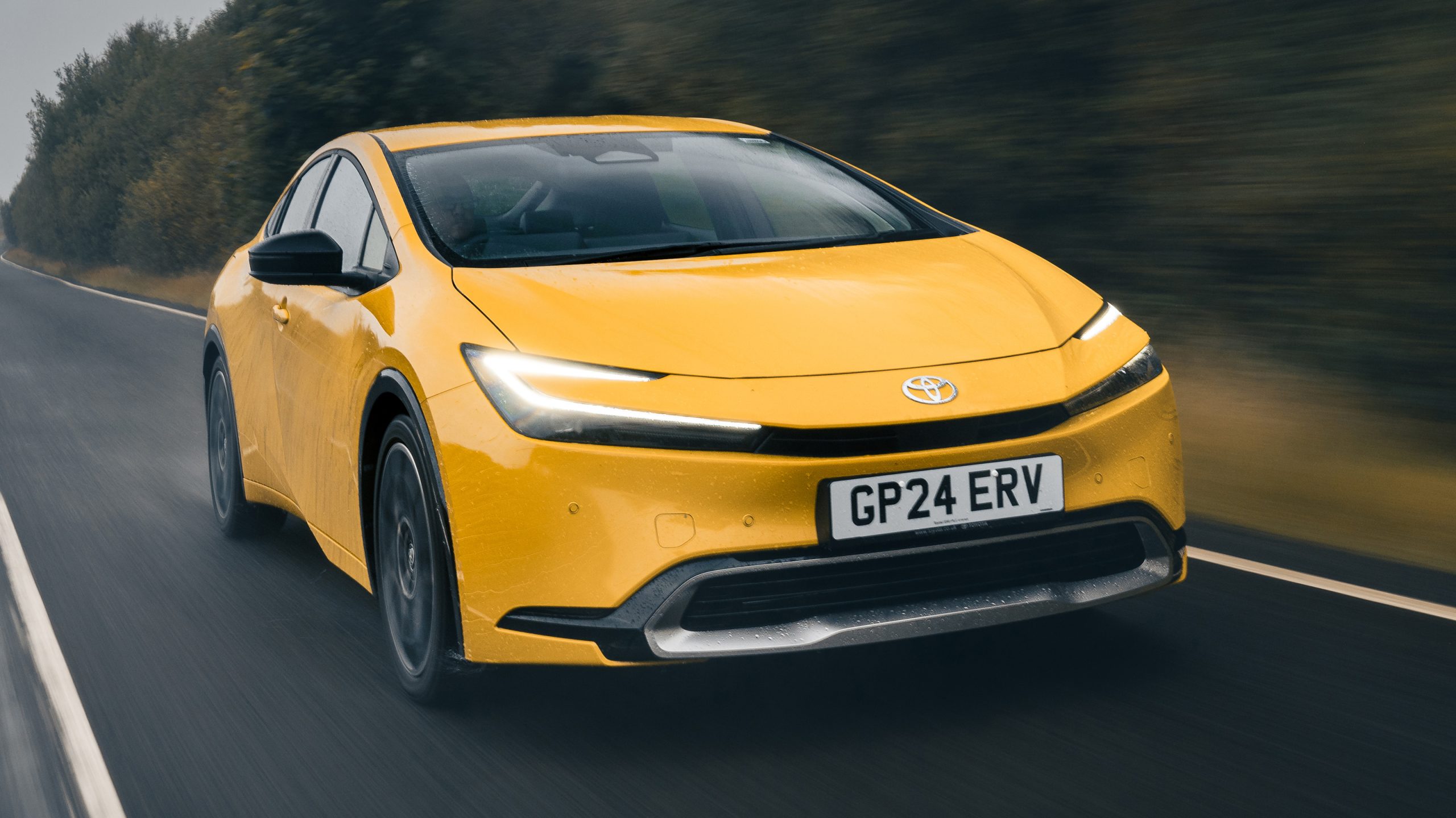
The Toyota Prius has long been known as the benchmark for hybrid reliability, and the latest generation continues that legacy with newfound style and performance. The 2024 Prius builds on last year’s redesign, shedding its quirky looks for a sleeker, more aerodynamic shape that finally matches its forward-thinking engineering.
Beneath the sculpted exterior lies a proven hybrid powertrain capable of delivering up to an EPA-estimated 57 mpg in combined driving, a figure few cars on the road can match. In real-world conditions, the Prius remains one of the most fuel-efficient vehicles available, saving drivers thousands over time while maintaining Toyota’s reputation for durability.
The new Prius doesn’t just excel at efficiency; it also performs better than ever before. With up to 196 horsepower, it is significantly stronger than its predecessor, allowing for confident acceleration and smoother highway merging.
The hybrid system transitions almost imperceptibly between electric and gasoline power, and the ride quality feels composed over uneven pavement. Handling is steady, and although the eco-focused tires limit grip, the Prius feels more engaging to drive than older versions.
Advanced driver aids such as adaptive cruise control and lane keeping assistance operate naturally, while Proactive Driving Assist subtly helps drivers anticipate traffic flow for a smoother experience.
Inside, the Prius balances functionality with modern design. The cabin layout is cleaner and more cohesive, featuring a central touchscreen that handles most vehicle functions. The Limited trim includes a 12.3-inch display with a responsive interface and Google-powered navigation.
Wireless Apple CarPlay and Android Auto are standard across the range, and several USB-C ports are distributed throughout the cabin. The wireless charging pad works conveniently, but it can make phones warm during extended use. Toyota has also improved cabin materials, though some hard plastics remain, and the doors sound light when closed.
Comfort is a strong point for the front seats, which are supportive enough for long drives. Rear passengers enjoy good legroom, though the sloping roofline limits headroom for taller occupants. Entry into the back can feel tight because of the narrow door openings. The cabin stays relatively quiet during steady cruising, though engine noise can become noticeable under heavy acceleration.
Cargo space behind the rear seats measures 20.3 cubic feet, giving the Prius more practicality than most compact sedans. The hatchback design allows for easy loading, and while the raised floor eliminates underfloor storage, there is still plenty of room for groceries or travel bags. The front console provides useful compartments, including deep cupholders and a rubberized tray for small items.
When it comes to value, the Prius continues to offer excellent long-term savings, though higher trims can approach the price range of small hybrid SUVs.
Toyota backs the Prius with a strong warranty: three years or 36,000 miles of basic coverage, five years or 60,000 miles on the powertrain, eight years or 100,000 miles on hybrid components, and ten years or 150,000 miles on the battery. Two years of complimentary maintenance add to its appeal.
For those seeking a vehicle that combines proven dependability, excellent fuel efficiency, and a more refined driving experience, the Toyota Prius remains one of the most intelligent choices in the market. Its refreshed design and upgraded performance ensure that this hybrid icon continues to lead in both innovation and longevity.
Also Read: 10 Cars That Can Survive a Decade Without Major Repairs
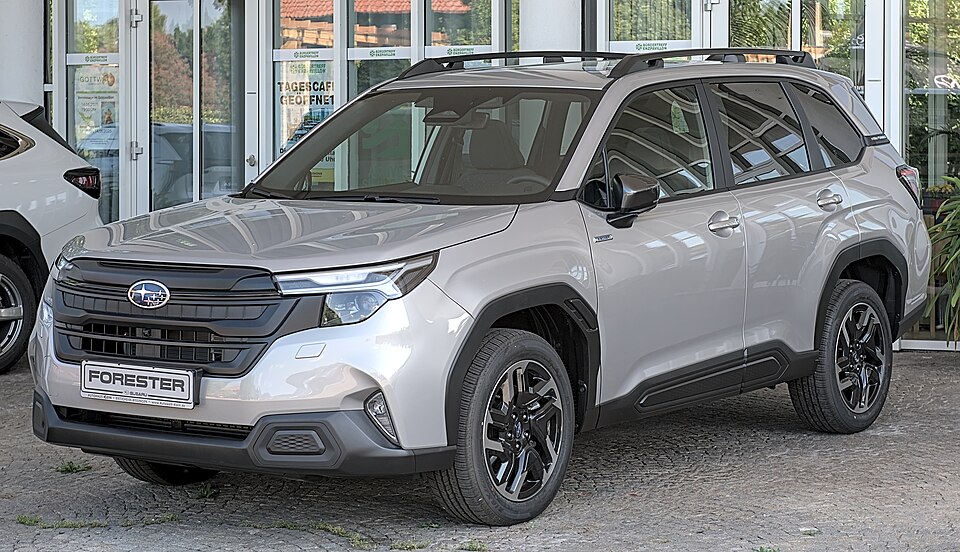
6. Subaru Forester: Reliable All-Wheel Drive and Everyday Practicality
The Subaru Forester remains a top choice for those who value reliability, practicality, and all-weather confidence. It has built its reputation among outdoor enthusiasts and pet owners thanks to its standard all-wheel drive and durable 2.5-liter naturally aspirated engine. This powertrain, while not the most powerful, is known for longevity when properly maintained, often lasting well beyond 100,000 miles.
For 2025, the sixth-generation Forester receives evolutionary updates that enhance its appeal without straying far from its familiar formula. The design has grown tougher and more muscular, with larger fender flares and a broader grille that give it a stronger presence on the road.
Inside, the layout remains straightforward, but the technology has improved. All trims above the base now include Subaru’s larger 11.6-inch touchscreen, which replaces the smaller display from earlier models.
The most significant addition is the new Forester Hybrid, producing 194 horsepower and an estimated 35 mpg combined, offering better performance and efficiency than the standard 180-horsepower gasoline engine that returns about 29 mpg.
In terms of driving experience, the Forester focuses more on capability and stability than speed. The standard engine provides adequate performance for everyday driving but feels sluggish when merging onto highways or attempting quick passes.
In Edmunds testing, the gas version took 9.2 seconds to reach 60 mph, slower than most competitors. Handling is secure and predictable, and the standard all-wheel drive gives the Forester an advantage on gravel or snow-covered roads.
The ride quality is firm and can feel unsettled over uneven pavement, but the steering and braking inspire confidence. Subaru’s EyeSight driver-assistance suite is standard, though features like adaptive cruise control and lane centering respond more slowly than the systems found in newer rivals.
Inside, the Forester excels in comfort and practicality. Entry and exit are effortless thanks to wide door openings and ideal seat heights. The front seats are supportive and well-padded, while the upright design provides excellent visibility and generous headroom. Cabin noise is moderate, with only a slight increase during hard acceleration. The interior materials feel sturdy and are built to handle everyday use.
Tech features are straightforward and easy to use. The portrait-style infotainment screen is simple to navigate, and the available Harman Kardon audio system adds premium sound quality. Wireless Apple CarPlay and Android Auto are included on most trims, along with available wireless charging, though the pad’s design could be more secure.
Cargo space is one of the Forester’s strong suits. Despite modest official numbers, real-world testing shows it can hold more luggage than several competitors. Roof rails add flexibility for outdoor gear, and the 1,500-pound towing capacity allows for small trailers or camping equipment.
The 2025 Subaru Forester continues to deliver the dependability and all-weather assurance that buyers expect. While it may not be the quickest or most refined option in its class, its mix of rugged capability, thoughtful design, and long-term reliability keeps it a dependable choice for drivers who prioritize function over flash.
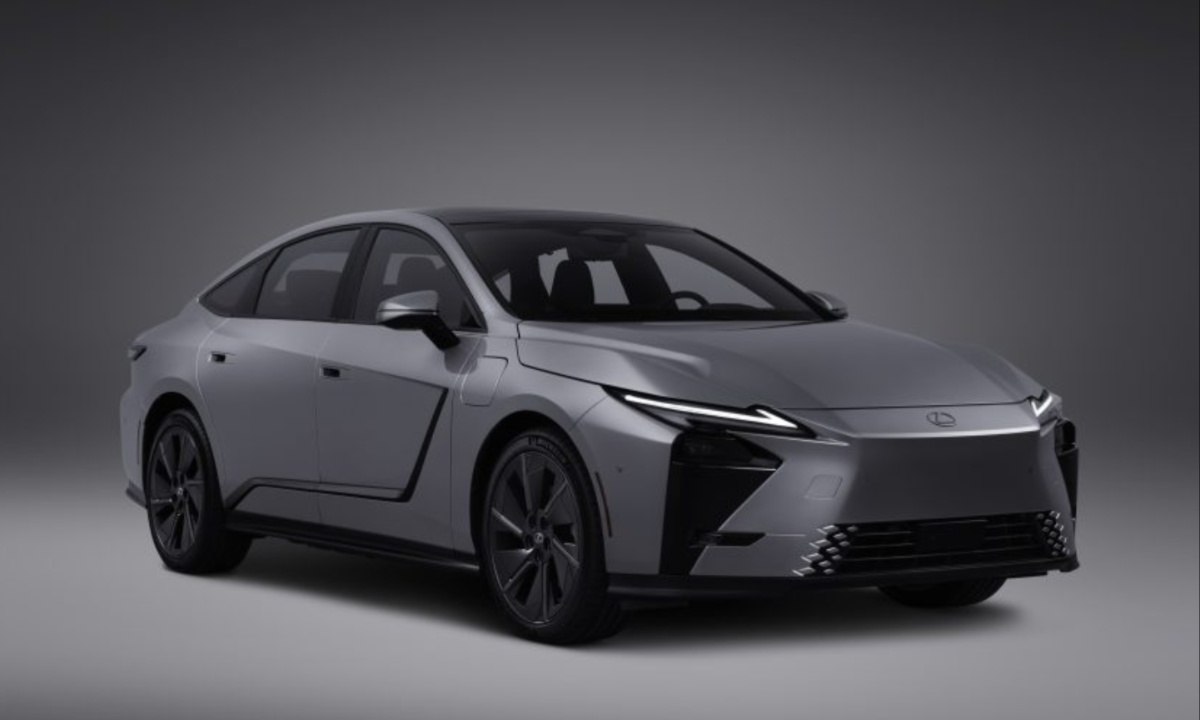
7. Lexus ES: Affordable Luxury That Lasts
The Lexus ES proves that luxury and long-term reliability can exist in the same package. Under its elegant design lies the trusted foundation of a Toyota Camry, but with higher levels of craftsmanship, comfort, and refinement that transform it into a genuine luxury sedan.
It is one of the few premium cars that owners can enjoy for years without the worry of expensive repairs or high maintenance costs, making it a dependable choice for those who value peace of mind.
The 2026 Lexus ES marks an important milestone for the brand. It becomes Lexus’ first “dual-platform” vehicle, meaning it was engineered from the start to support both gasoline and electric powertrains under the same body structure. This design approach allows Lexus to move toward an electrified future while maintaining the quiet and comfortable experience that has made the ES a longtime favorite.
Built on an updated version of Toyota’s TNGA-K platform, the new ES has been reworked to accommodate hybrid and electric systems without compromising space. The car has grown in nearly every dimension.
Its wheelbase now measures 116.1 inches, an increase of 3.1 inches, and its total length extends to 202.3 inches, nearly matching the footprint of the flagship LS sedan. Width has grown slightly, and height increases to improve headroom.
Lexus also adjusted the seating position to make entry and exit easier and to enhance the driver’s outward visibility. The traditional rear suspension has been replaced with a more compact multilink design that improves ride comfort and leaves room for future battery placement.
Behind the wheel, the ES 350 delivers the composed and graceful performance Lexus owners expect. Its V6 engine provides smooth, confident acceleration. Although it is not among the quickest sedans in its class, it feels effortless in daily driving.
The steering is well-balanced, and the suspension manages to blend comfort and stability, making the ES feel serene on city streets or highways. Wind noise is minimal at higher speeds, and the engine remains hushed during normal driving, reinforcing the sense of calm inside the cabin.
Inside, the ES continues to impress with its premium materials and thoughtful design. The front seats are supportive and comfortable even on long drives, while the rear seats offer generous legroom and a soft, inviting feel. Every detail, from the fine stitching to the smooth operation of buttons and switches, reflects Lexus’ attention to quality and craftsmanship.
Technology in the ES is modern and practical. Upper trims come with a 12.3-inch touchscreen that responds quickly to touch inputs and offers sharp graphics. Wireless Apple CarPlay and Android Auto are standard, and the voice command system can manage navigation, phone, audio, and climate settings. The interface is clear and easy to operate, helping the driver stay focused on the road.
The ES offers a 13.9-cubic-foot trunk, providing enough room for luggage or golf bags. Although the rear seats do not fold down to extend cargo space, the trunk is well-shaped for everyday use. Cabin storage includes handy cupholders, door pockets, and a practical center console.
Fuel economy is rated at 25 mpg combined, though real-world results are closer to 21 or 22 mpg, which is reasonable for a six-cylinder luxury sedan.
The Lexus ES stands out as a refined, comfortable, and trustworthy luxury sedan that delivers a sense of calm few competitors can match. It may not be the most dramatic or performance-focused car in its class, but its craftsmanship, dependability, and effortless comfort make it one of the smartest luxury car choices available today.
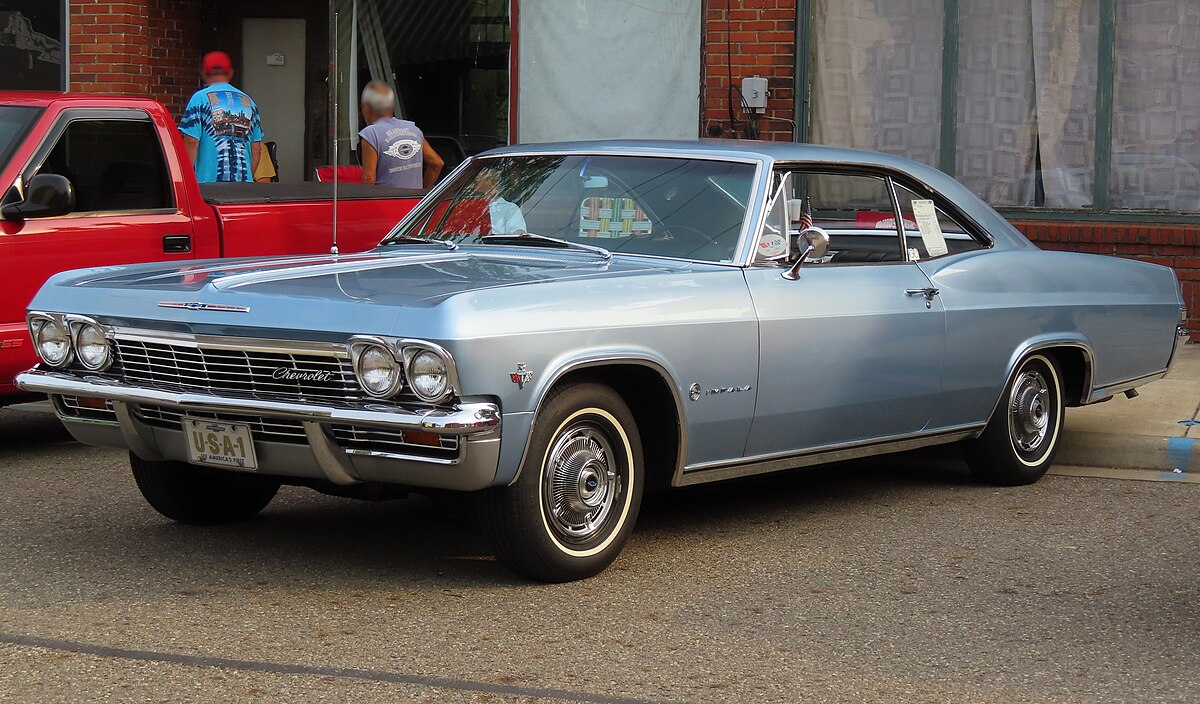
8. Chevrolet Impala (2014–2019): Spacious, Smooth, and Surprisingly Reliable
The Chevrolet Impala from 2014 to 2019 is a strong example of how a traditional full-size sedan can combine comfort, space, and dependability. Long trusted by families and fleets, the Impala stands out for its durability, roomy interior, and confident performance.
With simple mechanical components and a proven 3.6-liter V6 engine, it offers dependable long-term ownership without the high repair costs often associated with large sedans.
The 3.6-liter V6 produces 305 horsepower and 264 pound-feet of torque, delivering smooth power for highway driving and everyday use. Paired with a six-speed automatic transmission, it provides quick, refined shifts that make long drives relaxing.
The base 2.5-liter four-cylinder engine in the LS and 1LT trims returns slightly better fuel economy at 25 mpg combined, but the V6 is the preferred option for its strength and refinement. The Impala’s sturdy build adds to its composure, even if it weighs more than some competitors. In testing, the V6 model reached 60 mph in 6.7 seconds, which is average for the class but still feels responsive in daily driving.
Behind the wheel, the Impala feels calm and confident. Steering is light and accurate, which makes parking and maneuvering simple. The suspension smooths out bumps with ease, creating a relaxed ride suited to long trips or city commutes. Noise insulation is excellent, and the cabin stays quiet even at highway speeds. Drivers looking for a peaceful and comfortable experience will find plenty to like here.
Inside, the Impala’s cabin is one of its best features. There is generous headroom and legroom for both rows, and the front seats offer ample support with eight-way power adjustments. Rear passengers enjoy a surprising amount of space, making the Impala a great choice for carpooling or family travel.
The trunk measures 18.8 cubic feet, which is among the largest in its segment and ideal for luggage or bulky cargo. Useful storage bins and a hidden compartment behind the infotainment screen add practicality for daily use.
Chevrolet’s MyLink infotainment system is standard on most trims and features an 8-inch touchscreen with Apple CarPlay and Android Auto. The layout is simple, and the graphics are clear, though the response time can occasionally lag. Higher trims, such as the LTZ, include extras like navigation, premium sound, and driver-assistance systems.
Available safety features include blind-spot monitoring, lane-departure warning, and forward collision alert, while the top models add adaptive cruise control and automatic emergency braking. The Impala also earns strong crash-test ratings, which makes it a safe choice for families.
The interior design is attractive, with better materials and styling than previous generations. Some hard plastics remain on lower panels, but the fit and finish are solid. The quiet, well-built cabin gives the Impala a near-luxury feel at a reasonable price.
From a value standpoint, the Impala is a smart purchase, both new and used. Fleet history has proven its mechanical strength, and maintenance costs are manageable thanks to accessible parts and straightforward servicing. The dual-fuel version, which can run on gasoline or compressed natural gas, adds flexibility for those looking to reduce fuel expenses, though it slightly reduces trunk space.
The Chevrolet Impala is not a sporty sedan, but it excels where it counts most: space, comfort, and reliability. For buyers who want a large, affordable car that feels solid, drives smoothly, and remains dependable for years, the Impala continues to be a sensible and rewarding choice.
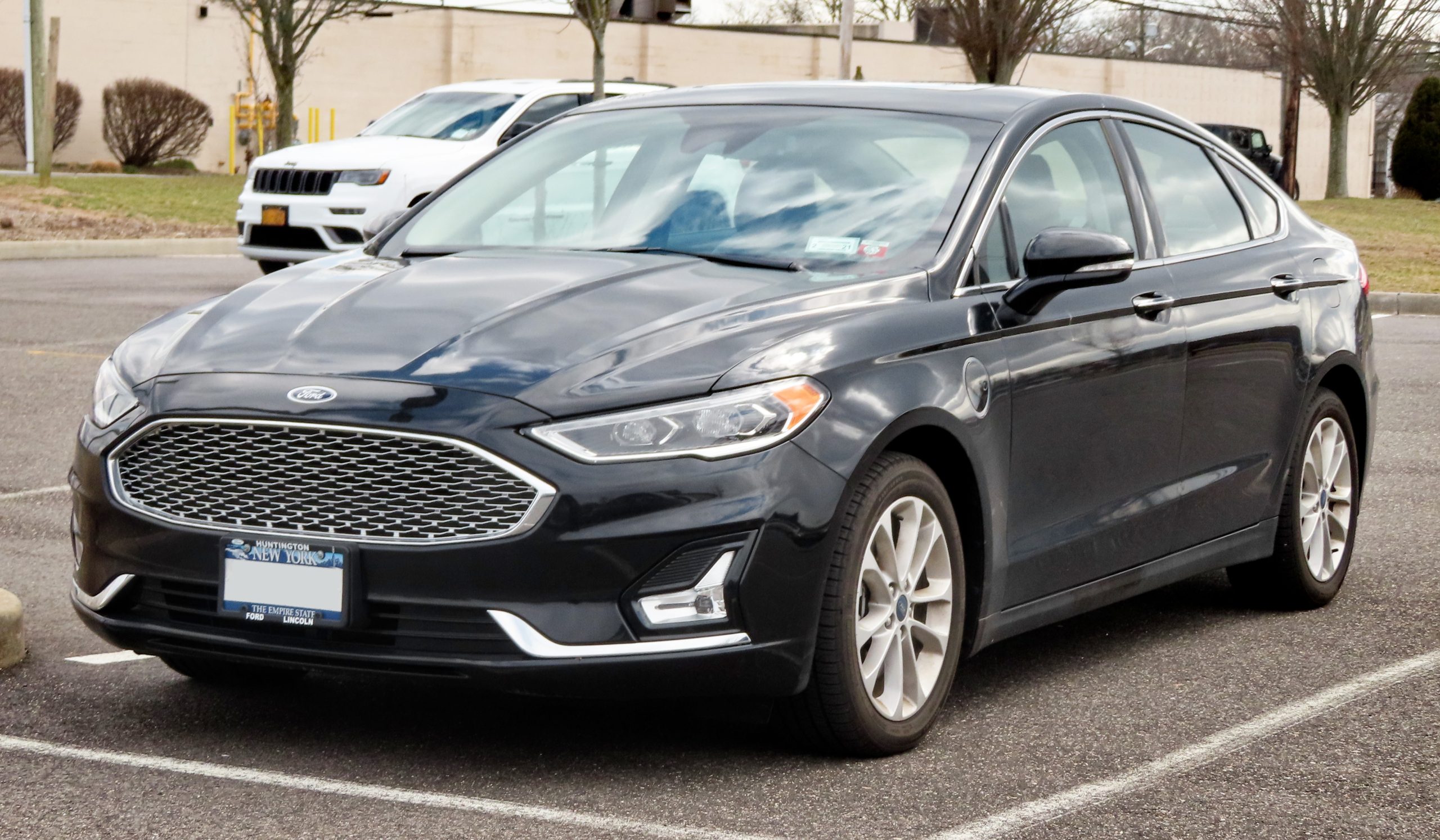
9. Ford Fusion (2015–2020): A Dependable American Sedan with Lasting Appeal
The Ford Fusion from 2015 to 2020 remains one of the most balanced midsize sedans of its era, combining practicality, comfort, and dependability in an attractive package. While not every Ford enjoys a stellar reputation for reliability, the Fusion equipped with the naturally aspirated 2.5-liter four-cylinder engine stands out for its simplicity and resilience.
Producing 175 horsepower and 175 pound-feet of torque, this engine avoids the added complexity of turbocharging, translating into fewer long-term maintenance issues. Power is delivered through a smooth six-speed automatic transmission to the front wheels, and the car’s composed suspension tuning gives it a reassuringly stable ride on highways and city streets alike.
For buyers seeking stronger performance, the SE and Titanium trims introduced turbocharged 1.5-liter and 2.0-liter engines, offering 181 and 240 horsepower, respectively. The 2.0-liter version, available with optional all-wheel drive, gives the Fusion more confident acceleration and improved handling in challenging weather.
In Edmunds testing, the Fusion Titanium with all-wheel drive reached 60 mph in 6.9 seconds, a competitive time for its class. The base 2.5-liter model achieved an estimated 26 mpg combined, balancing modest performance with sensible fuel economy.
Driving the Fusion reveals a car that feels solid and well-planted. Its steering is nicely weighted and returns to center naturally, even if road feedback is minimal. The suspension keeps body roll in check, allowing for smooth, predictable cornering.
The brake pedal inspires confidence, offering consistent pressure and short stopping distances. Around town, the Fusion is easy to maneuver, and its composed ride makes it an enjoyable daily driver.
Comfort is another strong suit. The front seats provide excellent long-distance support, while road noise remains impressively subdued. The cabin has a refined character, although some drivers may notice that the ride can feel slightly soft when the car is lightly loaded. The automatic climate control system maintains cabin temperature effectively, though its controls can feel small and unconventional in layout.
Inside, the Fusion’s design is both functional and inviting. The rotary gear shifter takes a little adjustment, but most controls are intuitive and logically arranged. Space is generous in both seating rows, and the driving position offers wide adjustability.
Visibility is generally good, though the thick rear pillars create a noticeable blind spot. The trunk is large and practical, with a wide opening, low liftover height, and split-folding rear seats for added flexibility. The cabin offers several useful storage areas, including deep center bins and sizable door pockets.
Technology was a key strength during the Fusion’s production run. Ford’s Sync 3 infotainment system remains one of the most user-friendly interfaces of its time, supporting Apple CarPlay, Android Auto, and voice commands that respond naturally. Navigation and phone pairing are seamless, though base audio systems can sound underwhelming compared to higher trims.
When it comes to ownership costs, the Fusion delivers value through affordable maintenance and easy-to-find replacement parts. Ford’s warranty coverage three years or 36,000 miles for basic protection and five years or 60,000 miles for the powertrain is standard for the segment. Buyers also benefit from five years of roadside assistance.
For those who appreciate a comfortable, reliable, and straightforward midsize sedan, the 2015–2020 Ford Fusion remains an underrated gem. Its strong build quality, accessible maintenance, and timeless driving manners make it a dependable companion for everyday use and long-term ownership.
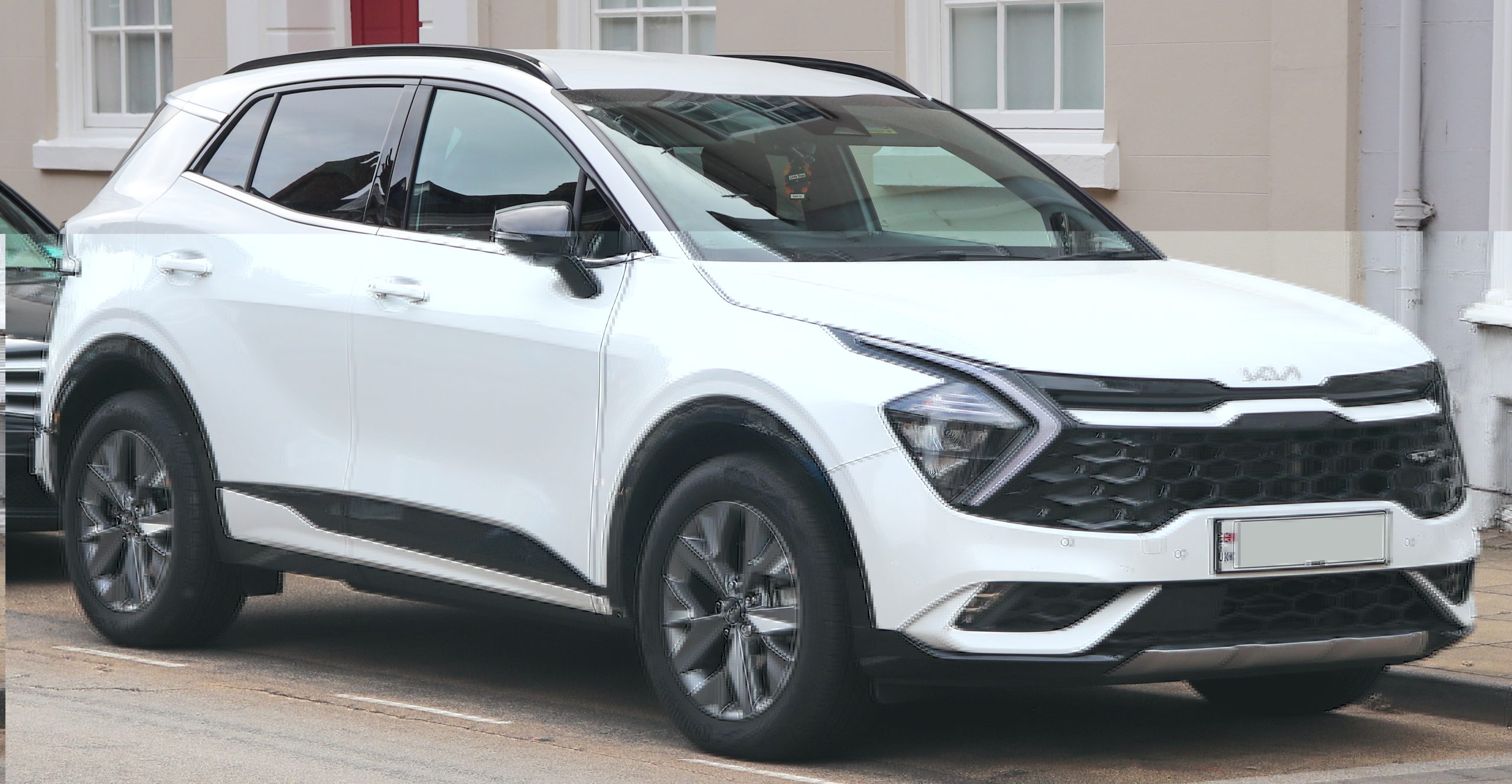
10. Kia Sportage (2017–Present): A Confident and Capable Compact SUV
The Kia Sportage has become a symbol of the brand’s remarkable transformation over the past decade. Once seen as a budget option, it now competes head-to-head with top-tier compact SUVs, offering a balance of comfort, reliability, and style. Among its strongest suits is dependability, particularly with the naturally aspirated 2.4-liter engine.
This straightforward powertrain avoids the complications of turbocharging, helping the Sportage maintain long-term durability while keeping maintenance costs manageable. For many owners, this simplicity translates to years of confident driving with little more than routine service.
On the road, the Sportage delivers a composed and refined experience. The steering is light yet accurate, making it easy to maneuver through city streets or tight parking spaces. The brakes respond predictably, and the suspension tuning favors comfort. It absorbs rough pavement and bumps without unsettling the cabin, though it can feel slightly soft over rolling surfaces.
While the base engine prioritizes reliability over excitement, the SX trim’s turbocharged 2.0-liter engine provides up to 240 horsepower, giving the Sportage brisk acceleration and an engaging character rarely found in this segment. For buyers seeking more efficiency, the Sportage Hybrid offers a strong alternative with better fuel economy and quicker performance.
Comfort plays a key role in the Sportage’s appeal. The seats are supportive and well-cushioned, providing long-distance comfort for both front and rear passengers. Higher trims add luxuries like heated and ventilated front seats, while the reclining rear seats ensure rear passengers can relax during long trips.
Kia’s attention to sound insulation pays off too, as the cabin remains pleasantly quiet, even on coarse pavement. The climate control system performs well, and its dual-function control panel switching between media and temperature settings adds a modern touch, even if it takes some getting used to.
Inside, the Sportage feels upscale for its price. Materials are solid, fit and finish are tight, and the layout is intuitive. Entry and exit are easy thanks to wide door openings and a slightly higher seating position. Visibility is another highlight, with large windows and a commanding view of the road. Kia also ensures convenience for families with accessible car seat anchors and plenty of room for bulky child seats.
Technology has been a major focus for Kia, and the Sportage benefits from a user-friendly interface and robust connectivity features. The 12.3-inch touchscreen offers sharp graphics and quick responses, while wireless Apple CarPlay and Android Auto make smartphone integration seamless.
Multiple USB ports and a wireless charging pad keep devices powered, though the navigation system lacks real-time traffic data. Driver assistance features like adaptive cruise control, blind-spot monitoring, and a surround-view camera enhance safety and convenience.
Practicality remains one of the Sportage’s greatest strengths. With 39.6 cubic feet of cargo space behind the rear seats and 74.1 cubic feet with them folded, it offers generous room for luggage, groceries, or weekend gear.
The flat load floor and hands-free tailgate make loading easy, while clever interior storage solutions, including adjustable cupholders and a deep center console, add daily usability. When properly equipped, the Sportage can tow up to 2,500 pounds, suitable for small trailers or boats.
Kia continues to offer one of the best warranties in the industry, with five years or 60,000 miles of basic coverage and 10 years or 100,000 miles for the powertrain. This long-term protection gives buyers peace of mind, reinforcing the Sportage’s reputation for value and dependability.
While its fuel economy and cargo capacity might not lead the class, the Sportage compensates with comfort, technology, and refinement that exceed expectations.
For drivers seeking a small SUV that blends everyday practicality with a premium feel and strong reliability, the Kia Sportage stands out as a confident and well-rounded choice.
Reliability does not just save money; it builds trust. The cars featured in “10 Cars That Keep Running Long After the Warranty Ends” represent more than solid engineering. They embody long-term value, comfort, and peace of mind.
Vehicles such as the Toyota Prius, Lexus ES, and Kia Sportage show how modern design can coexist with lasting dependability, while models like the Chevrolet Impala and Ford Fusion demonstrate that even discontinued sedans can remain faithful companions for years.
Across different segments and powertrains, each of these cars offers owners the confidence that comes from proven longevity. In a time when technology evolves quickly and maintenance costs rise, these vehicles remind us that true automotive excellence lies in consistency, not complexity.
For drivers who value dependability above all, these ten models are the ones most likely to keep running strong mile after mile, year after year.
Also Read: 5 Cars That Stay Reliable After 400k Miles vs 5 That Break By 120k