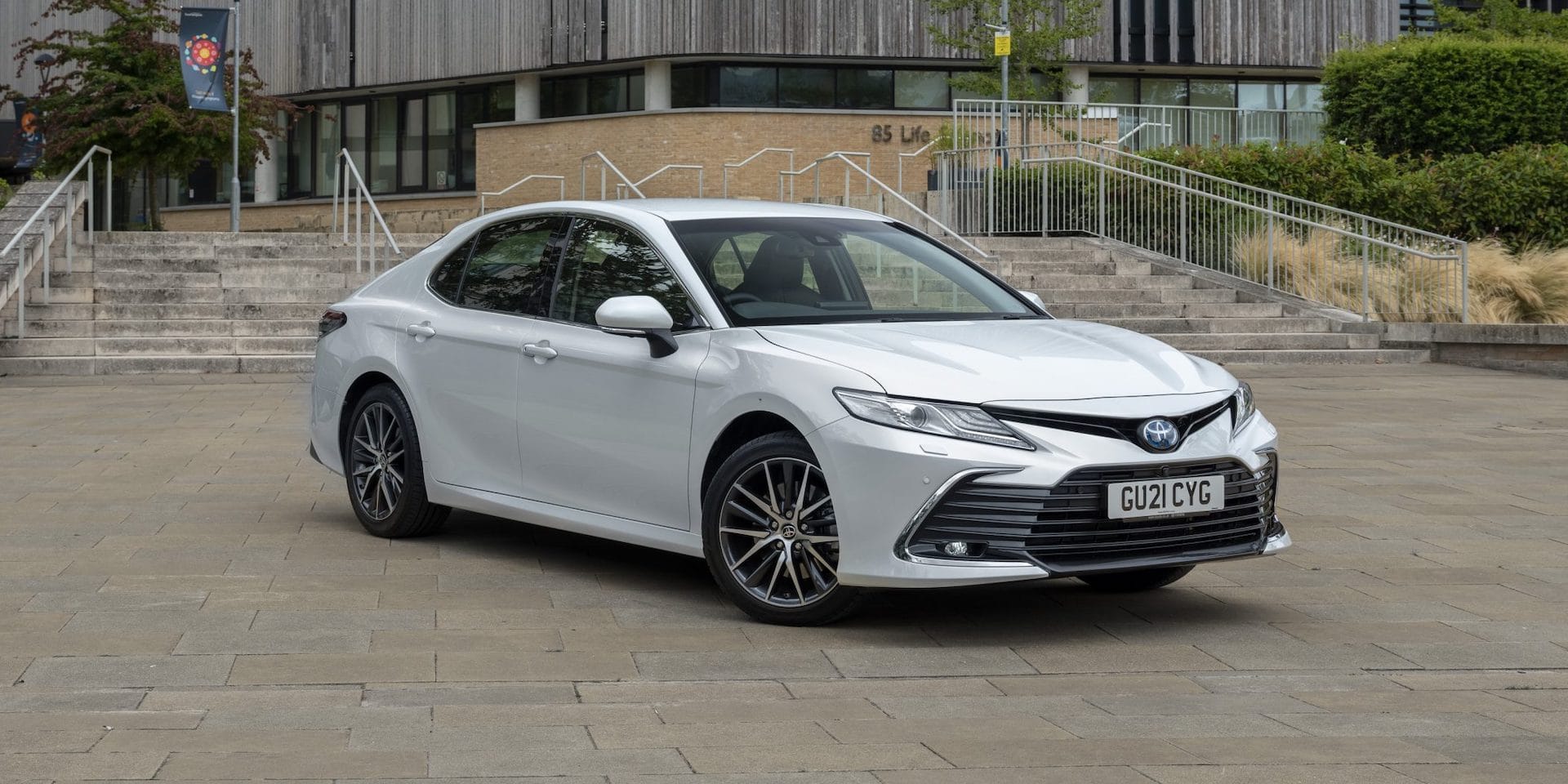
Reliability is one of the most important qualities to look for in a vehicle. Drivers want a car that delivers consistent performance, holds its value, and stays dependable year after year.
Some vehicles go beyond expectations, offering exceptional longevity with only basic maintenance such as oil changes, filter replacements, and regular inspections. These cars are engineered with durability in mind, often lasting decades without significant repairs or breakdowns.
This list features 10 vehicles that last forever with basic maintenance, showcasing models known for their strength, comfort, and enduring quality. From the refined Toyota Avalon and the ever-reliable Camry to sturdy legends like the Ford F-150 and Chevrolet Silverado, each vehicle has earned a reputation for long-term dependability.
Whether you prefer a luxury sedan, a practical commuter, or a rugged workhorse, these options prove that lasting performance does not require constant repairs or costly upkeep.
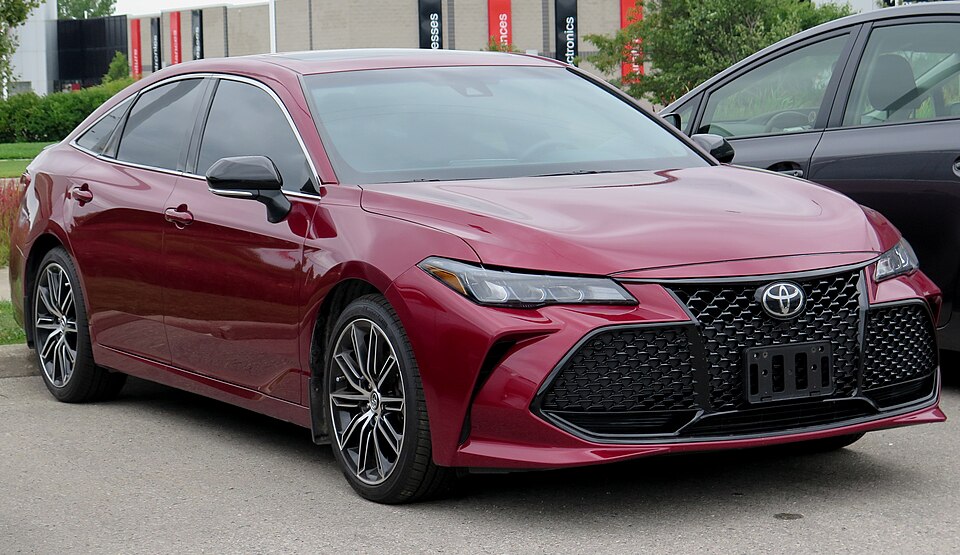
1. Toyota Avalon: The Full-Size Sedan That Blends Comfort, Class, and Reliability
The Toyota Avalon is a refined full-size sedan that combines strength, comfort, and quiet confidence. It is often seen as the grown-up sibling of the Camry, offering more space, a smoother ride, and an upscale driving experience. For drivers who want near-luxury quality without the premium price, the Avalon delivers exactly that.
The Avalon’s 3.5-liter V6 engine produces 301 horsepower, paired with an eight-speed automatic transmission that shifts smoothly and predictably. Acceleration is brisk and effortless, giving the car a responsive feel on highways and in city traffic. While the Avalon is not a sports sedan, it handles corners with confidence and composure.
Steering is light yet precise, and the suspension strikes an excellent balance between control and comfort. Braking is consistent and well-tuned, providing reassurance during both everyday commuting and long-distance travel.
Comfort is where the Avalon truly shines. The leather-trimmed seats are soft and supportive, and both front and rear passengers enjoy generous legroom. The cabin feels calm and insulated, with minimal vibrations even on rough pavement. Climate control works quickly to heat or cool the interior, adding to the sense of luxury.
Road noise is present but never intrusive, allowing conversations or music to fill the cabin easily. Long trips are where the Avalon feels most at home, offering a plush, relaxing experience that rivals more expensive sedans.
Inside, the Avalon feels both modern and practical. The dashboard layout is intuitive, and essential controls are clearly labeled and within reach. Steering-wheel-mounted buttons make it easy to manage key functions without distraction. The driving position offers excellent adjustability, ensuring comfort for drivers of all sizes.
While the sloping roofline slightly limits headroom for taller rear passengers, space remains generous. The materials throughout the cabin reflect Toyota’s attention to detail, giving the car a subtle luxury feel that edges close to Lexus territory.
The Avalon’s 9-inch touchscreen is easy to read and responsive. Apple CarPlay and Android Auto are standard, and the system also includes wireless charging and multiple USB ports. While Toyota restricts some features while driving, the interface is simple and dependable.
Voice controls work adequately for basic commands, though smartphone assistants like Siri or Google Assistant perform better. Advanced driver aids such as adaptive cruise control, lane keeping assist, and automatic emergency braking come standard, enhancing both safety and convenience.
The Avalon’s trunk is wide and accessible, with a low lift height for easy loading. While folding the rear seats creates a small step in the floor, the available space is still generous for luggage and groceries. Numerous small storage bins and deep cupholders keep the cabin organized. Child seat installation is effortless thanks to easily accessible anchors and a spacious back seat.
Rated at 25 mpg combined (22 city/31 highway), the Avalon delivers impressive efficiency for a large sedan. The hybrid variant performs even better, but the standard V6 remains economical. Toyota’s reputation for reliability, paired with two years of free maintenance and solid resale value, makes the Avalon a smart investment.
The Toyota Avalon blends power, space, and comfort into one elegant package. It stands as one of the best choices for drivers who value refinement and dependability without stepping into luxury-brand pricing.
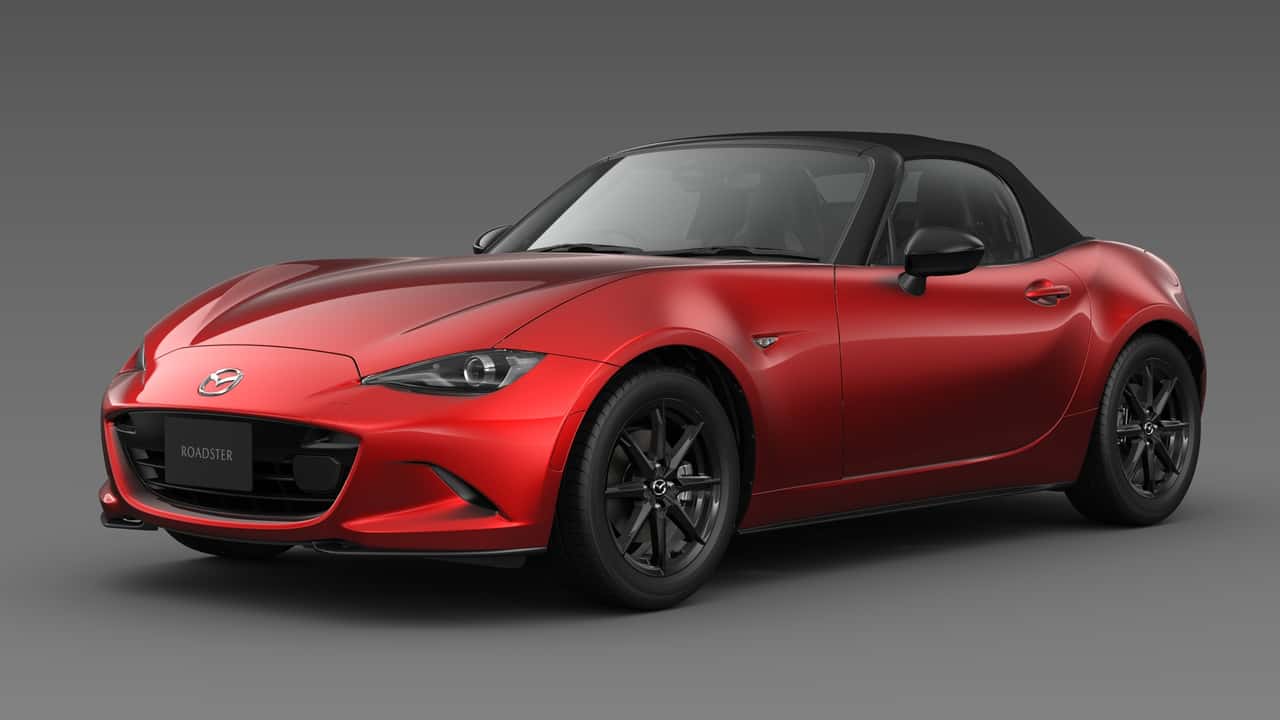
2. Mazda MX-5 Miata: A Pure, Fun-to-Drive Sports Icon
The Mazda MX-5 Miata remains one of the most beloved sports cars in the world, known for its lightweight design, precision handling, and engaging driving experience. Mazda has successfully blended classic roadster excitement with modern reliability and engineering excellence. While it sacrifices practicality, the Miata excels at delivering pure driving pleasure in a compact, well-crafted package.
The MX-5 Miata’s performance perfectly captures the spirit of a true driver’s car. Equipped with a manual transmission, it accelerates from 0 to 60 mph in 6.4 seconds, which is slightly slower than the Subaru BRZ at 6.1 seconds but still energetic and satisfying.
The steering is sharp and responsive, offering excellent feedback and confidence through corners. The Miata’s lightweight chassis makes it nimble and precise, providing a sense of connection to the road that few cars can match.
Although it leans a little when pushed hard, the handling remains predictable and fun. Braking is equally impressive, with the Miata stopping from 60 mph in 113 feet, ensuring quick and safe deceleration.
Small two-seat convertibles are not known for comfort, yet the Miata is surprisingly pleasant for daily driving. The suspension can feel firm over rough pavement, but smaller bumps are absorbed well. The seats are supportive and well-contoured, and the seat heaters provide welcome warmth during cold-weather drives.
However, wind noise is significant, especially at highway speeds with the top up, making conversations difficult. Driving with the top down and windows up offers a more enjoyable open-air experience, though noise is still present. Despite these drawbacks, the Miata remains a comfortable and inviting car for short trips and spirited drives.
The Miata’s interior focuses on simplicity and driver engagement. The compact cabin places all controls within easy reach, emphasizing functionality over flash. The infotainment control knob can feel awkwardly positioned, but the touchscreen helps make up for it.
Cupholders are inconveniently placed and storage is limited, yet this is expected in such a small car. Drivers over six feet tall may find headroom and legroom limited, particularly for the passenger. However, one of the Miata’s standout features is its manual soft top, which can be opened or closed quickly without any power mechanism, adding to its classic charm.
Mazda has managed to include modern technology without compromising the Miata’s pure driving feel. Apple CarPlay, Android Auto, and two USB ports come standard. Safety features such as blind-spot monitoring and lane departure warning are valuable, especially when driving with the top up.
The nine-speaker Bose sound system delivers impressive clarity and volume, countering road and wind noise effectively. The navigation system is simple but functional, and the voice recognition software is accurate and responsive.
Practicality is not the Miata’s strength. The trunk provides only 4.6 cubic feet of space, suitable for a carry-on suitcase or a few grocery bags. There is no glovebox, just a small storage bin between the seats. There are also no child-seat anchors or a back seat, reinforcing that this is a car built for driving enjoyment rather than utility.
Fuel economy is excellent for a sports car, with EPA estimates of 29 mpg combined, and many drivers find it easy to match this in real-world use. The Miata’s build quality is solid, with soft-touch materials and thoughtful detailing giving the cabin a premium feel.
Mazda’s warranty coverage includes three years or 36,000 miles of basic protection and five years or 60,000 miles for the powertrain, which is typical for the segment. Considering its craftsmanship, fun-to-drive nature, and long-term reliability, the MX-5 Miata remains one of the best-value sports cars on the market for those who drive for the love of driving.
3. Toyota Camry: The Gold Standard of Reliable Sedans
The Toyota Camry has long been synonymous with reliability, practicality, and long-term value. Designed with longevity in mind, the Camry offers a smooth, composed driving experience combined with excellent fuel efficiency and resale value. While its interior design remains simple, this sedan continues to define what dependable transportation should feel like.
The Camry delivers a balanced mix of comfort, control, and power. Tested in its XSE trim with front-wheel drive, it reaches 60 mph in 7.8 seconds, slightly quicker than competitors like the Honda Accord and Hyundai Sonata hybrids. The acceleration is smooth and responsive, making highway merges and passes effortless. Braking is firm and predictable, providing strong stopping power.
The sport-tuned suspension and responsive steering create a confident driving feel, allowing the Camry to handle curves with surprising agility. It no longer has the soft, floaty character of older models. Instead, it feels well-connected to the road while still managing bumps comfortably. The upright driving position offers a commanding view of the road, enhancing both visibility and confidence.
Toyota’s advanced safety technology also deserves mention. The system accurately detects lane changes and surrounding traffic, adjusting speed automatically when needed. The optional Traffic Jam Assist even allows brief hands-free driving at low speeds, a useful feature in heavy congestion.
Comfort in the Camry is excellent for long drives and daily commutes alike. The front seats are firm yet supportive, offering strong back support over extended periods. The spacious cabin provides ample headroom and legroom in both rows, aided by a flat roofline. Wide door openings make entry and exit easy, and the LATCH anchors are well-designed for quick child-seat installation.
The interior design is functional and refined. Physical switches and knobs sit conveniently below the large touchscreen, making climate and audio adjustments intuitive. The climate control system is strong and responsive, maintaining ideal cabin temperatures efficiently. At highway speeds, the Camry is impressively quiet, though the engine becomes slightly coarse under hard acceleration.
Technology inside the Camry is modern and user-friendly. Most trims feature a 12.3-inch touchscreen with wireless Apple CarPlay and Android Auto. Connectivity is seamless, and the wireless charging pad functions reliably. The available nine-speaker JBL audio system offers clear sound, though it still trails behind premium systems found in some rivals.
Despite offering 15.1 cubic feet of trunk space, which is slightly less than competitors, the Camry remains practical for everyday needs. It can easily accommodate large suitcases or grocery bags, and small-item storage is exceptional. Multiple cubbies, deep door pockets, and convenient spaces for phones and keys enhance its practicality.
Toyota has made every Camry a hybrid, giving buyers more trim choices than many competitors. Fuel efficiency is excellent, ranging from 44 to 51 mpg combined, depending on configuration. In testing, the XSE model achieved 45.9 mpg, outperforming hybrid rivals like the Accord.
The Camry’s value proposition remains one of its strongest traits. Buyers receive Toyota’s standard three-year/36,000-mile warranty, plus two years or 25,000 miles of complimentary maintenance and two years of roadside assistance. These benefits add peace of mind and reduce long-term ownership costs.
While the Camry has long been labeled as a “safe but boring” car, the latest generation proves otherwise. With sharper styling, sportier trims, and improved handling, the Camry now offers genuine driving enjoyment. It may not be a thrill-seeker’s dream, but it is a confident, efficient, and refined sedan that blends reliability with everyday livability better than almost any rival.

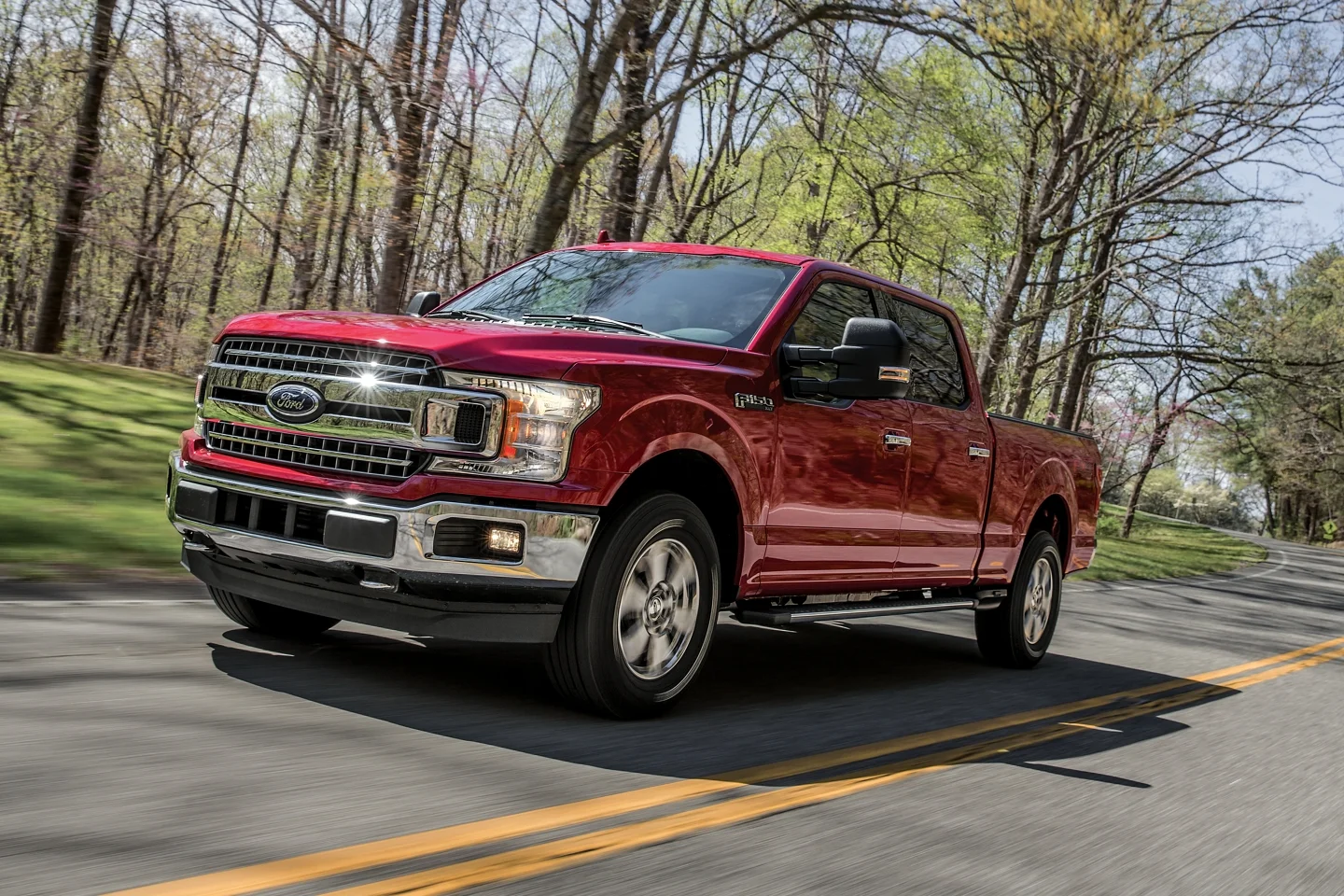
4. Ford F-150: America’s Icon of Strength and Versatility
The Ford F-150 is more than just a pickup; it is a symbol of American engineering and durability. Known for its tough construction, powerful engines, and wide range of customization options, the F-150 continues to dominate as the best-selling truck in the United States. Whether used for work, recreation, or everyday driving, it blends strength, comfort, and modern technology better than ever.
The F-150’s performance capabilities are impressive and varied, thanks to its wide range of available powertrains. Engine choices include a turbocharged V6, a V8, and a V6-based hybrid known as the PowerBoost. In testing, the PowerBoost hybrid reached 60 mph in 5.8 seconds, a remarkable figure for a full-size pickup, though slightly slower than the Ram 1500 with its new inline-six engines.
The steering is sharp and precise, giving the F-150 a surprisingly nimble feel for its size. This makes it easy to maneuver in tight spaces and stable at highway speeds. The brakes are strong and responsive, offering excellent stopping power while also regenerating energy in the hybrid version. With its high towing and payload capacities, the F-150 remains one of the most capable and user-friendly trucks on the market.
Comfort in the F-150 varies depending on configuration, but even base models deliver a smooth and composed ride. The front seats are supportive and can be equipped with heating, ventilation, and even massage functions, adding a touch of luxury. The climate control system works quickly and efficiently, maintaining a pleasant cabin temperature with minimal adjustment.
Despite its rugged nature, the F-150 rides comfortably on most surfaces. Road, tire, and wind noise are impressively subdued, making long drives relaxing. Most engines deliver a refined sound, though the PowerBoost hybrid can emit a generator-like noise when recharging its battery.
Inside, the F-150 combines practicality with thoughtful design. The controls are large and clearly labeled, making them easy to use even with gloves on. The cabin provides ample seat, steering wheel, and pedal adjustments, ensuring comfort for drivers of all sizes.
The crew cab configuration offers generous passenger space, while large windows and a scalloped door design improve visibility. The available surround-view camera system enhances safety and convenience when parking or towing. The interior is both functional and refined, suitable for work and family use alike.
The F-150 integrates cutting-edge technology to improve convenience and safety. The 12-inch touchscreen is user-friendly and supports Apple CarPlay and Android Auto. Basic driver-assist features come standard, while optional systems include Ford’s BlueCruise, which enables hands-free highway driving under certain conditions. This feature performs smoothly, making long commutes less tiring.
Another standout is Pro Power Onboard, which transforms the truck into a mobile generator. Depending on the configuration, it provides 2.0 kW, 2.4 kW, or 7.2 kW of power, allowing users to operate tools, appliances, or entertainment devices directly from the truck’s bed.
The F-150 remains the leader in towing and hauling. Properly equipped, it can tow up to 13,500 pounds and carry 2,445 pounds of payload. The bed offers practical options such as a split-opening tailgate, a power up-and-down feature, and an integrated step for easy loading.
Fuel economy varies depending on the powertrain, ranging from 19 mpg combined with the 3.5-liter V6 to 23 mpg combined with the hybrid. These numbers are competitive for the segment, though some rivals, such as the diesel Chevy Silverado, perform slightly better.
The F-150’s value lies in its versatility. With numerous trims, engines, and packages available, buyers can configure the truck to meet their exact needs, from a basic work vehicle to a luxury cruiser. Higher trims provide upscale materials and advanced technology, rivaling some premium SUVs.
Ford’s warranty coverage is standard for the class, offering solid protection but not exceeding competitors. Nonetheless, the F-150’s blend of power, comfort, innovation, and durability makes it an outstanding choice for those seeking a truck that performs as well on the job site as it does on the open road.
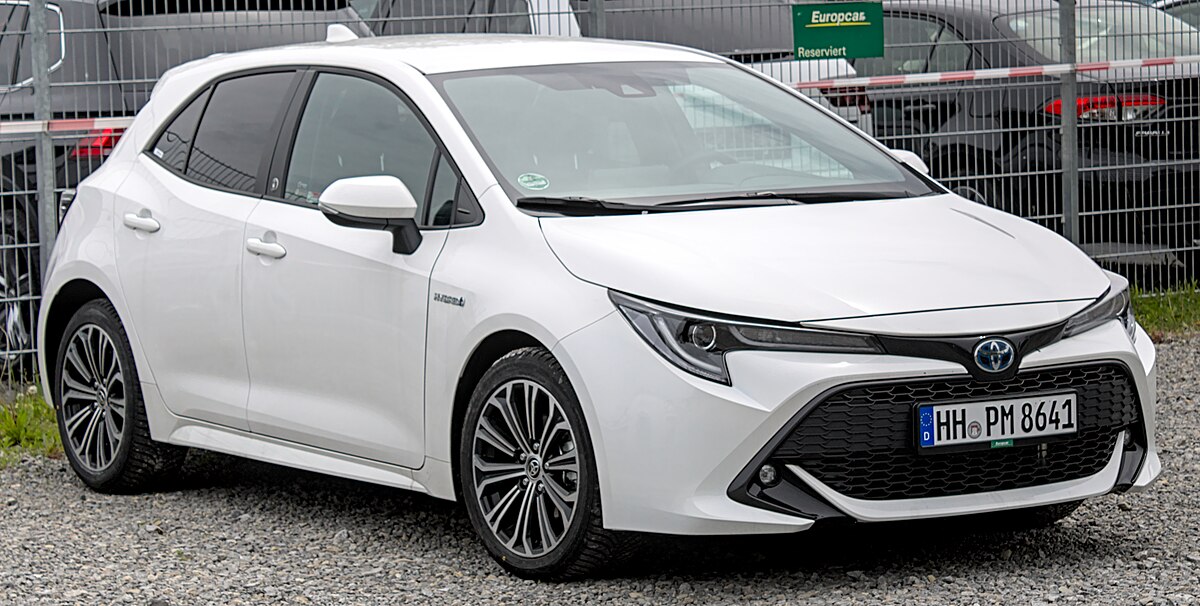
5. Toyota Corolla: A Reliable Everyday Companion
The Toyota Corolla remains a benchmark in the compact sedan category, appealing to those seeking reliability, comfort, and practicality over flashiness. Renowned for its durable engine and low-maintenance systems, the Corolla is a top pick for buyers who want a car that will last for years with minimal issues.
The Corolla delivers dependable, if not thrilling, performance. Powered by a 2.0-liter engine, it takes about 8.8 seconds to accelerate from 0 to 60 mph, which may feel modest compared to sportier rivals. Drivers might need to push harder when merging onto highways or overtaking slower traffic.
Despite its mild acceleration, the Corolla shines in control and safety. Its emergency braking is smooth and consistent, providing reassurance during sudden stops. Handling is predictable but not sporty the car tends to lean in corners, and the tires offer limited grip. However, its CVT (Continuously Variable Transmission) ensures effortless operation, making city driving and daily commutes relaxed and straightforward.
Comfort is one of the Corolla’s strongest traits. The ride quality is smooth across varied road conditions, and both front seats are supportive and adjustable for drivers of all sizes. The cloth seats are preferable to the synthetic leather option due to better breathability on hot days.
However, road noise becomes noticeable on highways, and the engine sounds strained under heavy acceleration. Thankfully, the CVT’s simulated gear shifts help minimize the typical droning sound associated with such transmissions.
Inside, the Corolla showcases Toyota’s hallmark simplicity. The dashboard layout is intuitive, with logically placed controls and a sensible number of buttons that balance functionality and minimalism. Getting in and out is easy, and front-seat visibility is excellent. Rear seating is tighter, particularly in headroom, making it less ideal for tall passengers. Competitors like the Honda Civic offer slightly more rear passenger space.
The Corolla is well-equipped technologically, featuring 8-inch or 10.5-inch touchscreens that look sharp but can respond sluggishly. Navigation and voice controls sometimes lag, and some on-screen buttons are small for use while driving.
Advanced features such as remote start and digital key access are available through Toyota’s subscription-based app. On the upside, driver-assistance systems perform admirably lane keeping is smooth, and the blind-spot monitor is effective, though a sound alert would improve it. The optional JBL audio system delivers excellent clarity, and Apple CarPlay, Android Auto, and multiple USB-C ports come standard.
The 13-cubic-foot trunk is slightly smaller than competitors’, and the rear seats don’t fold completely flat, limiting cargo versatility. Interior storage is modest but practical, with sufficient space for everyday essentials and easy installation of child seats. Fuel economy is a standout: the Corolla achieves up to 40.2 mpg in real-world tests, outperforming EPA estimates. The Corolla Hybrid boosts efficiency even further.
Value-wise, the Corolla remains a top contender in the small sedan segment, offering a refined cabin, solid build quality, and Toyota’s unmatched reliability. With two years of free scheduled maintenance, it represents a smart, long-term investment for those prioritizing dependability and economy over performance thrills.
Also Read: 10 Cars That Can Survive a Decade Without Major Repairs
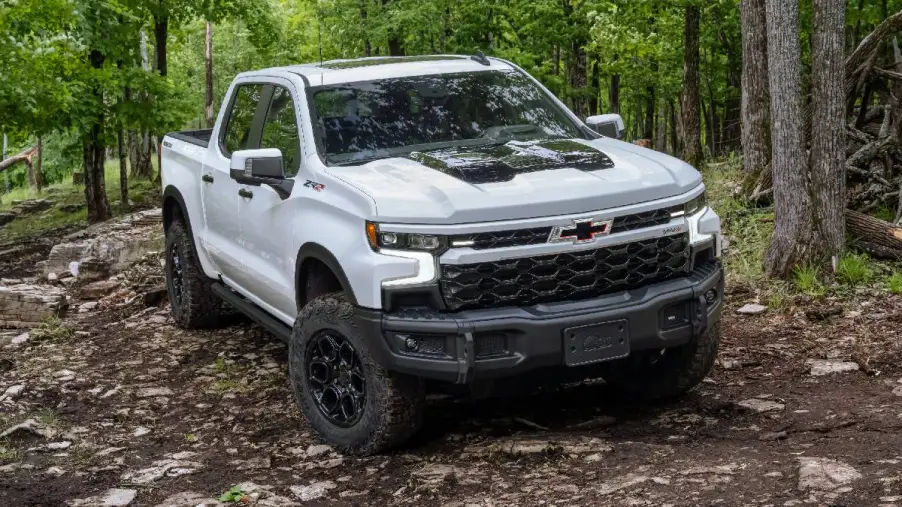
6. Chevrolet Silverado: Classic Strength Meets Modern Comfort
The Chevrolet Silverado remains one of America’s most trusted full-size pickup trucks. Known for its durability, towing ability, and ease of maintenance, it continues to appeal to those who value long-term reliability. With parts widely available and a proven powertrain lineup, it is built to handle hundreds of thousands of miles while delivering solid performance and comfort.
We tested the Silverado 1500 High Country with a 5.3-liter V8 engine and four-wheel drive. It accelerates from 0 to 60 mph in about seven seconds, slightly behind the Ford F-150 but still strong for a truck this size. The transmission shifts smoothly, taking advantage of the V8’s torque for confident acceleration.
On highways, the Silverado feels planted, with steering that is light but steady. Handling through turns is secure, and body roll is well controlled. Midcorner bumps can unsettle it slightly, though. For off-road driving, a regular 4WD model works fine, but the Z71 package or Trail Boss trim adds extra capability with improved shocks and all-terrain tires.
The Silverado’s cabin is quiet and comfortable, even on long drives. The seats are well padded and supportive, with available heating, ventilation, and split-control settings for added convenience. The ride feels smooth on highways but can become bouncy on uneven roads.
The climate system works efficiently, though the small buttons can make adjustments tricky while driving. Engine noise is minimal during normal use but can sound coarse under hard acceleration. For a full-size truck, comfort levels are commendable.
Chevrolet’s latest interior redesign has made a major difference. The new cabin looks modern and features improved materials, especially in the High Country and ZR2 trims. The controls are large and intuitive, making it easy to operate them even while wearing gloves.
In crew cab configuration, there is generous legroom for both rows of passengers. Despite the Silverado’s tall stance, wide door openings and convenient seat height make it easy to get in and out.
The 13.4-inch touchscreen is one of the Silverado’s highlights. It responds quickly and supports wireless Apple CarPlay and Android Auto. The Google-powered voice recognition system works naturally, allowing you to change stations, set navigation, or adjust the climate with ease.
Driver assistance features such as adaptive cruise control, rear cross-traffic alert, and multiple camera views enhance safety and convenience. Super Cruise, Chevrolet’s hands-free driving system, is available on the High Country trim.
With the 5.3-liter V8, the Silverado provides excellent towing and hauling capability. The bed is deep and wide, equipped with multiple tie-downs. The cabin offers practical storage options, though the center console is less versatile than those in competitors.
Fuel economy with this setup is 17 mpg combined, while the available diesel engine delivers better efficiency. Pricing is competitive, and the first scheduled maintenance is included. The Chevrolet Silverado blends lasting strength with modern technology, making it a dependable workhorse for any driver.
7. Lexus RX: Luxury, Comfort, and Unmatched Reliability
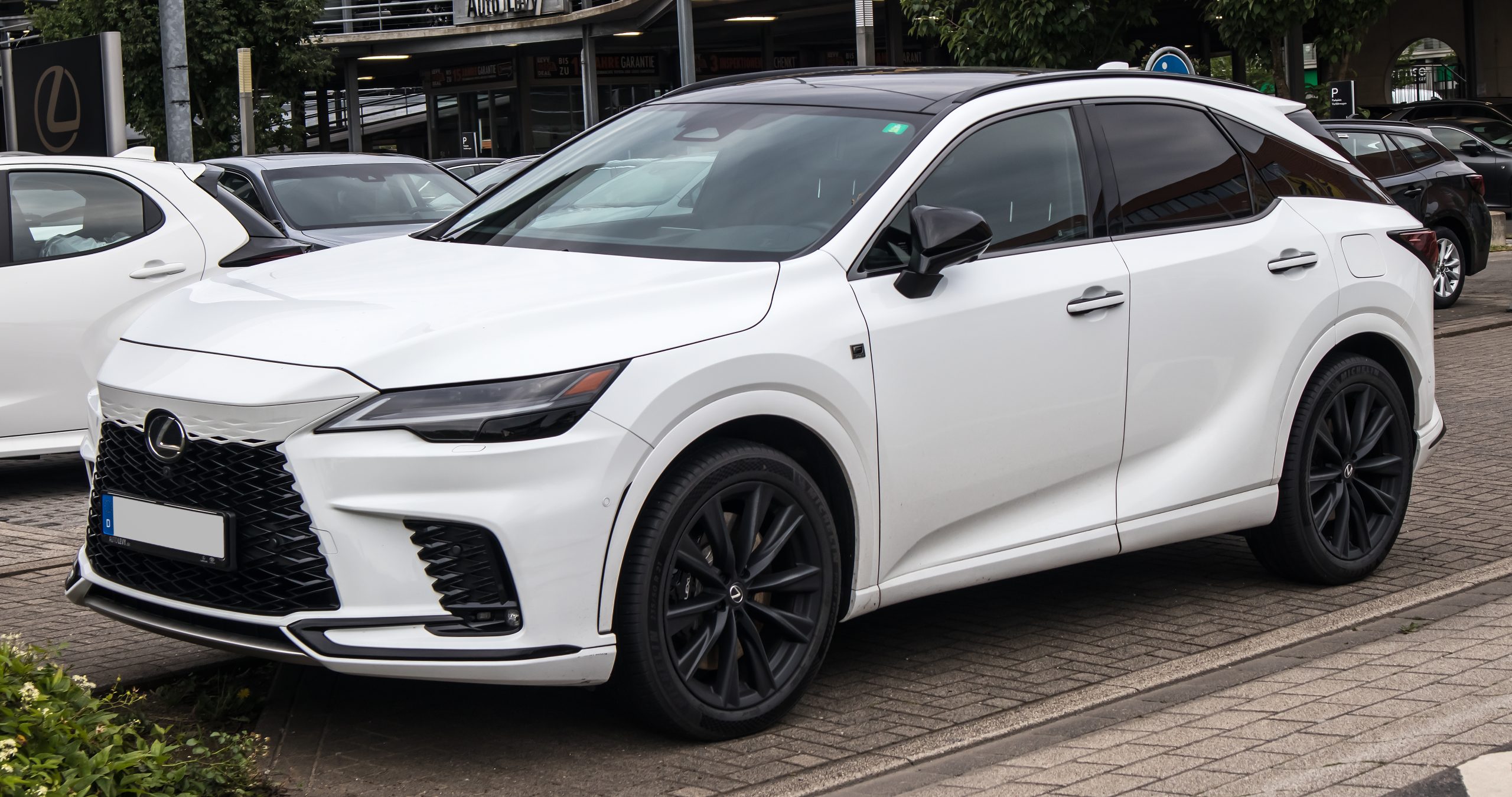
The Lexus RX is a hallmark of reliability wrapped in refined luxury. Known for its durability and smooth ride, this midsize SUV combines elegance with the dependable engineering that defines Lexus. While it commands a higher price than most Toyotas, it delivers premium features, advanced technology, and the peace of mind of a car built to last.
The RX 350 F Sport Handling trim we tested includes all-wheel drive and a 2.4-liter turbocharged engine that reaches 60 mph in 7.8 seconds. Though not as quick as rivals like the Genesis GV80 or Mercedes-Benz GLE 350, it offers a composed and confident drive.
The sport-tuned suspension improves cornering stability, though the tires limit its athletic potential. Braking performance is a strong point, with a firm and responsive pedal that inspires confidence during both everyday and emergency stops. Those seeking more power can opt for the RX 500h hybrid, which provides stronger acceleration.
Comfort remains a key strength of the RX. The F Sport Handling version features adaptive suspension and 21-inch wheels, which make the ride slightly firmer but still refined. The seats, designed for both support and softness, feature quick-heating and ventilating functions, enhancing comfort in any weather.
Rear passengers enjoy sculpted, supportive seating with good legroom. Cabin noise is impressively low, with only minor tire hum noticeable at higher speeds. The three-zone climate control system is efficient and intuitive, keeping temperatures consistent without constant adjustment.
The RX’s cabin showcases Lexus craftsmanship with a sleek, driver-focused design. The 14-inch touchscreen stands out for its sharp graphics and smooth response, while the backup and surround-view cameras make parking easy.
The interior layout is straightforward, but some design quirks stand out, such as the Prius-style shifter and unmarked multifunction steering buttons, which require extra attention. The driving position is highly adjustable, and though rear headroom is slightly limited for tall passengers, space is generous for most adults.
The RX’s tech suite includes wireless Apple CarPlay and Android Auto, along with the optional Mark Levinson 21-speaker system, which delivers exceptional audio quality. The infotainment interface is visually impressive but could use simpler menus.
Cloud-based navigation requires a subscription after a free trial, which is disappointing for a luxury SUV. The Lexus Safety System+ 3.0 comes standard, providing adaptive cruise control, lane keeping assist, and collision prevention features that work smoothly and conservatively.
Cargo space measures 29.6 cubic feet behind the rear seats, smaller than rivals like the Acura MDX or Mercedes GLE. Still, it is practical, with a dual-hinged center console, large door pockets, and easily accessible child seat anchors. The RX’s fuel economy is impressive for its class, achieving 24 mpg combined and 25.4 mpg on the highway during testing.
With its premium build quality, abundant standard features, and reasonable pricing, the Lexus RX represents strong value in the luxury SUV market. It includes a four-year/50,000-mile bumper-to-bumper warranty and six-year/70,000-mile powertrain coverage. For those seeking sophistication, reliability, and long-term dependability, the RX remains one of the finest choices available.
8. Volvo 240: The Indestructible Classic That Refuses to Die
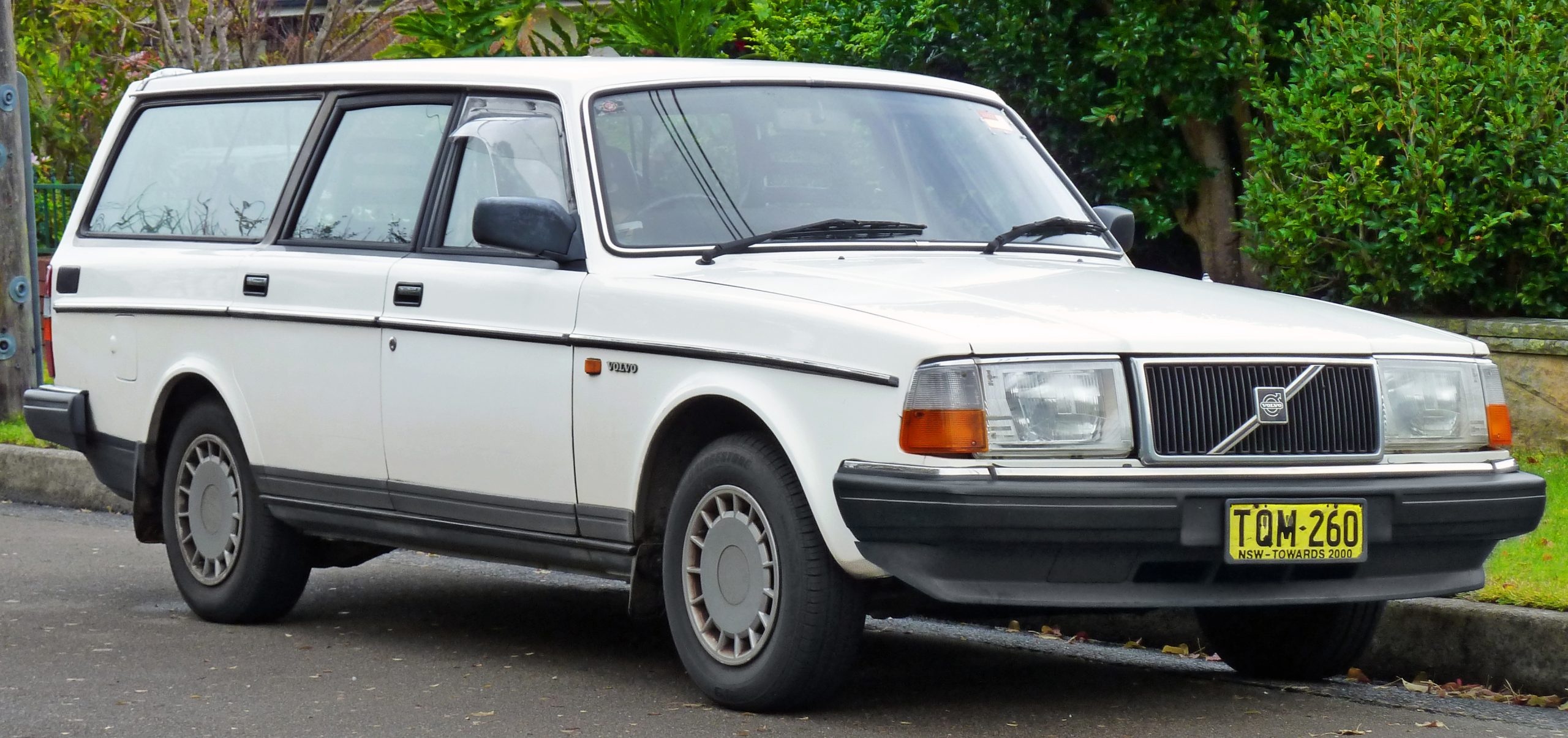
The Volvo 240 remains one of the most unshakable vehicles ever produced. Built from 1974 to 1994, it combined simplicity, strength, and an unmatched focus on safety. Its boxy design may look dated today, but beneath that square exterior lies the kind of engineering brilliance that made Volvo a global symbol of durability and dependability.
The 240 was offered in sedan and wagon versions, with the 245 station wagon being the most recognizable. Its design prioritized practicality and longevity, featuring a roomy interior with 67 cubic feet of cargo space and smart underfloor storage.
The body construction reflected Volvo’s early mastery of safety, incorporating large crumple zones inspired by the brand’s experimental safety vehicles. Optional rear-facing jump seats made it a family favorite, while reinforced flooring kept even third-row passengers protected during collisions.
Under the hood, most 240s carried Volvo’s famed Red Block engines, like the 2.3-liter B230F, a naturally aspirated four-cylinder producing 114 horsepower and 136 lb-ft of torque. It was not fast, but it was nearly impossible to destroy.
These engines earned their reputation by lasting well over 500,000 miles with proper maintenance, and there are countless examples of 240s exceeding one million miles on their original drivetrains. The car’s typical four-speed manual transmission added to its straightforward charm and mechanical resilience.
Few vehicles have the kind of proven record the Volvo 240 enjoys. Enthusiasts have documented several million-mile examples, including the famous “Brian,” a 1989 240 station wagon still running strong after decades of daily driving and towing duty.
The key to the 240’s longevity lies in its overbuilt components, ease of repair, and modular design. Even after decades on the road, parts remain readily available, and repairs can often be performed with basic tools.
The 240’s bulletproof reliability is matched by its safety innovation. Decades before modern safety ratings existed, Volvo engineered the 240 to survive real-world impacts, leading to its recognition as one of the safest vehicles of its time. The car’s solid frame, energy-absorbing structure, and reliable mechanical systems gave drivers a sense of security that helped define the Volvo brand.
Despite its cult following, the Volvo 240 remains surprisingly affordable. According to 2025 Kelley Blue Book data, early 1990s models average $1,600 to $1,700 in fair market value, though low-mileage examples can command far higher prices. At auctions, clean 240 wagons with moderate mileage often sell between $7,000 and $10,000, while pristine, ultra-low-mileage cars have reached over $40,000.
The best balance of price and practicality sits around 100,000 to 200,000 miles, where buyers can still find examples in excellent running condition for under $10,000. Given the 240’s history of million-mile longevity, that range represents extraordinary value.
The Volvo 240 is more than a car it is a testament to what happens when function and durability come before fashion. With its unpretentious styling, near-immortal engine, and unmatched record for safety, the 240 stands as one of the greatest examples of automotive engineering from the 20th century. Whether you are a nostalgic collector or a practical driver, the Volvo 240 is proof that great design never truly goes out of style.
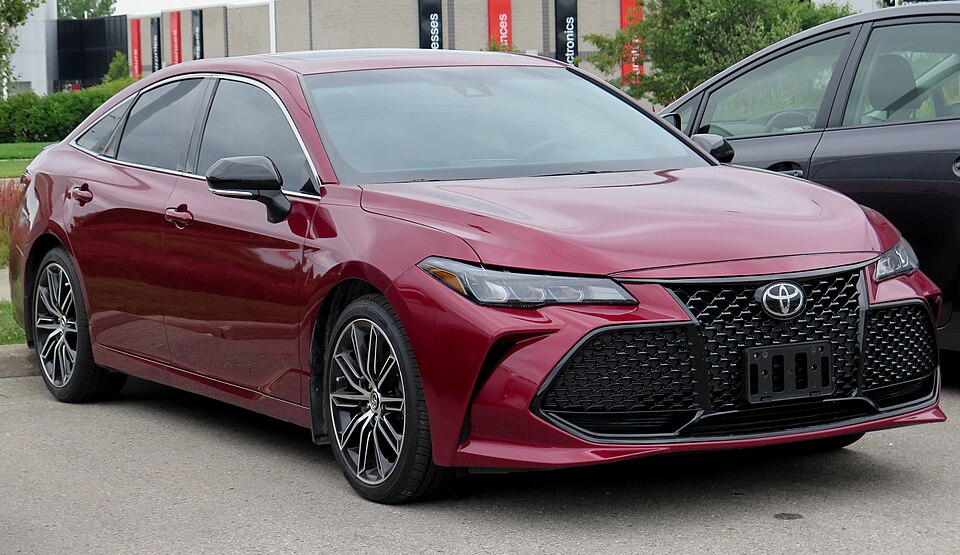
9. Toyota Avalon: The Full-Size Sedan That Blends Comfort, Class, and Reliability
The Toyota Avalon is a refined full-size sedan that combines strength, comfort, and quiet confidence. It is often seen as the grown-up sibling of the Camry, offering more space, a smoother ride, and an upscale driving experience. For drivers who want near-luxury quality without the premium price, the Avalon delivers exactly that.
The Avalon’s 3.5-liter V6 engine produces 301 horsepower, paired with an eight-speed automatic transmission that shifts smoothly and predictably. Acceleration is brisk and effortless, giving the car a responsive feel on highways and in city traffic.
While the Avalon is not a sports sedan, it handles corners with confidence and composure. Steering is light yet precise, and the suspension strikes an excellent balance between control and comfort. Braking is consistent and well-tuned, providing reassurance during both everyday commuting and long-distance travel.
Comfort is where the Avalon truly shines. The leather-trimmed seats are soft and supportive, and both front and rear passengers enjoy generous legroom. The cabin feels calm and insulated, with minimal vibrations even on rough pavement. Climate control works quickly to heat or cool the interior, adding to the sense of luxury.
Road noise is present but never intrusive, allowing conversations or music to fill the cabin easily. Long trips are where the Avalon feels most at home, offering a plush, relaxing experience that rivals more expensive sedans.
Inside, the Avalon feels both modern and practical. The dashboard layout is intuitive, and essential controls are clearly labeled and within reach. Steering-wheel-mounted buttons make it easy to manage key functions without distraction. The driving position offers excellent adjustability, ensuring comfort for drivers of all sizes.
While the sloping roofline slightly limits headroom for taller rear passengers, space remains generous. The materials throughout the cabin reflect Toyota’s attention to detail, giving the car a subtle luxury feel that edges close to Lexus territory.
The Avalon’s 9-inch touchscreen is easy to read and responsive. Apple CarPlay and Android Auto are standard, and the system also includes wireless charging and multiple USB ports. While Toyota restricts some features while driving, the interface is simple and dependable.
Voice controls work adequately for basic commands, though smartphone assistants like Siri or Google Assistant perform better. Advanced driver aids such as adaptive cruise control, lane keeping assist, and automatic emergency braking come standard, enhancing both safety and convenience.
The Avalon’s trunk is wide and accessible, with a low lift height for easy loading. While folding the rear seats creates a small step in the floor, the available space is still generous for luggage and groceries. Numerous small storage bins and deep cupholders keep the cabin organized. Child seat installation is effortless thanks to easily accessible anchors and a spacious back seat.
Rated at 25 mpg combined (22 city/31 highway), the Avalon delivers impressive efficiency for a large sedan. The hybrid variant performs even better, but the standard V6 remains economical. Toyota’s reputation for reliability, paired with two years of free maintenance and solid resale value, makes the Avalon a smart investment.
The Toyota Avalon blends power, space, and comfort into one elegant package. It stands as one of the best choices for drivers who value refinement and dependability without stepping into luxury-brand pricing.
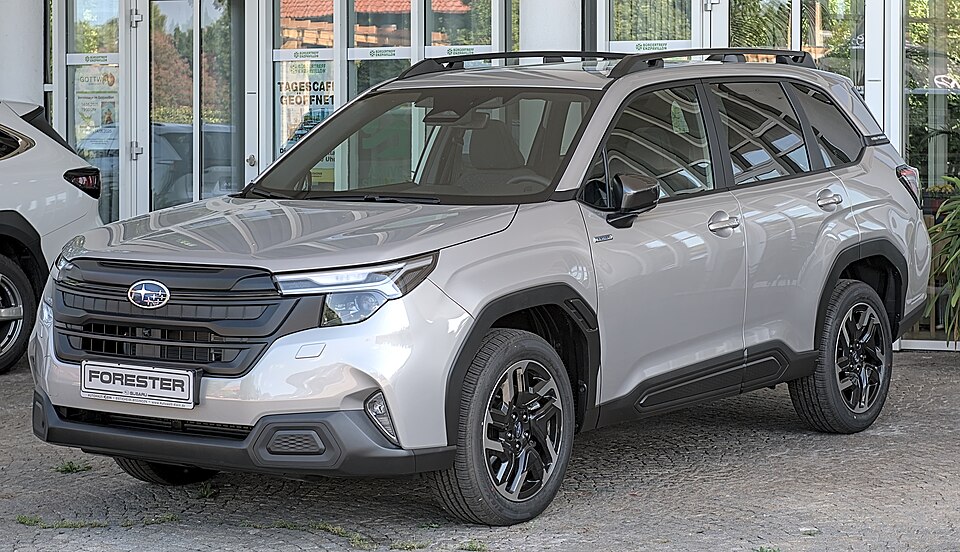
10. Subaru Forester: Reliable and Rugged, but Starting to Show Its Age
The Subaru Forester has long been a favorite among outdoor enthusiasts and safety-conscious drivers. With its boxer engine, symmetrical all-wheel drive, and reputation for durability, it has built a loyal following. While recent models have addressed earlier issues such as head gasket problems, the Forester’s latest generation struggles to stand out in a segment that is becoming increasingly competitive and tech-focused.
Performance is not the Forester’s strong suit. Equipped with a 2.5-liter four-cylinder engine producing 180 horsepower, it accelerates to 60 mph in 9.2 seconds, which is sluggish for the class. During testing, the drivetrain felt unresponsive, especially when merging or passing at highway speeds. Around-town driving requires patience, as throttle response and gear shifts are slow.
The ride quality leaves something to be desired. It tends to feel busy and unsettled, with noticeable body movement over uneven surfaces. The adaptive cruise control and lane centering features, while appreciated, are less refined than those of rivals and respond slowly to changing traffic conditions.
On a positive note, braking and handling are composed, and the all-wheel-drive system provides reliable grip on slippery or unpaved roads, maintaining Subaru’s reputation for off-road capability.
Comfort is an area where the Forester performs better. Thanks to wide door openings and ideal seat heights, getting in and out is easy for passengers of all ages. The front seats are supportive and well-padded, offering excellent comfort on long drives. Headroom is abundant, even for taller occupants, and visibility is excellent in all directions due to the SUV’s boxy design.
Inside, the Forester feels familiar to Subaru owners. The cabin is dominated by an 11.6-inch tablet-style touchscreen, which displays large, clear icons for easy operation.
The climate control system works well, with effective vent placement and straightforward physical controls for essentials like seat heaters and the gear shifter. Noise insulation is acceptable, with minimal wind noise and only moderate engine noise under hard acceleration.
The Forester’s infotainment system is simple and functional, though not as modern or fast as those in competitors such as the Kia Sportage or Hyundai Tucson. The graphics and interface feel dated, and the touchscreen can respond slowly at times. However, ease of use remains a major strength.
Connectivity features include USB-A and USB-C ports, wireless smartphone integration, and an optional Harman Kardon audio system, which provides significantly better sound quality. A wireless charging pad is available, though its design is slippery and could use improvement.
Storage for small personal items is limited. The center console bin and door pockets are modest in size, and the cupholders struggle to accommodate larger bottles. However, rear cargo capacity is a highlight.
Despite lower official volume figures, the Forester’s boxy shape and low load floor allow it to hold more luggage than many rivals, including the Honda CR-V Hybrid. The Toyota RAV4 and Hyundai Tucson offer slightly more space, but the Forester’s raised roof rails add extra practicality for outdoor gear. The 1,500-pound towing capacity is average for the class.
The tested Forester Sport is rated at 28 mpg combined, though real-world figures hover closer to 25 mpg when driving at higher speeds or in traffic. The large fuel tank gives it good range, and it only requires regular 87-octane fuel. Those prioritizing efficiency should consider the Forester Hybrid, which achieves an estimated 35 mpg combined.
From a value perspective, the Forester’s standard all-wheel drive and strong safety record make it appealing. However, competitors now offer comparable features with better performance, refinement, and technology at similar prices.
Subaru’s warranty coverage is average, offering three years or 36,000 miles of basic coverage and five years or 60,000 miles for the powertrain, along with three years of roadside assistance but no complimentary maintenance.
The Subaru Forester remains a dependable and capable compact SUV for those who prioritize safety, visibility, and all-weather performance. Its rugged styling, elevated ground clearance, and off-road confidence make it ideal for adventurous drivers.
However, compared to its more modern and refined competitors, the Forester’s dated interior design, sluggish engine, and basic tech make it feel behind the curve. It continues to deliver reliability and practicality, but it is no longer the standout choice it once was.
Dependable vehicles stand out not because of flashy designs or the latest technology, but because of their ability to perform year after year with minimal fuss. The cars on this list have proven that proper care and basic maintenance are all it takes to achieve impressive longevity. Many owners have seen their vehicles surpass 200,000 miles, and in some cases even double that, without major mechanical issues.
From the timeless Volvo 240 to modern icons like the Toyota Corolla and Ford F-150, these vehicles continue to earn the trust of drivers worldwide. They are built to handle the demands of daily life while offering comfort, safety, and peace of mind.
Choosing one of these models means investing in years of reliable service and consistent value. True automotive excellence is not about luxury badges or speed it is about lasting quality that never lets you down.
Also Read: 15 Cars That Defy Age and Mileage Over Years of Use