In the vast fields and rural backroads of America, the pickup truck isn’t just a vehicle it’s a work partner, a hauling companion, and often a symbol of a farmer’s livelihood.
From towing livestock trailers to hauling hay bales and fertilizer loads, modern farmers demand durability, power, and practicality from their trucks. But not every pickup delivers what’s promised.
Some models have proven their worth in the most rugged conditions, while others have disappointed with poor reliability, high maintenance costs, or underwhelming towing capability.
Here’s a closer look at five modern pickup trucks that American farmers swear by and five they’d rather leave parked at the dealership.
Pickup Trucks That Farmers Rely On
Pickup trucks have long been the backbone of rural life, serving as more than just a means of transportation, they’re essential tools for getting the job done.
From hauling feed and towing heavy equipment to navigating muddy fields and rugged backroads, farmers depend on their trucks day in and day out. In this article, we take a look at the pickup trucks that farmers trust most, the ones known for their strength, reliability, and versatility in tackling the toughest jobs on the farm.
1. Ford F-250 Super Duty
For decades, Ford’s F-Series has dominated the agricultural landscape, and the F-250 Super Duty remains the most trusted workhorse among farmers.
Built with a high-strength steel frame and a 6.7-liter Power Stroke V8 diesel option, it delivers up to 1,200 lb-ft of torque ideal for pulling livestock trailers or loaded grain carts.
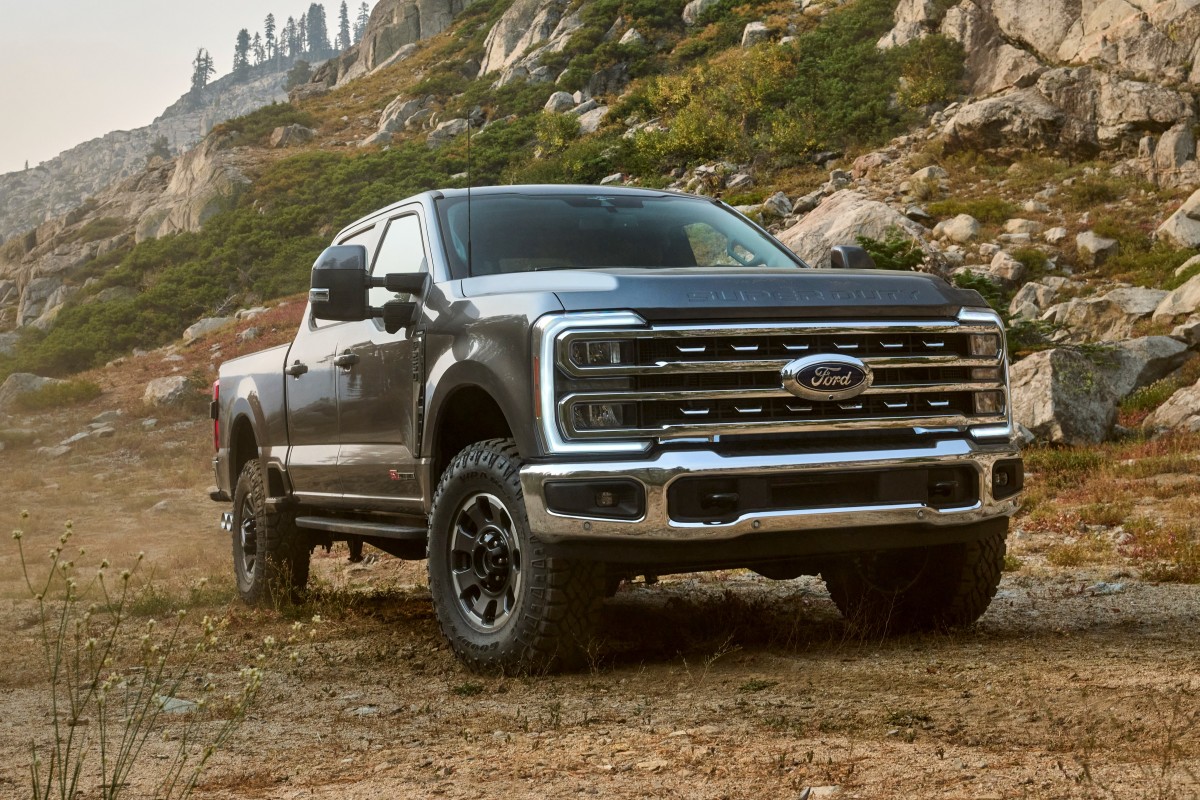
Farmers love its ability to handle extreme towing conditions without overheating, thanks to Ford’s advanced cooling systems.
Inside, the F-250’s spacious cabin doubles as a mobile office, with SYNC 4 technology and onboard power outlets that can run tools or charge devices out in the field.
Its combination of brute strength and everyday usability makes it an easy pick for rural America.
Also Read: Top 10 Cars That Are Built Like Tanks
2. Ram 2500 Heavy Duty
The Ram 2500 has built a loyal following among ranchers and large-scale farmers for its blend of comfort and capability.
The Cummins 6.7-liter turbo-diesel engine is a legend in the farming community, renowned for its longevity and towing prowess.
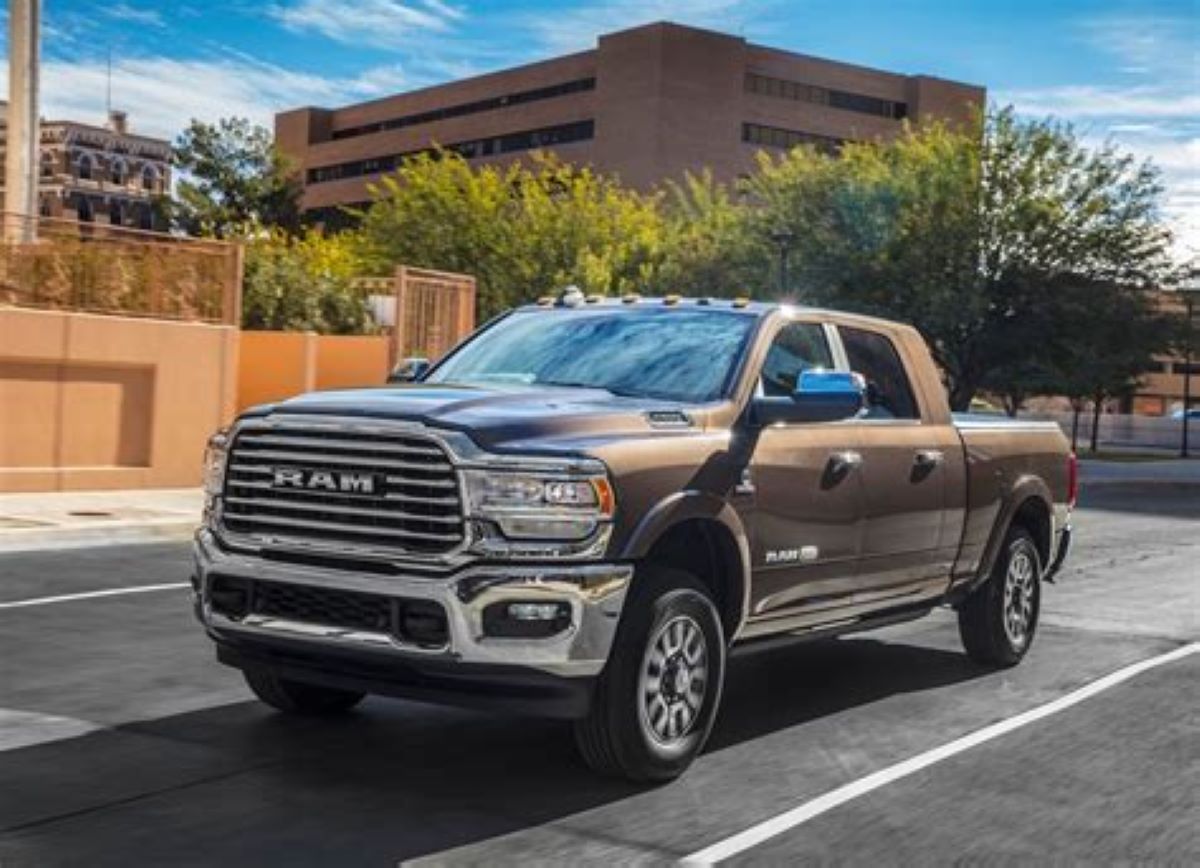
Farmers appreciate how the Ram’s coil-spring rear suspension (or optional air suspension) smooths out the ride on uneven dirt paths and gravel roads something competitors can’t always match.
Ram’s interior quality also stands out, with a cabin that feels premium yet practical enough for muddy boots and dusty gloves.
Farmers often cite its low-end torque and consistent reliability under load as reasons it’s a “buy once, use forever” kind of truck.
The heavy-duty truck market is a constant battleground among Ford, General Motors, and Ram, each striving to build the most capable towing machine on the road.
With diesel engines now producing torque figures exceeding 1,000 lb-ft, the competition has reached staggering heights. The 2025 Ram Heavy Duty lineup enters this arena ready to dominate, boasting a maximum towing capacity of up to 36,610 pounds.
While 2025 doesn’t bring major mechanical overhauls, the Ram 2500 and 3500 continue to impress with their mix of brute strength and refinement. The standard 6.4-liter Hemi V8 delivers 405 horsepower and 429 lb-ft of torque, offering strong acceleration and surprising responsiveness for such a large truck.
Yet, most buyers still opt for the 6.7-liter Cummins turbo diesel inline-six, a $12,595 upgrade that delivers a monumental 430 horsepower and 1,075 lb-ft of torque. That kind of muscle enables the Ram HD to sprint from 0 to 60 mph in just 6.9 seconds, astounding for a truck of this size.
Both engines now pair with an eight-speed automatic transmission, and Ram has replaced its rotary shifter with a more traditional electronic column-mounted design for consistency across the lineup.
The real test of Ram’s towing prowess, however, lies on the infamous Davis Dam grade, a demanding, miles-long 6% incline that serves as the industry benchmark for towing capability. When properly equipped with the Max Towing package, the diesel-powered Ram 3500 4×4 can pull an incredible 36,610 pounds.
During towing tests, the Ram HD impressed with its smooth power delivery, minimal strain, and confident handling, even while hauling massive loads like heavy trailers, tractors, and travel rigs.
With the Tow/Haul mode keeping the engine in its power sweet spot and the transmission performing flawlessly, the 2025 Ram Heavy Duty proves it’s not just built for big numbers, it’s engineered to conquer real-world challenges with ease.
3. Chevrolet Silverado 2500HD
Chevy’s Silverado 2500HD has been a farming staple for decades because of its strong drivetrain options and straightforward build quality.
The 6.6-liter Duramax diesel engine paired with an Allison transmission offers bulletproof durability an essential trait when towing thousands of pounds of hay or farm equipment.
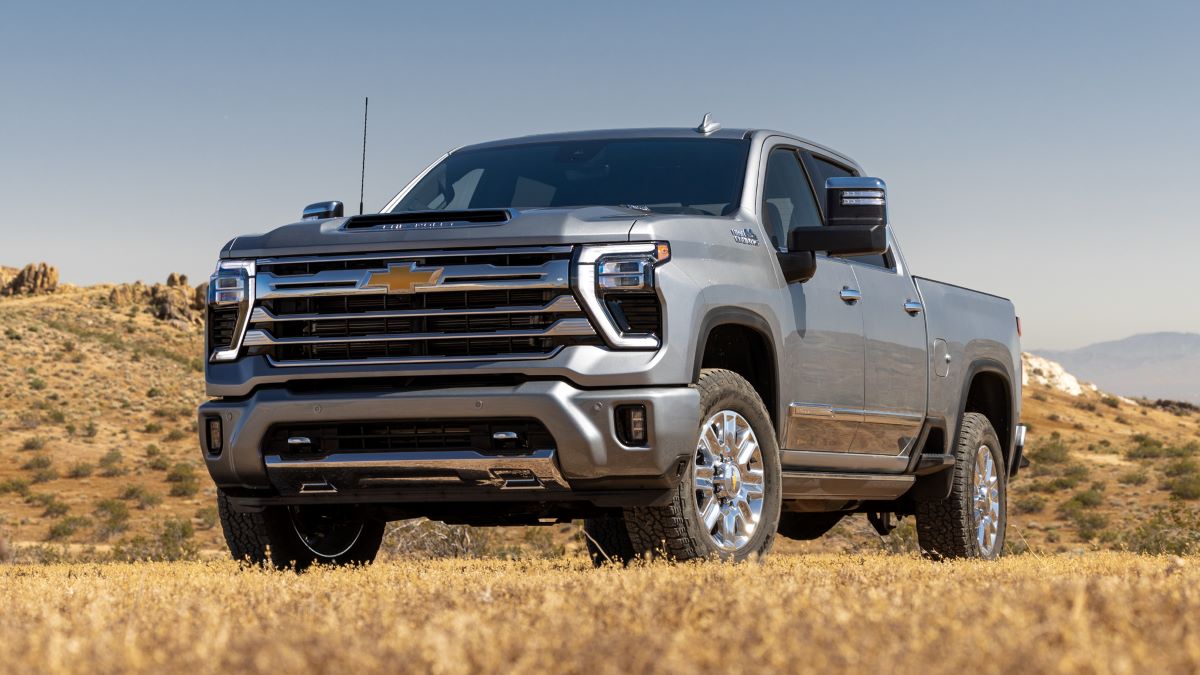
Farmers also like the Silverado’s accessible maintenance layout. The engine bay is designed with open spacing, allowing easier servicing in rural areas where certified technicians might be miles away.
Combined with a long lifespan and sturdy chassis, the Silverado 2500HD earns its spot as a dependable daily grinder in the American heartland.
4. Toyota Tundra
While Toyota is better known for its reliability in the compact truck segment, the Tundra has steadily gained respect among small and mid-size farm owners who don’t need a heavy-duty rig.
Its 3.4-liter twin-turbo V6 (and available hybrid i-FORCE MAX variant) delivers strong torque for moderate towing jobs like feed delivery or small livestock trailers.
The real selling point? Toyota’s legendary reliability. Farmers who prioritize longevity over sheer power appreciate that a well-maintained Tundra can surpass 300,000 miles with minimal issues.
It’s less about brute hauling and more about being a consistent, maintenance-free companion for years on end.
The Toyota Tacoma may be the brand’s best-selling truck, but for buyers who need more power, size, and towing muscle, the full-size Tundra steps up as the logical choice.
Competing directly with the Ford F-150, Chevrolet Silverado 1500, and Ram 1500, the Tundra brings Toyota’s reputation for durability to a larger, more capable platform.
Even with the significant redesign that arrived in 2022, bringing major advancements in powertrains, technology, and comfort, the Tundra still struggles to reach the very top of the full-size pickup class.
The 2025 Toyota Tundra lineup sees a few notable updates. The SR5 trim now includes a power-adjustable driver’s seat with lumbar support as standard.
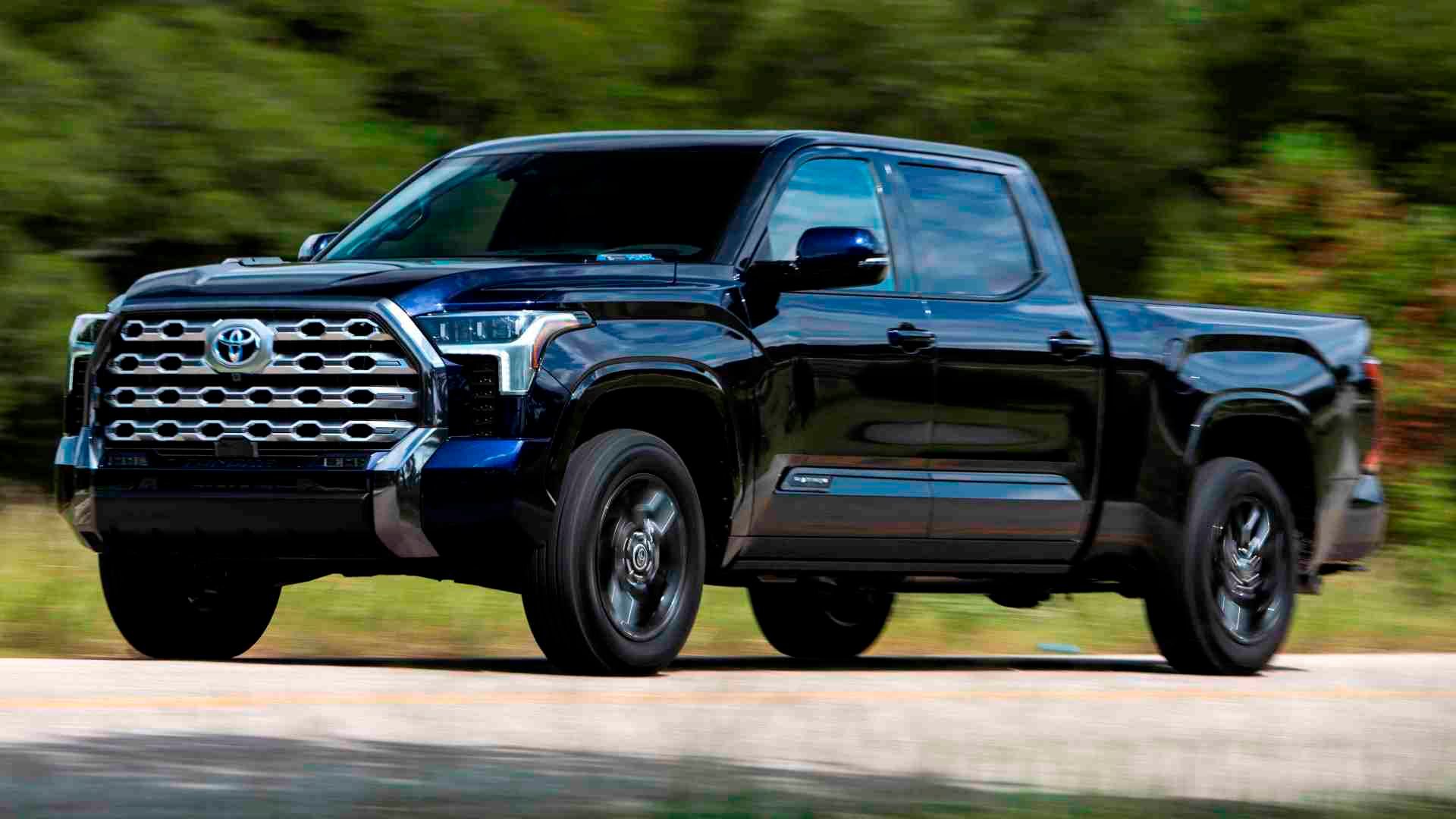
The 1794, Platinum, and Capstone models gain luxurious massaging front seats, while a new Mudbath exterior color joins the TRD Pro palette. Other additions include an optional power-closing tailgate, a new TRD Rally package, and an available Tow Tech package for improved trailering convenience.
After years of letting the old Tundra languish without major updates, Toyota’s 2022 redesign brought fresh life to the lineup. While longtime fans mourned the loss of the old-school V8, the twin-turbo V6 and its hybridized i-Force Max version deliver impressive performance and strong acceleration.
However, some drivers have reported mild vibrations at idle, and the truck’s towing capability has proven inconsistent depending on load and conditions.
Our long-term experience with the TRD Pro model showed off its off-road chops but also exposed a few downsides, specifically, a jittery suspension that can feel unsettled even on smooth pavement and an enormous turning radius that complicates tight maneuvers.
Build quality has also been hit-or-miss in early production years, with reports of loose exterior trim, interior rattles, infotainment glitches, and front suspension noises. Toyota appears to have addressed many of these concerns in newer models, but buyers should still inspect carefully.
Inside, the Tundra impresses with a spacious and comfortable cabin, intuitive infotainment system, and bold exterior design. It’s a solid performer across the board but doesn’t truly excel in any one area aside from acceleration.
For loyal Toyota enthusiasts or those with a great dealership deal, the Tundra remains a strong choice, but shoppers seeking segment leaders in refinement, towing confidence, or ride comfort may find better options elsewhere.
Under the hood, the 2025 Tundra comes with two potent powertrain options. The standard setup pairs a 3.4-liter twin-turbo V6 with a 10-speed automatic transmission, producing 389 horsepower and 479 lb-ft of torque.
Depending on configuration, this setup achieves 17–18 mpg city and 22–24 mpg highway, with 0–60 mph times as quick as 6.1 seconds.
For more power and efficiency, the i-Force Max hybrid system combines the twin-turbo V6 with an electric motor and battery for a total output of 437 horsepower and 583 lb-ft of torque, cutting the 0–60 mph time to just 5.7 seconds.
This electrified setup is standard on the premium TRD Pro and Capstone trims, blending power, performance, and a touch of hybrid efficiency for those wanting the best of both worlds.
5. Ford F-150 Hybrid (PowerBoost)
A modern twist on the classic work truck, the F-150 Hybrid PowerBoost has become increasingly popular among farmers who value versatility and efficiency.
The hybrid powertrain combines a 3.5-liter EcoBoost V6 with an electric motor, producing a strong 430 horsepower and impressive fuel economy for long rural commutes.
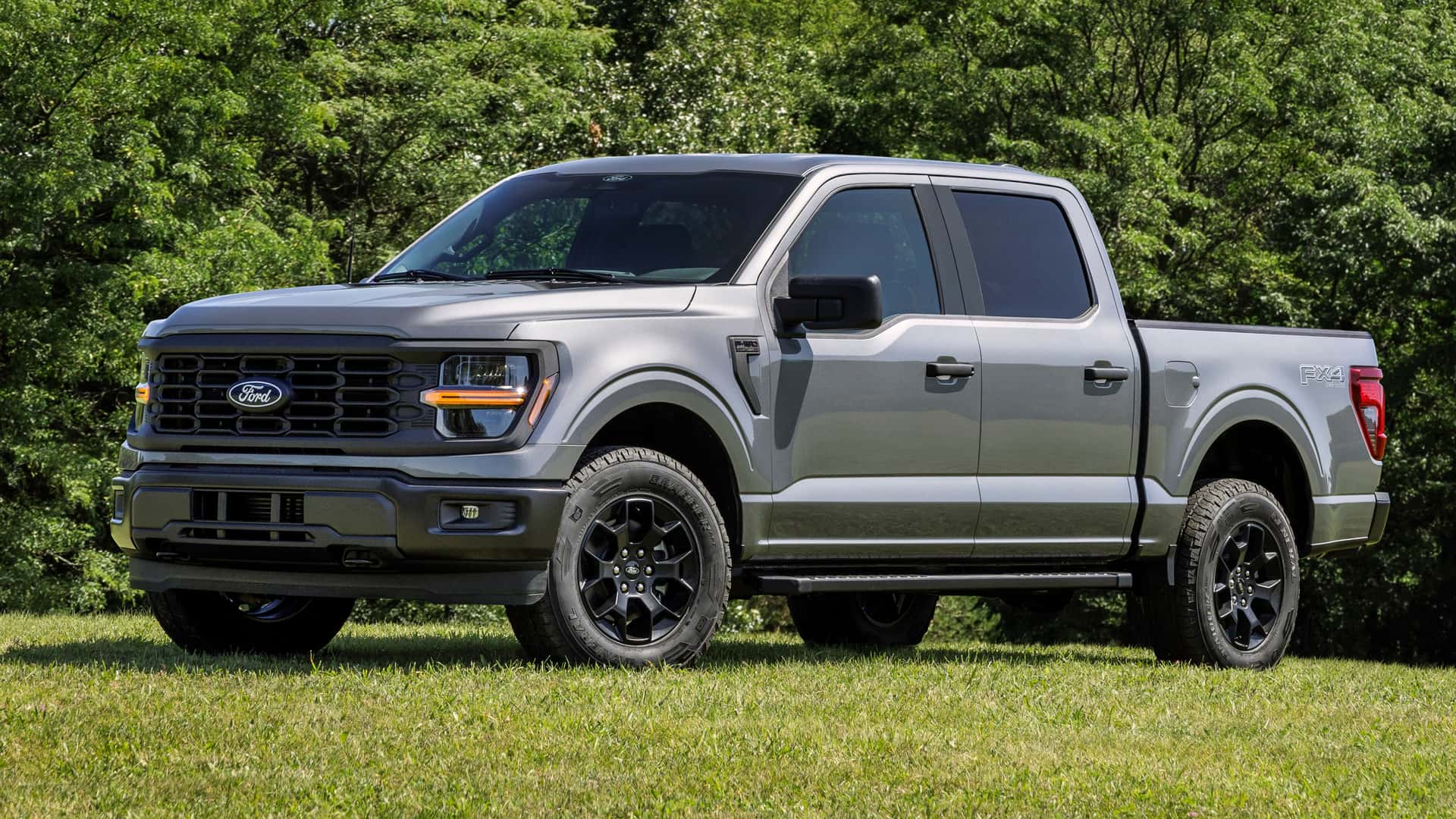
But the real gem is the Pro Power Onboard generator system, which can run power tools, electric fencing gear, or irrigation pumps directly from the truck bed no external generator required.
Farmers looking to modernize operations find this feature revolutionary, blending old-school utility with next-gen tech.
Also Read: 12 Durable V6 Engines That Don’t Break Easily
Pickup Trucks That Farmers Avoid
While pickup trucks are an essential part of farm life, not every model is built to handle the tough demands of rural work. Some trucks may look the part but fall short when it comes to durability, towing strength, or reliability in challenging conditions.
In this article, we highlight the pickup trucks that farmers tend to avoid, the ones that struggle with maintenance issues, lack capability, or simply don’t measure up to the rugged standards required on the farm.
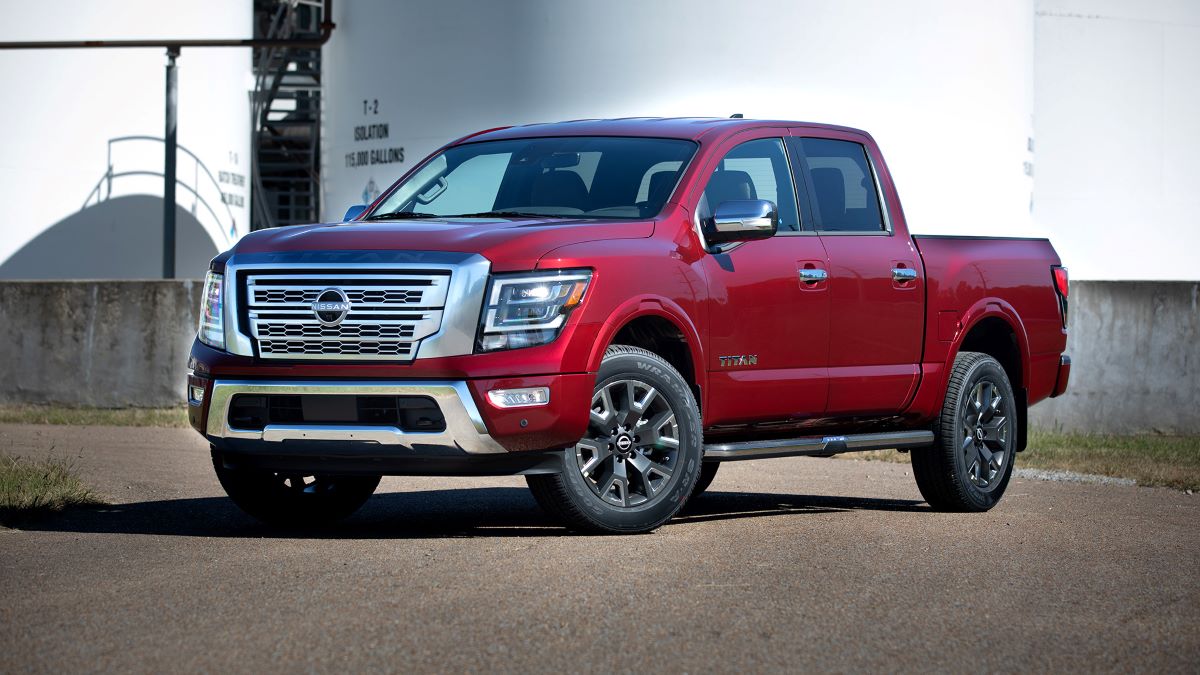
1. Nissan Titan XD
On paper, the Titan XD looks promising it bridges the gap between light-duty and heavy-duty trucks. However, farmers have largely avoided it due to inconsistent reliability and limited aftermarket support.
The now-discontinued Cummins diesel version had early transmission issues, and finding replacement parts in rural regions is a hassle.
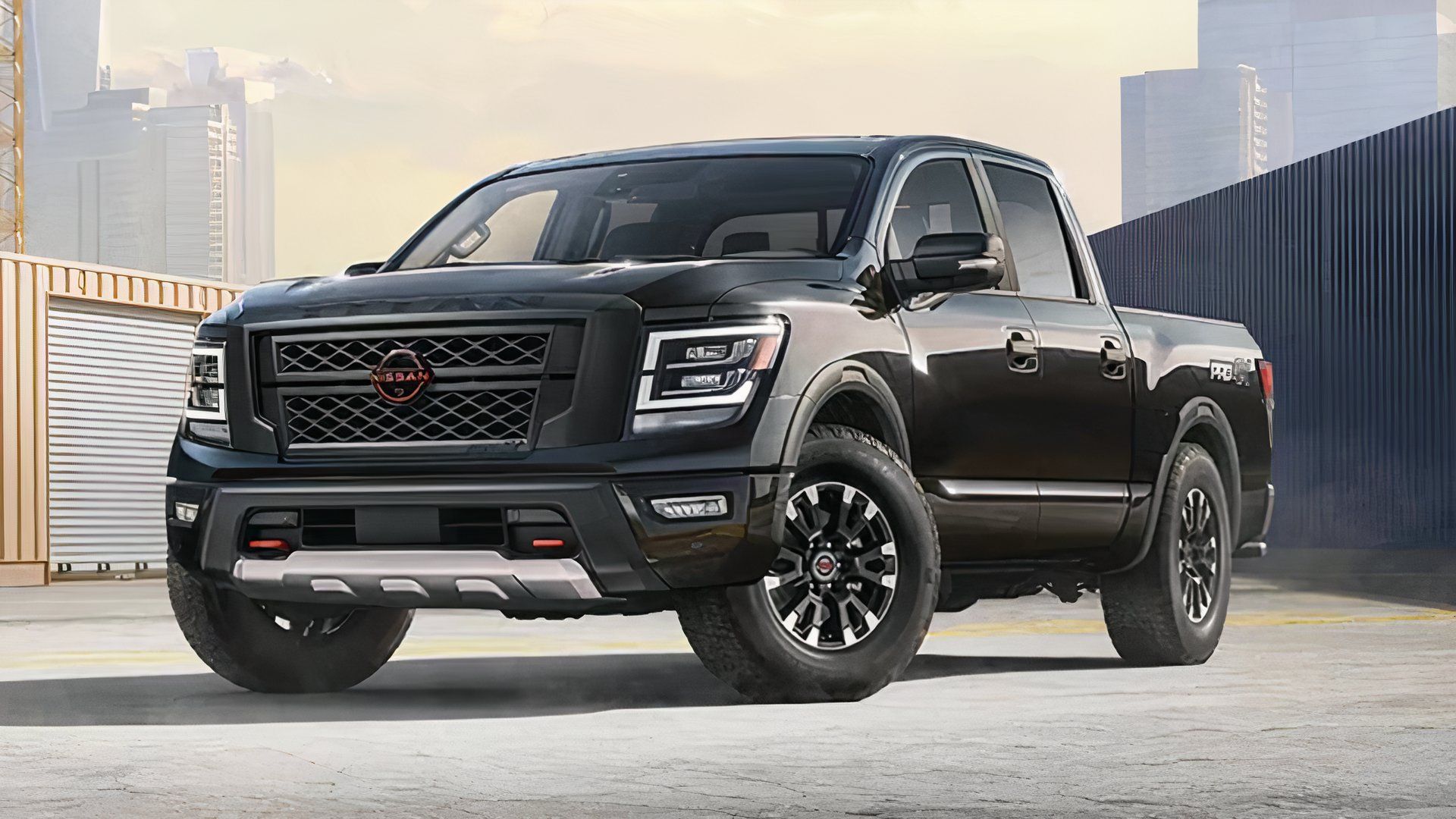
Its resale value also tanks faster than most competitors, making it a poor investment for farm owners who depend on long-term fleet stability.
Despite its comfortable cabin, the Titan XD just never earned the trust of hardworking agricultural users.
2. Chevrolet Silverado 1500 3.0L Duramax (Early Models)
While the heavy-duty Silverado shines, the early Silverado 1500 Duramax diesel models disappointed many farmers.
The issue wasn’t power it was reliability. Several owners reported DEF system problems, injector failures, and costly emissions-related maintenance before 100,000 miles.
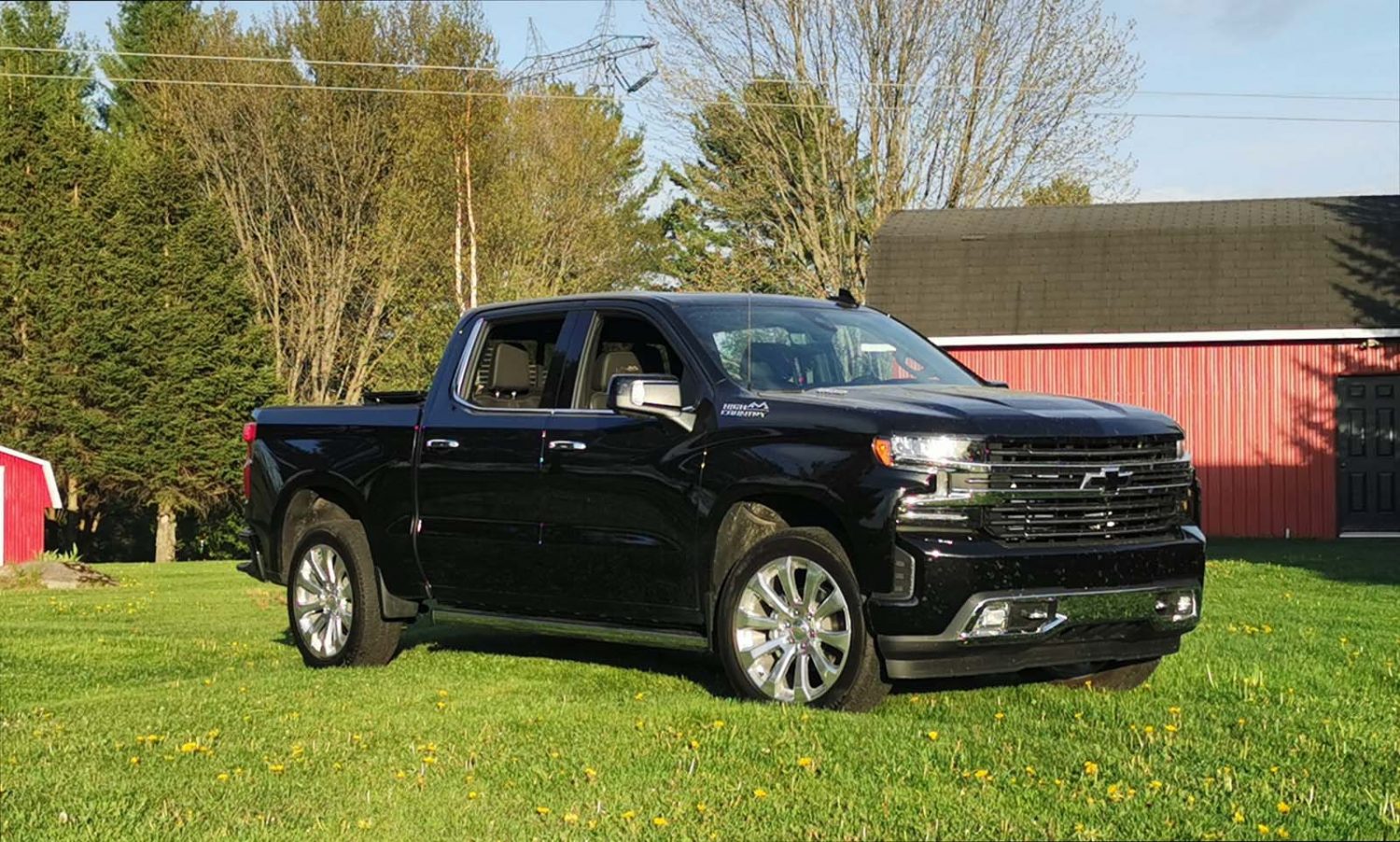
Farmers who need trucks to perform consistently in dusty, off-road environments found the delicate emissions system unsuitable.
Newer versions have improved, but those early hiccups have already hurt its reputation in rural communities.
3. GMC Canyon Diesel
The GMC Canyon aimed to give farmers a mid-size option with diesel torque, but the experiment fell short.
The 2.8-liter Duramax diesel engine struggled with turbo and sensor issues under heavy loads, making it less dependable for farm tasks that require constant towing.
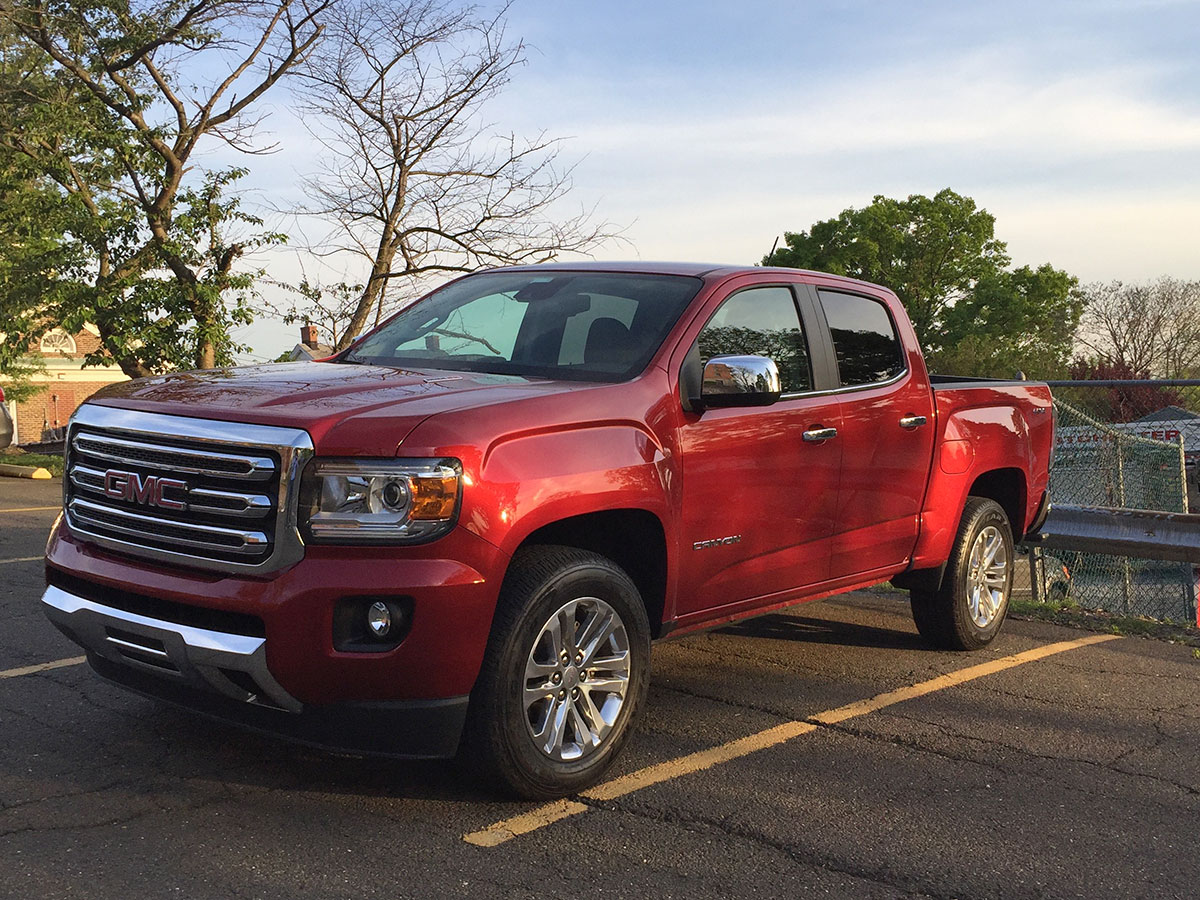
Additionally, the Canyon’s small bed and limited payload capacity left it ill-suited for larger agricultural operations. While it’s stylish and comfortable, farmers generally see it as more of a lifestyle truck than a true workhorse.
Sometimes, the GMC Canyon tends to get overshadowed in discussions about the best midsize trucks on the market. That’s largely because of its close sibling, the Chevrolet Colorado, which has long been the more popular option.
However, the Canyon deserves just as much attention, offering nearly identical capabilities under a different, more upscale badge. The 2025 GMC Canyon Diesel, in particular, stands out as one of the most capable midsize pickups available, boasting an impressive towing capacity of 7,700 pounds, matching that of the Colorado.
For 2025, the GMC Canyon Diesel continues to make a strong case for itself as a rugged, efficient, and dependable workhorse. Diesel power remains an excellent alternative to gasoline engines, especially with growing competition from models like the Jeep Gladiator, which now also offers a diesel option.
The Canyon’s 2.8-liter Duramax turbodiesel engine pairs perfectly with the AT4 off-road package, providing the right mix of power, torque, and efficiency. This same engine is also available in the premium Denali trim for those who prefer a more refined experience without sacrificing performance.
The 2.8-liter Duramax turbodiesel produces 200 horsepower and a substantial 370 lb-ft of torque, plenty for the midsize segment, where most V6 gasoline engines hover around 300 lb-ft.
The result is strong pulling power, enabling the Canyon Diesel to tow up to 7,700 pounds, while the gasoline variant tops out at 7,000 pounds.
All-wheel drive is optional on most trims but comes standard on the AT4, enhancing traction and off-road ability. Beyond its hauling strength, the diesel engine delivers outstanding fuel economy, achieving up to 30 mpg on the highway, an impressive feat even compared to smaller, four-cylinder gas trucks.
Power is routed through a six-speed automatic transmission, though an optional eight-speed gearbox is available for smoother and more efficient performance.
The midsize truck market remains competitive, but the Canyon Diesel continues to hold its own. Ford’s return to the segment with the Ranger and Jeep’s re-entry with the Gladiator have both heated things up. Among these, the Gladiator is one of the few that also offers a diesel option, though its 3.0-liter EcoDiesel engine is larger and less efficient than the Canyon’s 2.8-liter Duramax.
Despite its smaller size, the Duramax delivers superior towing capacity. Ford may eventually introduce a diesel option for the Ranger, potentially in a high-performance Raptor variant, while Toyota has pivoted away from diesel engines entirely, focusing instead on hybrid technology for the Tacoma.
Beyond the diesel powertrain, the 2025 GMC Canyon lineup continues to offer gasoline options. The base engine is a four-cylinder, but most buyers will likely gravitate toward the more powerful 3.6-liter V6, which produces 308 horsepower and offers up to 7,000 pounds of towing capacity.
For those who love off-roading, the AT4 trim remains the top pick with its rugged suspension and enhanced traction features. Meanwhile, the Denali trim caters to drivers who value comfort and technology, offering upscale materials, advanced tech, and a premium driving experience.
In short, the 2025 GMC Canyon Diesel may not grab headlines as often as its Chevrolet counterpart, but its blend of towing power, efficiency, and versatility makes it one of the most well-rounded midsize pickups available today.
4. Honda Ridgeline
Honda’s Ridgeline is often praised in suburban America for its smooth ride and car-like handling but those same traits make it unsuitable for farm life.
Built on a unibody platform rather than a body-on-frame chassis, the Ridgeline simply lacks the ruggedness needed for agricultural use.
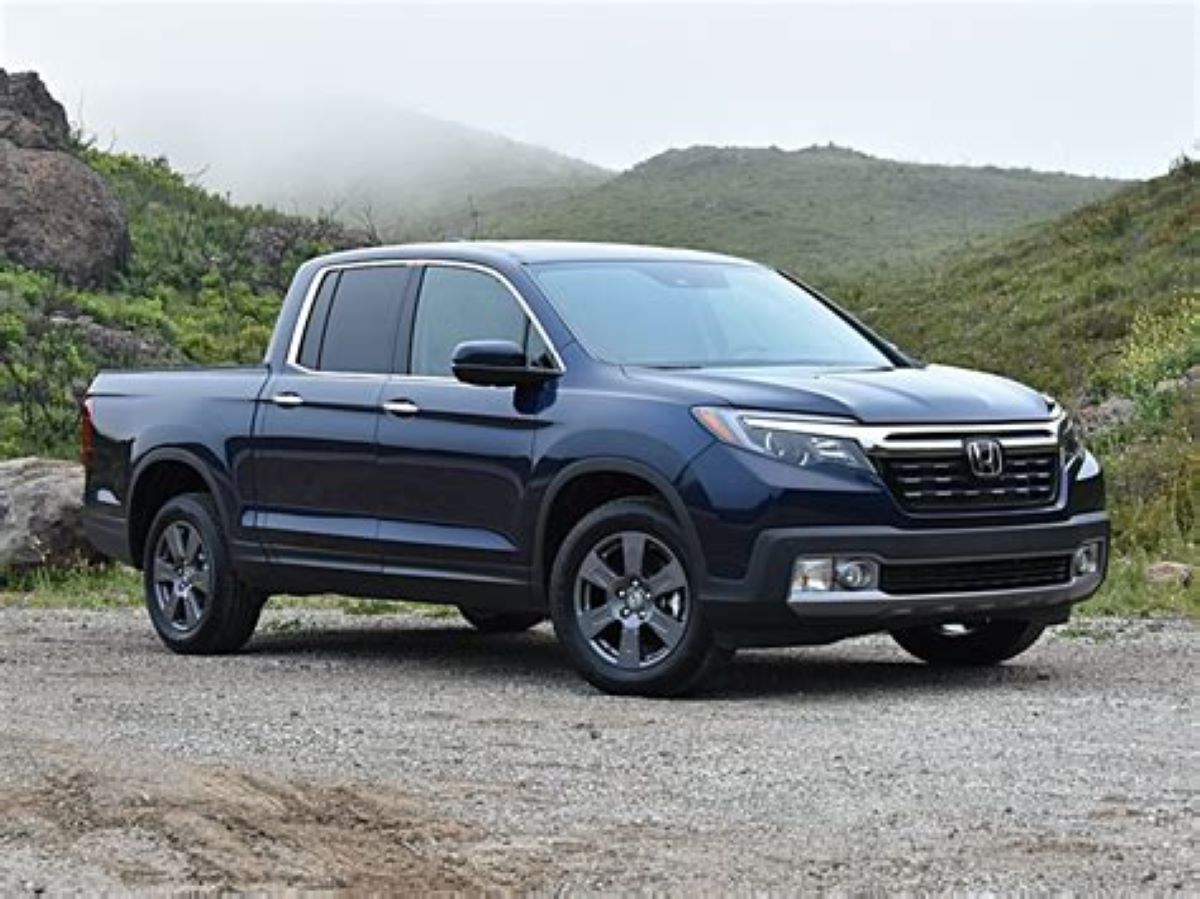
Its towing capacity and off-road durability lag behind true work trucks.
Farmers looking to haul livestock feed or drive through muddy pastures quickly find its AWD system and soft suspension lacking. It’s a great light-duty truck for town errands but not for the field.
The 2020 Honda Ridgeline stands out in the midsize pickup truck segment by offering the most car-like driving experience available. Its smoothness and comfort come largely from its unibody construction, which sets it apart from traditional body-on-frame trucks.
This design not only improves ride quality but also enhances noise isolation and provides a more spacious and refined interior. The Ridgeline also features some clever storage solutions, including a lockable in-bed trunk that remains unique in the pickup world.
Honda offers the 2020 Ridgeline with just one powertrain, a 3.5-liter V6 engine that delivers a smooth and responsive 280 horsepower. New for the 2020 model year is a standard nine-speed automatic transmission, replacing the previous six-speed unit.
This change brings subtle but noticeable improvements in both acceleration and fuel efficiency. Honda has also restructured the Ridgeline’s trim levels for 2020, with the most notable update being the wider availability of the larger touchscreen infotainment system.
This system now includes standard Apple CarPlay and Android Auto, making smartphone integration easier and more intuitive.
However, the Ridgeline isn’t without its drawbacks. Its biggest shortcoming compared to rivals like the Chevrolet Colorado, Jeep Gladiator, and Toyota Tacoma is its lack of rugged off-road capability and aggressive styling.
Those competitors are designed to appeal to buyers who want a truck that looks and feels ready for adventure, even if they rarely leave the pavement. The Ridgeline, by contrast, focuses on practicality and refinement over brute toughness.
When judged logically rather than emotionally, though, the 2020 Honda Ridgeline emerges as the most refined, comfortable, and versatile midsize pickup available. It may not be the truck you take rock crawling, but for everyday use, family comfort, and smart functionality, it’s hard to beat.
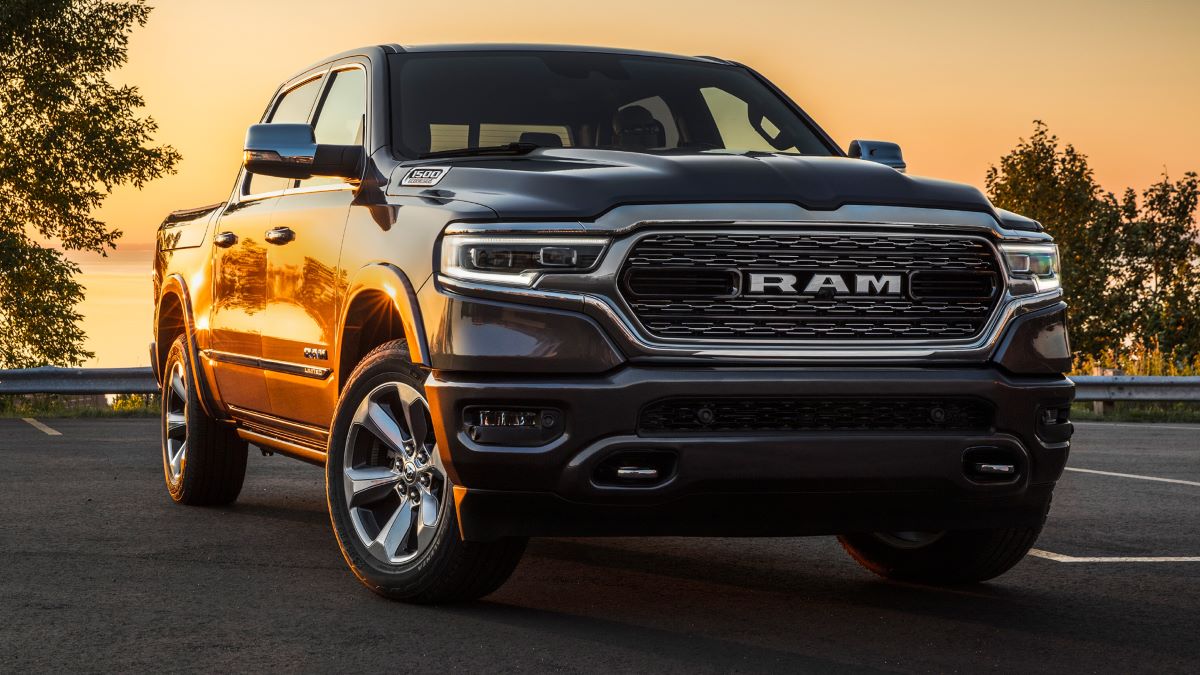
5. Ram 1500 EcoDiesel
When Ram introduced the 1500 EcoDiesel, it seemed like a dream come true: full-size capability with diesel efficiency. Unfortunately, the engine turned out to be plagued with oil cooler leaks, EGR failures, and expensive emissions system repairs.
Many farmers who bought early models were hit with costly maintenance bills before reaching 100,000 miles.
The final nail in the coffin came when Ram discontinued the EcoDiesel engine entirely in 2023, signaling that the experiment didn’t meet long-term expectations. For farmers who value simple, tough mechanics, it was one headache too many.
Modern farming demands more than just power it demands trust, resilience, and low downtime. Trucks like the Ford F-250, Ram 2500, and Silverado 2500HD have proven that they can handle heavy-duty abuse while lasting hundreds of thousands of miles with proper care.
On the flip side, models like the Titan XD or Ridgeline remind us that not every truck marketed as “tough” can survive the real-world test of farm life.
For American farmers, a truck isn’t about luxury it’s about dependability. The ones that make the cut don’t just survive the workload; they become part of the farm’s legacy, passed from one generation to the next.