
Some cars are built to last far beyond the typical lifespan of most vehicles. “10 Cars That Stay Solid Even After Three Owners” highlights models known for exceptional durability, reliability, and lasting value.
From rugged trucks that perform on highways and off-road trails to luxury SUVs that combine refinement with long-term dependability, these vehicles prove that thoughtful engineering and consistent maintenance can make a car last for decades.
Brands like Toyota, Honda, Chevrolet, and Lexus stand out for creating cars that maintain their performance and comfort across multiple owners. Whether you are a daily commuter, a family looking for versatile seating, or someone in search of a dependable truck or SUV, these vehicles offer peace of mind and proven endurance.
Beyond mechanical reliability, they also provide comfort, practical features, and technology that remain relevant through years of ownership, making them true long-term investments.
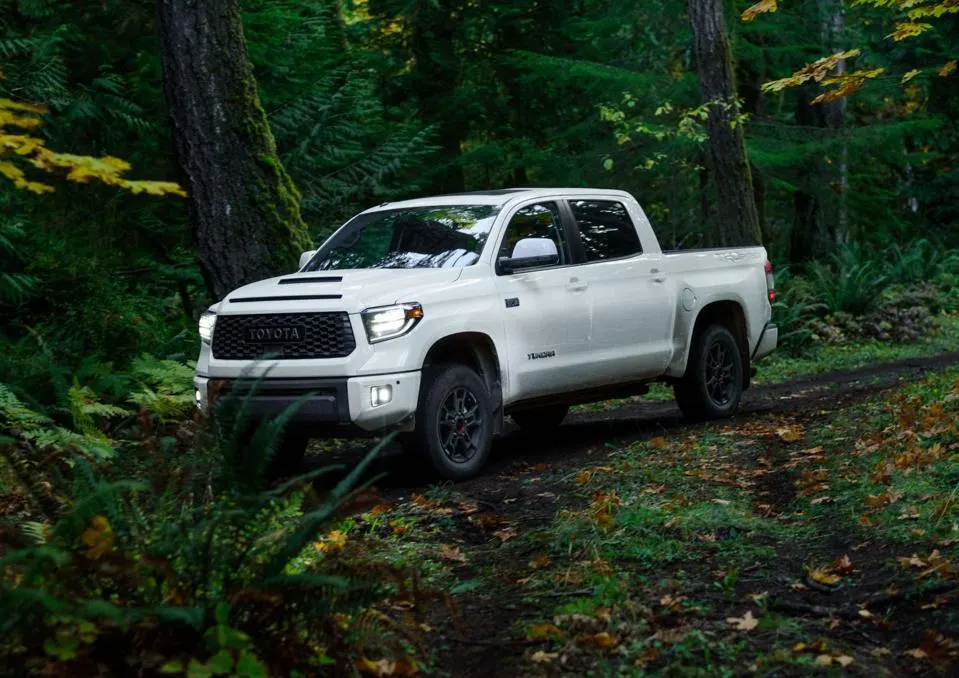
1. Toyota Tundra: Full-Size Pickup Built for Longevity and Comfort
The Toyota Tundra leads the list of vehicles most likely to reach 250,000 miles with a 36.6 percent probability, which is 4.2 times higher than the average vehicle. Introduced in 1999 and now in its third generation since 2022, the Tundra comes with a 3.4-liter twin-turbo V6 engine, including a hybrid option.
Early models experienced a major recall involving nearly 100,000 engines, but Toyota addressed the issue by replacing affected engines at no cost, reinforcing its reputation for reliability.
The Tundra delivers strong performance with its turbocharged V6 and 10-speed automatic transmission. Acceleration is respectable, with a 0-60 mph time of 6.6 seconds for the 4WD model. Torque is abundant even at low rpm, allowing confident merging and passing.
Braking is slightly better than average, with a stop from 60 mph in 131 feet during testing. The TRD Off-Road package adds a locking rear differential and additional driving modes, though its off-road capability is limited due to the truck’s size and long wheelbase.
The current Tundra is a significant improvement over its predecessor. Seats are supportive and cabin noise is reduced, making long drives pleasant for both front and rear passengers.
The V6 provides a satisfying engine note under throttle, and the ride is stable, though slightly less smooth than competitors like the Ram 1500. The climate control system is simple and intuitive, though some labels can be difficult to read in bright sunlight.
Inside, the Tundra emphasizes practicality and ease of use. The optional 14-inch touchscreen stands out, while gauges and the driving position provide excellent visibility. CrewMax models offer ample room, and features such as a panoramic sunroof and full-width power rear window enhance the sense of space.
Standard driver-assistance systems perform reliably, though the lane-keeping system is less effective. Apple CarPlay and Android Auto are included, and even the base audio system delivers solid sound quality.
The Tundra can tow up to 11,120 pounds when properly equipped. The CrewMax layout provides versatile interior storage, though organization could be improved. Fuel economy is modest, with EPA estimates of 19 mpg combined, and real-world driving often results in lower figures of 15 to 17 mpg.
The Tundra offers high-quality construction with tight interior fitment and durable materials. Warranty coverage is average, with a slight advantage in free maintenance. While not class-leading in every metric, the Tundra balances reliability, comfort, and capability, making it a solid choice for long-term ownership.
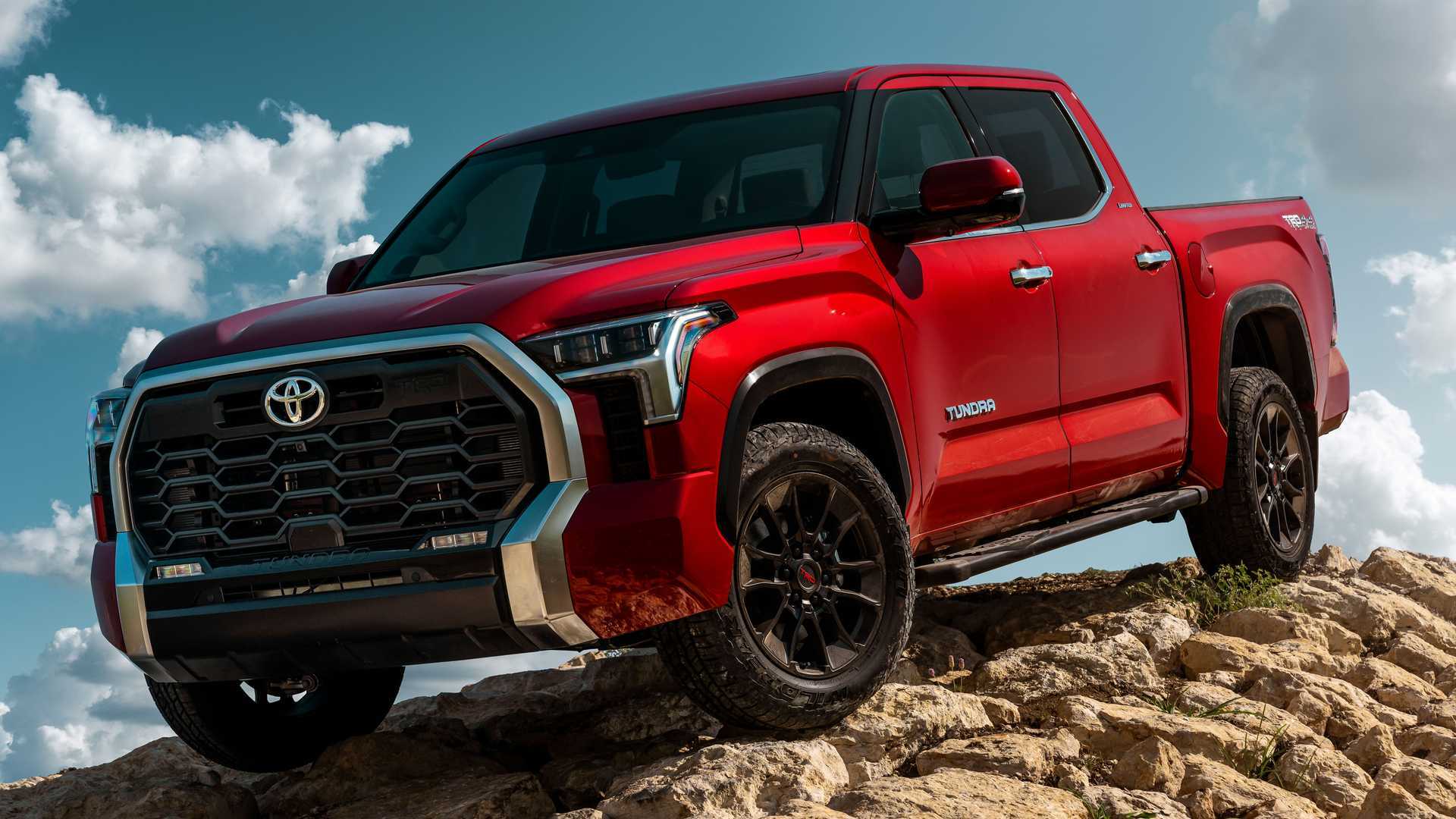
2. Toyota Avalon: The Lasting Legacy of a Full-Size Sedan
The Toyota Avalon secures the eighth spot among vehicles most likely to reach 250,000 miles, with a 22 percent likelihood, making it 2.5 times more durable than the average car. Although Toyota discontinued the Avalon in 2022 after nearly three decades of production, its reputation for longevity remains unmatched among sedans.
Spanning five generations from 1994 to 2022, the Avalon was essentially a larger, more refined Camry, designed to compete with full-size rivals such as the Nissan Maxima. Its final generation even offered a sporty TRD version with a V6 engine and performance upgrades, proving that comfort and capability could coexist.
The Avalon’s 301-horsepower V6 engine, paired with a smooth automatic transmission, provides strong acceleration and dependable performance for all types of driving. Whether on long highway trips or short daily commutes, the sedan maintains composure and ease.
Braking is steady and confidence-inspiring, contributing to the vehicle’s relaxed driving character. Although not a sports sedan, the Avalon surprises with agile handling and balanced steering, making it enjoyable to drive on winding roads despite its size.
Comfort has always been Avalon’s defining quality. Every seat offers generous padding and support, making it ideal for long drives. Soft leather upholstery adds an upscale touch that rivals more expensive sedans.
The ride quality is smooth and cushioned, effectively isolating passengers from rough pavement. The climate control system quickly heats or cools the cabin, enhancing the sense of coziness. Road noise is noticeable at times, but the cabin remains solid and free from rattles.
Inside, the Avalon offers a spacious and ergonomic cabin. The driving position is excellent with a wide range of adjustments, and legroom is generous both front and rear. Visibility is strong up front, though rear headroom is slightly limited for taller passengers due to the sloping roofline.
Most controls are intuitive and within easy reach, though a few, such as the radio tuning knob and camera view button, are less conveniently placed. The materials and design convey quality, though the rearview camera’s resolution feels dated.
Toyota’s Entune infotainment system features a 9-inch touchscreen with Apple CarPlay and Android Auto integration. The screen is bright and responsive, though some functions are restricted while driving. Two USB ports in front, two in back, and a wireless charging pad provide convenience. The voice command system works adequately for basic tasks, but Apple CarPlay offers better reliability and ease of use.
The Avalon’s trunk design enhances practicality, with a wide opening and flat floor for easy loading. Folding the rear seats increases space, though a raised step limits depth. Inside, ample storage bins and cupholders make it family-friendly.
The rear bench easily accommodates child safety seats, a highlight for parents. With an EPA rating of 25 mpg combined, or 26 mpg in real-world testing, the Avalon delivers strong fuel efficiency for a full-size sedan.
The Toyota Avalon represents refinement, reliability, and value in a disappearing segment. Its premium feel rivals the Lexus ES, yet it costs significantly less. Combined with Toyota’s solid warranty, roadside assistance, and free maintenance for two years, the Avalon remains one of the most enduring and practical large sedans ever built.
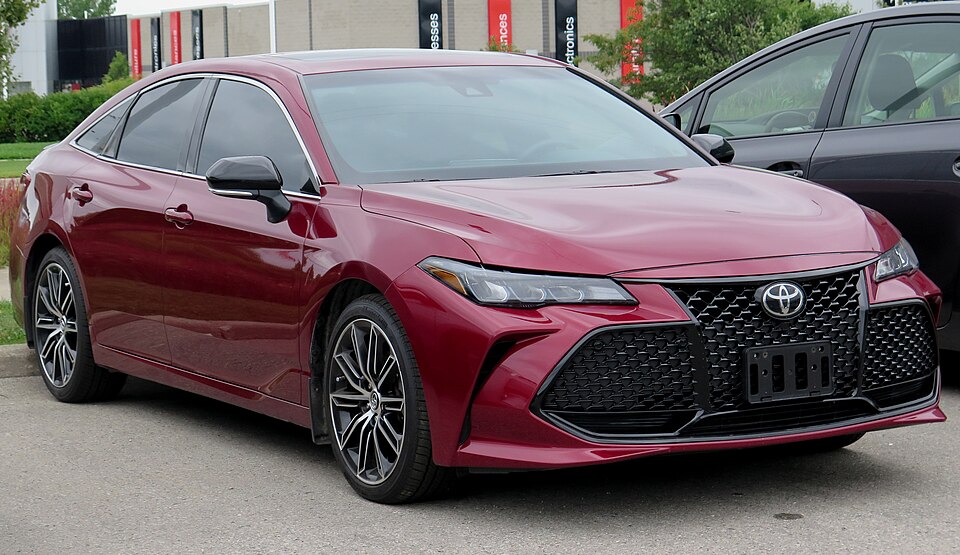
3. Chevrolet Suburban: The Giant of Longevity and Utility
The Chevrolet Suburban ranks seventh among vehicles most likely to reach 250,000 miles, with a 22 percent likelihood, making it 2.5 times more durable than the average car.
As the longest-running nameplate in automotive history, first introduced in 1935, the Suburban has evolved from a simple carryall into a symbol of American strength and practicality. It remains a favorite among government fleets, airport services, and large families, offering the capability of a Silverado in a full-size SUV body.
Powered by a 6.2-liter V8 engine and a 10-speed automatic transmission, the Suburban delivers strong performance and smooth acceleration. It reaches zero to sixty miles per hour in 6.7 seconds, keeping pace with the Ford Expedition.
Despite its massive size, the Suburban maintains composure and balance, though steering feel is light and lacks road feedback. It performs best on straight roads and highways, where stability and power are its strongest assets.
The Magnetic Ride Control and adaptive air suspension significantly improve the ride, absorbing bumps and rough patches with ease. Although the SUV can feel slightly floaty at times, these systems make it one of the more comfortable large SUVs available. Safety features such as adaptive cruise control and lane-keeping assist are very helpful, though the controls take some practice to master.
The Suburban offers exceptional space and comfort, though opinions on seat design vary. The front seats are broad and soft with available lumbar adjustments, but some drivers find them too flat for extended trips. Power running boards make entry easier, and the wide doors allow effortless access to all rows.
The second row provides generous legroom, and the third row can accommodate adults, though the seating position feels upright. Installing child seats is simple with accessible LATCH points, but climbing inside while holding one can be awkward.
Chevrolet has upgraded the Suburban’s technology and infotainment system with larger, brighter screens and modern graphics. The interface resembles a smartphone layout, making it intuitive to use.
Features include wireless Apple CarPlay and Android Auto, multiple USB-C ports, and a wireless charging pad. However, during testing, the system experienced a crash that required a hard reset, showing that the tech still needs some refinement. The digital instrument cluster and camera systems are crisp and easy to operate.
Cargo capacity is one of the Suburban’s greatest advantages. It offers 41.5 cubic feet of space behind the third row and 93.8 cubic feet with it folded, surpassing most rivals, including the Ford Expedition Max.
In-cabin storage could be better, as the center console and cupholders are smaller than expected. The Suburban can tow up to 8,300 pounds, which is solid but not segment-leading, and certain towing safety aids require optional packages.
Lower trims provide strong value for the power and room offered, though higher trims like the High Country can feel expensive given the interior materials. Chevrolet includes a three-year/36,000-mile basic warranty and five-year/60,000-mile powertrain coverage, plus roadside assistance and corrosion protection.
Fuel economy is respectable for its size, achieving 16 mpg combined and 18.7 mpg in real-world driving thanks to cylinder deactivation technology that conserves fuel at steady speeds. However, the need for premium gasoline raises operating costs.
The Suburban’s massive size and commanding presence define its character. While its bulk can feel cumbersome in tight spaces, its strong engines, huge cabin, and impressive cargo capacity make it ideal for families, fleets, and adventurers. With nearly a century of heritage, the Suburban continues to stand as a dependable, long-lasting workhorse built to endure.
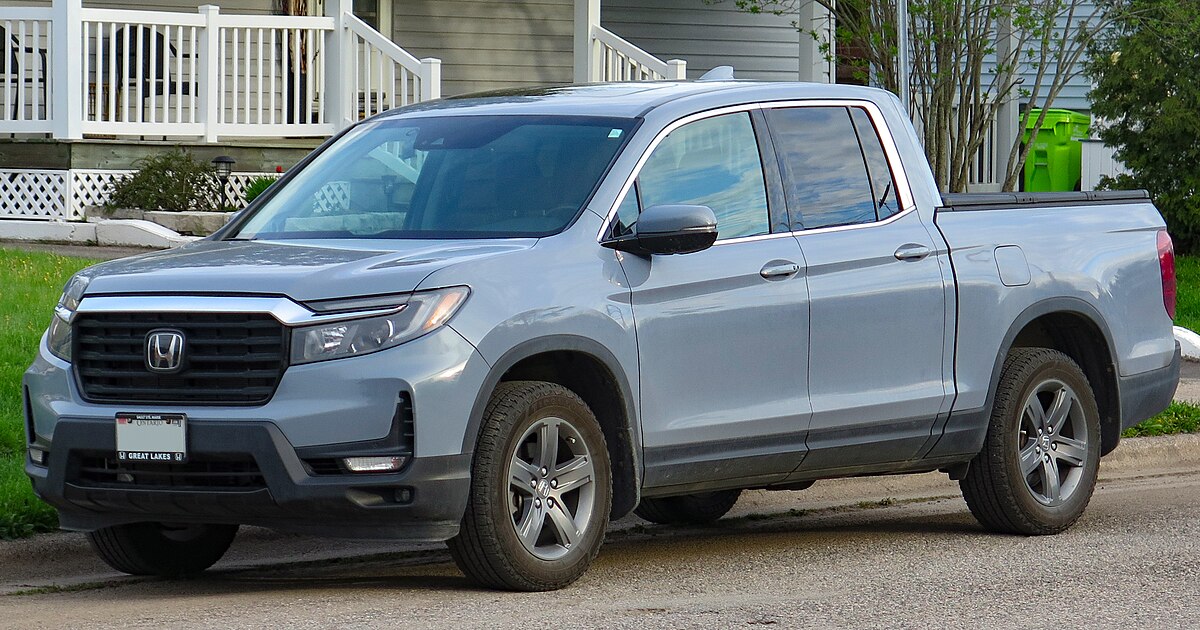
4. Honda Ridgeline: The Everyday Truck That Outlasts Expectations
The Honda Ridgeline ranks sixth among vehicles most likely to reach 250,000 miles, with a 25.8 percent likelihood, making it three times more durable than the average car. It is the only non-Toyota vehicle in the top ten, showing that Honda’s engineering delivers real longevity.
Since debuting in 2005, the Ridgeline has challenged traditional truck design with its unibody construction and car-like refinement. The current generation, introduced in 2016, continues to use Honda’s dependable 3.5-liter J-series V6, a naturally aspirated engine built for durability rather than chasing trends.
The Ridgeline drives differently from most pickups. Its unibody frame gives a confident, SUV-like feel, especially in corners and over uneven roads. Steering is precise, and the truck feels stable even when loaded or towing a moderate weight.
The 3.5-liter V6 delivers smooth power and strong acceleration, reaching 60 mph in seven seconds, which is quick for a midsize truck. The transmission shifts cleanly, but it can hesitate to downshift when extra power is needed.
The TrailSport trim adds off-road capability with underbody protection, all-terrain tires, and off-road-tuned suspension. It handles dirt roads and light trails well, but lacks the low-range gearing and wheel articulation that more serious off-road trucks provide.
Ride comfort is a strong point. The suspension absorbs bumps and road imperfections better than most body-on-frame competitors. Front seats are supportive and well-padded for long trips, accommodating a variety of body types. Cabin noise is minimal except when the V6 growls under heavy acceleration. Tri-zone automatic climate control, standard across all trims, keeps the cabin evenly heated or cooled.
The cabin is spacious, practical, and easy to use. Wide doors and ample legroom make entry simple, and visibility is excellent thanks to the upright seating position and squared hood. The rear seats are roomy enough for adults and child seats, with large underseat storage for extra gear.
The 9-inch touchscreen is smaller than some rivals but straightforward and responsive. Wireless Apple CarPlay and Android Auto come standard. Honda’s safety suite includes adaptive cruise control, forward collision mitigation, and lane-keeping assist, although some systems are overly sensitive, and adaptive cruise does not operate below 20 mph.
The Ridgeline’s 5-foot bed can fit 4×8 plywood sheets flat. It includes a lockable in-bed trunk and a dual-action tailgate. The truck has a 1,583-pound payload and 5,000-pound towing capacity, enough for most personal and recreational needs.
Inside, ample storage and roomy rear seats make it family-friendly. Fuel economy is around 20 mpg combined, matching smaller turbo trucks. With competitive pricing, standard tech, and Honda reliability, the Ridgeline provides a practical, long-lasting midsize truck option.
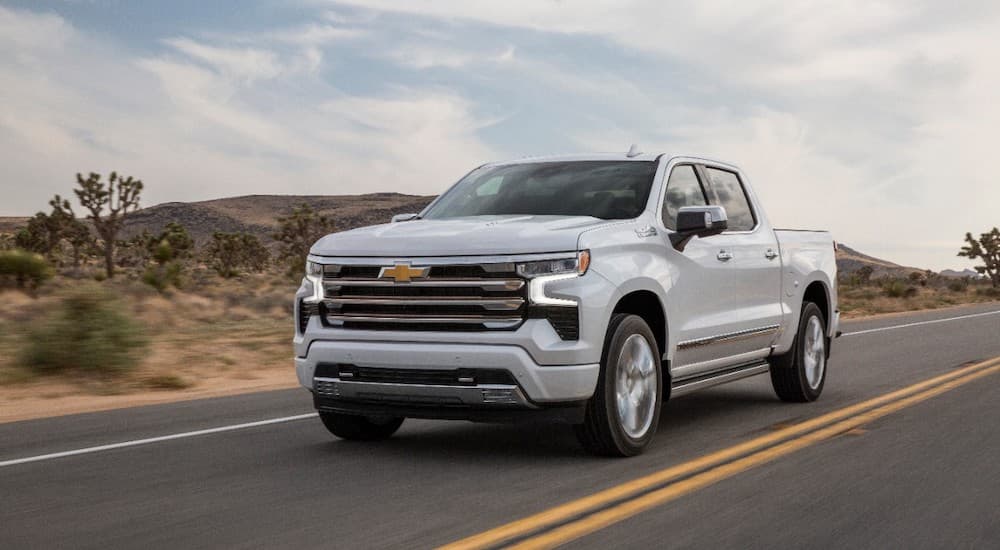
5. Chevrolet Silverado 1500: A Durable Yet Imperfect Workhorse
The Chevrolet Silverado 1500 ranks 10th among vehicles most likely to reach 250,000 miles, with an 18.8 percent likelihood, which is 2.2 times the average vehicle’s durability.
Despite recent setbacks, including a large General Motors recall of nearly 600,000 vehicles with potential V8 engine failures, the Silverado continues to uphold its reputation for toughness. As the second-best-selling vehicle in the United States, its enduring popularity reflects its strong performance and reliability among pickup owners.
Equipped with a 5.3-liter V8 engine and four-wheel drive, the Silverado 1500 delivers solid strength for both daily driving and towing. It accelerates from zero to sixty miles per hour in about seven seconds, slightly slower than the Ford F-150 but still powerful enough for most needs.
The transmission shifts smoothly and takes advantage of the engine’s low-end torque. Handling is steady with limited body roll through corners, though midcorner bumps can unsettle the ride. For off-road driving, the Z71 package or Trail Boss trim adds useful capability beyond the standard four-wheel-drive setup.
The Silverado’s comfort level is good, but not the best in class. The seats are supportive and adequately padded, but not as soft as those in the F-150 or Ram 1500. The truck rides smoothly on highways, though roads with frequent dips can make it feel bouncy.
The climate control system is effective but uses small buttons that may be hard to operate while driving. The split-heated and ventilated front seats, a GM-exclusive feature, add luxury and versatility. Engine noise is well controlled at light throttle, but becomes rough under heavy acceleration.
Chevrolet’s new interior design brings much-needed improvement in style and usability. The latest cabin features modern materials and layouts, with sporty accents on the ZR2 trim and upscale finishes on the High Country model. The crew cab offers generous space for adults, especially in the back seat, with its excellent legroom.
A highlight of the tech package is the 13.4-inch touchscreen, which is fast, sharp, and easy to use. It includes wireless Apple CarPlay and Android Auto, plus a Google-based voice recognition system that understands natural commands. Numerous driver aids, such as adaptive cruise control, multiple camera views, and cross-traffic alerts, enhance convenience, although occasional glitches can occur in stop-and-go traffic.
The Silverado performs strongly in towing and hauling. Its bed is deep, wide, and fitted with multiple tie-downs, giving it an edge in practicality. Interior storage is useful but less adaptable than that of some competitors.
The tested 5.3-liter V8 achieves about 17 miles per gallon combined, while the diesel engine offers better fuel economy. Although the Silverado is priced higher than some rivals, it remains attractive for its power, advanced technology, and improved cabin design, even if refinement and ride comfort could be better.
Also Read: 10 Cars That Keep Running Long After the Warranty Ends
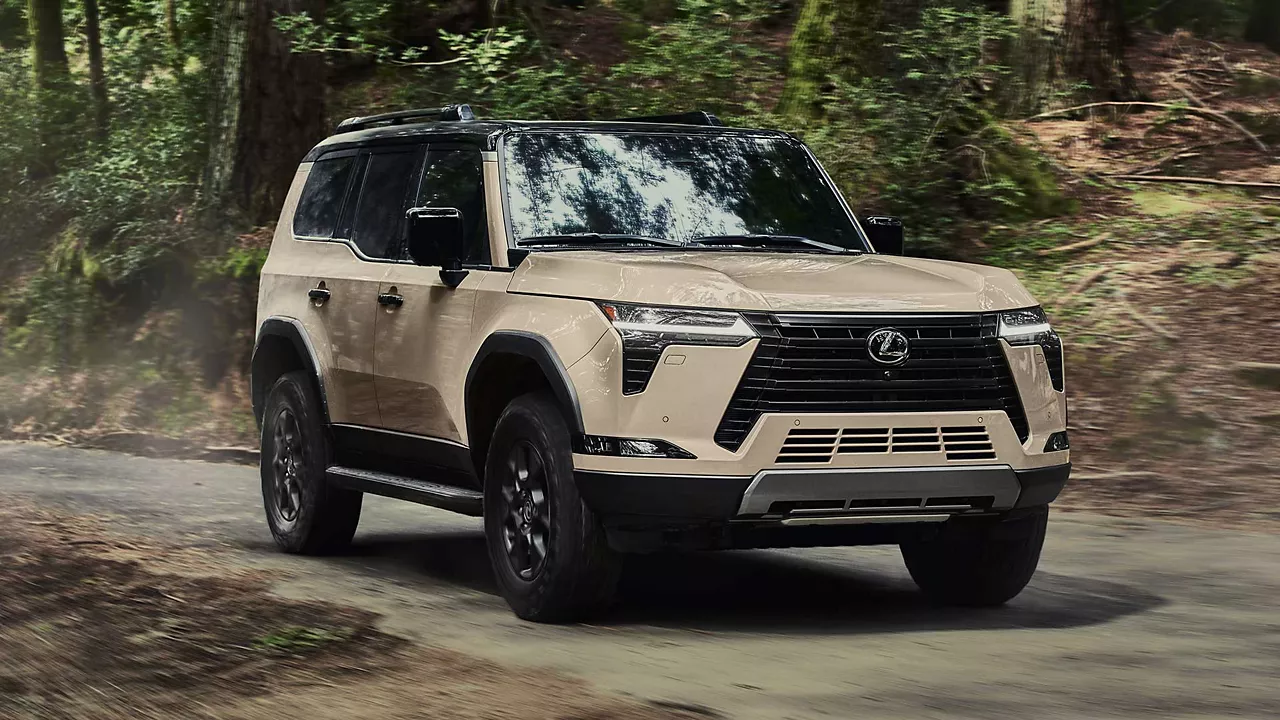
6. Lexus GX: A Luxury SUV That Balances Refinement and Ruggedness
The Lexus GX holds the ninth spot among vehicles most likely to reach 250,000 miles, with a 20.7 percent likelihood, making it 2.4 times more durable than the average car. As the only luxury model on the list, it stands out for blending Toyota’s legendary reliability with upscale design.
First launched in 2002, the third-generation GX continues to impress, earning Motor1’s Best SUV of 2024 for its ability to handle both city streets and challenging terrain with confidence.
Powered by a turbocharged V6 engine paired with a 10-speed automatic transmission, the GX delivers smooth, capable performance. It accelerates from zero to sixty miles per hour in 6.7 seconds, providing ample power for merging or overtaking.
Handling feels composed for such a large SUV, though body roll becomes noticeable in sharp turns. The GX truly excels off-road, especially in the Overtrail trim, which adds a locking rear differential and enhanced terrain features.
Driver aids are abundant, but their usability varies. The hands-free driving system is limited to 25 mph and can be intrusive with frequent alerts. In contrast, the surround-view and off-road camera systems are excellent, providing exceptional visibility in tight spaces or rugged conditions. Despite its rugged focus, the GX maintains impressive ride comfort, particularly in the Luxury trim with on-road tires.
The GX’s cabin offers a calm and quiet environment, with minimal noise at highway speeds except for slight wind from the mirrors. The front and second-row seats are supportive and well-padded, but the third-row seat is small and positioned low, leading to a cramped feel.
The running boards help passengers step into the high cabin easily. Rear passenger space is tighter than expected, making the GX best suited for five occupants.
Interior ergonomics are well-designed, featuring physical steering wheel buttons and easy-to-use temperature controls. Car seat installation is manageable with three LATCH anchors, though narrow door openings can make access more difficult.
Technology in the GX is highlighted by a 14-inch touchscreen with sharp graphics and fast responses. The menu layout, however, could be more intuitive. Wireless Apple CarPlay and Android Auto are standard, but navigation requires a paid subscription after the initial trial. Multiple USB-C ports and a wireless charging pad add convenience.
The GX’s cargo capacity varies by configuration. Three-row models offer 10.3 cubic feet behind the third row, expanding to 76.9 cubic feet with all seats folded. Two-row Overtrail versions provide more usable space. The cooled center console reduces storage slightly but remains practical, and door pockets offer extra utility. The GX can tow over 9,000 pounds, outperforming the Cadillac Escalade and Infiniti QX80.
With its high-quality materials, premium build, and robust performance, the GX presents a luxurious way to venture off-road. Prices for the Overtrail trims can be steep, yet buyers gain a refined SUV with impressive durability.
The GX returns 17 miles per gallon combined, comparable to rivals like the Mercedes-Benz G-Class. Backed by a four-year or 50,000-mile warranty, the GX combines longevity, sophistication, and capability, making it a standout among luxury off-roaders.
7. Toyota 4Runner: Rugged and Long-Lasting Midsize SUV
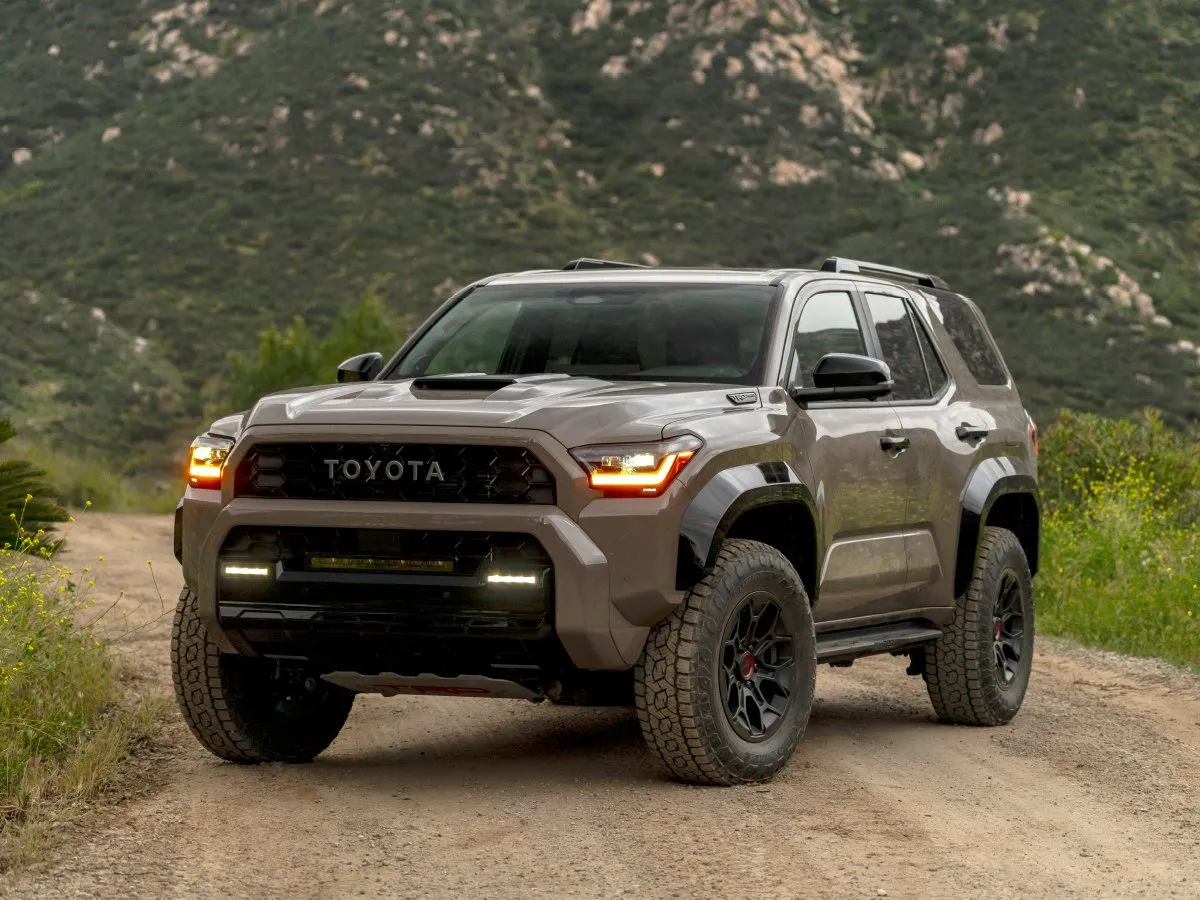
The Toyota 4Runner takes third place in vehicle longevity with a 26.8 percent chance of reaching 250,000 miles, making it 3.1 times more likely than the average vehicle to hit this milestone. Introduced in 1984 as an SUV version of the Hilux pickup, the 4Runner combines rugged styling with off-road capability. It has become an iconic midsize SUV, known for reliability and durability over decades of use.
The 4Runner’s gas powertrain delivers sufficient power for city and highway driving. It accelerates from 0 to 60 mph in 8.2 seconds, slightly slower than the hybrid version, which completes the run in 7.7 seconds. Handling is truck-like, with noticeable body roll and a busy rear suspension that can feel unsettled on smooth roads.
Steering effort is light but requires more turns than expected for simple maneuvers. Ride quality is better than the Ford Bronco and Jeep Wrangler, but behind the Honda Passport in comfort. Standard safety features include adaptive cruise control, lane-keeping assistance, and blind-spot monitoring.
Front seats are comfortable, but rear seating is tight in both legroom and headroom, with flat cushions that offer minimal support. Rear doors are small, making child seat installation more difficult. Cabin isolation is decent, though engine noise becomes pronounced under hard acceleration. Climate controls are simple to use, and the cabin heats and cools quickly.
The 4Runner offers a choice between an 8-inch or 14-inch touchscreen, both supporting wireless Apple CarPlay and Android Auto. Multiple USB ports and an available wireless charger provide convenient device connectivity.
Toyota’s native navigation system is functional but requires a paid data plan after a trial period, while smartphone mirroring generally offers a better experience. Physical buttons are easy to operate and provide a tactile interface for climate and media controls.
Gas models provide 48.4 cubic feet of cargo space behind the rear seat, with a practical load-in height. Adding the third row reduces cargo capacity to 12.1 cubic feet, so the SUV is best suited for five passengers with luggage. Interior storage includes helpful pockets, a glovebox shelf, and a small center console bin. Towing capacity reaches 6,000 pounds, above average for its class.
The gas-powered 2WD 4Runner achieves 22 mpg combined, dropping to 21 mpg for 4WD. The hybrid version offers 23 mpg combined, providing modest efficiency gains. These numbers are comparable to the Tacoma and Land Cruiser and significantly better than the Bronco or Wrangler 4xe plug-in hybrid.
The 4Runner shines off-road, performing admirably in dirt, mud, and rugged terrain. Its rugged design, especially with the retro “TOYOTA” grille on off-road trims, maintains a classic yet capable appearance. Durable and dependable, the 4Runner appeals to those who value long-lasting performance and off-road capability.
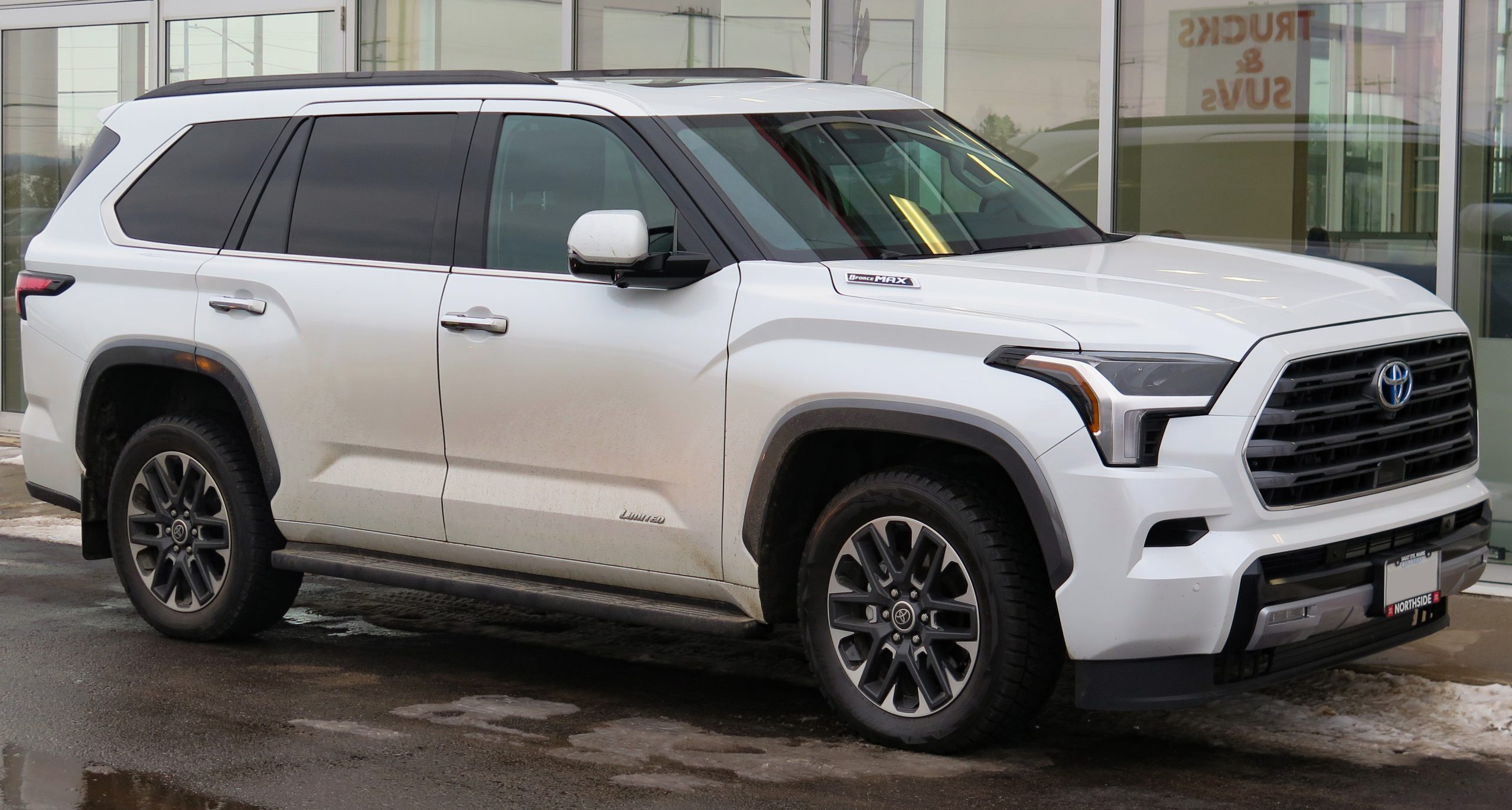
8. Toyota Sequoia: Full-Size SUV with Exceptional Longevity
The Toyota Sequoia claims second place in durability with a 36.4 percent chance of reaching 250,000 miles, making it 4.2 times more likely than the average vehicle to hit this mark. Though less popular than other Toyota trucks, the Sequoia stands out as a three-row full-size SUV with remarkable reliability. Mechanically, it shares much with the top-ranking vehicle, which contributes to its impressive longevity.
The Sequoia is equipped with a turbocharged V6 hybrid powertrain, delivering quick acceleration and responsive handling for a large SUV. Our TRD Pro test vehicle achieved 0-60 mph in six seconds, remarkable for its size. Braking is smooth and confident, though the all-terrain tires slightly reduce on-road grip.
The solid rear-axle suspension is excellent for towing and off-road work, but results in a firmer ride around town. Visibility is fair, though surround-view cameras help gauge proximity to obstacles. Standard driver aids, including adaptive cruise control and lane keeping assistance, function effectively.
Front seats are supportive and offer heating and ventilation features, while rear seat cushions sit a little low, causing knees to ride high. Cabin noise is more noticeable than in competing SUVs, with engine and ventilated seat fan sounds intruding under acceleration.
Step rails and large, squared doors make entry simple, and the second-row captain’s chairs allow easy access to the third row. The driver’s seat offers sufficient adjustments for various body types.
The Sequoia includes a 14-inch touchscreen, though we experienced intermittent connection issues with the navigation system and Apple CarPlay. Audio quality is clear but unremarkable. Five USB ports, a household-style power outlet, and a wireless charger provide adequate device support. Interior storage is somewhat limited, with smaller nooks and trays that reduce practicality.
Cargo space behind the third row measures 22.3 cubic feet, though the third row cannot fold completely flat due to the hybrid battery. In-cabin storage is similarly constrained. Towing capacity is robust, reaching 9,520 pounds when properly equipped, enough for most trailers and boats.
The Sequoia earns 20 mpg combined, which is respectable for a full-size hybrid SUV. Our real-world test matched the EPA estimate, confirming achievable efficiency.
The Sequoia excels in style, power, and off-road capability. The hybrid V6 provides a compelling blend of speed and sound, while its muscular design commands attention. Those seeking durability, towing, and a commanding presence will find the Sequoia appealing.
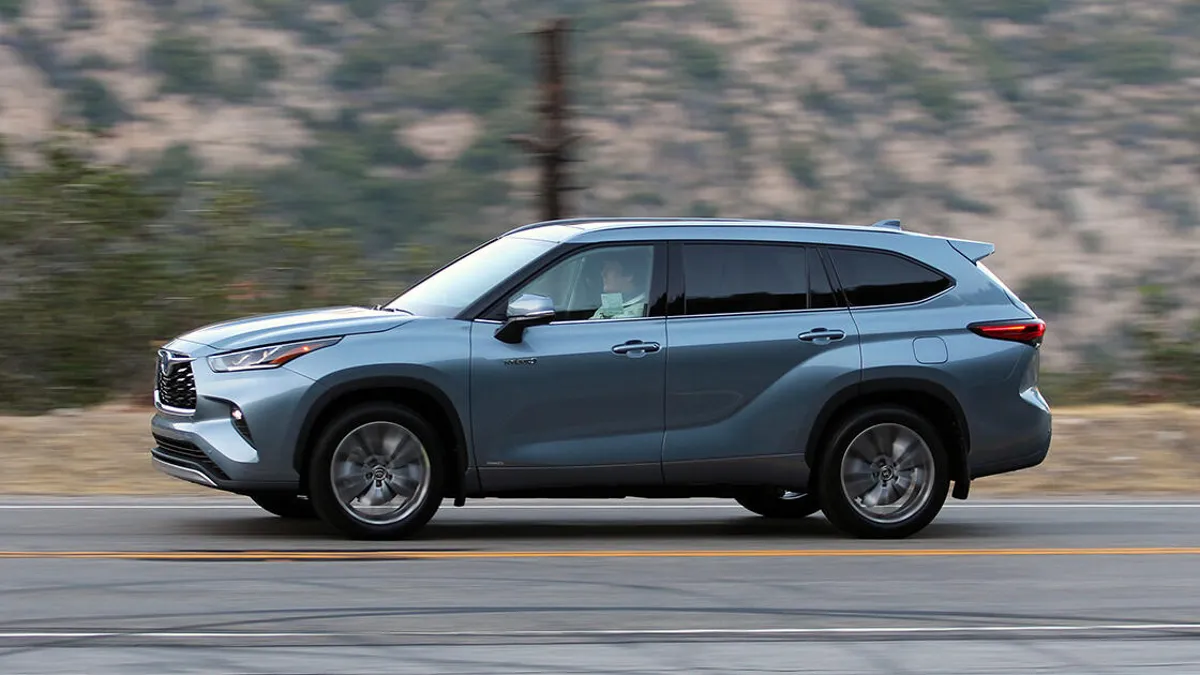
9. Toyota Highlander Hybrid: A Durable and Efficient Three-Row SUV
The Toyota Highlander Hybrid ranks fifth in longevity with a 25.9 percent chance of reaching 250,000 miles, making it three times more likely than the average vehicle to hit this milestone. It is the most durable vehicle on this list that is not a body-on-frame SUV or pickup truck.
First introduced as a midsize crossover in 2000, the Hybrid variant arrived in 2005 as one of the earliest mainstream hybrid SUVs, demonstrating Toyota’s commitment to fuel-efficient yet long-lasting vehicles.
The Highlander Hybrid accelerates from 0 to 60 mph in 8.2 seconds, slightly slower than most non-hybrid three-row SUVs but with smooth and readily available power. Braking is consistent and predictable, giving drivers confidence in everyday situations. Handling is stable but not sporty, with minimal body roll around corners.
On highways, the ride is cushioned, absorbing most road imperfections without feeling disconnected from the road. Visibility is good at the front due to a low hood and narrow pillars, but rear visibility is restricted by thick pillars and large headrests.
Standard driver aids include adaptive cruise control and blind-spot warning, though some systems, like lane-keeping assist, feel overly reactive, and adaptive cruise can be slow to respond.
Front seats are wide and supportive, suitable for long drives, while second-row captain’s chairs offer similar comfort. The third-row seats remain cramped with thin padding and limited legroom, making them suitable only for children.
Road and wind noise are noticeable at highway speeds, and the engine sounds unrefined under hard acceleration. The driver’s seat and steering wheel lack full adjustability, and armrest placement can be awkward for some drivers. Car seats are easy to install in the second row, but there are no anchors in the third row.
The cabin is functional and user-friendly, with sharp displays and responsive controls. Wireless Apple CarPlay and Android Auto are standard, and critical functions like navigation and media are easy to access. In-cabin storage is adequate, with usable dash shelves and sizable door pockets, though the rear row has limited ports.
The Highlander Hybrid achieves 35 mpg combined for most trims, with a slight drop to 34 mpg highway for the Limited and Platinum models. Real-world testing showed about 33 mpg, still excellent for a three-row midsize SUV and significantly better than its gas-only counterpart.
The Highlander Hybrid remains practical, reliable, and fuel-efficient. Top trims can feel expensive, with an interior that mixes soft synthetic leather and hard plastics.
Its three-row versatility is limited, especially compared to the larger Grand Highlander Hybrid, which offers more cargo and passenger space at a similar price. The Highlander Hybrid is best suited for families seeking a dependable, fuel-efficient midsize hybrid SUV with a long lifespan.
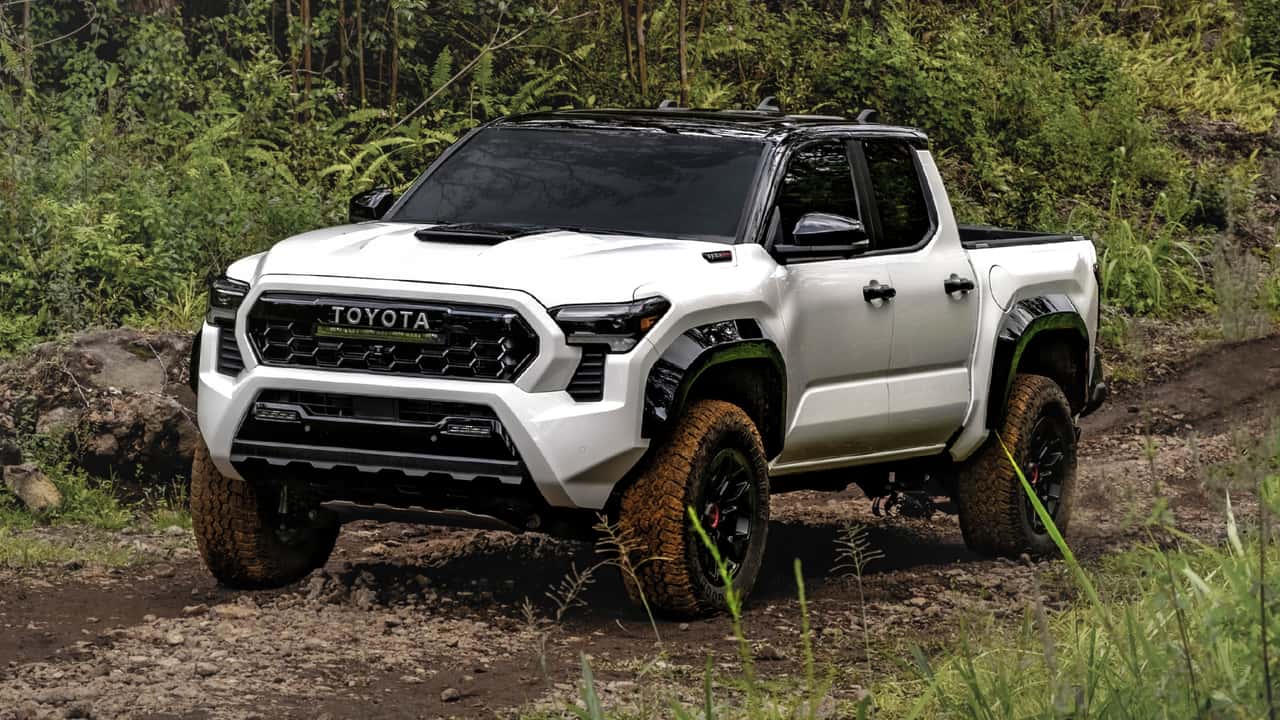
10. Toyota Tacoma: The Reliable Midsize Pickup
The Toyota Tacoma ranks fourth in longevity with a 26.7 percent chance of reaching 250,000 miles, making it 3.1 times more likely than the average vehicle to hit this milestone.
Known for durability and practicality, the Tacoma is the most affordable and popular member of Toyota’s body-on-frame truck and SUV family. Its long-standing reputation is reinforced by everyday drivers and enthusiasts alike, with classic models still on the road decades later.
The Tacoma drives confidently for a midsize truck. The TRD Sport with a 278-hp engine accelerates to 60 mph in 7.6 seconds, while the TRD Pro i-Force Max hybrid completes the run in about 7.4 seconds despite added weight. Transmission shifts are smooth and responsive, with no unnecessary hunting for gears on hills.
Braking is precise and consistent, giving the driver control in a variety of conditions. Steering is light and accurate, and the truck tracks well on highways. Off-road capability varies by trim. Lower trims have basic performance, but the TRD Pro features advanced shocks and traction control, allowing strong performance on rough terrain.
Front seats are wide and supportive, accommodating a range of body types. Cloth seats are durable, while optional synthetic leather adds a touch of refinement. Rear seats are limited in space, especially in the TRD Pro, where large shock-absorbing seats reduce legroom.
Ride quality depends on trim level: lower trims are a bit stiff, while higher trims offer advanced suspension that smooths bumps. Climate controls are clearly marked, large, and easy to use, even with gloves.
The Tacoma interior balances rugged styling with practicality. The standard 8-inch touchscreen can be upgraded to a 14-inch display, with sharp graphics and an intuitive interface. Real buttons and switches are easy to operate, avoiding the complexity of fully virtual controls.
Driver seating is highly adjustable, with ample headroom for taller individuals. Rear seat access is more limited due to legroom, and TRD Pro rear seats are best suited for short trips or smaller passengers.
Fuel economy is consistent across trims. Our four-wheel-drive TRD Sport achieved 22.6 mpg, slightly above the Toyota estimate of 21 mpg. The i-Force Max hybrid delivers more power without significantly affecting efficiency, and the Tacoma does not require premium fuel.
The Tacoma offers a range of trims for different budgets and needs. Lower trims are more utilitarian, with fewer options and a spartan interior, while higher trims provide comfort and convenience features.
Standard warranties include three years/36,000 miles for bumper-to-bumper coverage and six years/60,000 miles for the powertrain, along with two years of free maintenance and roadside assistance. The Tacoma combines durability, capability, and a range of options for buyers seeking a dependable midsize pickup.
Owning a car that lasts through three owners requires careful choice, focusing on reliability, engineering quality, and practical design. The vehicles featured in “10 Cars That Stay Solid Even After Three Owners” exemplify these qualities.
From the tough Toyota Tundra and Tacoma to the refined Avalon and capable Lexus GX, these cars deliver longevity while maintaining comfort, performance, and utility. They show that a long-lasting vehicle does not mean sacrificing style or driving experience.
Owners can confidently reach milestones well beyond 250,000 miles while enjoying dependable performance. Investing in these cars is a smart decision that provides lasting value, convenience, and peace of mind.
For families, commuters, and adventure seekers, these vehicles are more than just transportation. They are trusted companions that endure mileage, ownership changes, and time. These ten models prove that reliability and excellence can go hand in hand.
Also Read: 5 Cars That Families Pass Down Generations vs 5 That Give Up Early
