Price doesn’t always dictate presence, performance, or excitement. Some cars, despite surprisingly modest price tags, deliver the look, feel, and thrill of vehicles that cost far more. From rally-bred SUVs to sleek European sports cars, these machines combine style, capability, and exclusivity without breaking the bank.
They turn heads on the street, command respect on the track, and give owners a taste of automotive luxury at a fraction of the usual cost. Whether it’s the iconic Mitsubishi Pajero Evo with its Dakar Rally heritage, the sharp mid-engine Toyota MR2, or the exotic flair of a Lotus Esprit Turbo, each car proves that budget-friendly doesn’t mean boring.
This list explores ten affordable cars that punch well above their weight, offering driving experiences usually reserved for six-figure vehicles and delivering thrills, style, and prestige without emptying your wallet.
1. Mitsubishi Pajero Evo – Rally-Bred Off-Road Icon
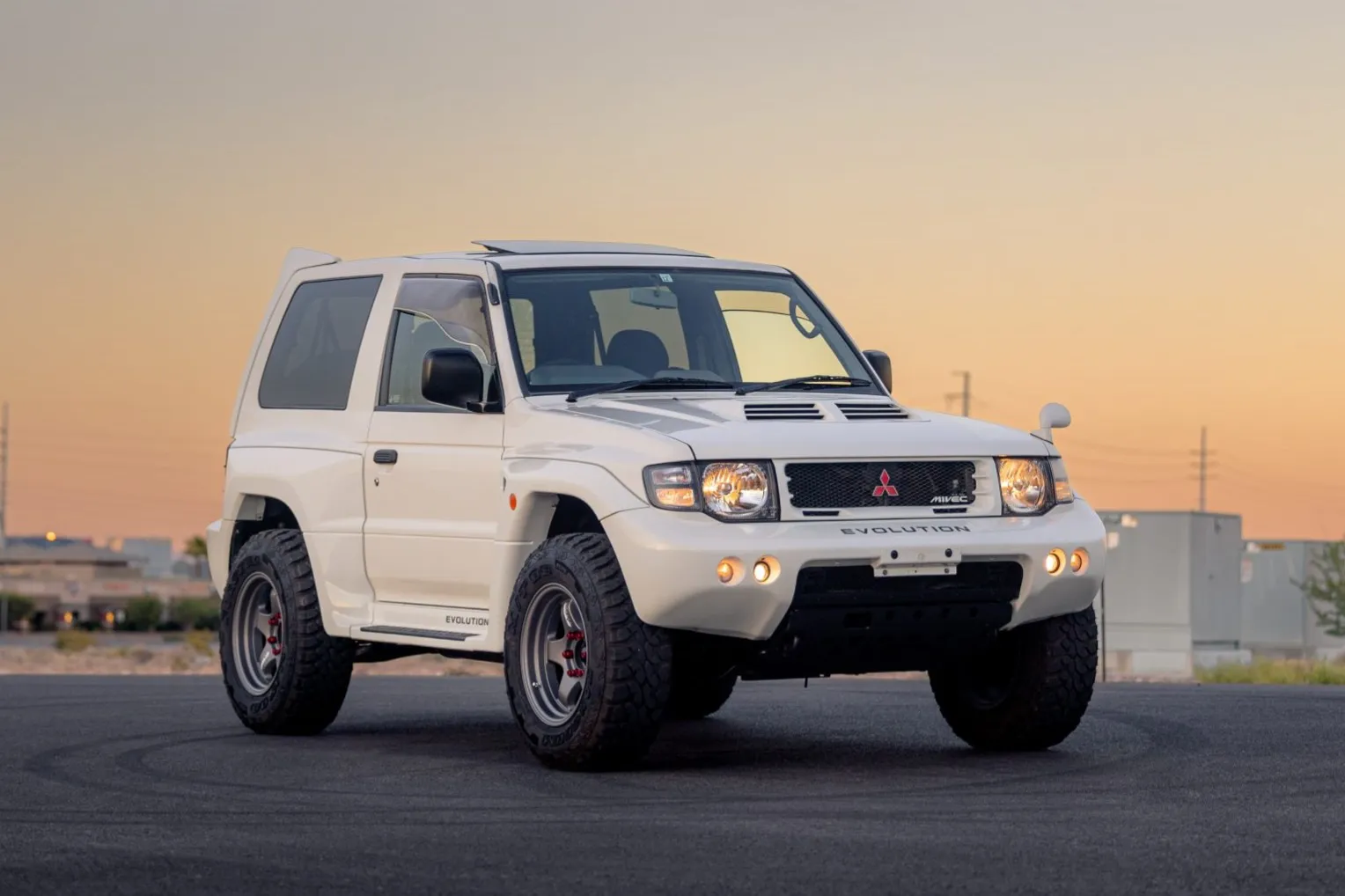
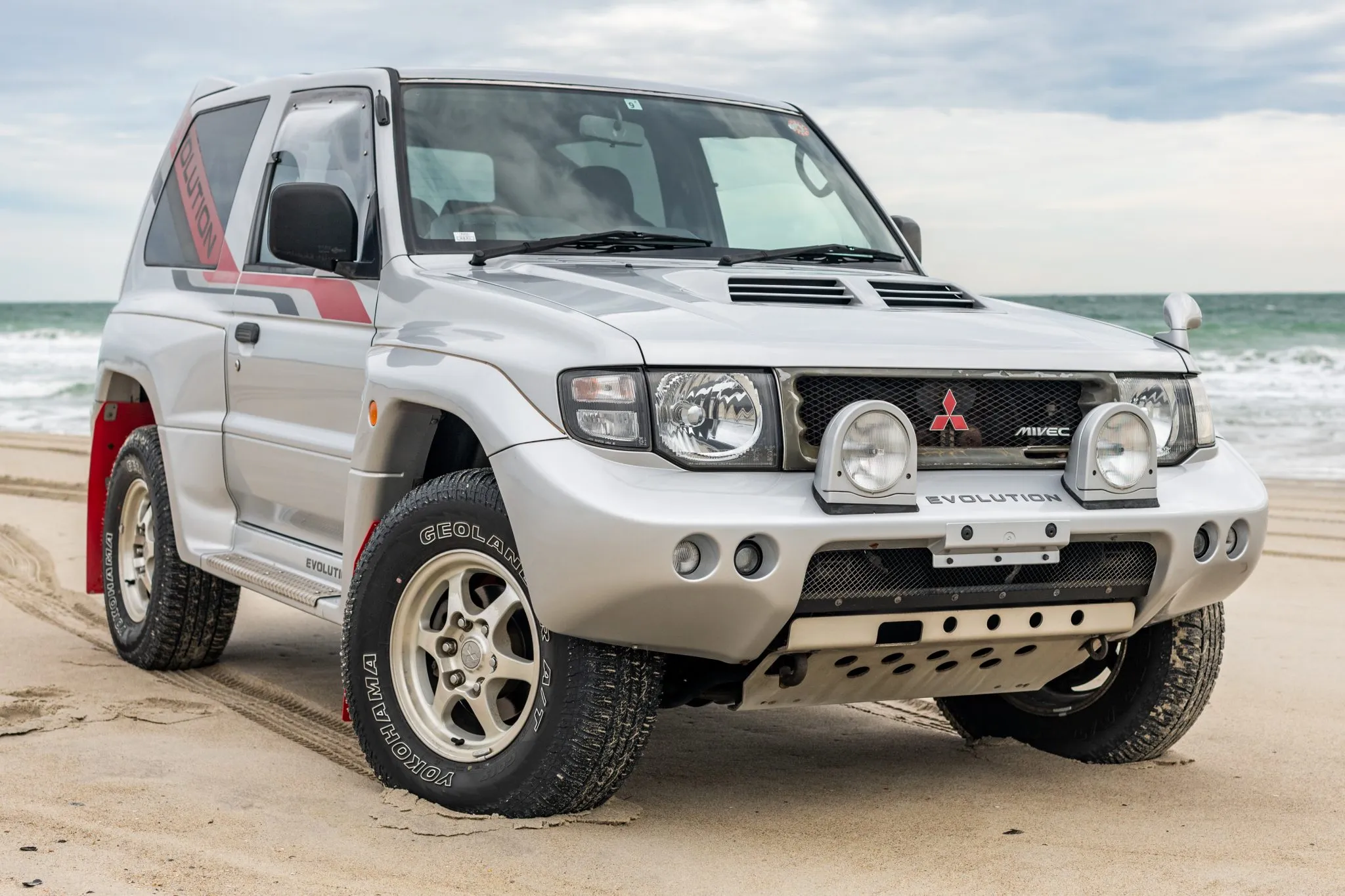
The Mitsubishi Pajero Evo is a rare and striking vehicle that fuses rally-bred performance with off-road capability, and a used example can be found for around $30,000. Its flared fenders, hood vents, and wide stance instantly communicate a Dakar Rally pedigree, while still functioning as a daily driver.
The Pajero Evo looks far more expensive than it is, and its presence alone suggests a rare, six-figure collector’s car. Inside, Recaro seats, a high-revving 3.5-liter V6, and race-derived engineering combine to create a homologation SUV that feels special both on and off the road.
Born from Mitsubishi’s dominance in the Dakar Rally, the Pajero Evo was introduced in 1997, building on the brand’s history of rally success. Mitsubishi won the grueling rally nine times between 1997 and 2007, and the Evo was developed to meet homologation requirements, with 2,500 road-legal models produced for the T2 class.
Unlike ordinary SUVs, the Evo shares many traits with its racing counterpart, including a body six inches shorter and slightly narrower than the standard Pajero, a wheelbase shorter than a Toyota GR86, and stubby overhangs that deliver impressive approach, departure, and break-over angles.
The Pajero Evo rides on 30.6-inch 265/70R16 tires and fully independent long-travel suspension, providing 9.6 inches of ground clearance. Skid plates, aluminum underbody armor, and wide fenders ensure it is ready for desert trails, while recirculating-ball steering with a quickened ratio and anti-lock brakes with steering angle sensors give it precise handling.
The 3.5-liter V6 produces 276 horsepower and 257 pound-feet of torque, with a 7,000 rpm redline, and is paired with a five-speed manual or automatic transmission with a two-speed transfer case and locking differentials. Though not as powerful as modern off-road trucks, it is highly manageable at full throttle and excels in loose terrain and rally-style driving.
Inside, the Pajero Evo balances utility and sportiness. Front Recaro seats are comfortable without being overly aggressive, while the rear seats fold forward and feature child-seat anchors.
The cabin includes a leather steering wheel, automatic climate control, power windows, and keyless entry, while carbon fiber accents, a compass, voltmeter, and oil pressure gauge remind occupants of the vehicle’s racing DNA. The rear houses a full-size spare and toolkit, emphasizing its practical off-road functionality.
Despite its age, the Pajero Evo remains a unique and capable SUV. It is optimized for control at its limits, offering independent suspension, rev-happy engine characteristics, and rally-inspired handling that modern trucks cannot fully replicate.
While parts may be scarce and some performance metrics modest compared with contemporary trucks, it delivers an engaging, analog driving experience. For enthusiasts seeking a streetable, Dakar-winning homologation SUV with style, capability, and historical significance, the Mitsubishi Pajero Evo is a truly unforgettable icon, earning its nickname as the “Hero of the Desert.”
2. Nissan 350Z – A Rear-Drive Performance Icon
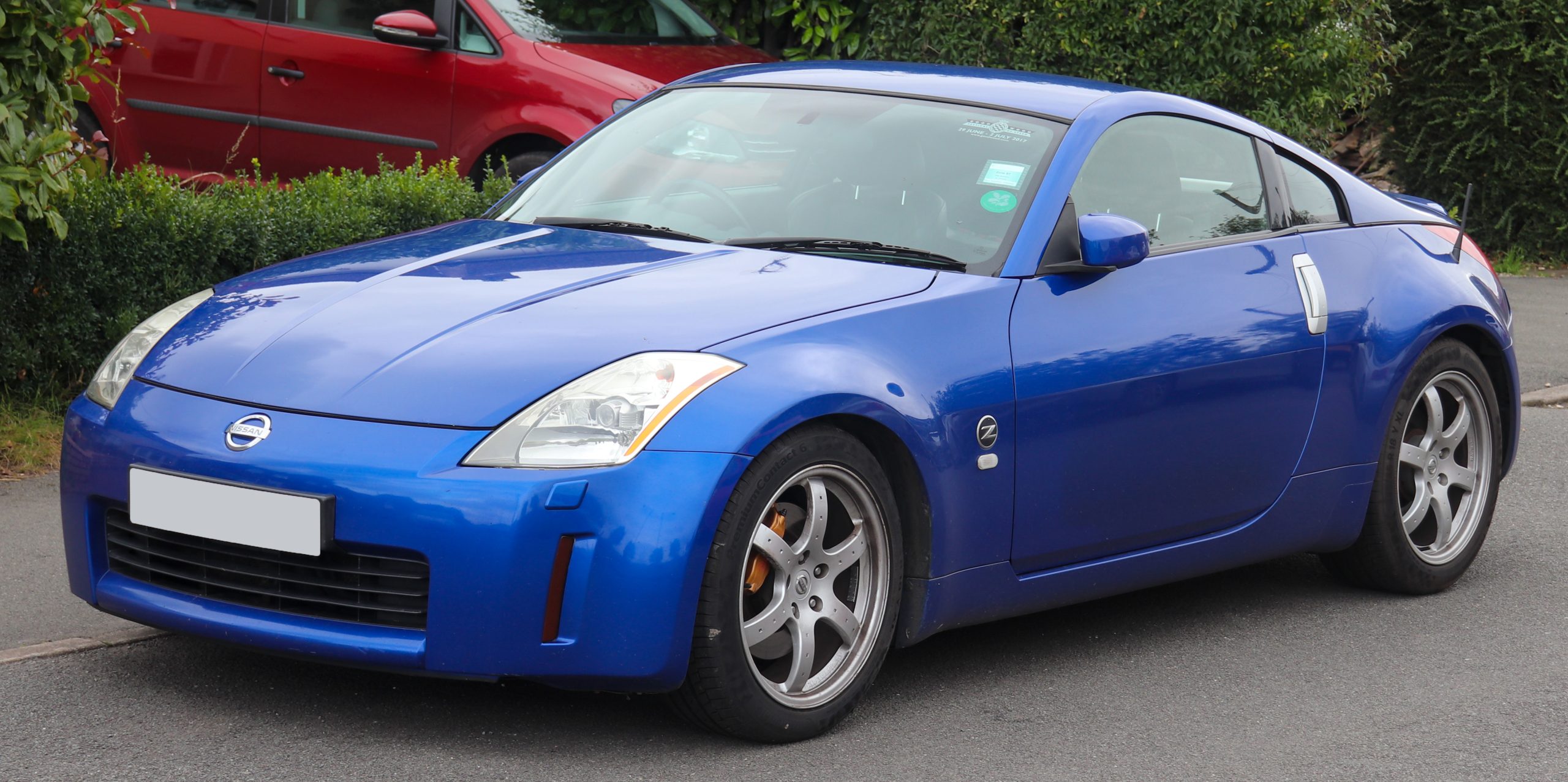
The Nissan 350Z is a sports car designed to look and feel like a purpose-built race machine. Its aggressive styling conveys performance, and ample aftermarket support allows owners to easily enhance its capabilities. Used examples of the 350Z averages around $12,299, making it a relatively affordable entry into a high-powered rear-wheel-drive sports car.
Under the hood, the 350Z is powered by a 3.5-liter V6 producing 306 horsepower and 268 pound-feet of torque. Power is sent to the rear wheels through a six-speed manual or five-speed automatic transmission, with the manual standard on base and Nismo models.
This setup allows the 350Z to accelerate from 0-60 mph in roughly 5.1 seconds in the Nismo variant, making it one of the quickest cars in its price range. The car’s 0-60 performance and top speed of 127 mph provide an exhilarating driving experience, while the linear power delivery and throaty V6 growl enhance the engagement for enthusiasts.
Handling is a strong suit of the 350Z. The car is well-balanced, with responsive, quick steering and excellent grip on curvy roads. The track-tuned Nismo version sharpens reflexes further but sacrifices some comfort with road noise and a firmer ride.
The rear-drive layout offers traditional sports car dynamics, though visibility around town is limited. Optional magnetic ride or upgraded Brembo brakes improve braking performance, particularly on the higher-trim GT and Nismo models.
Safety features include antilock disc brakes on all models, traction and stability control on most trims, and standard side curtain airbags on the Nismo and most roadsters. Government crash tests gave the 2008 coupe top five-star ratings in side-impact tests and four stars for frontal impact.
The interior of the 350Z is driver-focused, with a three-gauge pod instrument cluster and controls positioned for easy reach. While some materials feel inexpensive for the price, the cockpit is functional and sporty.
Cargo space is limited, particularly in the roadster with its 4.1-cubic-foot trunk, and the coupe’s rear suspension brace further reduces luggage capacity. However, the roadster’s power-operated soft top folds quickly in about 20 seconds, maintaining practicality for open-top driving.
The Nissan 350Z combines striking race-inspired styling, engaging rear-wheel-drive dynamics, and strong performance at an accessible price point. It remains a popular choice for enthusiasts seeking a fun, driver-focused sports car with the potential for customization and track-ready upgrades.
3. Cadillac XLR (2004) – Luxury, Style, and V8 Performance
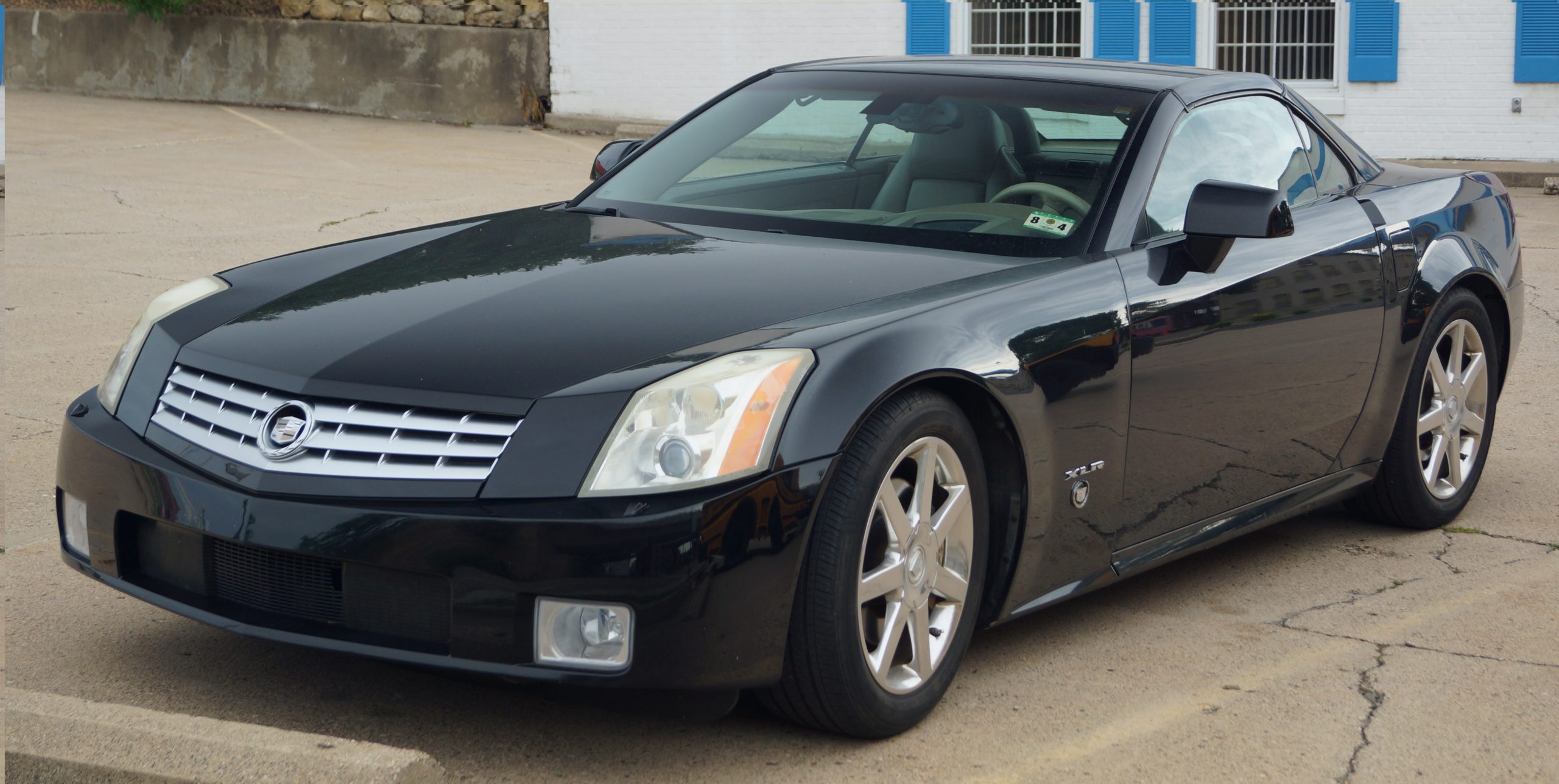
The 2004 Cadillac XLR is a two-seat luxury coupe that combines striking design with Corvette-derived performance underpinnings. Its sharp, chiseled styling, retractable hardtop, and chrome accents give it a high-end appearance reminiscent of the $300,000 Mercedes-Benz SLR McLaren.
Despite this upscale look, used examples of the XLR can be found for around $15,509, making it a “champagne taste, beer budget” sports car that delivers presence without the extreme cost.
The XLR is powered by a 4.6-liter Northstar V8 producing 320 horsepower and 310 pound-feet of torque. Power is delivered through a five-speed automatic transmission adapted from the Cadillac CTS, mounted at the rear for balanced weight distribution. While acceleration is strong, reaching 0-60 mph in 5.8 seconds with a top speed of 155 mph, the car prioritizes comfort over raw performance.
Magnetic Ride Control shocks help adjust the suspension on the fly, but the XLR’s soft setup results in body roll during aggressive cornering and noticeable nose dive under hard braking. Steering is aided sufficiently without feeling overpowered, but the large steering wheel contributes to a slightly ponderous driving feel.
Safety is well-covered on the XLR. Standard features include four-wheel antilock disc brakes, stability control, and side airbags. The passenger-side front airbag can be deactivated to accommodate child safety seats. The car’s design focuses on preventing accidents rather than surviving high-impact collisions, giving drivers confidence in everyday driving conditions.
Inside, the XLR emphasizes modern elegance. Its interior is clean, warm, and user-friendly, featuring a head-up display, adaptive cruise control, voice-activated DVD navigation, and heated and cooled seats. Optional features such as XM radio and a Bose audio system enhance the cabin experience. The centrally mounted touchscreen reduces dashboard clutter and keeps essential controls accessible.
The Cadillac XLR blends luxury, performance, and style, making it an attractive choice for buyers seeking a head-turning two-seater with V8 power. While it may not offer the sharp handling of a Corvette or European sports car, its combination of smooth acceleration, refined interior, and striking design ensures it remains a compelling option for enthusiasts on a budget.
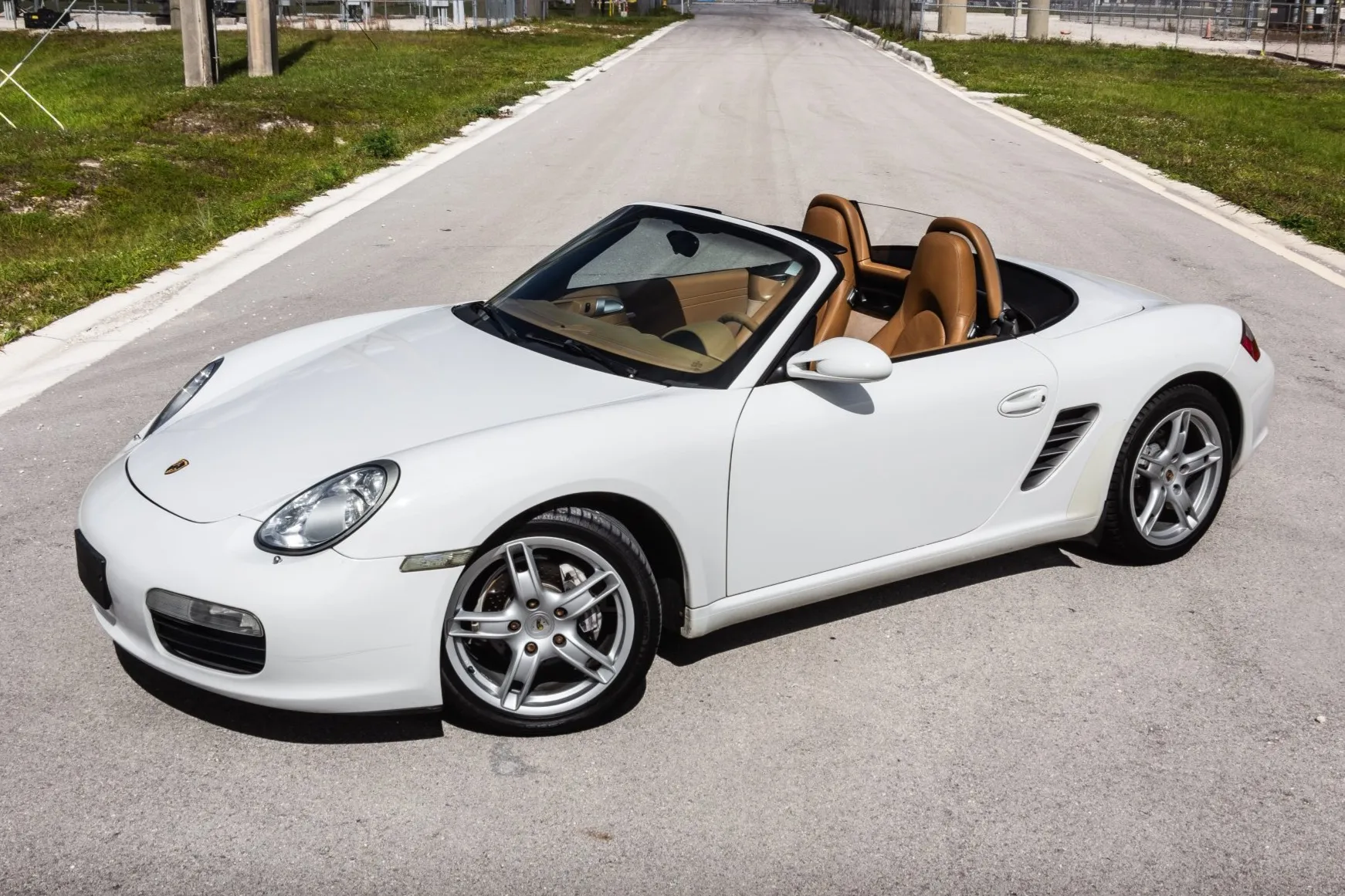
4. 2005 Porsche Boxster: Affordable Mid-Engine Excellence
The 2005 Porsche Boxster proves that driving a stylish, high-performance European roadster doesn’t require a fortune. With a design reminiscent of a crouching predator, its mid-engine layout and 911-inspired DNA make it a standout among affordable sports cars. Despite jokes at its expense, the Boxster delivers a dynamic driving experience with precise proportions and unmistakable Porsche flair.
The 2005 Boxster is a 2-door convertible powered by a 2.9-liter flat-six engine, producing 255 horsepower and 214 lb-ft of torque. It features a six-speed manual transmission and rear-wheel drive, achieving 23 MPG combined. Its exterior exudes sophistication with a wide stance, clamshell hood, and iconic Porsche badging, giving it an aura of luxury far beyond its used-car price of around $16,822.
Porsche improved the Boxster’s performance without increasing engine displacement. The base 2.7-liter Boxster and 3.2-liter Boxster S received power gains through intake and exhaust refinements, with the base model now producing 240 bhp and the S model 280 bhp. The enhancements include a larger air filter, a double-chamber air distributor for better low-end torque, and redesigned exhausts with larger piping and direct routing. These changes allow the standard Boxster to sprint from 0-62 mph in 6.2 seconds, while the S model achieves it in 5.5 seconds, reaching top speeds of 159 mph and 166 mph, respectively.
The 987-generation Boxster adopts styling cues from the 997 911, featuring more prominent headlamps and wheel arches. Virtually all sheet metal is new, including headlights, taillights, and windows. The car’s track has increased by over half an inch per side, yet the weight is only 40 lb higher, thanks to aluminum panels. The design accommodates wheels up to 19 inches and optional PCCB brakes, allowing for a serious street or track contender.
Inside, the Boxster retains its basic layout but benefits from thoughtful upgrades. The instrument pod has been spaced out and backlit with white LEDs. Materials include leather, Alcantara, and brushed chrome, while storage and seating options have improved. Four seat types are available, and steering wheels are adjustable with multiple designs. Hidden yet functional cup holders add a practical touch. The cabin now feels more modern, refined, and driver-focused.
The Boxster shares about 50% of its components with the 911, including a precise steering system. Stability at high speeds is assured, with a Cd of 0.29 for the base model. Standard Porsche Stability Management (PSM) ensures confidence on wet or twisty roads without being overly intrusive. Safety is enhanced with head airbags, and the chassis offers impressive grip and control for spirited driving.
The 2005 Boxster combines improved performance, aesthetics, and comfort at a more accessible price point, starting at $43,000 for the base model and $53,000 for the S. Porsche credits the Boxster with helping turn around the company’s fortunes, making it both a practical and aspirational choice for enthusiasts seeking a high-quality sports car without breaking the bank.
5. Toyota MR2 Mk1 – The Everyman’s Mid-Engine Sports Car
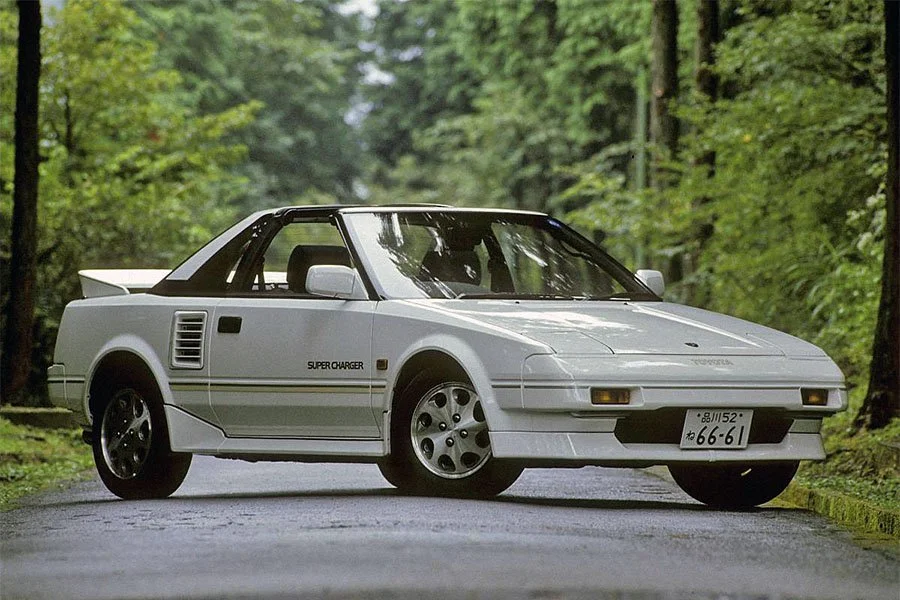
The Toyota MR2 Mk1 is one of the most distinctive and affordable sports cars of its era. With its angular styling and mid-engine proportions, it evokes images of exotic European machines while remaining within reach for many buyers.
Launched in 1984, the MR2, short for Midship Runabout 2-Seater, was Toyota’s first mass-produced mid-engine sports car. It was designed to combine affordability, practicality, and driving excitement. Today, used examples of the MR2 Mk1 can be found for around $10,000, making it an accessible entry into classic Japanese sports cars.
The MR2 Mk1 has become increasingly desirable as interest in Japanese youngtimers rises. Its sharp wedge-shaped body and pop-up headlights capture the iconic 1980s design language, while the mid-engine layout delivers a level of driving engagement rare in its price category.
The car’s light front end and lack of power steering are not drawbacks; rather, they provide excellent steering feedback and a connected driving experience. Suspension tuning by Lotus engineer Roger Becker helped make the MR2 agile and responsive, though the mid-engine configuration requires attentive handling from drivers.
Powertrain options varied depending on the market. In Japan, the entry-level 1.5-liter 3A engine produced 85 horsepower. Most other markets received the 1.6-liter 4AGE engine with 128 horsepower, while some versions offered a supercharged 145-horsepower variant.
Transmission choices included a 5-speed manual for maximum engagement or a 4-speed automatic for a less connected experience. Despite modest horsepower figures, the MR2’s balanced chassis and low weight made it a highly enjoyable car to drive.
Upon its release, the Mk1 MR2 won the Car of the Year award in Japan. Its high-revving engine, playful handling, and unique styling helped it quickly develop a loyal following.
Well-maintained examples can still deliver an engaging driving experience decades later, as demonstrated by automotive reviewers. With the classic car market recognizing its value, the MR2 Mk1 is becoming a sought-after collector car, and prices are gradually increasing.
The Toyota MR2 Mk1 remains a standout in affordable sports cars. Its combination of mid-engine dynamics, distinctive 1980s styling, and accessible pricing makes it a timeless choice for enthusiasts seeking a fun and engaging driving experience.
Also Read: 5 Cars That Families Pass Down Generations vs 5 That Give Up Early
6. 2010 Audi TT – Stylish, Tech-Forward, and Fun to Drive
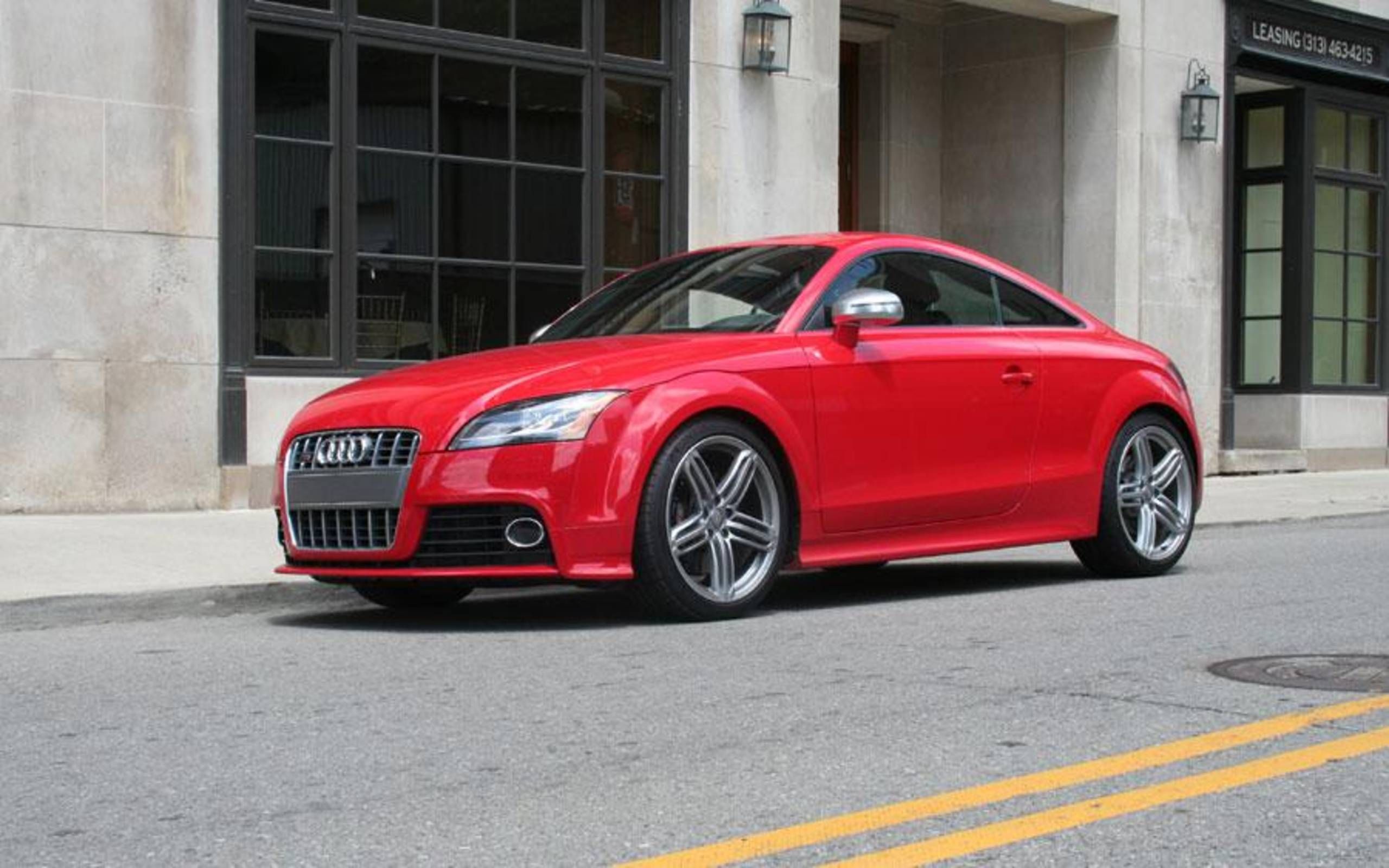
The 2010 Audi TT is a striking example of purposeful design, combining sleek styling with a sporty character. Its appearance suggests a car built for action, not just looks, giving it an upscale presence without the corresponding cost of higher-end exotics.
Used examples of the 2010 TT average around $12,000, offering a chance to own a stylish, high-tech coupe for less than a well-equipped mainstream sedan. The TT’s design is distinctive, with a fastback roofline on the coupe, balanced proportions on the roadster, and optional two-tone color schemes with baseball glove-style stitching that set it apart from competitors.
Inside, the TT offers a concept-car-inspired, all-digital cockpit with top-quality materials and precise construction. Front seats are comfortable and supportive, and the coupe version provides a surprisingly practical cargo area of 23 cubic feet with fold-down rear seats, though the backseat is only suitable for small passengers or luggage.
The roadster’s lightweight fabric top folds flush with the rear, preserving the car’s clean lines while offering good insulation and quietness. While not as practical as some retractable hardtop competitors, the TT maintains its unique appeal.
For 2010, drivetrain options were simplified. The TT is only available with the turbocharged 2.0-liter four-cylinder engine producing 200 horsepower and 207 pound-feet of torque, paired with a six-speed S tronic dual-clutch automated manual transmission.
Quattro all-wheel drive comes standard, providing all-weather traction and confident handling, although the engine is less powerful than the previous V6 option. Fuel economy is estimated at 21 mpg city, 29 mpg highway, and 24 mpg combined. The optional magnetic ride suspension enhances handling but adds to the price.
Driving the 2010 TT is engaging but more fashion-oriented than extreme performance. The S tronic transmission shifts quickly and smoothly, and the all-wheel drive makes it competent in slippery conditions. Handling is sharp but does not reach the levels of a Porsche Boxster or Cayman. Safety features include antilock disc brakes, traction and stability control, side airbags, and front knee airbags.
While the TT may appeal first to style-conscious buyers, it is also reasonably comfortable, spacious for its class, and practical in daily use. Competitors include the BMW 1 Series, BMW 3 Series, Infiniti G37, and Audi’s own A5 coupe.
Despite fewer drivetrain choices and a modest engine, the 2010 Audi TT combines technology, distinctive styling, and fun driving dynamics into a compelling luxury sports coupe or roadster that remains desirable at an attainable used price.
7. Jaguar F-Type S V6 (2014) – British Style on a Budget
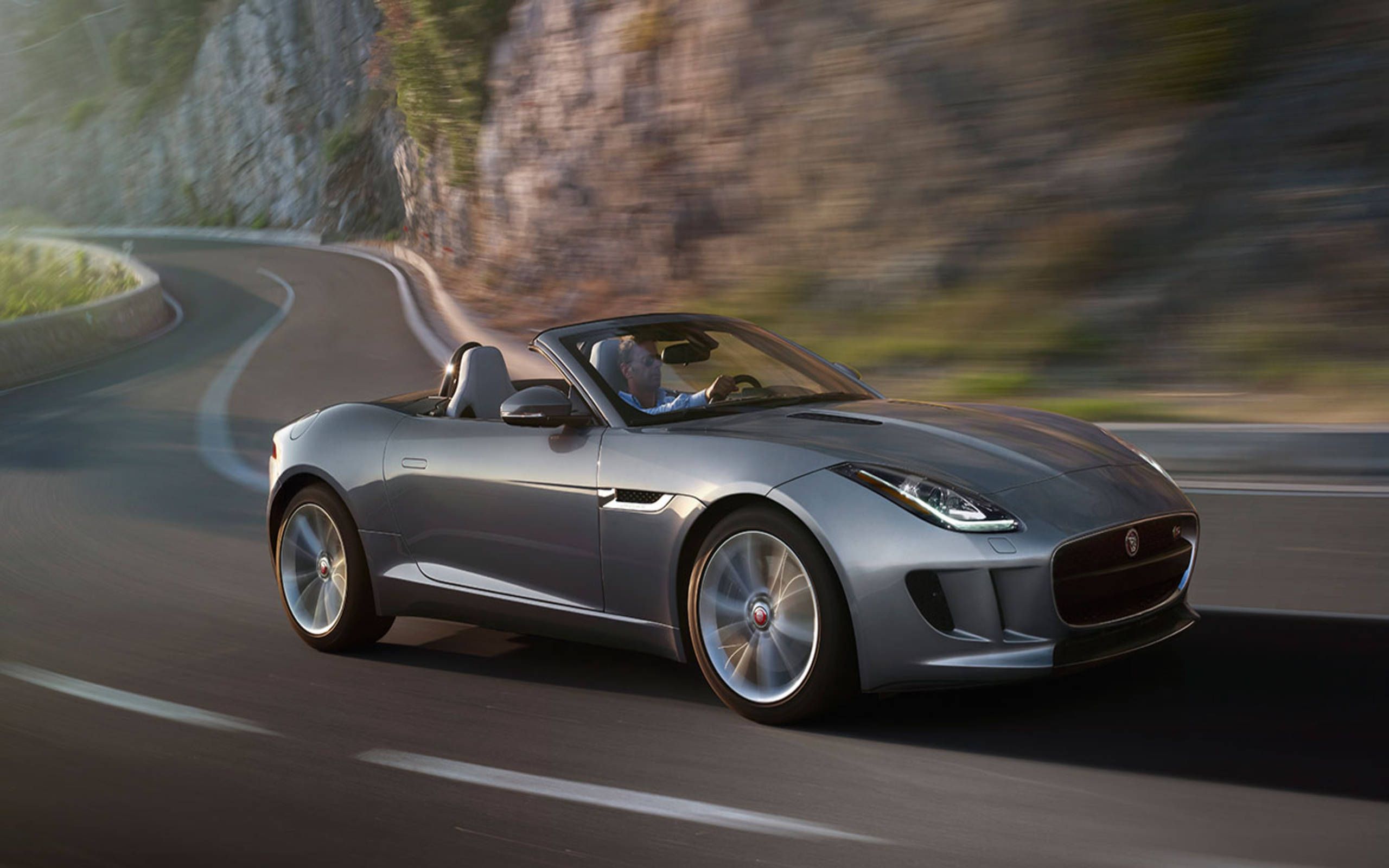
The 2014 Jaguar F-Type S V6 combines unmistakable style with thrilling performance, making it one of the most visually striking sports cars for its price. With a used price around $23,112, it delivers the aura of a six-figure luxury car thanks to its long hood, sculpted rear, and British flair without the hefty cost.
The F-Type’s design and cat-like stance project exclusivity, while the snarling exhaust note adds drama, fooling onlookers into thinking you spent far more than you did.
Under the hood, the F-Type S V6 comes with a 3.0-liter supercharged V6 engine producing 380 horsepower and 339 pound-feet of torque. Power is sent to the rear wheels through an eight-speed automatic transmission with manual shift control.
This allows the F-Type S to accelerate from 0-60 mph in 4.8 seconds, with a top speed of 161 mph. Even the base V6 model offers strong performance, reaching 60 mph in 5.1 seconds, while fuel economy for the V6 S is estimated at 22 mpg combined.
Driving the F-Type S is both thrilling and comfortable. The active exhaust system produces a symphony of engine notes that enhance the experience without becoming intrusive. The V6 S is slightly lighter than the V8, making it more agile and responsive in corners. Handling is confident and precise, and the car remains composed at high speeds, making it suitable for spirited driving or relaxed cruising.
Inside, the F-Type S blends sportiness with luxury. Racy stitching, well-bolstered seats, and a prominent passenger handle emphasize the car’s sports credentials, while high-quality materials, central air vents, and an Ignis orange start button enhance the premium feel.
Convertible functionality is excellent, with the soft top deploying in just 12 seconds at speeds up to 30 mph. Highway cruising with the top down remains calm, though trunk space is limited to 6.9 cubic feet, making it better suited for short trips or weekend getaways.
The 2014 Jaguar F-Type S V6 offers a compelling mix of British style, supercar looks, and enjoyable performance at a fraction of the cost of its more expensive peers, making it an enticing option for enthusiasts seeking head-turning design and exhilarating driving dynamics.
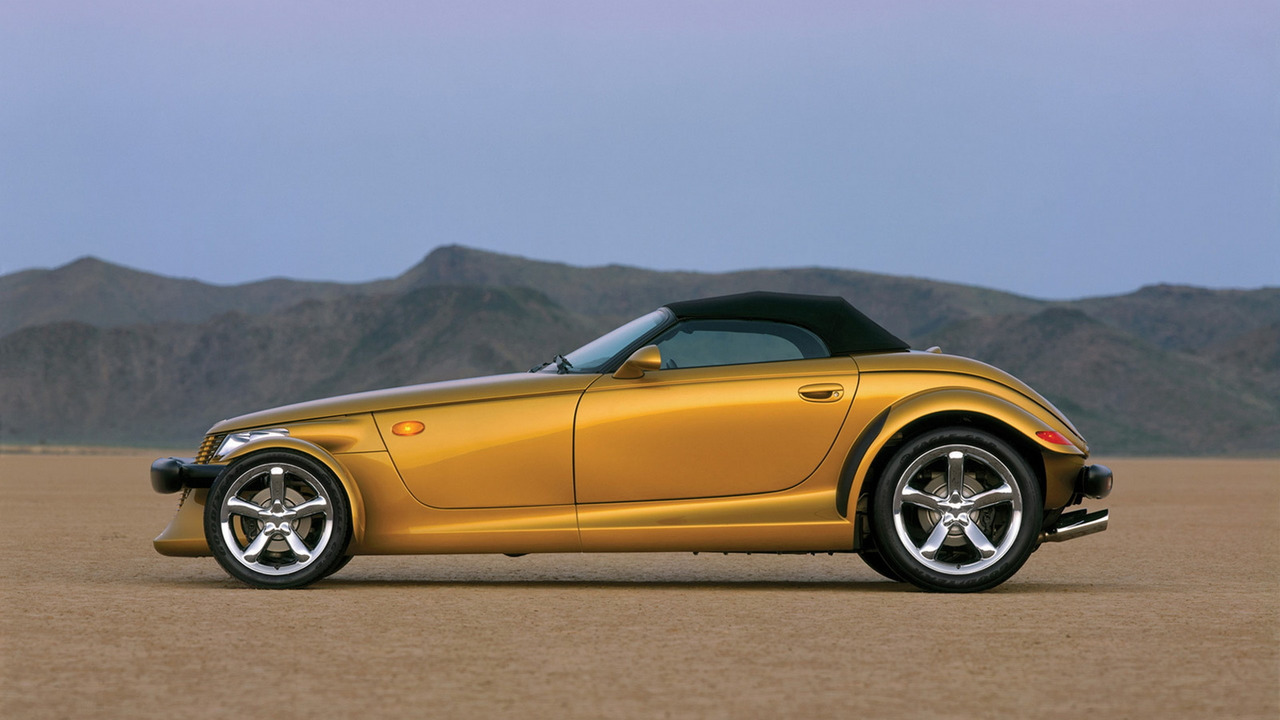
The Chrysler Prowler is a retro-inspired roadster designed to turn heads. With only 5,155 sold, its extreme styling draws attention in any town, from Los Angeles to Palm Beach.
The Prowler’s aluminum body and frame, massive 20-inch rear wheels, and high beltline make it look aggressive, though visibility and trunk space are limited. Adjustable dampers soften the ride, but leather seats are uncomfortable for long trips, and some interior bits feel outdated.
Power comes from a 3.5-liter SOHC V6 producing 253 horsepower and 255 pound-feet of torque, paired with Chrysler’s AutoStick automatic transmission. The Prowler accelerates to 60 mph in six seconds, but lacks the exhaust growl enthusiasts might expect. Handling is surprisingly competent, though a comparably priced Corvette offers better performance, comfort, and amenities.
The Prowler excels in style and attention-grabbing presence. Crank up the 320-watt Infinity sound system, and it becomes impossible to ignore. While it may not satisfy drivers seeking raw speed or a true V8 hot rod experience, the Prowler is perfect for those who want to feel like a celebrity cruising the strip, top down and turning heads everywhere.
8. Plymouth Prowler – Retro Hot Rod Looks
The Plymouth Prowler is a car that looks far more extreme and expensive than it actually is, and a used example can be found for around $27,000. Its retro-inspired styling immediately turns heads, even in car-jaded cities like Los Angeles or Palm Beach, making it one of the most visually striking vehicles for its age.
Few cars provoke as many double-takes while also inviting some jokes about their unconventional looks. The Prowler’s bold design makes it clear that Chrysler prioritized style and presence over traditional performance, and for many buyers, that is precisely the appeal.
Modeled after 1950s hot rods, the Prowler features massive 20-inch chrome wheels in back and 17-inch fronts, a very high beltline, and aluminum bodywork mounted on an all-aluminum frame. Its four-wheel independent aluminum suspension is supported by adjustable dampers that help soften the ride over rough surfaces.
Inside, the leather-wrapped seats are stylish but not ideal for long-distance comfort, and details such as the center-mounted gauges reflect a design more concerned with flair than function. A 320-watt Infinity sound system with speed-compensated volume ensures that the car’s presence is impossible to ignore.
Performance-wise, the Prowler is modest compared with its attention-grabbing looks. A 3.5-liter SOHC V6 engine produces 253 horsepower and 255 pound-feet of torque, allowing it to reach 0-60 mph in around six seconds.
The exhaust note is surprisingly subdued, and the AutoStick automatic transmission is not a substitute for a true manual gearbox. While handling is better than one might expect, a similarly priced Corvette will outperform it in both speed and comfort.
What the Prowler lacks in raw power, it makes up for in charisma. Its wild, retro styling and low-slung stance create the illusion of a six-figure exotic, and the convertible functionality allows for open-air cruising that draws attention wherever you go.
For $27,000, the Prowler is a statement car, perfect for those who want to feel like a celebrity for a day, cruise the local strip, and enjoy the reactions of onlookers. It is not designed to compete in drag races or endure long trips comfortably, but as a head-turning, weekend-focused hot rod, it is nearly unmatched in style, nostalgia, and sheer presence.
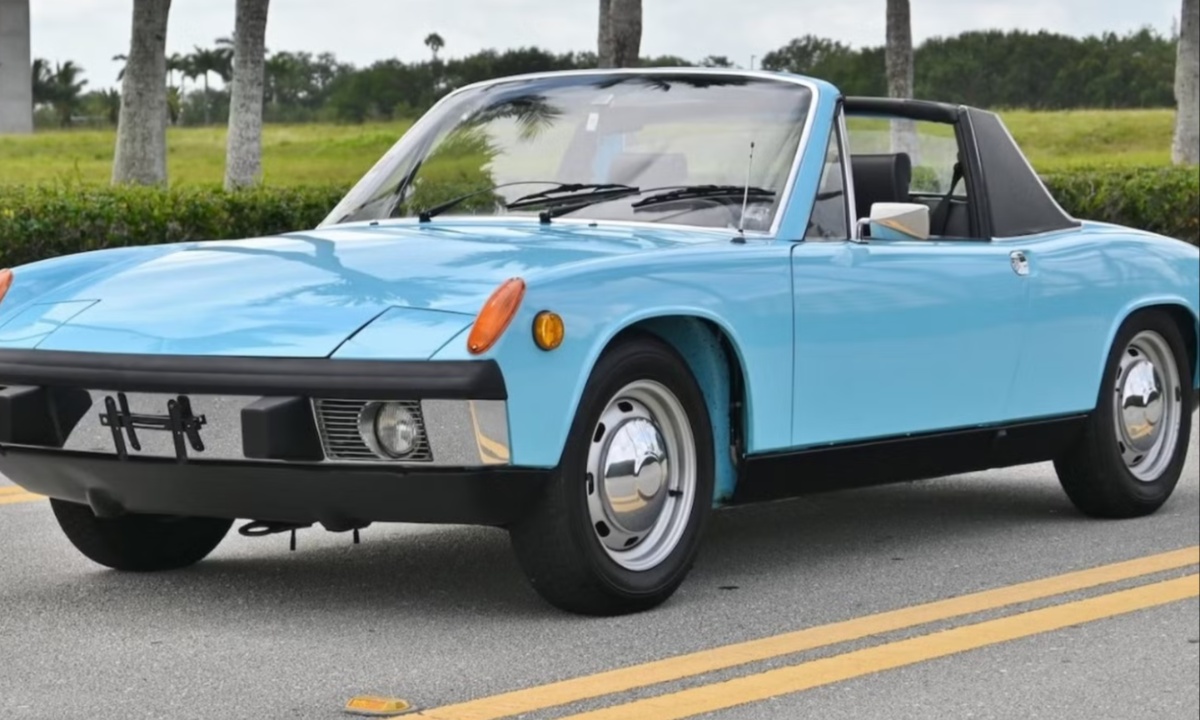
9. Porsche 914 – The Underrated Mid-Engine Classic
The Porsche 914 is a unique and increasingly sought-after classic, with used examples averaging around $18,000. Originally conceived in the mid-1960s as a joint venture between Porsche and Volkswagen, the 914 was intended to be an affordable, mid-engine alternative to the Porsche 912 while giving Volkswagen a halo sports car far removed from the Beetle or Bus.
The collaboration resulted in a two-seater targa-top sports car with a distinctive style and innovative mid-engine layout.
Early 914s were available with Volkswagen’s 1.7-liter fuel-injected flat-four producing 79 horsepower, while the more powerful 914/6 featured a 2.0-liter Porsche flat-six tuned for 108 horsepower. Later engines included a 3.0-liter flat-eight for even higher performance.
Despite modest numbers on paper, the lightweight design, starting around 1,984 pounds for the four-cylinder, provided nimble handling and enjoyable driving dynamics. Four-cylinder 914s could reach 0-60 mph in roughly 13 seconds, while the 2.0-liter model achieved it in 8.7 seconds, and the eight-cylinder variant topped out at 155 mph.
The 914’s reception was mixed at launch. Its quirky styling, unconventional shift linkage, and modest performance from the four-cylinder engine drew criticism. However, some publications, such as MotorTrend, praised it as one of the best-handling cars they had driven and recognized its influence on automotive design trends.
The 914/6 was less commercially successful due to its higher price, nearly matching the entry-level 911, and was discontinued in 1972. The four-cylinder models continued with incremental improvements until the mid-1970s, with nearly 119,000 units sold between Porsche and Volkswagen.
Despite its early reputation as a budget Porsche, the 914 has gained respect among enthusiasts in recent years for its mid-engine balance, unique styling, and ease of maintenance relative to other classic Porsches.
Buying a 914 requires caution because rust is common, carburetor modifications can be poorly executed, and engine swaps, especially four-cylinder cars converted to six-cylinder power, can compromise handling and originality. Some parts remain Porsche-priced, so careful selection of a well-maintained, original example is crucial to preserving value.
Today, the 914 is recognized not only for its quirky charm but also as an accessible entry point into classic Porsche ownership. Its combination of mid-engine dynamics, targa-top fun, and distinctive 1970s styling ensures it stands out in a sea of more conventional vintage sports cars.
For enthusiasts seeking a unique, lightweight, and engaging driver’s car, the Porsche 914 offers a compelling balance of affordability and classic appeal.
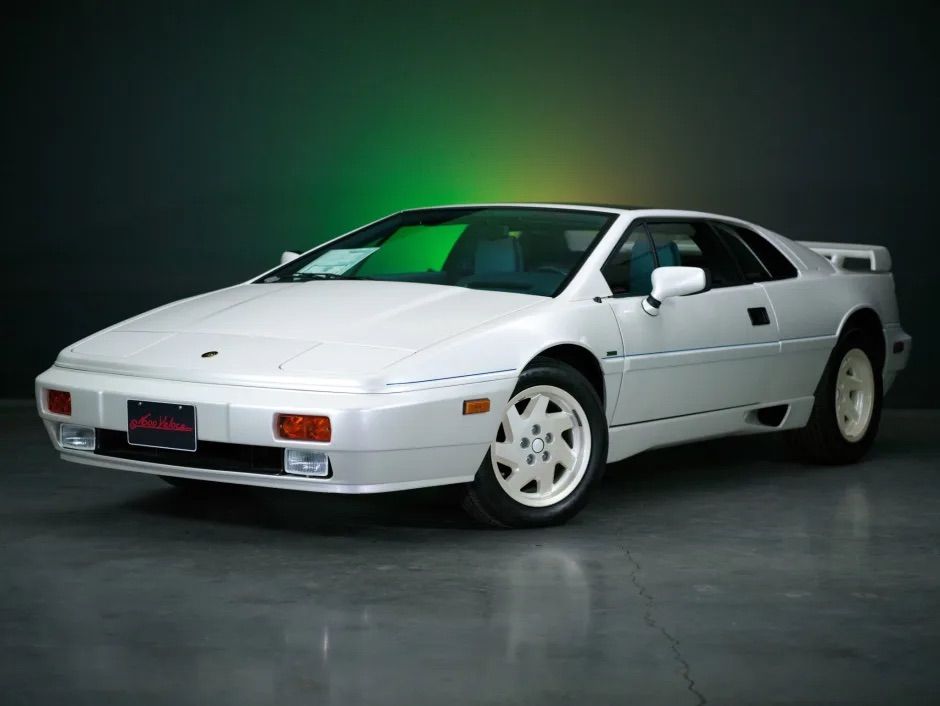
10. Lotus Esprit Turbo (1988) – Exotic Design and Track-Ready Performance
The 1988 Lotus Esprit Turbo is a striking sports car that delivers supercar looks at a relatively modest price. Designed by Giugiaro, it features a low-slung wedge shape, pop-up headlights, wide rear haunches, and a dramatic rear wing, giving it the presence of a six-figure exotic without the corresponding cost.
Used examples of the Esprit Turbo can be found for around $19,100, making it an affordable way to own an attention-grabbing car. Its James Bond cameo adds to its mystique, cementing its reputation as a standout exotic.
Under the hood, the Esprit Turbo is powered by a 2.2-liter turbocharged inline-four engine producing 215 horsepower and 192 pound-feet of torque. Coupled with a five-speed manual transmission, it accelerates from 0-60 mph in 5.3 seconds and achieves a top speed of 148 mph.
Despite its small engine, it was one of the fastest four-cylinder cars in the United States at the time and could outperform larger-engined competitors such as the V-8 Mustang GT, Porsche 944 Turbo S, and automatic Corvette.
The Esprit Turbo excels in handling, reflecting Lotus’s reputation for precision. Steering is quick and responsive, hard cornering produces minimal body roll, and the car maintains excellent grip on Goodyear NCT tires sized 195/60VR-15 at the front and 235/60VR-15 at the rear.
The car can slide its rear with throttle input, offering a thrilling, engaging experience. Four-wheel disc brakes provide strong stopping power, though the absence of anti-lock brakes is a drawback. The Esprit achieved a 0.86 g skidpad rating, demonstrating exceptional lateral grip.
The interior of the Esprit Turbo is more refined than earlier models. The cockpit is roomier due to a reshaped transmission tunnel, and seats offer rake adjustment for a more comfortable driving position.
Leather-trimmed dash and door panels complement Connolly leather seats and a three-spoke leather-wrapped steering wheel. Despite these improvements, the cabin has limitations, including cramped footwells, a thick non-adjustable steering wheel, the absence of an oil-temperature gauge, and a rudimentary climate-control panel.
The 1988 Lotus Esprit Turbo combines dramatic, exotic styling with impressive performance and handling, offering a supercar experience at a comparatively low price. It remains a standout choice for enthusiasts seeking a rare, head-turning sports car that delivers both speed and precision on the road.
It looks like your text suddenly shifted from the Jaguar F-Type S V6 to the Chrysler Prowler. I can separate these into two clear, professional summaries with subheadings and maintain the word count and style you’ve been using.
Owning a car that feels more luxurious, powerful, or rare than its price suggests is an unmatched thrill. From classic Japanese sports cars to exotic European icons, each vehicle on this list blends performance, style, and character in ways that defy their modest cost.
These cars prove that driving is about more than specs; it’s about the connection, the attention to detail, and the excitement of being behind the wheel of something extraordinary.
Whether drawn to rally-bred off-roaders, mid-engine classics, or head-turning retro roadsters, these ten cars show that automotive dreams don’t always require six-figure budgets.
For enthusiasts seeking style, excitement, and a sense of owning something rare, these affordable yet remarkable cars offer all that and more, making every drive a statement and a thrill.