
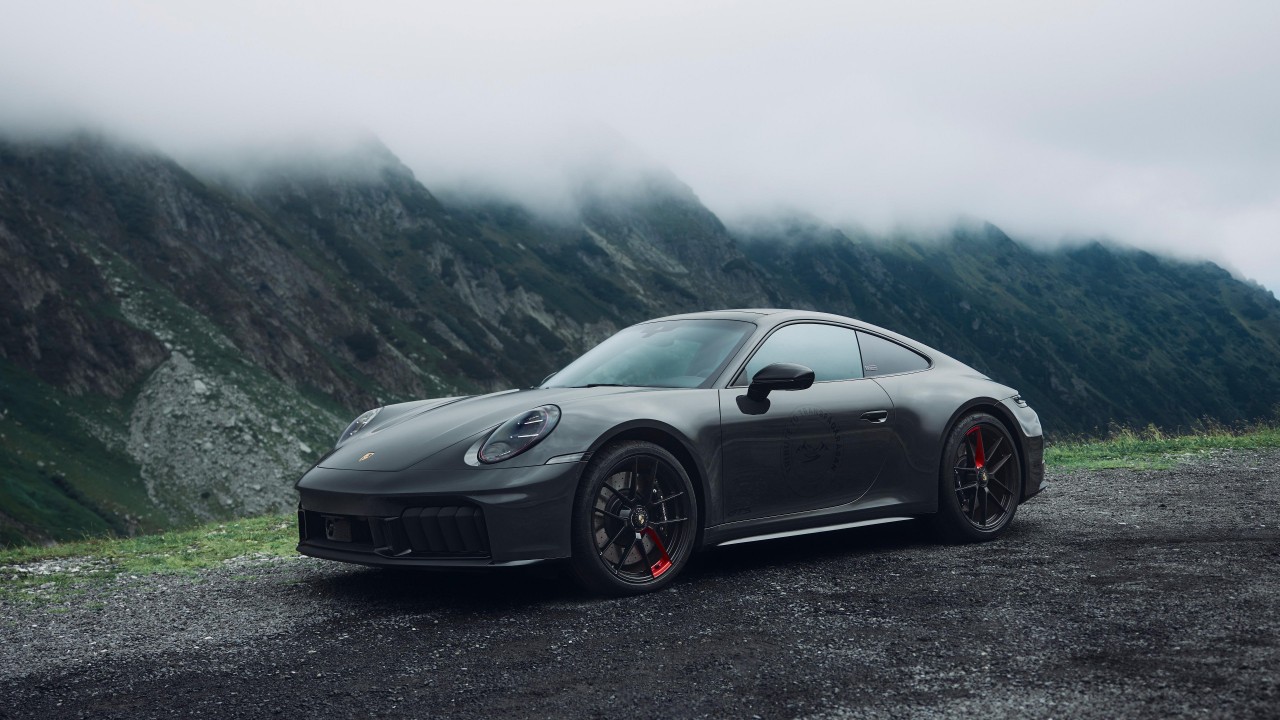
The 2000s represented a transformative decade for the automotive industry, a time when manufacturers were experimenting with bold designs, advanced technology, and diverse powertrains in ways that would shape the future of motoring.
While we often think of classic cars as vehicles from the 1960s or 1970s, many automobiles produced during the 2000s have already earned their place in automotive history as genuine classics.
This shift in perception reflects not just the passage of time, but the recognition that certain vehicles from this era possessed exceptional engineering, design innovation, or cultural significance that transcended their original market positioning.
What makes a car from the 2000s worthy of classic status so quickly? Several factors contribute to this distinction. First, these vehicles often represented the last generation of their kind before significant market changes or manufacturer restructuring.
Some symbolize the final hurrah of naturally aspirated engines before turbocharging became ubiquitous, while others represent the final iteration of iconic nameplates that have since disappeared.
Second, the 2000s produced vehicles that combined modern reliability with mechanical accessibility, making them attractive to enthusiasts who appreciate driving experiences less mediated by computer systems than contemporary cars.
Third, many of these cars have simply become increasingly rare and desirable as original examples have been retired from service or modified beyond recognition.
The appreciation for 2000s classics has accelerated remarkably in recent years, driven by nostalgia, changing collector preferences, and the realization that these cars offer something increasingly valuable: they bridge the gap between vintage character and modern drivability.
Many are still relatively affordable compared to older classics, yet they deliver driving satisfaction that resonates with a generation of enthusiasts seeking tangible, mechanical experiences.
Furthermore, as emissions regulations tighten and electrification accelerates, combustion-engine vehicles from the 2000s are experiencing renewed collector interest as representatives of an automotive era that’s rapidly becoming historical.
This article examines nine exceptional vehicles from the 2000s that have solidified their status as genuine classics. Each represents something unique about the decade technological innovation, design excellence, performance credentials, cultural impact, or mechanical purity.
Some achieved immediate recognition, while others required years to gain appreciation as enthusiasts and collectors recognized their inherent qualities.
From high-performance sports cars to luxury sedans, from sports coupes to practical everyday vehicles that have been raised to cult status, these nine automobiles demonstrate that classic car status isn’t determined solely by age. Still, by the enduring appeal and significance a vehicle maintains long after its production run concludes.
As we move further into the 2020s, these 2000s icons represent an increasingly precious connection to a recent but distinct era of automotive history.
1. Porsche 911 (2005-2008 997.1)
The Porsche 911 represents the automotive world’s most enduring nameplate, and the 2005-2008 997.1 generation marks a particularly significant evolutionary moment in this legendary lineage.
Arriving as a complete redesign after the extensively criticized 996 generation, the 997 marked a philosophical return to classical 911 proportions and design heritage while incorporating modern engineering refinement that substantially improved reliability, comfort, and user-friendliness compared to its predecessor.
This pivotal generation has already achieved genuine classic status among serious enthusiasts and collectors, appreciated as the transitional model that successfully reconciled Porsche’s storied design heritage with contemporary performance standards and customer expectations.
The 997.1, specifically the initial iteration before its 2009 refresh introduced significant technological changes, represents an increasingly precious connection to a particular moment in sports car engineering when mechanical purity and elegant design still fundamentally defined the 911 experience and driving philosophy.
The 997.1’s naturally aspirated 3.6-liter flat-six engine produced 325 horsepower in base models and 355 horsepower in the more aggressive S variant, establishing powerplant characteristics fundamentally distinct from the turbocharged engines that would dominate subsequent generations.
The naturally aspirated engine’s linear power delivery throughout the entire engagement spectrum created a direct, unmediated connection between driver input and mechanical response, with characteristic transparency that enabled drivers to feel the engine’s personality and mechanical nature throughout the complete throttle range.
The distinctive flat-six sonority, ascending progressively from mechanical rumble at lower RPM to a distinctive wail at higher engine speeds, represented one of automotive engineering’s most beloved and emotionally resonant auditory signatures.
This engine character communicated with drivers in genuine ways that forced induction and hybrid systems struggle to replicate, establishing an authenticity and mechanical transparency that resonates deeply with enthusiasts who value direct driver engagement over digital interface and computer mediation.
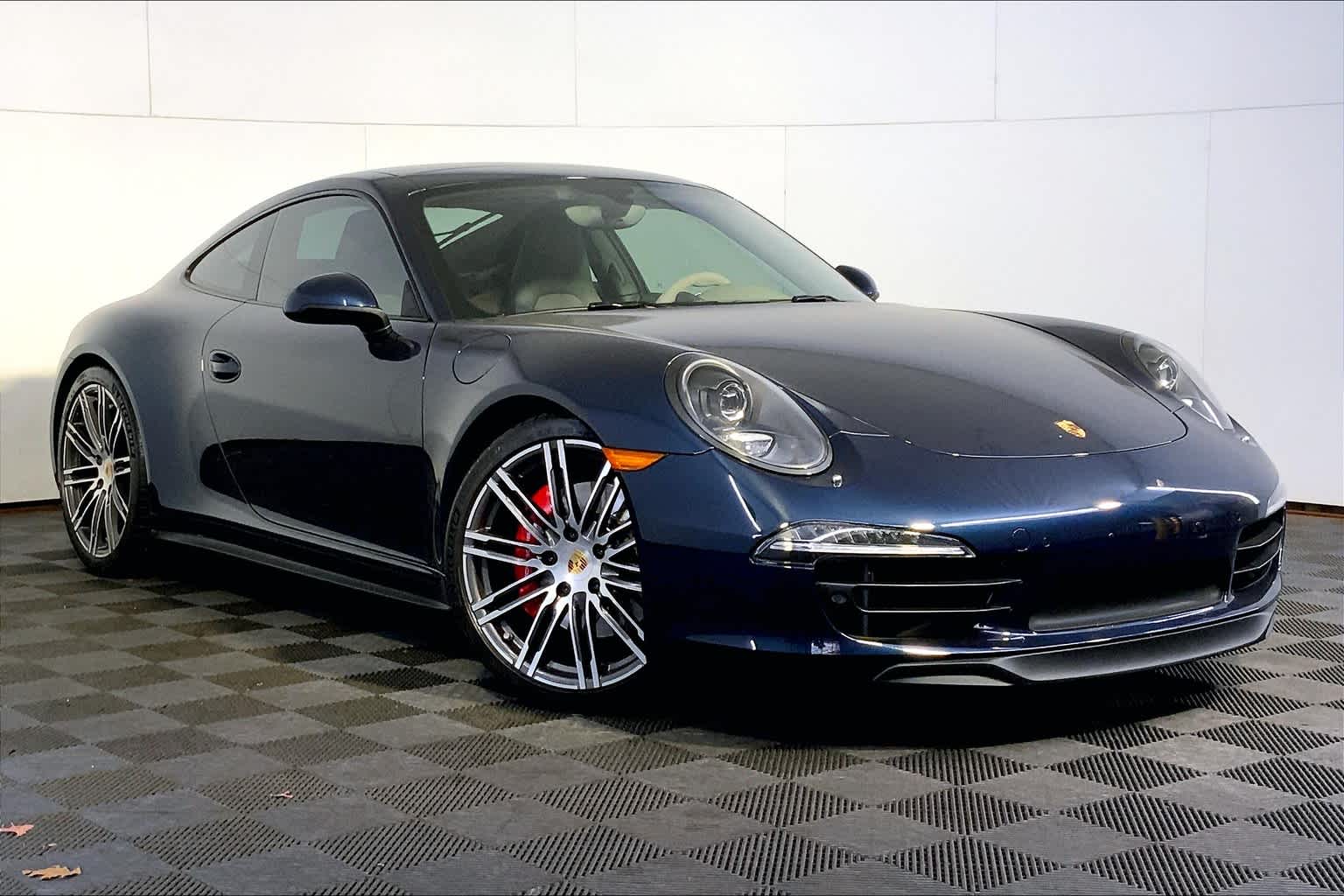
Mechanically, the 997.1 represented substantial refinement and engineering advancement compared to its controversial predecessor.
The sophisticated multi-link suspension architecture finally resolved the 911’s historical tendency toward nervous, unpredictable behavior in certain challenging driving situations, providing responsive handling dynamics without the inherent unpredictability that characterized earlier 911 generations.
Porsche incorporated braking technologies directly derived from racing experience and motorsport development, delivering genuinely confidence-inspiring stopping power with progressive modulation enabling driver control.
Interior quality demonstrated significant improvement from the previous generation, featuring considerably refined materials and intuitive ergonomics reflecting the substantially raised expectations that contemporary luxury sports car customers had come to expect.
The optional PDK dual-clutch transmission provided a sophisticated alternative to the traditional manual gearbox, enabling broader market appeal while maintaining genuine performance credentials and driving engagement. The 997.1 has achieved classic status through multiple compelling factors working in concert.
First, it represents the final 911 generation genuinely accessible to passionate drivers operating within middle-class budgets contemporary 911 models routinely command prices exceeding six figures even for used examples, whereas well-maintained 997.1 models remain available at substantially lower price points, making them immediately appealing.
Second, as Porsche accelerates its transition toward electrification and forced-induction engines, the naturally aspirated 997.1 has become historically significant as a pure representation of traditional sports car engineering philosophy and mechanical values.
Third, the combination of excellently proportioned design, refined engineering sophistication, strong performance capabilities across the range, and accessible pricing has positioned the 997.1 as an ideal entry point into genuine 911 ownership and performance car collecting.
Finally, the 997.1’s reputation for reliability and mechanical durability makes it a genuinely usable classic, capable of delivering authentic 911 driving experiences without the ownership anxiety accompanying older vehicles.
The 997.1 will likely experience strengthening appreciation as surviving examples age and become increasingly scarcer in the market, cementing its status as one of the 2000s’ most significant and historically important classic vehicles.
2. Honda S2000 (2000-2008)
The Honda S2000 occupies a uniquely significant position in automotive history, representing the last time a major manufacturer produced a lightweight, naturally aspirated, manual-transmission sports car specifically designed for driving enthusiasm rather than technological exhibition.
Produced from 2000 through 2008 with relatively minor evolution, the S2000 has already achieved iconic status among enthusiasts and collectors who recognize it as a masterpiece of mechanical design and pure driving experience.
The car’s purity of purpose, combined with exceptional reliability and accessible pricing, has made it one of the most beloved sports cars of the 2000s, with well-maintained examples now commanding strong prices in the used market and rapidly achieving classic car status.
Honda’s engineering achievement with the S2000 stemmed from a fundamental philosophy: build a car specifically designed around the capabilities of an exceptional engine rather than designing an engine to fit a predetermined chassis configuration.
The resulting 2.0-liter naturally aspirated four-cylinder represented a technological marvel, producing 240 horsepower and 153 pound-feet of torque while achieving an astonishing 9,000 RPM redline.
This made the S2000 one of the most power-dense naturally aspirated engines of its era, requiring drivers to aggressively work through the rev range to access the full performance potential.
The engine’s character was electric, visceral, and utterly transparent, communicating its mechanical nature with every rotation.
The linear nature of its power delivery, building progressively throughout the engagement zone, created a driving experience that modern turbocharged engines struggle to replicate regardless of their impressive horsepower figures.
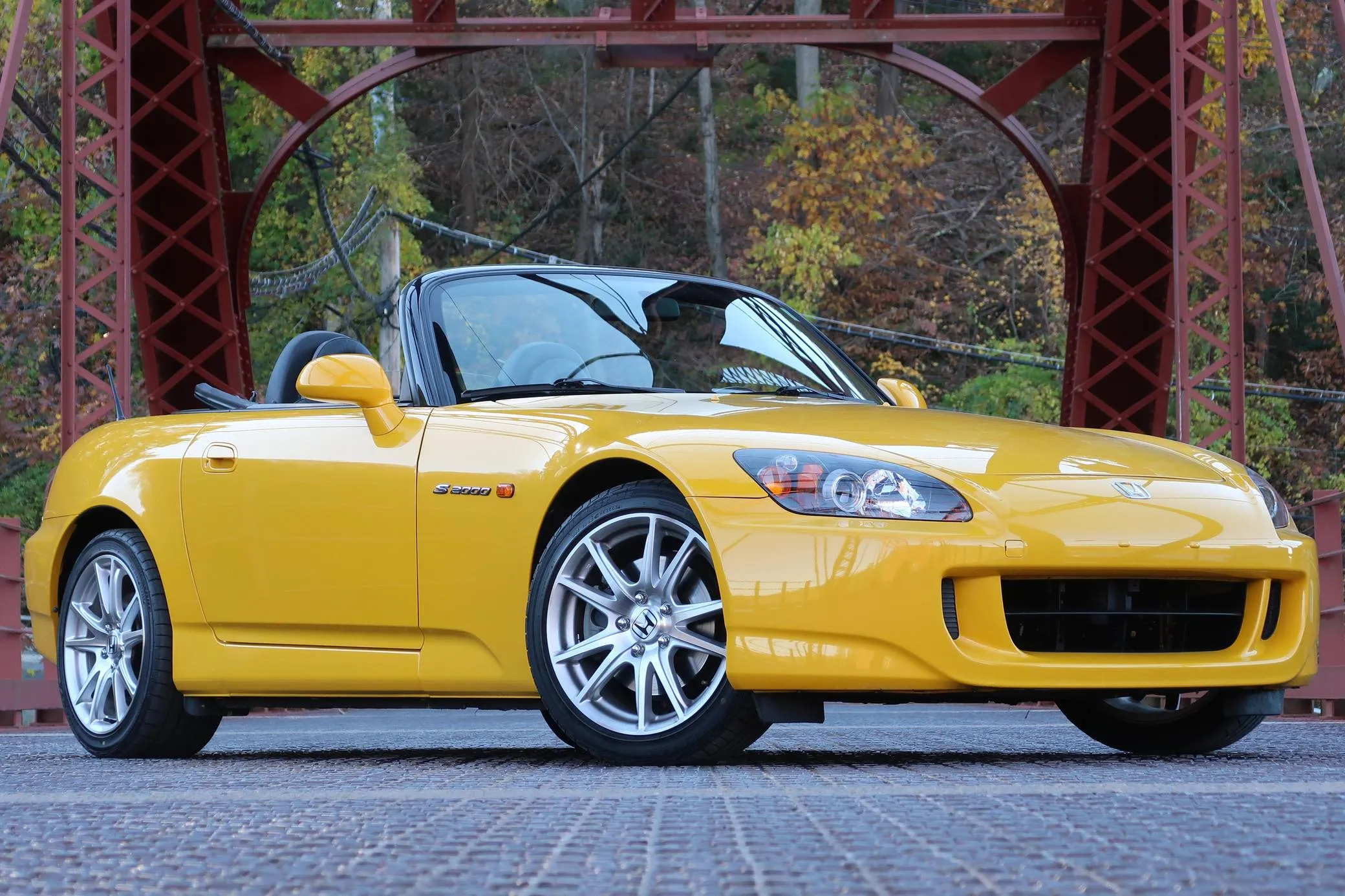
The chassis beneath this exceptional engine was equally impressive, featuring a perfectly balanced 50/50 weight distribution, exceptional suspension geometry, and a body weight that remained under 2,300 pounds throughout the car’s production run.
The six-speed manual transmission was a mechanical jewel, offering precise shifts with minimal play, encouraging drivers to work through the gears in a deliberate, engaging manner.
The steering was direct and communicative, offering genuine feedback about road surface conditions and chassis attitude. Every element of the S2000’s design was optimized for driver engagement rather than technology demonstration or marketable features, making the car feel like a mechanical conversation between driver and machine.
The S2000 has rapidly achieved classic status for several compelling reasons. First, it represents the last of a particular breed of accessible, driver-focused sports cars produced by a mainstream manufacturer, making it increasingly significant as production sports cars have become more complex and technology-dependent.
Second, the car’s reputation for exceptional reliability means that well-maintained examples remain genuinely usable classics, capable of delivering authentic driving experiences without the maintenance uncertainty that accompanies many older sports cars.
Third, as naturally aspirated engines become increasingly uncommon, the S2000’s exceptional four-cylinder has become historically significant in its own right, attracting enthusiasts specifically interested in experiencing high-revving mechanical perfection before such engines disappeared.
The combination of mechanical purity, driving engagement, historical significance, and the simple joy of operating an unfiltered connection between driver intention and mechanical response has already raised the S2000 to classic status among the discerning automotive enthusiasts.
3. BMW M3 (2000-2006 E46)
The BMW M3 exists as an institution within performance automotive culture, representing the intersection of German engineering precision, racing heritage, and production-car performance.
The E46 generation, produced from 2000 through 2006, represents a particularly significant evolution of the M3 lineage, combining a traditionally aspirated engine with sophisticated suspension technology and the engineering refinement that defined BMW’s approach to performance.
This generation has already achieved classic status among collectors and enthusiasts, appreciated for its balanced proportions, mechanical sophistication, and genuine performance capabilities that established standards for the segment.
The E46 M3 utilized a 3.2-liter naturally aspirated inline-six engine, producing 333 horsepower and 262 pound-feet of torque, representing a significant advancement over previous M3 generations.
The engine’s construction emphasized lightweight components, with individual throttle bodies for each cylinder providing responsive air intake, variable valve timing optimizing efficiency across the entire rev range, and a sophisticated electronic management system that extracted maximum performance while maintaining reliability.
The six-speed manual transmission featured a particularly aggressive gear ratios throughout the range, designed to keep the engine operating in its optimal power band during spirited driving. The result was a engine that delivered rapid acceleration while maintaining the mechanical transparency that enthusiasts valued.
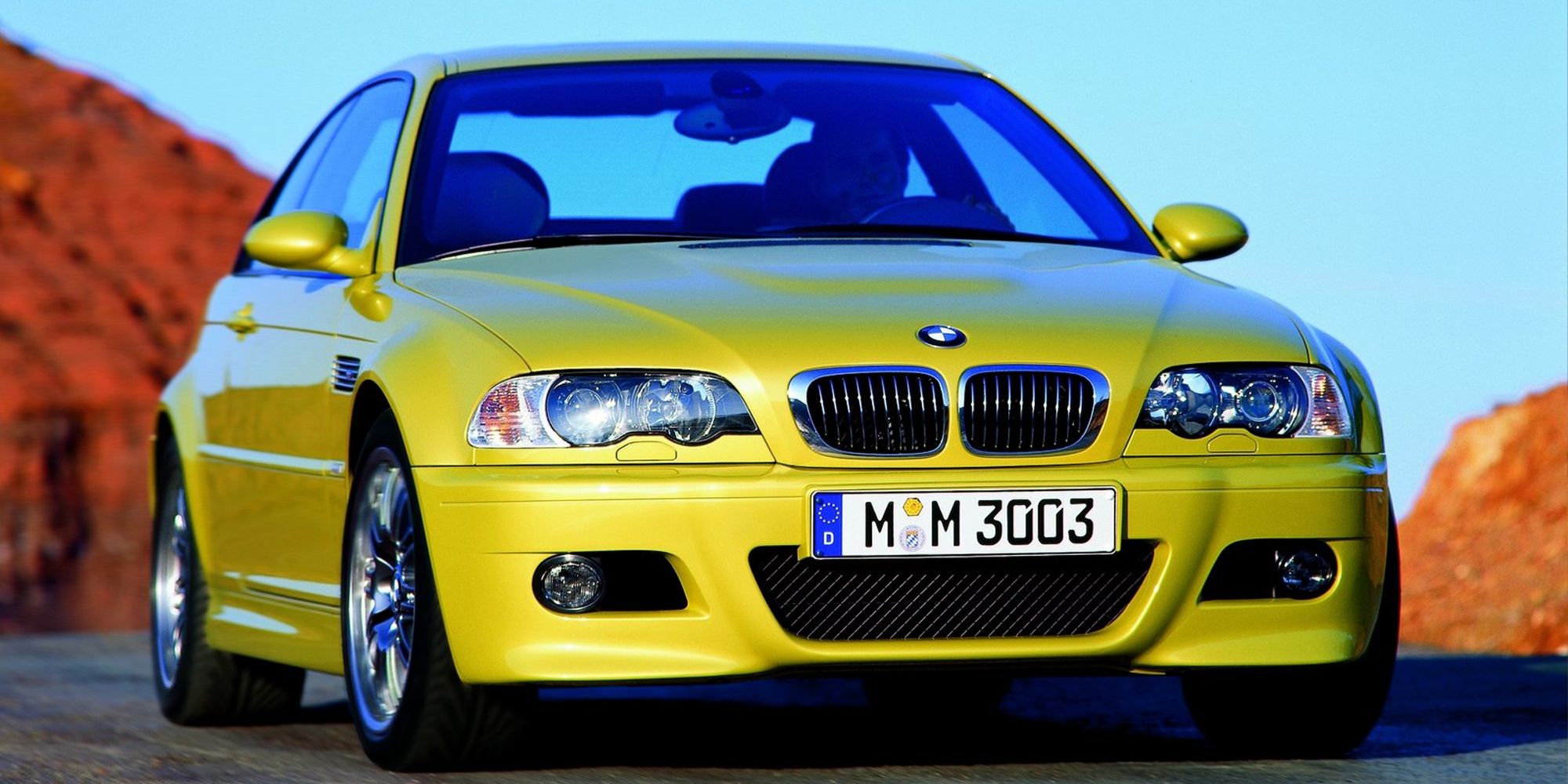
The E46 M3’s chassis represented remarkable engineering achievement, incorporating an aluminum double-wishbone suspension design that provided responsive handling without the harshness that could characterize similar performance vehicles.
The braking system utilized six-piston front calipers and aluminum brake rotors that provided extraordinary stopping power with progressive, confidence-inspiring modulation.
The steering, while power-assisted, retained considerable feedback and directness, enabling drivers to feel the relationship between steering input and chassis response.
The configuration created a car that felt genuinely communicative and engaging during spirited driving while remaining acceptably comfortable for everyday driving situations.
The E46 M3 has achieved classic status through a combination of mechanical qualities and cultural significance. First, it represents the last generation of M3 equipped with a naturally aspirated engine before the subsequent generation switched to forced induction, making it historically significant as the final expression of a particular engineering philosophy.
The car’s proportions and styling remain timelessly elegant, lacking the aggressive styling flourishes that might date less thoughtfully designed vehicles.
The combination of genuine performance capabilities and engineering refinement has made the E46 M3 one of the most respected performance sedans of its era, maintaining enthusiast appreciation throughout the subsequent decades.
Well-maintained examples now command strong prices in the classic car market, with collectors recognizing that the combination of mechanical sophistication, performance credentials, and accessible pricing makes the E46 M3 an exceptional entry point into genuine performance vehicle collecting.
4. Chevrolet Corvette C6 (2006-2013)
The Chevrolet Corvette represents American automotive ambition expressed through pure performance machinery, and the C6 generation, beginning in 2006, marked a substantial evolution in the legendary nameplate’s development.
The C6 introduced a new chassis architecture featuring an aluminum frame, modernized suspension geometry, and sophisticated electronic systems while maintaining the core Corvette philosophy of delivering supercar-level performance at a price point substantially lower than comparable imports.
The 2006-2013 era has already begun establishing classic status, particularly among American enthusiasts who recognize the C6 as the final generation Corvette to utilize a naturally aspirated engine, making it historically significant as a representation of a particular approach to American performance.
The C6 Corvette’s most iconic variant featured a 7.0-liter naturally aspirated V8 engine, producing 430 horsepower and 424 pound-feet of torque in later iterations, making it one of the most powerful naturally aspirated engines in any production automobile of its era.
The engine’s massive displacement, combined with sophisticated fuel injection and variable valve timing, delivered extraordinary linear power delivery across the entire operating range.
The mechanical simplicity of the pushrod architecture, compared to more complex overhead-cam engines in comparable imports, provided a distinctive character that resonated deeply with American performance enthusiasts.
The engine’s sound, a muscular rumble that built to an aggressive crescendo at raised RPM, represented an auditory signature that distinguished the Corvette from its international competitors.
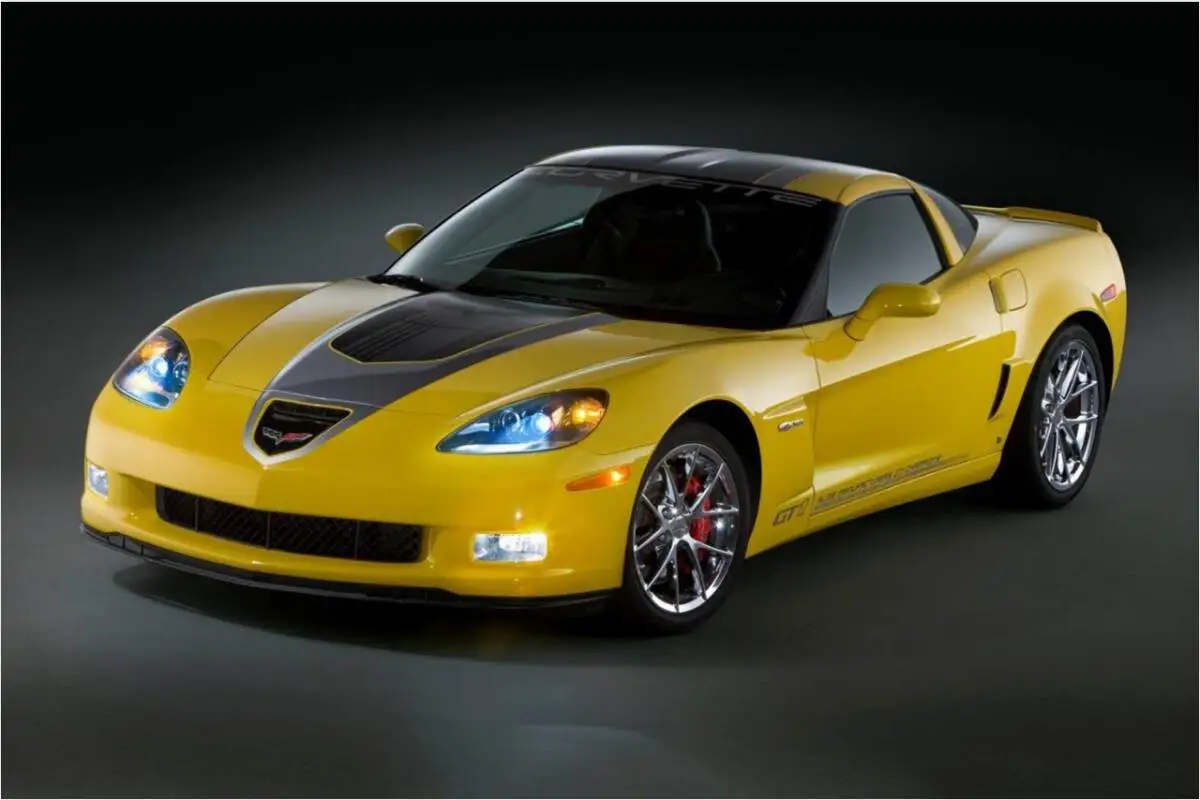
The C6 chassis represented genuine sophistication, incorporating independent rear suspension, computer-controlled damping, and braking systems derived from racing technology.
The structural rigidity achieved through the aluminum frame provided the foundation for precise handling characteristics, while the suspension geometry optimized both road-holding capability and ride comfort.
The steering, while power-assisted, maintained considerable directness and feedback. The braking system utilized carbon-ceramic rotors on high-performance models, capable of managing the extraordinary speeds the engine could achieve.
The combination created a vehicle that could genuinely approach superlative performance capabilities while remaining mechanically accessible to drivers of varying experience levels.
The C6 has achieved early classic status through several significant factors. First, it represents the last generation of American-market Corvette to utilize a naturally aspirated engine before the C7 generation introduced forced induction, making it historically significant as the final expression of traditional Corvette power delivery philosophy.
The C6’s reputation for remarkable performance value, delivering genuine supercar capabilities at prices substantially lower than competitors, has made it increasingly appealing to enthusiasts seeking high-performance vehicles.
Third, as naturally aspirated engines become increasingly uncommon in performance vehicles, the C6’s traditional V8 engine has become culturally significant, attracting collectors specifically interested in experiencing authentic American muscle-car heritage.
The combination of performance capability, mechanical accessibility, reasonable used pricing, and historical significance as a representation of an automotive philosophy increasingly becoming historical has already raised the C6 to classic status.
Also Read: 8 Trucks That Became Unexpected Auction Stars
5. Mazda RX-7 Spirit R (2002-2008)
The Mazda RX-7 represents the final chapter of a legendary rotary engine sports car legacy, with the Spirit R variants produced from 2002 through 2008 representing the ultimate expression of the RX-7 platform.
Unlike earlier generations that achieved significant commercial success, the final generation RX-7 was produced exclusively for the Japanese market, creating an aura of exclusivity among international enthusiasts.
This limited availability, combined with the rotary engine’s unique mechanical character and the Spirit R’s particular refinement and performance focus, has already established the final RX-7 as a genuine classic among serious collectors and enthusiasts who value mechanical innovation and distinctive engineering philosophy.
The final RX-7 Spirit R utilized a 1.3-liter naturally aspirated rotary engine, producing 280 horsepower and 215 pound-feet of torque through a design philosophy fundamentally different from conventional piston engines.
The rotary engine’s triangular rotor, rotating within a specially shaped housing, delivered power delivery that was exceptionally smooth and linear, lacking the discrete power pulses characteristic of piston engines.
The high redline capability, exceeding 9,000 RPM comfortably, combined with the engine’s lightweight construction to provide performance characteristics that conventional engines struggled to match.
The engine’s distinctive sound, a smooth yet purposeful mechanical wail that built with increasing RPM, created an auditory experience that distinguished the RX-7 from all competitive offerings.
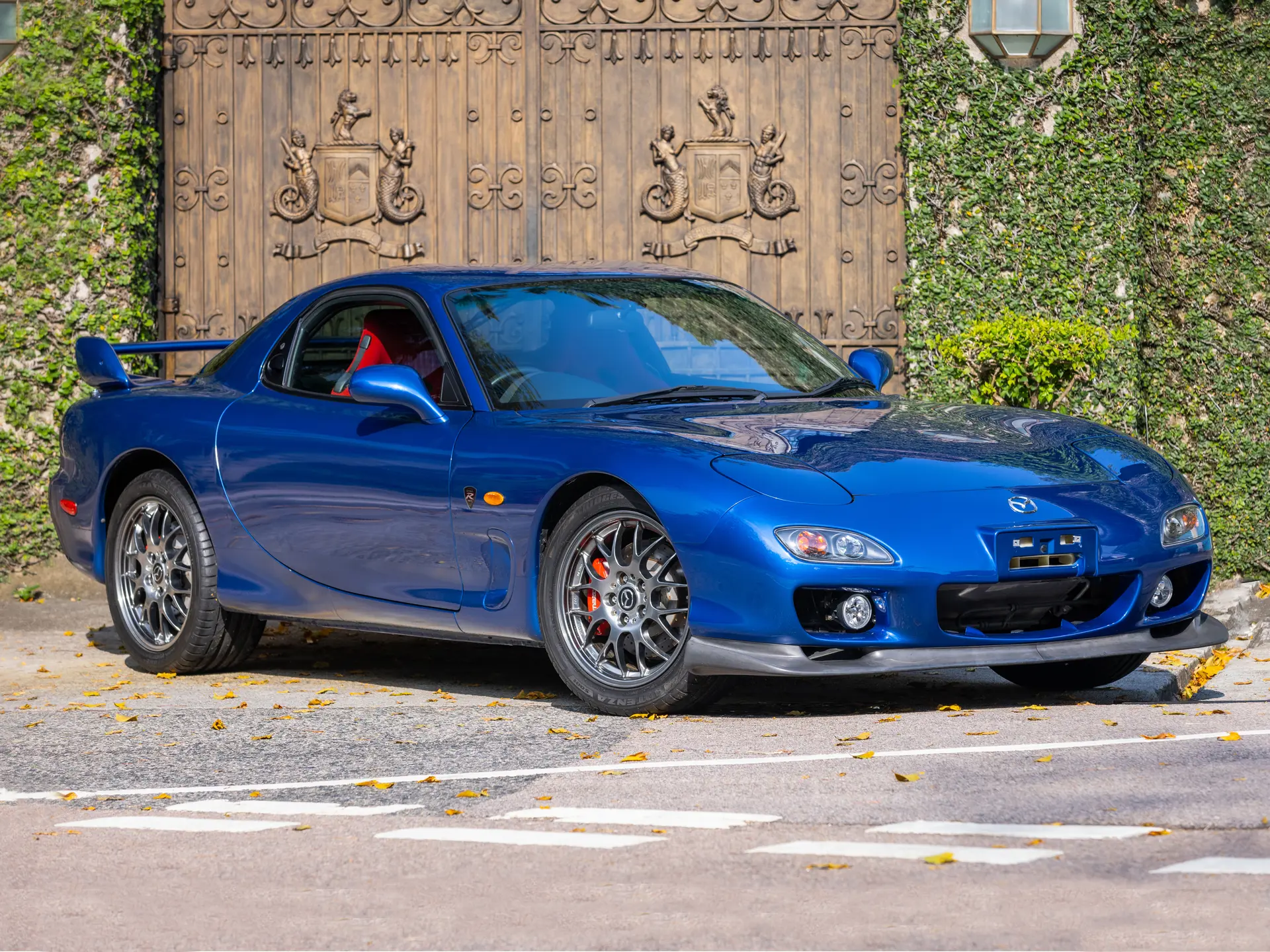
The Spirit R variant represented the ultimate refinement of the RX-7 platform, incorporating suspension upgrades, enhanced braking systems, improved interior appointments, and aerodynamic refinements that optimized the car’s performance and driving experience.
The chassis architecture provided remarkable balance, combining sports car handling characteristics with sufficient compliance to enable reasonable daily usability.
The manual transmission offered precise, engaging shifter feel, encouraging drivers to work through the gears in spirited fashion. The steering remained communicative and direct, providing genuine feedback about chassis attitude and road surface conditions.
The configuration created a vehicle that represented the culmination of nearly three decades of RX-7 evolution and refinement. The final RX-7 has achieved rapid classic status through multiple significant factors.
The rotary engine’s increasing rarity makes the car historically significant as one of the last production vehicles to employ Mazda’s unique rotary technology at performance levels, representing an engineering philosophy that proved economically unsustainable but technically fascinating.
Second, limited availability outside Japan has created desirability among international collectors specifically seeking rare, distinctive vehicles representing alternative automotive philosophies.
The car’s reputation for mechanical reliability and user-friendly performance characteristics has made it increasingly appealing as a genuinely usable classic, capable of providing authentic driving experiences without the uncertainty characteristic of older performance vehicles.
The combination of mechanical innovation, historical significance, limited availability, and genuine driving pleasure has already raised the final RX-7 Spirit R to classic status among discerning automotive enthusiasts.
6. Nissan 350Z (2003-2008)
The Nissan 350Z represents the resurrection of Nissan’s Z car lineage after a production hiatus, introducing a new generation that synthesized traditional Z car characteristics with contemporary engineering sophistication and performance capability.
Produced from 2003 through 2008, the initial generation 350Z has already begun establishing classic status among enthusiasts who recognize it as an exceptional expression of accessible, engaging performance combined with genuinely strong mechanical engineering.
The car’s affordability, performance-per-dollar value, and reputation for reliability have made it increasingly appealing to contemporary collectors seeking authentic driving experiences without the expense characteristic of imported European performance vehicles.
The 350Z utilized a 3.5-liter naturally aspirated V6 engine, producing 287 horsepower and 274 pound-feet of torque, representing a significant advancement in power density compared to the previous Z generation.
The engine’s construction emphasized aluminum components, sophisticated fuel injection, and variable valve timing, optimizing performance across the entire operating range.
The sequential manual transmission, exclusive to the 350Z during this period, offered responsive shifter engagement with quick, deliberate movement between ratios.
The resulting power delivery provided genuine acceleration capability, enabling the 350Z to achieve 0-60 miles per hour in approximately 5.3 seconds and progress through a quarter mile in roughly 13.8 seconds, competitive with contemporary performance vehicles costing substantially more.
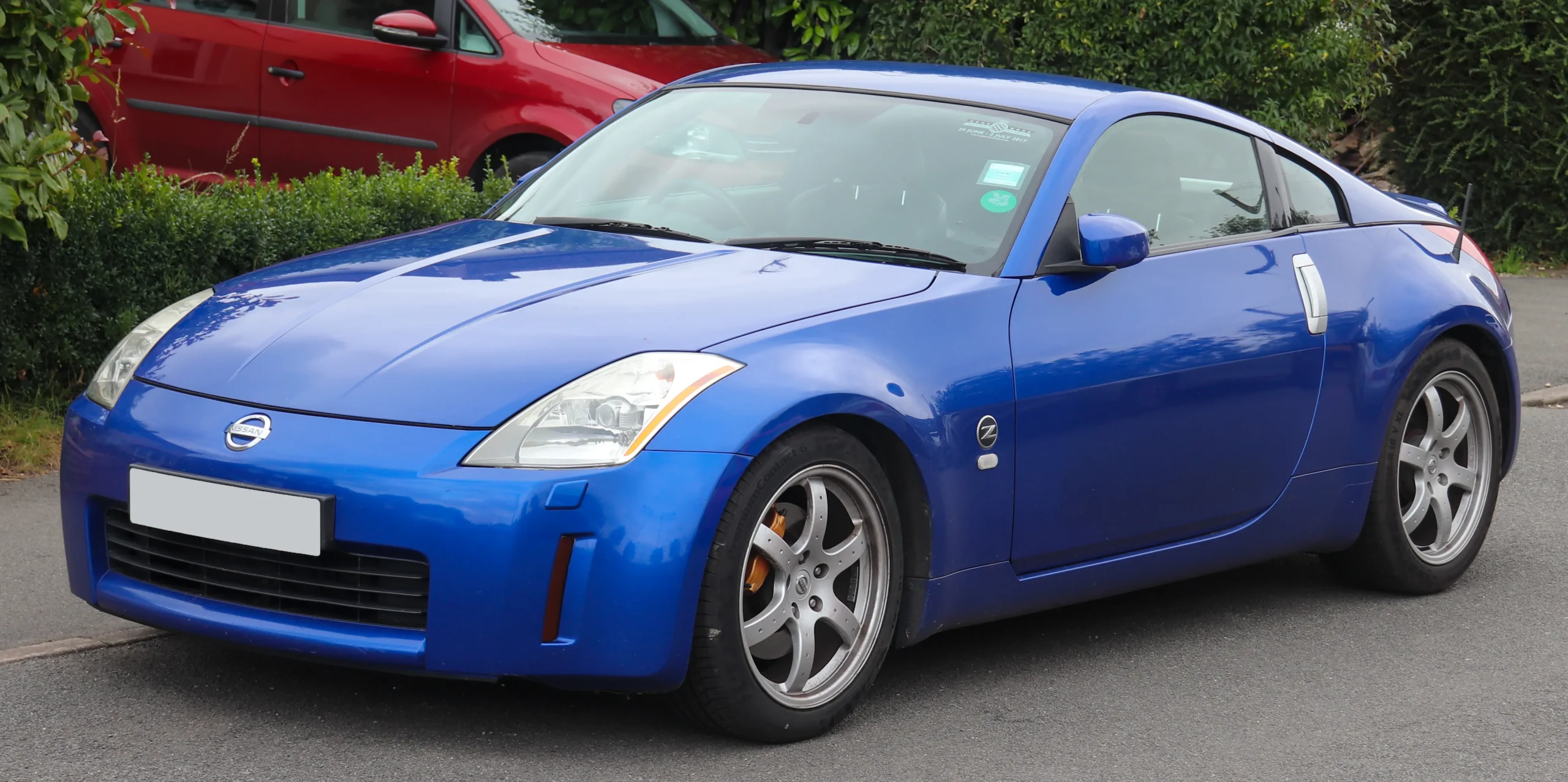
The 350Z’s chassis represented considerable sophistication, incorporating independent double-wishbone suspension at both ends, providing precise handling characteristics and responsive directness.
The steering, while power-assisted, maintained considerable feedback and directness, enabling drivers to feel the relationship between steering input and chassis response.
The braking system utilized Brembo components, providing confidence-inspiring stopping capability with progressive modulation. The configuration created a vehicle that balanced performance capability with sufficiently compliant ride characteristics for reasonable daily usability.
The interior design, while not luxury-focused, provided functional ergonomics and adequate comfort for extended driving sessions. The 350Z has achieved early classic status through several compelling factors.
First, it represents accessible, genuine performance capability, delivering sports car thrills without the expense and complexity characteristic of comparable imported vehicles.
Second, the car’s reputation for mechanical reliability and straightforward maintenance has made it increasingly appealing as a genuinely usable classic, capable of delivering authentic driving experiences with minimal uncertainty regarding mechanical durability.
Third, as the generation that initiated the 350Z’s return to production after a lengthy absence, early models carry particular historical significance within Nissan’s performance vehicle lineage.
Fourth, the sequential manual transmission variant became increasingly uncommon as subsequent generations and competitors adopted conventional automatics, making original examples with this transmission increasingly desirable.
The combination of performance credentials, affordability, mechanical reliability, and genuine driving engagement has already established the 350Z as a developing classic that will likely command increasing appreciation as examples become older and scarcer.
7. Ford Mustang Shelby GT500 (2007-2008)
The Ford Mustang represents an enduring American automotive icon, and the 2007-2008 Shelby GT500 variant represents a particularly significant evolution in the muscle car nameplate’s modern development.
Arriving as part of the fifth-generation Mustang’s performance portfolio, these early Shelby GT500 models featured the legendary supercharged 5.4-liter V8 engine, producing 500 horsepower and 480 pound-feet of torque, establishing a new benchmark for domestic muscle car performance.
These initial model years have already begun establishing classic status among enthusiasts who recognize them as historically significant, combining traditional American muscle car philosophy with contemporary forced-induction technology, representing a particular moment in automotive performance development.
The Shelby GT500’s 5.4-liter supercharged V8 engine represented remarkable achievement in forced-induction technology, utilizing a roots-type supercharger that delivered significant boost throughout the engine’s operating range.
The engine management system incorporated sophisticated fuel injection and ignition timing algorithms, optimizing performance while maintaining reliability and durability.
The supercharger’s distinctive whine became an auditory signature, communicating boost delivery to drivers and observers alike. The combination of displacement and forced induction delivered extraordinary acceleration, enabling the GT500 to achieve 0-60 miles per hour acceleration in under four seconds, competitive with contemporary exotic imports costing substantially more money.
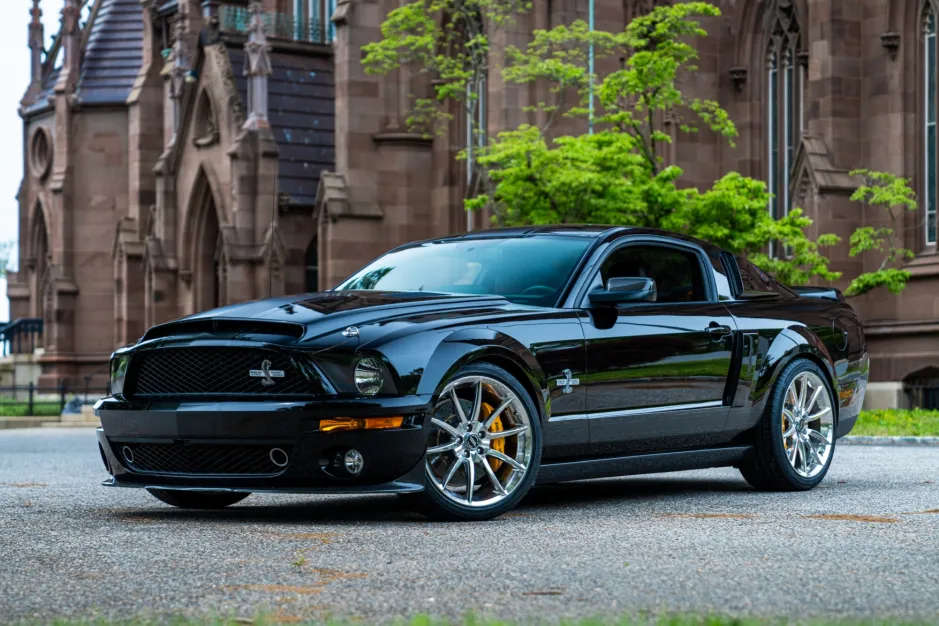
The GT500’s chassis architecture reflected considerable engineering sophistication, incorporating independent suspension geometry optimized for high-performance driving, upgraded braking systems capable of managing the extraordinary power delivery, and structural reinforcements ensuring the chassis remained rigid and responsive during spirited operation.
The steering, while power-assisted, retained considerable directness and feedback. The configuration created a vehicle that synthesized traditional American muscle car characteristics with contemporary performance engineering, resulting in a machine capable of genuine high-performance capability while remaining mechanically accessible and relatively affordable compared to competitive offerings.
The 2007-2008 Shelby GT500 has achieved early classic status through multiple significant factors. First, these early model years represent the initial expression of the supercharged GT500 variant, carrying particular historical significance within the Shelby lineage as the first generation to achieve 500-horsepower performance.
Second, the car represents the intersection of traditional American muscle car philosophy with contemporary forced-induction technology, making it historically significant as a representation of how American manufacturers approached performance development during the late 2000s.
Third, the GT500’s reputation for considerable performance value, delivering genuine supercar acceleration at prices substantially lower than imported alternatives, has made it increasingly appealing to enthusiasts seeking high-performance vehicles.
The combination of iconic nameplate heritage, genuine performance credentials, mechanical sophistication, and developing collector interest has already positioned the early Shelby GT500 as a developing classic that will likely achieve stronger appreciation as these examples age and become scarcer.
8. Lamborghini Gallardo LP560-4 (2008-2013)
The Lamborghini Gallardo represents one of the most successful supercars of the modern era, delivering Italian passion and performance in a machine engineered for genuine daily usability and mechanical reliability.
The LP560-4 variant, introduced in 2008, represented a significant evolution, featuring an upgraded engine delivering 560 horsepower, improved suspension geometry, and enhanced electrical systems providing substantially improved reliability compared to earlier generations.
These 2008-2013 models have already begun establishing classic status among supercar enthusiasts, recognized as representing the Gallardo’s technical and performance pinnacle before its eventual replacement, combining exotic appeal with mechanical accessibility that earlier supercars struggled to provide.
The LP560-4 featured a 5.2-liter naturally aspirated V10 engine, an engineering marvel representing the culmination of years of refined development.
The engine produced 560 horsepower and 413 pound-feet of torque, delivering extraordinary linear power delivery across the entire operating range.
The engine’s construction emphasized lightweight components, with aluminum components throughout providing optimal weight distribution.
The distinctive sound, a mechanical wail that intensified with increasing RPM, represented one of automotive engineering’s most distinctive auditory experiences.
The mid-mounted configuration and relatively low center of gravity provided the foundation for remarkable handling characteristics and performance capability.
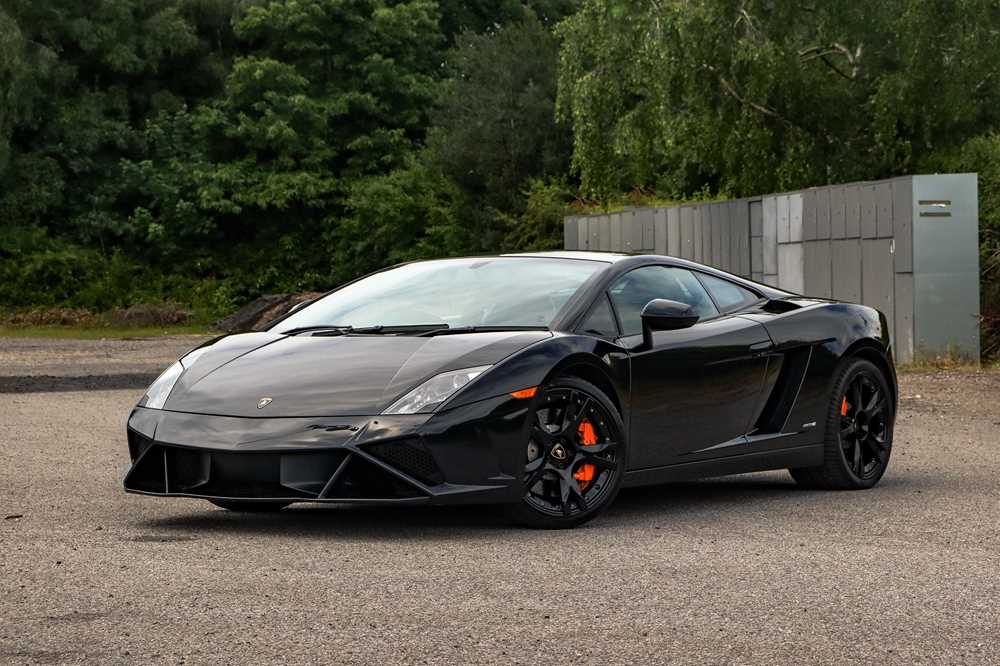
The Gallardo’s chassis represented genuine sophistication, incorporating independent double-wishbone suspension with sophisticated damping adjustment, carbon-ceramic braking systems capable of managing extraordinary speeds, and structural rigidity enabling precise performance delivery.
The cockpit design emphasized driver engagement, with excellent forward visibility and controls positioned intuitively for performance driving.
The navigation between interior appointments and performance functionality created a vehicle that balanced luxury qualities with genuine driving focus. The configuration established the Gallardo as one of the most accessible supercars in terms of genuine usability and mechanical engagement.
The LP560-4 has achieved rapid classic status through several compelling factors. First, the naturally aspirated V10 engine’s mechanical character and authentic performance delivery represent a particular philosophy increasingly becoming historical as forced induction and electrification dominate contemporary supercar development.
Second, the Gallardo’s reputation for exceptional reliability, particularly the later generation LP560-4 variants, has made it increasingly appealing as a genuinely usable supercar, capable of authentic high-performance driving experiences without the uncertainty characteristic of earlier exotic vehicles.
Third, as the final generation before the Gallardo’s replacement, these 2008-2013 models carry particular historical significance within Lamborghini’s modern lineage.
Fourth, the LP560-4’s reputation for reasonable operating costs and maintenance accessibility, compared to contemporary exotic alternatives, has made it increasingly attractive to collectors seeking supercar experiences without ownership anxiety.
The combination of exotic heritage, mechanical sophistication, performance credentials, and developing collector recognition has already established the LP560-4 as an early classic, likely to achieve stronger appreciation as these examples age and become scarcer.
9. Toyota 2000GT (2005 Revival Models and Spirit)
While technically the original Toyota 2000GT was produced during the 1960s, the marque’s spiritual return during the 2000s through the GT-86 concept and subsequent development toward the 86/BRZ platform represents a significant automotive revival.
The 2005 era’s renewed focus on lightweight, driver-focused performance vehicles, combined with concepts like the GT-86 that directly referenced the original 2000GT’s philosophy, established a renewed appreciation for Toyota’s performance heritage.
The cars and concepts produced during this 2000s period, representing the philosophical revival and engineering renaissance of the 2000GT nameplate, have already achieved classic status among enthusiasts who recognize their significance in establishing foundations for subsequent generations of driver-focused sports cars.
The conceptual renewal of the 2000GT philosophy during the 2000s emphasized lightweight construction, balanced chassis dynamics, accessible performance, and genuine driver engagement over raw power output.
The GT-86 concept, reveiled in 2008, featured a compact 2.0-liter naturally aspirated boxer engine producing approximately 200 horsepower, but engineered for distinctive character and responsive power delivery rather than absolute performance figures.
The mid-mounted engine position provided optimal weight distribution, while the lightweight aluminum-intensive construction enabled the concept to remain under 2,400 pounds despite its adequate size.
The focus on proportional balance, mechanical transparency, and driver engagement reflected a philosophical renewal of what made the original 2000GT significant decades earlier.
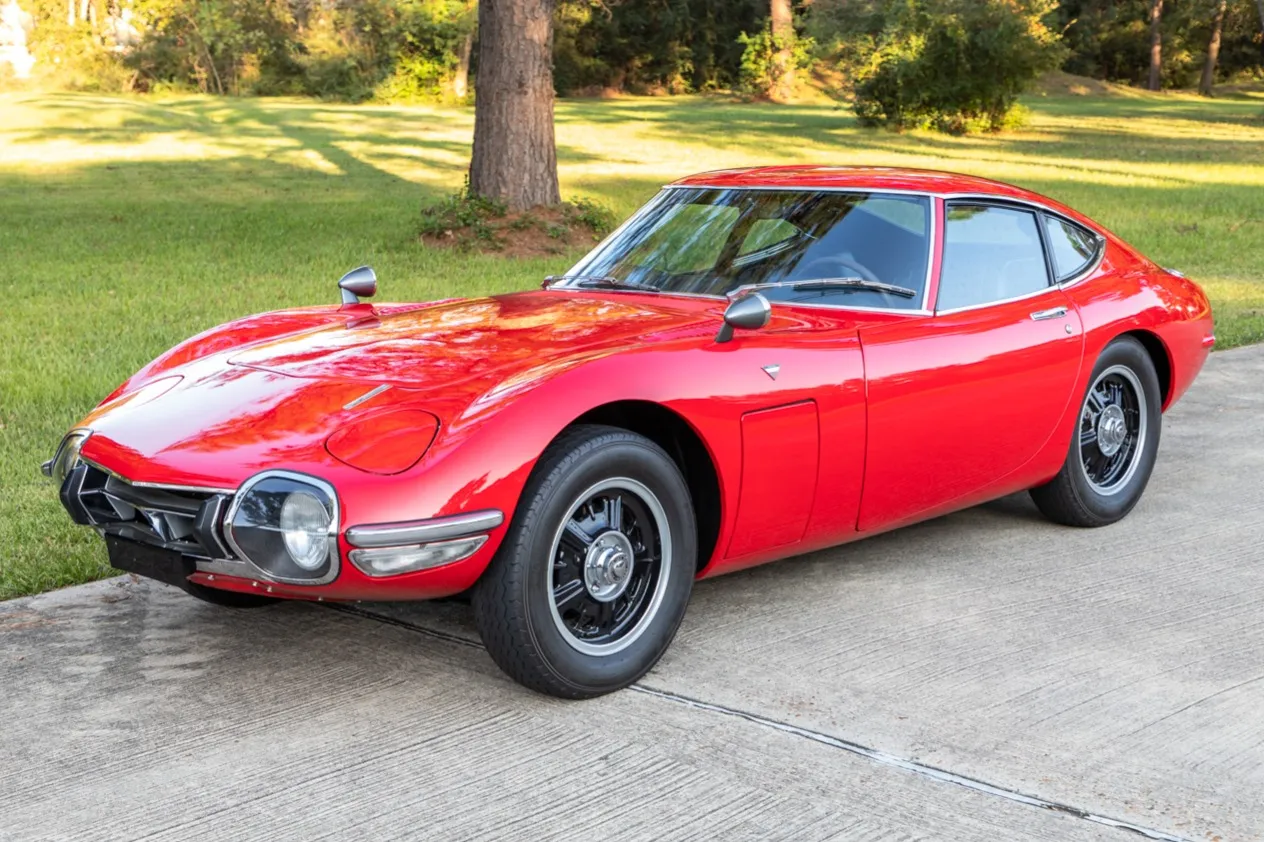
The 2000s revival movement, including concept vehicles and design studies, represented a remarkable cultural moment within automotive development.
In an era increasingly dominated by turbocharging, electronic assistance systems, and technology-mediated driving experiences, these 2000s efforts represented deliberate statements championing mechanical simplicity, natural aspiration, and driver-focused engineering philosophy.
The conceptual vehicles and design studies influenced a generation of engineers and enthusiasts, establishing renewed appreciation for lightweight, engaging sports cars that prioritized connection between driver intention and mechanical response.
These 2000s vehicles and concepts have achieved classic status through their philosophical significance and influence on subsequent automotive development.
First, they represented deliberate countercurrents against prevailing industry trends, championing alternative engineering philosophies at a time when few manufacturers were willing to invest in such approaches.
Second, the successful development of the 86/BRZ platform, directly descending from 2000s conceptual work, demonstrated that consumer demand existed for driver-focused sports cars with accessible performance and mechanical engagement.
Third, the renewed appreciation for the original 2000GT heritage, cultivated through these 2000s efforts, raised the entire nameplate’s historical significance.
The combination of cultural influence, philosophical significance, and practical impact on subsequent automotive development has already established the 2000s 2000GT revival movement as a significant classic era, representing a moment when the automotive industry reconsidered fundamental design and engineering philosophies that had shaped performance vehicles across generations.
Also Read: 12 Nissan SUVs That Prove Durable in 2025
