
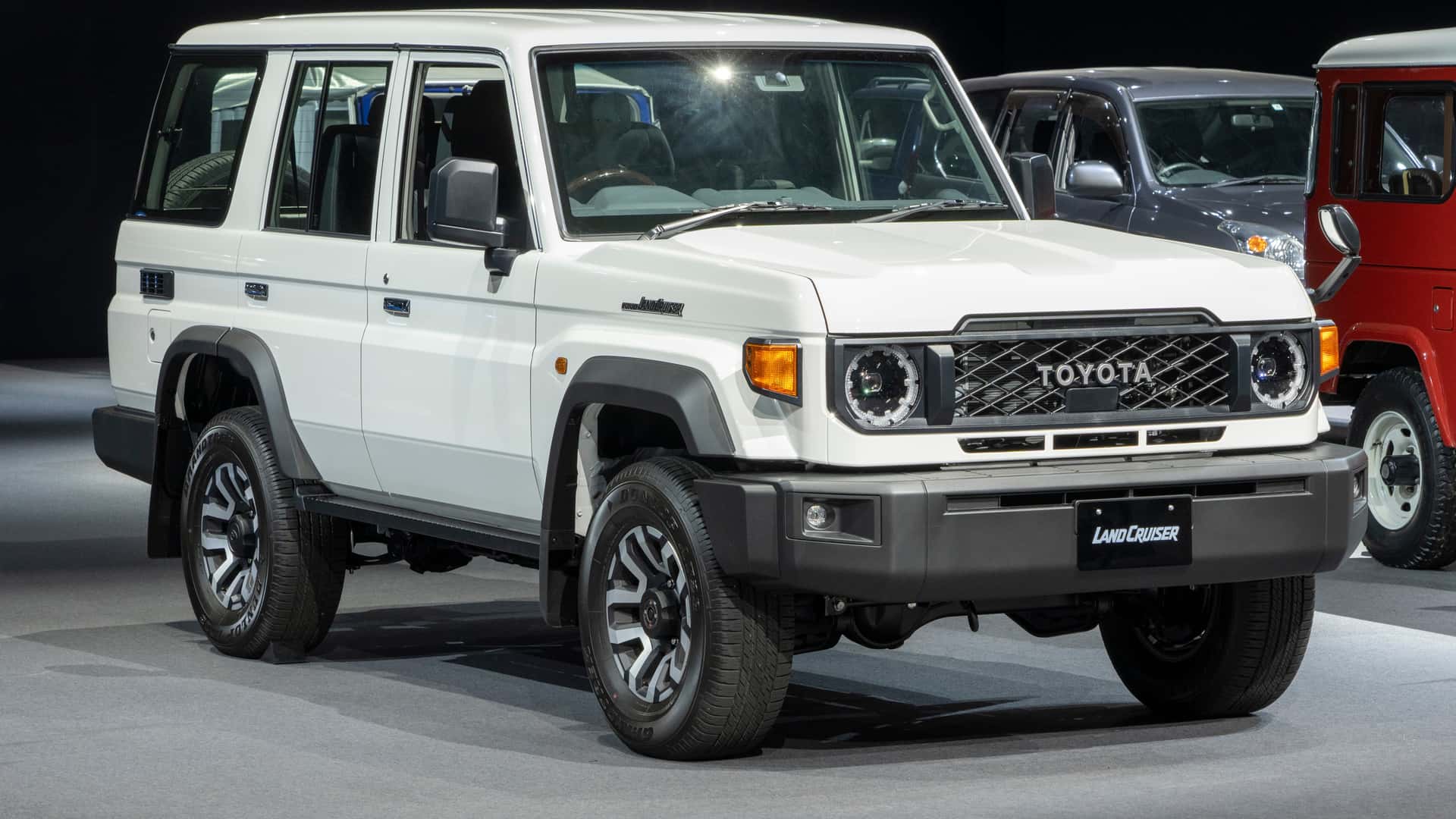
In the ever-evolving automotive world, depreciation remains one of the most significant financial considerations for car buyers. While most vehicles lose a substantial portion of their value within the first few years of ownership, certain exceptional models defy this trend, maintaining an impressive 80% or more of their original value after five years.
This remarkable value retention isn’t merely a matter of luck it’s the result of a perfect storm of factors including brand reputation, build quality, market demand, limited production numbers, and enduring appeal.
Understanding which vehicles hold their value best is crucial for both new car buyers and those entering the used car market. For new car purchasers, selecting a vehicle with strong resale value can save tens of thousands of dollars over the ownership period, effectively reducing the true cost of driving.
For used car shoppers, these high-retention vehicles represent a safe investment, as they’re likely to continue holding value well into the future.
The concept of residual value what a vehicle is worth after a specific period has become increasingly important in an era where leasing has gained popularity and economic uncertainty makes smart financial decisions paramount.
This comprehensive guide examines ten vehicles that consistently retain over 80% of their value after five years, exploring what makes each one special, why buyers are willing to pay premium prices for used examples, and what prospective owners should know before making a purchase.
From legendary off-roaders to precision-engineered sports cars, these vehicles represent the pinnacle of value retention in today’s automotive market.
1. Porsche 911
The Porsche 911 stands as an automotive icon, representing over six decades of continuous evolution while maintaining its distinctive rear-engine configuration and unmistakable silhouette.
This German sports car doesn’t just retain value it often appreciates, with certain special editions commanding prices well above their original MSRP.
The 911’s exceptional value retention stems from a combination of timeless design, engineering excellence, racing pedigree, and an enthusiast community that treats these cars as both daily drivers and collector’s items.
Porsche’s meticulous approach to building the 911 ensures that even high-mileage examples remain desirable. The company’s legendary build quality means these cars routinely exceed 200,000 miles with proper maintenance, and the availability of comprehensive service records through Porsche’s network adds transparency that buyers value.
The 911’s flat-six engine has been refined over generations, delivering both exhilarating performance and surprising reliability when maintained according to factory specifications.
Whether equipped with the base Carrera’s turbocharged engine or the GT3’s naturally aspirated screamer, the 911 offers driving dynamics that few vehicles can match.
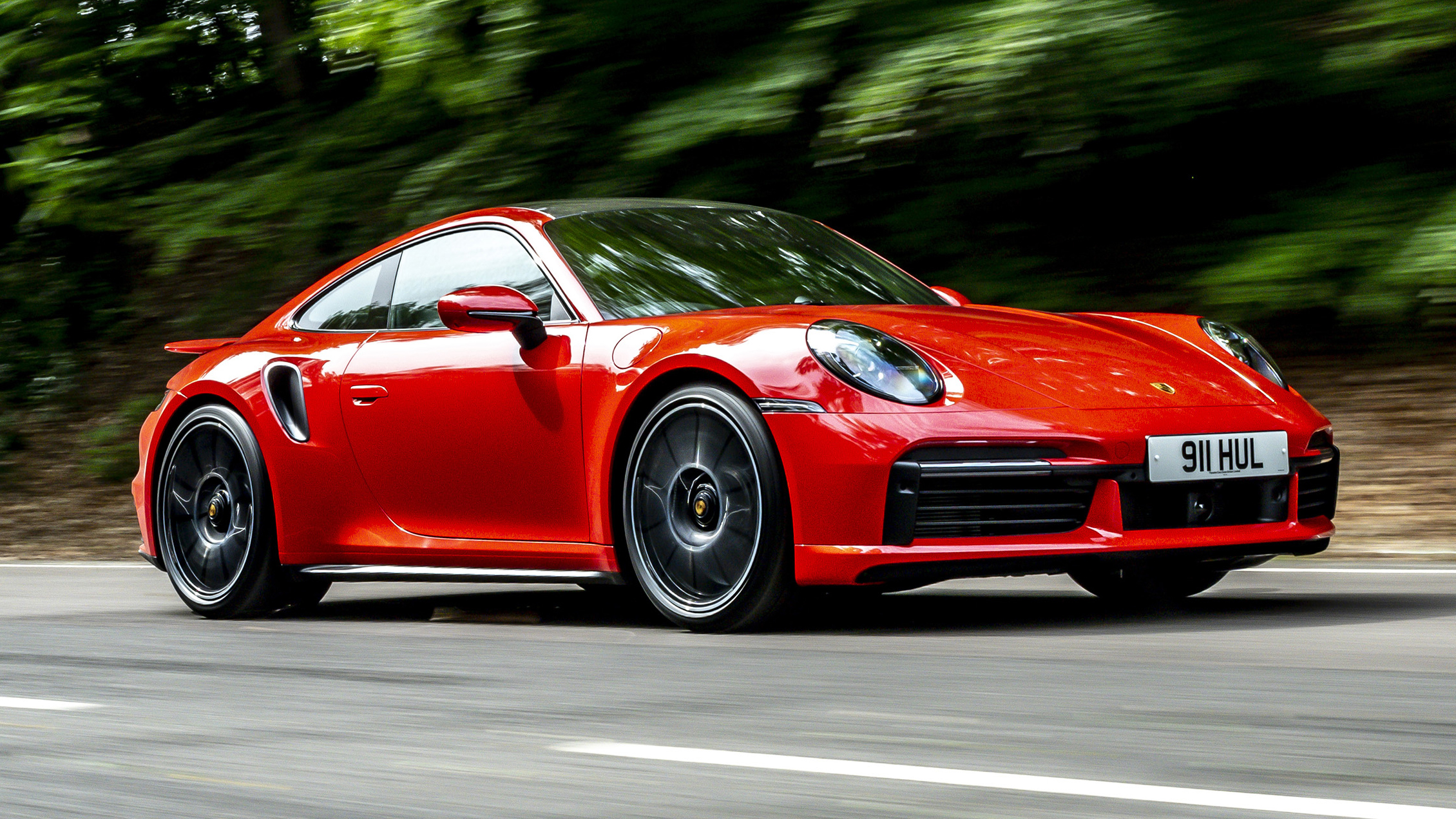
The model’s value retention is particularly strong across its various configurations. The base Carrera models typically retain 80-85% of their value after five years, while limited-production variants like the GT3, GT3 RS, and GT2 RS often sell for more than their original sticker prices on the used market.
This appreciation is driven by production limitations, racing success, and collector demand. The manual transmission models command particular premiums, as enthusiasts recognize these may represent the final generation of manually shifted 911s before full electrification arrives.
Looking forward, the 911’s value retention appears secure. As the automotive industry transitions toward electrification, internal combustion 911s particularly manual transmission models are likely to become increasingly collectible.
The current 992-generation represents peak internal combustion technology, combining modern turbocharging efficiency with decades of refinement.
For buyers seeking a vehicle that will retain value while delivering uncompromising performance and daily usability, the Porsche 911 remains the gold standard, justifying its premium pricing through exceptional engineering and timeless appeal that transcends typical automotive depreciation curves.
2. Toyota Land Cruiser
The Toyota Land Cruiser has earned legendary status as the world’s most capable and reliable off-road vehicle, with a heritage spanning over seven decades.
This full-size SUV’s extraordinary value retention often maintaining 85% or more of its original value after five years stems from its bulletproof reliability, global reputation for surviving the harshest conditions, and limited availability in markets like the United States.
The Land Cruiser isn’t merely a vehicle; it’s an institution trusted by everyone from United Nations relief organizations to wealthy suburbanites seeking the ultimate in dependable luxury transportation.
Toyota’s engineering philosophy for the Land Cruiser prioritizes durability above all else. Every component is over-engineered to withstand abuse that would destroy lesser vehicles.
The body-on-frame construction, solid axles, and full-time four-wheel-drive system represent proven technology refined over generations.
The V8 engine a 5.7-liter unit in recent U.S. models delivers ample power while maintaining Toyota’s legendary reliability standards. Owners routinely report achieving 300,000 miles or more with only routine maintenance, and examples with half a million miles still command impressive resale prices if properly documented.
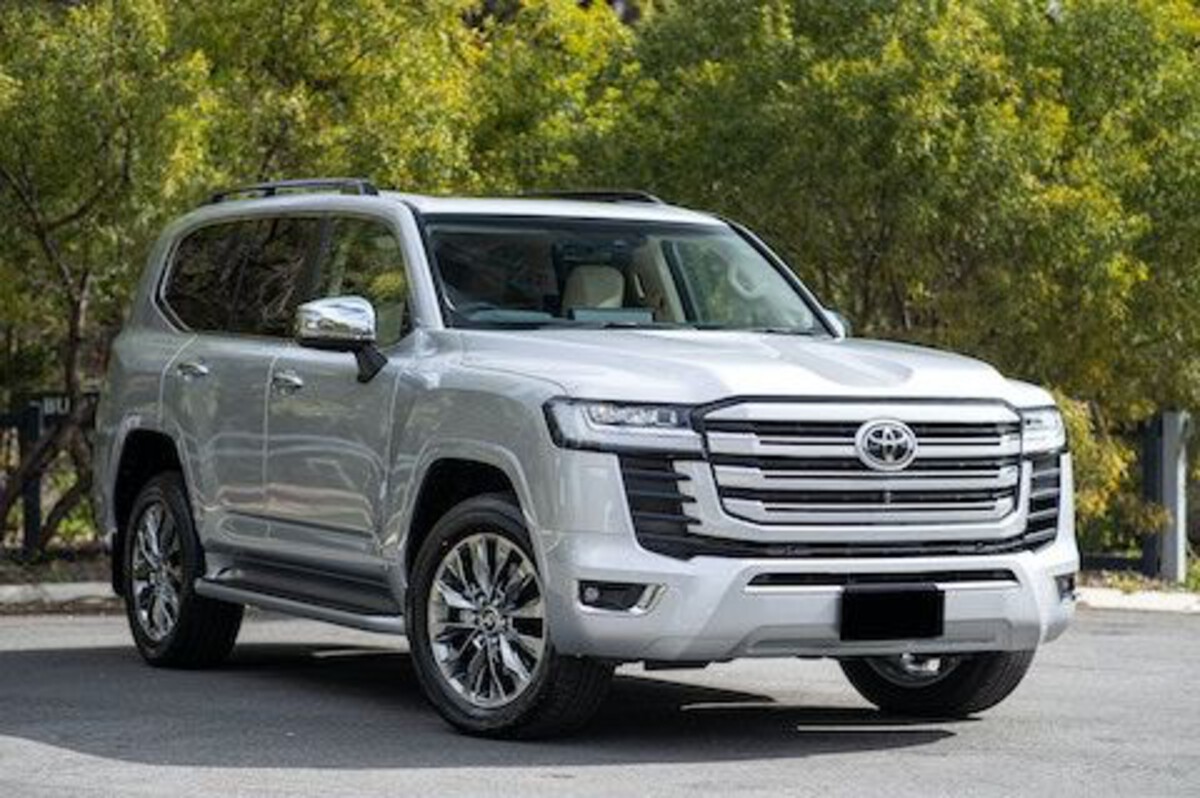
The Land Cruiser’s reputation extends far beyond American borders. In developing countries, remote regions, and conflict zones worldwide, the Land Cruiser serves as the default choice for dependable transportation.
This global demand creates an international market for used examples, with vehicles from the United States often exported to countries where the Land Cruiser’s reputation commands premium pricing.
Buyers in these markets specifically seek U.S.-market vehicles for their maintenance history and lack of corrosion, further supporting resale values domestically.
Limited availability significantly impacts the Land Cruiser’s value retention. Toyota sells relatively few Land Cruisers in the United States typically just a few thousand units annually creating scarcity that drives up used prices.
Additionally, Toyota announced the Land Cruiser would be discontinued in the U.S. market after the 2021 model year, only to reintroduce a smaller, more affordable version for 2024.
This discontinuation created panic among enthusiasts, causing used prices for the larger J200-generation models to spike dramatically, with low-mileage examples sometimes selling above original MSRP.
For buyers considering a Land Cruiser, the high initial purchase price is offset by exceptional resale value and extremely low cost of ownership relative to the vehicle’s capabilities. Insurance and fuel costs run higher than average, but maintenance expenses remain reasonable despite the luxury positioning.
The Land Cruiser represents a purchase for buyers who plan to keep vehicles long-term or who want assurance their investment will retain value if circumstances require selling.
3. Jeep Wrangler
The Jeep Wrangler has cultivated a devoted following unlike any other mainstream vehicle, maintaining roughly 80-85% of its value after five years through a combination of iconic design, uncompromising off-road capability, and a lifestyle brand that transcends mere transportation.
As the direct descendant of the original military Jeep that served in World War II, the Wrangler carries historical significance while offering modern amenities, creating a unique position in the automotive market that supports exceptional resale values across all trim levels.
The Wrangler’s value retention is remarkably consistent across its lineup, from the base Sport to the performance-oriented Rubicon. This consistency stems from the vehicle’s core appeal the removable doors and roof, the upright windshield, the seven-slot grille, and the go-anywhere capability that defines the Wrangler experience.
Unlike many vehicles where base models depreciate faster than premium trims, Wrangler buyers often seek specific configurations for particular purposes, whether rock crawling, beach driving, or simply enjoying open-air motoring, meaning demand remains strong across the model range.
Jeep’s continuous improvement of the Wrangler has maintained relevance without sacrificing character. The current JL generation introduced in 2018 brought significant refinements in on-road comfort, technology, and efficiency while retaining the rugged capability that made previous generations legendary.
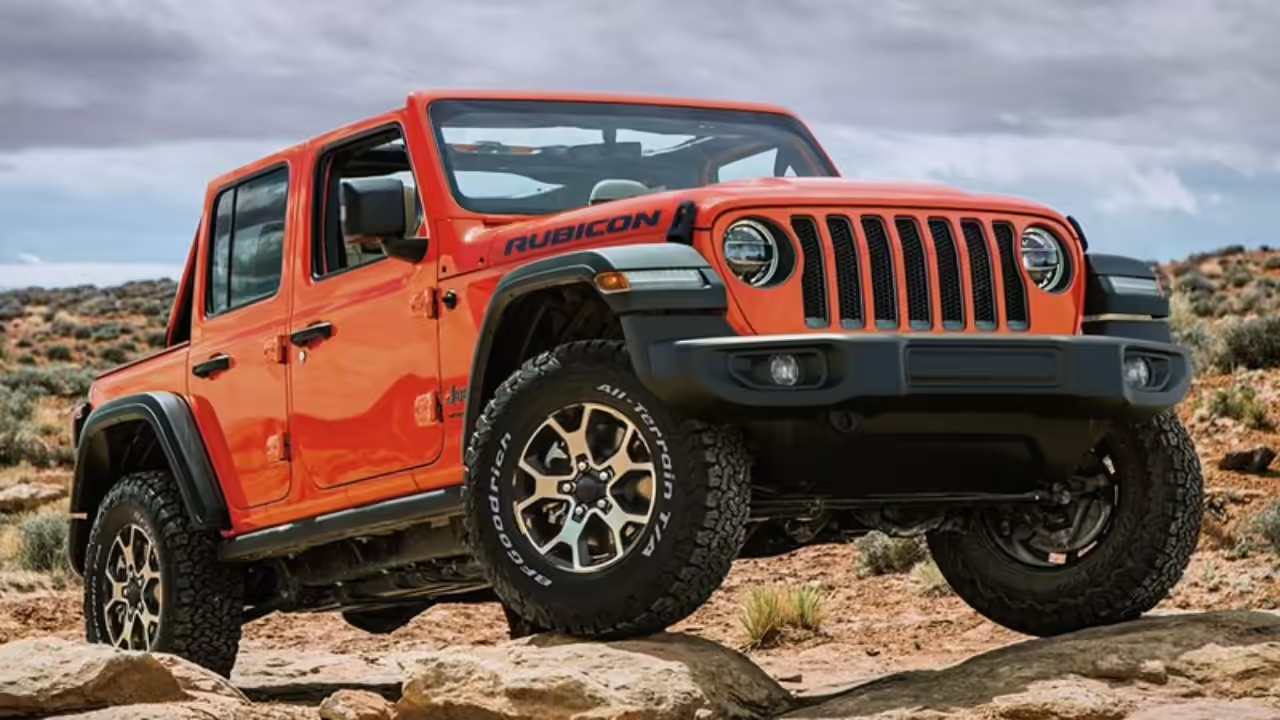
The addition of a turbocharged four-cylinder engine, mild hybrid option, and plug-in hybrid variant expanded the buyer pool without alienating purists who prefer the traditional V6. This balance between progress and tradition helps maintain strong demand in both new and used markets.
The Wrangler’s removable top and doors create a unique ownership experience that supports value retention. Few modern vehicles offer this level of customization and connection to the environment, and the tactile experience of unzipping windows, unbolting doors, and removing roof panels creates emotional connections that encourage long-term ownership.
When owners do sell, buyers willingly pay premiums for this distinctive experience, particularly in warm-weather states where open-air driving is possible year-round.
The aftermarket industry supporting the Wrangler is massive, with countless companies producing accessories, modifications, and upgrades.
This ecosystem means owners can continuously personalize their vehicles, and well-executed modifications often increase resale value rather than decreasing it as with most vehicles.
A Wrangler equipped with quality lift kit, upgraded wheels and tires, and armor protection may sell for more than an equivalent stock example, as buyers recognize the value these improvements add for off-road use.
For buyers, the Wrangler represents a rare opportunity to purchase a vehicle that genuinely retains value. The initial purchase price runs higher than many competitors, but the high resale value means the true cost of ownership often proves lower than cheaper alternatives that depreciate rapidly.
Whether used for serious off-roading, beach trips, or simply enjoying weekend adventures, the Wrangler delivers a unique ownership experience while protecting the financial investment better than virtually any vehicle in its price range.
4. Porsche Macan
The Porsche Macan represents the brand’s entry into the compact luxury SUV segment, and despite initial skepticism from purists about Porsche building SUVs, this vehicle has proven remarkably successful both commercially and in value retention, maintaining approximately 80-82% of its value after five years.
The Macan delivers genuine Porsche driving dynamics in a practical package, appealing to buyers who need SUV versatility but refuse to compromise on performance, and this combination of practicality and sporting character creates strong demand in the used market.
Porsche’s engineering excellence shines throughout the Macan despite its relatively affordable entry price compared to other Porsche models.
The vehicle’s handling dynamics feel more like a sport sedan than a traditional SUV, with precise steering, minimal body roll, and responsive powertrains that range from the turbocharged four-cylinder in the base model to the twin-turbo V6 in the GTS and Turbo variants.
This performance capability distinguishes the Macan from similarly sized competitors, justifying premium pricing both new and used.
The Macan fills a specific niche in Porsche’s lineup, serving as the entry point for many first-time Porsche buyers while offering practicality that makes it suitable as a primary vehicle.
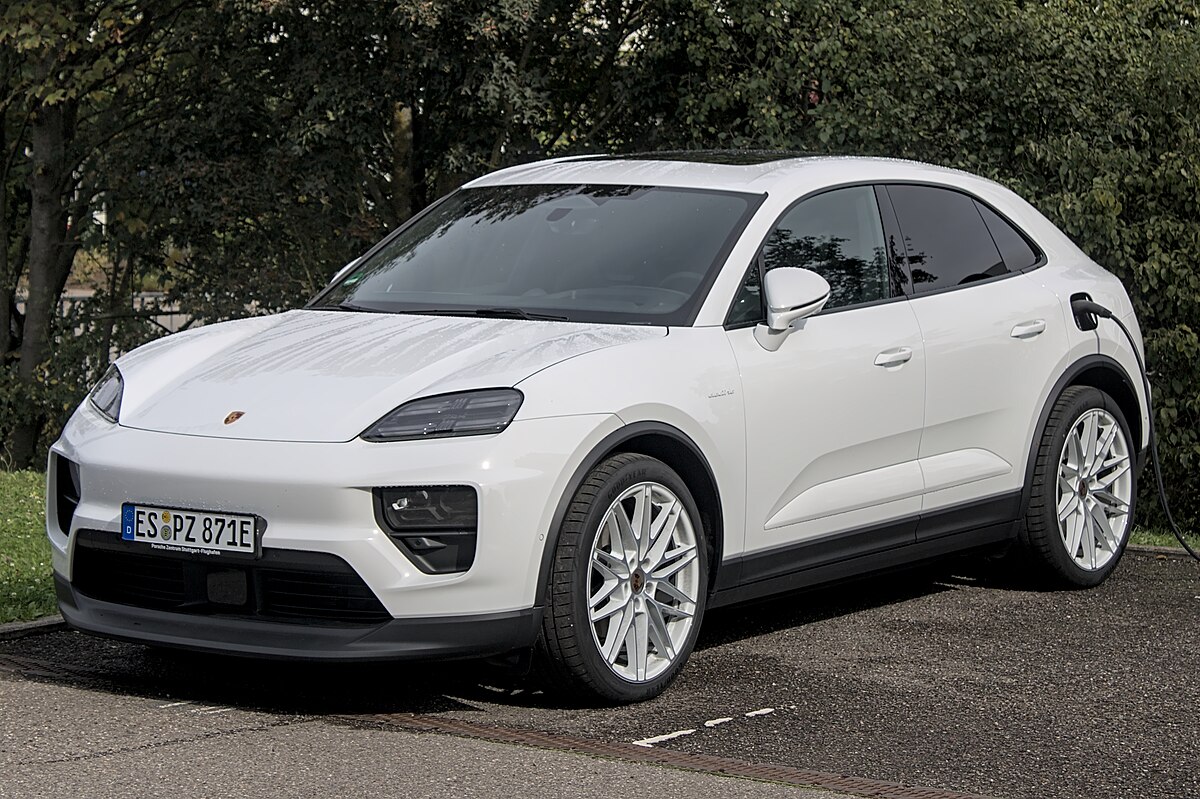
The compact size makes it manageable for urban environments, while the cargo space and seating for five accommodate family needs.
This versatility expands the potential buyer pool significantly beyond traditional sports car customers, and the strong demand from diverse demographics supports robust resale values across all trim levels.
Build quality and interior materials match expectations for the Porsche brand, with premium leather, real metal and wood trim, and an attention to detail that raises the Macan above mainstream luxury competitors.
The quality of materials and assembly means these vehicles age gracefully, with interiors maintaining their appearance far longer than typical vehicles. Buyers in the used market recognize this quality and willingly pay accordingly for well-maintained examples.
For prospective buyers, the Macan offers an opportunity to experience Porsche ownership with relatively low depreciation risk. The strong value retention means that even buyers who keep the vehicle just a few years won’t suffer the dramatic financial losses common with luxury vehicles.
Combined with Porsche’s legendary reliability when properly maintained and the genuine driving enjoyment the Macan provides, this compact SUV represents one of the smartest purchases in the luxury segment for buyers who value both their money and their driving experience.
Also Read: 5 Cars That Rarely Stall vs 5 That Constantly Leave You Stranded
5. Lexus GX
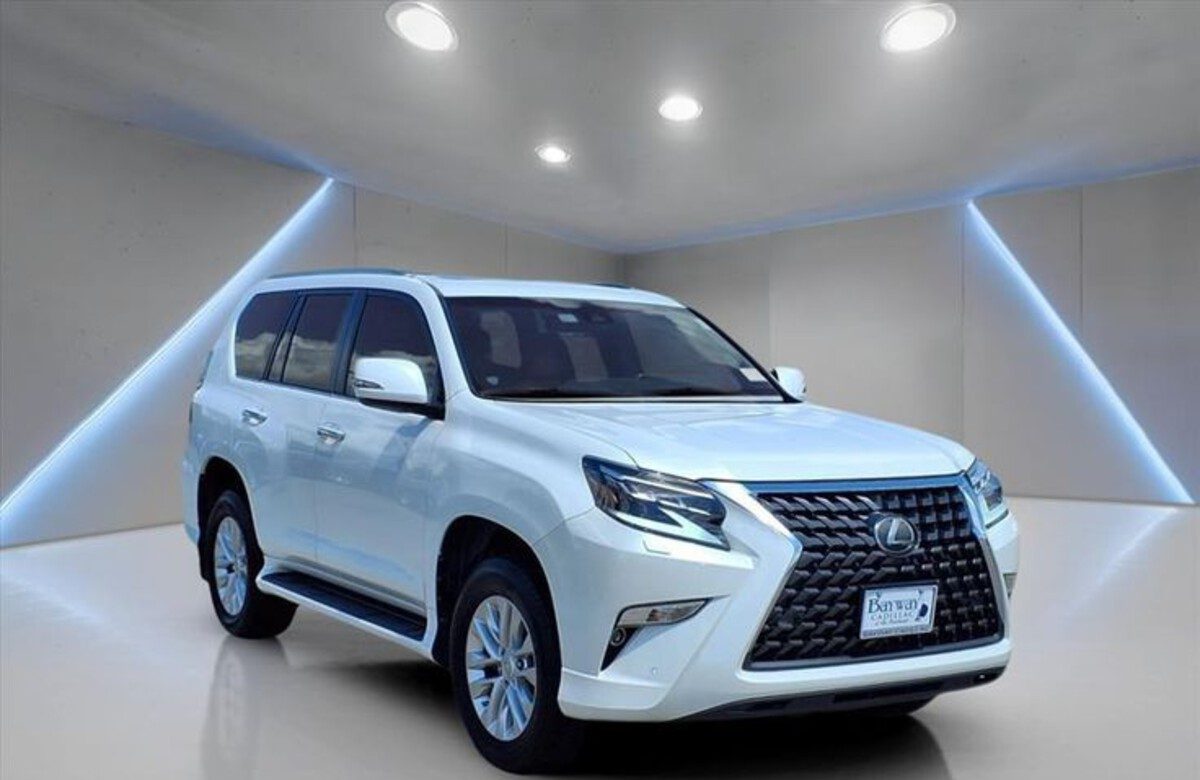
The Lexus GX stands as one of the automotive industry’s best-kept secrets, offering legendary Toyota reliability, genuine off-road capability, and luxury appointments while maintaining an exceptional 80-85% of its value after five years.
Built on the same platform as the Toyota Land Cruiser Prado, the GX combines bullet-proof engineering with Lexus refinement, creating a vehicle that appeals to buyers seeking durability without sacrificing comfort, and this unique combination supports strong resale values that often surprise those unfamiliar with the model.
The GX’s body-on-frame construction and solid rear axle represent traditional truck architecture increasingly rare in the luxury SUV segment.
While most competitors have shifted to unibody construction for improved on-road manners, the GX maintains its truck-based platform, delivering superior off-road capability and towing capacity.
This traditional engineering appeals to buyers who prioritize functionality over fashion, and the platform’s proven durability means these vehicles regularly exceed 300,000 miles with proper maintenance, supporting strong used market values.
Lexus reliability proves perhaps the GX’s strongest selling point. The 4.6-liter V8 engine has powered various Toyota and Lexus products for years, establishing a reputation for trouble-free operation.
Owners regularly report minimal maintenance requirements beyond routine service, and the availability of comprehensive service records through Lexus dealers provides transparency that used buyers value.
This reliability reputation allows GX models to maintain strong values even with higher mileage, as buyers trust the vehicle to continue performing indefinitely.
The GX’s styling represents a polarizing element that paradoxically supports its value retention. The distinctive front fascia introduced in 2014 generated significant controversy, but the bold design has aged better than predicted, and current market trends toward rugged, masculine styling have made the GX’s appearance seem prescient rather than peculiar.
The boxy proportions and upright stance convey capability and presence, appealing to buyers seeking substance over style. Interior luxury matches Lexus standards, with premium leather, real wood trim, and features like heated and ventilated seats, premium audio systems, and comprehensive technology packages.
The cabin accommodates seven passengers in three rows, and the spacious interior maintains comfort on long journeys. This combination of luxury and practicality makes the GX suitable as a primary family vehicle while offering weekend adventure capability, expanding the potential buyer pool and supporting resale values.
The GX’s standard features include Lexus Safety System+, providing advanced driver assistance technologies that remain competitive with newer vehicles.
The inclusion of these features as standard rather than optional equipment means all GX models offer comprehensive safety capabilities, eliminating the value differentiation based on optional safety packages common with competitors. This consistency simplifies the used market and helps maintain values across all model years.
The GX represents an intelligent purchase for buyers seeking a vehicle that combines luxury, capability, and exceptional value retention.
While the initial purchase price runs higher than mainstream three-row SUVs, the minimal depreciation means the true cost of ownership proves comparable or better than cheaper alternatives.
For buyers who value reliability, off-road capability, and luxury refinement, the Lexus GX delivers all three while protecting the financial investment better than virtually any competitor in the segment.
6. Toyota Tacoma
The Toyota Tacoma has dominated the mid-size pickup truck segment for decades, and its exceptional value retention typically maintaining 80-83% of its value after five years stems from legendary Toyota reliability, proven off-road capability, and consistent demand that often sees used examples selling for remarkably close to new truck prices.
The Tacoma represents the default choice for buyers seeking a manageable-sized truck with genuine capability, and this dominant market position translates directly into resale values that make the Tacoma one of the smartest pickup truck purchases available.
Toyota’s conservative engineering approach ensures the Tacoma prioritizes durability over cutting-edge features. The truck’s frame, suspension components, and drivetrain reflect decades of refinement, and while competitors may offer more power, better fuel economy, or more advanced technology, the Tacoma’s proven reliability trumps these considerations for many buyers.
Owners routinely report achieving 300,000 miles or more, and high-mileage examples with documented maintenance histories continue commanding impressive resale prices.
The TRD Pro and TRD Off-Road variants demonstrate particularly exceptional value retention, often maintaining 85-90% of their value after five years. These off-road-focused models feature enhanced suspension, skid plates, locking differentials, and distinctive styling that appeals to enthusiasts.
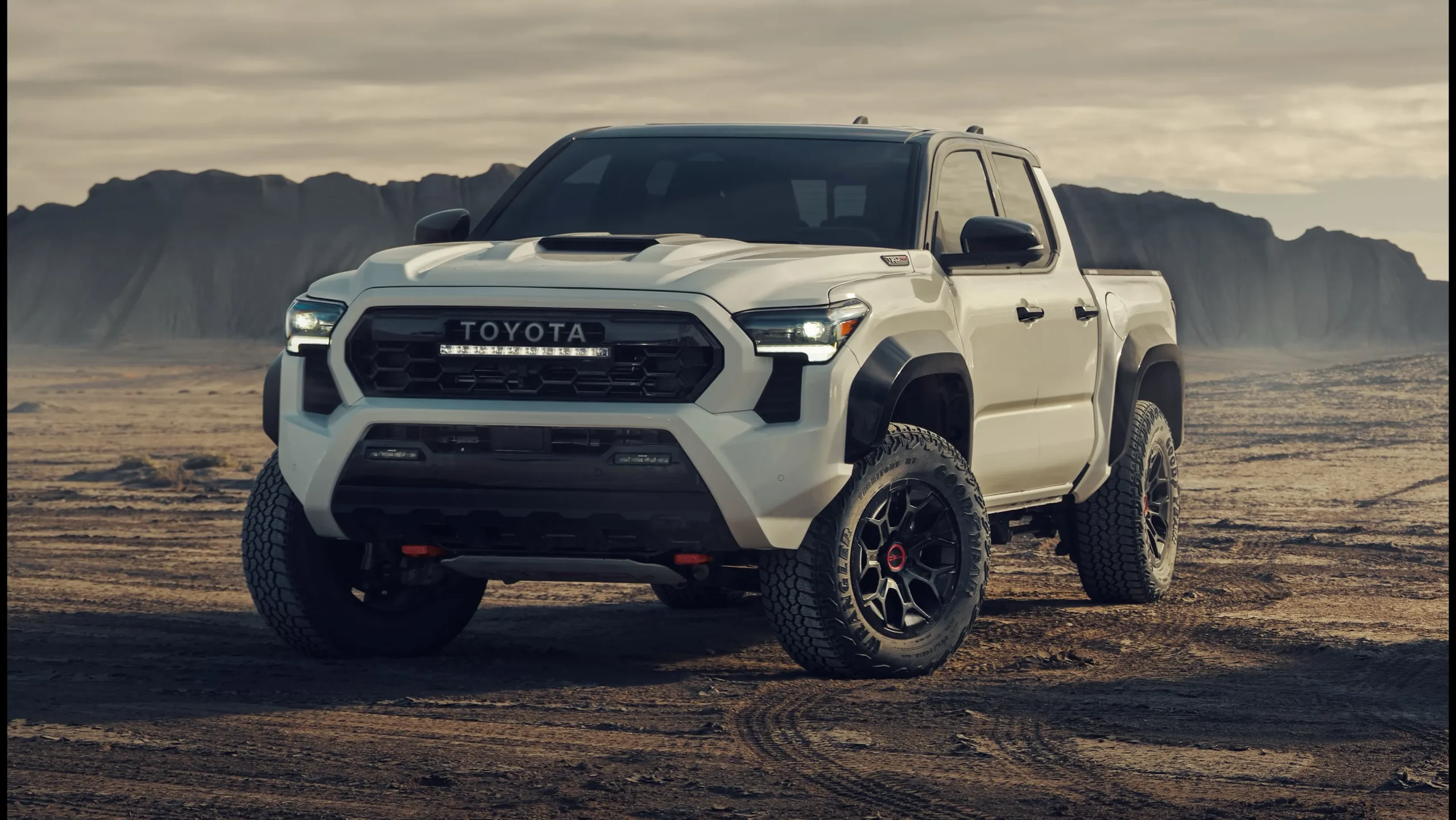
The TRD Pro’s limited production creates scarcity, with used examples sometimes selling above original MSRP in hot markets. This phenomenon reflects Tacoma’s cult-like following among outdoor enthusiasts who view the truck as essential equipment for accessing remote locations.
The Tacoma’s size represents a significant advantage in its value retention. While full-size trucks have grown increasingly massive, the Tacoma maintains more manageable dimensions that suit urban environments, fit in standard garage spaces, and prove easier to maneuver on tight trails.
This practicality appeals to buyers who need truck capability without the compromises of full-size dimensions, and this demographic consistently supports strong used demand.
The Tacoma’s value retention makes it an exceptional financial decision despite relatively high initial pricing. Buyers who purchase new Tacomas can expect to recoup 80% or more of their investment after five years, meaning the actual cost of ownership proves surprisingly affordable when factoring in resale value.
For buyers who keep trucks long-term, the Tacoma’s legendary reliability means minimal unexpected expenses, and even high-mileage examples retain significant value.
Whether used for weekend adventures, work duty, or daily transportation, the Tacoma delivers exceptional capability while protecting the financial investment better than virtually any vehicle in its class, justifying its premium positioning through superior value retention that transforms it from an expensive purchase into a smart investment.
7. Mercedes-AMG G-Class
The Mercedes-AMG G-Class, commonly known as the G-Wagon, represents one of the automotive world’s most unlikely success stories a military-derived vehicle with truck-based architecture that has become the ultimate status symbol while maintaining an remarkable 80-85% of its value after five years.
Originally developed for military applications, the G-Class has evolved into a luxury icon that commands premium pricing both new and used, with certain special editions actually appreciating rather than depreciating, creating a unique position in the luxury vehicle market where fashion meets function.
The G-Class’s distinctive boxy styling has remained fundamentally unchanged since 1979, making it instantly recognizable and timeless in a way few vehicles achieve.
While Mercedes-Benz redesigned the interior and updated mechanicals for the 2019 model year, the exterior silhouette and character remained faithful to the original, ensuring visual continuity across generations.
This consistency means even older G-Class models maintain relevance and desirability, supporting strong values across multiple model years rather than rendering previous generations obsolete.
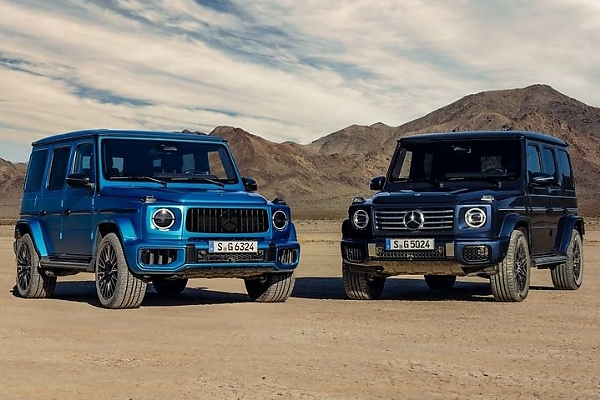
Performance variants like the G63 and rare G65 demonstrate exceptional value retention, often maintaining 85-90% of their value or more. The G63’s twin-turbo V8 producing over 500 horsepower creates an absurd combination of acceleration and off-road capability, while the now-discontinued G65’s V12 engine has become collectible.
These high-performance models appeal to buyers seeking ultimate performance in a luxury package, and limited production ensures demand consistently exceeds supply in used markets.
The G-Class’s cultural significance transcends its automotive merits. The vehicle has become deeply embedded in popular culture, appearing in rap videos, celebrity social media, and luxury lifestyle imagery that reinforces its status symbol positioning.
This cultural cachet attracts buyers who value the G-Class’s statement as much as its capabilities, creating demand that supports premium pricing regardless of practical considerations like fuel economy or maneuverability.
For prospective buyers, the G-Class represents a rare luxury vehicle that genuinely retains value. The high initial purchase price well into six figures for most configurations represents a substantial investment, but the minimal depreciation means the true cost of ownership can actually prove lower than lesser luxury SUVs that depreciate more rapidly.
Whether valued for its status symbol positioning, genuine capabilities, or timeless design, the Mercedes-AMG G-Class delivers a unique ownership experience while protecting the financial investment better than virtually any luxury vehicle, making it a smart purchase for buyers who can afford the entry price and ongoing costs.
8. Porsche Cayenne
The Porsche Cayenne revolutionized the sports car manufacturer’s lineup when introduced in 2002, and despite initial criticism from purists, this luxury SUV has proven exceptionally successful both commercially and in value retention, maintaining approximately 78-82% of its value after five years, depending on configuration.
The Cayenne delivers genuine Porsche driving dynamics in a practical SUV package, offering performance that embarrasses many sports cars while providing seating for five and substantial cargo capacity, creating a unique position in the luxury SUV segment that supports strong resale values.
The Cayenne’s performance capabilities distinguish it from luxury SUV competitors. Even base models deliver engaging handling and responsive powertrains, while performance variants like the Cayenne S, GTS, Turbo, and Turbo S offer increasingly impressive acceleration and dynamics.
The top Cayenne Turbo S produces over 600 horsepower, achieving sixty miles per hour in under four seconds performance that would have been supercar territory just years ago. This performance capability justifies premium pricing and creates demand from enthusiasts who refuse to sacrifice driving enjoyment for utility.
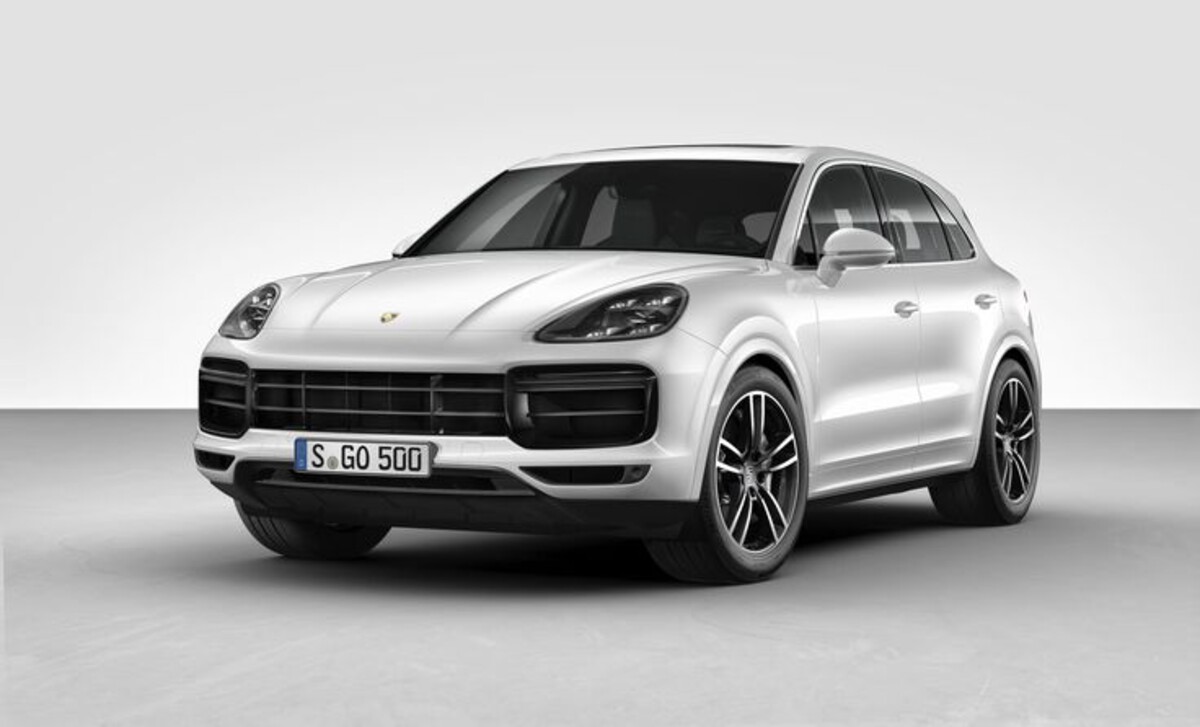
Porsche’s engineering excellence manifests throughout the Cayenne despite its SUV configuration. The active suspension systems, available rear-wheel steering, and sophisticated all-wheel-drive system work together to deliver handling that defies the vehicle’s size and weight.
The Cayenne feels genuinely athletic on winding roads, providing feedback and engagement that separate it from competitors focused purely on luxury. This driving character appeals to Porsche enthusiasts who need SUV practicality but won’t accept typical SUV compromises.
The current third-generation Cayenne, introduced for 2019, brought substantial improvements in technology, efficiency, and refinement.
The updated interior features Porsche’s latest infotainment system with touchscreen controls, digital instruments, and premium materials throughout.
The technology suite includes advanced driver assistance systems, premium audio options, and connectivity features that ensure the Cayenne remains competitive with newer competitors. These improvements have strengthened the Cayenne’s value retention, particularly for 2019-newer models.
For buyers considering a Cayenne, the strong value retention transforms what appears to be an expensive purchase into a relatively affordable proposition when factoring in resale value.
The Cayenne’s combination of performance, practicality, and prestige delivers an ownership experience few vehicles can match, and the minimal depreciation means the cost of enjoying this experience for several years proves surprisingly reasonable.
Whether used as a daily driver, family hauler, or weekend sports car alternative, the Porsche Cayenne represents one of the luxury SUV segment’s smartest purchases for buyers who value both their money and their driving experience.
9. Ford Bronco
The Ford Bronco’s return after a 25-year absence created unprecedented demand that has resulted in exceptional value retention, with many models maintaining 85-90% or more of their value after their first few years.
The Bronco successfully captures retro styling while delivering modern capability and comfort, appealing to both nostalgic buyers who remember the original and younger customers seeking adventure-ready vehicles with distinctive character.
This combination of heritage, capability, and cultural momentum has made the Bronco one of the hottest vehicles in the automotive market, supporting resale values that sometimes exceed original MSRP.
The modern Bronco’s design successfully references the original without appearing derivative, capturing the boxy proportions, round headlights, and removable top while incorporating contemporary technology and safety features.
This design language creates instant recognition and emotional connection, distinguishing the Bronco from competitors in crowded SUV segments. The styling’s broad appeal resonating with multiple generations and demographics expands the potential buyer pool and supports consistent demand in used markets.
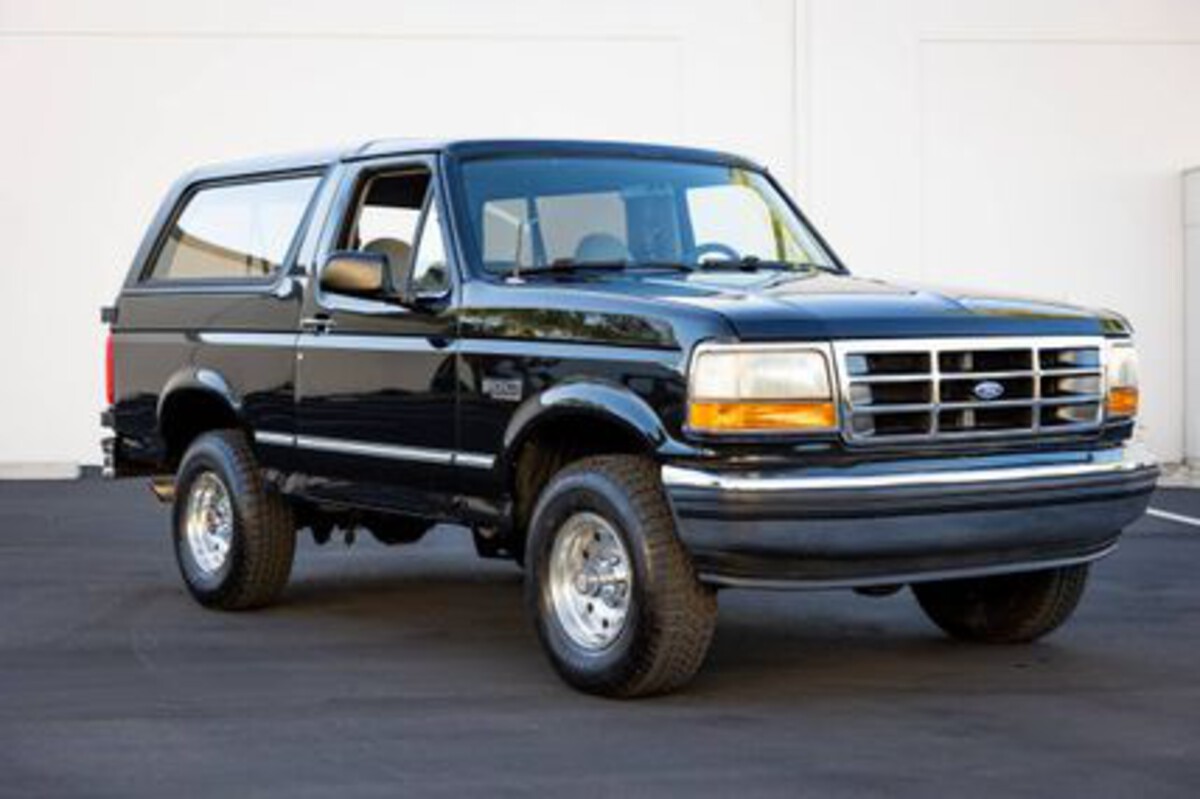
Ford’s decision to offer the Bronco in two-door and four-door configurations addresses different buyer needs. The two-door models appeal to enthusiasts prioritizing off-road capability and maneuverability, commanding premiums for their relative scarcity and more authentic connection to the original Bronco.
The four-door variants provide family-friendly practicality while maintaining impressive capability, making them more versatile and consequently more popular. Both body styles demonstrate strong value retention, though specific trims and options significantly impact resale prices.
The Sasquatch package, which includes 35-inch tires, upgraded suspension, and enhanced off-road equipment, proves particularly desirable in the used market.
Broncos equipped with this package typically command $5,000-10,000 premiums over equivalent models without it, as buyers recognize the substantial value and improved capability the package provides.
This option package alone can significantly impact a Bronco’s resale value, making it one of the most financially sound options available.
Supply constraints have significantly contributed to the Bronco’s exceptional value retention. Ford has struggled to meet overwhelming demand since the vehicle’s introduction, with production delays, quality issues, and supply chain disruptions creating multi-month wait times for new orders.
This supply-demand imbalance pushes frustrated buyers toward used markets where they can obtain vehicles immediately, often at prices matching or exceeding new MSRP.
While these circumstances may normalize over time, the Bronco’s strong fundamental appeal suggests value retention will remain robust even as production stabilizes.
For prospective buyers, the Bronco represents a unique opportunity in the current automotive market. The combination of heritage, capability, and cultural relevance creates a vehicle that genuinely excites owners while protecting financial investments through exceptional value retention.
Whether used for serious off-roading, daily commuting, or weekend adventures, the Ford Bronco delivers a distinctive ownership experience while maintaining resale values that make it one of the smartest purchases available for buyers seeking adventure-ready vehicles that won’t devastate their finances through rapid depreciation.
10. Subaru WRX STI
The Subaru WRX STI represents the final entry in this list, maintaining approximately 78-82% of its value after five years through a combination of rally heritage, turbocharged performance, all-wheel-drive capability, and a devoted enthusiast community that creates consistent demand for these performance sedans.
The STI occupies a unique position in the automotive market affordable performance with genuine capability in all weather conditions and this value proposition has created a cult following that supports strong resale values despite the vehicle’s relatively modest initial pricing compared to other entries on this list.
The STI’s turbocharged 2.5-liter boxer engine produces 310 horsepower while delivering power to all four wheels through Subaru’s legendary symmetrical all-wheel-drive system.
This combination provides exceptional traction and acceleration in conditions where rear-wheel-drive competitors struggle, making the STI genuinely versatile as both a performance car and practical daily driver.
The engine’s characteristic rumble from the unequal-length headers creates an unmistakable sound that enthusiasts cherish, contributing to the vehicle’s cult appeal and supporting strong values in used markets.
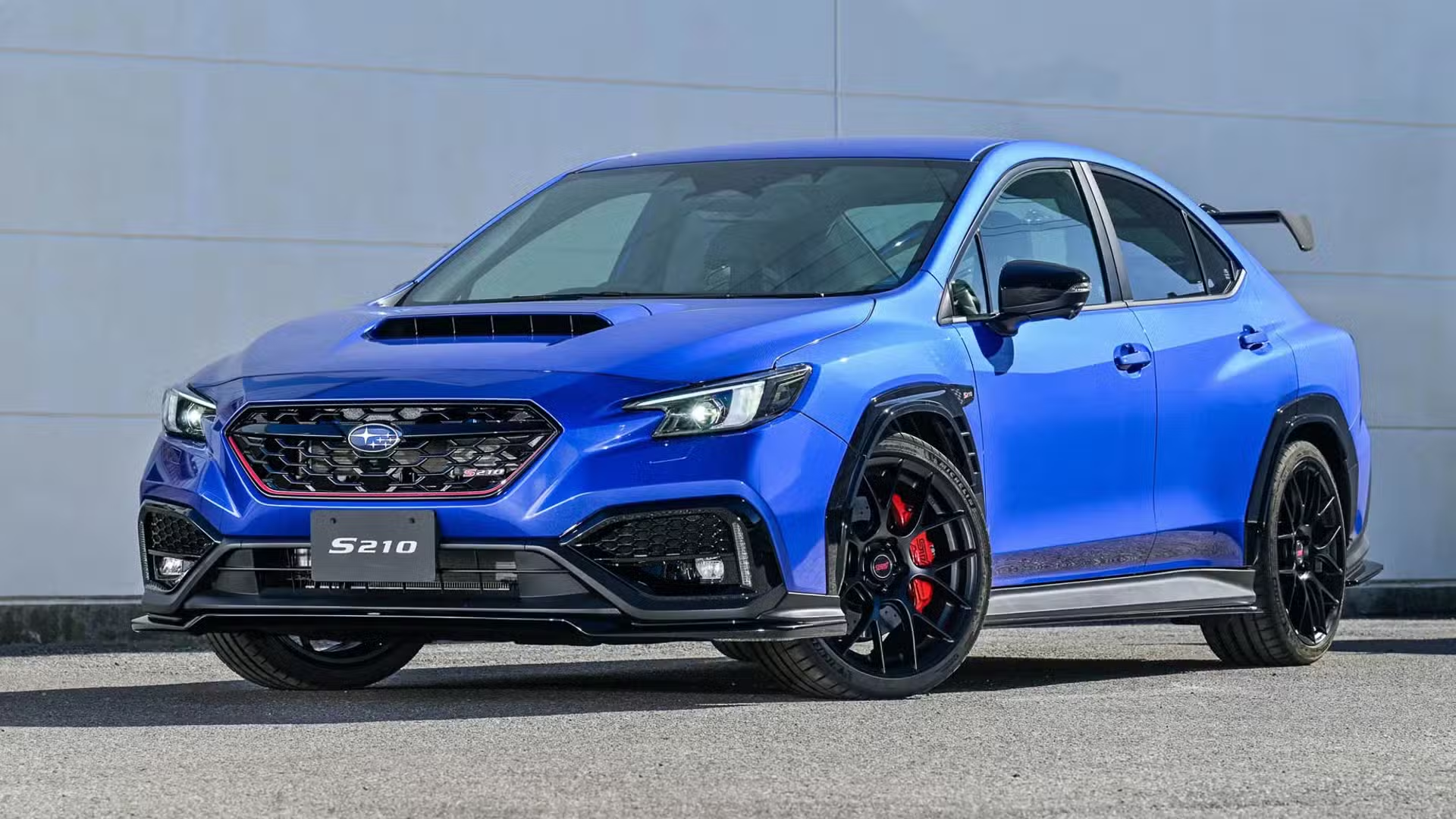
The manual transmission the only transmission offered in the STI proves central to the vehicle’s appeal among enthusiasts. The six-speed gearbox delivers short, precise throws and exceptional engagement, creating an analog driving experience increasingly rare in modern vehicles.
This manual-only configuration filters buyers to serious enthusiasts who appreciate and maintain their vehicles properly, resulting in used market examples that typically show evidence of enthusiast ownership and care.
Subaru’s rally heritage infuses the STI with credibility that supports its value retention. The company’s success in World Rally Championship competition throughout the 1990s and 2000s established the WRX/STI lineage as legitimate performance vehicles with race-proven technology.
This competition pedigree resonates with enthusiasts and creates emotional connections that transcend typical automotive purchases. Buyers often view STI ownership as participating in this heritage, creating loyalty that supports consistent demand.
The STI’s practicality distinguishes it from many performance cars that sacrifice usability for performance. The sedan body style provides four doors and a substantial trunk, making the STI suitable for daily driving, commuting, and even family duty.
This practical side means buyers don’t need to justify a second vehicle, expanding the potential market beyond wealthy enthusiasts who can afford dedicated sports cars. The ability to serve as the only vehicle while delivering genuine performance creates a unique appeal that supports value retention.
For prospective buyers, the STI represents exceptional value despite strong resale prices. The initial purchase price, even for newer used examples, remains accessible compared to other performance vehicles on this list.
The combination of performance, all-weather capability, practicality, and strong value retention creates a compelling package for enthusiasts seeking engaging driving experiences without exotic car ownership costs.
Whether used for daily driving, weekend canyon runs, or occasional track days, the Subaru WRX STI delivers genuine performance while protecting the financial investment better than virtually any vehicle in its price range, making it an intelligent choice for driving enthusiasts who value both their money and their connection to the driving experience.
Also Read: 5 Engines That Don’t Mind Cheap Gas vs 5 That Fail Without Premium
