
Automakers often make decisions that surprise enthusiasts, including discontinuing certain models.
While business considerations and shifting market trends influence these choices, some vehicles hold an enduring appeal that is hard to replace. These cars offer a unique combination of design, performance, or cultural relevance that creates lasting demand.
Discontinuation can be particularly regrettable when a model has earned a dedicated following. Some cars define a segment, set benchmarks in driving dynamics, or provide utility and style that competitors struggle to match. Once they leave the market, the void they create can affect both brand perception and customer loyalty.
Many vehicles carry a legacy that goes beyond sales figures. Collectibility, timeless design, and engineering achievements contribute to a model’s long-term desirability.
Cars that achieve this rare balance often appreciate and maintain fan admiration for decades. Automakers risk losing these advantages when they retire such models prematurely.
This list highlights eight vehicles that are likely to leave enthusiasts wishing they had been kept in production.
Each car combines qualities that make it special, whether through performance, utility, innovation, or design. They have earned recognition and respect, and their absence from the lineup could leave a noticeable gap in their respective segments.
From sports cars that excite driving enthusiasts to versatile crossovers that deliver practicality with flair, these eight cars represent what is difficult to replace once it is gone.
The decisions to discontinue them may appear practical in the short term, but they carry the risk of long-term regret for automakers and their loyal fans.
Also Read: 10 Sleeper Cars That Outspeed Modern Sports Cars
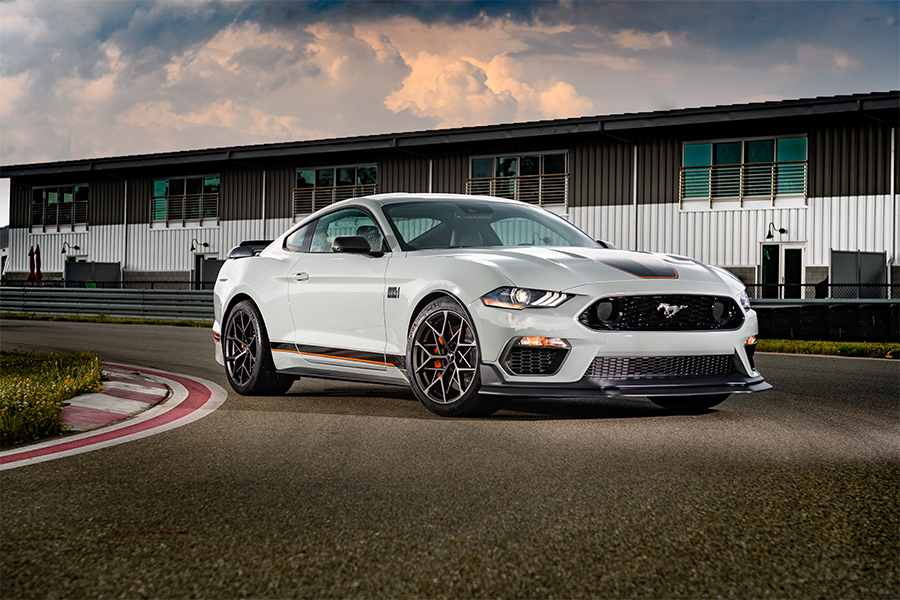
1. 2025 Ford Mustang Mach 1
The 2025 Ford Mustang Mach 1 represents one of the most balanced performance Mustangs in recent years. It combines a potent engine, precise handling, and aggressive styling that make it a standout in the muscle car segment.
Its discontinuation would leave a gap for enthusiasts who value a full-bodied driving experience without going to the extreme Shelby variants.
Power comes from a 5.0-liter naturally aspirated V8, producing 480 horsepower. This engine offers immediate throttle response, a throaty exhaust note, and the kind of linear power delivery that makes spirited driving rewarding.
The Mustang Mach 1 accelerates briskly, reaching sixty miles per hour in just over four seconds, yet it retains usability for daily driving.
Handling is where the Mach 1 sets itself apart. Upgraded suspension components, including MagneRide adaptive dampers, provide composure in corners while maintaining ride comfort.
The steering is direct and communicates road feedback effectively, making the car feel precise and engaging. Braking is strong and predictable, complementing its overall performance package.
The exterior design is aggressive but not over the top. Hood vents, rear spoiler, and distinctive Mach 1 badging signal performance without compromising visual balance. Its styling manages to feel both modern and rooted in Mustang heritage, which contributes to long-term appeal and desirability.
Inside, the cockpit focuses on driver engagement. Sport seats, supportive bolsters, and intuitive controls ensure that the driving experience feels connected. High-quality materials and clean layout give the interior an understated sense of refinement that contrasts with the car’s aggressive exterior.
The Mustang Mach 1 also carries cultural significance. It represents a bridge between the classic muscle car era and modern performance engineering. Discontinuing it removes a model that delivers both heritage and contemporary driving excitement, making it difficult for fans to find a comparable alternative.
Overall, the 2025 Ford Mustang Mach 1 balances power, handling, and visual appeal. Its departure would be felt by enthusiasts seeking a performance-oriented Mustang that is capable, engaging, and visually impressive without moving into the extreme price and power territory of higher-tier models.
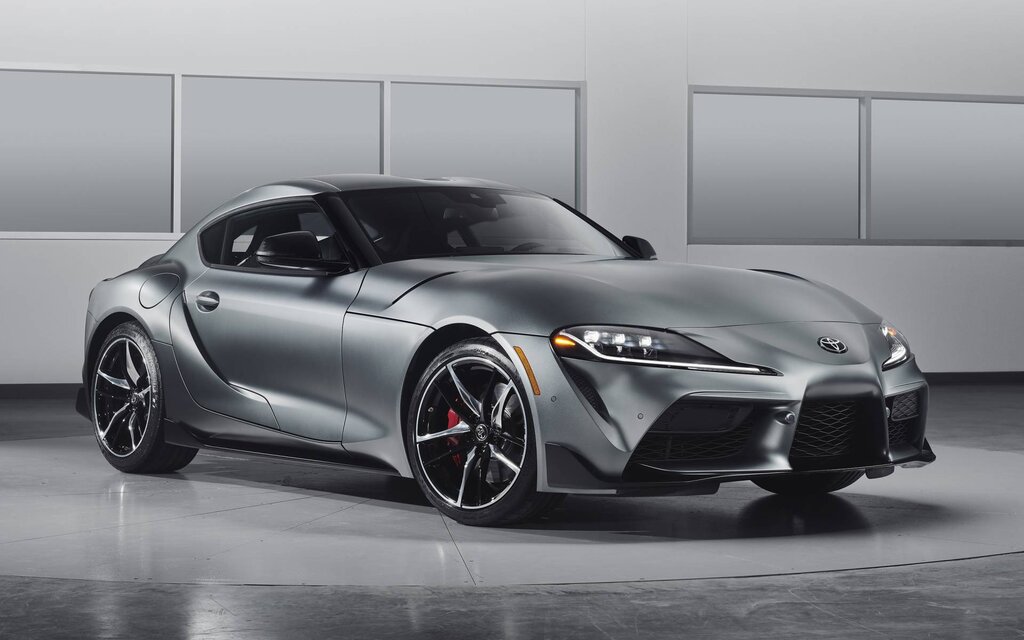
2. 2025 Toyota Supra GR
The 2025 Toyota Supra GR has re-established itself as a true driver-focused sports car. Its combination of turbocharged power, sharp handling, and iconic design elements makes it one of the most recognizable modern Japanese sports cars.
Removing it from production would disappoint enthusiasts who value a lightweight, agile coupe with racing heritage.
Powering the Supra GR is a 3.0-liter turbocharged inline-six, producing 382 horsepower. The engine is paired with an eight-speed automatic transmission that delivers quick shifts and precise control.
Acceleration is immediate, and the car responds to throttle inputs with a sense of urgency that keeps driving engaging in both city and track settings.
Handling is where the Supra GR shines. Its balanced chassis, low center of gravity, and precise suspension tuning allow for confident cornering. Steering is tight and communicative, providing excellent feedback to the driver. Brakes are firm and reliable, complementing the car’s nimble nature and enhancing control at speed.
Exterior design draws inspiration from the Supra lineage, featuring muscular fenders, aggressive front fascia, and signature lines that highlight both sportiness and elegance. The styling feels contemporary yet pays homage to previous generations, ensuring it remains visually appealing in the long term.
Inside, the cockpit emphasizes driving focus. Seats are supportive, controls are driver-oriented, and the interior combines modern technology with simplicity. High-quality materials and clean design contribute to a cabin that feels premium while maintaining engagement.
The Supra GR also carries significant heritage. Its reputation in motorsports and enthusiast communities adds emotional value beyond its technical merits.
Discontinuing the model would remove a vehicle that embodies accessible performance, heritage, and balanced design, making it difficult to replace in Toyota’s lineup.
With its combination of power, handling, design, and heritage, the 2025 Toyota Supra GR represents a sports car that will be remembered fondly by enthusiasts. Removing it would likely be regretted by both fans and the automaker.
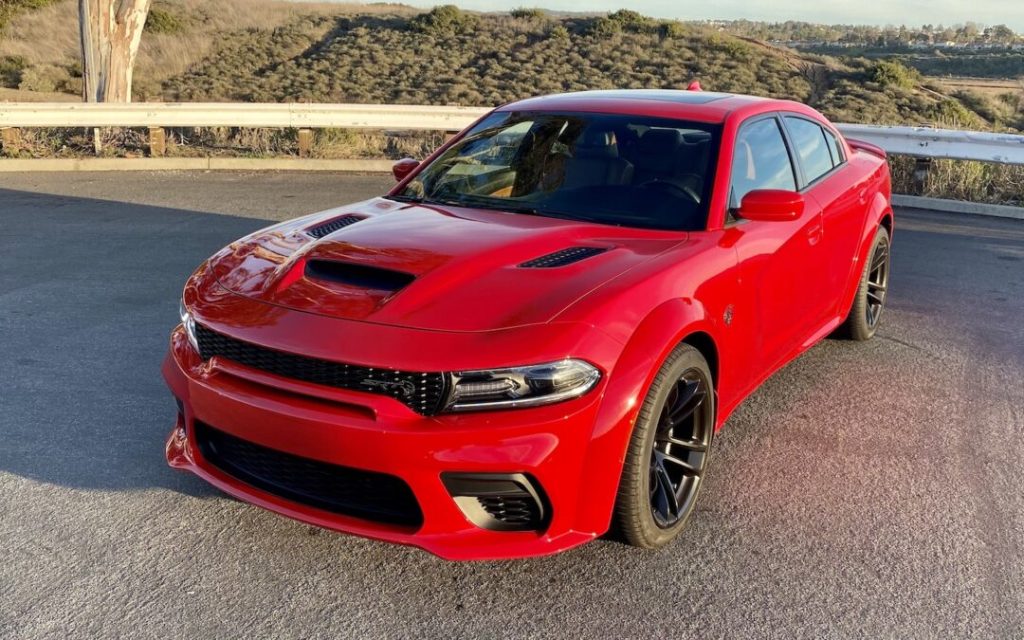
3. 2025 Dodge Charger SRT Hellcat
The 2025 Dodge Charger SRT Hellcat stands as one of the most powerful full-size sedans available. Its combination of straight-line speed, aggressive styling, and practical four-door usability makes it unique in a market dominated by smaller performance vehicles.
Discontinuing it would remove one of the last American sedans capable of delivering such raw power without compromising daily usability.
Power comes from a 6.2-liter supercharged V8, producing 717 horsepower. The acceleration is blistering, with a zero-to-sixty time under four seconds. Its engine provides a distinctive sound and a visceral driving experience that enthusiasts appreciate in a performance sedan. The Hellcat’s torque ensures effortless high-speed cruising and thrilling overtaking capability.
Handling is surprisingly capable for its size. Dodge engineers upgraded suspension components and tuned the chassis to maintain stability and reduce body roll.
While it excels on straight roads, the Charger Hellcat remains confident in corners, with steering that communicates a strong sense of control. Brakes are oversized and powerful, delivering reliable stopping power for spirited driving or emergency maneuvers.
The exterior design emphasizes aggression. Wide fenders, hood vents, and aerodynamic enhancements highlight its high-performance nature.
While bold, the styling manages to balance the car’s size and power, giving it presence without appearing exaggerated. This aggressive aesthetic contributes to the Hellcat’s long-term appeal and collector interest.
Inside, the cabin is designed for both comfort and performance. Sport seats hold occupants securely during spirited driving, while materials and layout provide refinement expected in a premium sedan. Technology is integrated intelligently, ensuring functionality without overshadowing the driving experience.
Cultural significance enhances the Charger Hellcat’s value. It represents the final era of high-powered American sedans, bridging traditional muscle car heritage with modern engineering. Discontinuation would eliminate a model that is both practical and thrilling, creating a void in a segment where few alternatives exist.
The 2025 Dodge Charger SRT Hellcat combines raw power, practical usability, and unmistakable style. Its presence in the market serves both enthusiasts and collectors, and discontinuing it would likely be viewed as a regrettable decision by Dodge and its fan base.
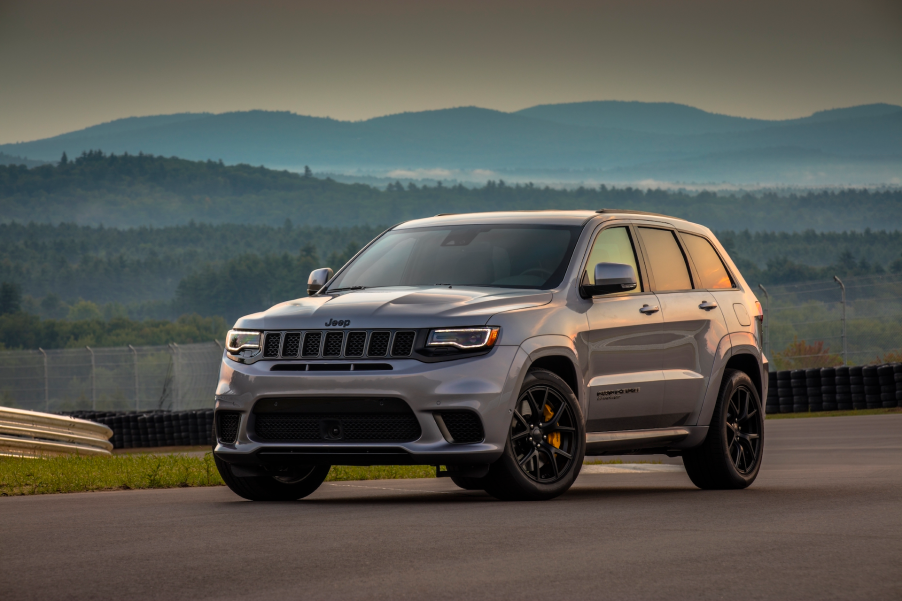
4. 2025 Jeep Grand Cherokee Trackhawk
The 2025 Jeep Grand Cherokee Trackhawk takes the traditional SUV formula and injects it with supercar-level performance. Its combination of a powerful engine, all-wheel-drive capability, and off-road heritage makes it a versatile performance SUV.
Removing it from production would disappoint those who seek both utility and exhilarating performance in one package.
Power comes from a 6.2-liter supercharged V8, producing 707 horsepower. Acceleration is remarkable for a large SUV, with zero-to-sixty achieved in just over three and a half seconds. The engine provides immense torque and a commanding exhaust note, delivering an engaging driving experience unusual in this segment.
Handling is refined for its size. The Trackhawk features performance-tuned suspension, adaptive damping, and an advanced all-wheel-drive system that keeps the SUV stable through corners and at high speeds.
Brakes are oversized, offering reliable stopping power even under spirited driving conditions. Despite its bulk, the vehicle feels agile and connected to the driver.
Exterior styling emphasizes athleticism. Bold lines, wide fenders, hood vents, and distinctive badging signal the Trackhawk’s performance credentials. The design manages to balance aggression with practicality, ensuring it looks impressive both on and off-road.
Inside, the cabin combines luxury and sportiness. Seats are supportive, materials are premium, and controls are intuitive. The interior provides comfort for daily driving while maintaining a driver-focused layout that complements its performance capabilities.
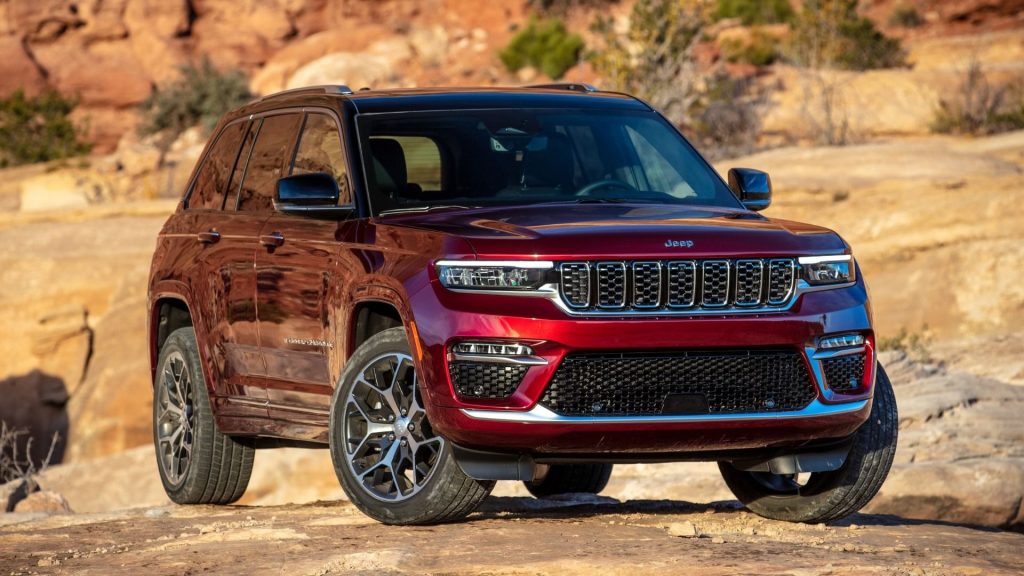
The Trackhawk’s significance is also cultural. It demonstrates that SUVs can offer serious performance without sacrificing utility or brand heritage. Discontinuing the model would remove a vehicle that satisfies enthusiasts seeking extreme performance in a practical form factor.
The 2025 Jeep Grand Cherokee Trackhawk delivers an unusual combination of speed, handling, and utility. Its presence fills a niche that few other vehicles address, making its removal a decision that automakers may come to regret.
5. 2025 Honda Civic Type R
The 2025 Honda Civic Type R is one of the most celebrated hot hatches of its generation. Its combination of track-capable performance, aggressive styling, and practical hatchback versatility makes it a standout. Discontinuing this model would remove an accessible performance car that appeals to both enthusiasts and everyday drivers.
Power comes from a 2.0-liter turbocharged inline-four, producing 306 horsepower. The engine delivers immediate throttle response and strong mid-range torque, making acceleration sharp and engaging. Paired with a six-speed manual transmission, it emphasizes driver involvement, a quality increasingly rare in modern performance vehicles.
Handling is precise and communicative. The Civic Type R features adaptive suspension and performance-tuned chassis components, allowing it to navigate corners with confidence.
Steering is responsive, brakes are firm, and the car’s balanced weight distribution enhances its agility. On both streets and track, it provides an engaging experience that few competitors can match.
Exterior design reinforces its performance identity. Wide fenders, aggressive front fascia, rear wing, and aerodynamic enhancements communicate speed and capability. Despite the bold styling, the Civic Type R maintains a sense of coherence, blending functional performance elements with visual appeal that will age well over time.
Inside, the cabin combines practicality with sport-focused elements. Recaro seats provide support, while intuitive controls and quality materials create a comfortable and functional environment. The interior balances driver engagement with everyday usability, making it suitable for both spirited drives and daily commutes.
Heritage and brand loyalty also enhance the Type R’s value. The model represents Honda’s dedication to performance engineering and reliability.
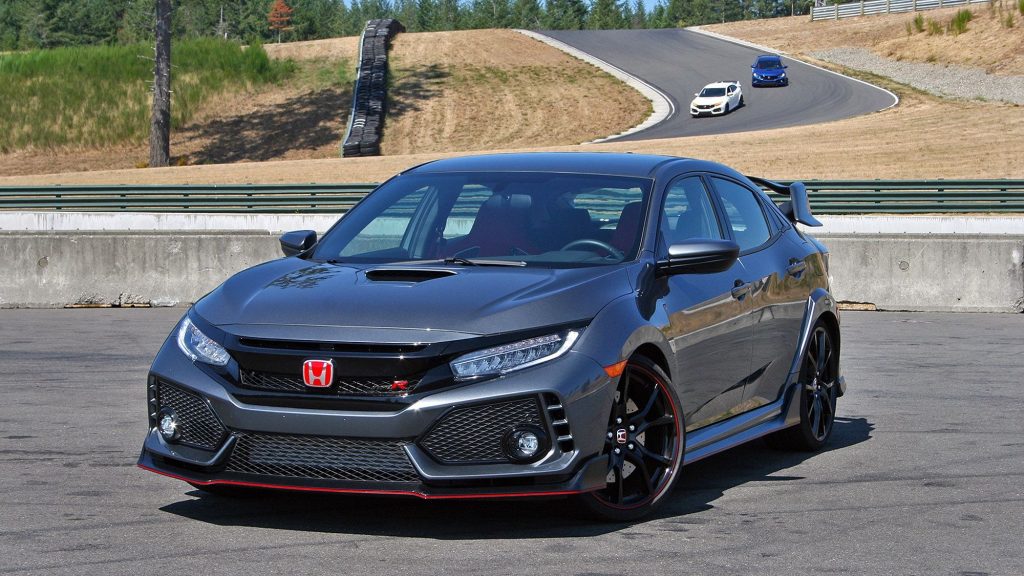
Its presence in the market ensures that enthusiasts have an option for a lightweight, high-revving, engaging sports car. Discontinuing it would remove a unique offering in the performance hatchback segment.
Overall, the 2025 Honda Civic Type R delivers performance, usability, and driver engagement in a compact package.
Its combination of aggressive styling, thrilling driving dynamics, and practical design makes it a vehicle that will be sorely missed if it is no longer available, ensuring that its discontinuation could be one of Honda’s most regretted decisions.
6. 2025 Chevrolet Camaro ZL1
The 2025 Chevrolet Camaro ZL1 represents the pinnacle of the Camaro lineup, blending raw power with refined engineering. Its muscular design, aggressive stance, and track-capable performance make it one of the most memorable American muscle cars.
Removing it from production would eliminate a flagship model that appeals to both enthusiasts and collectors.
Power comes from a 6.2-liter supercharged V8, producing 650 horsepower. The engine delivers immense torque, providing explosive acceleration and a thrilling driving experience. The ZL1 can achieve zero to sixty in just under three and a half seconds, making it one of the fastest cars in its class.
Handling is enhanced through performance-tuned suspension, Magnetic Ride Control, and advanced chassis engineering. The Camaro ZL1 corners with precision, maintains composure at high speeds, and delivers excellent steering feedback. Braking performance is strong and consistent, instilling confidence even during aggressive driving.
Exterior styling emphasizes aggression and aerodynamic efficiency. Wide fenders, hood vents, and splitter designs highlight the ZL1’s performance focus. Despite the bold look, Chevrolet manages to retain the Camaro’s classic identity, ensuring that it remains visually striking for years.
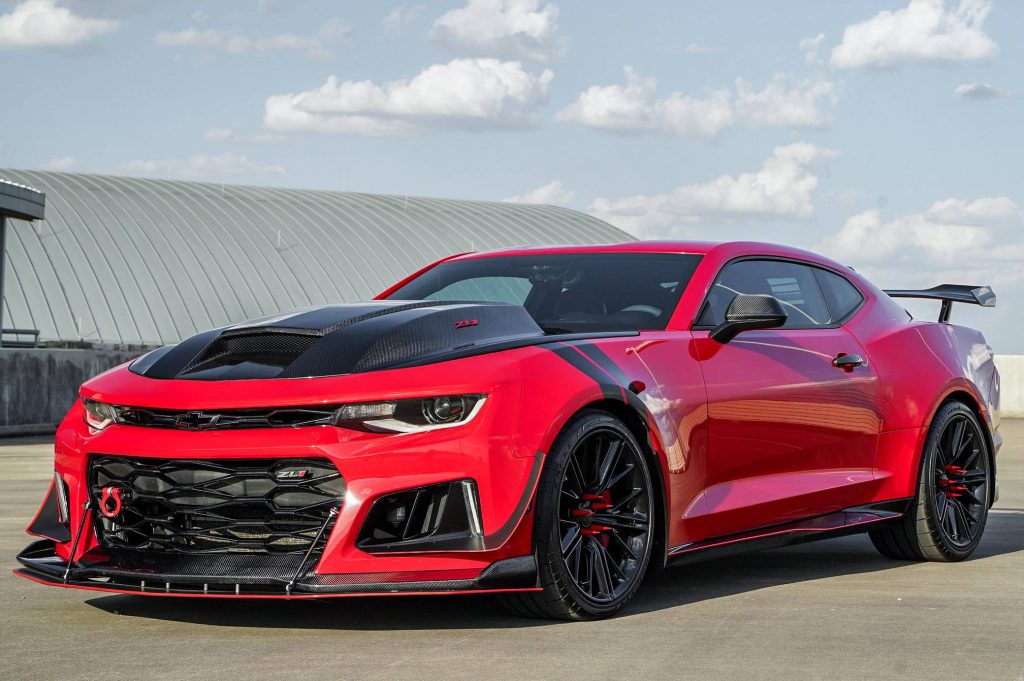
Inside, the cabin balances sportiness and comfort. Performance seats support occupants, while quality materials and intuitive controls provide a driver-focused experience. Technology is integrated seamlessly, enhancing usability without compromising engagement.
The Camaro ZL1 also carries historical significance. It represents the evolution of the American muscle car, combining traditional power with modern engineering excellence. Discontinuing this model would remove a vehicle that embodies speed, style, and heritage, leaving a notable void in Chevrolet’s lineup.
The 2025 Chevrolet Camaro ZL1 delivers thrilling performance, bold design, and a connection to muscle car tradition. Its departure would be deeply felt by enthusiasts and collectors alike, making it a model that automakers may regret retiring.
7. 2025 Subaru WRX STI
The 2025 Subaru WRX STI has long been a favorite among enthusiasts for its combination of rally-inspired performance, all-wheel-drive capability, and distinctive styling. Its departure would remove a car that offers a unique blend of practicality and high-performance excitement in a compact package.
Power comes from a 2.5-liter turbocharged flat-four, producing 310 horsepower. The engine delivers immediate throttle response and ample torque, making acceleration sharp and engaging. Paired with a six-speed manual transmission, it emphasizes driver involvement, a feature increasingly rare in modern performance vehicles.
Handling is a standout feature. The WRX STI’s symmetrical all-wheel-drive system, coupled with performance-tuned suspension and precise steering, allows the car to navigate corners confidently and maintain traction in various conditions. Brakes are strong and predictable, enhancing safety and control during spirited driving.
Exterior design reflects its rally heritage. Hood scoops, aggressive front fascia, rear spoiler, and muscular fenders highlight performance credentials. While bold, the styling remains functional and purposeful, giving the WRX STI an enduring visual appeal that appeals to both enthusiasts and casual observers.
Inside, the cabin combines comfort and driver focus. Seats are supportive, controls are intuitively placed, and materials provide a sense of quality. The layout emphasizes engagement, allowing drivers to remain connected to the road while enjoying the benefits of a practical, compact performance vehicle.
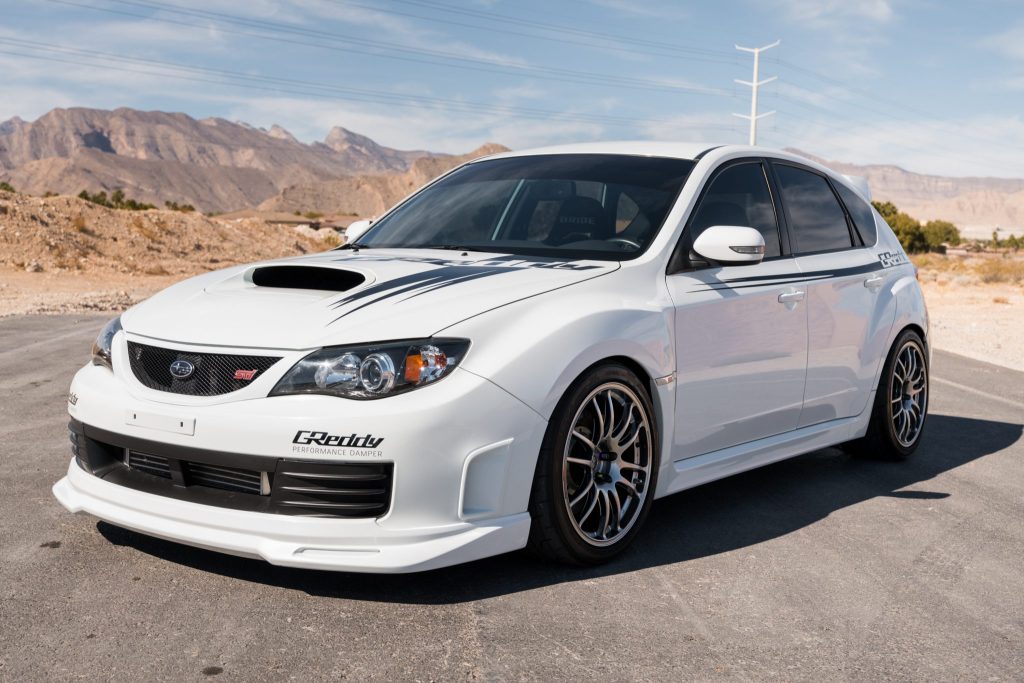
The WRX STI’s significance extends beyond performance. It represents Subaru’s commitment to all-wheel-drive engineering and motorsport heritage.
Discontinuing this model would remove a vehicle that offers an accessible, rally-inspired driving experience in a practical format. Its absence would be felt by enthusiasts who appreciate its unique combination of handling, speed, and everyday usability.
Overall, the 2025 Subaru WRX STI delivers performance, utility, and driving excitement in a compact package.
Its combination of rally-inspired engineering, distinctive styling, and manual transmission ensures it remains a standout. Removing it from production would likely be a regrettable decision for Subaru and its loyal fan base.
8. 2025 Nissan GT-R
The 2025 Nissan GT-R is one of the most iconic Japanese sports cars of modern times. Its blend of twin-turbo power, advanced all-wheel-drive system, and aggressive styling makes it a performance icon.
Discontinuing the GT-R would remove a model that has long been a benchmark for driving enthusiasts seeking high performance without compromise.
Power comes from a 3.8-liter twin-turbo V6, producing 565 horsepower. Acceleration is rapid, with zero to sixty achieved in under three seconds in earlier trims. The engine’s torque delivery is immediate and consistent, providing thrilling performance across all driving conditions.
Handling is precise and engaging. The GT-R features a sophisticated all-wheel-drive system, adaptive suspension, and a low center of gravity that allows it to navigate corners with confidence. Steering is communicative, and braking is robust, giving drivers control and confidence on both track and road.
Exterior styling emphasizes performance and aerodynamics. Wide fenders, aggressive front air intakes, and signature quad taillights create a look that is instantly recognizable. The GT-R manages to maintain a modern appearance while respecting its lineage, ensuring it will remain appealing for years to come.
Inside, the cabin balances technology with sport-focused design. Driver-oriented controls, supportive seats, and high-quality materials ensure a comfortable yet engaging experience. The interior layout complements the car’s high-performance character without feeling overcomplicated or dated.
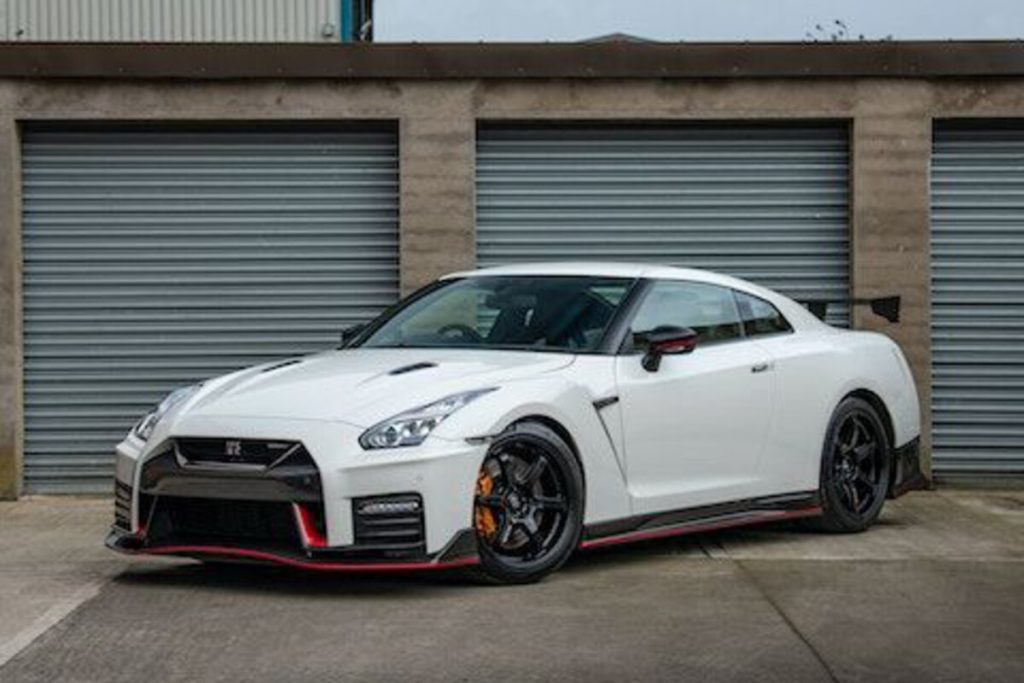
The GT-R carries significant cultural and historical importance. Known as “Godzilla” in enthusiast circles, it represents a high point in Japanese engineering and sports car capability. Its discontinuation would remove a vehicle that combines heritage, performance, and advanced technology in a unique package.
The 2025 Nissan GT-R continues to deliver thrilling performance, precise handling, and iconic design. Its removal from production would leave a noticeable gap in the sports car market and would likely be remembered as a regrettable decision by Nissan and automotive fans worldwide.
The eight cars highlighted in this list demonstrate the unique qualities that make them hard to replace once discontinued. Each model combines performance, design, and driver engagement in ways that resonate with enthusiasts and everyday drivers alike.
From the raw power of the Dodge Charger SRT Hellcat and Chevrolet Camaro ZL1 to the precision and agility of the Honda Civic Type R and Subaru WRX STI, these vehicles deliver experiences that few others can match.
Luxury, heritage, and usability also play key roles. Vehicles like the Nissan GT-R and Jeep Grand Cherokee Trackhawk provide unique blends of speed, practicality, and brand identity, offering something beyond mere performance numbers.
Similarly, the Ford Mustang Mach 1 and Toyota Supra GR carry cultural and historical significance, combining recognizable design with engaging driving dynamics.
Discontinuing these models would remove options that appeal to a wide range of buyers from performance enthusiasts to collectors seeking unique and memorable vehicles.
Their absence would create a noticeable gap in the automotive landscape and could lead to regret for the automakers who retire them. Each of these eight cars stands out not only for what it offers today but for the lasting impact it leaves on driving culture.
