
Automakers often face periods of decline due to economic challenges, changing consumer preferences, or missteps in product strategy.
However, some manufacturers have managed to turn things around, regaining reputation, market share, and consumer trust. These successful comebacks are a testament to strategic vision, innovative products, and careful attention to customer expectations.
A strong comeback typically involves more than just launching new models. It requires a commitment to quality, engineering excellence, and creating vehicles that resonate with buyers.
Automakers that have recovered often focused on reliability, performance, and design while addressing past shortcomings. They managed to create products that appealed both to enthusiasts and everyday drivers.
Brand image and perception play a critical role in reviving sales. Companies that were once struggling to stay relevant found that a well-executed new lineup or reinvention of a classic model could reignite interest.
By combining nostalgia with modern technology, these brands successfully rebuilt their identity and attracted a loyal following.
Innovation in powertrains, safety, and technology also contributes to successful comebacks. Automakers that introduced efficient engines, advanced driver-assist systems, or competitive infotainment options often regained consumer confidence. Attention to detail, handling, and overall driving experience further reinforced their renewed reputation.
This guide highlights ten automaker comebacks that actually worked, examining the models and strategies that led to their resurgence.
Each example demonstrates how careful planning, engineering improvements, and a focus on customer needs can turn a struggling automaker into a respected competitor once again.
From revitalized nameplates to entirely new directions, these stories show that with the right approach, recovery and success are achievable in the competitive automotive industry.
Also Read: 10 Used Trucks That Still Have 100k Miles of Life Left
1. Ford Mustang (Fifth Generation Revival)
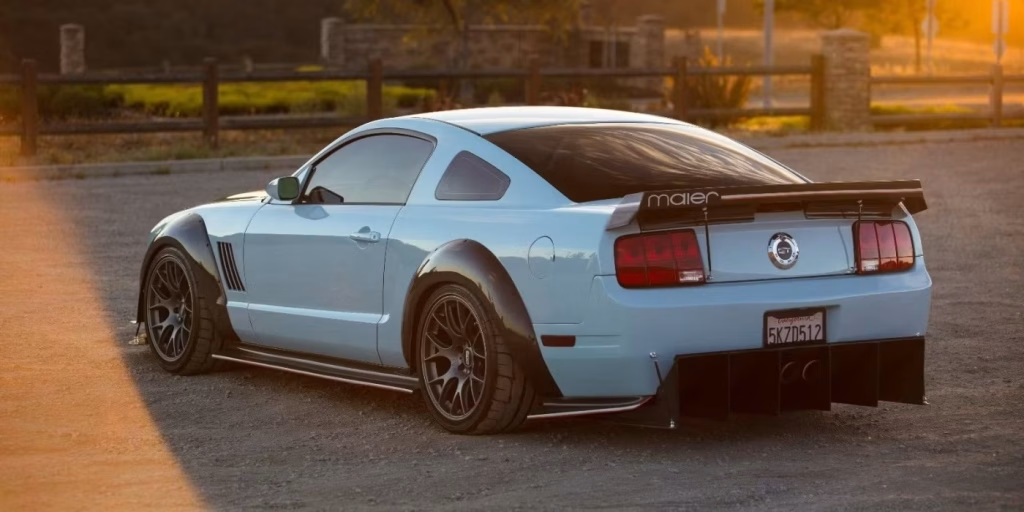
The Ford Mustang experienced a significant resurgence with its fifth-generation release in 2005. Before this generation, the Mustang had faced criticism for aging design and uninspiring performance. Sales were declining, and the car’s reputation as an American icon was under threat. Ford needed a strategy to revive both sales and the Mustang’s image.
The fifth-generation Mustang reintroduced a retro-inspired design that paid homage to the classic Mustangs of the 1960s. This styling choice resonated with enthusiasts and casual buyers alike.
Sharp lines, bold front fascia, and muscular proportions made the car instantly recognizable, giving it renewed visual appeal and reinforcing its identity as a performance-oriented vehicle.
Performance improvements were critical to the comeback. Ford introduced modern V6 and V8 engines, offering stronger acceleration, improved handling, and better fuel efficiency.
The chassis was re-engineered with modern suspension geometry and improved braking systems. These upgrades transformed the Mustang into a more capable sports car that could compete with contemporary rivals.
Interior quality also saw major improvement. Higher-quality materials, better ergonomics, and enhanced technology made the cabin more comfortable and refined. Buyers could enjoy both a performance-focused driving experience and a practical, user-friendly interior, bridging the gap between tradition and modern expectations.
Marketing and positioning played a significant role in the revival. Ford emphasized the Mustang’s heritage while highlighting new performance credentials, creating excitement among long-time fans and attracting new buyers. Limited editions and performance variants like the GT and Shelby models generated buzz and reinforced the car’s performance image.
The fifth-generation Mustang successfully revived interest in the model, leading to strong sales and renewed brand credibility.
It demonstrated that blending heritage-inspired design with modern engineering can restore a struggling icon. Today, the Mustang remains a cornerstone of Ford’s lineup and a symbol of successful automotive revival.
2. MINI Cooper (BMW Revival)
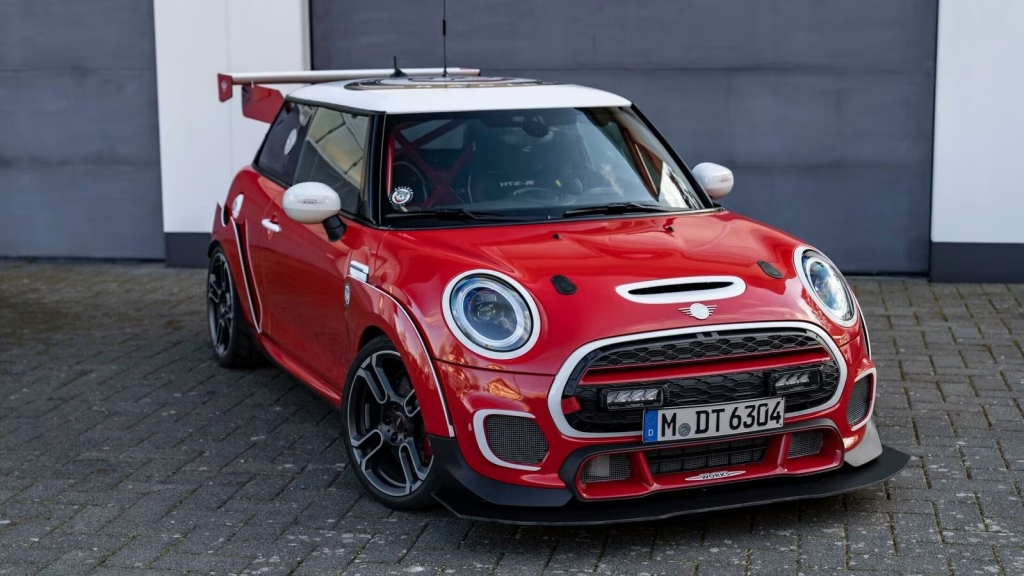
The MINI Cooper’s revival under BMW in 2001 is one of the most famous examples of a successful automaker comeback.
Before the relaunch, the original Mini had become outdated and sales had declined, while the brand risked fading into obscurity. BMW acquired the brand and faced the challenge of modernizing it without losing its distinctive character.
BMW retained the Mini’s compact size and quirky design, preserving the brand’s heritage. At the same time, the new Mini incorporated modern safety, performance, and technology features.
The combination of nostalgic styling with contemporary engineering allowed the car to appeal to both fans of the classic Mini and new buyers seeking a premium small car.
Performance was a key factor in the revival. The Mini Cooper featured responsive engines, sharp steering, and a rigid chassis. Its driving dynamics felt sporty and fun, which appealed to enthusiasts. The balance between compact dimensions and engaging handling created a vehicle that stood out in the small car segment.
Interior quality reflected BMW’s influence. Premium materials, ergonomic layouts, and customizable options made the cabin feel upscale despite its compact size. Technology features such as infotainment, safety systems, and advanced controls reinforced the modern, premium image while maintaining the Mini’s playful character.
Marketing emphasized both heritage and lifestyle. The Mini was positioned as a fun, stylish, and premium city car.
Targeted campaigns, celebrity endorsements, and unique special editions helped generate excitement and renewed interest in the brand. This strategy attracted younger buyers and created a strong brand identity.
The BMW MINI Cooper comeback demonstrated that a thoughtful combination of heritage, modern engineering, and lifestyle-focused marketing can rejuvenate a struggling brand. Its success revitalized MINI as a global brand and established it as a benchmark for small premium cars.
3. Dodge Challenger (Third Generation Revival)
The Dodge Challenger returned in 2008 as a modern muscle car inspired by its classic 1970s predecessor. Before this revival, Dodge had struggled in the performance segment, with aging models failing to capture consumer attention. The Challenger needed a fresh approach that blended heritage with contemporary engineering.
Dodge focused on retro-inspired styling to evoke nostalgia while appealing to a new generation. Bold lines, wide stance, and aggressive front and rear fascias gave the Challenger a commanding presence on the road.
The design resonated with enthusiasts who remembered the original muscle car era and attracted buyers seeking a modern, powerful coupe.
Performance was a major focus. The new Challenger offered multiple engine options, including V6 and HEMI V8 configurations, providing strong acceleration and robust performance.
The chassis and suspension were engineered for improved handling compared to previous generations. This made the car more capable in corners while retaining the straight-line muscle car identity.
Interior improvements emphasized comfort and technology. Soft-touch materials, supportive seats, and modern infotainment systems made the cabin more usable for daily driving.
Dodge balanced the classic muscle car experience with modern convenience, creating a vehicle that appealed to both performance enthusiasts and casual buyers.
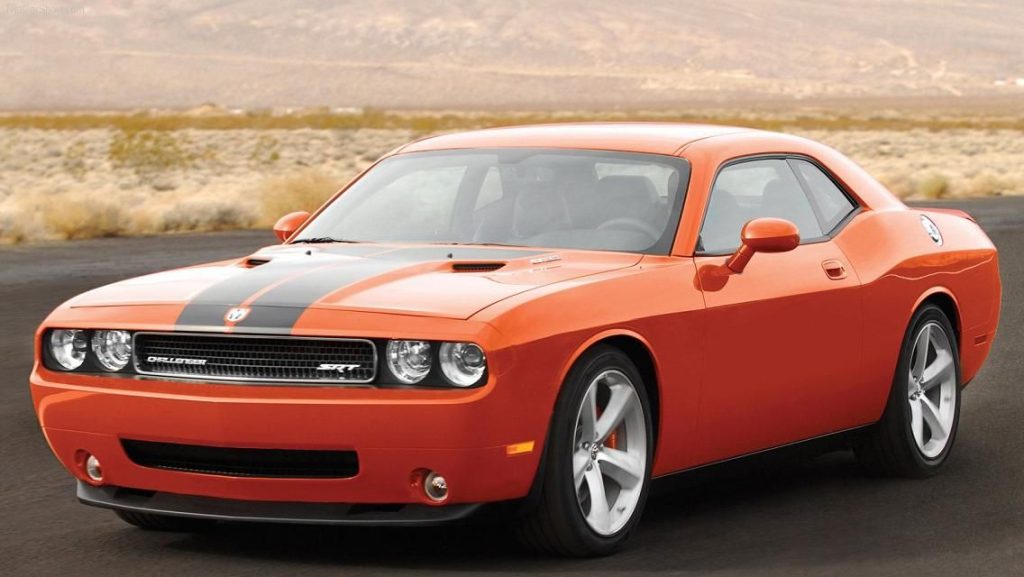
Marketing highlighted the Challenger’s heritage and performance credentials. Special editions, performance trims like the SRT, and racing-inspired branding reinforced the car’s image. Enthusiast communities quickly embraced the revival, further increasing interest and sales.
The Dodge Challenger’s comeback proved to be a success. Strong styling, multiple performance options, and modern engineering revived the muscle car segment for Dodge.
Sales improved significantly, and the model remains a cornerstone of Dodge’s lineup, demonstrating that combining nostalgia with modern capabilities can lead to a successful comeback for an automaker.
4. Jeep Grand Cherokee (Fourth Generation Revival)
The Jeep Grand Cherokee experienced a notable comeback with its fourth-generation release in 2011. Earlier models faced criticism for aging design and less competitive features. Jeep needed to modernize the Grand Cherokee to remain relevant in the growing SUV market.
The fourth-generation Grand Cherokee introduced sleek, modern styling while retaining Jeep’s signature rugged identity. The design combined aerodynamics with muscular lines, giving it both road presence and off-road credibility. This refreshed appearance helped attract buyers who wanted a stylish yet capable SUV.
Performance and capability were key factors in the revival. The SUV offered multiple engine options, including V6 and V8 powertrains, paired with advanced 4×4 systems. Improved suspension and chassis engineering enhanced ride comfort and handling, making the vehicle competitive both on and off the road.
Interior upgrades focused on comfort and refinement. Premium materials, intuitive controls, and advanced infotainment features created a cabin that appealed to both families and enthusiasts. Noise insulation and ergonomic seating added to the perception of quality, elevating the vehicle beyond its previous generation.
Safety and technology were enhanced. Features like adaptive cruise control, lane departure warning, and traction management systems improved both security and usability. These advancements positioned the Grand Cherokee as a modern, well-rounded SUV capable of competing with premium offerings.
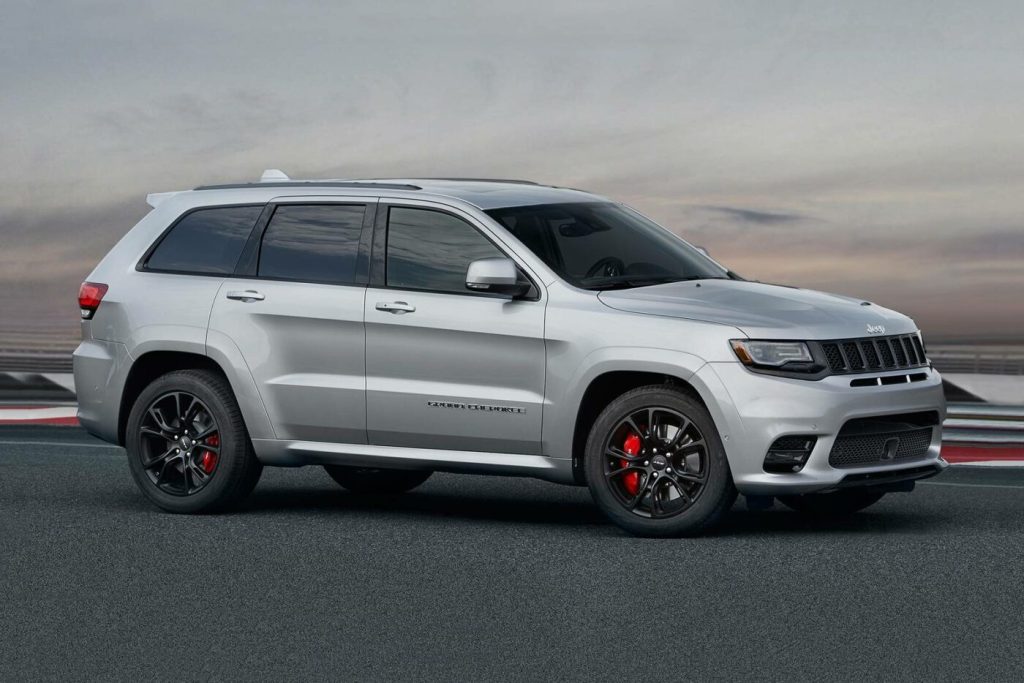
The fourth-generation Grand Cherokee’s revival succeeded in boosting sales and brand perception. By combining rugged capability with modern comfort, technology, and performance, Jeep restored consumer confidence in the model.
The SUV remains a strong contender in its segment, showcasing a successful comeback achieved through careful design and engineering improvements.
5. Toyota Supra (Fifth Generation Revival)
The Toyota Supra made a successful comeback in 2019 after a 17-year hiatus following the fourth-generation model.
The Supra had been a performance icon, but declining sales and changing market demands led to its discontinuation in 2002. Toyota aimed to reignite interest with a modern sports car that honored the Supra legacy.
Design played a pivotal role. The new Supra featured a low, aggressive stance, long hood, and sleek body lines, evoking the spirit of earlier generations. Its aesthetics struck a balance between modern styling and nostalgic cues, capturing attention from both enthusiasts and casual buyers.
Performance improvements were central to the comeback. Toyota partnered with BMW to develop a robust chassis and turbocharged inline-six engine.
The car offered precise handling, rapid acceleration, and a balanced weight distribution, delivering an engaging driving experience. These engineering advancements helped the Supra compete with established sports cars in its segment.
Interior quality reflected modern expectations. Premium materials, supportive seats, and a driver-focused cockpit provided both comfort and functionality. Technology features like infotainment systems, driver-assist functions, and customizable displays enhanced usability without detracting from the performance-oriented experience.
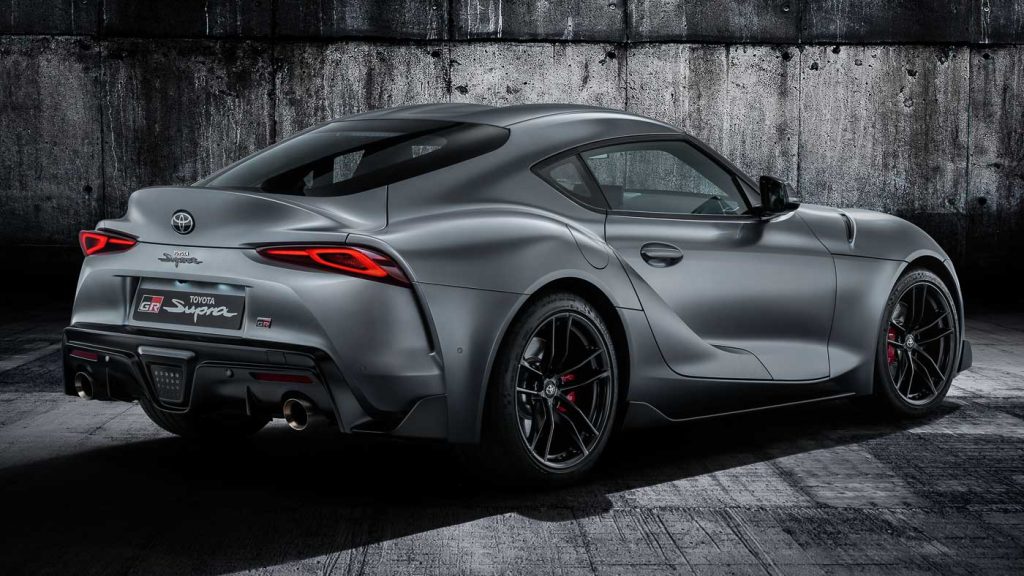
Marketing emphasized heritage and performance. Toyota highlighted the Supra’s history in motorsports and popular culture, generating excitement for the new model. Limited production runs and performance variants fueled demand, further solidifying its comeback.
The fifth-generation Supra’s revival was successful. Its combination of heritage-inspired design, modern engineering, and compelling performance allowed Toyota to restore the Supra’s status as a desirable sports car. Enthusiast communities embraced the return, proving that careful planning and execution could revive a discontinued model.
6. Chevrolet Camaro (Fifth Generation Revival)
The Chevrolet Camaro returned in 2010 after a hiatus of several years. The previous generation had seen declining sales, and the Camaro needed a fresh approach to reclaim its position as a leading American muscle car. Chevrolet focused on combining modern performance with retro-inspired styling.
The fifth-generation Camaro featured a bold, aggressive design reminiscent of the 1969 classic. Muscular lines, wide fenders, and distinctive front and rear styling created an iconic presence. This visual connection to the past attracted enthusiasts and reinforced the Camaro’s performance image.
Performance upgrades were substantial. The Camaro offered V6 and V8 engines with improved power output, modern suspension, and enhanced braking systems. Handling was sharper than in previous generations, providing a driving experience that balanced straight-line muscle with cornering capability.
Interior improvements enhanced comfort and usability. The cabin featured premium materials, ergonomic seats, and advanced technology such as infotainment systems and driver-assist features. These upgrades made the Camaro suitable for both daily driving and spirited performance sessions.
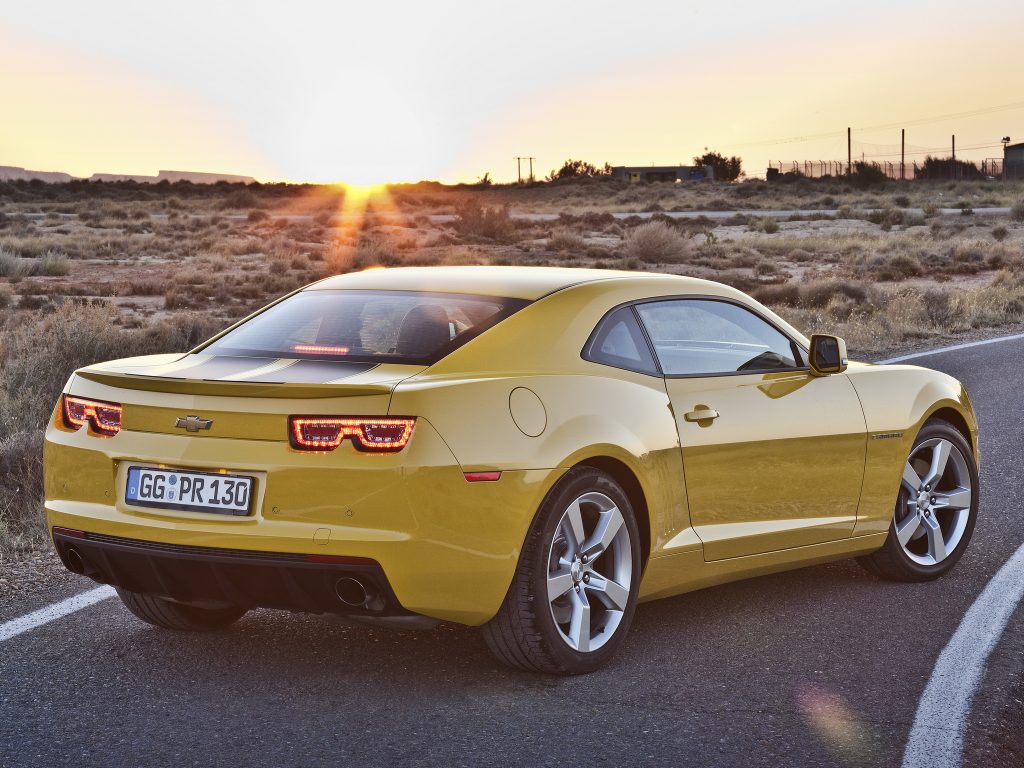
Marketing played a key role. Chevrolet emphasized the Camaro’s heritage, including its racing history and iconic design. Special editions and performance trims, such as the SS and ZL1, generated excitement and reinforced its status as a serious muscle car.
The fifth-generation Camaro successfully revitalized the brand. Strong sales, positive reviews, and renewed consumer interest demonstrated that combining heritage, modern engineering, and thoughtful marketing can turn around a struggling model.
The Camaro’s comeback reinforced Chevrolet’s muscle car credibility and showcased a blueprint for automaker recovery.
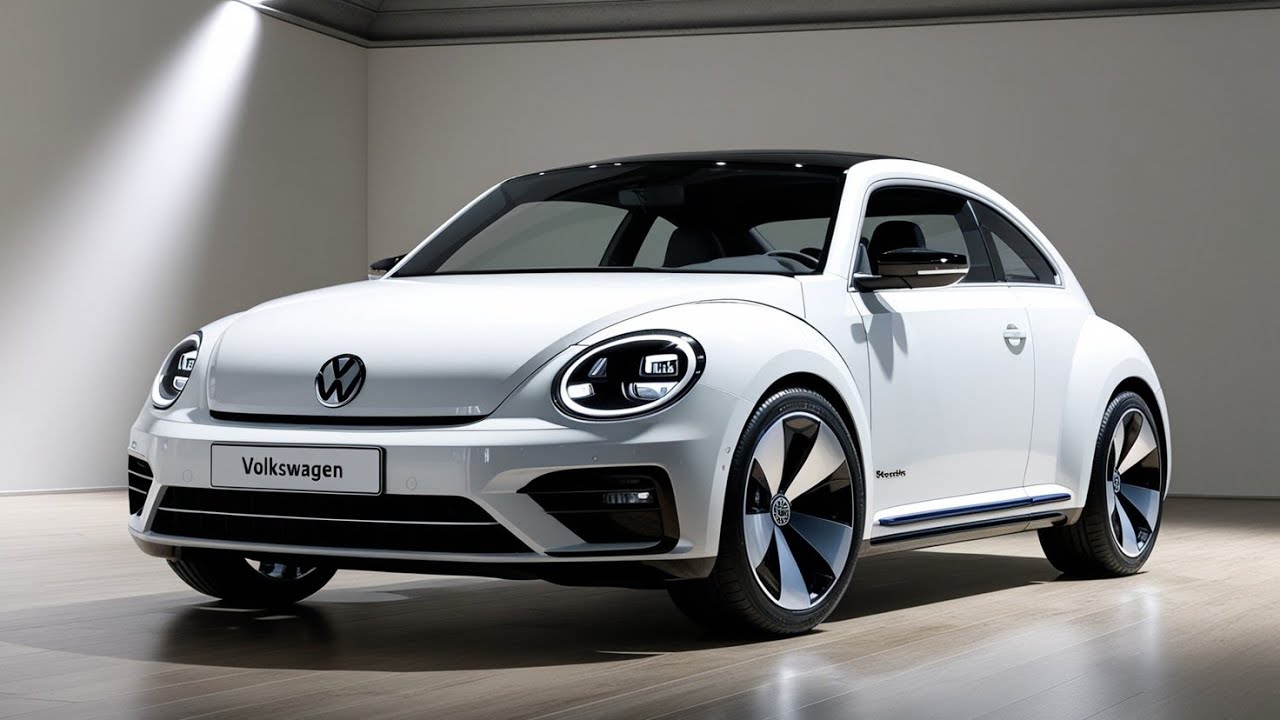
7. Volkswagen Beetle (New Generation Revival)
Volkswagen revived the Beetle in 1998 with the New Beetle, years after the classic model’s production ended in 1979.
The original Beetle was an iconic car but had become outdated in design and technology. Volkswagen aimed to capture nostalgia while appealing to modern buyers with contemporary features.
The New Beetle retained the recognizable rounded shape, sloping roofline, and circular headlights, paying homage to its heritage.
At the same time, it incorporated modern design elements and updated proportions to appeal to a new generation of drivers. The exterior design bridged the past and present, making it visually distinctive in the market.
Performance improvements were essential. The New Beetle featured modern, efficient engines that provided smooth power delivery for city and highway driving. Handling was refined, with a more stable suspension and responsive steering than the original model. While it was not a sports car, the driving experience felt reliable and composed.
The interior was redesigned for comfort and usability. Quality materials, ergonomic seating, and advanced controls gave the cabin a modern feel. Infotainment systems, climate control, and safety features ensured that the Beetle could compete with contemporary compact cars while retaining its playful charm.
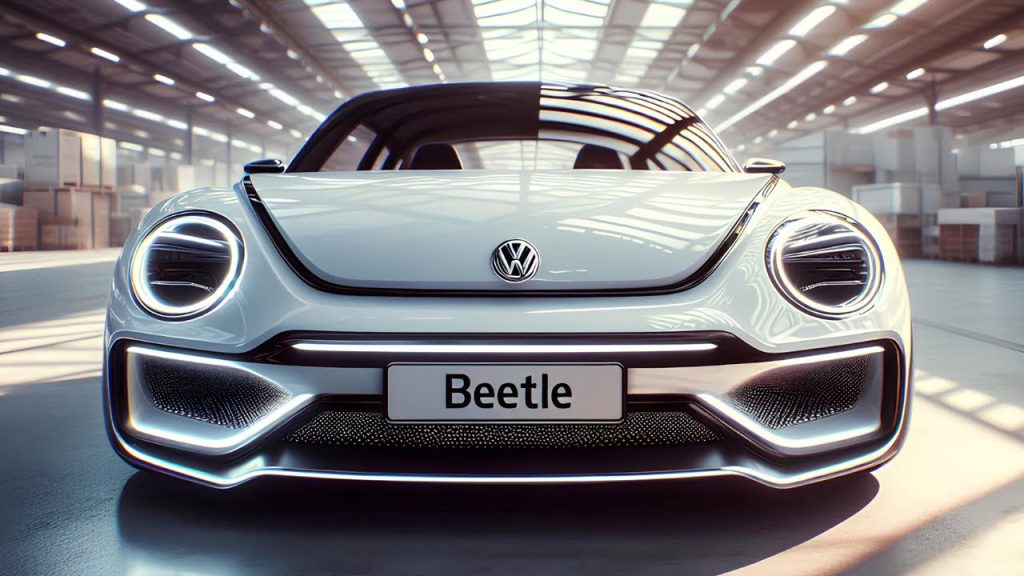
Marketing emphasized the Beetle’s nostalgic appeal. Volkswagen highlighted its history, quirky character, and iconic design. Special editions and customizable options allowed buyers to express individuality, which helped the Beetle gain popularity with younger audiences and enthusiasts alike.
The New Beetle successfully revived interest in the model, turning it into a fashionable, urban-friendly car. It combined classic design cues with modern engineering, safety, and comfort, proving that a heritage-inspired model could achieve a successful comeback.
The model maintained strong sales for several years and reinforced Volkswagen’s ability to revitalize a historic nameplate.
8. Nissan GT-R (R35 Revival)
The Nissan GT-R R35, introduced in 2007, marked a significant comeback for Nissan’s performance division. Following the decline of the previous GT-R models and waning interest in Japanese supercars, Nissan aimed to create a world-class high-performance sports car capable of competing globally.
The R35 featured aggressive, aerodynamic styling with wide fenders, prominent front fascia, and a low, sleek profile. Its bold design emphasized performance, speed, and technology. Unlike its predecessors, the R35 combined advanced engineering with modern aesthetics, appealing to both enthusiasts and performance buyers.
Performance was central to the comeback. The R35 featured a twin-turbocharged V6 engine paired with a six-speed dual-clutch transmission and all-wheel drive. This combination provided remarkable acceleration, handling precision, and stability at high speeds.
Advanced suspension and braking systems allowed the car to perform exceptionally on both road and track.
The interior offered driver-focused ergonomics. Premium materials, racing-inspired seats, and advanced instrumentation reinforced the car’s high-performance character. Infotainment and control systems were modernized, providing comfort and usability alongside the sports car experience.
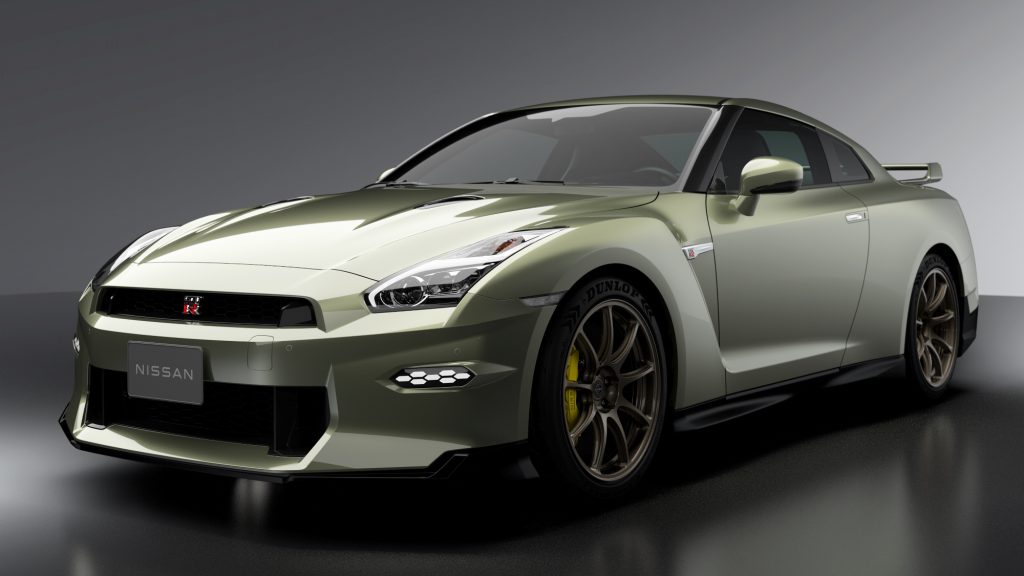
Marketing highlighted the GT-R’s technological advancements and racing pedigree. Nissan positioned it as a global competitor, capable of challenging European supercars at a fraction of the price. Limited editions and continuous updates kept interest high and reinforced the GT-R’s status as a cutting-edge performance machine.
The R35 GT-R successfully revitalized Nissan’s reputation in the performance segment. Its combination of advanced engineering, aggressive styling, and world-class performance turned the GT-R into an iconic sports car.
The comeback demonstrated that a well-engineered vehicle, coupled with strategic marketing, can restore a brand’s credibility and prestige.
9. Honda NSX (Second Generation Revival)
Honda revived the NSX in 2016 after the original model was discontinued in 2005. The first NSX had been a groundbreaking sports car, but sales declined due to increasing competition and changing market demands. Honda aimed to re-establish its presence in the high-performance segment with a modern interpretation of the NSX.
The second-generation NSX featured sleek, aerodynamic styling with sharp lines, low stance, and aggressive front and rear fascias.
The design emphasized speed and advanced engineering, signaling a serious high-performance sports car. Honda successfully combined modern aesthetics with the heritage of the original NSX.
Performance was central to the comeback. The new NSX used a hybrid powertrain combining a twin-turbo V6 with three electric motors.
This setup delivered exceptional acceleration, precise handling, and all-wheel-drive stability. Advanced suspension and braking systems ensured confident cornering and track-capable performance, showcasing Honda’s engineering prowess.
The interior reflected modern luxury and technology. Premium materials, supportive seats, and a driver-focused cockpit created a refined experience.
Infotainment, advanced driver-assist systems, and precise instrumentation provided both comfort and usability, balancing the car’s performance orientation with everyday practicality.
Marketing emphasized the NSX’s history, innovation, and world-class performance. Honda targeted enthusiasts and high-performance buyers, highlighting the car’s technological advancements and racing-inspired engineering. Limited production and special editions added exclusivity and desirability.
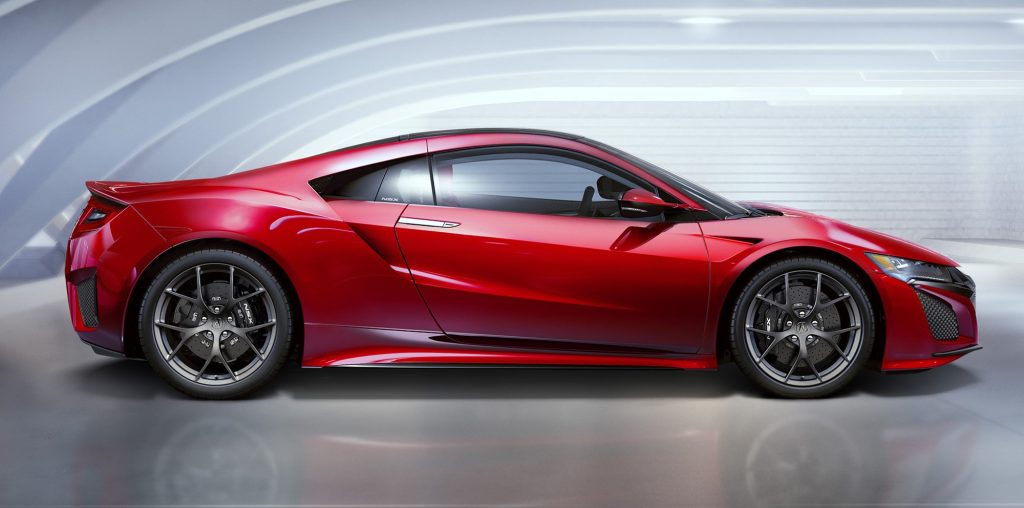
The second-generation NSX successfully revived Honda’s high-performance reputation. Its combination of hybrid technology, aggressive design, and exceptional handling reaffirmed the brand’s engineering capability.
The NSX’s comeback demonstrated that innovation, heritage, and careful execution can restore a vehicle’s status and appeal in a competitive segment.
10. Subaru WRX (Revival of the STI Legacy)
The Subaru WRX and STI models, revitalized in the late 2000s, represent a successful return to performance-focused sedans for the brand. Earlier models faced declining sales due to aging design and less competitive handling. Subaru aimed to restore excitement by combining rally heritage with modern performance.
The revived WRX featured aggressive styling, functional hood scoops, wide fenders, and sporty proportions. Its exterior design emphasized speed and capability, appealing to both rally enthusiasts and mainstream buyers. Subaru preserved the car’s identity while updating it for contemporary tastes.
Performance improvements were critical. Turbocharged engines, all-wheel-drive systems, and sport-tuned suspensions provided precise handling, excellent traction, and spirited acceleration. These upgrades reinforced the WRX’s rally-inspired reputation while making it practical for everyday use.
The interior was upgraded for comfort and usability. Supportive seats, quality materials, and modern infotainment features created a functional yet refined cabin. Driver-focused ergonomics enhanced engagement, balancing performance needs with daily usability.
Marketing highlighted Subaru’s rally heritage and performance credentials. Enthusiast communities embraced the WRX and STI models, helping generate excitement and strengthen brand loyalty. Special editions and continuous improvements maintained interest and sales momentum.
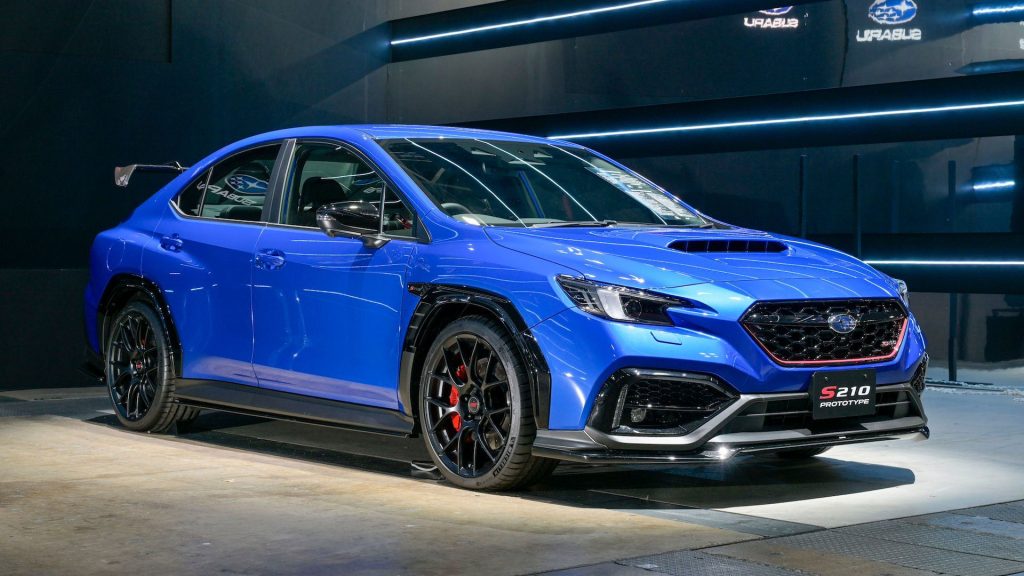
The WRX revival successfully restored Subaru’s performance image. Its combination of aggressive styling, precise engineering, and heritage-focused marketing allowed the brand to reclaim a position in the high-performance sedan segment.
The success of the WRX demonstrates how a thoughtful revival strategy can reignite consumer interest and brand credibility.
Also Read: 10 Cars Design That Make No Sense but People Love Anyway
