
Some cars stay on sale long after they should have been retired. Others arrive as new releases yet make little sense from the start. In 2025, the auto market is filled with advanced EVs, connected interiors, and vehicles that can almost drive themselves.
Yet, scattered among them are models that seem stuck in another era or designed with no clear reason to exist.
These cars often continue production only because of brand stubbornness or leftover tooling that keeps factories busy. In some cases, the name still carries enough nostalgia to justify one more year. But beyond emotion, they lack purpose.
They either underperform in safety, offer poor efficiency, or simply fail to meet the standards of today’s buyers.
Every major automaker has one or two of these head-scratchers. Some cling to outdated engines that guzzle fuel. Others present half-baked electric versions that feel rushed.
A few are trapped between categories, neither rugged enough for adventure nor refined enough for comfort. Yet, they persist, rolling off assembly lines while better cars quietly outclass them.
The strangest part is that many of these vehicles still find buyers, often through heavy discounts or blind brand loyalty. But when you look at what’s available in 2025, these cars feel like relics or experiments gone wrong.
Whether kept alive by habit, cost-cutting, or misplaced optimism, they stand as reminders that not every car on the road deserves its place there.
Here are 10 cars that simply shouldn’t exist in 2025 but still do, each for its own frustrating, amusing, or baffling reason.
Also Read: 10 $10,000 Cars That Can Run for 10 More Years
1. Mitsubishi Mirage
The Mitsubishi Mirage keeps surviving year after year, even though every sign suggests it should have ended production long ago.
In 2025, when compact EVs and hybrid hatchbacks dominate the entry-level segment, this small gasoline-powered relic still rolls off assembly lines. It feels trapped in a different decade, and that’s not a compliment.
Its 1.2-liter three-cylinder engine produces barely enough power for highway merging. Acceleration is slow, and the engine drones loudly when pushed.
The Mirage was designed for efficiency, but that comes at the cost of comfort and refinement. Even budget-conscious drivers now expect smoother performance, yet Mitsubishi hasn’t changed much besides mild cosmetic tweaks.
Inside, the interior tells the same story. Thin, scratchy plastics and outdated switchgear remind you this car prioritizes cost over quality. The seats lack proper cushioning for long drives, and road noise fills the cabin easily.
The touchscreen looks old, the graphics are dull, and smartphone connectivity feels tacked on. Safety ratings are another concern, as rivals in the same price range now offer automatic braking, blind spot warnings, and stronger crash protection.
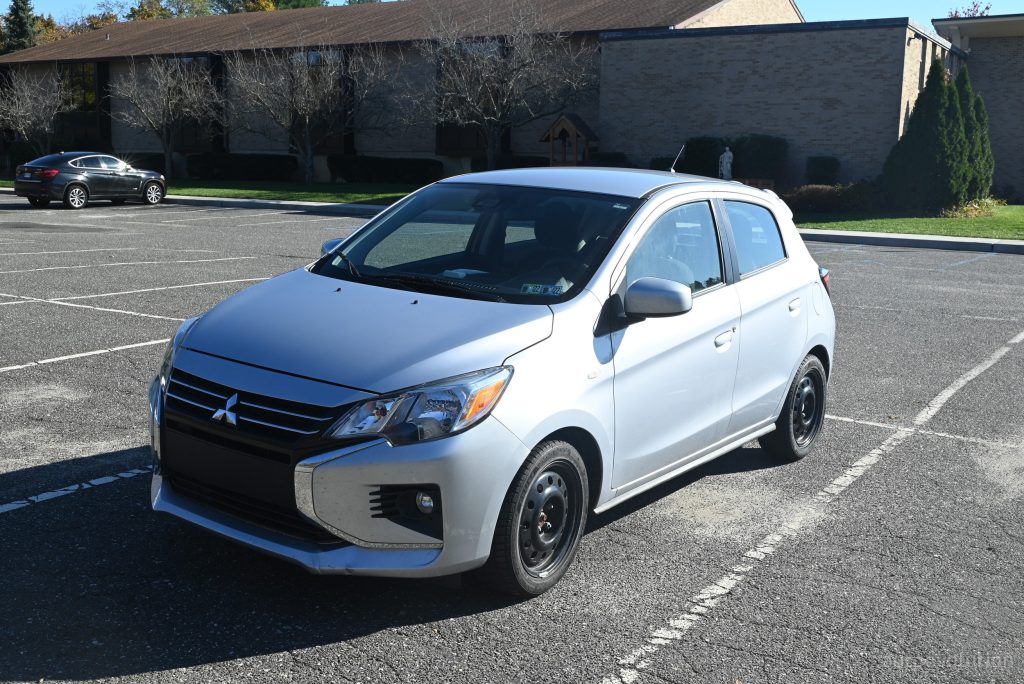
Mitsubishi justifies its continued production by targeting rental fleets and first-time buyers seeking low monthly payments. But that’s a short-term strategy. When used hybrids and EVs offer far more comfort and safety for similar money, the Mirage loses its one advantage.
The car still manages to find a few loyal customers who like its simplicity and easy maintenance. Yet, that isn’t enough to excuse its outdated design. In 2025, a car like this feels unnecessary.
The Mirage represents a time when “cheap” was the only requirement. Today, affordability and innovation can coexist. Unfortunately, this model never evolved to prove it.
2. Dodge Challenger
The Dodge Challenger continues to roar through 2025, still wearing its muscle car badge proudly. Yet, that pride feels misplaced.
The design looks striking at first glance, but beneath the bold styling lies a platform that dates back more than a decade. While Dodge insists on keeping it alive, the Challenger feels like a farewell act stretched far too long.
Its massive V8 engines deliver thunderous power, but in a time when electric sports cars provide instant torque and lower emissions, these gas-hungry beasts feel outdated.
The Challenger remains fast in a straight line but clumsy in corners. The heavy chassis and poor visibility make daily driving tiring, and the fuel economy is embarrassingly low for 2025 standards.
Inside, the car tells a similar story. The retro design feels nostalgic, yet the technology doesn’t keep up with modern expectations. The infotainment screen looks smaller compared to what rivals offer, and many safety features come as expensive options rather than standard. The rear seats and trunk are spacious, but that’s where practicality ends.
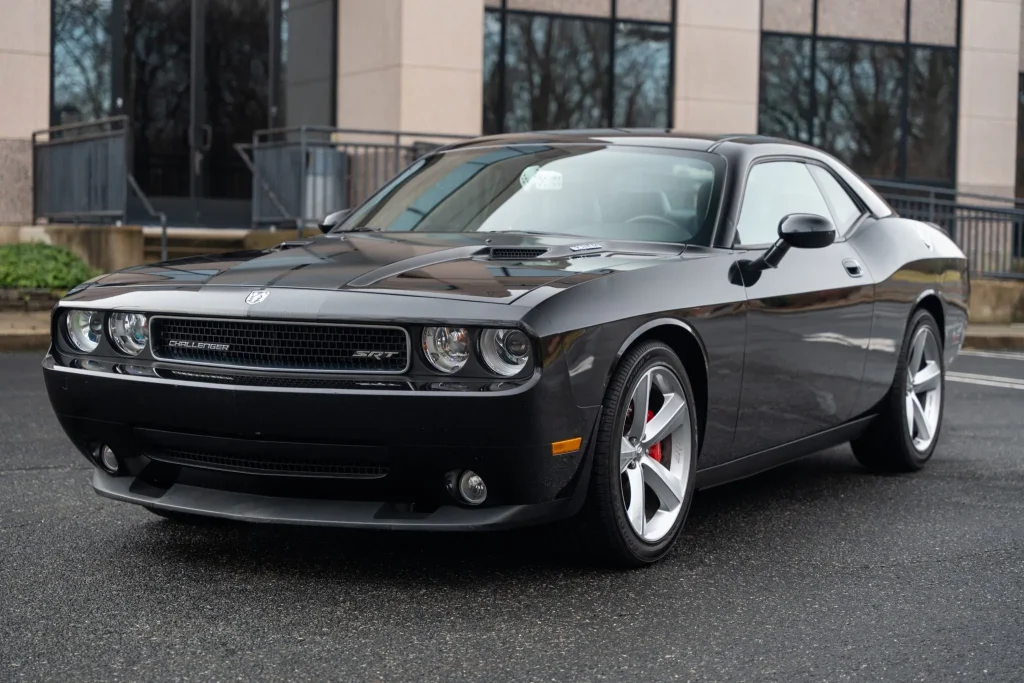
What keeps the Challenger around is pure emotion. It appeals to drivers who crave old-school sound, raw power, and that feeling of controlling a mechanical monster. But as more brands commit to electrified performance, the Challenger’s stubborn resistance feels like a refusal to move forward.
Dodge keeps releasing “last call” editions, each claiming to celebrate the model’s heritage, yet production continues. That constant prolonging has drained its impact. Instead of a graceful farewell, it feels like a stretched encore no one asked for.
The Challenger will always be a legend in car culture, but by 2025, it no longer fits the market’s reality. It should have retired with dignity, not limped through another year of nostalgia.
3. Nissan GT-R
The Nissan GT-R was once a hero of modern performance cars. When it first arrived, it changed everything about what people expected from a Japanese supercar. But that was nearly two decades ago. In 2025, the GT-R still exists, but its relevance has faded, replaced by fresher, smarter, and faster competition.
Under the hood, the twin-turbo V6 still delivers jaw-dropping acceleration. The all-wheel-drive system remains a marvel of precision. Yet, none of it feels new anymore. Most of the architecture dates back to 2007, and even with constant small updates, the core design shows its age. What was once futuristic is now stubbornly old-fashioned.
The interior highlights this even more. The dashboard layout looks like it belongs to another generation. The seats are supportive but narrow, and the infotainment system feels clunky compared to what even a base Porsche or Tesla offers today.
At its current price, the GT-R no longer feels like a performance bargain. It’s expensive and heavy, yet lacking the refinement or technology expected at this level.
Even die-hard fans admit that Nissan has stretched the GT-R’s lifespan too far. Electric sports cars now reach 60 mph in half the time, with zero noise and zero emissions. Meanwhile, the GT-R roars proudly but burns fuel like a supercar from a forgotten era.
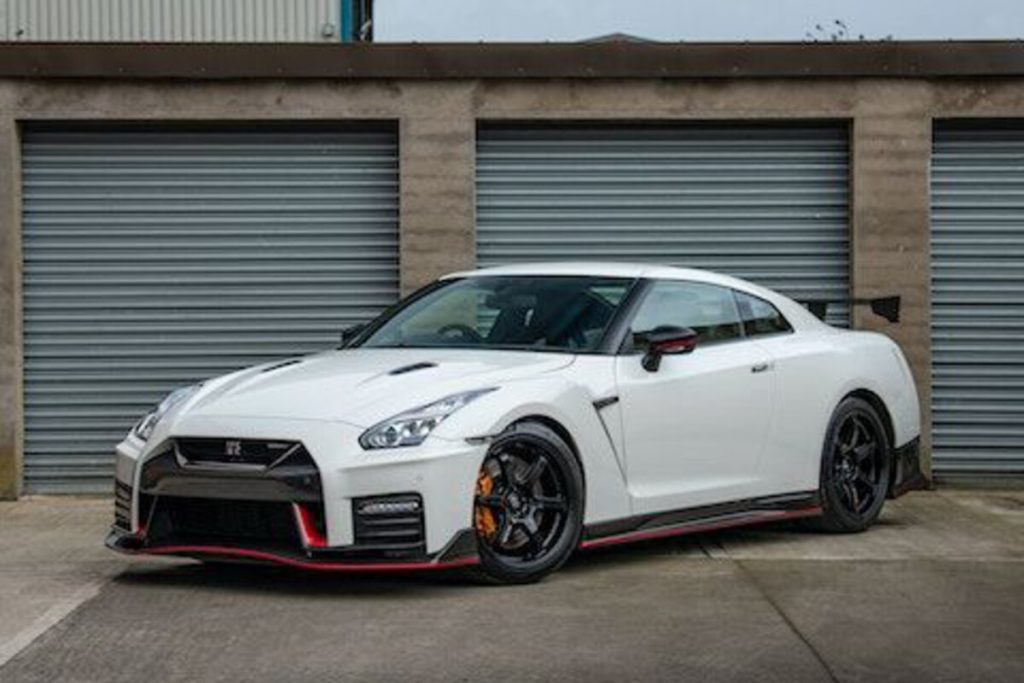
Its continued existence feels like a stubborn act of loyalty from Nissan. The brand seems unwilling to let go of a car that once defined its engineering strength. A proper successor would have honored its name better. Instead, the GT-R keeps limping forward, powered by nostalgia and diminishing sales.
In 2025, this once-revolutionary machine feels like a retired champion forced back into the ring. It deserves respect for what it achieved, but not for what it has become.
4. Chevrolet Malibu
The Chevrolet Malibu is one of those cars that just won’t quit, no matter how irrelevant sedans have become in most markets. Once a strong family car contender, it now exists mainly as a placeholder in Chevy’s lineup. In 2025, with SUVs and crossovers dominating sales charts, the Malibu’s presence feels unnecessary.
The design still looks pleasant, but nothing stands out. Underneath, it carries aging components shared with older GM models. Its base engine offers decent efficiency, but performance remains uninspiring.
Ride comfort is fair, yet road noise creeps into the cabin at highway speeds. The steering feels light and disconnected, reminding drivers of how much better modern mid-size sedans from Asia have become.
Inside, it offers acceptable space but lacks personality. The dashboard layout is plain, and the touchscreen feels smaller than what buyers expect today.
Connectivity features are basic, and the materials don’t match the premium feel offered by even entry-level rivals. It’s functional but dull, built to meet a checklist rather than inspire ownership pride.
Chevrolet continues to produce it for fleet use, not personal buyers. Rental agencies and government contracts keep demand alive, which explains why the Malibu lingers on. Yet, this strategy gives it a ghost-like presence in the market. It sells, but almost nobody actually wants one.
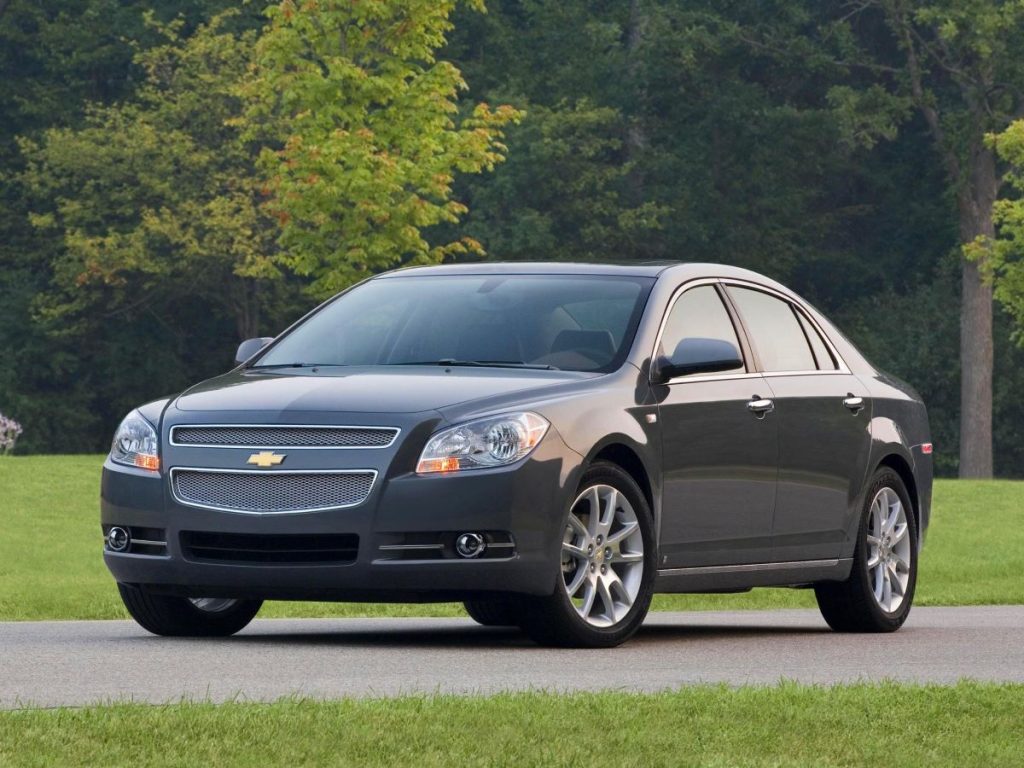
The midsize sedan segment has evolved, with brands like Hyundai, Kia, and Toyota raising the bar in design, tech, and reliability. The Malibu, meanwhile, remains trapped in a formula that worked ten years ago but feels hollow today.
Its survival reflects corporate hesitation more than customer loyalty. Chevy likely keeps it because ending production would mean admitting defeat in the sedan category. But the truth is simple: the Malibu should have bowed out gracefully years ago. In 2025, it stands as a leftover, not a leader.
5. Jeep Cherokee
The Jeep Cherokee has been around for decades, but its 2025 version feels like a vehicle without direction. Once known for its off-road credibility, the modern Cherokee now sits awkwardly between rugged adventure and urban crossover comfort. It tries to please everyone and ends up standing for nothing.
The design still carries Jeep’s recognizable grille, but the rest of the body looks dated beside the brand’s newer models. The interior, though improved slightly in materials, remains cramped compared to rivals. The infotainment system feels functional but uninspired, and its base trims lack many features that should now be standard.
Performance is another area where the Cherokee feels tired. The four-cylinder and V6 engine options are old and thirsty, offering unimpressive acceleration and weak fuel economy.
While the optional all-wheel-drive system gives it some credibility off-road, most owners never use that capability. For daily driving, the ride feels stiff, and handling lacks the precision expected in 2025.
The real issue is that Jeep already offers better options. The Compass and Grand Cherokee are more polished, and the Wagoneer takes luxury to another level. That leaves the Cherokee stuck in the middle, overshadowed from every angle. Even Jeep fans have begun to ignore it, preferring models that better reflect the brand’s reputation.
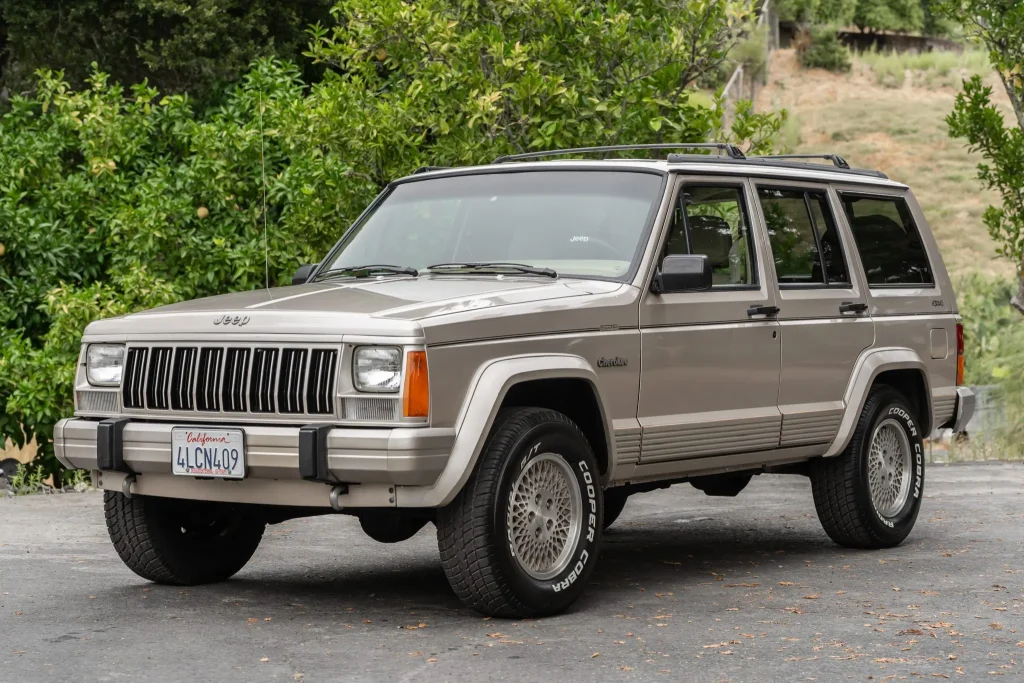
Sales have dropped, yet Jeep keeps it alive, possibly to fill a price gap between its smaller and larger SUVs. But that’s not a good enough reason anymore.
The Cherokee once defined adventure for families who wanted comfort and capability in one package. Now it’s a leftover from a time when crossovers were still finding their identity.
In 2025, the Cherokee’s presence feels more like a placeholder than a purposeful product. It deserves a fresh start or a dignified retirement. Right now, it’s stuck in limbo, reminding everyone that even iconic names can overstay their welcome.
6. Toyota C-HR
The Toyota C-HR entered the market with sharp styling and bold marketing, but by 2025, its futuristic look feels old and its practicality remains questionable. It was supposed to attract younger buyers with sporty design and modern features, yet its compromises make it one of Toyota’s least convincing offerings.
The C-HR’s biggest problem is space. Despite its crossover appearance, the interior feels cramped, especially in the rear seats. The sloping roofline eats into headroom, and the small windows make the cabin feel dark. Cargo capacity is limited, making it less useful than traditional hatchbacks that cost less.
The engine doesn’t help either. The C-HR’s small four-cylinder engine delivers modest power at best, and the continuously variable transmission makes it sound strained when accelerating.
It’s fine for city commuting, but highway driving reveals its lack of energy. Fuel economy is acceptable, yet nothing remarkable for its class, especially when newer hybrids outperform it easily.
Toyota’s build quality remains solid, but even that can’t hide the outdated feel. The touchscreen system lags behind the company’s newer interfaces, and the dashboard design feels cluttered. Rivals like the Hyundai Kona and Honda HR-V offer more technology, more room, and better efficiency for similar prices.
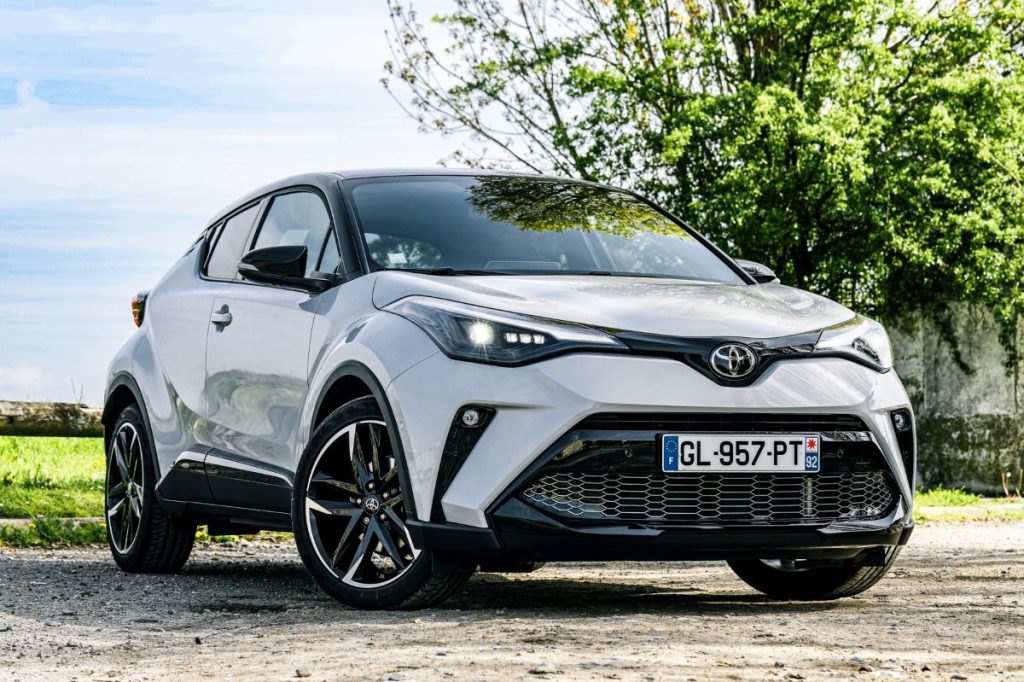
In 2025, the C-HR feels unnecessary, especially with Toyota’s other crossovers like the Corolla Cross and RAV4 covering every possible buyer need. The C-HR no longer fits anywhere in the lineup. Its styling, once daring, now seems forced, and its driving experience fails to match its sporty looks.
Toyota’s reputation for reliability is the only thing keeping it afloat, but even that won’t save a model that lacks purpose.
The C-HR’s time has clearly passed. It entered the scene with promise but never delivered on it. In today’s market, it’s a stylish shell without substance, and its existence in 2025 feels like a decision driven by habit rather than demand.
7. Ford EcoSport
The Ford EcoSport is a small SUV that never quite found its place, and yet, it still lingers on in 2025. When it launched, it offered affordability and compact dimensions that worked well in city traffic. But over time, every rival improved while the EcoSport stayed frozen in its first-generation flaws.
Its design looks tall and boxy, but it’s misleading. Inside, the space feels tight, with limited rear legroom and a narrow cargo area.
The side-hinged rear door remains one of its most criticized features, making it inconvenient to use in tight parking spots. It’s a design quirk that should have been dropped years ago but somehow remains.
Performance is underwhelming. The small three-cylinder engine provides adequate power only for light city driving. Once on highways, the lack of refinement becomes clear.
The ride feels jittery, and the cabin gets noisy quickly. Competing small SUVs from Kia, Hyundai, and even Chevrolet now offer far smoother rides and more advanced drivetrains.
The interior reflects cost-cutting at every level. The dashboard materials feel basic, the seats lack support, and the infotainment setup looks outdated. Ford’s newer models, even their budget ones, showcase significant tech upgrades, making the EcoSport’s cabin feel like a leftover project.
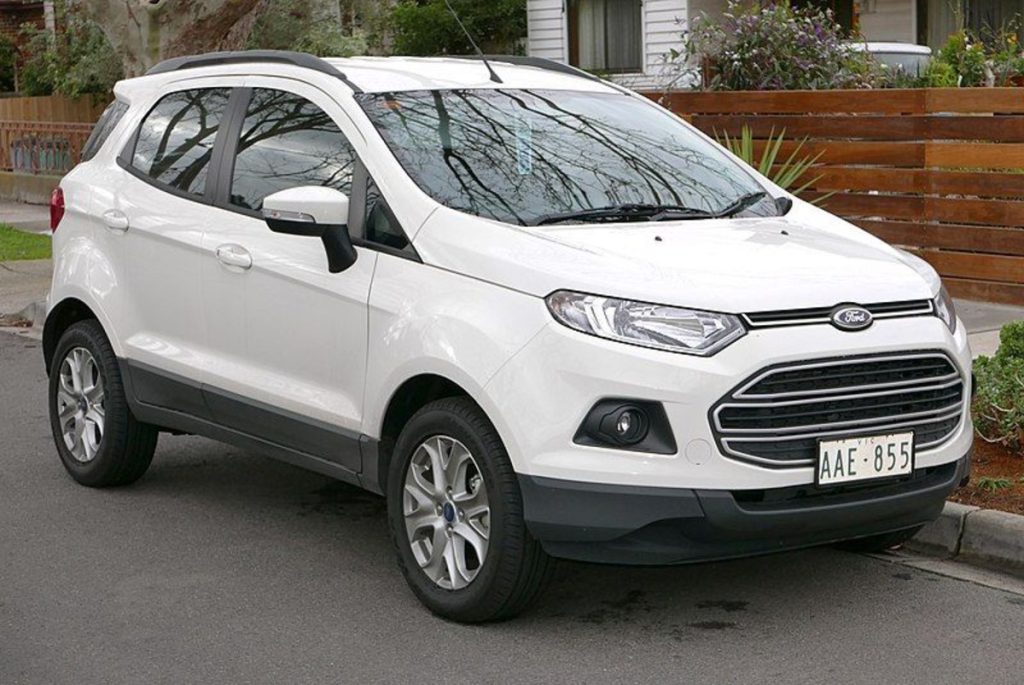
Ford officially stopped selling the EcoSport in several markets, yet production continues in certain regions due to existing contracts and assembly commitments. That’s the only reason this vehicle is still around. It sells mostly through discounts and rental fleets, not genuine consumer demand.
The EcoSport once had potential, but it never evolved. Today’s drivers want small SUVs with personality, technology, and strong safety records. The EcoSport offers none of these in convincing form. In 2025, it’s hard to justify its existence beyond clearing old inventory. It’s a car that should have exited gracefully years ago.
8. Chrysler 300
The Chrysler 300 has been around so long that it now feels like a ghost from another decade. In 2025, it’s still being sold, largely unchanged in its core design and driving character. What was once a symbol of American luxury has become an aging sedan kept alive by brand inertia.
Its styling remains bold and imposing, but familiarity has dulled the impact. The squared-off shape and large grille once gave it presence, yet now it feels like a leftover from the early 2010s. While some updates have tried to modernize the look, the underlying design still shows its age.
The engines are powerful, especially the V8 option, but they also make the 300 thirsty. With new regulations and the rise of efficient hybrids, its fuel economy is difficult to defend. The car’s weight and size make it sluggish in corners, and the suspension setup feels more tuned for comfort than control.
Inside, the 300 offers plenty of space and soft materials, but the tech features lag far behind newer rivals. The infotainment system still looks and behaves like something from a previous generation. Safety technology exists, but it’s not as comprehensive as what other brands now provide as standard.
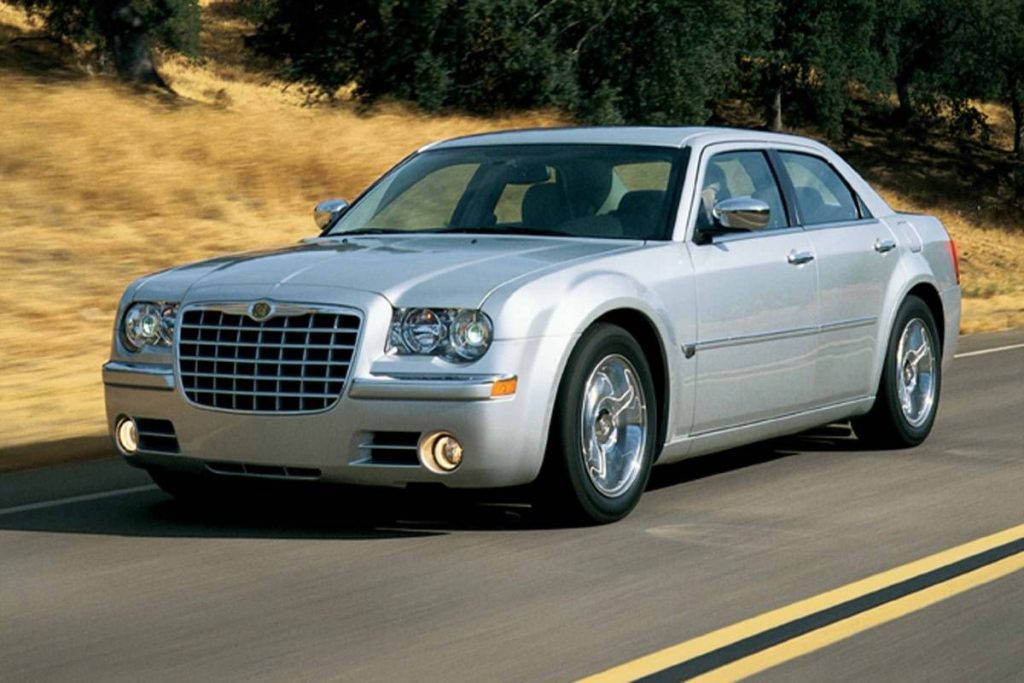
Chrysler keeps the 300 around partly because it has no direct replacement ready. The brand itself struggles to stay relevant, with only a few models in production. Fleet buyers and long-time fans keep sales steady enough to justify minimal production runs, but it’s clear that this sedan’s purpose has expired.
In 2025, when even large luxury cars are moving toward electric or hybrid systems, the 300’s persistence feels outdated. It stands as a reminder of a time when size and power defined prestige. Today, it’s an echo of that past, surviving more from habit than innovation.
9. Infiniti QX50
The Infiniti QX50 should have been one of the most competitive luxury crossovers in its class, but by 2025, it feels like a missed opportunity that refuses to leave the stage. It’s not a bad car in isolation, but everything about it feels one generation behind. The market around it has evolved, while Infiniti seems to have paused in time.
On paper, it sounds impressive. The QX50 features a variable-compression turbocharged engine, a technology once promoted as revolutionary.
In practice, the result is uneven. It promises efficiency and performance, yet delivers neither convincingly. Acceleration feels delayed, and fuel economy lags behind modern hybrid rivals.
The design still looks elegant from the outside, but inside, the story changes. The dual-screen layout is awkward and confusing. The graphics look outdated, and responsiveness is poor. Material quality varies depending on the trim level, and even in higher variants, it lacks the cohesive luxury feel found in Lexus, Genesis, or Audi interiors.
Driving it doesn’t spark excitement either. The steering feels artificial, and the suspension tuning fails to balance comfort and agility. For a vehicle marketed as a premium experience, the QX50 feels generic once you’re behind the wheel.
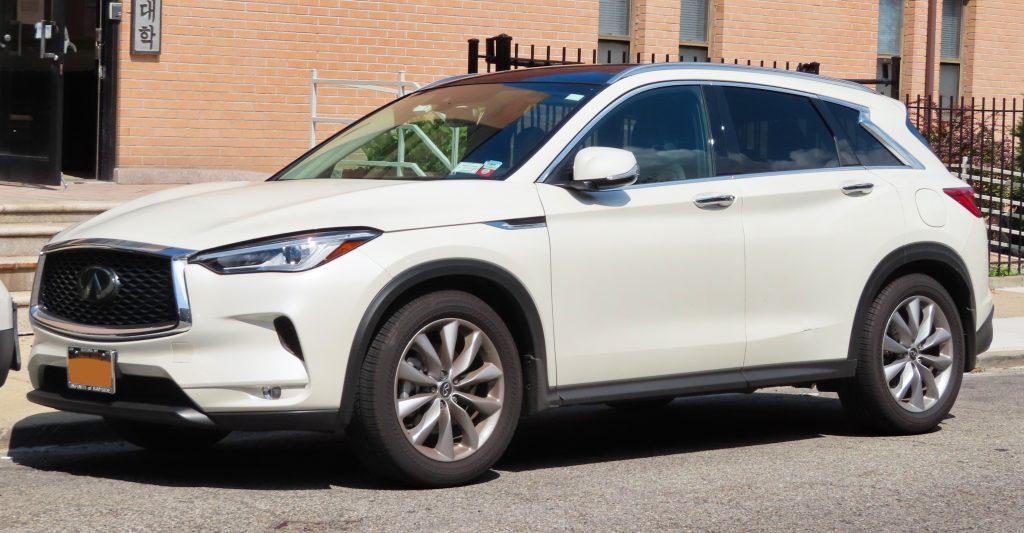
Infiniti continues producing it mainly to maintain presence in the luxury crossover market, but buyers have already moved on. Sales have dropped, and many dealerships rely on discounts to move inventory. The brand’s overall identity has faded, and the QX50 represents that struggle clearly.
It’s not that the QX50 is terrible. It’s simply outdated and uninspired in a segment overflowing with innovation. Infiniti had a chance to redefine its image with this car, but instead, it ended up building a reminder of what happens when ambition fades. In 2025, the QX50 exists only because it hasn’t been replaced yet, not because anyone truly needs it.
10. Volkswagen Passat
The Volkswagen Passat was once a cornerstone of the midsize sedan market. It offered German refinement at a reasonable price, and for years, it had a loyal following. In 2025, however, its continued existence feels unnecessary, as even Volkswagen seems unsure what to do with it.
The design hasn’t evolved meaningfully in years. The lines are clean but dull, and nothing about it signals excitement or innovation. Many other brands have turned their sedans into stylish, tech-forward models, while the Passat remains safe and predictable. That sense of restraint has now turned into stagnation.
Under the hood, the engines are efficient but uninspired. The turbocharged four-cylinder performs adequately but lacks character.
The hybrid option, where available, offers better mileage, yet it doesn’t stand out against Toyota’s or Hyundai’s systems. The ride is comfortable but forgettable, and handling feels detached compared to sportier competitors.
Inside, the cabin is spacious and well-built, yet devoid of warmth. The design feels businesslike, almost sterile.
The infotainment setup is functional but outdated, lacking the modern graphics and features found in the brand’s electric lineup. The car feels like a leftover from a pre-EV mindset, designed to fill a segment that’s shrinking fast.
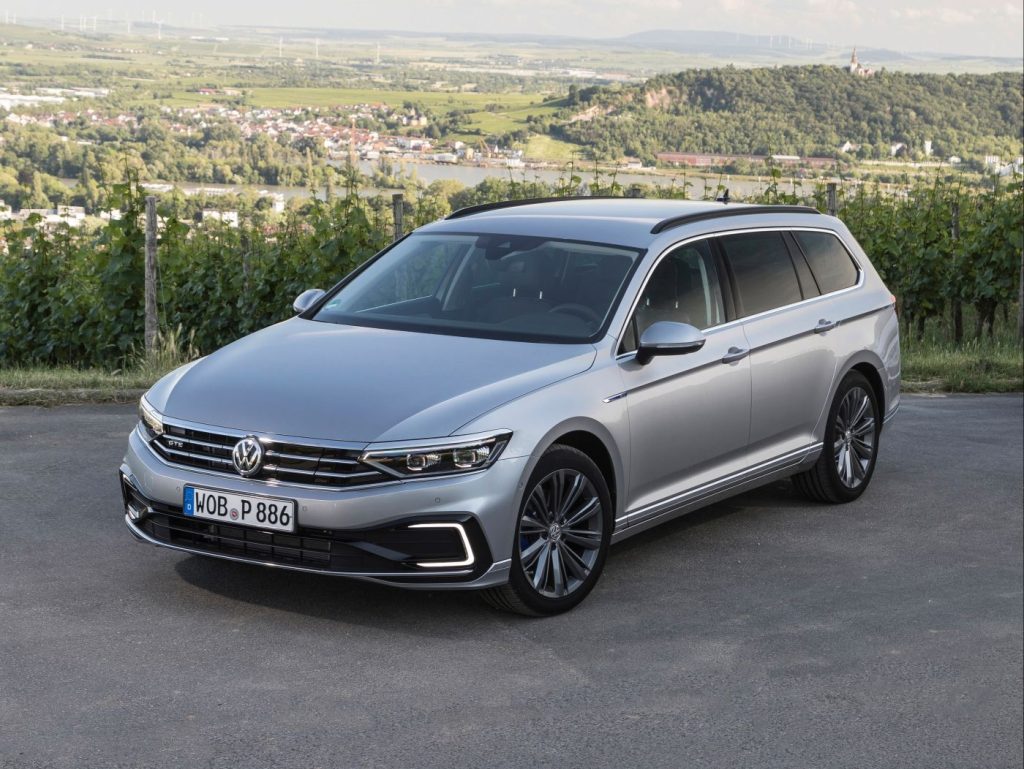
Volkswagen’s focus has clearly shifted toward its electric models, leaving the Passat as an afterthought. Fleet sales and conservative markets keep it alive, but the energy behind it is gone. It’s a car built out of obligation, not vision.
In 2025, when the automotive world is full of creative electric designs and connected experiences, the Passat’s quiet persistence feels misplaced. It’s a well-made car that’s no longer relevant. Reliable, yes. Necessary, no. The Passat should have ended with dignity, but instead, it lingers on as a shadow of its former self.
Looking across these ten cars, a clear theme emerges. Each one continues to exist not because it pushes innovation forward, but because of hesitation, nostalgia, or leftover manufacturing plans. They are survivors in a time that rewards progress, not persistence for its own sake.
The Mitsubishi Mirage and Ford EcoSport cling to the low-cost market but fail to meet the comfort and technology expectations that buyers now take for granted.
The Dodge Challenger and Chrysler 300 hold on through heritage and emotional appeal, yet both represent a style of motoring that no longer fits modern priorities.
Others, like the Nissan GT-R and Jeep Cherokee, carry names that once meant greatness but now serve as reminders of what happens when companies avoid reinvention. Their engineering once stood at the top, but time has stripped away that shine.
Meanwhile, the Toyota C-HR and Infiniti QX50 illustrate how poor positioning and lack of identity can sink otherwise capable vehicles.
They are stuck between being stylish and useful, never quite finding balance. The Chevrolet Malibu and Volkswagen Passat round out the list as examples of sedans kept alive purely for continuity rather than true demand.
Each of these cars has its strengths, but in 2025, those strengths no longer justify their existence. The industry is moving toward smarter, cleaner, and more connected vehicles. These models, while familiar, have become symbols of resistance to that change.
They remind us that not every car on the road represents progress. Some are just echoes of what once worked, holding on until the market finally moves past them. Their stories show how difficult it is for automakers to let go, even when the road ahead clearly calls for something new.
Also Read: 10 Cars That Are Loved by Owners but Hated by Critics
